

1. Introduction
In Indonesia, the demand for natural fibers continues to grow, especially in the textile region. Over the past decades, cotton has dominated the domestic textile industry. However, cotton production has shown a downward trend recently due to limited cultivation areas, susceptibility to pests and diseases, and dependence on imported seeds of better varieties. Thus, local production fails to meet national demand and requires addressing the deficiency through large-scale imports [1]. This condition affects the textile industry by increasing production costs and reducing competitiveness. Given this situation, it is essential to identify alternative fiber crops that can be cultivated locally and adapted to Indonesian conditions. Promoting alternative fiber crops also supports the long-term sustainability of the growing fiber industry.
Ramie (Boehmeria nivea L. Gaud.) is one potential alternative fiber crop. Besides being used for fiber, it can also be utilized as animal feed. Its adaptability to local environmental conditions and its multipurpose applications show its economic value. However, the large-scale utilization of ramie remains limited because it relies on conventional methods such as rhizomes and stem cuttings. These methods have low multiplication rates, require a long production cycle of up to two years, and are prone to disease transmission through vegetative planting materials [2,3]. This limitation slows down the development of ramie cultivation programs.
In vitro propagation offers an alternative method for producing ramie seedlings in large numbers. This technique allows rapid multiplication of uniform and disease-free plants under controlled conditions. It is not affected by seasonal changes, so seedlings can be produced throughout the year
[4]. In addition, it ensures that healthy and consistent planting materials are available to support large-scale cultivation. The success of tissue culture depends on several factors, including the type of explant, sterilization method, composition of the growth medium, and the type and concentration of plant growth regulators [5,6]. Apical shoots are often chosen as explants because their actively dividing meristem cells have a high ability for regeneration and shoot formation [7].
Cytokinin are important for shoot multiplication, and 6-Benzyl Amino Purine (BAP) is commonly used because it is effective, stable, and relatively affordable [8,9]. BAP stimulates cell division, promotes axillary shoot development, and reduces apical dominance, thereby supporting optimal shoot growth. However, its effect depends on the concentration used. Appropriate levels can increase shoot formation, while excessive amounts may cause callus formation and toxic effects that damage the explant [10]. The use of BAP needs careful adaptation because plant responses to cytokinin can vary. Each species can respond differently, and the type of explant may impact the outgrowth. In the case of ramie, information about the most effective BAP concentration remains limited. This makes further study necessary, especially to develop a further reliable in vitro propagation system.
Based on that reflection, this disquisition examined how apical shoot explants of the Wonosobo ramie clone respond to several BAP concentrations under in vitro conditions. Through this evaluation, it is expected that a further ultrapractical micropropagation path can be formulated, which may support the development of sustainable fiber crop products in Indonesia.
2. Methodology
2.1. Experimental Site and Design
The study was conducted at the Tissue Culture Laboratory, Faculty of Agriculture, Universitas Padjadjaran, from August 2020 until June 2021. A completely randomized design (CRD) was applied with six BAP concentrations (0, 0.5, 1.0, 1.5, 2.0, and 2.5 ppm) in four replications. Apical shoots explants (0.5-1.0 cm) were measured and taken from the initial Wonosobo ramie clone. These explants were cultured on Murashige and Skoog (MS) medium containing sucrose and solidified with Gelzan.
2.2. Plant Material and Explant Preparation
The materials used in this study include MS basal medium cream, BAP as a cytokinin source, sterile distilled water, ethanol 70%, 0.1 N NaOH, and 0.1 N HCl. Plastic covers, rubber bands, slush paper, and labels were also prepared as additional materials. Dithane M-45 (fungicide), Agrept (bactericide), Clorox solution, and HgCl2 were utilized on explant surface sterilization. An analytical balance, spatula, glass stirrer, hot plate, pH meter, and a laminar air flow cabinet
(LAFC) are essential equipment during the experiment.
2.3. Culture Medium and Sterilization
Apical shoot segments from a healthy two-month-old ramie were selected and cut into suitable size for inoculation. All glassware and equipment were sterilized in an autoclave at 121°C for 15 minutes or in an oven, depending on the substance. The MS medium was prepared by dissolving the crude salts in distilled water, then Sucrose (30 g/L) and Gelzan (2 g/L) were added as a carbon source and to gelate the medium, and then pH (5.6-5.8) was adjusted with NaOH or HCl. The medium was then subsequently poured into culture vessels, and BAP was added at the specified treatment concentration. After that, the medium was autoclaved before explant inoculation.
2.4. Culture Conditions and Observations
Explants were sterilized sequentially using cleansing, fungicide, bactericide, 70 % ethanol, Clorox, and HgCl, with sterile distilled water rinses after each step to minimize chemical residues. The explant was then aseptically inoculated onto the prepared culture medium for a 16-hour photoperiod and 8-hour dark cycle at room temperature. Several parameters were observed during the experiment, such as survival rate, contamination rate, time to shoot emergence, shoot number and height, number of leaves, time to root appearance, and number of roots formed. A thermohygrometer was utilized to record daily temperature and relative humidity. Morphological changes were recorded weekly.
2.5. Statistical analysis
The collected data were analysed using IBM SPSS Statistics Version 23. Mean valuations were calculated for each treatment. One-way ANOVA was performed to determine whether BAP concentration had a significant effect on the observed variables. Further mean comparison using Duncan Multiple Range Test (DMRT) at 5% significance (P>0.05) was conducted when the ANOVA indicated a significant effect. Treatment means were presented in the results.
3. Results and Discussion
3.1 Supporting Observations
Culture Room Temperature (°C) and Relative Humidity (%)
During the experiment, the average temperature in the culture room was 22.8°C, while the relative humidity was 67.1%. These conditions were generally suitable for supporting ramie in vitro culture without major disturbance and allowing the development of stable shoots and leaves. Basri [15] stated that most tissue culture growth occurs at temperatures between
22-27°C. Temperature too low or to high outside this range can inhibit enzyme activity and disrupt cell divisions, leading to cellular damage that breaks down the excrescence. Explants grown on MS medium with BAP showed greener leaves and sturdier shoots than those grown without BAP. Greener leaves indicate good chlorophyll conformation, which is determined by internal plant physiological mechanisms and stable environmental including light, temperature, and humidity [11].
In this case, the better visual interpretation of BAP- treated explants was likely due to both suitable room conditions and the hormonal effect of cytokinin. It was also observed that explants with BAP remained fresh and firm for a longer period. Control explants tended to grow more slowly and appeared slightly dehydrated compared to treated explants. This suggests that BAP helped control internal hormonal balance under in vitro conditions. Basri [15] also pointed out that stable temperature and humidity are important to support hormone activity and plant development in culture.
Appearance of Explants
From the first until the eighth week after inoculation, differences among treatments became increasingly clear. At 4 weeks, early shoot conformation appeared in explants treated with 0.5, 1.5, and 2.5 ppm BAP. At 6 weeks, both shoots and leaves were more fully developed. At 8 weeks, plantlets grown with BAP, especially at 1.5 ppm, showed better growth than the control. Leaves appeared greener, stems were thicker, and shoot numbers were advanced. BAP 1.5 ppm produced compact and healthy plantlets. Meanwhile, control plantlets were taller but had fewer shoots and relatively fewer leaves (Figure 1).
Callus formation was constantly observed at 1.0 and 2.0 ppm BAP. This response may result from the interaction
between auxin and added cytokinin, which can transform organ formation into callus growth [12]. High BAP concentration may lead to toxic compounds or disrupt organ development [13].
3.2 Main Observations
Explant Survival Rate (%)
The survival rate reflects how well explants adapt to the in vitro condition. In this study, the highest survival rate was recorded at 0.5 ppm BAP, while the lowest was at 2.0 and 2.5 ppm. (Figure 2). Low BAP concentration may stimulate cell division while preserving cellular balance, so explants survive more effectively.
High BAP concentration, on the other hand, can cause hormonal imbalance and physiological pressure. This may lead to cell damage and reduce the survival rate. Similar results were reported by Okello et al. [14], who stated that high cytokinin levels may inhibit growth rather than improve it. These indicate that BAP concentration must be carefully controlled to support growth without negatively affecting explant viability.
Contaminated Explants (%)
Contamination occurred during the first 7-14 days after inoculation and was excluded from growth analysis. This contamination was caused by poor sterilization procedures. Higher tissue stress, which may boost susceptibility to infection, was observed in culture with high BAP (2 – 2.5 ppm). The browning and phenolic oxidation observation indicated that a lower BAP concentration resulted in less browning and contamination (Table 1). Zhao et al. [15] explained that balanced hormonal conditions can reduce phenolic oxidation during culture cultivation. Therefore, maintaining a sterile and healthy culture requires optimal BAP concentrations [16].
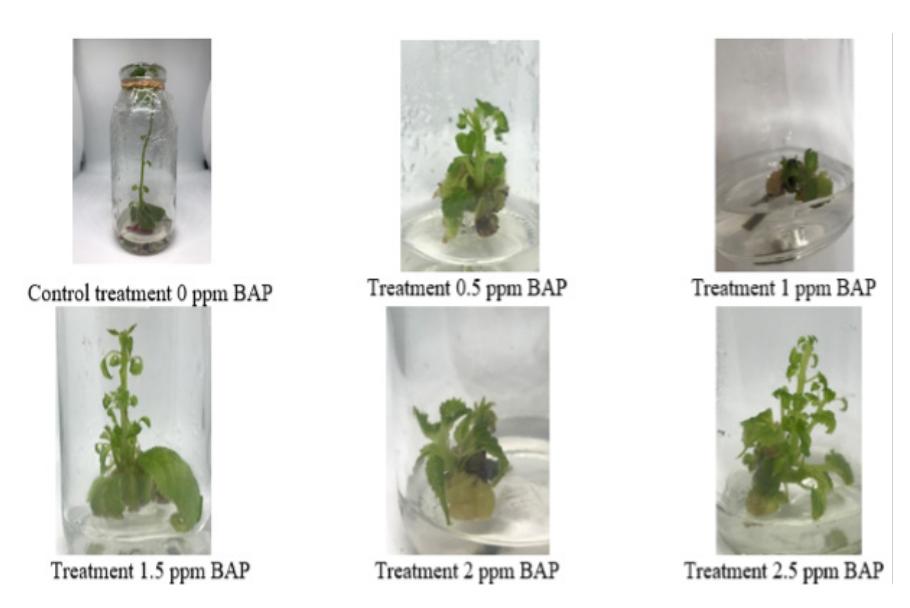
Figure 1. Appearance of ramie plants 8 weeks after planting (WAP)
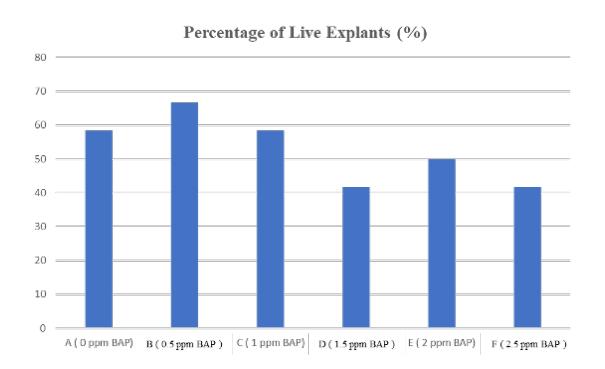
Figure 2. Percentage of live explants at 8 WAP (%)
Table 1. Percentage of contaminated explants (%)
| 1 | ∑ Culture | ∑ Culture | Percentage of explant | ||||
|---|---|---|---|---|---|---|---|
| Treatment | ∑ Culture | Contamination | Death | ath Browning | Contaminated (%) | ||
| (Fungi & Bacteria) | |||||||
| A | 12 | 5 | 0 | 1 | 50% | ||
| В | 12 | 8 | 0 | 0 | 66.67% | ||
| C | 12 | 6 | 0 | 0 | 50% | ||
| D | 12 | 8 | 0 | 0 | 66.67% | ||
| Е | 12 | 6 | 0 | 0 | 50% | ||
| F | 12 | 7 | 0 | 0 | 58.33% | ||
Time to Shoot Emergence
Shoot emergence in explants with BAP (0.5 and 1.5 ppm) was accelerated within 1-4 weeks (Figure 3). Compared to the control, the response was notably faster. Faster shoot formation shortens the culture time. Yunus [4] stated that early shoot formation indicates good explant response in vitro.
At 2.0-2.5 ppm BAP, shoot formation was slower and often followed by callus formation. High cytokinin levels may transform shoot development into callus growth [17]. This means moderate BAP concentration is better for normal shoot formation in ramie.
Number of Shoots
BAP concentration affected shoot number (Table 2), with the highest number of shoots observed at 1.5 ppm. Treatments with 0.5 and 2.5 ppm also increased shoot number, but not as much as 1.5 ppm. The control and 1.0 ppm treatments produced very few shoots. This suggests that 1.5 ppm is the most effective level for activating axillary buds in ramie. Similar findings were reported by Yuniastuti et al. [18].
The shoot number may also depend on the condition of the explant. Younger tissue usually responds better to cytokinin [19]. A high concentration of internal auxin can interfere with or weaken the action of cytokinin [20]. If auxin dominates and reduces cytokinin effect, it may cause shoot development not to reach its optimal.
Shoot Height
The tall shoots were observed in the control treatment. This suggests that internal hormones alone were sufficient to promote stem elongation. Even though they were high, the shoots tended to be slender and less sturdy. On the other hand, explants treated with BAP produced shorter shoots, but the stems were thicker and appeared stronger. Under BAP treatment, excrescency energy was allocated primarily to strengthening the structure rather than increasing height (Table 3).
Explant with 2.0-2.5 ppm BAP demonstrated a reduction in shoot excrescency and exhibited fragile and less vigorous plantlets. Similar results were reported by Thanonkeo et al. [21], who found that high cytokinin can limit shoot elongation. Among all explants, 1.5 ppm BAP produced plantlets that were compact and relatively strong, which is suitable for further propagation.
Number of Leaves
A high number of leaves generally followed the high number of shoot conformation. At 8 weeks, the highest leaf number was recorded at 1.5 ppm BAP. At 2.5 ppm, several leaves grew, but the shoots were shorter, and the excrescence was less balanced. The control and 0.5 ppm had fewer leaves, while 1.0 and 2.0 ppm had the lowest numbers among the treatments (Table 4).
This finding indicated that cytokinin concentration influences both shoot and leaf conformation. Leaves play an
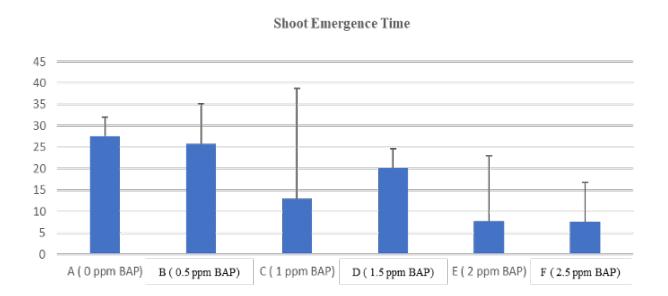
Figure 3. Average shoot emergence time
Table 2. Number of shoots
| Treatment | Number of Shoots | |||
|---|---|---|---|---|
| 4 WAP | 8 WAP | |||
| A = 0 ppm BAP | 0.33b | 0.33a | ||
| B = 0.5 ppm BAP | 0.25ab | 0.75ab | ||
| C = 1 ppm BAP | \(0.00^{a}\) | 0.08a | ||
| D = 1.5 ppm BAP | 0.33b | 1.41b | ||
| E = 2 ppm BAP | 0.08ab | 0.08a | ||
| F = 2.5 ppm BAP | 0.16ab | 0.83ab | ||
Table 3. Shoot height
| Treatment | Shoot Height | ||
|---|---|---|---|
| A = 0 ppm BAP | 3.19b | ||
| B = 0.5 ppm BAP | 0.57a | ||
| C = 1 ppm BAP | 0.02a | ||
| D = 1.5 ppm BAP | 1.00a | ||
| E = 2 ppm BAP | 0.08a | ||
| F = 2.5 ppm BAP | 0.55a | ||
Table 4. Number of leaves
| Treatment | Number of Leaves | ||
|---|---|---|---|
| 4WAP | 8WAP | ||
| A = 0 ppm BAP | 1.41a | 2.91ab | |
| B = 0.5 ppm BAP | 1.16a | 2.66ab | |
| C = 1 ppm BAP | 0.08a | 0.33a | |
| D = 1.5 ppm BAP | 1.41a | 7.83c | |
| E = 2 ppm BAP | 0.08a | 0.33a | |
| F = 2.5 ppm BAP | 0.41a | 5.17bc | |
essential role in photosynthesis and plant excretion. According to Ahmed [22], the number of leaves can be considered an indicator of shoot multiplication in tissue culture. In this study, 1.5 ppm gave the best overall growth.
Time to Root Emergence
At 3 weeks, roots appeared fastest in the control (Table 5). This suggests that internal auxin in ramie explants is sufficient to start root formation. In explants treated with BAP, root formation was slower. Cytokinin can reduce auxin activity, which is needed for rooting. At 2.0 and 2.5 ppm BAP, roots were delayed or did not form. At 1.5 ppm, roots appeared after 8 weeks. This delay may be related to callus formation. Seliem et al. [23] also reported that high cytokinin levels can reduce rooting.
Number of Roots
The control produced the highest number of roots; it formed up to 10 roots after 8 weeks. These roots were strong and directly attached to the explant. In contrast, plantlets at 1.5 ppm BAP formed only 1 root in most cases, usually from callus tissue (Table 6). At 2.0 and 2.5 ppm, roots did not form. These findings indicated that high cytokinin can inhibit root conformation and suppress root growth. Similar results were reported by Seliem et al. [23] and Nazir et al. [24].
Table 5. Average root emergence time
| Average Root Emergence Time | |||||
|---|---|---|---|---|---|
| Treatment | U1 | U2 | U3 | U4 | |
| A = 0 ppm BAP | ~ | ~ | 3 WAP | 3 WAP | |
| B = 0.5 ppm BAP | ~ | ~ | ~ | ~ | |
| C = 1 ppm BAP | ~ | ~ | ~ | ~ | |
| D = 1.5 ppm BAP | ~ | 8 WAP | ~ | ~ | |
| E = 2 ppm BAP | ~ | ~ | ~ | ~ | |
| F = 2.5 ppm BAP | ~ | ~ | ~ | ~ | |
U = Replicate Number
Table 6. Number of roots
| Number of Roots | ||||
|---|---|---|---|---|
| Treatment | U1 | U2 | U3 | U4 |
| A = 0 ppm BAP | ~ | ~ | 10 | 8 |
| B = 0.5 ppm BAP | ~ | ~ | ~ | ~ |
| C = 1 ppm BAP | ~ | ~ | ~ | ~ |
| D = 1.5 ppm BAP | ~ | 1 | ~ | ~ |
| E = 2 ppm BAP | ~ | ~ | ~ | ~ |
| F = 2.5 ppm BAP | ~ | ~ | ~ | ~ |
U = Replicate Number
4. Conclusion
This study suggests that 1.5 ppm BAP was the most applicable concentration for in vitro shoot multiplication of the Wonosobo clone of Boehmeria nivea. At 1.5 ppm BAP, the explants produced the highest number of shoots and leaves with healthy plantlets and invariant. At concentrations below 1.5 ppm, the explants exhibited poor growth, with weak shoots, excessive callus formation, or reduced roots. These findings punctuate the importance of selecting a sufficient cytokinin concentration in micropropagation. An unsuitable concentration may lead to growth, but the quality of the plantlets is declining. This study showed that vigorous ramie planting material can be generated from the developed protocol. The protocol can be implemented to support local seedling production systems and reduce reliance on imported planting stock. But it requires further investigation to evaluate
genetic inheritance, performance under field conditions, fiber productivity, and tolerance to environmental stress. It may also explore further the integration of BAP with auxins such as NAA (napthaleneacetic acid) or IBA (indole-3-butyric acid) in a two-stage culture system to enhance shoot multiplication and root induction efficiency. In addition, the use of antioxidants to minimize phenolic browning across different ramie genotypes could be explored to improve culture effectiveness.
Acknowledgements
The authors would like to express their sincere gratitude to the Faculty of Mathematics and Natural Sciences, Universitas Padjadjaran, for their support in advancing the national ramie research program and for providing the academic environment that facilitated this study. The authors also extend their appreciation to the ramie farmers in Sumedang Village for their willingness to provide ramie explants used in this research. Their contribution was essential in supporting the laboratory experiments and the successful completion of this study.