

ANALISIS SENYAWA POTENSIAL PADA GINSENG JAWA (TALINUM PANICULATUM GAERTN.) DAN DAUN KELOR (MORINGA OLEIFERA) SEBAGAI ANTI-INFLAMASI DENGAN METODE PENAMBATAN MOLEKUL (MOLECULAR DOCKING)
ABSTRAK
Inflamasi atau peradangan adalah respons sistem kekebalan tubuh terhadap rangsangan berbahaya seperti patogen, sel yang rusak, senyawa beracun, atau penyinaran. Seringkali inflamasi menyebabkan rasa sakit atau ketidaknyamanan. Tindakan terapeutik anti-inflamasi NSAID berkaitan dengan penghambatan COX-1 dan COX-2, tetapi penghambatan COX-1 biasanya menyebabkan efek samping seperti iritasi pada saluran cerna perut. Pada penelitian ini, dilakukan pencarian senyawa potensial sebagai inhibitor COX-2 dari senyawa bioaktif Ginseng Jawa (Talinum paniculatum Gaertn.) dan Daun Kelor (Moringa oleifera). Metode yang digunakan dalam penelitian ini adalah penambatan (docking) dengan Molegro Virtual Docker. Beberapa penilaian yang dilakukan dalam penelitian ini adalah Rerank Score, interaksi H-bond, dan Lipinski Rule of Five. Hasil penelitian menunjukkan bahwa Asam klorogenat dan Quercetin memiliki nilai docking Rerank Score paling negatif, yaitu - 112.802 and -95.8476. Dengan demikian kedua senyawa tersebut diprediksi memiliki potensi sebagai inhibitor COX-2
INTRODUCTION
Inflammation is the response of the body's immunity system to noxious stimuli such as pathogens, damaged cells, toxic compounds, or irradiation. This inflammation process has occurred cause the central defense system building cytokines and mediators responsible for inflammation (Rao and Mishra, 1998; Joshi et al., 2019).
Anti-inflammatories nonsteroids (AINS) exist for pain relief and inflammation. It is classified into two big classes, nonselective that works to inhibit cyclooxygenase enzyme (COX-1 and COX-2), and selective AINS that work to inhibit COX-2 enzyme. COX has two active sites, the cyclooxygenase active site, and the peroxidase active site. However, COX-2 has the advantage of having a higher sensitivity to hydroperoxides than COX-1, so t it can work at lower concentrations of arachidonic acid than COX-1. (Sudewa & Budiarta, 2017).
This enzyme is constitutively expressed in many tissues such as the prostate, endothelium, brain, and renal medulla to overcome the infection, inflammation, cancer, and prodices prostanoids responsible for disease pathogenesis (Baek et al. 2021).
Some drugs such as COX-2 inhibitors have been widely circulated in the market, such as Prodigiosin, Cycloprodigiosin, Valdecoxib, Celecoxib, and Rofecoxib (Krishna et al. 2013). However, currently, only celecoxib is available in the market. Rofecoxib (Vioxx) and Valdecoxib (Bextra) were discontinued in 2003 and 2005 respectively, due to their increased risk of heart attack and stroke from long-term use (Annette 2021). The development of Prodigiosin and Cycloprodigiosin has not been too much, so the information obtained is minimal. In addition, to enrich knowledge and utilization of abundant natural resources in Indonesia, this research becomes a good thing to find out more benefits of plants that thrive in Indonesia, including Javanese ginseng and Moringa.
Moringa oleifera or Moringa is a plant that thrives in the tropics and subtropics, one of which is Indonesia. This plant is believed to have many benefits and activities, such as anti-anaphylactic, antiulcer, antithyroid, hepatoprotective, antitumor, antidiabetic, antioxidant, diuretics, antiurolithic, hypocholesterolemic, cardioprotective, anti-inflammatory, and many more (Alphonsine et al., 2019). Part of these plants that has inflammatory effect are the root, bark, leaves, flowers, seeds, and stalks (Paikra et al., 2017).
Javanese ginseng or Talinum paniculatum is believed to have anti-inflammatory, antioxidant, antitumor, bactericidal, anti-viral, and antihistamine effects (Lestario et al. 2009). Javanese Ginseng has essential ingredients such as saponins, alkaloids, tannins, flavonoids, pro-vitamin A, and other compounds that are physiologically able to improve circulation or blood circulation in the nervous system (Mahajan & Mehta 2007).
Drug manufacturing is usually done accidentally in a trial-and-error process with screening methods in vitro trials to measure the activity of large amounts of compounds against a target. This takes a lot of time and cost. Therefore, the structure of target 3D compounds that have been known to be simulated computationally so as not to take a lot of time and cost (Thomsen and Christensen 2006, Khayrani et al., 2021).
The use of molecular docking is generally used by pharmaceutical and agrochemical companies. There are three main docking objectives: 1) prediction of bonding modes; 2) virtual screening; and 3) binding energy prediction. Another study stated that the information obtained from this method is about the complex's free energy and stability. However, the main objective of this method is to obtain information on the interaction of the ligand and its receptor with the optimal conformation. (Bortolato et al., 2013, Dar & Mir, 2017)
This study was conducted following Moldock algorithm which is based on a new hybrid search called guided differential evolution that combines the differential evolution optimization technique with a cavity prediction algorithm. Alternatively, the algorithm provides a predictive search for cavities resulting in fast and accurate identification of potential binding modes (Thomsen & Christensen, 2006). This algorithm is believed to have a higher docking accuracy because it is related to identifying the ligand-binding mode.
This study aims to determine the potential antiinflammatory compounds from Moringa and Javanese ginseng. The collected compounds were then searched for the lowest energy form for docking and found the compound that had the best pose and complied with Lipinski's rules. In addition, research was conducted on several potential commercial compounds as antiinflammatory agents.
MATERIALS AND METHODS
Hardware
The experiment was conducted using a computer withprocessor Intel(R) Core™ i5-2430M CPU @ 2.40 GHz, operating system 8 GB of RAM, the Windows 10 Pro, 64-bit operating system, and x64 based processor type system.
Software
The software used in this research included MarvinSketch 22.9.0 (ChemAxon, 2022) and trial version Molegro Virtual Docker 2019 7.0.0 (Thomsen & Christensen, 2006).
Molecular Structures and Energy Minimization
The X-ray crystallographic structure of COX-2 protein was obtained from the Protein Data Bank with the PDB ID: 5IKQ (https://www.rcsb.org/structure/5IKQ) at a resolution of 2.41 Å. The file was saved with the PDB file. When it was uploaded into Molegro Virtual Docker, the water molecules were removed from the protein molecule. The ligand molecules structure were drawn and minimized in MarvinSketch 22.9 and was done using dreading force field. This is done to help the docking program identify the bioactive conformer from the local minima (Kaushik et al., 2014), then the minimized ligands were saved in mol2 format.
Molecular Docking Simulation
Molecular docking of compounds of javanese ginseng and moringa to the active site of the cyclooxygenase enzyme was carried out using Molegro Virtual Docker (MVD). This step was performed to find a cavity with a detection algorithm to detect the protein binding site as a potential area on the active site (Puspaningtyas et al., 2013).
To ensure that ligands docked using the docking software represent valid scores and accurate binding with the receptor, the MVD scoring algorithm had to be validated first (Kaushik et al., 2014). This was done by docking one of the available ligands of the PDB ID: 5IKQ, namely JMS 602 [A] with protein A and JMS 602 [B] with protein B. This matching is done because each pair has its match at the corresponding coordinates.
After validation, docking pairs with an Root Mean Square Deviation (RMSD) value below 2 were selected and used for the screening process. The screening process was carried out by inputting molecules. The scoring function was Moldock Score [GRID] with the Grid Resolution 0.30 Å. This scoring function guided the differential evolution algorithm that combines the differential evolution optimization technique with a cavity prediction algorithm. The algorithm used was Moldock SE with 10 runs and 1500 maximum iteration.
Analysis of Lipinski Rule of 5 (Lipinski R05)
The rules are; both the H-bond donors and acceptors are less than 5, the molecular weight is less than 500, the calculated Log P is less than 5, and the molar refractivity should be between 40 to 130. If a compound fails the RO5, there is a high probability that oral activity problems will be encountered. In this study, the molecular weight of the ligand was determined from the Properties column provided by the Molegro Virtual Docker, while the Log P, H-Bond donor, H-Bond acceptor, and refractivity data were obtained using MarvinSketch.
RESULTS AND DISCUSSION
In this study, 5IKQ of RCSB PDB was used, which is the structure of meclofenamic acid (JMS 602) bound to humans COX-2 (Orlando & Malkowski, 2016). Before starting, a docking validation was carried out to validate the docking method on the software used compared to the position of the native ligand in the receptor that has been experimentally tested at the pocket ligand-binding site (Puspaningtyas et al., 2013).
The molecular docking method was calculated on protein 5IKQ [A] with ligand JMS_60 [A], carried out at coordinates x: 21.60, y: 51.88, and z: 17.70 with the radius 15. This docking gave an RMSD value of 1.01. Protein 5IKQ [B] with ligand JMS_60 [B] that was carried out at coordinated x: 61.60, y: 51.88, and z: 17.70 gave the best RMSD value of 0.63702. The reposition between JMS 602 [B] and COX-2 chain B can be seen in Figure 1.
Figure 1. Redocking JMS-602 into COX-2 chain B with RMSD: 0.6
RMSD is an expression that shows the ratio in which the ligand atoms are compatible and symmetrical with their receptors. A good RMSD should show a value of less than 2 (Ramírez & Caballero, 2018; Thomsen & Christensen, 2006). This is because the position of the copy ligand after superimposition is getting closer to its position on the native ligand, so the method used will be more precise (Puspaningtyas et al., 2013). In this study, the binding site of protein B was used to perform a docking simulation, which has an RMSD value of 0.63702.
Docking simulations were conducted on 82 compounds from Moringa and 22 from Javanese Ginseng. These results are sorted to find the bestranking value and then compared with meclofenamic acid, which has a docking score of - 82.6431. The value is different from the result of the previous study due to the program and the docking parameters that being used are different (Joshi et al., 2019; Mardianingrum et al., 2020).
The screening results obtained in this study showed that the best molecules based on their Rerank scores and Lipinski rules were Chlorogenic acid, Stigmasterol, Javaberine A, Heneicosanoic acid, and Quercetin with their Rerank scores – 140.03, -144,829, -148.84, -128,887, and –112,732 respectively for Javanese Ginseng. The compounds that show the best scores from moringa are Quercetin-3-O-glucoside, δ-Tocopherol, 3-O-Caffeoylquinic acid, Neochlorogenic acid, and Astragalin with its Rerank scores -127,381, - 122,439, -112,802, -111,209, and -110.067 respectively. Supposedly there is 4-(4'-O-Acetylalpha-L-rhamnopyranosyloxyl) benzyl glucosinolate in that sequence. However, due to the inability of the compound to fulfill the Lipinski Rule of Five, with a violation of 4, this compound can be declared unsuitable as a drug candidate. Lipinski rule is a rule commonly used in the medical world to determine whether a candidate drug has specific chemical and physical properties to make it an active drug for humans, or simply this rule can detect whether a chemical molecule can do absorption, distribution, and metabolism well or not. The Lipinski Rule describes molecular properties essential for the pharmacokinetics of drugs, including absorption, distribution, metabolism, and excretion (ADME). However, The Lipinski Rule rule cannot predict which compound is pharmacologically active, so that specific research is needed. These rules indicate which compounds have certain chemical and physical properties that will determine whether they are safe for medicine orally. If the conditions are not met, then it can be concluded that the drug candidate compounds are dangerous enough to be a drug. However, compounds that obey this rule are not necessarily drug-like compounds (Lipinski, 2004; DrugBank, 2022).
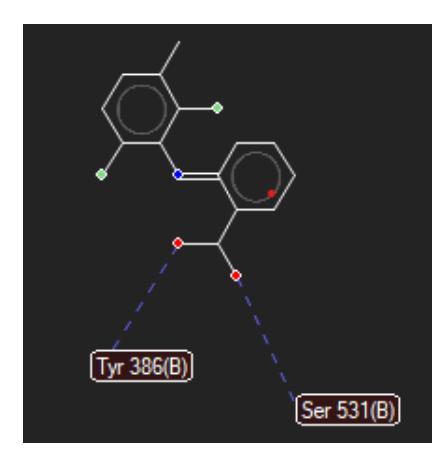
Figure 2. Native ligand (JMS 602_B) interaction
The scoring function has been used to identify the most energy-favorable ligand conformation to bind the target. The more negative the ligand's binding energy to the target then, the more the ligand fits the target (Thomsen & Christensen, 2006). In addition, these compounds also have a more negative Rerank Score than JMS 602, so they are all available to be candidates for recommended drugs. However, not all of these molecules have adhered to the Lipinski RO5.
Figure 2 shows that the native ligands used in this study, namely JMS 602_B interact with two amino acids named Ser 531 and Tyr 386. The similarity of interaction formed in this research and the ligand native's interaction indicates that the ligand found is the potential to pose (Khayrani et al., 2021). In addition, their Rerank score exceeds the negative
value owned by the native ligand, which is - 82.7761. It indicates that all compounds in Table 1 can bind to COX-2 due to the more vital and stable bond to become a COX-2 inhibitor. However, the bond strength of a ligand can also be seen by how much it interacts with the hydrogen bond. This is because hydrogen bonds can significantly affect bond affinity (Khayrani et al., 2021).
Table 1 shows the best five potential compounds data related to the ligands with the best Rerank Score and obeying the Lipinski RO5 with a maximum violation of 2. Due to the sorting, the best five compounds and the structures can be seen in Table 2.
Table 1. The compounds that have the best Rerank Score
| Ligand | Rerank Score | H-bond | H-bond Interactions | Violation of Lipinski Rules of Five |
|---|---|---|---|---|
| Moringa oleifera | ||||
| Quercetin-3-O-glucoside/ | -127.381 | -9.95075 | Gln 193(B) | 2 |
| Chlorogenic acid | Leu 353(B) | |||
| His 90(B) | ||||
| Ser 354(B) | ||||
| Tyr 356(B) | ||||
| Met 523(B) | ||||
| Tyr 386(B) | ||||
| δ-Tocopherol | -122.439 | -3.3533 | Lys 83(B) | 1 |
| Tyr 356(B) | ||||
| Arg 121(B) | ||||
| 3-O-Caffeoylquinic acid | -112.802 | -16.6686 | His 90(B) | 1 |
| Phe 519(B) | ||||
| Ile 518(B) | ||||
| Gln 193(B) | ||||
| Gly 527(B) | ||||
| Ala 528(B) | ||||
| Met 523(B) | ||||
| Ser 531(B) | ||||
| Tyr 386(B) | ||||
| Neochlorogenic acid | -111.209 | -6.12856 | His 90(B) | 1 |
| Gln 193(B) | ||||
| Leu 353(B) | ||||
| Ser 531(B) | ||||
| Val 524(B) | ||||
| Met 523(B) | ||||
| Astragalin | -110.067 | -3.9653 | Gln 193(B) | 2 |
| Met 523(B) | ||||
| Ser 531(B) | ||||
| T. Paniculatum | ||||
| Chlorogenic acid | -127.381 | -9.95075 | Gln 193(B) | 2 |
| Leu 353(B) | ||||
| His 90(B) | ||||
| Ser 354(B) | ||||
| Tyr 356(B) |
| Ligand | Rerank Score | H-bond | H-bond Interactions | Violation of Lipinski Rules of Five |
|---|---|---|---|---|
| Met 523(B) | ||||
| Tyr 386(B) | ||||
| Stigmasterol | -99.3001 | -1.7085 | Met 523(B) | 2 |
| Javaberine A | -97.8562 | -10.7806 | Arg 121(B) | 1 |
| His 90(B) | ||||
| Ser 354(B) | ||||
| Leu 353(B) | ||||
| Gln 193(B) | ||||
| Gly 527(B) | ||||
| Heneicosanoic acid | -96.7652 | -2.5 | Met 523(B) | 1 |
| Quercetin | -95.8476 | -11.7605 | Tyr 356(B) | 0 |
| His 90(B) | ||||
| Ser 354(B) | ||||
| Ile 518(B) | ||||
| Phe 519(B) | ||||
| Gln 193(B) | ||||
| Tyr 386(B) | ||||
| Ser 531(B) |
*Notes: Bold form shows that the amino acid also exists in JMS 602 [B] in. teractions
Table 2. Structures of the compounds that have the best Rerank Score and the violation of the Lipinski rule
| No. | Compound | Structure | Reference |
|---|---|---|---|
| Moringa oleifera | |||
| 1 | Quercetin-3- glucoside | (Singh and Sharma 2020) | |
| 2 | δ-Tocopherol | (Leone et al. 2016) | |
| 3 | 3-O-Caffeoylquinic acid (Chlorogenic acid) | (Singh B 2020) |
4 Neochlorogenic acid (Singh B 2020) 5 Astragalin (Singh B 2020) Talinum paniculatum 1 Chlorogenic Acid (Kim 2016, Cerdeira et al. 2020) 2 Stigmasterol (Cerdeira et al. 2020) 3 Javaberine A 4 Heneicosanoic acid (Perpétua et al. 2010, Shimoda et al. 2020) 5 Quercetin (Kim 2016)
The interactions of these ligands are also presented. Moringa only presents 3-O-Caffeoylquinic acid, or in its trivial name is Chlorogenic acid, have the same interaction with native ligands, Tyr 386[B] and Ser 531[B]. The other ligands have only one interaction, like Quercetin-3-O-glucoside and δ-Tocopherol, whick have interactions with Tyr 386[B], and Neochlorogenic acid and Astragalin have interactions with Ser 531[B]. Javanese ginseng's result shows that Quercetin has interaction with Tyr 386[B] and Ser 531[B], Chlorogenic acid has interaction with Tyr 386[B]. Meanwhile , Javaberine A, and Heneicosanoic acid have interaction neither with Tyr 386[B] nor Ser 531. The entire compounds interaction can be shown in Figures 3 to 12.
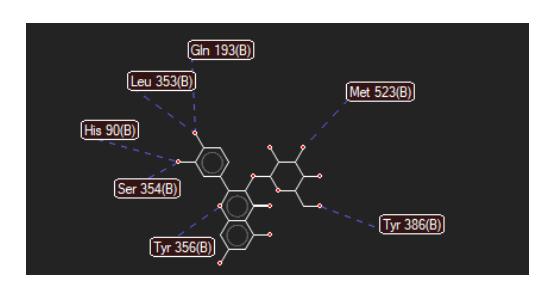
Figure 3. Quercetin-3-O-glucoside interaction
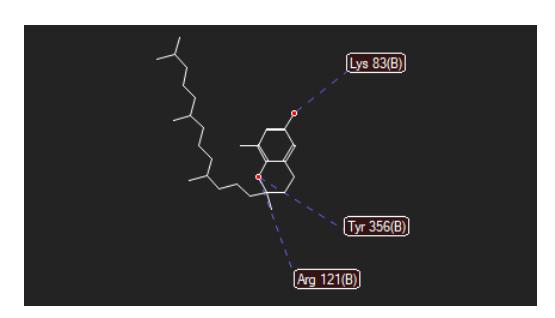
Figure 4. δ-Tocopherol interaction
Figure 5. 3-O-Caffeoylquinic acid (Chlorogenic acid) in moringa interaction
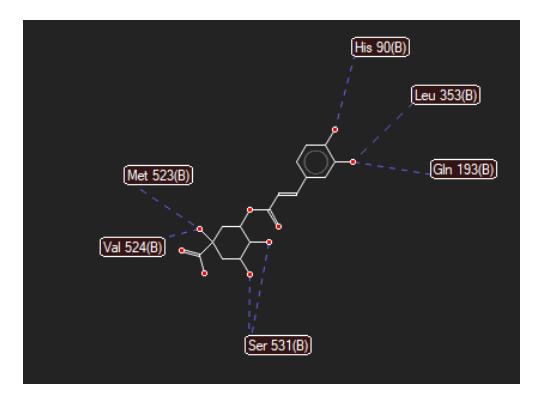
Figure 6. Neochlorogenic acid interaction
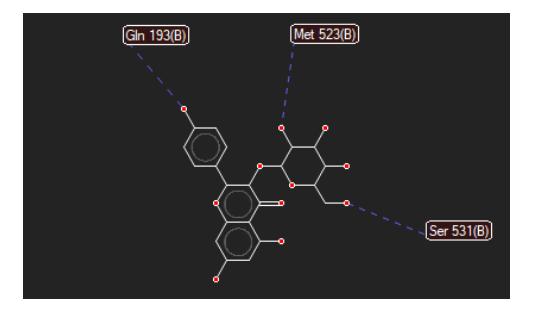
Figure 7. Astragalin interaction
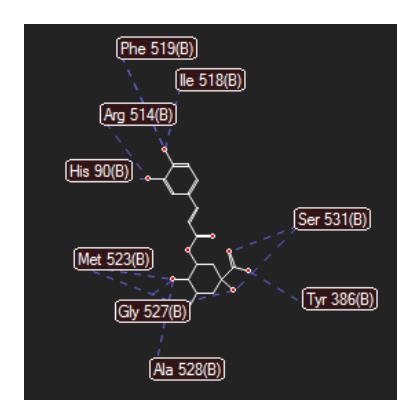
Figure 8. Chlorogenic acid in Javanese ginseng interaction
Figure 9. Stigmasterol interaction
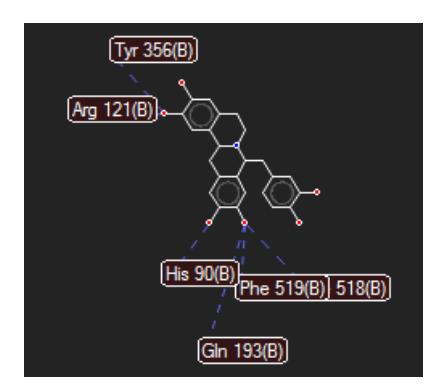
Figure 10. Javaberine A interaction
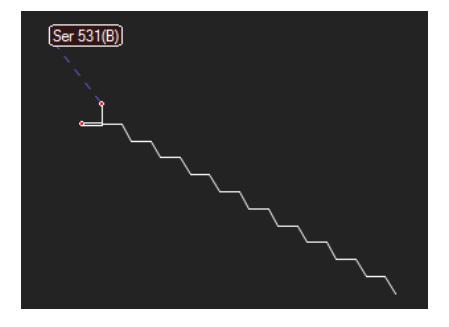
Figure 11. Heneicosanoic acid interaction
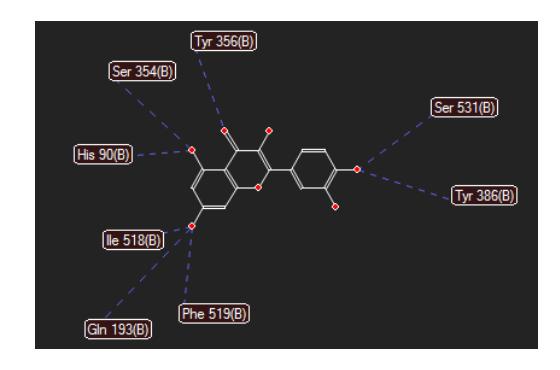
Figure 12. Quercetin interaction
Chlorogenic acid and Quercetin are recommended as compounds with anti-inflammatory effects. This does not mean that other compounds do not have anti-inflammatory effects. However, based on the results of docking the Lipinski RO5 and the molecular interactions, these two compounds become potential compounds for antiinflammatory.
According to the literature, Chlorogenic acid in Moringa can be found in the leaves, while in Javanese ginseng, it can be found in the fruit (Ali & Abdrabou, 2015; Chung et al., 2016). Quercetin in Javanese ginseng is mainly found in the leaves but in the primary root and root hairs. Quercetin can also be found there even though it is less than in the leaves (Kim, 2016).
This study also screened commercial compounds like Celecoxib, Prodigiosin, Cycloprodigiosin, Rofecoxib, and Valdecoxib. These commercial substances have been on the market because they have high anti-inflammatory effects. This study found that the five compounds had good Rerank Scores, and the best two from the five are Celecoxib and Prodigiosin. Celecoxib and Prodigiosin have a Rerank -119.597 and -114.37, respectively. Apart from that, these five compounds have a more negative Rerank Score value when compared to the native ligand JMS 602 [B], which is -82.7761. Entirely the data can be seen in Table 3. Despite that, the H-bond interactions of these five compounds are not familiar with native ligands, and even the Rerank scores show lower than several compounds in Moringa and Javanese Ginseng.
Table 3 . Docking result of commercial compounds as COX-2 inhibitors.
| Ligand | Rerank Score | H-Bond | H-bond Interactions |
|---|---|---|---|
| Celecoxib | -119.597 | -3.87867 | Tyr 356 (B) |
| Gln 193 (B) | |||
| Ser 354 (B) | |||
| Val 524 (B) | |||
| Leu 353 (B) | |||
| Arg 514 (B) | |||
| His 90 (B) | |||
| Phe 519 (B) | |||
| Prodigiosin | -114.37 | 0 | Leu 353 (B) |
| Phe 519 (B) | |||
| Tyr 356 (B) | |||
| Rofecoxib | -10.9.152 | -3.42973 | Leu 353 (B) |
| Val 524 (B) | |||
| Gln 193 (B) | |||
| Phe 519 (B) | |||
| His 90 (B) | |||
| Valdecoxib | -108.736 | -5.43277 | Val 350 (B) |
| Met 523 (B) | |||
| Phe 519 (B) | |||
| Arg 514 (B) | |||
| His 90 (B) | |||
| Ser 354 (B) | |||
| Leu 353 (B) | |||
| Gln 193 (B) | |||
| Val 524 (B) | |||
| Cycloprodigiosin | -107.9 | -1.76473 | Val 524 (B) |
| Phe 519 (B) | |||
| Ala 517 (B) | |||
| Ser 354 (B) | |||
| Gln 193 (B) | |||
| Leu 353 (B) |
Figure 13. Chlorogenic acid (yellow) with the protein cavity
An overview of these two compounds entering the protein cavity can be seen in Figures 13 and 14. The figures show the protein drawn by the protein
backbone and the potential compound that fits the cavity shown by the ball and stick.
Figure 14. Quercetin (red) with the protein cavity
This study only directed that there are potential compounds in Javanese ginseng and Moringa for anti-inflammatory. Further in vitro and in vivo experiments areis needed to support the evidence on Moringa and Javanese Ginseng antiinflammatory effects.
CONCLUSIONS
Docking on Moringa and Javanese Ginseng was carried out on 82 and 11 potential compounds, respectively. The results showed that 3-O-caffeoyl quinic acid, chlorogenic acid and quercetion from both moringa and javaness ginseng possess prospective inhibitory activity toward COX-2.
REFERENCES
Adedapo A, Falayi O, and Oyagbemi A, 2014, The antioxidant, anti-inflammatory and antinociceptive activities of the methanol leaf extract of Moringa oleifera in some laboratory animals, The FASEB Journal, 28(S1), doi:10.1096/FASEBJ.28.1_ SUPPLEMENT.657.19.
Ali FT, Hassan NS, and Abdrabou RR, 2015, Potential activity of Moringa Oleifera leaf extract and some active ingredients against diabetes in rats, International Journal of Scientific & Engineering Research, 6(5), 6(5): 1601-1611.
Alphonsine RT, et al, 2019, A comparative study of phytochemical profile and antioxidant activity of Sahelian plants used in the treatment of infectious diseases in northern part of Burkina Faso: Acacia seyal Delile and Acacia tortilis (Forssk.) Hayne subsp. raddiana (Savi), Journal of Pharmacognosy and Phytotherapy, 11(3): 74–79. doi:10.5897/jpp2019. 0555.
Baek SH, et al, 202, Evaluation of selective COX-2 inhibition and In Silico study of Kuwanon derivatives isolated from Morus alba, International Journal of Molecular Sciences 2021, 22(7): 3659, doi:10.3390/IJMS22073659.
Benet LZ, et al, 2016, BDDCS, the Rule of 5 and Drugability, Advanced drug delivery reviews, 10: 89. doi:10.1016/J.ADDR.2016.05.007.
Bortolato, A. et al, 2013, Molecular Docking Methodologies: 339–360. doi:10.1007/978-1- 62703-017-5_13.
Cerdeira CD, et al, 2020, Talinum paniculatum: a plant with antifungal potential mitigates fluconazoleinduced oxidative damage-mediated growth inhibition of Candida albicans, Revista Colombiana de Ciencias Químico - Farmacéuticas, 49(2): 401–431. doi:10.15446/RCCIQUIFA.V49N2.89704.
Chung IM, et al., 2016, Comparative phenolic compound profiles and antioxidative activity of the fruit, leaves, and roots of Korean ginseng (Panax ginseng Meyer) according to cultivation years, Journal of Ginseng Research, 40(1): 68–75. doi:10.1016/ J.JGR.2015.05.006.
Dar AM, Mir S, 2017, Molecular Docking: approaches, types, applications and basic challenges, Journal of Analytical & Bioanalytical Techniques 2017, 8(2): 1– 3. doi:10.4172/2155-9872.1000356.
DrugBank, Lipinski's rule of five, 2022, https://dev.drugbank.com/guides/terms/lipinski-srule-of-five (Accessed: March 31, 2022).
Joshi T, et al, 2019, In silico screening of antiinflammatory compounds from Lichen by targeting
cyclooxygenase-2, 38(12): 3544–3562. doi:10.1080/ 07391102.2019.1664328.
Kaushik P, et al, 2014, Pharmacophore modeling and molecular docking studies on Pinus roxburghii as a target for diabetes mellitus, advances in bioinformatics, doi:10.1155/2014/903246.
Khayrani AC, et al, 2021, Evaluating the potency of Sulawesi propolis compounds as ACE-2 inhibitors through molecular docking for COVID-19 drug discovery preliminary study, Journal of King Saud University - Science, 33(2), doi:10.1016/j.jksus. 2020.101297.
Kim JS, 2016, Investigation of phenolic, flavonoid, and vitamin contents in different parts of Korean Ginseng (Panax ginseng C.A. Meyer), preventive nutrition and food science, 21(3): 263, doi:10.3746/PNF.2016. 21.3.263.
Leone A, et al, 2016, Moringa oleifera Seeds and Oil: characteristics and uses for human health, International Journal of Molecular Sciences, 17(12), doi:10.3390/IJMS17122141.
Lestario LN, Christian AE, Martono Y, 2009, Aktivitas antioksidan daun Ginseng Jawa (Talinum paniculatum Gaertn) [Antioxidant activity of Talinum paniculatum Gaertn leaves], 29(2): 71-78
Lipinski CA, 2004, Lead- and drug-like compounds: the rule-of-five revolution, Drug discovery today, 1(4): 337–341. doi:10.1016/J.DDTEC.2004.11.007.
Mahajan SG, Mehta AA, 2007, Inhibitory action of ethanolic extract of seeds of Moringa oleifera Lam. on systemic and local anaphylaxis, Journal of immunotoxicology, 4(4): 287–294, doi:10.1080/ 15476910701680137.
Mardianingrum R, et al, 2020, The active compound of bangle essential oil as cyclooxygenase-2 (Cox-2) inhibitor: In Silico approach, Jurnal Kimia Valensi, 6(2): 156–168, doi:10.15408/JKV.V6I2.16943.
Orlando BJ, Malkowski MG, 2016, Substrate-selective inhibition of cyclooxygeanse-2 by fenamic acid derivatives is dependent on peroxide tone, Journal of Biological Chemistry, 291(29): 15069–15081, doi:10.1074/JBC.M116.725713.
Paikra BK, Dhongade HKJ, Gidwani B. Phytochemistry and Pharmacology of Moringa oleifera Lam. J Pharmacopuncture. 2017 Sep;20(3):194-200. doi: 10.3831/KPI.2017.20.022. Epub 2017 Sep 30. PMID: 30087795; PMCID: PMC5633671.
Perpétua M, et al, 2010, Antinociceptive and edematogenic activity and chemical constituents of Talinum paniculatum Willd, Journal of Chemical and Pharmaceutical Research, 2(6): 265–274.
Puspaningtyas R, et al, 2013, Docking molekul dengan metode molegro virtual docker dari ekstrak air Psidium guajava, Linn dan Citrus sinensis, Peels sebagai inhibitor pada tirosinase untuk pemutih kulit, Jurnal Kimia Terapan Indonesia, 15(1): 31–39, doi:10.14203/jkti.v15i1.102.
Rao KS, Mishra SH, 1998, Anti-inflammatory and Antihepatotoxic of the Roots of Moringa pterygosperma Gaertn., Indian Journal of Pharmaceutical Sciences, 60(1): 12-16.
RxList, Annette, COX-2 Inhibitors: Drug List, Uses, Side Effects, Interactions, https://www.rxlist.com/ cox-2_inhibitors/drug-class.htm (Accessed: April 15, 2022).
Shimoda H, et al, 2020, Synthetic studies on keramaphidin B: Formation of a macrocyclic ring by intramolecular Diels-Alder reaction, Heterocycles, 100(1): 3–11, doi:10.3987/COM-19-14117.
Singh B, Sharma RA, 2020, Secondary metabolites of medicinal plants: Ethnopharmacological properties, biological activity and production strategies, Secondary metabolites of medicinal plants: ethnopharmacological properties, Biological activity and production strategies, Wiley, Hoboken.
Sudewa, Ida Bagus., and Budiarta, I Gede. 2017. Siklooksigenase, Jalur Arakidonat, dan Nonsteroidal Antiinflammatory Drugs. Denpasar: Universitas Udayana
Thomsen R, Christensen MH, 2006, MolDock: a new technique for high-accuracy molecular docking, Journal of medicinal chemistry, 49(11): 3315–3321, doi:10.1021/JM051197E.
.