

*Correspondence
Alief Putriana Rahman Email: aliefputrianar@gmail.com
Striae Gravidarum (SG) are stretch marks seen in pregnant and postpartum women. Treatments for SG aim to reduce redness and enhance pigmentation and collagen. Chemical peeling treatment can be harmful. They may cause liver, kidney, and skin issues, including in@lammation and skin loss. Meanwhile, laser treatments may lead to skin in@lammation for 2-4 days post-procedure. Despite this, they remain popular. Topical retinoic acid can cause birth defects and miscarriages if used in pregnancy. This highlights the need for natural treatments for SG. This study aimed to @ind the content and the antioxidant activity of lime peel extract, green tea, and cream combination both of extract. Besides, another goal was to determine physical characteristics formulation in the cream preparation. Method of this research is phytochemical screening for extract. Measure Vitamin C, EGCG and antioxidant activity using UV-Vis spectrophotometry. The cream contains 10% lime and 6% green tea extracts. This study found lime peel and green tea extracts each yielded less than 10%. Phytochemical tests revealed lime extract has alkaloid, Steroid, Saponin, Flavonoids, Tannins, and Antraquinone. Lime peel extract has vitamin C 16,56103 mg/100 mg of extract. Green tea extract contains EGCG 22,5114 mg/100 mg of extract. Lime peel extract's antioxidant activity is 268,3130 ppm. For green tea, it's 154,4009 ppm . The combination cream has 115,7629 ppm of antioxidant activity. Its physical properties meet good cream standards. The conclution of this research is combination cream of lime peel and green tea extract has the highest antioxidant activity
Keywords: Lime peel, green tea, crem, antioxidant
PERBANDINGAN AKTIVITAS ANTIOKSIDAN EKSTRAK DAN SEDIAAN KRIM KOMBINASI KULIT JERUK NIPIS (CITRUS AURANTIFOLIA) DAN DAUN TEH HIJAU (CAMELLIA SINENSIS): POTENSI UNTUK PENGOBATAN STRIATUM GRAVIDARUM
Abstrak
Striae Gravidarum (SG) adalah stretch mark yang terlihat pada wanita hamil dan pascapersalinan. Perawatan untuk SG bertujuan untuk mengurangi kemerahan dan meningkatkan pigmentasi dan kolagen. Perawatan chemical peeling bisa berbahaya. Mereka dapat menyebabkan masalah hati, ginjal, dan kulit, termasuk peradangan dan pengelupasan kulit. Sementara itu, perawatan laser dapat menyebabkan peradangan kulit selama 2-4 hari pasca-prosedur. Meskipun demikian, perawatan ini tetap populer. Asam retinoat topikal dapat menyebabkan cacat lahir dan keguguran jika digunakan selama kehamilan. Ini menyoroti perlunya perawatan alami untuk SG. Penelitian ini bertujuan untuk menemukan kandungan dan aktivitas antioksidan dari ekstrak kulit jeruk nipis, teh hijau, dan krim kombinasi keduanya. Selain itu, tujuan lain adalah untuk menentukan formulasi karakteristik fisik dalam sediaan krim. Metode penelitian ini adalah skrining fitokimia untuk ekstrak. Ukur Vitamin C, EGCG dan aktivitas antioksidan menggunakan spektrofotometri UV-Vis. Krim tersebut mengandung 10% ekstrak jeruk nipis dan 6% ekstrak teh hijau. Penelitian ini menemukan ekstrak kulit jeruk nipis dan teh hijau masing-masing menghasilkan kurang dari 10%.Uji fitokimia menunjukkan ekstrak jeruk nipismengandung alkaloid, steroid, saponin,flavonoid,tanin,danantrakuinon.Ekstrak kulitjeruknipis mengandung vitamin C 16,56103 mg/100 mg ekstrak. Ekstrak teh hijau mengandung EGCG 22,5114 mg/100 mg ekstrak. Aktivitas antioksidan ekstrak kulit jeruk nipis adalah 268,3130 ppm. Untuk teh hijau, aktivitas antioksidannya adalah 154,4009 ppm. Krim kombinasi memiliki aktivitas antioksidan sebesar 115,7629 ppm. Sifatfisiknya memenuhi standar krim yang baik.Kesimpulan dari penelitian ini adalah krim kombinasi kulit jeruk nipis dan ekstrak teh hijau memiliki aktivitas antioksidan tertinggi.
Kata kunci: Kulit jeruk nipis, teh hijau, krim, antioksidan
INTRODUCTION
Striae gravidarum, or stretch marks, affect most pregnant and postpartum women. SG occurs when skin stretches (Ud-Din et al., 2016) and hormones rise during pregnancy (Miharti & Fitrishia, 2020). This ruptures collagen. SG emerges in the abdomen as it outgrows its boundaries. But it can also affect the thighs and calves due to rapid weight gain and swollen blood vessels (Harnanti et al., 2018). SG often persists after childbirth. This can impact a woman's confidence. So, it is crucial to seek effective SG treatment with minimal side effects.
SG treatment aims to reduce redness, boost pigmentation, and increase collagen (Hague & Bayat, 2017). There are many ways to treat SG. They are topical preparations, chemical peeling, and laser. Chemical peeling can cause hepatotoxicity, nephrotoxicity, skin pigmentation changes, inflammation, and epidermolysis (Soleymani et al., 2018). In contrast, the use of lasers can cause inflammation of the skin 2-4 days after the procedure (Viviano et al., 2022). The use of topical preparations is an SG treatment that is still widely used today. Topical retinoic acid can cause birth defects and miscarriages if used during pregnancy (Dinar & Mita, 2016). So, we really need to use natural topical treatments for SG.
Several studies have tested natural treatments for Striae Gravidarum (SG). They include olive oil, aloe vera (Octazuria, 2019), potato (Miharti & Fitrishia, 2020), pegagan leaf, and green coffee bean extracts (Primastuti, 2012). Also, high doses of vitamin C can boost collagen production. It's an antioxidant. Vitamin C can boost collagen protein synthesis in human skin cells. It does not increase non-collagen proteins (Boo, 2022). Also, EGCG (Epigallocatechin gallate) has strong antioxidant activity. So far, people have not utilized the abundant vitamin C in lime peel. While the EGCG compound is most abundant in green tea. Previous studies said that vitamin C and EGCG work together. They boost antioxidant power (Rahman et al., 2020). It is hoped that these antioxidants will work together. They should repair collagen damage in SG patients. In this study, we used Lime Peel Extract and Green Tea in a cream preparation. This study examines the antioxidant power of a cream. It is a mix of Lime Peel Extract (Citrus aurontifolia) and Green Tea
(Camellia sinensis). The cream is a treatment for Striae Gravidarum (SG) in pregnant and postpartum women.
The lime peel contains pectin and flavonoids. Flavonoids are secondary metabolites in limes. They are most concentrated in the peel. Flavonoids are antioxidants and tyrosinase enzyme inhibitors. They also work at the end of the melanogenesis oxidative pathway. Also, several flavonoids, like hesperidin and naringin, can inhibit tyrosinase in lab tests. The tyrosinase enzyme helps the formation of melanin compounds or melanogenesis (Hindun et al., 2017). In addition, you can also use lime peel as a topical medicine in treating SG (Ud-Din et al., 2016). Several studies have said that lime peel can delay collagen aging. It is an antioxidant compound (Rutter et al., 2003). So this lime peel extract can help reduce Striae Gravidarum (SG).
Other SG treatments say that strong antioxidants can delay skin aging. One compound that has high antioxidant activity is EGCG (Epigallocatechin-3 Gallat). EGCG has more antioxidant power than vitamin C. It is a type of secondary metabolite in most tea leaves. Green tea is a type of tea that contains the most EGCG compared to other types of tea. The percentage of oxidation inhibition or antioxidant power of EGCG is 73.7% ± 1.2 at an EGCG level of 5 μg/ml (Wu et al.,2011).
EGCG is a polyphenol. It may inhibit activator protein 1 in skin fibroblasts. EGCG can change TGFβ signaling. It suppresses TGF-β receptors. This will reduce the expression of matrix metalloproteinase-2 (MMP-2) and MMP-1. Matrix metalloproteinase-2 is an enzyme. It degrades the extracellular matrix. Its increase is linked to poor SD healing. EGCG can down regulate type-1 collagen synthesis. All these mechanisms make EGCG an anti-scarring factor. Studies have shown that EGCG increases collagen volume during the SD healing process. EGCG has also been used as an agent to stimulate keratinocyte formation (Yuniarti & Lukiswanto, 2019). This study used a cream of lime peel and green tea extracts to treat SG.
This study used a formulation from prior research. But, it modified the lime and green tea extracts that were added. The lime peel extract added was 10% and the green tea leaf extract was 6% (Arifin et al., 2022). This was chosen because it was based on previous research. This research is basic.Next year, we will study three types of trials. They are: preclinical, limited clinical, and broader clinical. This is to prepare a product for distribution in 2028.
MATERIALS AND METHODS
Apparatus and Materials
The tools used are a UV-Vis spectrophotometer, an Ohaus analytical balance (PX85, 0.00001g max 82g), a rotary evaporator, a separating funnel, a blender, a mortar, and a stamper. The materials include green tea leaves, lime peel, 96% ethanol, EGCG, Vitamin C, DPPH, methanol, and creammaking ingredients.
Sample preparation
The dried green tea leaves were sorted and finely ground. Then, the powder was mixed with 96% ethanol, using a 1:10 ratio, and left for 24 hours. Stirring occurred only in the first 6 hours. Next, we collected the liquid and concentrated it. First, we used a rotary evaporator at 50°C, then a water bath at the same temperature, until a thick extract formed.
First, peel the lime. Then, slice the peel and dry it in the sun, covered with a black cloth. After drying, sort and blend the peel. Next, mix the lime peel powder with 96% ethanol in a 1:10 ratio. Let it sit for 24 hours, stirring for the first 6 hours. Finally, collect the liquid. Then, use a rotary evaporator to concentrate it at 50°C. Continue in a water bath at the same temperature until thick.
Method and result analysis
Qualitative phytochemical screening
1. Alkaloids
A hundred mg of extract was added with NH3(3 mL) and leftfor two hours untiltwo layers were formed, then 5 mLchloroform was added. The dissolved layer was separated into three test tubes. Then, Mayer's, Wagner's, and Dragendrof's reagentswere added to the iirst, second, and third tubes, respectively. White, yellow, and reddish-brown precipitates
indicated a positive result for alkaloids. (Indriaty et al., 2023)
2. Terpenoid and steroid
The Liebermann-Burchard reagent was added to 100 mg of extract dissolved in methanol. The presence of purple or red indicates the presence of terpenoids, while steroids are indicated by green or blue (Indriaty et al., 2023)
3. Saponin
A hundred mg of extract was dissolved in ethanol, then heated and shaken vigorously.The formation of foam which lasted 30 minutes, indicated the presence of saponin (Indriaty et al., 2023)
4. Flavonoids
A hundred of extract was dissolved in methanol and added with Mg2+ powder and HCl solution in methanol (1:1). A red or purple color indicates the presence of ilavonoids (Indriaty et al., 2023)
5. Tannins
It was detected by adding 100 mg of the extract with 5% FeCl3(5 drops). The presence of dark blue or black color indicates the presence of tannins (Indriaty et al., 2023)
6. Anthraquinones
Each 2 mL of iiltered sample was added with potassium hydroxide. The blood red colour shows the presence of anthraquinones (Rajkumar et al., 2022)
Determination of Vitamin C in peel lime extract using Spektrofometri UV-Vis
Determination of vitamin C levels in 0,1 g of lime peel extract ini 100 mL ethanol solvent was carried out using UV-Vis Spectrophotometry in the wave range 200- 400 nm. Determination of the calibration curve was determined from the absorbance value of the standard solution of vitamin C at concentrations of 5 ppm, 10 ppm, 15 ppm, 20
ppm, 25 dan 50 ppm. (Panaungi & Usman, 2024)
Determination of EGCG in green tea extract using Spektrofometry UV-Vis
EGCG in 0,1 g of green tea was dissolved 100 mL ethanol solvent in 100 mL ilash. Determination of EGCG using UV-Vis Spectrophotometry in the wave range 200- 400 nm. Determination of the calibration curve was determined from the absorbance value of the standard solution of EGCG at concentrations of 10 ppm, 20 ppm, 30 ppm, 40 ppm, 50 ppm dan 100 ppm.
Cream Preparations Combination of Lime Peel (Citrus aurantifolia) and Green tea Leaves (Camellia sinensis) extract
Formulation and optimization cream using expert design software version 10 and obtained 8 formulas with different emulsiiier concentrations. Preparation step of a cream: 1. water phase consisting of: triethanolamin (TEA), nipagin, cetyl alcohol, distelled water; 2. Oil phase consisting of: namely stearic acid, VCO heated at 70 ° C for iive minutes or until evenly mixed. Each phase is mixed in different bowls, then the oil phase is placed in mortar and mixed with the water phase and stir continuously. Cream formulation evaluation included organoleptic test, viscosity, pH and Spreading power
Determination of Antioxidant Activity Using DPPH Method
1. Antioxidant activity of peel lime extract The researchers added 50 μl each peel lime extract concentration (500, 400, 300, 200,100,50 ppm) to 1.95 ml of 35 ppm DPPH solution. This was done quickly in a test tube covered with aluminum foil. Then, it was stirred and leftto react as previously measured. After that, absorbance was checked at DPPH's peak wavelength (Shimamura et al., 2014). Record the absorbance and determine the antioxidant activity
- 2. Antioxidant activity of green tea extract The researchers added 50 μl each green tea extract concentration (500, 400, 300, 200,100,50 ppm) to 1.95 ml of 35 ppm DPPH solution. This was done quickly in a test tube covered with aluminum foil. Then, it was stirred and leftto react as previously measured. After that, absorbance was checked at DPPH's peak wavelength (Shimamura et al., 2014). Record the absorbance and determine the the antioxidant activity
- 3. Antioxidant activity of cream combination of peel lime and green tea extract The researchers added 50 μl each cream concentration (500, 400, 300, 200,100,50 ppm)to 1.95 ml of 35 ppm DPPHsolution. This was done quickly in a test tube covered with aluminum foil. Then, it was stirred and left to react as previously measured. After that, absorbance was checked at DPPH's peak wavelength (Shimamura et al., 2014). Record the absorbance and determine the the antioxidant activity
RESULT AND DISCUSSION
Qualitative Phytochemical Screening
Based on the results of the phytochemical screening test in Table 1, lime peel and green tea leaf extracts contain alkaloids, flavonoids, saponins, tannins, steroids, and anthraquinones. These ingredients have a role in supporting SG treatment. Alkaloids can inhibit collagen biosynthesis by inhibiting prolidase enzyme activity (Donejko et al., 2014). Meanwhile, flavonoid compounds such as antioxidants can inhibit tyrosinase enzymes (Hindun et al., 2017) and increase keratinoid formation (Yuniarti & Lukiswanto, 2019). Saponin compounds also increase collagen synthesis (Donejko et al., 2014). Tannin compounds can act as antioxidants, antiaging, and anticollagenases (Daré et al., 2020). Steroids can stimulate collagen formation in skin tissue (Falanga et al., 1998). Anthraquinones are compounds that can improve skin aging and various skin lesions (Lee et al., 2021). With these ingredients, it is hoped that the cream preparation made in this study will become a permanent cream for SG treatment.
Table 1. Results of Phytochemical Screening of Sreen Tea and Lime Peel Extract
| Secondary | Reagent | Extract | Description | |
|---|---|---|---|---|
| Metabolite | Green tea | Lime peel | ||
| Alkaloid | Mayer, Wagner and Dragendrof | + | + | Mayer (white), Wagner (yellow) and Dragendrof (reddish-brown) |
| Flavonoid | Methanol and added with Mg2+powder and HCl solution in methanol (1:1) | + | + | Red |
| Saponin | Ethanol, then heated and shaken vigorously. | + | + | Foam does not form |
| Tanin | FeCl3 5% | + | + | Black colour |
| Triterpenoid and Steroid | The Liebermann-Burchard reagent | + | + | Green |
| Antraquinon | Pottasium Hidroksida (KOH) | + | + | Blood red color |
Determination of Vitamin C in peel lime extract using Spektrofotometri UV-Vis
Table 2. Standard Absorbance of Vitamin C
| No | Concentration (ppm) | Absorbance |
|---|---|---|
| 1 | 5 | 0.2521 |
| 2 | 10 | 0.2988 |
| 3 | 15 | 0.3560 |
| 4 | 20 | 0.5447 |
| 5 | 25 | 0.6032 |
| 6 | 50 | 0.8715 |
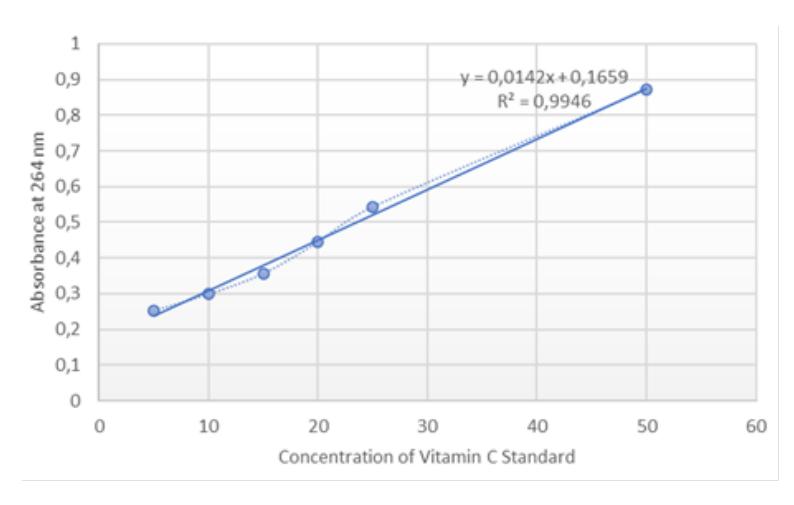
Figure 1. Standard Absorbance Curve of Vitamin C
Determination of vitamin C content in lime peel extract using the UV-Vis spectrophotometric method, the first thing to do is to make a calibration curve. The calibration curve is made from a standard compound of vitamin C with several concentrations and then measured at the maximum wavelength of vitamin C. The maximum wavelength of vitamin C obtained was 264 nm. The absorbance results at each concentration of vitamin C standard can be seen in Table 2. The calibration curve of the vitamin C standard as shown in Figure 1 was made to obtain a linear equation. The linear equation obtained Y = 0.0142X + 0.1659 with R2 = 0.9946. This linear equation will be used to determine the level of vitamin C in lime peel extract.
Three replicates of the prepared extract sample (100 ppm) were then measured for absorbance using UV-Vis spectrophotometry at a wavelength of 264 nm. From these measurements, the absorbance was obtained as shown in Table 3. The absorbance of the extract obtained is then entered into the linear equation found in Figure 1 by subsuming the absorbance value to the Y coefficient. The X coefficient obtained shows the level of vitamin C contained in the lime peel extract sample. From this study, it was obtained that the vitamin C content in lime peel extract was 16.56103 mg in 100 mg of extract.
Table 3. Vitamin C Content of Lime Peel Ekstract
| Replicates | Absorbance | Concentration (ppm) | Mg Vitamin C content (per 100 mg of extract) | Average of vitamin C content |
|---|---|---|---|---|
| 1 | 0,3978 | 16,3309 | 16,3309 | |
| 16,8451 | 16,56103 | |||
| 2 | 0,4051 | 16,8451 | 16,5070 | mg/100 mg of |
| extract | ||||
| 3 | 0,4003 | 16,5070 |
Determination of EGCG in green tea extract using Spektrofotometry UV-Vis
Table 4. Standard Absorbance of EGCG
| No | Concentration (ppm) | Absorbance |
|---|---|---|
| 1 | 10 | 0.3309 |
| 2 | 20 | 0.3921 |
| 3 | 30 | 0.4522 |
| 4 | 40 | 0.5111 |
| 5 | 50 | 0.5589 |
| 6 | 100 | 0.9870 |
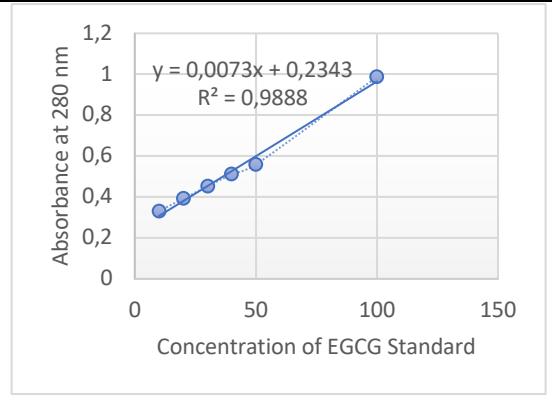
Figure 1. Standard Absorbance Curve of EGCG
Determination of EGCG levels in green tea leaf extract using UV-Vis spectrophotometric method, the first thing to do is to make a calibration curve. The calibration curve is made from EGCG standard compounds with several concentrations and then measured at the maximum wavelength of EGCG. The maximum wavelength of EGCGobtainedwas 280 nm. The absorbance results at each concentration of EGCGstandard can be seen inTable 4. The calibration curve of the EGCG standard as shown in Figure 2 was made to obtain a linear equation. The linear equation obtained Y=0.0073X + 0.2343 with R2 = 0.988. This linear equation will be used to determine the level of EGCG in green tea leaf extract.
Three replicates of the prepared green tea leaf extract sample (100 ppm) were then measured for absorbance using UV-Vis spectrophotometry at a wavelength of 280 nm. From these measurements, the absorbance was obtained as shown in Table 5. The absorbance of the extract obtained was then entered into the linear equation found in Figure 2 by subsuming the absorbance value to the Y coefficient. The X coefficient obtained shows the EGCG content contained in the green tea leaf extract sample. From this study, the EGCG content in green tea leaf extract was 22.5114 mg in 100 mg of extract.
Table 5. EGCG Content of Green Tea Ekstract
| Replicates | Absorbance | Concentration (ppm) | Mg EGCG content (per 100 mg of extract) | Average of EGCG content |
|---|---|---|---|---|
| 1 | 0,3931 | 0,3931 | 21,7534 | 22,5114 |
| 20,8904 | mg/100 mg of extract | |||
| 2 | 0,3868 | 0,3868 | 24,8904 | |
| 3 | 0,4160 | 0,416 |
Cream Preparations Combination of Lime Peel (Citrus aurantifolia) and Green tea Leaves (Camellia sinensis) extract
A combination cream of lime peel and green tea extract was made with the formulation as shown in Table 6. In the cream formulation, the percentage of lime extract is 10% and green tea extract is 6%. Determination of the formulation is based on the best formulation in previous studies. In addition, the lime extract content is greater than the green tea content. This is because the antioxidant power contained in green tea extract is greater than that of lime peel. The cream made was replicated 3 times and then the physical quality and stability of the cream preparation. The physical quality tests of the cream preparation tested in this study were organoleptic test, pH, viscosity, homogeneity, and spreadability.
Based on table 7. The organoleptic test on the cream was stable until the third week with room temperature storage. The parameters measured in the organoleptic test of cream preparations or semi-solid preparations are color, odor, and shape as stated in the regulations (BPOM, 2019). The color of the cream formed is brownish green, this is influenced by the color of the extract. The smell of jasmine in the cream is influenced by additional fragrances in the cream formulation. While the shape remains stable, namely semi-solid. This is by the form of Pharmaceutical preparations made, namely cream preparations (semi solid).
Table 6. Cream Formulation
| Ingredient | Function | Amount (%) |
|---|---|---|
| Peel Lime Ekstract | Active Ingredient | 10 |
| Green Tea Ekstract | Active Ingredient | 6 |
| Staeric Acid | Oil Phase Emulgator | 17 |
| Cetyl Alkohol | Emolient/ Moisturizing | 2 |
| Nipagin | Water Phase Preservative | 0,1 |
| Nipasol | Oil Phase Preservative | 0,1 |
| Triethanolamin (TEA) | Water Phase Emulgator | 4 |
| Jasmine Parfume | Additives | 3 drop |
| Distelled Water | Solvent | Add 100 |
Table 7. Organoleptic Test Results of Cream
| Test Parameter | Time | Result |
|---|---|---|
| Color | Week 0 | Greenish |
| Week 1 | brown | |
| Week 2 | Greenish | |
| Week 3 | brown | |
| Greenish | ||
| brown | ||
| Greenish | ||
| brown | ||
| Smell | Week 0 | Jasmine |
| Week 1 | Jasmine | |
| Week 2 | Jasmine | |
| Week 3 | Jasmine | |
| Shape | Week 0 | Semi-solid |
| Week 1 | Semi-solid | |
| Week 2 | Semi-solid | |
| Week 3 | Semi-solid |
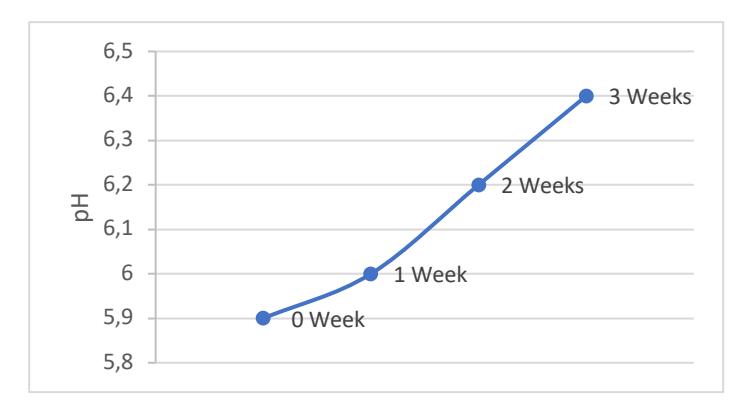
Figure 2. pH Test Results of Cream
Table 8. Viscosity Test Results of Cream
| Week | Viscosity (cps) |
|---|---|
| 0 | 2768 |
| 1 | 3254 |
| 2 | 3526 |
| 3 | 3790 |
The pH test results as shown in Figure 3 indicate an increase in the pH of the cream. Testing the pH of the preparation aims to determine the safety of the cream preparation when applied so as not to irritate the skin. The increase in the pH value of the cream preparation in storage for 3 weeks indicates the instability of the cream preparation during storage. This can be caused by storage temperature and the composition of the cream preparation formulation which is oxidized during storage.
Based on SNI regarding cream quality requirements, the pH requirements of a good cream are between 3.5-8.0. Based on the results of the pH test in the study, it is known that the pH value of the cream preparation of the combination of lime peel extract and green tea can be said to be good because it is in the range of cream pH requirements.
One of the physical quality tests of cream besides organoleptic and pH is the viscosity test. The viscosity test serves to determine the amount of resistance produced by the cream. Viscosity also determines whether or not the cream is easy to apply (Pratasik et al., 2019). The quality requirement for cream viscosity based on SNI 1996 is 2000-50,000 cps. The results of the viscosity value in this study are listed in Table 8 where these results are already in the good viscosity range.
The homogeneity test was conducted to show that there were no lumps formed in the cream. The homogeneity of the cream will affect the performance of the cream. Over 3 weeks the cream
made in this study was noted to be homogeneous as shown in table 9.
Spreadability test aims to determine the ability of the cream base to spread so that it can be seen the ease of applying the preparation to the skin. The Spreadability of a good cream is 5-7 cm. Based on the data in Figure 4 shows that the cream at 100 and 150 grams is included in the requirements of good Spreadability.
Table 9. Homogenity of Cream
| Week | Homogeneity |
|---|---|
| 0 | Homogene |
| 1 | Homogene |
| 2 | Homogene |
| 3 | Homogene |
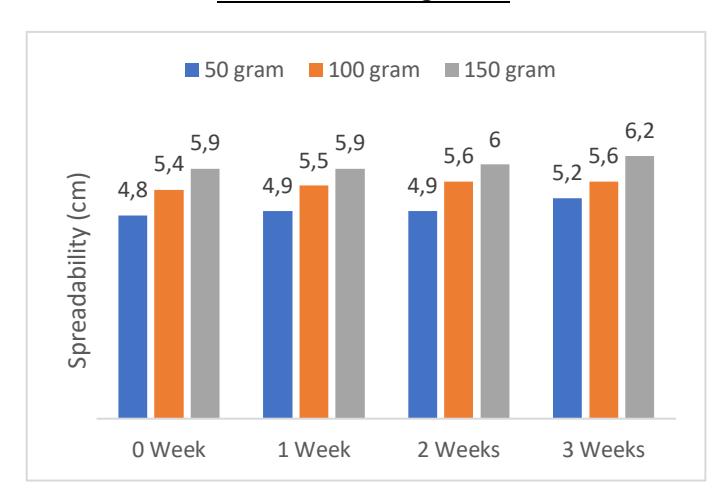
Figure 3. Result of Spreadability Test of Cream
Antioxidant Activity of Peel Lime Extract
The antioxidant activity of lime peel extract is seen from IC50. IC50 is the concentration obtained at 50% percent silencing. After obtaining the percent silencing, a calibration curve is made with the concentration on the X-axis and the percent silencing on the Y-axis as in Figure 5, Figure 6, and Figure 7. The calibration curve equation obtained is used to determine the IC50 by changing the Y
constant to 50. Based on Table 10, Table 11, and Table 12, the IC50
value of lime peel extract is 268.3130 ppm, the IC50 value of green tea leaf extract is 154.4009 ppm and the IC50 value of the combination cream of lime peel extract and green tea leaves is 115.7629 ppm. Based on the IC50 value, the combination cream of lime peel and green tea extract has the greatest antioxidant activity compared to lime peel extract or green tea leaf extract alone.
| Concentratration (ppm) | Absorbance of Extract | Absorbance of DPPH | The Percentage of Damping | IC50 (ppm) |
|---|---|---|---|---|
| 50 | 0.8076 | 0.8993 | 10.1968 | 268.3130 |
| 100 | 0.7156 | 0.8993 | 20.4270 | |
| 200 | 0.5532 | 0.8993 | 38.4855 | |
| 300 | 0.3987 | 0.8993 | 55.6655 | |
| 400 | 0.2264 | 0.8993 | 74.8249 | |
| 500 | 0.092 | 0.8993 | 89.7698 |
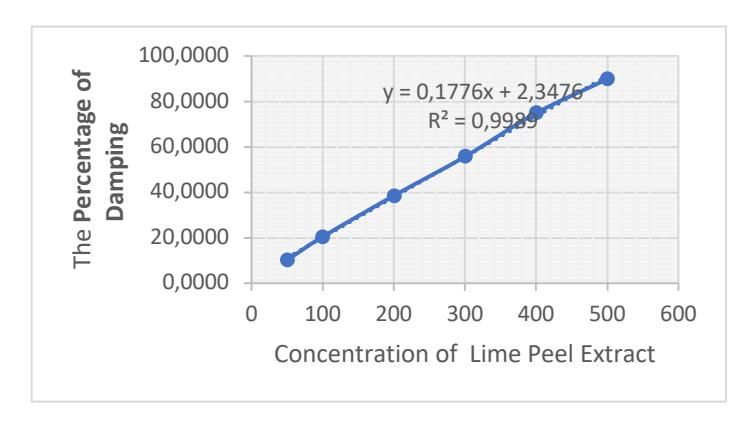
Figure 4. The Calibration Curve of Percentage of Damping of Lime Peel Extract
Antioxidant activity of green tea extract
Table 11. Antioxidant Activity (IC50) of Green Tea Extract
| Concentratration | Absorbance of Extract | Absorbance of DPPH | The Percentage of Damping | IC50(ppm) |
|---|---|---|---|---|
| 50 | 0.6235 | 0.9855 | 36.7326 | 154.4009 |
| 100 | 0.558 | 0.9855 | 43.3790 | |
| 200 | 0.4032 | 0.9855 | 59.0868 | |
| 300 | 0.3487 | 0.9855 | 64.6169 | |
| 400 | 0.2176 | 0.9855 | 77.9198 | |
| 500 | 0.052 | 0.9855 | 94.7235 |
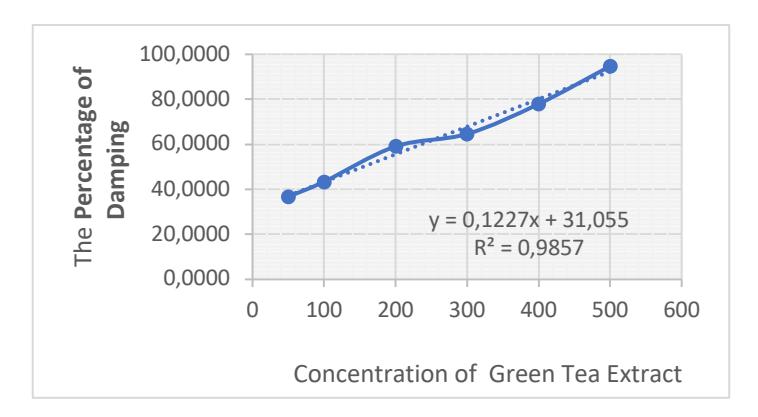
Figure 5. The Percentage of Damping Green Tea Extract Calibration Curve
Antioxidant Activity of Cream Combination Of Peel Lime and Green Tea Extract
| Absorbance of Cream | Absorbance of DPPH | The Percentage of Damping | IC50 |
|---|---|---|---|
| 0.4791 | 0.7983 | 39.9850 | 115.7629 |
| 0.4105 | 0.7983 | 48.5782 | |
| 0.3032 | 0.7983 | 62.0193 | |
| 0.2055 | 0.7983 | 74.2578 | |
| 0.1061 | 0.7983 | 86.7093 | |
| 0.009 | 0.7983 | 98.8726 | |
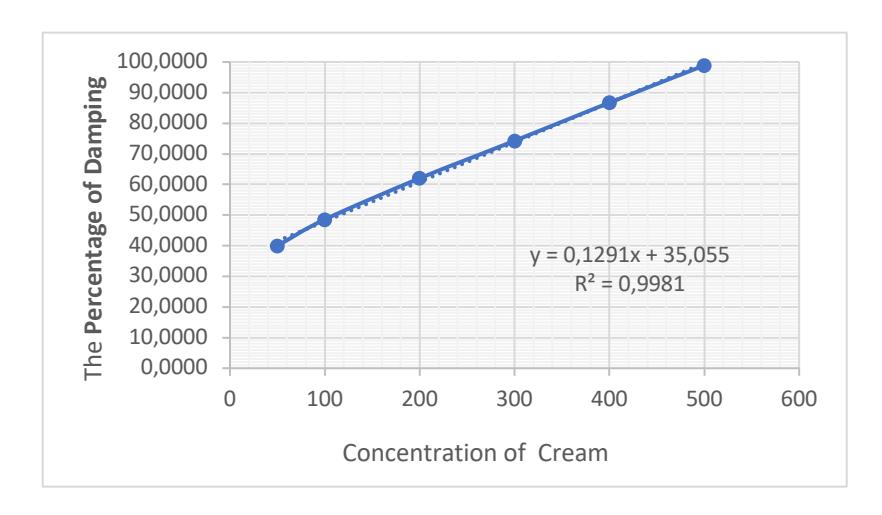
Figure 6. The Calibration Curve of Percentage of Damping for Cream
CONCLUSION
The combination cream of lime peel and green tea extract has the highest antioxidant activity of 115.7629 ppm compared to lime peel extract or green tea leaf extract.
ACKNOWLEDGEMENT
Thanks to the Directorate General of Vocational Education, Ministry of Education, Culture, Research and Technology of the Republic of Indonesia as a research funder in the 2024 Beginner Lecturer Research program (PDP).