

INTRODUCTION
In developing countries, local agricultural occupation is usually mentioned as an issue of local livelihood improvement. This development is associated with multiple functional agriculture and played an important of food security of its nation, employment and foreign currency incomes. At the present, however, the rapid change of modern technology, economic and population growth has resulted in local agricultural occupation by turning their attention to the economic benefits rather than the balance of agriculture and local ecology in order to live longer with agricultural occupation. Therefore, sustainable development of local agricultural occupation is the development of methods to increase productivity, improve farm or the capacity to produce continuously without affecting the existing agricultural resources.
In the midst of the growth of tourism industry, many developing countries have promoted "agro-tourism" as a means for local agricultural occupation improvement. Agro-tourism is a part of tourism activities. It allows visitors to gain the knowledge of agriculture and appreciate the unique rural landscapes (Hall and Jenkins, 1998). Sometimes it can be enjoyed as rural tourism or farm tourism (Fleischer and Tchetchik, 2006). In view of local agricultural occupation development, commonly three agro-tourism functions are 1Address correspondence to Teppakorn: Faculty of Natural Resources, Prince of Songkhla University Email: n_teppagorn@hotmail.com
found in the literature (Sznajder, et al., 2009). Socio-psychological functions may include gaining new skill and meeting new people. Economic functions include extension of accommodation facilities, additional workplaces, additional sources of income, income for communes, overcoming economic recession, and promotion of socio-economic development. Spatial and environmental functions include enhanced environments and nature protection, development of local infrastructure, improve value of houses, resource utilization, and stopping mass migration from rural areas (Iakovidou et al., 2000)
However, local agricultural occupation is not just a management of crop and animal farming but it is associated with local agricultural resources management related social and cultural systems. Therefore, in addition to the economic benefits that farmers gain form tourism, the aspects of impact of tourism on local agricultural occupation is concerned as well.
In agro-tourism studies, this promotion can be impacted on local agricultural occupation especially the use of agricultural resources, i.e. land, work, biodiversity, institution, wisdom and capital (Sznajder et al, 2009). In this sence, a farmer growing commodity crops intends to develop agro-tourism activity, for this purpose he has to exclude part of the area of land from agricultural production and use it for agro-tourism, or even though agro-tourism is closely associated with rural environment, but in term of business model, tourist farms inevitably provide agricultural resources as accommodations and other facilities as same as other types of tourism business (Halfacree, 1993). Besides, the development of agro-tourism activities have not significant influent on the increase of agricultural production within agro-tourism farms (Brscic, 2006).
In case of Thailand, it is well known that Thailand is an agricultural country. The agricultural sector has played an important role in contributing to the economy of Thailand throughout history. However, as the nonagricultural sector has been growing at a rapid rate during the past few decades, agriculture has gradually declined in its importance in terms of its share in economic growth (Thuvachote, 2007). Moreover, the situation of local agricultural occupation is depended on fluctuation of prices, climate change, agricultural technology development, and cost of machine and chemical. These have been resulting in the decline of the number of local agricultural occupations. Therefore, the combination of agricultural activities and tourism services which termed as agro-tourism is an important policy towards local agricultural occupation development. (Tanupol et al., 2000).
In Thailand, agro-tourism was officially promoted throughout Thailand in 1995. Improving local agricultural occupation, agro-tourism activities promoted within communities are mainly categorized as short- term activity participation, farm visiting with participatory harvesting, overnight in the village to experience villagers' living, agricultural study both modern and traditional agriculture, and distribution of agricultural products. Currently, more than 400 agricultural villages throughout regions of Thailand are officially promoted as agro-tourism destinations, and a number of potential communities are being developed as such tourism (DAE, 2005).
However, in Thailand, agro-tourism is a relatively new activity for local farmers and its impact on local agricultural occupation has not been studied. Reviewing of relevant literatures found that some researches of this area have investigated the impacts of agrotourism on agricultural situation within tourist farms, and most of them were studied in Europe (Bureau of Farmers Development, 2005).
Chang klang district in southern Thailand is a well known agro-tourism destination operated by local farmer groups. In the past, Chang Klang district occupied the rich of natural resource diversity; mountainous landscapes with various plantations, and lowland with the paddy, husbandry, orchard and vegetable. Most of residents relied on agricultural productions. Later, in 1997, due to the economic crisis, agro-tourism was promoted to
Impact of Agro-Tourism on Local Agricultural Occupation: A Case Study of Chang Klang District, Southern Thailand
improve local agricultural occupation. Presently, the structure of agricultural occupation of this community has been changing compared to the past. Therefore for years of agrotourism promotion in this district, it should be examined how agro-tourism impacts on local agricultural occupation especially the changing of farm's objectives and agricultural resource usages. It is a case study reinforcing local agro-tourism development in developing country.
Literature review
Sznajder et al. (2009) describe a difference of agricultural occupation between agricultural farms and agro-tourism farms. Agricultural farm maximizes agriculture from land use, whereas agro-tourism farm excludes a partial of agricultural use of land for agro-tourism purposes (such as buildings, car parks, etc.). About the production, agricultural farm engages only in agricultural, breeding and possibly processing activities, specialization of production, increasing the scale of production, whereas agrotourism farm takes agriculture and tourism in various proportions, subordination of the structure of agricultural activities to agro-tourism. Using of inputs, agricultural farm uses modern technologies, especially fertilizers and pesticides in order to maximize the profit from agricultural production, whereas agro-tourism farm emphasizes on extensive production and environmental protection and moderate use of fertilizers and pesticides. However, agro-tourism may be served in several functions, both positive and negative. Thus we may distinguish function connected with revenue, employment, utilization of available housing facilities, activities of rural areas, and nature conservation. In this regard, the impacts of agro-tourism activity may be viewed in terms of three categories – expected effects of the development of agro-tourism, desirable effects of the development of agro-tourism, and actual effects of its development (Gaworecki, 2006). Other views of impact of agro-tourism on local agricultural occupation may be considered at an aspect of interaction. Sznajder., et al., (2009) claim that there may be various types of interactions between agro-tourism and agriculture: complementary, supplementary, and competitive. In terms of positive impacts on local agricultural occupation, for example Ceballos (1996) claims that agro-tourism through green agriculture is a main expectation of agrotourism promotion. When local agricultural occupation depended on some of inputs from the outsides (such as fertilizers, pesticides, etc.) needs to generate incomes from agrotourism, farmers tend to reduce some inputs from outside by making organic farming or natural farming as the tourist attractions. In contrast, in case of traditional farming relied on agricultural inputs within community needs to generate incomes from agro-tourism, farmers tend to reduce the use of agricultural inputs within community especially the rich of local natural resources. As this sense, agro-tourism can be served agricultural resources for the stability of agriculture. These resources are maintained for farmer's incomes by improving as tourism attractions instead of using for agriculture.
In terms of negative impacts on local agricultural occupation, pragmatically, most of agricultural resources within tourist farm are used for tourism. A study of Brscic (2006) entitled "the impact of agro-tourism on agricultural production" points that the development of agro-tourism activities is not an increasing factor of agricultural productivity due to some of agricultural resources are transformed as facilities for visitors. Other impact of agro-tourism on agricultural occupation, Busby and Rendle (2000) clam that the link between agro-tourism and agriculture is getting weaker. In this view, farms who engage in tourism on their farm as an alternative source of income to agriculture slowly divorce themselves from agricultural activities. As business side, even though agro-tourism is associated closely with rural environment, but in term of business model, tourist farms inevitably provide agricultural resources as accommodations and other facilities as same as other types of tourism business (Halfacree, 1993). In sense competitive interaction, it may concern the use of all resources of the farm such as land, work, and capital. For example, a farmer growing commodity crops intents to develop agritourist activity. For this purpose he had to exclude part of the area of land from agricultural production and use it for agro-tourism, or part of the finances he has been directing to crop production so far must be directed to agro-tourism investments. Besides, he has to direct part of the work to tourist services (Sznajder., et al., 2009).
In terms of how agro-tourism activities as the resulting factors on local agricultural occupation adjustment. In nature, farm management is depended on the conditions of stability of production and value of agricultural resources usage (Atipnan, 1999). In this regard, it is possible that agro-tourism activity is ruled as such condition. Besides, farmers' decisions making depend on the purposes of farming, the types of production, and the main activities of farming (Thungwa, 1998). Among these purposes, in condition of local agricultural occupation within farm is developed as agro-tourism destination, the objectives of agricultural occupation of production, and main activities of farming may be changed.
Research methods
Studied areas selection
Agro-tourism in Chang Klang district was chosen due to its well known agro-tourism destination. This area has been implementing agro-tourism activities for years, gaining Thai Tourism Industry Award in 2002, expanding a number of tourism activities and tourists, and conducting by villagers.
Investigating the impact of agro-tourism on local agricultural occupation, farm management of all agro-tourism farms were analyzed how agro-tourism effecting farm's objectives and agricultural resource usages. During this study, existing seven agrotourism farms were studied. Table 1 shows the studied agro-tourism farms in Chang Klang district and figure 1 shows the location of the studied area.
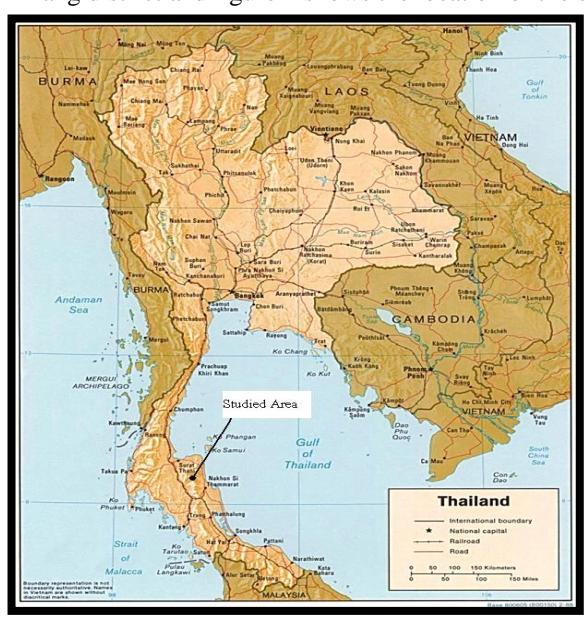
Fig. 1. Location of studied area
Impact of Agro-Tourism on Local Agricultural Occupation: A Case Study of Chang Klang District, Southern Thailand
Table 1. Existing agro-tourism farms in Chang Klang district
| Names of agro-tourism farms | Agricultural occupation | |
|---|---|---|
| 1. | Mushroom lover group | Mushroom cultivation |
| 2. | Group of occupational promotion and centre of | Mushroom cultivation |
| Mushroom cultivation training | ||
| 3. | Efficiency economic and organic farming | Bio-fertilizer generating, mixed farm |
| 4. | Apiscerana apiculture of Klongpeeknue group | Apiculture |
| 5. | Apiscerana apiculture of Mr.Rai Pomchart | Apiculture |
| 6. | Apiculture of Baanlumnaihin group | Apiculture |
| 7. | Apiscerana apiculture centre | Apiculture |
Data collection
Data were collected from key informants and stakeholders who are involved in agrotourism agricultural occupation. The survey questionnaire was designed to collect the features of agro-tourism activities and agricultural resource usage. Then the semistructured interview was performed to interview key informants. This in-depth interview aimed to describe the impacts of agro-tourism activities on local agricultural occupation. The key informants are leaders of agro-tourism farms, local government officials, agricultural extension officers of Chang Klang district, and person who initiated agrotourism promotion.
Data analysis
Qualitative primary and secondary date were analyzed as following steps.
- 1. Drawing the time line of agriculture and tourism revolution.
- 2. Characterizing the agro-tourism activities within agro-tourism farms offered to tourists.
- 3. Searching events of agricultural occupation changes resulted form agro-tourism activities.
- 4. Presenting primary finding to key informants in order to strengthen the results.
Results
Features of agro-tourism activity
The background of local agricultural occupation especially agricultural productions and resources use was a basis of the features of agro-tourism activity. Farms which promoted as agro-tourisms activity were agricultural occupation of mushroom cultivation, apiculture, and organic farming. These farms operated agro-tourism activities as agricultural processing demonstration, agricultural study, local product distribution, and agri-business guidance. Features of agro-tourism activity of each kind of agricultural occupation are showed as Figure 2.
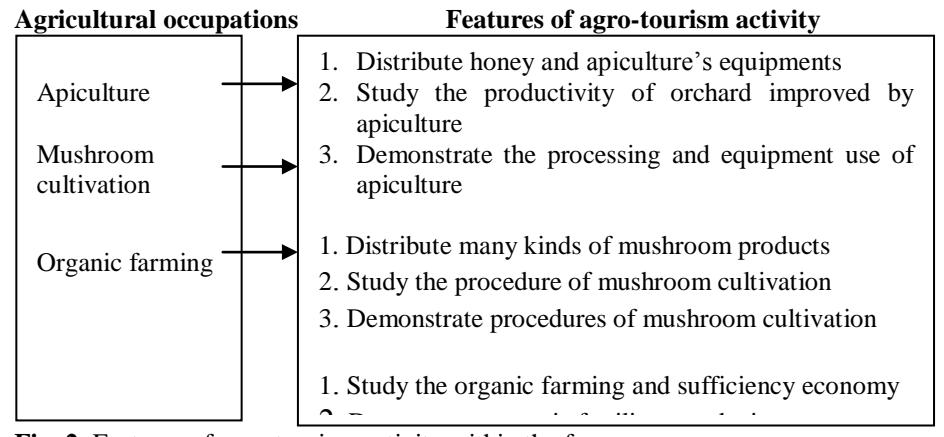
Fig. 2. Features of agro-tourism activity within the farms
Figure 2, all tourist farms operated various agro-tourism activities. These available activities of farms were sequenced to make income from visitors. As this sense, agrotourism activities program offering visitors started with knowledge of farming. The next activity was agricultural process demonstration, and last activity was agricultural production distribution and agri-business guidance. However, each agro-tourism activity was operated in difference depend on type of agricultural production. As this condition, apicultural farm focused on activity of demonstration because the method of apiculture was very complex and interesting. Unlike the farm of mushroom cultivation, it mainly shown a divers of mushroom production, distributed production, and advised mushroom business because this production was easy to produce by visitors themselves. Whereas the organic farm concentrated on activity of organic planting study because of the boom of green agriculture. As this finding, it is important to mention that there was a link between activity of agro-tourism and type of agricultural production within tourist farm.
Impacts of agro-tourism on local agricultural occupation
In term of agricultural resources use in agro-tourism activities, it was found that agricultural residents, agricultural products, and agricultural knowledge were used mainly on agro-tourism activities. Agro-tourism farms used such agricultural resource in difference. The features of agro-tourism activities and their agricultural resources use are presented as Figure 3.
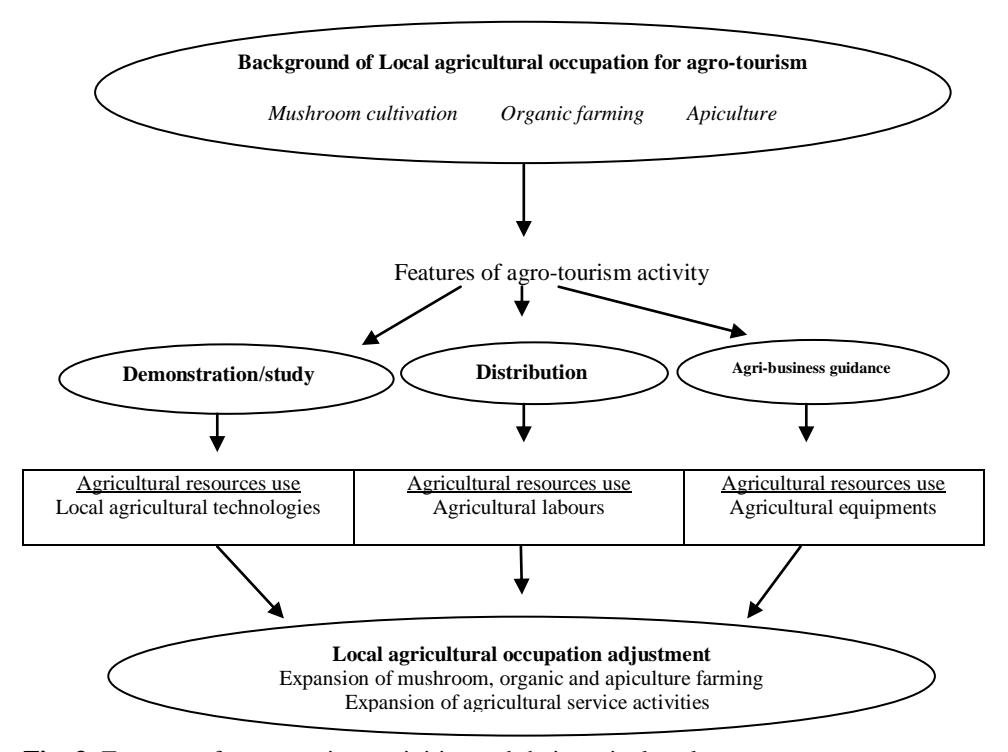
Fig. 3. Features of agro-tourism activities and their agricultural resources
As figure 3, the feature of agro-tourism activities within the farms and the use of agricultural resources on agro-tourism activities were the changing factors of agricultural occupation structure. This research considered the changes of local agricultural occupation during the past 10 years of agro-tourism promotion. This study found that the change can be defined into three characteristics: conservation of agricultural resources, expansion of agricultural career, and value adding of agricultural resources. The obvious changes of agricultural occupation and the role of agro-tourism activities on them are shown as the following. In terms of agricultural resource conservation, activities of agricultural study especially mixed farming or diversity farming has encouraged more than 20 farms within Chang Klang district has switched from their monoculture farms (such as durian, mangosteen, and rambutan) to mixed farms. Besides, after the past five years of activities of organic farming study, it was found that a number of chemical fertilizers use in Chang Klang district was decreased significantly compared to in the past. According to the boom of such agricultural resource conservation, residents in Chang Klang district continued their agricultural activity but most of them tried to operate as small scale (less than 1 ha) in the sense that green agricultural products were used for them where as the main incomes were generated from tourism activities and rubber plantation.
As an aspect of agricultural activities expansion, activities of agri-business guidance of mushroom cultivation has encouraged the new farms of such business due to its low investment, less operating areas, and enough local materials. During this study, about 90 farmers in Chang Klang district have operated this business as a part of their farms.
Besides, activities of organic farming study have encouraged more than70 local farmers to conduct organic farming in order to reduce farming cost. Furthermore, activities of
Teppakorn Na Songkhla & Buncha Somboonsuke
apiculture study have motivated many orchards to obtain apiculture. During this study, at least 10 orchards in Chang Klang district have operated apiculture. According to such expansion, mushroom cultivation and apiculture were a basic of agricultural activity of most farms. At this sense, agricultural occupation seemed to similar in production. These productions from both agro-tourism farms non-tourism farms shared some of such productions to visitors.
Finally, As an aspect of value adding of agricultural resources, activities of local products distribution has resulted in the value adding of a certain agricultural resources such as traditional rice farming, and local plants were modified as a wide rang of local products. According to value adding of agricultural resources, agricultural occupation activity within this agro-tourism district seemed to use various local agricultural resources. It was an evident describing how agricultural occupation of households seemed to be small scale.
In short, in view of local agricultural occupation structure change, a wide rang of agricultural service agencies within Chank Klang district were increase especially agricultural extension centre for inspection activity. Additionally, agricultural service occupation was included with accommodations and local production within agro-tourism farms. These activities generated a new source of agricultural income.
Discussion
Agro-tourism and local agricultural occupation improvement
As the finding from this study, local agricultural occupation was improved in terms of conservation of agricultural resources, expansion of agricultural career, and value adding agricultural resources. How agro-tourism was a factor of such local agricultural occupation improvement is presented in Figure 4.
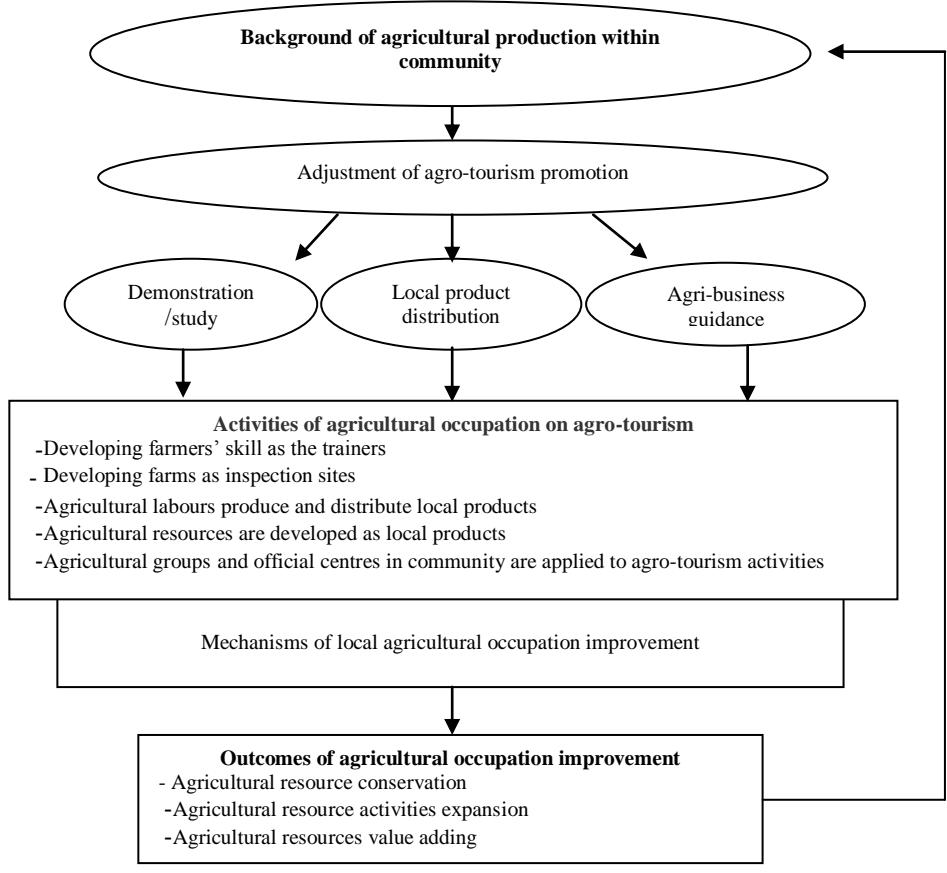
Fig. 4. Relationships between agro-tourism and local agricultural occupation improvement
Figure 4, it is the linkage of background of community's agricultural occupation, features of agro-tourism activities, agricultural resources use, and outcomes of agricultural occupation improvement. This linkage was explained that features of agro-tourism activities (study/demonstration, distribution, and agri-business guidance) played a role as a mechanism of agricultural technology development and publication. These agrotourism activities provide agricultural demonstration centred as a location for agricultural training and education. In this operation, it leaded to a development and publication of agricultural technologies among local farmers and between visitors and locals. Besides, farmers in Chang Klang district improved their agriculture by means of the cooperation from agricultural demonstration centres.
As the findings presented as above are compared with previous research, Ciani (1999) shown that the size of farm are closely related with development of agro-tourism activity or there is a link between size of farm and type of visitor offer on agro-tourism farm. The results from Figure 3 shown difference aspect that is type of agricultural production of agro-tourism farm is related with development of agro-tourism activity. The case study of Chang Klang can be explained that the entity of producing process of each farms was the feature of agro-tourism offer on farm.
Other aspect from previous research, Fleischer and Tchetchik (2006) ask that relationships between rural amenities of tourism development and agriculture are of mutual benefit, in the sense that while agro-tourism provides the farmer with auxiliary funding to continue his/her activity, the latter is an important component of agro-tourism? This solution was found in Chang Klang district. As Figure 4 Activities of agricultural occupation on agro-tourism generated rural amenities of tourism development and this development benefit to agriculture.
Local agricultural occupation and source of incomes
Results from previous research shown that the link between agro-tourism and agriculture is getting weaker. In this view, farms who engage in tourism on their farm as an alternative source of income to agriculture slowly divorced themselves from agricultural activities (Busby and Rendle, 2000). According to the finding of hang Klang district,it seemed to be as same as such previous research. Presently, among the boom of agrotourism in Chang Klang district, local agricultural occupation tends to support tourism activities. According to the results showing that most cases of value adding of agricultural resources intently supported tourism business. In addition, the increase of apiculture and mushroom cultivation was purposed mainly to agro-tourism activities expansion rather than agricultural occupation improvement. At present, many of accommodations for visitors are found in Chang Klang, and it could be said that farmers' incomes tend to heavily rely on tourism, and they would face the problems from the stagnation of tourism. Besides, the study of Brscic (2006) shown that the development of agro-tourism activities is not an increasing factor of agricultural productivity. This finding similar to the case study of Chang Klang district that is agro-tourism promotion caused agro-tourism farms as small scale in order to fit for tourism business. From this adjustment, agricultural productions were decreased.
How agro-tourism as a decision making factors of farm management?
How agro-tourism as a decision making factors of farm management, Ceballos (1996) implies that environmental and natural resources are maintained owing to some of farmer's incomes are generated from agro-tourism and the rich of natural resources will serve as tourism resources instead of using for agriculture. A case study of Chang Klang can be explained that agro-tourism promotion was not a stabilizing factor of agricultural production and a curtaining factor of product distribution, but it was clear that agrotourism activity as the features of demonstration/giving knowledge and agricultural products distribution are value adding factor of agricultural resources within the farms. This condition influenced the farmers' decision making on farming. Obviously, the changes of farm's objectives such as agricultural farm to be tourist farm and farming system such as monoculture farm to mixed farms were some examples.
Implication
To improve local agricultural occupation by a means of agro-tourism, local agricultural occupation should be promoted as the activity of local agricultural demonstration or giving knowledge with the cooperation among residents. This activity can be gathered a wide rang of local agricultural resources including community's institutions for agrotourism promotion, contributed incomes to most of stakeholders, and improved local agricultural technologies. Importantly, the right understanding of agro-tourism especially agro-tourism as a part of agricultural incomes is a means of agricultural occupation improvement.
Conclusion
Impact of Agro-Tourism on Local Agricultural Occupation: A Case Study of Chang Klang District, Southern Thailand
Agro-tourism is a means of local agricultural occupation improvement that has been implementing in a number of developing countries. A case study of Chang Klang district reveals that the impacts of agro-tourism on local agricultural occupation are both of positive and negative. The positive impacts are the increase of conservation of agricultural resources, and diversification of agricultural career, whereas agricultural resources trend to be used for tourism rather than agriculture is negative impact. To apply these results for local agricultural occupation improvement, agro-tourism activity as local agricultural demonstration can play a role as mechanism of local agricultural occupation improvement.
Acknowledgement
The authors express sincere thanks to Prince of Songkhla University for financial supporting.