

INTRODUCTION
Tourism as one of the fast growing service sector in Bandung has been noted as the leading sectors of urban development. This development has started more than a decade, started from the development of a tourist attraction in the form of factory outlet and culinary tourist attraction in some parts of the city, which then drive other tourism revenue such as hotels, restaurants, etc.
The urban tourism development has contributed to the Gross Regional Domestic Product (GRDP) of Bandung, which ranges between 4% -7% in the period of 2003-2011 for the three related sub sectors, such as hotels, restaurants, and entertainment services. The contribution of tourism on GRDP was still relatively small compared to the contribution of other sectors. However, it has a higher growth rate, reaching to more than 10%, and even more than 20% until 2010 (Bandung City Tourism and Culture Agency, 2012).
1Address correspondence to Yani Adriani: Centre for Tourism Planning and Development Bandung Institute of Technology, Indonesia. Email: sayayani@yahoo.com
2Address correspondence to Arief Rosyidie: Department of Regional and Urban Planning SAPPK-ITB, indonesia. Email: ariefr@pl.itb.ac.id
Contribution of tourism to the local revenue (PAD) of Bandung has been increasing since 2004, it was always above 40%, except in 2005 which declined to 33.3%. In 2009, its contribution was the highest during 2004-2010, which was 49.7%. In 2010, tourism's contribution was about 187 billion rupiah (Rp) or 48.4% of total revenue. Since 2004, this contribution rate was the highest compared to the contribution of other sectors (Bandung City Tourism and Culture Agency, 2012).
The opening of Cipularang toll road in 2005 became a pull factor for investors to those related to tourism activity. The rapid tourism development of Bandung is also supported by its strategic position, both at provincial and national levels. In the scope of West Java tourism development, Bandung is one of the nine leading tourist regions (KWU) of West Java, namely KWU of Urban and Education tourism of Bandung, including the Regency of Bandung (Regional Development Planning Boards of West Java Province, 2005). Meanwhile, in the constellation of national tourism, City of Bandung is one of national tourism destination and strategic areas in national tourism (Ministry of Culture and Tourism, 2010), it is also the main destinations of MICE tourism in Indonesia (Paham, 2008).
Increased of tourism development and its strategic position has generated a high demand for Bandung tourism. Each year, an average growth rate of tourist arrivals through Pasteur, as the main gate of Bandung through Cipularang toll road, was recorded as 29.6% per year for the period of 2008-2011, the average growth for hotel guests per year was 18.8% and visitors to the tourist attraction was 3.2% per year for the period of 2001 to 2011 (Bandung City Tourism and Culture Agency, 2012). The growth of demand was followed by growth of tourism businesses and tourism related activities, which was also high, and some were more than 50%, such as factory outlets, shopping centers, and karaoke or entertainment. Growth of other tourism businesses which were also quite high was the spa, pub, hotel, and restaurant (Adriani, 2012).
The growth in demand and supply of Bandung urban tourism caused an uncontrolled development of tourism with some negative impacts, particularly the social and physical environment impacts. The most negative impact experienced was the physical effects on the environment, such as traffic congestion, air pollution, noise pollution, and spatial misuse. The negative impacts occured in areas with medium, high, as well as very high concentration of tourist activity. The impact of air pollution also occured in areas with a low and a very low concentration of tourist activity, such as in residential areas.
The negative impacts of tourism on the environment could be potential problems for the community life in the future. The higher the increase of tourist visits to Bandung could cause the higher gas pollutant produced, and the greater the potential for health problem for the people, especially the people in Bandung. Therefore, efforts need to be done to anticipate the negative impact of tourism on the environment and humans. This paper discussed urban ecotourism development, which described the concept of tourism development that could maintain or increase the contribution of tourism without causing major air pollution problem in the development of tourism in Bandung.
Urban Ecotourism
Yani Adriani & Arief Rosyidie
Ecotourism is a subcomponent of sustainable tourism principles. Ecotourism is a concept of responsible travel to the natural environment that conserve environment and wellbeing of local communities (TIES, 1991 in Wood, 2002; Lascurain, 1996). Quebec Declaration specifically stated that ecotourism is a form of tourism which adopts the principles of sustainable tourism that is different from other tourism activities. UNWTO (United Nations of World Tourism Organization, in Lascurain, 1996) defines ecotourism as an activity that optimizes natural resources, to preserve the natural heritage and biodiversities, social respect of local culture and provide benefits to all actors.
In the National Ecotourism Strategic Plan, published by the Ministry of Culture and Tourism (2004), ecotourism is defined as a development and implementation of concept of environmental protection based tourism as well as the active participation of the community, and present an educational and learning of local products, with a minimal negative impact, a positive contribution to local economic development, and applied to the protected areas, open areas, man made areas as well as the cultural area.
Based on these definitions, there are three key words in the concept of ecotourism, which are:
- Preservation of the natural environment and respect for local cultures
- Increased positive benefits for communities and regions (economic and social)
- provides education and learning
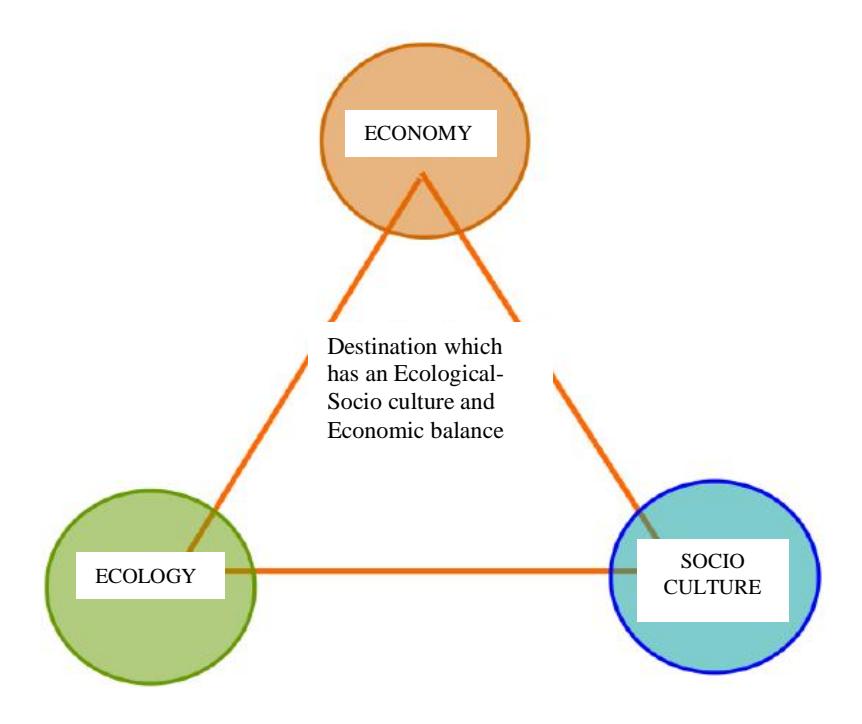
Fig 1: Ecological, social/cultural, and economic balances in ecotourism
Wood (2002) and Lascurain (1996) suggested nine principles of ecotourism, which are:
- Prevent and mitigate the impact of tourist activities on nature and culture based on the characteristics of local nature and culture;
- Education of environmental conservation. Educate tourists and the local community concerning the importance of conservation. Educational process can be performed directly in nature;
- Direct revenue for the region. To arrange the area used for ecotourism and the management of conservation area can receive direct income or revenue. Taxes and conservation retribution can be used directly to build, preserve, and improve the quality of natural conservation areas.
- Community participation in planning. Community is invited to plan the development of ecotourism. Similarly, the community is expected to participate in the control actively.
- Income for local communities. Real benefits to local economy from ecotourism activities could encourage people to preserve natural areas.
- Maintain harmony with nature. All development efforts including the development of facilities and utilities should keep the harmony with nature. If there is disharmony with nature, it will destruct ecological tourism products.
- Avoid as far as possible the use of oil, conserve flora and fauna as well as maintaining the originality of local culture.
- Environmental carrying capacity. In general, the natural environment has a lower carrying capacity compared to a carrying capacity of artificial area. Although the demand might be very high, carrying capacity will limit it.
- Higher income opportunity for a region and the state. Where a conservation area has been developed for ecotourism, the foreign exchange and travelers spending can be directed to the benefit of the state or local government.
The application of ecotourism concept in urban areas has been developed since the convening of the International Conference on Urban Ecotourism in the 2004. This conference produced a declaration on urban ecotourism (http://www.planeta.com/ ecotravel/tour/urbandeclaration.html, accessed on September 30, 2010). The declaration stated that urban tourism is developed for the purpose of:
- a) Restoring and conserving natural and cultural heritage, including natural landscapes and biodiversity as well as indigenous cultures.
- b) Maximizing the local benefits and involving local communities as owner, investor, guests, and guides.
- c) Provide lessons to visitors and residents about the environment, heritage resources, and sustainability.
- d) Reduce the ecological footprint.
Tourism Impact on Air Pollution of Bandung City.
Negative impacts of tourism development on the physical environment of Bandung, such as air pollution, arose especially by the emergence of congestion on the several main points of Bandung city due to increased of vehicle movement and tourism supporting industries.
Traffic Congestion
The growth of tourism in Bandung might increase traffic movement in the city. Centres of tourist activities have changed into congestion points in the city of Bandung.
Yani Adriani & Arief Rosvidie
Congestion that occurs in the city of Bandung is due to the inadequate road infrastructure to accommodate vehicles in very large numbers. The Chief of Bandung Transportation Office stated that by 2011 every weekend Bandung city had an increase of about 125,000 vehicles coming from outside the city of Bandung (Permana and Setianingsih, 2011). This figure was doubled compared to that in 2009, and data from the Police Office of Bandung showed that the number of vehicles entering the Bandung city on those weekends were around 60,000 vehicles (Pikiran Rakyat, 2012).
According to Bandung Spatial Development Plan of 2011-2031 (Regional Development Planning Board of Bandung, 2011), the availability of roads in Bandung was still less than 3% of the city area, whereas the ideal of roads area in a region should reach 15% - 20% of the total area. Incompatibility of road availability with the volume of vehicles is one of factors which cause congestion in Bandung.
Research conducted in 2008 revealed that there were 42 points of traffic jam in Bandung (Yudiawan, 2008). Nearly half of the congestion points were in the location of urban tourism activities. Recent data from the Police Office of Bandung suggested that in 2011 there were 532 congestion points in Bandung, and 12 main roads were prone to traffic jam. These 12 roads were in Djundjunan, Sukajadi, Cihampelas, Asia and Africa (town square), Diponegoro (Gasibu), Sudirman, Martadinata, Juanda, Sukajadi, Gatot Subroto, Buahbatu, and Cibiru (Setianingsih, 2011). However, Cibiru, as one of prone jammed roads were streets with a low to a very low concentration level of tourism elements (Table 1).
Table 1: Location of Congestion and Concentration of Tourism Activitie of Bandung City
| Congestion | Concentration Of Tourism | ||
|---|---|---|---|
| Roads | Districts | Product | |
| Pasteur | – Pasirkaliki | - Very High, | |
| – Pasteur, Cipaganti, | – High, | ||
| – Tamansari | - Low | ||
| Sukajadi | – Pasteur | – High | |
| Ü | - Gegerkalong, Cipedes | – Low | |
| Setiabudhi | - Ledeng | - Very high | |
| - Pasteur, Cipaganti, Hegarmanah, | – High | ||
| – Isola, | – Medium | ||
| - Gegerkalong, | - Low | ||
| Cihampelas | – Pasirkaliki |
| |
| – Cipaganti | – High | ||
| – Tamansari | - Low | ||
| Asia Afrika | - Balonggede |
| |
| - Braga, Kebon Pisang, Cikawao | – Low | ||
| Diponegoro | – Citarum, |
| |
| – Low | ||
| Sudirman |
| - Medium | |
| – Jamika, Campaka | - Low | ||
| - Ciroyom, Cibuntu | – Very low | ||
| Martadinata/Riau | – Citarum, |
| |
| - Tamansari, Cihapit, Merdeka, Babakan | - Low | ||
| Ciamis, Kacapiring | |||
| Djuanda/Dago | – Citarum, |
| |
| – Dago, | – High | ||
| – Medium | ||
| Congestion Roads | Districts | Concentration Of Tourism Product |
|---|---|---|
| – Tamansari, | - Low | |
| - Sekeloa | - Very low | |
| Gatot Subroto | - Cibangkong, |
|
| – High | |
| - Burangrang | - Low | |
| - Very low | |
| Buahbatu | - Turangga - Medium | |
| – Cijagra | - Low | |
| Cibiru | - Cipadung, Palasari | No element of tourism |
| product | ||
Source: Adriani, 2012
Table 1. showed that although the level of concentration of urban tourism product in the Cibiru districts was low and very low compared to other districts, but it remained to be one of the caused of traffic congestion in the region.
Air Pollution
Research on air pollution conducted in four districts of Bandung city (District of Cicendo, Sumur Bandung, Andir, and Astana Anyar) showed that generally the movement of transportation in the city of Bandung contributed to gas pollutant (98.26 % or 599 tons per year). Other sources of air pollution were waste as much as 51.05 tons of CO per year, the industry was 48.37 tons of CO per year, and 6.63 tons of CO domestic per year. In addition to CO, the transportion in Bandung produce 0.5 to 2 micrograms of lead per m3 (Puji Lestari, 2007 in Maarif Institute, 2010). The same research in the Pasteur toll gate and Pasupati Flyover showed that congestion produced 2500 kg of CO per day, 278.25 kg of NOx per day, 175 kg of hydrocarbons per day, 0.5 to 2 micrograms of lead per m3 during Friday to Sunday (Puji Lestari, 2007 in Yulihastin, 2008).
The air pollution in the city of Bandung increase seriously. In 2009, Bandung still had 55 days of clean air in a year, but in 2011 the number of clean air days decreased to 32 days (Nastiti, 2011). Research conducted by Nastiti (2011) noted that the highest air pollution in Bandung was in Martadinata Road, Djundjunan Road, Kiaracondong Road, Jakarta Road, and Kebun Kelapa area. In the Kiaracondong and Jakarta Roads, the results of air measurements showed a figure that exceeds the standard rate, such as the increasing concentration of Nitrogen Oxides (NOx), Carbon Monoxide (CO), and dust concentration of 10 micrometers (PM10).
This research also found that in the city of Bandung, especially in areas with high air pollution, the rain water was more acid. These areas was in Martadinata, Kebon Kalapa area, Djundjunan, and Dago area. Most of these locations were region with a high or very high concentration level of tourism products. These pollutants would adversely affect the health of people in Bandung city.
Table 2: Location of Air Pollution and Concentration Level of Tourism Product Development of Bandung City
| Highly Polluted Location | Concentration Level of Tourism Product Development | |
|---|---|---|
| Astana Anyar District | - Very low | |
| Cicendo District | - Medium | |
| Andir District | - Low | |
Yani Adriani & Arief Rosyidie
| Highly Polluted Location | Concentration Level of Tourism Product Development |
|---|---|
| Sumur Bandung District | Low |
| Djundjunan | Very high, |
| High , | |
| Low | |
| Kebon Kalapa/Main Square Area | Very high |
| Low | |
| Martadinata/Riau Rd | Very high |
| Low | |
| Djuanda/Dago Rd | Very high |
| High | |
| Medium | |
| Low | |
| Very low | |
| Kiaracondong Rd | Very low |
| Jakarta Rd | Very low |
Source: Adriani, 2012
Table 2. Showed that highly air polluted location in the city of Bandung was not always in the places with a high concentration level of urban tourism product. This means that tourism is not the only cause of air pollution in the city of Bandung. Therefore, the movement of transport is the largest contributor to air pollution. Those locations in table 2 were more to a community center in Bandung, which was located around the office and residential areas.
If the congested roads were associated with highly polluted roads, it can be concluded that roads with high traffic congestion levels also had a high air pollution levels. This condition indicated that congestion contributed to a high gas pollutant to the environment.
Preference of Society and Travelers to Urban Tourism Product of Bandung in the Future
Environmental degradation in Bandung city was also experienced by most local people. Based on the results of research concerning public perceptions about the impact of urban tourism development conducted in 2006 (Gunawan, 2006) and 2012 (Adriani, 2012), the most negative impact suffered by the people was the congestion and air pollution.
Related to the public perception of the impact of tourism development, a research conducted by Adriani (2012) showed a new preference of people in Bandung toward urban tourism product in the future. The study was conducted on 300 respondents of Bandung people.
The results of research showed that people wanted to develop a quality urban tourism in Bandung in the future. In addition to shopping and culinary tourism, types of urban nature tourism and scientific and technology tourism were a type of tourism that was expected to be developed by most Bandung people.
Nature of recreational activities that mostly expected to be develop was not a recreational activities with just having fun, but creative recreational activities, educational, and environmentally sound. Non environmental friendly recreation was a nature of recreational activities that was unwanted mostly by the people of Bandung, in addition to recreational activities that invite mass tourist visits.
Table 3: Preference of people about Tourism and Recreation in Bandung City
| Desired Tourism Actvities | % | Nature Of Recreation Activities | % | Unwanted Recreation Actvities | % |
|---|---|---|---|---|---|
| Culinary | 26,00% | Creative | 37,50% | Un | 36,50% |
| environmental | |||||
| friendly | |||||
| Shopping | 19,60% | Education | 32,10% | Mass tourism | 17,10% |
| Urban nature | 16,00% | Environmentally | 16,40% | High risk and | 13,40% |
| sound | unsave | ||||
| Science and | 16,00% | Leisure | 13,70% | Expensive | 12,70% |
| Technology | |||||
| Traditional | 10,40% | Others | 0,30% | Leisure only | 11,70% |
| culture | |||||
| Heritage | 9,20% | Un natural beauty | 7,40% | ||
| Conventional and | cheap | 0,70% | |||
| Exhibition | 2,00% | ||||
| Health | 0,80% | Others | 0,70% | ||
| Creative industry | 0,00% | ||||
| Modern | 0,00% | ||||
| Water/Tirta | 0,00% | ||||
| Night | |||||
| entertainment | 0,00% | ||||
| Total | 100% | Total | 100,0% | Total | 100% |
Source: Adriani, 2012
Beside community preferences, the preferences of tourists also became the main consideration in the development of urban tourism product in Bandung, especially for tourism business actors. Descriptions of tourist preferences were based on the results of a market analysis carried out by the Regional Planning Board of Bandung in 2009. Research was conducted on domestic as well as foreign tourists with number of respondents were 311 tourists. Respondents were chosen from 15 tourism areas mentioned in the Regional Tourism Development Master Plan (RIPPDA) of Bandung in 2006.
The results of a survey to tourists and analysis about tourist preference were shown as follows (Regional Development Planning Board of Bandung, 2009):
- 1. Shopping tourism and culinary tourism became the most popular tourist attraction by most tourists at present time.
- 2. A type of tourism that was more desirable by tourists in the future was scientific or education tourism.
Yani Adriani & Arief Rosyidie
3. Things that disturb tourist and reduce satisfaction during their visit to Bandung were traffic congestion, disorganized motorists, street vendors, cleanliness, condition of the bad roads, and beggars.
Based on the analysis of public and tourist preferences, it can be concluded that the development of urban tourism in the future need the concept of tourism that can improve the quality of the environment and personal development of community and tourists. This concept is expected to be implemented in the city of Bandung.
Urban Ecotourism in Bandung Tourism Development.
In the comprehensive urban tourism planning, tourist preferences and communities should be the primary consideration in directing the development of tourism. A different desires, preferences, and needs of community and tourists should be addressed by careful policies and strategies so it will not cause a negative impact in the future, particularly a negative attitude of the urban population, which could threaten the sustainability of the development of urban tourism of Bandung in the future. As mentioned above, the preferences of public and tourists about tourism of Bandung in the future will tend to urban tourism that can improve the quality of the environment, as well as selfdevelopment of community and tourists.
Based on these considerations, the concept of urban ecotourism is a concept of urban ecotourism that apply principles of ecotourism in planning and management for Bandung tourism in the future. Referring to the four principles of urban tourism development, the application of the concept of urban ecotourism in Bandung is expected to recover a damage of environment and to anticipate the severity of the contribution of tourism as a major cause of air pollution. General strategies that should be referred in applying the concept of urban ecotourism in Bandung tourism development are:
- Control of tourism development through the development of tourism activities and tourism supporting facilities that environmentally sustainable, educative, and creative in protected areas, tourism areas with high-intensity activities, and in tourism areas with a worst negative environmental impact.
- Optimizing the use of city parks, urban forests, and other green open space as an education and conservation based tourist attraction to provide value-added green space in the city of Bandung.
- Development of creative management and conservation of the cultural heritage of the city of Bandung to increase public and tourist appreciations;
- Construction of the natural landscape and cultural identity that characterize Bandung tourism as environmentally sound;
- Development of an integrated and eco friendly transportation and infrastructure systems to spread the concentration of tourism activities and facilities;
- Development of integrated marketing and responsible to natural environment, social, and cultural;
- Development of reliable policies and regulations, including incentives and disincentives mechanism for conservation and restoration efforts of the quality of the physical environment through tourism;
- Increased capacity and competence of government human resources, tourism industry, and the community in the planning, management, and control of environmentally urban tourism.
Diversity of tourist attraction in Bandung city has provided an opportunities for the application of the concept of urban ecotourism. Opportunity of urban ecotourism development must be utilized wisely through careful and controlled planning. Development of environmentally sound tourism areas can control the development of tourism so it can be more contributed to the realization of a healthy environment, convenient, and sustainable, as well as learning to the public and tourists about preservation and protection of the environment.
Based on the identification of a potential tourist attraction for the development of the ecotourism concept in Bandung, six areas for urban ecotourism has been developed, ie. areas of Setiabudhi tourism development, Tourism Area of North Dago, Riau (Martadinata) Tourism Area, Tourism Areas of Aceh and Riau Streets, Main Square (Alun-Alun) Tourism Area and Braga, Tegallega Tourism Area, and Tourism area of Ujungberung. Distribution of urban ecotourism in Bandung city can be seen on the map (Fig 2).
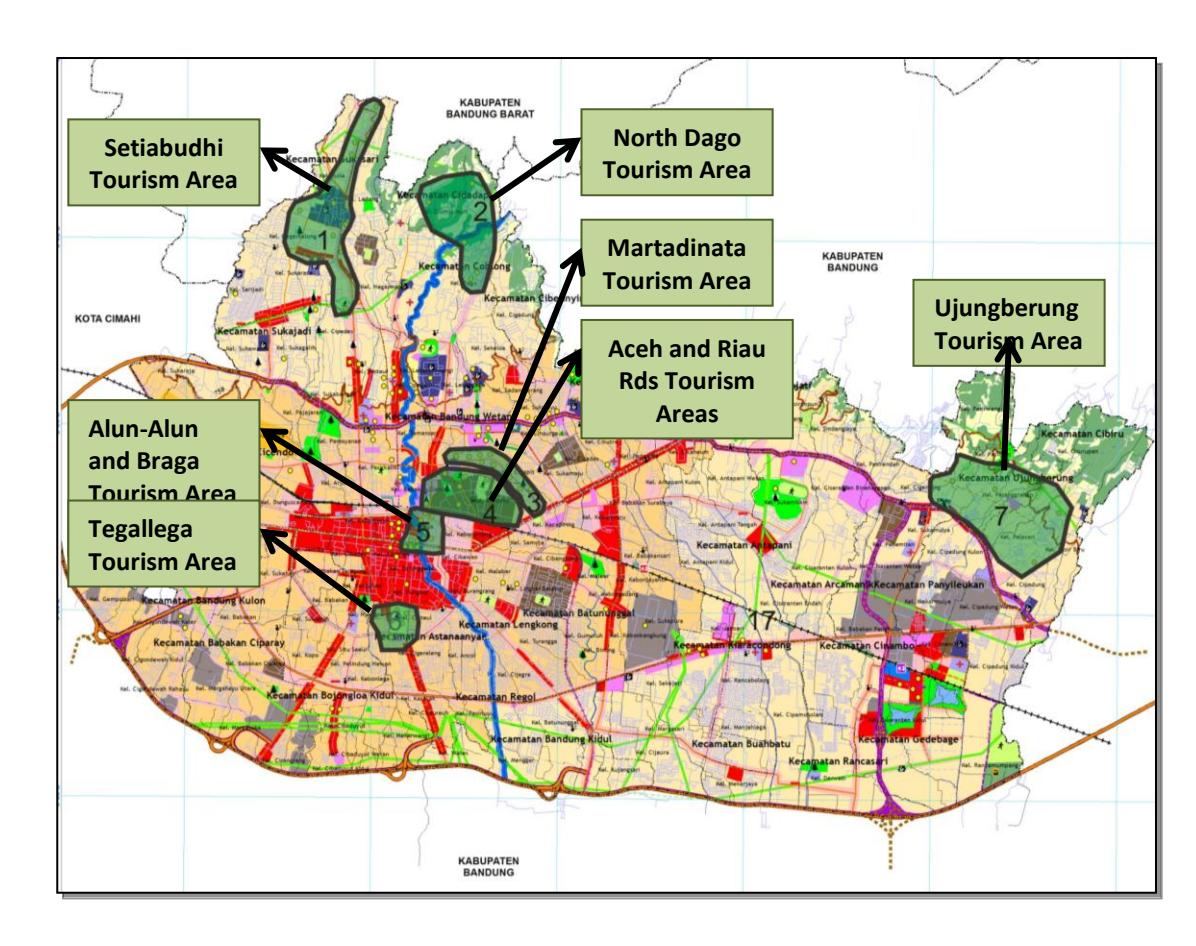
Figure 2: Urban Ecotourism Areas of Bandung City
Potential tourism areas for the development of the urban ecotourism in Bandung as well as its development strategy can be seen in the table 4.
Yani Adriani & Arief Rosyidie
Table 4. Areas of Urban Ecotourism in Bandung City
| TOURISM ZONES | TOURISM ATTRACTIONS | TOURISM THEMES | DEVELOPMENT STRATEGIS |
|---|---|---|---|
| North Dago Tourism Zone | Djuanda Forest Park, Punclut, Dago Pakar, Dago Waterfall, Cultural Park Area, Dago Pojok Tourism Village | Culture and nature ecotourism | • Establish zones ; • Create zonation and tourist visit path; • Development of integrated parking facility and environmental friendly public transport; • Development of environmental friendly, eductive and creative tourism program. |
| Riau (Martadinata) Street Tourism Zone | Factory Outlet and culinary area in Riau Street | Shopping and environmentally sound creative culinarry | • Regulate development of clothing shops, factory outlet, restaurant, café; • Development of shopping and creative cullinary tourism programs; • Setting up area to relocate street vendor (kaki lima); • Development of integrated parking facility and environmental friendly public transport; • Build a pedestrian and bicycle path; • Improvement of function and quantity of green space area ; |
| Alun-Alun/Main Sq and Braga Tourism Zones | Cultural heritage building in Braga Street, Merdeka Building, Bandung Central Post Office, Grand Mosque, Alun-alun/Main Square of Bandung, Palaguna Shoping Complex, Fight Indonesia Building, Indonesia Bank Building, Banceuy Prison, Savoy Homan Hotel, and Preanger Hotel | Heritage/Old Bandung "Tempo Doeloe" | • Revitalized shopping complex Palaguna; • Revitalized activities and restructured Jalan Braga; • Maintenance of cultural heritage and other assetes; • Setting up interpreteur facility and supporting infrastructure ; • Development of integrated parking facility and environmental friendly public transport ; • Build a pedestrian and bicycle path. |
| Ujungberung Tourism Zone | Culture and agrotourism in Pasanggrahan, Pasir Kunci Traditional Arts Zone, and Manglayang Integrated Tourism Village | Traditional culture and art | • Development of "sundanese" cultural center; • Build a theater and related performance ; • Build a supporting facility for tourism (accommodation and food/drink); • Development of integrated parking facility and environmental friendly public transport; • Perform sustainable cultural tourism. |
| Aceh Street and Riau Street (Martadinata) Tourism Zones | Maluku Parks, Pramuka Park, Traffic Parks, Saparua Sport Building, Siliwangi Sport Stadium, Siliwangi Golf Driving Range, City Hall Park, Siliwangi Military | Urban parks | • Organize program of scientific park tourism with specific landscape themes (history, biology, sport, etc); • Perform activity or event in regional/national scale in urban parks; |
| TOURISM ZONES | TOURISM ATTRACTIONS | TOURISM THEMES | DEVELOPMENT STRATEGIS |
|---|---|---|---|
| Complex along Aceh Road | • Setting up interpreteur facility and supporting infrastructure; • Maintenance of military heritage building; • Maintaining collaboration with management of Siliwangi military complex to develop program of history and military heritage building based tourism. | ||
| Tegallega Tourism Zone | Tegallega Parks, Tegallega Flower Market, Bandung Lautan Api Monument, Sri Baduga Museum | Urban nature | • Development of tourism programes in environmental education and history ; • Managing Tegalega tourism zone ; • Setting up interpreteur facility and supporting infrastructure ; • Development of integrated parking facility and environmental friendly pedestrian and bicycle path; • Development of facility around this zone to be environmentally sound. |
CONCLUSION
In general, tourism usually provides economic benefits to tourism destinations such as the one in the city of Bandung. However, the rapid growth of tourism can also cause a variety of impacts, particularly congestion and air pollution.
Various efforts, both short term and medium to long term, needs to be done in order to have Bandung tourism more beneficial for both visitors and the community, local government and other stakeholders.
Therefore, cooperation or coordination among various stakeholders, including government, community and business world, should be improved, especially for controlling the negative impacts (both direct and indirect) from tourism particularly environmental impact of tourism in particular.