

INTRODUCTION
The Philippines, an island chain in the Western Pacific Ocean is one of the most-visited countries by the international tourists; however, it is also considered as one of the most disaster-prone countries in the world due to its geographical and geological characteristics. In fact, the last quarter of the year 2013 brought major natural disasters in the country such as Super Typhoon Yolanda (international name Haiyan) and magnitude 7.2 earthquake in Visayas Region that inflicted thousands of casualty (dead, missing and injured) and have caused billion peso worth of damages to infrastructure and agriculture. These natural disasters, human-induced hazards, and environmental degradation have called for informed discussions, initiatives, and measures in responding to its harmful impacts from all sectors of the society - government agencies, non-government organizations, people's organization, and higher education institutions.
In 2010, a law known as Republic Act 10121 or the Philippine Disaster Risk Reduction and Management (DRRM) Act was enacted by the Philippine Government to provide a more responsive and proactive manner of addressing disasters. It gives priority on community level DRRM focusing on the most vulnerable sectors (i.e. the poor, the sick, people with disabilities, elderly, women and children). Furthermore, in order to help strengthen the capacities of local communities, greater participation from Civil Society is highly recommended to address the root causes of the risks. DRRM is also correlated with one of the primary contents of Philippine Agenda 21 (PA21) on sustainable development through environmental protection programs. PA21's vision to attain sustainable development describes a path for individuals, families, households and communities; an action plan for each ecosystem (coastal/marine, freshwater, upland, lowland, and urban); and across ecosystems in consideration of the interaction of the various lifescapes and landscapes found therein.
The Office of Extension and Community Outreach (OECO) is the public service arm of the University of the East (UE). It integrates the community outreach programs and services of the various colleges and units. It facilitates the actual community engagement
1 Paper presented at the International Academic Conference on Tourism (INTACT), Yogyakarta Indonesia, September 15 – 17 th 2014
projects of the University and monitors the National Service Training Program (NSTP) of the University. The NSTP is a law (Republic Act 9163) that is geared towards enhancing civic consciousness and defense preparedness in the youth by developing in them the ethics of service and patriotism while undergoing training in any of its three components (civic, literacy and military science), especially designed to develop the youth's active participation and contribution to the general welfare.
The vision of UE-OECO/NSTP is closely intertwined with the marching orders of Republic Act 10121 creating the National Disaster Risk Reduction and Management Council (NDRRMC) and Philippine Agenda 21 on sustainable development patterned from Agenda 21 crafted during the Earth Summit in Rio de Janiro, Brazil in 1992 Earth's Summit in Rio De Janeiro, Brazil. The strong desire to build disaster-resilient communities has been integrated in the long-term development plans of OECO/NSTP. In collaboration with the local government units, the adopt-the-Tullahan River project was commenced not just for the minimization of the population load of the river but also to empower the residents living near the river to mitigate the impact of disasters and improve their socio-economic and health conditions.
Scope and Limitation of the Study
This study is limited to the stakeholders in the cities of Caloocan, Malabon, Navotas, and Valenzuela (CAMANAVA) in promoting and sustaining local tourism industry particularly in the barangays that we have had community engagement advocacies.
Community-based Tourism in CAMANAVA Area
The cities of Caloocan, Malabon, Navotas, and Valenzuela also known as CAMANAVA is a sub-region in the northern part of Metro Manila, Philippines. Known for its historical landmarks, centuries-old churches, people's park, sports complex, fishing villages, and culinary tourism, CAMANAVA is regarded as one of the fast growing urban areas in the metropolis. Primarily aimed at boosting the local tourism industry in the area, the city governments in coordination with concerned tourism authorities had launched their respective tourism campaign to attract local and foreign tourists. Here are the highlights of the cultural heritage, interesting sights and unique experiences CAMANAVA has to offer:
Centuries-Old Churches
The Philippines has a predominantly Roman Catholic population. Christianity was first introduced to the Filipinos by the Spanish missionaries and colonist during early 16th century in Cebu City. Numerous centuries-old churches can still be seen across the country which only proves how religious our people really are. The churches in the Philippines including those in CAMANAVA area are the centers of religious teachings, indoctrination and other ecclesiastical activities. These churches play important role in local tourism especially during Christmas season, fiestas (for patron saints), Lenten season, and Visita Iglesia (seven churches visitation); hence, these edifices of Christian faith and traditions must be fully shared to other people by promoting local tourism in the area. In times of flood, storm surge, fire and other calamities, these churches also serve as evacuation centers and became symbol of hope to the affected individuals.
Figure 1. The Old Churches in CAMANAVA
(from left to right): San Roque Cathedral in Caloocan City, San Bartolome Church in Malabon City, San Jose de Navotas Parish Church in Navotas City, and National Shrine of our Lady of Fatima in Valenzuela City
Historical Landmarks
CAMANAVA - the home of heroes and heroines, is wealthy in traditions, cultural heritage and historical landmarks. Their indispensable contributions can be seen in the local history of every barangay (the smallest unit of local government), street names, and local products. These cities had been the center of commerce and industries, festivals, and even political gatherings.
Figure 2. The Caloocan City's Monument of the Leader of Revolution against the Spaniards, Gat. Andres Bonifacio and Stone Arc of Valenzuela City
Interesting Sites
Aside from the main landmark of Caloocan city - the Bonifacio Monument, it is also enticing to note that the city has a lot more interesting places to showcase like Horace Higgin Hall - Philippine National Railways, a former warehouse and site of first train trip in 1892 where many important historical events took place. The 1940 Tala Leprosarium which is considered as the oldest in Asia, and resorts ideal for fun and relaxation are among the tourists attractions in the city. In Malabon City, you can visit the Oreta Sports Center located near the City Hall. This multipurpose area has facilities for athletic, martial arts, and other sports activities like basketball, volleyball, tennis, badminton, and swimming.
Dubbed as the "Fishing Capital of the Philippines", Navotas is a coastal city where you can also drop by in their 47.5 hectare modern market complex called "Navotas Fishery Port", one of the largest fish centers in Asia where you can buy almost all kinds of sea foods and fishes for a cheaper price. Lastly, the Valenzuela People's Park, a 1.3 hectare urban recreational site was formally opened to public in February 2015. It has several points of interest such as amphitheater, aero circle, playground, interactive fountain, and garden for picnic and senior citizens. Also, the Museo Valenzuela, another most visited site filled with historical materials and exhibits about the life and legacy of Dr. Pio Valenzuela, one of the founders of secret movement against the Spaniards.
Figure 3. The People's Park, City Museum, Sports Complex and Fish Port in CAMANAVA
Culinary Tourism
The culinary or food tourism in CAMANAVA attracts tourists who would like to experience the taste of its local delicacies. In fact, well-known restaurants in the area has been the subject of food and travel blogs and even featured in several local talk shows. Exploration of viands is very important component of local tourism industry for its gives food travelers a unique dining experiences.
The City Government of Malabon in coordination with the tourism agencies concerned had launched their "Malabon Tricycle Tour", a special food and sightseeing trip around the city by riding in a three-wheeled bike commonly known as padyak. Among their famous delicacies and products are pansit luglog or palabok (noodles in special sauce with toppings), sapin-sapin (rice cakes), patis (fish sauce), tapang kabayo (horse meat), and bagoong (shrimp paste).
Figure 4. The Wide Array of Food Restaurants in Malabon City that Serves Famous Delicacies
Challenges and Hazards in CAMANAVA
The land mass of CAMANAVA is generally low and flat with some parts surrounded by seas, rivers, and ponds making it more prone to flooding due to subsidence and sea level rise. Occurrence of typhoons, southwest monsoon rains, and storm surge cause extensive flooding in some areas that exposes the vulnerable sectors to various hazards.Though seasonal in nature, these hazards affect the development of local tourism in the area.
Figure 5. Map Showing CAMANAVA Area as the Gateway from Central Luzon to Manila
Community Empowerment
Community empowerment, as defined by the World Health Organization, is the process of enabling communities (local, national or international) to increase control over factors and decisions that shape their lives. It implies community ownership and building capacities to gain access and power in different forms. External agents facilitate the acquisition of community's capacity to eliminate the underpinning factors or vulnerabilities.
The local government is the lead agency to facilitate community empowerment undertakings; however, support from partner government agencies, non-government organizations, people's organizations, and private higher education institutions plays a vital role in community building. Situated in the heart of CAMANAVA is the University of the East - Caloocan campus. This framework shows how UE, being an "Engaged University", addresses the challenges and hazards to help develop the local tourism industry in the area.
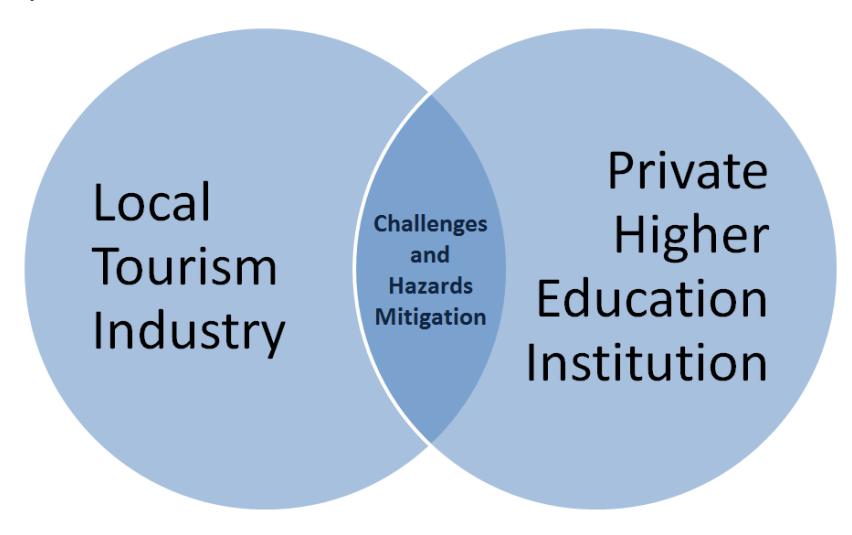
Figure 6. Building Disaster Resilient Communities to Help Boost the Local Tourism Industry in CAMANAVA
Our University's outreach programs are holistically focused on community development. The four (4) major areas of concerns are as follows:
1. Resiliency
- a. Cascading Trainings and Seminars on Disaster Preparedness, Management and Mitigation
- b. UE Oplan Damayan: Relief. Rebuild. Restore.
- c. Environmental Protection
2. Health
- a. 120-day Supplementary Milk Feeding Program
- b. Medical-Dental Missions and Bloodletting
3. Livelihood
a. UE Kain Na! Karts
4. Literacy
- a. Informal education through NSTP Literacy Training Services (LTS)
- b. Annual Brigada Eskwela (Public School Improvement Program)
Resiliency and Community Development
Resiliency, as defined, is the ability to recover or adjust easily to misfortune or change. Building disaster-resilient communities has been part of our community development program after series of major natural disaster pummeled the country that have caused masses of damages to lives and properties.
For community level, the OECO/NSTP team of facilitators had conducted a participatory risk analysis and hazard mapping along the stretch of Tullahan River in coordination with the local government unit to better understand the capacities and vulnerabilities of the community. We have also identified the constituents' local needs, experiences and perceptions so that OECO/NSTP can appropriately address potential crisis before it escalates into a full-scale disaster. Below is the result of our Physical, Capacity and Vulnerability Assessment (PCVA):
| Category | Capacity | Vulnerability |
|---|---|---|
| Physical / | Access news through radio, television, and | Majority of the residents live in |
| Material | few residents have internet | makeshift houses |
| Use traditional warning system to foresee danger (i.e. dark clouds and lighting will bring | Hazard prone area with very narrow passageways | |
| thunderstorms and flooding) The Barangay Council alerts the community | Lack of sanitation facilities and solid waste management | |
| through the use of megaphone and has available rescue equipment | Surrounded by polluted river water wastes | |
| Prone to diseases | ||
| No early warning device | ||
| Social / | Resilient residents | Individualism |
| Organizational | Sense of empowerment The Barangay Council has regular trainings on first-aid and disaster management | Ningas Kugon |
| Motivational / Attitudinal | Participatory approach Support of private sectors | Behavior towards environment Reluctance to change Dependency |
Figure 7. Actual PCVA and Hazard Mapping
Cascading of Trainings and Seminars on Climate Change, Disaster Preparedness, Management and Mitigation
The OECO/NSTP in partnership with the Philippine Red Cross (PRC), Metro Manila Development Authority (MMDA), Department of Environment and Natural Resources (DENR) and other civil society groups regularly conduct leadership trainings and seminars about climate change, disaster management and survival techniques. All UE stakeholders (students, faculty members and staffs), chairmen of the partner local government units, adopted public schools officials are attending this worthwhile activity. The main objective of the program is to cascade the processes and steps in handling crisis and/or disaster in a community or school.
Figure 8. Actual Trainings and Seminar on Disaster Preparedness, Management and Mitigation
UE Oplan Damayan – Relief. Rebuild. Restore.
"Bayanihan", a term derived from the word "bayan" (nation, town or community) is a good custom that is widespread in the Philippines. As defined, it is a spirit of communal unity or effort to achieve a particular objective.
Over the years, the OECO/NSTP has established a strong spirit of bayanihan among its stakeholders comprised of students, faculty members, non-teaching personnel, alumni and parent-teacher association (PTA). The flagship "UE Oplan Damayan: Relief. Rebuild. Restore" aims to provide assistance to our countrymen wrought by disasters. UE Oplan Damayan has turned over thousands of relief packs to the Department of Social Welfare and Development (DSWD), Philippine Red Cross, Local Government Units and other Civil Society Groups for distribution to the affected areas. The team mobilized relief efforts in the wake of natural disasters such as during Tropical Storm Ondoy and Typhoon Pepeng in 2009, Tropical Storm Sendong in 2011, the Metro Manila monsoon rains, southwest monsoon (habagat) and Typhoon Pablo in 2012, and the Super Typhoon Yolanda and Bohol (in Central Philippines) Earthquake in 2013.
Aside from providing relief goods, the OECO/NSTP are also committed to the rebuilding and restoration of survivors affected by super typhoon Haiyan (local name: Yolanda) and killer quake in Visayas Region (in Central Philippines).
Figure 9. UE Oplan Damayan: Relief. Rebuild. Restore Operations in Partnership with Civil Society Groups
Environmental Protection
These environmental projects aimed to promote awareness and correct habits among the members of the community in sustaining development and promoting local tourism through proper disposal of solid waste, coastal clean-up campaigns, and proper waste segregation. The goal encompasses the different dimensions of the society; namely, socio-economic, political, environmental and educational. The University of the East is one of the leading Private Higher Education Institutions (PHEIs) in Adopt-A-River Program of the Philippine Government through Pasig River Rehabilitation Commission. The University of the East through the Office of Extension and Community Outreach (OECO) and National Service Training Program (NSTP) builds disaster-resilient communities through its empowering, sustainable and holistic programs that mitigate the economic, political and social vulnerabilities of the constituents of its adopted/partner communities.
Figure 10. Tree Planting & Growing Activity, Mural Painting, Advocacy Run, Distribution of Bins and Coastal Clean-Up
Health and Community Development
The 120-day Supplementary Milk Feeding Program
As part of the University of the East–Caloocan's efforts to address health-related issues within its adopted and partner communities, day care centers and public schools, a school-based health program called Supplementary Milk Feeding Program (SMFP) was launched through a Memorandum of Agreement (MOA) signed in September 2011. This nutrition intervention targeted most underprivileged pupils with lowest nutritional status. Fifty-five (55) pupils formed the experimental group. To help augment their daily dietary needs, fresh flavored-buffalo milk in tetra packs was provided to the pupils for direct intake within 90 to 120 school days.
A separate study was conducted to document and track down the experimental group's growth and development. Over all, the supplementary milk-feeding program had a significant contribution to the improvement of the nutritional status and school performance of the beneficiaries. At the same time, it benefited local dairy farmers through steady market demand, livelihood and additional income.
Figure 11. Actual Milk Feeding and Monitoring of Height, Weight and Recording of School Performances of the Beneficiaries of our 120-day Milk Feeding Program
Medical-Dental Missions and Bloodletting
To help enhance the medical and dental conditions of the people who do not have capacity and access to health care programs of local and national government, the OECO/NSTP in collaboration with UE College of Dentistry and UE Ramon Magsaysay Memorial Medical Center (UERMMMC) have spearheaded medical and dental missions in different underprivileged communities both in rural and urban areas.
With regards to our bi-annual bloodletting activity, we have tapped the expertise of the Philippine Red Cross to lead a voluntary blood donation campaign. In compliance with one of our University's core value which is "social responsibility", the OECO/NSTP commits itself in promoting and ensuring adequate and safe blood supply for the most vulnerable sectors of the society. And because of our unwavering support, the University of the East is among the consistent National awardees of the Philippine Red Cross.
Figure 12. Medical-Dental Missions and Bloodletting
Livelihood and Community Development
UE Kain Na! Karts
The OECO/NSTP in partnership with the UE College of Business Administration (CBA) and College of Engineering (COE) have initiated rolling store livelihood programs for marginalized residents of our adopted communities. The rolling stores or food carts, named as "UE Kain Na! Karts" were formally turned over with the signing of Memorandum of Agreement (MOA) between the University, recipients, and Barangay Chairmen. The food carts loaded with initial products to sell by recipients in their respective neighborhood, will be the main source of their income to sustain their daily living. In coordination with other colleges and units concerned, series of follow-up seminars on basic bookkeeping and food handling were also extended to the recipients to make the program more sustainable, empowering, and dynamic.
Figure 13. Turnover and Memorandum of Agreement Signing between UE and the Recipients of Rolling Store Livelihood Programs through their Barangay Chairmen
Aside from Kain Na! Karts, other sustainable livelihood programs of the University were creation of different kinds of soaps, dishwashing liquids, candles, accessories, pastries, chocolates, bags made up of recycled materials, and other possible products that they can sell to earn additional income.
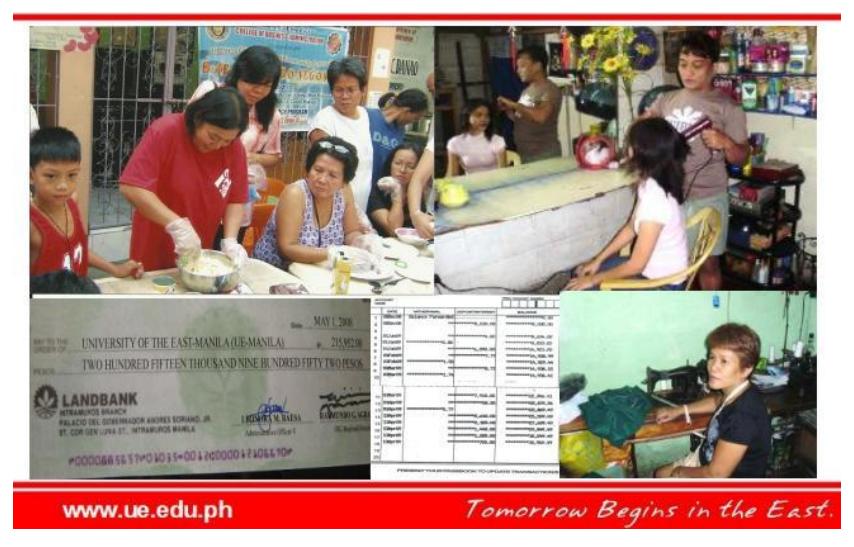
Figure 14. Other Sustainable Livelihood Programs of UE
Literacy and Community Development
Informal education through NSTP Literacy Training Services (LTS)
One of the three components of NSTP is the Literacy Training Services (LTS), which serves to train the students to teach literacy, numeracy skills, and computer-related trainings to school children, out-of-school youths, senior citizens, and other segment of the society in need of these services.
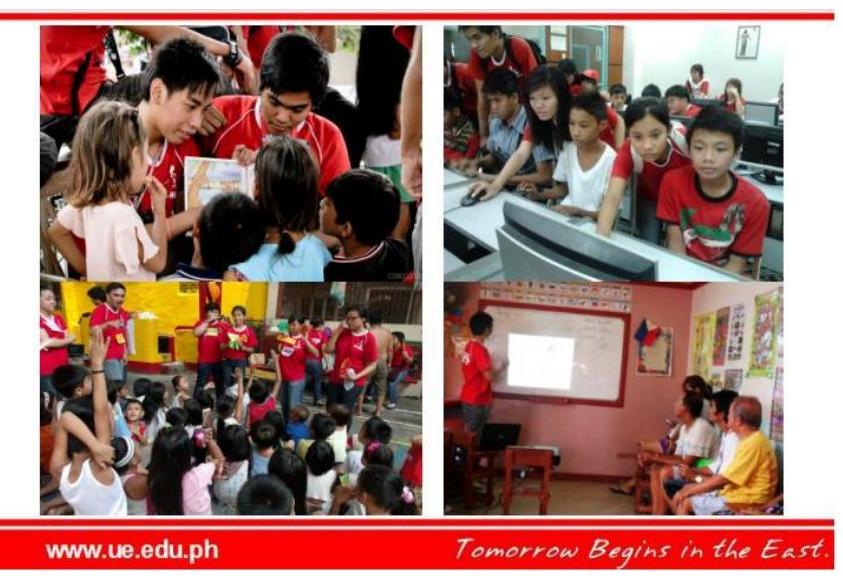
Figure 15. Community and Computer Literacy
Annual Brigada Eskwela (adopt-a-school) Program
The Brigada Eskwela or adopt-a-school program is a national school maintenance project, organized by the Department of Education. This weeklong activity is celebrated every year between the months of May and June. The OECO/NSTP strongly supports this program by donating one (1) classroom per adopted school. Some of which are in Saclag Settlement Farm, a school for Mangyans in Mindoro, San Vicente and Dolaoan Elementary Schools in Anda and Bani Pangasinan, Luakan National High School in Bataan, V. Mapa and Tondo High Schools in Manila, and selected public schools in CAMANAVA area: Tinajeros and Malabon National High Schools, GOMBURZA and Tinajeros Elementary Schools.
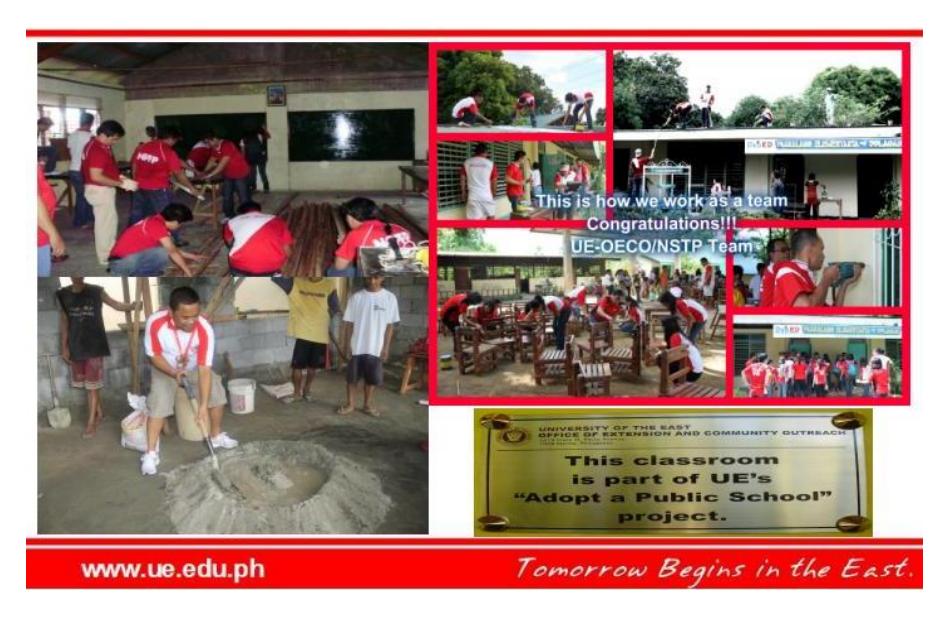
Figure 16. Annual Brigada Eskwela (adopt-a-school) Projects
CONCLUSIONS
Based on the data gathered, observations, and implementation of the programs, we came up with the following conclusions: a) Local tourism must be preserved by empowering every stakeholder in the area through community-based tourism; b) Managing tourism (both domestic and international) and disaster preparedness and mitigation are inseparable; c) The disaster mitigation can also be achieved by lessening the economic (poverty) and physical, socio-economic, attitudinal, and political vulnerabilities of affected sectors; d) Academic institutions can greatly contribute to sustainable development by realigning their resources and expertise to the needs of the community; e) Proper consultations and dialogues with the stakeholders can be done effectively if the service providers and service recipients are motivated, equipped and aware of the importance of multicultural understanding; and f) The service providers shall consider NOT only the needs of the people from community but also their strengths and possible contributions for the success of the programs.