

1. Introduction
Sustainability-based events are increasingly important as channels for the dissemination of green message (Barber, Kim & Barth, 2014; Hottle et al., 2015; Laing & Frost, 2010; Mair & Laing, 2013). Sports events, in particular, are uniquely suited to this purpose, on account of their confined venues with high attendee visitation over a relatively narrow period of time (Trendafilova, Babiak & Heinze, 2013). These factors enhance liminality or the shared ritual process, thus engaging the visitors in experiences that transcend their daily lives (Turner, 1974). The transformative potential of a sports event presents an ideal opportunity to foster environmental awareness (Chalip, 2006).
Additionally, an environmental awareness programme enables a sports event to demonstrate environmental responsibility – which is important on account of sports events' high ecological footprint that range from high volume of waste (Verdonk et al., 2017), high transportation CO2 emission (Wicker, 2017) and negative effects from the construction of sporting facilities (Hedayati, Iyer-Raniga & Crossin, 2014). In 2017, Malaysia hosted the 29th South East Asian Games (SEA Games) and proclaimed it a 'green game'. The then Minister of Youth and Sports was reported as stating that the government wanted to 'use this event . to unite in celebrating more than just sporting success' but to celebrate the efforts in 'preserving the future' (Naidu, 2017b). The sustainability movement was akin to the leveraging of a sports event to promote pro-environmental behaviour as the 'legacy' (Ross et al., 2018).
The gap that this paper seeks to address is the lack of studies on suppliers in the sustainability-based events literature. To begin with, many studies on waste management concern municipal recycling and the end consumers (Brekke, Kipperberg & Nyborg 2010; Flagg & Bates 2015; Neo, 2010; Nolan, 2017; Schultz, 1999; Varotto & Spagnolli 2017). In comparison, there is a dearth of research on the waste management of event venues, and such studies usually concern the environmental attitudes or recycling behaviour of the attendees (Barber et al., 2014; Hottle et al., 2015; Verdonk, Civeralls & Dawson 2017; Wicker, 2018). Given that stakeholder buy-in is central to the success of a recycling programme (McCullough et al., 2016), this study asks: To what extent has vendor management pursuant to the SEA Games recycling programme encouraged recycling behaviour among the vendors?
The qualitative approach is adopted in the analysis of the methods and extent of vendor management. In this connection, the study combines Ajzen's (1991) theory of planned behaviour (TPB) and Schwartz's (1977) norm activation model (NAM). According to the TPB, a behavioural choice is an interactive outcome of personal norms or attitudes and contextual factors. The NAM focuses on personal norms and the factors that influence their internalization, namely, the awareness of consequences and the ascription of responsibility. This study not merely examines the efficacy of personal norms, subjective norms and perceived behavioural control (as per the TPB) as predictors of recycling behaviour; it fills a theoretical gap by analysing the relationship between subjective norms and NAM's dual-criteria. The theoretical contribution lies in establishing, in the context of consumer recycling, that subjective norms influence the internalization of personal norms, and consequently, the effectiveness of personal norms as a predictor of behaviour.
2. Theoretical background and literature review
2.1. The theory of planned behaviour
The TPB is commonly applied in the analysis of recycling attitude and behaviour (Clark et al., 2019; Passafaro & Livi, 2017; Stoeva & Alriksson, 2017). The theory is derived from Ajzen and Fishbein's theory of reasoned action (TRA), which posits that an individual's behavioural intention is influenced by his attitude towards the behaviour (personal norm) and the subjective norms concerning the behaviour (Ajzen & Fishbein, 1980). In this context, attitude refers to an individual's evaluation of the consequences of recycling. For instance, a person who believes that recycling contributes to environmental preservation is more likely to recycle. Subjective norms, on the other hand, pertain to the social pressure that a person perceives to be associated with recycling. Thus, where a person perceives that his peers (e.g. family members, friends, colleagues or neighbours) or the public extol the benefits of recycling, he is more likely to recycle.
The TRA is, however, premised on volitional behaviour. The theory does not offer satisfactory predictors where a person has no control over the behaviour (Liska, 1984). Indeed, the act of recycling may be dependent on uncontrollable factors such as the availability of recycling facilities, knowledge and skill. Ajzen's TPB addresses this drawback by introducing the concept of perceived behavioural control (Ajzen, 1991). This additional predictor concerns an individual's belief about the ease or difficulty in performing a behaviour, which affects self-perception of the capacity to carry out the behaviour. Convenience, as a determinant of recycling, is related to perceived behavioural control, in that efficient recycling logistics encourage performance of the behaviour. Figure 1 illustrates the determinants of behaviour according to the TPB.
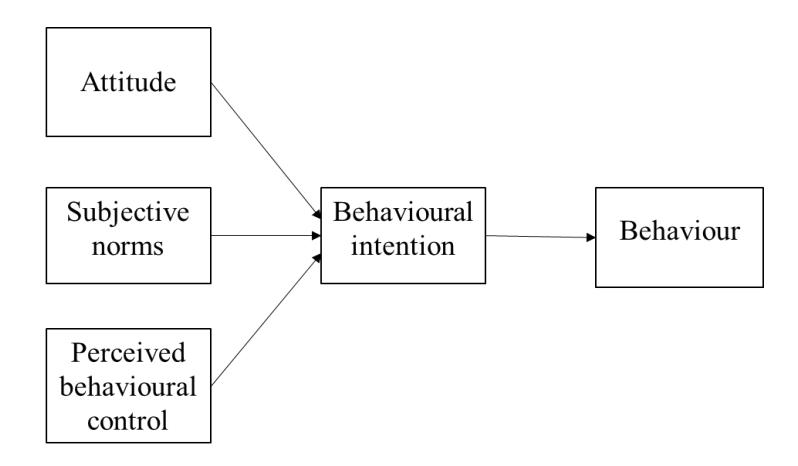
Figure 1. The theory of planned behaviour (Ajzen, 1991)
2.2. The norm activation model
In the context of recycling, the NAM has been applied in the analysis of individual responsibility and behavioural modifications (Brekke et al., 2010; Hopper & Nielson, 1991; Schultz, 1999). According to Shwartz (1977), an individual's intention to perform a behaviour is influenced by two criteria, namely, the awareness of consequences and the ascription of responsibility. The former concerns a person's acceptance that his behaviour entails either a public good/bad. Ascription of responsibility occurs when an individual takes personal responsibility for his behaviour (Brekke et al., 2010). Thus, social norms do not directly influence behaviour. Social norms must first be translated into personal norms through awareness of consequences and ascription of responsibility before they affect behaviour (see Figure 2).
By contrast, the determinants in the TPB are premised on rational reasoning and do not give sufficient emphasis to social influences (Sorkum, 2018; Thomas & Sharp, 2013). The link between subjective norms and personal norms has been empirically established where other pro-environmental behaviour are concerned (Bamberg & Moser, 2007; Bamberg et al., 2007). In the context of consumer recycling, Park and Ha's (2014) study found that subjective norms precede personal norms in that the former validate a behaviour as socially right, which in turn influence a person's belief. It is therefore necessary to combine the TPB with the NAM to explain recycling behaviour more comprehensively.
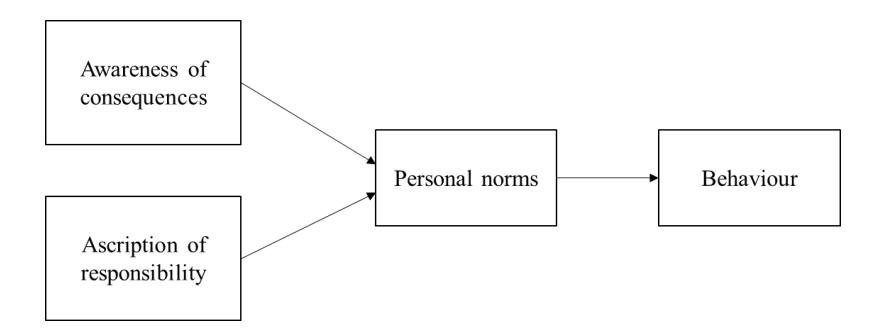
Figure 2. The norm activation model (Schwartz, 1977)
2.3. Determinants of recycling behaviour
The determinants of recycling behaviour are motivations or removal of barriers that either encourage attitudinal change, exert pressure to recycle or increase recycling convenience. According to Hornik et al. (1995), strategies that promote attitudinal change are 'altruistic'. By contrast, 'utilitarian' measures influence subjective norms to pressure individuals into recycling. The assumption is that, in the absence of pro-environmental attitude, an individual may still recycle where a utilitarian weighing of cost and benefit shows that harm (e.g. social censure) outweighs benefit. Altruistic strategies are preferable because the internalization of recycling norm is more effective than social pressure in ensuring long term recycling behaviour.
Altruistic strategies aim to improve knowledge, awareness and commitment (Hornik et al., 1995). The commonly adopted measures include information dissemination and nudge intervention such as prompting through instructive labels and encouragement (Geislar, 2017; Hopper & Nielsen, 1991; Schultz, 1999; Verdonk et al., 2017). These strategies usually serve the dual purpose of effecting attitudinal change and behavioural change. This is because recycling behaviour and proenvironmental attitude are mutually reinforcing, in that recycling encourages change in personal norms (Huber, Viscusi & Bell, 2017). Where the lack of knowledge is the obstacle to recycling, information dissemination improves recycling skills and consequently recycling behaviour (Passafaro & Livi, 2017). However, studies show that knowledge does not necessarily translate to action (Stoeva & Alriksson, 2017). Nudge intervention strategies act as cues that remind the audience to engage in the behaviour that they may otherwise neglect. By enhancing the visibility of a recycling programme, nudge intervention also exerts pressure on the audience to recycle (Shearer et al. 2016).
Notable utilitarian strategies include economic incentives (e.g. rewards, refund, gifts and discounts) and formal sanctions i.e. the threat or imposition of legal penalty (Neo, 2010; Varotto & Spagnolli, 2017). These strategies do not encourage the internalization of pro-environmental attitude, such that recycling rate declines once the measures are withdrawn (Neo 2010; Nolan 2017). Social sanctions are also utilitarian in their reliance on external drivers – rewards and punishments are delivered by other people, in the form of social approval or social censure (Nolan, 2017). Recycling, as a social norm, can exert a coercive influence (Flagg & Bates, 2015); such that recycling behaviour is motivated by fear of criticism or ostracism rather than pro-environmental attitude (Brekke et al., 2010).
Ultimately, incentives and sanctions must be supported by recycling convenience. Accessible and user-friendly recycling facilities motivate recycling (Geislar, 2017), while the lack of convenience may discourage recycling even among regular recyclers (Varotto & Spagnolli, 2017). Oliver, Benjamin and Leonard (2019) found that with decreased convenience during travels, recyclers may abandon the practice, regardless of their professed pro-environmental attitudes.
2.4. Vendors and event recycling
Since the emergence of the sustainability movement in the Olympic Games in the late 1980s and early 1990s, green games are increasingly prevalent (Ross, Leopkey & Mercado, 2018). Where a recycling programme is instituted in a sports event, the strategic partnership of experienced and committed stakeholders is necessary to ensure its success (McCullough et al., 2016; Ross et al., 2018; Viollet et al., 2016). The stakeholders, defined as 'any group or individual who can affect or is affected by the achievement of the organization's objectives' (Freeman, 1984, p. 46) play an important role because organizers and venue owners often lack the expertise to implement waste separation (McCullough et al., 2016). The stakeholders of a sports event range from the staff and volunteers of the organizing committee, the host government, local governments, the community, sports organization, delegations, media, sponsors, NGOs, consultants, businesses, developers and merchandizers (Parent, 2008; Ross et al., 2018).
Although stakeholders vary in their level of involvement, it is important to engage all stakeholders with dialogue and participative decision-making throughout the three operational stages of planning, implementation and wrap-up (Parent, 2008). A sports event should also serve as a platform of value creation for the stakeholders (Leopkey & Parent, 2015), and in this connection, it should be recognized that different stakeholders bring with them different motives and interests (Viollet et al., 2016).
Vendors play important roles in a sustainability-based event. To begin with, they are instrumental in simplifying the supply chain by reducing the type of recyclables, ideally to polyethylene terephthalate (PET) and aluminium only. The effect is a streamlined bin-system for efficient recycling. In addition, vendors' choice of packaging mitigates the problem of contaminated recyclables. Where (compostable) biopolymer receptacles are used instead of plastics, contaminated receptacles can enter the landfill without serious emissions and energy impact (Hottle et al., 2015). Vendors are instrumental to the implementation of nudge strategies – through the display of recycling signage at the point-of-sale, vendors may influence the attendees' recycling behaviour (QLPA, 2010). Of course, vendors also generate waste in the course of business and should be encouraged to recycle. Vendor management is therefore an indispensable aspect of a recycling programme, seeing that vendors are co-implementers and potential recyclers. This means that vendor sourcing, the assessment of vendor capabilities, the terms of trading licence, relationship management and performance evaluation should facilitate the implementation of a recycling programme. In particular, vendors should be consulted in the design of the recycling facilities. To co-opt their participation, the use of recyclable packaging should be a prerequisite to licensing, and their compliance should be monitored during event (EPA NSW 2007; QLPA, 2010).
2.5. Leveraging sports events for environmental responsibility
According to Chalip's (2006) social leverage model, a sports event can be leveraged to achieve a variety of outcomes, including social change and environmental education (O'Brien & Chalip, 2008). Building on the concept of liminality (Turner, 1974), a sports event can be said to present a liminal stage where social rules, boundaries and customs are suspended. This is because the celebratory ethos of a sports event conjures a temporary space where participants can distance themselves from everyday life. This liminal state precipitates the deconstruction of social reality and stimulates symbolic discourse on social and political issues (Chalip, 2006). In short, the transformative influence of a sports event can be harnessed to deliver social change.
The long term benefits fostered by a sports event are its 'legacy' (Misener et al., 2015). To accomplish the same, the organizer must set out processes and mechanisms that guide the stakeholders towards the legacy, while at the same time creating value for the stakeholders (Leopkey & Parent, 2017; Ross et al., 2018). It should be noted that the legacy of a sports event is not the spontaneous result of its
staging. Leverage strategies should be devised to achieve the intended outcomes (Misener et al., 2015). This may entail event legacy planning that is distinct from the event planning process (Leopkey & Parent, 2017). Tension among stakeholders are not uncommon in event leveraging, and the challenge lies in bridging the differences between the stakeholders in order to enlist their support (Leopkey & Parent, 2015).
3. Methods
3.1 Case study
The SEA Games is a biennial regional sports event that draws participation from the athletes of the Association of Southeast Asian Nations (ASEAN) member countries. Malaysia hosted the 29th SEA Games from 19 to 30 August 2017 as a green game (Naidu, 2017). A recycling programme was among the carbon footprint reduction strategies adopted. In this connection, the cooperation of vendors was sought as co-implementers.
The Green Initiatives Sub Committee (GISC) was responsible for the planning and implementation of the SEA Games sustainability leverage strategies. The Solid Waste Management and Public Cleansing Corporation (SWCorp) provided technical support, especially in the design of recycling facilities. The Games were staged at 30 venues which were primarily state-owned. This entailed the cooperation of the Malaysia Stadium Corporation (MSC), which was responsible for the management of state-run sports venues in Malaysia. Further, about 1,000 'green volunteers' played facilitative and educative roles in the recycling programme (The New Straits Times, 2017).
The study was conducted at the Bukit Jalil National Stadium (Bukit Jalil) – the main venue where the numbers of attendees and food vendors were the highest. Eighty food trucks were licensed to trade in Bukit Jalil on a rotational basis, whereby 65 vendors were allowed to operate per day. The majority of the vendors were members of the Kuala Lumpur Food Truck Association (KLFTA) – a trade association that liaised with the GISC on pre-Games licensing matters. A supplier was appointed by GISC (Appointed Supplier) to supply the vendors with recyclable packaging for the duration of the SEA Games.
3.2 Data collection and data analysis
The study adopted the qualitative method as the subject of inquiry was the processes of vendor management pursuant to the leveraging of a green game. Arguably, a reflexive approach is more suited to the analysis of planning and implementation procedures (Crowther, Bostock & Perry, 2015). Moreover, the recycling programme at Bukit Jalil was partly experimental, in that ad hoc, reactive interventions were introduced in response to the challenges encountered. Thus, the analysis of the vendor management would not be amendable to a deterministic objective inquiry.
Twenty five (25) semi-structured face-to-face interviews were conducted with 23 food vendors, an official from SWCorp and a representative of the Appointed Supplier. The interview method facilitated a flexible exchange between the researcher and the participants (Creswell, 2014). Where necessary, the interview questions were adapted to a participant's situation, to elicit insightful, authentic responses. The researcher also adopted a hermeneutical approach, whereby the participants were encouraged to talk about their wider experiences (Packer, 1985). This method was important in placing the participants' responses in the context of their cognition, emotion and behaviour.
The participants' consent was obtained through a bilingual (English and Bahasa Malaysia) research information sheet cum consent form. Data collection reached the saturation point when more than one-fourth of the 80 vendors were interviewed (Creswell, 2014). With the exception of two
respondents, all interviews were conducted in Bahasa Malaysia – the content transcribed and translated with the preservation of the original subtleties in mind.
Interview data was supplemented by field observation, which I was able to conduct extensively, due to my role as a coordinator of green volunteers. Further, I worked closely with the GISC and the SWCorp in implementing remedial measures to increase recycling rate. I could therefore conduct the study with an insider's emic appreciation of the recycling programme. Additionally, I maintained field notes and gathered photographic data vital for the triangulation of the interview data.
Data analysis was thematic. Through a recursive process of reading and re-reading, Strauss and Corbin's (1998) three phases of coding were applied. At the open coding phase, the data was analysed for main features. This was followed by axial coding whereby the data was re-analysed repeated until themes and sub-themes emerged. Finally, the themes and sub-themes were constructed as findings in the selective coding phase.
4. Finding and discussion
4.1 Weaknesses in leverage strategies
Vague selection criteria, unclear expectations, limited engagement, the lack of communication and poor coordination characterized the SEA Games vendor management. Moreover, the main strategy of information dissemination was altruistic in nature and applied infrequently, without the reinforcement of utilitarian measures such as economic incentives and formal sanctions. Consequently, low vendor participation as co-implementers or recyclers was observed.
First, the selection criteria did not anticipate the vendors' role in the recycling programme. The applicants were not required to disclose their green credentials, and eligibility was not conditional on the applicants' willingness to be co-implementer and recycler. These omissions from the selection criteria meant that the applicants were not screened for pro-environmental attitudes. The omissions were material because most of the applicants were sole proprietors, whose small businesses probably lacked processes or operating procedure that mandate environmental friendly practices. Thus, the extent of vendor participation in the recycling programme would be significantly influenced by the vendors' personal beliefs. The vague selection criteria arguably resulted in a pool of vendor stakeholders whose commitment to the recycling programme was uncertain.
Second, there was limited engagement with the vendors pursuant to the leveraging of the SEA Games sustainability legacy. The GISC's foremost strategy was a one day workshop where the vendors were informed of the recycling programme. However, the efficacy of a single informative (as opposed to interactive) workshop is limited. This is because sustained, long term efforts are invariably necessary in order to inculcate pro-environmental attitudes (Thomas & Sharp, 2013). Further, the role of the vendors was not clearly stipulated during the workshop. The vendors were informed that recyclable packaging should be used, and that such packaging was available from a designated supplier. According to R24, an official of SWCorp, the use of recyclable packaging was a condition of the vendor's trading permit. However, all vendor respondents stated that they were unclear whether this requirement was mandatory. In light of the vendors' lack of awareness, this permit condition was arguably not communicated or implemented forcefully, if at all.
Third, the GISC merely applied altruistic strategy intended to influence personal norm, without reinforcement of utilitarian measures that deploy external drivers (subjective norms) to effect recycling. From the TPB perspective, both personal norms and subjective norms are important predictors that influence behavioural intention, and ultimately, behaviour. Thus, strategies that promote recycling should target both determinants, in addition to improving convenience (perceived behavioural control). The GISC's sole reliance on information dissemination (through the one day workshop) failed to take into account that knowledge does not necessarily lead to action (Stoeva &
Alrikkson, 2017). This narrow focus on changing personal norm resulted in the oversight of important utilitarian strategies, namely, the use of economic incentives and formal sanctions. Since a tenet of stakeholder management is the creation of value (Leopkey & Parent, 2017; Ross et al., 2018), the vendors could expect to gain from their participation in the recycling programme. In this context, economic incentives could have taken the form of reduced trading permit fee or price subsidy for the purchase of recyclable packaging. Unfortunately, the vendors were not incentivized to participate in the recycling programme. Further, failure to cooperate with the GISC carried no adverse consequences since there was no formal sanction for non-compliance.
Fourth, communication and coordination between the GISC and the vendors were lacking. The vendors' first direct contact with the GISC occurred at the workshop, wherein they were briefed of the recycling programme. However, their input was not solicited. Post-workshop, there was no further direct communication between the GISC and the vendors. Instead, the KLFTA became the intermediary between these stakeholders. This de facto channel of communication was ineffectual, since the vendors did not receive further communique from the GISC via the KLFTA until the SEA Games. A top-down approach was inferable from the GISC's mode of engagement with the vendors. The lack of dialogue between the GISC and the vendors in the decision-making process affected the design and location of recycling facilities, which lowered the convenience of recycling where vendors were concerned (discussed below).
Fifth, the lack of communication between the GISC and the vendors resulted in poor expectationsetting. Many vendor respondents were unsure of the role expected of them as co-implementers of the recycling programme. Consequently, the majority failed to discharge their function satisfactorily. For instance, while the vendor respondents were informed that there would be a designated supplier of recyclable packaging, they were not informed of the identity of the Appointed Supplier. The vendor respondents were also unclear whether branding extended to food receptacles, such that the Appointed Supplier would have exclusive supply of the same. The vendors were only aware of the identity of the Appointed Supplier through the KLFTA shortly before the staging of the SEA Games. R25, a representative of the Appointed Supplier, acknowledged that 'the arrangement was a bit too last minute and the communication between us and all the food truck owners was not there', but emphasized their approachability during event. Most vendor respondents, however, expressed chagrin that representatives of the Appointed Supplier only arrived at Bukit Jalil at approximately 11am on the first day of the SEA Games.
Inventory planning meant that most vendor respondents had procured their packaging from other sources. In total, 10 vendor respondents violated the permit condition and used non-recyclable packaging. Of the 13 vendor respondents who used recyclable packaging, only eight of them procured their receptacles from the Appointed Supplier. In this example, the poor-expectation setting impacted negatively on the vendors' business preparation, compliance with trading permit, their interaction with another stakeholder, and arguably, their attitude towards the recycling programme.
Overall, the GISC's leverage strategies vis-à-vis vendors were insufficient to encourage attitudinal change. This non-internalization of recycling norm was manifested in the vendors' reluctance to participate in the recycling programme as co-implementers and recyclers. At the same time, the GISC did not deploy utilitarian measures that exert pressure on the vendors to recycle, regardless of their environmental attitudes.
4.2 Negative social influence inhibited norm activation
The weak leverage strategies were not the sole cause of the vendors' non-internalization of recycling norm. The attendees' lack of recycling behaviour constituted negative social influence that inhibited the vendors' norm activation. This finding reflects Park and Ha's (2014) study on consumer recycling which found that subjective norms precede personal norms because the former influences a person's belief on what is socially acceptable.
Social influence is significant because an individual looks to the behaviour of others to ascertain the appropriate behaviour to exhibit, which they may perform due to the human desire to be liked and accepted by others (Deutsch & Gerard, 1955). Verdonk et al.'s (2017) study on waste separation at a mega event showed the importance of contextual cue, whereby the observed behaviour of recyclers led other visitors to conform. The reverse is probable – the negative social influence of non-recyclers may inhibit the internalization of environmental norm.
A separate study on the attendees' recycling behaviour at the SEA Games revealed a significant gap between self-reported data and the observed behaviour of food waste separation (Gan & Wong, 2018). While the study focused on food waste, widespread contamination of all recycling bins was reported, which would suggest the lack of waste separation overall. Since the attendees, being the majority, did not demonstrate adequate recycling behaviour, the normative pressure of recycling was low. Consequently, the vendors' awareness of consequences was lacking, because the contamination of recycling bins was perceived to be caused by the attendees. R8 acknowledged that vendors have responsibility to recycle but saw the attendees' lack of recycling behaviour as the main problem. By contrast, R11 and R17 did not think that vendors should be charged with the responsibility of recycling altogether.
R11: The recycling effort is not up to us, it's up to the consumers.
R17: Operators don't have time to do it. You all have to do it [referring to the green volunteers], customers should do it!
Studies have shown that an individual's belief on whether one person can make an impact on the environment explains, to a substantial degree, the variance in recycling frequency and the items recycled (Oliver et al., 2019; Tabernero & Hernandez, 2011). In light of the perceived widespread irresponsibility among the attendees, most of the vendor respondents might not have considered their non-recycling behaviour as posing a significant impact. Thus, very few vendor respondents ascribed to the responsibility of recycling.
4.3 Convenience influenced norm activation
The lack of suitable back-of-house recycling facilities lowered the vendors' rate of recycling. This confirmed convenience as a predictor of recycling. More importantly, convenience influenced norm activation, in that inefficient recycling logistics furnished an excuse to non-recycler vendors to maintain the status quo. The social norm of recycling is not activated into a personal norm partly because an individual perceives poor recycling logistics as a hindrance. Consequently, they are not personally responsible for the lack of recycling around them.
Almost all vendor respondents voiced discontent concerning the recycling facilities at Bukit Jalil. Foremost among the complaints was the absence of back-of-house disposal facilities, such as bulk bins and cardboard cages for flattened boxes. Bin clearance was deemed infrequent, such that overspill of waste at the bin stations was not uncommon. Further, some vendor respondents considered the positioning of the bin stations to be attendee-biased, which nonetheless failed to anticipate the crowd flow and likely locations of convergence. For instance, recycling bins were often located along the canopied corridors as shown in Figure 3 below. In reality, visitors converged at different areas and littering was prevalent where there were insufficient bin stations. Further, the inconsistent bin arrangements – alternating between four-bin-system at larger spaces to two-binsystem at the canopied corridors (contrast Figure 3 with Figure 4) could be confusing to people with low recycling knowledge and skills.
Figure 3. Positioning of bin stations at Bukit Jalil National Stadium
Figure 4. A complete bin station at Bukit Jalil National Stadium
The lack of convenience partly explained the low recycling rate among the vendors. However, it is suggested that convenience influences the activation of recycling norm. In other words, inefficient recycling facilities furnishes an individual with an excuse for not recycling. Many vendors clung to this excuse, such that improved convenience from remedial measures did not significantly improve their recycling behaviour.
A notable intervention strategy was the direct collection of food waste (from day 3 onwards of the 12 days SEA Games) to facilitate in-situ composting (see Figure 5). Of the 65 vendors present daily at Bukit Jalil for the duration of the experiment, less than 10 vendors separated food waste for collection by the green volunteers. The majority declined to cooperate, often without providing any reason or excuse. Of the explanations offered, reasonable justifications include the lack of food waste due to good sales or the nature of the product. Some justifications, however, were less plausible.
R3: It is easier for me to bring my rubbish away and dispose of them elsewhere.
R6: The waste from my stall is hard to separate for recycling. Maybe the bins are convenient to the public but not to us. If we have time, we try to separate, if not, we mix them.
In short, most vendor respondents were reluctant to participate in the recycling programme despite later improved convenience because they perceived the overall recycling facilities to be inefficient, such that their recycling effort could not make a difference. The inability to perceive a link between their behaviour and the consequences to waste management indicates the absence of norm activation. It is argued that the lack of convenience played a role in furnishing many vendors a ready excuse for their non-internalization of recycling norm.
Figure 5. Direct food waste collection from vendors
5. Conclusion
Overall, the vendor management pursuant to the SEA Games recycling programme did not significantly improve recycling behaviour among the vendors. Vague selection criteria resulted in a pool of vendors who did not manifest strong commitment to recycling. Further, stakeholder relationship between the GISC and the vendors was characterized by unclear expectation, poor coordination and insufficient communication. Arguably, these weaknesses in leverage strategies did not encourage the vendors' internalization of the recycling norm. The problem was compounded by the low environmental norms of the attendees, such that most vendors were not compelled by social pressure to demonstrate environmental responsibility. Consequently, most vendors failed to participate in the recycling programme as co-implementers or recyclers. Moreover, inefficiencies in the recycling logistics lowered perceived behavioural control, and negatively influenced the vendors' awareness of consequences and ascription of responsibility, which inhibited the activation of recycling norm.
The study contributes to the TPB and NAM as applied in consumer recycling by affirming the role of subjective norms in influencing personal norms (Park & Ha, 2014). In the TPB, personal norms and subjective norms are deemed the predictors of behavioural intention, which in turn influences behaviour. The NAM complements the TPB in espousing the awareness of consequences and the ascription of responsibility as pre-conditions for the internalization of norm. The two theories, however, have not sufficiently emphasized the relationship between subjective norms and personal norms. The study addresses this theoretical gap by establishing that subjective norms (the attendees' social influence) significantly affected the vendors' internalization of recycling norm. In a setting where few people recycle, most vendor respondents did not perceive their actions to bear environmental consequences, which in turn inhibited the ascription of environmental responsibility. In short, subjective norms affect the dual criteria of the NAM and thus influence the effectiveness of personal norms as a predictor of behaviour. In Figure 6, subjective norms are depicted as a predictor of behaviour (as per the TPB), but also as a factor that influences personal norms through the dual condition of the NAM. The study also confirms convenience as an aspect of TPB's perceived behavioural control. More importantly, it adds a second theoretical contribution by identifying
convenience as a factor that influences norm activation. An individual is less likely to accept that environmental consequences flow from their act of non-recycling and take on the role of a recycler if the logistics for recycling are non-existent or inefficient.
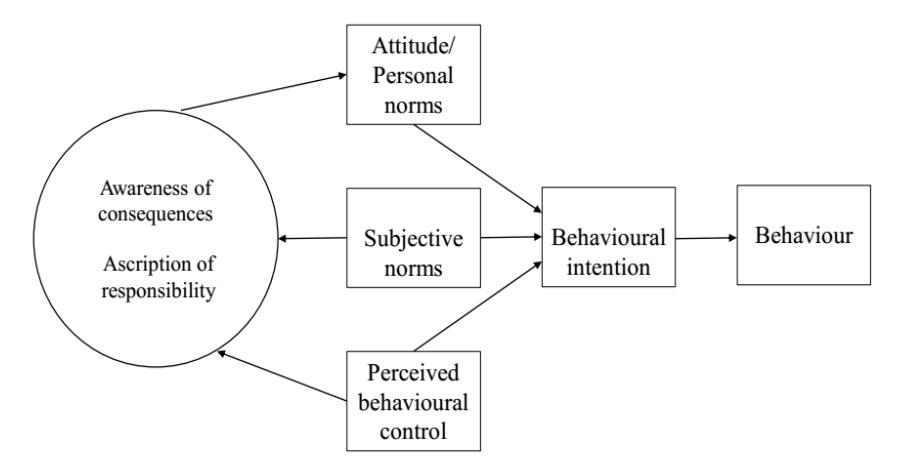
Figure 6. Relationship between personal norms and subjective norms
The practical implications are the identification of strategies to improve vendor management in future green games. First, it is recommended that formal sanctions supplement altruistic strategies in the leveraging of a green event where weak environmental norms prevail. Studies have shown that formal sanctions can serve as a tool to encourage recycling behaviour, especially where volition is lacking due to ambivalent environmental attitude (Huber et al., 2017; Viscusi et al., 2011). While formal sanction cannot guarantee lasting recycling behaviour once the regulatory measures are withdrawn (Huber et al., 2017; Neo, 2010), the threat of punishment may serve as the impetus to recycle (Nolan, 2017). Moreover, consistent environmental policies and enforcement of environmental regulations encourage the normalization of recycling as an institutionalized norms, such that recycling becomes common even among people who do not profess pro-environmental attitude (Flagg & Bates, 2015; Huber et al., 2017; Viscusi et al., 2011).
Second, a 'block leader' programme is recommended as a means to encourage norm activation among the vendors. In household recycling, a block leader's role is to inform, guide and encourage their neighbours to recycle, and therefore influence pro-environmental attitude and recycling behaviour (Hopper & Nielsen, 1991; Neo, 2010). In the SEA Games context, the KLFTA, being the vendors' trade association, was ideally placed to exert positive social influence. Unfortunately, its role was limited to that of a go-between. Although the normalization of recycling behaviour may only take place over time (Thomas & Sharp, 2013), the liminality of sports event lends greater currency to the green message (Chalip, 2006). The GISC's failure to devise a block leader programme was arguably a lost opportunity to promote environmental norms among the vendors.
The main limitation was the small sample size, such that the findings are not generalizable. On the other hand, non-generalizability is a characteristic and not a drawback of qualitative research; authenticity being an important measure of such study. Financial constraints prevented a larger study involving more SEA Games venues. Further, a longitudinal approach could not be adopted in view that the SEA Games was bounded in time and space. Treating this research as exploratory, future studies can be conducted whereby the findings are hypothesised and tested quantitatively to ascertain the relationship between the various predictors of the TPB and the dual conditions of the TAB.
Disclosure statement
No potential conflict of interest was reported by the author.