

1. Introduction
The COVID-19 pandemic has changed people's perspectives on travel. However, the essence of travel remains the chance to encounter and discover new things, thereby enriching one's everyday life. Worldwide travel has returned to 63% of its pre-pandemic level in 2022 because of the Corona outbreak, which caused more people than ever to leave their homes in search of leisure (UNWTO, 2023).
People leave their homes to travel because they need to unwind from daily anxiety, and the psychological need to travel is a result of the desire to reduce the stress that daily living brings (Todorovic and Jovicic, 2016). When considering travel, people select destinations based on motivational factors that attract them to travel, as well as constraints factors that pose challenges to their travel plans (Dahia and Batra, 2016; Said and Maryono, 2018). In addition, the selection of a destination is influenced by the characteristics of the journey, and the current circumstances (Dunne et al., 2011). As mentioned above, people choose destinations based on different factors.
People are now aware of rural attractions that were previously unknown because of the eager transformation of travel information by the internet. Several factors, such as the desire to escape urban pollution, the opportunity to experience freshness and diversity, exposure to unique cultures, and the exploration of historical sites, have been identified as motivators for individuals to travel to rural areas (Demirovic et al., 2019; Pujiastuti, 2020). Furthermore, a clean environment, a simple lifestyle, beautiful scenery, and the availability of organic food attract individuals to explore rural regions. Many people desire to escape the stress of modern life by moving to rural areas (Dashper, 2014, p.2). On the other hand, the rapid movement of large groups of people may raise the risk of infectious diseases (Rossello et al., 2017). Compared to urban areas, rural areas are peaceful, have small population groups, as well as a different culture. The COVID-19 pandemic raised awareness of the possibility of infectious diseases spreading because of urban pollution and population expansion. In turn, this has enhanced the appeal of rural tourism. Consequently, recently going to rural areas has been a preferred way to travel.
Nepal has mainly rural areas, with many inconvenient locations and lovely mountain views. Nepal's tourism sector must grow, especially in its rural areas, if it is to preserve its appeal. The increase in rural tourism has a direct impact on demand for rural lodging. Hotel accommodations are the first type that comes to mind when deciding where to stay. As we prepare for a visit, we usually think about making hotel reservations. The need for options for lodging that serve tourists continues even in rural regions where it is difficult to run large facilities like luxurious hotels. The government of Nepal also lacks the resources necessary to run a luxurious hotel because it is a developing country. Homestay will therefore become more significant as a lodging choice for rural tourism, possibly managed by local organisations. Utilising indigenous traditions and natural resources, many indigenous communities in Nepal have made rural tourism possible.
However, several challenges arise when homestays are not adequately equipped for tourists, including a lack of knowledge about tourism, inadequate facilities for guests, language barriers, and insufficient promotional materials (Kunjuraman & Hussin, 2017). These issues are crucial to address to ensure tourist satisfaction. Some host families think that providing a homestay is only a convenience for tourists looking for a place to stay. Therefore, they should concentrate on the lodging services that affect customer's pleasure with homestay services (accommodation services).
One of the reasons individuals travel is to gain exposure to a different culture (Anantamongkolkul and Pattanapokinsakul, 2022). Homestay services are induced by the destination locality, therefore satisfying the travel motivation. Fulfilling travel motivation can raise visitor happiness, which in turn improves satisfaction with both the destination and a specific homestay. The likelihood that a satisfied tourist will return to the same location increases, thereby increasing the likelihood that homestay marketing will successfully attract more tourists to the area. Consequently, it is crucial that the host family understands the way in which homestay service influences the satisfaction of both the destination and the homestay. Even for homestays managed by local facilities, it is essential to provide tourists with outstanding service. Surprisingly few studies, particularly from Southeast Asia, have examined lodging services within the context of homestay.
The purpose of this study is to assist host families in understanding how homestay services influence tourist satisfaction, thereby influencing their marketing strategies. Ismail et al. (2016), Diwyarthi et al. (2019), and Voon et al. (2022) all examined how the homestay service experience influences satisfaction, which has a positive indirect effect on visitor intention to return. However, these previous studies did not consider homestay experience as a factor in determining overall destination satisfaction; these studies only considered homestay satisfaction. In addition, this study argues, contrary to previous findings, that homestay service experiences have a direct impact on tourist intentions to return. In this regard, the objectives of this study are to investigate the relationship between homestay experience, destination satisfaction, and behavioural intention.
2. Literature Review
2.1. Concept of Homestay
The concept of homestay originated as a way for students to participate in cultural exchange while staying in a new place; however, an increasing number of countries now also offer homestay to tourists in general. Lynch (2009) categorises homestays into two groups: students and tourists. The homestay is more than a place for students to stay while they spend a few months studying local cultures. Homestays are now a standard component of tourist accommodations. According to Lynch (2009), a homestay is a business for profit in which guests stay on private property and interact with the host family. A homestay user is a "paid guest" who pays to stay in another person's home for a certain period with local services (Malla Thakuri, 2016). Moreover, it is a kind of accommodation in which visitors can stay with a host family for a specified duration in a fully equipped home (Zulkefli et al., 2023).
The social interaction of tourists within the local environment, as well as the exchange of local food, language, and cultural practices, are important aspects of the homestay experience (Agyeiwaah, 2019; Kuhzady et al., 2020). Kulshreshtha and Kulshrestha (2019) argue that homestay is a cheap type of lodging although it provides tourists with a crucial first-hand local experience of the destination. Furthermore, homestay provides guests with opportunities to engage with local people and unique cultural and authentic experiences (Singh et al., 2021; Osman et al., 2023). Regmi et al. (2023) pointed out that homestays reflect unique characteristics that are influenced by factors such as geographic location, ethnicity, and the local resources that are accessible in their specific regions. Consequently, the Homestay program is administered by indigenous communities utilizing their own resources, thus creating an authentic local atmosphere for visiting tourists.
Homestay is not a new concept, but it is becoming more popular as more tourists prefer to stay with locals in their homes rather than in expensive hotels (Gu and Wong, 2006). To attract tourists away from luxurious and crowded urban areas, the homestay programme offers clean, friendly, and inexpensive lodging and meals in rural areas with plentiful natural environments (Gangotia, 2013; Pasanchay and Schott, 2021). According to Gangotia, a homestay provides an unusual chance to get to know a place by staying with a local family. In addition, Laymoun et al. (2020) stated that a homestay affords visitors the extraordinary opportunity to observe and comprehend the way of life in a typical community. It aims to help locals by promoting tourism in these areas and providing opportunities for visitors to participate in local activities and community-based rural tourism (Regmi et al, 2023).
Hotels typically provide lodging as well as other necessary services to visitors staying there. In contrast to hotels, homestays offer an extensive range of activities that enable guests to exclusively experience local customs and traditions. These activities might be different from those that tourists and hotels typically enjoy. It is difficult for hotels to provide cultural interaction through first-hand experience. It indicates that homestays provide unique experiences for visitors. In Nepal, homestays offer tourists the opportunity to interact with rural locals and participate in a variety of cultural activities utilising local resources. However, to satisfy tourist needs brought by travel motivation, local resources must be available. In addition to how elements of the homestay services, such as local resources influence destination satisfaction and behavioural intention. After discussing the concept of homestay, discuss the factors that motivate people to travel. Afterwards, we will discuss how a homestay meets their requirements.
2.2. Travel Motivation
There are both internal and external factors that can affect travel motivation. Examples of internal stimuli include individual needs, whereas external stimuli include marketing and promotion (Kotler, 1982). Numerous studies have been conducted on the complex concept of tourist motivation, which consists of push forces generated by the departure location and pull factors generated by the destination. Push factors are psychological factors that may stimulate a desire to travel, whereas pull factors are those that can satisfy that desire (Dann, 1977; Crompton, 1979; Iso-Ahola, 1982; Ghimire, 2004; Kunwar, 2017; Demirovic et al., 2019). Moreover, according to Todorvic and Jovicic (2016), a push factor is the psychological need to release the tension that has accumulated throughout the day, and a pull factor is the destination's characteristics that satisfy this psychological need. Prospective visitor's perceptions of the pull factors affect their decision regarding a destination (Mill, 1985). Furthermore, people's schedules are repetitive and stressful, and they are looking for an unusual experience that is different from everyday life (Dann, 1977; Crompton, 1979; Iso-Ahola, 1982).
People wanted to get away from the city, try something new, relax, and enjoy a sense of freedom (Demirovic et al., 2019). For travel motivational factors, relaxation away from the ordinary, escape from the busy everyday life, hassle-free vacations, and getting refreshed (Pesonen and Komppula, 2010). Although travel motivation depends on segment groups, cultural backgrounds, and demographic factors (Kara and Mkwizu, 2020; Yang et al., 2023). For example, cultural and historical factors are important motivators for international tourists (Dulhamid et al., 2022), while local food and weather are important motivators for seniors (Wijaya et al., 2018). According to Giner and Forne (2023), people seek out experiences that engage them with local food as a form of cultural preservation and local people. Localities specific to the destination, such as gastronomy, lifestyle, culture, history, people's attitudes toward foreigners, behaviours, and hospitality, should be highlighted to attract more visitors to the region (Sahin and Guzel, 2018; Anantamongkolkul and Pattanapokinsakul, 2022). The destination's local experience can help to satisfy the psychological need to escape the stresses of daily life. Tourists seek something different from their daily lives.
Those who may be feeling anxiety also seek novelty, which is another reason they want to escape their routine (Lee and Crompton, 1992). Mitas and Bastiaasen (2018) state that the desire for novelty has a significant impact on people's motivation to travel. According to Mitas and Bastiaasen, one of the main goals of travel is to satisfy the need for novelty, and one of the criteria for this is the destination. Local cultural ceremonies and enjoying more authentic local foods make a positive impression on tourist's minds, contributing to the formation of positive memories (Chandralal and Valenzuela, 2013). Moreover, by engaging in previously unexplored experiences, tourists can improve their quality of life and skills (Cohen, 2004). Todorovic and Jovicic (2016) surveyed young people to find out why they take vacations for sightseeing and revealed that those who have accumulated daily stress seek relief by travelling to a new location. Then, as stress transforms into relaxation, individuals feel relaxed. Furthermore, the destination's local cultural experience enhances the novelty experience (Sahin and Guzel, 2018).
It is evident from the foregoing explanation that elements that satisfy the need for relaxation are qualities that cannot be experienced in daily life, as this experience is transformed into novelty. People who wish to travel frequently seek out experiences distinct from their daily lives. A second conclusion that can be derived from the description of a homestay is that it utilises the regional characteristics of the area and is influenced by local customs. In this regard, the homestay service satisfies a demand among tourists for the destination. Homestays have grown in popularity among tourists because host
families provide authentic organic cuisine and specialized travel experiences (Abas et al., 2022; Regmi et al., 2023). Therefore, homestay is both a lodging option and one of the destination's attractions. In conclusion, homestay experiences influence both destination and individual satisfaction with the homestay. Ismail et al. (2016) and Voon et al. (2022) examined how the homestay experience influences satisfaction with particular homestay services. However, this study investigates the influence of homestay experiences on overall destination satisfaction.
2.3. Theoritical Background
Residents of urban regions seek out rural areas to obtain something different (Pujiastuti, 2020). Rurality is widely regarded as an important component of uniqueness, which directly engages with the inhabitants of rural areas. Individuals who seek rest from the stresses of the urban environment must seek relief in a rural setting (Pesonen and Komppula, 2010). Consequently, people prefer to travel to rural regions. Traditional activities, authentic and local cuisine, cultural and historical immersion, exposure to agriculture, and interaction with nature are the primary motives for people to visit rural regions (Farmaki, 2012; Huang et al., 2016; Demirovic, 2019; Kataya, 2021; Zhu et al., 2023). Homestay appears to contribute positively to rural areas by satisfying the rural tourist motivation (Kulshreshtha and Kulshrestha, 2019; Agyeiwaah, 2019; Kuhzady et al., 2020; Singh et al., 2021; Pasanchay and Schott, 2021; Abas et al., 2022; Osman et al., 2023; Regmi et al., 2023).
It has been demonstrated in the literature on tourism that homestay services have a significant effect on tourist behaviour, making them one of the destination's attractions. The preservation of the destination's native culture through homestay enables visitors to learn about the destination's customs while immersing themselves in the local character. Homestays are a crucial component of the tourism lodging industry, and it is well acknowledged that they have an impact on destination satisfaction with their chosen destinations. Surprisingly little research has been done regarding the influence of homestays on overall destination satisfaction and behavioural intentions.
The study by Ismail et al. (2016) attempted to rectify the shortcomings of earlier research. Ismail et al. conducted research on homestays in Malaysia and determined that the quality of the homestay service increases tourist satisfaction. In addition, it was found that tourist satisfaction played a significant moderating role in the relationship between behavioural intention and the quality of homestay services. Voon et al. (2022), citing similar research conducted in Malaysian homestays, argue that homestay service experience has a direct influence on satisfaction and an indirect influence on behavioural intentions. Homestay services are regarded as one of the attractions of the destination in the literature; thus, they influence destination satisfaction. Moreover, the attraction of a destination is a significant determinant of travel motivation; therefore, homestay services have an impact on the likelihood of next travel. Another limitation of previous studies is the assumption that homestay experiences only have an indirect impact on behavioural intention.
A homestay experience can have a direct as well as indirect impact on a tourist's behaviour intention. Due to this, Xing (2022) research proposed the notion that fine service at a homestay would directly affect loyalty, then surveys conducted on online social media platforms rejected the hypothesis. However, according to Xing (2022), homestay services are influenced by the traditional culture of the locale. Therefore, Xing stated that rural homestays must immediately transition from their traditional to their most recent service models. Their investigation, however, has some limitations. Researchers have established the validity of the homestay experience concept by analysing a variety of servicerelated requirements, such as excellent service and high-quality service. It can be challenging for rural homestays to provide high-quality services utilising local resources. In addition, as stated previously, tourists anticipate gaining first-hand knowledge of the indigenous culture through homestays. Therefore, the uniqueness of the location determines service quality.
Participating in the destination's culture satisfies the need for novelty that motivates most tourists to travel. It is logical that learning about new traditional cultures through homestay experiences would influence both the overall satisfaction with the destination and the satisfaction with the homestay services. When analysing how the homestay experience affects tourist satisfaction, however, only one specific measure of homestay satisfaction was considered (Ismail et al., 2016; Diwyarthi et al., 2019; Voon et al., 2022; Xing, 2022). In previous research, it was not taken into consideration that homestays are both a lodging option and a tourist attraction. This study's objective is to address the limitations of prior research.
2.4. Hypothesis Development
In this study, the homestay experience is defined by the homestay services provided by the host family, including travel guidance, traditional cuisine, accommodations, and cultural activities. Homestay services, especially in rural areas, frequently offer tourists an unforgettable experience. Tourists can learn about local history, traditional dance, songs, cuisine, activities, and festivals from their hosts (Voon et al., 2022). Additionally, those activities include things that reflect the local culture. Moreover, cultural events have a significant impact on tourist's overall satisfaction (Halkos et al., 2021; Atsiz and Akova, 2021). In contrast to general tour attractions, maintenance factors, and heritage attractions, Huh and Uysal (2004) found that cultural attractions had a significant impact on the overall travel satisfaction of tourists. Atsiz and Akova (2021) found that cultural attractions like museums, galleries, cultural villages, historic buildings, and monuments have a significant impact on tourist's overall satisfaction. It is well recognised that local customs contribute significantly to tourist's overall satisfaction. In a homestay, tourists can directly experience traditional culture.
In other situations, satisfaction can be assessed by comparing the actual experience to what was anticipated, with expectations influenced by individual requirements (Oliver, 1997). According to Spreng et al. (1996), customer satisfaction levels increase when expectations are less than experience values and decrease when expectations are greater than experience values. Since host families provide services at a low cost, homestays reduce the overall travel expenses of tourists. Even though the cost of homestays is the only portion of total costs, lower travel costs reduce tourist travel expectations. Therefore, tourists are generally satisfied when the overall experience exceeds their expectations of the travel destination.
The need to travel stems from the individual's desire to escape the stress of daily life (Dann, 1977; Iso-Ahola, 1982; Cohen, 2004; Todorovic and Jovicic, 2016; Zhu et al., 2023). According to a researcher, individuals desire to change their normal schedules for leisurely activities. In the context of a homestay, the host family offers services that draw from the indigenous culture. Homestay services are an excellent way for people to satisfy their desire to experience something different from their everyday lives. In this regard, homestay experiences satisfy the travel needs of tourists and provide complete destination satisfaction. As a result, the following hypotheses were developed:
H1: Homestay experience influences destination satisfaction.
In addition, as individuals return from their visit and resume their normal schedules, they become increasingly bored and desire an unfamiliar experience. The need to escape daily life, which is the push factor that motivates travel during boredom (Dann, 1977; Iso-Ahola, 1982), is satisfied by the pull factors of the destination, such as homestay services. Because it had a characteristic that distinguished it from others. It is a good idea to choose a homestay when travelling because there may be similarities between hotel services and everyday life. Kim (2021) Determines the push and pull factors that influence domestic tourist's decision to return. When a homestay is an attraction to a destination (Laymoun et al., 2020), this motivates travellers to go there. In this study, we examine both domestic and foreign travellers in a homestay context. Finally, a homestay encourages repeat visits. Also, Liang and Zuo's (2022) study identified that a cultural attraction has an obvious beneficial effect on a tourist's desire to return. While homestay services are affected by traditional cultural attractions (Gu and Wong, 2006; Gangotia, 2013; Laymoun et al., 2020; Voon et al., 2022; Regmi et al., 2023), The second hypothesis, would be:
H2: Homestay experience influences Behavioural intention.
The antecedents of revisit intents have been identified as being satisfied (Zeithaml et al., 1996; Oliver, 1997). Similar strategies are used in the homestay service industry, where there is a relationship between behavioural intention, satisfaction, and homestay experience, with better homestay experience satisfaction having a favourable impact on loyalty (Vinh, 2013; Ismail et al., 2016; Osman et al., 2023). Therefore, the third hypothesis would be:
H3: Destination satisfaction influences behavioural intention.
Figure 1. The Conceptual Model of the Study
Figure.1 shows the conceptual research model of the study based on the theoretical basis. The following definitions apply to each element of the model.
Homestay experience: The homestay host family provides lodging, food, and other cultural
experiences for tourists.
Destination satisfaction: The tourists achieved their travel goals by thoroughly enjoying their
destination.
Behavioural intention: The evaluation of a tourist's propensity to visit the same destination again or desire to recommend it to others.
3. Methodology
3.1. Data Collection Area
Nepal is a mountainous nation, making it impossible to operate luxurious accommodations anywhere. This is why there are more homestays than ever before in Nepal (Nepal Rastra Bank, 2015). Ghalegaun's homestay is one of the most prominent tourist destinations in Nepal. Located 118 kilometres west of Kathmandu, the capital of Nepal, and 2,095 metres above sea level. Locals in the Ghalegaun provide lodging services by giving out unoccupied spaces in their homes. By showing the local way of life, Ghalegaun attracts tourists to the region by showcasing its distinctive features. The Ghalegaun homestay initiative offers a first-hand look at rural Nepali life, particularly that of the Gurung caste. Tourists have the option of observing and participating in the village's everyday activities. As tourism grows, communities are encouraged to demonstrate their traditional cultures to tourists. Ghalegaun is presently regarded as a model village throughout South Asia due to the popularity of its homestays (Himalayan News Service, 2019). As a result, the empirical research was conducted in Ghalegaun, a significant and well-known homestay destination in southern Asia.
3.2. Questionnaire Design
A literature review and the unique characteristics of the homestay destination were used to develop the questionnaire's questions. According to Voon et al. (2022), the homestay experience can be separated into eight different categories: culture, guide service, food and beverages, the environment, cleanliness, accommodations, and services. Based on the dimensions provided by Voon et al., this study evaluates the homestay service experience. Nevertheless, the "services" component was excluded from this investigation. The item "services" was removed because, in the case of Ghalegaun, it was difficult for host families to provide additional services that were not easily accessible to them. This research measures the homestay experience based on the actual characteristics of a homestay. Homestays are run by local families who provide the service based on their abilities and accessibility to local amenities. Therefore, additional services, which are a dimension of "service" in the study by Voon et al., are challenging for all host families for social and economic reasons. The seven dimensions chosen by Voon et al. (2022) study to assess the homestay experience are outlined here. Although the questioning items for such dimensions were developed based on Ghalegaun's homestay features, 22 items were used to assess the homestay experience. Each of the four items measured "culture," "guide service", and "environment". Three items were used to measure the "cleanliness" and "accessibility" dimensions. The next two items were "Food and Beverage" and "Accommodation". Based on earlier research, three items were chosen to assess destination satisfaction (Bigne et al., 2001; Chen and Tsai, 2007; Chi and Qu, 2008; Banki et al., 2014; Acharya et al., 2023), One item was selected to assess destination satisfaction in keeping with the travel motivation theory of prior research (Dann, 1977; Iso- Ahola, 1982; Todorovic and Jovicic, 2016; Zhu et al., 2023). Finally, four items were used to measure destination satisfaction. Three items based on prior research were used to measure behavioural intention (Vinh, 2013; Poku et al., 2013; Munhurrun et al., 2015; Xing, 2022). Respondents were asked to rate their level of agreement with each item in each category on a 5-point scale (1=strongly disagree and 5= strongly agree).
3.3. Sample Design and Data Collection
Tourists who have not finished their trip to Ghalegaun should not be surveyed to ascertain their level of satisfaction with the region. A questionnaire is distributed to tourists who have completed their Ghalegaun tour and have arrived to pay at the tourism management office in the village, which was situated near the main entrance of the village. The respondents are selected randomly from those who completed the Ghalegaun tour. A total of 275 responses were collected; 31 of those were inadequate and excluded from further analysis; 244 (88.73%) of the responses were valid. The respondent profile is summarised in Table 1.
Variables Frequency Percentage Gender Male 162 66.4 Female 82 33.6 Nationality Nepali 232 95.08 Foreigner 12 4.92 Marital status Single 58 23.8 Married 155 63.5 Other 31 12.7 Age Under 18 6 2.5 18-24 44 18 25-34 72 29.5 35-44 59 24.2 45-54 42 17.2 55-64 19 7.8 65~ 2 0.8 Education Elementary-Higher secondary 56 23 Bachelor 74 30.3 Graduated school 35 14.3 Other 79 32.4 Occupation Student 48 19.7 Officer 44 18 Business owner 27 11.1 Other 125 51.2 Total 244
Table 1. Respondents Profile
4. Empirical Results
For this study, comprehensive multidimensional constructs consisting of seven dimensions and a total of 22 items, for every aspect of the homestay service experience. The aspects are as follows: culture (four items), guide service (four items), food and beverage (two items), environment (four items), cleanliness (three items), accommodations (two items), and accessibility (three items). Confirmatory Factor Analysis (CFA) was used to test the validity of the measurement model, which was constructed using the seven dimensions and the stated correlations. The model fit indices obtained value is (i.e., CMIN/DF=2.135, CFI=0.959, RMR=0.041; GFI=0.871, AGFI=0.828, NFI=0.926, TLI=0.950, RMSEA=0.068). The suggested recommended value is satisfactory such as CMIN/DF ≦3.00 and RMR≦0.5 (Anderson and Gerbing, 1992), NFI, CFI is ≦0.9 (Anderson and Gerbing,1992), TLI≦0.9 (Tucker and Lewis, 1973), GFI and AGFI is≦0.8 (Doll et al, 1994), RMSEA≦0.8 (Browne and Cudeck,1993). The model fit indices were good for further study because all indicators exceeded threshold values as specified. It was shown to be an acceptable scale when the validity of the measure for behavioural intentions and satisfaction with the tourist destination was also tested. Destination satisfaction had a Cronbach's alpha of 0.947, and behavioural intention had a Cronbach's alpha of 0.922. The items corrected item-total correlations for destination satisfaction were as follows: 1) I am satisfied with the Ghalegaun destination (0.889), 2) Ghalegaun was a good choice for me (0.872), 3) At the Ghalegaun, I had an experience that fulfilled my desire for a destination (0.845), and 4) I feel pleased after visiting Ghalegaun (0.887). The items corrected itemtotal correlations for behavioural intentions were as follows: 1) I would like to revisit the Ghalegaun in the future (0.792), 2) I would like to suggest my friends and relatives visit the Ghalegaun (0.883), 3) I would like to share my good experience of the Ghalegaun with friends and relatives (0.854). As a result, reliability is assumed, and a structural equation model (SEM) test is used to ascertain the variable's relationships.
After the data reliability analysis was completed, structural equation modelling (SEM) with Amos 27 was used to investigate the direct and indirect effects of the predictor variable (homestay service
experience) on destination satisfaction and behavioural intentions. Multiple fit indications were used to assess the proposed research model further. The result of the fit indicated that the SEM for the research model also demonstrated a valid model. The statistical analysis of the entire model indicates its level of acceptability (CMIN/df=1.943; RMR=0.040; RMSEA=0.062; CFI=0.954; GFI=0.833; AGFI=0.803).
The estimates of the structural coefficients are used to test the hypotheses within the overall model. The study examined how the homestay experience affected satisfaction with the destination and behaviour intention. The impact of homestay experience on destination satisfaction was positive and significant (β1=0.882, t= 8.664 p<0.001) supporting H1. The impact of homestay experience on behavioural intention was positive and significant (β2=0.313, t=3.495, p<0.001), hence supporting H2. Then, the impact of destination satisfaction on behavioural intention was positive and significant (β3=0.615, t=6.967, p<0.001), supporting H3. The model fit indices and hypotheses results are presented in Table 2.
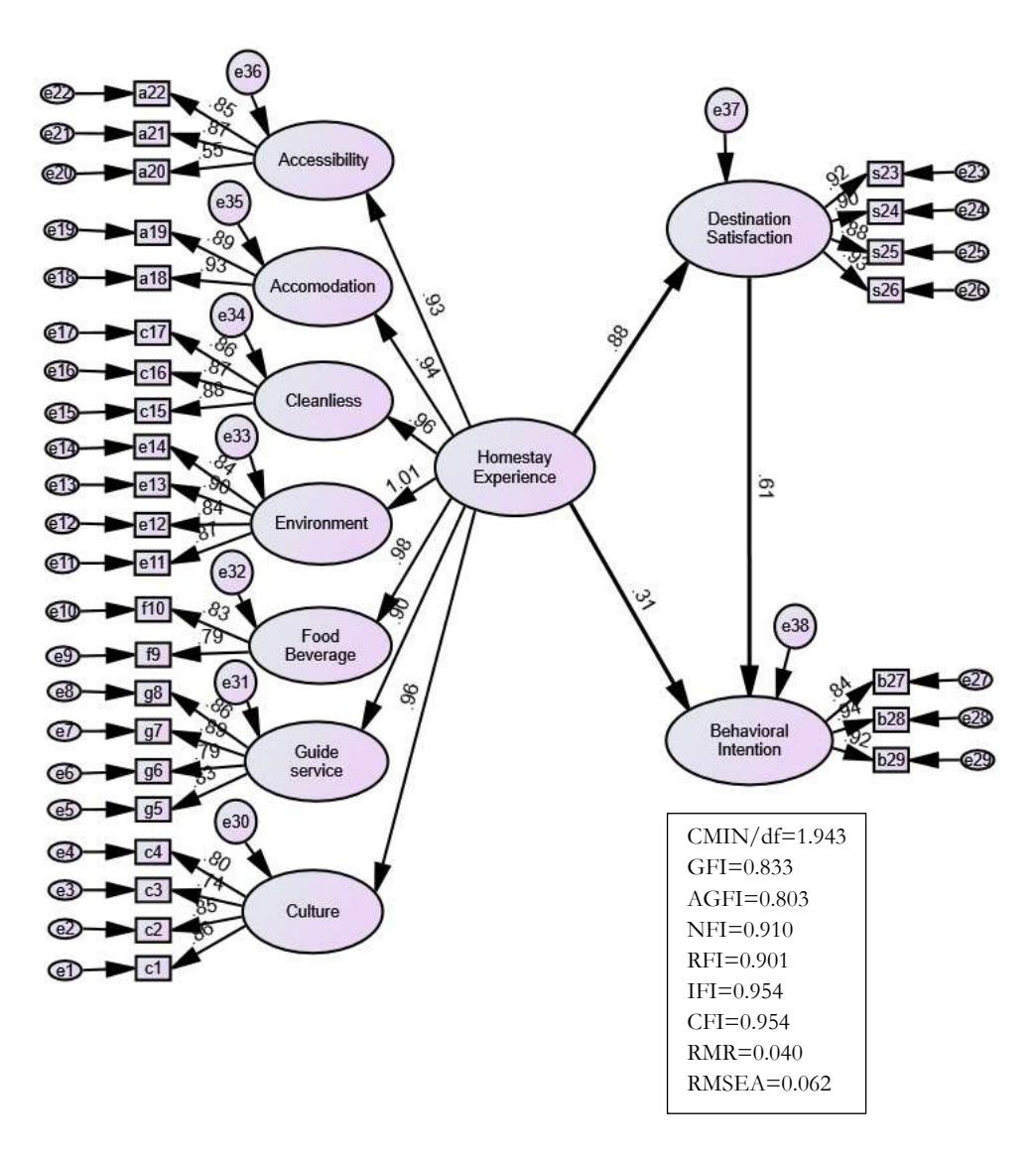
Figure 2. The Influences of Homestay Experience on Destination Satisfaction and Behavioural Intention
Table 2. SEM Results of Proposed Model
| Standardized Estimates | t- value | p- value | Decision |
|---|---|---|---|
| 0.882 | 8.664 | <0.001 | Supported |
| 0.313 | 3.497 | <0.001 | Supported |
| 0.615 | 6.967 | <0.001 | Supported |
CMIN/df=1.943, the goodness-of-fit (GFI)=0.833, AGFI=0.803, NFI=0.910, TLI=0.949, CFI=0.954, RMR=0.040, RMSEA =0.062
5. Discussion and Practical Imlications
5.1. Discussion
To maximise the benefits of rural tourism, tourism planners must develop rural tourist accommodations. However, a lack of sufficient resources makes it impossible for developing nations to operate luxurious hotels anywhere. In this circumstance, homestays are a crucial lodging option. As a destination's main attraction, homestays provide tourists with more than just a place to sleep; they also allow them to gain first-hand exposure to the local culture. It was therefore hypothesised that attempts to provide a homestay experience would raise destination satisfaction and behavioural intention. This study was designed to investigate theoretical relationships between homestay experience, destination satisfaction, and behavioural intention in the context of Nepal. It is essential to acquire a deeper understanding of the homestay experience as well as the role homestay plays in rural tourism's strategic sustainability and economic growth. Voon et al. (2022) examined homestay experience on eight variables and investigated the effects on satisfaction. However, one variable was left out due to the host family's ability and capacity to operate in a local facility. This is because, according to the definition of homestay, it operates at a local facility. This study evaluates seven different aspects of the homestay experience, all which host families can easily access to accommodate tourists.
The first significant finding of this study was that homestay experience has a direct positive influence on destination satisfaction. People desire relief from daily stress and a change in their daily schedules, and urbanisation is one of the major causes of people's stress today. Therefore, individuals wish to travel to a new location to refresh. In this circumstance, rural tourism is crucial for them. Homestays are an essential accommodation option for rural tourists. On the other hand, if people want to stay in a hotel, the hotel's lavish facilities may be inconvenient because people are interested in changing their daily routine, but hotels give similar services that are available anywhere or maybe experienced a lot in daily life. As a result, a homestay experience that was inspired by the region's authenticity satisfies tourist's desires to visit, which in turn affects their satisfaction with the place they are visiting. As a result, staying at a homestay is not simply a lodging service; it may also be a tourist attraction. The result demonstrates clearly that the influence of the homestay experience on destination satisfaction was positive and significant.
The findings of previous research also suggest that homestay experience has an indirect impact on behavioural intention instead of a direct one (Ismail et al., 2016; Voon et al., 2022). The second significant finding of this study demonstrated that the homestay experience does have a direct and indirect influence on behavioural intention. As previously stated, staying in a homestay is a significant attraction for tourists; therefore, the experience may serve as motivation for future travel. According to Mill (1985), the key element influencing the choice of destination is the pull factor of the destination. Similarly, the results of this study indicate that homestay service is a destination attraction factor. The escape and reward model (Dann, 1977; Iso-Ahola, 1982) shapes tourist travel motivation, whereas extraordinary experiences satisfy the demands derived from travel motivation. Additionally, one of the primary functions of the homestay is to expose tourists to traditional culture in a way that contrasts with daily life. This is why homestay experience influences behavioural intentions both directly and indirectly.
5.2. Practical Implications
The findings of this study indicate that the experience of staying in a homestay has a significant influence on both destination satisfaction and behavioural intention. Therefore, a positive homestay experience is likely to result in positive outcomes. Combining homestay services with local vibes activities facilitated by indigenous resources has the potential to enhance both homestay and destination satisfaction. Geographically inconvenient rural regions, which present challenges for the operation of luxurious hotels, effectively implement homestays to enhance tourist satisfaction. It indicates that the successful operation of homestays contributes to the growth of rural tourism.
This research endeavour has the potential to enhance knowledge regarding the homestay issue. Tourist satisfaction is influenced not only by luxurious comforts but also by facilities that are derived from local resources and imbued with indigenous characteristics. To enhance tourist satisfaction, it is recommended that the lodging service combine local cultural events into their offerings. The study carried out by the author contributes significantly to the field of the lodging industry as it enhances the understanding of the relationship between local services and tourist satisfaction.
6. Conclusion
According to the findings of this study, there is a relationship between homestay experience, destination satisfaction, and behavioural intention. This study infers that improved tourist satisfaction through real experiences is derived from destination locales. Tourists can learn more about the destination's local culture through homestays. Homestays are not only lodging facilities but also one of the destination's tourist attractions that influence travel motivation as a pull factor. Understanding the homestay experience provides direction for the travel industry in developing rural tourism marketing strategies.
This study has some limitations that should be noted. To fully comprehend the homestay experience, it is necessary to investigate numerous other homestay programs whose cultures are like those of other Nepalese villages. Because Ghalegaun is culturally distinct from other Nepalese rural areas. It has its own distinct culture, which may influence tourist satisfaction. Second, the outcomes of this study were only applicable to homestays in rural areas. Future research should investigate how a homestay experience affects tourist's satisfaction with urban tourism.
Declaration of Conflicting Interests
Regarding the writing and/or publishing of this research, the authors indicated that they had no possible conflicts of interest.
Funding
There was no grant for this research from any funding organisation in the public, private, or nonprofit sectors.
References
- Abas, S.A., Halim, N.A., Nanafiah, M.H.M. (2022), "Exploring the role of local champion in community-based rural homestay in Malaysia: A case of homestay Sungai Haji Dorani", Journal of Tourism, Hospitality and Environment Management (JTHEM), 7(27), 310-320.
- Acharya, S., Mekker, M. and Vos, J.D. (2023), "Linking travel behavior and tourism literature: Investigating the impacts of travel satisfaction on destination satisfaction and revisit intention", Transportation Research Interdisciplinary Perspectives, 17, DOI: 10.1016/j.trip.2022.100745.
- Agyeiwaah, E. (2019), "Exploring the relevance of sustainability to micro tourism and hospitality accommodation enterprises (MTHAEs): Evidence from Home-Stay owners", Journal of Cleaner Production, 226(1), 159-171.
- Anantamongkolkul, C. and Pattanapokinsakul, K. (2022), "Insights into cultural tourist behavior: A mixed-methods study", Humanities, Arts and Social Science Studies, 22(3), 523-535.
- Anderson, J.C. and Gerbing, D.W. (1992), "Assumptions and comparative strengths of the two step approach", Sociological Methods & Research, 20(3), 321-333.
- Atsiz, O. and Akova, O. (2021), "Cultural destination attributes, overall tourist satisfaction and tourist loyalty: First timers versus repeaters", Advances in Hospitality and Tourism Research (AHTR), 9(2), 268-291.
- Banki, M.B., Ismail, H.N., Dalil, M. and Kawu, A. (2014), "Moderating role of affective destination image on the relationship between tourism satisfaction and behavioural intention: Evidence from obudu mountain resort", Journal of Environment and Earth Science, 4(4), 47-60.
- Bigne, J.E., Sanchez, M.I. and Sanchez, J. (2001), "Tourism image, evaluation variables and after purchase behavior: inter- relationship", Tourism Management, 22, 607-616.
- Browne, M.W. and Cudeck, R. (1992), "Alternative ways of assessing model fit", Sociological Methods & Research, 21(2), 123-131.
- Chandralal, L. and Valenzuela, F.R. (2013), "Exploring memorable tourism experiences: Antecedents and behavioural outcomes", Journal of Economic Business and Management, 1(2), 177-181.
- Chen, C.F. and Tsai, D.C. (2007), "How destination image and evaluative factors affect behavioral intentions", Tourism Management, 28, 1115-1122.
- Chi, C.G.Q. and Qu, H. (2008), "Examining the structural relationships of destination image, tourist satisfaction and destination loyalty: An integrated approach", Tourism Management, 29(4), 624- 636.
- Cohen, E. (2004), Contemporary tourism: Diversity and change, Emerald Group Publishers.
- Crompton, J. L. (1979), "Motivations for pleasure vacation", Annals of Tourism Research, 6(4), 408–424.
- Dahiya, K.S. and Batra, D.K. (2016), "Tourist decision making: Exploring the destination choice criteria", Asian Journal of Management Research, 7(2), 140-150.
- Dann, G.M.S. (1977), "Anomie, ego enhancement and tourism", Annals of Tourism Research, 4(4), 184- 194.
- Dashper, K. (2014), Rural Tourism: An International perspective, Cambridge scholars publishing, 1-21.
- Demirovic, D., Berjan, S., Milentijevic, N., Bilali, H.E., and Syromiatnikova, Y.A. (2019), "Exploration of tourist
motivation and preferred activities in rural areas", Journal of the Geographical Institute Jovan Cvijic SASA, 69(1), 29-37.
- Diwyarthi, N.D.M.S., Wiartha, N.G.M., Prabawati, P.D. and Pratama, I.W.A. (2019), "Quality of Homestay Services Towards Guest`s Satisfaction in Kalibukbuk Village at Buleleng Regency", Jurnal Bisnis Hospitaliti, 8(1), 32-39.
- Djalolitdinovna, M.A. and Khakimovna, N.F. (2023), "Tourist behavior and tourism motivation", Journal of Modern Philosophy, Social Sciences and Humanities, 18, 78-82.
- Doll, W.J., Xia, W. and Torkzadeh, G. (1994), "A confirmatory factor analysis of the end-user computing satisfaction instrument", MIS Quarterly, 18(4), 453-461.
- Dulhamid, H.A., Isa, M.I., Mohamed, B. and Sazali, M.F. (2022), "Motivational factors in influencing the international tourists travel to tourism attractions in penang, Journal of the Malaysian Institute of Planners 20(1), DOI: 10.21837/pm.v20i20.1075
- Dunne, G., Flanagan, S. and Buckley, J. (2011), "Towards a decision making model for city break travel", International Journal of Culture, Tourism and Hospitality Research, 5(2), 158-172.
- Farmaki, A. (2012), "An exploration of tourist motivation in rural setting: The case of Troodos, Cyprus", Tourism Management Perspectives, 2(3), 72-78.
- Gangotia, A. (2013), "Home Stay scheme in himanchal pradesh: A Successful story of communitybased tourism initiatives (CBTIS)", Global Journal for research analysis, 2(2), 206-207.
- Ghimire, A. (2004), Travel & Tourism: An Introduction, Ekta Books kathmandu.
- Giner, A.O. and Forne, F.F. (2023), "The way we live, the way we travel: generation Z and sustainable consumption in food tourism experiences", British Food Journal, 125(13), 330-351.
- Gu, M. and Wong, P.P. (2006), "Residents` Perception of Tourism Impacts: A Case Study of Homestay Operators in Dachangshan Dao, North-East China", Tourism Geographies, 8(3), 253- 273.
- Halkos, G., Leonti, A. and Sardianou, E. (2021), "Activities, motivations, and satisfaction of urban park visitors: A structural equation modeling analysis", Economic Analysis and Policy, 70, 502- 513.
- Himalayan News Service (2019) Ghale Gaun aspiring to be better. Retrieved April 2023, from https://thehimalayantimes.com/nepal/ghalegaun-aspiring-to-be-better/
- Huang, W.J., Beeco, J.A., Hallo, J.C. and Norman, W.C. (2016), "Bundling attraction for rural tourism development", Journal of Sustainable Tourism, 24(10), 1387-1402.
- Huh, J. and Uysal, M. (2004), Satisfaction with Cultural/Heritage Sites: Virginia Historic Triangle", Journal of Quality Assurance in Hospitality & Tourism, 4(3), 177-194.
- Ismail, M.N.I, Hanafiah, M.H., Aminuddin, N. and Mustafa, N. (2016), "Community-Based Homestay Service Quality, Visitor satisfaction, and Behavioral Intention", Procedia-Social and Behavioral Science, 222, 398-405.
- Iso-Ahola, S.E. (1982), "Toward a social psychology theory of tourism motivation: A rejoinder", Annals of Tourism Research, 9(2), 256-262.
- Kara, N.S. and Mkwizu, K.H. (2020), "Demographic factors and travel motivation among tourists in Tanzania", International Hospitality Review, 34(1), 81-103, DOI: 10:1108/IHR-01-2020-0002.
- Kataya, A. (2021), "The impact of rural tourism on the development of regional communities", Journal of Eastern Europe Research in Business and Economics, 2021, DOI: 10.5171/2021.652463
- Kim, W. (2021), "Determinants of tourist revisit intention in domestic tourism", International Journal of Advanced Culture Technology, 9(3), 74-80.
- Kotler, P. (1982), Principles of Marketing (2nd eds.), Prentice-Hall, 227-300.
- Kuhzady, S., Seyfi, S. and Beal, L. (2020), "Peer-to-peer(P2P) accommodation in the sharing economy: a review", Current Issues in Tourism, 1-16, DOI:10.1080/13683500.2020.1786505.
- Kulshreshtha, S. and Kulshrestha, R. (2019), "The emerging importance of homestay in the Indian hospitality sector", Worldwide Hospitality and Tourism Themes, 11(4), 458-466.
- Kunjuraman, V. and Hussin, R. (2017), "Challenges of community-based homestay programme in Sabah, Malaysia: Hopeful or hopeless?", Tourism Management Perspectives, 21, 1-9.
- Kunwar, R.J. (2017), Tourists and Tourism, Ganga sen.
- Laymoun, M.A, Alsardia, K. and Albattat, A. (2020), "Service Quality and Tourist Satisfaction at Homestays", Management Science Letters, 10, 209-216.
- Liang, L. and Zuo, D. (2022) "A study on the impact of cultural attraction on the intention of Chinese visitors revisiting Thailand", International Journal of Sociologies and Anthropologies Science Reviews (IJSASR), 2(6), 107-120.
- Lynch, P. A., McIntoch, A. J. & Tucker, H. (2009), Commercial Homes in Tourism: An International Perspective, Abingdon, UK: Routledge.
- Malla Thakuri, I. B. (2016), Doctoral dissertation, Economic Contribution of Home-stay in Nepal, Journal of advanced academic research (JAAR), l3(III), 1-9.
- Mill, R.C. and Morrison, A.M. (1985), The Tourism System: An Introductory Text, Prentice Hall.
- Mitas, O. and Bastiaansen, M. (2018), "Novelty: A Mechanism of Tourists` Enjoyment", Annals of Tourism Research, 72 (September), 98-108.
- Munhurrun, P.R., Seebaluck, V.N. and Naidoo, P. (2015), "Examining the Structural Relationships of Destination Image, Perceived Value, Tourist Satisfaction and Loyalty: Case of Mauritius", Procedia-Social and Behavioral Science, 175, 252-259.
- Nepal Rastra Bank (2015), A Study on Dallagaon Homestay and Its Sustainability. Retrieved April 2023, from https://nrb.org.np/red/publications/study_reports/Study_Reports
- Nicely, A. and Sydnor, S. (2014), "Rural Tourism Development: Tackling a Culture of Local Nonparticipation in a Post slavery Society", Journal of Travel Research, 54(6), 717-729.
- Oliver, R.L. (1997), Satisfaction: a behavioral perspective on the consumer, McGraw-Hill.
- Osman, Z., Othman, F.I., Musa, N. and Richard, C.M. (2023), "Exploring the relationship among image, perceived value, satisfaction, and loyalty among tourists in homestay tourism sector", International journal of academic research in business and social sciences, 13(8), 1294-1308.
- Pasanchay, K. and Schott, C. (2021), "Community-based tourism homestays capacity to advance the sustainable development goals: A holistic sustainable livelihood perspective", Tourism Management Perspectives, 37, DOI: 10.1016/j.tmp.2020.100784.
- Pesonen, J. and Komppula, R. (2010), "Rural wellbeing tourism: Motivation and expectation", Journal of Hospitality and Tourism Management, 17(1), 150-157.
- Poku, K., Zakari, M. and Soali, A. (2013), "Impact of Service Quality on Customer Loyalty in the Hotel Industry: An Empirical Study from Ghana", International Review of Management and Business Research, 2(1), 600-609.
Pujiastuti, E.E. (2020), "Novelty seeking to predict tourist behavior intention in rural destination", Jurnal Bisnis dan Manajemen, 7(2), 61-73.
- Regmi, S., Neupane, A., Neupane, R. and Pokharel, A. (2023), "Potentiality of community-based tourism homestay for sustainable livelihood in Nepal: A review", Economic Growth and Environment Sustainabiity(EGNES), 2(1)1-4.
- Rossello, J., Gallego, M.S. and Awan, W. (2017), "Infectious disease risk and international tourism demand", Health Policy and Planning, 32, 538-548. DOI: 10.1093/heapol/czw177.
- Said, J. and Maryono, M. (2018), "Motivation and perception of tourists as push and pull factors to visit national park", E3S Web of Conferences, 31, DOI: 10.1051/e3sconf/20183108022.
- Sahin, I. and Guzel, F.O. (2018), "Local culture experience and novelty seeking: A comparison on Istanbul and Antalya tourism destination", People: International Journal of Social Sciences, 4(1), 313- 329.
- Singh, R., Sajnani, M. and Gupta, P. (2021), "Rural homestay reviving culture and traditions", LingCure Linguistics and Culture Review, 5(S1), DOI: 10.21744/lingcure.v5nS1.1730
- Spreng, R.A., Mackenzie, S.B., and Olshavsky, R.W. (1996) "A Reexamination of the Determinants of Consumer Satisfaction, Journal of Marketing, 60(3),15-32.
- Todorovic, N. and Jovicic, D. (2016), "Motivational factors of youth tourists visiting belgrade", Journal of geographical institute, 66(2), 273-289.
- Tucker, L.R. and Lewis, C. (1973), "A Reliability Coefficient for Maximum Likelihood Factor Analysis", Psychometrika, 38(1), 1-10.
- United Nations World Tourism Organization (2023), "World Tourism Barometer", 21(1). Retrieved June 2023, from http://www.e- unwto.org
- Vinh, N.Q. (2013), "Destination Culture and Its Influence on Tourist Motivation and Tourist Satisfaction of Homestay Visit", Journal of the Faculty of Economics and Administrative Sciences, 3(2), 199-222.
- Voon, B.H., Jee, T.W., Joseph, C., Hamzah, M.I., Jussem, P.M. and Teo, A.K. (2022), "Homestay Service Experience for Tourist Satisfaction and Sustainability Amidst Covid-19 Challenges", International Journal of Business and Society, 23(2), 1127-1146.
- Wijaya, S., Wahyudi, W., Kusuma, C.B. and Sugianto, E. (2018), "Travel motivation of Indonesian seniors in choosing destination overseas", International Journal of Culture, Tourism and Hospitality Research, 12(2), 185-197.
- Xing, B., Li, S. and Xie, D. (2022), "The effect of fine service on customer loyalty in rural homestays: The mediating role of customer emotion", Frontiers in Psychology, 13, DOI: 10.3389/fpsyg.2022.964522.
- Yang, F., Ayavoo, R. and Aziz, N.A. (2023), "Exploring students` push and pull motivations to visit rural educational tourism sites in China", Sustainability, 15, DOI: 10.3390/su152014739.
- Zeithaml, V.A., Berry, L.L. and Parasuraman, A. (1996) "The behavioral consequences of service quality" Journal of marketing, 60(2), 31-46.
- Zulkefli, N.S., Awang, Z. and Suffarruddin, S.H. (2023), "The innovation elements of homestay programmes on the east coast of Malaysia", Academica Turistica, 16(2),233-246.
- Zhu, Z., Wang, R. and Hu, J. (2023), "The elements identifications and model construction of rural tourism experience based on user-generated content", Environment, Development and Sustainability, DOI: 10.1007/s10668-023-03728-6.