

1. Introduction
Sri Lanka, known as Ceylon during the colonial period, has long been renowned for its unique flavors and culinary traditions. While Ceylon Tea and cinnamon have gained international recognition, the full potential of Sri Lankan cuisine remains largely untapped. The country boasts a rich and diverse gastronomy that has evolved through centuries of interaction with foreign traders, periods of colonization, and the influences of its multicultural population. Despite this culinary heritage, Sri Lanka has yet to fully integrate the concept of culinary tourism into its national tourism strategy (Lokeshwara, 2023).
To capitalize on the unique culinary offerings of Sri Lanka, it is essential to understand tourists' perceptions towards Sri Lankan food. However, this aspect has received relatively less attention in the research conducted in Sri Lanka, which may explain why gastro tourism is not as popular in the country. Therefore, to develop effective culinary tourism strategies, gaining insights into how tourists perceive Sri Lankan food is crucial.
Hence, this study was conducted with the primary objective of exploring tourists' perceptions regarding Sri Lankan food. By understanding their experiences, preferences, and overall perceptions, we can shed light on the potential of Sri Lankan cuisine to attract and engage tourists. This research will contribute to developing culinary tourism in Sri Lanka by providing valuable insights into the tourists' perspective. Moreover, it will aid Sri Lanka in positioning itself as a vibrant culinary destination and enhance the overall visitor experience.
2. Literature Review
Gastro tourism, also known as culinary tourism (Kaushal and Yadav, 2021; Stone, Migacz and Sthapit, 2022), has been utilized globally to enhance the tourism sector in countries. This literature review aims to provide a comprehensive overview of the gastro tourism-related literature, in global context, specifically focusing on topics such as tourists' perception towards the flavor, fusion of tradition and gastro tourism, tourist expectations on food, and the overall culinary experience.
2.1. Tourists' Perception towards the Flavors
Understanding tourist satisfaction in food flavors is crucial when examining their perception and preferences towards food, as it provides valuable insights into their overall dining experiences and contributes to a comprehensive understanding of their perceptions of culinary offerings. While some perceptions work in favor of a positive impression on food, some may share contrasting sentiments.
The importance of food flavor in shaping tourists' perceptions and satisfaction extends beyond the countries of Malaysia, Thailand, Turkey, and China. It is a significant factor that influences the overall gastronomic experience and plays a vital role in the success of gastro tourism worldwide (Chang and Mak, 2018). In Malaysia, tourists who experienced food neophobia were found to be less willing to try new flavors (Hashemi et al., 2023). This indicates that they are quite sensitive to the new flavor profiles they experience, if the experience is deemed to be unpleasant, that would impact the overall perception negatively. On the contrary, in the Delhi region, tourists displayed a strong preference for the flavors of warm and hygienically prepared street food, emphasizing the significance of flavor as a representation of Indian cuisine (Gupta, Khanna, and Gupta, 2020). Food tour agencies in Delhi recognized the global importance of food flavor and had given a special attention to ensuring its authenticity (Kala, 2020; Kaushal and Yadav, 2021). Thailand is known for its vibrant and flavorful cuisine, with food flavor being a leading factor in shaping tourists' impressions of Thai food (Yasami, Promsivapallop, and Kannaovakun, 2020). In Turkey, identifying different food flavor regions has
contributed to developing and promoting gastronomy tourism, highlighting the diversity and richness of Turkish cuisine (Yayla and Aktaş, 2021).
The experience of Chinese cruise tourists reflects the influence of food flavor on their dining preferences. Initially willing to consume Western food, they later developed neophobia due to dissatisfaction with its flavor (Li, 2022). Chinese tourists generally prefer familiar flavors and ingredients, often opting for Chinese cuisine or bringing meals from home when traveling (Lin et al., 2020). Furthermore, the flavor profile of gastronomic dishes significantly enhances the overall gastronomic image and attracts tourists. For example, the flavor of Kansei cuisine dishes in Japan has been identified as highly influential in promoting gastro tourism, leading chefs to continuously refine their preparation techniques to meet tourists' expectations (Lan, Wu, and Lee, 2012).
These in cohesion, highlight gastro tourism as a tool for promoting culinary tourism, tourist expectations, and the overall culinary experience. Understanding these factors is essential to understand tourist perception and develop effective strategies to enhance the gastro tourism experience and promote culinary destinations worldwide.
2.2. Fusion of Tradition and Gastro Tourism
It is noteworthy that food holds great significance in cultures worldwide, and many countries have successfully integrated their culinary traditions into the realm of gastro tourism, attracting and satisfying tourists. In Japan, for example, the traditional handmade udon noodles of the Mizusawa region in Gunma prefecture have been leveraged to enhance gastro tourism, emphasizing cultural values, identity formation, local features, and immersive tourist experiences (Kim & Iwashita, 2016). Similarly, Ireland and Scotland have employed traditional gastro tourism practices, identifying hybrid spaces that balance tourist demands with food production conditions, and creating new spaces that offer consumptive freedom to cater to touristic interests (Everett, 2012). Romania and Italy have also capitalized on their traditional gastro tourism practices, showcasing local cuisine to visitors (Privitera, Nedelcu & Nicula, 2018). In Spain, the use of "Furanchos" food, deeply rooted in tradition and regulated by its connection with the environment, has been instrumental in delivering exceptional culinary experiences to tourists (Morón-Corujeira & Fusté-Forné, 2022). Moreover, the authenticity and tradition of Thai street food have been identified as key dimensions that influence tourist behavior (Jeaheng & Han, 2020).
The COVID-19 pandemic has prompted a resurgence in the demand for traditional food species, as tourists seek comfort and connection through familiar culinary experiences (Luković, Kostić & Dajić Stevanović, 2023). In addition, food providers have traditionally employed practices such as consistency, anti-capitalistic defiance, cultural preservation, interpersonal connections, spatial proximity, and sustainability-oriented approaches to showcase the uniqueness of their traditional cuisine to rural tourists (Sidali, Kastenholz & Bianchi, 2015). Agri-food tourism, too, has traditionally harnessed diverse backgrounds to offer downstream experiences to tourists in an entertaining setting (Liu et al., 2017). Traditional gastro tourism methods have also contributed to sustainable forest and tourism planning in rural areas (Fusté-Forné, 2019). These activities have aided the tourists to experience the traditional methods of cultivation and in return have contributed the rural areas with sustainable development.
Furthermore, these traditional gastro tourism approaches have provided opportunities for tourism planning and development (Fusté-Forné, 2020). These traditional practices and their contribution to the tourism industry provide insights towards the effective integration of culinary traditions into gastro tourism, fostering memorable and immersive experiences for tourists. Moreover, as tourists seek to immerse themselves in the essence of a country and its traditions, it becomes essential to include the rich tapestry of food culture, allowing them to experience the complete package of what the destination has to offer.
2.3. Tourist Expectations on Food
When tourists embark on a journey, they arrive with preconceived notions and expectations about the food they will encounter (Toudert and Bringas-Rábago, 2019). These expectations revolve around the anticipation of high food quality, which significantly influences their satisfaction and loyalty towards the culinary offerings (Suhartanto et al., 2018; Birch and Memery, 2020). For instance, tourists visiting China eagerly anticipate exceptional food experiences at the Macau food festival (Wan and Chan, 2013). Furthermore, when purchasing local food, tourists expect a combination of factors, including high quality, rich flavors, local authenticity, and a sense of perceived reality (Altintzoglou, Heide, and Borch, 2016).
In the context of the Black Forest region in Germany, tourists often have expectations of being treated to exquisite wine experiences, yet the tourism operators have not adequately addressed this aspect (Beer, Ottenbacher, and Harrington, 2012). Similarly, in Japan's Mizusawa udon village, tourists anticipate a multi-dimensional experience encompassing media engagement, heightened consciousness, nostalgic memories, sensory delights, alluring authenticity in cooking methods and foodways, as well as entertainment, respect, and personal enrichment through Japanese cuisine consumption (Kim, Park, and Lamb, 2019). Likewise, tourists expect to immerse themselves in cultural experiences, foster social connections, indulge in sensory fascination, and promote their wellbeing by consuming local food (Kim and Eves, 2012; Stone, Migacz, and Sthapit, 2022). When tourists' expectations are met through local food consumption, they are enticed to revisit the destination in the future (Soltani et al., 2021). Understanding and meeting these diverse expectations play a crucial role in enhancing tourists' overall satisfaction and gratification, allowing them to form enduring connections with the destination's culinary offerings.
2.4. Overall Culinary Experience
When tourists embark on their journeys to different countries, they seek a holistic and multidimensional experience beyond mere sightseeing. A significant aspect of this experience lies in exploring local cuisine, as it offers an immersive and sensory encounter with the culture and traditions of the destination. In Western countries, tourists indulge in Buddhist temple food culture, seeking novelty, sensory pleasure, authenticity, and cultural discovery (Son and Xu, 2013). Similarly, the New Zealand tourism industry focused on returning to the essence, valuing local resources, and utilizing food to enhance the overall prosperity of the tourist experience (Fountain, 2022). However, challenges in the Arctic region limited the satisfaction of culinary experiences due to environmental constraints in developing the tourism industry (De la Barre and Brouder, 2013).
Rachão et al. (2021) highlighted the importance of interactions between tourists, local citizens, tourism employees, and operant resources in shaping the culinary experience. The food image of a destination also significantly influenced tourists' perceptions and expectations, contributing to their overall experience and return on investment (Tsai and Wang, 2017). Furthermore, tourists' openness to new food experiences, measured by food neophilia and neophobia, played a pivotal role in determining their optimistic or pessimistic encounters with local cuisine (Mkono, Markwell, and Wilson, 2013). Various factors, including cultural impacts, socio-demographic characteristics, foodrelated personality traits, previous experiences, and motivation, consistently influenced tourists' positive food consumption experiences (Mak et al., 2012).
For tourists, discovering the legacy and ingredients behind the food of the country they visit was a source of delight and fascination (Hendijani, 2016). Exploring local cuisine provides an opportunity to delve into the culinary heritage and traditional practices deeply rooted in a destination's culture. Whether it is engaging in Chongqing's vibrant culinary experience in China or savoring the experiential value of Buddhist temple meals in Western countries, tourists seek to immerse themselves in the gastronomic journey, allowing them to gain insights, connect with the local community, and create lasting memories.
The culinary experience plays a vital role in enhancing the overall tourist experience, offering a multifaceted encounter with a destination's culture, traditions, and flavors. From interactions with locals to the influence of food images and the balance between neophilia and neophobia, tourists seek to embrace the gastronomic journey and create optimistic and enriching culinary experiences. Understanding these factors and harnessing the potential of food as a cultural asset can significantly contribute to the satisfaction and enjoyment of tourists, leaving a lasting impression and encouraging their return to explore the intricate tapestry of flavors and traditions once more.
The literature reveals that tourists consistently emphasize certain aspects that shape their perception of food in a tourist destination. These aspects are pivotal in their overall experience and significantly contribute to forming their expectations. It is important to recognize that food is a substantial component of any vacation or visit to a country, serving as a gateway to cultural immersion and sensory exploration. Therefore, understanding tourists' perception of food holds immense value in developing tailored strategies that offer an enticing package and attract visitors to the destination. In Sri Lanka, food tourism has received relatively less attention, potentially due to a lack of awareness regarding tourists' expectations regarding food. Hence, conducting this timely study to comprehend their perception is crucial.
3. Methodology
The present study employs an exploratory research design to investigate the subjective experiences of individuals within the specific context of Sri Lankan food culture. The primary objective of this research is to gain in-depth insights into participants' perspectives regarding their gastronomic encounters in Sri Lanka. A qualitative approach is adopted to achieve this goal, underscoring the significance of participants' narratives as a rich source of information and understanding.
3.1. Sampling Technique and Selection
The methodology employed in this study entailed a meticulous participant selection process to ensure the inclusion of individuals with substantial knowledge and experiences in Sri Lankan food culture. The purposive sampling technique was adopted to identify suitable respondents. The selection criteria under purposive sampling were as follows:
- i. Participants should be tourists rather than residents or expatriates of Sri Lanka.
- ii. Participants should have stayed in Sri Lanka for a duration exceeding two weeks and have visited all nine provinces of the country.
- iii. Participants should have tasted Sri Lankan cuisine during their stay in Sri Lanka and be familiar with the diverse array of food offerings in the country.
These criteria were thoughtfully formulated to ensure that the selected respondents are ardent food enthusiasts who possess a comprehensive understanding of Sri Lankan cuisine and have had the opportunity to savor dishes that represent the entirety of the country rather than being limited to a specific region or province. Based on these rigorous criteria, twenty-five (25) respondents were selected for participation in the study, and their profiles are detailed in Table 1.
Table 1. Respondent Profiles
| Respondent | Country |
|---|---|
| Respondent 1 | USA |
| Respondent 2 | China |
| Respondent 3 | Thailand |
| Respondent 4 | Russia |
| Respondent 5 | Germany |
| Respondent 6 | Greece |
| Respondent 7 | USA |
| Respondent 8 | Japan |
| Respondent 9 | Russia |
| Respondent 10 | Mexico |
| Respondent 11 | Canada |
| Respondent 12 | Estonia |
| Respondent 13 | Italy |
| Respondent 14 | Brazil |
| Respondent 15 | Japan |
| Respondent 16 | Switzerland |
| Respondent 17 | UAE |
| Respondent 18 | Germany |
| Respondent 19 | Turkey |
| Respondent 20 | Thailand |
| Respondent 21 | India |
| Respondent 22 | China |
| Respondent 23 | Finland |
| Respondent 24 | India |
| Respondent 25 | Korea |
3.2. Data Collection
The data collection process involved in-depth, semi-structured interviews to comprehensively capture participants' perspectives and experiences. This approach enabled participants to freely express their thoughts and provide detailed accounts of their encounters. Open-ended questions were utilized during the interviews, allowing for flexibility and encouraging participants to elaborate on their understanding and perceptions of gastro tourism in Sri Lanka. The question guide used for the study is attached as reference material in Appendix 2. Each interview took place in a comfortable and private setting, ensuring confidentiality and facilitating open communication.
3.3. Ensuring Ethical Considerations and Trustworthiness of the Study
Ethical considerations received meticulous attention throughout the research process. Informed consent was obtained from all participants, and their anonymity and confidentiality were strictly upheld. Participant Consent and Confidentiality Statement was shared with the participants and is also attached in Appendix 1.
The data analysis phase followed Tracy's (2010) "big tent" criteria to ensure rigor and credibility in the research findings. Thematic analysis was used to identify recurring patterns, themes, and categories in the interview transcripts. Multiple iterative readings and systematic coding led to consensus on emerging themes. This approach enhanced the trustworthiness of the findings by ensuring inclusivity, depth, and rigorous analysis.
3.4. Data Analysis Technique and Tools
In the data analysis phase of the study, two techniques were employed to gain insights into the tourists' perceptions of Sri Lankan food: NVivo and word cloud analysis. NVivo, a qualitative data analysis software, was utilized to manage and analyze the interview data. This software facilitated the organization, coding, and exploration of relationships within the dataset. Using NVivo, the research team systematically analyzed the interview transcripts, identified emerging themes, and gained a deeper understanding of the participants' perspectives and experiences. Additionally, word cloud analysis visually represented the most frequently mentioned words and phrases related to Sri Lankan food, offering a snapshot of the key elements shaping the tourists' perceptions. By combining NVivo and word cloud analysis, the data analysis process was made comprehensive, enabling a thorough exploration of the tourists' perceptions and experiences regarding Sri Lankan cuisine.
4. Analysis
In order to delve into the depths of tourists' perceptions regarding Sri Lankan foods, a comprehensive approach was adopted. The respondents were presented with a simple yet powerful task: to describe Sri Lankan food in five words. This technique aimed to elicit concise and impactful responses that would capture the essence of their culinary experiences. The resulting dataset of descriptive words the respondents provided was analyzed using the innovative word cloud technique. This method visualizes the frequency and prominence of words by representing them in varying sizes, with larger words indicating higher frequency. The word cloud analysis revealed a captivating tapestry of expressions, reflecting the diverse array of perceptions surrounding Sri Lankan cuisine.
The word cloud analysis of tourists' perceptions of Sri Lankan foods reveals a vibrant tapestry of flavors, aromas, and culinary experiences that make Sri Lankan cuisine truly exceptional. The recurring words and phrases, such as "spicy," "flavors," "authentic," and "delicious," emphasize the remarkable nature of Sri Lankan gastronomy and the lasting impression it leaves on those who indulge in its offerings. The prominence of "spicy" reflects the bold and invigorating spice profiles that define Sri Lankan dishes, exciting the taste buds with a harmonious blend of flavors. The word cloud also highlights the authenticity of Sri Lankan cuisine, characterized by traditional cooking methods, generational recipes, and locally sourced ingredients. Terms such as "aromatic," "exotic," and "variety" underscore the captivating and diverse nature of Sri Lankan cuisine, combining fragrances, cultural influences, and a range of dishes to suit every palate.
Mention of mouthwatering desserts, fresh ingredients, and wholesome qualities further showcases the culinary wonders of Sri Lanka. The desserts, delight the sweet tooth, while using fresh, seasonal ingredients enhances flavors and provides a nourishing experience. In summary, the word cloud analysis captures the splendor of Sri Lankan cuisine, its profound impact on tourists, and its ability to create cherished memories. Sri Lankan gastronomy stands as a testament to the country's rich cultural heritage, captivating and delighting all who have the privilege of experiencing it.
After gaining insights into tourists' perceptions of Sri Lankan food through their responses, a thematic analysis was conducted to delve deeper into their experiences. Through this analysis, four
prominent themes emerged, encapsulating the essence of their impressions. These themes provide a comprehensive understanding of how tourists perceive Sri Lankan cuisine and its impact on their culinary journey.
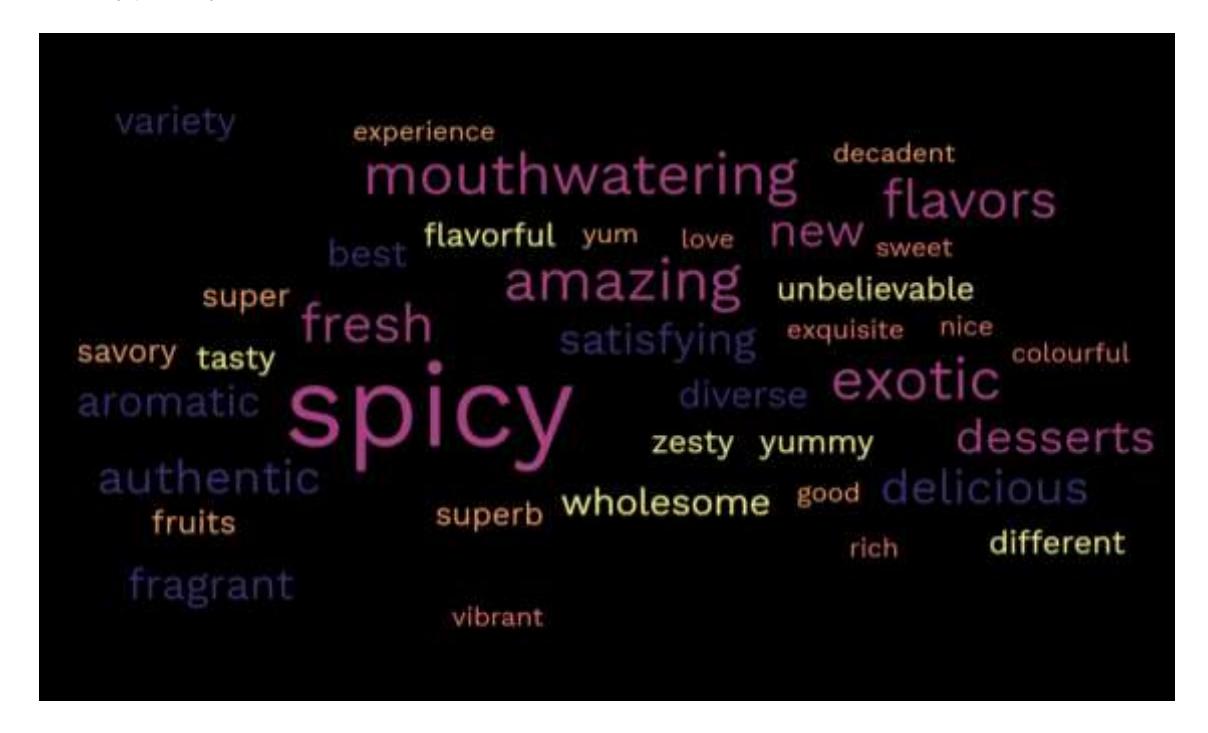
Figure 1. Gist of Tourist Perception Towards Sri Lankan Food
4.1. Flavorsome Culinary Delight
Flavorsome Culinary Delights encompass the essence of Sri Lankan cuisine as perceived by tourists. Through their initial impressions, they have expressed their delight in the rich and diverse flavors the local cuisine offers. For instance, in their own words, they have mentioned that,
"Local cuisine in Sri Lanka is incredibly flavorful and diverse." – Respondent 7
"I am impressed by the wide variety of dishes available, catering to different tastes and preferences." - Respondent 20
It was evident that the tourists were amazed by the bold and exotic spices that elevate the dishes, creating an explosion of taste. When asked about trying the traditional dishes, the respondents shared their positive experiences. They have tried iconic Sri Lankan dishes such as rice and curry, hoppers, and Kottu Roti, which happens to be a dish that was tried by all the respondents who participated in the study. Respondent 13 described their culinary adventure, stating:
"I had the opportunity to taste Kottu Roti, and it was a unique and satisfying culinary experience." – Respondent 13
This indicates that the traditional flavors, carefully prepared with a blend of spices and ingredients, left a lasting impression on their palates and have uplifted their enjoyment. Exploring unique flavors was also an exciting aspect of their culinary journey. The tourists encountered new and exotic ingredients and flavors that they had not experienced before. They discovered the distinct taste of curry leaves, pandan leaves, and goraka, which added a unique touch to the dishes. The use of coconut milk in many preparations created a creamy and delightful flavor that was new to them. The memorable food experiences further exemplify the theme of Flavorsome Culinary Delights. Sharing a traditional Sri Lankan rice and curry meal with its vibrant flavors and various side dishes was an unforgettable experience for many respondents. Another traveler fondly recalled their street food adventure, stating,
"Trying street food at local markets provided a glimpse into the authentic flavors and bustling atmosphere of Sri Lankan food culture." – Respondent 9
The prawn curry, grilled fish, and tropical fruit platters were among the standout dishes that left a lasting impression. And overall the respondents found the local cuisine in Sri Lanka to be a flavorsome delight that they had not experienced before, but were glad to experience. They praised the bold and diverse flavors, unique ingredients, and the harmonious blending of spices. Their perception of Sri Lankan food transformed from curiosity to admiration as they embraced the richness and depth of its culinary experiences.
4.2. Authenticity and Tradition
Authenticity and Tradition form a significant aspect of the tourists' perception of Sri Lankan food. As they tried traditional dishes, they appreciated the authentic preparation methods and cultural significance attached to them. One respondent expressed their appreciation, saying,
"I tried the iconic Sri Lankan dish, Hoppers, such a unique texture and you can have them in different flavors. Such a unique dish that expresses the traditions of the country." – Respondent 22
The overall food culture in Sri Lanka emphasizes preserving traditional culinary practices. The tourists observed a strong emphasis on dishes such as rice and curry, which form the staple of Sri Lankan cuisine. They recognized the deep-rooted traditions and the cultural significance attached to communal eating and sharing meals.
"Dining customs such as sharing meals and communal eating are common, creating a sense of togetherness and warmth." – Respondent 18
Through their interactions with locals, the tourists gained a deeper understanding of the authenticity and tradition embedded in Sri Lankan food. They had the opportunity to join a local family for a traditional home-cooked meal, witnessing their passion for sharing their culture through food. Another respondent shared their experience, and stated,
"I met a friendly street food vendor who shared stories about the significance of certain dishes in Sri Lankan cuisine, making the food even more meaningful and enjoyable." – Respondent 16
The recommendations received from locals and other travelers also emphasized the importance of exploring traditional dishes. The tourists tried must-try dishes, including, "string hoppers" with coconut sambal and "lamprais," a Dutch Burgher-influenced dish. These recommendations showcased the locals' pride in their culinary heritage and their desire to share it with visitors. One respondent shared their enthusiasm, stating,
"I received a recommendation to try 'pol sambol,' a spicy coconut relish, and it added a wonderful burst of flavor to many of my meals." – Respondent 1
Overall, the perception of Authenticity and Tradition in Sri Lankan food was deeply rooted in the tourists' experiences. They acknowledged the authentic preparation methods, cultural customs, and the significance of traditional dishes. The interactions with locals and the recommendations received further reinforced the importance of exploring and appreciating the culinary traditions of Sri Lanka.
4.3. Surpassing Expectations
Surpassing Expectations emerged as a prominent theme in the tourists' perception of Sri Lankan food. The local cuisine exceeded their initial expectations, leaving them pleasantly surprised and delighted. One respondent expressed their amazement, stating,
"The local food in Sri Lanka exceeded my expectations in terms of flavor and variety." – Respondent 25
The vibrant spices and bold flavors of Sri Lankan cuisine proved to be a delightful surprise for the tourists. They discovered a perfect balance of flavors that tantalized their taste buds and surpassed their preconceived notions. This was highlighted by many respondents and the sentiments were rather similar.
"The flavors and spices were more pronounced than I anticipated, and they added a new dimension to my culinary experience." – Respondent 5
"Some of the spices were quite familiar to me, but having them in Sri Lanka, I understood how different the flavor profiles of these spices are" – Respondent 14
"The spices were bold, it hit you at once. I did not expect them to be this flavorful, vibrant.. my expectations were exceeded" – Respondent 8
"with every bite, I felt satisfied" – Respondent 19
The tourists appreciated the unique fusion of flavors and culinary influences found in Sri Lankan dishes. They acknowledged the blend of traditional recipes with modern elements, resulting in a diverse and dynamic food scene.
"The local cuisine offered a pleasant surprise with its unique fusion of different culinary influences. It was a delightful journey of flavors and textures." – Respondent 10
The diversity of vegetarian options in Sri Lankan cuisine also exceeded the expectations of the tourists. They were impressed by the wide array of delicious plant-based dishes available. One respondent mentioned,
"As a vegetarian, I was amazed by the diversity of vegetarian options in Sri Lankan cuisine. The range of flavors and ingredients used in these dishes was beyond what I had imagined." – Respondent 6
Throughout their culinary exploration, the tourists experienced a shift in perception as they discovered the depth and complexity of Sri Lankan food. They realized that their initial expectations had been surpassed and that they had embarked on a gastronomic adventure beyond imagination. One respondent reflected,
"My perception of the local food in Sri Lanka has changed positively since I arrived. The flavors, techniques, and culinary traditions have surpassed my initial expectations." – Respondent 11
The overall diversity and quality of Sri Lankan cuisine also played a role in exceeding the tourists' expectations. They were captivated by the freshness and high-quality ingredients used in the preparations. One respondent shared,
"The freshness and quality of ingredients used in the local cuisine are outstanding. Every dish I tried was a testament to the dedication and skill of the local chefs." – Respondent 7
In summary, the theme of Surpassing Expectations captures the tourists' astonishment and delight as they discovered the flavors, fusion, diversity, and quality of Sri Lankan cuisine. The vibrant spices, unique culinary influences, and vegetarian options surpassed their initial expectations, leading to a profound appreciation for the culinary wonders of Sri Lanka.
4.4. Cultural Immersion and Experiential Dining
Cultural Immersion and Experiential Dining emerge as a significant theme in the tourists' perception of Sri Lankan food. They found themselves deeply immersed in the vibrant tapestry of Sri Lanka's food culture, experiencing firsthand the connection between food and the local customs and traditions. This was highlighted in the sentiments below.
"The dining experiences in Sri Lanka provided a unique opportunity to engage with the local culture through food." – Respondent 3
"Sri Lanka has unique food and it's a huge part in their culture, it reflects their culture" – Respondent 9
The tourists shared memorable dining experiences, where they had the chance to interact with locals and gain insights into their culinary traditions. Joining a local family for a traditional home-cooked meal was a standout experience for many, as they witnessed the hosts' heartfelt hospitality and cultural pride. One respondent recalled,
"Being invited to a local family's home for a traditional meal was a truly immersive experience. We not only savored the delicious food but also shared stories and laughter, forging connections that will last a lifetime." – Respondent 10
"Hospitality was amazing in Sri Lanka, it was such a pleasant experience, and when combined with food, you get to experience the real Sri Lanka." – Respondent 4
Exploring street food at bustling local markets became integral to their cultural immersion. The vibrant atmosphere, sizzling flavors, and friendly interactions with street food vendors created lasting memories. The respondents also stated the possible areas Sri Lanka could improve on while appreciating the current food culture,
"Trying street food at local markets allowed me to delve into the authentic flavors and experience the vibrant energy of Sri Lankan food culture. It was like stepping into a world of culinary delights." – Respondent 2
"I wish the night food culture will be promoted in Sri Lanka" – Respondent 3
The tourists also had the opportunity to attend food festivals and cooking classes, further deepening their understanding of Sri Lankan food traditions. These experiences provided a platform to engage with other travelers and locals who shared their passion for gastronomy.
Specific food recommendations from locals or fellow travelers also influenced their cultural immersion. Following these recommendations, they discovered hidden gems and tried dishes they might not have encountered. The tourists embraced the suggestions, eagerly seeking out authentic Sri Lankan flavors. The overall food culture in Sri Lanka was perceived as a gateway to cultural exploration. The tourists marveled at the strong connection between food and traditions, observing how meals were shared and enjoyed in communal settings. They appreciated the cultural significance attached to dining customs,
In summary, Cultural Immersion and Experiential Dining were integral to the tourists' perception of Sri Lankan food. They engaged in memorable dining experiences, interacted with locals, explored street food markets, attended food festivals and cooking classes, and followed specific recommendations. Through these experiences, they were able to truly immerse themselves in the rich and vibrant food culture of Sri Lanka, forging connections and gaining a deeper understanding of the country's traditions and people.
5. Discussion
The past literature showed the various food flavors in various countries which have been able to captivate the tourists (Gupta, Khanna, and Gupta, 2020; Yasami, Promsivapallop, and Kannaovakun, 2020; Yayla and Aktaş, 2021). Similarly, the current study presents Sri Lankan food flavors, primarily spices, and the unique taste of Sri Lankan dishes such as rice and curry, hoppers, Kottu Roti, curry leaves, pandan leaves, and Goraka which have been able to fascinate the foreign tourists to a great level. According to the word cloud analysis, the spiciness and aroma of these food enthrall the tourists. According to the previous literature, when tourists attempted a new flavor of the local food, it might tempt them to continuously demand that flavor, leading to the promotion of gastro tourism (Lan, Wu, and Lee, 2012). Likewise, the present study describes that tourists in Sri Lanka are delighted in testing new flavor of local food which turn their curiosity into admiration so that the country can promote gastro tourism by targeting the unique flavor of local food.
The previous literature conveys the culinary traditions implemented by various countries to attract and satisfy tourists (Everett, 2012; Kim & Iwashita, 2016; Privitera, Nedelcu & Nicula, 2018; Jeaheng & Han, 2020; Morón-Corujeira & Fusté-Forné, 2022). Correspondingly, tourists arriving at Sri Lanka expect to experience the traditional culinary practices such as joining to taste the home-cooked meals, and consuming "String Hoppers" with coconut sambals, and "Lamprais". Also, the past literature pointed out the contribution of traditional culinary practices in various countries for the entire tourism planning and development (Sidali, Kastenholz & Bianchi, 2015; Liu et al., 2017; Fusté-Forné, 2019; Fusté-Forné, 2020). Relatedly, the Sri Lankan tourism operators can utilize the traditional culinary practices and embed food into the typical tourism methods of nature, travel and scenery to renovate the regressing tourism industry and influence the economic development in the country.
According to the literature, tourists have different expectations in relation to food when visiting different countries (Beer, Ottenbacher, and Harrington, 2012; Kim and Eves, 2012; Wan and Chan,
"Attending a cooking class was a fantastic way to learn about traditional recipes and techniques. It felt empowering to recreate Sri Lankan dishes and connect with the culinary heritage." – Respondent 1
"I received recommendations from locals, which led me to hidden food stalls and local eateries. It was a delightful journey of discovery, trying dishes that locals cherished." – Respondent 2
"Sharing meals and engaging in communal eating customs allowed me to immerse myself in the local way of life. It was a beautiful expression of togetherness and warmth." – Respondent 21
2013; Altintzoglou, Heide, and Borch, 2016; Kim, Park, and Lamb, 2019; Stone, Migacz, and Sthapit, 2022). But tourists visiting Sri Lanka have shallow expectations on food since the country has always utilized travel, scenery, and nature to promote the tourism industry. Hence, tourists are surprised and astonished once they experience the remarkable flavor of local food.
The literature revealed that tourists travelling to different countries obtained different food related experience (Mak et al., 2012; Mkono, Markwell, and Wilson, 2013; Son and Xu, 2013; Tsai and Wang, 2017; Rachão et al. 2021; Fountain, 2022). Likewise, tourists traveling to visit Sri Lanka gain food related experiences such as interacting with local citizens, gaining insights into local culinary traditions, joining for having meals with families, exploring street food, and attending food festivals and cooking classes.
Based on the tourists' perception of Sri Lankan food, it is evident that food plays a pivotal role in their overall experience and contributes significantly to shaping their impression of the country. By leveraging these perceptions and understanding the expectations of tourists, Sri Lanka can develop specific strategies to enhance its tourism sector. The following recommendations are suggested by the authors.
To capitalize on the tourists' perception of Sri Lankan food and enhance the country's tourism sector, several strategies can be implemented. For instance, culinary promotions should be emphasized to showcase the flavorsome culinary delights of Sri Lankan cuisine. Promotional campaigns can be used to highlight the diverse flavors, exotic spices, and unique ingredients that make the local cuisine stand out. Iconic dishes such as rice and curry, hoppers, and Kottu Roti can be promoted as must-try experiences for tourists, enticing them with the richness and variety of Sri Lankan flavors.
Sri Lanka should focus on preserving and showcasing the authenticity and tradition of its food. Hence it is recommended to encourage local chefs, vendors, and food establishments to maintain traditional preparation methods and emphasize the cultural significance attached to dishes. Experiential dining opportunities, such as home-cooked meals with local families or participation in cooking classes, can provide tourists with a deeper understanding of Sri Lankan culinary traditions. By fostering cultural immersion and connection through food, Sri Lanka can offer unique and authentic dining experiences that resonate with visitors.
Collaborative partnerships between the tourism industry, local communities, and food businesses should be fostered. By working together, restaurants, street food vendors, and food tour operators can promote the diverse culinary experiences available in Sri Lanka. It is recommended to create platforms for locals to share their knowledge and passion for the country's food traditions, enabling tourists to access authentic and immersive dining experiences. Additionally, the development and promotion of the street food culture in Sri Lanka, through designated areas or events, can further enhance the vibrancy of local markets and provide visitors with a glimpse into the authentic flavors and bustling atmosphere of Sri Lankan food culture.
These strategies should be supported by the Sri Lankan Tourism Development Authority (SLTDA), which plays a pivotal role in promoting and enhancing the tourism industry. Collaboration between the SLTDA, local communities, and food businesses is essential to implement the suggested recommendations successfully. The SLTDA's expertise, resources, and coordination efforts will ensure the seamless execution of promotional campaigns, preservation of authenticity, and collaboration among stakeholders. By aligning their efforts, the SLTDA and the tourism industry can position Sri Lanka as a gastronomic destination that offers breathtaking natural beauty and cultural attractions and a remarkable culinary journey for tourists.
Through these collective efforts, Sri Lanka has the opportunity to strengthen its position as a soughtafter tourist destination, attracting a growing number of visitors who seek unique and authentic culinary experiences.
6. Conclusion
In conclusion, this research paper has explored the tourists' perception of Sri Lankan food and uncovered valuable insights into their culinary experiences. By analyzing their responses and conducting a thematic analysis, four prominent themes have emerged, providing a comprehensive understanding of how tourists perceive and appreciate Sri Lankan cuisine.
The first theme, "Flavorsome Culinary Delights," highlights the tourists' fascination with the rich and diverse flavors of Sri Lankan food. Their initial impressions, experiences with traditional dishes, and encounters with unique ingredients and flavors contribute to their perception of the cuisine as an explosion of taste and aroma.
The second theme, "Authenticity and Tradition," reveals the significance of preserving culinary heritage in Sri Lankan food. The tourists appreciated the authentic preparation methods, cultural customs, and emphasis on traditional dishes. Their interactions with locals and recommendations from fellow travelers added to their understanding of the cultural significance attached to food in Sri Lanka.
The third theme, "Surpassing Expectations," reflects the tourists' delightful surprise as the local cuisine exceeded their initial expectations. The vibrant spices, diverse flavors, fusion of culinary influences, and high-quality ingredients contributed to their perception of Sri Lankan food as an extraordinary culinary adventure.
The fourth theme, "Cultural Immersion and Experiential Dining," highlights the tourists' deep engagement with Sri Lankan food culture. Their memorable dining experiences, interactions with locals, exploration of street food markets, and participation in cooking classes allowed them to immerse themselves in the rich tapestry of Sri Lankan culinary traditions.
Collectively, these themes reveal the tourists' positive perception of Sri Lankan food as flavorsome, authentic, and culturally immersive. The fusion of bold flavors, authenticity, and diverse culinary experiences create a lasting impression and contribute to the allure of Sri Lanka as a gastronomic destination.
Understanding tourists' perception of Sri Lankan food is crucial for promoting culinary tourism and enhancing visitor experiences. This research provides valuable insights that can inform destination marketing strategies, help preserve culinary traditions, and contribute to the overall development of Sri Lanka's tourism industry.
In conclusion, this research sheds light on the tourists' perception of Sri Lankan food, highlighting its flavorsome nature, authenticity, ability to surpass expectations, exploration of unique flavors, and cultural immersion. Sri Lankan cuisine stands out as a delightful culinary journey that leaves a lasting impression on the senses and creates cherished memories for tourists worldwide.
References
Altintzoglou, T., Heide, M., & Borch, T. (2016). Food souvenirs: buying behaviour of tourists in Norway. British Food Journal, 118(1), 119–131. DOI: 10.1108/BFJ-05-2015-0190.
- Babolian Hendijani, R. (2016). Effect of food experience on tourist satisfaction: the case of Indonesia. International Journal of Culture, Tourism, and Hospitality Research, 10(3), 272–282. DOI: 10.1108/IJCTHR-04-2015-0030.
- Beer, C. L., Ottenbacher, M. C., & Harrington, R. J. (2012). Food tourism implementation in the Black Forest destination. Journal of Culinary Science & Technology, 10(2), 106–128.
- Birch, D., & Memery, J. (2020). Tourists, local food and the intention-behaviour gap. Journal of Hospitality and Tourism Management, 43, 53–61. DOI: 10.1016/j.jhtm.2020.02.006.
- Chang, R. C. Y., & Mak, A. H. N. (2018). Understanding gastronomic image from tourists' perspective: A repertory grid approach. Tourism Management, 68, 89–100. DOI: 10.1016/j.tourman.2018.03.004
- Chen, Q., & Huang, R. (2016). Understanding the importance of food tourism to Chongqing, China. Journal of Vacation Marketing, 22(1), 42–54.
- De la Barre, S., & Brouder, P. (2013). Consuming stories: Placing food in the Arctic tourism experience. Journal of Heritage Tourism, 8(2–3), 213–223.
- Everett, S. (2012). Production Places or Consumption Spaces? The Place-making Agency of Food Tourism in Ireland and Scotland. Tourism Geographies, 14(4), 535–554. DOI: 10.1080/14616688.2012.647321.
- Fountain, J. (2022). The future of food tourism in a post-COVID-19 world: insights from New Zealand. Journal of Tourism Futures, 8(2), 220–233. DOI: 10.1108/JTF-04-2021-0100.
- Fusté-Forné, F. (2019). Seasonality in food tourism: wild foods in peripheral areas. Tourism Geographies.
- Fusté-Forné, F. (2020). Savouring place: cheese as a food tourism destination landmark. Journal of Place Management and Development, 13(2), 177–194. DOI: 10.1108/JPMD-07-2019-0065.
- Gupta, V., Khanna, K., & Gupta, R. K. (2020). Preferential analysis of street food amongst the foreign tourists: A case of Delhi region. International Journal of Tourism Cities, 6(3), 511–528.
- Hashemi, S., Mohammed, H. J., Kiumarsi, S., Kee, D. M. H., & Anarestani, B. B. (2023). Destinations Food Image and Food Neophobia on Behavioral Intentions: Culinary Tourist Behavior in Malaysia. Journal of International Food and Agribusiness Marketing, 35(1), 66–87. DOI: 10.1080/08974438.2021.1943101
- Jeaheng, Y., & Han, H. (2020). Thai street food in the fast growing global food tourism industry: Preference and behaviors of food tourists. Journal of Hospitality and Tourism Management, 45, 641–655.
- Kala, D. (2020). Examining the impact of food attributes and restaurant services on tourist satisfaction: evidence from mountainous state of India. Journal of Quality Assurance in Hospitality & Tourism, 21(4), 430–453.
- Kaushal, V., & Yadav, R. (2021). Understanding customer experience of culinary tourism through food tours of Delhi. International Journal of Tourism Cities, 7(3), 683–701. DOI: 10.1108/IJTC-08-2019-0135.
- Kim, S., & Iwashita, C. (2016). Cooking identity and food tourism: The case of Japanese udon noodles. Tourism Recreation Research, 41(1), 89–100.
- Kim, S., Park, E., & Lamb, D. (2019). Extraordinary or ordinary? Food tourism motivations of Japanese domestic noodle tourists. Tourism Management Perspectives, 29, 176–186.
- Kim, Y. G., & Eves, A. (2012). Construction and validation of a scale to measure tourist motivation to consume local food. Tourism Management, 33(6), 1458–1467. DOI: 10.1016/j.tourman.2012.01.015.
- Lan, L. W., Wu, W.-W., & Lee, Y.-T. (2012). Promoting Food Tourism with Kansei Cuisine Design. Procedia - Social and Behavioral Sciences, 40, 609–615. DOI: 10.1016/j.sbspro.2012.03.238
- Li, N. (2022). Food preferences of Chinese cruise tourists: an exploratory study. Journal of Foodservice Business Research, 25(1), 85–106.
- Lin, J., Guia Julve, J., Xu, H., & Cui, Q. (2020). Food habits and tourist food consumption: An exploratory study on dining behaviours of Chinese outbound tourists in Spain. Journal of Policy Research in Tourism, Leisure and Events, 12(1), 82–99.
- Liu, S. Y., Yen, C. Y., Tsai, K. N., & Lo, W. S. (2017). A conceptual framework for agri-food Tourism as an eco-innovation strategy in small farms. Sustainability (Switzerland), 9(10), 1–11. DOI: 10.3390/su9101683.
- Lokeshwara, A. A. (2023). Flavors of Sri Lanka, Shared Worldwide. Food Tech Insights, 2(1), 14-15.
- Luković, M., Kostić, M., & Dajić Stevanović, Z. (2023). Food tourism challenges in the pandemic period: getting back to traditional and natural-based products. Current Issues in Tourism, 1–17.
- Mak, A. H., Lumbers, M., Eves, A., & Chang, R. C. (2012). Factors influencing tourist food consumption. International Journal of Hospitality Management, 31(3), 928–936.
- Mkono, M., Markwell, K., & Wilson, E. (2013). Applying Quan and Wang's structural model of the tourist experience: A Zimbabwean netnography of food tourism. Tourism Management Perspectives, 5, 68–74.
- Morón-Corujeira, N., & Fusté-Forné, F. (2022). Visiting a furancho: local lifestyles as drivers of (food) tourism transformation. Journal of Tourism Futures, 8(3), 393–396. DOI: 10.1108/JTF-01-2022-0009.
- Privitera, D., Nedelcu, A., & Nicula, V. (2018). Gastronomic and food tourism as an economic local resource: Case studies from Romania and Italy. GeoJournal of Tourism and Geosites, 21(1), 143– 157.
- Rachão, S. A. S., de Jesus Breda, Z., de Oliveira Fernandes, C., & Joukes, V. N. P. M. (2021). Drivers of experience co-creation in food-and-wine tourism: An exploratory quantitative analysis. Tourism Management Perspectives, 37, 100783.
- Sidali, K. L., Kastenholz, E., & Bianchi, R. (2015). Food tourism, niche markets and products in rural tourism: Combining the intimacy model and the experience economy as a rural development strategy. Journal of Sustainable Tourism, 23(8–9), 1179–1197.
- Soltani, M., Soltani Nejad, N., Taheri Azad, F., Taheri, B., & Gannon, M. J. (2021). Food consumption experiences: a framework for understanding food tourists' behavioral intentions. International Journal of Contemporary Hospitality Management, 33(1), 75–100. DOI: 10.1108/IJCHM-03-2020-0206.
- Son, A., & Xu, H. (2013). Religious food as a tourism attraction: The roles of Buddhist temple food in Western tourist experience. Journal of Heritage Tourism, 8(2–3), 248–258.
- Stone, M. J., Migacz, S., & Sthapit, E. (2022). Connections between culinary tourism experiences and memory. Journal of Hospitality & Tourism Research, 46(4), 797–807.
Suhartanto, D., Chen, B. T., Mohi, Z., & Sosianika, A. (2018). Exploring loyalty to specialty foods among tourists and residents. British Food Journal, 120(5), 1120–1131. DOI: 10.1108/BFJ-09- 2017-0485.
- Toudert, D., & Bringas-Rábago, N. L. (2019). Destination food image, satisfaction and outcomes in a border context: tourists vs excursionists. British Food Journal, 121(5), 1101–1115. DOI: 10.1108/BFJ-03-2019-0148.
- Tracy, S. J. (2010). Qualitative quality: Eight "big-tent" criteria for excellent qualitative research. Qualitative Inquiry, 16(10), 837–851.
- Tsai, C. T. S., & Wang, Y. C. (2017). Experiential value in branding food tourism. Journal of Destination Marketing & Management, 6(1), 56–65.
- Wan, Y. K. P., & Chan, S. H. J. (2013). Factors that affect the levels of tourists' satisfaction and loyalty towards food festivals: A case study of Macau. International Journal of Tourism Research, 15(3), 226–240.
- Yasami, M., Promsivapallop, P., & Kannaovakun, P. (2020). Food Image and Loyalty Intentions: Chinese Tourists' Destination Food Satisfaction. Journal of China Tourism Research, 00(00), 1– 21. DOI: 10.1080/19388160.2020.1784814.
- Yayla, Ö., & Aktaş, S. G. (2021). Mise en place for gastronomy geography through food: Flavor regions in Turkey. International Journal of Gastronomy and Food Science, 26, 100384.
Appendix 1
Participant Consent and Confidentiality Statement
Dear Participant,
Thank you for considering participation in our study on tourist perceptions of Sri Lanka's food culture. Before you proceed, we would like to provide you with important information regarding the research and assure you of the confidentiality and ethical considerations involved.
Purpose of the Study:
The aim of this study is to explore and understand the unique experiences and perspectives of tourists, like yourself, regarding Sri Lanka's food culture. By gathering insights from participants, we seek to uncover the significance of culinary encounters in shaping the overall tourism experience in Sri Lanka.
Voluntary Participation:
Participation in this study is entirely voluntary. You have the freedom to decline participation or withdraw at any point during the research process without any repercussions or negative consequences. Your decision will not in any way affect your relationship with us or any future opportunities.
Confidentiality and Anonymity:
We respect your privacy and will handle all data collected with utmost confidentiality. Your personal information, including your identity, will be kept strictly confidential and will not be disclosed to any third parties without your explicit consent. To ensure anonymity, any identifying information will be removed or pseudonyms will be used in the final research report.
Data Security and Storage:
All collected data will be securely stored and accessible only to the research team involved in the study. Your data will be coded and stored separately from any identifiable information to further safeguard your privacy. Only aggregated and anonymized data will be used for analysis and reporting.
Publication and Reporting:
The findings of this study may be shared in academic conferences, journals, or other research-related platforms. However, your individual identity will remain completely confidential, and your specific responses will not be linked to you personally in any published materials.
Informed Consent:
By participating in this study, you are acknowledging that you have read and understood this consent form. You are granting your informed consent to voluntarily contribute to the research and for your data to be used for analysis and reporting purposes.
Should you have any questions or concerns at any time during the study, please feel free to contact us using the provided contact information.
Thank you for your time and consideration. Your valuable contribution to this research is greatly appreciated.
Sincerely,
Researcher
Name and the Signature
Appendix 2
Question Guide
- 1. Can you tell me 5 words that come to your mind when I ask you about Sri Lankan food?
- 2. What are your initial impressions of the local cuisine in Sri Lanka?
- 3. Have you tried any traditional dishes here? If so, which ones and what did you think of them?
- 4. How does the local food in Sri Lanka compare to your expectations or preconceived notions?
- 5. Have you encountered any unique ingredients or flavors in the local cuisine that you haven't experienced before?
- 6. Are there any particular dishes or food experiences that have stood out to you during your visit? Why?
- 7. Have you found the local food to be spicy, mild, or somewhere in between? How does it compare to your preference or tolerance for spices?
- 8. Have you had any memorable dining experiences or interactions with locals related to food? If yes, could you share a story or two?
- 9. Are there any specific food recommendations or must-try dishes that you've received from locals or other travelers? Have you tried them?
- 10. How would you describe the overall food culture in Sri Lanka? Is there a strong emphasis on certain types of cuisine or dining customs?
- 11. Has your perception of the local food in Sri Lanka changed since you arrived? If so, in what ways?