

1. Introduction
Coffee, a globally beloved beverage, has transcended borders to become one of the most widely consumed drinks worldwide (Samoggja et al., 2019). Its pervasive popularity has firmly established itself and woven an intricate tapestry into the fabric of daily life for people worldwide. Coffee shops typically sell hot and cold drinks like coffee and offer light snacks (e.g., pastries, muffins) have gradually grown popular in Malaysia (Lim et al., 2022). In addition to the typical coffee shops, kopitiam is one of the coffee shops in Malaysia that has been part of Malaysia's historical culture for many years (Langgat et al., 2020). Kopitiam offers affordable food and serves as a community hub for Malaysians, serving Malay, Chinese, and Indian cuisines. Mat Yusof et al. (2016) found that food quality was the main factor influencing young consumers, such as university students, to revisit Kopitiam in Malaysia. Nevertheless, more recent studies reported that young consumer preferences have changed as they are more inclined to dine in a trendier coffee shop environment (Langgat et al., 2020; Zairill, 2022). In addition to the kopitiam or coffee shops that were initially developed in Malaysia, such as OldTown White Coffee, Oriental Kopi, and Pak Li Kopitiam, many other local homegrown coffee shop brands emerged in Malaysia, such as Richiamo Coffee and He&She Coffee that offer premium coffee shop experience to customers.
Nik Omar et al. (2022) addressed the potential of the coffee industry in Malaysia due to an increase in coffee consumption and highlighted the need to expand coffee production and plantation. Urbanization, social media coverage and the current coffee-drinking culture have contributed to coffee consumption and the rise of local and international coffee chain companies in Malaysia (Ahmad, 2022). A study in the United Arab Emirates by Kharaba et al. (2022) addressed high caffeine consumption among university students, and coffee was their preferred source of caffeine. In line with students' lifestyles, they prefer to hang out at coffee shops; hence, coffee shops have become popular destinations for socializing, working, or conducting business meetings (Langgat et al., 2020; Mat Yusof et al., 2016; Zairill, 2022). This situation makes university students' purchasing behavior an exciting issue to explore by using this population as the subject of this research. In addition, understanding young consumer behavior and their decision-making in the coffee industry involves vital components such as brand experience, hedonic value, and brand loyalty.
Customer loyalty is the desire of customers to consume or buy from a brand repeatedly. It results from positive experiences, customer satisfaction, and the value the customer receives in exchange for goods or services (Safeer et al., 2021; Tran and Nguyen, 2022). It is essential to study the curiosity of what affects brand loyalty when choosing a coffee brand. Studies by Maduretno and Junaedi (2022) and Ginting et al. (2022) have shown that customers are more likely to develop loyalty towards a particular brand when their expectations are met; thus, they actively seek coffee drinks that meet their expectations. Le et al. (2022) reported that the green image of trendy coffee shops in Malaysia positively influenced customer attitude and their revisit intention. Positive reviews of a brand are more likely to be given and shared by customers when the brand experience is engaging (Ferreira et al., 2019). Brand experience encompasses the overall perception and satisfaction a customer derives from interactions with a brand, while hedonic value refers to the pleasure and enjoyment derived from consuming a product or service (Bettiga et al., 2020). Not to mention, the presence of various social media enables customers to share reviews instantly. Yoo (2024) sampled South Korean women and found that customer brand engagement via social media (i.e., Facebook, Instagram, YouTube) influenced their attitude toward brand loyalty extension.
Existing research has explored customer behavior and loyalty towards well-known coffee shop brands in various contexts and populations, such as from Indonesia (Dhisasmito and Kumar, 2020; Maduretno and Junaedi, 2022; Meidina et al., 2022; Wardhana and Yulia, 2021; Sari & Maftukhah, 2021; Turk and Yildiz, 2020), United Arab Emirates (Kharaba et al., 2022) and Taiwan (Wang et al., 2024; Wu, 2017). However, limited attention has been given to the university student population, mainly from Malaysia's contextual setting (Ali and Ramanathan, 2021; Langgat et al., 2020; Le et al., 2022; Lim et al., 2022; Mat Yusoff et al., 2016). While there are studies on coffee shops in Malaysia, to the authors' knowledge, none investigated how customers' pleasant experiences influence their satisfaction and loyalty towards the coffee shop brand. Considering the growing trend of university students being drawn to local and international coffee chains, it becomes crucial to explore the associations between brand experience, hedonic value, customer satisfaction, and brand loyalty, specifically among university students. Understanding the factors contributing to brand loyalty among university students in coffee drink consumption will help coffee shop owners and marketers develop strategies for catering to this young consumer segment.
Therefore, this study will explore the associations between brand experience, hedonic value, customer satisfaction, and brand loyalty in coffee drink consumption among university students in Malaysia. Additionally, this study examines the mediating roles of hedonic value and customer satisfaction in influencing the associations between brand experience and brand loyalty. Considering the research objectives, this study will contribute to extending the research on coffee drink consumption among university students as young consumers. When a brand offers customers positive experiences, it is likely to evoke pleasant and familiar feelings in their minds, leaving them with positive feelings and helping to build emotional consumer value for the brand (Yoo et al.,2020). Happy and satisfied customers will not look up to other brands or businesses when choosing the same brands again in the future (Mohd Yussoff and Md Nayan, 2020).
2. Literature Review
2.1. Brand Experience (BE)
Brand experience is measured using sensory, affective, intellectual, and behavioral (Brakus et al., 2009). Sensory experience signifies customers' subjective and personal reactions, influenced by brandrelated stimuli that engage their senses, such as sounds, smells, colors, shapes, typefaces, and designs (Brittney et al., 2022). Sensory brand experience involves the sensory stimuli provided by the brands and their impact on customers' perceptions and evaluations (Guerreiro and Lessa, 2022). It is considered a critical aspect of brand experience, as it contributes to customers' overall brand perception and influences their behavior and decision-making (Gao and Lan, 2020). Affective experience refers to the contact between the brand and the customer that is characterized by good emotions, and behavioral experience means the customer's action-based interaction with the brand that generates meaningful experiences, influencing their decision-making process (Bae and Jeon, 2022; Lujie et al., 2022; Madutreno and Junaedi, 2022; Turk and Yildiz, 2020). Meanwhile, intellectual experience is when customers think of the unique concept, the quality of the coffee beans and the equipment used as well as the ambiance of the coffee shop (Bae and Jeon, 2022; Han et al., 2020; Madutreno and Junaedi, 2022). Such factors will determine their favorite coffee shops (Han et al., 2020; Jang & Lee, 2019; Madutreno and Junaedi, 2022). In an Asian branding-related study, Safeer et al. (2021) reported that both sensory and affective experiences positively influenced brand love, and this positive emotional attachment could, in turn, predict customer loyalty. A study by Hwang et al. (2021) tested the moderating effects of employee type (robot versus human) and found that the associations between sensory experience and brand satisfaction, as well as between intellectual experience and brand satisfaction, were greater for robot-provided services coffee shops than humanprovided services coffee shops in South Korea. A study in Indonesia by Meidina et al. (2022) reported that brand experience positively influenced customer brand satisfaction.
Turk and Yildiz (2020) highlighted that with the increased understanding of brand experience, marketers actively seek to comprehend the different facets of brand experience and investigate its
influence on other elements related to the brand. In other words, the brands offering better customer experience will gain a place in the market and a competitive advantage. The more coffee shop owners engage with their customers, the more positive reviews they will earn, and customers will likely sharing their good experiences with other potential customers. Customers passionate about coffee drinks need a great experience with the brand to make a repurchase (Turk and Yildiz, 2020). Tran and Nguyen (2022), who sampled customers living in Vietnam, found that experience positively influenced their satisfaction towards the brand. Based on the literature, we could say that customer satisfaction and brand loyalty are built between the brand and the customers (Ferreira et al., 2019; Maduretno and Juneidi, 2022). Several studies have confirmed that customer experience with a brand has a substantial influence on their loyalty towards the brand (Ferreira et al., 2019; Hwang et al., 2021; Madutreno and Junaedi, 2022; Meidina et al., 2022; Turk and Yildiz, 2020). In marketing research, the intricate nature of brand experience and loyalty is often examined by considering them interconnected entities or a unified construct (Han et al., 2020). It is crucial to prioritize using affective experiences to position a coffee shop brand experience effectively. Customers tend to favor emotional factors in their decision-making process, and positive experiences that involve sensory, affective, intellectual, and behavioral elements greatly influence brand preference (Madutreno and Junaedi, 2022). Considering these aspects when designing a coffee shop's brand experience will appeal to customers' emotional inclinations and enhance their interest in exploring new and distinctive experiences related to hedonic value. Based on this discussion, we propose the following hypotheses:
H1: Brand experience positively affects hedonic value. H2: Brand experience positively affects customer satisfaction.
2.2. Hedonic Value (HV)
Hedonic value, which refers to the experiential values that individuals derive from a product or service, is crucial in attracting customers to restaurants because of their curiosity and desire for unique experiences. Hedonic experiential values relate to individuals' emotional or sensory pleasure from consuming products or services (Zeba et al., 2020). Yoo et al. (2020) suggested that hedonic value is dominant than utilitarian value. When curiosity fuels customer evaluation, it leads to pleasure and enthusiasm. Ultimately, customer satisfaction is achieved when their experience becomes memorable and enjoyable (Rajput & Gahfoor, 2020). The hedonic aspect differs from the utilitarian aspect because the hedonic aspect is pleasure oriented. Customers' emotions drive the hedonic attitude to consume, while the utilitarian aspect of the need to fulfill the fundamental values of customers (Kusmarini et al., 2020). In our case, we focus on the importance of customers experiencing personal pleasure and enjoyment during coffee consumption.
Customer satisfaction is driven by hedonic values that evoke positive emotions, as happy customers will be satisfied, leading to their loyalty, revisits, and good word-of-mouth marketing (Sari and Maftukhah, 2019). Therefore, understanding and meeting customer desires and needs is essential for fostering customer loyalty, as the hedonic value of shopping generates feelings of pleasure and satisfaction, resulting in repeated enjoyable shopping experiences in the future. Previous studies found that hedonic values positively and significantly affect customer loyalty (Nitasari and Suasana, 2021; Ozturk et al., 2016; Sari and Maftukhah, 2019). For instance, in the case of Starbucks coffee, Nitasari and Suasana (2021) found that customers experience higher satisfaction when they derive greater hedonic value from the brand. In other words, when customers experience a sense of enthusiasm during their shopping activities, it leads to higher satisfaction and eventually fosters customer loyalty. Based on this discussion, we develop the following hypothesis:
H3: Hedonic value positively affects customer satisfaction.
2.3. Customer Satisfaction (CS)
Customer satisfaction indicates how effectively companies' products and services meet or exceed customer expectations (Putri and Yasa, 2022). It is described as the number or percentage of customers whose experiences with products or services exceed identified satisfaction goals. Expectancy disconfirmation theory proposed by Oliver (1980) posited that customers will feel satisfied when the goods they purchase exceed their expectations. Disconfirmation occurs when there is a difference between customer expectations and the actual outcomes. For businesses, customer satisfaction holds immense importance as it indicates market acceptance and the ability to maintain loyal customers (Nurnatasya and Syafiqah, 2020). The concept of "perceived quality" is closely linked to customer satisfaction, contingent on how well products or services fulfill customer requirements (Komalawati, 2020). Lim et al. (2022) sampled Malaysian consumers and found that customer satisfaction positively influenced their loyalty toward local coffee shops.
According to Alalwan (2020), satisfaction with contactless service use in the hospitality industry reassures customers to purchase products or services repeatedly. Positive satisfaction fosters customer intention to suggest products or services to other potential customers (Sharma and Kumar, 2021). The link between customer satisfaction and loyalty is evident, as higher satisfaction leads to greater customer loyalty (Camilleri and Filieri, 2023; Song et al., 2019). Numerous studies in the hospitality sector have unveiled a positive association between customer satisfaction and brand loyalty. For instance, Hidayat et al. (2019) reported that customer satisfaction enhances their loyalty towards fast-food restaurants. Similarly, Raduzzi and Massey (2019) revealed that customer satisfaction towards McDonald's positively affects brand loyalty. Hwang et al. (2021) reported customer brand satisfaction positively influenced their brand loyalty toward robots and human service provided coffee shops. Meidina et al. (2022) sampled local coffee shop customers in Indonesia and reported that customer brand satisfaction positively affects brand loyalty. Camilleri and Filieri (2023) found that customer satisfaction with online review platforms significantly influenced their loyalty toward hospitality businesses. Based on this discussion, we propose the following hypothesis:
H4: Customer satisfaction positively affects brand loyalty.
2.4. Brand Loyalty (BL)
Brand loyalty refers to the extent to which customers regularly select a particular coffee shop brand over others. Coffee shops' popularity is increasing daily, and they are looking for ways to create brand loyalty to have customers who can remain loyal to them (Turk and Yildiz, 2020). According to Ellitan and Pradana (2022), brand loyalty results from consumers' satisfaction with perceived price quality, leading to a strong emotional connection and trust in the brand, which fosters difficulty in switching to other brands and promotes repeated purchases over an extended period. Although coffee price could influence the purchase decision of university students, customer familiarity with a particular brand or coffee taste determines their consumption behavior (Wang et al., 2024). Despite maintaining a brand reputation in a competitive business environment, coffee drink consumption is often linked with social status (Wang et al., 2024), and strong brands are essential in building brand loyalty among potential customers (Trivedi and Sama, 2021). Starbucks coffee is one of the coffee brands that is popularly studied by researchers (Lin and Ryu, 2024; Nitasari and Suasana, 2021; Ren et al., 2023; Song et al., 2019; Wang et al., 2024; Wu, 2017). Wu (2017) sampled Taiwanese citizens and found that customer experiential satisfaction and trust influenced their loyalty. Meanwhile, a study in China by Ren et al. (2023) revealed that brand personality and brand reputation are significantly influenced by brand equity, which is formed by customer experience with interaction quality (i.e., attitude, behavior, professionalism) and results in quality (i.e., waiting period, tangibility, significance). Another study in China reported that Starbucks coffee merchandise product design significantly affects
customers' cognitive (i.e., attitude) and affective (i.e., pleasure, arousal), thus influencing their behavioral intention (Lin and Ryu, 2024).
Brand loyalty is shaped by brand attachment and brand experience, ultimately influencing the likelihood of future repurchase intentions (Ellitan and Pradana, 2022). Maduretno and Junaedi (2022) found that customer brand loyalty levels will decrease when a brand fails to satisfy and gain its customer's trust. However, Meidina et al. (2022), who studied customer brand loyalty in a local coffee shop in Indonesia, found that while brand experience and brand loyalty positively influence customer brand loyalty, customer brand trust does not affect their loyalty. In this context, a handful of studies have demonstrated a significant relationship between customer satisfaction and brand loyalty (Ellitan and Pradana, 2022; Madutreno and Junaedi, 2022; Sari and Maftukhah, 2019) and has been supported by Madutreno and Junaedi (2022) findings that potential customers will be satisfied with the brand if their expectations and needs are met. For instance, Sheng and Liu (2010) discovered that customer satisfaction significantly influenced brand loyalty for online purchases in China. Meanwhile, Sari and Maftukhah (2021) discovered the mediating role of customer satisfaction in influencing the impact of hedonic value on customer loyalty within the context of D'Bill Coffee and Resto. A study by Maduretno and Junaedi (2022) revealed that higher coffee shop brand experience significantly contributes to higher brand loyalty among young consumers in Yogyakarta, Indonesia.
2.5. Mediating Roles of Hedonic Value and Customer Satisfication
Generally, researchers agree that brand experience precedes customer satisfaction (Olaoke et al., 2021; Tran and Nguyen, 2022), and satisfied customers tend to be loyal to specific brands (Camilleri and Filieri, 2023; Hidayat et al., 2019; Raduzzi and Massey, 2019). Nonetheless, some researchers hold different views about brand loyalty is not necessarily influenced by customer satisfaction; it may be influenced by customer attitude and attachment towards the brand (Hwang et al., 2021) and perceived brand authenticity (Safeer et al., 2021). Arguably, satisfied customers may not return or guarantee their loyalty to the same service providers as they may be switching to other service providers or brands (Garcia and Curras-Perez, 2020). In this study, we believe that identifying and verifying the mediating roles of hedonic value and customer satisfaction is essential for promoting customer brand experience and loyalty.
Few studies have discussed hedonic value as an important mediator (Ozturk et al., 2016; Wu et al., 2024). Hedonic values are related to customer emotions, which are more subjective and personal. In our study, we predict that the multidimensional construct of brand experience (i.e., sensory, affective, intellectual, behavioral) contributes to hedonic value by delivering fun, enjoyable, and visually appealing experiences. Ozturk et al. (2016) found hedonic value fully mediated the relationship between innovativeness and continuous usage intentions in mobile hotel bookings in the United States. A latest study by Wu et al. (2024) reported that hedonic value mediated the association between the usage of automated kiosks and customer satisfaction in China. Additionally, limited studies have found operationalized customer satisfaction as a mediator (Camilleri and Filieri, 2023; Chien and Chi, 2019; Keshavarz and Jamshidi, 2018; Sari and Maftukhah, 2019; Tandon et al., 2017). Keshavarz and Jamshidi (2018) reported that customer satisfaction mediated the relationship between process qualities and loyalty for hotels in Kuala Lumpur, Malaysia, and customer satisfaction mediated the relationship between perceived value and loyalty. Sari and Maftukhah (2019) sampled customers at one coffee shop in Indonesia and reported that customer satisfaction mediated the relationship between value perception and loyalty. Camilleri and Filieri (2023) studied online reviews and found customer satisfaction mediated the relationship between relevant information and customer loyalty. Based on the above discussion, we propose the following hypotheses:
H5: Customer satisfaction mediates the relationship between hedonic value and brand loyalty.
H6: Customer satisfaction mediates the relationship between brand experience and brand loyalty. H7: Hedonic value and customer satisfaction mediate the relationship between brand experience and brand loyalty.
Figure 1 depicts the theoretical model of this study, building upon prior research and based on the literature review provided above. We proposed seven hypotheses and will explore the relationships among the four constructs and the mediating effects of hedonic value and customer satisfaction.
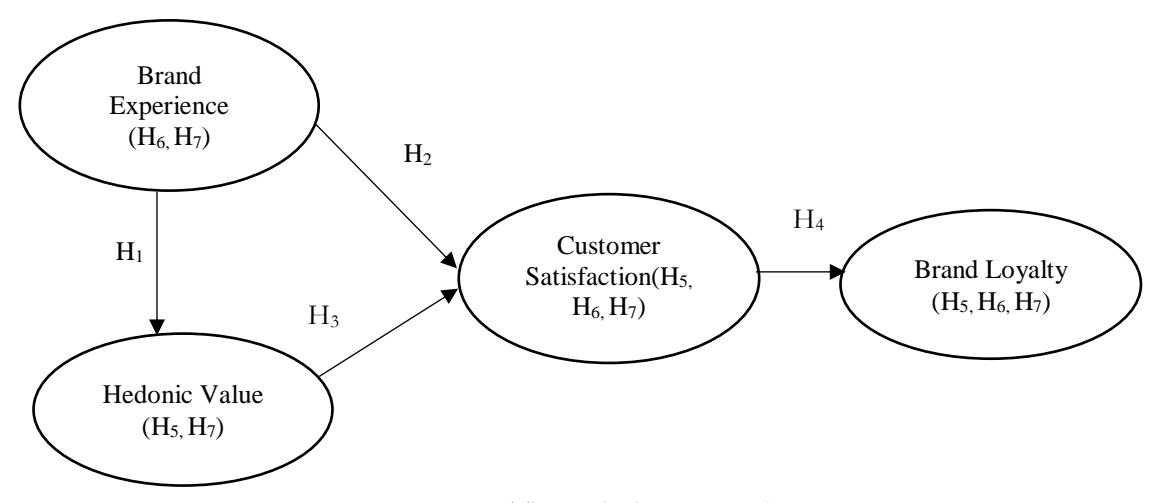
Figure 1. Theoretical Framework
3. Methodology
3.1. Sampling and Data Collection
This study utilizes a quantitative methodology to investigate customer perceptions of coffee shops, aiming to explore how key variables function within everyday contexts and their potential implications in real-life scenarios. Employing a non-contrived study setting allows for a more comprehensive and ecologically valid understanding of customer perceptions toward coffee shops. Furthermore, data collection for this study adopts a one-shot approach, collecting all data within a specified period. We conducted a pilot test with 35 individuals from the target population to confirm the survey's reliability and relevance. This process aimed to identify potential issues regarding participant comprehension of the questionnaire items.
We sampled university students in Malaysia with a specific focus on those who have frequented coffee shops within the last three months. The data was collected online from October to December 2023 through multiple social media (e.g., WhatsApp, Telegram, Facebook). Utilizing an online platform for data collection streamlined the process, rendering it more efficient and cost-free. We used three screening questions to ensure only eligible participants responded to the questionnaire. The three screening questions include "Are you a university student?" "Are you 18 years old or older?" and "Have you visited one or more international or local coffee shops within the last three months?". Out of 403 participants who responded to the survey, 384 eligible respondents were gathered for further analysis. Table 1 presents the demographic characteristics of the respondents.
Demographic Characteristics Frequency (n) Percentage (%) Age 18-25 26-30 31-40 294 86 4 73.1 21.4 1.0 Gender Male Female 251 133 62.4 33.1 Current education Undergraduate Postgraduate 374 10 93 2.5 Preferred coffee brands Local brand International brand 283 101 70.4 25.1 Spending pattern (each visit) Below RM10 (US$2.33) Between RM11 to RM20 Between RM21 to RM30 Between RM31 to RM40 RM50 and above 68 164 128 20 4 16.9 40.8 31.8 5.0 1.0 Frequency of visit One time a month One time a week Several times a month Several times a week 68 150 128 38 16.9 37.3 31.8 9.5
Table 1. Demographic Characteristics (n = 384).
3.2. Measures and Data Analysis
This study adapted established scales from previous studies, and all the items were translated from English to Malay, tailored to fit the contextual setting in Malaysia, and further validated through the back-translation process recommended by Brislin (1970). The brand experience was measured with 12-item focusing on sensory, affective, behavioural, and intellectual (Bae and John, 2022; Brakus et al., 2009). Examples include "This coffee shop brand stimulates my curiosity" and "I have strong emotions for this coffee shop brand". Hedonic value was measured with 3-item such as "This coffee shop is fun and pleasant" and "I feel the excitement in this coffee shop", adapted from Bae and Jeon (2022). Customer satisfaction was measured with 3-item, including "This coffee shop brand goes beyond my expectations" and "I am satisfied with this coffee shop brand". Brand loyalty was measured with 4-item, including "I will continue to visit this coffee shop brand" and "I will recommend this coffee shop brand to others". Items for customer satisfaction and brand loyalty were adapted from Kim et al. (2021). All questions were scored using a five-point Likert-type scale (from 1 "strongly disagree" to five "strongly agree"). This five-point scale choice aimed to capture responses from participants, allowing them to select the option that best aligned with their viewpoint. It is commonly employed to gauge respondents' attitudes by assessing the extent of their agreement or disagreement with specific questions or statements. When preparing the instrument, we referred to suggestions by Podsakoff et al. (2003) in reducing the effects of common method bias, such as using wordings that are easy to understand by the target audience (i.e., university students in Malaysia). The instrument underwent rigorous scrutiny and received approval from the research ethical committee at University Teknologi MARA (UiTM) Malaysia [BERC/12/2023 (UG/MR/244)]. We included an informed consent document so participants could proceed with the questionnaire once they agreed to participate; they understood that the questionnaire was anonymous, their participation was voluntary, and they could stop participating at any time.
We utilized SPSS (version 24.0) and Mplus (version 8.3) software to analyse data. We conducted a frequency analysis to analyse the demographics of the respondents (e.g., gender, age, education) to gain a preliminary understanding of them. After that, we performed confirmatory factor analysis (CFA) to verify the reliability and validity of each variable, followed by structural equation modelling (SEM) with a bootstrapping method to test the proposed hypotheses. The significance of the indirect
*1 MYR (RM) is equivalent to 0.233 USD.
and total effects was carried out at 5,000 replicates. The confidence interval (CI) was set at 95%. The structural model is shown in Figure 2.
4. Results and Findings
4.1. Measurement Model
The fit of the measurement model was evaluated based on reliability, convergent validity, and discriminant validity. The Cronbach's Alpha values are between 0.849 and 0.933 (see Table 3), indicating good reliability. The composite reliability (CR) scores are between 0.854 and 0.934 (see Table 2), beyond the cut-off value 0.70. These results indicate that good internal consistency was established (Hair et al., 2014). The evidence of convergent validity is presented in this study when the average variance extracted (AVE) values of the latent variables are between 0.541 and 0.728, which are above the suggested threshold of 0.50 (Bagozzi and Yi, 1988; Fornell and Larcker, 1981). Table 2 shows the statistical results of each variable's correlation coefficient, mean, and standard deviation. The square root of the AVE of each variable is higher than the correlation coefficient between them and the correlations between two factors below 0.80 (Brown, 2006, p.131), which means that each variable has good discriminant validity.
We employed CFA to check the fit of the measurement model and used the following rule of thumb when interpreting the goodness of fit (Anderson and Gerbing, 1988; Hu and Bentler, 1999). The Chisquare test, x2/df (< 5 acceptable), root mean square error of approximation (RMSEA) (0.05 – 0.10 moderate), comparative fit index (CFI) (> 0.90 acceptable), Tucker-Lewis index (TLI) (> 0.90), and standardized root mean square residual (SRMR) (< 0.09). Based on the CFA, the results indicated that the measurement model had an acceptable fit with indices as follows: Chi-square test, x2 = 803.926, df = 203, p < 0.001, x2/df = 3.960; RMSEA = 0.088; CFI = 0.901; TLI = 0.888; SRMR = 0.044.
We follow the procedural and statistical controls suggested by Kock et al. (2021) and Podsakoff et al. (2003) to eliminate common method bias. First, we conducted Harman's single-factor test to check for common method bias among the variables. The results show that without rotation, the variance of a single factor was explained as 51.826%, slightly exceeding the 50% threshold. Since this method might be sensitive to the number of variables involved (Eichhorn, 2014), we performed a full collinearity test using the variance inflation factor (VIF). The values ranged between 2.414 and 2.899, meaning there are no significant concerns about common method bias (Kock et al., 2021; Touni et al., 2022).
Variable Mean SD BE HV CS BL CR AVE 1. BE 4.35 0.577 (0.736) - - - 0.934 0.541 2. HV 4.46 0.618 0.740** (0.853) - - 0.889 0.728 3. CS 4.42 0.629 0.745** 0.682** (0.812) - 0.854 0.660 4. BL 4.43 0.595 0.704** 0.689** 0.721** (0.801) 0.877 0.642
Table 2. Descriptive Statistics, Correlation Matrix, CR, and AVE.
Notes: n = 384; ** p< 0.01 level. Diagonals represent the square root of the AVE; the off diagonals represent the correlations.
Table 3. Assessment of measurement model.
| Items | Standardized | Standard Error | t-value | |
|---|---|---|---|---|
| loading | ||||
| Brand Experience | BE01 | 0.714 | 0.027 | 26.710 |
| (BE, α = 0.933) | BE02 | 0.731 | 0.025 | 28.726 |
| BE03 | 0.668 | 0.030 | 22.330 | |
| BE04 | 0.750 | 0.024 | 31.130 | |
| BE05 | 0.760 | 0.023 | 32.518 | |
| BE06 | 0.769 | 0.023 | 33.931 | |
| BE07 | 0.710 | 0.027 | 26.237 | |
| BE08 | 0.724 | 0.026 | 27.682 | |
| BE09 | 0.762 | 0.023 | 32.910 | |
| BE10 | 0.707 | 0.027 | 25.924 | |
| BE11 | 0.748 | 0.024 | 30.936 | |
| BE12 | 0.773 | 0.022 | 34.725 | |
| Hedonic Value | HV01 | 0.809 | 0.021 | 38.497 |
| (HV, α = 0.887) | HV02 | 0.872 | 0.016 | 53.475 |
| HV03 | 0.877 | 0.016 | 54.984 | |
| Customer Satisfaction | CS01 | 0.792 | 0.023 | 34.516 |
| (CS, α = 0.849) | CS02 | 0.811 | 0.022 | 37.460 |
| CS03 | 0.834 | 0.020 | 41.377 | |
| Brand Loyalty | BL01 | 0.839 | 0.019 | 44.350 |
| (BL, α = 0.873) | BL02 | 0.824 | 0.020 | 40.908 |
| BL03 | 0.807 | 0.021 | 37.626 | |
| BL04 | 0.731 | 0.027 | 26.852 |
Notes: n = 384; All loadings are significant at p< 0.01 level.
4.2. Structural Model and Hyphotesis Testing
Once we confirmed the well-fitted measurement model, we used SEM to test the associations among the variables in Figure 1. The results showed the model adequately fits the data (Chi-square, x2 = 822.510, df = 205, p< 0.001. x2/df= 4.012; RMSEA = 0.089; CFI = 0.899; TLI = 0.886; SRMR = 0.046). A maximum likelihood estimation approach was used to produce this model. Table 4 and Figure 2 reflect the results of the structural model. The results shown in Table 4 displayed the significant path coefficients. First, brand experience positively affects hedonic value ( = 0.808, p< 0.01) and customer satisfaction ( = 0.561, p < 0.01), supported H1 and H2. Additionally, hedonic value positively affects customer satisfaction ( = 0.365, p < 0.01), thus, supported H3, and customer satisfaction positively affects brand loyalty ( = 0.875, p < 0.01), supported H4.
Table 4. Standardized parameter estimates of the structural model (n = 384).
| Hypotheses | Coefficients | t-values | Decision |
|---|---|---|---|
| H1: Brand Experience Hedonic Value | 0.808** | 20.444 | Supported |
| H2: Brand Experience Customer Satisfaction | 0.561** | 7.472 | Supported |
| H3: Hedonic Value Customer Satisfaction | 0.365** | 4.734 | Supported |
| H4: Customer Satisfaction Brand Loyalty | 0.875** | 26.483 | Supported |
** p< 0.01
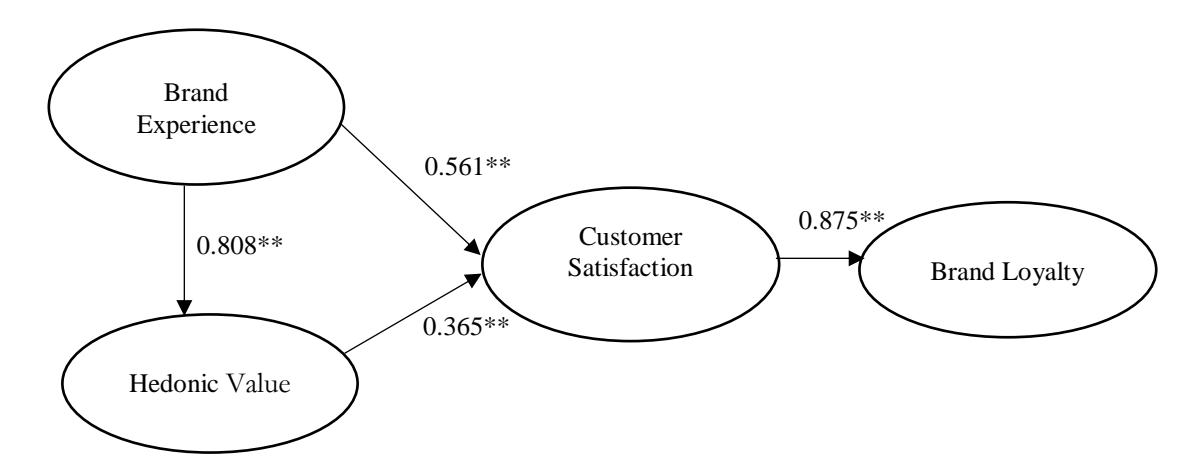
Figure 2. Results of the structural model.** p < 0.01.
4.3. Testing the Indirect Effects
We investigated the mediating roles of hedonic value and customer satisfaction in the structural model using a bootstrapping method of 5,000 replications, as recommended by Hayes (2018). A significant mediating effect occurs when the upper and lower bounds of the CI do not include zero (Preacher et al., 2007). As presented in Table 5, the CI for the mediation effect of customer satisfaction does not include zero (95% CI = 0.193, 0.493), while the value of the indirect effect is 0.320, which implies the occurrence of a mediating effect. Therefore, H5 is supported. Moreover, the CI for the mediation effect of customer satisfaction on the association between brand experience and brand loyalty does not include zero (95% CI = 0.350, 0.666), while the value of the indirect effect is 0.491, indicating the occurrence of a mediating effect. With that, H6 is supported. Finally, the CI for the mediation effect of hedonic value and customer satisfaction does not include zero (95% CI = 0.153, 0.416), while the value of the indirect effect is 0.258, implying a mediating effect; hence, H7 is supported.
| Hypothesis | Bootstrap 5000 times 95% CI | |||||
|---|---|---|---|---|---|---|
| Point estimate | Bias-corrected | Percentile | Decision | |||
| Lower | Upper | Lower | Upper | |||
| H5: HV CS BL | 0.320 | 0.193 | 0.493 | 0.190 | 0.466 | Supported |
| H6: BE CS BL | 0.491 | 0.350 | 0.666 | 0.355 | 0.619 | Supported |
| H7: BE HV CS BL | 0.258 | 0.153 | 0.416 | 0.153 | 0.394 | Supported |
Table 5. Bootstrapping mediation results.
5. Discussion
The current study provides empirical results in terms of how university student' experience with a coffee shop brand impacted their loyalty. Additionally, this study explored the mediating roles of hedonic value and customer satisfaction in influencing the associations between customer brand experience and brand loyalty. Based on the results, we confirmed that brand experience significantly influenced hedonic value and customer satisfaction. Such findings prove that customer brand experience is essential, while hedonic value itself is driven by the customer's emotion related to their emotional or sensory pleasure derived from the consumption of a product or service (Zeba et al., 2020). Good memories and experiences about a coffee brand influenced customers' positive perceptions of fun and enjoyment (hedonic value). In other words, customer experience with a coffee brand influences their memorable purchase, which is driven by their emotion, corresponding to past
findings (Hwang et al., 2021). Studies conducted by previous researchers (Olaoke et al., 2021; Tran and Nguyen, 2022) also found similar results in brand experience significantly affecting customer satisfaction. Second, our findings showed that hedonic value significantly impacts customer satisfaction. The current study's findings matched the findings of past research work (Nitasari and Suasana, 2021; Rajput and Gahfoor, 2020) regarding greater hedonic value with particular brands leading to greater customer satisfaction experience. Third, our results confirmed that customer satisfaction significantly impacted brand loyalty. Although our findings are similar to previous hospitality context studies (Alalwan, 2020; Camilleri and Filieri, 2023; Hidayat et al., 2019; Hwang et al., 2021; Raduzzi and Massey, 2019; Sharma and Kumar, 2021; Song et al., 2019), few of these have investigated in the context of young consumer brand loyalty towards the coffee shop. For example, several researchers confirmed customer satisfaction contributed to customer loyalty in fast-food restaurants (Hidayat et al., 2019; Raduzzi and Massey, 2019) and in robots and human services coffee shops (Hwang et al., 2021).
For the mediation effects, our results show that customer satisfaction mediates the associations between hedonic value and brand loyalty and between brand experience and brand loyalty. These findings are aligned with results from previous studies regarding customer satisfaction as a significant mediator in predicting customer loyalty (Camilleri and Filieri, 2023; Chien and Chi, 2019; Keshavarz and Jamshidi, 2018). The current study found that customer satisfaction significantly mediates the association between hedonic value and brand loyalty, supported by a study in Indonesia (Sari and Maftukhah, 2019). Such findings implied that customer satisfaction is vital in intervening in the associations between customer brand experience and hedonic value with certain coffee brands and their brand loyalty. Moreover, both hedonic value and customer satisfaction mediate the link between brand experience and brand loyalty, which confirms the significant role of customer satisfaction as a mediator. Such findings advance the expectancy disconfirmation theory of customer satisfaction in the context of coffee drink consumption among university students. To the authors' best knowledge, previous studies have not tested the essential roles of hedonic value and customer satisfaction concurrently as mediators in influencing brand experience and brand loyalty for coffee drink consumption. Therefore, the current study offers new empirical information to practitioners of coffee shops.
6. Conclusion and Implications
In today's competitive food and beverage industry, understanding consumer behavior is pivotal for establishments seeking to distinguish themselves and foster long-term customer relationships. The empirical results based on data from 384 university students in Malaysia show that all direct and indirect hypotheses are supported. Overall, this study offers several theoretical and practical implications.
The current study proves that brand experience significantly influences hedonic value and customer satisfaction. In addition to that, our study confirmed that brand experience significantly influenced brand loyalty through hedonic value and customer satisfaction. Research examining the multipledimensional brand experience in Malaysia, specifically focusing on coffee drink consumption, is still limited, contributing to the novelty of our findings. This result can contribute to the brand experience literature (e.g., Bae and Jeon, 2022; Brakus et al., 2009). Moreover, this study demonstrated that customer satisfaction significantly mediates the associations between hedonic value and brand loyalty and between brand experience and brand loyalty, thus advancing the expectancy disconfirmation theory for customer satisfaction literature. Although research on coffee drink consumption has been explored by previous researchers (e.g., Ali and Ramanathan, 2021; Bae & Jeon, 2022; Dhisasmito and Kumar, 2020; Kharaba et al., 2022), none of them have investigated the mediating roles of hedonic value and customer satisfaction concurrently; hence, justify the novel contribution of this study. Our
findings confirmed the mediating role of hedonic value and customer satisfaction in influencing the association between brand experience and brand loyalty among university students in the context of coffee shops.
Coffee shop owners can stimulate customer brand experience and hedonic value by enhancing the customer's sensory, affective, behavioral, and intellectual experience while uplifting their positive emotions and enjoyment. This study reveals that more university students prefer local coffee shop brands than international coffee shop brands and are willing to spend RM30 or less for each visit to a coffee shop, thus offering opportunities for local brand coffee shop owners to expand their business targeting the young consumers as an emerging market in the coffee industry. Most importantly, most respondents reported visiting coffee shops once a week to several times a month, indicating that university students in Malaysia regularly consume coffee as their preferred beverage. Staying up to date with the new trending coffee shop concept is important to attract university students as young consumers. The coffee shop owners can expand their business by opening more coffee shop outlets on campus so their coffee can easily reach the target market. For international coffee shop owners, reshaping strategies would be beneficial to ensure that young consumers are satisfied and loyal to the coffee brand. Nevertheless, the ongoing boycott issue has recently affected some international coffee shops in Malaysia, such as Starbucks Coffee (Aman, 2024), while the popularity of Malaysian local coffee shops is increasing (Hassan, 2024). Refining the marketing strategies (e.g., increasing deals and promotions) and educating young consumers on the downside of the boycott may help manage the boycott of international coffee brands. Rebranding the coffee shop while avoiding brands related to the boycott conflict might attract customers to revisit and retain their loyalty
Although the current study offers significant theoretical and managerial implications, we acknowledged the following limitations. First, we only sampled university students in Malaysia, which may limit the generalization of the findings to other populations or countries. Since each country may have a different coffee drink culture, future research could benefit from sampling customers in other countries. The more comprehensive sample selection will provide a better understanding of coffee drink consumption from a broader perspective. Furthermore, the study used self-reported data that could cause potential response bias. Therefore, future researchers could use data collection methods like customer interviews to get in-depth information about customer brand experience, hedonic value, customer satisfaction, and loyalty.
References
- Ahmad, H.H.(2022). Coffee drinking culture in Malaysia. https://www.bernama.com/en/thoughts/news.php?id=2115384
- Alalwan, A. A. (2020). Mobile food ordering apps: An empirical study of the factors affecting customer e-satisfaction and continued intention to reuse. International Journal of Information Management, 50, 28-44. DOI: 10.1016/j.ijinfomgt.2019.04.008.
- Ali, N., & Ramanathan, R. (2021). Coffee consumption and the sustainability of the coffee industry in Malaysia. Trends in Undergraduate Research, 4(2), 1-10. DOI: 10.33736/tur.1911.2021.
- Aman, A. S. (May 24, 2024). Starbucks Malaysia operator BFood hits pause on expansion plans as boycott drags sales. The New Straits Times. https://www.nst.com.my/business/corporate/2024/05/1054738/starbucks-malaysiaoperator-bfood-hits-pause-expansion-plans
- Anderson, J. C., & Gerbing, D. W. (1988). Structural equation modeling in practice: A review and recommended two-step approach. Psychological Bulletin, 103(3), 411-423. 10.1037/0033- 2909.103.3.411.
- Bae, J. H., & Jeon, H. M. (2022). Exploring the relationships among brand experience, perceived product quality, hedonic value, utilitarian value, and brand loyalty in unmanned coffee shops during the COVID-19 pandemic. Sustainability, 14(18), 11713. DOI: 10.3390/su141811713
- Bagozzi, R. P., & Yi, Y. (1988). On the evaluation of structural equation models. Journal of the Academy of Marketing Science, 16, 74-94.
- Bettiga, D., Bainchi, A. M., Lamberti, L., & Noci, G. (2020). Consumers emotional responses to functional and hedonic products: A neuroscience research. Frontiers in Psychology, 11. DOI: 10.3389/fpsyg.2020.559779.
- Brakus, J. J., Schmitt, B. H. & Zarantonello, L. (2009). Brand experience: What is it? How is it measured? Does it affect loyalty? Journal of Marketing, 73, 52-68.
- Brislin, R. W. (1970). Back-translation for cross-cultural research. Journal of Cross-Cultural Psychology, 1(3), 185-216. DOI: 10.1177/135910457000100301.
- Brown, T. A. (2006). Confirmatory factor analysis for applied research. Guilford Publications, New York.
- Camilleri, M. A., & Filieri, R. (2023). Customer satisfaction and loyalty with online consumer reviews: Factors affecting revisit intentions. International Journal of Hospitality Management, 114, 103575. DOI: 10.1016/j.ijhm.2023.103575.
- Chien, L. H., & Chi, S. Y. (2019). Corporate image as a mediator between service quality and customer satisfaction: Difference across categorized exhibitors. Heliyon, 5(3), DOI: 10.1016/j.heliyon.2019.e01307.
- Dhisasmito, P. P., & Kumar, S. (2020). Understanding customer loyalty in the coffee shop industry (a survey in Jakarta, Indonesia). British Food Journal, 122(7), 2253-2271. DOI: 10.1108/BFJ-10- 2019-0763
- Eichhorn, B. R. (2014). Common method variance techniques. https://www.lexjansen.com/mwsug/2014/AA/MWSUG-2014-AA11.pdf
- Ellitan, L., & Pradana, S. B. (2022). The effect of brand communication and brand image on brand loyalty through brand trust on good day drink products in Surabaya. Fair Value: Jurnal Ilmiah Akuntansi dan Keuangan, 4(9), 4173-4185. DOI: 10.32670/fairvalue.v4i9.1620.
- Ferreira, P., Rodrigues, P., & Rodrigues, P. (2019). Brand love as mediator of the brand experiencesatisfaction-loyalty relationship in a retail fashion brand. Management & Marketing, 14(3), 278- 291. DOI: 10.2478/mmcks-2019-0020.
- Fornell, C., & Larcker, D. F. (1981). Evaluating structural equation models with unobservable variables and measurement error. Journal of Marketing Research, 18(1), 39-50. DOI: 10.2307/3151312.
- Gao, F., & Lan, X. (2020). Sensory brand experience: Development and validation in the Chinese context. Frontiers in Psychology, 11, DOI: 10.3389/fpsyg.2020.01436.
- Garcia, I. S., & Curras-Perez, R. (2020). Is satisfaction a necessary and sufficient condition to avoid switching? The moderating role of service type. European Journal of Management and Business Economics, 29(1), 54-83. DOI: 10.1108/EJMBE-02-2018-0035.
- Ginting, M. B., Lubis, A. N., & Sembiring, B. K. F. (2022). The influence of servicescape and brand image on consumer loyalty with consumer satisfaction as an intervening variable at the coffee
- crowd Medan. International Journal of Research and Review, 9(8), 483-503. DOI: 10.52403/ijrr.20220841.
- Guerreiro, M., & Lessa, J. (2022). Colour as a brand-related stimulus in the scope of destination brand experience design: An overview. In Handbook on the Tourist Experience: Design, Marketing and Management, 49-60. Edward Elgar Publishing. DOI: 10.4337/9781839109393.00010.
- Hair, J. F., Sarstedt, M., Hopkins, L., & Kuppelwieser, V. G. (2014). Partial least squares structural equation modeling (PLS-SEM): An emerging tool in business research. European Business Review, 26(2), 106-121. DOI: 10.1108/EBR-10-2013-0128.
- Han, H., Lee, K., Song, H., Lee, S., & Chua, B. (2020). Role of coffeehouse brand experiences (sensory/affective/intellectual/behavioral) in forming patrons' repurchase intention: Impact of switching costs. Journal of Hospitality and Tourism Insights, 3(1), 17-35. DOI: 10.1108/JHTI-03-2019-0044.
- Hassan, H. (February 4, 2024). Boycott boost: Malaysian coffee chains gain as locals shun US brands over Gaza war. The Straits Times. https://www.straitstimes.com/asia/se-asia/boycott-boostmalaysian-coffee-chains-gain-as-locals-shun-us-brands-over-gaza-war
- Hayes, A. F. (2018). Introduction to mediation, moderation, and conditional process analysis: A regression-based approach. Methodology in the Social Sciences. 2nd Ed. New York, NY: The Guilford Press.
- Hidayat, A., Adanti, A. P., Darmawan, A., & Setyaning, A. N. (2019). Factors influencing Indonesian customer satisfaction and customer loyalty in local fast-food restaurants. International Journal of Marketing Studies, 11(3), 131-139. doi:10.5539/ijms.v11n3p131.
- Hu, L. T., & Bentler, P. M. (1999). Cutoff criteria for fit indexes in covariance structure analysis: Conventional criteria versus new alternatives. Structural Equation Modeling, 6(1), 1-55. DOI: 10.1080/10705519909540118.
- Hwang, J., Choe, J. Y., Kim, H. M., & Kim, J. J. (2021). Human baristas and robot baristas: How does brand experience affect brand satisfaction, brand attitude, brand attachment, and brand loyalty?. International Journal of Hospitality Management, 99, 10350. DOI: 10.1016/j.ijhm.2021.103050.
- Jang, H. W., & Lee, S. B. (2019). Applying effective sensory marketing to sustainable coffee shop business management. Sustainability, 11(22). DOI: 10.3390/su11226430.
- Kharaba, Z., Sammani, N., Ashour, S., Ghemrawi, R., Al Meslamani, A.Z., Al-Azaynih, A., Buabeid, M.A., & Alfoteih, Y. (2022). Caffeine consumption among various university students in the UAE, exploring the frequencies, different sources and reporting adverse effects and withdrawal symptoms. Journal of Nutrition and Metabolism, 2022(1), DOI: 10.1155/2022/5762299.
- Keshavarz, Y., & Jamshidi, D. (2018). Service quality evaluation and the mediating role of perceived value and customer satisfaction in customer loyalty. International Journal of Tourism Cities, 4(2), 220-244.
- Kim, J. Y., Park, J. S., & Jeon, M. H. (2021). Experiential value, satisfaction, brand love, and brand loyalty toward robot barista coffee shop: The moderating effect of generation. Journal of Sustainability, 13(21). DOI: 10.3390/su132112029.
- Kock, F., Berbekova, A., & Assaf, A. G. (2021). Understanding and managing the threat of common method bias: Detection, prevention and control. Tourism Management, 86, 104330, DOI: 10.1016/j.tourman.2021.104330.
- Komalawati, A. (2020). Customer satisfaction: Survey on roti kembung's customers. Management and Entrepreneurship Research Review, 1(5), 170-175. DOI: 10.35899/merr.v1i5.10.
- Kusmarini, R. A., Sumarwan, U., & Simanjuntak, M. (2020). The effect of atmosphere perception, perceived value, and hedonic value on consumer loyalty through the service quality of warunk upnormal. Indonesian Journal of Business and Entrepreneurship, 6(1), 53-65. DOI: 10.17358/ijbe.6.1.53.
- Langgat, J., Pawan, M. T., Fabeil, N. F., & Pazim, K. H. (2020). Green kopitiam and local intentions to visit. Asian Journal of Entrepreneurship, 1(4), 72-82. https://myjms.mohe.gov.my/index.php/aje
- Le, A., Tan, K. L., Yong, S. S., Soonsap, P., Lipa, C. J., & Ting, H. (2022). Perceptions towards green image of trendy coffee cafes and intention to re-patronage: The mediating role of customer citizenship behavior. Young Consumers, 23(2), 165-178. DOI: 10.1108/YC-03-2021-1291.
- Lim, B. C. Y., Lim, T. Y., Leong, C. M., & Zaidi Yusran, D. N. (2022). Effects of traditional coffee shop (kopitam) service quality on customer satisfaction and customer loyalty: A study on Malaysian youth. Global Business and Management Research: An International Journal, 14(4), 88-100.
- Lin, F. & Ryu, K. (2024). How does Starbucks' merchandise design in their online shop trigger behavioural intention? International Journal of Hospitality Management, 120, 103767. DOI: 10.1016/j.ijhm.2024.103767.
- Lujie, D., Lizhu, L., & Jiang, L. (2022). Multi-sensory experience in food and beverage packaging design. International Journal of Advanced Research in Technology and Innovation, 4(1), 85-96.
- Maduretno, R. B. E. H. P., & Junaedi, M.F.S. (2022). Exploring the effects of coffee shop brand experience on loyalty: The roles of brand love and brand trust. Gadjah Mada International Journal of Business, 24(3), 289-309. DOI: 10.22146/gamaijb.63218.
- Mat Yusof, N., Ibrahim, A. A., Muhammad, R., & Tuan Ismail, T. A. (2016). Determinants of UiTM students' revisit intention to kopitiam in Penang. Procedia-Social and Behavioral Sciences, 222, 315- 323.
- Meidina, R., Ishak, R. M., & Astuti, M. (2022). The effect of brand experience, brand satisfaction, brand trust and brand loyalty users of janji jiwa coffee application (Jiwa+). International Journal of Business, Technology and Organizational Behavior, 2(6), 2775-4936. DOI: 10.52218/ijbtob.v2i6.247.
- Mohd Yussoff, N., & Md Nayan, S. (2020). Review on customer satisfaction. Journal of Undergraduate Social Science and Technology, 2(2). https://abrn.asia/ojs/index.php/JUSST/article/view/80
- Nik Omar, N. R., Ahmad A. A., Mohamad Nor, N. A. A., Zainol Abidin, A.Z., Sulaiman, N.H., & Ahmad, B. (2022). Coffee industry in Malaysia: An overview and potential. Economic and Technology Management Review, 19, 103-114. http://etmr.mardi.gov.my/Content/ETMR%20Vol.19(2022)/9-Nik%20Rahimah.pdf
- Nitasari, A., & Suasana, I. (2021). Effect of utilitarian and hedonic value on Starbucks coffee customer satisfaction in Denpasar, Bali, Indonesia. American Journal of Humanities and Social Sciences Research, 5(3), 53-57.
- Olaoke, R. O., Bayighomog, S. W., & Tumer, M. (2021). Nonlinear relationship between brand experience and customer satisfaction in the hospitality sector: An exploratory study. Journal of Brand Management, 28(1), 643-656. DOI: 10.1057/s41262-021-00249-3.
- Oliver, R. L. (1980). A cognitive model of the antecedents and consequences of satisfaction decisions. Journal of Marketing Research, 17, 460-469.
Ozturk, A. B., Nusair, K., Okumus, F., & Hua, N. (2016). The role of utilitarian and hedonic values on users' continued usage intention in a mobile hotel booking environment. International Journal of Hospitality Management, 57, 106-115. DOI: 10.1016/j.ijhm.2016.06.007.
- Podsakoff, P. M., MacKenzie, S. B., Lee, J. Y., & Podsakoff, N. P. (2003). Common method biases in behavioral research: a critical review of the literature and recommended remedies. Journal of Applied Psychology, 88(5), 879-903. DOI: 10.1037/0021-9010.88.5.879.
- Preacher, K. J., Rucker, D. D., & Hayes, A. F. (2007). Addressing moderated mediation hypotheses: Theory, methods and prescriptions. Multivariate Behavioral Research, 42(1), 185-227. DOI: 10.1080/00273170701341316.
- Putri, K., & Yasa, N. (2022). The role of customer satisfaction as mediating variable on the effect of brand image towards coffee shop customer's repurchase intention. European Journal of Business and Management Research, 7, 149-154. DOI: 10.24018/ejbmr.2022.7.2.1271.
- Raduzzi, A., & Massey, J. (2019). Customers satisfaction and brand loyalty at McDonalds Maroc. African Journal of Marketing Management, 11(3), 21-34. DOI: 10.5897/AJMM2019.0599.
- Rajput, A., & Gahfoor, R.Z. (2020). Satisfaction and revisit intentions at fast food restaurants. Future Business Journal, 6(1), 1-12. DOI: 10.1186/s43093-020-00021-0.
- Ren, Y. X., Choe, Y., & Song, H. J. (2023). Antecedents and consequences of brand equity: Evidence from Starbucks coffee brand. International Journal of Hospitality Management, 108, 103351. DOI: 10.1016/j.ijhm.2022.103351.
- Safeer, A. A., He, Y., & Abrar, M. (2021). The influence of brand experience on brand authenticity and brand love: an empirical study from Asian consumers' perspective. Asia Pacific Journal of Marketing, 33(5), 1123-1138. DOI: 10.1108/APJML-02-2020-0123.
- Sahin, A., Zehir, C., & Kitapci, H. (2011). The effects of brand experiences, trust and satisfaction on building brand loyalty: An empirical research on global brands. Procedia Social and Behavioral Sciences, 24, 1288-1301.
- Samoggja, A., & Riedel, B. (2019). Consumers' perceptions of coffee health benefits and motives for coffee consumption and purchasing. Nutrients, 11(3), DOI: 10.3390/nu11030653.
- Sari, A. N., & Maftukhah, I. (2019). The influence of utilitarian value and hedonic value on customer loyalty through customer satisfaction. Management Analysis Journal, 8(2),146-155.
- Sharma, J. K., & Kumar, N. (2021). Service quality, satisfaction and behavioural intention: mediation and interaction analysis in electronic food ordering services. Academy of Marketing Studies Journal, 23(3), 1-15.
- Sheng, T., & Liu, C. (2010). An empirical study on the effect of e-service quality on online customer satisfaction and loyalty. Nankai Business Review International, 1(3), 273-283. DOI: 10.1108/20408741011069205.
- Song, H., Wang, J., & Han, H. (2019). Effect of image, satisfaction, trust, love, and respect on loyalty formation for name-brand coffee shops. International Journal of Hospitality Management, 79, 50- 59. DOI: 10.1016/j.ijhm.2018.12.011.
- Tandon, U., Kiran, R., & Sah, A. (2017). Analyzing customer satisfaction: Users perspective towards online shopping. Nankai Business Review International, 8(3), 266-288. DOI: 10.1108/NBRI-04- 2016-0012.
- Touni, R., Kim, W.G., Hadorai, K., & Rady, A. (2022). Customer engagement and hotel booking intention: The mediating and moderating roles of customer-perceived value and brand
- reputation. International Journal of Hospitality Management, 104, 103246. DOI: 10.1016/j.ijhm.2022.103246.
- Tran, V. D., & Nguyen, N. T. T. (2022). Investigating the relationship between brand experience, brand authenticity, brand equity, and customer satisfaction: Evidence from Vietnam. Cogent Business & Management, 9(1), DOI: 10.1080/23311975.2022.2084968.
- Trivedi, J. P., & Sama, R. (2021). Determinants of consumer loyalty towards celebrity-owned restaurants: The mediating role of brand love. Journal of Consumer Behaviour, 20(3), 748-761. DOI: 10.1002/cb.1903.
- Turk, B., & Yildiz, T. (2020). Experience, personality, and love effect on loyalty for coffee houses. International Journal of Social Humanities Sciences Research, 7, 3033-3041.
- Wang, M. J., Opoku, E. K., & Tham, A. (2024). Exploring Gen-Z consumers' preference for specialty coffee in the socio-cultural context of Taiwan. Young Consumers, 25(3), 368-382. DOI: 10.1108/YC-08-2023-1844.
- Wardhana, A., & Yulia (2021). The impacts of brand image, brand love, and brand trust on brand loyalty: case study on coffee drinks. Advances in Economics, Business and Management Research, 164- 168. DOI: 10.2991/aebmr.k.210628.027.
- Wu, H. C. (2017). What drives experiential loyalty? A case study of Starbucks coffee chain in Taiwan, British Food Journal, 19(3), 468-496. DOI: 10.1108/BFJ-08-2016-0349.
- Wu, X., Xiang, H. Wang, Y., & Huo, Y. (2024). How does customer satisfaction change after hotels start using self-service kiosks? International Journal of Hospitality Management, 122, 103872. DOI: 10.1016/j.ijhm.2024.103872.
- Yoo, J. (2024). Can consumer engagement on social media affect brand extension success? The case of luxury fashion brands and restaurants. Journal of Retailing and Consumer Services, 79, 103885. DOI: 10.1016/j.jretconser.2024.103885.
- Yoo, S. R., Lee, S. W., & Jeon, H. M. (2020). The role of customer experience, food healthiness, and value for revisit intention in GROCERANT. Sustainability, 12(6), 2359. DOI: 10.3390/su12062359.
- Zairill, H. (2022, May 31). The evolution of Malaysia's kopitiams to cafés", The Sun Daily. https://www.thesundaily.my/style-life/the-evolution-of-malaysia-s-kopitiams-to-cafes-XC9271202
- Zeba, F., Shaheen, M., & Krishnankutty, R. (2020). Hedonic and utilitarian values behind engagement of online consumers. Journal of Electronic Commerce in Organizations, 18(3), 1-20. DOI: 10.4018/JECO.2020070101.