

1. Introduction
The COVID-19 pandemic has become a global issue that affects various sectors and disrupting economic activity, one of which is most affected is the tourism sector.This is evidenced by an 80 percent drop in tourism foreign exchange in 2020 (CNN Indonesia, 2021). Despite this, tourism remains a popular activity post-pandemic, as it continues to fulfill a fundamental human need for travel. According to Nainggolan (2017), people visit tourist attractions for a variety of motives, such as physical, cultural, interpersonal, fun, recreational, and health motives. Even after the pandemic, domestic travel remains popular, with destinations such as Yogyakarta and its surrounding areas continuing to attract visitors. As reported by the Head of the Yogyakarta City Tourism Office inthe Indonesian Times in October 2022, the number of tourist arrivals by September had reached 5.1 million. In addition to Yogyakarta, Magelang is also a a favored destination for tourists seeking the beauty of cultural heritage sites, which is being one of Indonesia's five Super-Priority Destinations. As reported by the Marketing and Sales division of PT Taman Wisata Cagar Budaya Borobudur Temple in an interview with Jateng Antaranews (2022), the temple attracts between 2,000 to 3,000 tourists daily on weekdays, and 4,000 to 6,000 visitors on weekends. These numbers are influenced by a variety of motivations, including the desire to attend events (Suyitno, 2022).
Event activities are a key factor in boosting tourism, motivate people to take trips, as various events have resumed in Yogyakarta and Magelang, involving event organizers and the entertainment industry. Events play a crucial role in the development of the global tourism industry, such as events as destination identities, tourist attractions, promotional tools, and support destinations gain a competitive edge in the tourism market in the book Tourism Events in Asia: Marketing and Development (Hassan & Sharma, 2019).
Event organizers and the industry are increasingly considering cultural heritage sites as venue for various activities, including business events, religious ceremonies, cultural performances, and entertainment such as music concert. Enjoying events within cultural heritage settings create different and unique experiences. However, these sites should not be exploited merely for the benefit of the entertainment industry, as cultural heritage certainly cannot be separated from public policy. As historical legacies, cultural heritage buildings are reflective of past eras and their significance (Hamid, 2018). Therefore, there is a need for an organization that sets standards for hosting sustainable events. According to Henderson (2011, in Trisnayoni, Astawa, and Sutama, 2022), sustainable events refer to an event planning process that goes beyond commercial interests and includes a commitment to environmental sustainability, corporate social responsibility, ecology, and socio-cultural and economic considerations.
PT Taman Wisata Candi Borobudur, Prambanan, & Ratu Boko (Persero), henceforth referred to as PT TWC, is a State-Owned Enterprise specializing in the management of tourist destinations, inclusing the iconic Borobudur Temple, Prambanan Temple, and Ratu Boko Palace. Established in 1980, PT TWC aspires to be a leading cultural heritage management company in Indonesia by leveraging its four core business pillars: Heritage Park, Cultural Park, Amenities, and Attractions. The company is committed to continuous development and innovation to provide outstanding services to all stakeholders across its diverse range of products and services.
Among the services provided by PT TWC is event management, which are essential in increasing the attractiveness of these historical sites. The company hosts various music and art events, such as Prambanan Jazz, Borobudur Symphony, Prambanan Ramayana Ballet, Westlife's "The Wild Dreams Tour 2022", Tulus Concert 2022, Nada Nusantara Concert, Vesak Festival, and weekly performances. While PT TWC shows its dedication to sustainability in its annual report – which addresses economic, cultural, environmental, legal, and governance aspects – there remains a significant gap in focusing on sustainable event management, particularly in terms of venue standards.
Organizing events within the Temple Tourism Park Area can have both positive and negative impacts. As Pitana and Gayatri (2005, cited in Rahayu, 2018) point out, negative impacts are likely if attractions are not carefully managed and planned. Many event activities still lack awareness of environmentally friendly practices, such as managing venue and participant capacity, waste management during and after the event, efficient electricity usage, and ensuring the safety of organizers. Thus, it is crucial for event venue providers to apply sustainable event indicators to maintain the long-term viability of these sites.
Event planners must also coordinate effectively with venue providers managing the Prambanan and Borobudur temple management, as these providers are key players in policy-making and partnership with various stakeholders involved in conducting events at local, national, and international levels. Therefore, this study seeks to understand the role of Prambanan and Borobudur temples as event venue providers in supporting sustainable events.
2. Literatur Review
2.1. Sustainable Events
According to Noor (cited in Sari, Isnurhadi, Sukmawijaya, and Widiyanti, 2020), an event can be interpreted as an activity or series of activities organized to remember or commemorate important moments in human life, either collectivelyor individually. Successful event management requires a well-thought-out strategy encompassing planning, marketing, organization, and evaluation. In the current context, there is a growing need for events to adapt to align with sustainable practices. Vezzoli and Manzini (2008), in their book "Design for Environmental Sustainability", describe sustainable events as those that are planned, organized, and conducted to reduce potential negative impacts while leaving a positive legacy for host communities, participants, and all stakeholders involved. Form the perspective of bith venue providers and organizers, sustainable events should be a key organizational priority, considering economic, social, and environmental impacts.
Events have become a studies that needs to be considered today, particularly due to the perceived negative environmental impact associated with large gatherings, as they often result in the overuse of natural resources by attendees. The event industry, both event organizers and venue providers, is increasingly pressure to adpot responsible management practices and create positives ecological outcomes (Mokhtar and Deng, 2014). Within this industry, stakeholders are also becoming more interested in adopting green initiatives as a means to enhance their competitive advantage. Green events integrate sustainable practices and strategies into their management and operational processes (Yamagishi, Gantalao, & Ocampo, 2022), thereby ensuring that events can contribute long-term benefits to society, the economy, and the environment.
Mokhtar and Deng (2015) highlight that the three pillars of sustainable development-environmental, economic, and social aspects – are interdependent and should be balanced to achieve comprehensive sustainability. This approach ensures that event organization does not compromise the continuity of natural systems for future generations. Similarly, the Events Industry Council (2022) defines sustainable events as those that focus on environmental conservation, promote healthy, high-quality, and inclusive living, and contribute the regional economic growth.
2.2. Event Venur Standards
Successful implementation of sustainable event practices can be categorized from the following perspectives, such as event organizer; accommodation; audio visual & production, destination; exhibition service; food & beverage; venue; and integrated property. As prominent location for hosting events at both national and international levels, Prambanan Temple and Borobudur Temple are expected to comply with and support the sustainability standards applicable in Indonesia, as illustrated in Figure 1.
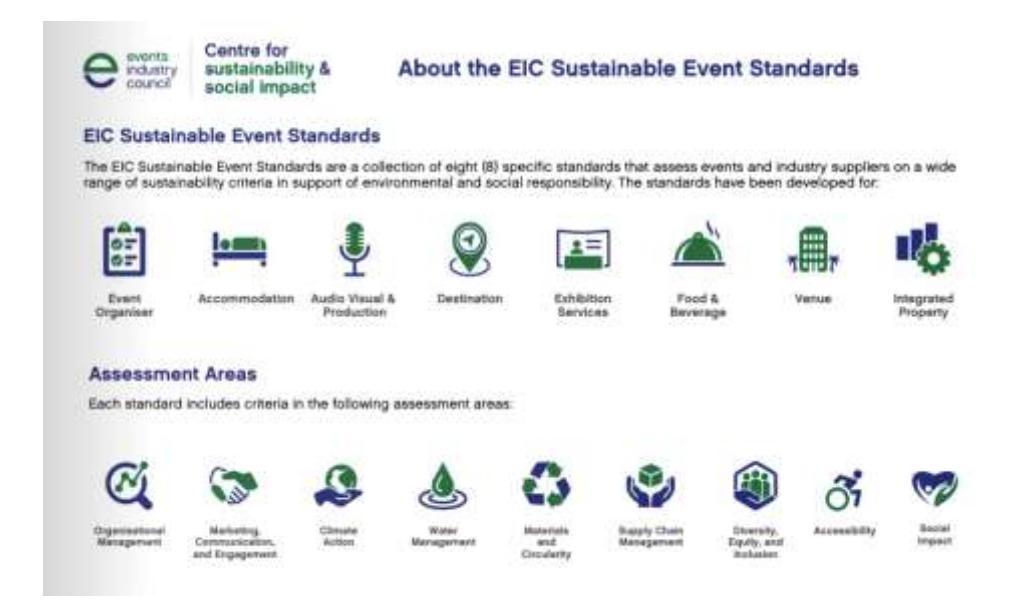
Figure 1. Center for Sustainable & Social Impact Source: Events Industry Council (2022)
The picture above provided outlines the indicators set forth by the Events Industry Council to enhance the sustainability of event activities. The standards for venues to host events include the following indicators:
- a. Organizational Management: Policies, Strategic Planning, Reporting, Staffing and Training
- b. Marketing, Communication, Engagement: Stakeholders Engagement, Sustainable Marketing Practices, and Communication Strategies
- c. Climate Action: Education, Goals Establishment, Measurement, Reporting, Energy Sources and Building, Energy Efficiency and Conservation, Transportation, and Vehicles Management,
- d. Water Management: Education, Goal Setting, Measurement, Reporting, Water Efficiency and Conservation, Exterior Water Use
- e. Material and Circularity: Education, Goal Setting, Measurement, Reporting, Efforts to Reduce Waste, Reuse, Repurposing, Recycling, and Waste Management
- f. Supply Chain Management: Education and Supply Chain Support, Material and Environmental Impacts, Economic Prosperity, and Human Health
- g. Diversity Equity & Inclusion: Policies, Directories, Education, Supplier Features
- h. Accessibility: Supplier Features
- i. Social Event: Community Engagement and Service, Wellness (Events Industry Council, 2022).
Based on these indicators, the researchers utilized the 2022 Events Industry Council framework to assess the extent of PT TWC's involvement in sustainable events as a venue provider.
3. Research Methods
This research employed qualitative methods, including observation, in-depth interviews, documentation, and review of existing literature from previous study and reports from PT TWC. The study aimed to determine the role of PT TWC as a venue provider supporting sustainable event practice by examining the nine indicators outlined by the 2022 Events Industry Council, focuisng specifically on the Prambanan Temple and Borobudur Temple areas.
The data collection was carried out through direct observation, in-depth interviews, literature studies, and examination of documentary evidence. Analysis was conducted throughdescriptive-qualitative methods, presenting findings in narrative form. Informants provided insight into the conditions and phenomena related to the implementation of sustainable event concepts at the organizational level. According to Patton (2014), selecting informants from organizations involved in coordinating venue maanagement can help ensure the validity of the information obtained.
Observations were categorized into two types: online and offline. Online observations involved analyzing activities relevant to the research via Instagram, while offline observations used camera equipment to document the availability of equipment supporting the indicators, such as signage, waste disposal facilities, and maps for tourists. Additionally, interview guidelines based on the venue standards outlined by the Events Industry Council were utilized to guide interviewssuch as: organizational management, marketing, communication, engagement, climate action, water management, material and circularity, supply chain management, diversity, equity, and inclusion, accessibility, and social events. The researcher conducted interviews with the managers in charge for Prambanan Temple and Borobudur Temple, as well as with the Public Relations department of PT TWC
4. Discussion
Prambanan Temple and Borobudur Temple, as units managed by PT TWC, benefit from a strategic promotional advantage through integrated listings on the website https://twc.id/. This platform showcases various venue options available for event organizers and other stakeholders. The website provides detailed information about each venue, including descriptions, suitability for different activities, and usage examples such as cultural events, spiritual or religious ceremonies, product launches, weddings, gala dinners, photo sessions, gatherings, camps, exhibitions, contests, camping, outbound activities, concerts, and wellness – related activities like yoga and healthy breakfast. Moreover, the site offers details on venue specifications, including type, size, capacity, facility components, access information, location maps, videos, and the booking process. This comprehensive information serves as a primary resource for potential venue renters.
The venues available at Prambanan Temple include Sewu Temple Park, Angsa Mandala Prambanan, Agastya Prambanan Park, Rama Shinta Camping Ground, Garuda Mandala Prambanan, Siwa Mandala Prambanan, and Wisnu Mandala Prambanan, which is frequently used for concerts, as well as Brahma Mandala Prambanan. At Borobudur Temple, the available venues are Dagi Hill Borobudur, Karmawibhangga, Taman Padma Borobudur, Taman Lumbini Borobudur, Red Square, Samudraraksa Borobudur, Marga Utama Borobudur, and one Meeting room.
The extensive range of venues offered to third parties (as illustrated in Figure 2) indicates the need for specific indicators to ensure their sustainability. Based on the findings from interviews and field surveys, several aspects require further development to effectively support sustainable events within the venue provider category.
Figure 2. Location of Prambanan Venue (a) and Borobudur Venue (b) Source:(a) PT Taman Wisata Candi Borobudur, Prambanan dan Ratu Boko (2019), (b) PT Taman Wisata Candi Borobudur, Prambanan dan Ratu Boko (n.d.)
4.1. Organizational Venue Management Explains the Relationship Between TWC and Units, Especially Prambanan and Borobudur as Event Venues in Policies, Plans, Reporting, Staffing, and Training.
PT TWC, including the Prambanan Temple and Borobudur Temple units, has demonstrated a commitment to supporting sustainable developmentin economic, social, and environmental domains. As managers of cultural heritage sites and state-owned enterprises (BUMN), this commitment is reflected through various initiatives reported in the 2021 Sustainability Report. These activities include the implementation of development programs in multiple regions and support for the independence of Micro Small Enterprise (MSE/UKM). The CSV (Creating Shared Value) program focuses on talent development activities aimed at children associated with tourism, including those of local vendors, kiosk operators, tour guides, and Andong (horse cart) artisans, as well as other tourism service providers around Prambanan and Borobudur. These programs provide support and training to enhance their skills and interests. Other initiatives include literacy training, the establishment of libraries and reading corner, parenting workshops for mothers, training in processing garden produce into high-quality food products, digital marketing training, and the creation of infrastructure like playgrounds and bicycle tracks. An innovative student flagship program in the Prambanan and Borobudur regions has been continuously running.
Since 2020, PT TWC has been releasing its Sustainability Report on its official website to ensure transparency regarding activities across its varioys units. In addition to these reports, the Prambanan Temple and Borobudur Temple units have Standard Operating Procedures (SOPs) for organizing event activities. However, interviews with Mr. I Gusti Putu Ngurah Sedana, General Manager of the Prambanan Temple Unit, and Mr Jamal, General Manager the Borobudur Unit, indicate that there are currently lack employees specifically trained in sustainable event management. Employees responsible for coordinating with third parties are part of the Sales and Business Development division, which has seven employees at Prambanan and four at Borobudur. This difference is due to the higher frequency of events held at Prambanan, as explained by the General Manager of the Borobudur Unit.
Ms. Zulfi, from PT TWC's Corporate Communication division, noted that although the units do not yet have dedicated staff for event sustainability, the company has a Social and Environmental Responsibility (TJSL) division. Thus, event planning and management activities are still coordinated with the TJSL division. While emplotees do not possess professional certification as venue managers, both the Prambanan & Borobudur Temple units hold CHSE (Cleanliness, Health, Safety, and Environmental Sustainability) certificates issued by the Ministry of Tourism and Creative Economy.
Even though specific regulations regarding sustainability with a focus on event venues are not yet in place, PT TWC has established policies related to its Code of Ethics (Document Number: SK. 40/DEKOM.TWC/XII/2018, SK. 40/DEKOM.TWC/XII/2018) and risk management guidelines (SK 49/DIREKSI/2019).
4.2. Marketing, Communication, and Engagement related to stakeholder engagement, Sustainable Marketing, and Communication
The unit's communication extends not only to third-party clients but also to internal management, including the service, operations, cleanliness, and security departments. Additionally, the conservation center plays a crucial role as a stakeholder in authorizing activities managed by Prambanan and Borobudur Temples. According to the Indonesian Minister of Education and Culture Regulation No. 29 lf 2015 on Cultural Heritage, Article 12 emphasizes the principles of coordination, intergration, synchronization, and effective coolaboration within both the internal and external environments of the Borobudur Conservation Center. Furthermore, the unit is required to inform PT TWC about whether events or activities comply with the regulations for utilizing cultural heritage sites. This is particularly important because Prambanan and Borobudur Temples are registered as protected cultural heritage sites at the national level.
Figure 3. Social Media Campaign about Sustainable Programs Source: TWC Media (2023a); TWC Media (2023b); TWC Media (2022)
The communication of needs and facilities between Prambanan and Borobudur Temples and third parties for event organization is initially facilitated through the TWC website. Beyond the online platform, both temple units have established SOPs for offline communication through Pre-Event Steps. Prospective clients can reach out via telephone, email, WhatspApp, or visit in person. The negotiation process then involves discussing the number of participants and ensuring compliance with cultural heritage regulations, such as prohibitions on fireworks, flying lanterns, drones, and rock music genres. The unit and the third party conduct a survey and inventory of requirements through the sales departments, followed by the final offering stage, which includes attaching necessary documents such as a land use application letter, land use approval letter, approval from the Director of Cultural Heritage and Diplomacy at the Ministry of Education and Culture (specifically for Prambanan and Borobudur), and crowd permit from the police. After these steps, the process proceeds to the Cooperation Agreement (PKS) stage. Before the event, the third party must present their plans to the venue provider unit and relevant partners involved in organizing the event. During the event, employees or the Person in Charge (PIC) oversee and supervise activities to ensure compliance with the previously agreed checklist. Payment is required to be completed before the event venue is utilized, in accordance with PT TWC's service standards, as outlined in the Attachment to the Decree of the Directors of PT TWC (Persero) Number: 19/DIREKSI/2018. Dated October 31, 2018. Event organized under PT TWC are promoted via social media, particularly Instagram @media_twc, as shown in Figure 3. PT TWC also supports campaigns related to sustainability through various activities.
4.3. Climate Action Like Education, Goals, Measurement, Reporting, Energy Sources and Building, Energy Efficiency and Conservation, Transportation and Vehicles
There are various internal programs designed to minimize the use of electricity, water, and gas. One of the regulations implemented by PT TWC, which applies to all units under its management, designates a specialemission-free zone for motorized vehicle. This initiative is supported by the use of electric vehicles within the unit's area. Additionally, each work unit is encouraged not to turn on air conditioning before 10:00 AM, helping to reduce excessive energy consumption during work activities.
Figure 4. Emission-free Usage Information Source: Author (2023)
Beyond internal regulations, PT TWC publishes an annual Sustainability Report. Currently, electric vehicles serve as the primary mode of transportation within the unit area, especially for moving between venue points during event organization and preparation. To ensure safety, the Prambanan and Borobudur Temple Units conduct weekly and monthly maintenance on electric vehicles. In addition to electric transportation, as shown in Figure 4, the units also provide bicycles and scooters to facilitate efficient activities while minimizing pollution.
4.4. Water Management such as Education, Goals, Measurement, Reporting, Water Efficiency and Conservation, Exterior water usage
The Prambanan and Borobudur Units utilize both an underground well system and water from the local water utility (PDAM). While there is no specific measurement of water usage during each event, monthly reports are compiled, summarizing water consumption over the past month. Water installation and irrigation systems are implemented in accordance with environmental standards, particularly those outlined in the Environmental Impact Assessment (AMDAL). However, the use of underground wells results in additional underground water taxes and increased electricity consumption.
In addition to water usage, PT TWC collaborates with its units to implement Corporate Social Responsibility (CSR) programs, which include constructing sanitation and clean water facilities in the Prambanan and Borobudur areas.
Field observations indicate that water usage during events can be uncontrolled, highlighting the need for policies that minimize water and energy consumption. Potential solutions include installing timer detectors to manage energy use, employing water radars to control water pumps, and implementing methods to reduce and recycle wastewater. Adjusting water stop valves to limit water flow and installing alarm detectors for water leaks or escessive energy consumption are measures that have been successfully adopted by various green hotels and could be applied to event venye areas as well.
4.5. Material and Circularity: Education, Goals, Measurement, Reporting, Reduction efforts, Reuse, Repurpose, Recycling, and waste management
The increase in waste during event activities is a concern for both Prambanan and Borobudur Temples. To manage this risk, communication with third parties emphasizes environmental preservation, including avoiding littering. Additionally, the unit provides trash bins throughout the event venue area and assigns extra cleaning staff to address overflowing bins. The trash bins are organized into organic and inorganic categories, facilitating waste separation for further processing.
The Prambanan and Borobudur units have implemented reuse, repurpose, and recycling programs. For example, organic waste is processed into compost, while inorganic waste is handled in collaboration with collectors who transport it to shredding machines, as illustrated in Figure 5. Moreover, PT TWC partners with various organizations for tree planting initiatives in the Prambanan Temple area and the creation of trash shredders and bins. These efforts contribute to a clean and pleasant environment for visitors, both within the temple units and in surrounding areas.
Figure 5. Venue Area Trash Can Source: Author (2023)
4.6. Supply Chain Management: Education and Supply Chain Support, Materials and Environmental Impact, Prosperity and Human Health
The Prambanan Temple and Borobudur Temple units consistently conduct daily maintenance, regardless of whether events are taking place, particularly in public areas such as information centers, reception desks, ticketing counters, and museums. Since most of the venues at Prambanan and Borobudur Temples are outdoor spaces, the cleaning department has established rotating schedules for staff to ensure that all areas receive proper maintenance.
The equipment used for maintenance is environmentally friendly and meets industry standards. However, due to the difficulty in sourcing some of these materials, substitutes with similar functions and appropriate dosages are used, following relevant regulations. Additionally, the cleaning staff is provided with protective gear, including masks, ladders, gloves, and shoes, to ensure safety during their work.
4.7. Diversity Equity & Inclusion: Policies, Directories, Education, Supplier Features
Each unit has its own maintenance guidelines or Standard Operating Procedures (SOPs) for employees, although there are no specific guidelines or protocols for sustainable events. These SOPs adhere to the applicable code of ethics and rules within each unit. Training is not conducted on a regular basis; however, pre-event briefings are part of the SOPs for internal employees involved in event management, ensuring that each division understands its responsibilities.
In terms of sustainable event venue indicators, there is a requirement for neutral washrooms. Currently, the Prambanan and Borobudur Temple units do not have standardized neutral toilets, such as those for both men and women. However, these units have established lactation rooms for breastfeeding mothers, as detailed in the facilities and infrastructure for the elderly, disabled, and breastfeeding women at Prambanan Temple (Table 1), Borobudur Temple (Table 2), and the overall availability of facilities and infrastructure at PT TWC (Table 3). To guarantee service quality and safety, PT TWC has developed and implemented policies through its Occupational Health and Safety Management System (K3) and Risk Management protocols.
Table 1. Prambanan Temple's Facilities and Infrastructure
| No | Service Infrastructure Facilities | Total | Location |
|---|---|---|---|
| 1. | Wheelchair | 3 | Entrance |
| 2. | Access | 1 | Main Gate Disability Way Entrance Room |
| 3. | Lactation Room | 1 | Special Room |
| 4. | Disabled Toilet | 1 |
Source: Makmur & Adiwiryono (2018)
Table 2. Borobudur Temple's Facilities and Infrastructure
| No | Service Infrastructure Facilities | Total | Location |
|---|---|---|---|
| 1. | Wheelchair | 7 | Entrance |
| 2. | Access | 1 | Main Gate Disability Way Entrance Room |
| 3. | Lactation Room | 1 | Special Room |
| 4. | Disabled Toilet | 1 |
Source: Makmur & Adiwiryono (2018)
| No | Facilities | Borobudur | Prambanan |
|---|---|---|---|
| Temple | Temple | ||
| 1 | Parking | | |
| Area | | | |
| Gate | | | |
| 2 | Ticket Counter | | |
| Domestic Tourist | | | |
| International Tourist | | | |
| 3 | Screen Service Information Center | | |
| 4 | Mushola | | |
| 5 | Locker | | |
| 6 | Souvenir and Drink Stall | | |
| 7 | Toilet | | |
| Normal | | | |
| Disabled | | | |
| 8 | ATM | | |
| 9 | Disabled Tourism Services | | |
| 10 | Lactation Room | | |
| 11 | Security Post | | |
Table 3. Recapitulation of Availability of Facilities and Infrastructure at PT TWC
Source: Makmur & Adiwiryono (2018)
4.8. Accessibility: Supplier Features
Accessibility to the venues has been made by the Prambanan and Borobudur Temple units. In addition to including venue locations on their websites, the units have also provided detailed directions to the venue areas.
Figure 6.Information Board, Map, and Public Facilities Source: TWC Internal Documentation (2023)
Moreover, numerous location maps are available throughout the Prambanan and Borobudur Temple areas, as illustrated in Figure 6. Directions to public facilities are clearly marked throughout the unit areas, and there are also signs prohibiting smoking and littering. Alongside informational boards and maps, each unit has established accessible pathways and guide blocks for individuals with disabilities.
4.9. Social Event: Giving Back and Community Service, Wellness.
CSR and wellness programs are also listed in the Sustainable Report. These activities can be conducted independently by the units or in collaboration with partners associated with Prambanan Temple and Borobudur Temple.
As stated by GM Borobudur, there is already a Yoga and Healthy Breakfast program available for tourists and event visitors. Additionally, the Spiritual Wellness Retreat offers meditation sessions aimed at stress management, catering to visitors from diverse backgrounds. This initiative is a collaboration between the Mahanikaya Buddhist Religious Council (MBMI), PT Taman Wisata Candi Borobudur, Prambanan & Ratu Boko, and Sriwijaya Buddhist College. The retreat is scheduled to take place regularly on every full moon night.
5. Conclusion
Prambanan Temple and Borobudur Temple offer event venues that meet international standards, underscoring the high quality of their hosted activities. Despite their commitment to sustainable event principles, these units have not yet clearly documented their practices in a manner that aligns with international standards. As a result, there is a pressing need for a comprehensive review and improvement of their administrative processes.
The current documentation and procedures do not fully address the Nine Indicators for event venue providers set out by the Events Industry Council (2022). To align with these standards, it is essential to develop detailed documents or guidebooks that outline the objectives of these indicators. This includes establishing robust planning and policy frameworks, implementing methods for measuring environmental impact, and ensuring thorough documentation and reporting with a focus on sustainability.
To address these shortcomings, several key actions are recommended. First, is is crucial to establish dedicated team or work units tasked with monitoring and managing the use of resources such as water, electricity, and gas during events. These teams will ensure more effective oversight and optimazion of resource consumption. Additionally, enhancing waste management practices through strengthened partnerships and efficient strategies will help mitigate the environmental impact of events. Creating comprehensive Standard Operating Procedures (SOPs) and work guidelines that incorporate sustainable event principles is necessary to address social, environmental, and economic aspects and provide a clear framework for implementation. Finally, it is omportant to implement measures that minimize potential negative impacts and ensure that events contribute positively to the local community.
References
CNN Indonesia. (2021). Devisa Pariwisata Susut 80 Persen Jadi Rp51,2T pada 2020. Retrieved from https://www.cnnindonesia.com/ekonomi/20210427144430-532-635395/devisa-pariwisatasusut-80-persen-jadi-rp512-t-pada-2020.
Events Industry Council. (2022). EIC Sustainable Event Standards: Event Standard [PDF File]. Retrieved from https://online.flippingbook.com/view/848215515/
Hassan, A. and Sharma, A. (2019). Tourism Events in Asia Marketing and Development. Oxon: Routledge
- Kementerian Pendidikan dan Kebudayaan Indonesia. (2015). Peraturan Menteri Pendidikan dan Kebudayaan Nomor 29 Tahun 2015 tentang Organisasi dan Tata Kerja Balai Konservasi Borobudur. Jakarta.
- Makmur, M. T., & Adiwiryono, D. (2018). Standar Pelayanan Minimal: Lampiran Keputusan Direksi PT TWC (Persero) Nomor: 19/DIREKSI/2018 Tanggal 31 Oktober 2018 [PDF File].. Yogyakarta: PT Taman Wisata Candi Borobudur, Prambanan & Ratu Boko (Persero). Retrieved from https://twc.id/wp-content/uploads/2022/04/SPM-TWC_27102018.pdf
- Mokhtar, S., Deng, Y.S. (2014). Sustainable design in event design: Opportunities and limitations. Journal of Clean Energy Technologies, 2 (2), 163–167. DOI: 10.7763/JOCET.2014.V2.114
- Mokhtar, S. B. and Deng, Y. S. (2015). Attributes of Sustainable Event. International Journal of Environmental Science and Development, 6(11), 868-875.
- Nainggolan, E. D. (2017). Motivasi Kunjungan Wisatawan Pada Event Pesta Pantai Indah Selatbaru Di Kabupaten Bengkalis. JOM FISIP, 4(2), 1-15.
- Patton, Michael Quinn. (2014). Qualitative Research & Evaluation Methods: Integrating Theory and Practice. California: SAGE Publications, Inc.
- PT. Taman Wisata Candi Borobudur, Prambanan dan Ratu Boko. (2019). Venue Prambanan. Retrieved from https://borobudurpark.com/venue/garuda-mandala/venue-prambanan/
- PT. Taman Wisata Candi Borobudur, Prambanan, and Ratu Boko. (2021). Annual Report PT Taman Wisata Candi Borobudur, Prambanan, and Ratu Boko 2021 [PDF File]. Yogyakarta. Retrieved from https://twc.id/wp-content/uploads/2022/09/Annual-Report-2021.pdf)
- PT. Taman Wisata Candi Borobudur, Prambanan dan Ratu Boko. (n.d.) Venue Borobudur. Rertieved fromhttps://borobudurpark.com/en/venue/taman-lumbini-en/
- Rahayu. I. (2018). Dampak Penyelenggaraan Event Pariwisata Dragon Boat Race Di Kota Tanjungpinang. JUMPA, 5(1), 211-226.
- Riyadi, A. (2022). Lampaui Target, Wisatawan ke Kota Yogyakarta Tembus 5,1 Juta. Retrieved from https://timesindonesia.co.id/wisata/433589/lampaui-target-wisatawan-ke-kota-yogyakartatembus-51-juta.
- Sari, D. I., Isnurhadi, I., Sukmawijaya, E., & Widiyanti, M. (2020). Pengaruh Event Service Quality, Event Price dan Event Venue Terhadap Event Satisfaction dalam Penyelenggaraan Asian Games 2018 di Kota Palembang. The Manager Review, 2(2), 9–17. https://doi.org/10.33369/tmr.v2i2.16325
- Suyitno, Heru. (2022). 1,2 Juta Wisatawan Kunjungi Candi Borobudur Tahun Ini. Retrieved from https://jateng.antaranews.com/berita/465453/12-juta-wisatawan-kunjungi-candiborobudur-tahun-ini.
- Trisnayoni, R. A., Astawa, I. P., & Sutama, I. K. (2022) . Sustainable MICE Event Practices: An Explorative Study. International Journal of Travel, Hospitality and Events, 1(1), pp. 74-82.
- TWC Media [@media_twc]. (2022, December 24). #SobatIndonesia ID PT Taman Wisata Candi Borobudur, Prambanan & Ratu Boko (TWC) sebagai Indonesia Heritage Management, senantiasa berupaya menghadirkan destinasi wisata yang Inspiratif, Edukatif dan Berbudaya, yaitu dengan mengemas ragam Experiential Program. Pekan Edukriya Go Green menjadi salah satu aktivitas yang sarat dengan Experience Value bagi wisatawan. Dalam hal ini, PT TWC menggandeng kearifan lokal masyarakat Borobudur, untuk mewujudkan Quality & Sustainable Tourism, guna mendukung Borobudur sebagai Destinasi Pariwisata Super Prioritas. [Instagram photograph, slide 1]. Retrieved from https://www.instagram.com/p/CmjXRpr_Mn/
- TWC Media [@media_twc]. (2023a, February 20). #SobatIndonesia ID Siapa yang suka mencoba kuliner baru jika sedang berwisata? Pariwisata memang tak lepas dengan aktivitas kuliner yang menjadi daya tarik tersendiri bagi wisatawan untuk berkunjung ke suatu destinasi. Melalui program Tanggung Jawab Sosial dan Lingkungan (TJSL), PT Taman Wisata Candi Borobudur, Prambanan, dan Ratu Boko mengadakan Entrepreneur Siswa yang diikuti oleh siswa-siswi SMK di DI Yogyakarta. Kegiatan berbasis Creating Shared Value (CSV) ini bertujuan menuangkan inovasi dan kreativitas berbasis bisnis kuliner. Yuk, simak program Entrepreneur Siswa ini! #TJSLTWC #CreatingSharedValue #TourismRevival [Instagram photograph, slide 1]. Retrieved from https://www.instagram.com/p/Co3sGjMrONC/
- TWC Media [@media_twc]. (2023a, January 13). #SobatIndonesia ID Penerapan nilai-nilai pariwisata berkualitas menghadirkan destinasi tak sekedar tempat bersukaria dengan berbagai aktivitas menyenangkannya. Namun, juga menjadi sarana edukasi, termasuk untuk meningkatkan kesadaran terhadap pelestarian lingkungan. Langkah ini dilakukan oleh PT Taman Wisata Candi Borobudur, Prambanan, dan Ratu Boko yang menggandeng SMA I Kalasan, Sleman, untuk berpartisipasi mewujudkan destinasi yang asri dan nyaman bagi wisatawan. Usaha ini dilakukan untuk mengenalkan siswa agar mencintai lingkungan di sekitar sekolahannya, terutama kawasan heritage yang menjadi tujuan pariwisata dunia. Ayo ajak kawan-kawanmu untuk selalu menjaga kebersihan lingkungan ya sobat. @prambananpark #TWCGoGreen #TourismRevival [Instagram photograph, slide 1]. Retrieved from https://www.instagram.com/p/CnWtF8ILoqM/
- Yamagishi, K., Gantalao, C., & Ocampo, L. (2022). A case of greening the Sinulog festival with the Plan-Do-Check-Act (PDCA) cycle. Event Management, 26(3), 671-678.
- Vezzoli, C. and Manzini, E. (2008).Design for Environmental Sustainability. London: Springer.