

1. Introduction
According to Botanic Garden Conservation International, the primary function of botanic gardens is to maintain and preserve biodiversity. Botanic gardens also function as a genetic bank supporting conservation programs (Lestari & Asih, 2015). Another function of botanic gardens is for research and education, which provides scientists access to research plant behavior and ecosystems (Chen & Sun, 2018). Botanic gardens also collaborate with botanic gardens in different parts of the world, collaborating in the form of collection exchanges to enrich plant collections, support conservation, and increase global understanding of the world's flora (Wyse Jackson & Sutherland, 2017). International policies that guide the operation and management of botanic gardens at the global level, which are contained in the Botanic Garden Conservation International (BGCI), the Convention on Biological Diversity (CBD), the Aichi Target for Biodiversity, and the Global Strategy for Plant Conservation (GSPC) (CBD, 1992; Sharrock & BGCI, 2012). Using ecotourism in botanic gardens encourages community participation in conservation efforts with interactive experiences, botanic gardens can form community awareness and support for environmental protection (Hidayat & Winarni, 2017; Sukara et al., 2014).
The Bogor Botanic Garden is the mother of scientific institutions in Indonesia (Widyatmoko & Risna, 2017) . Establishing the Bogor Botanic Garden is a historic milestone for the importance of institutionalizing research in Indonesia. The gardens used as experimental plants are vanilla, quinine, oil palm, ironwood, rubber, coffee, cocoa, sugarcane, cassava, and gutta-percha. Developed and introduced plantation crops in the Dutch East Indies (now Indonesia). In subsequent developments, the Bogor Botanic Garden was used as a facility for researchers and scientists after 1880. The Bogor Botanic Garden is classified as an artificial ecosystem type estimated to have more than 50,000 species of high-level plants in the world in the Bogor Botanic Garden (Hidayat & Winarni, 2017). The Bogor Botanic Garden is also one of the world heritage sites included Tentative List of UNESCO World Heritage Sites (Hotimah et al., 2015).
The Bogor Botanic Garden, in terms of management, has moved to the private partner, although it is still under the supervision of the government (The National Research and Innovation Agency/BRIN). BRIN in 2021, gave the authority to manage the botanic garden to the tourism partner private partner. It is authorized to execute the function of the botanic garden for tourism in the Bogor Botanic Garden. Managing the Bogor Botanic Garden that was constituted is undoubtedly a new thing in Indonesia. Historically, this has never been done in all botanic gardens in Indonesia. As we know, in the past, BRIN has been fully responsible for all management of the Bogor Botanic Garden. Since the transfer of tourism management authority of the Bogor Botanic Garden various supports and against have occurred in the Bogor Botanic Garden. The inaugural tour program began with the concept of Glow at the Bogor Botanic Garden, which utilizes excessive lighting artificial light at night (ALAN) at several locations in the Bogor Botanic Garden, namely in Pandan Garden, Mexican Garden, Aquatic Garden, Time Hall, Astrid Park, and Ecodome. The Glow tour scheduled for Friday through Sunday from 5 p.m. to 10 p.m. The glow tour program at night certainly has support from BRIN. BRIN stated that the results of their research showed that the light produced from glow tourism would not damage the plants in the Bogor Botanic Garden. Meanwhile, the results of another study related to Glow tourism conducted by academic researchers in Bogor stated that the impact of lighting at night produced by Glow tourism would have a harmful effect on the natural processes of the ecosystem in the Bogor Botanic Garden (Buchori et al., 2021).
In 2022, the tourism partner again made a tourism program that had never been before at Bogor Botanic Garden, namely with the theme of a music concert that brought in various artists. The same thing happened again: the music concert event held in the Bogor Botanic Garden Ecodome area had a negative impact and interfered with the preservation of the ecosystem in Bogor Botanic Garden. The noise pollution generated from the sound of concert music has a harmful impact on the surrounding community, and the condition of the park landscape, at some points in the Bogor Botanic Garden has become damaged. Although the tourism partner is only authorized to manage about three percent of the 87-ha area of the Botanic Garden, some of the things that have happened deserve to be evaluated for the government to be able to plan better and more precisely how to make ideal decisions in tourism management in Bogor Botanic Garden. Based on this background, this study aims to identify and analyze the current tourism concessions to the private sector in the Bogor Botanic Garden. The condition of Bogor Botanic Garden like from ecological/environmental, sociocultural, and institutional aspects. The implementation of tourism in the Bogor Botanic Garden has applied sustainable principles.
2. Literature Review
The Botanic Garden has an important function in biodiversity conservation and research. According to (Widyatmoko, 2019), the concept of a botanic garden has evolved, giving rise to innovative approaches to conserving flora and fauna that depend on flora in botanic gardens and providing indepth insights into natural ecosystems. The basic concept of a botanic garden is developing and managing a botanic garden that showcases the diversity of plants from different geographical regions (BRIN, 2023). The founder of the first botanic garden in Padova, Italy (1545), focused on collecting plants for medicine and scientific research. This concept has developed into a concern for conservation and education (Banfi & Visconti, 2014). Botanic gardens reflect the evolution of human thought about their relationship to nature (Thomas, 2006). With an initial goal and focus on plant uses, botanic gardens evolved into a center for conservation, research, and education incorporating sustainability values (Johnson, 2012), a necessary container for protecting and understanding life on earth.
Bogor Botanic Garden is a plant ex-situ conservation that collects types of wet lowland plants. The Bogor Botanic Garden is also known as Samida. Samida is also known as a forbidden forest, or currently better known as a conservation forest. During the Dutch East Indies rule, the Bogor Botanic Garden was initiated by C.G.C Reinward, a German botanist. Reinward asked permission for a plot of land near the residence (now the Bogor Presidential Palace) of then-Governor General Thomas Stanford Raffles. The first collection of the Bogor Botanic Garden at that time was medicinal plants, and there were also several other collections of plants typical of Indonesia, such as spices. The Bogor Botanic Garden was established on May 18, 1817. Bogor Botanic Garden is an institution that has given birth to several other institutions, for example such as the Bogoriense Herbarium (1844), the Bogoriense Zoological Museum (1901), Bibliotheca Bogoriense (1842), Treub Laboratory (1884), the Department of Natural Research (1950), the Department of Agriculture, the Department of Forestry and three other botanic gardens, namely the Cibodas Botanic Garden (1852), the Purwodadi Botanic Garden (1941) and the Eka Karya Botanic Garden (1959). The Bogor Botanic Garden has an area of 87 ha. The Bogor Botanic Garden has the oldest collection of trees, which are 200 years old; the tree is called Litchi chinensis Sonn (Sapind) from mainland China. Lyci plants were planted in 1823. and is a member of the Sapindaceae tribe (rambutan family). The tree fell on October 3, 2017, and most of the Litchi Tree sank into a scissor pond in front of the Bogor Palace (LIPI, 2017; LIPI, 2019). Bogor Botanic Garden is the oldest Botanic Garden in Southeast Asia (Hengky & Kikvidze, 2018).
3. Methodology
This research was conducted in August 2024 – November 2024. The research was conducted in the Bogor Botanic Garden, West Java Province. The Bogor Botanic Garden is located in Bogor City, with an area of 87 ha, collecting wet lowland plants and a rainfall level of 3000 - 4300 mm/year. Based on Figure 1. This is the area of the Bogor Botanic Garden's research which is marked with yellow line.
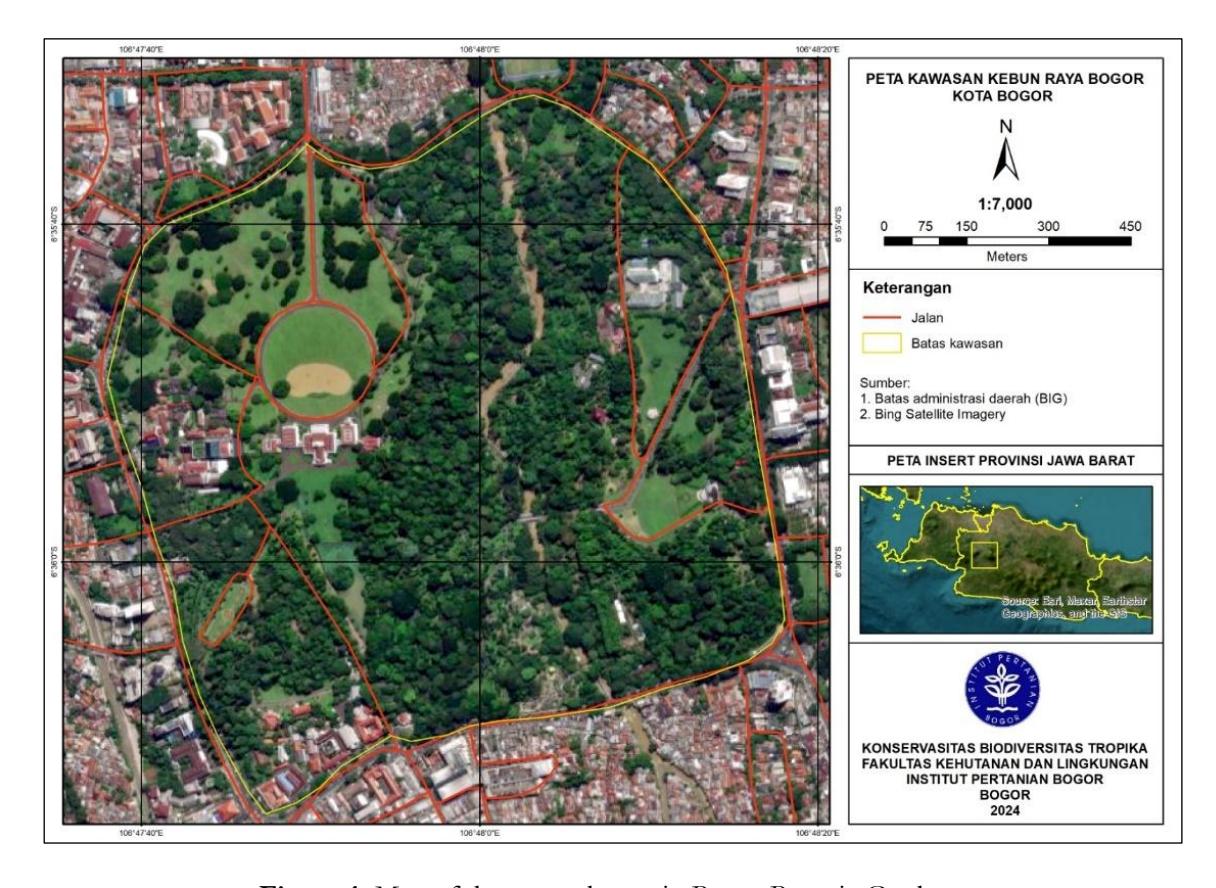
Figure 1. Map of the research area in Bogor Botanic Garden.
Data were collected through field observation and interviews with academia, government, tourism partner (Mitra Natura Raya). According to (Hora, 2009), experience shows that differences among experts can be significant in determining the total uncertainty of the answer to a question. Furthermore, (Hora, 2004) states that the number of experts, as many as 3 to 7 people, is sufficient and high precision. Meanwhile, according to (Clement & Winkler, 1985) concluded that three to five experts are pretty adequate. Secondary data in this study was obtained from literature studies. Primary data was analyzed using qualitative methods. There are four informants from the government, four informants from the tourism partner private sector, and two informants from academia.
3.1 Data Collection Method
This study's type of data consists of main and supporting data. Primary data is obtained by interacting directly (interview) with informants, with interview guidance tools. Secondary data is obtained from literature studies from scientific journals, laws and regulations, books, reports on botanic gardens, world agreement on botanic gardens, and official websites of botanic gardens as primary data support. Actual botanic garden ecological/environmental data was collected by direct observation in the field and interviews with managers. The tools used in this study are laptops, stationery, recorders and cameras, Multidimensional scaling (MDS) software, and MS Excel. The implementation of this research also uses instruments consisting of interview guides and maps of the Bogor Botanic Garden. The dimensions and attributes of sustainable tourism in the Bogor Botanic Garden are based on several theories according to experts, including (BGCI & Gratzfeld, 2016; UNWTO, 2023; Wang et al., 2022). The following are the dimensions and attributes of sustainable tourism for Bogor Botanic Garden informants (Table 1).
Table 1. Dimensions and Attributes of Sustainable Tourism in Bogor Botanic Garden.
| Dimension | Attributes | |||
|---|---|---|---|---|
| 1. Diversity of collections; | ||||
| Ecological/Environmental | 2. Number of collections; | |||
| 3. Collections maintenance; | ||||
| 4. Collection design; | ||||
| 5. Diversity of the landscape; | ||||
| 6. Handling pollution and waste. | ||||
| 1. Quality of human resources of botanic gardens | ||||
| Socio-cultural | (researchers); | |||
| 2. Quality of human resources for botanic garden | ||||
| tourism; | ||||
| 3. The existence of botanic garden infrastructure; | ||||
| 4. Quality of service in botanic gardens; | ||||
| 5. Local participation; | ||||
| 6. Promotion of the concept of conservation and | ||||
| environmental education to visitors. | ||||
| 1. Availability of sustainable tourism human resources | ||||
| (ecological/environment-based); | ||||
| Institutional | 2. Availability of sustainable tourism rules; | |||
| 3. Availability of sustainable tourism organizational | ||||
| structures; | ||||
| 4. Coaching programs, training of sustainable tourism | ||||
| personnel; | ||||
| 5. Sustainable tourism partnerships (coordination | ||||
| between stakeholders); | ||||
| 6. The existence of research and tourism programs | ||||
| based on environment and biodiversity. | ||||
Scoring for MDS analysis, a score range between 0 and 3 is used, interpreted from bad to good (Daniel et al., 2002) , to determine the position of sustainability status tourism at the Bogor Botanic Garden. The good and bad criteria will be assessed according to the attribute indicators of each dimension. The assessment of each attribute is divided into four scale categories that refer the scoring standard (Pitcher & Preikshot, 2001). The following is a grouping of scoring values (Table 2).
Table 2. Sustainability Index Value
| Sustainability Index | Sustainability Category |
|---|---|
| 0,00 – 25,00 | Bad, Unsustainable |
| 25.01 – 50.00 | Less, Less Sustainable |
| 50.01 – 75.00 | Fairly, Quite Sustainable |
| 75.01 – 100.00 | Good, Highly Sustainable |
The analysis of the index and sustainability status of the Bogor Botanic Garden was carried out using the Multidimensional scaling method. The research included each of the three dimensions of sustainability (ecological/environmental, socio-cultural, institutional) and 18 different elements in each informant.
4. Results and Discussion
4.1 Number of Plant Specimens in Bogor Botanic Garden
Data related to the number of specimens in the Bogor Botanic Garden from 2014 to 2024 is dominated by a decrease. Based on several literature, it is stated that in 2014, the number of specimens in the Bogor Botanic Garden amounted to 13451. Then, it dropped to about 160 specimens in 2015. The decline continued until 2020. The total decrease from 2015 – 2020 was 1361 specimens in the Bogor Botanic Garden. In 2021, the number of specimens increased again by 310 at Bogor Botanic Garden. Then in 2022, it dropped again as many as 586 specimens. In 2023, it will increase by 504 specimens. Until 2024, the number of specimens is 12062, down 62 from the previous year (BRIN, 2023; LIPI, 2015; Purnomo, 2015). The following is data on the number of specimens at the Bogor Botanic Garden (Table 3 and Figure 2)
| Year | Sustainability Category |
|---|---|
| 2014 | 13451 |
| 2015 | 13291 |
| 2016 | 12971 |
| 2017 | 12786 |
| 2018 | 12141 |
| 2019 | 11955 |
| 2020 | 11930 |
| 2021 | 12240 |
| 2022 | 11654 |
| 2023 | 12158 |
| 2024 | 12062 |
Table 3. Number of specimens in Bogor Botanic Garden 2014-2024
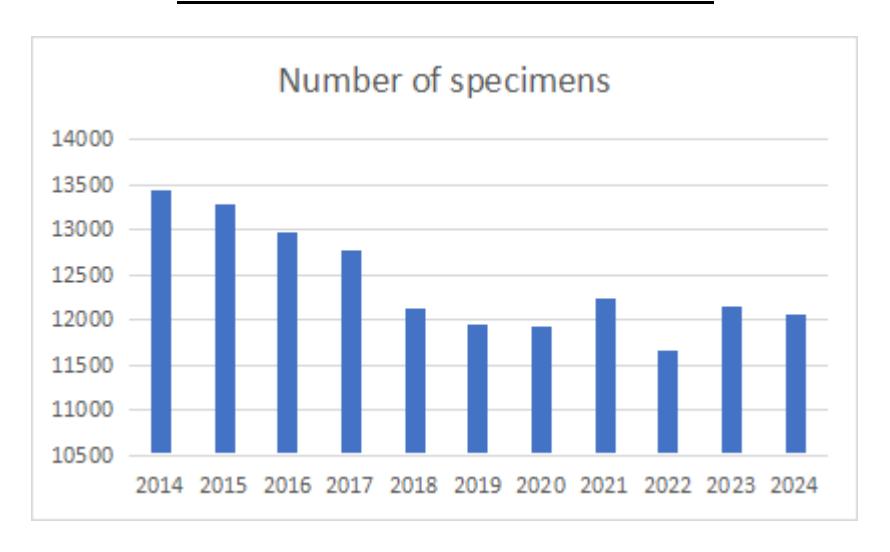
Figure 2. Graph Number of specimens in Bogor Botanic Garden.
4.2 Sustainable Tourism Analysis in Bogor Botanic Garden
The results of the analysis for informants at the Bogor Botanic Garden are in (Table 4) and illustrated in the radar diagram in (Figure 3).
| Dimension | Sustainability Index (%) | Monte Carlo (%) | Difference (%) | Stress Value | Value R2 | Sustainability Status |
|---|---|---|---|---|---|---|
| Ecological/Environ mental | 75,25 | 72,17 | 3,08 | 0,1468 | 0,9379 | Good, highly sustainable |
| Socio-Cultural | 56,40 | 55,03 | 1,37 | 0,1538 | 0,9387 | Fairly, quite sustainable |
| Institutional | 48,69 | 48,25 | 0,44 | 0,1544 | 0,9380 | Less, less sustainable |
Table 4. Bogor Botanic Garden Sustainability Index Category
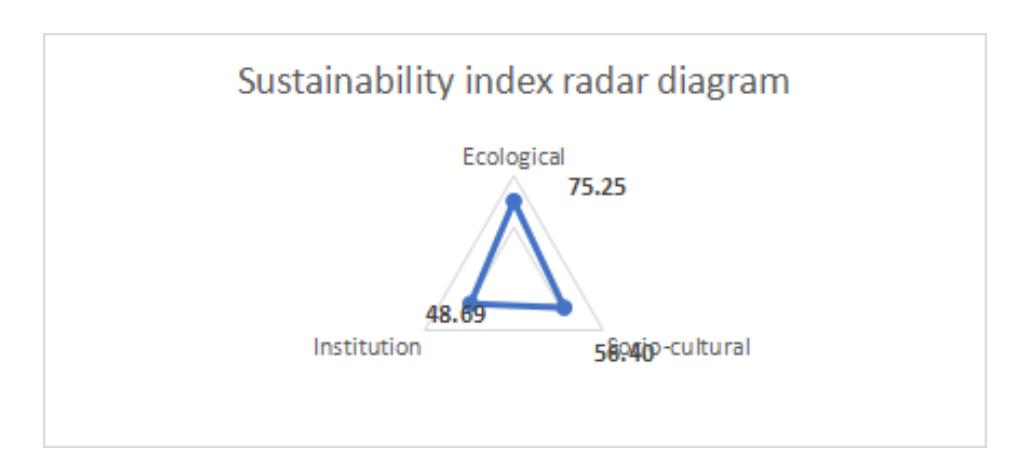
Figure 3. Sustainability Radar Diagram of The Bogor Botanic Garden.
The ecological/environmental dimension has a sustainability index value of 75.25%, which means that the sustainability status for the ecological/environmental dimension in the Bogor Botanic Garden is very sustainable. Then, the socio-cultural dimensionhas a sustainability index value of 56.40%, which means that the sustainability status for the socio-cultural dimension in the Bogor Botanic Garden is entirely sustainable. Furthermore, the institutional dimension has a sustainability index value of 48.69%, which means that the sustainability status for the institutional dimension in the Bogor Botanic Garden is less sustainable.
4.3 Sustainability Status of The Ecological/Environmental Dimension of the Bogor Botanic Garden
Attributes that are estimated to influence the level of sustainability in the ecological/environmental dimension consist of six attributes, namely: (1) Diversity of collections; (2) Number of collections; (3) Maintenance of collections; (4) Collection design; (5) Landscape diversity; (6) Handling pollution and waste.
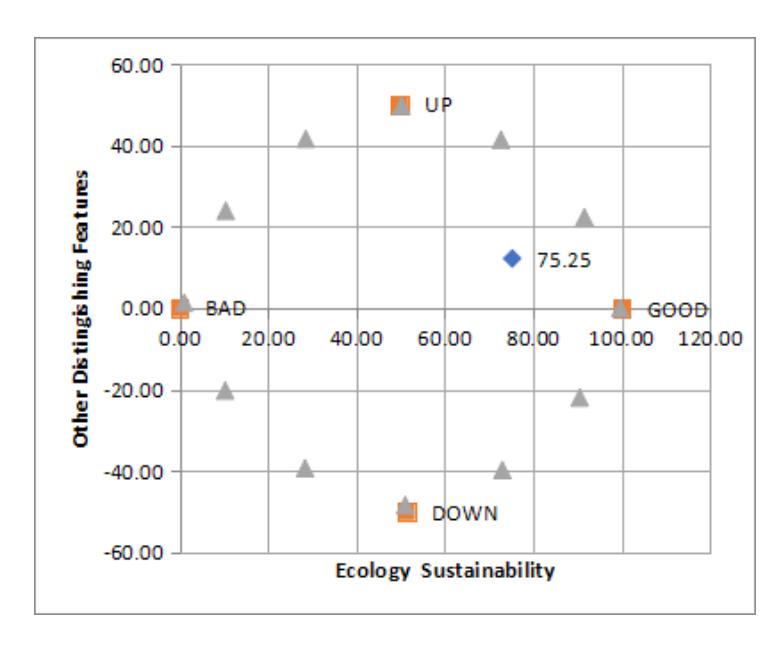
Figure 4. Sustainability status index of the ecological/environmental dimension.
The results of the MDS analysis conducted using the Bogor Botanic Garden's RAP-Sustourism (modification) with key informants showed that the ecological/environmental condition of the Bogor Botanic Garden had a sustainability index value of 75.25%. Based on the classification of sustainability status, this value shows that the ecological condition of the Bogor Botanic Garden, according to key informants, is and very sustainable. The results of the MDS analysis using RAP-Sustourism (modification) in Bogor Botanic Gardens are shown in Fig. 4. Based on the results of the leverage analysis of attributes in the ecological dimension in Fig.5. Three attributes were obtained that were considered sensitive to the sustainability index of the ecological/environmental dimension, namely: collection design (10.78%), landscape diversity (9.43%), and number of collections (6.01%).
The attribute with the largest RMS (Root Mean Square) value is the collection design. The collection design is very influential in terms of ecology/environment. This is because it relates to the various quantities and types of plant collections in the Bogor Botanic Garden. Suppose the plant collection is well arranged and attractive. In that case, it will have added value to the collection to make it more appealing to visitors to get to know more about the types of collections in the Bogor Botanic Garden. The attribute with the second largest RMS value is landscape diversity. The diverse, well grouped and clear landscapes will make it easier for visitors to get to know more clearly the types of collections based on the variety of landscapes arranged as attractively as possible. The attribute with the third largest RMS value is the number of collections. A good and still existing and intact collection will be the primary capital to maintain the sustainability of the Bogor Botanic Garden. The collections in the Bogor Botanic Garden must be maintained so that they do not run out and become extinct. This will also preserve the primary function of the Bogor Botanic Garden, which is plant ex-situ conservation.
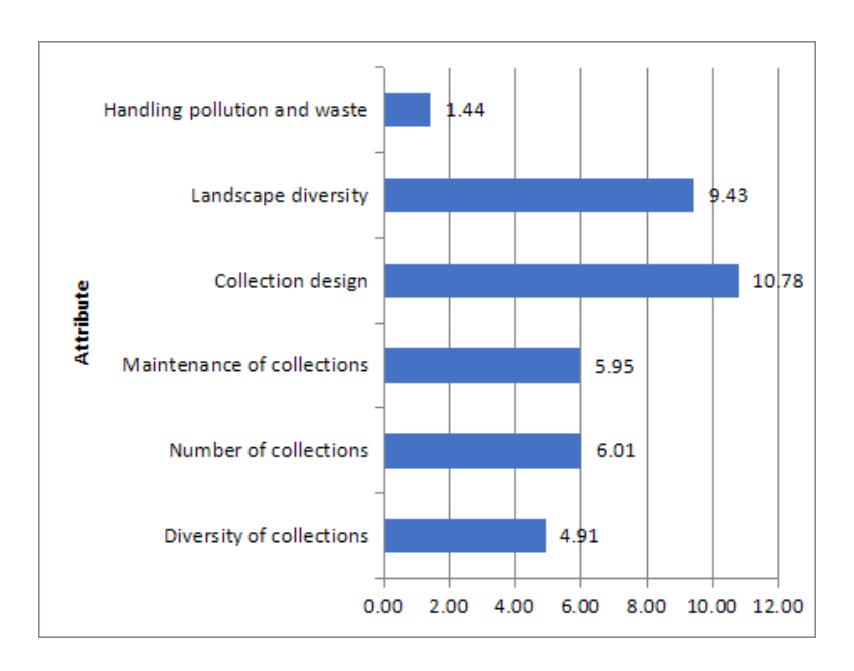
Figure 5. Graph of the analysis of the ecology/environmental dimension.
4.4 Sustainability Status of The Socio-Cultural Dimension of The Bogor Botanic Garden
The estimated attributes that are expected to influence the level of sustainability in the socio-cultural dimension consist of six attributes, namely: (1) Promotion of the concept of conservation and environmental education to visitors; (2) Local participation; (3) The quality of service in the botanic garden; (4) The existence of infrastructure facilities in botanic gardens; (5) Quality of human resources for botanic garden tourism; (6) Quality of human resources of botanic gardens (researchers).
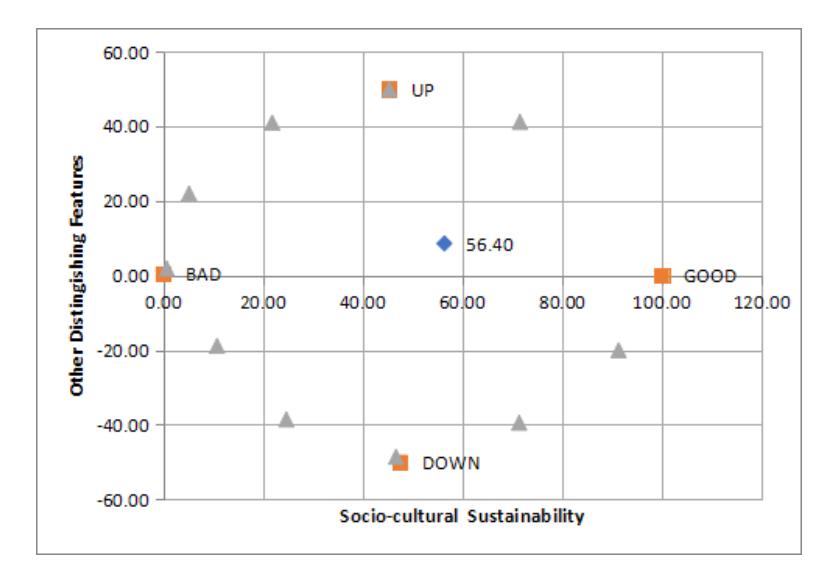
Figure 6. Sustainability status index of the socio-cultural dimension.
The results of the MDS analysis conducted using the Bogor Botanic Garden's RAP-Sustourism (modification) with key informants showed that the socio-cultural condition of the Bogor Botanic Garden had a socio-cultural sustainability index value of 56.40%. Based on the classification of sustainability status, this value shows that the socio-cultural condition of the Bogor Botanic Garden, according to key informants, is sufficient and entirely sustainable. The results of the MDS analysis using the Bogor Botanic Garden's RAP-Sustourism (modification) are shown in Fig.6. Based on the results of the leverage analysis of attributes in the socio-cultural dimension in Fig.7. Three attributes were obtained that were considered sensitive to the sustainability index of the socio-cultural dimension, namely: the existence of botanic garden infrastructure (7.31%), local participation (4.66%), and the quality of service in the botanic garden (4.05%).
The attribute with the most considerable RMS value is botanic garden infrastructure. Botanic garden infrastructure is needed to support plant conservation activities and the comfort of visitors. Suppose the existence of infrastructure facilities that support plant conservation is multiplied. In that case, it will help visitors interact and learn about the plant collections in the botanic garden. The attribute with the second largest RMS value is local participation. Local participation is needed to support community awareness and preserve and maintain the sustainability of botanic gardens. Because this also supports the rules of botanic gardens globally. The attribute with the third largest RMS value is the quality of service in the botanic garden. The quality of service in the botanic garden must be a concern because the botanic garden is open to the public; good and friendly service will increase the comfort of visitors to enjoy the botanic garden more and get to know the plant collection in the botanic garden.
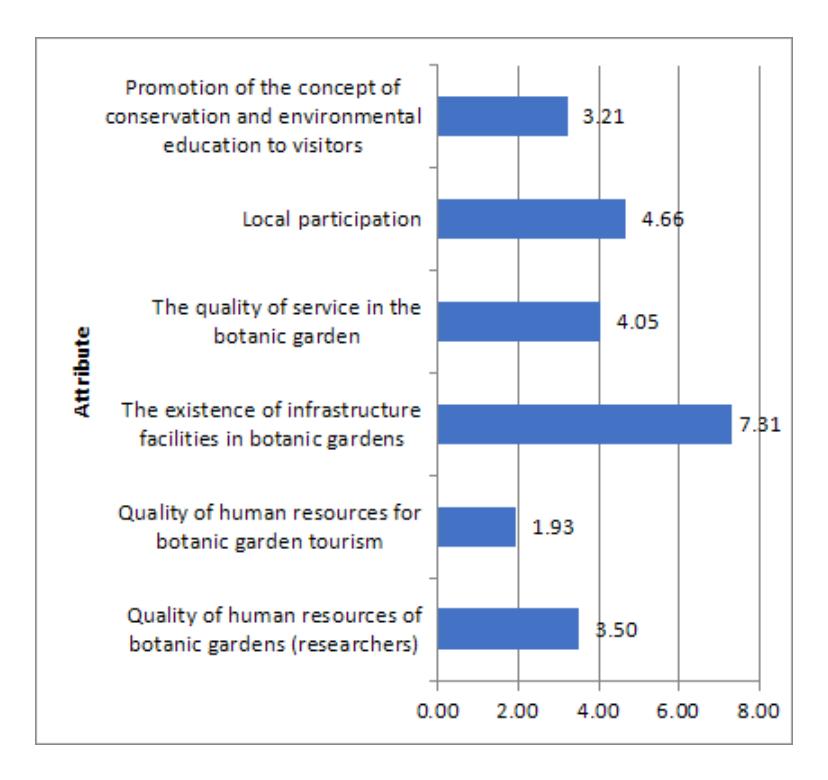
Figure 7. Graph of the analysis of the socio-cultural dimension.
4.5 Sustainability Status of The Institutional Dimension of The Bogor Botanic Garden
Attributes that are expected to influence the level of sustainability in the institutional dimension consist of six attributes, namely: (1) The existence of research and tourism programs based on environment and biodiversity; (2) Sustainable tourism partnerships (coordination between stakeholders); (3) Sustainable tourism staff training development program; (4) Availability of sustainable tourism organizational structure; (5) Availability of sustainable tourism rules; (6) Availability of sustainable tourism human resources (ecological/environment-based).
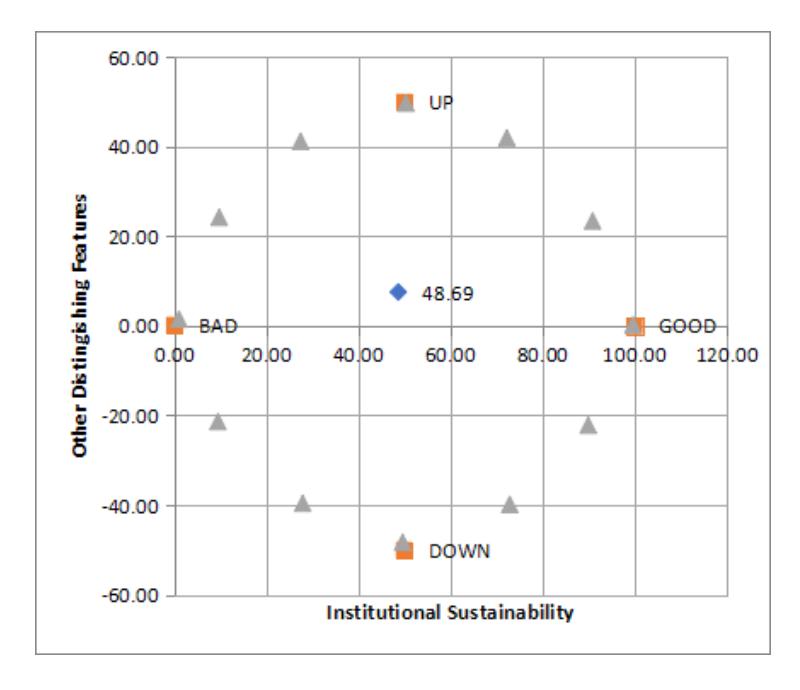
Figure 8. Sustainability status index of the institutional dimension.
The results of the MDS analysis conducted using the Bogor Botanic Garden's RAP-Sustourism (modification) with key informants showed that the institutional condition of the Bogor Botanic Garden had an institutional sustainability index value of 48.69%. Based on the classification of sustainability status, this value shows that the institutional condition of the Bogor Botanic Garden, according to key informants, is lacking and less sustainable. The results of the MDS analysis using RAP-Sustourism (modification) of the Bogor Botanic Garden are shown in Fig.8. Based on the results of the leverage analysis of attributes in the institutional dimension in Fig.9. Three attributes were obtained that were considered sensitive to the sustainability index from the institutional dimension, namely: sustainable tourism staff training development program (6.55%), availability of sustainable tourism rules (5.31%), availability of sustainable tourism human resources (ecology/environmentbased) (1.92%).
The attribute with the largest RMS value is the sustainable tourism staff training development program. The sustainable tourism personnel training program greatly influences the quality of messages, information, or interpretations about plant collections for visitors to the botanic garden. Always presenting and maintaining a sustainable tourism personnel development and training program will be able to support the function of the botanic garden so that it remains sustainable. The attribute with the second largest RMS value is the availability of sustainable tourism rules. The availability of sustainable tourism rules in botanic gardens will maintain the sustainability of proper and correct tourism practices in botanic gardens with the existence of these rules can be a control for all tourism activities that do not support the primary function of botanic gardens as plant ex-situ conservation. The attribute with the third largest RMS value is the availability of sustainable tourism human resources (ecological/environment-based). The availability of sustainable tourism human resources in the botanic garden will maintain the quality of environmentally friendly tourism messages with elements of education and participation. Competent sustainable tourism human resources will understand and convey information on the importance of the role of botanic gardens in maintaining environmental sustainability and preserving plant collections.
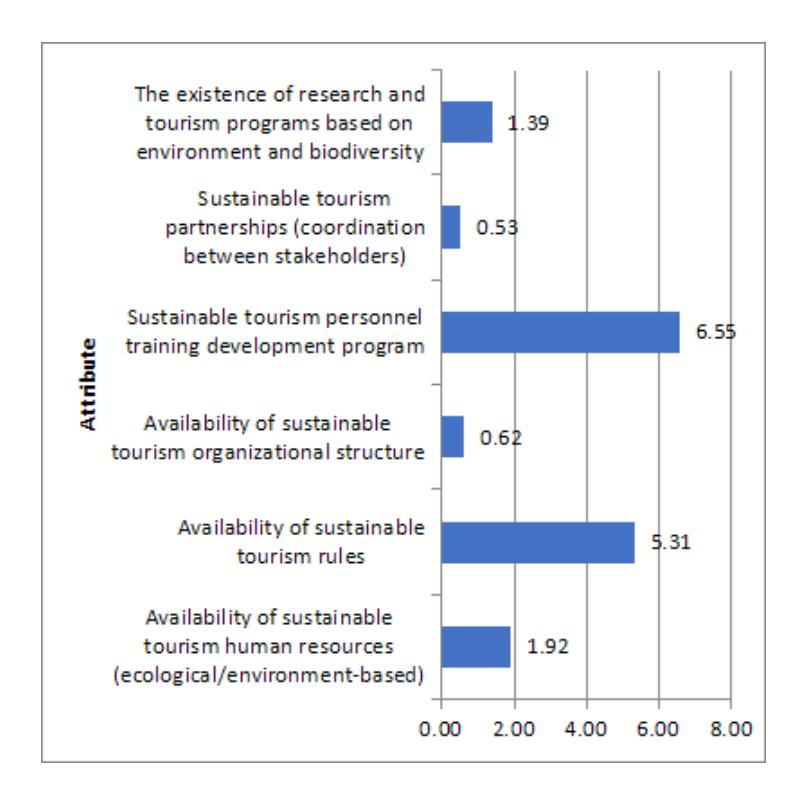
Figure 9. Graph of the analysis of the institutional dimension.
5. Conclusion
Based on the data, if the number of plant collections in the Bogor Botanic Garden continues to decrease, it will affect the sensitive value of the ecological/environmental dimension, namely the collection design. The collection in the Bogor Botanic Garden must continue to be maintained and improved. The availability of human resources who understand collections must be available in the Bogor Botanic Garden. This can preserve the quality of the collection and the sustainability of the ecological and environmental dimensions in the Bogor Botanic Garden. Then, to maintain the sustainability of socio-cultural values in the Bogor Botanic Garden, it must be a concern always to maintain the existing facilities and infrastructure in the Bogor Botanic Garden.
Furthermore, for the institutional dimension, tourism in the botanic garden must be managed by people who understand tourism in general and tourism partners in the botanic garden must understand all the collections in the botanic garden. Therefore, to ensure the sustainability of botanic gardens and tourism in botanic gardens so they remain sound, a program to foster and train sustainable tourism personnel in the Bogor Botanic Garden is needed. Ecological/environmentbased sustainable tourism rules must exist in the Bogor Botanic Garden.
References
Banfi, E., & Visconti, A. (2014). The history of the Botanic Garden of Brera during the Restoration of the Austrian Empire and the early years of the Kingdom of Italy. Natural History Sciences, 1(2).
- BGCI, & Gratzfeld, J. (2016). From Idea to Realisation : BGCI's Manual on Planning, Developing and Managing Botanic Gardens.
- BRIN. (2023). Kebun Raya. Retrieved from Https://Kebunraya.Id/Bogor.
- Buchori, D., Syuaib, F., Kusrini, M. D., Triadiati, Nurisjah, S., Adiwibowo, S., & Cantika, F. (2021). Kajian Ilmiah: Dampak Alan (Artifial Light at Night) Terhadap Kelestarian Kebun Raya Bogor. Lembaga Penelitian dan Pengabdian kepada Masyarakat – IPB University.
- CBD. (1992). Convention on Biological Diversity United Natio1992.
- Chen, G., & Sun, W. (2018). The role of botanical gardens in scientific research, conservation, and citizen science. Plant Diversity, 40(4), 181–188.
- Clement, & Winkler. (1985). Limits for the precision and value of information from dependent sources. Operations Research 33, 427–442.
- Daniel, P., Villy, C., Sylvie, G., Pitcher, T. J., U. Rashid Sumaila, Carl J. Walters, R. Watson, & Dirk Zeller. (2002). Towards sustainability in world fisheries. Retrieved from www.nature.com/nature
- Hengky, S. H., & Kikvidze, Z. (2018). Tourism sustainability in the Bogor Botanical Gardens, Indonesia. Urban Forestry & Urban Greening 30, 8–11. DOI: 10.1016/J.UFUG.2018.01.007
- Hidayat, I. W., & Winarni. (2017). User Satisfaction Assessment To Edu-Eco Tourism Services Of Cibodas Botanical Garden. IOP Conference Series: Earth and Environmental Science.
- Hora. (2004). Probability judgements for continuous quantities: liniar combinations and calibration (Hora, Ed.; Management Science50).
- Hora. (2009). Expert Judgement in Risk Analysis. Non Published Research Reports. Paper 120. Retrieved from Http://Research.Create.Usc.Edu/Nonpublished_reports/120
- Hotimah, O., Wirutomo, P., & Alikodra, H. S. (2015). Conservation of World Heritage Botanical Garden in an Environmentally Friendly City. Procedia Environmental Sciences, 28, 453–463. DOI: 10.1016/j.proenv.2015.07.055.
- Johnson, V. (2012). Identity, Sustainability, and Local Setting at U.S. Botanical Gardens. Organization & Environment Sage Journals, 25(3).
- Lestari, D., & Asih, N. P. S. (2015, March). Management of Eka Karya Bali Botanic Garden's seed bank. Masyarakat Biodiversitas Indonesia.
- LIPI. (2015). Pengelolaan Kebun Raya.
- LIPI. (2017). Perka LIPI No 1 Tahun 2017 Tentang Rencana Pengembangan Kebun Raya Indonesia.
- LIPI. (2019). Perka LIPI No 4 Tahun 2019 Tentang Pembangunan Kebun Raya. Retrieved from www.peraturan.go.id
- Pitcher, T. J., & Preikshot, D. (2001). RAPFISH: a rapid appraisal technique to evaluate the sustainability status of ®sheries.
- Purnomo, D. W. (2015). Peran Kebun Raya Indonesia dalam upaya konservasi tumbuhan dan penurunan emisi karbon. DOI: 10.13057/psnmbi/m010110.
- Sharrock, S. L. (Suzanne L. ), & BGCI. (2012). GSPC : Global Strategy for Plant Conservation : a guide to the GSPC : all the targets, objectives and facts. Botanic Gardens Conservation International.
- Sukara, G. N., Mulyani, Y. A., Sri, E. K., Muntasib, H., Bogor, P., Studi, P., Ekowisata, M., Lingkungan, J., Konservasi, D., Hutan, S., & Ekowisata, D. (2014). Potency of Developing "Birdwatching" Tourism at Plant Conservation Center Bogor Botanic Gardens. In Buletin Kebun Raya (Vol. 17, Issue 1).
- Thomas, H. (2006). Thinking through Botanic Gardens : Vol. 15,2. White Horse Press.
- UNWTO. (2023). UNWTO at FITUR 2023: Investing in a Diverse, Sustainable Future for Tourism.
- Wang, L., Wang, G., Hou, X., Chen, Z., & Lu, K. (2022). Attractiveness index of national marine parks: A study on national marine parks in coastal areas of East China Sea. Open Geosciences, 14(1), 393–403. DOI: 10.1515/geo-2022-0364.
- Widyatmoko, D. (2019). Strategi Dan Inovasi Konservasi Tumbuhan Indonesia Untuk Pemanfaatan Secara Berkelanjutan.
- Widyatmoko, D., & Risna, R. A. (2017). A role of Indonesian botanic gardens in achieving global strategy for plant conservation goals. Annals of the Missouri Botanical Garden, 102(2), 377–385. DOI: 10.3417/D-16-00006A.
- Wyse Jackson, P., & Sutherland, L. A. (2017). Role of Botanic Gardens☆. In Reference Module in Life Sciences. Elsevier. DOI: 10.1016/B978-0-12-809633-8.02046-X.