

1. Introduction
Global travel has recovered strongly from the effects of the Corona pandemic and is returning to pre-pandemic levels (UNWTO, 2023). In addition to these facts, the number of foreign visitors to Japan increased significantly after 2011. Statistics from October 2023 indicate that South Korea, Taiwan, China, and America are the leading consumer countries for travelling to Japan. Furthermore, Malaysia and Indonesia are the leading countries in terms of Muslim tourist arrivals in Japan (JNTO, 2023). The Muslim population will grow more than twice as fast as the overall world population between 2015 and 2060 (Pew Research Center, 2017). In this context, Muslim tourists represent a significant segment of Japan's broader tourism industry.
While Muslim tourists currently account for most overall international tourist arrivals in Japan, halal tourism is essential for satisfying them. Halal tourism is a type of tourism that flows and meets the demands of Muslim tourists, the needs of which belong to the Muslim faith. (Shakona et al., 2015; Aji, 2019). Furthermore, Halal tourism refers to the tourism market that caters to the faith-based needs of Muslim tourists (Mastercard and Crescentrating, 2016). Muslim tourists are advised not to participate in Haram activities, which are prohibited by Islamic law (Shakona et al., 2015). There are many more specific aspects of halal tourism, such as worship facilities, Halalness, general Islamic morality, alcoholic drinks and gambling free, purified water, Ramadan services, banning prostitution and censorship on sex scenes on TV and separating men and women (Battour and Ismail, 2014; Shakona et al., 2015; Henderson, 2016; Wardi et al., 2018; Zaenuri et al., 2020; Putra and Tucunan, 2021). Therefore, implementing halal practices in a non-Muslim destination is extremely difficult. However, non-Muslim destination Japan has adopted the halal tourism strategy due to the country's massive Muslim tourist population (Aji, 2019; Aji et al., 2020).
Japan has its own distinctive culture (Samori et al., 2016; Aji, 2019), which differs slightly from Muslim culture, making it challenging for Japanese companies to penetrate the halal market (Yusof and Shutto, 2014). In addition, Halal tourism seeks to separate alcohol, gambling, and prostitution. However, these activities also have an impact on the city of Japan. Due to these reasons, Japan faces challenges in developing halal tourism to its fullest capacity. In 2019, Japan ranked third among the most popular travel destinations for non-Muslim nations, a rank that was declining and which was ranked sixth in 2023 (Food Diversity, 2023).
To develop halal tourism in Japan, Japan's tourism industries must also know how to concentrate their tourism resources on Muslim tourists. Unfortunately, another challenge to developing halal tourism in non-Muslim destinations is the preservation of indigenous resources. From the perspective of travel motivation, tourist travel is often driven by the need for new experiences (Bello and Etzel, 1985; Kitouna and Kim, 2017; Mitas and Bastiaansen, 2018). Engaging with indigenous culture could generate a feeling of distinctness in tourists (Douglas et al.,2023). Furthermore, the acquisition of knowledge regarding the local culture of a specific location is of the utmost significance to having novel experiences (Sahin and Guzel, 2018). In this regard, if a host destination fully adopts halal tourism without considering its indigenous resources, Muslim tourists will lose the destination's originality. In addition, it is important to note that the presence of non-Muslim tourists should not be overlooked, since they too are actively pursuing leisure activities. One of the challenges faced by non-Muslim destinations, such as Japan, is the need to find a balance between providing for the needs of both Muslim and non-Muslim tourists while also ensuring that this does not lead to any conflicts with their cultural values.
Effective halal attributes are required in promotional tools to foster the growth of halal tourism in non-Muslim destinations (Battour and Ismail, 2016; Han et al., 2019; Said et al., 2020; Aliffia and Komaladewi, 2021; Gunduz et al., 2023). However, the significance of destination authenticity for tourists, as proposed by travel motivation theory, was overlooked in these studies. In addition, some research conducted in the context of Japan investigates the level of satisfaction among Muslim tourists and concludes that halal tourism development requires the provision of specific services for Muslim tourists (Salleh et al., 2019; Srifauzi and Surwandono, 2023). Previous research investigated halal attributes from the demand side perspective of Muslim tourists without taking into consideration the situation of the destination. It is important to mention that the Japanese have little knowledge of the concepts of Islam and halal requirements (Yasuda, 2017). For Japan to effectively attract Muslim tourists as a non-Muslim destination, it needs to offer indigenous resources that fit with local cultural values and halal. Prior research has examined the effective halal attributes from the perspective of demand side-Muslim tourists. Hence, it is important to consider both the supplydestination and demand-Muslim tourists' perspectives when developing halal tourism in non-Muslim countries.
This study aimed to determine how non-Muslim host destinations successfully market Halal tourism by utilising their own indigenous, naturally occurring resources. The study aims to explore and recognize halal attributes in Japan that are advantageous to Muslim tourists.
2. Literature Review
2.1 Halal Tourism
Halal, which means "lawful" or "permitted" in Arabic, is a term used to refer to anything that is permitted by Shariah law (Shakona et al., 2015). The term "Halal tourism" is used to refer to the specific part of tourism that addresses the moral standards and preferences of Muslim tourists. (Mastercard and Crescentrating, 2016). Destination marketers can promote halal tourism by identifying and adapting to the Islamic laws and customs that Muslim tourists prefer (Battour and Ismail, 2014). Halal tourism refers to a form of travel activity that is deemed permissible according to the principles and guidelines of Islamic religions. According to Wardi et al. (2018), the idea of halal tourism pertains to the management operations within the tourism industry that fit with the principles and guidelines of Islamic law. In addition, Halal tourism seeks to make it easier for Muslim tourists to continue their religious practices while travelling (Putra and Tucunan, 2021). In considering these facts, Halal tourism is one of the most important tourism strategies for attracting more Muslim tourists. In addition, Halal tourism is a dynamic and quickly expanding industry composed of hotels, travel agencies, and restaurants that collaborate to provide a seamless experience for Muslim tourists (Gunduz et al., 2023).
The term halal tourism refers to a new tourism strategy that was previously known as Islamic tourism. Halal tourism is derived from Islamic tourism, but it is distinct from Islamic tourism, although the two could have some similarities (Sanchez and Moral, 2019; Aji, 2019). Islamic tourism is defined as religious travel undertaken by Muslims, such as the pilgrimage to Mecca and Medina for Umrah (Sanchez and Moral, 2019; Aji, 2019). Aji (2019) explains that halal tourism does not imply Islamic tourism because religious motivation is not required to travel. Halal tourism is described as leisure or business travel by Muslims to tourist destinations in either Muslim or non-Muslim countries that are not specifically prohibited by Sharia. To adopt halal tourism, the country has its distinct local characteristics; however, the country has not entirely adhered to Islamic Sharia law (Aji, 2019). Islamic tourism appears to have religious travel motivations, while Halal tourism appears to have recreational travel motivations. The behaviour of tourists is influenced by religious factors, particularly in the case of Muslim tourists, whose behaviour is also influenced by their religious beliefs. Hence, it can be observed that both Islamic and Halal tourism have a common characteristic, namely their facilitation of Muslim individuals' ability to keep their faith-based practices while travelling.
Shakona et al. (2015) describe six characteristics of halal tourism, including the prohibition of alcohol, halal cuisine, separation of men and women, a place of worship, women's inability to travel alone, and the prohibition of short, revealing clothing. Therefore, halal tourism carefully adheres to the guidelines. It is believed that if a Muslim tourist does not participate in halal activities, those activities are haram. Those who engage in haram activities disobey Allah and his commands (Shakona et al., 2015). Battour and Ismail (2014) conclude that four factors are required for Muslim tourists: places of worship, halalness, general Islamic morality, and the prohibition of alcohol and gambling. Halalness refers to halal cuisines, halal activities, and the preparation process associated with those activities, such as the halal kitchen. Putra and Tucunan (2021) also identify six basic requirements for Muslims when participating in travel, namely, the need to purify with water, worship facilities, guaranteed halal food, activities that do not conflict with Islamic beliefs, Ramadan services, and leisure facilities with privacy. Halal tourism is a type of tourism that emphasises Islamic values by using halal products and services (Zaenuri et al., 2020). The most important features of halal tourism are halal cuisine and meat from animals slaughtered in an Islamic religious way (Henderson, 2016). Furthermore, Wardi et al. (2018) suggest that halal tourism includes not just cuisine but also halal facilities such as kitchens, cutlery, halal meals, the prohibition of prostitution, and the restriction of sex scenes on television. Not only that, but Halal tourism requires Muslim-friendly accommodations, such as hotel staff clothes, a praying room, halal food, and rooms decorated by Islamic law (Zaenuri et al., 2020). As a result, Muslim tourists focused not just on consumption but also on the process. It is evident that when discussing the features of halal tourism, Muslim tourists have specific demands that are connected to their religious beliefs.
After reviewing Halal tourism above, there is no doubt that it is challenging for non-Muslim countries to adopt Halal tourism for Muslim tourists. Japan, a non-Muslim country, has adopted the halal tourism strategy to be considered welcoming to Muslim tourists (Aji et al., 2020). However, research on halal tourism in non-Muslim countries is limited (Samori et al., 2016). After that, we explored the issues of halal tourism in a non-Muslim country, Japan.
2.2 Halal Tourism in Japan
Japan's initial contact with Islam occurred in 1877 when it was introduced as a part of Western religion. However, during this period, Islam was primarily recognised as a source of knowledge and an aspect of cultural history (Yusof and Shutto, 2014). The rise in the population of Muslim immigrants in Japan has led to a growing demand for halal products and services in several industries (Kodir et al., 2018). Furthermore, as the number of international tourists from Muslim countries visiting Japan has increased, the discussion on halal tourism issues has also increased. In 2022, 119,800 (3.13% of the total) Indonesians and 74,000 (1.93% of the total) Malaysians from the Muslim majority visited Japan; the number of visitors from other Muslim countries also increased (JNTO, 2023). Before the coronavirus pandemic, Malaysian tourists ranked ninth among all tourists to Japan in 2018 (JNTO, 2019). In recent years, the arrivals of Muslim tourists from all over the globe to Japan have increased dramatically. It implies that Muslim tourists must participate in halal activities in Japan, as discussed previously.
As the majority of Muslims in Japan are international students, Japanese universities have adopted halal menus in their restaurants (Yusof and Shutto, 2014). In 2022, international students from Muslim-majority countries are ranked fifth in Indonesia and ninth in Bangladesh (JASSO, 2023). The Japanese government has set a target of 400,000 international students in Japan by 2033 (Nikkei Asia, 2023). It has huge potential for the tourism industry to develop a positive image of halal tourism in Japan through international Muslim students. Furthermore, after graduation, there might be Muslim manpower to educate about the halal tourism business.
The construction of the first mosque in Kobe in 1935 and the second mosque in Tokyo three years later strengthened the establishment of the Muslim community in Japan (Yusof and Shutto, 2014). Currently, most mosques in Japan are in its main cities (JNTO, 2023). On Newsday, a hotel in Japan is beginning to provide prayer equipment such as prayer mats and halal-certified food (JNTO, 2023). This facilitates the accessibility of halal activities for Muslim tourists and Muslim residents. As a way of promoting Halal tourism, the Japanese government has created a travel guide for Muslim tourists, including the "Japan welcome guide for Muslim travellers", "Japan guide for Muslim visitors", and "Halal Gourmet Japan" (JNTO, 2023). That travel guide includes a list of halal restaurants, places of worship, tourist information, and other halal activities.
In Tokyo, there is a Muslim-friendly tourism agency that provides Muslim-related facilities, such as halal restaurants, Islamic sites (Tokyo Mosque), and a tourist bus that allows Muslims to venerate by allocating prayer time (Kodir et al., 2018). Due to the large number of Muslim travellers, the number of prayer rooms at Narita airport has increased, halal food has been prepared, and airport staff have been given halal education (Halal Media Japan, 2013). According to Halal Media Japan (2013), Kansai International Airport is more friendly to Muslims than Narita Airport. In one of the airport's stores, Halal-certified udon (Japanese noodles) is available at Kansai Airport. Airports construct three prayer rooms for men and women separately and place a Qibla sign (directions to Makkah). In addition, Osaka and the Osaka Ibaraki Mosque are nearby airport. The airport in Kansai now provides delicious halal and alcohol-free meals. VIP rooms in Terminal 1 and numerous hotels near the airport offer exclusively halal food (Halal Trip.com). In addition, most main airports, tourist hotspots, and Muslim-friendly hotels increasingly provide prayer areas for Muslims (Japan-guide.com). Currently, Japanese restaurants provide Halal Japanese cuisine for Muslims who wish to experience Japanese cuisine (JNTO, 2023). In its tourism policy, the Japanese government grants Muslim tourists' special consideration by undertaking halal activities to encourage halal tourism (Aji, 2019).
In 2019, Japan ranked third among the most popular travel destinations for Muslims in non-Muslim nations, and in 2023, it ranked sixth (Food Diversity, 2023). In addition, Japan stands behind non-Muslim nations such as Thailand, Singapore, and Europe in the development of Halal tourism (Srifauzi and Surwandono, 2023). From this, the issue arises as to why Japan's ranking for Muslimfriendly destinations has decreased despite the Japanese government's efforts to promote halal tourism. The Japanese government is trying to promote halal tourism for Muslim tourists because Japan is an attractive destination for tourists from Muslim-majority countries such as Malaysia and Indonesia. However, this market in Japan is still developing slowly due to significant challenges in developing halal tourism in non-Muslim countries.
Japan has a rich culture as well as a rich history (Samori et al., 2016; Aji, 2019). Japan has always been a popular travel destination due to its distinct culture, breathtaking landscapes, and incredible urban landscapes (Yusof and Shutto, 2014). It would be difficult for Japanese companies to enter the halal market because Japanese culture is primarily associated with non-halal ingredients such as alcohol and pork (Yusof and Shuto, 2014). In comparison to large cities, restaurants and hotels in small towns must learn what Halal is and how to provide it because Japan has its own unique culture and natural beauty (Samori et al., 2016). Furthermore, Muslim tourists prefer to avoid activities such as drinking, gambling, and prostitution (Battour and Ismail, 2014). Unfortunately, big cities in Japan engage in the same activities.
In comparison to other religions such as Buddhism and Christianity, Japan and Islam are not closely related (Yusof and Shutto, 2014; Yasuda, 2017). As a result, the Japanese may regard halal as part of Islamic standards, making it difficult to conduct halal tourism. It is difficult to persuade Japanese people due to a lack of curiosity about religions and a lack of understanding of why Halal tourism is vital for Muslim tourists (Srifauzi and Surwandono, 2023). It is necessary to understand and appreciate various cultures and areas. In practice, the non-Muslim country's offer of products and services under Islamic laws within the tourism industry raises concerns about non-Muslim tourist satisfaction levels as well as potential conflicts originating from cultural differences. While Muslim countries offering tourism experiences matched with Islamic principles may be considered acceptable by all tourists due to their association with the host destination's culture and giving of a genuine experience, non-Muslim countries confront specific challenges when it comes to halal tourism. These challenges include the lack of knowledge and abilities among local service providers, insufficient local services, and a lack of suitable halal food (Gunduz et al., 2023). Additionally, there are various challenges faced on the supply side when implementing a halal tourism strategy in non-Muslim countries.
Furthermore, Japan is still limited in providing information in English, and a lack of instruction in English makes it difficult for Muslim tourists to determine whether the food is halal (Samori et al., 2016; Kodir et al., 2018). In non-Muslim countries, inadequacy in offering halal products and failure to properly create, prepare, operate, handle, and deliver halal services occurs often in potential destinations due to a lack of knowledge and a shortage of Muslim manpower, which can lead to a loss of destination confidence (Ansi and Han, 2019).
Due to all the above, only a small portion of halal tourism operates in Japan. However, halal tourism can provide economic benefits for the tourism industry as well as a means of empowering the people's economy (Rasul, 2019; Budiman et al., 2022; Gunduz, 2023). Halal tourism is a developing market and thus a significant opportunity for the tourism industry, especially in non-Muslim countries (Biancone et al., 2019). By addressing the successful implementation of halal tourism in Japan, the tourism industry can tap into an expanding and profitable market. Much academic research has addressed halal tourism in Muslim nations, but there has been a lack of study on halal tourism in the context of non-Muslim country issues. Numerous academic studies have expressed concern about halal tourism in non-Muslim destinations and have recommended incorporating specific halal attributes to meet the demands of Muslim toutist. (Battour and Ismail, 2016; Han et al., 2019; Salleh et al., 2019; Said et al., 2020; Aliffia and Komaladewi, 2021; Gunduz et al., 2023; Srifauzi and Surwandono, 2023). However, previous research missed the concerns regarding the authenticity of host countries during the development of halal tourism.
It would be challenging to offer halal services solely for Muslim tourists. When non-Muslim countries integrate specific Halal attributes into tourism services, both Muslim and non-Muslim tourists can experience them. Non-Muslim tourists seeking an authentic destination experience might be dissatisfied at that time. There is a possibility of encountering conflict with non-Muslim tourists. If travel industries acknowledge the halal attributes that exist in destination characteristics or wellmanaged naturally occurring halal resources, instead. Both Muslim and non-Muslim tourists can appreciate and maintain a destination's authenticity. Thus, the development of halal tourism in non-Muslim countries requires a study of halal attributes from both supply and demand perspectives.
This study aimed to investigate and identify halal attributes inherent to Japan that influence halal tourism satisfaction. The study's findings were intended to provide knowledge and ideas for the halal tourism industry to use in promotional efforts to increase Muslim tourists.
3. Methodology
Qualitative and quantitative research methods were used in this study. First, using a qualitative research method, determine the halal attributes of Japan. Data was gathered through in-depth interviews with Muslim residents in Japan. Tourists are in Japan for a short period; thus, they lack knowledge of Japanese culture as well as awareness of halal resources. This study expects Muslim people who have lived in Japan to know a little more about Japanese culture and to recognise whether aspects of Japanese culture are appropriate for Muslims. For example, some Muslim students in Japan complained about the transparency of halal certification, particularly in food (Kodir et al., 2018). This study identifies halal attributes from both the demand side (Muslim tourists) and the supply side (destination residents). Additionally, if data on halal attributes at a destination was collected from Japanese residents who have limited knowledge about halal, they may not be able to identify the halal attributes. This is why data was gathered from Muslim residents in Japan to find Halal attributes.
Muslims who have lived in Japan for at least a year were invited to participate in this study. A total of 18 individuals were interviewed about their experiences living in Japan. The individuals who participated in the interviews represent distinct nations, including Indonesia, Bangladesh, Malaysia, Egypt, Pakistan, and India. This interview is based on the features of halal tourism identified in the previous research (Battour and Ismail, 2014; Shakona et al., 2015; Zaenuri et al., 2020; Putra and
Tucunan, 2021). Muslim residents in Japan responded to an essential question: Which activities are Muslim-friendly in Japan? In your daily life, which activities do you avoid seeing or using? How do you avoid recognising things in Japan? Interviewees freely expressed their living experiences, challenges, suggestions, and opinions on how to further enhance halal tourism in Japan. The average interview time was 21 minutes, and three languages were used to discuss which was favourable to the interviewee (Japanese, English, and Hindi).
Notes were taken during interviews and audio recordings were made with the full permission of participants. Those who dislike the sound of a recording should write the contents. The interviewees were granted permission for the utilization of their stories in the research. Highlight the overall halalfriendly attributes after the content notes, and then the underlying distinctive dimensions of halalfriendly attributes. A comprehensive review of prior research to gain a thorough understanding of the halal attributes and the behaviour of Muslim tourists, to identify potential halal attributes (Battour and Ismail, 2014; Shakona et al., 2015; Han et al., 2019; Zaenuri et al., 2020; Putra and Tucunan, 2021). Then, a comparison revealed aspects of Muslim-friendly attributes with Muslim tourist behaviour that were previously identified through prior research. Initially, 25 distinct attributes were identified. Based on previous research guidelines (Maxwell and Miller, 2008), the identified attributes were divided into four major dimensions. Some attributes were classified based on the context of halal tourism research in a non-Muslim country (Han et al., 2019). After categorizing, create a questionnaire for a pretest to ensure proper classification. Three Muslim residents were judged based on four major dimensions, and the pretest questionnaire was clear. A pretest was carried out on 225 Muslim tourists to verify the 25 identified attributes. To guarantee a sufficient measurement of the construct, a pretest of the questionnaire was carried out using a convenient sample of Muslim tourists, covering popular tourist destinations in Japan such as Tokyo, Osaka, Kobe, and Himeji.
After verifying the well-structured categorization of halal attributes, analyze the impact of these attributes on halal tourism satisfaction using a quantitative approach. Develop a scale item to measure the effectiveness of halal attributes using verified halal attributes. Then four items were chosen to measure satisfaction based on previous research (Bigne et al., 2001; Chen and Tsai, 2007; Banki et al., 2014). Finally, data was collected at the "Tokyo Cammi" in Tokyo, a popular tourist destination for Muslim tourists, using the convenience sampling approach to test the hypothesis.
The cover of the questionnaire contained a scanning question designed to find out the Muslim identity of the tourist. A Muslim tourist was extended an invitation to continue with the completion of the questionnaire. On a 7-point scale, respondents were asked to rate their level of agreement with each item in each area (1=strongly disagree and 7=strongly agree). All the quantitative data analyses were made in Rstudio with Lavaan.
4. Results
4.1 Qualitative Procedures
4.1.1 Interview Result
Ski In-depth interview about halal attributes in Japan. The main issues that arose from the interviews addressed the social environment. One Muslim resident is provided in this regard:
"…I don't think it is hard for Muslims to live in Japan. Japan has its own culture, and it's grea that this culture gives high value to the discipline. If I feel secure and safe, we can do all that we want to do for Allah. So, it's quite simple" (E, Indonesian Female).
"…I live in a rural part of Hyogo where there are no casinos or bars, which makes me hesitant. People are friendly and help me, and there is peace" (P, Bangladesh Female).
Most interviewees (n= 15) feel that Japan is a highly safe country with less racism, which gives Muslims confidence to engage in other halal activities. Other participants provide the following information on Muslim confidence:
"…Many Muslims live here to work and study, and many tourists from Muslim countries come to visit. It made me feel like I could live here" (D, Egypt Male).
The growing number of Muslim employees at Japanese companies (i.e., convenience stores) gives them the confidence to stay here. Many female interviewees feel that there are distinct areas for men and women, which creates a women-friendly environment, such as trains, swimming pools, Onsen (baths with hot water), and restrooms, as well as some cosmetic shops designated for specific women. They stated that a clean atmosphere and sufficient water everywhere (i.e., restrooms) play a crucial role in developing a Muslim-friendly environment because dry restrooms are not good for Muslims. Another issue that came up frequently during the discussion was Halal food and beverage service. They stated that finding halal food is essential for Muslims.
"…In my opinion, some products don't need to be certified as halal by a third party, there are a lot of readyto-eat things for Muslims, like different kinds of fresh fruit and vegetables, freshwater, and rice. All these things are easy to find in Japan. Which is fine with me" (B, Malaysian Male).
Particularly when Muslims are unclear about whether to use packaged food items containing a variety of ingredients because they come in a variety of flavours. So, it was crucial to identify halal. One respondent in this case gave the following information:
"…Halal food is important to me in general. In my case, I can easily check the food because I can read khanji (Japanese letters), and the ingredients are written on the package very clearly. Also, I recently saw a halal desk in a general supermarket; there were a lot of halal-certified things." He also said, "There are many halal grocery stores and restaurants in cities, so if I need to, I will move there" (F, Bangladesh Male)."
Another key feature of halal meat is that it is commonly used on chicken as meat. Using fresh chicken is one technique for getting halal. Although not all Muslim participants accept that viewpoint, regarding worship, clean water is also an important halal beverage; therefore, fresh food and clean water are crucial for Muslims. Supportive infra and service for Muslims are further significant halal attributes. In the instance of the infra and service respondent mentioned below:
"…I know there aren't any halal shops or restaurants near me, but Japan has a lot of train lines, so I can move quickly in big cities and buy a lot of groceries" (R, Bangladesh Male).
Another participant provides the following:
- "…My part-time job ends in the evening at Himeji, and every Friday I go to Kobe Mosque. I move there when I'm done with my job, and after I pray, I come back the same day. It's possible because Japan has the fastest train service" (J, Indonesian Male).
- "…The Japanese are very helpful, but they can't speak English well enough to help me. They translate for us using a smartphone. So, it's easy to check with the store's staff to make sure the food is halal" (H, Bangladesh Female).
According to interviewees, a helpful and polite Japanese attitude also assists Muslims in finding halal activities. Muslim women who are hesitant to converse with men can use self-service in Japan, which is widely available (for example, hotel check-in/check-out, buffet, and digital pay). Participants in the interviews stated that if they are unable to engage in halal activities, they can browse the internet. Furthermore, online ordering and takeout services are extensively used in Japan; if nearby Muslims cannot obtain halal products, they can use those services. As a result, while supportive infra and services do not have a direct connection to Muslims, they are immensely useful to Muslims in their spiritual activities.
Another key feature is that it is specifically related to Muslims. Which was developed with Muslims in mind. Many Japanese individuals do not practice religion, and there are no hostile religions, so they are not persecuted for their beliefs. However, some facilities are provided for specific Muslims. Participants provide the following information:
- "…It can be hard for Muslims to find a place to pray in Japan, but there are a lot of prayers spaces in major cities and tourist spots" (A, Pakistan Female).
- "…If I want to eat food that has been certified as halal, I know that Japan has its own private body that certifies halal restaurants and products. This will create confidence for me. I think it's a very important step for me" (G, India Male).
Participants advise the Japanese hotel to provide prayer mats, halal meals, and a compass if we request it. There are very few mosques in Japan; however, many large cities and areas surrounding Muslim communities exist. Some participants claim that Japan is not difficult but only mildly inconvenient for Muslims. If Muslims require assistance in finding halal activities, they should use Muslim-friendly websites, Halal Gourmet Japan, or other Muslim-friendly apps developed to find halal in Japan.
According to the opinions of interview participants, Muslim people face some challenges in Japan but have several opportunities to engage in religious activities. Based on the interview results, 25 halal attributes of Japan have been identified. This was divided into four clusters: social environment, halal food and beverage service, supportive infra and services, specific facilities, and amenities. Those attributes were the opinions of Muslims who already living in Japan. This study examines the attributes that impact the satisfaction of halal tourism from the perspective of Muslim tourists.
4.2 Quantitative Procedures
4.2.1 The Realtionship Between Halal Atributes and Halal Tourism Satisfaction
Satisfaction is determined by whether the perceived service surpasses the customer's expectations (Oliver, 1997). Satisfaction is a cognitive or emotional response that occurs in reaction to a single or repeated series of service interactions (Hu et al., 2009). Providing services to tourists aims to satisfy them as satisfaction produces loyalty (Zeithaml et al., 1996; Oliver, 1997). Tourist satisfaction precedes destination loyalty in the tourism context (Chen and Tsai, 2007). Nevertheless, it is crucial to consider the attributes satisfaction and overall satisfaction. Attribute satisfaction refers to satisfaction with specific attractions, while overall satisfaction is holistic satisfaction with all attractions (Chi and Qu, 2008). This study focuses on analyzing every aspect of halal attributes in non-Muslim nations, rather than specific attributes. Because Muslim tourists participate in halal activities during their travels. Hence, a combination of attributes is required for halal tourism. This study examines overall satisfaction with halal tourism.
Many academic researchers have addressed Muslim tourists who engage in travel activities that are allowed under Islamic law (Battour and Ismail, 2014; Shakona et al., 2015; crescentrating, 2016; Putra and Tucunan, 2021). According to a previous study, halal tourism is one of the tourism strategies in the tourist business that has a direct connection to Muslim-friendly attributes. Halal tourism is the combination of tourism services with halal attributes that assist Muslim tourists when travelling (Gunduz, 2023). According to the definition of halal tourism, which was briefly discussed above, halal tourism is designed for Muslim tourist satisfaction. Wardi et al. (2018) also hypothesised and concluded that halal tourism attributes had a significant association with satisfaction.
Many academic studies have shown that Muslim tourists prefer to engage in halal activities in Muslim and non-Muslim countries. It is apparent that, without a doubt, halal attributes have a substantial association with halal tourism satisfaction. However, the primary goal of this study is to find halal attributes in Japan that are desired by Muslim tourists. As a result, the hypothesis was developed to demonstrate that the identified halal attributes are appropriate for use in halal tourism. This study hypothesised that the Halal attributes of Japan have a significant impact on halal tourism satisfaction. Figure 1 shows the conceptual research model of the study based on the theoretical basis.
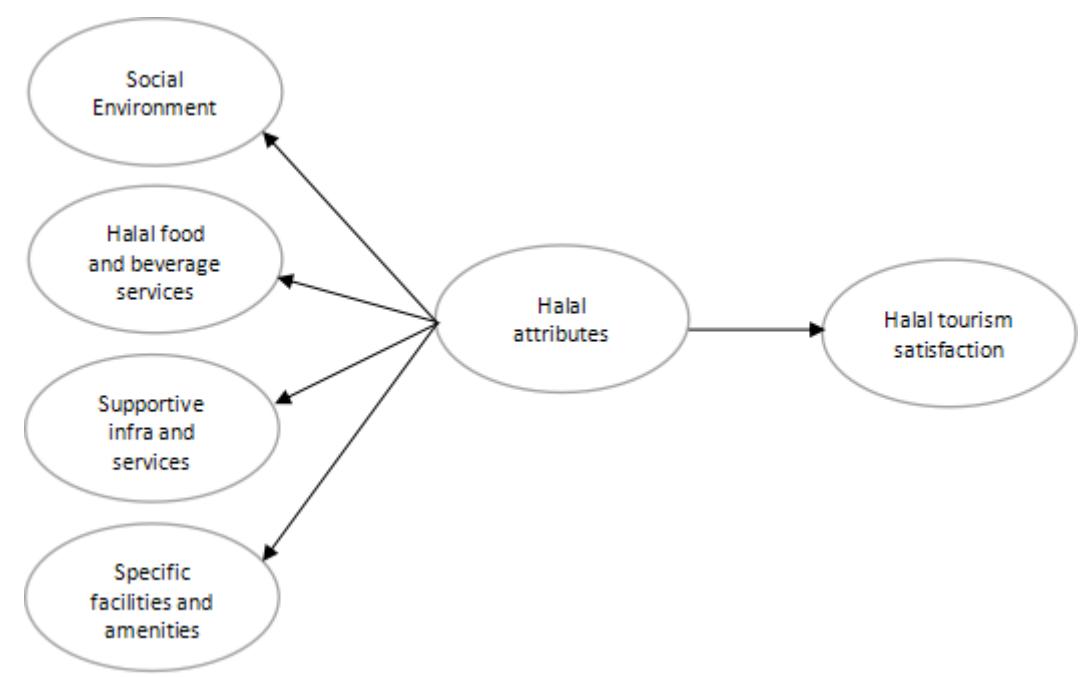
Figure 1. The Conceptual Model of The Study
4.2.2 Reliability
A questionnaire was given to three Muslim residents who had previously completed interviews to verify the validity of the survey and ensure that its contents were understandable. After a few word changes to the questionnaire, a pretest was conducted to test the internal consistency of the questionnaire items. A pretest was conducted on 225 Muslim tourists in different cities in Japan Tokyo, Osaka, Kobe, and Himeji. A principal component analysis technique with varimax rotation was used to perform an EFA to identify subdimensions in the construct. The minimal factor loading conditions were chosen at 0.50 (Hair et al., 2006). Out of all 25 developed items, two items (En4: Free of haram, and SFA5: Offer halal information) loaded onto a factor smaller than 0.5 was eliminated. After eliminating two items, 23 remained for further analysis. Then, using the same
technique, factor analysis was performed, and the value of Kaiser-Meyer-Olkin (KMO) was .93. The Bartlett's test of sphericity is p<0.001(3.901e-12), which proved to be significant (Hair et al., 2010). Also, every factor conducted a reliability analysis (Cronbach's alpha), giving strong values of 0.93 for supportive infrastructure and services, 0.88 for the social environment, 0.94 for Halal food and beverage services, 0.90 for specific facilities and amenities. The halal satisfaction item construct is developed based on previous research. However, this study also examines the internal consistency to ensure that the items in the construct are appropriately matched. Cronbach's alpha was used to assess halal tourism satisfaction, obtaining a value of 0.95. According to Peterson (1994), a Cronbach's alpha score of 0.6 is appropriate. The final measurement model was created based on the pretest results.
Table 1. Exploratory Factor Analysis of Halal Tourism
| Items | Factor loading | |||
|---|---|---|---|---|
| Women friendly infrastructure | 0.27 | 0.60 | 0.24 | 0.27 |
| Women friendly behavior. | 0.29 | 0.78 | 0.16 | 0.12 |
| Free to do faithful activities. | 0.22 | 0.76 | 0.13 | 0.13 |
| Free of haram | 0.04 | 0.33 | 0.13 | 0.18 |
| Safe | 0.14 | 0.74 | 0.09 | 0.10 |
| Helpful Muslim staff | 0.10 | 0.52 | 0.25 | 0.15 |
| Water availability | 0.22 | 0.65 | 0.24 | 0.15 |
| Clean environment | 0.20 | 0.70 | 0.19 | 0.10 |
| General infrastructure | 0.67 | 0.21 | 0.14 | 0.09 |
| Network accessibility | 0.83 | 0.17 | 0.16 | 0.19 |
| Helpful people | 0.83 | 0.23 | 0.16 | 0.16 |
| Self-Service (e.g., online reservation, hotel check-in/check-out, Buffet, digital pay, vending machine). | 0.78 | 0.21 | 0.24 | 0.12 |
| Food-packaging services | 0.73 | 0.24 | 0.24 | 0.29 |
| Food labels and ingredient lists | 0.70 | 0.24 | 0.26 | 0.25 |
| Fresh and naturally halal things (e.g., fruits, snacks, and drinks). | 0.21 | 0.33 | 0.74 | 0.24 |
| Authentic Japanese food with halal | 0.15 | 0.26 | 0.74 | 0.26 |
| Halal restaurants | 0.29 | 0.27 | 0.75 | 0.27 |
| Halal grocery shops | 0.32 | 0.29 | 0.77 | 0.29 |
| Regular grocery things with halal logo | 0.20 | 0.13 | 0.71 | 0.33 |
| Clean water | 0.33 | 0.34 | 0.54 | 0.27 |
| Prayer room | 0.23 | 0.25 | 0.35 | 0.70 |
| Mosques | 0.17 | 0.19 | 0.22 | 0.71 |
| Halal amenities (e.g., prayer mats, compasses) | 0.25 | 0.21 | 0.20 | 0.80 |
| Muslim-friendly app and website | 0.29 | 0.16 | 0.25 | 0.72 |
| Offer halal information | 0.08 | 0.10 | 0.19 | 0.43 |
4.2.3 Sampling Plan for The Measurement Model
The target respondents included all Muslim tourists who visited Japan; Tokyo is the capital city with the highest number of tourist arrivals and the most representative city for the sampling. The "Tokyo Cammi and Diyanet Turkish Culture Center" is the most popular tourist destination for Muslim visitors in Tokyo, near Shibuya city. A total of 259 Muslim tourists were invited to participate in the survey, which was conducted using the convenience sampling approach. There were 253 valid individuals in the sample and males (142) exceeded females (111). Table 2 summarizes the respondent profile.
Respondents Profile Variables Frequencies Gender Male 142 Female 111 Age 18-24 34 25-34 74 35-44 71 45-54 51 55-64 15 65+ 8 Marital Status Married 156 Unmarried 70 Divorced 3 Other 24 Occupation Student 37 Officer 72 Business owner 32 Other 112
Table 2. The Respondents Profile
4.2.4 Result
This study uses a quantitative technique to evaluate the effectiveness of Halal attributes in Japan, which were determined through qualitative processes. The use of quantitative methods produced the following results:
Confirmatory Factor Analysis (CFA) approach
To assess the validity of the measurement model, a Confirmatory Factor Analysis (CFA) was performed. Based on the four dimensions, a measurement model was constructed, and the correlations were established. A good fit is indicated by the normed chi-square, x2/df: 582.554/224=2.60 (below 3) (Hair et al., 2005). The other indicators of goodness of fit are, CFI=0.91, TLI=0.90, RMSEA=0.08, SRMR=0.06, which model was supported (Anderson and Gerbing, 1992; Tucker and Lewis, 1973; Browne and Cudeck, 1993; Doll et al., 1994). Furthermore, the average variance extracted (AVE) and construct reliability (CR) were used to test the scale's validity and reliability (Hair et al., 1998). All four factors exceeded the threshold values of (≥5) and (≥7) for both the AVE and CR respectively (Fornel and Larker, 1981).
Table 3. Summary of The Confirmatory Factor Analysis of Halal Attributes
| Items | Loading | AVE | CR |
|---|---|---|---|
| Supportive infra and Service | 0.662 | 0.921 | |
| SIS1 | 0.720 | ||
| SIS2 | 0.812 | ||
| SIS3 | 0.792 | ||
| SIS4 | 0.870 | ||
| SIS5 | 0.838 | ||
| SIS6 | 0.842 | ||
| Social Environment | 0.511 | 0.879 | |
| EN1 | 0.730 | ||
| EN2 | 0.792 | ||
| EN3 | 0.755 | ||
| EN5 | 0.691 | ||
| EN6 | 0.566 | ||
| EN7 | 0.749 | ||
| EN8 | 0.700 | ||
| Halal food and beverage services | 0.640 | 0.914 | |
| FBS1 | 0.841 | ||
| FBS2 | 0.805 | ||
| FBS3 | 0.846 | ||
| FBS4 | 0.893 | ||
| FBS5 | 0.729 | ||
| FBS6 | 0.663 | ||
| Specific Facilities and Amenities | 0.634 | 0.873 | |
| SFA1 | 0.766 | ||
| SFA2 | 0.750 | ||
| SFA3 | 0.923 | ||
| SFA4 | 0.731 |
Also, the discriminant validity of the constructs was assessed, and it was found that the square root of the Average Variance Extracted (AVE) is greater than the correlation values with other constructs, as shown in Table 4 (Fornell and Larcker, 1981). Finally, these CFA findings confirmed the validity and reliability of the identified constructs. In conclusion, the identified construct's reliability and validity have been confirmed by these CFA results. As a result, entire content validity is assumed, and further structural modelling procedures were carried out to test causality in the proposed model (fig.1).
| Constructs | 1 | 2 | 3 | 4 |
|---|---|---|---|---|
| 1. Supportive infra and services | 0.814 | |||
| 2. Social Environment | 0.598 | 0.715 | ||
| 3. Halal food and beverage services | 0.667 | 0.579 | 0.800 | |
| 4. Specific facilities and amenities | 0.548 | 0.494 | 0.684 | 0.796 |
Table 4. The Square Root of Ave is Used for Italic Diagonal Elements
Note: The square root of AVE is used for italic diagonal elements.
Verification of theoretical model through Structural Equation Modeling (SEM)
Structural equation modelling was used to assess the relationship between halal attributes and halal satisfaction after verifying content validity. The structural equation modelling for the causal model also demonstrated a good model fit. (i.e., χ2=730.651, df =319, χ2/df=2.290, CFI=.917, TLI=.908, RMSEA=0.071, SRMR=0.064). The suggested path in the model achieved a significant result (path coefficient =.809, z-value=4.640, p=.000). This indicated that the impact of halal attributes on halal tourism satisfaction was promising (Fig.2).
Figure 2. The Impact of Halal Attributes on Halal Tourism Satisfaction Source: Author's
5. Discussion
Non-Muslim countries such as Thailand, Singapore, and Europe have surpassed Japan in providing Muslim-specific facilities (Srifauzi and Surwandono, 2023). Japan's entry into the halal market would be difficult due to cultural differences with the Islam religion (Yusof and Shutto, 2014), a lack of halal knowledge (Ansi and Han, 2019; Gunduz et al., 2023; Srifauzi and Surwandono, 2023), and a lack of English language instruction (Samori et al., 2016; Kodir et al., 2018).
In practice, if the tourism industry primarily delivers halal tourist services, given that such services are not limited to Muslim tourists, non-Muslim tourists may be dissatisfied. Furthermore, if the tourism sector shifts to halal formality away from Japanese indigenous resources, tourists would lose the novelty experience. However, it is essential to use halal attributes for Muslim tourists because they require halal and follow strictly religious practices (Shakona et al., 2015). As a result of the availability of partial halal attributes and the indigenous culture of the destination, non-Muslim destinations succeed in marketing to Muslim tourists. The goal of this study is to explore attributes that assist Muslims in engaging in halal activities that are naturally hidden in Japanese society.
From the start, this study used a qualitative technique to identify essential halal attributes of Japan by interviewing Muslim residents who had lived in Japan for at least one year. Initially, 25 Halal attributes were identified and classified into four clusters: social environment, halal food and beverage, supportive infra and services, and specific facilities and amenities. After the identification of halal attributes, a pre-test was carried out to ensure that the construct was properly validated. Then, a quantitative technique was used to confirm that the identified halal attributes were effective for Muslim tourists. After the quantitative procedure analysis, 23 halal attributes remained (Table 1). To use the remaining attributes, conduct a final survey to confirm its suitability for halal tourism. The reliability and validity of these attributes were examined using a quantitative approach. Then it was finally demonstrated that the identified halal attributes of Japan have a positive impact on halal tourism satisfaction.
Supportive infra and services are very important features for Japan to grow halal tourism, even though it occurs naturally in Japan. Japan is a highly developed country with extensive infrastructure. This allows Muslim tourists easy access to halal activities while avoiding conflict with their cultural values. For example, the fastest shinkansen can be used to get to a mosque in time for prayer, even if the tourist is visiting an inconvenient location. Another example is Japan, which is particularly concerned about food safety and provides clear product labels and ingredient descriptions. As a result, Muslim tourists may simply check for pork or alcohol on the internet. Next, essential features include halal food and beverages, which naturally evolved in Japan. For example, easily accessible natural halal items (such as fruits and clean water) do not require the use of a halal logo. As the number of halal consumers grows, so does the number of halal restaurants and halal grocery stores. Furthermore, many authentic Japanese foods are available in halal, i.e., halal Kobe beef and halal sushi. In Japan, the social environment is also very important. Almost all Muslim residents think that Japan is very safe and that they may freely practice their faith. There is no racism, and the environment is beneficial to Muslims. Many Muslim residents think that the environment is friendly to women (e.g., separate transportation, and prayer rooms). According to Shakona et al. (2015), the separation of men and women is essential for halal tourism. And those attributes are not in conflict with any other cultural value. Next, attributes were directly associated with Muslims, which were specific facilities and amenities. Another way is that services were made for Muslims (i.e., the hotel gives prayer mats and compasses for confirming qibla directions), and services provide specific requests from Muslim tourists. There are also many prayer rooms and mosques found at tourist destinations. In addition, the government provides Muslim-friendly applications and websites to assist Muslims. If Muslim tourists require halal support, they can easily access those services.
Muslim tourists will still be satisfied even though they are free to practice their religion and indigenous people gently remind them of difficult situations (such as by providing helpful locals and a safe, clean environment). According to Food Insights, the finding of this study's halal logo is not compulsory if we supply fresh and naturally halal items with ingredient specifications. Furthermore, several Muslimspecific facilities assist individuals in need. In this way, Muslim and non-Muslim tourists keep their novelty while avoiding conflict with their cultural values, and a rich cultural heritage may be preserved.
6. Conclusion
Japan has a rich cultural as well as religious heritage (Samori et al., 2016; Aji, 2019). It is essential to conserve indigenous culture for tourism and to welcome every tourist to Japan from across the world. Hence, there is a necessity to promote halal tourism in non-Muslim countries from both supply and demand viewpoints. Finding halal attributes (see Table 1) influenced by destination characteristics and a partially halal-specific fraction. The findings of this study were expected to provide insights and recommendations for halal tourism. It was revealed that the function of partial halal resources and appropriately managed indigenous resources used in halal tourism strategies contributes to the success of non-Muslim destinations in halal marketing. Previous research indicates that effective halal attributes are required for the development of halal tourism. Han et al. (2019) investigated the halal attributes of South Korea; attributes explored by Muslim tourists. However, tourists lack sufficient knowledge about destination characteristics to explore culturally hidden halal attributes. Previous studies ignored the destination's indigenous resources when exploring halal attributes, which is crucial due to destination adaptations. This study investigates how indigenous resources of non-Muslim nations contribute to the development of halal tourism, as well as demonstrates how some naturally occurring halal attributes of Japan satisfy Muslim tourists. The study's findings suggest that both natural halal attributes of a destination and specific halal attributes play a role in influencing satisfaction with halal tourism. It expands one's understanding of the relevant Halal tourism literature within non-Muslim countries. The results have practical implications and can be advantageous for non-Muslim destinations by enabling the recognition of halal attributes for targeted marketing. However, there are limitations to this study that must be addressed. This study did not investigate halal attributes from the views of Japanese Muslims, which may extend a wide spectrum of Japanese culture.
Declaration of Conflicting Interests
Regarding the writing and/or publishing of this research, the authors indicated that they had no possible conflicts of interest.
Funding
There was no grant for this research from any funding organization in the public, private, or nonprofit sectors.
References
- Aji,H.M., Muslichah.I. and Seftyono,C. (2020). The determinants of Muslim travellers intention to visit non-Islamic countries: a halal tourism implication. Journal of Islamic Marketing, DOI:10.1108/JIMA-03-2020-0075.
- Aliffia, G.P. and Komaladewi,R. (2021). Halal friendly attributes of Muslim travellers toward a non-Muslim destination, Jurnal ilmiah manajemen, 5(1), 1-10, DOI: 10.31602/atd.v5i1.3006.
- Anderson, J.C., and Gerbing, D.W. (1992). Assumptions and comparative strengths of the two-step approach. Sociological Methods & Research, 20(3), 321-333.
- Ansi, A.A. and Han, H. (2019). Role of halal-friendly destination performances, value, satisfaction, and trust in generating destination image and loyalty. Journal of Destination Marketing & Management, 13, 51-60.
- Banki, M.B., Ismail, H.N., Dalil, M. and Kawu, A. (2014). Moderating role of affective destination image on the relationship between tourism satisfaction and behavioural intention: Evidence from obudu mountain resort. Journal of Environment and Earth Science, 4(4), 47-60.
- Battour, M. and Ismail, M.N. (2014). The role of destination attributes in Islamic tourism. SHS Web of Conferences, 12, 01077, DOI: 10.1051/shsconf/20141201077.
- Battour, M. and Ismail, M.N. (2016). Halal tourism: concepts, practices, challenges and future. Tourism Management Perspectives, 19(B), 150-154.
- Bello, D.C. and Etzel, M.J. (1985). The role of novelty in the pleasure travel experience. Journal of travel research, 24(1), 20-26.
- Biancone, P.P., Secinaro,S. Radwan,M. and Kamal,M. (2019). Halal tourism: An opportunity for the global tourism industry. Tourism Analysis, 24, 395-404, DOI: DOI:10.3727/108354219X15511865533112.
- Bigne, J.E., Sanchez, M.I. and Sanchez, J. (2001), Tourism image, evaluation variables and after purchase behaviour: inter-relationship. Tourism Management, 22, 607-616.
- Browne, M.W. and Cudeck, R. (1993). Alternative ways of assessing model fit. Sociological Methods & Research, 21(2), 123-131.
- Budiman, F., Mustahal, M. and Basit, A. (2022). Halal tourism as a means of empowering the people`s Economy. International Journal of Social Science and Religion, 3(1), 21-41, DOI:10.53639/ijssr.v3i1.57.
- Chen, C.F. and Tsai, D.C. (2007). How destination image and evaluative factors affect behavioral intentions. Tourism Management, 28, 1115-1122.
- Chi, C.G.Q. and Qu, H. (2008). Examining the structural relationships of destination image, tourist satisfaction and destination loyalty: An integrated approach. Tourism Management, 29, 624-636.
- Doll, W.J., Xia, W. and Torkzadeh, G. (1994). A confirmatory factor analysis of the end-user computing satisfaction instrument. MIS Quarterly, 18(4), 453-461.
- Douglas, A., Hoogendoorn, G. and Richards, G. (2023). Activities as the critical link between motivation and destination choice in cultural tourism. Journal of Hospitality and Tourism Insights, DOI:10.1108/JHTI-09-2022-0442.
- Fornell, C. and Lacker, D.F. (1981). Evaluating structural equation models with unobservable variables and measurement error. Journal of Marketing Research, 18(3), 39-50.
- Gunduz, C., Calandra, D. and Biancone, P. (2023). Halal tourism: a web content analysis in Italy. European Journal of Islamic Finance, 34-43, DOI: 10.13135/2421-2172/7429.
- Gunduz, C. (2023). An Evaluation of the structure of the Halal tourism market and its current situation in Europe. In Oksuz M. (Eds). Multifaceted Research in the Field of Tourism, 59-74, Ozgur publication.
- Hair, J.F., Anderson, R.E., Tatham, R.L. and Black, W.C. (1998). Multivariate data analysis (5th eds.), Upper saddle river, NJ; Prentice Hall.
- Hair, J.F., Black, W.C., Babin, B.J., Anderson, R.E. and Tatham, R.L. (2006). Multivariate data analysis (6theds.), Pearson Prentice Hall.
- Hair, J.F., Black, W.C., Babin, B.J., and Anderson, R.E. (2010). Multivariate data analysis (7theds.). Pearson Prentice Hall.
Han, H., Al-Ansi, A., Olya, H. and Kim,W. (2019). Exploring halal-friendly destination attributes in South Korea: Perceptions and behaviors of Muslim travelers toward a non-Muslim destination. Tourism Management, 71, 151-164, DOI: 10.1016/j.tourman.2018.10.010.
- Hu, H.H., Kandampully, J. and Juwaheer, T.D. (2009). Relationships and impacts of service quality, perceived value, customer satisfaction, and image: an empirical study. The service industries journal, 29(2), 111-125.
- Henderson, J.C. (2016). Halal food, certification, and halal tourism: Insights from Malaysia and Singapore. Tourism Management Perspectives, 19(B), 160-164.
- Kitouna, S. and Kim, Y.G. (2017). Tourists novelty-seeking motivation in nature-based tourism destination. International Journal of Tourism and Hospitality Research, 31(10), 45-58.
- Kodir, A., Karim, A. and Paksi, C.D.K. (2018). Current issues of halal tourism: Case study in Japan. Advances in Social Science, Education and Humanities Research, 320, 13-18.
- Maxwell, J. A., and Miller, B. A. (2008). Categorizing and connecting strategies in qualitative data analysis In Hesse-Biber, S. N. and Leavy, P. (Eds.). Handbook of emergent methods, 461–477, The Guilford Press.
- Mitas, O. and Bastiaansen, M. (2018). Novelty: A Mechanism of Tourists` Enjoyment. Annals of Tourism Research, 72, 98-108.
- Oliver, R.L. (1997). Satisfaction: a behavioral perspective on the consumer. McGraw-Hill.
- Peterson, R.A. (1994). A meta-analysis of Cronbach`s coefficient alpha. Journal of consumer research, 21(2), 381-391.
- Putra, M.F.S. and Tucunan, K.P. (2021). The concept of halal tourism and the fulfillment of Muslim tourist need in halal tourism. Halal Research, 1(2), 56-62.
- Rasul, T. (2019). The trend, opportunities, and challenges of halal tourism: a systematic literature review. Tourism Recreation Research, 44(4), 434-450, DOI: 10.1080/02508281.2019.1599532.
- Sahin, I. and Guzel, F.O. (2018). Local culture experience and novelty seeking: A comparison on Istanbul and Antalya tourism destination. PEOPLE: International journal of social sciences, 4(1), 313-329.
- Said, M.F., Adham, K.A., Muhamad, N.S. and Sulaiman, S. (2020). Exploring halal tourism in Muslimminority countries: Muslim travellers` need and concerns. Journal of Islamic marketing, 13(4), 824- 842.
- Salleh, N.Z.M., Nor, R.M., Azmin, N.A.M., Samori, Z. and Anas, N. (2019). Exploring challenges in providing Muslim friendly tourism services in northern Japan: A case study in Akita prefecture. Malaysian journal of consumer and family economics, 22(4), 42-53.
- Samori, Z., Salleh, N.Z.M. and Khalid, M.M. (2016). Current trends on Halal tourism: Cases on selected Asian countries. Tourism Management Perspectives, 19, 131-136.
- Sanchez, A.V. and Moral, M.M. (2019). Halal tourism: state of the art. Tourism Review, 74(3), 385-399.
- Shakona, M., Backman, K., Backman, S., Norman, W., Luo, Y. and Duffy, L. (2015). Understanding the traveling behavior of muslims in the United States. International journal of culture, tourism, and hospitality research, 9(1), 22-35.
- Srifauzi, A. and Surwandono, S. (2023). Japan`s Muslim-friendly tourism in the view of Maqasid Sharia Dharuriyah. Journal of Islamic and International Affairs, 8(1),78-93, DOI: 10.21111/dauliyab.v8i1.8536.
- Tucker, L.R. and Lewis, C. (1973). A reliability coefficient for maximum likelihood factor analysis. Psychometrika, 38(1), 1-10.
- Wardi, Y., Abror, A. and Trinanda, O. (2018). Halal tourism: antecedent of tourist`s satisfaction and word of mouth (WOM). Asia Pacific Journal of Tourism Research, 23(5), 463-472.
- Yasuda, S. (2017). Managing halal knowledge in Japan: Developing knowledge platforms for halal tourism in Japan. Asian Journal of Tourism Research, 2(2), 65-83.
- Yusof, S.M. and Shutto, N. (2014). The development of halal food market in Japan: An Exploratory Study. Procedia-Social and Behavioral Science, 121, 253-261.
- Zaenuri,M., Hasan,Y.A., Wahyuningsih, S.H., Atmojo, M.E. and Iqbal, M. (2020). Halal tourism concepts and policies: Case in West Nusa Tenggara. Advances in Social Science, Education and Humanities Research, 518, 18-25.
- Zeithaml, V.A., Berry, L.L. and Parasuraman, A. (1996). The behavioral consequences of service quality. Journal of marketing, 60(2), 31-46.