

1. Introduction
The tourism industry significantly contributes to the flow of funds that finance initiatives to empower local communities, enhance their resilience, and protect natural resources and the environment (Rusmini, 2022). The tourism industry is one of the primary sources of income that can empower and support the development of local communities in Bali (Soritua, 2016). Bali is an island that is known as a tourist destination for its natural beauty and cultural uniqueness, so it will have a great positive impact on the tourism industry on this island (Arjawa, 2024). However, this tourism activity will also harm the environment, causing environmental pollution, traffic jams, and reduced existing
natural resources (Kristinayanti et al., 2020). It is important to promote the development of tourism that focuses on sustainability to reduce its adverse effects.
Sustainable tourism has become a key vision for the people of Bali (Astuti et al., 2024). Achieving sustainable tourism requires the ongoing use of natural, cultural, and human resources alongside economic resources in a way that ensures long-term viability (Amerta, 2018). Therefore, the development of tourism in Bali must align with and accommodate local cultural values. The Tri Hita Karana is a concept that represents a trilogy of sustainable development in Bali, rooted in Hindu beliefs that advocate for balance in people's lives with the universe. The term THK consists of three words: "tri" meaning three, "hita" meaning happiness or prosperity, and "karana" meaning cause (Abarca, 2021). This concept emphasizes three harmonious relationships: between humans and God, humans and fellow humans, and humans and the natural environment, all of which are essential to achieving safety and peace in the universe (Cory et al., 2020). Tri Hita Karana, which embodies the three sources of happiness, encourages balance and harmony in the relationships between humans and God (Parhyangan), among people (Pawongan), and between humans and the environment (Palemahan). These elements are deeply interconnected and inseparable (Purwati & Tenaya, 2018). Therefore, the Tri Hita Karana philosophy is regarded as a guiding principle for tourism development in Bali, promoting sustainability in the industry.
The Tri Hita Karana philosophy has become a key principle in the development of hotels and tourist attractions in Bali. One such hotel that embraces this concept is Anantara Uluwatu Bali Resort. The resort follows the Tri Hita Karana values by maintaining a balance between spiritual harmony (Parhyangan), promoting community tolerance (Pawongan), and ensuring the protection of nature and the environment for human well-being (Palemahan). The successful application of this philosophy is believed to contribute to sustainability (Hutasoit & Wau, 2017).
However, observations indicate that several environmental (Palemahan) aspects have not been fully optimized. For example, the use of electrical energy has not been adjusted to operational needs, as many employees forget to turn off air conditioners and lights when not in use. Additionally, there is a lack of clear communication regarding the sorting of organic and inorganic waste, and the hotel continues to generate significant plastic waste. These issues prompted the author to undertake research titled "The Implementation of Tri Hita Karana Concept in Supporting Sustainable Tourism at Anantara Uluwatu Bali Resort."
2. Literature Review
2.1. Tri Hita Karana
Tri Hita Karana is one of the noble cultural values that Balinese people trust and adhere to in their daily lives. Etymologically, the term Tri Hita Karana comes from Sanskrit and consists of three words: "Tri" means three, "Hita" means happiness, and "Karana" means cause. Therefore, it can be concluded that the Tri Hita Karana is defined as the three causes of happiness. This happiness arises because of a harmonious and harmonious relationship between humans and God as the creator of the universe, humans and fellow humans, and humans and their natural environment (Cory et al., 2020). Tri Hita Karana is a philosophy of life that aims to create a balanced and consistent life in which one can believe in and serve God, serve others, and maintain the welfare of the natural environment to achieve harmony and happiness (Pramesti, 2019). In the concept of Hindu community life, Tri Hita Karana is used as a concept of balance and harmony between Bhuana Agung and Bhuana Alit, which in its implementation emphasizes the harmonious relationship between humans and God or Ida Sang Hyang Widhi Wasa (concern on the spiritual environment), humans with humans (concern on the social environment), and humans with the environment (concern on the natural environment), which these three aspects are an inseparable unit (Pranata et al., 2017). So, it can be said that these three aspects are things that must be woven into human life to build a harmonious relationship.
Figure 1. Tri Hita Karana Cultural Approach
Source: Adapted from Suja (2010)
Figure 1 shows The Tri Hita Karana cultural approach. The harmonious relationship between humans and God, or Ida Sang Hyang Widhi Wasa or God Almighty, is known as Parhyangan. The word Parhyangan comes from the word "Hyang'' which means Ida Sang Hyang Widhi Wasa or God Almighty. Parhyangan refers to the human relationship with the spiritual environment, which shows humans as creatures created by God (Suteja, 2012). The harmonious relationship between humans and fellow humans is known as Pawongan. The Pawongan concept refers to maintaining a good and harmonious relationship with other people. As social beings, humans can not live alone, so they need to maintain a relationship with each other. The word "Pawongan" comes from the word "Wong," which means residents or people in society. Pawongan, or social environment, refers to the relationship between human beings. The harmonious relationship between humans and nature (their environment) is known as Palemahan. Palemahan comes from the word "Lemah," which means land or environment. So, the environment refers to everything around humans, including animals, plants, or inanimate objects. This aspect is related to the physical environment, which contains reusing, reducing, and recycling (Suteja, 2012).
2.2. Sustainable Tourism
Sustainable tourism is a process of tourism development that can guarantee the sustainability of natural resources and socio-cultural and economic life used for tourism development in this generation so future generations can enjoy them. The term sustainable tourism appeared in the 1990s to describe tourism development that does not cause negative environmental or social effects (Adnyana, 2020). In this case, it can be interpreted that everything needed at this time must not have a bad impact on the future. Sustainable tourism is tourism that can provide long-term benefits to the local economy without damaging the surrounding environment (Kurniawati, 2013).
Sustainable tourism development impacts economic growth and can meet tourists' needs, improve the community's quality of life, and maintain physical environmental conditions for the next generation (Khalid et al., 2019). The principle of sustainability focuses on sustainable tourism's environmental, economic, and socio-cultural aspects, so these three components must be balanced to ensure long-term sustainability. The concept of sustainable tourism will help improve the community's quality of life and maintain the environmental quality of local tourists (Ginting et al., 2020). There are several things must be considered in the development of sustainable tourism, namely:
- 1. Respect the socio-cultural origins of host communities, preserve the cultural heritage and traditional values that have been established, and contribute to intercultural tolerance.
- 2. Making optimal use of environmental resources, which is key in tourism development, maintains important ecological processes and helps preserve the natural heritage and biodiversity.
- 3. Ensuring proper long-term economic operations is related to providing stable employment opportunities for local communities in destination areas and opportunities to earn additional income from each tourism activity.
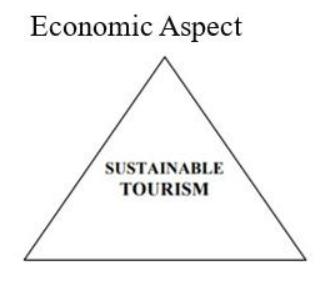
Figure 2. Sustainable Tourism Cultural Approach Source: Junaid (2020)
A tourism activity can be considered sustainable if it meets the following criteria, namely being able to be ecologically sustainable (environmental sustainability), socially and culturally acceptable (socialcultural sustainability), and economically profitable (economic sustainability), where the three pillars are elements of sustainable tourism (Ihsan et al., 2019).
Three main areas influence tourism development: economic, sociocultural, and environmental conditions. Tourism development is expected to have a positive impact not only on economic development (increasing income) but also on socio-cultural conditions (increased community welfare with cultural sustainability maintained) and environmental conditions (maintained environmental sustainability). For this reason, sustainable tourism development is needed (Qodriyatun, 2019).
3. Methodology
This research was conducted at Anantara Uluwatu Bali Resort. The type of data used in this research is qualitative data, with the data sources being primary data and secondary data. Determination of informants as data sources in this research using the purposive sampling technique, where the determination of informants who are not based on strata, position, guideline, or region but on certain objectives and considerations still related to research problems. Purposive sampling is the best help for the researcher to understand the problem (Creswell, 2003). Data collection techniques are based on observation and interviews. Observation is a data collection technique that involves observing the research object directly. This observation is carried out to determine the environmental conditions at the hotel. The observation was carried out from March 2023 to July 2023. In this research, the observation technique used is participant observation at Anantara Uluwatu Bali Resort, which includes observing the work of all staff, including preparation and making records during fieldwork practices and visits to the hotel. In this research, the determination of the informants is based on the informants' ability to answer questions related to indicators of the Tri Hita Karana concept. The informants in this research are interviewing Learning Manager, Assistant Chief Engineering, Assistant Executive Housekeeper, and Front Office Manager. The data analysis technique used in this research is a qualitative approach with the type of descriptive research. According to Umar (2013), descriptive analysis is a method used to describe the object under study through the obtained as it is originally. Data analysis techniques in qualitative research are qualitative data analysis activities carried out interactively and continuously until complete so the data becomes saturated. This analysis refers to the concept of Miles and Huberman, which consists of data reduction, data display, and conclusion drawing/ verification (Miles & Huberman, 1994). In the data analysis section, the author links the implementation of the Tri Hita Karana Concept to supporting sustainable Tourism at Anantara Uluwatu Bali Resort. Table 1 shows the indicator of the Tri Hita Karana concept, and Table 2 shows the indicator of sustainable tourism.
Table 1. Indicators of Tri Hita Karana Concept
| Dimensions | Indicators |
|---|---|
| Parhyangan | The existence of the holy places |
| The implementation of the Piodalan Ceremony | |
| Looking after the holy places | |
| Daily and periodic religious activities | |
| Contribution of the company to religious activities | |
| outside | |
| Relationships between internal employees and | |
| Pawongan | management |
| Relationships between the company and the local | |
| community | |
| Improvement of quality of human resources in the hotel | |
| Participation of the company in the preservation of | |
| Balinese culture | |
| Commitments of the company to environmental quality | |
| Preserving and developing an ecosystem in the hotel | |
| Palemahan | Handling waste properly in the hotel |
| Participation of the company in looking after the | |
| environment | |
| Energy efficiency of natural resources |
Source: (Suteja, 2012)
Table 2. Indicators of Sustainable Tourism Concept
| Dimensions | Indicators |
|---|---|
| Environmental | Protection of valuable natural assets |
| Managing natural resources | |
| Limiting impacts of tourism activity | |
| Social Culture | Sustaining cultural assets |
| Community participation | |
| Community attitudes | |
| Employment | |
| Economic | Wage policies |
Source: S. Fajri et al.(2020)
4. Result and Discussion
This research will analyze the implementation of the Tri Hita Karana concept at Anantara Uluwatu Bali Resort through three perspectives: Parhyangan (the relationship between humans and God), Pawongan (the relationship among people), and Palemahan (the relationship between humans and the environment). Anantara Uluwatu Bali Resort has implemented the concept of Tri Hita Karana very well. It can be supported by the implementation of the three aspects of Tri Hita Karana such as Parhyangan, Pawongan, and Palemahan, which has been carried out in a sufficiently balanced manner so that it can realize and bring Anantara Uluwatu Bali Resort towards sustainable tourism development. It follows the opinion (Pradana, 2021), that the Tri Hita Karana philosophy is part of Balinese local wisdom adapted for developing Bali tourism. Sustainable tourism can be interpreted as a form of tourism in paying attention to the current situation and future economic, social, and environmental impacts (Zamfir & Corbos, 2015). Environmentally sustainable means related to tourism development that does not cause negative effects on the environment. Socio-cultural sustainability is carried out by maintaining the cultural authenticity of the local community, preserving local customs, culture, and wisdom, and understanding intercultural tolerance. Being economically sustainable refers to practices that support the ability of local communities to obtain income or economic benefits from tourism activities without having a negative impact on the environmental and sociocultural aspects of the community.
4.1 Parhyangan Indicators Support Sustainable Tourism Indicators
Parhyangan is an aspect of Tri Hita Karana that has to do with the concept of divinity, where humans can connect and draw closer to the creator or God Almighty, as it is known that Indonesian society is religious. Humans, as God's creatures, cannot be separated from the existence of an inner bond with the creator.
The implementation of Parhyangan aspects by Anantara Uluwatu Bali Resort is quite good in supporting environmental sustainability. Implementing the indicator looking after the holy places, where the maintenance of holy places at Anantara Uluwatu Bali Resort can help support a sustainable environment. The maintenance activities of this holy place, especially on Padmasana, always pay attention to cleanliness to keep the environment maintained and even look neater and more beautiful because it is also equipped with several plants that can beautify the surrounding yard. Plants in the Padmasana area are also always well cared for to provide a cool atmosphere and healthy air in the environment around the hotel, considered an effort to create a clean, green, and healthy environment (Pradana, 2021).
The existence of the holy places as an indicator of the Parhyangan aspect has a very important role in supporting social and cultural sustainability. The island of Bali is very famous for its strong customs, traditions, and culture, so it is not surprising that Balinese people tend to be regarded as religious. The availability of holy places such as Padmasana, Penunggun Karang, and Pelangkiran at Anantara Uluwatu Bali Resort is a place that can connect to the God Almighty and also help to meet the religious needs of each of its employees (Wirata, 2020). Moreover, every temple in Bali has a Piodalan ceremony to maintain a harmonious relationship with the surrounding creatures. The company can indirectly use it to preserve cultural assets in Indonesia, especially in Bali. In addition, this hotel always strives to contribute to the surrounding community. It can be seen from the company's contribution of Ngayah and Dana Punia to nearby temples such as Uluwatu Temple when carrying out Piodalan ceremonies. The tradition of Ngayah can support a sustainable social culture, where all employees and the local community work together to establish a sense of brotherhood and togetherness among human beings regardless of educational background, work, or social status.
In the teachings of Hinduism, giving canang sari or mebanten is a ritual that must be performed daily as a form of gratitude to God Almighty. To fulfill this obligation, Anantara Uluwatu Bali Resort cooperates with Pemangku from the local community to pray daily in the hotel environment. It can be seen that it is quite good in supporting a sustainable economy because all prayer facilities and infrastructure, such as canang sari, flowers, incense, and others, will be purchased and prepared by Pemangku (derived from the local community) so that it can help to increase the income of the surrounding community. Especially when carrying out the Piodalan ceremony, all preparations, such as equipment to make penjor and banten for the ceremony, are also prepared by Pemangku and trade offerings from the surrounding community so that this supports a sustainable economy. As stated by Pradana (2021), it can be supported that Tri Hita Karana-based tourism, which is believed to contain a universal value, effectively increases the economic contribution to the Balinese people in tourism development.
The following is a detailed description of how the Parhyangan aspect can support sustainable tourism:
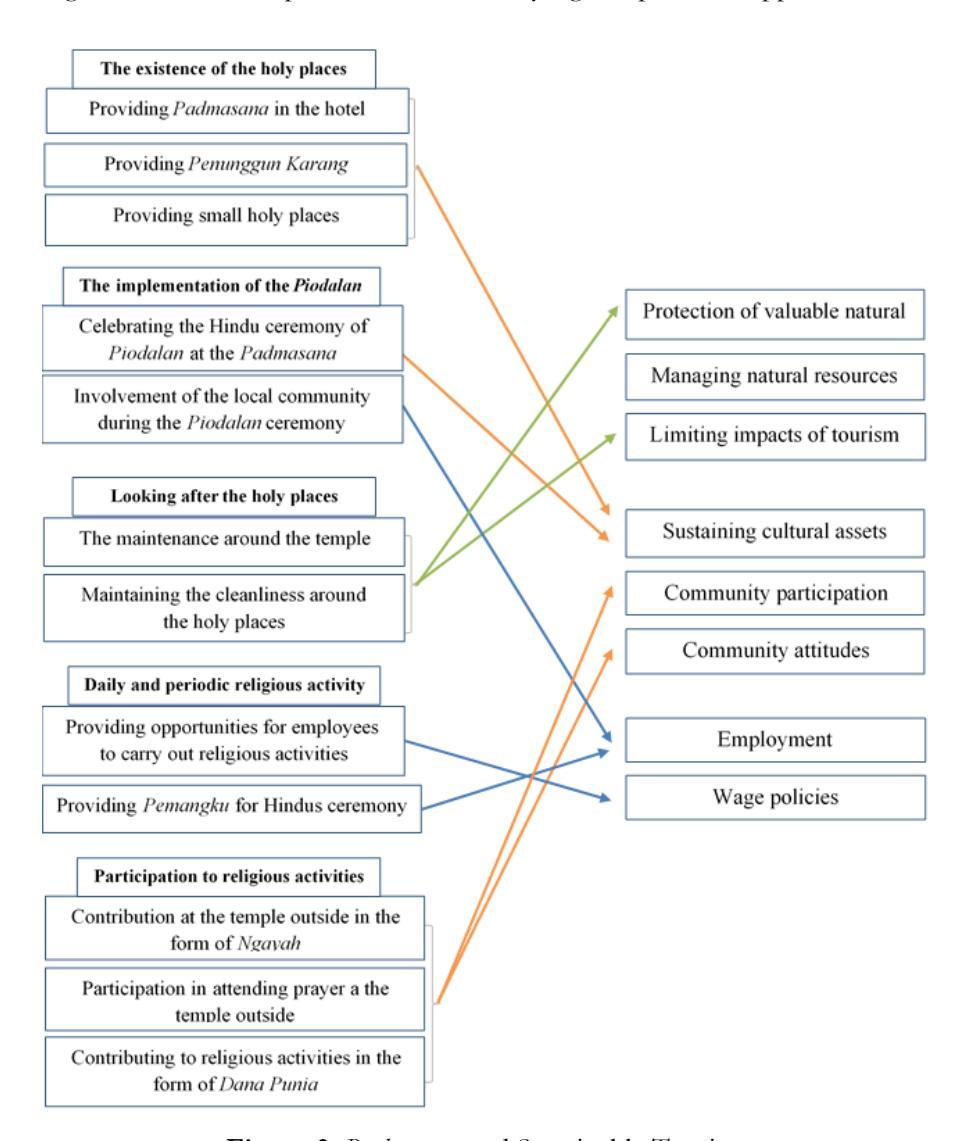
Figure 3. Parhyangan and Sustainable Tourism Source: Research Result (2023)
4.2 Pawongan Indicators Support Sustainable Tourism Indicators
Pawongan is an aspect of Tri Hita Karana that has something to do with maintaining harmonious relations among human beings towards guests, employees, and the surrounding community. Every activity carried out by a company must be ensured so that it does not harm the surrounding environment. The Pawongan aspects that Anantara Uluwatu Bali Resort has done support environmental sustainability. It can be supported by the existence of a sustainability training program provided by the company for each of its employees. Sustainability in this training includes the company's efforts to create environmentally friendly operational activities, starting from managing water and waste management to choosing and buying environmentally friendly products. The program will help companies minimize environmental pollution through their activities. (Opatha & Arulrajah, 2014) stated that the most significant impact on environmental awareness among employees is through environmental training, which can provide the necessary knowledge and skills for good environmental performance.
The island of Bali is well known for its culture, which is still attached to each of its people. As an effort to preserve Balinese culture, Anantara Uluwatu Bali Resort provides several guest activities related to Balinese culture, such as Balinese dance lessons, Balinese offering making, Balinese blessing rituals, and up to sunset gong rituals so that the culture in Bali will be maintained. The uniqueness of the ritual can arouse the desire of guests to participate because of the emergence of a sense of awareness to respect the local community's cultural values, which have been upheld by previous generations so that the current generation can apply them (Kartika, 2021). In addition, traditional Balinese clothing is worn every Thursday, and guests are greeted with the phrase "Om Swastyastu" to preserve Bali's culture. Through this implementation, it can be seen that Anantara Uluwatu Bali Resort is good enough to support social and cultural sustainability so that the existing culture can be preserved and utilized for future generations.
In supporting sustainable tourism, hotel management must have cooperation that can also benefit the surrounding community. The Pawongan aspect is already fully good in supporting economic sustainability. It can be supported by the collaboration carried out by Anantara Uluwatu Bali Resort with local communities, such as collaborating with Pemutih Transport for guest transportation needs and collaboration with CV Tambyak Lestari for the waste management needs in hotels and collaboration with Pemangku from the local community to fulfill daily religious activities in the hotel environment. Hence, it is certainly very helpful for the surrounding community to earn income and support economic sustainability. Providing opportunities for local communities to gain economic benefits (economic benefits) from tourism is one of the achievements of the community-based tourism development goals, which refer to sustainable tourism development (Kartika, 2021). The following is a detailed description of how the Pawongan aspect can support sustainable tourism:
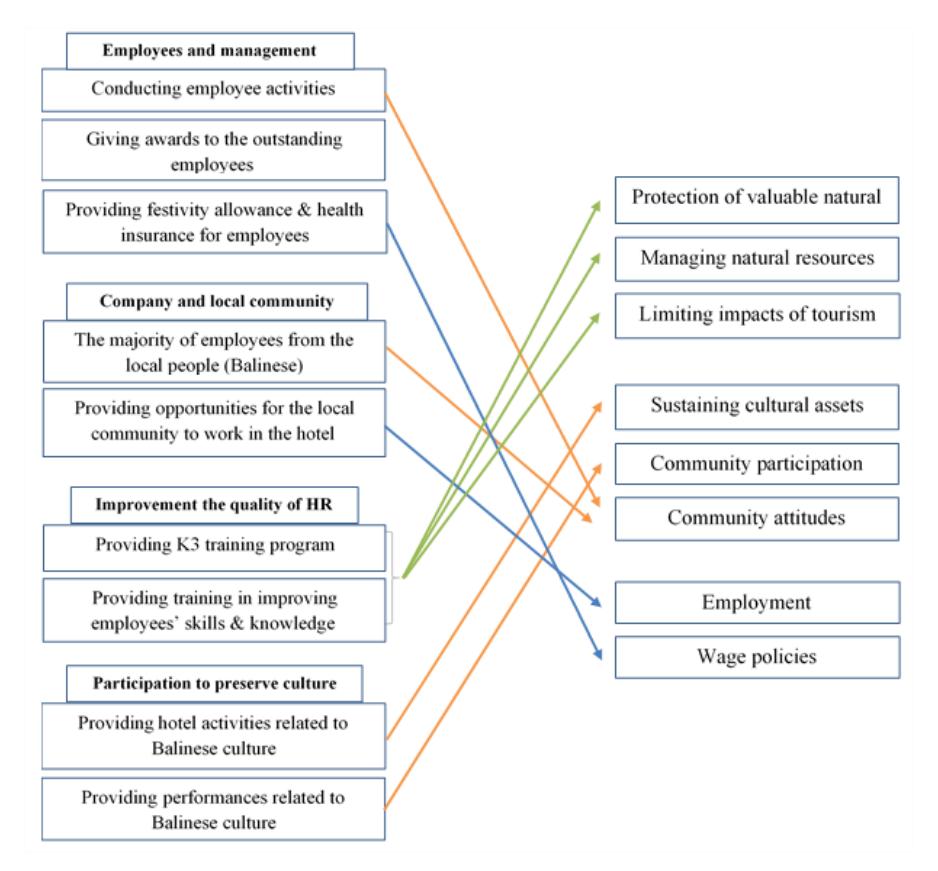
Figure 4. Pawongan and Sustainable Tourism Source: Research Result (2023)
4.3 Palemahan Indicators Support Sustainable Tourism Indicators
Palemahan is an aspect of Tri Hita Karana that is related to maintaining a harmonious relationship with nature and the surrounding environment. The environment is everything around humans and can be animals, plants, land, air, water, or inanimate objects. Environmentally sustainable tourism must be accompanied by all efforts that consider the negative impacts. To protect the environment, Anantara Uluwatu Bali Resort always strives to use environmentally friendly products in its operations and the company's back office area. The concept is that hotels start to pay attention to the environment and return to using natural materials that do not damage the environment (Hanifah & Finzky, 2018). It is done by reducing plastic waste and excessive use of paper, such as using easily decomposed products and recycling. To maximize this, management always pays attention to existing waste management. It prepares trash bins that are differentiated by type so that later, they will not pollute the environment around the hotel. It is also related to creating an environmentally friendly human resource business to help companies reduce environmental damage, such as storing documents in electronic form, recycling, and energy-efficient operations or offices (Isrososiawan et al., 2020). Apart from that, Anantara Uluwatu Bali Resort also planted plant seeds to preserve the environment. An environment filled with plants will look beautiful and cool to provide good air for the living things around it as mentioned by Pradana (2021), a green, clean, and healthy environment is needed for sustainable tourism.
Implementing Palemahan aspects is already good in supporting social and cultural sustainability. Anantara Uluwatu Bali Resort has an activity called Cleaning Blitz, which is attended by employees of Anantara Uluwatu Bali Resort and Radisson Blu Bali Uluwatu and involves several local communities. This supports social and cultural sustainability because all employees and the surrounding community will work together to clean up the environment around the hotel, and indirectly, the tradition of cooperation (Ngayah) will also be preserved. The involvement of this community follows the opinion expressed by (Kartika, 2021) that local communities have been involved in developing their cultural potential.
In minimizing environmental pollution, management must properly consider waste management and operational waste. Hotels have the potential to produce a lot of garbage, and waste can damage the environment (Hanifah & Finzky, 2018). Anantara Uluwatu Bali Resort manages the company's waste with a local company, CV Tambyak Lestari. Garbage that has been sorted at Anantara Uluwatu Bali Resort will then be sorted in more detail by the company to facilitate the recycling process so it will not harm the environment. Therefore, it can be said that this implementation is good enough to support a sustainable economy because it can help the local community to earn a decent income. The following is a detailed description of how the Palemahan aspect can support sustainable tourism, which is shown in Figure 5.
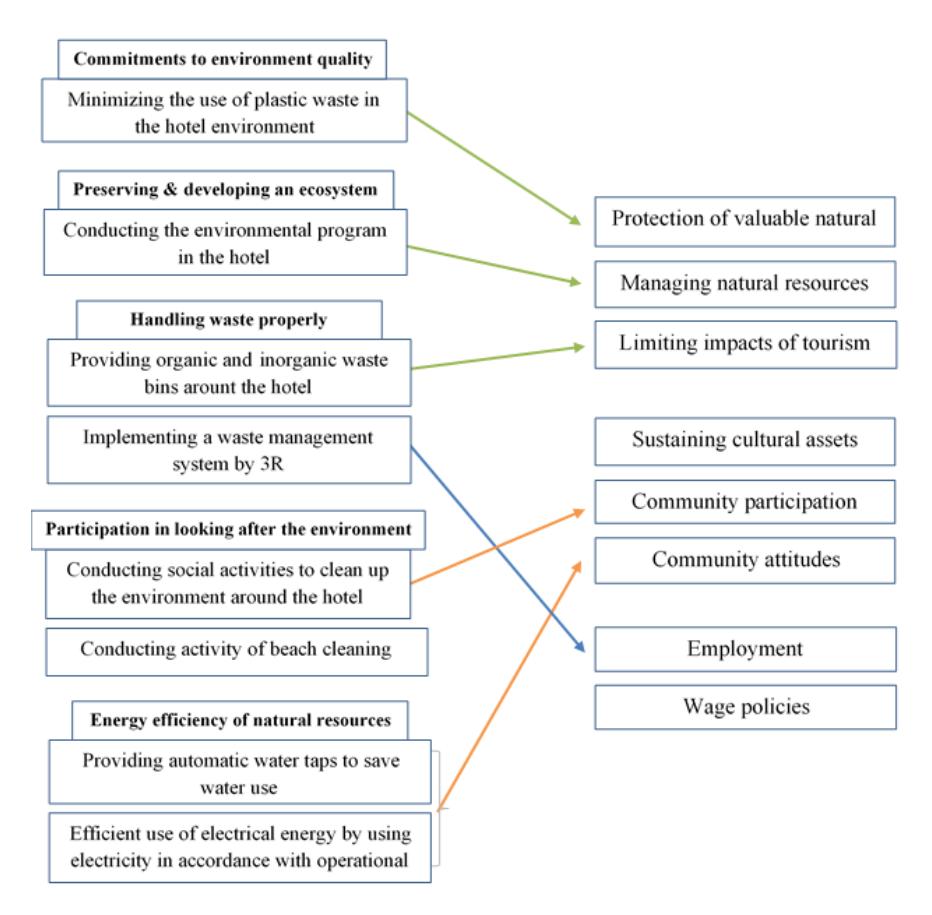
Figure 5. Palemahan and Sustainable Tourism Source: Research Result (2023)
Based on all the explanations above, implementing the Tri Hita Karana concept that Anantara Uluwatu Bali Resort has carried out has supported sustainable tourism in terms of environment, social culture, and economics. It is also supported by previous research conducted by (Mahyuni & Dewi, 2020), which states that Tri Hita Karana can positively improve people's welfare, preserve the environment, and strengthen business operations without leaving existing cultural values. Implementing the Tri Hita Karana concept is also considered the most suitable for maintaining and developing tourism in Bali, especially in preserving traditions, customs, culture, and nature in Bali (Dibya, 2018). The implementation of the Tri Hita Karana concept at Anantara Uluwatu Bali Resort is believed to be able to develop and realize tourism that leads to sustainable tourism so that it can create jobs and conserve ecosystems while minimizing the impact on the environment and local culture.
5. Conclusion
The THK concept is effectively implemented at Anantara Uluwatu Bali Resort, focusing on maintaining harmony between humans, the environment, and the divine. The resort's efforts in environmental sustainability include plant nurseries, waste management through the 3R concept, and employee training on sustainability. Socially and culturally, the resort supports Balinese culture through guest activities, religious contributions, and prioritizing local employment. This approach promotes sustainable tourism in terms of environmental, cultural, and economic impact. Suggestions for improvement include recognizing outstanding employees to boost motivation and enhancing waste sorting with clearer labeling. Further research could explore additional variables to expand on the implementation of Tri Hita Karana and sustainable tourism in the future.
References
- Abarca, R. M. (2021). Implementasi Budaya Bali dan Konsep Tri Hita Karana di Harris Hotel, Seminyak-Bali. Journal Journey, 2, 2013–2015.
- Adnyana, I. M. (2020). Dampak Green Tourism Bagi Pariwisata Berkelanjutan Pada Era Revolusi Industri 4.0. Manajemen, Ekonomi, Dan Akuntansi, 4(3), 1582–1592.
- Cory, P., Yhani, C., & Supastri, M. (2020). Filsafat Tri Hita Karana sebagai landasan menuju Harmonisasi dan Hidup Bahagia. SRUTI: Jurnal Agama Hindu, 1(1), 36–44.
- Creswell, J. (2003). Research Design Qualitative, Quantitative, and Mixed Methods Approaches. In Second Edition.
- Dalem, A. A. G. R. (2014). Achievements and Challenges of Implementation of Tri Hita Karana for Creating Sustainable Tourism in Bali Indonesia: A Case Study in Hotel Sectors. Unpublished Manuscript). Research Center for Culture & Tourism, Universitas Udayana, Denpasar, Bali, Indonesia.
- Dibya, K. (2018). Pengembangan Pariwisata Berbasis Trihita Karana (Studi Pengembangan Pariwisata Berkelanjutan di Bali). Maha Widya Duta: Jurnal Penerangan Agama, Pariwisata Budaya, Dan Ilmu Komunikasi, 2(1), 56–63.
- Fajri, K., Hidayat, T., & Lanjau, N. (2020). Implementasi Pariwisata Berkelanjutan di Eduwisata Enggang Gading. Tourism Scientific Journal, 6(1), 151–166. DOI: 10.32659/tsj.v6i1.123.
- Ginting, N., Lathersia, R., Adriaty Putri, R., Munazirah, & Salsabilla, A. (2020). Kajian Teoritis: Pariwisata Berkelanjutan berdasarkan Distinctiveness. Talenta Conference Series: Energy and Engineering (EE), 3(1). DOI: 10.32734/ee.v3i1.870.
- Hanifah, R. D., & Finzky, F. (2018). Efektifitas Program Pengelolaan Sampah Plastic Di Hotel (Studi Kasus: Program "Bye-Bye Plastic 2018" Di Double Tree By Hilton Jakarta). National Conference of Creative Industry, September, 5–6. DOI: 10.30813/ncci.v0i0.1225.
- Ihsan, R., Deddy, S., Ariza, Q., Achmad, & Fitrianto., R. (2019). Studi Komparatif Pariwisata Halal dan Pariwisata Berkelanjutan (Suatu Kajian Pemikiran Ekonomi Islam Tentang Pariwisata). Proceding Semnas Pariwisata, November 2019, 97–106.
- Isrososiawan, S., Rahayu, A., Wibowo, L. A., & Dewatmoko, S. (2020). Green Human Resources Management Mendukung Kinerja Lingkungan Industri Perhotelan. Jurnal Co Management, 3(2), 457–470.
- Junaid, I. (2020). Implementasi Pariwisata Berkelanjutan di Pulau Maratua, Kabupaten Berau, Kalimantan Timur. Jurnal Pariwisata Terapan, 3(2), 110. DOI: 10.22146/jpt.46518.
- Kartika, N. G. A. (2021). Partisipasi masyarakat dalam pengelolaan daya tarik wisata Tirtha Empul di Desa Manukaya Let, Kecamatan Tampaksiring, Kabupaten Gianyar. Pariwisata Budaya: Jurnal Ilmiah Agama Dan Budaya, 6(2), 110–123.
- Khalid, S., Ahmad, M. S., Ramayah, T., Hwang, J., & Kim, I. (2019). Community Empowerment and Sustainable Tourism Development: The Mediating Role of Community Support for Tourism. Sustainability, 11(6248), 1–14.
- Kristinayanti, W. S., Mas Pertiwi, I. G. A. I., Santiana, M. A., & Aryawan, I. G. M. O. (2020). Tri Hita Karana-based green environment building management model. Journal of Physics: Conference Series, 1450(1). DOI: 10.1088/1742-6596/1450/1/012024.
- Kurniawati, R. (2013). Modul Pariwisata Berkelanjutan. Pariwisata Berkelanjutan, 40.
- Mahyuni, L. P., & Dewi, I. G. A. A. T. (2020). Corporate Social Responsibility, Kearifan Lokal "Tri Hita Karana", dan Pariwisata Berbasis Masyarakat Berkelanjutan. Jurnal Ilmiah Ekonomi Dan Bisnis, 17(2), 1–14.
- Miles, M. B., & Huberman, A. M. (1994). Qualitative data analysis: An expanded sourcebook. sage.
- Opatha, H. H. D. N. P., & Arulrajah, A. A. (2014). Green Human Resource Management: Simplified General Reflections. International Business Research, 7(8), 101.
- Pradana, G. Y. K. (2021a). Aplikasi filosofi tri hita karana dalam pemberdayaan masyarakat tonja di denpasar: Application of the thk philosophy in empowering tonja society in denpasar. Jurnal Abdi Masyarakat, 1(2), 61–71.
- Pradana, G. Y. K. (2021b). Aplikasi filosofi tri hita karana dalam pemberdayaan masyarakat tonja di denpasar: Application of the thk philosophy in empowering tonja society in denpasar. Jurnal Abdi Masyarakat, 1(2), 61–71.
- Pramesti, D. S. (2019). Implementasi Konsep Tri Hita Karana Pada Akomodasi Pariwisata Di Nusa Dua, Bali (Study Kasus: Melia Bali Villas And Spa Resort). Journey : Journal of Tourismpreneurship, Culinary, Hospitality, Convention and Event Management, 1(1 Special Edition), 207–228. DOI: 10.46837/journey.v1i1.24.
- Pranata, K. A., Sri, A. A. P., & Putra, A. M. (2017). Penerapan Konsep Tri Hita Karana di The Trans Resort Bali. Jurnal Kepariwisataan Dan Hospitalitas, 1(1), 9–16.
- Purwati, D. K. I., & Tenaya, A. I. (2018). Implementasi Corporate Social Responsibility Berlandaskan Filosofi Tri Hita Karana pada Lembaga Perkreditan Desa. E-Jurnal Akuntansi, 23, 2203. DOI: 10.24843/eja.2018.v23.i03.p22.
- Qodriyatun, S. N. (2019). Implementasi Kebijakan Pengembangan Pariwisata Berkelanjutan di Karimunjawa. Aspirasi: Jurnal Masalah-Masalah Sosial, 9(2), 240–259. DOI: 10.46807/aspirasi.v9i2.1110.
Soritua, Y. (2016). Analysis Of The Role Of Tourism Sector To Be The Main Income In The Region (A Comparation Study in the Tourism Sector in Bali Province). Journal of Tourism and Hospitality Management 4(1), 64–75.
- Suja, I. W. (2010). Kearifan Lokal Sains Asli Bali. Surabaya: Paramita.
- Suteja, M. (2012a). Tri Hita Karana and World Peace, Bali Hinduism Philosophy of Life. Surabaya: Paramita.
- Suteja, M. (2012b). Tri Hita Karana and World Peace, Bali Hinduism Philosophy of Life. Surabaya: Paramita.
- Wirata, I. W. (2020). Tantangan Socio-Cultural Bali Sebagai Daya Dukung Pariwisata Lombok. Jurnal Ilmu Sosial Dan Humaniora, 3(2), 392–403.
- Zamfir, A., & Corbos, R. A. (2015). Towards sustainable tourism development in urban areas: Case study on Bucharest as tourist destination. Sustainability (Switzerland), 7(9), 12709–12722. DOI: 10.3390/su70912709.