

1. Introduction
In recent decades, tourism has become a significant force influencing the lives, economies, and cultural practices of indigenous communities across the globe (Harbor & Hunt, 2021; Scherl & Edwards, 2007; Situmorang et al., 2019). In Indonesia, the growing interest in indigenous cultures, sacred landscapes, and traditional ways of life has contributed to the increasing presence of tourism in adat (customary) communities. The Baduy people, who inhabit Kanekes Village in Banten Province, represent one such indigenous community that has increasingly attracted the tourists' attention. With their adherence to adat laws, rejection of modern development, and spatial division between Inner and Outer Baduy, the community has often been portrayed as a symbol of cultural purity and resistance to modernity (Suhud et al., 2019). These distinctive traditions and lifeways have become central to the tourism appeal of Kanekes, drawing visitors seeking to experience the Baduy culture (Sari et al., 2023).
As tourism has become an inseparable part of life in Kanekes, some members of the Baduy community have chosen to become involved and participate in tourism-related activities (Dewantara, 2019; Fitriana et al., 2020). Existing studies have examined Baduy responses and perspectives toward tourism, but they have often portrayed the community as a culturally homogenous group with a uniform stance toward tourism (Supranta, 2021; Wijaya, 2017). Such portrayals tend to simplify the Baduy into a monolithic cultural entity, overlooking internal distinctions and the differentiated ways in which Inner and Outer Baduy, as well as individuals within these groups, engage with or distance themselves from tourism. This essentialist framing not only overlooks the internal heterogeneity of the Baduy people but also obscures the dynamic and evolving nature of tourism involvement within the adat system and limits understanding of how participation is negotiated in practice.
The lack of attention to intra-community diversity has important analytical and practical consequences. It risks informing tourism policies and development programs that overlook the varied capacities, preferences, and boundaries set by different segments of the Baduy community, potentially marginalizing certain groups or exacerbating internal tensions. Moreover, representations that essentialize the Baduy obscure forms of agency, adaptation, and resistance that operate within adat frameworks. This study addresses this gap by examining varying levels and forms of tourism participation among the Baduy people, moving beyond static and monolithic representations. By proposing a typology of diverse participation, the study contributes to a more nuanced understanding of how adat and community agency shaped differentiated responses to tourism in Kanekes.
This study situates itself within this dynamic context by examining the spectrum of tourism participation among Baduy community members. Rather than assuming a unified stance toward tourism, the research analytically traces differentiated forms of involvement, ranging from outright rejection to selective participation and more active engagement. These variations are examined in relation to positionality within the community, adat obligations, and socio-spatial context, highlighting how tourism is engaged with, resisted, or regulated in everyday practices. The analysis attends not only to differences between the Inner and Outer Baduy but also to variations within these categories, including generational dynamics, gendered roles, and village-specific conditions.
Building on this analysis, the study develops an empirically grounded typology of tourism participation, contextualized by adat norms and governance arrangements. Rather than functioning as a classificatory exercise, this typology serves as an analytical tool for understanding indigenous agency, internal governance, and the socio-cultural negotiation in tourism encounters. Ultimately, the study contributes to broader discussions on indigenous tourism by demonstrating how complexity, diversity, agency, and self-determination are enacted within the adat-based system, offering an alternative to narratives that flatten indigenous and adat communities into static cultural categories.
2. Literature Review
2.1. Indigenous Participation in Tourism
The involvement of indigenous communities in tourism has been widely discussed in academic literature, particularly in relation to themes of empowerment, resistance, and self-determination (Carr et al., 2016; de la Maza, 2024; Mansor et al., 2019). Tourism can provide economic benefits (Elgin & Elveren, 2024) and opportunities for cultural expression (Nguyen et al., 2025), but it can also bring risks of commodification, exploitation, and loss of cultural integrity (Abdelkader & Lahcene, 2022; Alamineh et al., 2023; Shepherd, 2002). Scholars have emphasized that participation should not be seen merely as economic inclusion but also as a form of political and cultural agency, where indigenous communities actively shape the terms of their involvement (Curtin & Bird, 2022). Such participation of indigenous people in tourism has emerged as a response to historical marginalization and as a strategy for cultural survival and economic resilience (Ferguson, 2020).
In addition to cultural resilience and self-determination, indigenous participation in tourism has been increasingly recognized as a key element of sustainable tourism development. When indigenous communities are meaningfully involved, especially in planning, decision-making, and benefit-sharing, tourism is more likely to align with local needs, respect ecological limits, and reinforce cultural heritage (Quang et al., 2023; Scheyvens et al., 2021). Participation rooted in indigenous worldviews often prioritizes relational ethics, environmental stewardship, and intergenerational responsibility, offering alternative models to dominant growth-oriented tourism paradigms. When tourism is managed according to local knowledge and indigenous authority, it can support long-term sustainability by fostering community ownership, ecological care, and cultural transmission (Reddy & Sailesh, 2024; Zainal et al., 2024). However, for participation to be truly sustainable, it must go beyond symbolic engagement and instead empower indigenous communities to shape tourism on their own terms, grounded in their socio-cultural and spiritual frameworks.
Nevertheless, participation is not uniform across or within indigenous communities. Numerous studies reveal that levels of engagement vary widely, depending on factors such as community governance, access to resources, external partnerships, and internal cultural frameworks (Fletcher et al., 2016; Latip et al., 2018; Wani et al., 2023). In Indonesia, studies on indigenous tourism, particularly discussing adat communities, are still limited but growing. Recent works have examined how adat communities such as those in Bali, Papua, and Toraja navigate the pressures and opportunities of tourism (Anindhita et al., 2024; Junaid, 2022; Suyadnya et al., 2025). However, much of this literature tends to generalize community responses, with less attention paid to internal differentiation. While tourism is often discussed in terms of its impact on the community, few studies interrogate how different individuals and subgroups within a single indigenous group may participate in tourism in unequal or strategic ways. Understanding indigenous participation, therefore, requires an approach that goes beyond binaries, such as involved vs. not involved, or empowered vs. exploited, and instead recognizes the spectrum of engagement shaped by context-specific factors.
2.2. Typologies of Community Participation
Understanding how communities engage with development initiatives, such as tourism, has long been a focus in participation and development studies. Several scholars have developed typologies to describe the different degrees and qualities of community involvement. One of the most influential frameworks is Arnstein's Ladder of Citizen Participation, established in 1969 (Gaber, 2019), which ranges from non-participation (manipulation and therapy) to degrees of tokenism (informing, consultation, placation) and ultimately to degrees of citizen power (partnership, delegated power, citizen control). While initially developed in the context of urban planning, Arnstein's model has been widely adapted across various fields, including tourism. Empirically, these levels are often identified through indicators such as whether community members are merely informed of tourism plans, consulted without decision-making power, or actively involved in setting agendas, controlling resources, and determining outcomes.
Additionally, Pretty's (1995) typology offers a more nuanced classification that includes passive participation, participation by consultation, functional participation, and self-mobilization. These frameworks recognize that participation is not merely about being present in decision-making processes but also about the quality of influence and autonomy exercised by local actors. Participation can thus be instrumental (serving external development goals) or transformative (centering community agency and control). In empirical terms, passive participation may involve attendance at meetings without opportunities to influence decisions, and functional participation is often reflected in community involvement limited to implementation tasks. Meanwhile, self-mobilization is indicated by community-initiated tourism activities, independent decision-making, and locally controlled benefits.
Another influential framework in tourism participation studies is Tosun's typology, which identifies three forms of community participation in tourism development: spontaneous, induced, and coercive participation (Tosun, 1999). Spontaneous participation represents the ideal form, characterized by a bottom-up approach where community members are directly involved in decision-making, implementation, benefit-sharing, and evaluation. This form is typically observed when local actors initiate tourism activities, negotiate rules, manage visitor interactions, and retain control over benefits and cultural representations. In contrast, induced participation is more top-down and formal, often limited to selective stages such as implementation or benefit distribution. Empirically, this may be reflected in community members being involved as guides, performers, or service providers without meaningful influence over planning or regulatory decisions. Lastly, coercive participation involves passive, indirect, and largely symbolic involvement, where communities may be included in implementation without control over benefits or outcomes. Indicators of this form include compulsory involvement, lack of consent, or participation driven by external pressure rather than community choice, reflecting non-participation cloaked in paternalistic inclusion. While Tosun's model was developed to critique the limitations of community involvement in tourism planning, it also provides a critical lens to analyze participation in indigenous contexts.
Several studies have also proposed gradations of involvement using qualitative descriptors such as 'inactive', 'passive', 'selective', 'active', and 'very active' (Tanati et al., 2020; Wawo et al., 2025), or frequency-based terms such as 'never', 'rarely', 'sometimes', 'often', and 'always' (Djou et al., 2017). These typologies help to highlight the spectrum of participation but must be adapted carefully to reflect local contexts and meanings. Empirical indicators commonly used in these approaches include frequency of engagement in tourism activities, consistency of involvement over time, access to tourism-related income, and proximity to decision-making spaces. Recent tourism scholarship has further refined these models to account for indigenous contexts. Scholars emphasize that indigenous participation in tourism should be assessed based on the extent to which it aligns with cultural values, land rights, and local governance systems (Fletcher et al., 2016; Latip et al., 2018; Reddy & Sailesh, 2024; Scheyvens et al., 2021).
2.3. The Baduy Community and the Engagement with Tourism
The development of tourism in Baduy cannot be separated from the community's unique cultural identity within the broader Indonesian context. As one of the adat communities in Indonesia, the Baduy have long drawn interest due to their distinctive traditions, strict adherence to ancestral teachings, and their spiritual and ecological way of life (Mutaqien et al., 2021; Sari et al., 2023). These features have positioned Baduy not only as a subject of academic interest but also as a tourist destination. Over time, the increase in external exposure, the improvement in accessibility, and the growing public interest in cultural and nature-based experiences have contributed to the gradual growth of tourism activities in the region (Widayati, 2025). Tourism in Baduy has evolved as a highly negotiated and adat-embedded process. The community's involvement in tourism reflects both opportunities and tensions, as the Baduy people carefully manage the intersection between maintaining their cultural integrity and engaging with the growing interest from visitors (Pradana et al., 2024). The emergence of tourism, therefore, represents not merely an economic activity but a complex cultural interaction that requires careful navigation.
Tourism studies in the Baduy context have generally focused on two main concerns: the risks of cultural commodification (Caecelia & Umarjadi, 2015; Herandy, 2022) and the role of the Baduy community in regulating tourism activities (Praptika et al., 2024; Sugiwa, 2015; Waluya et al., 2021). Research has documented how Baduy rituals, architecture, and other ways of life have been objectified for tourist consumption, raising fears about the dilution of cultural values (Pradana et al., 2024). However, these studies also acknowledge the protective functions of adat-based rules, such as prohibitions on photography, overnight stays, or unsupervised travel in Inner Baduy territory, which serve to maintain sacred boundaries (Santoso et al., 2025; Waluya et al., 2021). Some scholars argue that adat functions not only as a cultural guideline but also as a form of indigenous governance that shapes how tourism is interpreted, negotiated, and limited (Adnyani et al., 2022; Sutaryantha & Kusumasari, 2020). Nevertheless, the literature often treats the Baduy's engagement with tourism as either a matter of resistance or reluctant accommodation (Mutaqien et al., 2021; Supranta, 2021; van Zanten, 2022), thereby overlooking the everyday practices of negotiation, agency, and adaptation evident among community members.
What remains underexplored in the literature is the internal variation in tourism participation within the Baduy community itself. Much of the existing research tends to frame the Baduy in binary terms, traditional vs modern (Fahmi et al., 2022; Febrianty & Ryendra, 2024), Inner vs Outer (Alfira & Uekita, 2023; Sumawijaya et al., 2020), resistant vs receptive (Fahmi et al., 2022; Pradana et al., 2025), without sufficiently attending to the gradual, strategic, and conditional forms of involvement that exist along a continuum. Moreover, few studies consider how spatial, generational, and householdlevel factors shape differing capacities and motivations for engagement. This study addresses these gaps by developing a typology of Baduy participation in tourism, grounded in fieldwork that recognizes not only the protective role of adat but also the plural and dynamic ways in which community members interpret, negotiate, and redefine their relationship with tourism. In doing so, the research contributes to a more nuanced understanding of indigenous participation in tourism as both a cultural and political process.
3. Research Methods
This study employs a qualitative case study approach to explore the diverse levels of tourism participation among the Baduy people. The case study design is particularly suitable for examining complex social phenomena within their real-life context (Ebneyamini & Moghadam, 2018), especially when the boundaries between the phenomenon and the setting are not clearly defined. In this case, the focus is not only on the practices of tourism involvement but also on the cultural, spatial, and normative frameworks that shape those practices. A qualitative approach allows for a deeper understanding of subjective meanings, community norms, and local interpretations of tourism engagement (Pung & Chiappa, 2020).
The research was conducted in Kanekes Village, the homeland of the Baduy people in Banten Province, Indonesia, through four visits during 2023–2024, totaling 63 days. The community is broadly divided into Inner Baduy and Outer Baduy, each with distinct adat obligations and levels of interaction with outsiders. While the Inner Baduy maintain strict adherence to adat, including restrictions on modern technology and limited external contact, the Outer Baduy are comparatively more open to engagement with non-Baduy visitors, including tourists. This internal differentiation provides a natural basis for exploring variations in tourism participation. Fieldwork included visits to multiple hamlets representing both Inner and Outer Baduy, such as Cibeo, Cikeusik, Cikartawana, Kadu Ketug, Legok Jeruk, Gajeboh, Cihulu, and Kadu Kaso. These sites were selected to reflect a range of spatial, cultural, and experiential diversity within the Baduy territory.
To capture the complexity of community participation, the study used multiple qualitative methods, including in-depth semi-structured interviews, participant observations, and document analysis. A total of 38 semi-structured interviews were conducted with 25 men and 13 women, comprising 16 participants from Inner Baduy and 22 participants from Outer Baduy. Informants included Inner and Outer Baduy residents, informal tour guides, women involved in handicrafts productions, sellers of local products, local youth, elder community members, adat leaders, and other tourism-related actors. Interviews focused on individual experiences, perceptions, and forms of participation or non-participation in tourism. Meanwhile, participant observation was carried out during tourism-related activities, including guest receptions, sales of local products, interactions between local people and visitors, and cultural events intersecting with tourism presence. This method allowed the researcher to observe informal norms and unspoken rules of interaction and participation. Finally, document analysis included village-level tourism guidelines, local regulations (Perdes), tourism brochures, and online promotional materials, which helped situate individual narratives within the broader governance and discursive framework.
The study used purposive sampling to capture variation in age, gender, spatial affiliation (Inner vs Outer Baduy), and roles within the community (adat leader, guide, craftsman, youth). Particular attention was paid to include perspectives that are often underrepresented in tourism studies, such as those who reject or deliberately distance themselves from tourism activities, and women whose engagement often occurs in less visible forms. The sample was not intended to be statistically representative but rather to reflect a range of positionalities within the community that shape how tourism is interpreted and negotiated.
Data were analyzed using thematic analysis, following Braun & Clarke's (2022) approach. Analysis proceeded through several stages: familiarization with the data through repeated reading of transcripts and fieldnotes; initial inductive coding to identify meaningful units related to tourism involvement, adat constraints, economic considerations, and perceptions of tourism impacts; and the refinement of codes into broader themes. These themes were then analytically organized into a typology of tourism participation, ranging from resistance to selective involvement and active engagement. The typology was developed iteratively through constant comparison across cases and roles, and was informed by both empirical patterns and existing participation frameworks in the literature.
To ensure trustworthiness, the study employed several strategies. Methodological triangulation was achieved by comparing interview data with participant observation and document analysis. Analytical reflexivity was maintained through the use of fieldnotes and reflective memos, particularly given the researcher's positionality as an external researcher working within a sacred and adat-governed context. Informal member checking was conducted through follow-up conversations with selected participants to clarify interpretations and validate emerging themes. Ethical sensitivity was central throughout the research process: informed consent was obtained orally in accordance with local norms; participants were informed of the study's aims and their right to withdraw; no recordings or photographs were taken in culturally restricted areas, particularly within Inner Baduy territories; and pseudonyms were used to protect participants' identities.
4. Discussion
4.1 Baduy's Participation in Tourism-related Activities
The participation of the Baduy community in tourism has unfolded as a gradual and layered process, rather than a sudden transformation. Initially, interactions were limited to the arrival of researchers, journalists, and cultural observers who sought to document Baduy customs and lifeways. These early visits, often framed as academic or cultural encounters, laid the groundwork for outside interest in the community. Over time, there was a noticeable number of visitors seeking audiences with the Puun (adat leaders), often to obtain spiritual guidance in navigating personal or existential issues. The increasing visibility of the Baduy in cultural discourse was later amplified by government-led tourism promotion, positioning Desa Kanekes as a unique ethno-cultural destination within Banten Province. As infrastructure improved and interest grew, the number of tourists surged, particularly through open trips organized by tour operator companies offering fixed itineraries to the region. The layered evolution of tourism in Baduy illustrates not only external forces of exposure and commodification, but also the community's gradual adaptation and differentiated responses over time.
Currently, the Baduy people inhabit 68 hamlets, of which 65 are located in the panamping and dangka areas (Outer Baduy), while the remaining 3 are situated in the tangtu area (Inner Baduy). The common tourist route into the Baduy territory begins at Ciboleger, the final point accessible by vehicle and the official gateway into the Baduy area. From here, visitors typically enter the Kadu Ketug hamlet, the most accessible settlement in Kanekes village, which functions as the primary entry point. The journey then continues through several hamlets, including Legok Jeruk, Balingbing, Marengo, and Gajeboh. These hamlets form a sequential path leading deeper into the territory, eventually reaching Cicakal, Cipaler, and Cibunggur, all still within the Outer Baduy area. The most distant, remote, and often final destination for those seeking a deeper cultural experience is Cibeo, one of the principal settlements in Inner Baduy, known for its stricter adherence to adat and a more traditional way of life.
Figure 1. Souvenir shops in Kadu Ketug Hamlet, Kanekes Village. Source: Photographed by the Author (2023)
Figure 2. Landscape of Gajeboh Hamlet, Kanekes Village Source: Photographed by the Author (2024)
The extent of the trekking route is largely determined by the visitors' motivations and intentions. Some may choose to stop at Kadu Ketug to buy souvenirs or other local products (as shown in Figure 1), or Gajeboh (shown in Figure 2) to enjoy the natural landscape, such as rocky rivers, traditional bamboo bridges, and clusters of Baduy houses, while others opt to trek farther to reach Cibeo. The full trek from Kadu Ketug to Cibeo spans approximately 9 to 10 kilometers. It typically takes 3 to 4 hours on foot along a route that involves occasional ascents and descents, as no transportation is permitted within Baduy territory. For the return journey, visitors may either retrace their steps back to Ciboleger via Kadu Ketug or exit through alternative routes such as Cijahe or Binong Raya, which are closer to Cibeo and offer a shorter trek out of the area.
The pattern of tourism participation among the Baduy community is strongly shaped by the spatial logic of visitor routes, with higher levels of engagement observed in hamlets situated along the common trekking paths. For instance, in Kadu Ketug, the most accessible hamlet and the first point of entry from Ciboleger, a wide range of tourism-related activities can be observed. These include the sale of souvenirs and agricultural products, food, snacks, and beverages, as well as the provision of accommodation and meals for overnight visitors. Local craftsmen and women are active here, producing woven bags (koja) and traditional textiles, often created in front of houses, an everyday practice that simultaneously becomes a performative attraction for passing tourists. Kadu Ketug is also home to the Jaro Pamarentah, a member of the adat council who serves as an intermediary between the Baduy and external actors, including those involved in tourism. A locally established tourism group based in the hamlet is also responsible for managing issues related to visitor safety, cleanliness, and coordination.
Further along the route, Gajeboh has emerged as another favored stop for visitors due to its scenic location near the rocky river and bamboo bridge. However, compared to Kadu Ketug, the intensity of tourism-related activity is less pronounced. Only a few residents engage in the sale of souvenirs, though many women can be seen weaving cloth or spinning cotton thread, practices that are part of daily life but also draw the interest of tourists. The hamlet also provides refreshments for trekkers and serves as an alternative accommodation site, particularly during the Kawalu month, when access to Cibeo in Inner Baduy is restricted.
Meanwhile, Cibeo maintains limited and highly regulated participation in tourism. Cibeo is the only hamlet in Inner Baduy that is permitted to engage with tourism. This is due to the adat-based roles assigned to each hamlet, wherein Cibeo has long held the responsibility of maintaining relations with outsiders (Alfira & Uekita, 2023). As a result, it has established connections and is more accustomed to interacting with visitors. As a sacred center of Baduy adat, Cibeo is not permitted to be openly promoted or framed as a tourist destination. However, certain forms of interaction are tolerated under specific conditions. Some residents participate as guides and porters, or act as hosts by providing simple overnight accommodations and meals (dinner and breakfast). Some also act as suppliers of agricultural products, particularly fruits, which can be sold by Baduy vendors to visiting tourists. Nevertheless, a few individuals from the Inner Baduy have also been observed actively promoting tourism packages and attracting or inviting visitors through social media. Such controlled engagement reflects the community's effort to uphold spiritual discipline and cultural integrity, even while responding to the realities of occasional visitor presence.
It is also important to recognize that hamlets not located along the main visitor route may have minimal or no direct engagement with tourism. Their physical inaccessibility reduces tourist flow, which in turn limits opportunities or incentives for residents to participate in tourism-related activities. Residents of these less-frequented villages often participate by contributing to the supply chain of tourism-related goods. For example, some households may spin thread or weave textiles, which are later sold by vendors in Kadu Ketug or other more accessible hamlets. Others may harvest forest honey or agricultural products, which are eventually marketed to tourists through Baduy vendors. This form of indirect participation illustrates how tourism can shape livelihoods even in places where tourists rarely set foot, and demonstrates the interconnectedness between hamlets in maintaining a localized tourism economy that remains embedded within adat practices.
4.2 Factors Influencing Baduy's Participation in Tourism
Across all areas of Baduy, participation in tourism remains voluntary and self-initiated. There are no formal recruitment mechanisms, institutional training programs, or standardized roles imposed from outside. Instead, community members who opt to engage in tourism typically acquire relevant skills through informal, self-taught, and observational learning. Simultaneously, others deliberately choose not to participate, citing various reasons such as the perceived incompatibility of tourism with Baduy principles, lack of interest, absence of relevant skills, or limited social networks. These individuals
tend to remain committed to traditional agricultural livelihoods, which continue to serve as the cultural and economic backbone of the Baduy community.
Thus, the participation of the Baduy people in tourism is shaped by a range of intersecting factors, including spatial, generational, spiritual, motivational and human capital, relational and opportunity, as well as gender-related dynamics. Spatial proximity is one of the most significant factors shaping the level and form of tourism participation among the Baduy people. Hamlets located near the main entrance to the Baduy area exhibit the highest intensity of tourism-related activities. Their accessibility makes them the first point of contact for visitors, positioning these hamlets as informal gateways where various tourism services are concentrated. In contrast, participation also occurs in hamlets located deeper within the Baduy territory or outside the main visitor trekking route, albeit in more indirect forms. This spatial gradient of involvement reflects not only differences in geographic access but also in the degree of cultural exposure, economic opportunity, and adat-based regulation, making spatiality a key determinant in shaping patterns of tourism engagement across the Baduy territory.
Generational dynamics also play an important role in shaping patterns of tourism participation within the Baduy community. While members of both the older and younger generations may engage in tourism-related activities, participation is more commonly found among the youth. Younger individuals tend to be more responsive and open to external engagement and are often more flexible in interpreting adat in ways that accommodate selective engagement with tourism. Their involvement reflects both a pursuit of economic opportunities and a form of cultural mediation, in which they navigate the balance between tradition and modernity. Nevertheless, older generations are not entirely absent from tourism participation. Some act as hosts, porters, or resource persons for cultural explanations, especially in contexts where their presence lends authenticity or authority. However, some elders are generally more cautious and tend to emphasize the preservation of adat boundaries and spiritual obligations. This generational contrast does not necessarily indicate conflict but rather demonstrates a spectrum of adaptation, where both generations contribute to tourism in ways that align with their roles, responsibilities, and worldviews.
In addition, spiritual factors, particularly one's degree of adherence to adat and ritual obligations, significantly shape the Baduy community's participation in tourism. Individuals with deep spiritual commitment and stricter interpretations of adat often choose to refrain from any form of modern and external engagement, perceiving it as a potential threat to ritual purity, social harmony, and ancestral obligations. This perspective is also prevalent among residents of the Inner Baduy, where the presence of outsiders is tightly controlled, and tourism is generally restricted to protect sacred space and cosmological balance. However, others within the community hold a more pragmatic and negotiated view, recognizing that tourism can be managed in ways that do not necessarily violate adat principles. They engage selectively, set boundaries around visitor behavior, and frame their participation as part of a broader effort to balance cultural continuity with economic opportunity. For some, tourism is even seen as a potential avenue for strengthening adat, as increased visibility of Baduy customs can reinforce cultural pride and provide material resources to support ritual obligations. These varying spiritual orientations reflect a continuum of belief and practice within the community, highlighting that tourism participation is not simply an economic choice, but a spiritually informed and culturally negotiated process.
Motivations and human capital are one of the key factors in shaping individual decisions to participate in tourism among the Baduy. Individuals may participate in tourism for a variety of reasons, including the desire to supplement household income, express cultural pride, or gain new social experiences. Some view tourism as a platform to share Baduy values with outsiders, while others see it primarily as an economic necessity amid limited livelihood alternatives. Closely linked to motivation is the presence of human capital, particularly in the form of informal skills and experiences. Community members who are confident in communication, have basic literacy, or possess crafting and storytelling abilities tend to be more active in engaging with visitors. These skills are rarely taught through formal training; instead, they are acquired through self-learning, observation, and imitation. Individuals who frequently interact with outsiders, such as former porters, market vendors, or those who have spent time outside the village, often develop a greater readiness and confidence to participate in tourism. Conversely, those who feel unprepared, lack interest, or do not possess the necessary skills may choose to remain in more traditional roles, especially in agriculture. Thus, both intrinsic motivation and informal human capital contribute to shaping who engages in tourism and how.
Nevertheless, relational and opportunity-related factors significantly influence the extent and form of tourism participation among the Baduy. Participation in tourism is often shaped by an individual's social proximity to key actors or networks, such as tour operators, local coordinators, or other village officials. Those with familial or social ties to individuals already involved in tourism tend to have better access to information, guidance, and opportunities to participate. In this context, relationships function as gateways to involvement, particularly in a community where formal recruitment or structured pathways into tourism are absent. At the same time, the spatial positioning of one's hamlet within the visitor route determines exposure to tourism flows and thus shapes the likelihood of engagement. In contrast, those in more remote or less trafficked hamlets may remain peripheral to tourism or must rely on indirect forms of participation, such as supplying goods to vendors in more accessible locations. These overlapping relational and spatial opportunity structures reveal that participation in tourism is not only a matter of personal interest or cultural alignment but also deeply embedded in networks of access, visibility, and social positioning within the broader tourism landscape.
Gender dynamics play a crucial role in shaping the forms and extent of tourism participation within the Baduy community, with men and women often engaging in different, but complementary, roles. Men are more frequently involved in public-facing activities, such as working as guides, porters, or intermediaries between visitors and community members. Their mobility and broader social access, including interactions with external actors and tour organizers, position them more prominently in the visible aspects of tourism. In contrast, women tend to participate through craft production and sales, which are then sold as souvenirs either directly or through other community members. In some cases, women also engage in hosting visitors, especially by preparing food and managing accommodations, although these roles are often conducted within the domestic sphere and framed as extensions of hospitality rather than commercial services. While women's contributions are sometimes less visible, they are nonetheless essential to the sustainability of this community-based tourism, especially in the supply of cultural products and services. Importantly, participation in tourism is not determined solely by gender norms but is also influenced by individual interest, family responsibilities, and adherence to adat. As such, gender-related participation in tourism is best understood as embedded in broader socio-cultural expectations, with flexible and negotiated boundaries rather than rigid divisions.
4.3 Typologies of Participation in Tourism Among the Baduy
The findings of this study reveal that participation in tourism among the Baduy people is not uniform but varies across a spectrum shaped by a range of factors. This diversity challenges the conventional portrayal of the Baduy as either wholly resistant or wholly vulnerable to tourism. Instead, the data support a typology of five levels of participation, as illustrated in Figure 3, each reflecting different degrees of engagement, justification, and boundary-setting.
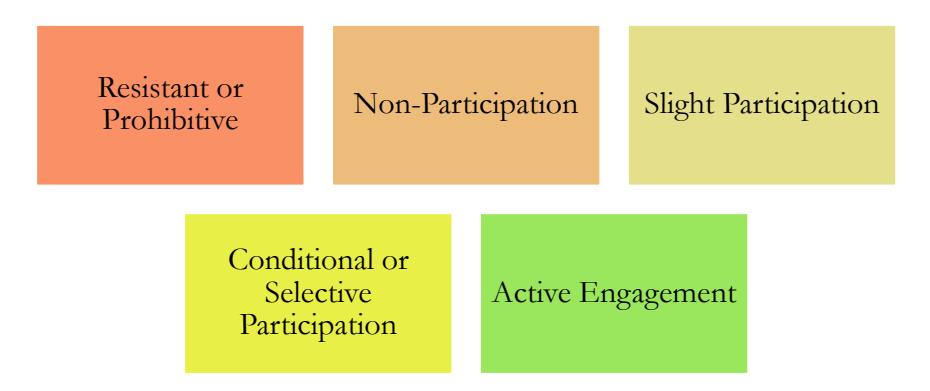
Figure 3. Typologies of Tourism Participation in Baduy Source: Developed by the Author Through Analysis (2025)
The first typology is resistant or prohibitive participation. This level refers to individuals or groups who actively reject and prohibit any form of tourism involvement. Their stance is based on strict adherence to adat, which forbids massive interaction with tourists, the engagement of modern development, and the commodification of sacred space or identity. Tourism is viewed not only as an external disturbance but as a spiritual and moral threat to the cosmological balance maintained through ritual discipline. They explicitly expressed their disagreement with tourism activities taking place in the Baduy area, citing the potential consequences of katulah (spiritual sanctions) that might occur. This typology applies not only to Inner Baduy members but also to those community members who inhabit Outer Baduy hamlets who perceive tourism as such. Although resistant and prohibitive participation toward tourism persists among some community members, these views generally remain at the level of personal perception. Individuals within this typology do not translate it into concrete actions to restrict tourism activities in Baduy, to avoid triggering internal conflict or social tension within the community.
The second typology is non-participation. Non-participants are those who, while not explicitly resistant, remain disengaged from tourism activities. Found in both Inner and Outer Baduy areas, this group may tolerate the presence of tourists but neither supports nor participates in tourism-related activities. Their preference not to participate in tourism due to a range of factors, including personal disinterest, a strong commitment to traditional agricultural livelihoods, a lack of relevant skills, access, or networks, or the perception that tourism activities are incompatible with their interpretation of adat values. This group may consist of individuals from both Inner and Outer Baduy, who neither oppose tourism nor engage with it. Their stance is best described as disengaged tolerance. They may allow tourists to pass through their village or observe from a distance but refrain from interaction, commerce, or service provision.
Slight Participation becomes the third typology of participation in Baduy tourism. Individuals at this level engage in tourism in limited or marginal ways, such as craftspeople or farmers, who indirectly engage in tourism by selling woven textiles, forest honey, fruits, or other agricultural products to fellow Baduy vendors who are more directly involved in tourist-facing activities. This participation may occur without a conscious sense of being part of the tourism sector. Slight participation often reflects situational convenience rather than a planned or sustained engagement with tourism.
The Fourth typology is conditional or selective participation. Conditional or selective participants are those who engage in tourism while maintaining a strong adherence to adat values, principles, and rituals. For instance, individuals who agree to serve as guides, porters, or hosts only during periods that do not interfere with ritual obligations, or those who choose to limit interactions with tourists to culturally appropriate topics and spaces, ensuring that their participation remains within the boundaries permitted by adat law. This group reflects a strategic negotiation between economic opportunity and cultural safeguarding.
Finally is active engagement. At the highest level of involvement, active participants are directly engaged in tourism through guiding, selling, hosting, or even promoting, organizing, and managing tourismrelated programs. These individuals may occasionally collaborate with external actors, including government officials, tour operator companies, or other tourism-related sectors. While they remain aware of adat limits, they often reinterpret adat principles in ways that allow for entrepreneurial engagement and empowerment. The active engagement typology emerges as a form of adaptation to the presence of tourism, in which individuals strategically optimize the cultural potential of Baduy adat and utilize tourism as a tool and resource to safeguard the integrity and continuity of their adat system.
It is important to note that the typology of tourism participation among the Baduy community is not rigid or fixed, but rather fluid and dynamic. In many cases, individuals may shift from one form of participation to another over time, or even occupy multiple typological positions simultaneously, depending on personal circumstances, seasonal demands, ritual calendars, or broader socio-economic changes. A community member may combine slight participation, such as producing crafts or agricultural goods, with selective or active participation, depending on opportunity, motivation, and social networks. This fluidity is shaped by several interrelated factors, including spatial proximity to tourist routes, generational experiences, levels of spiritual adherence, access to resources or networks, and the ongoing process of negotiating adat values in a changing environment. As such, the typology should be viewed as a flexible framework that captures the complex, context-dependent, and evolving nature of Baduy community members' engagement with tourism.
4.4 Tourism Participation as an Indigenous Agency and Site of Negotiation
The participation of the Baduy community in tourism cannot be adequately understood without recognizing the central role of adat as both a guiding worldview and a regulatory system. Rather than being passive recipients of tourism flows, many Baduy individuals and households engage in a deliberate process of negotiation, balancing adherence to adat values with the realities of increasing external interest in their culture and landscape. Participation is therefore not simply a matter of economic integration but a strategically navigated terrain, where cultural identity, spiritual obligations, and social cohesion are continuously evaluated against the perceived benefits and risks of tourism. This negotiation is evident in how adat-based restrictions shape when, where, and how tourism can take place, and by whom it can be facilitated.
Importantly, participation is not universally perceived as a threat to adat. For some Baduy individuals, particularly those in the Outer Baduy, the selective engagement in tourism is framed as a controlled and culturally acceptable activity, provided it does not compromise core principles or ritual obligations. These actors see tourism not only as manageable but also as potentially beneficial, especially when it can be used to strengthen the visibility and continuity of adat. For example, cultural demonstrations and craftmaking are offered in ways that reflect the community's values. In such cases, tourism becomes a vehicle for cultural transmission rather than commodification, and participation is seen as aligned with the protection of cultural integrity.
At the same time, the negotiation is deeply embedded in internal mechanisms of social control, where participation is constantly evaluated against communal norms and the boundaries of what is considered acceptable within the Baduy worldview. Some individuals choose not to engage at all, not merely due to lack of opportunity but as a reflection of their commitment to ritual purity and spiritual
responsibility. Others participate only under certain conditions: outside of sacred times, in appropriate locations, or by limiting interactions to avoid exposing sacred knowledge. These patterns demonstrate that tourism participation is not simply an individual decision but one that is often collectively assessed through the lens of adat, and respect for spiritual entity.
This complex and varied engagement underscores the agency of indigenous communities in defining the terms of their involvement in tourism. Rather than accepting externally imposed models of development, the Baduy assert a culturally grounded logic that filters, shapes, and occasionally resists the demands of tourism. Their participation reflects an ongoing process of cultural negotiation, in which tourism is neither wholly embraced nor categorically rejected, but carefully situated within the moral and spiritual frameworks that govern daily life. This case highlights the need to move beyond simplistic binaries of 'traditional versus modern' or 'resistant versus accepting' and instead recognize indigenous tourism participation as a dynamic practice of boundary-making, negotiation, and cultural assertion.
At the heart of this diverse participation lies the active and situated agency, where Baduy individuals and groups make purposeful decisions and determinations about their engagement with tourism based on internal priorities. This agency is manifested in the way community members evaluate their own readiness, interest, and alignment with adat-based values before choosing whether or how to participate. It also includes the ability to define the boundaries of engagement based on culturally legitimate criteria. Importantly, this agency is not reactive but proactive, grounded in a long-standing cultural system that provides the framework for making such decisions. Even in a rapidly changing tourism landscape, the Baduy demonstrate the capacity to retain authority over their choices, ensuring that participation does not occur by default or coercion, but as a reflection of self-determination and community-defined interest. This underscores that indigenous agency is not only present in overt resistance or visible action but also in quiet refusals, measured participation, and the preservation of internal priorities over externally driven agendas.
4.5 Plurality Within the Indigenous Community: Deconstructing the Homogeneous 'Host' Narrative
A central contribution of this study is its demonstration of the plurality within the Baduy community, which directly challenges dominant narratives that portray indigenous groups as culturally uniform or as singular "host" communities. Rather than responding to tourism in a unified way, the Baduy exhibit diverse forms of engagement, shaped by internal cultural, social, and spatial distinctions. The common binary between Inner and Outer Baduy is often used as a shorthand for the difference in tourism response, yet even within each of these zones, variation is significant. Some Outer Baduy hamlets, such as Kadu Ketug, display high levels of involvement, while others remain more passive or resist engagement altogether. Similarly, while Inner Baduy communities are typically more restrictive, a few individuals selectively engage through hosting or guiding, under carefully maintained cultural boundaries.
This internal differentiation is influenced by a complex interplay of factors, including spatial proximity to visitor routes, generational positioning, gender roles, spiritual orientation, and access to networks or resources. For example, younger Outer Baduy individuals living near Ciboleger may view tourism as an acceptable livelihood option and develop entrepreneurial practices, while their elders or more spiritually conservative neighbors may refuse such involvement. Even within a single household, there can be differing levels of participation, where one family member acts as a porter or seller, while others maintain a strict adherence to ritual and agricultural obligations. Such diversity underscores the need to reframe the notion of "community participation", not as a monolithic or collective act, but as a site of negotiation and difference within the community itself.
This plurality is further reflected in the typology of participation developed in this study, ranging from resistant, non-participatory, and slight, to conditional and actively engaged individuals. These typologies are not mutually exclusive nor static; rather, individuals may shift between them across time or even occupy overlapping categories depending on context. This reinforces the view of indigenous communities as internally differentiated and responsive, where participation is shaped by personal agency, social roles, religious commitment, and external opportunities. Such a framing avoids the romanticization or essentialization of indigenous groups and instead offers a more realistic and nuanced understanding of how cultural continuity and socio-economic adaptation unfold on the ground.
Recognizing this internal plurality has important theoretical and practical implications. Theoretically, it challenges the widespread assumption in community-based tourism literature that indigenous groups operate as cohesive, collective units. Instead, it affirms calls in critical tourism and indigenous studies to approach 'community' as a contested space, marked by negotiation and internal diversity. Practically, it cautions tourism planners, NGOs, and government actors against imposing standardized models of engagement that fail to consider local variation. Rather than assuming a unified host community, more context-sensitive and differentiated approaches are needed—ones that respect internal pluralism and allow individuals and subgroups to engage with tourism on their own terms.
4.6 Beyond the Baduy Case: Insight for Indigeous Tourism Studies
Taken together, the Baduy case offers several insights that extend beyond this specific indigenous context and contribute to broader debates in indigenous tourism studies. First, the findings underscore the need to move away from static or singular understandings of indigenous tourism participation. Rather than conceptualizing participation as a linear progression or a collective community choice, this case illustrates how multiple forms of engagement can coexist within a single indigenous society. This challenges tourism frameworks that equate participation with empowerment and instead highlights participation as a differentiated and negotiated practice shaped by internal social, cultural, and spiritual considerations.
Second, the Baduy case demonstrates the central role of indigenous governance systems in mediating tourism development. In this context, adat operates not only as a marker of cultural identity but as an active regulatory framework that defines permissible forms of engagement, controls access to space, and sets moral boundaries around tourism practices. This suggests that analyses of indigenous tourism should pay closer attention to locally grounded systems of authority and customary norms, rather than focusing solely on economic outcomes or externally defined participation indicators. Similar dynamics may be present in other indigenous settings where customary institutions, spiritual obligations, or territorial custodianship shape how tourism is accepted, adapted, or resisted.
Finally, this study highlights the importance of recognizing non-participation and resistance as meaningful expressions of indigenous agency. In the Baduy case, refusal or limited engagement does not necessarily reflect exclusion or lack of capacity, but often represents intentional strategies to preserve ritual integrity, social cohesion, and spiritual responsibilities. Viewing non-participation as a legitimate and agentive stance challenges tourism narratives that prioritize inclusion and growth as universal goals. For indigenous tourism contexts more broadly, this perspective calls for a rethinking of success indicators and policy assumptions, encouraging approaches that respect the right of indigenous communities and individuals to define the terms, limits, and desirability of tourism engagement on their own cultural grounds.
5. Conclusion
This study examined the diverse ways in which the Baduy community participates in tourism by tracing the development, practices, and patterns of their involvement. In empirical terms, the findings demonstrate that tourism participation among the Baduy is neither uniform nor linear, but rather distributed across a spectrum, from resistance and non-participation to conditional engagement and active involvement. These varied responses are shaped by multiple intersecting factors, including spatial positioning, generational experience, spiritual commitment, access to opportunities and networks, motivation, and gender. The typology proposed in this study captures this complexity and shows that participation is not static, but fluid and context-dependent. Individuals may shift between different forms of participation or occupy multiple positions at once, depending on changing social, spiritual, and economic conditions. Such findings reflect the dynamic nature of tourism engagement within the community, rather than a fixed or uniform response.
Building on these empirical insights, the discussion highlights the study's theoretical contribution to debates on indigenous tourism and participation. First, tourism participation among the Baduy is best understood as a process of negotiation, where community members actively mediate between adat values and external pressures. Tourism is not simply accepted or rejected, but is filtered, limited, or strategically embraced to reinforce cultural norms. Second, this study emphasizes the plurality within the Baduy community, challenging dominant assumptions that treat indigenous communities as homogeneous or unified entities. By foregrounding adat as a governing framework and participation as a negotiated practice, the study extends indigenous tourism scholarship beyond static or essentialized portrayals of indigenous host communities. Recognizing this complexity is essential for building tourism models that are culturally respectful, socially inclusive, and grounded in local knowledge systems.
Several key practical and policy implications are also included in this study. From a practical and policy-oriented perspective, the findings underscore the importance of designing tourism interventions that are sensitive to internal diversity and respectful of adat-based governance. Tourism planners, NGOs, and government agencies should avoid one-size-fits-all approaches and instead facilitate mechanisms that allow communities to define and control their own forms of participation, with safeguards for cultural and spiritual integrity and recognition of selective non-participation as a legitimate outcome. For tourism operators and intermediaries, this implies the need to engage with indigenous communities through differentiated, context-specific arrangements rather than assuming uniform consent or benefit-sharing models.
This study's qualitative and case-specific approach, while offering deep insights into the Baduy community's diverse participation in tourism, limits the generalizability of findings to other indigenous contexts. The analysis primarily focused on spatial and generational variations within Kanekes village, leaving broader regional dynamics and longitudinal
changes underexplored. Future research could expand by incorporating comparative studies with other indigenous groups, employing mixed methods to quantify participation patterns, and examining the long-term impacts of tourism on adat governance and cultural resilience. Additionally, exploring the perspectives of tourists and external stakeholders would provide a more holistic understanding of the multi-directional relationships shaping tourism in the Baduy territory.
References
- Abdelkader, H., & Lahcene, F. (2022). Exploitation of urban heritage in sustainable tourism development: The case of Ksar of Bou-Saada in the Department of M'sila. International Journal of Innovative Studies in Sociology and Humanities, 7(9), 1–9. DOI: 10.20431/2456-4931.070901.
- Adnyani, N. K. S., Wija Atmaja, G. M., & Sudantra, I. K. (2022). Recognition the role of traditional villages in tourism development from the legal pluralism perspective. International Journal of Social Science and Business, 6(1), 120–127. DOI: 10.23887/ijssb.v6i1.40647.
- Alamineh, G. A., Hussein, J. W., Mulu, Y. E., & Taddesse, B. (2023). The negative cultural impact of tourism and its implication on sustainable development in Amhara Regional State. Cogent Arts and Humanities, 10(1), 1–27. DOI: 10.1080/23311983.2023.2224597.
- Alfira, F., & Uekita, Y. (2023). Hierarchy and relationship of hamlets: The case of Baduy Tribe, Indonesia. Asian Culture and History, 15(1), 91. DOI: 10.5539/ach.v15n1p91.
- Anindhita, T. A., Zielinski, S., Milanes, C. B., & Ahn, Y. (2024). The protection of natural and cultural landscapes through community-based tourism: The case of the Indigenous Kamoro Tribe in West Papua, Indonesia. Land, 13(8), 1–23. DOI: 10.3390/land13081237.
- Braun, V., & Clarke, V. (2022). Thematic analysis: A practical guide. SAGE Publications.
- Caecelia, & Umarjadi, U. (2015). The impact of opening up a traditional culture to tourism development: Study case Baduy Tribe. Business and Management Studies Journal, 2(2), 13–29.
- Carr, A., Ruhanen, L., & Whitford, M. (2016). Indigenous peoples and tourism: The challenges and opportunities for sustainable tourism. Journal of Sustainable Tourism, 24(8–9), 1067–1079. DOI: 10.1080/09669582.2016.1206112.
- Curtin, N., & Bird, S. (2022). "We are reconciliators": When Indigenous tourism begins with agency. Journal of Sustainable Tourism, 30(2–3), 461–481. DOI: 10.1080/09669582.2021.1903908.
- de la Maza, F. (2024). Indigenous tourism and political recognition of rights in Chile. In C. Pforr, M. Pillmayer, M. Joppe, N. Scherle, & H. Pechlaner (Eds.), Tourism policy-making in the context of contested wicked problems: Politics, paradigm shifts and transformation processes (Vol. 17B, pp. 107–119). Emerald Publishing Limited. DOI: 10.1108/S1871-31732024000017B008.
- Dewantara, M. H. (2019). Pemberdayaan masyarakat dalam pengembangan wisata Kampung Baduy, Banten. Journey: Journal of Tourismpreneurship, Culinary, Hospitality, Convention and Event Management, 2(1), 35–54. DOI: 10.46837/journey.v2i1.43.
- Djou, J. A. G., Baiquni, M., Widodo, T., & Fandeli, C. (2017). Symbolic participation in communitybased tourism in Kelimutu National Park, Ende, East Nusa Tenggara. IOSR Journal of Business and Management, 19(1), 15–20. DOI: 10.9790/487x-1901071520.
Ebneyamini, S., & Moghadam, M. R. S. (2018). Toward developing a framework for conducting case study research. International Journal of Qualitative Methods, 17(1), 1–11. DOI: 10.1177/1609406918817954.
- Elgin, C., & Elveren, A. Y. (2024). Unpacking the economic impact of tourism: A multidimensional approach to sustainable development. Journal of Cleaner Production, 478, 143947. DOI: 10.1016/j.jclepro.2024.143947.
- Fahmi, M., Syamsunasir, S., & Sukendro, A. (2022). The peaceful culture of the Indigenous People of the Baduy Tribe, Indonesia, in maintaining peace. International Journal of Arts and Social Science, 5(9), 87–91.
- Febrianty, Y., & Ryendra, N. R. (2024). The dilemma of the Baduy legal community facing the challenge of traditional values amidst legal and globalization. Eduvest – Journal of Universal Studies, 4(7), 6345–6353. DOI: 10.59188/eduvest.v4i7.1637.
- Ferguson, R. J. (2020). Tourism, nature, and community: Investigating the potential of Indigenous tourism for fostering cultural resilience and reconciliation [University of Gloucestershire]. DOI: 10.46289/RR32CA54.
- Fitriana, R., Sujana, D., & Leonandri, D. G. (2020). Women's participation in tourism activities: A case study of Baduy Tribe. Society, 8(2), 640–649. DOI: 10.33019/society.v8i2.220.
- Fletcher, C., Pforr, C., & Brueckner, M. (2016). Factors influencing Indigenous engagement in tourism development: An international perspective. Journal of Sustainable Tourism, 24(8–9), 1100–1120. DOI: 10.1080/09669582.2016.1173045.
- Gaber, J. (2019). Building "a ladder of citizen participation": Sherry Arnstein, citizen participation, and model cities. Journal of the American Planning Association, 85(3), 188–201. DOI: 10.1080/01944363.2019.1612267.
- Harbor, L. C., & Hunt, C. A. (2021). Indigenous tourism and cultural justice in a Tz'utujil Maya community, Guatemala. Journal of Sustainable Tourism, 29(2–3), 214–233. DOI: 10.1080/09669582.2020.1770771.
- Herandy, C. (2022). Pariwisata Baduy: Antara perubahan dan kontinuitas. Lembaran Antropologi, 1(2), 204–216. DOI: 10.22146/la.4231.
- Junaid, I. (2022). Sustainable tourism in Toraja: Perspective of Indigenous people. ASEAN Journal on Hospitality and Tourism, 14(1), 45–55. DOI: 10.5614/ajht.2015.14.1.5.
- Latip, N. A., Rasoolimanesh, S. M., Jaafar, M., Marzuki, A., & Umar, M. U. (2018). Indigenous participation in conservation and tourism development: A case of native people of Sabah, Malaysia. International Journal of Tourism Research, 20(3), 400–409. DOI: 10.1002/jtr.2191.
- Mansor, N. A., Ibrahim, M., Rusli, S. A., Simpong, D. B., Razak, N. F. A., Samengon, H., Ridzuan, N. A., & Othman, N. A. (2019). Empowering indigenous communities through participation in tourism. International Journal of Tourism Anthropology, 7(3–4), 309–329. DOI: 10.1504/ijta.2019.107323.
- Mutaqien, N. F., Pujaastawa, I. B. G., & Suwena, I. W. (2021). Baduy Dalam sentuhan pariwisata: Studi antropologi tentang perkembangan pariwisata di Desa Kanekes dan implikasinya. Sunari Penjor: Journal of Anthropology, 5(2), 69. DOI: 10.24843/sp.2021.v5.i02.p03.
- Nguyen, T. T., Phan, D. T., Doan, D. L., Chau, M. T., & Doan, T. T. (2025). Cultural revitalization for tourism development from an Indigenous perspective: The case of Ta Oi people, A Luoi District, Thua Thien Hue Province, Vietnam. Frontiers in Sustainable Tourism, 4, 1–17. DOI: 10.3389/frsut.2025.1510934.
- Pradana, T., Simamora, V. I. J., & Zai, Y. M. I. (2024). The threat of cultural degradation due to tourism activities (Case study on tourist guides from Baduy Dalam Tribe at Banten, Indonesia). Ilomata International Journal of Social Science, 5(4), 1120–1136.
- Pradana, T., Widyawan, I., & Sanjaya, Y. (2025). Evaluation of rural tourism concept for cultural preservation (Case study of Baduy Tribe rejecting tourism). Ilomata International Journal of Social Science, 6(2), 719–734. DOI: 10.61194/ijss.v6i2.1019.
- Praptika, I. P. G. E., Natasanti, A., Saputri, D. A., Azzulfa, M. I., Mahen, B. T., & Prihantoro, F. (2024). Improving cultural sustainable tourism: Evidence of Saba Budaya Baduy from Baduy Tribe, Indonesia. Tourism Cases. DOI: 10.1079/tourism.2024.0020.
- Pretty, J. N. (1995). The many interpretations of participation. World Development, 23(8), 1247–1263.
- Pung, J. M., & Del Chiappa, G. (2020). An exploratory and qualitative study on the meaning of transformative tourism and its facilitators and inhibitors. European Journal of Tourism Research, 24, 1–21. DOI: 10.54055/ejtr.v24i.406.
- Quang, T. D., Dang, V. Q., Alang, T., & Nguyen, H. V. (2023). Can tourism enhance inclusivity for indigenous peoples? Cham perspectives on tourism benefit sharing at living heritage sites in Vietnam. Equality, Diversity and Inclusion. DOI: 10.1108/EDI-08-2022-0243.
- Reddy, K., & Sailesh, B. (2024). Cultural guardianship in tourism: Indigenous communities' quest for economic stability and identity preservation. Journal of Environmental Management and Tourism, 15(2), 328–337. DOI: 10.14505/jemt.v15.2(74).08.
- Santoso, T., Nurasa, H., Rusli, B., & Sumadinata, R. W. S. (2025). Synergy of environmental management and public policy for adat-based tourism: A study on the Baduy cultural Saba, Indonesia. Journal of Ecohumanism, 3(8), 10998–11011. DOI: 10.62754/joe.v3i8.5707.
- Sari, D. P., Gunawijaya, J., & Nurbaeti, N. (2023). Keaslian: Daya tarik wisata budaya di mata pemuda Suku Baduy. Bogor Hospitality Journal, 7(2), 1–10. DOI: 10.55882/bhj.v7i2.90.
- Scherl, L. M., & Edwards, S. (2007). Tourism, indigenous and local communities and protected areas in developing nations. In R. Bushell & P. Eagles (Eds.), Tourism and protected areas: Benefits beyond boundaries (pp. 71–88). CABI. DOI: 10.1079/9780851990224.0071.
- Scheyvens, R., Carr, A., Movono, A., Hughes, E., Higgins-Desbiolles, F., & Mika, J. P. (2021). Indigenous tourism and the sustainable development goals. Annals of Tourism Research, 90, 103260. DOI: 10.1016/j.annals.2021.103260.
- Shepherd, R. (2002). Commodification, culture, and tourism. Tourist Studies, 2(2), 183–201. DOI: 10.1177/146879702761936653.
- Situmorang, R., Trilaksono, T., & Japutra, A. (2019). Friend or foe? The complex relationship between indigenous people and policymakers regarding rural tourism in Indonesia. Journal of Hospitality and Tourism Management, 39, 20–29. DOI: 10.1016/j.jhtm.2019.02.001.
- Sugiwa, I. (2015). Pengembangan pariwisata berbasis keunikan penduduk lokal di wilayah Banten (studi di wilayah Baduy). Epigram, 12(2), 133–144.
- Suhud, U., Tarma, T., & Maulida, E. (2019). Authenticity of fourth world country tourism: A case of Baduy, Indonesia. International Journal of Innovation, Creativity and Change, 10(9), 133–153.
- Sumawijaya, Sumaryadi, I. N., Hasan, E., & Lukman, S. (2020). The role of socio-culture and the factors affecting the development of the Baduy community. International Journal of Science and Society, 2(4), 338–348. DOI: 10.54783/ijsoc.v2i4.219.
- Supranta, V. A. (2021). Saba Budaya Baduy: Persepsi masyarakat lokal terhadap pariwisata adat. Universitas Gadjah Mada.
Sutaryantha, M. P. W., & Kusumasari, B. (2020). Indigenous collaborative governance: An understanding of decision-making process at Desa Adat in Bali, Indonesia. Udayana Journal of Law and Culture, 4(2), 119–145. DOI: 10.24843/UJLC.2020.v04.i02.p01.
- Suyadnya, I. W., Cahyadi, R., Tirtayani, L. A., & Nuryani, A. F. (2025). Overtourism sensitivity and tourism development in Canggu, Bali. Cogent Social Sciences, 11(1), 2521364. DOI: 10.1080/23311886.2025.2521364.
- Tanati, E., Wahyudi, W., & Sinery, A. S. (2020). Tingkat partisipasi masyarakat lokal dalam pengelolaan ekowisata di Kampung Saporkren Distrik Waigeo Selatan Kabupaten Raja Ampat. Jurnal Sumberdaya Akuatik Indopasifik, 4(2), 193–202. DOI: 10.46252/jsai-fpikunipa.2020.vol.4.no.2.118.
- Tosun, C. (1999). Towards a typology of community participation in the tourism development process. Anatolia, 10(2), 113–134. DOI: 10.1080/13032917.1999.9686975.
- Van Zanten, W. (2022). Definitions related to the safeguarding of living culture: Words matter. In H. Schippers & A. Seeger (Eds.), Music, communities, sustainability: Developing policies and practices. Oxford University Press. DOI: 10.1093/oso/9780197609101.003.0004.
- Waluya, B., Malihah, E., Ruhimat, M., & Wiyanarti, E. (2021). Kajian nilai-nilai Saba Budaya Baduy sebagai modal sosial untuk menjaga lingkungan dari ancaman kerusakan akibat pariwisata. Sosietas: Jurnal Pendidikan Sosiologi, 11(2), 191–200.
- Wani, M. S., Bhat, M. S., Alam, A., & Mir, S. A. (2023). Assessing indigenous community's perspectives and attitudes toward tourism development impacts in the northwestern Himalayas, India. Socio-Ecological Practice Research, 5(1), 63–78. DOI: 10.1007/s42532-022- 00134-6.
- Wawo, M., Tetelepta, J. M. S., Ayal, F. W., Mamesah, J. A. B., Rahman, R., & Hehakaya, T. B. (2025). The participation level of the local community towards community-based tourism development in Sopapei Tourism Destination, Ambon, Indonesia. Media Konservasi, 30(1), 96– 105. DOI: 10.29244/medkon.30.1.96.
- Widayati, M. T. (2025). Perkampungan adat Baduy: Antara pengembangan pariwisata dan pelestariannya. Jurnal Sosial dan Teknologi, X(6), 1–11. DOI: 10.59188/jurnalsostech.v5i6.32233
- Wijaya, H. (2017). Local resident perception and attitude towards tourism development: The case of Baduy Tribe, Banten. BINUS University International.
- Zainal, S., Nirzalin, N., Fakhrurrazi, F., Yunanda, R., Ilham, I., & Badaruddin, B. (2024). Actualizing local knowledge for sustainable ecotourism development in a protected forest area: Insights from the Gayonese in Aceh Tengah, Indonesia. Cogent Social Sciences, 10(1). DOI: 10.1080/23311886.2024.2302212.