

1. Introduction
The tourism sector's increasing contribution to global CO2 emissions, estimated at 4.9%, emphasizes the urgency for sustainability (European Climate Foundation, 2014). In the hospitality industry, Net Zero represents a comprehensive commitment to balancing greenhouse gas emissions with equivalent removal efforts, extending beyond energy and travel-related reductions to encompass waste minimization, water efficiency, sustainable food and beverage practices, and environmentally responsible building design. Achieving Net Zero requires a methodical reduction of emissions by enhancing efficiency, embracing renewable energy sources, and managing resources responsibly, while also tackling unavoidable emissions via carbon offset strategies and nature-based solutions. This methodology aims to significantly diminish the sector's climate impact and bolster environmental stewardship within travel and hospitality operations (United Nations, n.d.; Oxford Net Zero, n.d.).
Due to the substantial contribution of tourism-related activities particularly transportation, accommodation, and energy-intensive hospitality operations to greenhouse gas emissions, Malaysia's hospitality sector faces a critical challenge in progressing toward Net Zero, especially as tourism growth is positively associated with rising national CO₂ emissions (Lenzen et al., 2018; UNWTO, n.d.; Zaman et al., 2022). Pursuing this goal can combat climate change, protect Malaysia's diverse ecosystems and foster biodiversity conservation. Malaysia possesses a rich history of environmental involvement, which can be traced back to its engagement in the 1972 UN Conference on the Human Environment, as well as its dedication to international accords such as the Paris Agreement. Nevertheless, recent statistics indicate that CO2 emissions from tourism in Malaysia may increase by 25% by the year 2030, surpassing optimistic projections (UNWTO & ITF, 2019). Currently, tourism accounts for 8-11% of global emissions, with the aviation sector alone contributing 17%. Forecasts suggest that if tourist arrivals were to double, there could be a potential 5.3% share of anthropogenic carbon emissions by 2030. This necessitates urgent climate action within the industry (UN, n.d.; UNWTO, n.d.; Usborne, 2022; SEDA, n.d., IEA, 2020; Chua & Oh, 2010; Lim et al 2006).
The pursuit of Net Zero in Malaysia's hospitality industry aligns closely with national climate objectives while enhancing industry competitiveness by attracting eco-conscious tourists and strengthening long-term financial viability through improved energy efficiency and resource management. The implementation of sustainability initiatives enhances a corporation's reputation, strengthens customer loyalty, and promotes positive branding. This enhancement is underpinned by a strong commitment from the government through various policies and initiatives, such as the National Green Technology Policy (NGTP), Green Investment Tax Allowance (GITA), Green Income Tax Exemption (GITE), MyCarbon, Green Technology Financing Scheme (GTFS), Low Carbon Cities Framework, Green Technology Park Malaysia, Green Building Index (GBI), National Transport Policy (NTP), Malaysia Intelligent Transport System Blueprint (MITSB), National Land Public Transport Master Plan (NLPTMP), and National Solid Waste Management Policy (NSWMP). Collectively, these initiatives provide incentives, regulatory support, and financing options for transitioning to sustainability (Ministry of Energy, Green Technology & Water Malaysia, 2009; 2017; Malaysia Green Technology and Climate Change Corporation, 2023; GBI Sdn Bhd, n.d.; Ministry of Transport, 2019; Ministry of Works, 2019; Ministry of Natural Resources and Environment, 2015; Ministry of Local Government Development, 2016; Government of Malaysia, n.d.; IEA, 2020).
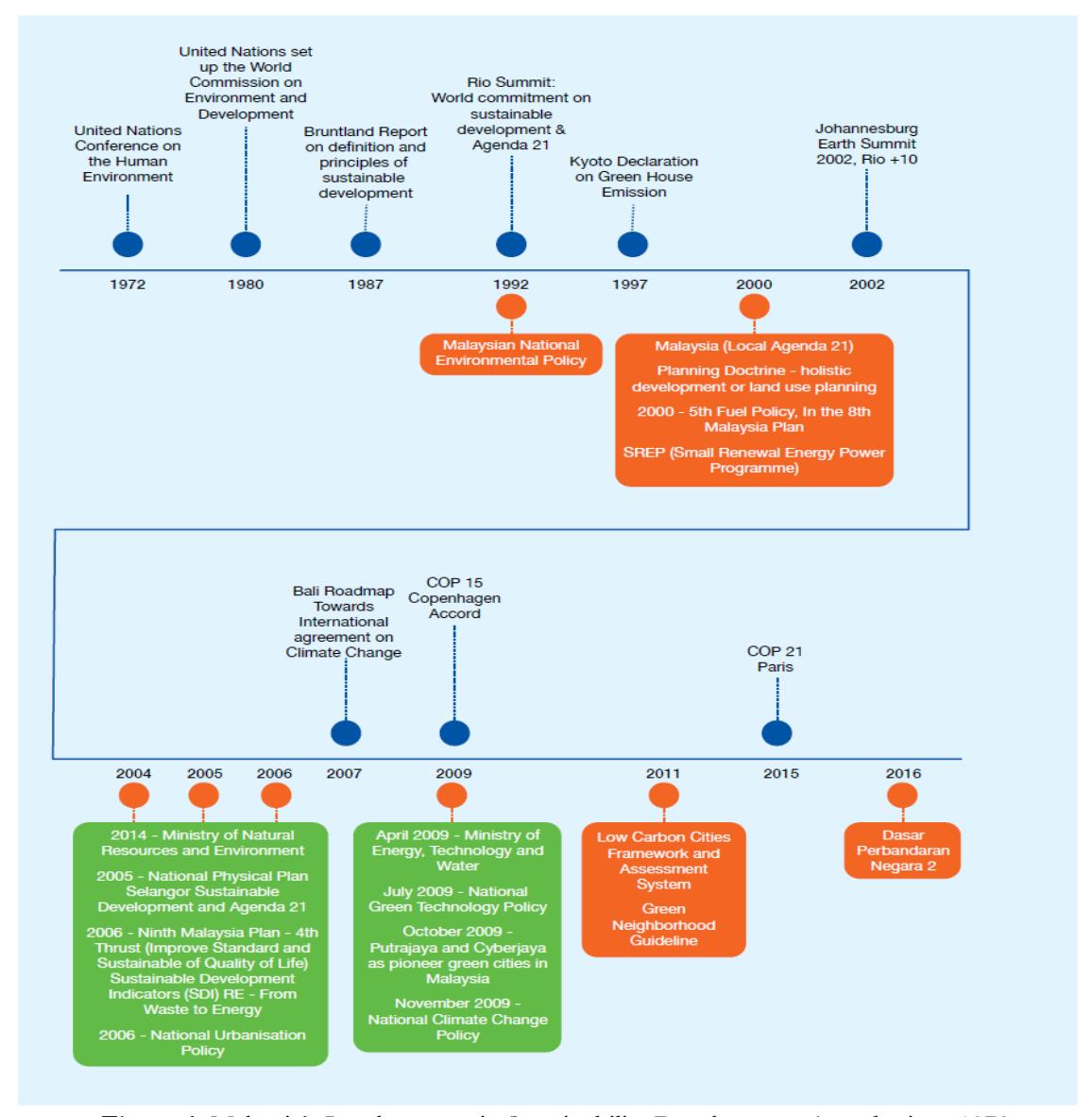
Figure 1. Malaysia's Involvements in Sustainability Development Agenda since 1972. Source: Ministry of Energy, Green Technology and Water Malaysia {KeTTHA} (2017)
The urgency for Net Zero adoption is underscored by Malaysia's 2021 CO₂ emissions of 251.6 million tonnes and a growth rate of 6.12%, with the energy-intensive hospitality sector contributing significantly to greenhouse gas emissions (Knoema, n.d.; Rahim, 2014; European Climate Foundation, 2014). The industry also faces persistent environmental challenges, including energy and water inefficiency, waste generation, single-use plastics, pollution, ecological degradation, and climate vulnerability, which increase operational costs and threaten tourism resilience (Mukaramah et al., 2021; Babatunde et al., 2018). Addressing these challenges through Net Zero-aligned mitigation strategies is essential for climate resilience, economic development, cultural heritage preservation, and fulfilling corporate social responsibility, positioning Malaysia's hospitality industry as a responsible contributor to sustainable tourism and national sustainability goals.
The aim of this research is to present a thorough theoretical framework for the Malaysian hospitality sector to achieve Net Zero status by tackling major environmental issues through sustainable practices. By integrating principles of sustainable development, systems thinking, and Corporate Social Responsibility (CSR) across multiple fields, it addresses concerns such as emissions, energy consumption, water usage, waste production, and ecological effects. The framework promotes the reduction of carbon footprints via efficiency improvements, renewable energy adoption, and responsible stewardship or resources, in addition to carbon offsetting methods. Ultimately, it seeks to empower the industry to proactively address climate change, protect the environment, and encourage responsible tourism in Malaysia.
2. Literature Review
The referenced papers collectively offer valuable insights into the theoretical framework and prior research related to achieving net-zero emissions. Mishra et al. (2022) undertook a systematic literature review examining key themes related to the net-zero economy, with particular emphasis on decarbonization, emission mitigation, and supply chain management. The study shows a strong positive correlation between digitalization, circular economy practices, and the advancement of netzero goals, while also highlighting the fact that the majority of current research is focused on decarbonization strategies, emission control mechanisms, and life cycle assessment. Asif et al. (2023) utilized data from the Carbon Disclosure Project to identify environmental sustainability factors aiding businesses in achieving pollution reduction targets and sustainable business models. Huang et al. (2013) explored energy-saving and emission reduction opportunities within China's hospitality sector, proposing a foundation for carbon emission assessment modelling. Jones (2023) investigated how the tourism industry addresses net-zero emissions challenges and highlighted transition strategies employed by industry leaders. Talib (2019) addresses the implementation of Sustainable Facilities Management (SFM) in the hotel industry, identifying multiple initiatives that can support effective sustainable facilities management practices. These papers, when considered together, enhance the understanding of net-zero initiatives and provide critical insights for developing a theoretical framework focused on reaching net-zero emissions in Malaysia's hospitality industry.
The proposed Net Zero framework for Malaysia's hospitality industry is grounded in sustainable development principles (WCED, 1987) and systems thinking (MIT Sloan School of Management, 2023), recognizing the sector's interconnected relationship with the environment, society, and the economy. Aligned with global climate ambitions, the framework adopts a multidisciplinary perspective that integrates environmental, economic, social, and policy dimensions to promote holistic sustainability. It extends beyond energy efficiency to encompass waste management, water stewardship, sustainable procurement, and community engagement as essential components of emission reduction. Central to the framework is collaborative stakeholder involvement, bringing together industry professionals, investors, policymakers, local communities, and non-governmental organizations. By embedding Corporate Social Responsibility (CSR) and sustainable business practices, the framework reinforces organizational accountability, transparency, and ethical governance. With an emphasis on Goals 13 (Climate Action) and 12 (Responsible Consumption and Production), these principles promote alignment with global sustainability agendas and help steer the hospitality sector toward a resilient and balanced Net Zero transition.
The theoretical perspective underpinning the proposed framework is grounded in systems thinking, which acknowledges the complex interdependencies within the hospitality industry and its interactions with the environment and local communities. By adopting a holistic approach, the framework seeks to address these interconnected relationships comprehensively, minimizing unintended consequences and promoting balanced outcomes that support both environmental integrity and economic viability. In order to put this perspective into practice, System Dynamics (SD), established by Prof. Emeritus Jay W. Forrester at MIT Sloan in the 1950s, serves as a conceptual and analytical framework. SD allows for the investigation of dynamic system behaviour over time, making it particularly applicable to the tourism and hospitality field, where numerous subsystems engage and change in response to internal and external stimuli.
Global sustainability agendas, systems thinking, system dynamics, corporate social responsibility, and sustainable development concepts are all integrated into the theoretical underpinnings of the suggested Net Zero framework. Through integrated sustainability strategies, stakeholder participation, and accountability mechanisms, it acknowledges the complex effects of the hotel industry on environmental and social systems and offers a methodical route to reaching Net Zero. Through this approach, the framework aims to guide the industry toward a more environmentally responsible, socially conscious, and resilient future.
In Malaysia, the adoption of environmentally friendly hotel practices lags behind European nations, with recent attention to sustainability (Yusof & Jamaludin, 2013). Tourism Malaysia (2016) notes a low and stagnant number of hotels in Malaysia implementing sustainable methods. Although there is a rising awareness of environmental sustainability in the hospitality industry, the execution of green initiatives in Malaysian resorts and hotels is still limited, largely due to the focus on short-term financial returns over the benefits of long-term sustainability. Siti et al. (2011) discovered that revenue generating took precedence over sustainability, with little adoption of green and sustainable efforts, frequently as a result of the perception of unappealing benefits. Kamalulariffin et al. (2013) identified five key barriers to environmental management adoption in Malaysian hotels, finding that only organizational-level greenness partially supported implementation. Similarly, Yusof and Jamaludin (2013, 2014) discovered that Malaysian green hotels focused predominantly on energy, waste, and water management due to immediate cost reduction benefits, while neglecting areas with less direct financial impact such as indoor air quality and sustainable site management. Kasim (2009) further explored how managerial attitudes in small and medium hotels influenced environmental management approaches. Recent research substantiates this consistent trend, showing that despite the efforts of government certification, only a small percentage of Malaysia's 750 rated accommodation facilities have received green certification, as hotels persist in prioritizing cost-saving approaches and immediate benefits over extensive sustainable practices (Luo et al., 2021). The majority of Malaysian hotels have instituted basic eco-friendly measures in their restaurant operations, such as conserving energy and water, sourcing locally, and managing waste, which are prevalent in the hotel industry of the country (Yusof & Jamaludin, 2013; Anton, Deltas, & Khanna, 2004; Wang, 2012; Langgat, 2019). Nonetheless, researchers and environmental organizations are increasingly concerned about the environmental impact of the industry and the pressing need for sustainable practices (Dief & Font, 2010; Nicholls & Kang, 2012a, 2012b; Hu, 2012; Kasim & Ismail, 2012; Kim et al., 2017). Current research trends in sustainable hospitality, as shown by studies such as Miao & Wei (2013), Hu (2012), Theotokis & Manganari (2015), and Millar, Hind, & Magala (2012), concentrate on the effects of green practices on consumer profiles.
Platas (2023) discusses the hotel sector's carbon footprint on a global scale and the reports on a CBRE Hotels Research study examining CO2 emissions across the international hospitality industry, comparing data from 25 countries including the US, UK, Germany, Spain, UAE, Saudi Arabia, Japan, Vietnam, France, Colombia, Indonesia, Egypt, and Malaysia. While Malaysia is briefly mentioned as one of the countries with high water usage per occupied room alongside Vietnam and Egypt, the study primary focus is on the urgent need for the entire global hotel industry to reduce carbon emissions and improve environmental, social, and governance (ESG) performance across different regions. This is a global industry analysis that includes Malaysia as one of many countries examined. Covering accommodation, food services, transportation, and entertainment, the industry is responsible for emissions stemming from energy consumption, transportation, food services, water
usage, waste generation, infrastructure, construction, business travel, and supply chains. Specifically, hotels and resorts demand a large amount of energy, resulting in direct CO2 and greenhouse gas emissions (Yusof & Jamaludin, 2013). Tourism-related transportation emits CO2 and air pollutants. Food and beverage operations contribute emissions across the supply chain, while water consumption indirectly contributes if powered by carbon-intensive sources. The industry generates significant waste, with improper disposal releasing greenhouse gases like methane (CH4). Construction and expansion processes are energy-intensive, and business travel adds to emissions. The manufacturing and distribution of goods and services within the hospitality industry significantly impact its carbon footprint. A report by CBRE indicates that as of March 2023, the hotel industry is assessed at a CO2 rating of 96, emphasizing the pressing necessity for global efforts to reduce carbon emissions (Platas, 2023). Tackling these emissions through energy efficiency, renewable energy adoption, water optimization, waste reduction, and sustainable transportation is critical for the industry's role in combatting climate change and promoting global sustainability.
Effective collaboration among stakeholders in hospitality industry is essential for addressing challenges, fostering responsible tourism, and shaping guest experiences. However, the industry's considerable environmental footprint, stemming from water usage, energy consumption, waste generation, and tourism concentration, poses threats to ecosystems and communities. Adopting sustainable initiatives, including conservation, waste minimisation, and cultural preservation, is essential to mitigate these impacts. Transparent communication and collaboration are paramount to promote responsible and sustainable tourism, ensuring the preservation of natural resources and benefiting local communities. Embracing sustainability has the potential to redefine the hospitality sector, turning it into a positive force for environmental sustainability and social consequences.
In Malaysia, the hospitality industry is increasingly adopting sustainable practices through various initiatives, such as acquiring green building certifications, implementing energy-efficient technologies, and utilizing renewable energy sources to minimize carbon footprints, as guided by GBI tools (Green Building Index, 2022). Significantly, four hotels received certification under the ASEAN Green Hotel Standard in 2022 (The Malaysian Reserve, 2023), and in 2014, there were 29 hotels and 448 projects registered with the Green Building Index (GBI) (GBI, 2014). While water conservation measures like water reuse systems and low-flow fixtures address water scarcity, waste reduction, recycling, and locally sourced organic food are also becoming more common practices. These initiatives show the industry's commitment to sustainability and help Malaysia's hospitality sector become more ecologically conscious.
Reaching Net Zero in the Malaysian hospitality industry faces obstacles including a lack of industrywide awareness, financial limitations for smaller businesses, and the difficulties associated with maintaining sustainability throughout the supply chain, especially in food procurement. Accelerating Net Zero initiatives necessitates clear policies, standardized data collection, and a cultural shift among staff and guests. Integrated approaches addressing energy efficiency, waste reduction, and water conservation are indispensable. Despite these obstacles, the industry is aggressively pursuing sustainability and recognizing the need for Net Zero. In order to overcome challenges and make the shift to a more sustainable and Net Zero-compliant hospitality industry in Malaysia, enterprises, the government, non-governmental organizations, and communities must work together. This will greatly contribute to both national climate goals and international sustainability initiatives.
Net Zero in Malaysia's hospitality industry is a comprehensive goal aiming to offset all greenhouse gas emissions from operations through removals from the atmosphere. Malaysia's commitment to achieve Net Zero by 2050 is outlined in its Long-Term Low Emissions Development Strategy (LT-LEDS), aligning with UNFCCC objectives. In the hospitality sector, Net Zero principles prioritize emission reduction via energy efficiency, waste management, and renewable energy. Carbon offset initiatives and responsible resource management, particularly in water and waste, are crucial.
Collaboration among stakeholders, supported by robust policies, ensures collective sustainability action with transparent reporting. Embracing innovation and sustainable technologies propels the industry toward Net Zero, positioning Malaysia's hospitality as a leader in sustainable tourism and responsible business. This commitment aligns with national climate goals, fostering environmental preservation (BNM Annual Report, 2022).
The Greenhouse Gas Protocol's three primary scopes are used to control greenhouse gas emissions in Malaysia's hospitality sector (World Resources Institute and World Business Council, 2004). Direct emissions from on-site sources, such as the burning of fossil fuels and the use of refrigerants, are included in scope 1. Scope 2 covers indirect emissions associated with purchased electricity, whereas Scope 3 covers external emissions associated with operations such as waste disposal, worker and guest transportation, and the manufacture and transportation of commodities. Achieving Net Zero in the hospitality industry necessitates comprehensive strategies targeting all these emission scopes. This involves the reduction of emissions through energy-efficient technologies, adoption of renewables, and engagement in carbon offsetting activities, aligning establishments with sustainability and environmental preservation goals.
In order to achieve sustainability and Net Zero targets, Malaysia's hospitality sector must prioritize both carbon reduction and offsetting techniques. Reducing carbon emissions entails implementing effective strategies and technology that improve long-term sustainability and customer appeal. At the same time, carbon offsetting makes up for residual emissions, accelerating the process of reaching Net Zero and demonstrating a prompt dedication to environmental care. When combined, these tactics help Malaysia's hotel industry fight climate change, save resources, and encourage ethical travel.
Government's commitment to environmental sustainability in the hospitality sector is evident through various legislations and policies. Malaysia's National Policy on Climate Change outlines emission reduction targets and sustainable practices, impacting hospitality and tourism. The National Energy Efficiency Action Plan promotes energy-saving technologies across sectors, including hospitality. The Green Technology Master Plan encourages eco-friendly practices and renewable energy adoption in tourism and hospitality. The National Energy Policy 2022-2040 focuses on sustainable economic growth, environmental sustainability, and energy security. The Environmental Quality Act sets standards for waste, air, and water quality, affecting hospitality operations. Mandatory Environmental Impact Assessments under this act ensure environmental considerations in hospitality development projects. Eco-friendly methods are encouraged by Sustainable Tourism Development guidelines, while trash minimization is emphasized by the Solid trash and Public Cleansing Management Act. Sustainability in the hospitality industry is encouraged by initiatives like the Green Building Index and MyHIJAU Mark. In order to promote responsible tourism and correspond with Malaysia's environmental aims, it is imperative that these policies be monitored (Bhuiyan and Ismail, 2018; Jalal & Bodger, 2009).
Sustainability has been successfully promoted by current environmental regulations in Malaysia's hospitality industry, including the National Policy on Climate Change, National Energy Efficiency Action Plan (NEEAP), Green Technology Master Plan, and Sustainable Tourism Development Guidelines. However, there are notable gaps in enforcement, compliance, incentives, circular economy integration, Extended Producer Responsibility (EPR), public awareness, Small Medium Enterprise (SME) support, and monitoring/reporting. Strengthening enforcement, offering incentives for sustainable practices, integrating circular economy principles, implementing EPR programs, and raising public awareness are crucial. Support for SMEs and improved monitoring/reporting mechanisms will enhance Malaysia's alignment with global environmental goals and promote responsible tourism.
To propel Malaysia's hospitality industry toward Net Zero, imperative policy recommendations include mandatory emission reduction targets, sector-specific goals, stringent green building standards, and incentives for retrofitting with energy-efficient technologies. Enforcing renewable energy integration and carbon offset mandates, along with extended producer responsibility policies, will address emissions comprehensively. Incentivizing circular economy practices and prioritizing sustainable venues for official events will encourage a shift towards responsible resource consumption. Policies promoting local, organic, and sustainable food sourcing will contribute to a greener supply chain. Standardized reporting and a green tourism certification program will ensure transparency and accountability, while dedicated funds for research, innovation, and training programs will drive sustainable practices. This comprehensive approach supports Net Zero ambitions and concurrently elevates the industry's reputation and competitiveness, establishing Malaysia as a leader in sustainable tourism.
3. Methodology
This study adopted a systematic narrative literature review guided by PRISMA 2020 to develop a theoretical framework for achieving Net Zero in Malaysia's hospitality industry. Literature published between 2010 and 2024 was reviewed to capture contemporary sustainability and decarbonization discourse aligned with global and national climate commitments. A structured search was conducted across Scopus, Web of Science, JSTOR, DOAJ, and Google Scholar using Boolean combinations of keywords including "Net Zero," "carbon neutrality," "hospitality industry," "tourism," "sustainability," and "Malaysia." The preliminary search generated 462 records, of which 87 duplicates were removed. Following title and abstract screening, 245 records were excluded due to irrelevance, leaving 130 articles for full-text assessment. A further 72 articles were excluded for lacking sectoral relevance, methodological rigor, or contextual alignment, resulting in 58 studies included in the final synthesis. Inclusion criteria comprised peer-reviewed or authoritative policy literature focused on hospitality or tourism sustainability, emissions reduction, or Net Zero transitions, with relevance to Malaysia and full-text availability. Government policies, industry reports, and sustainability frameworks were also reviewed to contextualize findings within Malaysia's regulatory landscape. The final synthesis informed the development of a context-specific theoretical framework integrating sustainability principles, emissions mitigation strategies, and stakeholder engagement mechanisms for the hospitality industry.
Table 1. Summary of Literature Selection Process
| Stage | Description | Record |
|---|---|---|
| Identification | Records identified from databases (Scopus, WoS, JSTOR, | 462 |
| DOAJ, Google Scholar) | ||
| Deduplication | Duplicate records removed | 87 |
| Screening | Records screened (title and abstract) | 375 |
| Exclusion (Screening) | Records excluded due to irrelevance | 245 |
| Eligibility | Full-text articles assessed | 130 |
| Exclusion (Full Text) | Articles excluded (methodological/contextual mismatch) | 72 |
| Inclusion | Studies included in qualitative synthesis | 58 |
4. Discussion & Results
Short-term Net Zero targets for Malaysia's hospitality sector encompass immediate and attainable objectives to be achieved within 5 to 10 years. The objectives outlined seek to establish sustainable practices, including the adoption of energy-efficient technologies, the reduction of energy consumption, the implementation of waste reduction strategies, and the promotion of recycling
initiatives, all aimed at rapidly decreasing greenhouse gas emissions and minimizing environmental impact. Short-term Net Zero targets for Malaysia's hospitality sector involve adopting renewable energy sources, sustainable procurement practices, carbon footprint assessments, and employee training programs. These initiatives aim to reduce reliance on fossil fuels through renewables, source eco-friendly goods locally, offset residual emissions, and promote staff awareness and engagement in sustainability efforts. Long-term Net Zero targets for Malaysia's hospitality sector, spanning 15 to 30 years, encompass comprehensive sustainability goals. This includes achieving full carbon neutrality through robust offsetting projects, transitioning entirely to renewable energy, implementing circular economy practices to minimize waste, adhering to stringent green building standards, and leading in sustainable tourism practices. These targets not only aim for environmental balance but also envision industry leadership, setting benchmarks, and fostering partnerships for biodiversity preservation and community support. Acknowledging the interdependence of short-term and long-term objectives, frequent evaluations and updates are necessary to adjust to changing technologies and global climate accords, guaranteeing continued advancement toward a Net Zero hospitality industry in Malaysia.
In order for Malaysia's hospitality industry to synchronize its Net Zero objectives with climate science and make a significant contribution to global climate initiatives, it is imperative to systematically adopt the Science-Based Targets (SBTs) framework. This process necessitates the establishment of emission reduction goals that are based on the guidance provided by the Intergovernmental Panel on Climate Change (IPCC), commencing with a thorough baseline evaluation of Scope 1, Scope 2, and Scope 3 emissions. Subsequently, the development of sector-specific benchmarks that are in line with international climate objectives is required. Utilizing these benchmarks, the industry ought to formulate ambitious yet attainable science-based targets that represent its equitable share of the necessary emission reductions, while also executing targeted mitigation strategies. These strategies should encompass enhancements in energy efficiency, the adoption of renewable energy sources, waste minimization, sustainable procurement practices, and carbon offset initiatives. Ongoing monitoring and transparent reporting are crucial for evaluating progress and adjusting strategies as needed. Additionally, fostering cross-sector collaboration, sharing knowledge, and promoting innovation are vital, along with advocating for supportive policies at both national and local levels, to cultivate an environment that bolsters the hospitality sector's transition towards a sustainable and resilient Net Zero future.
Engaging stakeholders in Malaysia's hospitality industry for Net Zero goals involves collaborative workshops, public-private partnerships, incentives, education, and transparency. This inclusive approach with local communities and diverse voices ensures ambitious and sustainable targets. Industry-wide collaboration among hotels and resorts is crucial, allowing shared resources, knowledge, and best practices to drive collective sustainability efforts. Joint initiatives for waste reduction, renewable energy, and water conservation maximize impact, while collaborative purchasing encourages suppliers to provide eco-friendly options. Collective research and innovation projects enable the adoption of cutting-edge practices, enhancing the industry's reputation for sustainable tourism. Ultimately, this collaborative effort establishes a united front, portraying Malaysia's hospitality sector as a responsible steward of the environment.
Incorporating energy-efficient technologies and renewable sources in Malaysia's hospitality sector is vital for sustainability. In addition to adopting renewable technologies like solar and geothermal energy to lessen reliance on fossil fuels, this strategy focuses on lowering environmental impacts through integrated efficiency and sustainability measures, such as the use of LED lighting, energyefficient HVAC systems, and smart building controls to reduce energy consumption and emissions. While low-flow fixtures, rainwater collection, and greywater recycling improve water efficiency, the use of locally sourced, sustainable materials helps reduce emissions associated with transportation. Combined with efficient waste management techniques that encourage recycling and composting, passive design techniques further lessen dependency on artificial lighting and cooling. Furthermore, adding native landscaping and green areas promotes biodiversity and improves environmental performance. Eco-friendly construction practices, climate-resilient designs, and sustainable certifications like Green Building Index showcase commitment. Involving local communities, conducting life cycle assessments, and ongoing monitoring further contribute to the industry's environmental responsibility.
To promote sustainability, the hospitality industry in Malaysia can minimize its ecological impact by implementing integrated strategies for water conservation, waste management, and green procurement. Essential actions include performing audits for water and waste, installing fixtures that conserve water, setting up systems for rainwater harvesting and reuse, promoting the reuse of linens and towels, and adopting landscaping that is resistant to drought. Responsible waste management practices such as separating waste at the source, composting, reducing single-use plastics, donating excess food, and investigating waste-to-energy options further enhance environmental performance. Sustainability can be bolstered through green procurement by emphasizing the use of locally sourced and certified products, evaluating product life cycles, choosing energy-efficient appliances, and opting for non-toxic, low-Volatile Organic Compound (VOC) materials along with sustainable furnishings. Training for employees, engaging guests, and partnering with environmentally friendly suppliers are crucial for integrating these practices, raising environmental awareness, and facilitating the industry's shift towards a more sustainable future.
Minimizing the carbon footprint associated with food and beverage services within Malaysia's hospitality sector is crucial for promoting sustainability. Strategies encompass sustainable sourcing, plant-based menus, seasonal offerings, food waste reduction, energy-efficient kitchen practices, renewable energy use, sustainable packaging, water-efficient measures, and education for staff and customers. Community gardens can further boost sustainability. Prioritizing local suppliers and seasonal menus reduces carbon footprint, supports the local economy, and minimizes transportation emissions. Embracing local and seasonal sourcing aligns with global sustainability goals, showcasing commitment to environmental conservation. Minimizing food waste through inventory management, portion control, and innovative cooking, along with engaging guests in sustainability, contributes to a greener dining experience. These circular economy-based principles not only lessen their negative effects on the environment but also improve the industry's standing (Nitzko & Spiller, 2019; Der Kern, 2019).
Key tactics like green building standards, energy-efficient technology, renewable energy, sustainable materials, water-saving fixtures, passive lighting, waste management, biodiversity conservation, ecofriendly construction, environmental assessments, climate resilience, sustainable certification, community involvement, lifecycle analysis, and continuous monitoring are all part of integrating sustainability into hotel and resort design. Embracing standards like Leadership in Energy and Environmental Design (LEED) or Building Research Establishment Environmental Assessment Method (BREEAM) guides sustainable practices from the start. This pledge contributes to a resilient and sustainable future by demonstrating environmental responsibility, drawing eco-aware visitors, and supporting Malaysia's sustainable development objectives.
Embracing innovative and environmentally friendly infrastructure technologies is crucial for promoting sustainability within Malaysia's hospitality industry. The implementation of energyefficient systems, such as smart thermostats and occupancy sensors, enhances energy usage and diminishes operational expenses, while renewable energy alternatives, including solar and geothermal systems, reduce reliance on fossil fuels and lower carbon emissions. Advanced water management technologies, such as sensor-based monitoring and recycling systems, facilitate efficient water utilization, further supported by green building materials and low-impact construction methods that improve resource efficiency. Investments in cutting-edge recycling and waste-to-energy technologies additionally foster circular economy practices by transforming waste into valuable resources.
Together, these advancements align with Net Zero goals, bolster brand reputation, attract ecoconscious guests, and contribute to Malaysia's overarching sustainable development objectives.
The creation of industry-wide sustainability platforms and programs offers a tactical way to encourage group action and improve sustainability in Malaysia's hospitality industry. These initiatives can establish common sustainability goals, create standardized rules, and promote the sharing of best practices through knowledge-sharing activities like seminars and industry forums by bringing hotels and associated institutions together under a similar framework. While collaborations with government agencies, non-governmental organizations, and other stakeholders can improve access to resources and knowledge, collaborative projects, such as waste reduction programs and the deployment of renewable energy, can have a higher impact than standalone efforts. A more cooperative, creative, and ecologically sensitive hospitality sector is eventually fostered by the establishment of sustainability certificates or labels, which further encourage eco-friendly activities, boost industry reputation, and appeal to eco-conscious tourists.
Involving employees and guests is crucial for instilling environmental responsibility within Malaysia's hospitality industry. This can be accomplished through consistent staff training, the establishment of dedicated green teams, and recognition programs that promote active engagement in sustainability initiatives. Guest participation can be enhanced by effectively communicating sustainability efforts, incorporating eco-friendly programs into the guest experience, and encouraging participatory activities that promote shared responsibility. Transparent reporting, feedback systems, and partnerships with local communities and environmental organizations further strengthen commitment and broaden the impact of these initiatives. By framing sustainability as a collective responsibility, the industry can facilitate significant and enduring environmental enhancement.
Training and educating hospitality professionals in sustainable practices is crucial for fostering an environmentally responsible culture within Malaysia's industry. This objective can be accomplished through interactive workshops, accredited programs, role-specific sessions focused on energy efficiency, waste reduction, and green procurement, in addition to onboarding modules, case studies, and practical simulations. Ongoing learning, collaboration with sustainability experts, and knowledgesharing platforms facilitate continuous professional development, while acknowledging employees who excel in promoting sustainability strengthens commitment. By investing in these initiatives, the industry enables its workforce to advocate for eco-friendly practices, thereby driving significant progress towards a greener future.
In order to foster responsible tourism and involve guests in Net Zero initiatives, Malaysia's hospitality industry can implement various strategies. These may include providing informational materials within guest rooms, utilizing digital communication through websites or in-room devices, and offering guided sustainability tours that highlight eco-friendly practices. Additionally, interactive displays, sustainable menu selections, and green-themed events promote environmentally responsible choices. Personalized communication, engagement through social media, and environmental pledges further emphasize the significance of sustainability. Collaborating with local NGOs and establishing guest feedback mechanisms also enhance contributions to regional sustainability efforts. By actively engaging guests, the industry cultivates a culture of responsible tourism and enhances its environmental impact.
Involving local communities is crucial for promoting sustainability within Malaysia's hospitality industry. Working together on initiatives that align with community needs, engaging residents in the decision-making process, and encouraging cultural exchange cultivate a sense of shared responsibility and mutual understanding. Emphasizing local employment, skill enhancement, and support for local enterprises improves livelihoods while minimizing environmental consequences. Environmental education and collaborations with NGOs broaden the scope of sustainability efforts, and reinvesting
tourism profits into infrastructure and community advantages bolsters development. Continuous dialogue guarantees that concerns are addressed and that sustainability initiatives are effective, allowing tourism to have a beneficial influence on both the environment and local communities.
Establishing a uniform system to monitor emissions and sustainability performance is crucial for the hospitality industry in Malaysia. This requires the creation of a detailed framework that includes key performance indicators, centralized data gathering, and obligatory reporting for all establishments, bolstered by third-party verification to ensure credibility. Benchmarking and alignment with certification programs promote enhancement, transparency, and eco-labelling, while ongoing data analysis and capacity-building efforts improve effectiveness. Cooperation within the industry further hones the system, allowing the sector to track progress, show accountability, and foster a sustainable, environmentally responsible future.
In the hospitality industry of Malaysia, reaching Net Zero objectives necessitates strong transparency and accountability through consistent reporting. Establishing a systematic reporting framework with well-defined KPIs facilitates the effective tracking of carbon emissions, energy consumption, waste minimization, and water usage. Reliable data collection, bolstered by third-party audits and independent verification, guarantees accuracy, while easily accessible sustainability reports and transparent communication of accomplishments and future strategies enhance stakeholder confidence. Involving stakeholders, disseminating best practices, and incorporating expert advice promote collaboration and ongoing enhancement, positioning the industry as a benchmark for sustainable and responsible practices.
In Malaysia's hospitality sector, the independent verification and certification of sustainability initiatives are crucial for enhancing credibility and showcasing a commitment to responsible practices. Collaborating with accredited certification organizations facilitates a comprehensive evaluation of energy efficiency, waste management, water conservation, and social impact initiatives. Recognition from programs like LEED, Green Globe, or the Green Building Index underscores these achievements. Utilizing auditor feedback for continuous enhancements, publicly displaying certifications, and measuring against industry standards bolster stakeholder confidence and draw in environmentally-conscious guests and investors, thereby promoting a sustainable and responsible hospitality industry.
Malaysia's hotel industry has to take advantage of financial incentives and assistance for sustainable activities in order to hasten the transition to environmental responsibility. In addition to promoting public-private partnerships, distributing CSR cash, and assisting with green certifications, this entails gaining access to government grants, green finance, tax advantages, and carbon credit programs. Financial obstacles are removed via internal innovation awards, Energy Performance Contracts, and sustainable tourism funding, allowing the industry to realize both economic and ecological benefits while constructing a more resilient and sustainable future.
Malaysia's hospitality industry must draw in green partnerships and investments in order to obtain capital and knowledge for sustainable projects. The industry can advance its sustainability agenda, bring about significant change, and promote a more responsible and environmentally conscious future by showcasing its commitment to sustainability through thorough reporting, interacting with green investors and networks, implementing cutting-edge technologies, integrating ESG considerations, and highlighting both economic and local impacts.
Assessing possible cost reductions through sustainable practices allows Malaysia's hospitality industry to focus on initiatives that provide both ecological and economic advantages. This process necessitates comprehensive sustainability evaluations, scrutinizing energy and water consumption, executing waste minimization strategies, evaluating costs associated with sustainable procurement, utilizing tax benefits, and calculating savings from green certifications. Integrating life cycle cost analysis and the effects of employee involvement guarantees well-informed decision-making, enabling the sector to attain economic efficiency while promoting a more responsible and sustainable future.
Sustainable development, systems thinking, system dynamics, corporate social responsibility, and the global sustainability agenda form the theoretical foundation for reaching Net Zero in Malaysia's hospitality sector. Net Zero targets, pertinent laws and regulations, energy and water efficiency, waste management, sustainable materials, carbon footprint reduction, green building standards, innovation, cooperation, stakeholder engagement, training, circular economy practices, transparency, and financial incentives are all included in its all-encompassing strategy. By putting these tactics into practice, the industry can lessen its influence on the environment while promoting a sustainable and responsible future.
In order to bring about change in Malaysia's hospitality industry, it is imperative to emphasize the importance of sustainability. Adopting Net Zero and sustainable practices is essential for lowering carbon emissions and environmental impact since climate change poses direct hazards to ecosystems, communities, and the industry itself. In addition to their positive effects on the environment, these strategies can reduce costs, improve brand recognition, draw in eco-aware visitors, and boost market competitiveness. The industry's dedication to ethical behaviour and the long-term preservation of the environment is demonstrated by the investments made in sustainable infrastructure and projects, which also increase resilience to upcoming difficulties like resource scarcity and changing customer tastes.
In order to accelerate coordinated action towards sustainability and the Net Zero transition, key players in Malaysia's hospitality industry must act now. The adoption of the proposed Net Zero framework provides a structured and evidence-based pathway for hospitality establishments to systematically reduce emissions, strengthen climate resilience, and align with national climate objectives. This transition requires capacity building through staff training, implementation of energyefficient operations, and responsible procurement practices. Hospitality establishments should actively engage guests in sustainability initiatives, while investors and financial institutions play a crucial role by providing green financing and supporting low-carbon projects. At the policy level, government agencies can accelerate progress through targeted incentives and collaborative regulatory frameworks, while local communities and non-governmental organizations contribute by supporting environmental stewardship and inclusive development. Collective and coordinated engagement across these stakeholder groups is essential to reposition Malaysia's hospitality industry as a sustainable destination and a proactive contributor to global climate action.
The results indicate that although awareness of sustainability and Net Zero objectives is increasing within Malaysia's hospitality sector, significant implementation gaps remain across policy translation, operational practices, and stakeholder engagement. Sustainability efforts are largely fragmented and uneven, with most establishments prioritizing low-cost, incremental actions such as basic energy and water conservation rather than adopting systemic decarbonization strategies aligned with long-term Net Zero targets. The lack of sector-specific, standardized methods for measuring, tracking, and reporting greenhouse gas emissions, particularly in the Scope 1, Scope 2, and Scope 3 categories is a significant gap that restricts target-setting, benchmarking, and accountability, particularly for small and medium-sized businesses. Adoption of energy-efficient technologies and renewable energy solutions is further hampered by structural and financial limitations, such as high upfront investment prices and restricted access to or knowledge of green finance options. Supply chain-related emissions remain insufficiently addressed due to fragmented supplier networks, weak circular economy integration, and the lack of extended producer responsibility mechanisms. In addition, limited human capital development, weak sustainability governance, and underutilized guest engagement restrict organizational capacity for meaningful change. At the governance level, inconsistent enforcement, the absence of hospitality-specific Net Zero guidelines, and weak inter-agency coordination hinder effective policy implementation. Collectively, these findings underscore the need for an integrated, system-level transition supported by stronger regulatory alignment, standardized reporting frameworks, enhanced financial and technical support, and coordinated multi-stakeholder collaboration to enable Malaysia's hospitality industry to progress from symbolic sustainability actions toward substantive Net Zero transformation.
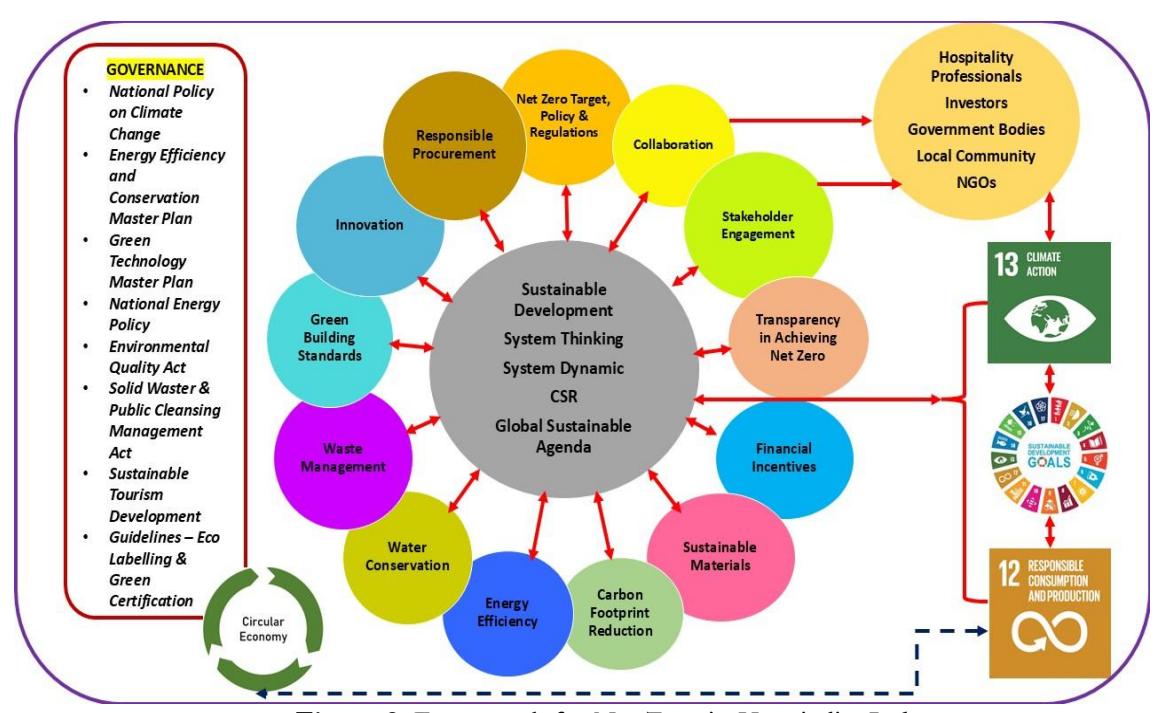
Figure 2. Framework for Net Zero in Hospitality Industry
The proposed Net Zero framework for Malaysia's hospitality industry adopts a multidimensional, systems-based approach encompassing governance, operational decarbonization, supply chain transformation, human capital development, and stakeholder collaboration, allowing the implementation gaps identified in this study to be mapped explicitly to its core components. Weaknesses in standardized emission measurement, reporting, and enforcement align with governance and policy misalignments, underscoring the need for hospitality-specific regulatory instruments and stronger vertical policy integration. Gaps in energy efficiency adoption, renewable energy deployment, and green retrofitting correspond to the operational decarbonization dimension, reflecting financial and capacity constraints particularly among SMEs that necessitate more accessible financing and phased transition pathways. Persistent Scope 3 emissions linked to procurement, food sourcing, and waste management highlight deficiencies in the supply chain and circular economy component, reinforcing the importance of coordinated supplier governance, extended producer responsibility, and life-cycle-based resource management. Limited training, fragmented sustainability responsibilities, and weak organizational governance map directly to human capital constraints, emphasizing the need for institutionalized sustainability competencies and leadership commitment. Finally, underutilized guest engagement and weak multi-stakeholder coordination validate the framework's stakeholder collaboration pillar, confirming that Net Zero requires collective, crosssectoral action. When taken as a whole, these identified gaps support the framework's applicability in directing managerial decision-making and integrated policy design, presenting Net Zero as a systemlevel, strategic change rather than a collection of discrete environmental projects.
5. Conclusion
This study advances the theoretical and practical discourse on Net Zero transitions in Malaysia's hospitality industry by developing a systems-based framework that integrates governance alignment, operational decarbonization, supply chain transformation, human capital development, and stakeholder collaboration. The findings demonstrate that while awareness of sustainability and Net Zero objectives is increasing, implementation remains fragmented and predominantly incremental, with limited alignment between national climate ambitions and firm-level practices. Key constraints persist in standardized emissions measurement, access to green financing, supply chain coordination, organizational capacity, and policy enforcement, underscoring the gap between intention and execution. By explicitly mapping these implementation gaps to the proposed Net Zero framework, the study highlights the necessity of moving beyond isolated initiatives toward coordinated, systemlevel transformation. Achieving Net Zero in Malaysia's hospitality sector requires robust sectorspecific governance instruments, standardized carbon accounting and reporting, enhanced financial and technical support particularly for SMEs and deeper integration of circular economy principles across supply chains. Equally critical is the development of human capital and sustainability leadership, alongside meaningful stakeholder engagement that mobilizes guests, communities, financial institutions, and policymakers in shared climate action. Theoretically, this research contributes a context-sensitive framework grounded in sustainable development and systems thinking, offering a structured lens through which Net Zero pathways in hospitality can be understood and operationalized. Practically, it provides actionable insights for policymakers and industry leaders to recalibrate strategies, strengthen institutional capacity, and align managerial decision-making with long-term climate objectives. Ultimately, the research highlights that the shift of the hospitality industry towards Net Zero is not merely an environmental necessity but also a strategic chance to improve resilience, competitiveness, and Malaysia's status as a credible leader in sustainable tourism.
Acknowledgements
This article is part of the research project titled "Developing a Sustainability Performance Measurement Framework for the Malaysian Hospitality: Institutional Influence in Sustainability Adoption", which was supported by Universiti Tunku Abdul Rahman under Grant No. 6655/1A04. The authors gratefully acknowledge the financial and institutional support provided by Universiti Tunku Abdul Rahman.
References
- Anton, W. R. Q., Deltas, G., & Khanna, M. (2004). Incentives for environmental self-regulation and implications for environmental performance. Journal of Environmental Economics and Management, 48(1), 632–654.
- Asif, M. S., Lau, H., Nakandala, D., & Hurriyet, H. (2023). Paving the way to net-zero: Identifying environmental sustainability factors for business model innovation through carbon disclosure project data. Frontiers in Sustainable Food Systems.
- Babatunde, K. A., Said, F., Md Nor, N. G., & Begum, R. A. (2018). Reducing carbon dioxide emissions from Malaysian power sector: Current issues and future directions. Jurnal Kejuruteraan.
Bhuiyan, M. A. H., & Ismail, S. M. (2018). Green accommodation for sustainable tourism development in Malaysia. ASEAN Journal on Hospitality and Tourism, 16(2), 107–117. DOI: 10.5614/ajht.2018.16.2.5
- BNM Annual Report. (2022). Towards a greener financial system. Retrieved from https://www.bnm.gov.my/documents/20124/10150308/ar2022_en_box4.pdf on 12 December 2023.
- Chua, S. C., & Oh, T. H. (2010). Review on Malaysia's national energy developments: Key policies, agencies, programmes and international involvements. Renewable and Sustainable Energy Reviews, 14, 2916–2925.
- Der Kern. (2019). Root to shoot eating. Retrieved from https://derkern.miele.co.uk/root-to-shooteating/
- Dief, M. E., & Font, X. (2010). The determinants of hotels' marketing managers' green marketing behaviour. Journal of Sustainable Tourism, 18(2), 157–174.
- European Climate Foundation. (2014). Climate change: Implication for tourism. Retrieved from https://www.cisl.cam.ac.uk/system/files/documents/ipcc-ar5-implications-for-tourismbriefing-prin.pdf on 11 November 2023.
- Green Building Index Sdn Bhd [GBI Sdn Bhd]. (n.d.). Retrieved from https://www.greenbuildingindex.org/ on 18 December 2023.
- Green Building Index. (2014). Tools for greening the hotels. Retrieved from https://www.greenbuildingindex.org/Files/PDF/2014/Focus%20Malaysia%20- %20GBI%20Hotel%20and%20Tools%20Launch.pdf on 18 December 2023.
- Green Building Index. (2022). GBI tools. Retrieved from https://www.greenbuildingindex.org/gbitools/ on 16 December 2023.
- Hu, H. H. S. (2012). The effectiveness of environmental advertising in the hotel industry. Cornell Hospitality Quarterly, 53(2), 154–164.
- Huang, Q., Kang, J. C., & Huang, C. H. (2013). The research on the potential of energy saving and emission reduction in hospitality. Applied Mechanics and Materials, 448–453, 4365–4368.
- IEA. (2020). Nationally determined contribution (NDC) to the Paris Agreement: Malaysia. Retrieved from https://www.iea.org/policies/11766-nationally-determined-contribution-ndc-to-the-parisagreement-malaysia on 16 November 2023.
- Jalal, T. S., & Bodger, P. S. (2009). National energy policies and the electricity sector in Malaysia. Proceedings of the 3rd International Conference on Energy and Environment (ICEE), 385–392.
- Jones, P. (2023). Towards net-zero emissions in the global tourism industry. Athens Journal of Tourism.
- Kamalulariffin, N. S., Samsudin, M. D. M., & Jermsittiparsert, K. (2013). Barriers to environmental management practices in Malaysian hotels. International Journal of Trade, Economics and Finance, 4(4), 194–199.
- Kasim, A. (2009). Managerial attitudes towards environmental management among small and medium hotels in Kuala Lumpur. Journal of Sustainable Tourism, 17(6), 709–725.
- Kasim, A., & Ismail, A. (2012). Environmentally friendly practices among restaurants: Drivers and barriers to change. Journal of Sustainable Tourism, 20(4), 551–570.
- Kim, S. H., Lee, K., & Fairhurst, A. (2017). The review of "green" research in hospitality, 2000–2014: Current trends and future research directions. International Journal of Contemporary Hospitality Management, 29(1), 226–247.
- Knoema. (n.d.). Malaysia CO₂ emissions. Retrieved from https://knoema.com/atlas/Malaysia/CO2 emissions on 13 November 2023.
- Langgat, J. (2019). Malaysian hotels towards sustainability practices: Are they ready? Malaysian Journal of Business and Economics.
- Lenzen, M., Sun, Y.-Y., Faturay, F., Ting, Y.-P., Geschke, A., & Malik, A. (2018). The carbon footprint of global tourism. Nature Climate Change, 8(6), 522–528. DOI: 10.1038/s41558-018- 0141-x
- Leonidou, L. C., Leonidou, C. N., Fotiadis, T. A., & Zeriti, A. (2013). Resources and capabilities as drivers of hotel environmental marketing strategy. Tourism Management, 35, 94–110.
- Lim, C. H., Salleh, E. I., & Jones, P. (2006). Renewable energy policy and initiatives in Malaysia. Retrieved from http://psasir.upm.edu.my/id/eprint/2436/1/5-Lim.pdf on 10 November 2023.
- Luo, J. M., Vu, H. Q., Li, G., & Law, R. (2021). Understanding service innovation in hospitality and tourism. International Journal of Contemporary Hospitality Management, 33(8), 2737–2758.
- Malaysia Green Technology and Climate Change Corporation. (2023). Green investment tax allowance (GITA) and green income tax exemption (GITE). Retrieved from https://www.mgtc.gov.my/whatwe-do/green-incentives/green-investment-tax-incentives-gita-gite/ on 20 December 2023.
- Miao, L., & Wei, W. (2013). Consumers' pro-environmental behavior and motivations. International Journal of Hospitality Management, 32, 102–112.
- Millar, C., Hind, P., & Magala, S. (2012). Sustainability and the need for change. Journal of Organisational Change Management, 25(4), 489–500.
- Ministry of Energy, Green Technology & Water Malaysia. (2009). National green technology policy. Retrieved from https://fliphtml5.com/vhro/udxb/basic on 20 December 2023.
- Ministry of Energy, Green Technology & Water Malaysia. (2017). Low carbon cities framework. Retrieved from https://www.lccf.my/wp-content/uploads/2018/10/LCCF_Book-Version-2-2017.pdf on 15 December 2023.
- Ministry of Local Government Development. (2016). National solid waste management policy 2016. Retrieved from https://www.pmo.gov.my/2019/07/national-solid-waste-managementpolicy/ on 30 October 2023.
- Ministry of Natural Resources and Environment. (2015). Malaysia: Biennial update report to the UNFCCC. Retrieved from https://unfccc.int/sites/default/files/resource/MALBUR1.pdf on 29 October 2023.
- Ministry of Transport. (n.d.). National transport policy 2019–2030. Retrieved from https://www.pmo.gov.my/wp-content/uploads/2019/10/National-Transport-Policy-2019_2030EN.pdf on 21 November 2023.
- Ministry of Works. (2019). Malaysia ITS blueprint (2019–2023). Retrieved from https://www.kkr.gov.my/sites/default/files/2022-09/Malaysian%20ITS%20Blueprint.pdf on 22 November 2023.
- Mishra, R., Singh, R. K., & Govindan, K. (2022). Net-zero economy research in supply chain management. The International Journal of Logistics Management.
- MIT Sloan School of Management. (2023). System dynamics. Retrieved from https://mitsloan.mit.edu/phd/program-overview/system-dynamics on 29 October 2023.
Mukaramah Harun, S. A., Ahmad, N., Sulaiman, & Tria, D. (2021). Sectoral energy–CO₂ emissions using an environmental input–output framework. International Journal of Business and Society, 22(2), 1066–1075.
- Nicholls, S., & Kang, S. (2012a). Going green in lodging sector. Journal of Sustainable Tourism, 20(7), 953–974.
- Nicholls, S., & Kang, S. (2012b). Green initiatives in lodging sector. International Journal of Hospitality Management, 31(2), 609–661.
- Nitzko, S., & Spiller, A. (2019). Comparing efficient food utilization options. Sustainability, 11, 4779. Retrieved from https://www.mdpi.com/2071-1050/11/17/4779 on 20 October 2023.
- Oxford Net Zero. (n.d.). What is net zero? Retrieved from https://netzeroclimate.org/what-is-netzero/ on 15 October 2023.
- Peiró-Signes, A., Segarra-Oña, M. D. V., Verma, R., Mondéjar-Jiménez, J., & Vargas-Vargas, M. (2014). Environmental certification and hotel guest ratings. Cornell Hospitality Quarterly, 55(1), 40–51.
- Platas, A. (2023). It's urgent that hotel sector lowers carbon footprint. Retrieved from https://www.meetingsconventions-asia.com/News/Hotels-and-Resorts/Its-urgent-that-hotel-sector-lowerscarbon-footprint on 18 November 2023.
- Rahim, K. B. (2014). Towards low carbon economy in Malaysia. Journal of Economics and Sustainable Development, 5, 123–132.
- SEDA Sustainable Energy Development Malaysia. (n.d.). Green technology application for development of low carbon cities (GTALCC). Retrieved from http://gtalcc.gov.my/about-gtalcc/what-is-gtalcc/ on 20 November 2023.
- Siti-Nabiha, A. K., George, R. A., Wahid, N. A., Amran, A., Abustan, I., & Mahadi, R. (2011). Environmental initiatives at Malaysian resorts. World Applied Sciences Journal, 12(1), 56–63.
- Talib, A. A., Ariff, N. R., Hasim, M. S., & Hanafiah, M. H. (2019). Adoption of sustainable facilities management by hotels. Environment-Behaviour Proceedings Journal.
- The Malaysian Reserve. (2023). Eight Malaysian hotels receive ASEAN tourism standard awards. Retrieved from https://themalaysianreserve.com/2022/01/21/eight-malaysian-hotels-receive-aseantourism-standard-awards/ on 10 November 2023.
- Theotokis, A., & Manganari, E. (2015). Choice architecture and sustainable behavior. Journal of Business Ethics, 131(2), 423–437.
- Tourism Malaysia. (2016). Annual report. Tourism Malaysia Sdn. Bhd.
- UN. (n.d.). Paris agreement. Retrieved from https://www.un.org/en/climatechange/paris-agreement on 18 October 2023.
- UNWTO & ITF. (2019). Transport-related CO₂ emissions in tourism sector. UNWTO & ITF at the OECD.
- UNWTO. (n.d.). Tourism and climate change. Retrieved from https://www.unwto.org/tourism-andclimate-change
- United Nations. (n.d.). For a livable climate: Net-zero commitments must be backed by credible action. Retrieved from https://www.un.org/en/climatechange/net-zero-coalition on 20 October 2023.
- UNWTO. (n.d.). Transforming tourism for climate action. Retrieved from https://www.unwto.org/sustainable-development/climate-action on 20 October 2023.
- Usborne, S. (2022). Will COP26 be a turning point for tourism? Retrieved from https://www.nationalgeographic.co.uk/travel/2022/01/will-cop26-be-a-turning-point-fortourism#:~:text=Tourism%20accounts%20for%20an%20estimated,of%20total%20travel %20carbon%20emissions on 16th October 2023.
- Wang, R. (2012). Investigations of important and effective effects of green practices in restaurants. Procedia-Social and Behavioral Sciences, 40, 94 – 98.
- WCED. (1987). Our common future (Brundtland Report).
- World Resources Institute & World Business Council. (2004). A greenhouse gas protocol. Retrieved from https://ghgprotocol.org/sites/default/files/standards/ghg-protocol-revised.pdf on 8 November 2023.
- Yusof, Z. B., & Jamaludin, M. (2013). Green approaches of Malaysian hotels. Procedia – Social and Behavioral Sciences, 85, 421–431.
- Yusof, Z. B., & Jamaludin, M. (2014). Barriers of Malaysian green hotels. Procedia – Social and Behavioral Sciences, 153, 501–509.
- Zaman, K., Moemen, M. A.-E., & Islam, T. (2022). Tourism development and environmental degradation in Malaysia. Sustainability, 14(4), 2461. DOI: 10.3390/su1404246