

1. Introduction
Tourism is a market-driven industry that positively impacts economic development by increasing opportunities for businesses to market various products and services in innovative ways. The tourism sector has demonstrated significant contributions to the global economy (Heru Purboyo Hidayat Putro, 2019), and also plays a role in advancing the service, trade, and agricultural sectors (Moh. Solehatul Mustofa, 2024). The marketing of tourism services cannot be carried out in isolation; it requires the collaboration of multiple stakeholders including tourism actors, government agencies, and local communities (Setiawan, 2015). In this context, domestic tourists play a vital role in driving national economic growth. In 2023, the number of domestic tourist trips reached 825.80 million, marking a 12.37% increase from 2022 (Badan Pusat Statistik Indonesia, 2024). One area of particular interest among both domestic tourists is gastronomic tourism. This form of tourism involves traveling with the specific aim of experiencing and understanding the culinary traditions and food philosophies of a region. According to the Indonesian Gastronomy Museum, Indonesia boasts a remarkable diversity in culinary resources, including 77 types of carbohydrates, 400 varieties of fruit, 273 types of vegetables, and 65 distinct spices.
Gastronomic tourism is an emerging phenomenon within the broader tourism industry, largely due to the significant portion of tourist expenditure devoted to food and beverages (Zuallcobley, 2021). Its uniqueness lies in how it reflects the cultural, historical, and ritualistic elements of a destination. In Indonesia, gastronomic tourism preserves the spirit of traditional cuisine through innovation while maintaining a strong connection to cultural heritage (Organization W. T., 2017).
In October 2022, the World Intellectual Property Organization (WIPO) launched a development agenda addressing the connection between intellectual property and gastronomic tourism, involving countries such as Cameroon, Morocco, Peru, and Malaysia. This initiative aimed to encourage the use of IPR to protect culinary traditions and stimulate economic activity in the tourism sector. In 2023, the Indonesian Ministry of Tourism and Creative Economy, in collaboration with the United Nations World Tourism Organization (UNWTO) and the regional government of Gianyar, Bali, initiated a project to develop Ubud as a gastronomic tourism destination. This global and national momentum presents a valuable opportunity for the government of the Special Region of Yogyakarta (hereinafter referred to as Yogyakarta) to strengthen its tourism sector through gastronomic tourism. The tourism sector currently contributes 55.37% to Yogyakarta's economy (Ardhitama Shaumarli, 2023). Furthermore, tourism serves as a vehicle for cultural empowerment and the revitalization of local identity and heritage (Yusuf, 2020).
Yogyakarta is a compelling tourist destination due to its rich cultural diversity, encompassing over 4,000 cultural expressions (Asri, 2018). The region offers a wide range of tourism attractions, including natural landscapes, beaches, cultural experiences, and culinary delights. Culinary tourism in Yogyakarta ranges from humble roadside eateries to more formal dining establishments. Historically, Yogyakarta's cuisine has been influenced by international cultures such as Chinese, Dutch, and Portuguese. Traditional Yogyakarta cuisine incorporates a variety of spices, including candlenuts, galangal, chili, bay leaves, ginger, nutmeg, cinnamon, and sugar. These ingredients are prepared using techniques such as stir-frying, boiling, steaming, and deep-frying, resulting in bold and distinctive flavors (Setyo Prasiyono Nugroho I. P., 2020). The presence of sugarcane plantations around Yogyakarta led to the establishment of sugar factories, contributing to the region's characteristic preference for sweet flavors. Some of the most iconic culinary products associated with Yogyakarta include gudeg, bakpia pathuk, sate klathak (grilled skewered meat), and kue kipo (traditional green cake).
Intellectual Property Rights (hereinafter referred to as IPR) are mechanisms through which the state provides legal protection for intellectual creations. Intellectual property is understood as the product of human creativity and innovation (Organization W. I.), or as intellectual assets generated in good faith and intended for commercial use that are eligible for legal protection (China National Intellectual Property Administration, 2019). IPR refers to the formal recognition granted by the state, which confers exclusive rights to the creator or inventor of an intellectual work. Moreover, IPR helps ensure cultural sustainability by facilitating the official recognition, fair use, and ongoing development of cultural heritage, allowing it to be passed down across generations.
Yogyakarta is widely recognized for its traditional culinary tourism, which is one of the region's defining features. However, many local culinary entrepreneurs have yet to optimize the integration of gastronomy and IPR into their business models. This is primarily due to a lack of understanding about the significance and benefits of IPR, which results in culinary businesses focusing solely on the production and sale of food products without considering the protection of their intangible cultural assets. If culinary entrepreneurs gain a better understanding of gastronomy and IPR, they will be better positioned to develop and diversify their offerings. This would allow them to transform their distinctive culinary creations into valuable business assets, increase their competitive advantage, and reduce instances of unfair business practices in the culinary sector. This study aims to address two central questions: first, how can the utilization of IPR and gastronomy improve traditional culinary tourism; second, how is IPR and gastronomy currently being implemented in the context of traditional cuisine tourism in Yogyakarta.
2. Literature Review
Research on Intellectual Property Rights (IPR) and gastronomy is part of an IPR development study agenda that was first initiated by the World Intellectual Property Organization (WIPO) in late 2022. This initiative involved representatives from Cameroon, Malaysia, Morocco, and Peru. The study in Cameroon was analyzed by Pascal Atangana Balla (Balla, 2022), in Malaysia by Giulio C. Zanetti (Zanetti, 2022), in Morocco by Kamal Rahal Essoulami (Essoulami, 2022), and in Peru by Gaston Acurio (Acurio, 2022). In Indonesia, no prior studies have explicitly examined the intersection between IPR and gastronomy. However, there are related studies focusing on food from an IPR perspective. For instance, research conducted by Anuttama Ghose and Saniya Amir explored legal protections for food under IPR law from a global perspective (Anuttama Ghose, 2022). Another study by Putu Aras Samsithawrati et al. examined the legal protection of the art of food presentation through the lens of copyright law (Putu Aras Samsithawawrati, 2023). These previous studies, however, do not investigate the relationship between IPR and gastronomy, particularly in the context of Indonesian cuisine or specifically in Yogyakarta. Therefore, this study is original and contributes novelty to the growing discourse on IPR and gastronomy. Its primary objective is to conceptualize the benefits of implementing IPR in conjunction with gastronomy to support the preservation and promotion of traditional cuisine in Yogyakarta.
Traditional cuisine refers to food, whether solid or liquid, that originates from a specific region and reflects the cultural heritage passed down through generations. It embodies not only the taste preferences of a region but also the cultural values associated with it (Setyo Prasiyono Nugroho H. S., 2023). Traditional cuisine typically has a defined group of consumers and a limited shelf life. Moreover, traditional cuisine can be viewed as a product of cultural acculturation, where different cultural influences are integrated into local food practices (Briantama Yanuar Ridwan, 2019). In general, traditional cuisine is characterized by recipes that are handed down through generations, the use of traditional tools for food preparation, and specific cooking techniques rooted in local practices. Other distinguishing features include the reliance on locally sourced raw materials and cooking methods that are unique to and developed by local communities (Rahman, 2020).
Intellectual Property Rights (IPR) refer to the legal rights granted to individuals or entities over creations of the mind, encompassing a wide range of works such as artistic creations, inventions, computer programs, trademarks, and other commercial symbols (WIPO, 2020). IPR provides creators with exclusive rights to use their creations for a certain period, whether owned by individuals or legal entities. IPR fundamentally represents the tangible outcomes of creativity, initiative, and high-level intellectual abilities. These works, which originate from the profound reasoning and ingenuity of inventors, creators, and designers, possess significant economic value. Since the results of such deep intellectual processes essentially constitute the personal wealth of the originators, it is justifiable and necessary to afford these inventors and creators legal protection. This protection is typically granted in the form of exclusive rights over the works they produce (Zulfikri, 2022). IPR play an indispensable role in promoting research and stimulating innovation across. IPR exerts a crucial influence on both domestic and international trade dynamics, as these rights simultaneously
protect individual and national interests while providing significant opportunities for economic growth (R.G., 2021).
In Indonesia, IPR is classified into two main categories: Copyright and Industrial Property Rights. The types of IPR recognized under Indonesian law include Copyright (Law no.28 of 2014); Trademark & Geographical Indications (law No.20 of 2016); Patent (Law No.13 of 2016); Trade Secrecy (law No.30 of 2000); Industrial Design (Law No.31 of 2000); Layout Designs of Integrated Circuits (Law No.32 of 2000); and Plant Variety Protection (Law No.29 of 2000).
Intellectual property rights held collectively by communities are referred to as communal intellectual property (hereinafter referred to as Communal IP). The safeguarding of Communal IP holds significance parallel to that of individual IPR, primarily as a mechanism to ensure the preservation of the culture and traditions of indigenous groups and local communities. Establishing these protections facilitates the expansion of market access for local communities, thereby enhancing their opportunities for economic development (Ria W. Putri, 2024). To ensure legal certainty and safeguard Communal IP against misuse, the implementation of a sui generis legal framework is essential. This specialized legislation must specifically govern Communal IP with the explicit goal of strengthening the legal standing of communal communities across local, national, and international spheres (Mas Subagyo Eko Prasetyo, 2023). Legal provisions related to Communal IP are governed by Government Regulation No. 56 of 2022 on Communal Intellectual Property, which includes traditional cultural expressions; traditional knowledge; genetic resources; indication of origin; and geographical indication potential.
According to Murdijati Gardjito, a professor of food science and technology, gastronomy is defined as the scientific study of how humans enjoy the food they consume. It represents a continuation of the development of culinary products as studied in food technology and has evolved into a multidisciplinary field (Project, n.d.). Gastronomy serves as a medium for cultural preservation, realized through human interaction with food. Gastronomy is also viewed as the essence of culture and a key component of intangible cultural heritage (Piui Nistoreanu, 2018). It encompasses the art, cultural history, and science of fine cooking (Jr, 2023), reflecting the intricate relationship between food and cultural identity (Rahman, 2020). Furthermore, gastronomy can be understood as the method of transforming raw ingredients into culinary products, from preparation to presentation (Sayantani Datta, 2024), It also adds value to culinary products and is often associated with culinary tourism (Irma Citra Resmi, 2023). Gastronomy includes nine core aspects: cooking, raw materials, taste, presentation, learning/research, the pursuit of unique experiences, nutritional knowledge, philosophy, history, socio-cultural values, and ethics (Hendri Gigih Saputro, 2023).
3. Methodology
This research employs Normative legal research methodology, which is inherently doctrinal. The study focuses on analyzing the law as a system of written norms, statutes, and regulations. The core of the doctrinal analysis applies two primary approaches: the Statutory Approach and the Conceptual Approach.
3.1 Statutory Approach
This approach involves the systematic examination and interpretation of specific national legislation that directly addresses Intellectual Property Rights (IPR) and its intersection with cultural heritage protection. The doctrinal analysis framework is primarily centered on the systematic interpretation of three core primary legal sources, including (1) Law No. 28 of 2014 concerning Copyright (UU 28/2014): Analyzed to determine the extent to which the unique artistic or literary expressions
inherent in traditional recipes and culinary narratives can be protected; (2) Law No. 20 of 2016 concerning Trademarks and Geographical Indications (UU 20/2016): Specifically examined regarding the provisions for Trademark and Geographical Indications (GI) to protect the origin and quality reputation of traditional cuisine products; (3) Law No. 13 of 2016 concerning Patent (UU 13/2016): to analysis to ascertain the extent to which the unique, inventive processes inherent in the preparation and preservation of traditional cuisine may qualify for patent protection; (4) Government Regulation No. 56 of 2022 concerning Communal Intellectual Property (PP 56/2022): Scrutinized to establish the legal framework for the collective registration and management of gastronomic knowledge and cultural expressions by local communities; and (5) Regulation of the Governor of the Special Region of Yogyakarta No. 21 of 2017 (PERGUB DIY 21/2017: to ascertain the specific function of the regional administration in providing and facilitating public services related to IPR in Yogyakarta especially for trademark.
3.2 Conceptual Approach
This approach explores the underlying principles, definitions, and doctrines within legal theory such as sui generis protection, exclusive rights, and the public domain—to evaluate the conceptual adequacy of existing IPR instruments in safeguarding intangible assets related to gastronomy. The research findings are derived through a rigorous descriptive legal analysis and interdisciplinary synthesis, following a structured process that includes norm interpretation, interdisciplinary linkage, and synthesis and evaluation. Norm interpretation involves each relevant article within the specified primary laws (UU 28/2014, UU 20/2016, UU 13/2016, PP 56/2022 & PERGUB DIY 21/2017) being systematically interpreted to delineate the scope and limitations of current IPR mechanisms regarding gastronomic heritage. Through interdisciplinary linkage, the interpreted legal norms are then directly applied to the interdisciplinary field of gastronomy, which is conceptualized here as the scientific discipline studying the relationship between culture, food, and humans. Finally, synthesis and evaluation synthesize the legal possibilities of IPR with the traditional cuisine tourism to assess how IPR, as currently regulated by national law, can be practically utilized to protect and promote the culinary heritage of the Special Region of Yogyakarta, and this process identifies regulatory gaps and proposes legal adjustments to strengthen the protection of traditional cuisine as both an economic asset and a cultural expression.
4. Finding & Discussion
4.1 Utilization IPR and Gastronomy
IPR provides legal protection to individuals or legal entities for creative intellectual outputs that possess both originality and economic value. These exclusive rights are granted to facilitate the utilization of intellectual work for a certain period and are grounded in the principles of justice, economic benefit, cultural preservation, and social welfare (Yunita Maya Putri, 2022).
The study of gastronomy, particularly in the context of traditional culinary tourism, should be aligned with the legal dimensions of intellectual property rights (IPR). Although efforts are still required to classify gastronomy and traditional cuisine within the framework of IPR, such as under Copyright, Trademarks, Patents, or Geographical Indications, traditional food and beverages are not explicitly defined as IPR objects (Anwer, 2016). This is due to their perishable nature and ease of reproduction, which makes it difficult to grant exclusive rights. However, the processes of creation and commercialization of traditional cuisine can be recognized as subjects of IPR. Accordingly, gastronomy can initially be approached through the lens of Traditional Cultural Expressions (TCEs) and Traditional Knowledge (TK) before determining its position within the broader IPR classification.
Gastronomy in tourism serves as a guiding framework based on cultural and culinary principles. Gastronomic tourism, in turn, contributes significantly to the economy by supporting industries related to food services (Setyo Prasiyono Nugroho N. K., 2021). Gastronomy motivates travelers not only to enjoy culinary experiences but also to engage with the cultural values embedded within traditional cuisine (Any Sutiadiningsih, 2023). Moreover, it fosters interest in the historical narratives associated with each culinary tradition (Geoge Pavlidis, 2020).
The relation between IPR and gastronomy is evident in human creativity embedded in culinary practices, which can be protected as intangible assets with economic value. When gastronomy is examined as a means of preserving cultural heritage for local communities, it aligns with the concept of Communal Intellectual Property (Communal IP). IPR acknowledges not only individual ownership but also collective (communal) ownership of intellectual property. Communal IP refers to cultural heritage passed down through generations, owned collectively by indigenous or local communities. This form of IP is regarded as a critical asset in promoting national economic development, while upholding moral, social, and cultural values
Gastronomy, as the intersection of food and culture, can be analyzed in relation to IPR from two primary perspectives, preservation and economic business. From the standpoint of cultural preservation, Communal IP facilitates the formal recognition and documentation of local traditions, including traditional cuisines, as cultural assets of the originating communities; in this context, traditional cuisine and associated cultural practices should remain under the ownership of local communities, rather than being claimed by individuals, commercial entities, or external parties not rooted in the region of origin. From an economic and commercial perspective, IPR functions as a form of legal protection for exclusive rights, especially concerning moral rights (attribution and integrity) and economic rights (financial exploitation); while no specific category of IPR directly recognizes cuisine as an IPR object, protection can be extended to the ingredients, preparation methods, and cultural expressions inherent in traditional food, and IPR thus provides a legal framework for safeguarding the processes and business activities surrounding traditional cuisine, both in its preparation and in its commercialization.
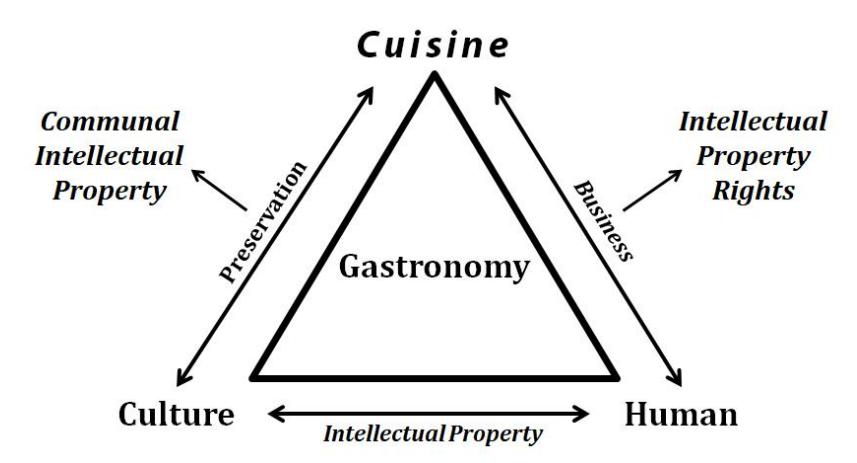
Figure 1 Author's Conceptualization of IPR and Gastronomy
The integration of gastronomy and intellectual property rights (IPR) offers several benefits for the development and sustainability of traditional cuisine tourism, including (1) Interdisciplinary collaboration that enriches academic studies on humans, culture, and cuisine; (2) Legal protection for culinary business activities and the preservation of traditional cuisine; (3) Legal certainty regarding the ownership of culinary businesses and cultural heritage; (4) Potential expansion of culinary enterprises beyond mere buying and selling of food and beverage products; (5) Inclusion of traditional cuisine in the national inventory through communal intellectual property registration; and (6) Recognition and documentation of the culinary heritage owned by the nation.
4.2 Implementation of IPR & Gastronomy in Yogyakarta
The Special Region of Yogyakarta, as one of Indonesia's premier tourist destinations, is renowned for its diverse cultural expressions, particularly in the realm of traditional cuisine. From a gastronomic perspective, the traditional foods of Yogyakarta reflect a blend of historical legacy, cultural identity, geographical characteristics, and unique culinary techniques—all of which contribute to the region's tourism appeal. Several examples of Yogyakarta's traditional cuisine studied from a gastronomic perspective can be seen in Table 1.
Table 1. Yogyakarta's Traditional Cuisine Studied from a Gastronomic Perspective
| Picture | Name | History | Culture | Geography |
|---|---|---|---|---|
| Source: visitingjogja.jogjapro v.go.id | Gudeg | Gudeg dates to the establishment of the Islamic Mataram Kingdom in the 15th century near Kotagedec (Saputra, 2021). It is mentioned four times in the Serat Centhini, a Javanese literary work composed around 1742 | The name derives from the Javanese word hangudeg, meaning "to stir." It was created due to the abundance of jackfruit around the Mataram Kingdom and served as food for workers. | Originated on Wijilan Street and in Kotagede; now widespread across Yogyakarta and beyond. |
| Source: visitingjogja.jogjapro | Bakpia | Pia is a pastry of southern Chinese origin brought to Indonesia in 1948 (Osijo, 2023). | The name Bakpia is derived from the Chinese phrase Tou Luk Pia, meaning "green bean filled pastry." | Initially centered around the Malioboro area, now widely available throughout Yogyakarta. |
| v.go.id Source: visitingjogja.jogjapro v.go.id | Klatha k satay/s kewer | Sate klathak was popularized by Mbah Ambyah of Jejeran-Pleret in 1940 (Fauziaty, 2023). | The name derives from the grilling sound "klathak klathak," produced when salt crackles on hot coals during the cooking process. | Predominantly found in Pleret District, Bantul Regency, Yogyakarta. |
| Source: visitingjogja.jogjapro v.go.id | Kipo cake | Originates from the 16th century and was a favorite of Sultan Agung (Hasnah, 2021). Reintroduced in 1946 by Mbah Mangun Irono of Kotagede, who lived in Mondorakan village. | Kipo is made from glutinous rice flour mixed with pandan or suji leaf juice, filled with grated coconut and Javanese sugar. The name Kipo is an acronym of the Javanese iki opo, meaning "what is this?" Cooked using traditional Kasongan clay cups. | Found mainly in the Kotagede area of Yogyakarta. |
Based on the examples of traditional cuisine in Yogyakarta analyzed through the lens of gastronomy, it is evident that such culinary heritage can serve as a valuable reference for enhancing gastronomic tourism in the region. However, this potential becomes vulnerable when gastronomic studies fail to incorporate legal perspectives—particularly those related to intellectual property rights (IPR)to protect the various business assets derived from traditional cuisine in Yogyakarta. In today's competitive market, traditional culinary entrepreneurs must not only focus on tangible components such as ingredients and preparation but also consider the legal aspects that support their business activities, especially those related to IPR (Agnieszka Bobola, 2018).
Table 2. Classification of Intellectual Property Rights Applicable to Yogyakarta Traditional Cuisine
| Classification of IPR | Example IPR Object related to Yogyakarta traditional cuisine | Ownership | |
|---|---|---|---|
| Copyright | Historical book and recipe book; | Individuals or legal entities | |
| Digital content. | |||
| Trademark & | Business trademarks; | Trademarks: individuals/legal entities; Collective marks and geographical indications: community/communal ownership | |
| Geographical Indication | Collective marks for culinary businesses; | ||
| Geographical indications for ingredients used in traditional Yogyakarta cuisine. | |||
| Patent | Inventions in the preparation; | Individuals or legal entities | |
| Preservation processes of traditional cuisine. | |||
| Trade Secrecy | Confidential methods for making, selling, or processing traditional Yogyakarta dishes. | Individuals or legal entities | |
| Industrial Design | Packaging designs for preserved traditional food products. | Individuals or legal entities | |
| Plant Variety Protection | Protection for plant varieties used as primary ingredients in traditional dishes. | Individuals or legal entities | |
| Traditional Cultural Expressions | Traditional cuisine as a form of intangible heritage reflecting unique cultural values. | Specifically for local community groups with communal ownership | |
| Traditional Knowledge | Recognition and protection of traditional knowledge involved in culinary creation. | Specifically for local community groups with communal ownership | |
| Genetic Resources | Protection of traditional ingredients or spices as part of genetic heritage. | Specifically for local community groups with communal ownership | |
| Indication of origin | Recognition of the geographic origin of traditional culinary products to ensure legal authenticity. | Specifically for local community groups with communal ownership | |
| Potential for Geographical Indication | Identification of ingredients or spices for future registration as geographical indications. | Specifically for local community groups with communal ownership | |
The integration of IPR and gastronomy can positively influence the development of traditional cuisine tourism. While gastronomy explores the relationship between humans and culinary experiences, emphasizing historical, cultural, and geographical contexts, IPR offers a legal framework to protect intellectual property embedded within traditional cuisine, particularly in its economic and commercial dimensions. Several IPR classifications can be employed to safeguard traditional culinary practices and encourage the growth of gastronomic tourism in Yogyakarta (Table 2).
A practical example of IPR application in Yogyakarta's traditional cuisine is Gudeg, a dish made from young jackfruit. Previously known to have a shelf life of only two days, Gudeg has now been patented in a processed, packaged form that extends its shelf life to one year (Dharmawan, 2019). This patent, registered by the Indonesian Institute of Sciences, is titled "Instant Gudeg in Its Usage Packaging" under Patent Number IDP00008425.
To increase monetization and enhance legal protection for stakeholders in gastronomy, various IPR classifications can be strategically utilized (Nehaol Sri L V, 2023). Through IPR, stakeholders receive state-recognized legal protection and ownership rights, transforming their creations into valuable business assets. Overall, IPR plays a critical role in supporting the sustainability, commercialization, and cultural preservation of gastronomic tourism enterprises (Albattat Ahmad Rasmi, 2022).
Table 3. Yogyakarta Government Co-Branding Trademarks
| Co-Branding | Definition | Trademark Classification Codes | Mark |
|---|---|---|---|
| Jogjamark | A sign indicating the identity and characteristics of products manufactured in Yogyakarta | 3, 14, 15, 18, and 32 | |
| 100% Jogja | A sign identifying products whose raw materials and production processes originate in Yogyakarta | 14, 18, 19, 20, 23, 24, 26, 29, 31, 32, and 34 | |
| Jogja Tradition | A sign identifying products that reflect traditional knowledge, cultural expressions, or regional specialties. | 5, 15, 24, 25, 28, and 41. |
The implementation of intellectual property rights (IPR) and gastronomy to enhance traditional cuisine tourism must be supported by local government institutions. One of the efforts made by the Yogyakarta government to encourage legal protection for business actors, particularly those engaged in traditional culinary enterprises, is the establishment of the Intellectual Property Service Center (JogjaKI/Balai KI), under the authority of the Yogyakarta Special Region Tourism Office. Jogja KI or Balai KI provides various services for local business actors, including (a) Providing assistance and consultation for Yogyakarta-based entrepreneurs in registering their intellectual property rights; (b) Offering free trademark registration services, subject to quota availability; and (c) Registering the cobranding trademarks Jogjamark, 100% Jogja, and Jogja Tradition as official regional brands (Riswandi, 2020). These co-branding initiatives represent trademarks owned by the Yogyakarta government acting as a legal entity on behalf of the state—which are licensed freely to eligible local businesses under specified terms and conditions (Shaw), as presented in Table 3.
Efforts to promote traditional cuisine tourism through gastronomy should ideally be driven by academic institutions, particularly those focused on tourism studies. Yogyakarta is home to numerous tourism colleges, which play a pivotal role in advancing the region's gastronomy. The expertise of tourism academics can significantly contribute to developing and promoting the gastronomic potential of Yogyakarta. Moreover, the integration of gastronomy into tourism curricula ensures that future graduates are well-versed in the cultural, historical, and culinary dimensions of Yogyakarta. There is also an opportunity to incorporate IPR-related courses into tourism programs, providing students with complementary legal knowledge to support the protection and commercialization of traditional cuisine.
Understanding the intersection of gastronomy and IPR in the context of cuisine tourism can help shift the mindset of traditional culinary entrepreneurs. Historically, these business actors have focused primarily on the preparation and sale of food products. However, by embracing IPR and gastronomic knowledge, they can begin to recognize their culinary practices and creations as valuable business assets. This transformation can strengthen their core business activities while creating new opportunities, such as branding, packaging, recipe protection, and educational tourism. In turn, this approach can attract more tourists, who not only enjoy traditional dishes but also gain insight into the cultural narratives behind them. These narratives can be embodied in IPR-protected materials, ensuring that culinary entrepreneurs receive legal protection and recognition for the full spectrum of their contributions to traditional cuisine.
5. Conclusion
Intellectual Property Rights (IPR) serve as legal mechanisms to protect intellectual creations developed by individuals or communities. Gastronomy, on the other hand, is the scientific study of the relationship between humans, food, and culture. Traditional cuisine, as a cultural product created by humans, is not directly protected as an object of IPR. This research addressed the complex interplay between IPR and gastronomy as a framework for enhancing traditional cuisine tourism in the Special Region of Yogyakarta and confirms that while traditional cuisine, a significant cultural product, lacks direct, singular IPR protection, its constituent elements including distinctive preparation methods, unique ingredients, and associated commercial activities are indeed protectable through a range of individual and communal IPR mechanisms. Integrating IPR with a gastronomic focus offers a powerful strategic opportunity by elevating the cultural and historical narratives embedded in Yogyakarta's food, moving tourism beyond mere consumption toward deeper engagement with local heritage.
The findings underscore the necessity of a coordinated multi-stakeholder approach, specifically highlighting the crucial support provided by the local government's Intellectual Property Service
Center (JogjaKI/Balai KI) and the vital research and curriculum development role played by academic institutions. The Yogyakarta government, through its tourism office, plays a crucial role in preserving traditional cuisine and promoting culinary tourism. One key initiative is the local government's Intellectual Property Service Center (JogjaKI/Balai KI), which offers essential services to local business actors seeking IPR protection. These services contribute significantly to strengthening legal safeguards for traditional culinary entrepreneurs in the region. In parallel, tourism colleges in Yogyakarta are instrumental in driving the development of culinary tourism. By conducting research on traditional cuisine and its potential for tourism, academic institutions provide valuable insights into sustainable tourism strategies. Furthermore, integrating IPR-related coursework into tourism education would equip graduates with interdisciplinary knowledge that encompasses both cultural understanding through gastronomy and legal expertise through IPR. This dual competency is essential for advancing cuisine-based tourism and ensuring the legal recognition and protection of the cultural assets embedded in traditional foods. By adopting these practical recommendations, Yogyakarta can ensure that its rich culinary heritage is not only an engine for tourism growth but is also legally recognized, culturally preserved, and economically sustained for the benefit of the community.
References
- Acurio, G. (2022). Intellectual Property and Culinary Traditions in Peru. Geneva: World Intellectual Property Organization.
- Albattat, A. R., & C. J. (2022). Geographical indication for gastronomy tourism: Maximising intellectual property value and branding. Academy of Strategic Management Journal, 21(2), 1.
- Anuttama Ghose, S. M. (2022). Protection of cuisine under intellectual property law: A global perspective. Journal of Intellectual Property Rights, 27, 171–180.
- Anwer, A. (2016). Intellectual property challenges in the food & beverage sector. International In-House Counsel Journal, 9(35), 1.
- Any Sutiadiningsih, N. P. (2023). Gastronomic experience as a motivation for tourists to choose tourist destinations in Indonesia & Vietnam. GeoJournal of Tourism and Geosite, 47(2), 424.
- Ardhitama Shaumarli, R. N. (2023). Evaluation of tourism recovery innovations in D.I. Yogyakarta based on data analytics. ASEAN Journal on Hospitality and Tourism, 21(1), 37.
- Asri, D. P. (2018). Legal protection of traditional cultural expression as a regional asset in Yogyakarta. Proceedings of the 1st International Conference on Indonesia Legal Studies, 147.
- Balla, P. A. (2022). L'analyse des segments de la chaîne de valeur des traditions culinaires qui ont un lien avec la propriété intellectuelle. Geneva: World Intellectual Property Organization.
- Bobola, A., & O. I. (2018). Intellectual property protection tools in the activities of innovative gastronomic enterprise of the Mazowieckie Voivodeship. Proceedings of the 2018 International Scientific Conference Economic Sciences for Agribusiness and Rural Economy, 1, 281.
- Briantama Yanuar Ridwan, N. W. (2019). Perception of people on modernized traditional culinary in Yogyakarta. Proceedings of the Southeast Asian Geography Association (SEAGA) 13th Conference, 2.
- China National Intellectual Property Administration. (2019). Intellectual property basics. Beijing: China National Intellectual Property Administration.
- Dharmawan, N. K. (2019). Protecting Balinese culinary innovation through patent law. International Journal of Innovation, Creativity and Change, 9(1), 122.
- Essoulami, K. R. (2022). Scoping study on the gastronomic tourism sector in Morocco. Geneva: World Intellectual Property Organization.
- Geoge Pavlidis, S. M. (2020). Gastronomic Tourism in Greece and Beyond: A Through Review. International Journal Gastronomy and Food Science, 21(3).
- Fauziaty, N. J. (2023). The potential attraction of Sate Klathak as a gastronomic tourism in Bantul District. Undergraduate Conference on Language, Literature, and Culture, 3(1), 19.
- Hasnah, V. A. (2021). Gastronomi makanan Yogyakarta sebagai atraksi wisata kuliner. Undergraduate Conference on Language, Literature, and Culture, 1(1), 149.
- Hendri Gigih Saputro, L. W. (2023). Gastropreneurship Katupat Kandangan as a tourism attraction in South Hulu Sungai, South Kalimantan. The Journal of Gastronomy Tourism, 10(1), 84.
- Heru Purboyo Hidayat Putro, S. P. (2019). Impact assessment of touristification in Yogyakarta on the development of urban and rural tourist villages. ASEAN Journal on Hospitality and Tourism, 17(2), 82.
- Indonesia, Badan Pusat Statistik. (2024). Statistik Wisatawan Nusantara 2023 (Vol. 6). Jakarta: Badan Pusat Statistik.
- Irma Citra Resmi, W. D. (2023). Gastronomy tourism: Local food and tourism experience in Bandung. The Journal of Gastronomy Tourism, 10(2), 196.
- Jr., M. E. (2023). Gastrophysics and intellectual property law: Analyzing the legal and market effects of a reimagined form of culinary art and science. South Carolina Law Review, 75, 474.
- Moh. Solehatul Mustofa, A. W. (2024). Tourism development: Economic interests and environmental problems (Yogyakarta tourism destinations study, Indonesia). International Journal of Religion, 5(6), 816.
- Nehaol Sri L. V., S. M. (2023). Role of intellectual property in gastronomic tourism. Indian Journal of Integrated Research in Law, 3(3), 2.
- Organization, W. I. (n.d.). Managing intellectual property in the book publishing industry. Geneva: World Intellectual Property Organization.
- Organization, W. T. (2017). Second global report on gastronomy tourism. Madrid: World Tourism Organization.
- Osijo, I. U. (2023). Culture and evolution of Bakpia Pathok taste as a gastronomic tourist attraction in Yogyakarta. Nusantara Economics and Entrepreneurship Journal, 1(1), 72.
- Nistoreanu, P., & M. A. (2018). General overview of gastronomy tourism. Proceedings of the 1st International Conference on Economics and Social Sciences: Challenges and Trends in Economic and Social Sciences Research, 57. Romania: The Bucharest University of Economic Studies.
- Project, B. O. (n.d.). Apa itu gastronomi dan bagaimana gastronomi Indonesia. YouTube. Available at: https://www.youtube.com/watch?v=MIY36rOBTVc&t=108s
- Putu Aras Samsithawawati, N. K. (2023). Perlindungan hukum seni menghidangkan makanan dan karya turunannya berbasis teknologi: Perspektif hak cipta. Jurnal Analisis Hukum, 6(1), 1–17.
- Rahman, S. (2020). Pengembangan industri kuliner berbasis makanan tradisional khas Sulawesi. Yogyakarta: Deepublish.
- Riswandi, B. A. (2020). Trademark ownership by the local government of the Special Region of Yogyakarta: A model for municipal ownership of intellectual property. Jambe Law Journal, 3(2), 166.
Saputra, V. A. (2021). Analisis makanan tradisional Gudeg sebagai daya tarik wisata kuliner di Yogyakarta. Undergraduate Conference on Language, Literature, and Culture, 21.
- Sayantani Datta, P. M. (2024). Comparative perspective on the protection of food geographical indication in Asian countries. Asian Journal of Comparative Law, 19(1), 89.
- Setiawan, I. (2015). Potensi destinasi wisata di Indonesia menuju kemandirian ekonomi. Seminar Nasional Multidisiplin Ilmu Unisbank, 2. Semarang.
- Setyo Prasiyono Nugroho, H. S. (2023). Wisata gastronomi makanan tradisional Yogyakarta melalui storynomic. Media Wisata, 21(2), 341.
- Setyo Prasiyono Nugroho, I. P. (2020). Gastronomi makanan khas Keraton Yogyakarta sebagai upaya pengembangan wisata kuliner. Jurnal Pariwisata, 7(1), 53.
- Setyo Prasiyono Nugroho, N. K. (2021). Gastronomy tourist attraction in the area of Alun-Alun Utara Yogyakarta. Technium Social Sciences Journal, 22, 632.
- Shaw, M. (n.d.). International law. Cambridge: Cambridge University Press.
- WIPO. (2020). What is intellectual property. Geneva: World Intellectual Property Organization.
- Yunita Maya Putri, R. W. (2022). Communal rights as hegemony in the Third World regime: An Indonesian perspective. Indonesia Journal of International Law, 19(2), 302.
- Yusuf, M. (2020). How far can tourism go? Residents' attitudes toward tourism development in Yogyakarta City, Indonesia. Indonesia Journal of Geography, 52(2), 208.
- Zanetti, G. C. (2022). Promoting the development of gastronomic tourism in Malaysia through intellectual property. Geneva: World Intellectual Property Organization.
- Zuallcobley, R. W. (2021). Scoping study on the gastronomic tourism sector: An inventory of Malaysia's key culinary traditions. Geneva: World Intellectual Property Organization.