

1. Introduction
The hospitality industry is a service sector that places a high priority on speed, accuracy, and quality of service. To maintain service quality, support from various aspects is needed, and one of the most vital aspects is warehouse management, particularly in the process of receiving and storing goods. The goods receiving process involves careful checking of the quantity and quality of goods received, which is then recorded by an officer called a receiver. After the goods are received, some of them are stored in the warehouse and others are distributed directly to the relevant departments for immediate use.
Warehousing plays an important role in the supply chain, which is the initial stage supporting various operational activities in hotels (Batarlienė & Jarašūnienė, 2024). The goods receiving process at a hotel includes inspecting the quantity and quality of goods in accordance with established standards, carried out by the receiving department, as well as storing goods in the warehouse based on official documents such as receiving records and stock cards. Goods that are immediately needed are then promptly distributed to the relevant departments (Yanti et al., 2023). Effective warehouse management in the hospitality industry enhances operational efficiency by systematically organizing the receipt and storage of goods, thereby accelerating and improving the accuracy of service delivery to customers (Moghadam et al., 2019).
Suboptimal inventory management causes delays in receiving supplies, which disrupts hotel operations, particularly in the Food and Beverage and Housekeeping departments, thereby impacting the quality of guest service (Nurriansyah & Prasetyo, 2025). This situation disrupts the smooth operation of the hotel, potentially damaging its image and reputation in the eyes of guests.
However, ineffective warehouse management often causes a number of operational problems. Received goods must be organized based on their classification so that they are arranged in an orderly manner, facilitating the retrieval process and ensuring the availability of goods when needed by the relevant department at the time of Store Requisition (request for goods retrieval from the warehouse). In practice, there are often discrepancies between the goods received and the order, delays in receiving goods from suppliers, and limited storage space, which pose their own challenges. Ineffective warehouse management often leads to operational issues. Richards & Gwynne (2017) explain that proper goods classification techniques are key to warehouse management, as they facilitate the retrieval process and ensure stock availability when needed. According to Hudori (2020) a well-structured and documented work system is crucial to prevent errors in the goods receiving process, which can hinder the smooth flow of incoming and outgoing goods.
Despite the growing body of literature on warehouse and inventory management, most previous studies focus on general supply chain efficiency or manufacturing and retail contexts, with limited attention to the specific operational characteristics of the hospitality industry, particularly at the micro-operational level of receiving and storing goods. Furthermore, existing studies tend to emphasize system optimization and technology adoption, while empirical analyses that explore real operational issues, procedural gaps, and their direct impact on hotel service performance remain limited. This indicates a clear research gap in understanding how warehouse receiving and storage processes function in practice within hotel environments and how their inefficiencies affect overall service quality.
Given the important role of warehouses in the smooth operation of hotels, an in-depth analysis of issues arising in the process of receiving and storing goods is urgently needed. Therefore, this study aims to comprehensively analyze the process of receiving and storing goods at the Belviu Hotel warehouse, as well as to identify various issues found in the field and their impact on the operational effectiveness of the hotel.
This study is expected to provide practical implications for hotel management by offering insights into improving warehouse procedures, minimizing discrepancies in goods receiving, optimizing storage space utilization, and enhancing coordination between departments to support service quality. In addition, this research contributes theoretically by enriching the literature on hospitality supply chain management, particularly by providing empirical evidence on warehouse operations at the hotel level and highlighting the importance of integrating operational procedures with service performance outcomes.
2. Literature Review
Warehouses are a crucial component in logistics and operational management systems, including in the hospitality industry. As stated by Andika (2022) warehouses are areas for storing materials that will be used in operational activities, with special attention paid to room size, temperature control, humidity, and air circulation. In line with this view, Pramawati et al. (2019) explain that warehouses are areas for storing various goods and foodstuffs. The supplies in them need to be maintained and managed properly by special officers working in the warehouse department. Warehouse management is led by a warehouse manager (storekeeper) who has a supervisor-level position, due to their very important role and responsibilities. Ramadhani et al. (2018) argue that a warehouse is a building used to store goods. In a hotel environment, warehouses are places to store goods needed to support hotel operations. Warehouse management needs to be carried out in an effective and efficient manner to meet the needs of the company. A warehouse is a facility that can serve as a location for the distribution of goods from suppliers to end users. However, its role is not limited to that. Pramawati et al. (2019) argue that the functions of a warehouse include ensuring the availability of goods to maintain the smooth operation of a hotel, reducing the potential for damage or loss, and supporting work efficiency through the implementation of structured storage systems such as the FIFO method. According to Hermawan (2020) warehouses serve as storage locations for food supplies and hotel operational goods, equipped with appropriate storage facilities such as dry storage, cold storage, freezers, and chillers. Warehouse functions also include efficient layout arrangements to maintain the quality of goods and prevent damage. Nathania (2021) states that the functions of a warehouse include storing received goods, accurately recording inventory, and submitting purchase requests based on available stock conditions. These functions are very important to ensure smooth operations and proper inventory control.Having clearly defined objectives can significantly improve operational performance. This is confirmed by Shonada (2023) who states that warehouse objectives include several things, namely the need for a warehouse as a location to produce various types of goods with different types and characteristics, regular management of goods demand within the warehouse to ensure smooth distribution processes, and as a means to balance goods supply with operational needs.
According to the perspective of Ramadhani et al. (2018), the purposes of a hotel warehouse are as a storage location for goods needed for hotel operations, to manage inventory effectively and efficiently to meet hotel needs, and to conduct monitoring, checking, and recording of stock to minimize errors and ensure the availability of goods. Heryadi et al. (2024) stated that warehouse operational effectiveness is reflected in optimal warehouse management, including efficient arrangements in the processes of receiving, storing, retrieving, and dispatching goods, thereby supporting the smooth running of the company's overall operational activities. Warehouse operational effectiveness is related to how efficiently the warehouse management system is run, including warehouse layout arrangements, human resource management, and the use of technology to reduce costs and increase productivity levels (Simatupang et al., 2023).
The measurement of warehouse operational effectiveness is carried out using various key performance indicators (KPIs) that can represent various key aspects of the warehousing process. Various key performance indicators to measure the operational effectiveness of hotel warehouses according to Cahyaningtyas (2020) in particular operational cost efficiency, such as (1) Storage, distribution, and labor costs; (2) Optimization of warehouse asset and equipment utilization; (3) Internal customer satisfaction, such as the satisfaction of the food and beverage department housekeeping regarding the speed and accuracy of goods delivery from the warehouse; (4) The percentage of goods delivered on time and in accordance with requests; (5) The duration of the process from receipt to issuance of goods (cycle time); (6) Consistency between physical stock and system records; (7) Staff productivity based on work output; and (8) Enhancing staff capabilities through training.
Another opinion is expressed Adawiyah (2022) that warehouse operational effectiveness refers to the level of success of the warehouse in carrying out its tasks in accordance with predetermined targets, such as timeliness, storage quality, and the number of goods managed. Various factors that influence warehouse operational effectiveness include the receiving process includes unloading goods, checking the condition of goods, and placing goods in the right position. Put away (placing goods) will be difficult if the warehouse layout is not optimal. Storage factors involve various aspects of warehouse capacity, goods management, cleanliness of storage areas, and occupational safety and health aspects. And picking (goods retrieval) begins with the completeness of retrieval documents (order list process), ease of retrieving goods, suitability of retrieved goods, and inspection.
Goods receiving is a vital stage in warehouse management that includes the process of unloading goods, checking the picklist, using loading and unloading equipment, and verifying the quantity and type of goods received against the order document (Adawiyah, 2022). In the view of Bramahernanda (2023) outlines the indicators in goods receipt, including checking the quantity, quality, specifications of goods, waybill, PO, and invoice in detail. Administration of goods lists that do not match or goods returns. Inputting goods data into the system after verification. Archiving receiving slips and other documents and placing suitable goods into warehouse stock. According to Rahayu & Arnawa (2023), goods receiving is the process of accepting goods delivered by vendors based on a specific purchase order (PO) number. Another opinion stated by Lestari (2022) is that goods receipt involves managing the delivery of goods ordered by the warehouse, which includes unloading, transportation, and employees' understanding and skills in handling the goods.
The goods receiving process requires specific and measurable indicators to ensure quality and accuracy in each process. These indicators serve as a reference for evaluating the goods receiving process so that the risk of errors, losses, and discrepancies can be minimized. Based on the perspective of Yanti et al. (2023), these indicators are outlined as follows:
- 1. Document review with verification of the purchase order (PO) and invoice before receiving goods from the supplier.
- 2. Physical and quality inspection by checking the quantity, specifications, and quality of the incoming goods.
- 3. Administrative recording by creating a receiving record on the same day, authorized by cost control.
- 4. Document distribution by combining the PO, receiving record, and invoice for administration by the chief accountant.
The goods receiving process is carried out in several stages with the aim of ensuring that there are no errors in the quantity, quality, or type of goods received. Based on the opinion (Rahayu & Arnawa, 2023) the series of steps taken when receiving goods are:
- 1. Validating the delivery note received from the sender.
- 2. Conducting a thorough inspection of the physical condition of the goods and ensuring that everything is in accordance with the purchase order (PO) and the requests of the user or relevant department.
- 3. Submitting a copy of the delivery note to the vendor after it has been signed by the person in charge and stamped, to be used as supporting documentation for the billing process to the finance department to ensure that the goods are received in good condition.
- 4. All data and documents created during the goods receiving stage will serve as the basis for the payment process carried out by the finance and accounting department.
Goods receipt is a crucial stage in hotel operations, but in practice, various obstacles are often encountered, such as discrepancies between the goods received and the purchase order, as well as damaged goods (Cahyadi & Dhema, 2024). Additionally, issues with goods receipt also arise due to discrepancies in purchase orders, which hinder the flow of raw materials (Widnyana et al., 2024). Rahayu & Arnawa (2023) in the goods receiving procedure include a lack of thoroughness in physical inspection, which causes the quantity of goods to not match the purchase order, goods with expiry dates that are almost up, and damaged or leaking packaging. Nurlena & Maulida (2019) delays in goods delivery are caused by a lack of coordination between the purchasing, goods receiving, and supplier parties, as well as limited stock on the supplier's side and only one distribution channel, which causes the risk of goods being mixed up between units in the integrated area.
One of the causes of decreased efficiency in the goods receiving process at hotels is weak coordination between the purchasing and receiving departments. This condition is further exacerbated by price instability from suppliers, which leads to repeated revisions of purchase orders (POs) and delays in the goods receiving process (Pratiwi et al., 2025). Giftiani & Fionasari (2024) also highlight similar issues, where sudden price increases, shortages in the quantity of goods, and discrepancies in the specifications of goods from suppliers are the main factors hindering the receiving process, as they require adjustments and revisions to purchase order (PO) documents. As explained in recent studies, delays in the approval process of documents by management and limited staff understanding of operational standards can significantly slow down warehouse receiving processes, particularly when coordination and procedural compliance are weak (Syarifa & Imaroh, 2026).
According to Zakharia et al. (2023) the indicators in goods storage are as follows organization of space and maintenance of materials (both dry and wet), use of the FIFO system for stock rotation management, adequate and classified storage space, and manual recording of goods in and out and periodic reporting. Based on the view Widowati & Ningtiyas (2022) the storage process is carried out by grouping goods into specific categories, and the placement of facilities is adjusted based on these groups. This makes the warehouse a place or facility used to store and maintain goods so that they can still be used in the future. According to the opinion Simatupang et al. (2023) goods storage is placing products in a safe and organized warehouse to facilitate marketing, with proper management to ease retrieval and distribution. Storage indicators serve as a reference in evaluating the quality and performance of storage systems. The following indicators are used, referring to the opinion Pramawati et al. (2019) that (1) Implementation of the FIFO (First In First Out) and FEFO (First Expired First Out) systems; (2)Adjusting the type of storage area (food store, beverage store, general store, engineering store) according to the category of goods; (3) Regular recording of goods using bin cards (stock cards); (4) Managing and organizing goods to minimize damage and loss; (5) Regular checks on the condition of goods, both in terms of quality and quantity; and (6) Collaboration between the purchasing and storage departments to maintain the smooth operation of the hotel.
Storage plays an important role in supporting smooth operations and maintaining the quality of supplies before distribution. As stated by Widowati & Ningtiyas (2022), the purpose of storage is to ensure the availability of goods as needed, maintain the quality of goods, and facilitate inventory control. Additionally, storage serves as a buffer between production processes and consumer demand. In line with the thoughts of Haikal & Rahmawati (2024) they add that the primary purpose of inventory storage is to optimize the utilization of warehouse resources, such as space, to effectively
meet consumer needs. As stated by Pramawati et al. (2019) goods storage aims to ensure the availability of adequate operational needs for hotels, avoid stock shortages or surpluses, and reduce the risk of damage and loss of goods. In addition, an effective storage system also facilitates the process of recording and retrieving goods more efficiently.
According to Haikal & Rahmawati (2024) regarding the use of storage methods such as Class Based Storage, which groups items based on class classification (fast moving, slow moving, very slow moving) with the aim of speeding up the process of moving goods, facilitating management, and optimizing the use of storage space, thereby increasing the efficiency of searching for and placing goods. (Widowati & Ningtiyas, 2022) argue that the application of the FIFO (First In First Out) and LIFO (Last In First Out) methods helps regulate the flow of goods in and out, ensuring that quality and stock rotation are maintained, and where the total space required is the accumulation of the maximum needs for each product type. FIFO is suitable for goods with expiration dates, while LIFO is used for goods that are not easily damaged. Sari (2022) states that efficient goods storage principles can be achieved through a structured and organized layout in storage to ensure safety, ease of location, accessibility, and ease of retrieval at any time, regular arrangement and inspection at least once a week and regular checks, systematic stock control through stock taking, monitoring of excess or shortage of stock, and consistent recording.
Purba & Widjajati (2024) state that there are several main factors causing discrepancies in goods storage, particularly in the stock-taking process, including based on human factors, there are goods that have been removed but not yet entered into the system, errors in entering incoming goods, and returns that have not been entered. Based on method factors, bin cards are not updated, causing difficulties in tracking stock, and goods are taken without being recorded directly by the person in charge (responsible party). Environmental factors, such as poor ventilation or air circulation in the warehouse, causing high temperatures, and the warehouse is untidy and dirty due to infrequent cleaning. According to the ideas of Widowati & Ningtiyas (2022) several factors causing inefficiency in goods storage include due to irregular placement of goods, even one area is used for several types of goods, this causes goods to be easily mixed up and makes the search process difficult, data errors between the system and manual calculations often occur and procedures such as quality control and the FIFO system are not yet optimal, and their implementation requires strict supervision.
The impact of problems in the goods receiving process can affect overall operational effectiveness in terms of time, accuracy, and work productivity. As explained by Heryadi et al. (2024) issues such as delays or discrepancies in goods receiving can hinder the distribution and dispensing of goods. The smooth operation of warehouse management is greatly influenced by the effectiveness of the receiving process, which includes thorough and accurate inspection of documents and the physical condition of goods. As stated by Nurranto et al. (2023), the impact of goods receiving issues includes ineffective goods receiving control, delays in deliveries from suppliers, and errors in record-keeping that disrupt the packaging process, especially during peak seasons. Khoirunnisa et al. (2025) explain that the main problem in the goods receiving process in warehouses is the mismatch between the quantity and type of goods received and what should have been received. This condition causes disruptions in the workflow, reduces customer trust, and causes losses for the company. The impact of problems in goods storage can hinder operational effectiveness, particularly in terms of accuracy, speed, and efficiency in the distribution process. Referring to the thoughts of Naomi & Fauziah (2023), the main obstacles in warehouse management are identified as a shortage of operational staff and a lack of adequate technology, which hinder the effectiveness of goods storage. Although management is already running smoothly, productivity has not reached its maximum level due to these constraints Zulfikar et al. (2023) revealed that the application of technology such as Warehouse Management System (WMS) and automation of storage processes can overcome these problems, resulting in positive impacts such as increased operational efficiency, productivity, and safety in goods storage. According to Heryadi et al. (2024) suboptimal storage management, such as disorderly
arrangement of goods and limited warehouse capacity, can reduce warehouse operational effectiveness and disrupt the goods distribution system. Effective management includes proper storage space arrangement and accurate stock control.
3. Research Methods
Research methods are the steps and plans implemented in the research process. By using research methods, research can be conducted systematically, scientifically, objectively, and meaningfully. These methods serve as an approach to collecting data and finding solutions to problems based on existing evidence (Waruwu, 2023). This study employs a qualitative descriptive approach aimed at presenting a systematic, factual, and accurate social description without any intervention or manipulation of the observed variables. Qualitative research is defined as an approach to exploring the meaning, understanding, concepts, characteristics, symptoms, symbols, and descriptions of a phenomenon. This approach emphasizes the use of various methods, is oriented toward natural and comprehensive contexts, prioritizes data quality, utilizes various techniques, and presents research results narratively in scientific works.
This research was conducted at the time and location previously designated as the internship program site, namely at Belviu Hotel, over a six-month period from August 2024 to January 2025, and was relevant to the focus of the study, enabling the results to accurately reflect the realities observed in the field.
Prior to data collection, this study obtained formal permission from hotel management as the research site. Ethical approval was ensured by informing all informants about the objectives, procedures, and scope of the study. Participation was voluntary, and informed consent was obtained from each informant before conducting interviews. The researcher also guaranteed the confidentiality and anonymity of all participants, ensuring that the data collected would be used solely for academic purposes and would not harm any individual or institution involved.
In addition, this study implemented a pre-test stage on research instruments, particularly interview guidelines and observation checklists, on a limited number of subjects to assess clarity, relevance, and comprehensibility. Based on the results of the pre-test, necessary revisions were made to improve the quality of the instruments. After refinement, the instruments were applied in the main data collection phase to ensure that they effectively captured data in accordance with the research objectives and field conditions.
3.1. Data Collection
This study collected data through the use of observation, interviews, and documentation. The selection of these three methods was based on the consideration that this approach was most appropriate for the objectives and direction of the study, and was capable of producing relevant and in-depth information.
3.2. Observation
Observation is a method of collecting data directly by observing the object or phenomenon being studied. According to Romdona et al. (2025), this method provides researchers with the opportunity to observe and record events that occur in real conditions, without any intervention or modification from the researcher. Researchers conducted direct observations in the Belviu Hotel warehouse area to obtain a clear picture of the activities involved in receiving and storing goods. The purpose of this observation was to ascertain the actual conditions in the field, including the implementation of procedures, the flow of goods, and any obstacles that arose during the operational process.
3.3. Interview
Interviews are a method of collecting data through direct conversation between researchers and informants. The interview method is used to explore more in-depth information about the work systems implemented, the problems encountered, and the views of the parties involved regarding the operational effectiveness of the warehouse. By using interviews, researchers are able to obtain more detailed data regarding the views, emotions, and personal experiences of respondents (Romdona et al., 2025). The interviews were conducted with a Receiving and Storekeeper staff member, a Cost Controller, and a Chief Accounting Officer. These three informants were selected based on their roles, which are directly or indirectly related to warehouse operational activities, as well as their contributions to the smoothness and effectiveness of the overall operational process.
3.4. Documentation
Based on the view Ardiansyah et al. (2023), documentation is the process of obtaining data through documents, archives, or various other written sources related to the research object. The sources used can be notes, reports, letters, books, or other official documents. Through documentation studies, researchers can understand the historical context, policies, events, and developments related to the phenomenon being studied. Through documentation, researchers obtain data that identifies and collects various documents related to the process of receiving and storing goods, and is used as supporting evidence to strengthen the results of observations and interviews.
To ensure the validity and reliability of documentary data, this study applied several validation techniques. First, document authenticity was verified by selecting only official documents issued and authorized by the hotel. Second, data triangulation was conducted by comparing information from documents with findings from observations and interviews. Third, the researcher examined the consistency, completeness, and relevance of each document to ensure alignment with the research focus. Finally, cross-checking procedures were carried out to confirm that the information contained in documents accurately reflected actual operational practices in the field. Through these steps, the credibility and trustworthiness of documentary data were maintained.
4. Results and Discussion
4.1. The Process of Receiving and Storing Goods
Receiving goods, commonly referred to as receiving, is an operational activity that aims to receive and inspect every item or material delivered by suppliers before it is stored in the warehouse or distributed to the relevant departments that need it. Receiving goods as the initial stage in the inventory management process at hotels plays an important role in ensuring that goods are available in the appropriate quality. This activity includes checking the quantity, type, and condition of goods against the order documents, as well as accurate recording to support the smooth operation of the hotel. The goods receiving process refers to the Standard Operating Procedures (SOP) established by the company or hotel as a work guideline to ensure that activities run smoothly and according to standards. The goods receiving SOP is useful for ensuring that goods received from suppliers are in accordance with requests and have been recorded accurately, in a timely manner, and appropriately. The steps of the goods receiving SOP of the Goods Receiving at Belviu Hotel include (1) Ensuring that the goods delivered by the supplier match the goods ordered by the property; (2) Checking the conformity of the goods with the standards used by the relevant department, which have been approved by management; (3) Stamping each delivery document and signing it with a clear name and date to maintain document authenticity; (4) Archiving the goods receipt documents and supporting documents (two or three copies of the supplier's delivery documents) for internal end-of-month reporting purposes; and (5) Update the system daily after the goods receipt documents are complete.
The warehouse goods receiving (storage) Standard Operating Procedures (SOP) aims to ensure that the stock in the warehouse is always updated and accurate, with the following procedural steps: (1) Assist the Receiving Officer in ensuring that the goods received have been recorded in the system before moving them to the available warehouse; (2) Placing goods into the warehouse in the designated storage areas; (3) Regularly updating the stock cards whenever goods are received to ensure the accuracy of warehouse inventory; (4) Ensuring supporting documents are properly archived for end-of-month reporting and inventory purposes; and (5) Regularly updating warehouse stock levels in the system.
The goods receiving process at Belviu Hotel's warehouse begins when goods arrive from suppliers to the location. Warehouse staff responsible for receiving goods are called receivers and conduct a thorough physical inspection of the goods in terms of both quantity and quality. Additionally, warehouse staff prepare documents such as the Daily Market List (DML). The DML is a daily shopping list created by the kitchen department, containing the food items needed for daily operations, including for à la carte, breakfast, lunch, and dinner menus. The DML also serves as a reference for orders to ensure consistency with invoices, thereby avoiding discrepancies in data or unavailable items.
Physical inspection of goods: warehouse staff receiving goods use the DML as a reference to ensure that the type and quantity of goods received match the planned daily operational requirements. The inspection covers the quality, type, and quantity of goods based on the invoice, with the help of a floor scale with stand. After the inspection is complete, the results are cross-checked with the DML to ensure that all goods are correct and complete. If the goods are correct, the PIC (Person In Charge) signs and stamps the hotel invoice to confirm that the goods have been received in good condition, and the original invoice is submitted to the supplier for use as a payment invoice to the Accounts Payable department, while a copy of the invoice is retained by warehouse staff. The items will be temporarily stored in the receiving area while awaiting further verification or distribution instructions to the relevant departments, or they will be stored directly in the main storage area, which is the warehouse. The final important step is to input the item details into the inventory system to facilitate the inventory and stock tracking process. If there are items that are missing or incorrect, the steps that can be taken are to immediately report it to your supervisor so that they are aware of the situation and can follow up on it, as well as to the supplier to request confirmation on whether the items will be sent later, to initiate the return process, or to find another solution. The flow of goods receiving in the warehouse is presented in a figure that represents the actual practices observed in the Belviu Hotel warehouse.
Goods received by warehouse staff/receivers are then entered into the inventory system called Visual Hotel Program (VHP) with details matching the invoice. Belviu Hotel uses VHP to control and support warehouse management through software that is still managed by hospitality practitioners, so they are must play a greater role in supporting good integration. Once the data entry is completed, it is then submitted and reviewed by the Cost Controller. After being reviewed by the Cost Controller, it is submitted and reviewed by the Chief Accountant. Other documents, such as purchase notes, must be matched with the receiving data already entered into the VHP system to ensure that all information is consistent, accurate, and complete.
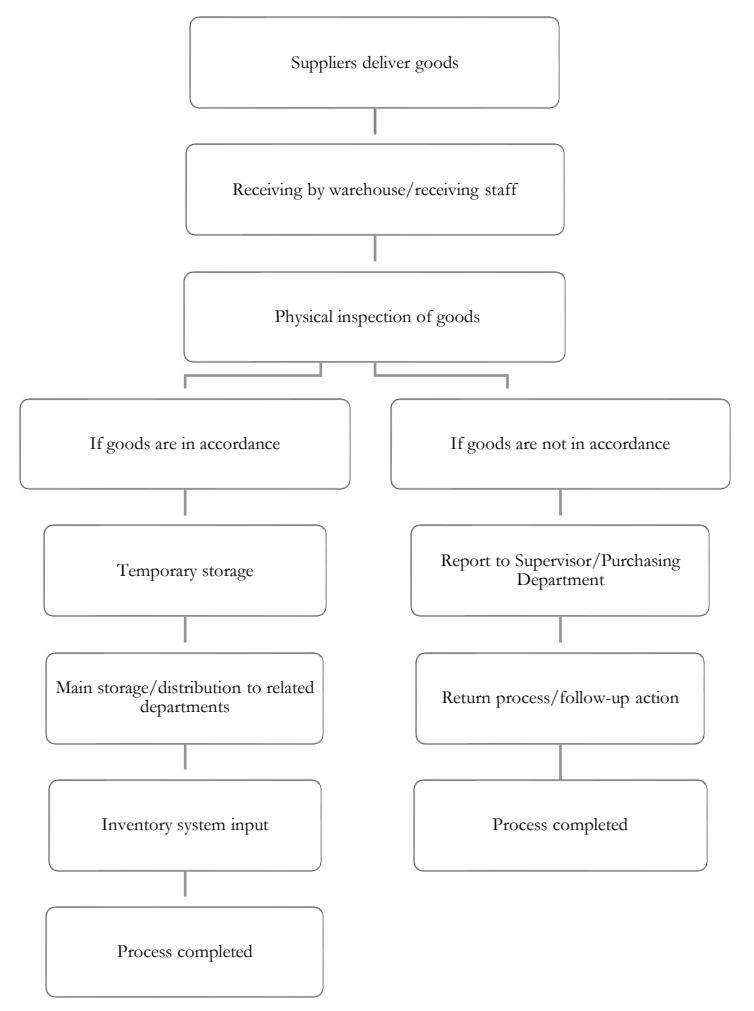
Figure 1. Goods Receiving Flow in the Warehouse of Belviu Hotel
Storage of goods is also a crucial aspect that plays an important role in operational management, which is important in maintaining the quality and availability of various hotel needs, with 80% of all goods being stored in the warehouse before being distributed to the relevant departments. Based on interviews conducted with three informants, namely the Receiving and Storekeeper, Cost Control, and Chief Accounting. Goods storage at the Belviu Hotel warehouse is carried out by separating them based on type, such as food, beverages, materials, chemicals, and linens, to ensure better organization and easier management. The inventory storage system at the Belviu Hotel warehouse uses the FIFO (First In First Out) method. However, this depends on certain slow-moving items, which are better removed from the warehouse and promptly notified to specific departments, such as the kitchen, to retrieve them as soon as possible. The main factor to consider in the storage process is temperature. For example, vegetables and fruits should be stored in a chiller at a temperature between 2 and 5 degrees Celsius to keep them fresh and prevent spoilage. Meanwhile, other products such as meat, chicken, and fish require a freezer temperature between -18 and -20 degrees Celsius to maintain their quality. Daily necessities (groceries), office supplies, materials, and linen can be stored at room temperature. However, chemicals require specific temperatures and humidity levels depending on the type of chemical. These materials are at risk of damage and may not be usable as intended. The goods receiving process often encounters several problems and there are gaps in warehouse operations, especially in the early stages of goods entering the work environment, which hinders the smooth flow of work. Although procedures for receiving goods have been established and implemented, the reality on the ground shows that their implementation does not always go as expected. This can be attributed to various factors, both internal and external, that directly or indirectly affect the smooth operation of warehouse activities.
4.2. Issues in Goods Receiving and Storage
The goods receiving process often encounters several problems and gaps in warehouse operations, especially in the initial stage of goods entering the work environment, which hinders the smooth flow of work. Although in general the receiving procedures have been established and implemented, the reality in the field shows that their implementation does not always go as expected.
This can be caused by various factors, both internal and external, which directly or indirectly affect the smooth running of warehouse activities. Based on observations during On The Job Training and interviews with relevant parties, several issues were identified during the goods receiving process. These issues include (1) Insufficient quantities of goods; (2) Indicating discrepancies between the number of items received and those listed on the purchase invoice; (3) Poor condition of goods, such as physical damage to packaging, non-compliance with established quality standards; (4) Delays or errors in goods delivery from suppliers; (5) Discrepancies between goods specifications and user requirements; and (6) Sudden purchases.
These issues indicate that the goods receiving process is not yet running optimally and still requires special attention. Goods receiving activities are not limited to simply receiving physical goods, but also involve verification, recording, and quality control processes that require precision and cooperation between internal warehouse staff and suppliers. This is because it can have consequences or impacts that affect the smooth operation of the warehouse.
Based on observations made during fieldwork and interviews with relevant parties, problems were found to occur during the storage of goods, such as the discovery of spoiled food items, including chicken, because the Belviu Hotel has two kitchens: a general kitchen and a kitchen for events. The damage occurred due to the kitchen staff's negligence in not immediately moving the chicken, so that over time it spoiled and had to be discarded. The hotel's limited warehouse facilities, such as warehouse space, storage facilities, and storage space in the kitchen, were problems faced by Belviu Hotel due to its small storage space.
4.3. The Impact of Issues in Goods Receiving and Storage
The impact of various problems that occur in the procurement and management of goods in warehouses can have a number of negative consequences. Discrepancies between the quantity of goods received and the invoice cause data discrepancies between the system and actual conditions, which hinders distribution, complicates document reconciliation, and increases the risk of miscommunication between the warehouse and suppliers. Damaged goods that cannot be immediately stored or used result in material and time losses due to the need for returns or claims, and cause accumulation in temporary storage areas, reducing work efficiency. Delays in delivery from suppliers disrupt operational schedules, delay storage and distribution processes, and create uncertainty in stock planning, which can potentially reduce trust between hotels and suppliers and disrupt the smooth flow of the supply chain. Inconsistencies in product specifications delay utilization and can result in losses if the goods cannot be used, especially when the Person In Charge is not on site and goods are received by another Accounting team. Additionally, sudden purchases force warehouse staff to make purchases themselves or directly from suppliers, which can disrupt the planned procurement process. Overall, these issues negatively impact the efficiency, accuracy, and smooth operation of the warehouse and the hotel's supply chain.
Issues that occur in the process of storing goods in the warehouse not only affect the physical condition of the goods, but also impact the overall operational efficiency of the hotel. Therefore, this section will discuss the various impacts caused by the storage issues previously described, based on interviews with the Receiving and Storekeeper departments as well as Cost Control. Specifically, the carelessness of kitchen staff in moving food ingredients can lead to various negative consequences. One of these is waste, where food items that should still be usable become damaged and must be discarded, resulting in financial losses for the hotel. Additionally, this carelessness may also reduce the quality of dishes due to the use of stale ingredients or even shortages in food supplies. Meanwhile, the limited infrastructure in the Belviu Hotel warehouse, especially during peak season or holiday season, necessitates stockpiling to ensure adequate supply. However, the inefficiency in utilizing storage space does not directly impact the increase in warehouse operational costs or the hotel's overall operational costs.
5. Conclusion
This study shows that, in general, operational procedures have been carried out in accordance with applicable standards. Warehouse management at Belviu Hotel plays a vital role in supporting the smooth operation of the hotel as a whole. The warehouse functions not only as a place to store goods, but also as a supply control center that must be managed to high standards so that the goods received meet requirements and can be stored properly.
The goods receiving process is carried out meticulously, involving the preparation and checking of documents such as the Daily Market List (DML) and purchase invoices, physical inspection, matching with invoices, and data entry into the Visual Hotel Program (VHP) inventory system, followed by verification by the Cost Controller and Chief Accounting. Discrepancies are handled immediately, either through returns to suppliers or internal follow-up. Meanwhile, issues such as discrepancies between the quantity of goods and invoices, damaged goods, delayed deliveries from suppliers, discrepancies in product specifications, and emergency purchases for urgent needs are still encountered. These issues impact inventory accuracy, work efficiency, and the potential for time and material losses.
The goods storage process has implemented separation of goods based on type and the use of the FIFO method to maintain stock quality and availability. Stock management is carried out regularly, and adjustments to temperature and humidity are made according to the needs of each type of goods. However, limitations in facilities, such as a lack of infrastructure, cause some goods to be susceptible to damage, which risks reducing the quality of certain goods. This study also identified several issues in its implementation on-site. The implementation of systematic procedures and the use of an inventory system have helped improve the accuracy of record-keeping and facilitate stock tracking. Additionally, coordination between the warehouse department, purchasing department, and related departments has supported the smooth operation of the goods distribution process.
The operational effectiveness of a warehouse depends heavily on several factors, such as the competence and accuracy of staff in the receiving and recording of goods, the adequacy and quality of storage facilities (walk-in freezers, walk-in chillers, shelves as needed), the integration and consistency of physical records with the management system (VHP), the application of inventory management principles such as FIFO and regular audits or double checks, effective communication between departments and suppliers, and good coordination among departments in the procurement and distribution of goods are key factors in maintaining the smooth operation, quality, and efficiency of warehouse management at Belviu Hotel.
However, this study has several limitations. First, the research was conducted only at one hotel, which may limit the generalizability of the findings to other hospitality settings. Second, the study used a qualitative descriptive approach, which relies heavily on subjective interpretations of observations and interviews. Third, the data collection period was limited to six months, which may not fully capture long-term operational patterns or seasonal variations in warehouse activities. Additionally, access to certain internal documents may have been restricted, potentially limiting the depth of analysis.
Based on these limitations, future research is recommended to expand the scope by involving multiple hotels or comparing different types of hospitality establishments to obtain more comprehensive results. Further studies could also apply a mixed-methods or quantitative approach to measure the impact of warehouse management on operational performance more objectively. In addition, future research may explore the role of digitalization, automation systems, or advanced inventory technologies in improving warehouse efficiency. Longitudinal studies are also suggested to better understand operational trends over time.
Some suggestions to address the issues identified in the process of receiving and storing goods at the Belviu Hotel warehouse are intended to provide useful input to optimize warehouse operations and support the smooth running of the hotel's overall activities. First, improve accuracy in checking the quantity and condition of goods and supervision in the goods receiving process to minimize discrepancies with invoices and damaged goods. Furthermore, maximize the use of the inventory tracking system and reorganize the warehouse layout with consistent implementation of the FIFO (First-In, First-Out) method. In addition, conduct regular training for warehouse staff and relevant departments on inspection, receiving, and storage procedures to ensure that the quality and specifications of received goods meet hotel standards. Moreover, strengthen communication and coordination between departments through the use of internal communication platforms, regular briefings, and with suppliers through clear delivery schedules and periodic evaluations. Finally, hotel management has established a policy that any staff member found to have violated SOPs will be subject to a warning letter, fines, or other sanctions in accordance with applicable regulations.
References
- Adawiyah, R. (2022). Faktor-Faktor Yang Mempengaruhi Efektivitas Pengelolaan Gudang. Jurnal Bisnis, Logistik dan Supply Chain (BLOGCHAIN), 2(2), 72-77.
- Aghnia, A. S., Nurlena, N., & Maulida, R. G. (2019). Pembelian Dan Distribusi Barang Di The Trans Luxury Hotel Bandung. eProceedings of Applied Science, 5(3).
- Andika, I. P. R. M. (2022). Application of the First In First Out (FIFO) Method on Food Materials at Fairfield Hotel by Marriot Bali Legian. Jurnal Ilmiah Pariwisata Dan Bisnis, 1(5), 1065-1080.
- Arsy, S., & Indonesia, J. C. S. C. (2023). Memahami Kembali Pengertian, Tujuan, Fungsi, dan Manfaat Gudang. Artikel Pergudangan Supply Chain Indonesia. Diakses dari: https://supplychainindonesia. com/memahami-kembali-pengertiantujuanfungsi-dan-manfaat-gudang.
- Batarlienė, N., & Jarašūnienė, A. (2024). Improving the Quality of Warehousing Processes in the Context of the Logistics Sector. Sustainability, 16(6), 2595.
- Bramahernanda, R. (2023). Tugas Akhir Penyusunan Standar Operasional Prosedur (SOP) Penerimaan Barang Pada Ud Auna & Barokah.
- Dhema, Y. F., & Cahyadi, L. D. C. (2025, January). Analisis Penggunaan Purchase Order (PO) dalam Proses Receiving untuk Mengurangi Kesalahan Penesrimaan Barang di Hotel Holiday Inn Bali
- Sanur. In Seminar Ilmiah Nasional Teknologi, Sains, dan Sosial Humaniora (SINTESA) (Vol. 7, pp. 479-486).
- Giftiani, Y., & Fionasari, D. (2024). Analisis Sistem Kerja Storage Dan Purchasing Departement Terhadap Kelangsungan Operasional. Jurnal Akunida, 10(1), 41-47.
- Haikal, M. H., & Rahmawati, N. (2024). Perencanaan Tata Letak Gudang menggunakan Metode Class Based Storage di PT. XYZ. Jurnal Cakrawala Ilmiah, 3(5), 1371-1386.
- Hermawan, B. (2020). Meminimumkan Kerusakan Pada Penyimpanan Bahan Makanan Tidak Tahan Lama Dalam Operasional Hotel. Tourism.
- Heryadi, M. H., Nofrisel, N., Sugiharti, E., Simarmata, J., & Anggara, D. C. (2024). Efektifitas Pengelolaan Manajemen Pergudangan Terhadap Sistem Distribusi Beras pada Pemerintah Daerah DKI Jakarta. Jurnal Manajemen Transportasi & Logistik (JMTRANSLOG), 11(1), 99-112.
- Hudori, M. (2020). Analisis Proses Penerimaan Barang di Gudang Produk Menggunakan Konsep Deming's View Process System, Prinsip 5W+ 1H dan Five Whys Analysis. Jurnal Citra Widya Edukasi, 12(2), 107-118.
- Jailani, M. S. (2023). Teknik Pengumpulan Data dan Instrumen Penelitian Ilmiah Pendidikan pada Pendekatan Kualitatif dan Kuantitatif. IHSAN: Jurnal Pendidikan Islam, 1(2), 1-9.
- Khoirunnisa, K., Pratiwi, A., Mutiara, Z., & Fasyah, M. (2025). Analisis Proses Masuk Barang Ke Gudang X Dan Dampaknya Pada Efisiensi Operasional. Bisnis-Net Jurnal Ekonomi dan Bisnis, 8(1), 68-73.
- Lestari, N., & Widyawati, K. S. (2022). Analisis Masalah Produk Pada Proses Penerimaan Barang Di Central Warehouse Bunut Pt. Bakrie Sumatera Plantations, Tbk (KP 16.19. 22.9).
- Moghadam, H. M., Faghani, M., & Heydari, M. (2019). The Investigation of the Relationship between Financial Leverage and Return on Supply Chain Management. Int. J Sup. Chain. Mgt Vol, 8(2), 715.
- Naomi, A. C., & Fauziah, L. (2023). Tingkat Efektivitas dalam Proses Penyimpanan Barang di Gudang. Jurnal Bisnis, Logistik dan Supply Chain (BLOGCHAIN), 3(2), 74-78.
- Nathania, A. (2021). Analisis Sistem Akuntansi Pembelian Pada Hotel Swiss Belinn Tunjungan Surabaya (Doctoral dissertation, Universitas Hayam Wuruk Perbanas Surabaya).
- Nurranto, H., Estiningsih, W., Mursito, H., Budiarso, Y. Y., & Saripah, S. (2023). Evaluasi terhadap Prosedur Penerimaan dan Pengeluaran Barang dengan Sistem Pengendalian Internal di PT. Suzuya. Jurnal Ekonomi, Manajemen dan Akuntansi (JEKMA), 2(2), 120-129.
- Nurriansyah, A., & Prasetyo, T. (2025, April). Analisis Peranan Purchasing Dalam Pengelolaan Pesediaan Di The Tribrata & Sutasoma Hotel. In Seminar Nasional Pariwisata dan Kewirausahaan (SNPK) (Vol. 4, pp. 514-523).
- Pramawati, K. Y., Widiastini, N. M. A., & Andiani, N. D. (2019). Storing System dalam Meningkatkan Kelancaran Operasional Barang di Discovery Kartika Plaza Hotel Bali. Jurnal Manajemen Perhotelan Dan Pariwisata, 2(2), 96-109.
- Pratiwi, N. P. E., Utami, M. A. J. P., Wajdi, M., & Chaurasiya, S. (2025). An Evaluation of Purchasing Department Strategies in Handling Food and Beverage Operations in Five-Star Hospitality Settings. Kajian Pendidikan, Seni, Budaya, Sosial dan Lingkungan, 2(2), 115–125.
- Rahayu, N. K. R., & Arnawa, I. P. (2024). Analisis Pengendalian Internal Prosedur Penerimaan Dan Pengeluaran Barang di Hotel X. Journal of Accounting and Hospitality, 1(2), 74-84.
- Ramadhani, T. S., Suryadi, S., & Irmayani, D. (2018). Sistem Informasi Stok Gudang Pada Platinum Hotel Berbasis Web. Informatika, 6(2), 35-40.
- Richards, G. (2017). Warehouse Management: a Complete Guide to Improving Efficiency and Minimizing Costs in the Modern Warehouse. Kogan Page Publishers.
- Romdona, S., Junista, S. S., & Gunawan, A. (2025). Teknik Pengumpulan Data: Observasi, Wawancara dan Kuesioner. JISOSEPOL: Jurnal Ilmu Sosial Ekonomi dan Politik, 3(1), 39-47.
- Sari, N. (2022). Perencanaan dan Pengendalian Persediaan Barang dalam Upaya Meningkatkan Efektivitas Gudang. Jurnal Bisnis, Logistik Dan Supply Chain (BLOGCHAIN), 2(2), 85-91.
- Simatupang, A. R., Rangkuti, S., & Hanum, A. (2023). Analisis Fasilitas Pergudangan Dalam Meningkatkan Efisiensi Gudang Pada Pt. Kawasan Industri Medan. Bisnis-Net Jurnal Ekonomi dan Bisnis, 6(1), 89-100.
- Syarifa, A., & Imaroh, T. S. (2026). Problem Analysis and Manual Warehouse System Improvement Strategy Towards Smart & Sustainable Warehouse. International Journal of Indonesian Business Review, 5(2), 31–50
- Waruwu, M. (2023). Pendekatan Penelitian Pendidikan: Metode Penelitian Kualitatif, Metode Penelitian Kuantitatif dan Metode Penelitian Kombinasi (Mixed Method). Jurnal pendidikan tambusai, 7(1), 2896-2910.Kraas, F. et.al. (Ed.) (2013) Megacities: Our Global Urban Future. Dordrecht: Springer.
- Widnyana, I. W., & Ramadani, N. K. R. (2024, June). Pentingnya Peningkatan Produktivitas Karyawan Dalam Pemakaian Purchase Order (Po) Pada Receiving Guna Meminimalisir Terjadinya Kesalahan Penerimaan Barang Di Hotel Holiday Inn Resort Baruna Bali. In Prosiding Seminar Nasional Pengabdian Masyarakat (SENEMA), 3(1), 310-316.
- Widowati, D., & Ningtiyas, L. M. (2022). Analisis Penyimpanan dan Penempatan Barang pada PT. Bintang Dagang Internasional (Haistar) Surabaya dalam Mendukung Ketersediaan Barang di Era Pandemi. Jurnal Ilmiah Administrasi Bisnis Dan Inovasi, 6(2), 100-114.
- Yanti, N. L. D., Lasmini, N. N., & Suprapto, P. A. (2023). Analisis Pengendalian Internal Penerimaan dan Pengeluaran Barang Persediaan Gudang pada Harris Hotel & Residences Riverview Kuta (Doctoral dissertation, Politeknik Negeri Bali).
- Zakharia, F., Adiputra, F., & Meko, P. (2023). Peranan Metode Penyimpanan Bahan Makanan Dalam Meningkatkan Kualitas Makanan Di Hotel Bintang Labuhan Bajo Flores. Jurnal Ilmiah Global Education, 4(4), 2153-2162.
- Zulfikar, H., Saputra, D. R., Maulana, A., Cahyono, Y. A., & Sahara, S. (2023). Peningkatan Efisiensi Operasional Pergudangan melalui Teknologi Canggih. Jurnal Ilmiah Wahana Pendidikan, 9(16), 393-402.