

1. Introduction
The global hospitality industry has made sustainability a top priority, and luxury hotels are increasingly implementing eco-friendly practices to position themselves as sustainable businesses (Han et al., 2019). Growing awareness of environmental issues, regulatory pressure, and the global movement toward the principles of the circular economy are the main forces driving the shift toward sustainability (Abdullahi et al., 2023). To offer ecologically conscious (eco-friendly) lodging options, numerous hospitality businesses have adopted eco-friendly techniques during the last few decades (Moise et al., 2021). These efforts include using eco-friendly materials, reducing waste, using energy and water efficiently, and implementing green certifications to establish credibility (Khalil et al., 2022). Capturing this trend, the hospitality sector has changed its planning, advertising, and service delivery as well (Dodds & Holmes, 2016); sustainability has shifted from a supplementary marketing idea to a core operational approach (Pham et al., 2020). However, these hotels continue to struggle with achieving a balance between sustainability goals and first-rate service quality, making eco-friendly technologies essential for sustained operational success (Lam & Law, 2018).
Apart from this, young tourists, especially those from Generation Z and Millennials, are now the group most influencing demand for environmentally friendly travel (Ma et al., 2024). Compared to prior generations, these groups exhibit heightened social and environmental awareness, which reflects a values-driven approach to consumption: sixty-two per cent of Gen Z consumers prefer to purchase from sustainable brands, seventy-three per cent are willing to pay more for eco-friendly products (Minazzi & Grechi, 2025), sixty-nine percent of Gen Z take proactive measures to reduce their environmental effect, such as cutting back on their usage of cars, restricting their purchases of fast fashion, and saving electricity, indicating a commitment to sustainability (Minazzi & Grechi, 2025) and thirty-eight per cent of this generation would prefer to stay in green or eco-friendly hotels, suggesting that they are increasingly taking sustainability factors into account when choosing accommodation and lodging (European Travel Commission, 2020). Despite this trend, researchers indicate a growing gap between 'attitudes and practice'. Due to financial limitations, difficulty of access, and a lack of sustainable options, young travelers' vacation choices sometimes fall short of completely adopting their eco-conscious goals (Bergin-Seers & Mair, 2019). Similarly, Madar & Neaşu (2020) highlighted that this ongoing gap indicates that although Gen Z recognizes the value of sustainability, accessibility and price sensitivity still affect ultimate purchasing decisions.
On the other hand, parallel to this global shift toward sustainability, financial technologies (Fintech) have emerged as key drivers of sustainability across sectors by promoting digital financial inclusion (Sayari et al., 2025). To improve accessibility, efficiency and transparency, fintech integrates digital technologies, such as blockchain, AI, and mobile payments, into hotel systems (Zaid et al., 2024). Through these developments, fintech advanced green finance, enabling eco-friendly investing options and the ability to track sustainable operations (Safitri & Fasa, 2025). Fintech's integration with sustainability goals has led to the development of carbon-tracking financial tools, eco-friendly lending systems, and green digital platforms that help consumers and businesses in reducing their environmental impact (Zaid et al., 2025). As these authors further indicate, by integrating sustainability principles and financial innovation, Fintech not only increases operational efficiency but also promotes ethical transparency, climate resilience, and confidence in modern economic systems. However, studies in fintech have focused on fintech adoption in banking and finance rather than its potential influence on booking intentions in the luxury hotel industry (Chien et al., 2025).
Within this backdrop, this review paper focuses on the extant literature on i). the eco-consciousness of young travelers, specifically in their booking intentions, and ii.) adoption of fintech-enabled Sustainability Features (eco-booking services, blockchain-based carbon tracking, digital payment
systems, and green loyalty programs, etc.) of luxury hotels to attract young travelers. The paper thereby provides future research directions to this research stream.
The remainder of the paper is organized as follows. The next section outlines the review method. Section 3 presents the emerging themes of the review, whereas Section 4 summarizes the gaps in the current literature and suggests future research directions, followed by concluding remarks in Section 5.
2. Review Method
For this systematic review, seven databases were reviewed: Emerald, ScienceDirect, JSTOR, MDPI, Taylor & Francis, Wiley Online, and Springer. The following keywords were used in the search strategy: ("eco-consciousness" OR "sustainability" OR "green behavior" OR "environmental values") AND ("young travelers" OR "Gen Z" OR "Millennials") AND ("luxury hotel" OR "green hotel" OR "hospitality") AND ("fintech" OR "digital payment" OR "eco-booking platform" OR "mobile app"). The "anywhere in article" option was selected to ensure a complete collection of studies and included all publications from 2015 to 2025. The initial search identified 287 articles. After eliminating 5 duplicates, 282 records were screened through title and abstract. Thereafter, 195 articles were excluded for failing to meet the selection criteria, leaving 87 for inclusion in the full-text review and the final study. These articles were divided into three themes: Theme 1, Eco-Consciousness of Young Travelers (36 articles), Theme 2, Luxury Hotel Booking Intentions (32 articles), and Theme 3, Fintech-Enabled Sustainability Features (19 articles) (Figure 1). To ensure orderly data management, all retrieved papers were organized by author and publication year. The author (s), year, study context, methodology, findings, and relevance to the research issues were among the data taken from the chosen studies. This structured approach enabled an in-depth analysis of evidence across the three themes, ensuring that the systematic review focused on the moderating role of fintechenabled sustainability features in the relationship between eco-consciousness and luxury hotel booking intentions of young travelers.
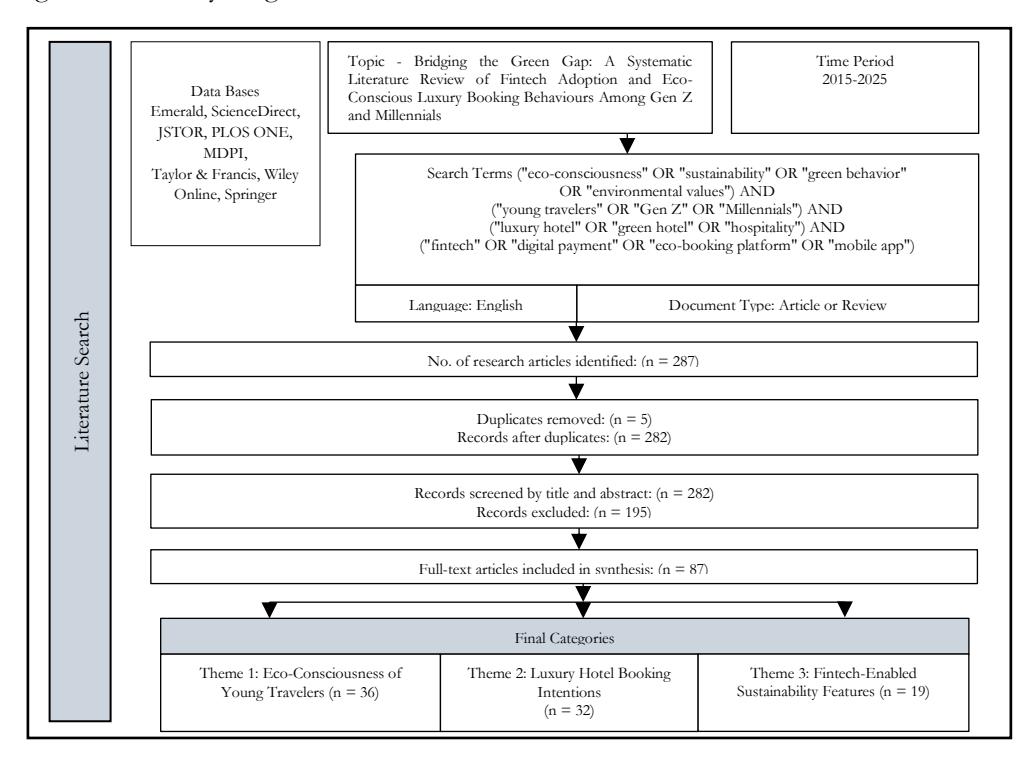
Figure 1. PRISMA Flow Diagram for Article Selection Process
Table 1. Distribution of Reviewed Articles Across Journals
| Journal | No of Articles |
|---|---|
| A Z ITU Journal of the Faculty of Architecture | 1 |
| Administrative Sciences | 1 |
| Anatolia | 1 |
| Asia Pacific Journal of Innovation in Hospitality and Tourism | 2 |
| Business Strategy and the Environment | 2 |
| Cornell Hospitality Quarterly | 1 |
| Discover Sustainability | 2 |
| E3S Web of Conferences | 1 |
| Economic and Business Journal | 1 |
| Economic Research – Ekonomska Istraživanja | 1 |
| EuroMed Journal of Business | 1 |
| European Business Review | 1 |
| Examining Tourist Behaviors and Community Involvement in Destination Rejuvenation | 1 |
| Frontiers in Psychology | 1 |
| Frontiers in Sustainable Tourism | 1 |
| Geojournal of Tourism and Geosites | 1 |
| Geoscience Frontiers | 1 |
| International Journal of Contemporary Hospitality Management | 3 |
| International Journal of Gastronomy and Food Science | 1 |
| International Journal of Hospitality and Tourism Administration | 1 |
| International Journal of Hospitality Management | 4 |
| International Journal of Integrated Supply Management | 1 |
| International Journal of Management Education | 1 |
| International Journal of Tourism Research | 1 |
| Islamic Economics and Finance Journal | 1 |
| Journal of Business Research | 2 |
| Journal of Cleaner Production | 1 |
| Journal of Hospitality and Tourism Insights | 1 |
| Journal of Hospitality and Tourism Research | 2 |
| Journal of Hospitality Marketing & Management | 1 |
| Journal of Hospitality Marketing and Management | 1 |
| Journal of Hotel & Business Management | 1 |
| Journal of Informatics Education and Research | 1 |
| Journal of Sustainable Tourism | 7 |
| Journal of Tourism and Services | 1 |
| Journal of Tourism Futures | 1 |
| Managerial Finance | 1 |
| Multidisciplinary Reviews | 1 |
| Organizations and Markets in Emerging Economies | 1 |
| Policy Research Journal | 1 |
| Quality and Quantity | 1 |
| Research in International Business and Finance | 2 |
| Revista Review Index Journal of Multidisciplinary | 1 |
| Routledge Handbook of Hospitality Marketing | 1 |
| Studies in Systems Decision and Control | 2 |
| Sustainability | 19 |
| Technological Forecasting and Social Change | 1 |
| Tourism and Hospitality Research | 1 |
| Tourism Management | 1 |
| Tourism Review | 1 |
| Worldwide Hospitality and Tourism Themes | 1 |
Source: Compiled by the author based on data collected from selected journal databases
Selected articles were spread across a wide range of journals, including sustainability, hospitality, tourism, and financial technology (Table 1). The largest number of publications showed up in Sustainability (19 papers) and the International Journal of Hospitality Management (4). In addition to essential journals included International Journal of Contemporary Hospitality Management (3), Research in International Business and Finance (2), Journal of Business Research (2), Journal of Hospitality and Tourism Research (2), Studies in Systems Decision and Control (2), Business Strategy and the Environment (2), and Discover Sustainability (2) contributed multiple articles. A range of other journals published one article each, reflecting the broad, multidisciplinary nature of the topic that spans sustainability, hospitality, tourism, and business research.
3. Review Findings and Emerged Themes
3.1. Eco-Consciousness of Young Travelers
In this review, eco-consciousness among young travelers' is frequently mentioned as a significant determinant of sustainable travel decisions of young travelers. Several studies in the review claim that especially, Generation Z and other younger generations have increased environmental consciousness, which affects when they evaluate tourist services and hospitality options (Prayag et al., 2022; Seyfi et al., 2024). Several other studies find that when young travelers consider accommodation and travel, eco-values of the hotel, such as local sourcing and hotel sustainability certification and low-carbon travel options influence their choices (D'Arco et al., 2023; Nowacki et al., 2023). Literature such as Torabi et al. (2025) and De Araújo et al. (2025), using frameworks (norm-activation and moral emotion), has further found that young travelers' norms determine their environmentally conscious purchasing decisions. These findings further suggest that eco-conscious attitudes are translated into specific intentions when they are mediated by identity and emotions. Along the same lines, authors such as Serio et al. (2025) and Forleo and Bredice (2025) state that youth segments are highly committed to environmental initiatives, whereas older generations are not.
Extending the literature on young travelers' eco-consciousness, several other researchers (D'Acunto et al., 2024; Chamoli et al., 2025) have grounded their research in understanding how young travelers obtain information about hotels' eco-practices. These authors state that peer norms, social media, and green electronic Word-of-Mouth (eWOM) are the key information sources for these young travelers. Adding to this, Wilbert et al. (2024) found that digital word-of-mouth, social media promotion, and marketing have a positive impact on young travelers' booking intentions and their willingness to pay more. In the meantime, Virtual reality (VR) and eco-friendly options offered by hotels also influence young generations' hotel reservation intentions (Bašan et al., 2025; Boonkaew et al., 2025; Miłosz et al., 2025).
However, several studies show a gap between the attitudes and actions of the younger generation; i.e., ethical principles may not necessarily translate into hotel booking due to obstacles such as price, a lack of realistic options and doubts about authenticity (Seyfi et al., 2025). Depending on the situation, emotional drivers and prior experience can exacerbate these obstacles (Kim et al., 2017; Shen et al., 2023). Hotel booking actions are further reinforced by perceived behavioral control, subjective standards, and the incentive mechanisms hotels offer (Ting et al., 2019).
Overall, the relationship between eco-consciousness and hotel booking depends on perceived social duty, environmental self-identity, and eco-travel needs (Chang et al., 2024; Hasan & Aziz, 2024). Young travelers' environmental attitudes primarily influence their willingness to pay for eco-friendly vacations and sustainable tourism, as referred to in the literature as "No Planet-B Attitudes" (De Araújo et al., 2025). Furthermore, young travelers' approach behaviors and eco-conscious decisionmaking are significantly impacted by green hotel initiatives (Han et al., 2020; Perera et al., 2024).
3.2. Luxury Hotel Booking Intentions
Luxury hotel booking intention indicates the travelers' intention or likelihood to select and book a luxury hotel based on perceived value, service quality, and in line with personal preferences or values. In hospitality research, it is a crucial measure of customer decision-making and brand performance (Han et al., 2019). Numerous factors have been identified in the hospitality literature as influencing booking intentions: perceived behavioral control, social norms, brand image, service quality, and environmental attitude (Han et al., 2019; Sadiq et al., 2021). These authors further found that ecofriendly hotel booking behavior is improved by ecological concern and service quality, thereby closing the typical attitude–behavior gap seen in hospitality contexts. Furthermore, Sadiq et al. (2021) and Momayez et al. (2023) confirmed that biological and collectivistic values positively influence environmental attitudes, which in turn shape individual standards and booking intentions. These results demonstrate that internal values and perceived societal expectations strongly influence the decision to book sustainable hotels.
Concern for the environmental impacts, perceived green benefits and costs, which eventually influence customers' behavioral intentions (Shuang & Lim 2025). Ting et al. (2019) showed that emotional and motivational factors such as expected emotions and incentive mechanisms significantly moderate the relationship between attitudes and booking intentions, indicating that consumers' willingness to book green hotels depends on both beliefs and emotional satisfaction. Booking selections are also strongly influenced by marketing messages and online signals. For example, Chan (2025) states that attractive green visuals can slightly increase booking intentions through hidden persuasive techniques. As another example, Tanford et al. (2020) highlighted that social media emotional priming and favorably framed sustainability messaging significantly improve hotel image and booking intention. Travelers' views are also shaped by digital credibility and review quality (Chuang et al., 2024; Wilbert et al., 2024).
Environmental concern, awareness, and a willingness to pay more for green hotels are strongly correlated, according to past literature. According to studies by Özkan et al. (2023), Gupta et al. (2023), and Bakshi and Singh (2024), consumers who care more about the environment are not only more likely to book sustainable hotels but also prepared to pay a premium for them. Similarly, Wei et al. (2023) found that perceived psychological benefits strengthen the link between environmental concern and premium payment intent, confirming that environmentally friendly perception enhances both satisfaction and booking intention. According to Jana et al. (2024), societal norms and ecological concerns influence consumers' intentions to make green purchases, but this relationship is weakened when availability is restricted. While Dang-Van et al. (2022) confirmed that green practices increase visit intentions through perceived value fit, pro-environmental values and psychological ownership enhance guilt-free consumption (Mishra et al., 2024). Communication and advertising are also very important factors; according to Sahin et al. (2019), green advertisements improve attitudes and purchase intentions, whereas Bernard et al. (2023) found that clear, believable statements about the hotel increase trust and authenticity. After the pandemic, Marinakou (2025) and Sowamber et al. (2017) demonstrated that eco-conscious luxury and visible sustainability efforts now drive brand trust, loyalty, and booking.
Corporate Social Responsibility (CSR) of the hotels and experiential factors also impact traveler decisions. Su et al. (2017) and Atshan et al. (2024) demonstrated that a hotel's CSR increases booking intention and emotional connection. According to Zeng et al. (2024) and Shrivastava and Gautam (2024), the booking probability is strengthened by prior experience, environmental awareness, and everyday eco-habits. According to Arisandi et al. (2023) and Julia et al. (2020), circular practices and green elements boost visitor preference. According to this literature, booking a luxury hotel still heavily relies on perceptions of the hotel's sustainability and CSR involvement (Zhuoxian et al., 2025). However, Zhuoxian et al. (2025) note that research on how technology-driven mechanisms, particularly technologically enabled sustainability features, moderate the association between booking intention and eco-consciousness remains limited.
3.3. Fintech-Enabled Sustainability Features of Luxury Hotels
The way customers and financial systems view environmentally conscious conduct has changed with the combination of fintech and sustainability. Fintech is a crucial facilitator of green finance, improving accessibility, transparency, and efficiency in sustainable transactions (Jokhio et al., 2025). According to Jokhio et al. (2025), fintech adoption immediately increases access to green finance, thereby improving sustainability outcomes. In a similar vein, Omri et al. (2024) show that fintech enhances the effectiveness of green finance by fostering environmental innovation and establishing a collaborative path toward sustainability, leading to lower carbon dioxide emissions and better ecological performance. Together, these results indicate that fintech serves as a mediator in strengthening the link between sustainability outcomes and green activities.
This combination is made possible through the digital revolution. Adopting innovative digital infrastructure significantly improves the performance of green finance, especially in developing nations (Zaid et al., 2025). Fintech thus acts as a moderating factor, enhancing the link between green innovation and environmental outcomes (Hasan et al., 2024; Zaid et al., 2025). According to Siddik et al. (2025), energy efficiency is enhanced with fintech-financed initiatives, particularly in nations with developed financial systems. This demonstrates how the development of digital and financial infrastructures determines how well fintech contributes to sustainability. Additionally, Bonsu et al. (2025) show that Information Technology governance supports the moderating role of technology regulations by enhancing the favorable association between fintech adoption and sustainability performance.
Research in the hotel and tourism industries also shows emerging patterns in fintech's impact on sustainability. According to Karim et al. (2022), fintech services improve customer loyalty and experience, underscoring how digital payment ecosystems shape consumers' perceptions of value and trust. This supports the idea that clear, easy-to-use digital payment systems boost visitor satisfaction and confidence while also increasing operational efficiency (Ratna et al., 2023). Similarly, Das & Singh (2025) indicate that blockchain-integrated fintech tools enhance transparency, trust, and traceability in tourism transactions, thereby contributing to both growth and sustainability. These results suggest that eco-conscious consumer intentions to make sustainable reservations may be modified in both strength and direction when fintech mechanisms are integrated into hospitality platforms. Aboalsamh et al. (2023) stated that green fintech encourages investments in renewable energy and expands financial inclusion for entrepreneurs, both of which contribute to sustainable behavior at the consumer level. Fintech adoption and ESG-oriented investment are positively impacted by an understanding of sustainable financial practices Sharma et al., 2024). These findings confirm that fintech not only serves as a financial mechanism but also as a behavioral moderator that improves consumers' willingness to adopt environmentally friendly choices.
Numerous studies emphasize the importance of fintech in facilitating sustainable investing and consumption patterns. Fintech may increase access to green investments while reducing transaction costs and environmental impacts (Khadse, 2025; Safitri & Fasa, 2025). Chien et al. (2025) find that fintech improves efficiency and transparency in sustainability-focused financial markets, especially in areas where green innovation is encouraged by regulatory frameworks. Gonzalez et al. (2025) apply this viewpoint to the travel industry and find that travelers are becoming more mindful of digital technologies that communicate environmental performance and promote trust through blockchainbased transparency. Accordingly, Kokkhangplu et al. (2023) show that tourists' willingness to return to sustainable hotels is strongly influenced by their perceptions of eco-value and satisfaction. The importance of emerging technologies is confirmed by studies such as Loureiro and Nascimento
(2021) and Nuryyev et al. (2020). However, they do not focus on how fintech-enabled sustainability features alter consumer decision-making pathways. Although fintech typically improves sustainability outcomes, little is known about how it influences eco-consciousness and booking intentions. Future research will likely examine how eco-booking platforms, blockchain-based loyalty programs, and green digital payments influence young travelers' booking decisions. However, despite substantial evidence of fintech's impact on sustainability performance, a gap remains in hospitality research, particularly in understanding its moderating effects on eco-consciousness and booking behavior.
4. Extant Literature and Directions for Future Research
This systematic review reveals that eco-consciousness among young travelers, luxury hotel booking intentions, and fintech-enabled sustainability features are interconnected; however, the literature identifies significant conceptual and methodological gaps that must be addressed to understand young travelers' behavior in luxury hospitality environments. According to this literature review, sustainable travel intentions are consistently determined by eco-consciousness among young travelers, especially Gen Z and millennials. Several studies following quantitative methodology (structured surveys and statistical models such as SEM and PLS-SEM) (Chamoli et al., 2025; De Araújo et al., 2025; Prayag et al., 2022; Torabi et al., 2025) conclude these findings. For instance, Torabi et al. (2025) surveyed 330 Iranian tourists to examine the relationships among proenvironmental intentions, ethical views and personal norms, while Prayag et al. (2022) employed a two-step clustering approach with 615 foreign visitors to identify segments based on environmental concern. These studies frequently show that eco-conscious behavior is significantly increased through social influence, peer norms, exposure to digital media, and sensory experiences like virtual reality (Boonkaew et al., 2025; Miłosz et al., 2025). However, many young travelers exhibit a persistent attitude–behaviour gap despite strong eco-conscious views. This gap is influenced by perceived authenticity issues, price sensitivity, and structural constraints (Pizzetti et al., 2024; Seyfi et al., 2025). Mixed-method and qualitative studies are limited but vital for providing crucial contextual understanding of the processes underlying these views, showing how actual satisfaction, emotional factors, and interactions with others shape decision-making (Miłosz et al., 2025; Perera et al., 2024).
According to research on luxury hotel booking intentions, choosing sustainable accommodation is impacted by expected service quality, CSR involvement, brand authenticity, and marketing communications, in addition to eco-consciousness (Jana et al., 2024; Sadiq et al., 2021; Ting et al., 2019). Quantitative studies continue to take center stage on this theme, using SEM-based analyses to confirm connections between environmental attitudes, social norms, and booking intentions (Jana et al., 2024; Sadiq et al., 2021; Ting et al., 2019). However, qualitative studies further this understanding by highlighting the influence of visual indicators, sustainability perspectives, and CSR practices on customers' willingness to book green, luxurious hotels (Chan, 2025; Marinakou, 2025).
Fintech-enabled sustainability features indicate a new, yet underexplored, moderator/mediator of the relationship between eco-consciousness and booking intentions of young travelers. Digital tools, including green payment systems, blockchain-based rewards systems, and eco-booking sites, are shown to enhance trust, openness, and involvement with environmentally friendly procedures (Das & Singh, 2025; Jokhio et al., 2025; Omri et al., 2024). Research concludes that the adoption of fintech enhances the impact of eco-conscious behavior, improving both the availability of environmentally friendly options and perceived control over environmentally friendly decisions (Karim et al., 2022; Zaid et al., 2025). However, these studies do not address the moderating impact of fintech in the hospitality industry, except Aboalsamh et al. (2023), which focuses on general finance or energy efficiency rather than customer booking behavior. According to Aboalsamh et al. (2023) and Perera et al. (2024), digital financial tools also impact trust, perceived authenticity, and engagement. This indicates that further investigation beyond survey-based designs is necessary for understanding how young travelers engage with fintech features.From a methodological perspective, all three themes rely
heavily on quantitative survey-based techniques, which are primarily examined using SEM and PLS-SEM. These methods reveal statistically significant relationships, though they limit the investigation of deeper behavioral and environmental dynamics. In contrast, only a few qualitative and mixedmethod studies, such as Perera et al. (2024), Marinakou (2025), and Aboalsamh et al. (2023), are available. However, a significant depth, highlighting thoughts, perceptions, and broader interpretations of young traveler behavior, cannot be concluded from these studies.
Furthermore, the majority of research uses simple, single-country samples, which limit understanding of context and cultural differences. Thus, future researchers could focus on cross-country comparisons to illuminate young travelers' diverse perspectives, including how they understand financial features, believe sustainability promises, and balance luxury and responsibility across geographical areas. Future studies could also examine the moderating influence of fintech-enabled sustainability elements on luxury hotel bookings. Future research in this arena could explore how specific digital actions, such as eco-booking platforms, blockchain loyalty programs, and green payment systems, interact with environmentally conscious attitudes of travelers. Interdisciplinary studies, such as integrating theoretical grounding in human resources and tourism, could examine emotional, experiential, and authenticity-related elements, providing a more comprehensive understanding of young travelers' sustainable decision-making. Future studies can also advance theoretical knowledge, integrating fintech and sustainability.
5. Conclusion
This review paper focuses on the extant literature on the eco-consciousness of young travelers, their booking intentions and the adoption of fintech-enabled Sustainability Features of luxury hotels to attract young travelers. Overall, this review elaborates that eco-consciousness affects sustainable decisions of young travelers, and fintech could improve this relationship by making sustainability more rewarding, visible, and accessible. The absence of integrated models that incorporate these aspects highlights significant gaps: the lack of empirical research investigating how fintech elements affect the degree or trajectory of eco-conscious behavior in luxury hotel booking contexts. Furthermore, the review emphasizes the vitality of qualitative studies, interdisciplinary perspectives and cross-cultural groundings.
References
- Abdullahi, U., Mohamed, A. M., Senasi, V., & Dhahi, A. K. A. (2023). Assessing the Integration of Organizational Resilience and Sustainability: Insights from a Systematic Literature Review. E3S Web of Conferences, 440, 01011. DOI: 10.1051/e3sconf/202344001011.
- Aboalsamh, H. M., Khrais, L. T., & Albahussain, S. A. (2023). Pioneering Perception of Green Fintech in Promoting Sustainable Digital Services Application within Smart Cities. Sustainability, 15(14), 11440. DOI: 10.3390/su151411440.
- Arisandi, D., Gao, F., & Loh, C. M. (2023). What Kind of "Green" do the Guests Want? An Exploration of Adoption of Luxury Hotel Green Room Attributes. Organizations and Markets in Emerging Economies, 14(2(28)), 304–325. DOI: 10.15388/omee.2023.14.94.
- Atshan, N. A., Jamaluddin, H., Tong, C. S., Abrrow, H. A., & Abbas, S. (2024). Does Environmental, Social and Governance Have an Impact on How Green Hotels are? Purchase Intention as a Moderator Variable. Opinions of a Sample of Hotel Customers in Iraq. GeoJournal of Tourism and Geosites, 56(4), 1762–1772. DOI: 10.30892/gtg.56431-1345.
Bakshi, N., & Singh, A. K. (2024). Eco-Conscious Choices Investigating Consumer Willingness to Pay Premiums for Green Hotels. Advances in Hospitality, Tourism and the Services Industry (AHTSI) book series (pp. 48–59). DOI: 10.4018/979-8-3693-6819-0.ch004.
- Bašan, L., Butković, I., & Črnjar, K. (2025). Empowering Gen Z for Engaging in Sustainable Tourism: A ZRETP Model Approach. Sustainability, 17(18), 8366. DOI: 10.3390/su17188366.
- Bergin-Seers, S., & Mair, J. (2019). Emerging Green Tourists in Australia: Their Behaviours and Attitudes. Tourism and Hospitality Research, 9(2), 109–119. DOI: 10.1057/thr.2009.5.
- Bernard, S., Rahman, I., & Douglas, A. (2023). Sustainability Communication in Hotels: The Role of Cognitive Linguistics. Journal of Hospitality & Tourism Research, 48(4), 741–756. DOI: 10.1177/10963480231158757.
- Bonsu, M. O., Wang, Y., Nartey, P. R. D., & Amala, M. N. (2025). Does the Integration of Fintech and Green Finance Enhance Sustainability Performance in the Banking Sector? Information Technology Governance as Moderator. Business Strategy and the Environment. DOI: 10.1002/bse.70071.
- Boonkaew, S., Imjai, N., Agmapisarn, C., Sa-Nguanwong, T., Moghadas, S., & Aujirapongpan, S. (2025). Developing Sustainable Hospitality Competencies for Gen Z Hospitality Management Students: Matters of Work-Integrated Learning and Green Mindset. The International Journal of Management Education, 23(3), 101265. DOI: 10.1016/j.ijme.2025.101265.
- Chamoli, A., Tariyal, A., & Rana, V. (2025). From Green Trust to Green Plates: How External Stimuli Shape Gen Z's Local Food Purchases in Organic Tourism Destinations. International Journal of Gastronomy and Food Science, 42, 101288. DOI: 10.1016/j.ijgfs.2025.101288.
- Chan, J. (2025). Mimicry Matters: he Desire to Imitate and its Impact on Green Hotel Choices. International Journal of Hospitality & Tourism Administration, 1–20. DOI: 10.1080/15256480.2025.2496271.
- Chien, F., Zhang, Y., & Sadiq, M. (2025). Fintech Innovation in Green Finance: A Disruptive Force or a Complementary Tool? International Review of Economics & Finance, 104, 104658. DOI: 10.1016/j.iref.2025.104658.
- Chuang, C., Yeh, Y., Hsiao, T., & Wu, J. (2024). Exploring the Online Hotel Reviews on Travelers' Green Psychological Cognition. Journal of Tourism and Services, 15(28). DOI: 10.29036/jots.v15i28.607.
- D'Acunto, D., Filieri, R., & Amato, S. (2024). Who is Sharing Green E-WOM? Big Data Evidence from the Travel and Tourism Industry. Journal of Sustainable Tourism, 32(11), 2380–2402. DOI: 10.1080/09669582.2024.2328103.
- Damigos, D. (2023). How Much are Consumers Willing to Pay for a Greener Hotel Industry? A Systematic Literature Review. Sustainability, 15(11), 8775. DOI: 10.3390/su15118775.
- Dang, V. T., & Wang, J. (2022). Building competitive advantage for hospitality companies: The Roles of Green Innovation Strategic Orientation and Green Intellectual Capital. International Journal of Hospitality Management, 102, 103161. DOI: 10.1016/j.ijhm.2022.103161.
- Dang‐Van, T., Wang, J., Vo‐Thanh, T., Jiang, X., & Nguyen, N. (2022). Green Practices as an Effective Business Strategy to Influence the Behavior of Hotel Guests in the Luxury Hotel Sector: Evidence from an Emerging Market. Business Strategy and the Environment, 32(6), 3612– 3627. DOI: 10.1002/bse.3318.
- D'Arco, M., Marino, V., & Resciniti, R. (2023). Exploring the Pro-Environmental Behavioral Intention of Generation Z in the Tourism Context: The Role of Injunctive Social Norms and Personal Norms. Journal of Sustainable Tourism, 1–22. DOI: 10.1080/09669582.2023.2171049.
- Das, M., & Singh, K. (2025). Digital Payment: Transforming the Future of Hospitality and Hotel Industry. Revista Review Index Journal of Multidisciplinary, 5(1), 185–192. DOI: 10.31305/rrijm2025.v05.n01.022 .
- De Araújo, A. F., Andrés-Marques, I., & Moreno, L. L. (2025). No Planet-B Attitudes: The Main Driver of Gen Z Travelers' Willingness to Pay for Sustainable Tourism Destinations. Sustainability, 17(3), 847. DOI: 10.3390/su17030847.
- European Travel Commission. (2020). Annual Report 2020. https://etccorporate.org/uploads/2021/06/ETC_Annual-Report-2020_Web_Spread_Final.pdf
- Forleo, M. B., & Bredice, M. (2025). Italian Gen Z and Sustainable Coastal Tourism: A Segmentation Analysis of Knowledge, Attitudes and Pro-Environmental Behaviours. Journal of Tourism Futures. DOI: 10.1108/jtf-07-2024-0146.
- Georgescu, M., & Herman, E. (2020). Are Young People Ready to have a Pro-Environmental Sustainable Behaviour as Tourists? An Investigation of Towel Reuse Intention. Sustainability, 12(22), 9469. DOI: 10.3390/su12229469.
- Gonzalez, R., Gasco, J., & Llopis, J. (2025). Digital Sustainable Tourism. A Research Review. ESIC MARKET Economic and Business Journal, 56(3), e444. DOI: 10.7200/esicm.56.444.
- Gupta, V., Sharma, S., & Sinha, S. K. (2023). How Sustainable Practices Influence Guests' Willingness to Pay a Price Premium in Fiji. Worldwide Hospitality and Tourism Themes, 15(3), 269–278. DOI: 10.1108/whatt-01-2023-0008.
- Han, H., Hsu, L., & Sheu, C. (2019). Application of the Theory of Planned Behavior to Green Hotel Choice: Testing the Effect of Environmental Friendly Activities. Tourism Management, 31(3), 325–334. DOI: 10.1016/j.tourman.2009.03.013.
- Hasan, A. A., & Aziz, R. (2024). Theory of Environmentally Responsible Behavior (TERB) to Predict Waste Reduction Behaviors among Young Coastal Tourists: A Case of Bangladesh. European Business Review, 36(6), 899–917. DOI: 10.1108/ebr-10-2023-0317.
- Jana, A., Shandilya, G., & Srivastava, P. (2024). Eco-Conscious Luxury: Decoding the Preferences of Affluent Travellers in Sustainable Hospitality. Journal of Hospitality and Tourism Insights, 8(5), 1717–1739. DOI: 10.1108/jhti-04-2024-0375.
- Jokhio, S. M., Fuzail, M., Murtaza, M., Anwar, M. A., Lodhi, K., & Asif, T. (2025, April 17). Fintech and Green Finance: Assessing the Impact of Financial Technology Adoption on Sustainability Performance in Emerging Economies. https://theprj.org/index.php/1/article/view/565.
- Juliã, J., O, N., Gaspar, M., Alemã, C., & O, N. (2020). Consumers' Perceptions of Circular Economy in the Hotel Industry: Evidence from Portugal. International Journal of Integrated Supply Management, 13(2/3), 192. DOI: 10.1504/ijism.2020.107849.
- Karim, R. A., Sobhani, F. A., Rabiul, M. K., Lepee, N. J., Kabir, M. R., & Chowdhury, M. a. M. (2022). Linking Fintech Payment Services and Customer Loyalty Intention in the Hospitality Industry: The Mediating Role of Customer Experience and Attitude. Sustainability, 14(24), 16481. DOI: 10.3390/su142416481.
- Khadse, N. S. (2025). Green Fintech: Leveraging Technology for Sustainable Investment Practices. Journal of Informatics Education and Research, 5(3). DOI: 10.52783/jier.v5i3.3215.
- Khalil, M., Northey, G., Septianto, F., & Lang, B. (2022). Hopefully That's not Wasted! The Role of Hope for Reducing Food Waste. Journal of Business Research, 147, 59–70. DOI: 10.1016/j.jbusres.2022.03.080.
Kim, S., Lee, K., & Fairhurst, A. (2017). The Review of "Green" Research in Hospitality, 2000-2014. International Journal of Contemporary Hospitality Management, 29(1), 226–247. DOI: 10.1108/ijchm-11-2014-0562.
- Kokkhangplu, A., Onlamai, W., Chokpreedapanich, T., & Phikul, K. (2023). What Predicts Behavioral Intention in Eco-Friendly Hotels? The Roles of Tourist's Perceived Value and Satisfaction: A Case Study of Thailand. Sustainability, 15(4), 3219. DOI: 10.3390/su15043219.
- Lam, C., & Law, R. (2018). Readiness of Upscale and Luxury-Branded Hotels for Digital Transformation. International Journal of Hospitality Management, 79, 60–69. DOI: 10.1016/j.ijhm.2018.12.015.
- Loureiro, S. M. C., & Nascimento, J. (2021). Shaping a View on the Influence of Technologies on Sustainable Tourism. Sustainability, 13(22), 12691. DOI: 10.3390/su132212691.
- Ma, Y., Li, Y., & Han, F. (2024). Interconnected Eco-Consciousness: Gen Z Travelers' Intentions toward Low-Carbon Transportation and Hotels. Sustainability, 16(15), 6559. DOI: 10.3390/su16156559.
- Madar, A., & Neaşu, N. A. (2020). Tourists' vision about the implementation of sustainable development practices in the hospitality industry in Romania. Proceedings of the . . . International Conference on Business Excellence, 14(1), 769–779. DOI: 10.2478/picbe-2020-0073.
- Mandić, A., Walia, S. K., & Rasoolimanesh, S. M. (2023). Gen Z and the Flight Shame Movement: Examining the Intersection of Emotions, Biospheric Values, and Environmental Travel Behaviour in an Eastern Society. Journal of Sustainable Tourism, 32(8), 1621–1643. DOI: 10.1080/09669582.2023.2254950.
- Marinakou, E. (2025). The case of the Maldives: Has the COVID-19 Pandemic Changed Luxury Consumers' Behavior Toward Sustainability? Sustainability, 17(3), 1108. DOI: 10.3390/su17031108.
- Merli, R., Preziosi, M., Acampora, A., & Ali, F. (2019). Why Should Hotels Go Green? Insights from Guests Experience in Green Hotels. International Journal of Hospitality Management, 81, 169–179. DOI: 10.1016/j.ijhm.2019.04.022.
- Miłosz, M., Żyła, K., Skulimowski, S. P., Dakowicz, A. L., Szymczyk, T., & Badurowicz, M. (2025). Virtual Reality in Supporting the Creation of Sustainable Tourism: A Case Study of Gen Z Technology Acceptance. Sustainability, 17(16), 7173. DOI: 10.3390/su17167173.
- Minazzi, R., & Grechi, D. (2025). Exploring Gen Z Sustainable Behavior in the Hospitality Industry. Administrative Sciences, 15(7), 266. DOI: 10.3390/admsci15070266.
- Mishra, S., Jain, S., & Arora, V. (2024). Investigating the Critical Factors That Shape Customers' Pro-Environmental Behavior in Luxury Hotels. Journal of Hospitality Marketing & Management, 34(3), 387–415. DOI: 10.1080/19368623.2024.2435846.
- Moise, M. S., Gil-Saura, I., & Molina, M. E. R. (2021). The Importance of Green Practices for Hotel Guests: Does Gender Matter? Economic Research-Ekonomska Istraživanja, 34(1), 3508–3529. DOI: 10.1080/1331677x.2021.1875863.
- Momayez, A., Rasouli, N., Alimohammadirokni, M., & Rasoolimanesh, S. M. (2023). Green Entrepreneurship Orientation, Green Innovation and Hotel Performance: The Moderating Role of Managerial Environmental Concern. Journal of Hospitality Marketing & Management, 32(8), 981–1004. DOI: 10.1080/19368623.2023.2225495.
- Nowacki, M., Kowalczyk-Anioł, J., & Chawla, Y. (2023). Gen Z's Attitude towards Green Image Destinations, Green Tourism and Behavioural Intention Regarding Green Holiday
- Destination Choice: A Study in Poland and India. Sustainability, 15(10), 7860. DOI: 10.3390/su15107860.
- Nuryyev, G., Wang, Y., Achyldurdyyeva, J., Jaw, B., Yeh, Y., Lin, H., & Wu, L. (2020). Blockchain Technology Adoption Behavior and Sustainability of the Business in Tourism and Hospitality SMES: An Empirical study. Sustainability, 12(3), 1256. DOI: 10.3390/su12031256.
- Omri, H., Jarraya, B., & Kahia, M. (2024). Green Finance for Achieving Environmental Sustainability in G7 Countries: Effects and Transmission Channels. Research in International Business and Finance, 74, 102691. DOI: 10.1016/j.ribaf.2024.102691.
- Özkan, N., Sarıışık, M., & Ulema, Ş. (2023). Can Eco-Friendly Hotels Affect Customer Willingness to Pay More? Anatolia, 35(3), 594–606. DOI: 10.1080/13032917.2023.2289039.
- Perera, S. L., Jayanetti, J., Ranadew, K., Seneviratne, I., & Perera, A. (2024). Impact of Green Practices on Ecological Conscious Consumer Behaviour: An Empirical Investigation of Hotels in Sri Lanka. ITU Press Press of the Istanbul Technical University. DOI: 10.58278/0.2024.37.
- Pham, N. T., Jabbour, C. J. C., Vo-Thanh, T., Huynh, T. L. D., & Santos, C. (2020). Greening Hotels: Does Motivating Hotel Employees Promote in-Role Green Performance? The Role of Culture. Journal of Sustainable Tourism, 31(4), 951–970. DOI: 10.1080/09669582.2020.1863972.
- Pizzetti, M., Miniero, G., Bonera, M., Codini, A. P., & Elam, S. (2024). " I am not Unsustainable; I am on Holiday! " Moral Disengagement and the Holiday Mindset of Young Travellers during a Cruise. Journal of Sustainable Tourism, 32(11), 2304–2322. DOI: 10.1080/09669582.2024.2344010.
- Prayag, G., Aquino, R. S., Hall, C. M., Chen, N., & Fieger, P. (2022). Is Gen Z Really That Different? Environmental Attitudes, Travel Behaviours and Sustainability Practices of International Tourists to Canterbury, New Zealand. Journal of Sustainable Tourism, 33(6), 1016–1037. DOI: 10.1080/09669582.2022.2131795.
- Ratna, S., Saide, S., Putri, A. M., Indrajit, R. E., & Muwardi, D. (2023). Digital Transformation in Tourism and Hospitality Industry: a Literature Review of Blockchain, Financial Technology, and Knowledge Management. EuroMed Journal of Business, 19(1), 84–112. DOI: 10.1108/emjb-04-2023-0118.
- Safitri, N. C., & Fasa, N. M. I. (2025). The Role of Fintech and Green Investment in Driving Sustainable Transactions. Islamic Economics and Finance Journal, 3(2), 117–126. DOI: 10.55657/iefj.v3i2.212.
- Sahin, S., Baloglu, S., & Topcuoglu, E. (2019). The Influence of Green Message Types on Advertising Effectiveness for Luxury and Budget Hotel Segments. Cornell Hospitality Quarterly, 61(4), 443– 460. DOI: 10.1177/1938965519892189.
- Sayari, S., Mgadmi, N., Dhaou, I. B., Almehdar, M., Chishty, S. K., & Rabeh, A. (2025). Advancing Sustainable Development through Digital Transformation and Fintech Innovation. Sustainability, 17(11), 4924. DOI: 10.3390/su17114924.
- Serio, R. G., Dickson, M. M., Espa, G., & Micciolo, R. (2025). Student Perspectives on Sustainability: Examining Pro-Environmental Behaviors in Tourism Through Latent Class Cluster Analysis. Quality & Quantity. DOI: 10.1007/s11135-025-02380-8.
- Seyfi, S., Hall, C. M., & Strzelecka, M. (2025). Gen Z – Pioneers or Paradox in Sustainable Tourism? Journal of Sustainable Tourism, 33(6), 987–1015. DOI: 10.1080/09669582.2025.2491702.
- Seyfi, S., Vo-Thanh, T., & Zaman, M. (2024). Hospitality in the age of Gen Z: A Critical Reflection on Evolving Customer and Workforce Expectations. International Journal of Contemporary Hospitality Management, 36(13), 118–134. DOI: 10.1108/ijchm-01-2024-0035.
Sharma, R., Vasishta, P., & Singla, A. (2024). Impact of Green Banking Awareness on Green FinTech Adoption: A Way Towards Profitable and Sustainable Practices. Managerial Finance, 51(3), 377– 394. DOI: 10.1108/mf-04-2024-0272.
- Shen, S., Yang, F., & Sotiriadis, M. D. (2023). Experiential Consumption Dimensions and Pro-Environment Behaviour by Gen Z in Nature-Based Tourism: a Chinese Perspective. Tourism Review, 79(4), 877–902. DOI: 10.1108/tr-04-2023-0207.
- Shrivastava, P., & Gautam, V. (2024). Examining Patronage Intentions of Customers: A Case of Green Hotels. Frontiers in Sustainable Tourism, 3. DOI: 10.3389/frsut.2024.1429472.
- Siddik, A. B., Mondal, M. S. A., Uddin, M., & Yong, L. (2025). Harnessing FinTech for Green Growth: Financial Innovations and Energy Efficiency in OECD Nations. Research in International Business and Finance, 79, 103062. DOI: 10.1016/j.ribaf.2025.103062.
- Sowamber, V., Ramkissoon, H., & Mavondo, F. (2017). Impact of Sustainability Practices on Hospitality Consumers' Behaviors and Attitudes. Routledge Handbook of Hospitality Marketing (pp. 384–396). DOI: 10.4324/9781315445526-32.
- Su, L., Swanson, S. R., Hsu, M., & Chen, X. (2017). How Does Perceived Corporate Social Responsibility Contribute to Green Consumer Behavior of Chinese Tourists. International Journal of Contemporary Hospitality Management, 29(12), 3157–3176. DOI: 10.1108/ijchm-10- 2015-0580.
- Tanford, S., Kim, M., & Kim, E. J. (2020). Priming Social Media and Framing Cause-Related Marketing to Promote Sustainable Hotel Choice. Journal of Sustainable Tourism, 28(11), 1762– 1781. DOI: 10.1080/09669582.2020.1760287.
- Ting, C., Hsieh, C., Chang, H., & Chen, H. (2019). Environmental Consciousness and Green Customer Behavior: The Moderating Roles of Incentive Mechanisms. Sustainability, 11(3), 819. DOI: 10.3390/su11030819.
- Wang, Q., Sun, J., Pata, U. K., Li, R., & Kartal, M. T. (2023). Digital Economy and Carbon Dioxide Emissions: Examining the Role of Threshold Variables. Geoscience Frontiers, 15(3), 101644. DOI: 10.1016/j.gsf.2023.101644.
- Wei, C., Lu, L., Chen, H., & Lee, Y. M. (2023). Paying a Premium for Green-Label Hotels: The Role of the Mismatched Hotel-OTA Involvement. Journal of Hospitality & Tourism Research, 48(4), 595–606. DOI: 10.1177/10963480231188736.
- Wilbert, K., Celine, N., Zulkarnain, A., & Rosman, D. (2024). The Influence of Electronic Word-of-Mouth (e-WOM) on the Green Hotel Booking Intentions of Gen-Z Travelers. Studies in Systems, Decision and Control (pp. 623–633). DOI: 10.1007/978-3-031-65203-5_55.
- Yusliza, M., Yong, J. Y., Tanveer, M. I., Ramayah, T., Faezah, J. N., & Muhammad, Z. (2019). A Structural Model of the Impact of Green Intellectual Capital on Sustainable Performance. Journal of Cleaner Production, 249, 119334. DOI: 10.1016/j.jclepro.2019.119334.
- Zaid, M. a. K., Khan, M. F., Ahmed, A., Gelaidan, H. M., & Koliby, I. S. A. (2024). Does Environmental Finance Matter for Sustainability? The Role of Financial Innovation and Fintech. Discover Sustainability, 5(1). DOI: 10.1007/s43621-024-00686-5.
- Zaid, M. a. K., Khan, M. F., Al-Mekhlafi, A. a. S., Koliby, I. S. A., Saoula, O., Saeed, H. a. E. M., & Mohammad, R. A. (2025). The Future of Green Finance: How Digital Transformation and FinTech Drive Sustainability. Discover Sustainability, 6(1). DOI: 10.1007/s43621-025-01356-w.
- Zeng, X., Kralj, A., Nimri, R., & Li, Y. (2024). Past Reflection and Future Selection: A Study of Green Hotel Choices. International Journal of Hospitality Management, 122, 103880. DOI: 10.1016/j.ijhm.2024.103880.
Zhuoxian, W., Noor, N. a. M., & Martadha, A. M. (2025). Purchase Intention and Consumption Behaviour Towards Luxury Five-Star Green Hotels: A Systematic Literature Review. Multidisciplinary Reviews, 8(11), 2025352. DOI: 10.31893/multirev.2025352.