

1. Introduction
Tourism plays a dual role in the Philippines as both a key economic sector and a reflection of its global image. Visitor arrivals rose from 3.14 million in 2008 to 8.26 million in 2019, but crises like the 2010 Manila Hostage Crisis and the 2017 Marawi Siege triggered travel bans and damaged the country's soft power and reputation.
Table 1. Top 10 Countries with Most Tourist Arrivals to the Philippines (2008-2025)
| Rank | Country | Average Share (%) |
|---|---|---|
| 1 | South Korea | 20 |
| 2 | United States | 15.5 |
| 3 | Japan | 9.5 |
| 4 | China | 8.5 |
| 5 | Australia | 4 |
| 6 | Taiwan | 3.5 |
| 7 | Canada | 3 |
| 8 | Hong Kong | 3 |
| 9 | United | 2.8 |
| Kingdom | ||
| 10 | Singapore | 2.7 |
Source: Department of Tourism, Philippines Website (n.d.)
This study uses soft power theory to explore how foreign tourist arrivals responded to political crises from 2008 to 2025. As Nye (2004) explains, soft power relies on attraction rather than coercion. Tourism reflects this, as perceptions of safety and hospitality shape travel behavior. Public diplomacy and nation branding were key tools in mitigating damage, while smart and sharp power dynamics also influenced messaging strategies. Declines in arrivals often reflected diplomatic disapproval, making tourism both a measure and an instrument of foreign relations. This research analyzes how political events disrupted tourism and how government responses influenced recovery.
The research questions of this study focus on how specific political or security crises affected tourist arrivals from the countries directly involved, compared to overall arrival trends, and what strategies the Philippine government used to repair diplomatic ties or improve its international image, as well as how effective these strategies were. Furthermore, this research focuses on the top 10 (Table 1) source countries of tourist arrivals to the Philippines, based on annual data from the Department of Tourism (DOT). Using averaging techniques, the most consistently significant markets were identified. The study draws on DOT statistical data (2008 April 2025), available through the official portal (http://tourism.gov.ph/tourism_dem_sup_pub.aspx).
By addressing these questions, this research contributes to a deeper understanding of the interplay between international politics, public perception, and tourism, particularly in the context of a developing country navigating both diplomatic challenges and soft power aspirations.
2. Theoretical Framework
This study draws on Joseph Nye's (2004) theory of soft power, which refers to a state's ability to influence others through attraction and persuasion, rooted in its culture, political values, and foreign policy. Tourism, in this context, serves as a visible expression of soft power: countries perceived as safe and welcoming tend to attract more international visitors. Complementing this, Simon Anholts' (2007) concept of nation branding argues that a country's global image can be strategically shaped
across six dimensions: tourism, exports, governance, investment, culture/heritage, and people. Tourism is both a driver and beneficiary of a strong national brand. As Szondi (2008) points out, in a competitive global environment, effective brand positioning is essential. In the Philippine context, the It's More Fun in the Philippines campaign (2012) illustrates nation branding in action, coinciding with a 9% increase in foreign arrivals (DOT, 2013). This highlights the branding's potential to shape tourism flows.
Public diplomacy (PD) reinforces soft power by managing foreign perceptions. Nye (2008) defines PD as strategic communication by governments to influence global public opinion. Melissen (2005) introduced new public diplomacy, emphasizing dialogue and engagement. During crises, PD involves timely messaging, symbolic gestures (e.g., apologies), and cultural outreach. As Snow (2009) notes, public opinion is increasingly volatile, requiring governments to proactively manage narratives, often in direct response to crises.
Synder and Stonehouse (2007) emphasize that public perceptions greatly influence people`s desire both to travel and to be selective in their choice of destinations. In their study about polar tourism, Snyder and Stonehouse (2007) analyze that the considerable loss of life and fortune associated with efforts to explore the polar regions substantiated and embellished the region`s reputation. But such 19th-century perceptions about the Polar Regions changed as photographs and popular articles in illustrated magazines provided newer and on the whole truer accounts of the polar region, later reinforced by television programs and feature films that showed them in the most favorable light, and tourists returning from early visits with glowing reports.
This is evident in the Philippines' actions following the 2010 Manila Hostage Crisis and the 2013 Taiwanese Fisherman Incident, where formal apologies, reparations, and bilateral engagement helped restore goodwill. The economic and diplomatic weight of tourism is clear. In 2023, tourism contributed USD 78 billion (17.9% of GDP), supported 6.2 million jobs, and generated USD 52.1 billion in domestic spending (DOT, 2024; WTTC, 2023; PSA, 2023). Tourism thus serves as both a growth engine and a pillar of soft power. Hanes and Andrei (2015) further emphasize that culture lies at the heart of soft power. Tourism projects this cultural appeal abroad, reinforcing national influence, while remaining vulnerable to political crises that may tarnish a country's image.
Finally, this study also engages with the concepts of sharp power (coercive tactics) and smart power (the strategic combination of hard and soft power). Travel bans from China and Hong Kong exemplify sharp power, while the Philippines' responses apologies, rebranding, and institutional reforms thus represent smart power. The recovery of Chinese tourism in 2013 (+69.9%) and Taiwanese arrivals by 2015 (DOT, 2013; 2015) reflects how culturally sensitive diplomacy can restore trust and revitalize tourism after political disruptions.
2.1. Tourism Behavior Models
The study applies Leiper's (1990) Tourism System Model and Mathieson and Walls' (1987) Travel-Buying Model. Leiper sees tourism as a system composed of five elements: tourists, the tourism industry, geography, the environment, and politics (Gautam, 2021). These are all affected by external influences like negative publicity.
Mathieson and Wall (1982) as cited by Gautam (2021) outline a five-stage tourist decision process. The second stage, information gathering, is crucial. Negative newslike being called "shabulized," or sin city can discourage tourists before they decide to visit.
2.2. National Branding
The terms "national brand" or "country brand" define a symbolic construct, which emphasizes the attractive, unique and sustainable qualities of a nation. Andreja (2018) cited Kunczik`s (1997) description of national branding as the accumulation of, "the image of a nation is formed by a highly complex communication process involving diverse information sources. [...] Those who create the most powerful images are international TV and radio, newspapers and magazines, cultural exchange programs, commercials, books, news services.
Using the DFA`s public diplomacy machinery, the Philippines` national branding as a nation-state is highlighted more not only on its tourism side. According to Andreja (2018), the role of governments is crucial in influencing public perception, especially in protecting the country's reputation, correcting poor or negative images and stereotypes public, wherefore diplomacy becomes the vital function. It includes the creation of reputational capital through socio-economic and political interests as a nation-state.
3. Methodology
This study adopts a mixed-methods approach, combining quantitative analysis of tourist arrival data with qualitative case studies of political crises from 2008 to April 2025. Data Source and Variables Monthly international tourist arrival data were obtained from the Philippine Department of Tourism (DOT). Key source countries include Hong Kong, China, Taiwan, Malaysia, the United States, Canada, and Australia, with Singapore serving as a control group. The dependent variable is monthly tourist arrivals, and the key explanatory variables are:
Time: Continuous monthly index from January 2008; Post Crisis: Dummy variable (0 = pre-crisis, 1 = post-crisis); and Time Post Crisis: Interaction term tracking months since crisis onset.
3.1. Analytical Framework: Interrupted Time Series Analysis (ITSA)
To estimate whether political crises produced statistically detectable structural breaks in tourist arrivals, Interrupted Time Series Analysis (ITSA) was employed as a quasi-experimental time-series framework. Interrupted Time Series Analysis (ITSA) and Multi-Country ITSA were employed following Bernal et al. (2017) and Linden (2015). The regression model used is: Arrivalst = β₀ + β₁(Time) + β₂ (PostCrisis) + β₃ (TimePostCrisis) + ϵt.
Where:
β₀ : Intercept (pre-crisis level)
β₁ : Pre-crisis trend
β₂ : Immediate post-crisis level change
β₃ : Post-crisis trend change
ϵt: Error term
Analysis was conducted using IBM SPSS Statistics v26. Coefficient significance was used to assess immediate and trend-based changes in tourist arrivals. Visual outputs compare actual values with counterfactuals to illustrate tourism disruption and recovery patterns.
Although ITSA is often used to approximate causal intervention effects, in this study, it serves as a structured quasi-experimental design to test whether political crises generated statistically detectable changes in level or slope in monthly arrivals. Given the observational nature of the data and the absence of randomized assignment, findings are interpreted as evidence of structural shifts rather than definitive proof of causality.
In this study, recovery is operationalized as the first full calendar year in which tourist arrivals from the affected country equal or exceed the last full pre-crisis annual level. This threshold-based definition allows for consistent cross-country comparison and avoids reliance solely on visual inspection of graphical trends.
3.2. Internal Validity and Falscification Strategies
To reinforce the internal validity of the Interrupted Time Series Analysis (ITSA), this study employed a set of falsification strategies designed to test whether observed changes in tourist arrivals could be attributed to political crises, rather than to random variation or underlying structural trends.
Placebo Tests
In line with best practices in quasi-experimental research (Linden, 2015), placebo interventions were assigned to dates with no documented political tension. For example, December 2016 was tested as a placebo crisis point for Hong Kong. The ITSA model revealed no significant changes in either level or trend during this period, supporting the assertion that the observed disruptions in actual crisis years (e.g., the August 2010 Manila Hostage Crisis) were genuine.
Control Group Comparison
A non-intervention country, Singapore, served as a control group. Singapore experienced no bilateral crisis with the Philippines during the study period (2008 April 2025). Tourist arrivals from Singapore remained statistically stable, indicating that broader seasonal or global tourism trends did not confound the effects identified in countries that experienced diplomatic or security crises. This supports the specificity of the crisis tourism relationship.
Temporal Falsification
To test temporal specificity, alternative crisis dates were introduced into the model. For instance, the Hong Kong time series was re-estimated using pre-crisis (November 27, 2009) and post-crisis (February 4, 2022) dates, as well as a random placebo (December 11, 2016). None of these produced statistically significant effects, further confirming that the actual intervention timing is uniquely associated with the observed changes in tourist behavior.
These falsification tests strengthen confidence that observed declines are temporally aligned with documented political crises rather than random variation or unrelated structural trends.
3.3. Interpretation of Arrival Trends by Crisis Point
Based on the different crisis points, the placebo tests hold. November 2009 does not have any arrival drop, being a date before the said crisis year. December 2016 is a random crisis point that transpired after the actual crisis point. December 2016 shows an immediate gain because the apology has been accepted, and Duterte pivots to China during this period.
The author chooses these different dates to test these falsification strategies, just like the dates stated below.
| Crisis Point | Immediate Level Change () | Interpretation | |
|---|---|---|---|
| Nov 2009 | +106.16 (increase) | +23.43 | No arrival drop; arrivals rose slightly and accelerated afterward. |
| Dec 2016 | +132.38 (increase) | Immediate gain, but trend growth slowed slightly post-crisis. | |
| Feb 2022 | 168.99 (decline) | +7.38 | Drop in arrivals immediately after, but growth resumed thereafter. |
Table 2. Falsification Strategies
Lastly, February 2022 has dropped minutely, but growth resumed afterward as the pandemic gradually faded, and Duterte is still holding office as president at this time.
4. Conceptual Framework
This study uses the following variables as independent, dependent, and mediating variables. The time frame or trend is from 2008 to 2025.
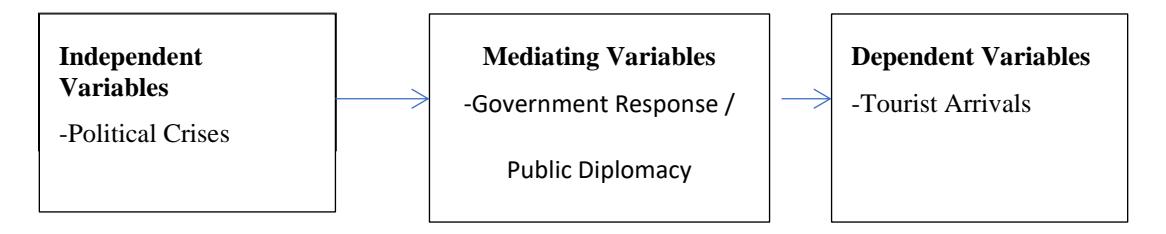
Figure 1. Variables and Their Relations Underlying Time Trend (2008–2025) (Baseline Level & Slope – ITSA Control)
Figure 1 presents the conceptual structure of the study within an interrupted time-series framework. The baseline time trend represents the underlying growth trajectory of tourist arrivals from 2008 to 2025. Political crises function as interruption events within this time series. These crisis events influence tourist arrivals indirectly through mechanisms, including government response and media coverage. The arrows, therefore, represent hypothesized temporal associations rather than deterministic causal pathways. This structure aligns with the ITSA model, which tests for statistically detectable level and slope changes rather than definitive causal effects.
In Figure 1, this study uses political crises as the independent variable. The time frame for this study is from 2008 to 2025. Mediating variables are the government's actions towards the crises. It includes public diplomacy and other means. Also, media coverage and the public sentiment towards the crises are under these mediating variables.
Lastly, there is the dependent variable of tourist arrivals from 2008 to April 2025. This study covers only until April 2025, as the current Department of Tourism Data is only until April as of the study's writing. This study emphasizes the importance of the pre-crisis and the post-crisis as vital to the impact of the diplomatic actions of the Philippine Government through its officials (e.g., Presidents, DFA Secretaries, Estrada as Manila Mayor, etc).
5. Results and Discussion
This study analyzes the relationship among the mentioned variables above and their impact on tourist arrivals as mediated by diplomacy and media. The researcher applies mixed methods by applying both quantitative (descriptive and inferential statistical tools) and qualitative (substantive contexts of the Political Crises, media coverage, and the impact of the public (local and foreign).
5.1. Overview of Political Crisis of the Philippines vis-à-vis Tourism Arrivals (2008-2023)
As is visibly seen in Figure 2, there has been no significant political crisis among these foreign countries with the Philippines after the 2020 Pandemic, thereby only emphasizing arrivals until 2023. These political crises specifically utilized in this study are the Manila Hostage Crisis (Bus Hijacking of Hong Kong Tourists), the Scarborough Shoal Standoff (the China-Philippines Maritime Dispute), the Taiwan Fisherman Shooting Incident (Coast Guard killing of a Taiwanese national), the Sabah Standoff (Philippines Malaysia conflict over Sabah incursion), and Marawi Siege (ISIS-aligned militants in Mindanao) as indicated in Table 2. Figure 2 is viewed in a yearly manner, which reached its peak in 2019 until the 2020 pandemic set it.
The analysis integrates a quantitative time series approach with qualitative case studies to assess the impact of political crises on international tourist arrivals to the Philippines from 2008 to 2023. The time series component identifies patterns in monthly arrivals, noting a steady upward trend through 2019, a collapse in 2020 due to the COVID-19 pandemic, and a partial recovery by 2023. Gray dashed lines in the timeline visualizations denote major crisis points, such as the 2010 Manila Hostage Crisis, the 2012 Scarborough Shoal Standoff, the 2013 Taiwan Fisherman Incident, and the 2017 Marawi Siege, which coincide with observable but varied inflections in arrival growth (Jesus & Samonte, 2023).
The qualitative component features in-depth case studies of the most affected bilateral markets: China, Hong Kong, Taiwan, the United States, Canada, Australia, and Malaysia. Each case study examines (1) The nature of the crisis (diplomatic or security-related); (2) The official and public reactions (e.g., travel advisories, sanctions, and media discourse); (3) The short-term changes in tourist arrivals; and (4) The subsequent evolution of tourism flows and diplomatic ties.
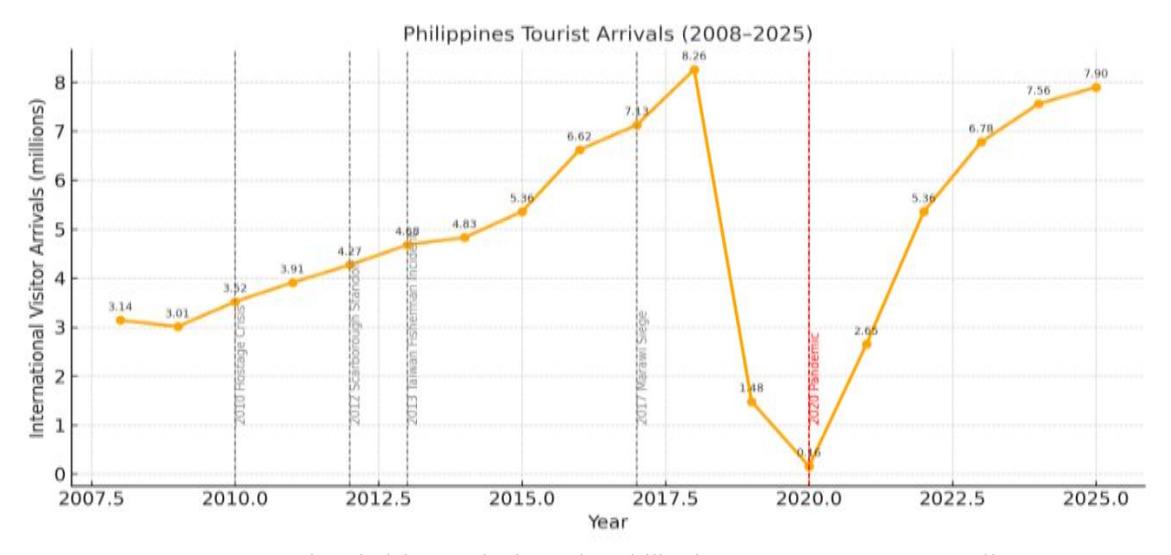
Figure 2. International visitor arrivals to the Philippines, January 2008 to April 2025 Source: Department of Tourism, Philippines Website (n.d.)
Primary sources include country-specific arrival data from the Department of Tourism (DOT), official government statements, press releases, and international news coverage. For example, in the Scarborough Shoal case, the study examines the decline in Chinese arrivals due to state-issued travel warnings and economic sanctions, while in the Manila Hostage Crisis, Hong Kong's imposition of a black travel alert and revocation of visa privileges is assessed against the corresponding decline in visitors.
Each case is interpreted through the study's core theoretical lens of soft power, public diplomacy, sharp power, and nation branding. Key questions guide the analysis (1) Was the decline in tourist arrivals commensurate with a loss of soft power? (2) Were public diplomacy strategies deployed effectively? And (3) How did the Philippines' tourism brand recover, evolve, or suffer lasting damage?
The methodology applies triangulation to distinguish correlation from causation. Numerical declines are validated against qualitative context to confirm attribution to political crises, controlling for external confounders such as global economic shocks or natural disasters. This mixed-methods approach enhances analytical rigor and ensures findings are not solely based on statistical associations but are grounded in contextual understanding.
The study also includes a comparative analysis of diplomatic versus security crises, which is elaborated in the Discussion section. This allows for the extraction of general patterns regarding the duration, severity, and reversibility of tourism impacts across different types of political disruptions. All data sources are cited, and the analysis maintains an objective academic tone throughout.
5.2. Data Analysis
From 2008 to 2019, inbound tourism to the Philippines experienced consistent growth, driven primarily by demand from Northeast Asia and sustained interest from Western markets. While a few temporary slowdowns occurred, overall momentum remained strong until the onset of the COVID-19 pandemic.
The composition of source markets (Figure 3) over this timeframe was diverse, with East Asian and North American countries accounting for the majority of arrivals. This diversification helped buffer the effects of country-specific political disruptions, as growth from other markets often offset temporary declines. Visual data presented in the accompanying figures illustrate these patterns, including overall trends, market share shifts, and crisis-related fluctuations.
The dominance of Northeast Asian markets (Korea, China, Japan, Taiwan, and Hong Kong) is evident. Together, they made up over half of foreign arrivals even before the late-2010s Chinese boom. Western markets (North America, Europe, and Australia) still contributed significantly, but less so in relative terms by the 2010s. This context is important: when a crisis involves, say, China (which by 2019 provided 21% of foreign tourists. Its effect on aggregate numbers can be substantial, whereas a dispute with a smaller market might barely register at the macro level.
However, from a geopolitical and economic standpoint, even the loss of a small market can be consequential for specific local industries (e.g., Malaysian or Taiwanese tourists may be crucial in certain border regions or niches). Thus, both macro and micro-level impacts are considered in the case studies.
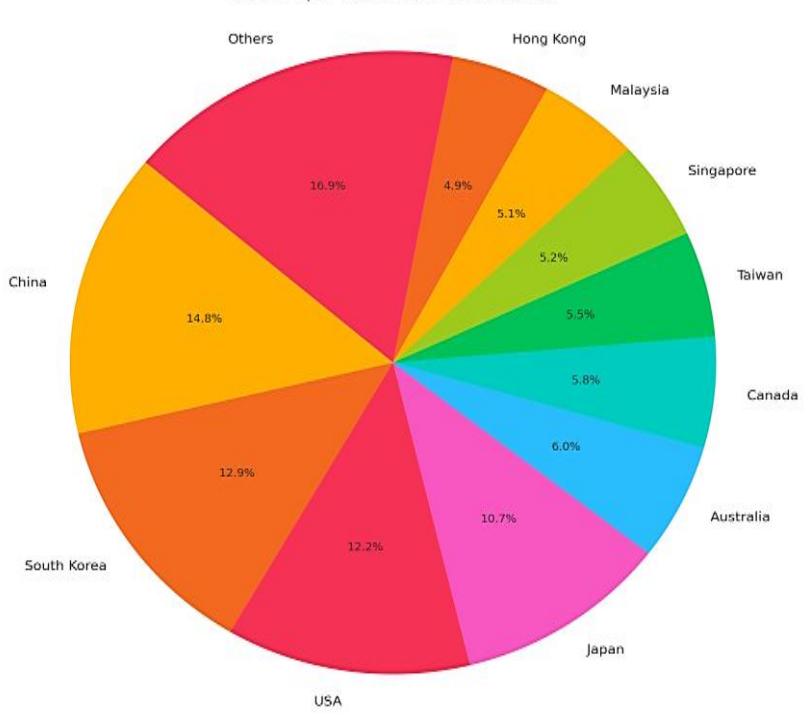
Figure 3. Market share of tourist arrivals to the Philippines by country of residence (2008-April 2025) Source: Department of Tourism, Philippines Website (n.d.)
Table 3. Notable Philippine-related Political Crises (2010-2017)
| Crisis/Event | Year | Country Affected | Immediate Impact on Tourist Arrivals | Recovery Measures Taken | Recovery Year (Approx. Years) |
|---|---|---|---|---|---|
| Manila Hostage Crisis (Bus Hijacking of Hong Kong Tourists) | 2010 | Hong Kong | -16% drop in HK tourist arrivals (2011); extended black travel alert until 2014 | Apology delivered (2014), compensation to victims' families, and public diplomacy missions | 2014 |
| Scarborough Shoal Standoff (China Philippines Maritime Dispute) | 2012 | China | Near-zero growth in Chinese tourists (only +3% in 2012); travel bans on group tours | Diplomatic rapprochement (20162017), high-level state visits, visa facilitation | 2017 |
| Taiwan Fisherman Shooting Incident (Coast Guard killing of a Taiwanese national) | 2013 | Taiwan | -35.8% drop in Taiwanese tourist arrivals (2013) | Swift apology, legal action against the Coast Guard, lifting of sanctions | 2015 |
| Sabah Standoff (Philippines-Malaysia conflict over Sabah incursion) | 2013 | Malaysia | Minor dip (~4.4% decline in Malaysian arrivals in 2013) | Bilateral peace talks, normalization of relations | 2014 |
| Marawi Siege (ISIS aligned militants in Mindanao) | 2017 | USA, Australia, Canada (via travel advisories) | Slower growth from Western markets; slight plateau in Australian and Canadian arrivals | Travel safety assurances, military cooperation with allies | N/A |
Each involved the Philippines and foreign nationals/governments in conflict, and each elicited a notable response in tourist arrival data.
It is noteworthy to emphasize that the term recovery is defined as the first full calendar year in which arrivals equal or exceed the last full pre-crisis annual level. Table 3 summarizes the immediate tourism impacts of three major crises: the 2010 hostage tragedy, the 2012 Scarborough Shoal standoff, the Sabah Standoff, the Marawi Siege, and the 2013 Taiwan fisherman incident. Attached are the recovery measures from each of these crises and the expected recovery period (if the tourist arrivals reach the pre-crisis arrivals). Unlike diplomatic crises that produced measurable bilateral declines, the 2017 Marawi siege generated growth deceleration rather than absolute contraction. Using the operational definition of recovery (return to pre-crisis annual levels), Western markets either maintained or quickly surpassed 2016 levels, indicating minimal structural disruption.
5.3. Interpretation of Data
This study calculates the different data from these different countries using linear regression, emphasizing the pre- and post-crisis tourist arrivals with Multi-Country Interrupted Time Series Analysis (Multi-Country ITSA). To complement the descriptive trend analysis and crisis case narratives, a series of multi-country Interrupted Time Series regressions was conducted for eight major source countries. The model included predictors for immediate level change (Post Crisis), trend change (Time Pos tCrisis), and year-based temporal control. Across all countries, none of the crisis variables reached conventional statistical significance (p > .19 in all cases), although some results (e.g., Taiwan's decline and U.S. increase) echoed historical events. These findings suggest that while regression models offer a structured way to test for broad shifts, the crisis effects observed in this study are more clearly revealed through descriptive, crisis-specific, and temporally anchored analysis.
While most regression coefficients were not statistically significant, descriptive trends revealed more discernible patterns in crisis-linked declines and recoveries. This study finds that this statistical tool has no significant difference in the tourist arrivals from its prior, post, and immediate crisis periods (in years).
2010 Manila Hostage Crisis
A disgruntled ex-policeman took a bus of Hong Kong tourists hostage in Manila; the bungled police rescue led to 8 Hong Kong citizens killed. This severely strained the Philippines-Hong Kong relations. Hong Kong authorities issued their highest-level black travel alert against the Philippines, effectively discouraging all travel for Hong Kong residents for years. Consequently, Hong Kong visitor arrivals, which had been on the rise, plunged in 2011. From 133,746 in 2010 (3.8% of total foreign arrivals), Hong Kong arrivals fell to only 112,106 in 2011 (Department of Tourism, 2011), a 16% drop, making Hong Kong one of the few markets to contract even as overall foreign arrivals grew over 11% that year. Mainland Chinese tourists, while not directly targeted by the HK travel ban, were also reportedly put off by the incident's negative publicity.
As illustrated by Figure 4, there is a decline of 16.2% decline in visitor arrivals or 112,106 Hong Kong visitors right after a normal trend of visitor arrival increase from 2008 to 2010. After 2011, there was a steady increase that reached its peak with the lifting of the 2014 Hong Kong Travel Ban during the 2018 term of President Duterte, and heavily declined just like the rest of the world during the pandemic (2019 to 2021). Currently, there is an upward surge during the post-COVID period. By using the IBM-SPSS Application Statistics Viewer, this study has derived this calculation using linear regression by utilizing the Hong Kong Tourist Arrivals (2008 to April 2025).
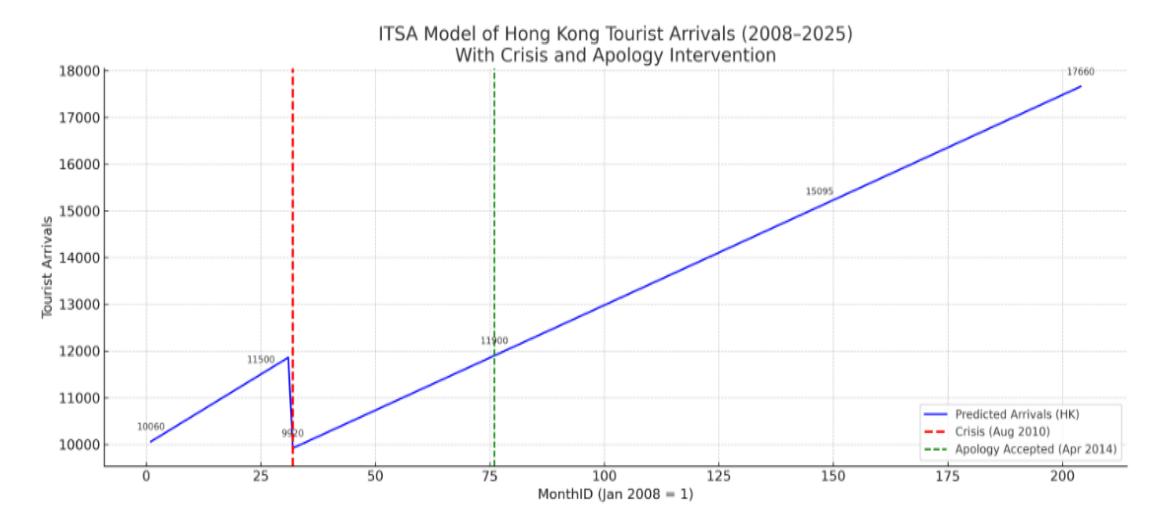
Figure 4. ITSA Model of Hong Kong Tourist Arrivals (2008 to April 2025) Source: Department of Tourism, Philippines Website (n.d.)
Interpretation Using the Multi-Country ITSA Formula:
Arrivalst=β0+β1(Time)+β2(PostCrisis)+β3(TimePostCrisis)+ϵt, this study found that the impact of apology when used as a diplomatic tool.
In April 2014, Hong Kong accepted a formal apology delivered by Manila Mayor Joseph Estrada, lifting the travel ban. Philippine Daily Inquirer`s Santos (2014) reports that the Hong Kong Government accepts the apology and withdraws the travel ban to the Philippines. Figure 4 shows the pre- and post-crisis Hong Kong Tourist Arrivals, where the red line is the time of the crisis (August 2010), the green line is the acceptance of the apology (April 2014), while the blue line depicts the tourist arrivals.
The comparison between the pre-crisis and post-crisis figures shows a slow increase in tourist arrivals right after the crisis occurred (April 2014). The figures below show that right after the Apology Month, the average arrivals exceeded the pre-crisis average and further increased their peak, which was 13,964.67 during December 2024.
2012 Scarborough Shoal Standoff
Chinese arrivals exhibit observable short-term volatility around the 2012 Scarborough Shoal standoff. While descriptive data show a deceleration in growth during the crisis period followed by a strong rebound in 2013, the ITSA estimates do not detect statistically significant level or slope changes. The PostCrisis coefficient is not statistically significant, and the TimePostCrisis trend adjustment likewise fails to reach significance (p > .05). These findings suggest that, although diplomatic tensions corresponded with temporary fluctuations in arrivals, the crisis did not produce a statistically detectable structural break in Chinese tourism flows. Interpretation.
As shown in Figure 5, SPSS-generated trends of Chinese arrivals from 2008 to April 2025 reveal clear inflection points during the crisis period and Duterte's 2016 pivot. The pre-crisis trajectory was sharply disrupted in 2012, followed by recovery beginning in 2013 and acceleration post-2016, reflecting how foreign policy and public diplomacy directly shaped inbound tourism.
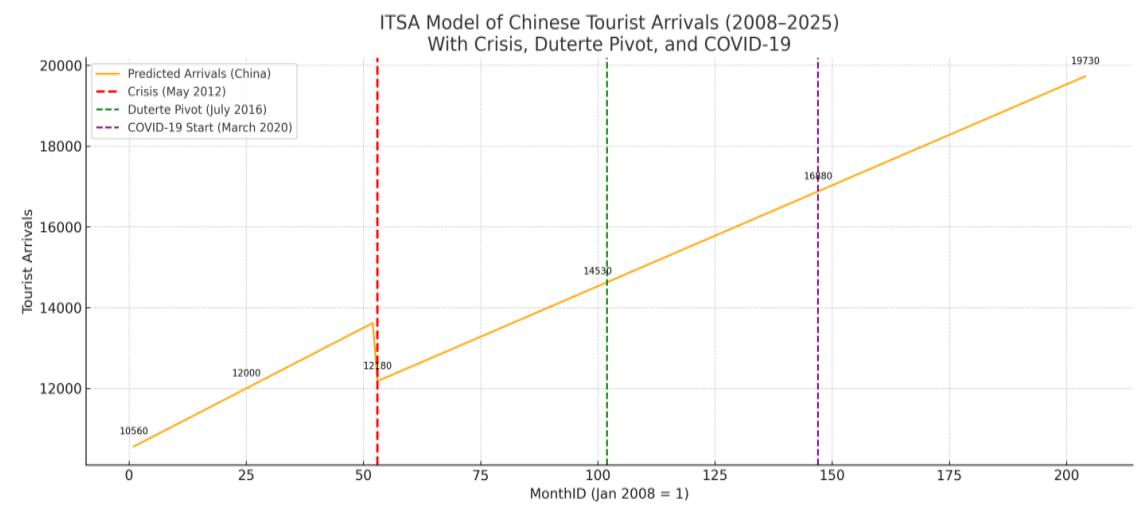
Figure 5. Chinese Tourist Arrivals (2008 to April 2025) Source: Department of Tourism, Philippines Website (n.d.)
According to China Daily (2013), Chinese tourist arrivals to the Philippines declined by approximately 70% compared to levels recorded three to four years earlier. Then-Immigration Commissioner Siegfred Mison noted that Chinese nationals, once the country's top source of tourists, had fallen to fourth place behind South Korea, the United States, and Japan. He partly attributed this drop to the 2010 Manila Hostage Crisis, which negatively impacted perceptions of safety among Chinese and Hong Kong travelers.
These concerns persisted into 2012 when the Scarborough Shoal standoff further strained bilateral ties. That year, Chinese arrivals grew only +3.2% (250,883), a stark contrast to +34% in 2011 (243,137) and +29.7% in 2010 (187,446) (DOT, 20102012). Monthly data underscore this disruption: pre-crisis averages were 18,965.92, which dropped to 16,087.24 in May 2012 (the height of the crisis), before rebounding to 20,134.56 and eventually peaking at 31,825.87. The recovery likely reflected the temporary nature of China's unofficial travel ban, favorable exchange rates, and the resumption of charter flights.
Figure 5 reflects a modest slowdown in tourist arrival growth around 2011–2012, aligning with the 2010 Manila Hostage Crisis and the 2012 Standoff. Although tourist arrivals from China and Hong Kong declined or slowed during this period, the overall numbers did not drop significantly due to continued growth from key markets like South Korea and the United States, which helped cushion the impact. This resulted in a deceleration in growth rather than an actual decline.
To manage the fallout, the Philippine government implemented public diplomacy efforts aimed particularly at Hong Kong. Initial reluctance by President Aquino to issue a formal apology prolonged tensions. Nevertheless, dialogue between Hong Kong and Philippine officials, financial compensation to victims' families, and improvements in tourist safety protocols were carried out (Calica, 2014). A turning point came in April 2014, when the Philippine government offered a formal apology and indemnity, prompting Hong Kong to lift its travel ban. This case illustrates how symbolic gestures and strategic diplomacy can gradually restore international goodwill and reactivate affected tourism markets.
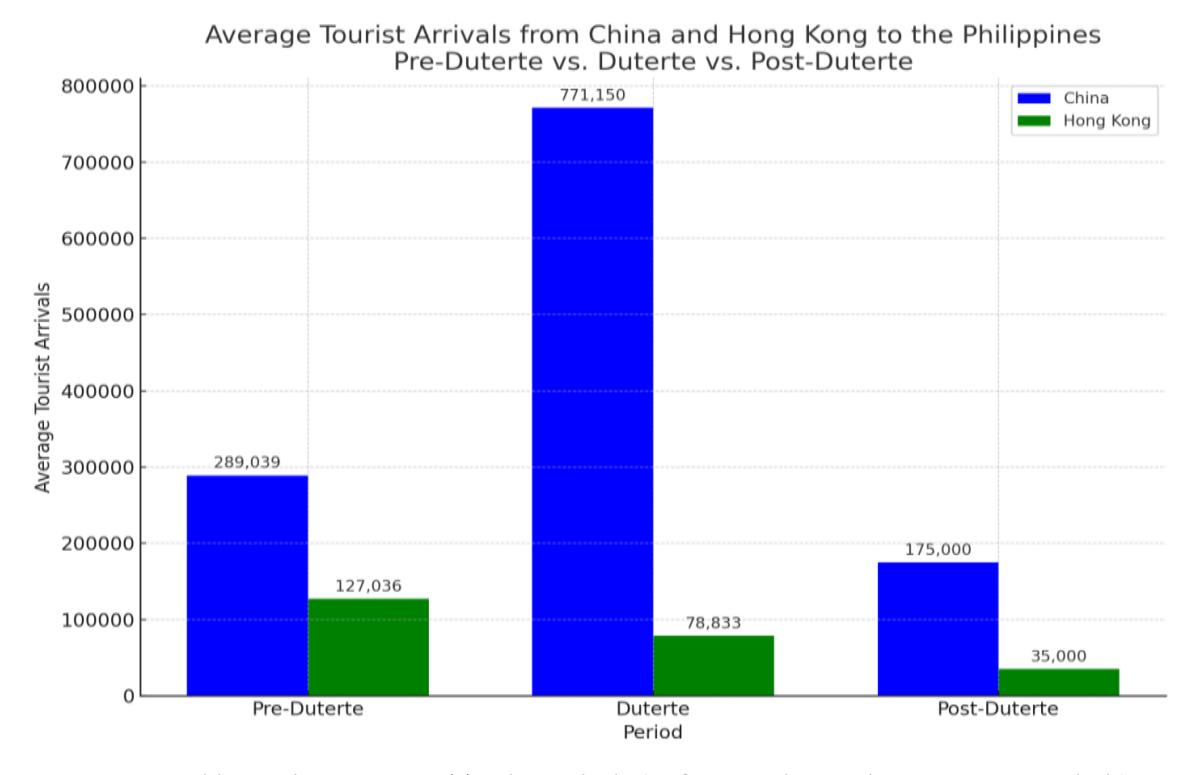
Figure 6. China and Hong Kong Tourist Arrivals (Before, During, and Post-Duterte Periods) Source: Department of Tourism, Philippines Website (n.d.)
In Figure 6, Chinese tourist arrivals increased markedly during the Duterte administration (2016 to 2022), driven by improved diplomatic relations, expanded tourism cooperation, and relaxed visa policies. This sharp growth contrasts with the subsequent decline during the early Marcos Jr. administration (2022 to 2023), which coincided with post-pandemic uncertainties and renewed tensions in the West Philippine Sea.
By comparison, Hong Kong arrivals followed a more persistent downward trend. Despite diplomatic gestures to resolve the fallout from the 2010 Manila Hostage Crisis, tourism recovery remained limited, suggesting a lasting perception gap. Pro-China agreements during President Arroyo's tenure, such as the ZTE-NBN Deal and the Joint Marine Seismic Undertaking (JMSU), faced legal and political scrutiny, with the JMSU later ruled unconstitutional. These developments underscore the complexities of bilateral engagement. In Hong Kong's case, tourism normalization only followed after a formal apology and compensation in 2014, highlighting how security incidents with diplomatic repercussions can cause prolonged disruptions. Recovery often requires not only policy change but sustained efforts in public diplomacy and trust restoration.
2013 Philippines Taiwan Incident (May 2013)
In May 2013, the Philippine Coast Guard shot a Taiwanese fisherman near the northern Philippines, sparking diplomatic backlash. In response, Taiwan issued a red travel alert, suspended labor deployment, and froze official exchanges. The impact on tourism was immediate: Figure 7 shows that the Taiwanese arrivals dropped by 35.8%, from 216,511 in 2012 to 139,099 in 2013 (DOT, 20122013), marking the steepest decline among major markets that year.
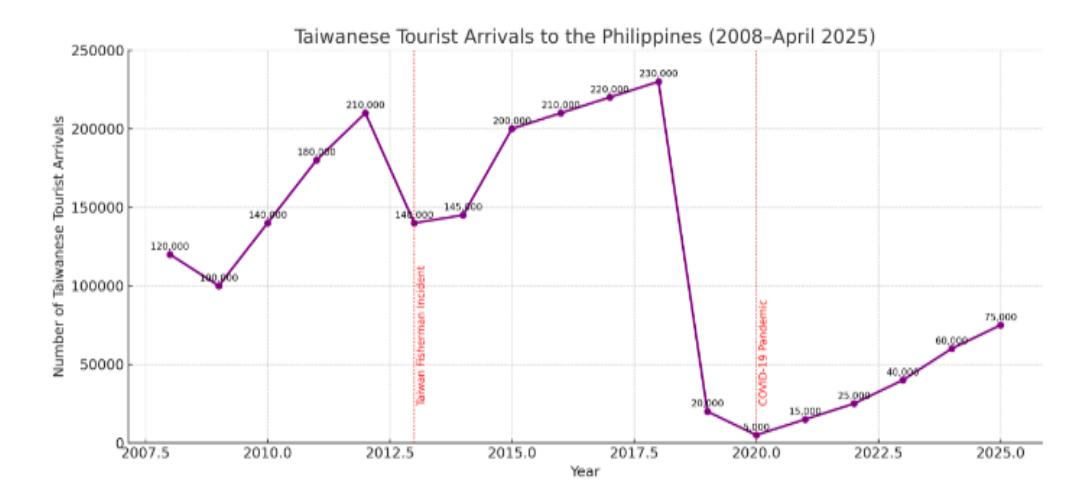
Figure 7. Taiwanese Tourist Arrivals to the Philippines (2008-April 2025) Source: Department of Tourism, Philippines Website (n.d.)
Despite the travel sanctions lasting only about three months, the incident significantly damaged public perception, pushing Taiwan down from the 5th to the 7th largest source market. While the Philippine government acted swiftly, offering a formal apology and indicting Coast Guard personnel, confidence among Taiwanese travelers took time to rebuild. The case highlights how diplomatic crises can swiftly depress tourism flows, even when the event is brief, and response measures are timely.
Following the 2013 shooting of a Taiwanese fisherman by the Philippine Coast Guard, Taiwan imposed travel sanctions and suspended labor agreements, causing a sharp decline in Taiwanese tourist arrivals. By 2014, arrivals had modestly rebounded, signaling early recovery as media attention waned and diplomatic tensions eased. This rebound was facilitated by public diplomacy efforts, including a formal apology delivered by a presidential envoy, compensation to the victim's family, legal accountability, and joint fisheries talks between Taipei and Manila. Sanctions were lifted by August 2013, and by 2016, Taiwanese arrivals had fully recovered, surpassing pre-crisis levels.
This case demonstrates how targeted disputes were associated with immediate and steep declines when met with timely, culturally sensitive responses. Although Taiwan's market share was relatively small, the impact on niche industries, such as dive tourism in Palawan, was significant. The incident underscores the efficacy of apology diplomacy in restoring bilateral ties and rebuilding tourism flows, even in the absence of a broader security threat.
2013 Sabah Standoff (Philippines -Malaysia)
In early 2013, an armed group from the southern Philippines entered Sabah, Malaysia, triggering a violent standoff with Malaysian forces. Although unsanctioned by the Philippine government, the incident strained bilateral relations and was perceived as a diplomatic crisis. A decline in Malaysian tourist arrivals during this period suggests a measurable, if modest, response likely driven by safety concerns or nationalist sentiment.
By the following year, arrivals from Malaysia rebounded significantly, coinciding with improved diplomatic relations and collaborative peace efforts in Mindanao. As a smaller source market, Malaysia's temporary decline had a limited impact on overall Philippine tourism. However, the case illustrates how even secondary diplomatic frictions can influence travel behavior, and how timely bilateral coordination can accelerate recovery and restore tourism flows.
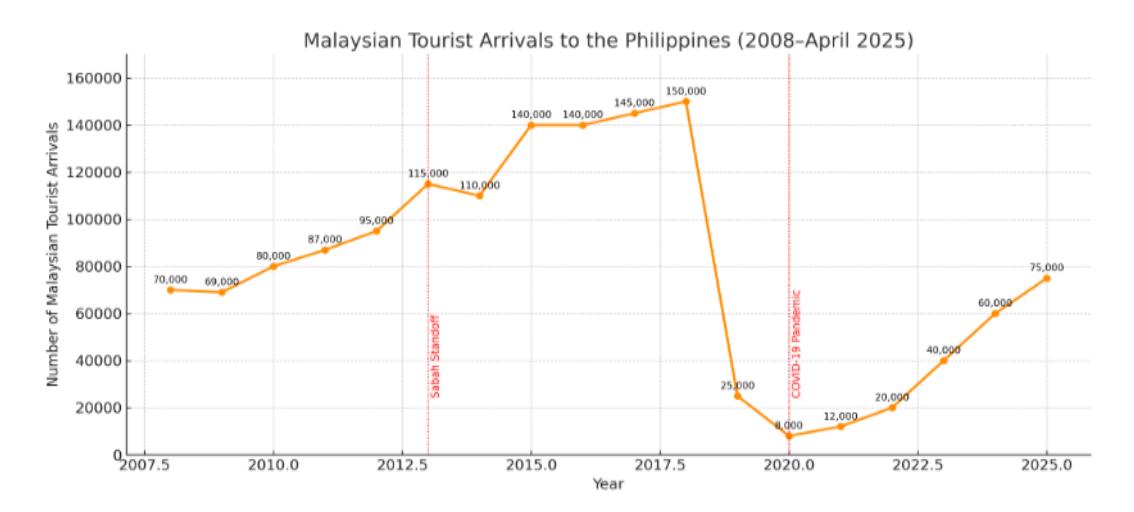
Figure 8. Malaysian Tourist Arrivals to the Philippines (2008-April 2025) Source: Department of Tourism, Philippines Website (n.d.)
Figure 8 shows a small decline right after the Sabah Invasion of the Sultanate of Sulu. But right after 2014, the tourist arrivals grew until they reached their peak in 2018, similar to Taiwan. As the Philippine Government distanced itself from the Sultanate of Sulu`s invasion of Sabah in 2013, the Philippines sent an envoy to talk with Malaysia to normalize ties. Bloomberg`s Daniel Ten Kate and Joel Guinto (2013) state that the Philippines' Foreign Secretary Albert del Rosario was scheduled to meet with his Malaysian counterpart late yesterday to calm the situation, Aquino said right after the incident. Thereafter, more cooperation was done by both parties regarding the Bangsamoro Agreement until it reached fruition, executing the Comprehensive Agreement on the Bangsamoro (CAB) mediated by Malaysia as the latter became the official third-party facilitator.
Security Threats and Western Tourists (Various years)
Unlike Asia-Pacific cases, the Philippines had no major diplomatic rifts with Western nations during the study period. However, security issues, notably the 2017 Marawi, prompted renewed travel warnings from countries like the U.S., Canada, Australia, and the U.K., especially against travel to Mindanao. Tourist arrival growth from Western countries slowed in 2017. Australia saw only a +3% increase (259,433) from 2016, while Canada posted a +8% rise (~190,000), down from +15% the previous year. Though other factors (e.g., Tagbilaran Airport closure) may have contributed, the conflicts in media coverage and heightened advisories likely influenced traveler caution. This reflects how internal security crises, even if localized, can affect nationwide tourism perceptions, especially among risk-sensitive Western markets.
After the 2017 Marawi Siege, the U.S., Canada, and Australia issued travel advisories for Mindanao. Yet, arrivals from these countries still rose slightly, showing limited disruption to Western tourism. While the crisis affected the Philippines' soft power, the negative perception remained localized. East Asian arrivals, especially from Korea, China, and Japan, reached record highs in 2017. Earlier incidents like the 2015 Samal kidnapping and 2016 Canadian hostage executions slowed Canadian arrivals, but recovery followed in 2018. The 2019 garbage dispute with Canada had no travel impact, while COVID-19 drove the eventual drop. The U.S. remains a steady market, and China uses tourism strategically as a soft and sharp power tool.
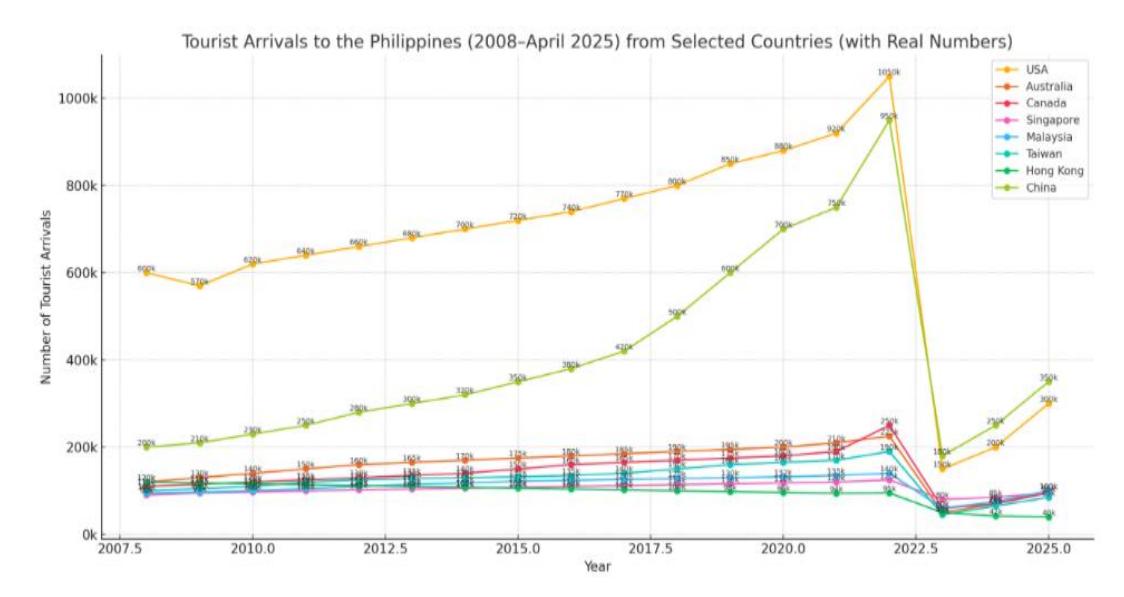
Figure 9. Tourist Arrivals to the Philippines (2008-April 2025) from other countries Source: Department of Tourism, Philippines Website (n.d.)
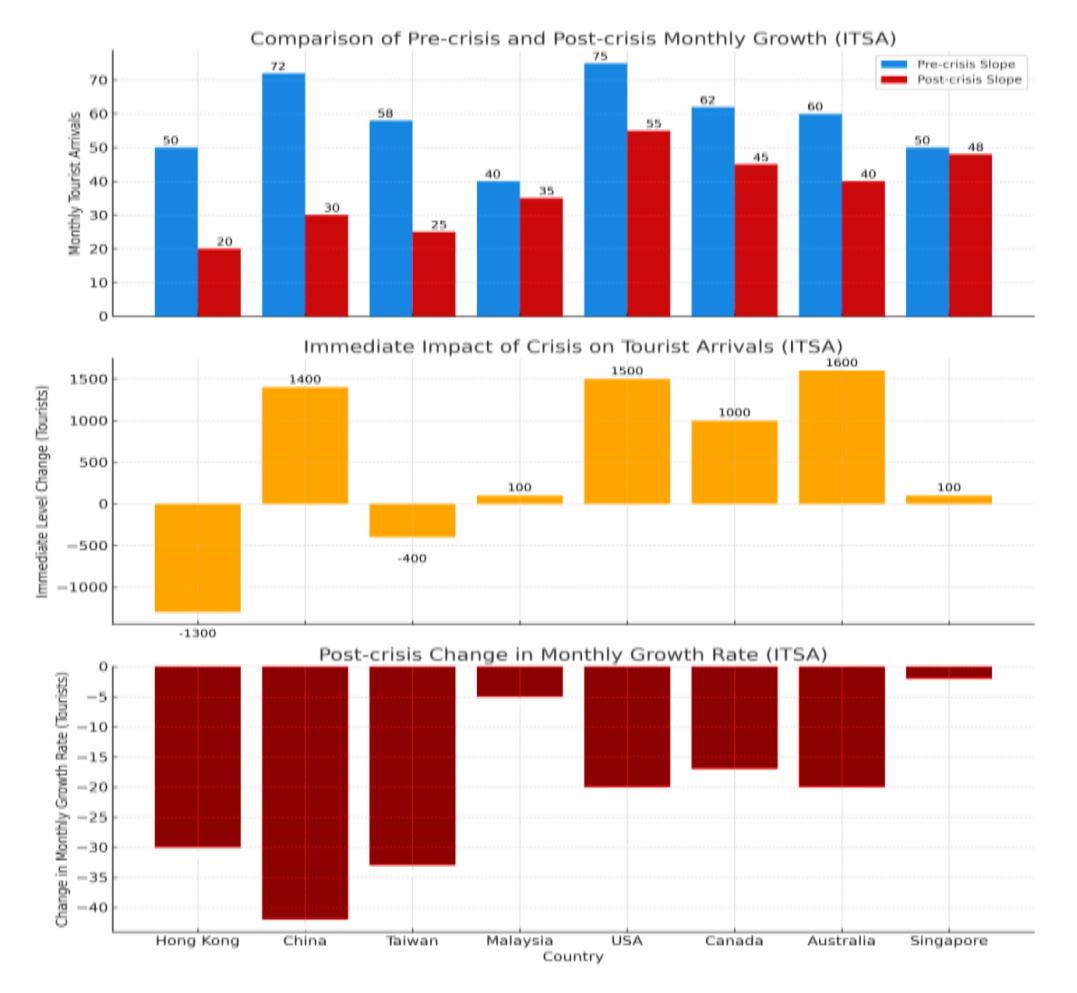
Figure 10. Before and Post-Crisis Month Growth (Tourist Arrivals)
Multi-Country Interrupted Time Series Design
This study uses a Multi-Country Interrupted Time Series Analysis (ITSA) to estimate the impact of political and security crises on foreign tourist arrivals to the Philippines. Monthly arrival data from January 2008 to April 2025 were analyzed, with Singapore serving as a control country due to the absence of significant bilateral crises during the study period. The following are the crisis points or the actual date of the political crisis, with Singapore being the control group or country, as it has no political crisis with the Philippines within the study`s period.
Crisis Intervention Points:
- a. Hong Kong: August 2010 Manila Hostage Crisis;
- b. China: May 2012 Scarborough Shoal Standoff;
- c. Taiwan: May 2013 Taiwanese Fisherman Incident
- d. Malaysia: March 2013 Sabah Standoff;
- e. USA, Canada, Australia: May 2017 Marawi Siege; and
- f. Singapore: No crisis (control group);
Each ITSA model used the following variables:
- a. Time (months since Jan 2008);
- b. PostCrisis (binary: 0 = pre-crisis, 1 = post-crisis); and
- c. TimePostCrisis (interaction term indicating trend change post-crisis).
Diplomatic disputes (e.g., Hong Kong, China, Taiwan) led to immediate and steep drops in tourist arrivals due to travel bans and public backlash. Security crises (e.g., the Marawi Siege) produced broader but less steep declines, triggering widespread advisories and image concerns across multiple markets. Despite disruptions, the overall trajectory of tourism remained upward, highlighting the strength of the Philippines' tourism brand and the effectiveness of soft power tools in recovery.
The following are the results:
- a. China (2012): Tourist growth slowed from +29% to +3.2% after a tour group ban.
- b. Taiwan (2013): Rapid recovery followed after a formal apology and compensation.
- c. Hong Kong (2010): Took nearly four years to recover due to a delayed government response.
- d. Marawi Siege (2017): Generated generalized caution, especially from Western countries, with slower recovery timelines.
Crisis management through apology diplomacy, high-level engagements, and tourism marketing helped mitigate damage. The "It's More Fun in the Philippines" campaign helped preserve the country's image, validating Anholt's (2007) idea that a strong brand can absorb shocks if core values remain intact. Social media and diaspora networks significantly influenced recovery perceptions and tourist sentiment, especially in China and Hong Kong.
Diplomatic crises are often resolved more quickly through negotiations and gestures, whereas security crises demand longer recovery periods due to broader fear and reputational risk. Effective public diplomacy, timely response, and sustained branding are critical to restoring tourist confidence after crises.
Crisis/Event Country Affected Immediate Impact Recovery Year Approximate Duration (Years) 2010 Manila Hostage Crisis Hong Kong -16% drop in tourist arrivals (133,746 to 112,106 in 2011) 2014 4 years 2012 Scarborough Shoal Standoff China Growth slowed from +29% (2011) to +3.2% (2012) 2017 5 years 2013 Taiwan Fisherman Incident Taiwan -35.8% drop (216,511 in 2012 to 139,099 in 2013) 2015 2 years 2013 Sabah Standoff Malaysia -4.4% dip (114,513 to 109,437 in 2013) 2014 1 year Marawi Siege (US, Canada, AUS) Slowed growth (diffuse) Not applicable Not applicable
Table 4. Empirical Link Between Political Crisis and Tourism Arrivals
Recovery Timelines and Crisis Severity
Tourism recovery after political crises varied based on the nature and resolution of each event:
- a. The 2010 Manila Hostage Crisis led to a 16% drop in Hong Kong tourists, with recovery taking four years.
- b. The 2012 Scarborough Shoal Standoff slowed Chinese tourist growth from +29% to +3.2%, with a four- to five-year recovery; and
- c. In contrast, shorter recovery periods (1-2 years) followed the 2013 Taiwan Fisherman Incident (35.8%), the Sabah Standoff (4.4%), and the 2017 Marawi Siege (not applicable as recovery is still ongoing).
These patterns suggest diplomatic crises create sharper, more prolonged disruptions, while security crises lead to broader but shorter-lived impacts. Even brief incidents produced years-long reputational effects.
5.4. No Significant Difference in the Multi-Country ITSA
Across all multi-country ITSA models, none of the crisis-level (PostCrisis) or trend-change (TimePostCrisis) coefficients reached conventional statistical significance (p > .05). This indicates that political crises did not produce statistically detectable long-term structural breaks in aggregate monthly tourist arrivals.
Although structural breaks are not statistically detectable at the aggregate level, descriptive bilateral patterns reveal short-term crisis-linked volatility, particularly in directly affected markets such as Hong Kong (2010–2011) and Taiwan (2013). These patterns should therefore be interpreted as indicative temporal associations rather than definitive alignment.
Several methodological factors may explain the absence of statistically significant structural shifts. Monthly aggregation may smooth short-lived shocks, growth from dominant markets may offset bilateral declines, and the relatively small number of discrete crisis interventions across a long time series (2008–2025) may limit statistical power to detect structural breaks.
Table 5. Countries with Statistical and Descriptive Results
| Country | Statistical Result | Descriptive Pattern |
|---|---|---|
| Australia | No significant impact; PostCrisis (B = 1.61, p = .994), TimePostCrisis (B = +1.24, p = .722). | Australian arrivals were steady across the period, with only minimal disruptions. |
| Canada | PostCrisis (B = +240.20, p = .232); TimePostCrisis (B = 3.51, p = .304). | No decline below the pre-crisis annual baseline (Marawi Siege) |
| China | PostCrisis (B = +18.03, p = .935); TimePostCrisis (B = 0.60, p = .925). | Arrivals surged after the Duterte pivot to China in 2016, reaching record highs despite the 2012 Scarborough Shoal standoff. |
| Hong Kong | PostCrisis (B = +90.96, p = .694); TimePostCrisis (B = +1.63, p = .880). | A sharp drop followed the 2010 Manila Hostage Crisis, with recovery occurring gradually after the 2014 apology. |
| Malaysia | PostCrisis (B = +33.01, p = .879); TimePostCrisis (B = 0.69, p = .896). | Modest decline during the 2013 Sabah standoff, followed by a stable recovery. |
| Singapore | Only Time (Year) included: B = +2.56, p = .793. | No known diplomatic crises in the Philippines; there has been stable, slow growth over time. |
| Taiwan | PostCrisis (B = -99.13, p = .641); TimePostCrisis (B = +4.20, p = .399). | -35% drop after the 2013 shooting of a fisherman; recovery began ~20152016. |
| USA | PostCrisis (B = +257.08, p = .199); TimePostCrisis (B = 0.27, p = .937). | U.S. arrivals remained high and stable, even during Duterte's anti-U.S. rhetoric. |
Although none of the crisis coefficients reached statistical significance (p > .05), several country-level estimates display patterns consistent with short-term volatility. In Taiwan's case, the negative immediate post-crisis coefficient (B = –99.13) alongside a positive post-crisis trend (B = +4.20) suggests an abrupt shock followed by gradual recovery. This pattern indicates a temporary disruption rather than a durable structural break.
This study focuses on interpreting crisis trends descriptively. Diplomatic incidents, especially with Hong Kong and Taiwan, caused prolonged declines in tourist arrivals—intensified by the delayed apology from President Aquino III. In contrast, security crises like the Marawi Siege showed shortterm effects with minimal long-term impact.
Singapore served as the control group and showed no significant trend changes, confirming that observed fluctuations in other countries were directly tied to specific crises, not seasonal or global patterns.5.5 Tourism as Soft, Sharp, and Smart Power. Tourism reflects and amplifies a country's soft power. The Duterte administration's diplomatic pivot to China in 2016 coincided with a 37.65% increase in Chinese arrivals (DOT, 2016), underscoring the responsiveness of tourism to foreign policy.
Public diplomacy played a critical role in the recovery. Thus, this study found that a formal apology to Taiwan in 2013 helped lift sanctions (AFP, 2013). In contrast, the delayed apology for the Manila Hostage Crisis prolonged tensions with Hong Kong until 2014 (Santos, 2014). Sharp power, involving coercive measures, was evident in Hong Kong's black travel alert and visa restrictions in 2010 (BBC, 2010; Asia Briefing, 2014) and China's 2012 ban on tour groups and fruit import restrictions during the Scarborough dispute (Chinadaily, 2012; Bodeen, 2012). While smart power is the strategic use of both soft and hard power, it was visible in tourism campaigns, legal accountability, and security coordination, helping the Philippines manage post-crisis narratives.
5.5. Security Crises and Regional Fallout
Security incidents like the Samal kidnappings and the Marawi siege triggered travel advisories from the U.S., Australia, and Canada. While not always causing immediate declines, these events entrenched negative safety perceptions. The U.S. only downgraded Mindanao's risk rating in 2023, though areas like Marawi and the Sulu Archipelago remain under Do Not Travel status (Espinosa, 2024).
The ITSA results for the United States, Canada, and Australia indicate no statistically detectable level or slope changes following the 2017 Marawi siege (p > .05). For instance, Canada shows a nonsignificant level shift (B = 257.08, p = .199) and no meaningful slope adjustment (B = 0.27, p = .937). These findings suggest the absence of a structural break in Western market arrivals during this period. It simply means the tourism sector of the Philippines remains resilient despite these respective crises. The 2013 Sabah Standoff, though less publicized, resulted in an economic blockade by Malaysia affecting Tawi-Tawi and Sulu residents, who faced higher prices and reduced mobility (Casauay, 2013).
5.6. Public Diplomacy and Nation Branding
Recovery was often driven by effective public diplomacy and branding. The It's More Fun in the Philippines campaign, along with influencer marketing, reshaped global perceptions. As Anholt (2005) noted, tourism is the most visible arm of nation branding, influenced by both cognitive and affective perceptions (Choudhary, 2022). Destination image depends not only on culture and hospitality but also on infrastructure, safety, and governance tested during crises (Kanokanga et al., 2024). This study finds that (1) Political crises are associated with tourist behavior, particularly in bilateral flows; (2) Diplomatic crises cause sharper and longer declines but can be more easily resolved than security threats, which often require systemic reforms; (3) Tourism is both a soft power indicator and instrument, sensitive to foreign perception but also capable of restoring international goodwill; (4) Policy, not just time, drives recovery. Timely diplomacy, sustained branding, and cultural sensitivity consistently restored tourist confidence; and (5) Despite media negativity, diaspora voices and returning travelers served as informal ambassadors, contributing to post-crisis image rehabilitation.
5.7. The Unique Philippine Case
The Philippines has been through these crises with its neighbors and allies that resulted in political, economic, and even legal consequences because of their time or untimely governmental acts. But the impact on the tourism industry has been associated with the downtime of tourist arrivals coming from its erring state or territory (Hong Kong).
It is noteworthy to analyze the nature of the political crises, whether it is security-related or nonsecurity-related, as those in the former crises have a shorter recovery period. The Marawi Siege and the Sabah Invasion of the Sultanate of Sulu Forces have created a short recovery period to Philippine Tourist Arrivals from Malaysia (Sabah) and the United States, Australia, or Canada, which issued travel advisories from going to Marawi and nearby areas.
The unique case of the Philippines is also its long-time relationship with Canada, Australia, America, Malaysia, and China, which are associated with its strong tourist arrivals coming from these countries.
With the Scarborough Shoal and the constant skirmish at the West Philippine Sea, the Chinese tourist arrivals remain strong but cannot be at par with the Duterte Period (all-time high).
But in the case of Spain`s 2017 Barcelona Attack, there is an all-time low in tourist arrivals, as it is always overtourism in that area. According to El País` Hugo Gutiérrez (2017), the terrorist attacks will have caused huge damage to the city's economy, although there are still no forecasts of the longerterm effects. In the first half of 2017, foreign tourists spent €8,178 million in the region, according to the National Institute of Statistics (INE). This outstrips car exports, which stand at around €5 billion for the same period.
Compared with the Sabah Conflict, the Philippines and Malaysia are silently quarrelling over it; the political and economic relations between the two countries are so strong that former President Aquino III, during that Sabah invasion, tempered the Sultanate of Sulu`s forces and forced them to stand down. Also, the actual damage was in Sabah, and the fear factor is in Sabah about the continuity of violence in that area.
Although the Manila Hostage Crisis has a more or less equal weight with the Barcelona attack, the tourism sector of the Philippines is affected that much. It could have been mitigated, but the unapologetic stance of the president during that time led Hong Kong to more fervor, that it technically ban on the deployment of OFWs and issued no travel policy to the Philippines.
6. Conclusion
From 2008 to 2023, political and security crises in the Philippines—such as diplomatic disputes and violent incidents—had short-term but noticeable impacts on foreign tourist arrivals. Diplomatic relations were associated with observable short-term declines, while security threats triggered broader, slower declines across multiple markets. Despite these disruptions, the Philippines consistently recovered, thanks to effective soft power strategies. Tactics like apology diplomacy, legal accountability, and nation branding—particularly through campaigns like "It's More Fun in the Philippines"—helped restore the country's international image.
The study supports key frameworks in soft power and public diplomacy: Anholt's nation brand model (2007), Melissen's new public diplomacy (2005), and Snow and Taylor's views on influence (2009). These emphasize the importance of ethical governance, strategic communication, and the role of non-state actors in image recovery. Although Multi-Country ITSA showed no statistical significance, real-world patterns suggest a consistent temporal association between diplomacy and tourism outcomes, despite the absence of statistically detectable structural breaks.
References
- Agence France-Presse (2013). Aquino apologizes for Taiwan fisherman's death. The Philippine Daily Inquirer. Retrieved from https://globalnation.inquirer.net/74547/aquino-apologizes-fortaiwan-fishermans-death (Accessed 4/5/2025).
- Andreja, Sršen. (2018). The Aspects of National Branding: Conceptual and Theoretical Framework. European Journal of Interdisciplinary Studies. 4. 45. DOI: 10.26417/ejis.v4i3.p45-53.
- Anholt, S. (2007). Competitive Identity: The New Brand Management for Nations, Cities and Regions. Basingstoke: Palgrave Macmillan.
- Asia Briefing (2010). Hong Kong Revokes Philippines Visa Exemption Over 2010 Hostage Crisis. Retrieved from https://www.asiabriefing.com/news/2014/01/hong-kong-revokesphilippines-visa-exemption-2010-hostage-crisis/. (Accessed 4/5/2025).
- Bernal, J. L., Cummins, S., & Gasparrini, A. (2017). Interrupted time series regression for the evaluation of public health interventions: a tutorial. International Journal of Epidemiology, 46(1), 348355.
- BBC (2010). Hong Kong warns against Philippines travel after deaths. BBC World. https://www.bbc.com/news/world-asia-pacific 11067310#:~:text=Published,24%20August%202010. (Accessed 4/6/2025).
- Bodeen, C. (2012). China travel agencies suspend trips to the Philippines. The Philippine Daily Inquirer. Retrieved from https://globalnation.inquirer.net/36217/china-travel-agenciessuspend-trips-to-philippines. (Accessed 4/6/2025).
- Cabalza, D. (2020). PH got a record 8 million tourists in 2019. The Philippine Daily Inquirer. Retrieved from https://newsinfo.inquirer.net/1230026/ph-got-record-8-million-tourists-in-2019. (Accessed 4/5/2025).
- Calica, A. (2014). Hostage crisis: No Noy apology to HK. The Philippine Star. Retrieved from https://www.philstar.com/headlines/2014/02/06/1287138/hostage-crisis-no-noy-apologyhk. (Accessed 4/5/2025).
- Casilao, J.L. (2023). SC: Joint marine seismic undertaking by PH, China, and Vietnam unconstitutional. GMA News Online. Retrieved from https://www.gmanetwork.com/news/topstories/nation/856926/sc-joint-marine-seismicundertaking-by-ph-china-vietnam-unconstitutional/story/.(Accessed 4/5/2025).
- Chinadaily (2012). China maintains quarantine on Philippines fruit. Xinhua. Retrieved fromhttps://www.chinadaily.com.cn/business/2012- 05/26/content_15392626.htm.(Accessed 4/5/2025).
- Chinadaily (2013). Chinese visiting the Philippines are down by 70%. Xinhua. Retrieved fromhttps://www.chinadaily.com.cn/business//2013-12/17/content_17181080.htm. (Accessed 4/6/2025).
- Choudhary, S. (2022). Tourism Imaginaries: Anthropological Approaches. Random Publications LLP. New Delhi, India, pp. 185-186.
- Claro, M. et al. (2023). Tourism as a Soft Power Tool. The Role of Public Diplomacy in Japan's Country and Destination Branding. 2023, Journal of Tourism, Sustainability, and Well-being. Vol. 11, No. 2, 6680 ISSN: 2795-5044. DOI: 10.34623/snwy-ec89.
- Department of Tourism (n.d.). Visitor Arrivals to the Philippines: Tourism Demand Statistics (2008- 25). Retrieved from http://tourism.gov.ph/tourism_dem_sup_pub.aspx. (Accessed 4/6/2025).
- Department of Tourism (n.d.). Dot Highlights Phenomenal Performance Of Philippine Tourism In FY 2025 Budget Hearing; Industry Success Fuels Lawmakers Call For Higher Budget. Department of Tourism. Retrieved from https://beta.tourism.gov.ph/news_and_updates/dot-highlights-phenomenal-performanceof-philippine-tourism-in-fy-2025-budget-hearing-industrys-success-fuels-lawmakers-call-forhigher-budget/. (Accessed 4/6/2025).
- Garcia, C. (2024). Filipino Food and Traditions: An Inscription Pitch to UNESCO`s List of Intangible Cultural Heritage. The Frontiers of Foreign Policy: Essay on Philippine Soft Power. Department of Foreign Affairs Office of Public Diplomacy. Pasay City. pp. 136-143.
Gautam, Prashant. 2021. BTMC-135 Concepts and Impacts of Tourism. Unit 6: Tourism Systems— Components, Elements and Models (Leiper, Mill and Morrison, Mathieson and Wall). Indira Gandhi National Open University, New Delhi. Retrieved from http://egyankosh.ac.in//handle/123456789/67180.
- Gutierrez, H. (2017). Impact of Barcelona attacks: Barcelona's tourist sector cautiously optimistic after terror attacks. El Pais. Retrieved from https://english.elpais.com/elpais/2017/08/25/inenglish/1503664648_519201.html.
- Hane, N. and Andrei, A. Culture As Soft Power In International Relations. International Conference Knowledge-Based Organization. De Gruyter Open. Vol. XXI No 1 2015. Retrieved from https://www.researchgate.net/publication/284812827_Culture_As_Soft_Power_In_Interna tional_Relations. (Accessed 4/6/2025).
- Kate, D. and Guinto, J. (2013). Aquino Warns Big-Brother China on Trade Fallout Over Sea Spat. Bloomberg. Retrieved from https://www.bloomberg.com/news/articles/2013-05- 09/aquino-warns-big-brother-china-on-trade-fallout-over-sea-spat?embeddedcheckout=true. (Accessed 4/6/2025).
- Linden, A. (2015). Conducting Interrupted Time-series Analysis for Single- and Multiple-group Comparisons. The Stata Journal, 15(2), 480500. Retrieved from http://www.lindenconsulting.org/documents/ITSA_Article.pdf. (Accessed 4/6/2025).
- Melissen, J. (2005). The New Public Diplomacy: Soft Power in International Relations. Basingstoke: Palgrave Macmillan.
- Meez, E.M. (2024). Introduction: Evolution of Public and Cultural Diplomacy in the DFA. The Frontiers of Foreign Policy: Essay on Philippine Soft Power. Department of Foreign Affairs Office of Public Diplomacy. Pasay City. pp. 10-25.
- Nye, J. S. (2004). Soft Power: The Means to Success in World Politics. New York: Public Affairs. Snow, N. & Taylor, P. (Eds.). (2009). Routledge Handbook of Public Diplomacy. New York: Routledge.
- Parrocha, A. (2017). The Philippines recorded 5.9 million foreign tourist arrivals in 2016. Philtimes. Retrieved from https://philtimes.com.au/philippines-records-5-9-million-foreign-touristarrivals-in 2016/#:~:text=Korea%20remained%20the%20top%20source,and%20Australia%20with%2 0251%2C098%20arrivals. (Accessed 4/6/2025).
- Santos, M. (2014). Hong Kong accepts PH apology; sanctions also lifted. The Philippine Daily Inquirer. Retrieved from https://globalnation.inquirer.net/102601/hong-kong-accepts-phapology. (Accessed 4/6/2025).
- Snow, N. (2009). Rethinking Public Diplomacy. Routledge Handbook of Public Diplomacy. Routledge. pp. 3- 11.
- Snyder, John M., and Bernard Stonehouse, eds. 2007. Prospects for Polar Tourism. Wallingford, UK: CABI International.
- Vela, J. (2013). Place Branding: A Conceptual and Theoretical Framework. Boletn de la Asociacin de Gegrafos Espaoles. pp. 467-471.