

Introduction
In the contemporary context of burgeoning advancements in the oil industry, the issue of substantial waste generation and accumulation has gained increasing significance. The deleterious effects of oil waste on natural entities emanate from the inherent toxicity of extracted hydrocarbons, the presence of radioactive elements, and an assorted array of chemicals employed in industrial processes characterized by inadequate environmental safeguards. The contaminants found in oil waste exhibit pronounced attributes such as high water solubility and volatility, concurrently serving as solvents with the capacity to concentrate additional substances. These factors collectively engender a heightened risk of ecological exposure to oil waste, particularly within sensitive ecological systems [1, 2].
Oil sludge stands as the predominant waste stream of enormous tonnage arising from both oil extraction and refining processes, posing a notable environmental hazard. Over prolonged storage durations, the oil sludge undergoes progressive stratification, resulting in the formation of distinct layers, each exhibiting properties characteristic of its composition [3-8].
Copyright ©2024 Published by IRCS - ITB J. Eng. Technol. Sci. Vol. 56, No. 1, 2024, 71-80 ISSN: 2337-5779 DOI: 10.5614/j.eng.technol.sci.2024.56.1.6
The uppermost stratum is identified as a water cut oil product, with a compositional breakdown comprising 70- 80% oils, 6-25% asphaltenes, 7-20% resins, and 1-4% paraffins. The aqueous component within this layer does not surpass a threshold of 5-8%.
The intermediary stratum, characterized by a comparatively modest volume, manifests as an oil-in-water emulsion. Comprising 70-80% water and 1.5-15% mechanical impurities, this layer is discernible within the overall stratification. Subsequently, the ensuing stratum is exclusively constituted by settled mineralized water and is characterized by a density ranging between 1.01 and 1.19 g/cm³.
The basal stratum, commonly referred to as the 'bottom mud', is typified by a solid phase with a composition encompassing up to 45% organic matter and 52-88% solid mechanical impurities, prominently featuring iron oxides. Given its presentation as a hydrated mass, the water content within the bottom mud may extend to levels as high as 25% [9, 10].
In the course of crude oil extraction, subsequent processing, and transportation, the formation of oil sludge ensues, necessitating either burial or processing. The recycling of oil sludge assumes paramount importance within industrial operations, given its status as a valuable raw material amenable to processing and reclamation throughout various facets of human activities. The execution of this recycling mandate requires a preliminary analysis of the feedstock and the judicious selection of optimal technological interventions [11].
From a sanitary and hygienic perspective, oil sludge is characterized as a mildly accumulative substance, inducing marginal impairment to liver and cardiac cell structures. The technogenic influence of oil waste precipitates a substantial alteration in the native state of the geoecological milieu, leading to a diminution in its inherent safeguarding of groundwater, heightened activation of geochemical and geomechanical processes, and an attendant modification of the indigenous microbiocenosis [12-14].
The inquiry into the existence and compositional analysis of oil sludge, along with the exploration of methodologies for its disposal and processing, constitutes a focal point in various scientific investigations. Numerous scholarly works have been dedicated to elucidating the intricacies surrounding these aspects.
Consequently, the investigation detailed in References [15, 16] is dedicated to the environmental surveillance of soil pollution arising from oil-containing waste. The authors undertook empirical analyses to quantify the extent of soil toxicity resulting from petroleum product contamination, employing biological assay subjects, namely the green protococcal alga Chlorella vulgaris Beijer and the crustaceans Daphnia magna Straus. The conducted investigations confirmed the efficacy of biotesting methodologies in ascertaining the toxicological impact of soil contamination by petroleum products.
The compositional similarity between oil sludge and bitumen is notable. Both entities share analogous compositions, comprising 40-60% oils, 20-40% resins, 10-25% asphaltenes, 1-3% carbenes and carboids, along with a nominal quantity of phenols and paraffin (up to 1%). Structurally, bitumen is classified as a complex colloidal solution wherein asphaltenes and a fraction of resins (dispersed phase) are suspended within a medium of petroleum oils (dispersion medium) [17].
The substantial abundance of asphaltenes and resins within oil sludge renders it amenable for utilization in road construction as a binder, thereby enhancing the quality of the gravel mixture. The incorporation of oil sludge results in augmented strength, diminished water absorption, and a concomitant reduction in the cost associated with road surfacemaintainance.
As exemplified by the endeavors of Korenkova et al. [18, 19], the formulation of materials tailored for road construction from diverse sources of oil sludge has been investigated. These formulations encompass oil-soil mixtures, concrete mixtures, high-strength aerated concrete, and asphalt concrete mixtures [20]. Furthermore, an innovative application is demonstrated through the development of sludge concrete derived from oil sludge generated during the treatment of wastewater originating from oil refineries and sludge emanating from oil production processes [21].
References [22-24] investigated primary methodologies for the recycling of waste generated from oil production. The examination delved into technologies designed for the processing of oil sludge with the aim of deriving secondary products. A comprehensive assessment was conducted to explore the feasibility of obtaining inert soil, construction materials, expanded clay, and various other materials through the utilization of drill cuttings.
Reference [25] explores the procedural intricacies involved in the generation of an environmentally benign organomineral additive (OMA). This involved the amalgamation of a silica-containing composition with oil sludge. The specific methodology elucidates the utilization of OMA in the manufacturing process of expanded clay characterized by reduced bulk density and requisite strength at comparatively lower firing temperatures for the clay component. The neutralized waste, consequent to this process, demonstrates applicability in waste processing plants and finds utility within the construction industry.
Reference [26] employed oil sludge as a precursor material for the fabrication of expanded clay characterized by diminished bulk density and elevated compressive strength.
Meanwhile, Reference [27] merits attention for its notable significance. This study investigated a technology devised for the manufacturing of gravel, crushed stone, and expanded clay. These materials were subsequently employed in drilling sites to fabricate porous and compact aggregates designed for applications in thermal insulation and structural concrete.
A technological methodology is proposed herein which encompasses the segregation of oil waste into liquid constituents (petroleum products, water) and solid phases. Subsequent to this phase, neutralization of the oilcontaminated residue is executed employing a chemical method. This process culminates in the acquisition of filler material derived from sludge disposal, serving as a consequential additive in composite materials [28-31].
Montayev and co-authors have pioneered the formulation of a composite additive utilizing oil sludge, specifically designed for the production of efficacious wall ceramics. The viability of generating premium-quality wall ceramics, leveraging oil sludge as a surfactant, has been ascertained. The underlying feasibility of integrating oil sludge as a modifying component within the production technology of wall ceramics has been conclusively demonstrated. This not only attains economic efficiencies but also yields environmentally advantageous outcomes [32-35].
Consequently, the quest for efficacious technologies and environmentally sound methodologies for the processing of oil sludge stands as a principal undertaking for researchers. Concurrently, an imperative challenge lies in the resolution of issues pertaining to the purification and recycling of byproducts emanating from the industrial processes.
The primary objective of the present study was to formulate a methodological framework for the recycling of oil sludge, with a concurrent exploration of its viability as an additive within asphalt concrete mixtures.
Materials and Research Methods
The subjects of investigation encompass oil sludge sourced from Zhaik Munay LLP and asphalt concrete of Grade I, Type B classification.
An essential metric for characterizing oil sludge is its radioactivity. Energy resources, such as oil, gas, gas condensate, and co-occurring formation waters, present in subsurface geological formations, harbor a diverse array of chemical elements, encompassing natural radionuclides.
Foremost among the potential threats to human well-being are natural radioactive entities stemming from the radium and end radionuclide families, namely uranium-238, thorium-232, and potassium-40 radionuclide. The extraction of oil and gas precipitates the settling of radioactive substances onto terrestrial surfaces. The resultant levels of radioactive contamination on the Earth's surface and industrial equipment are contingent
upon the quantity and composition of the radionuclides involved. Notably, the radiation milieu in areas of contamination may register within the bounds of a safe background or surpass it, reaching levels deemed hazardous to human health based on pertinent parameters [36].
Method of Preparing Asphalt Concrete Mixture
Oil sludge undergoes a thermal treatment process wherein it is subjected to heating up to 160 °C in conjunction with sand and crushed stone, constituting 5%, 10%, and 15% of the total mixture, respectively. Subsequently, non-flaxseed powder is introduced into the blend, and a homogenous distribution of the components is achieved. Following this, preheated bitumen, maintained at a temperature within the range of 140 to 160 °C, is incorporated into the resultant mixture, followed by a thorough blending process extending over duration of 60 minutes.
Given the presence of mechanical impurities at a weight percentage of 5.30 in oil sludge, its incorporation into asphalt concrete mixture affords the potential for substituting a proportionate quantity of sand in the composite material.
Table 1 delineates the compositional specifications for Grade I Type B asphalt concrete mixture alongside the variant incorporating the addition of oil sludge.
| Asphalt concrete grade I | With oil sludge addition, % | ||||
|---|---|---|---|---|---|
| Ingredient | type B | 5 | 10 | 15 | |
| Crushed stone with a grain size of 0.5-2 cm, % | 40 | 40 | 40 | 40 | |
| Sand, % | 40 | 37.5 | 34 | 30 | |
| Screenings after crushing limestone, % | 4 | 4 | 4 | 4 | |
| Non-activated microbe, % | 8 | 8 | 8 | 8 | |
| Bitumen grade BND 70/100,% | 8 | 5.5 | 4 | 3 | |
| Oil sludge, % | - | 5 | 10 | 15 | |
Table 1 Composition of preparing asphalt concrete mixture.
Results and Discussion
To pioneer innovative technologies involving the substitution of primary bituminous components, an investigation was conducted involving oil sludge (derived from oil refining waste). The study compared the physical and chemical properties of asphalt concrete mixtures formulated with conventional bitumen and those augmented with varying proportions of oil sludge (ranging from 5% to 15%).
Oil sludge is a byproduct arising from the purification of industrial wastewater, presenting as a viscid, aqueous paste. Comprising constituents derived from crude oil and its processing, as well as finely dispersed mineral particles and water, the mineral fraction encompasses hydroxides of aluminum, iron, calcium, magnesium, along with calcium and magnesium carbonates, in addition to silica.
An essential criterion in the decision-making process concerning the utilization of construction materials, as per hygienic standards, involves the assessment of the specific effective activity of natural radionuclides. In adherence to the stipulations outlined in State Standard 30108-94 [37], materials exhibiting radioactivity levels up to 740 Bq/kg are deemed permissible for deployment in road construction applications without any imposed restrictions.
The examination of oil sludge for the presence of radioactive elements was conducted utilizing the 'Progress' spectrometric complex. The test conditions were standardized at a temperature of 22.0 ℃ and a relative humidity of 52%. The outcomes of the analytical assessments of oil sludge pertaining to the presence of radioactive elements are elucidated in Table 2.
| Name of indicators | Regulatory documents for test methods | Content | State standard No. 30108-94 |
|---|---|---|---|
| Radium – 226 Bq/kg | 11.5 | 10-64 | |
| Thorium – 232, Bq/kg | | 56-81 | | |
| Potassium – 40, Bq/kg | MVIKZ 07.00.00304-2019 | 78.0 | 60-278 |
| Cesium – 137, Bq/kg | 0.6078 | 0.4-28 | |
| Strontium – 90, Bq/kg | 49.0 | 17-128 |
LDL* - lower detection limit
As evident from the tabulated results, the concentrations of radioactive elements in the oil sludge sourced from Zhaik Munay LLP did not surpass the established maximum permissible thresholds. This observation renders the investigated oil sludge suitable as an additive for formulating asphalt concrete mixtures without imposing constraints on environmental safety [38]. For a more comprehensive examination of the constituents comprising the oil sludge from Zhaik Munay LLP, an infrared (IR) spectral analysis was undertaken, as illustrated in Figure 1.
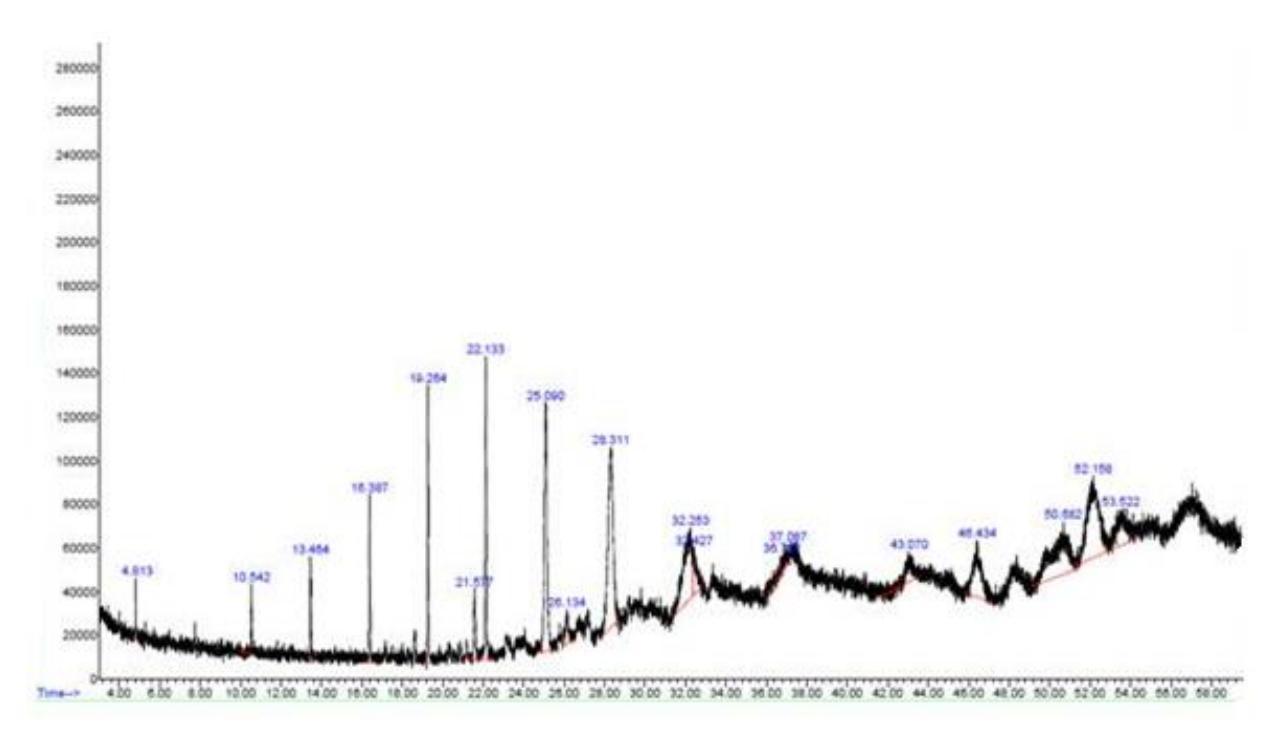
Figure 1 FIR spectral analysis of oil sludge from Zhaik Munay LLP.
As depicted in Figure 1, the discernible presence of absorption lines within the range of 1600-1699 cm⁻¹ serves as an indicative marker for the existence of paraffins, polycyclic aromatic hydrocarbons, resins, and asphaltenes. The outcomes of the infrared (IR) spectral analysis further revealed the characterization of C=O carbonyl groups affiliated with aromatic acids. Consequently, this particular oil sludge exhibited a compositional profile conducive to its utilization in the production of asphalt bitumen, where it can serve as an effective binder.
Analysis of the infrared (IR) spectrum of the oil sludge originating from the Mubarek gas processing complex [39] has elucidated a complex chemical composition, revealing the presence of paraffins, polycyclic aromatic hydrocarbons, resins, and asphaltenes. Evidently, the outcomes display a noteworthy congruence with prior analyses, substantiating the consistency in the identified chemical constituents of the oil sludge.
The physical attributes of the oil were subjected to systematic scrutiny, encompassing parameters such as density, funnel viscosity, and quantification of oil products, water, and mechanical impurities. The outcomes derived from these experimental investigations are systematically presented in Table 3.
| Parameters | Value |
|---|---|
| Density at 20 °C, g/cm3 | 0,8164 |
| Viscosity (funnelя) at 80 °С, Ра∙s | 2,11 |
| Content of oil products, % wt. | 34,50 |
| Content of water, % wt. | 4,00 |
| Content of mechanical impurities, % wt. | 5.30 |
Table 3 Physico-chemical properties of oil from Zhaik Munay LLP.
Table 3 reveals that the oil sludge incorporates bituminous constituents from oil constituting up to 34.50%. This augmentation assumes significance in the context of structure formation within asphalt concrete [40].
Conventionally, asphalt concrete mixtures reliant on bitumen are beset by challenges such as non-adherence to prescribed benchmarks for water saturation, water resistance, and tensile strength, as specified in State Standard No. 9128-2013 for asphalt concrete. Moreover, the relatively elevated cost of bitumen poses a constraint that considerably curtails its potential applicability in asphalt concrete formulations [41].
In the envisaged composition, oil sludge is incorporated as a constituent in the bitumen binder for the synthesis of asphalt concrete, with proportions varying at 5%, 10%, and 15%. Comparative evaluations were conducted through systematic analyses of asphalt concrete samples containing oil sludge, employing asphalt concrete of Type B, Grade I as a reference sample for benchmarking purposes. The principal findings from the comprehensive tests, focusing on the physical and mechanical properties of the asphalt concrete samples, are briefly outlined in Table 4.
Table 4 Physical and mechanical properties asphalt concrete with the addition of oil sludge.
| Name of indicators | Oil sludge, % | Asphalt concrete | State standard No. | ||
|---|---|---|---|---|---|
| 10 | 15 | (grade I type B) | 9128-2013 | ||
| Ultimate compressive strength at a temperature of 50°C, MPa | 0.69 | 0.74 | 0.71 | 0,67 | not less than 0.7 |
| Water resistance, % by volume | 0.71 | 0.75 | 0.76 | 0,73 | not less than 0.7 |
| Water saturation, % by volume | 5.12 | 4.95 | 4.99 | 5,23 | over 4.0 up to 10.0 |
| Shear stability according to internal friction coefficient, mm/min | 0.84 | 0.89 | 0.86 | 0,87 | not less than 0.80 |
Figure 2 illustrates the variations in compressive strength and water saturation in correlation with the percentage content of the oil sludge. The depicted results of the analyses are visually presented in the figure, providing a comprehensive representation of the observed trends.
Observations from both Table 4 and Figure 2 elucidate that the introduction of 5% oil sludge into the asphalt mixture resulted in diminished physical and mechanical properties of the asphalt concrete in comparison to the application of 10%. However, employing aaddition of 15% oil sludge precipitated deterioration in certain asphalt concrete properties, manifested by a slight reduction in compressive strength and a marginal shift in structural stability according to the internal efficiency coefficient of friction. The conducted investigations into the physical and mechanical attributes of the asphalt concrete, subsequent to the addition of the oil sludge, indicated 10% oil sludge as the optimal proportion. This was substantiated by a concurrent enhancement of compressive strength, registering an increment of 0.07% by volume. The increased value of compressive strength corresponds inversely to the susceptibility of asphalt concrete to structural degradation. Following the incorporation of the oil sludge into the asphalt concrete mixture, a marginal augmentation in water resistance was noted, exhibiting an increase of 0.02%. Simultaneously, water saturation experienced a decrease from 5.12% to 4.95% by volume. Elevated water saturation in asphalt concrete renders it vulnerable to waterlogging, consequently exacerbating material deterioration during cold periods, characterized by repetitive freeze-thaw cycles. The implication is clear: heightened water saturation negatively influences the overall quality of asphalt concrete.
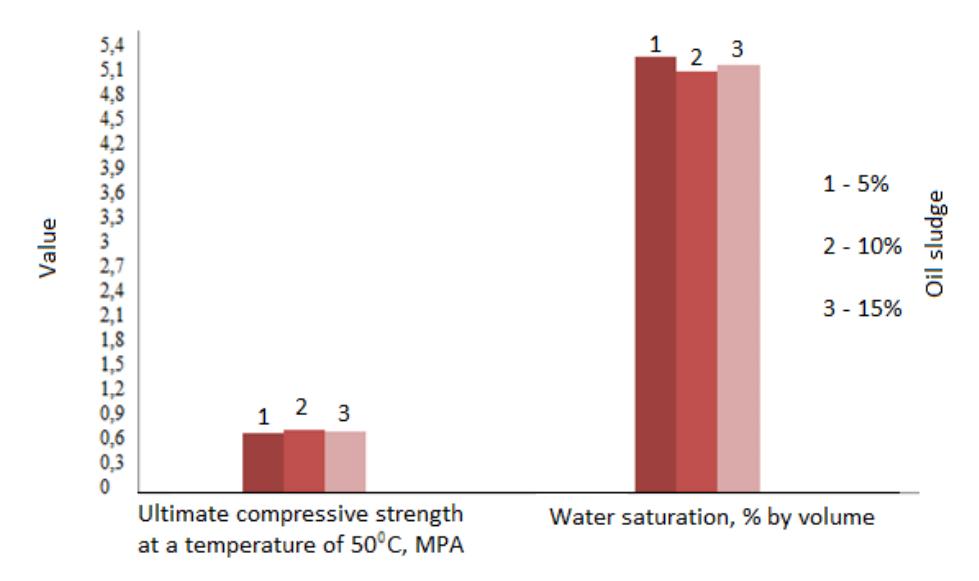
Figure 2 Physical and mechanical properties of asphalt concrete using oil slidge from Zhaik Munay LLP.
Consequently, it was ascertained that the asphalt concrete enriched with a 10% additive of oil sludge exhibited heightened physical and mechanical properties, thereby manifesting improvements in water saturation, water resistance, and compressive strength. Simultaneously, this formulation addresses the challenge of cost reduction in asphalt concrete production. The aforementioned investigations provide a comprehensive evaluation of oil sludge as a viable additive for enhancing the characteristics of asphalt concrete, with promising implications for augmenting the longevity and structural integrity of road surfaces.
Previousinvestigations carried out by scholars affiliated with Irkutsk National Research Technical University have substantiated the advisability of incorporating oil sludge in road construction practices. This strategic inclusion facilitates the conservation of natural resources, ameliorates construction costs related to highway construction, reconstruction, and major repairs, and contributes to a discernible alleviation of environmental burdens within the respective regions [42].
Research endeavors carried out by scholars affiliated with Perm National Research Polytechnic University have demonstrated the viability of integrating petroleum-based sludge in the composition of asphalt concrete within the range of 1% to 6%. This recommendation implies the potential for generating a superior-quality asphalt concrete mixture [43].
Researchers from Volgograd University have conclusively established that an asphalt concrete mixture that incorporates an addition of 4% bitumen qualifies as a low-hazard product. In terms of toxicometric parameters, it exhibits parity with asphalt concrete formulations manufactured through conventional methodologies [44].
Consequently, the findings of the present research unequivocally ascertain that the incorporation of oil sludge as an additive in the formulation of asphalt concrete facilitates the conservation of oil bitumen, a resource of significant value. In practical terms, the utilization of oil sludge in the production of 1 ton of asphalt concrete translates to a saving of approximately 30 kg of petroleum bitumen.
Conclusion
The viability of incorporating oil waste in the form of oil sludge obtained from Zhaik Munay LLP as an additive in construction materials was subjected to a thorough investigation. The properties of the asphalt concrete were precisely assessed both before and after the introduction of oil sludge. It was conclusively determined that the application of oil sludge as an organic binder at a proportion of 10% engenders improvements in the properties of asphalt concrete. This enhancement is manifested through an augmented compressive strength, a marginal
increase in water resistance, and a reduction in water saturation, which is an indicative measure of the material's capacity to absorb moisture within voids (such as pores and cracks). Beyond its efficacy in addressing the challenge of oil sludge disposal at oil industry facilities, the integration of oil sludge as an additive in asphalt concrete offers the additional benefit of conserving the expensive resource of oil bitumen. This, in turn, holds the promise of mitigating the overall cost of asphalt concrete mixtures.