

Introduction
The development of renewable energy sources has been a global phenomenon, driven by the need for sustainable processes that equally address environmental and economic concerns. However, the feedstock competition with the food sector is always a significant challenge from the perspective of sustainability and economic concepts (Khatri et al., 2019). The limitations of feedstocks for renewable energy have driven the search for more sustainable alternatives, with recent research efforts focusing on developing next-generation renewable energy technologies. Alternatively, macroalgae constitute an attractive potential resource for renewable energy due to their high abundance, photosynthetic efficacy, and capacity for high production rates (Ross et al., 2008), especially for an archipelago like Indonesia, with the second longest coastline in the world and a tropical climate ideal for the growth of various macroalgae species.
Gracilaria sp. represents a genus of macroalgae (commonly known as seaweed), which has particularly high occurrence levels in Indonesia. This particular seaweed is most notable in the northern part of Java, West Nusa Tenggara, South Sulawesi, and Lampung (Kawaroe et al., 2015a). Gracilaria sp. belongs to the red macroalgae group that can be obtained from the wild or cultivated in shallow ponds (Roberts et al., 2015). It is a promising candidate for biofuel feedstock, as its lignin content contributes to a sturdy structure that requires chemical pretreatments. The relatively simple cultivation method makes seaweed a common commodity among Indonesian coastal communities. Hence, with proper cultivation training, seaweed production can be scaled up to supply industrial feedstock needs.
Gracilaria sp. macroalgae is characterized by a high concentration of organic macromolecules, including carbohydrates (42.0% TS), fats (1.3% TS), protein (5.18% TS), and inorganic ash (43.2% TS) (Baghel et al., 2014). The primary carbohydrate in Gracilaria sp. is agar, composed of D-galactose and 3,6-anhydro-L-galactopyranose. This can be converted into simple compounds (mono/disaccharides) through renewable energy production processes (Christiaen
Copyright by authors ©2026 Published by IRCS - ITB J. Eng. Technol. Sci. Vol. 58, No. 1, 2026, 71-85
et al., 1987; Jeong et al., 2015; M.-R. Park et al., 2018). Nevertheless, the intricate structure of macroalgal lignocellulose represents a significant challenge to effectively utilizing macroalgal biomass for biofuel production (Lima et al., 2018). Accordingly, the pretreatment of macroalgae constitutes a crucial step in accelerating hydrolysis and enhancing biogas production.
The relatively low or absent lignin content in red macroalgae makes the pretreatment process more straightforward and cost-effective when compared to other macroalgae or lignocellulosic sources (Sambusiti et al., 2015). Several studies have explored the impact of swelling due to hydrolysis and biogas production from biomass, which has the effect of limiting biogas production (Čater et al., 2015; Ju et al., 2013; Schroyen et al., 2015; P. Singh et al., 2019). Gracilaria are species that have a low composition of agar units, making them suitable candidates for use as biogas substrates. For instance, the agarose content in Gelidium and Pterocladia species is significantly higher than in Gracilaria species. The quantity of agarose in agar influences its quality, including gel strength and swelling (Hehemann et al., 2012; Lemus et al., 1991; J.-H. Park et al., 2012). In addition, sulfated polysaccharide compounds rich in carrageenan are responsible for gel formation (Barbeyron et al., 2000). The carrageenan compound is constituted by two monomeric units, comprising β-1,4-glucose and α-1,3-glycosidic linkages, respectively, which form a robust and stable gel in an aqueous solution containing potassium ions (Necas & Bartosikova, 2013). Gracilaria is composed of linear chains of β-1,4-linked D-glucose units, which constitute a polysaccharide composition. This composition contains a small amount of the substance, estimated at 15 wt% of the dry biomass of red macroalgae (J.-H. Park et al., 2012), and therefore does not readily form swelling.
The existing literature has explored the potential of using macroalgae as substrates for biogas, with a particular focus on the pretreatment techniques that may be required. Among various pretreatment techniques, thermochemical methods that combine heat with acidic and basic chemicals have gained the greatest popularity (H. Jung et al., 2016; K.- W. Jung, Kim, & Shin, 2011a). The use of thermochemical pretreatment methods is preferable to biochemical methods for the conversion of biomass, as they offer greater flexibility in handling a range of biomass types. Furthermore, it represents one of the most efficient and straightforward routes for biomass conversion (Barbot et al., 2015). Thermochemical pretreatment has been tested on macroalgae species, such as L. japonica, with the objective of enhancing biomass saccharification and increasing methane production yields. The results of these tests have demonstrated promising outcomes (K.-W. Jung, Kim, & Shin, 2011b; K.-W. Jung, Kim, Kim, et al., 2011; Sung-Soo Jang, 2012).
A further study revealed a notable enhancement in the potential biomethane (BMP) yield from macroalgae Fucus vesiculosus, exhibiting an augmentation of 11–147% through a thermochemical pretreatment process involving varying concentrations of HCl (Barbot et al., 2014). However, the combination of chemical compounds used in high-temperature pretreatment has a negative impact. This is evidenced by the emergence of levulinic acid, furfural, and 5 hydroxymethylfurfural (5-HMF) inhibitor compounds, which result from pentose and hexose dehydration reactions (Rasmussen et al., 2014; van Putten et al., 2013). Accordingly, a combination of pretreatments is necessary to mitigate the adverse effects of inhibitor compounds on appearance and enhance the hydrolysis process. A combination pretreatment may be conducted through the utilization of a moderate temperature and a double-stage hydrolysis process, which has the potential to enhance polysaccharide conversion and mitigate the formation of inhibitor compounds (D. Kim, 2018).
A double-stage thermochemical pretreatment was conducted, utilizing sodium hydroxide (NaOH) in the initial stage to facilitate the removal of lignin and phenol compounds. NaOH proved effective in enhancing the effectiveness of the pretreatment process and facilitating the substantial elimination of lignin compounds in the biomass (Modenbach & Nokes, 2014). In a synergistic pretreatment, thermo-alkali technology can be employed to selectively accelerate the hydrolysis of hemicellulose into xylo-oligosaccharides and monosaccharide derivatives (C. Wang et al., 2019). Previous research revealed that biomass without pretreatment using NaOH recorded the lowest glycan conversion (56.0%), while samples treated with NaOH achieved conversion above 85.0% (W. Wang et al., 2016). Moreover, the hydrolysis of released polysaccharides into simple sugars can be significantly accelerated in the presence of acid catalysts (Tomasik & Schilling, 2004). Previous research demonstrated that the pretreatment of brown algae with low concentrations of acidic compounds promoted high yields of reducing sugars, such as glucose (Widyaningrum et al., 2016).
Several studies have been conducted to examine the double-stage biomass pretreatment process. Toscan et al. (2019) employed a combination of hydrothermal and enzymatic processes to pretreat elephant grass, thereby increasing the conversion of glucan to glucose. Kärcher et al. (2016) applied a double-stage pretreatment process utilizing wheat straw, comprising a combination of steam explosion and sulfuric acid in the second stage. Similarly, Burhani et al. (2017) implemented a comparable process with wheat straw. More recently, Sjulander and Kikas (2022) investigated the double-stage pretreatment of barley straw, aspen wood, and pine wood using a combination of steam explosion and enzymatic treatment. The double-stage pretreatment involved the application of enzymatic pretreatment combined with high-temperature processes (120-200oC) and high pressure for hydrothermal, steam explosion, and other thermal pretreatments. This study conducted a comparative analysis of single-stage and double-stage thermochemical pretreatments at intermediate temperature (100°C) for lignin degradation and produced higher reducing sugars in the second stage. The optimal operating conditions of the single-stage pretreatment for delignification were employed as the basis for the double-stage pretreatment.
This research project is concerned with the reduction of lignin in macroalgae biomass in stage one and the production of monosaccharides in stage two, employing thermochemical techniques. It is expected to yield a biogas substrate that is devoid of inhibitory compounds (phenolics) and capable of producing monosaccharides for biogas production. A comparison of the single-stage and double-stage results is a crucial aspect of this study, as it allows for an investigation into the efficacy and functionality of each pretreatment stage in terms of TPC and TRS production. The objective of this process is to facilitate industrial implementation, enhance product yields, and circumvent the generation of biogas inhibitors. This study serves as a reference of an optimized pretreatment method to facilitate the efficient conversion of macroalgae Gracilaria sp. to simple compounds as the sustainable feedstock for biogas production.
Materials and Methods
Raw Materials and Chemicals
The current study utilized various materials, encompassing both primary raw materials and those employed for analytical purposes. The primary focus of this research project is the Gracilaria sp. macroalgae, collected from the wild at Gunung Kidul Beach in the Special Region of Yogyakarta, Indonesia. The Gracilaria sp. was obtained during September – November 2024. The chemicals for the pretreatment process included HCl p.a 37-38% (Merck) and NaOH pellet p.a (Merck). Folin-Ciocalteu reagent (Emsure) and sodium carbonate (Na2CO3) p.a (Emsure) were used for TPC analysis. The TRS reagent was prepared using 3,5-dinitrosalicylate (DNS) (Sigma-Aldrich), sodium potassium tartrate p.a (Emsure), and sodium metabisulfite (Emsure). Meanwhile, Gallic acid (GAE) (Sigma-Aldrich) was used to prepare TPC standard curve, and glucose (Emsure) was used to prepare the TRS standard curve.
Preparation of macroalgae - Physical and Mechanical Pretreatment
Gracilaria sp. was initially cleaned using running water, followed by soaking in clean water for 24 hours to remove surface impurities and reduce salinity. This washing and soaking procedure was repeated until the pH of the rinse water reached a neutral level. After cleansing, the macroalgae were dried at room temperature for three days. The dried biomass was then ground using a Getra KS-778 blender and sieved through a 50-mesh screen to achieve a uniform particle size. The prepared samples were stored in sealed plastic containers and placed in a room-temperature desiccator to maintain sample stability.
Single-stage Thermo-chemical Pretreatment
Samples of the macroalgae biomass of Gracilaria sp. were treated at varied process durations and sodium hydroxide (NaOH) concentrations. The NaOH was used to delignify the biomass, following the findings in a previous publication (Maryana et al., 2014). Therefore, the optimal conditions of the single-stage serve as a foundation for the subsequent stage of pretreatment, which is designed to facilitate the conversion of cellulose and hemicellulose into monosaccharides. The mixture of chemicals and macroalgae was placed in a 250-mL Erlenmeyer flask, with the chemical-to-biomass material ratio set at 1:10 (by volume). This ratio followed the standard employed in the Renewable Energy Laboratory (NREL) (Ge et al., 2011). The samples were subjected to thermal treatment for 30, 60, 90, and 120 minutes, with manual shaking for one minute at the midpoint of the process at a temperature of 100°C. The heating process during thermochemical pretreatment was conducted using a water bath maintained at a constant temperature of 100°C.
Double-stage Thermo-chemical Pretreatment
The double-stage pretreatment process utilized the optimal NaOH concentration identified in the single-stage experiment, conducted at a temperature of 100°C for a predetermined time interval. Following the first-stage
hydrolysis, the mixture was filtered to separate the black liquor (liquid fraction) from the solid residue. The solid fraction was then washed with distilled water at room temperature until the rinse water reached a neutral pH. Subsequently, the washed solid residue underwent a second-stage hydrolysis using hydrochloric acid (HCl), employing the same solvent volume as used in the initial stage. The application of HCl for hydrolyzing cellulose and hemicellulose has been widely investigated and is known to significantly improve total reducing sugar (TRS) yields (Malihan et al., 2012). The hydrolysates from both pretreatment stages were then analyzed to quantify the concentrations of total phenolic compounds (TPC) and total reducing sugars (TRS).
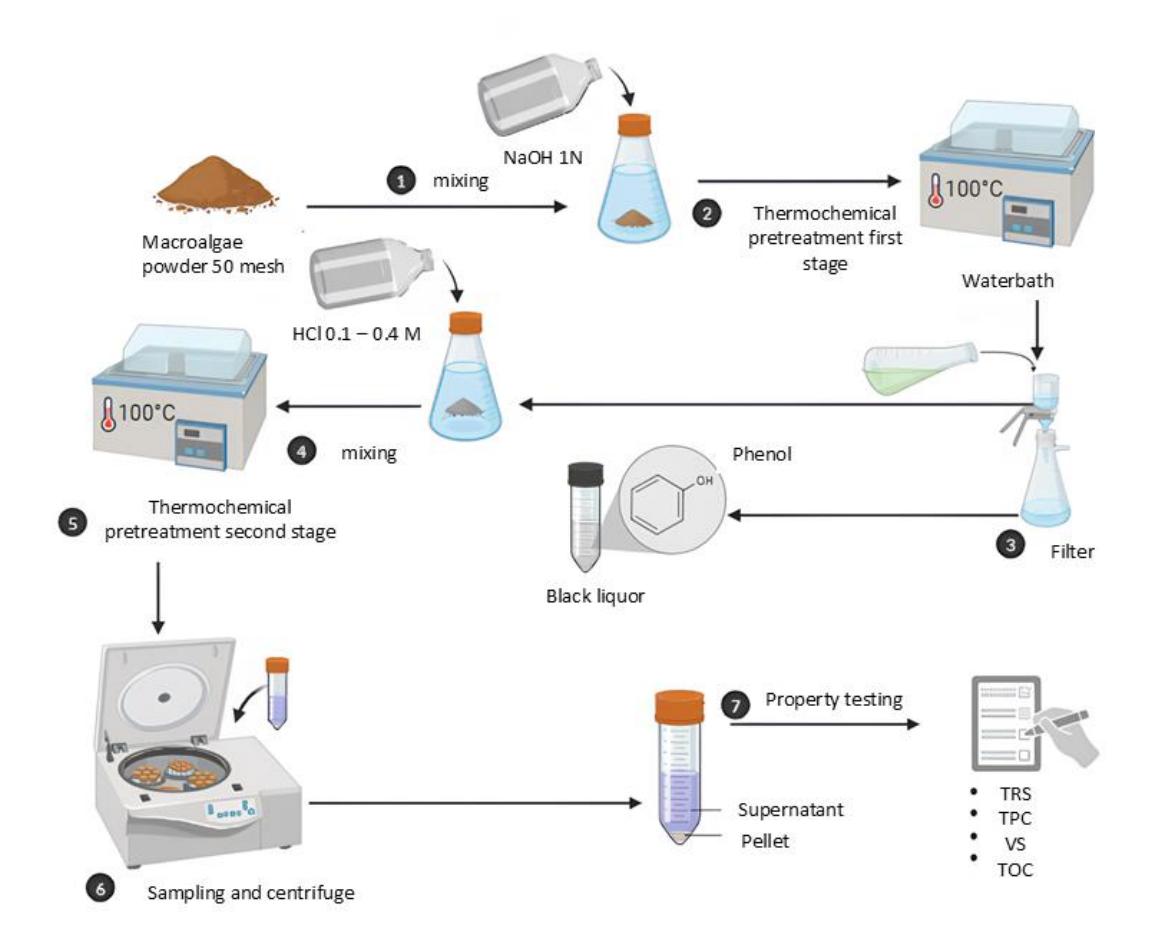
Experimental setup for macroalgae thermochemical pretreatment.
Analytical Method
Total Reducing Sugars. A total of 100 mL of the sample supernatant was mixed with 900 mL of citrate buffer (50 mM, pH 4.8) in a flask. The mixture was supplemented with 3 mL of DNS reagent and 2 mL supernatant. It was then heated at the boiling point of water for 10 minutes in a water bath (Miller, 1959). The sample was cooled to room temperature and analyzed for absorbance using a UV-Vis spectrophotometer (Shimadzu UV-1280) at a wavelength of 550 nm. Prior to spectrophotometer utilization, a blank solution containing distilled water and DNS was prepared to ensure the wavelength value was accurately measured. A standard curve was constructed using glucose at a specific concentration range.
Total Phenolic Compounds (TPC). Two hundred milliliters of the sample supernatant were combined with an equal volume of Folin-Ciocalteu reagent, and the resulting mixture was incubated for three minutes in a test tube. Subsequently, 2 mL of a 7.5% (w/v) sodium carbonate (Na₂CO₃) solution was added, and the contents were mixed thoroughly using a Gemmy VM-300 vortex mixer until a homogeneous mixture was obtained (Singleton et al., 1999). Absorbance measurements were conducted using Shimadzu UV-1280 UV-Vis spectrophotometry at a wavelength of 765 nm. A solution without interfering substances was prepared and used as a blank to subtract the wavelength value before the spectrophotometer was employed. A standard curve was constructed using glucose at a specific concentration range.
%Volatile Solid (VS) Removal. Volatile solids (VS) analysis was conducted on macroalgae at each time and concentration variable during the pretreatment process. APHA Standard 2540 E was employed as the analysis method (Eaton, 2005). The %VS removed value refers to Koch (2015), which provides parameters for deriving a universally valid equation:
\[VS_{removed} = 1 - \frac{VS_{output} \cdot (1 - VS_{output})}{VS_{input} \cdot (1 - VS_{output})} \tag{1}\]
The VSremoved value is the degradation rate of volatile solids (%), VSinput is the concentration of volatile solids (sometimes also referred to as loss on ignition) of the input (%TS), and VSoutput is the concentration of volatile solids of the output (%TS) after the pretreatment process.
Annova Analysis
Statistical analysis was performed to evaluate the effect of the independent variables (pretreatment time and chemical concentration) on the observed responses, namely Total Reducing Sugars (TRS), Total Phenolic Compounds (TPC), and percentage of Volatile Solid (%VS) removal. The experimental data were analyzed using analysis of variance (ANOVA) and regression analysis, facilitated by the Design-Expert® software package, version 13 (Stat-Ease, Inc., Minneapolis, USA). The statistical significance of the generated model was determined via the F-test. A model was considered statistically significant if its p-value was less than 0.05. The coefficient of determination (R²) was employed to measure how well the model predicted the system's response within the studied experimental range. A high R² value indicates a strong correlation between the experimental and predicted values. In the resulting model equations, a positive (+) coefficient sign signifies a synergistic effect, while a negative (-) sign indicates an antagonistic effect. Further model diagnostics, including graphical representations of residuals and a comparison between predicted and actual values, were utilized to confirm the model's adequacy and validity.
Results and Discussion
Characterization of Gracilaria sp.
The characterization of Gracilaria sp. by proximate and ultimate analysis is shown in Table 1. Proximate analysis revealed that Gracilaria sp. possessed a low lignin content (5.06%). The high carbohydrate and low lignin composition of Gracilaria sp. has been recognized (Kawaroe et al., 2015b). The low lignin content of Gracilaria minimizes the need for lignin removal pretreatment processes, thereby improving overall process efficiency (Li et al., 2021). Macroalgae typically have low lignin content, unlike terrestrial lignocellulosic biomass (Costa et al., 2012). However, pretreatment is still required to break down the biomass matrix to improve access to carbohydrates and other components. Pretreatment increases biofuel production by breaking down lignin to produce fermentable sugars (Tapia-Tussell et al., 2018).
Table 1 Gracilaria sp. macroalgae characterization results.
| Parameters | Unit | Value | Method analysis | |
|---|---|---|---|---|
| α-cellulose | % | 10.31 | ||
| Hemicellulose | % | 13.07 | ||
| Holocellulose | % | 23.38 | Chesson gravimetric | |
| Lignin | % | 5.06 | ||
| Ash | % | 48.24 | ASTM D 3174-12 | |
| Carbon | % | 18.63 | ||
| Hydrogen | % | 5.66 | ASTM D 5373-21 | |
| Nitrogen | % | 1.22 | ||
| Sulfure | % | 5.36 | ASTM D 4239-18 | |
| Oxygen | % | 22.84 | ASTM D 3176-15 | |
Effects of Independent Variables on the Solubility of Single-stage Pretreatment Gracilaria sp.
The objective of this stage is to evaluate the impact of the pretreatment methods employed on the hydrolysis of complex polymer compounds into simpler compounds (TRS and TPC) derived from the macroalgae Gracilaria sp. The influence of temperature and NaOH concentration was investigated based on the outcomes of the hydrolysis of complex polysaccharide compounds and macroalgal lignin into simple compounds (TRS and TPC).
Figure 2 illustrates the TRS and TPC values for the single-stage thermochemical pretreatment process utilizing NaOH. The delignification process of Gracilaria sp. macroalgae is illustrated by the highest TPC value (of 1165.462 mg/L) at a pretreatment time of 60 minutes and a concentration of 0.8 N, which is followed by 1153.692 mg/L at a concentration of 1N under the same pretreatment time. This finding aligns with the results of research conducted by Lobo Gomes et al. (2021) which revealed that extending the pretreatment time beyond 60 minutes had no significant impact on the total lignin degradation. Moreover, an extension of the pretreatment period may facilitate the transformation of phenolic compounds into short-chain acids (Chapleur et al., 2016; S.-F. Chen et al., 2006; Xie et al., 2018). An increase in the pretreatment time and NaOH concentration can facilitate the breakdown of more hemicellulose in the raw material, resulting in its release into the solution medium. This process reduces the hemicellulose content in the pretreated material (W. Wang et al., 2020). This is demonstrated by the increasing TRS value, which reaches its highest point at a pretreatment time of 120 minutes and a concentration of 1N NaOH. Moreover, the hydrolysis of glycosidic bonds in hemicellulose is likely to have contributed to the removal of hemicellulose with increasing NaOH concentration and pretreatment duration, resulting in partial removal of hemicellulose (Jinghuan et al., 2016).
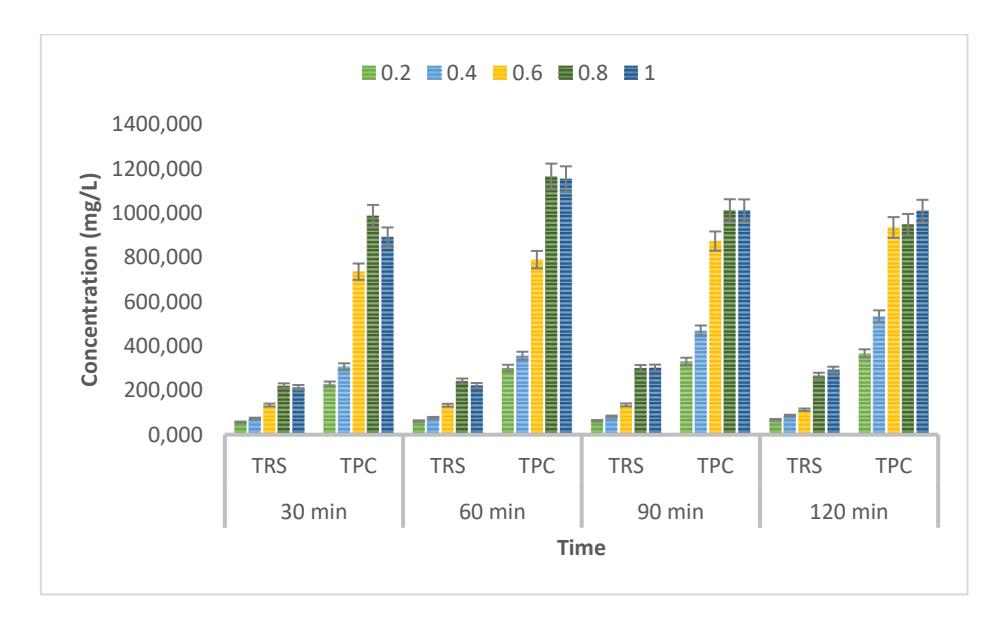
The effects of sodium hydroxide (NaOH) concentration and pretreatment time on TRS and TPC values.
Figure 3 shows an increase in the percentage reduction of volatile solids (%VS removal) that correlates with the increase in NaOH concentration. The highest %VS removal value occurs with the use of 1N NaOH. NaOH causes the hydrolysis of complex organic polymers into simpler, more soluble forms, thereby increasing the release of volatile compounds (Zhang et al., 2015). The test results indicate that the concentration variable influences the %VS removal value, whereas the reaction time does not have a significant effect.
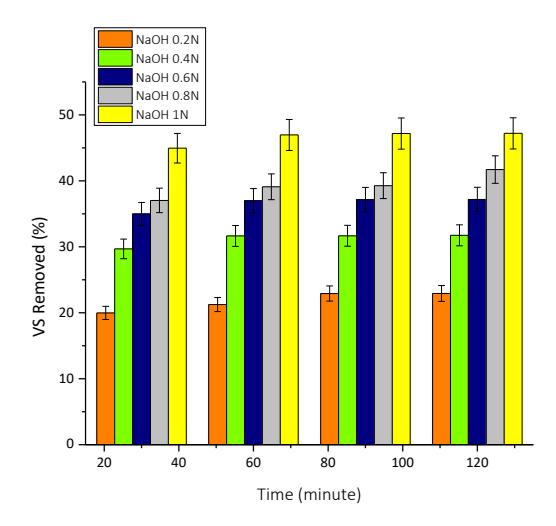
Figure 3 Profile of %VS removal in single-stage pretreatment with sodium hydroxide (NaOH).
Single-stage Pretreatment Estimation Model
The analysis of variance (ANOVA) for the total phenolic compounds (TPC) response indicates that the linear model is statistically significant with respect to NaOH concentration. The model yielded R², adjusted R², and adequate precision values of 0.7945, 0.7758, and 16.6965, respectively. For total reducing sugars (TRS), the corresponding R², adjusted R², and adequate precision values were 0.9630, 0.8404, and 23.8302, respectively. These results suggest that the model for TRS exhibits better predictive performance compared to the TPC model when accounting for the effects of both time and concentration variables. The high R² and adjusted R² values confirm that the fitted models are robust and provide a good representation of the experimental data. Additionally, the adequate precision values for both responses exceed the threshold of 4, indicating sufficient signal-to-noise ratios and confirming the model's discriminative capability. Figure 4 presents the comparison between actual and predicted values for both responses. The close alignment of data points, along the diagonal line and the minimal residuals, further support the adequacy and reliability of the developed regression models.
Figure 4 illustrates the TPC model demonstrating high accuracy in predicting the results within the experimental range. The difference between the predicted and actual R² values may be attributed to the influence of interaction effects or external factors that were not included in the model. The relatively high F-value (47.06) indicates that the TPC data exhibit greater variability than the TRS data (21.51). The TPC model produced better values than the TRS model, suggesting that stage 1 pretreatment is more effective in predicting TPC values than TRS. The %VS removal model exhibited excellent adequacy, with a high R² value and a linear distribution in the diagnostic graph. The low standard deviation (1.79) and higher F-value (63.03) indicate that the %VS removal data exhibit less variability, resulting in more accurate predictions.
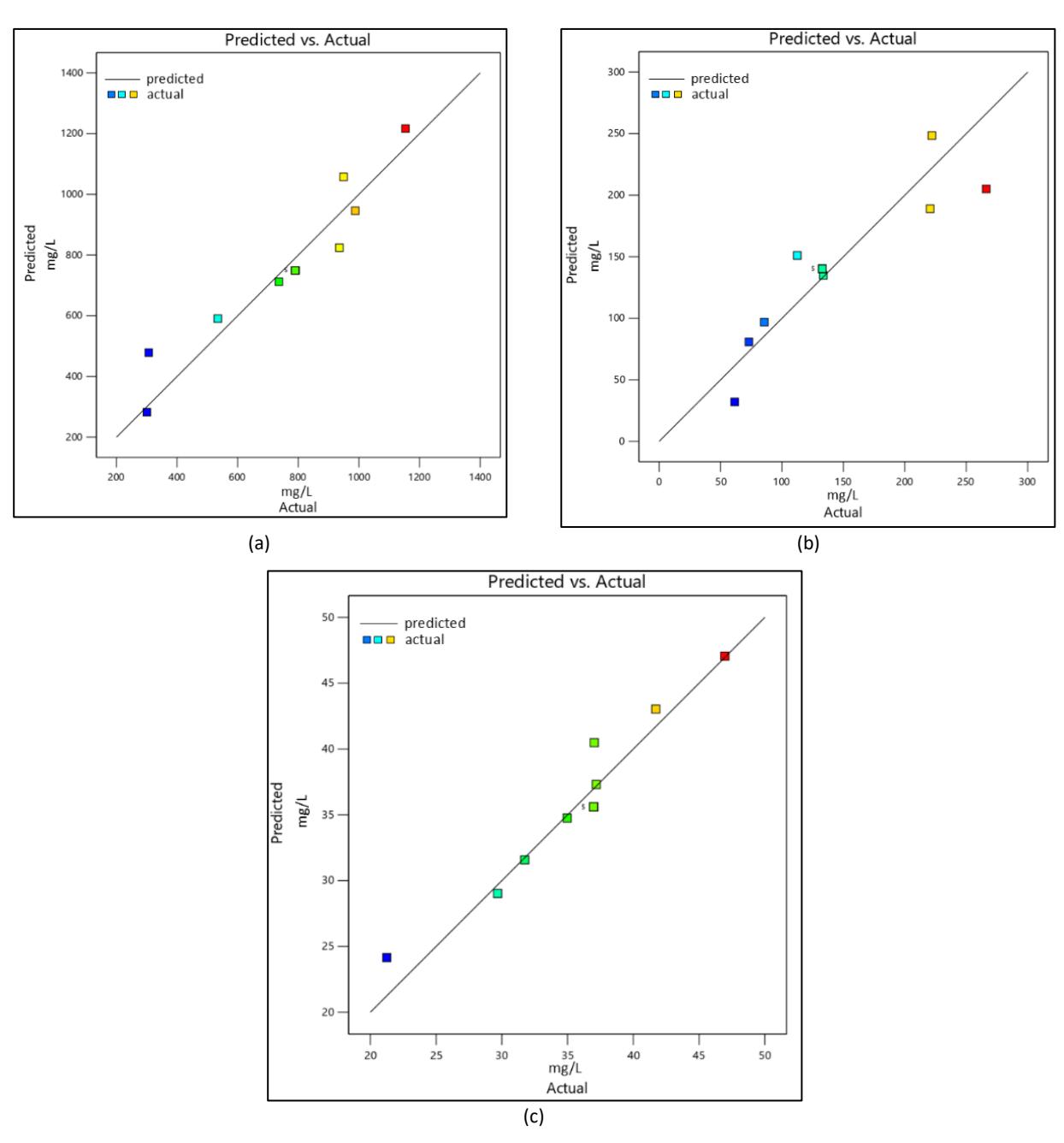
Scatter diagram of single-stage pretreatment: TPC (a), TRS (b), and %VS removal (c).
Table 2 Analysis of variance for the fitted model of different responses in single stage pretreatment.
| Information | TPC | TRS | %VS Removal |
|---|---|---|---|
| 2 R | 0.9040 | 0.8114 | 0.9265 |
| Adjusted R2 | 0.8847 | 0.7737 | 0.9118 |
| Predicted R2 | 0.8060 | 0.5459 | 0.8548 |
| CV/Adeq precision | 11.17/22.9728 | 20.31/15.6743 | 5.00/26.6407 |
| F value | 47.06 | 21.51 | 63.03 |
| p-value | <0.0001 | <0.0002 | <0.0001 |
| Std dev | 84.65 | 28.73 | 1.79 |
Effects of independent variables on the solubility of double-stage pretreatment of Gracilaria sp.
The optimal point of single-stage pretreatment using NaOH serves as a reference point for the development of a double-stage pretreatment approach. Double-stage pretreatment employs a combination of NaOH, which is utilized for the delignification process at a temperature of 100°C and a pretreatment time of 60 minutes. The application of HCl compounds facilitates the degradation of the hemicellulose and cellulose components of macroalgae, thereby resulting in the generation of elevated TRS values. The impact of varying concentrations of HCl on the TRS and TPC values was investigated.
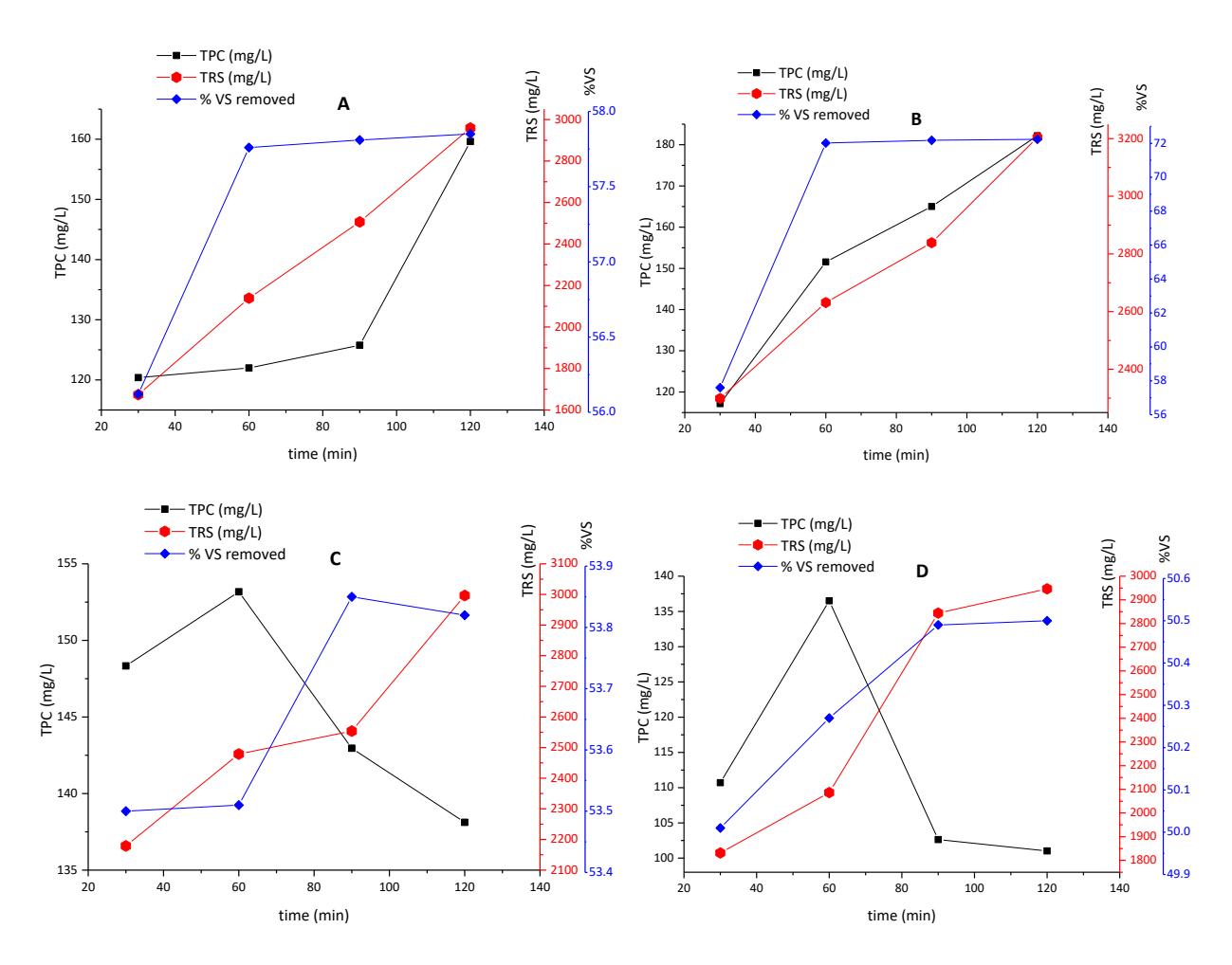
Figure 5 Profile of double-stage pretreatment of macroalgae using 1 N NaOH and HCl (A. 0.1 M HCl; B. 0.2 M HCl; C. 0.3 M HCl; D. 0.4 M)
Figure 5 shows that the TRS value of stage 2 is higher, while the TPC value has decreased significantly compared to stage 1. Stage 2 pretreatment aims to increase TRS production and reduce TPC values through the use of acidic compounds in the pretreatment process. Acidic compounds have been demonstrated to be highly effective in the hydrolysis of hemicellulose and cellulose, resulting in the production of reducing sugars (Oliveira et al., 2014; R. Singh et al., 2016; G. Wang et al., 2015). The TPC value exhibited a decline at HCl concentrations of 0.3 and 0.4 M. This phenomenon can be attributed to the exacerbated decomposition of phenol compounds into short-chain organic compounds, such as levulinic acid and formic acid. This process involves the hydroxyl radicals and radical anions (Mazarji et al., 2019). Previous studies have demonstrated that increasing the concentration of sulphuric acid in the hydrolysis process results in increased formation of SCFAs (Wu et al., 2017).
The highest TRS value (3204 mg/L) was obtained from pretreatment with 0.2M HCl for 120 minutes. The observed decrease in TRS value with increasing HCl concentration is indicative of the further degradation of monosaccharide compounds into furfural and HMF. This finding is consistent with the results reported by Chen et al. (2018), which demonstrated that excessively high concentration, such as 4% HCl, can facilitate the degradation of sugar products into compounds such as furfural and HMF. Several studies have been conducted to explain the decline in TRS values. An increase in the concentration of acidic compounds generates high levels of hydrogen ions (H⁺) in the solution, which not only cleaves the glycosidic bonds in lignocellulose but also induces dehydration reactions. The reducing sugars (monomers) formed are unstable under acidic conditions and at elevated temperatures. Furthermore, acids catalyze the dehydration of these sugars, leading to the formation of inhibitory compounds (J.-W. Kim et al., 2011; Mankar et al., 2021; Sangadji et al., 2025). Additional research has indicated that lower acid concentrations are more conducive to the maintenance of formed monosaccharides (Shi et al., 2021).
Double-stage Pretreatment Estimation Model
Figure 6 shows that the predicted versus actual outcomes demonstrate the model's capacity to predict future outcomes based on actual data. A model of sufficient quality will exhibit a distribution of data around the diagonal line (45°), which reflects predictions that are consistent with actual observations (Myers et al., 2016). In the graph displaying the predicted versus actual values for %VS, the data distribution is in close proximity to the diagonal line, thereby indicating that the model exhibits an exemplary capacity for predictive performance. The simulation results demonstrate that the value of %VS and TRS is superior to that of TPC due to the former's enhanced susceptibility to degradation into shortchain organic compounds at temperatures ranging from 80 to 100°C (Tanchev et al., 1979). Prior research has revealed that an effective predicted versus-actual diagnostic model exhibits a high coefficient of determination (R²) and a data distribution that closely follows the diagonal line (Shi et al., 2021).
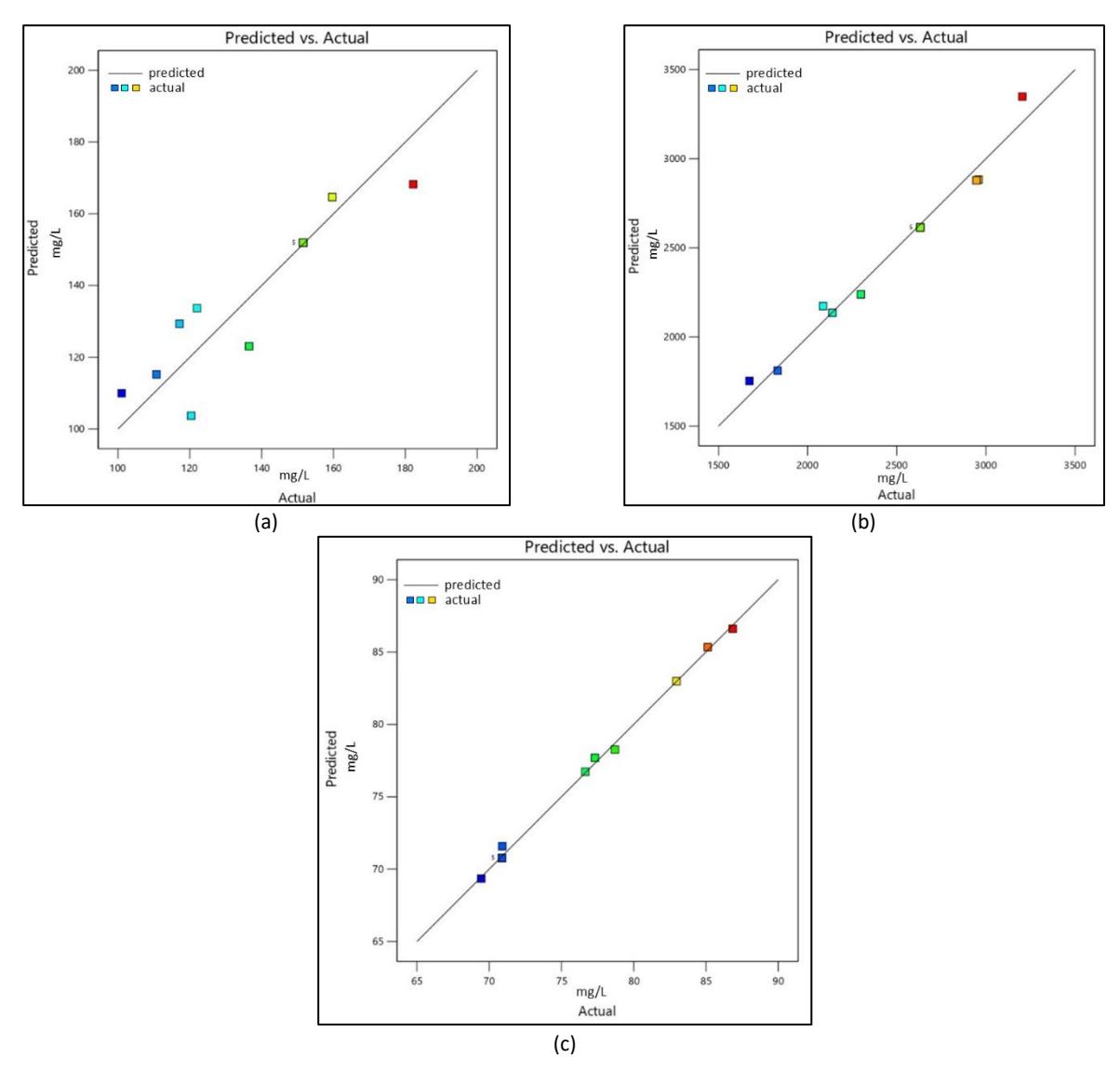
Scatter diagram of double-stage pretreatment: (a)TPC, (b)TRS, and (c)%VS removed.
Total reducing sugars (TRS) exhibited stability and did not undergo decomposition at low pretreatment temperatures (below 160 °C), with minimal formation of inhibitory compounds such as 5-hydroxymethylfurfural (5-HMF) and furfural (Timung & Goud, 2018). The F-value of 67.04 with a p-value of <0.0001 indicates that the model is statistically significant and effectively explains the relationship between pretreatment time, chemical concentration, and TRS yield.
| Information | TPC | TRS | %VS |
|---|---|---|---|
| R 2 | 0.8348 | 0.9795 | 0.9979 |
| Adjusted R2 | 0.7149 | 0.9649 | 0.9964 |
| Predicted R2 | -1.1870 | 0.6946 | 0.9873 |
| CV/Adeq precision | 8.87/7.7042 | 3.41/27.6830 | 0.49/68.5899 |
| F value | 7.08 | 67.04 | 663.21 |
| p-value | 0.0116 | <0.0001 | <0.0001 |
Std dev 12.33 84.78 0.3704
Table 3 Analysis of variance of the fitted model for different responses in double-stage pretreatment.
The %VS removal model demonstrated a higher R² value, a predicted R² that closely aligns with the actual R², and significantly greater adequate precision. These indicators suggest that the model is more reliable for predicting outcomes within the experimental range. This finding aligns with the established characteristics of the delignification process, which typically results in the formation of simpler organic compounds (Mazarji et al., 2019). While the model for TPC presented satisfactory overall performance, it exhibited notable discrepancies, particularly at elevated predicted values. The decline in precision at elevated TPC values may indicate the conversion of phenolic compounds to byproducts, such as levulinic acid and formic acid (Oladi S & Gm, 2018), which are not accounted for in the TPC parameters. This highlights the complex nature of hemicellulose hydrolysis, suggesting the need to incorporate additional variables into the model to improve its predictive accuracy (Alvira et al., 2010).
Conclusion
In the single-stage pretreatment of Gracilaria sp. macroalgae, neither NaOH concentration nor pretreatment time had a statistically significant effect on delignification or total phenolic content (TPC). The optimal conditions for this stage were identified as 60 minutes of pretreatment time using 0.8 N NaOH. Among the tested variables, NaOH concentration had a more pronounced effect on the outcomes than pretreatment duration. In contrast, within the double-stage pretreatment process, NaOH concentration had a stronger influence on TPC reduction, while pretreatment time exhibited a greater impact on total reducing sugar (TRS) production. The optimal conditions for the double-stage process were achieved at a pretreatment time of 120 minutes, using a combination of 1 N NaOH and 0.2 M HCl. Overall, the double-stage pretreatment yielded higher TRS values and lower TPC compared to the single-stage NaOH pretreatment, indicating enhanced efficiency in both saccharification and inhibitor reduction.
Acknowledgement
This research was funded by The Directorate of Research, Universitas Gadjah Mada, through the Research Assistance Program (Program Asistensi Riset) 2024 for Wiratni Budhijanto.
Compliance with ethics guidelines
The authors declare they have no conflict of interest or financial conflicts to disclose.
This article contains no studies with human or animal subjects performed by the authors.