

1 Introduction
Over the years there has been debate among scientists and medical researchers on the exact definition of a pandemic, but one thing that everyone agrees upon is that it describes the widespread occurrence of a contagious disease that covers large geographical areas and against which people have insufficient resistance while no remedies are available [1-3]. For example, cholera, bubonic plague, smallpox and influenza were some of the most devastating disease outbreaks that have occurred in human history. The impact of a global pandemic is far beyond the scope of regular public health and medical care due to the heavy burden it poses on healthcare resources. It brings mega-scale economic losses and causes social inconsistency and instability [4-10].
There is no question that globalization has radically changed our relationship with the biological world in the 21st century. As a result, a novel pathogenic infection discovered in one part of the globe can easily be carried thousands of miles away in a single day. With the continuous improvement of the living standards of people over the last decade, the occurrence and development of pandemic events have posed worldwide problems and attracted great attention as global threats, even more than terrorism. Examples include the SARS virus outbreak in Hong Kong in 2003 and the global pandemic H1N1 flu in 2009 [11-19]. Advances in global air travel, agricultural technology, urbanization, and mega-scale emissions make it possible for infectious diseases to emerge and spread [19-23]. Meanwhile, ICT plays a major role in detecting, mapping, understanding, handling, treating, and perceiving global pandemics. Digital communication technologies are playing an increasingly important role in various aspects of global pandemic surveillance, introducing novel opportunities to mitigate risks and enhance the efficiency of pandemic responses [3,6,9,10,15].
Especially the recent COVID-19 virus outbreak in 2019 and the H1N1 virus outbreak in 2009 posed a huge burden on healthcare systems and overwhelmed the healthcare infrastructure at the regional level up to the international level in many countries. Subsequently, a remedy is needed to relieve the strain on healthcare systems while providing high-quality care for contagious patients. With the aid of ICT and related technological solutions, the majority of issues associated with the aging population, the rise of chronic diseases and the lack of medical staff may be solved with a minimum of effort [8-10,15]. Modern healthcare measurement devices for monitoring patient data such as blood pressure, blood glucose level, heart rate and body temperature, and various wearables incorporate communication capabilities. They can join and communicate over remote networks wirelessly so that patients can be monitored remotely or medical staff is aware of a patient's condition regardless of their location. Thus, ICT is expected to play a key role in strengthening healthcare for individuals and communities around the world. By offering new and more effective ways to view, communicate and store information, most ICT solutions will help to minimize gaps between healthcare and patients, thus ensuring better quality care in less time. Further, ICT also has the capacity to boost the quality of healthcare systems and minimize medical errors [17,24-27].
The main objective of this study was to see how effective ICT healthcare solutions can be used towards managing global pandemic events by relieving the strain on healthcare. Currently, various distributed healthcare systems gather, interpret and interact with each other in real-time, allowing vast volumes of data to be collected, processed and analyzed effectively. This dependency of healthcare on ICT is increasing day by day, thus guaranteeing better patient care, relieving the strain on healthcare resources, and providing better analytics within less time at lower cost.
In order to perform this review we have consulted indexed journal papers and conference papers published over the time period from 2010 to 2020. Even though many researches have been carried out on various novel solutions and methods, no adequate research has been done on the practical utilization of such solutions in healthcare, hence we included all the publications from 2010 to 2020. In addition, we also consulted some useful web links.
This paper is organized into six sections. Following this introduction, the second section reviews the literature related to the effective use of ICT solutions in healthcare. The third section presents a strategic framework derived from the literature for managing global pandemics and describes each of its components in detail. In the fourth section we discuss how to adopt these ICT healthcare technologies effectively during the transformation of a disease outbreak into a pandemic. In the fifth section, we present the limitations of our study and in the following section we discuss challenges and future directions. Finally, we end the paper with the conclusion and the key findings from this study.
2 Background and Literature Review
The intention of this section is to provide a brief understanding of the variety of ICT solutions that can be used to manage pandemic occurrences. In order to understand a pandemic and how it can be successfully managed, first the evolution of a pandemic needs to be described. Sources from the World Health Organization (WHO) state that the evolution of a pandemic can be divided into three phases: 1) the pre-pandemic phase; 2) the phase of the emergence of the pandemic; and 3) the declaration of the pandemic as a global threat [25,27]. Based on these phases, different efforts need to be made towards managing the pandemic. Pandemics may have many catastrophic implications, such as loss of productivity and social chaos. Countries with poor sanitary conditions and limited or scarce resources for encountering and defeating infectious diseases can be severely affected if a pandemic situation is not managed well [25]. Moreover, the rapid growth of international travel and trading of goods has sped up the spread of disease outbreaks, making it very easy to turn them into pandemics within a short time period. This requires tight international cooperation and extending national response capacities to effectively manage a pandemic.
During a pandemic, it is very difficult to predict healthcare needs when the spread of the disease outbreak is wide and its origin is not properly identified and dissection of the outbreak cannot be done in time. Traditional healthcare services and applications put healthcare workers at risk and put more strain on healthcare
facilities and resources, hence novel innovative ICT solutions like remote patient monitoring, cloud-based electronic health record systems need to be employed [10,15,17,23,27-35].
In order to provide a brief understanding of the ICT solutions that can be adopted in this specific context, several key categories of ICT healthcare solutions are discussed in the following.
- 1. eHealth: eHealth is a well-known ICT solution that refers to all forms of electronic healthcare delivered over the Internet. Employing this type of solution can reduce the effects of a pandemic by enhancing pandemic surveillance and monitoring and improving the efficiency of medical procedures such as more efficient reporting using electronic health records systems (EHR). Pharmacy and electronic prescription systems, laboratory information systems, patient administration systems, intensive care unit systems, homecare and telecare applications, and radiology information systems are other examples of eHealth solutions [7,8,29,30,33].
- 2. mHealth: This refers to the use of mobile computing, medical sensors, and communication technologies for healthcare. Alternatively it can also be referred to as the use of mobile devices and associated technologies to monitor or detect patient pathological details. As of now, many of the mHealth solutions based or smart mobile applications are used for chronic care management, medication management, medical referencing, diagnostics and education and training [13,24,29-32,34].
- 3. Wearable solutions: In recent years, we have seen an exponential growth of the use of wearables in healthcare. Smart watches, wristbands and bio-energy patches are used for monitoring individuals' health-related data such as heart rate, blood oxygen level, sleeping condition and so on. Basically, this improves medication adherence and following doctor's orders and also helps to improve health and reduces overall health costs. Apple and Fitbit are examples of manufacturers of such wearables [29,32].
- 4. Virtual and Augmented Reality (VR and AR): Both healthcare and medical education can be enhanced by virtual and augmented reality. On a computer or headset, VR creates an artificial visual experience in which the viewer may become immersed. This can aid surgeons to prepare for difficult operations, for example by practicing complex surgical procedures beforehand. AR blends virtual reality and the real world. As an example, to educate patients and responsible people about an illness and surgical procedures, doctors can lay graphs and illustrations over a medical image [30,32].
- 5. Medical Internet of Things (MIoT): The use of Internet of Things (IoT) in healthcare, also known as MIoT, has emerged as a new healthcare technology that consists of groups of internet-connected devices that capture vital body parameters in patients and track their pathological details through tiny
wearable devices or implantable sensors. Basically, this refers to the interconnection of all things through Internet in a healthcare setting. In a typical medical setting this could involve anything from implantable medical devices, medical imaging devices, automated security and heating systems, electronic medical records, and so on [30,33].
- 6. Artificial Intelligence (AI): AI and associated techniques such as machine learning and deep learning can process immense data sets with advanced algorithms to improve disease research. In healthcare, AI can be used for patient care analytics, early stages of drug development and automated workflow systems. This makes it easier to automate, study and empower new platforms to maximize patient outcomes. Survey respondents look to AI to assist them with issues like population health, support for clinical decisionmaking, patient diagnosis, and precision medicine [30,33].
- 7. Telemedicine/telehealth: This refers to two-way video consultation in healthcare. In many fields, telemedicine can be used, particularly in area like cardiovascular healthcare. It can be used from a remote location to track vital signs and symptoms of patients and facilitates shorter waiting times for patients and physicians and provides convenient access to both patients and medical staff [33,34].
2.1 How Can ICT Solutions Be Used for Managing Pandemics?
Over the years, ICT has evolved to integrate with various analytical tools and social media platforms like Facebook for extracting information from these platforms to support the prevention of disease spreading using social media analytics, involving the use of geographical information systems (GIS) to assist in epidemiologic analysis. Hai-Jew in [1] presents a brief discussion about how ICT can be used to detect, monitor and prevent novel zoonotic disease outbreaks at the national and global level. He further discusses how open-source and commercial technology can be used in the work of pandemic prevention and protection of human health.
There is no doubt that prevention is always better than letting bad things happen. In order to successfully prevent a disease outbreak before it becomes a global pandemic, a nation must have an effective public health surveillance system (PHS) in place. Shaikh, et al. in [14] discuss the importance of ICT-powered public health surveillance in order to face emerging infectious disease threats, evolving environmental and behavioral risks, and ever-changing epidemiologic trends. Wilson and Jumbert in [23] discuss one aspect of ICT powered eHealth, i.e. public health related to pandemic control. They present a five-layered framework to address the management issues of eHealth based on the example of a pandemic control system. Li, et al. in [17] have developed a novel method for eHealth readiness evaluation of a pandemic from the perspective of healthcare organizations and providers.
In [8], the authors discuss ICT-driven solutions for local and global communities aimed at facilitating a rapid response to emergencies in public health. In terms of pandemic outbreaks like HIV/AIDS, they discuss the use of ICT to meet the training and educational needs of the public and health workers. They also discuss how mobile devices such as pagers, smart mobile devices, personal digital assistants and tablet computers can play a key role in emergencies, which signifies the usefulness of mHealth solutions. They further mention that for the following reasons these mHealth related technologies are highly effective when managing pandemics.
- 1. Mobile devices are reachable anywhere and at any time.
- 2. Mobile devices are traceable through GPS.
- 3. Mobile devices can quickly obtain information (photos, video footage) and communicate under any situation.
In [22], a research is reported on China's emergency response to the SARS crisis, stating that it is necessary to protect global public health by coordination through global collaboration. They also note that developing countries possess comparatively fewer ICT driven technological resources to cope with emergencies in public health. Pearce in [9] discussesthe importance of distributed digital healthcare manufacturing technologies in their analysis to plan for the next pandemic. This study reviews the literature required in a pandemic like COVID-19 to build open hardware designs. It tested the readiness of the top-twenty technologies requested by the government of India as an example. The results show that most of actual medical devices use some open-source parts in their production, but only 15 percent of the supporting technologies that make opensource solutions possible are publicly available. Their findings indicate that substantial work is still required to provide open-source pathways for the development of all appropriate medical hardware during pandemics. Sandhu, et al. in [12] suggest an architecture for the implementation of a cloud-based healthcare support system, as the cloud evolves as an innovative solution with the advantages of improved service quality, reduced costs, and flexibility. Li, et al. in [13] demonstrated how an SMS-based mobile application can be integrated with eHealth, enabling influenza pandemic surveillance in developing countries as a possible eHealth facility for the identification and monitoring of potential pandemic strains.
Zhu, et al. in [15] discuss the development of a compact, user-friendly, and costeffective point-of-care (POC) diagnostic system. They demonstrate a simple, user-friendly and inexpensive IoT-enabled system based on a miniaturized
polymerase chain reaction device. The resulting data generated from the device are automatically transferred to an Android-based smartphone via a Bluetooth interface and then transmitted wirelessly to a global network, making the test results immediately accessible anywhere in the world. Lai, et al. in [5] discuss the use of urban intelligence as a resource that analyzes knowledge at the city level using various AI based approaches and discuss its role in the response to pandemics. Wilson and Jumbert in [23] review empirical uses of communications technology in humanitarian and pandemic responses, in particular during the 2014 Ebola outbreak, and suggest a three-part conceptual model for new pandemic response informatics.
2.2 Summary
Based on the literature, we found that there are many use-case examples of the utilization of ICT solutions in pandemic management. One important thing we observed is that, even though these IoT solutions can aid in many aspects, up to date no adequate research has been done on pandemic management. Thus, more emphasis on this aspect needs to be put in future research, which can then serve as a guide when it comes to the preparation for the next pandemic. We have derived a framework based on the literature that consist of the best ICT-related practices that can be used for managing pandemics. In the next section we further discuss this framework.
3 Proposed Strategic Framework for Managing Pandemics
Internet and related technologies provide a new medium for the dissemination of information and provide new ways for institutions, health professionals and healthcare providers to interact and collaborate [1,7,8]. ICT plays a prominent role in humanitarian operations and, more specifically, these ground-breaking solutions are compelling and have attracted much attention worldwide in the response to international pandemics. After having introduced how ICT solutions and related disruptive innovations in healthcare can be involved in pandemic management in the state-of-the-art review in Section 2, we now present a strategic framework that can be used towards the effective management of pandemic events. Based on the reviewed literature, we identified a number of key components that need to be included in effective ICT strategies and should be supported and empowered by national and international stakeholders, such as government authorities, international authorities and health service providers as well as the general public for countering global pandemics, as shown in Figure 1.
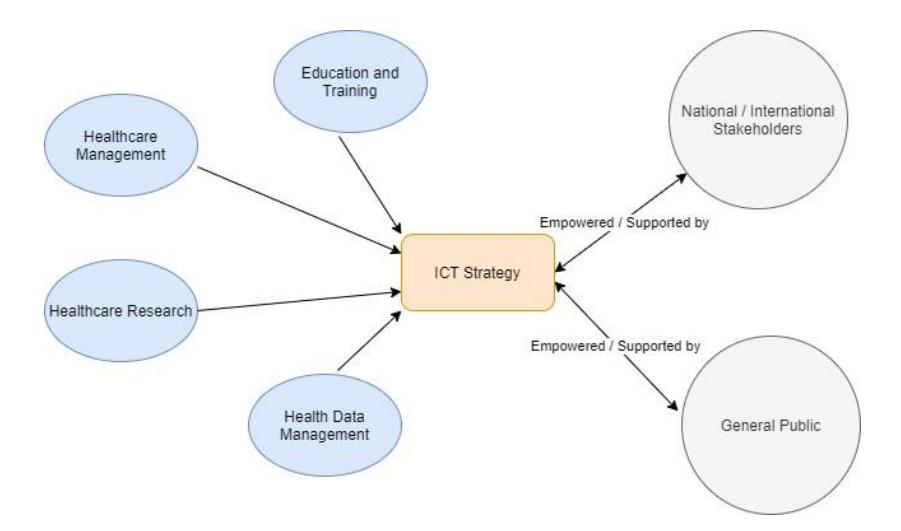
Figure 1 Four phased ICT strategic framework for managing pandemics.
Based on Figure 1 we will now discuss the four key components of our ICT strategic framework.
3.1 Education and Training
Owing to the rapid advancement of technology such as Web 2.0 and beyond, cloud computing [32], smart mobile devices, people can easily seek, connect, learn and interact with others in a very short time in this globalized digital age. This ensures the accessibility and availability of education to all, without frontiers. Health education creates awareness among the general public regarding communicable diseases, health status, prevention measures, ailments, and various current diagnostic procedures in the context of healthcare [7,8].
By having thorough knowledge on a deadly disease outbreak before it spawns, the general public can take precautions such as wearing masks and keeping social distance to protect themselves. On the other hand, healthcare workers become aware of the precautionary measures they should take, since they are the ones who interact with at-risk patients the most. In addition, mHealth-linked mobile applications, augmented reality-based simulations can be used to train health workers in the field and the general public, so that people are well prepared, trained in advance and aware of how to survive during a pandemic [13,30].
3.2 Healthcare Management
ICT allows hospital management and authorities to successfully direct their hospital under any circumstance. It helps authorities to resolve the difficulties hospitals face during a pandemic.
- 1. Rapid response from health-care organizations and officials is expected during the time of a pandemic, which involves their active participation in pandemic surveillance and medical practice. This includes case reporting to the local health department or authorities, obtaining and supplying patient details for epidemiological investigations, collecting health alerts provided by health authorities, and disseminating this information to the general public [1,12].
- 2. Medical capacity and resources are considerably challenged during a pandemic. Most challenges are based on the efficiency of documentation (e.g. retrieval, updating and storage of clinical data). Healthcare providers experience a rise in workload during a pandemic and there will be increased demand for medications and prescriptions from community members. The use of cloud-based EHR systems will contribute to efficient monitoring and sharing of health records of patients. In an environment where healthcare services are offered at multiple locations by a variety of healthcare professionals, patient health records must be accessible to all of them, thus deploying EHR systems would be highly beneficial [1,13].
- 3. The situation may worsen when a deadly contagious influenza virus spreads quickly, affecting a large portion of the population, so a significant amount of medical resources and workers are needed. If there are no adequate ICU facilities, medical practitioners compared to the number of patients, healthcare facilities will be significantly challenged. In such scenarios it is better to switch to remote patient monitoring and diagnostic and telehealth services and doing more point-of-care diagnostic tests, where more ICT solutions can be adopted to relieve the strain on healthcare resources.
Ultimately, ICT solutions can help hospital management and authorities to improve patient safety and satisfaction, adapt to the latest technologies, and gain better insight into health statistics in a community under a pandemic situation.
3.3 Healthcare Research
In healthcare research, ICT helps to define potential preventive steps to eliminate and reduce future disease spread. This can also save many people's lives by providing care in advance. Incorporating methods like AI and various methodologies for epidemic simulation, clinical decision support and early identification of diseases help to identify patterns to forecast an outbreak and provide tailored treatment plans to patients during the pandemic. Conventional manual healthcare processes can be eliminated through ICT-based research and new models can be created for successful quality care [30-32].
3.4 Health Data Management
For most hospitals, the most basic application of ICT is to store medical data electronically, which helps to retrieve patient details in a convenient way. The data can be transmitted to the doctors for consultation using relevant ICT technologies. The patient can be given in-hand medical records that can be used anywhere at any time. As stated above, medical ability and resources will be considerably challenged during a pandemic and difficulties lie in the quality of reporting and the distribution of relevant information to the parties concerned. Therefore, adoption of EHR systems, cloud-based data management systems, mHealth solutions and cloud-based data analytics will create huge advantages by cutting down manual work and save time and increase efficiency and effectiveness when facing a pandemic situation [1,7,30,32].
4 Effective Utilization of ICT Solutions
Having introduced a framework that can be utilized for effective pandemic management in the previous section, in this section we look at how these ICT solutions can be used effectively during a pandemic, as timely action always gives the best results. Based on our analysis, it can be noted that when a simple disease outbreak transforms into a global pandemic, the response to the pandemic should pass several phases, i.e.: prevention, detection and verification; response; and finally continuous sustained response. In each phase, ICT technologies can be utilized in several ways for effective results, depending on the context. So depending on the phase we are in, the actions and solutions we can use, need to be adapted for effective results.
Figure 2 describes the phases of a pandemic and how ICT solutions can be adopted for managing a pandemic chronographically.
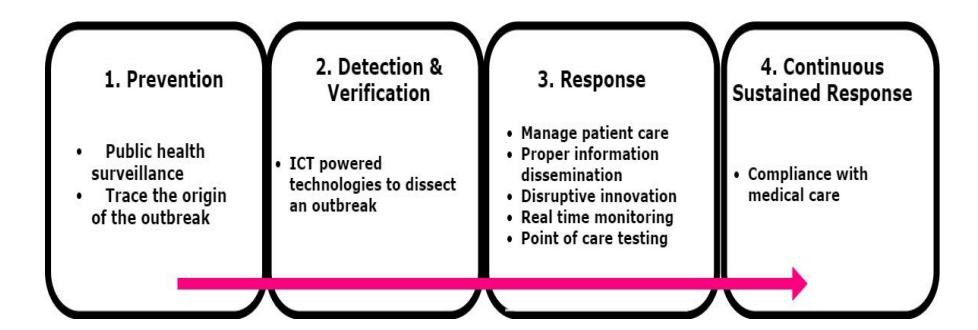
Figure 2 Phases of pandemic and measures that can be taken.
As depicted in Figure 2, based on the phase we are in, the actions we need to take will vary based on the context for the best results. In the following subsections we will discuss how this can be achieved.
4.1 Public Health Surveillance
Public health surveillance is fundamental to disease prevention and is the process of continuous, systematic collection, review, and evaluation of health data to identify and track a health incident. Surveillance data are used both to evaluate the need for intervention in the field of public health and to assess program effectiveness. Public health monitoring is known as an early-warning system, a rudimentary indicator of irregular forms of a disease emerging [13]. During the time of a pandemic, a rapid response from healthcare organizations and authorities is required. It calls for their active participation in pandemic monitoring and medical practice. Such monitoring and control activities require case reporting to local health departments and authorities, accessing and providing patient information for epidemiological investigations, capturing any health warnings issued by health authorities, and disseminating this information to the general public [1,12]. As an example, surveillance drones have been used during the COVID-19 pandemic to ensure quarantine compliance and to monitor whether people are equipped with protective gear such as face masks. Further incorporating web-based real-time surveillance will help real-time monitoring of disease activities (e.g. the use of Google Trends and Google Flu Trends to identify seasonal influenza activity).
4.2 Tracing the Origin of the Outbreak
ICT solutions can be used during a pandemic to trace the source of an outbreak. A recent study by MIT researchers utilized aggregated mobile phone data to trace the spread of dengue virus in Singapore during 2013 and 2014 in granular detail. In such cases, it can assist epidemiologists in their search for patient zero and it can help to classify individuals that have come into contact with the infected patients and thus may also have been infected [28].
4.3 Using ICT Powered Technologies to Dissect an Outbreak
With the various complex datasets gathered about the disease outbreak, the outbreak can be effectively analyzed using various AI-based methodologies, such as machine learning and deep learning. Apart from that, various ICT-powered methodologies can be incorporated while dissecting an outbreak (e.g. epidemic simulation assessments, participatory epidemiology using social media) [30-32].
4.4 Manage Patient Care
ICT solutions can also be useful for monitoring all patients at high risk to warrant quarantine but not bad enough to warrant in-hospital treatment, particularly during an influenza pandemic. Using wearable IoT devices [32], patients can track their temperature and blood pressure and upload the data to the cloud for further analysis. This not only helps healthcare staff to gather more data in less time but also reduces the risk of cross-infection with patients, underlining the benefits of using ICT in healthcare [7,8,32,34]. On the other hand, daily checkups of hospitalized patients can be done remotely and will also enable diagnosing patients using remote points of testing facilities.
4.5 Proper Information Dissemination and Connectivity
Clear communications to the general public during a pandemic is important to ensure that they are aware and advised to take the necessary measures. Nowadays, most telecommunications devices are user-friendly and are used by a huge worldwide population, which has reduced the contact gap to zero-point. Accessibility to information has become easier with the use of ICT and people are therefore more comfortable when accessing healthcare.
Push notifications on smart mobile devices and SMS alerts are able to use the available technology to easily provide the population with updated information and, most importantly, to refresh it rapidly as the hazard shifts. With the use of these resources it is clear that we are able to reach the population and can make them aware of the challenges and therapies for some of these diseases. It is important to note that while technology and cell phones are becoming more prevalent worldwide, the usage of smartphones in rural areas is still limited, thus adopting an SMS based information dissemination mechanism will be highly useful [24].
4.6 Disruptive Innovation
Authorities especially need to encourage and fund the general public for coming up with innovations by lessening restrictions from policy-making organizations and government bodies, as some of the government procedures consume a lot of time to process innovations and introduce them to the market. A novel innovation that is currently being tested analyzes data from cell phone towers to track users who have been close to a known case of the virus [24]. At the time of writing, COVID-19 having overwhelmed the entire globe, we can see that there is a clear rise among university students, researchers, innovators for inventing such ICT powered solutions for healthcare (e.g. IoT-based point of care diagnostic systems, remote patient monitoring tools).
4.7 Real-Time Monitoring
As already explained, there are many ICT solutions, such as telehealth wearables, that can be used in continuous remote monitoring of in-home patients with medical conditions such as hypertension, asthma and diabetes. In hospitals, telemetry, the transmission of measurements like heartbeat, temperature, blood
pressure, and oxygen saturation levels from wearables and various ingestible sensors, from patients to a central monitoring unit has been used to track large numbers of patients with limited staff. With the increasing advancement in communication technologies, many revolutionary forms of healthcare systems with body sensor networks (BSN), wireless sensor networks (WSN) are used for real-time monitoring [30-32,34].
4.8 Compliance with Medical Care and Constant Monitoring
Constant monitoring of an outbreak for deadly diseases is the most important aspect of any healthcare support program. For instance, H1N1 is a virus that affects a large portion of the population. During the 20th century alone, the spread of the H1N1 virus occurred three times, affecting 500 million people worldwide [12].
In such cases many of the ICT solutions discussed above can also be used to ensure patient compliance with quarantine. Public health workers can keep track of which patients remain in quarantine and which patients infringe the quarantine. The use of GPS-enabled wearables can also help to monitor them and determine who else may have been exposed because of the breach [32].
In short, ICT has the potential to affect any part of the health sector [7,8,30]. ICT solutions in healthcare have many benefits, such as greater access to complete and reliable patient data to gather information for improving diagnosis and avoiding mistakes, thereby saving valuable response time. This also leads to better quality care for patients. ICT helps to streamline healthcare processes in places where the public health system is in disarray due to administrative deficiencies, especially in developing nations. ICT healthcare solutions can help to streamline these activities, thus dramatically lowering expenses, lowering manual labor and reducing the number of doctor visits, which ultimately leads to improved control of healthcare facilities during a crisis such as a global pandemic.
5 Limitations
Services and applications based on ICT are often considered to be costly, too risky and a distraction from the primary objective and purpose of health sector programs. Even though to some degree this critique may be valid, there is a wide range of low-cost solutions that are also available and that could be adopted by hospital management and authorities.
Implementation of ICT solutions and the adoption of related technologies frequently entails a radical transition in the healthcare workplace. As a result, resistance may occur on an individual as well as an organizational level, thus
proper planning is required as well as providing adequate knowledge to the relevant stakeholders.
6 Challenges and Future Directions
The main intention of this section is to provide a brief understanding of the challenges and anticipated future directions of the use of ICT solutions in pandemic management.
- 1. Regulations and policies in global healthcare
- Any changes to remedies or treatments need to be approved and must go through global healthcare regulatory bodies all over the world, making it a time-consuming process. As a consequence, novel ICT initiatives take a lot of time to become active. Hence, authorities should be focused on making this process as short as possible, for the betterment of everyone [32,34,35].
- 2. Heterogeneous healthcare devices
- Most of the medical device manufactures have not reached consensus on devices, communication protocol and standards. Each manufacturer builds their own separate device ecosystem that is not compatible with the devices and applications of competing manufacturers, which poses a huge challenge in healthcare and makes integration difficult. This non-uniformity slows down the treatment process when it needs to be fast, especially during a pandemic situation [32,35].
- 3. Cost
- Cost is a significant aspect that has to be taken into account when designing healthcare solutions and introducing new initiatives, even in a pandemic situation [32].
- 4. Lack of proper training and education
- Hospitals and healthcare organizations need to train their staff adequately regarding the functions and the usage of various ICT solutions. They also need to be aware of the risks and challenges involved in managing such solutions, for example related to device and end-user protection. Failure to do so in a timely manner will lead to chaos in medical hospitals during a pandemic [32-35].
- 5. Security
- ICT solutions are always subject to security threats. Outdated ICT infrastructure is a known serious problem in healthcare, which makes it an easy target for attackers. Thus, medical staff always have to be aware of security issues related to such solutions, as most threats can be mitigated that way [32,35].
Having discussed the key challenges, we discuss the main initiatives that can be anticipated in the coming years.
1. Rise of remote monitoring
The rise of telehealth and associated solutions will reduce the need for doctor visits. Even during a pandemic, physicians can monitor the pathological details of their patients remotely without being exposed to potentially contagious patients. The data made available to healthcare professionals will make it possible for them to fine-tune daily treatment plans regularly [30-32].
2. Wearables
Because of the convenience and health benefits, wearables will be at the top of the healthcare market very soon. For the time being Apple, Fitbit and BlackBerry are developing and upgrading their authentic wearables, introducing more health monitoring features to them [32-34].
3. Rise of AI solutions
In the pharmaceutical industry, artificial intelligence-based, machinelearning and deep-learning solutions are rapidly being adopted in the development of successful drugs and clinical trials. Also, these AI-based solutions will be used in tracking and predicting epidemics around the world and disease diagnosis at early stages, promising better and faster treatment and patient care [29,30,32-34].
4. Integration of enabling technologies
Healthcare integrated with other popular innovative ICT solutions broadens its scope. AI, VR and AR, Blockchain, Fog and Edge computing are only a few of the enabling technologies that will further fuel and expand the usage of ICT in healthcare [29,32,34].
7 Conclusion
Technology is changing the way we live and leads us towards a sophisticated technical world. The emergence of ICT has already had a huge impact on healthcare. Also, incorporating ICT technological solutions helps to increase the quality of care, improves patient safety, enhances data protection, and decreases operational and administrative costs. It is difficult to predict the expected healthcare needs during a pandemic, so pandemic preparedness models should be adopted in advance. Taking conventional healthcare models into account, healthcare workers can be endangered and therefore strategies that allow social distancing are critical in reducing the risk of exposure to health workers. As such, innovative ICT-based approaches such as remote patient consultation providing minimal capability for evaluation from anywhere is very helpful in performing pre-screening and eliminating crowding at hospitals.
This paper provided a comprehensive study on how ICT healthcare solutions can be used to manage healthcare services and facilities during a global pandemic. We always need to be aware that the occurrence of the next pandemic is imminent, but we can never be certain of when or where it will arise. We hope this research will be useful for healthcare professionals, researchers, academics, students and anyone who seeks new knowledge in the area of ICT in healthcare, especially during pandemics.