

1 Introduction
Agro-industrial by-products contribute significantly large amounts of biomass, posing challenges in environmental management. Several studies have shown that biomass can be a source of active compounds with
Received January 18th, 2024, Revised June 15 th, 2024, Accepted for publication July 12th, 2024 Copyright © 2024 Published by ITB Institut for Research and Community Service, ISSN: 2337-5760, DOI: 10.5614/j.math.fund.sci.2024.56.1.2math
valuable biological properties [1-2]. Similarly, natural ingredients offer extraordinary potential for use in alternative medicines due to their high accessibility and cost-effectiveness.
The two most important factors influencing the success of pharmaceutical characteristics formulation and the indication of biological activity are solubility and permeability. Physical manipulation, particularly particle size reduction, is an effective strategy that can be used to overcome these issues [3]. The advantages of using ball milling include the production of a fine powder, applicability to various types of materials, and the ability to be carried out in a continuous process.
Previous studies have successfully explored active compounds in the stilbenoid group found in all parts of the melinjo (Gnetum gnemon L.) seed, namely the outer skin, hardshell, and endosperm, functioning as antioxidant [1]. Based on the potential as antioxidant, stilbenoid compounds, including resveratrol, gnetin C, and gnetol, have shown important pharmacological effects, including antimicrobial, antihyperuricemic, anti-inflammatory, and anti-aging effects [8].
Resveratrol can activate sirtuin enzymes, regulating several premature agingrelated pathways, with synthetic sirtuin-activating compounds [4]. Previous research also reported the positive influence of polyphenols, particularly resveratrol, with the potential to prevent aging by improving cognitive brain functions, including sirtuin modulation [5]. The present research therefore aimed to explore the potential of melinjo seed hardshell extract as alternative natural antioxidant by modifying its physical properties. This can be achieved through a grinding process to obtain nanoparticles and increase the solubility of the active substance with a higher surface area.
Resveratrol, which has been examined for its anti-aging potential in numerous studies, originates from grapes and berries. Apart from its higher cost, this source is also difficult to acquire due to the limited cultivation of the plants. The present study used a tropical plant widely found in Indonesia known as melinjo. Melinjo seed hardshell waste can be converted into pharmaceutical raw materials with economic value. The utilization of nano resveratrol platforms has been extensively documented, as referenced in the literature review. However, the platforms include the advancement of nano carriers for the encapsulation of resveratrol. This research pioneered a distinctive aspect through the reduction of resveratrol particle sizes in melinjo seed hardshell extract [21-22].
2 Method
The tools used were a Retsch Emax ball mill, a Jasco 4200 Fourier transform infrared (FTIR) spectrometer, a Shimadzu UV-Vis 2450 spectrophotometer, a cuvette, a Horiba SZ-100 nanoparticle analyzer, an SU3500 scanning electron microscope, 30 x 30 cm2 aluminum foil (KlinPak), a 1,000-mL beaker glass (Pyrex Iwaki), a 250-mL beaker glass (HERMA), plastic wrap, and 10-mL sample bottles. Meanwhile, the materials used were dry extract of melinjo seed hardshell and additional essential equipment such as glassware.
2.1 Characterization of Melinjo Seed Hardshell Nanoextract
The melinjo used in this research was obtained from Bumi Langitan Imogiri, Yogyakarta. The selected seeds were old or red in color. During preparation, the outer skin was removed, washed, and dried in a blower oven at 50 °C. Subsequently, the hardshell was removed from the pulp before isolating and grinding the fragments into a powder. The extraction process comprised maceration with 50% ethanol for 3 days, changing the solvent every 24 hours. The resulting filtrate was evaporated using a rotary evaporator and subjected to spray drying with the addition of a matrix.
2.2 Transformation of Sample Particle Size to Nanoscale
The dry extract of melinjo seed hardshell was transformed into nano sized particles using the top-down method with the Retsch Emax ball mill. In addition, optimization was carried out for 90, 120, 150 and 180 minutes. The milled particles from each milling duration were sampled and subjected to various analyses for characterization, including particle size, phenol examination, total phenol, FTIR, and antioxidant activity.
2.2.1 Phenol Examination
Approximately 1 g of sample was added to 100 mL of hot water, boiled for 5 minutes, and allowed to cool. Subsequently, 5 mL of filtrate was taken and reacted with Follin Ciocalteau 10% v/v solution. The presence of phenolic compounds was indicated by the formation of a dark blue color [25].
2.3 Particle Size Analysis and Polydispersity Index with Particle Size Analyzer
The particle size of the dry melinjo seed hardshell extract before and after ball milling was measured using a Nano Horiba SZ-100 particle size analyzer (PSA). Before measurement, each sample was suspended in distilled water and sonicated for 15 minutes. Subsequently, the sample was put into a cuvette for measurement.
The average particle size and polydispersity index obtained from the measurement results with the instrument were recorded [25].
2.3 Analysis of Particle Surface Morphology using Scanning Electron Microscopy
The surface morphology of the dry melinjo seed hardshell extract particles and the nanoparticles was observed using an SEM SU3500 at 20 kV. In addition, the dried samples were placed on double adhesive carbon tape and coated with a layer of gold for 2 minutes using a smart coater. SEM images were taken at 2500x and 10,000x magnification.
2.4 Total Phenol Test using the Folin-Ciocalteu Method
A total phenol test was carried out using gallic acid as the standard and making a calibration curve with concentrations of 30, 50, 60, 70, and 80 µg/mL dissolved in distilled water. A sample with a concentration of 0.8 g/L in 0.5 mL was mixed with 2.5 mL of Folin-Ciocalteu reagent (7.5% in distilled water) and left for 8 minutes. Subsequently, sodium carbonate (7.5%) was added and incubated at room temperature for 30 minutes. This was followed by the measurement of UV absorption at a wavelength of 760 nm [25].
2.5 Antioxidant Activity Testing Using DPPH
Melinjo hardshell seed dry extract samples were made in certain variations and analyzed for antioxidant activity by adding 50 µL of extract to 200 µL of DPPH solution (5 mg/100 mL methanol). The reaction was incubated for 30 minutes at room temperature and the absorbance was measured at λ 517 nm. In addition, the percent (%) inhibition was calculated based on the following formula:
% inhibition = (AbsC-Abs S)/(Abs C) x 100% where:
Abs C = control absorbance
Abs S = sample absorbance
As a comparison or positive control, Vitamin C (ascorbic acid) was used [1].
2.6 Functional Group Analysis based on Fourier Transform Infrared Spectrum
The prepared powder sample weighed 50 mg and was formed into pellets by adding KBr to the plate before performing spectrum measurements. Baseline corrections were used to remove non-beneficial effects. Subsequently, the sample was placed on the FTIR spectrometer instrument to obtain the infrared spectrum.
The analysis was used to identify high absorption peaks that match the molecular vibrations of the functional groups. The identified peaks were compared to a database of vibrational frequencies for typical functional groupings. Moreover, the FTIR spectrum of the melinjo seed hardshell extract and the nanoparticles was measured using a Jasco 4200 instrument. Scanning was also carried out in the range of 400 to 4000 cm-1 with 10 scans each time and a resolution distance of 16 cm-1 .
2.7 Data Analysis
The data were analyzed using the SPSS statistical computer program, version 23. The different effects of intervention groups were analyzed using one-way analysis of variance. This was carried out when the data were normally and homogeneously distributed. Subsequently, a post-hoc analysis was performed using the Tukey test, with the difference being significant when p < 0.05.
3 Results and Discussion
3.1 Particle Size Transformation to Nanoparticle Scale
The results of the samples produced by ball milling successfully achieved nanometer-sized particles, with the optimal duration being 120 minutes. This process increased the solubility of the melinjo seed hardshell extract by enhancing the surface area of the particles. Additionally, in the body's biological system, the particle size plays an important role in drug absorption [9]. The proportionality between a smaller particle size and surface area enables more efficient drug delivery.
In theory, drugs with smaller particle sizes can diffuse quickly, both intracellularly and paracellularly, through mucus towards the target [10]. Examination of the phenol showed a dark blue color. The total phenol test was used as a reference for the active substance in the sample since resveratrol is a phenolic compound [12].
| No | Sample Dry hardshell seed extract Gnetum gnemon L (milling duration (minutes)) | Particle Size (nm) | Polydispersity Index |
|---|---|---|---|
| 1 | 0 | 1925.667 ± 793.490 | 0.38 ± 0.53 |
| 2 | 90 | 1870 ± 326.390 | 0.71 ± 0.12 |
| 3 | 120 | 609 ± 188.597 | 0.35 ±0.06 |
| 4 | 150 | 720.333 ± 45.709 | 0.35 ± 0.10 |
| 5 | 180 | 898 ± 361.812 | 0.25 ± 0.15 |
Table 1 Results of particle measurement with particle size analyzer.
Data are shown as mean (n = 3) ± standard deviation (SD).
In general, a nanoparticle is particle with a size between 1 and 100 nm. For drugs, particles with a size below 1 micron or 1,000 nm are also described as nanoparticles because their physicochemical properties are different from the microparticle form [23-24]. The particles of the dry melinjo seed hardshell extract before ball milling were micrometer-sized, exceeding 1 micrometer. After grinding, the size was successfully reduced to nanoscale size. The results of measurements using PSA are shown in Figure 1.
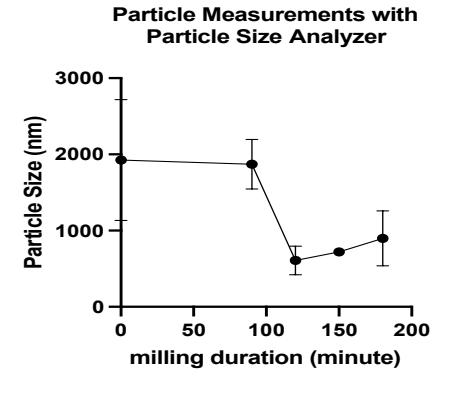
Figure 1 Results of particle measurements with PSA (p < 0.05).
The polydispersity index of the melinjo seed hardshell extract was less than 0.5, showing that the sample had an even particle size distribution. Analysis using PSA can measure the distribution expressed as the polydispersity index. The acceptable range of the index values is 0 (monodisperse particles) to 0.5 (wide particle size distribution). These values provide information regarding the physical stability of a dispersion system. Meanwhile, a low polydispersity index value shows that the dispersion system formed is more stable in the long term [13]. PSA measurements were selected using SEM to obtain the time required for the production of particles with a size less than 1 micrometer, as reported in Table 2. The resulting particle size was significantly different from that of the dry extract without milling, which was \(541.143 \pm 98\), and 426, with a duration of 120 minutes. Therefore, the particle size was optimally changed to nanoscale with this milling duration, which is in line with previous research [25]. According to Prakash et al. (2014), the milling results rarely present isometric or spherical particles [29]. SEM images before and after ball milling for 120 minutes are presented in Figure 2.
Particle size reduction plays an important role in enhancing the dissolution rate by increasing the surface area of the particles. Different polymorphs show varying degrees of solubility and dissolution, affecting the bioavailability of the drug. Meanwhile, morphological changes affect the behavior of the drug in biological fluids and potentially increase the effectiveness when administered orally [26]. The SEM results showed an amorphous morphology, which is in line with Xin et al. [27], who showed that amorphous forms can dissolve faster due to solubility properties and increased bioavailability.
Figure 2 (a) Dry extract of melinjo seed hardshell before milling; (b) nanoextract of melinjo seed hardshell after 120 min of milling.
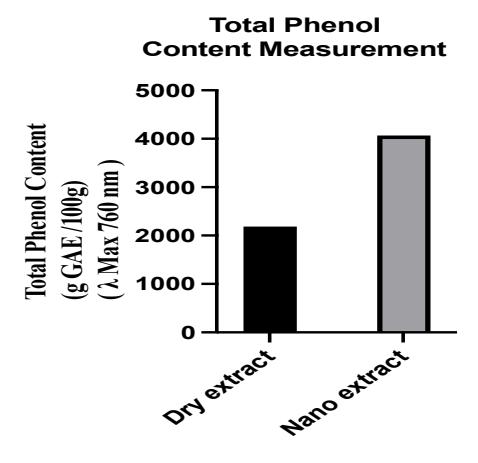
Figure 3 Results of measuring total phenol content (p < 0.05).
The results showed an increase in total phenol levels in the melinjo seed hardshell nanoextract. Smaller particle sizes result in greater surface area, facilitating drug delivery potential. The increase in total levels of phenolic compounds occurred gradually, from \(2.187 \pm 0.086\) g Gallic acid equivalent /100 g to \(4.070 \pm 0.001\) g GAE/100 g nanoparticles, with decreasing particle size. This shows that decreasing the particle size increased the surface area and dissolution speed. According to previous research [15], particle size affects solubility in supporting the delivery of active compounds. In the dried melinjo seed hardshell extract, the measurement results of the total phenol value increased and were statistically different. Resveratrol increased with total phenol as the active content in the particles, which was proven using in vivo tests.
Antioxidant Activity by The DPPH Radical Scavenging Method
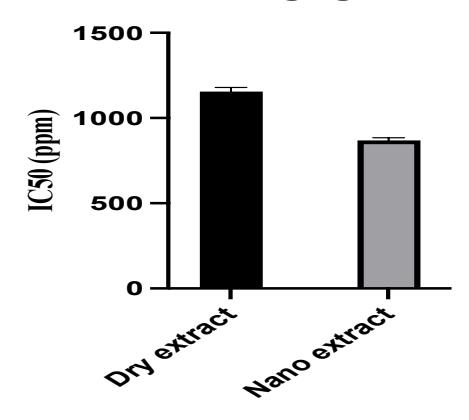
Figure 4 Antioxidant activity measured by the DPPH radical scavenging method (p < 0.05).
DPPH method was selected because Melinjo hardshell seed extract contained a mixture of compounds, allowing for antioxidant activity from the compounds. In the test system using DPPH, the reacting compounds were dissolved in methanol organic solvent.
The DPPH free radical scavenging activity of the dry ethanol extract of melinjo seed hardshell had an IC50 value of 1,155.411 ± 24.378 ppm. The hardshell nanoextract showed increased antioxidant activity, as indicated by a lower IC50 value. It increased to 869.021 ± 15.721 ppm after the particle size was transformed to nanoscale. The antioxidant power (p < 0.05) was statistically increased by ball milling treatment for 120 minutes. These data showed a significant improvement in DPPH free radical scavenging activity compared to the initial extract. The change was attributed to the reaction between the phenol compound responsible for the extract. The resulting fractions were exposed to the reagent used in DPPH-free radicals systems for the organic phase. These results are in line with Arif et al. (2023), where the solubility increased with antioxidant power. Therefore, the method of increasing solubility is positively correlated with antioxidant activity [28].
FTIR testing was carried out as an initial characterization to ensure that the grinding process did not lead to compound decomposition. The spectrum reveals vibration peaks of the functional groups in a compound. Shifts in this phenomenon can be an initial clue of compound decomposition. The FTIR spectrum presented showed that the hardshell nanoextract had dominant vibration bands in the peak range of 3,000, 1,700, 1,200, 836, and 500 cm-1 . The peaks at shear 1,755–1,400, 1,267 and 1,597 cm-1 were characteristic for phenol, C-O(H), and COO- groups, respectively.
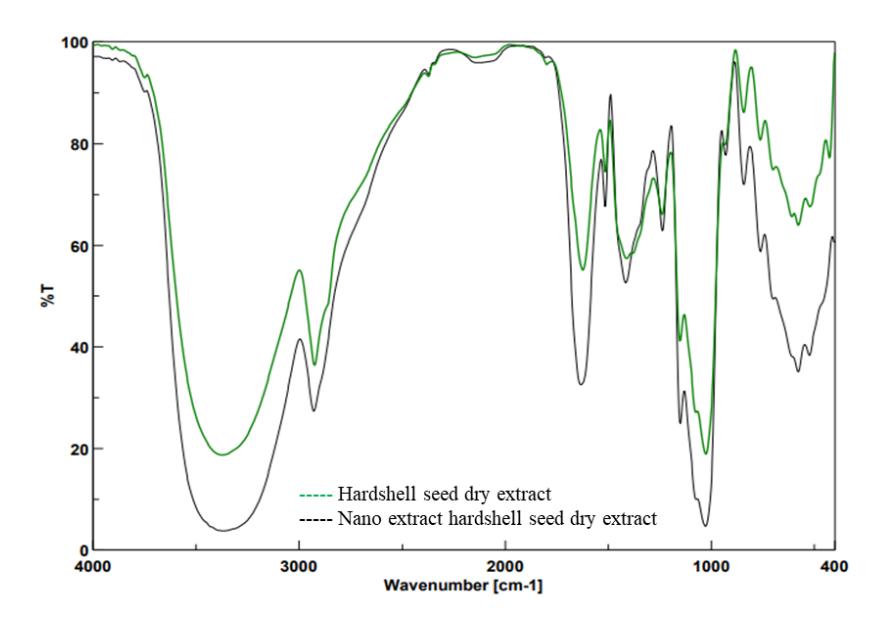
Figure 5 Infrared spectra of dry extract of melinjo seed hardshell and the nanoextract of melinjo seed hardshell.
The similarity in the peaks of the vibration bands from the dry nanoextract of melinjo seed hardshell suggests that the milling process did not damage the compound components, as previously reported by Abbas et al. (2017) [13]. Therefore, resveratrol is an undecomposed phenolic compound with anti-aging properties and the contents fall under the polyphenol group. The presence and integrity of the main content may be confirmed using FTIR analysis for future research.
4 Conclusion
In conclusion, the transformation of dry extract of melinjo seed hardshell into nanoscale particles using the top-down ball milling method was successful, as indicated by PSA measurements and SEM analysis. The FTIR results showed that the nanoparticles of the dry extract remained stable. However, the total phenol content and the antioxidant power increased after ball milling. These results show the potential of melinjo seed hardshell nanoextract as a promising source of a natural antioxidant from local Indonesian plants. The utilization of green nanotechnology with safe and environmentally friendly processes and materials was the main feature of this research.
Acknowledgements
The authors are grateful to the Research Centers for Nanoscience and Nanotechnology and the School of Pharmacy at Bandung Institute of Technology for generous support in providing necessary research facilities. In addition, the authors are grateful to the Ministry of Research and Technology and Higher Education of Indonesia (2024) for funding the research through the doctoral research grant scheme.