

Introduction
Identity comes from the Latin "idem" which means "the same", identity is associated with similarities in thinking in society (Amundsen, 2001). Identity can help people recognize and remember places that are different from other places and identity can create an image in the public mind even if they have never seen it before. Batik and lurik are excellent commodities from Klaten Regency. This is indicated by the formation of batik and lurik clusters according to Head of Regional Development Planning Agency Klaten Decree No. 050/08/09/2012 dated January 26, 2012, which determines 11 clusters in Klaten. In addition, the development of superior commodities such as batik and lurik is also included in the Regional Medium-Term Development Plan RPJMD 2010-2015 Klaten Regency. The development of batik and lurik is also supported by policies of Klaten Regency government with the issuance of the Regent of Klaten Decree No. 065/1154/2013 concerning the Use of Uniform in the Klaten Regency Government Offices with the provision that each civil servant is required on Wednesday to use typical Klaten handloom woven lurik, on Thursday to use typical Klaten batik, and on Friday to wear batik. The Klaten Regency government is also building a landmark in the form of a statue of weaving lurik with a handloom in Pedan and in the Klaten town center as a symbol to introduce Klaten's lurik potential.
The development of batik and lurik in Klaten has been more oriented on economic aspects and does not serve to preserve cultural aspects. Cultural aspects of batik and lurik also need to be maintained but are faced with the condition of having to compete with modern products in the form of machine-made textile fabric, e.g. batik printing and machine weaving. Batik and lurik products from Klaten are still made the traditional way. The batik which is unique in Klaten is batik tulis which is made using a canting (a pen-like tool used to apply liquid wax on batik) while lurik is made using handloom. The production of batik and lurik requires special skills, which developed naturally in the community. In Klaten, skills of batik producing and lurik weaving were passed down for generations; skills in making batik and weaving lurik possessed by parents were inadvertently passed down to their children, who saw the production process and assisted with their mother's work. Eventually, skills of making batik and weaving lurik were publicly owned. The cultural aspects of batik and lurik need to be maintained because it supports the development of local identity.
The culture of batik and lurik is part of the local identity of Klaten Regency because it is part of its history. The culture of batik and lurik in Klaten throughout history has been passed down from generation to generation and is maintained until now. Batik and lurik entered Klaten simultaneously around the 1700s. Batik entered Klaten more specifically in the area of Bayat. It was brought in by Ki Ageng Pandanaran who at the time spread the religion of Islam and taught batik skills to the community. Lurik originally entered Klaten under the influence of the Kingdom of Mataram in Java. Batik and lurik in Klaten developed since the time when people worked as batik laborers and lurik weavers in the palaces of Yogyakarta and Surakarta (Ismadi, 2010).
Identity is a trait, mark, or the self-identity of a region that differentiates it from other regions. Identity is valued based on public perception because identity is a reflection of the community activities that are the result of their way of thinking, acting and behaving.The results of community activities in Klaten that have cultural aspects are lurik weaving and batik production which has been maintained until now. These activities resulted in a product with cultural value, i.e. batik and lurik, because they are made traditionally and require specific skills.
The objective of this study is to analyze the role of batik and lurik in the formation of local identity in Klaten Regency based on public perception. By knowing the role of batik and lurik in the formation of local identity, it can be used as a reference in formulating strategies and policies by the government of Klaten Regency in developing the region. Improving existing policies and creating new policies could encourage or strengthen the regional potential as local identity. Local identity needs to be recognized and reinforced because it is one of the responses or ways to overcome the effects of the dynamics of regional development that ignore local identity. This leads to the research question "to what extent can lurik and batik contribute to forming local identity in Klaten Regency, according to public perception?"
Literature Review
Place Making
Before establishing its identity an area first needs to shape a space into place. 'Place' is a geographical space that has meaning as a result of the interaction of a person with space (Relph, 1992). There are four stages when a person enters an environment (Cheshmehzangi & Heat, 2012), namely:
- a. Recognition: the introduction stage or the recognition of the environment; as well as thinking about where the person is.
- b. Anticipation: a sense of anticipation of society towards their environment which is associated with the question of what is done by the people in that area.
- c. Generalization: whether the activities done by the people are good or bad or what are the things or activities that are often done by the community.
- d. Innovation: what is done to develop these activities.
Understanding Place Identity
Place identity is associated with one's understanding of the physical environment from observing a person's behavior and from the experience of living in an environment (Scannell and Gifford, 2010). The person's understanding is shown through thoughts, memories, beliefs, values, ideas, preferences, and meaning related to people's lives in the past and the present. This is also consistent with Castells' statement (2004) that identity affects a person's behavior depending on the relations between the individual and society. According to Lynch (1960), identity is viewed from the extent to which one can recognize or remember places different from other places or, in other words, the identity is shown by the clear differences and image of a place, which is in the mind of each community even if the community has
never seen it before. Place identity is a process of interaction with the place so that people feel a sense of belonging to the place where they live (Mishra et al, 2010). Place identity is more complex and requires a long period to form (Hernández et al, 2007).
Identity is mostly socially constructed by society and is influenced by their environment. The strength of identity of a city depends on the physical elements of the environment, community activities, and the relationship between social-environmental values and the place (Cheshmehzangi & Heat, 2012). This is consistent with (Riduan & Sobri, 2015) who describe that place identity depends on the image of a place (a visual tool) and public perception on actions and interaction (a behavior tool). Identity is regarded as a mechanism of regeneration of meaning and memory so that everyone's perception of a place is different from one another and is in accordance with existing conditions.
Typology of Developing Place Identity
According to Castells (2004), the types of identity have a hierarchy that at the first level consists of resistance identity, project identity, and legitimizing identity:
- 1. Resistance identity: this identity is maintained by people who are suppressed by the dominant group. This identity is derived from history and aims to preserve the identity from existing dominance from the community.
- 2. Project identity: a new identity that is developed because existing identity was lost. The aim of this identity is based on the oppressed identity so what is done is the development of a new identity to transform society and this identity is not based on history.
- 3. Legitimizing identity: an identity that was introduced by a group of people who want to expand their identity and rationalize what they consider correct. The purpose of legitimizing identity is to establish a civil society strongly considers public interests and criticizes government policies.
Elements that Shape Place Identity
According to Amundsen (2001), it takes four elements to identify place identity:
- 1. Spatial qualities that differentiate it from other places and place specifics, e.g. lowlands, highlands, architecture, communications, and infrastructure.
- 2. Characteristics and qualities that distinguish the society from other places, i.e. people have values, customs, and physical appearance that distinguishes them from people in other areas.
- 3. Conditions of society and social cohesion of the community in certain areas, namely social relations between people who understand the original way of behaving, thinking, and managing their lives.
- 4. Related to the culture and history in the region or local community. Culture and history serve as unifying elements linking communities with traditions and differentiate them from others.
Physical Urban Elements as Elements Forming Local Identity
These physical urban elements contribute to making a place easily read by the public. The component of physical urban elements is influenced by the accessibility and legibility of a place (Ujang, 2012). Accessibility of a place can be seen from the location and access to industrial centers and showrooms of industrial centers while the aspect of place legibility can be seen from signage and landmarks. Place legibility enables people to form an image related to things unique to the region because it can evoke emotional feelings in seeing these physical elements (landmarks and signage). Through signage and landmarks, naming it may be the first step in the formation of identity (Riduan & Sobri, 2015).
Principles of Forming Place Identity
The principle of forming place identity uses the Breakwell principle of distinctiveness, continuity, self-esteem and self-efficacy which is as follows:
- 1. Distinctiveness: this characteristic is identified when the public can distinguish a region or themselves from other regions.
- 2. Continuity: this is seen over time because it connects between the past and the present. To explain this persistence, two components of this continuity are used:
- a. Place-referent continuity is continuity as a reference for past actions and experiences. It is influenced by two things: historical continuity (being familiar with a place for their memories of the past) and social continuity (familiarity with a place for its relationships of kinship or the influence of friends).
- b. Place-congruent continuity is the connection of a society with an area because there is something that suits their preference.
- 3. Self-esteem: Self-esteem is a positive feeling towards a place of residence because there is a sense of pride about it. When someone has memories of a place this will instill a sense of self-esteem (sense of pride about their environment) and a sense of connectedness with their environment (Twigger-Ross & Uzzell, 1996).
- 4. Self-efficacy: a cognitive process (understanding and public belief in something in an area), therefore self-efficacy is the belief that living in that location has a positive impact on daily life and can be maintained (Winterton & Warburton, 2012).
Place Branding that Supports the Formation of Place Identity
Place branding or place marketing emerges to promote the city as a tourist destination, promoting the city by selling local products (Van Ham, 2008). Tourism contributes in promoting place identity of the region and this, in turn, helps increase its market share. Thus, tourism management promotes place identity, for tourists as well as local residents (Wang & Xu, 2015). According to Rukayah (2005), city marking requires unique characteristics both physical (landmarks and elements of city image) and non-physical (events, press conferences, or publications in social media).
General Description
The potential of lurik in Klaten developed into lurik clusters located in seven districts covering the districts of Pedan, Cawas, Bayat, Juwiring, Delanggu, Karangdowo, and Trucuk (Figure 1). The lurik cluster in Pedan District represents the early development of lurik in Klaten which then spread to other districts. Batik potential in Klaten developed into batik clusters located in four districts covering Bayat District, Kalikotes District, Kemalang District, and District Prambanan.
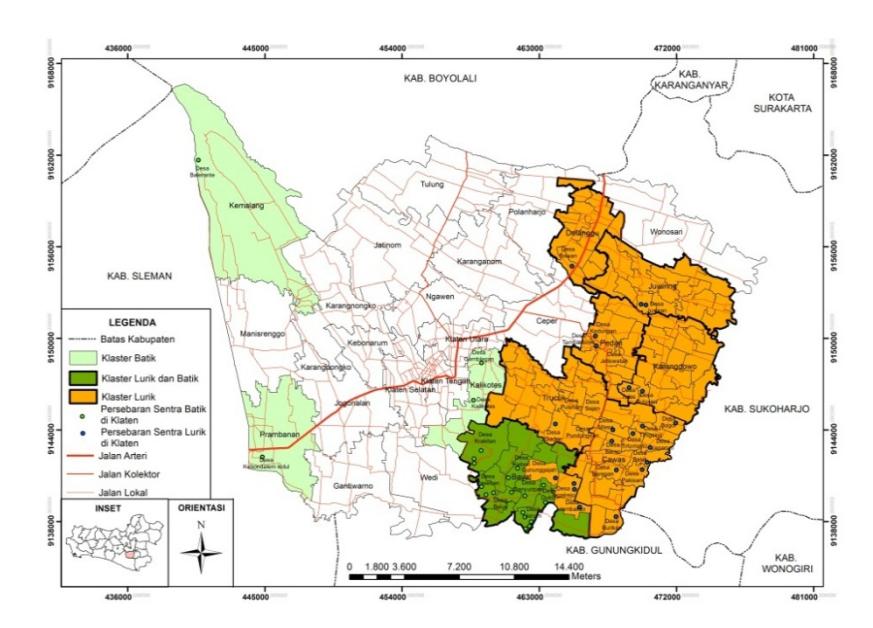
Figure 1. Distribution of Batik and Lurik Centers in Klaten Regency. Source: Klaten Regency Regional Development Agency (2011)
Research Methods
The study on the role of batik and lurik in the formation of local identity uses a mixed methods approach. The research strategy used is sequential mixed methods with a sequential explanatory strategy. This sequential explanatory mixed strategy combines quantitative data followed by qualitative data, with greater weight on quantitative data. The main approach is more quantitative than qualitative because assessing the role of local identity is based on public perception. The quantitative data obtained from the questionnaire will be analyzed using scoring analysis. The target respondents for the questionnaire are people living in the regency of Klaten. Using random sampling, 68 questionnaire samples were evenly distributed in 26 districts in Klaten, so it is estimated that there are three samples per district (Table 1).
A qualitative approach as supporting analysis is used to analyze the history and development of batik and lurik in Klaten. The qualitative approach consists of qualitative descriptive analysis. Qualitative data is in the form of interviews and secondary data comes from surveys to agencies. The history and development of this batik and lurik culture are only known by sources with knowledge about batik and lurik and who are engaged or directly involved in the development of batik and lurik in Klaten. Therefore, it would not be possible to only ask the public because the general public is usually unaware. Interview informants are batik entrepreneurs in Klaten Regency, lurik entrepreneurs in Klaten Regency, Bappeda (Regional Development Planning Agency) economics department of Klaten Regency, Department of Culture and Tourism of Klaten Regency, and the Department of Industry and Trade of Klaten Regency.
In addition, a qualitative approach was also used to analyze place branding through batik and lurik that supports the creation of local identity in Klaten. The qualitative data consists of interviews with the government of the Regency of Klaten, namely the economics department of Bappeda (Regional Development Planning Agency) Klaten Regency, the Department of
Culture and Tourism of Klaten Regency, and the Department of Industry and Trade of Klaten Regency, as well as secondary data to determine the efforts in promoting batik and lurik from Klaten.
Table 1. Criteria for the Role of Batik And Lurik in Forming Local Identity in Klaten
| No | Objective | Variable | Indicator |
|---|---|---|---|
| Analysis of history and development of batik and lurik in Klaten | History of Batik and Lurik in Klaten | • Chronology of the history of batik in Klaten • Chronology of the history of lurik in Klaten | |
| 1. | Development of Batik and Lurik in Klaten | • Economic aspects of the development of batik and lurik in Klaten • Socio-cultural aspects of the development of batik and lurik in Klaten | |
| 2. | Analysis of physical urban elements related to batik and lurik in Klaten | Accessibility | • Location and accessibility of batik centers • Location and accessibility of lurik centers |
| Place legibility | • Signage related to the potential of batik and lurik • Landmarks related to the potential batik and lurik | ||
| 3 | Analysis of activities by the community in making batik and weaving lurik in Klaten | Uniqueness | • Uniqueness of batik production in Klaten • Uniqueness of lurik weaving in Klaten |
| Continuity | • Interest of the young generation to carry on batik production in Klaten • Interest of the young generation to carry on lurik weaving in Klaten | ||
| Community pride | • Pride in batik production in Klaten • Pride in lurik weaving activities in Klaten | ||
| Community belief | • Belief in the continuity of batik production in Klaten • Belief in the continuity of lurik weaving in Klaten | ||
| 4 | Analysis of community attachments with local products of batik and lurik in Klaten | Uniqueness | • Uniqueness of batik products in Klaten • Uniqueness of lurik products in Klaten |
| Continuity | • Continuity of batik products in Klaten • Continuity of lurik products in Klaten | ||
| Community | • Pride in batik products of Klaten | ||
| pride | • Pride in lurik products of Klaten | ||
| Community belief | • Klaten batik and lurik product competitiveness • Community purchasing power to buy |
| No | Objective | Variable | Indicator | ||
|---|---|---|---|---|---|
| batik and lurik products from Klaten | |||||
| 5 | Analysis of place branding efforts that support the formation of local identity in Klaten | Place branding | • Physical and non-physical place branding efforts | ||
Source: Authors' Analysis (2015)
This study has five objectives and these are based on the literature by Amundsen (2001). It takes four elements to identify a place that include spatial quality, the characteristics and quality of the society, the conditions of society and social cohesion of the community, as well as the culture and history of the local community. Then place branding is added to assess place branding as an effort to explain local identity. Further, a quantitative approach requires variables and measurable indicators, for the objective of analyzing the urban physical elements associated with batik and lurik in Klaten using literature by Lynch (1960) who states that landmarks and signage influence local identity. Furthermore, analysis of community activities and their attachment uses the Breakwell principles of identity formation that include distinctiveness, continuity, self-esteem and self-efficacy (Twigger-Ross & Uzzeell,1996).
The analysis techniques used in this study for the qualitative approach are descriptive qualitative (analysis of history and culture, place branding analysis) and for the quantitative approach a scoring analysis (analysis of the physical elements of the city, community activities, and public attachment with the product). Scoring uses a Likert scale with an interval score of 1 – 4 (Table 2).
Score range = \[\frac{\text{highest score} - \text{lowest score}}{\text{Number of score levels}} = \frac{4-1}{4} = 0,75\]
Table 2. Criteria for Scoring Value
| No. | The Role of Batik in the Formation of Local Identity | The Role of Lurik in the Formation of Local Identity | Classification |
|---|---|---|---|
| 1 | Plays no role at all in forming local identity | Plays no role at all in forming local identity | 1 to 1.75 |
| 2 | Plays no role in forming local identity | Plays no role in forming local identity | 1.76 to 2.5 |
| 3 | Plays a role in forming local identity | Plays a role in forming local identity | 2.51 to 3.25 |
| 4 | Instrumental in forming local identity | Instrumental in forming local identity | 3.26 to 4 |
Source: Authors' Analysis (2015)
The role of Batik and Lurik Role in the Formation of Local Identity in Klaten Regency Based on Public Perception
Analysis of History and Development of Batik and Lurik in Klaten Regency
Historical Analysis of Batik and Lurik in Klaten regency
Batik and lurik history is a hereditary culture which has existed since the establishment Surakarta Palace and Yogyakarta Palace. Batik and lurik culture is indigenous to the
Indonesian nation and has spread to almost all regions in Indonesia. Lurik and batik culture entered Klaten almost simultaneously because of the influence of Surakarta Palace and Yogyakarta Palace after their Giyanti Treaty in 1755. Thus, batik and lurik in Klaten is not a genuine Klaten culture, but was influenced by the palaces. The chronology of the history of batik and lurik in Klaten is shown in Figure 6 and Figure 7 below.
Analysis of the Development of Batik and Lurik in Klaten Regency from the Economic aspects
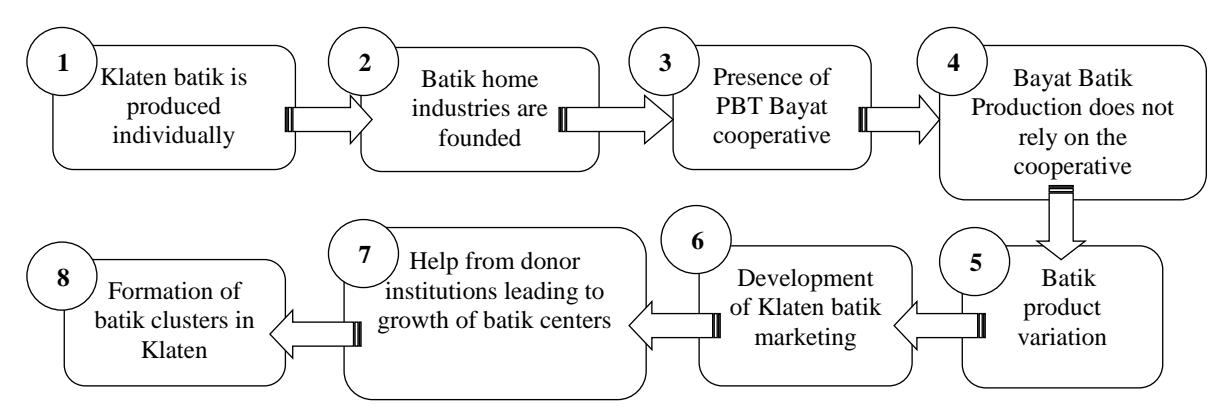
Figure 2. Schematic Development of Batik from the Economic Aspects Source: Authors' Analysis (2015)
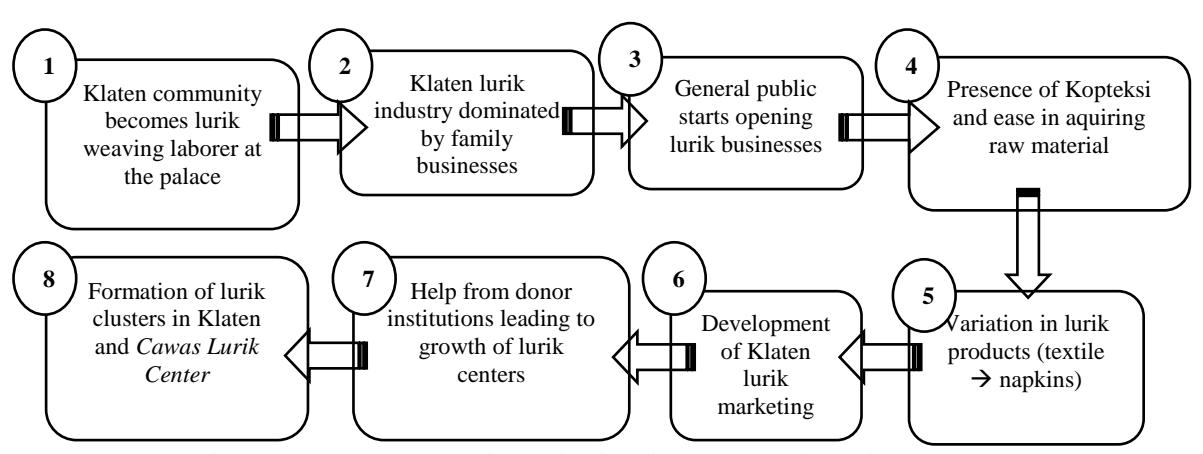
Note: Kopteksi (Koperasi Pengusaha Tekstil Indonesia) is the Indonesian Cooperative of Textile Businesses
Figure 3. Schematic Development of Lurik from Economic Aspects Source: Authors' Analysis (2015)
Based on the above scheme (Figures 2-3), the initial development of batik happened when the community started producing batik for sunan clothes and for their families. Then batik in Klaten continued to grow since the community in Klaten started working as batik workers in the palace. Batik centers in Klaten grew as a direct influence of donors organizations, i.e. KUB Batik Merapi Balerante and KUB Batik Sojiwan. At the time the community did not have any batik production skills, these organizations provided training from the beginning of the production process until marketing. This indicates that batik centers were set up in a short time so that the development of batik is not hereditary or rooted in the community.
The development of Lurik from an economic aspect started when lurik entered Klaten through the influence of the kingdom of Mataram in the 1700s. Then, lurik in Klaten began to develop since the community worked as lurik weavers in the palace. The development of lurik centers in Klaten was more organized and in reasonable proximity. This is because the public already had lurik weaving skills which were passed down from generation to generation and were rooted in the community.
<u>Analysis of the Development of Batik and Lurik in Klaten Regency from the Socio-Cultural Aspects</u>

Figure 4. Schematic of Batik Developments for Socio-Cultural Aspects Source: Author Analysis (2015)
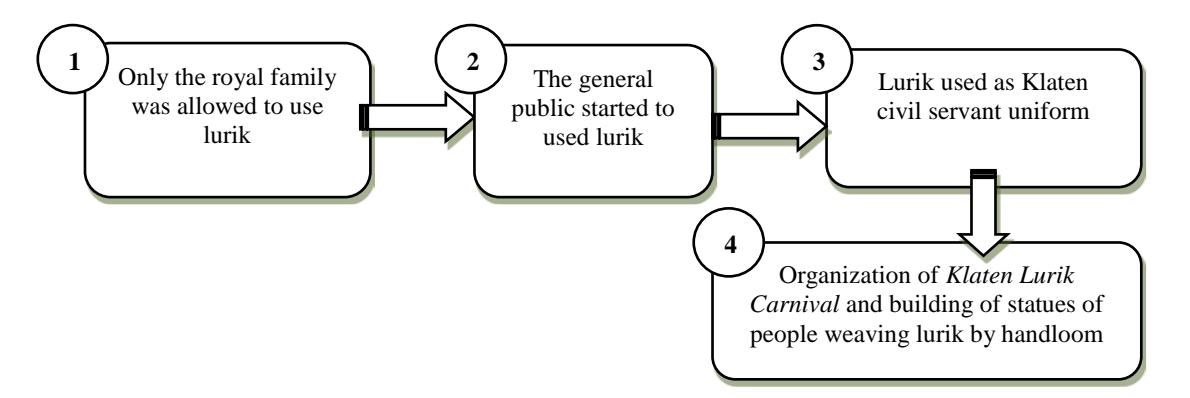
Figure 5. Schematic of Lurik Developments for Socio-Cultural Aspects Source: Authors' Analysis (2015)
Development of batik and lurik from the socio-cultural aspects started with batik and lurik only being used by the royal family which then later grew to become clothing used by the general public (Figures 4-5). Lurik developments from socio-cultural aspects are more prominent than those of batik because of the support from the government of Klaten Regency by organizing the Klaten Lurik Carnival to introduce lurik as an icon of Klaten and the construction of statues of people weaving with handloom in downtown Klaten and in Pedan District. This indicates that Klaten handloom lurik is more promoted than the potential of Klaten batik.
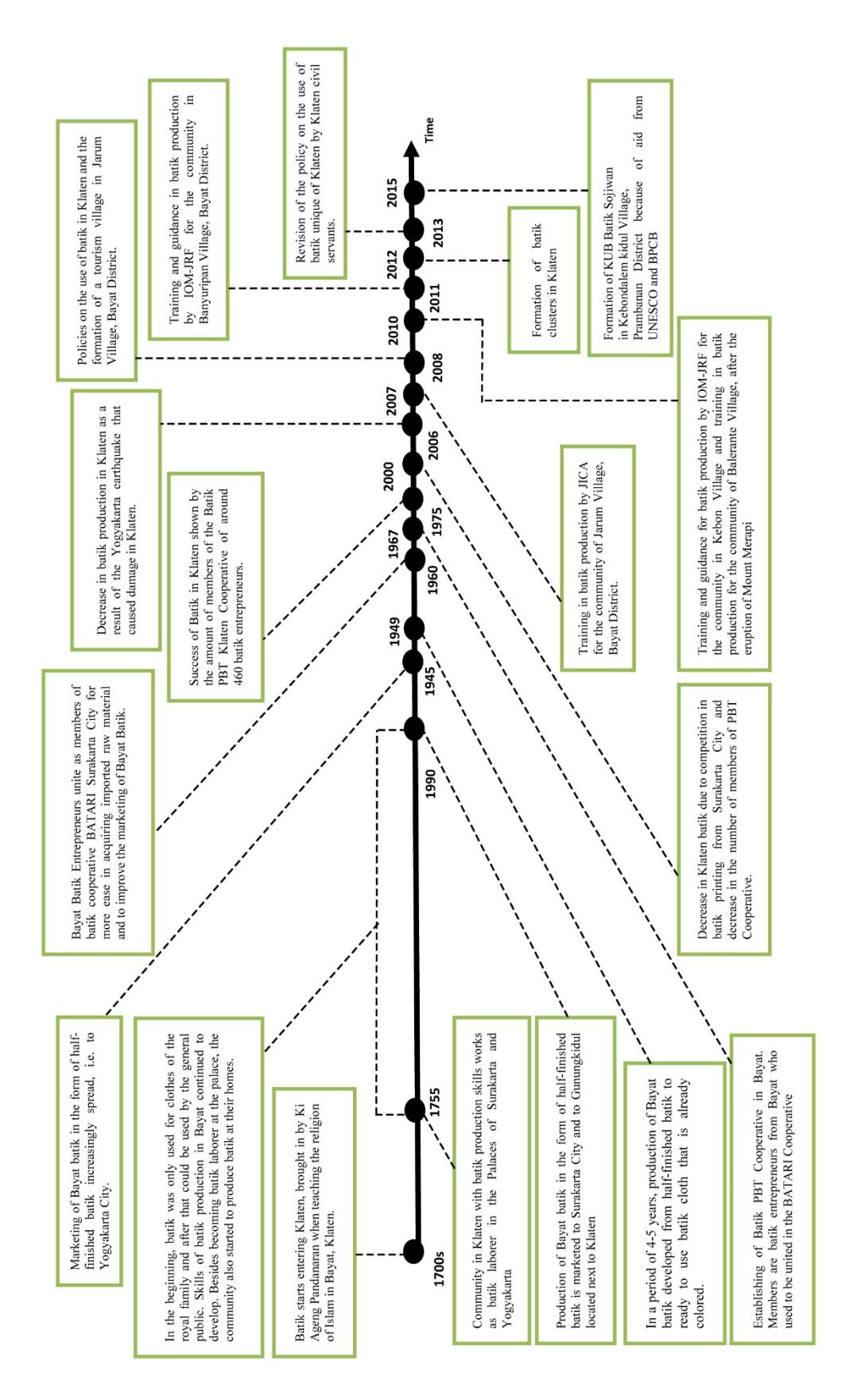
Figure 6. Chronology of History and Development of Batik in Klaten Source : Authors Analysis (2015)
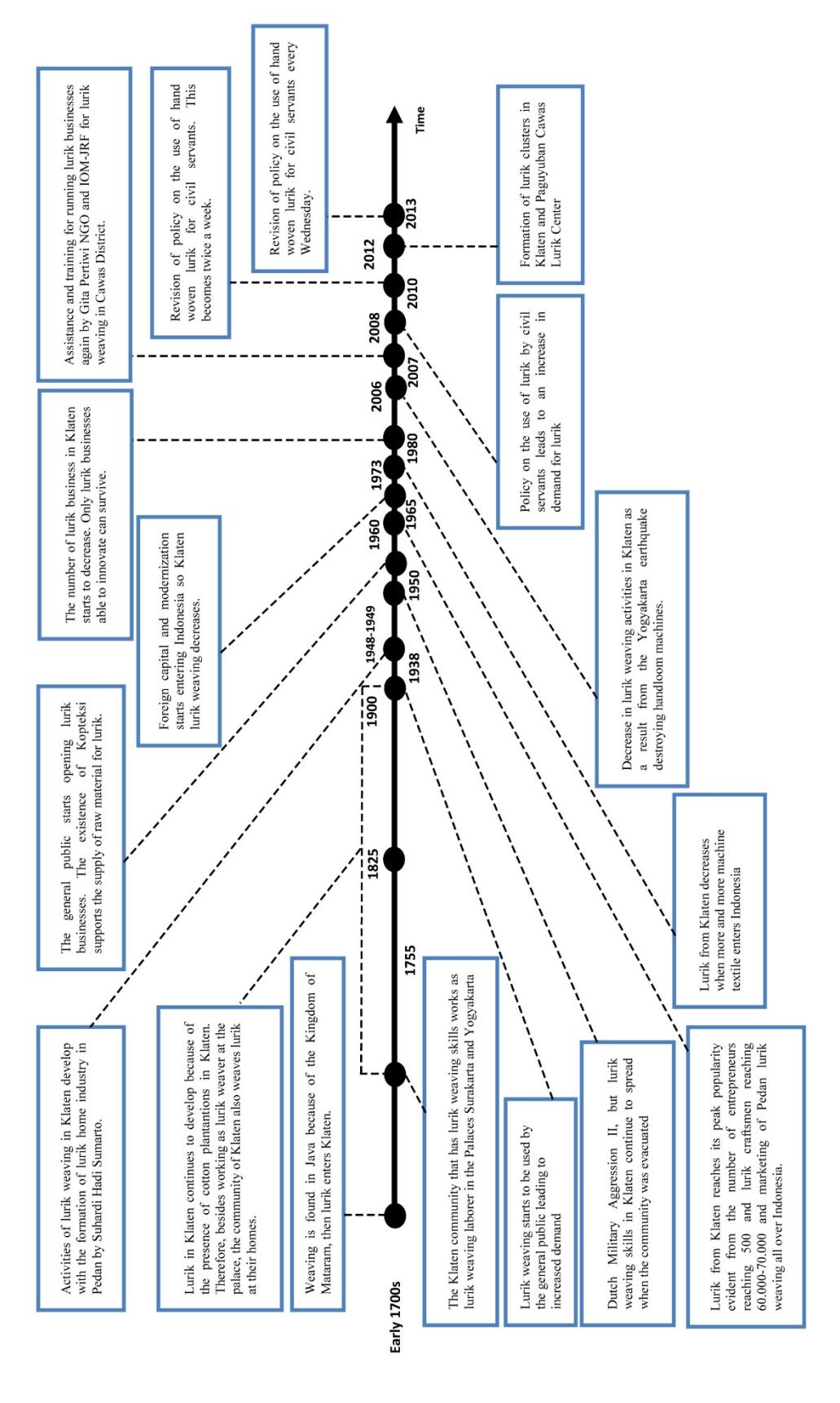
Figure 7. Chronology of History and Development of Lurik in Klaten Source : Authors Analysis (2015)
Analysis of Physical Urban Elements related to Batik and Lurik in Klaten as Elements of Forming Local Identity
Physical urban elements influence the formation of local identity because these elements contribute to making a place more easily identifiable. Following is the result of scoring each indicator on the physical urban elements associated to batik and lurik in Klaten (Table 3).
| Variable | Batik | Lurik | |||||
|---|---|---|---|---|---|---|---|
| No. | Indicator | Score | Classification | Indicator | Score | Classification | |
| 1 | Accessibility | Location and accessibility of batik centers | 1.74 | Plays no role at all in forming local identity | Location and accessibility of lurik centers | 2.85 | Plays a role in forming local identity |
| Place legibility | Signage related to batik potential | 1.32 | Plays no role at all in forming local identity | Signage related to lurik potential | 2.82 | Plays a role in forming local identity | |
| 2 | Landmarks related to batik potential | 1 | Plays no role at all in forming local identity | Landmarks related to lurik potential | 2.74 | Plays a role in forming local identity | |
| Plays no role at | Plays a role in | ||||||
Table 3. Scoring of Physical Urban Elements related to Batik and Lurik in Klaten
local identity Source: Authors' Analysis (2015)
all in forming
Average 2.80
forming local identity
Average 1.35
- 1. Physical urban elements related to batik scored 1.35, which means "the physical urban elements related to batik play no role at all in forming local identity". This is influenced by the fact that most people in Klaten are not yet aware of any batik potential in Klaten and of the location of batik centers and so because of this they have never visited the batik centers in Klaten.
- 2. The score of the physical urban elements related to lurik in Klaten is 2.80, which means that "the physical urban elements related to lurik play a role in the formation of local identity". This is caused by the location of the lurik centers which are commonly known to the people of Klaten. Usually, people from Klaten indicate the location in Pedan and mention Pedan lurik. In addition, it is also supported by the ease of access to the lurik centers which are close to the city center, as well as the existence of the landmark statue of handloom in downtown Klaten and in Pedan District. This improves place legibility, which is in accordance with the statement of Lynch (2006) who points out the importance of landmarks as a way to increase place legibility and as the first step in forming local identity.
Analysis of Activities of Batik Producing and Lurik Weaving in Klaten as Elements of Forming Local Identity
Community activity is an element of shaping the identity of a city (Amundsen, 2001). Assessing this community activity uses the four Breakwell aspects, i.e. distinctiveness, continuity, pride in community activities, and belief in the community activities (Table 4).
| Variable | Batik | Lurik | |||||
|---|---|---|---|---|---|---|---|
| No. | Indicator | Score | Classification | Indicator | Score | Classification | |
| 1 | Distinctiveness | Distinctiveness of batik production | 1.56 | Plays no role at all in forming local identity | Distinctiveness of Lurik weaving | 2.71 | Plays a role in forming local identity |
| 2 | Continuity | Interest of the youth in batik production | 2.91 | Plays a role in forming local identity | Interest of the youth in lurik weaving | 1.68 | Plays no role in forming local identity |
| 3 | Pride in community activities | Pride in batik production | 2.43 | Plays no role in forming local identity | Pride in lurik weaving | 2,65 | Plays a role in forming local identity |
| 4 | Belief in community activities | Belief in the continuity of batik production | 2.21 | Plays no role in forming local identity | Belief in the continuity of lurik weaving | 2,65 | Plays a role in forming local identity |
| Average | Plays no role in forming local identity | Average | 2.42 | Plays no role in forming local identity | |||
Table 4. Scoring of Activities of Batik Production and Lurik Weaving in Klaten
Source: Authors' Analysis (2015)
- 1. Activities of batik production in Klaten scores 2.28, which means "activities of batik production in Klaten play no role in forming local identity". This is influenced by the fact that the production of Batik Klaten does not yet have a uniqueness because almost every region has batik skills and Klaten does not show something distinctive and different from other areas. However, one indicator plays a major role in influencing activities of batik production, i.e. interest of the youth to make batik. This is because there is still a lot of interest in batik production in Klaten from the youth to maintain the culture of batik production. An example of this is what was done by the youth in
- 2. Baleranta Village which previously lacked batik production skills and then received training, and so now is able to make batik. In addition, in Bayat SMK Rota Bayat encourages the youth to learn to make batik.
- 3. Activities of lurik weaving in Klaten scores 2.42, which means that "the activity of lurik weaving in Klaten plays no role in forming local identity". Indicators that greatly influence the activity of lurik weaving is the uniqueness of weaving using handloom and the presence of lurik craftsmen. However, although in Klaten there is also lurik production using machine weaving, the production of handloom woven lurik continues.
Analysis of Public Attachment with Batik and Lurik Products as Elements of Forming Local Identity in Klaten Regency
Amundsen (2001) suggests that the element of public attachment to the area where he lives is understood through an understanding of how to behave, think, and organize. In the context of this study, community attachment is associated with the understanding of batik and lurik products in Klaten. Scoring of community attachment with batik and lurik products in Klaten uses four Breakwell aspects, i.e. distinctiveness, continuity, pride in local products, and belief in local products (Table 5).
| No. | Variable | Batik | Lurik | ||||
|---|---|---|---|---|---|---|---|
| Indicator | Score | Classification | Indicator | Score | Classification | ||
| 1 | Distinctiven ess | Batik Product Uniqueness | 1.32 | Plays no role at all in forming local identity | Lurik Product Uniqueness | 1.91 | Plays no role in forming local identity |
| 2 | Continuity | Batik Product Viability | 1.28 | Plays no role at all in forming local identity | Lurik Product Viability | 2.12 | Plays no role in forming local identity |
| 3 | Pride in Local Products | Pride in Batik Products | 1.49 | Plays no role at all in forming local identity | Pride in Lurik Product | 3.01 | Plays a Role in forming local identity |
| Belief in Local Products | Batik Product Competitive ness | 1.28 | Plays no role at all in forming local identity | Lurik Product Competitiv eness | 2.19 | Plays no role in forming local identity | |
| 4 | Interest in Buying Batik Products | 1.53 | Plays no role at all in forming local identity | Interest in Buying Lurik Products | 3.40 | Instrumental in forming local identity | |
| Average 1.38 | Plays no role at all in forming local identity | Average | 2.53 | Plays a Role in forming local identity | |||
Table 5. Scoring of Public Attachment with Batik and Lurik products in Klaten
Source: Authors' Analysis (2015)
- 1. Community attachment with batik products in Klaten scores 1.38, which means "community attachment with batik products in Klaten plays no role at all in forming local identity". This is because batik products from Klaten are unable to compete with other similar products. Klaten lies between Yogyakarta and Solo which leads to competition of similar products. The Klaten community is more likely to buy batik products in Solo than in Klaten because Klaten batik products are expensive. The uniqueness of batik tulis products from Klaten lays in the fact that natural coloring is used which is relatively expensive.
- 2. Community attachment with lurik products scores 2.53, which means "community attachment with lurik products plays a role in forming local identity". Community attachment with lurik products in Klaten has formed because handloom woven lurik in Klaten itself is more widely known by the public in Klaten and by people outside Klaten. Klaten lurik products are still used by the community for traditional purposes. For instance, for the traditional ceremony at seven months pregnancy, a tumbar pecah striped pattern is used. In addition, many people like lurik because it is used for Klaten civil servant uniforms, family welfare guidance (PKK) uniforms and for Quran recitations. Community interest in buying lurik products from Klaten is quite high, which is also influenced by the fact that lurik products are not so expensive as is the case with batik tulis products from Klaten.
Analysis of Place Branding Efforts to Support the Formation of Local Identity in Klaten Regency
Place branding efforts are related to marketing to the general public. Wang and Xu (2015) argued that tourism contributes to promoting place identity. The following are the place
branding efforts of the government of Klaten Regency to promote the potential of batik and lurik in Klaten.
1. Tourism Villages
Batik tourism villages are located in Jarum Village and Paseban Village, Bayat District, and a lurik tourism village is located in Tlingsing Village, Cawas District. In these tourism villages tourists can go to the location of the batik and lurik centers and witness the production process and experience learning to weave lurik and make batik in the centers, and then buy lurik and batik products directly in the center. Based on field observations, the batik and lurik tourism villages in Klaten is generally not yet optimal in introducing the potential of batik and lurik both to the community of Klaten and outside of Klaten.
2. Organizing Batik Design Competitions
The government of Klaten Regency organizes batik design competitions in order to introduce the original handmade products from Klaten. Batik design competition winners win cash prizes and trophies and their batik design will be used for Klaten civil servant uniforms. The design of uniquely Klaten batik motifs illustrate the symbols of Klaten and its potential, depicting jasmine which is the name of the Kyai who founded Klaten; pictures of temples because of the Sewu and Prambanan temples; a picture of rice plants because Klaten is famous for its rice, and an image of the nature of Rawa Jombor which is a tourist spot in Bayat, Klaten. In addition, Klaten Regency has the slogan "Klaten Bersinar" (Klaten Shining, an abbreviation of the Indonesian for Klaten Clean, Healthy and Beautiful, Comfortable, Safe, Neat). Based on field observations, the use of batik unique to Klaten and handloom woven lurik for Klaten civil servants is not optimal because many civil servants do not use the typical Klaten batik and handloom woven lurik which is not in accordance with the regulations.
3. Celebrating the Batik Klaten Festival and the Klaten Lurik Carnival
Place branding can be executed through non-physical characteristics such as events and social media publications (Rukayah, 2015). The Klaten Regency government has held events, i.e. the Batik Klaten Festival and the Lurik Batik Carnival, which are held annually to introduce the potential of batik and lurik from Klaten Regency. At the festival, there is an exhibition of batik cloth and batik wood and includes a series of competitions and arts performances, i.e. batik for students contest, a fashion show competition, horse show, and shadow puppets. This Klaten Lurik Carnival aims to promote the image of lurik as traditional cloth unique for Klaten with a lurik creative costume show (Figure 8).
Figure 8. Klaten Batik Festival and Klaten Lurik Carnival. Source: Klaten Regional Secretariat Public Relation (2015)
4. Plans of Developing a Website about the Profile of Batik and Lurik Clusters in Klaten Place branding can be executed through non-physical characteristics such as events and social media publications (Rukayah, 2015). The Klaten Regency government attempts place branding through social media publications by creating a website about the profile of batik and lurik clusters. This website is still under construction by the Regional Development Planning Agency (Bappeda) of Klaten Regency. Until now it has not been released by Bappeda of Klaten Regency. The development of this website will provide a more complete and clear information about the potential of batik and lurik in Klaten.
Comparative Analysis of the Role of Batik and Lurik Role in the Formation of Local Identity in Klaten Regency
Role of Batik Role of Lurik Elements Elements Forming Average Average Forming Classification Classification Local Identity Score Score Local Identity Physical urban Plays no role at Physical urban Plays a role in elements 1.35 all in forming elements related to 2.80 forming local related to batik local identity lurik in Klaten identity in Klaten Activities of Plays no role in Plays no role in batik Activities of Lurik 2.28 forming local 2.42 forming local production in weaving in Klaten identity identity Klaten Community Community Plays no role at attachment Plays a role in attachment with with batik 1.38 all in forming 2.53 forming local lurik products in local identity products in identity Klaten Klaten Plays no role at Plays a role in Final score 1.67 all in forming Final score 2.58 forming local local identity identity
Table 6. Overall Scoring
Source: Authors' Analysis (2015)
- 1. Based on the total scoring (Table 6), "lurik plays a role in forming local identity in Klaten Regency". The variables that play a role in the formation of local identity through lurik are the physical urban elements associated with lurik in Klaten and community attachment with lurik products from Klaten.
- 2. Mishra et al. (2010) explain that place identity is the process of interaction with the place and where people have a sense of belonging to the place they live in. This indicates that there is an interaction between the place and the community, where most people of Klaten have knowledge that lurik centers in Klaten can be found in Pedan and have visited these lurik centers. In other words, the people of Klaten have a sense of belonging with the place where they live because they know the local products produced by the community of Klaten itself, i.e. lurik. The existence of the physical urban elements, in the form of landmark sculptures of lurik weaving, can improve place legibility for the community. Furthermore, the people of Klaten also buy and use the lurik products from Klaten for traditional celebrations such as at mitoni (ceremony for
- seven-month pregnancy) that celebrate the upcoming birth of a baby. The community in Klaten still carry out these ceremonies and believes in the meaning of lurik motifs.
- 3. The role of lurik in forming local identity in Klaten can be categorized as resistance identity because of the construction of identity that comes from history, and that they wished to be maintained up to the present and for the future.
- 4. Based on scoring, the role of batik "batik plays no role at all in forming local identity in Klaten Regency", which was indicated by the large number of people who did not know about the batik centers in the districts of Bayat, Kalikotes, Kemalang, and Prambanan. This is because the majority of people prefers Surakarta City as batik center because of the many variations of batik products with more variation in prices offered at the batik market in Surakarta. Batik in Klaten is overshadowed by the more powerful image which is stuck in people's mind that batik centers must be related to the city of Surakarta. People from Klaten usually choose to buy batik at Solo Wholesale Center, Klewer Market, Beringharjo Market, or in the Laweyan area.
Conclusion
Based on the scoring, the role of lurik in Klaten has an average score of 2.58, which means that lurik plays a role in forming local identity in Klaten Regency. Lurik plays a role in the formation of local identity in Klaten Regency because there is an interaction between place and community, or in other words, the public is able to do self-recognition to recognize the potential of lurik in Klaten. This is consistent with the statement of Cheshmehzangi & Heat (2012) that the concept of identity is self-recognition to identify yourself by pointing out relationships with others. This is shown by the fact that most people of Klaten know that lurik centers in Klaten can be found in Pedan and they have visited the locations of these lurik centers. In other words, the people of Klaten feel a sense of belonging with the place where they live through knowing locally manufactured products by the community of Klaten itself, i.e. lurik. Furthermore, the people of Klaten also buy and use the lurik products from Klaten.
The role of lurik in the formation of local identity in Klaten belongs to resistance identity because of the construction of identity that comes from a history that is maintained up to the present and the future. It is consistent with the statement of Castell (2004) about the typology of developing place identity, i.e. resistance identity, legitimizing identity and project identity.
Batik from Klaten plays no role at all in forming local identity, which is indicated by the number of people who did not know about the batik centers in the areas of Bayat, Kalikotes, and Kemalang. This is because the majority of people prefers Surakarta City as the center of batik. For batik to play a role in forming local identity in Klaten, it requires a process that takes more time as to be able to recognize batik products as a local product from Klaten. Therefore, people need to do self-recognition related to the local potential.
Overall, batik and lurik in Klaten only play a small role in the forming local identity, which can be seen from the scoring that does not yet show a result of an instrumental role in forming local identity. However, when comparing between batik and lurik in Klaten, the role of lurik in Klaten is more prominent. This is supported by the contribution of the government to introduce lurik as an icon of Klaten Regency by constructing landmark statues of handloom weaving in the city center and in Pedan made by lurik craftsmen in Pedan. The government of Klaten Regency implements the use of civil servant uniforms, facilitates marketing of batik and lurik, establishes tourism villages, organizes the carnival or batik and lurik events, batik and lurik design competition, as well as training in making batik and lurik designs. By knowing the role of batik and lurik in the formation of local identity, this can be used as a reference in formulating strategies and policies by the government of Klaten Regency to develop the region, by improving existing policies and creating new policies that could encourage or strengthen the regional potential as local identity.
Recommendation
The recommendations from this study are directed at several parties, namely the government of Klaten Regency, batik and lurik entrepreneurs in Klaten Regency and the people of Klaten. The government of Klaten Regency is recommended to increase the marketing of batik and lurik products so that these local products will be better known by the community, as well as to evaluate policies for uniform in Klaten government offices using of batik and lurik in order to increase the interest of the people to use batik and lurik unique to Klaten. Problems with the development of batik and lurik in Klaten are the low regeneration of batik and lurik workers. Therefore, the role of batik and lurik entrepreneurs in Klaten is necessary to increase the interest of the youth in the activities of Batik making and lurik weaving in Klaten. For instance, by providing guidance and training for the younger generation so that they can continue the hereditary tradition. In addition, to add the uniqueness of batik and lurik products in Klaten, batik and lurik entrepreneurs are recommended to innovate in order to generate unique motifs that can become a characteristic of Klaten. For local identity, the community also needs to play a role in forming and recognizing identity in their own region so the community needs to have an attitude of self-recognition to be able to better know their surrounding environment and to be able to be involved in the conservation of batik and lurik products made in Klaten.