

Introduction
Analogous to other Asian countries, urban development in Indonesia currently faces a worrisome situation. The paradigm of pro-growth development largely dominates the government's cognizance because it aims to position economic targets as top priority in contrast to environmental sustainability (Brunn, et al., 2016; Zhang, & Deng, 2017). However,, social sustainability is ignored, as corroborated by various studies (Alam &Nilan, 2015; Alam, 2016; Takeshi, 2006). Correspondingly, in urban areas economic activities such as industrialization, estate development, urban fringe expansion (Firman & Fahmi, 2017) and privatization of public space have prompted decentralization policies, which have been established in 1999 (Firman, 1999; Aritenang, 2013; Keller, 2012; Nurdini & Harun, 2011). Moreover the social impact thereof is increasingly nascent since the increase of social problems in urban Indonesia such as rising crime rates in metropolitan cities like Jakarta, Surabaya, Medan, and Yogyakarta (Dethier, 2017; Kato et al., 2017; Sakip, Bahaluddin, & Hassan, 2016); high rates of mental health disorders such as depression and extreme stress (Minas & Lewis, 2017; Semrau, 2016, Pols, & Wibisono, 2017; Wardaningsih, & Kageyama, 2016); and the diminishing of collective acts amongst residents (Riany, Meredith, & Cuskelly, 2017; Wu, 2016).
Moreover, spatial changes caused by the industrialization process have impacted the sociocultural condition as well as the community's mental health. However, these conditions lack focused attention from planners. Correspondingly, in Indonesia, the decentralization of the economy in 2004 was accompanied by massive gentrification in urban areas, as evidenced by the extensive development of shopping malls, apartments, hotels and private facilities that often did not directly improve the quality of life of communities. Gentrification only benefits a few groups, such as entrepreneurs and governments through 'clientelism relationships' (Grindle, 2016). Thus, considering social science's deficits in formulating the cultural implications of this type of development, 'solastalgia' is defined as a concept to designate the existential degradation of the loved home environment. The concept of solastalgia was employed in this study as a framework to explore this phenomenon in Yogyakarta City, Indonesia. Glen Albrecht explains that solastalgia was developed to accord a greater clarity to the feeling of desolation or melancholia about the emplaced and lived experience of the chronic deterioration of a loved home environment (Albrecht G, Freeman S, Higginbotham, 1998; Albrecht, 2005; Sartore, 2008; Albrecht, 2012). In this case, solastalgia is conceptually produced through intense displacement or disconnection of individuals from the setting in which they have lived for a period of long time, which subsequently results in mental health issues. Secondly, solastalgia was originally used to describe the negative transformation of biophysical environments, both natural and constructed. Correspondingly, Albrecht et al. (2013) pointed out some of the mental and cultural breakdowns of communities that gave rise to solastalgia, including: urbanization, gentrification, toxic pollution of places, and extreme climate change. Also, a psychoterratic effect of urban spatial layout is caused by external causalities and the urban environment itself; the spatial change impact is evidenced to have implications on the social interactions between citizens.
The urban social interaction is the core culture, which presents a potential to build the elements of vibrancy and sustainability for the city. Likewise, large-scale studies have confirmed how the maintenance of sociality holds the advantage of propelling the wheel of cultural development and to sustain the wellbeing of urbanites. Similarly, a wide range of potential higher impacts of wellbeing have been identified, including: (1) loss of urban social space, (2) environmental degradation, and (3) degradation of the quality of interaction space due to dense infrastructure development. King and Church (2013) identify youth as a group that becomes future victims suffering from degradation of the city. Youth groups are estimated to be affected in the process of establishing their identities through the adverse impact on the socialization areas they utilize to develop their lifestyle (King & Church, 2013). Ohe et al. (2017) further note that inequality in social wellbeing due to the decrease in the amount of socialization space also results in an augmented emergence of negative perception towards the development of bright futures for urban citizens (Nambiar, 2017). In addition, the health quality decline in urban environments is a prominent impact that is likely to surface from a reduction in the provision of social spaces for physical contact. Specifically, social contacts are manifest in joint activities and exchange of social capital. Degradation and associated individual stress emerge as a response to the decreased social interactive stimulus (Dressler, 2016; Charles, 2016; Gloster, 2017). Correspondingly, following Madgin (2016), building urban communities remains a significant initiative in the midst of a growing spirit of material individualism to maintain the physical and mental health of community members, which in turn can prevent the negative consequences of deviant behaviors such as depression (Alvarez et al., 2017).
Moreover, an evaluation of the importance of local residents' social interactions as well as the variety of residual impacts on the social quality of life and wellbeing, and a qualitative study investigating current perceptions of local residents and their subjective experiences is urgent (Brew, 2017). Consequently, through adopting the City of Yogyakarta as the locus of examination and observing the physical conditions based on existing facts, this research was aimed at exploring the diverse sociological effects of urban development on local residents. This paper commences with the review of the complexity of urban transformation and its impacts in Yogyakarta City. Subsequently, methods are presented in the second section and, lastly, the findings of the ethnographic interviews are elaborated in the third section.
Complexity of Climate Change in Yogyakarta City, Indonesia
In addition to creating new concerns for local residents, regional autonomy has perpetuated ethical dilemmas for the government. Land commodity in Yogyakarta City has unexpectedly resulted in accelerating the growth of the new middle class and social gentrification. Also, the environment is no longer seen, by the government in this case, as an ecological asset that contributes to the preservation of local biodiversity. Furthermore, Escobar (1999) translates the thought process underpinning this logic of the government as: 'What we perceive in the environment as natural is always cultural and social'. This statement implies that the natural environment is perceived differently by each stakeholder: community, government, private
sector, or environmentalists, depending on the individual political economy objectives each wishes to achieve. Correspondingly, in the era of regional autonomy, the government has a political objective with reference to the environment as a target of commodification that can increase regional income. Likewise, in the case of Yogyakarta City (see Figure 1 and Figure 2 for the location), the establishment of malls/shopping centers and hotels is underpinned by this logic of business thinking. The hotel industry has been reported to contribute the highest revenue for Yogyakarta City, amounting to IDR 48,000,000,000 as compared to other sectors (Regional Council for Revenue Management, 2013). Furthermore, the number of hotels and rooms have experienced a dramatic increase. Also, data from the Tourism Department show that between 2010 and 2013 the growth of the number of hotels in Yogyakarta City was 116% (from 37 in 2010 to 84 in 2013) with 197.88% growth in occupancy rate (DIY Tourism Office, 2012; Hannigan, 1995).
Figure 1. Yogyakarta Province in Indonesia Source: World Atlas
Vegetation and the availability of open land have been ratified internationally as a primary need that is ideally preserved by the government, politically supported by parliament. This prerequisite is inherent within the Sustainable Development Goals 2030 with the aim to create a healthy life of society based on the principles of sustainability of nature and the environment as a whole. Thus, if a city has a business center, industry, residences and economic activities without a long-term pro-social environmental policy, these need to be brought into compliance with this international principle. This is because cities worldwide have a physical space that more quickly experiences risks and is exposed to risks due to anthropogenic activities. Situating this principle in Yogyakarta, it is necessary that we seriously petition the government. Correspondingly, related research suggests that the calculation of the land cover index to model vegetation areas in green open spaces (GOS) in Yogyakarta City only reached values of 20, implying that green open spaces are found only 20% in local administrative area of Yogyakarta city The Open Green Room Masterplan stipulates a standard of 30% for the total administrative area of Yogyakarta City of 3,250 hectares, which means that the ideal amount of green open space owned by the city should be 975 hectares. Unfortunately, the city of Yogyakarta has been reported to experience a shortage of vegetation area of 778 hectares. However, until recently, this environmental dilemma had not been addressed by the government, with an evident lack of firm policy and legislation and also the government seemingly will allow expansive malls and commercial areas to be developed in the forthcoming months. In other words, the government is still oriented towards infrastructure development and reports from BPPD are admittedly surprising. Yogyakarta City has only 25 hectares of urban forest and this can only be found in the Gembiraloka Wildlife Sanctuary Area. Although according to Act No. 26 of 2007, Yogyakarta City must have a minimum of 30% green space of its total area, while the IKONOS satellite imagery in 2009 shockingly reveals that the City of Yogyakarta still fails to recognize 43.36% of the green space of the total area (Brontowiyono et al., 2011).
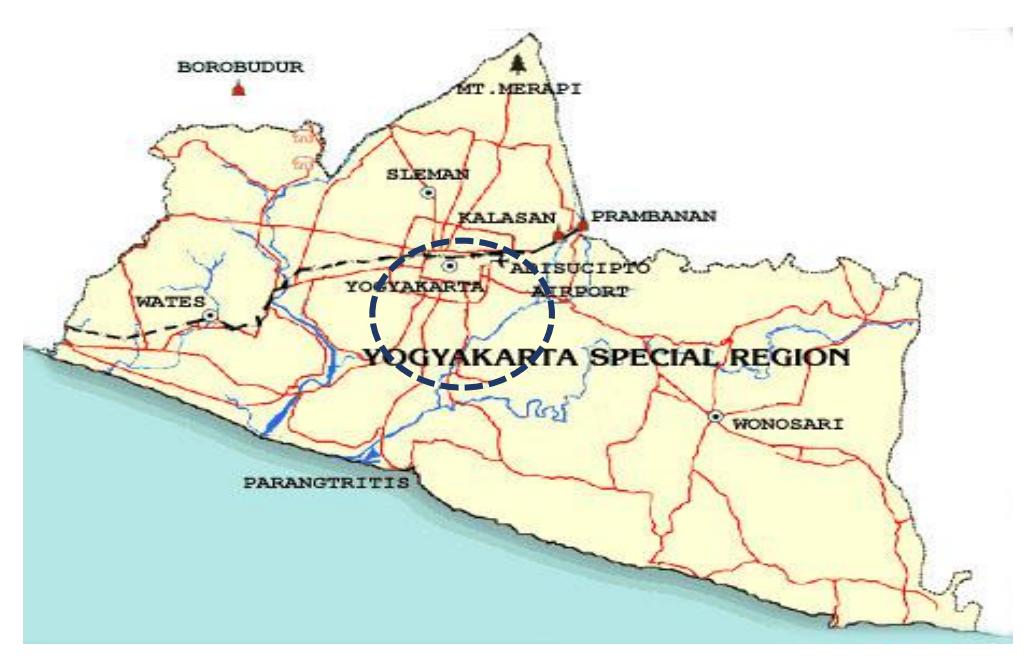
Figure 2. Yogyakarta City within Yogyakarta Province Source: http://www.fnetravel.com
It has been observed that the government lacks control over the local air pollution due to fossil fuel combustion. Even worse, Yogyakarta City shows an increase in motor vehicle ownership every year. Discouragement of individual vehicle ownership through tax disincentives is yet to be implemented. According to Dirgahayani (2013), motor vehicle ownership has increased by 10.9% annually, while car ownership grows at 7.7% per year. In addition, driving behavior increasingly shows severe accident risks on the highways. It is estimated that the high ownership of motorcycles in this city could be a result of residents' preference to individual transport in response to the poor quality of public transportation services in Yogyakarta. Correspondingly, Parikesit and Asikin (2015) have revealed that 591 units of the bus fleet operating in the city, or more than 80%, are over 15 years old. At this point, the bad quality of the fleet in terms of combustion (fuel combustion) and their potential of polluting the air in Yogyakarta can be safely inferred. The choice for private transportation by city residents is also aggravated by the government's policy of limiting the hours of operation of public transportation until 6 pm, resulting in a decrease of the public's interest in public transportation. Neither is the decline in the number of public transportation users a novel phenomenon. For instance, from 2003 to 2004 alone, the rate of public transportation use showed an annual decrease of 3% (Sugiyanto, et al., 2011). The launch of the Trans Jogja buses as an alternative transportation policy response in 2008 initially won considerable public support. Unfortunately, there is an evident decline in public interest due to the high delays and long distances between
stops. The city government's innovation in optimizing the Trans Jogja operation deserves praise, despite the inadequacy of the shelter infrastructure and the lack of accessibility for wheelchair users, pregnant women and people with other disabilities in some locations.
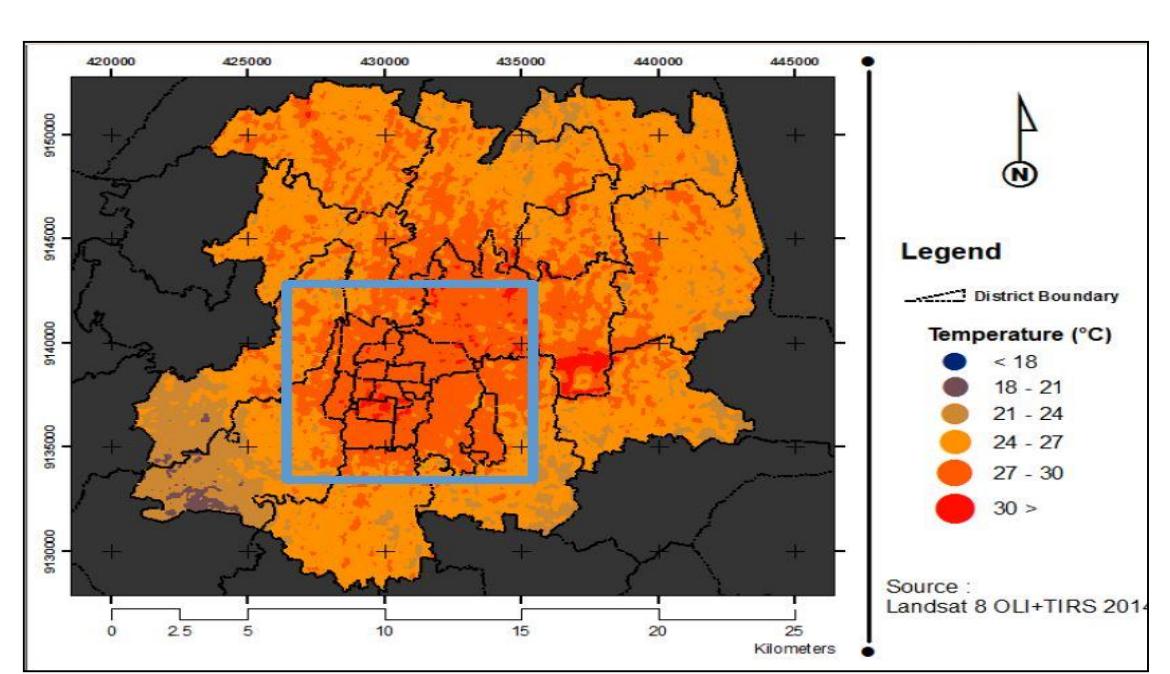
In addition to water pollution and limited green open space, air pollution has also become a critical problem in the city of Yogyakarta. The criticality of the situation is apparent from the result of the Environmental Quality Index of Yogyakarta City, in accordance with Law No. 32 of 2004 on Local Government, which stipulates that local governments are responsible for environmental issues, mainly air quality. Correspondingly, air covers a larger area than water and plants, and is able to cross geographic boundaries between one region and another. Thus, bad air quality in one region being able to impact other regions in addition to critical observations by local communities, the Yogyakarta Environmental Quality Index (EQI) is very concerning. The calculations of the Air Pollution Index (API), Water Pollution Index WPI) and the Forest Cover Index (FCI) reveal only a total of 46.4. More specifically, lead (Pb) is a heavy metal that has evidenced critical implications for the onset of respiratory illnesses. It should be noted that lead is commonly found in the soil in urban environments (Aye et al., 2015; Budianta, 2012). Similarly, the unanticipated effects of the release of lead by motor vehicle pollutant particles and their reaction with iron oxide as derived from other pollutants, include high potential damage to the human respiratory tract, thus making these particles much more deadly. Unfortunately, the contour pattern of Pb values clearly indicates a high concentration in the central region of Yogyakarta city, especially at the intersection of PT Sari Husada (1.32 μg/m3 ) (Pratiwi, 2012). Based on the monitoring of ten points spread over 14 districts in Yogyakarta City, an increase in air pollution from year to year was revealed. Also, the intersection of Pingit and Wirobrajan had the highest SO2 contamination, while the highest concentration of carbon dioxide was found in the Gedongtengen area. This concentration exceeded the limit of 153 out of 230 ug/m3 permitted by the Governor's Decree from 2002. The four locations with most the critical concentrations were: Rejowinangun (302 ug/m3 ); Giwangan Station junction (264 ug/m3 ); Galeria intersection (254.48 mg/m3 ) and PT. Sari Husada intersection (253.53 mg/m3 ). Even worse, the noise level at all measured locations has been shown to be in excess of the threshold assigned for commercial and office areas at 65 dBA (Pratiwi, 2012). In addition, the physical layout of Yogyakarta is deficient due to the poor construction of the physical infrastructure; motor vehicles and also the lack of green space have led to rising temperatures in some corners of the city. Of course this further makes pedestrians uncomfortable. Correspondingly, a study involving 256 respondents who were pedestrians in the area of Tugu-Kraton Koridor reported that the Tugu-Kraton corridor area is no longer comfortable for pedestrians, which has been confirmed by the finding of a physiological temperature equivalent (PET) of 37.96° C, which is considered to belong to the high category (Brontowiyono et al., 2011).
In addition, the dynamics of temperature and humidity in the City of Yogyakarta also warrant special attention. It has been observed that the humidity rate between 80 and 87% in the region increases the prevalence of dengue fever or dengue fever cases. Correspondingly, in the City of Yogyakarta alone, the death rate from dengue fever is quite high. The death rate from dengue high fever (DHF) in Yogyakarta City reached 1.01 in 2007, higher than the national figure, with a concurrent morbidity rate of 74.38/100,000 population in 2007. Unfortunately, in the period 2001-2011, for example, the total number of cases of dengue in the City of Yogyakarta reached 7,631 patients with 51 deaths. The data show that the largest number of DHF cases occurred in 2017 with 1,517 cases. Meanwhile, the year 2005 showed the lowest number with 343 cases. In 2004 alone, there were 12 deaths due to DHF, which is the highest to date. It is worth noting
that the City of Yogyakarta has a high mortality rate, even higher than the national average of 2007.
Figure 3. Surface Temperature Distribution According to Landsat 8 OLI/TIRS processing (Source: Pertiwi, Iffani, and Wicaksono, 2016)
The Landsat 8 OLI/TIRS satellite shows several locations in the central part of Yogyakarta City that are hotter than surrounding areas. Locations identified include: Gedontengen, Danurejan, Ngampilan, Wirobrajan, and Gondomanan. The high temperatures in these five locations are caused by high population density, transport density, and limited green space. (Source: Pertiwi, Iffani, and Wicaksono, 2016). Field observation in the field confirms, the six locations are experiencing dense traffic every day because of their location along a main traffic artery connecting the center of government offices and cultural centers such as the Yogyakarta Kraton, with an augmented mobility of the people along this road area. In addition, residential complexes are also concentrated in these six areas, which add to the traffic. During the rainy season, from November to the end of January, these areas flood due to clogging of sewage pipes. In addition, the concentration of settlements in these six locations forms a residential center for migrants. The growth of these settlements, an impact of economic globalization, has facilitated the mobility of capital and investments that only benefit the urban bourgeoisie class (Davis, 2006; Patel, 2009). With a critical view, Harvey observes that the presence of the village is a form of marginalization of the lower classes, which are excluded from the market system. Harvey (2005, p. 185) elaborates: 'For those left or cast outside the market system a vast reservoir of apparently disposable people bereft of social protections and supportive social structures there is little to be expected from neoliberalization except poverty, hunger, disease, and despair'.
Narratives of Solastalgia
The impact of industrialization on Yogyakarta City is visually marked by the abundant development of hotels, housing complexes, and shopping centers, and the annexation of green
open spaces as described above, which in turn exacerbates environmental risks. Correspondingly, higher outside temperatures are felt by all respondents who have lived in Yogyakarta city for more than 20 years. Their engagement with the setting in which they have resided for years is torn out and hence they reminisce about the situation when they were little compared with their current spatial disconnection (see Prakoso, 2015).
The Trans Jogja city shuttle service was launched by the government in 2004, but its service is quite unsatisfactory, particularly with regard to punctuality. The lack of integrated public transport for commuting from one geographical location to another forces commuters to use private vehicles such as cars and motorbikes. Similarly, Andi, who was born in Yogyakarta and has lived there ever since, explained the mobility situation in his life. His preferred transportation mode is cycling, but it has been influenced adversely by the increase of heat in the city.
As opposed to 15 years ago when I was little, Yogyakarta is now much hotter and drier. Doing any outdoor activities is now less attractive to me, except when there is a college schedule on campus. On my way to campus through the Mirota Kampus shopping center, when I see the temperature display showing 37oat 10 am, it's very depressing for me. And so I want to rush to class. For me the heat is out of control and unusually high. Riding in a car is not my thing, but making a trip to campus on a bike has now started to become sort of tormenting. Since the temperature is too high many people prefer to drive to campus. (Andi, 24, M)
During cycling, while observing the traffic conditions, Andi's sensitivity to the social situation is rendered higher. Despite not criticising the increasing use of cars and other motor vehicles amongst youngsters, he views this situation as a direct result of the increase of outside temperatures, which is beyond the control of individuals. Highlighting the uncontrolled highway traffic, he discloses: 'Especially when talking about cars, the streets are choc-a-block with cars and no longer in control.' The climate change in Yogyakarta, as experienced by him, has left him with intense pressure while commuting on a bike. The phrase 'depressing' implies how he is in worrying psychological circumstances.
Other respondents associate their social precarity with heavy rainfall, which results in massive flooding. Another respondent portrays the current situation as follows: 'I don't know where to run for the next 20 years. The rainstorms around December to January are unbelievably horrible, because flash floods as high as one meter have now started to enter the city.' Thus, living in urban areas that are prone to floods is seemingly debilitative to their mental health. As a student nearly completing his undergraduate thesis and hoping to get a suitable job, Citra considers high rainfall as a threat to his future. He encounters these precarious climate conditions along with other severities such as water depletion and also urban developments that are environmentally unfriendly:
Especially now, looking for work is increasingly difficult and land farming in the city is limited and water wells are also often dry. PDAM [state-owned water company] that provides water each month is also not a source of good water. This is because the water provided by them is contaminated as the underground well water has become filthy and contaminated. The community is increasingly becoming concerned with climate change and urban development.
In addition, although Indonesia has meteorology, geophysics and earthquake departments, weather forecasting is still not widely accessible or in the public discourse. But this limitation does not leave Citra in a state of inertia. On the contrary, it encourages him to develop the ability to read the weather autonomously. According to him observation of the mobility of birds can provide more validated prediction of naturally occurring phenomena. He explained:
The government is expected to solve the problem of climate change, though is less probable with the wide implications of climate change such as high hot air, flash floods, and sudden tornados, which are even beyond the weather forecast. Although, BMKG [state-run Meteorology and Geophysics Board] can predict these weather conditions, strangely the information is available only on the internet and not via widespread public sign boards on the streets. The current situation is different from a few years ago, when Yogyakarta City had no flooding and damaging wind gusts. Now every afternoon we need to take out time specifically to check on the weather. If the weather continues to be hot, a lot of birds fly out from west to east, or south to north at high speed. That is a sign of expected whirlwinds.
Watching the flooding as part of the climate change that will shape his future, he responds to this situation with Javanese spirituality. In the midst of his resignation, his prayer is an act of transcendence as an individual who does not resist against the given adverse circumstances.
As Javanese people we surrender and accept the circumstances, praying to the Almighty, which is all we can do for now. We live in a city that is changing every day and we can't harbor much hopes, but only offer more prayers.
This narrative reveals that climate change for him can only be addressed by re-connecting himself with local values of transcendence. In addition, praying to God is not a passive attitude in climate change adaptation, but it is self-control to prevent oneself from actions that further adversely impact mental health. On the other hand, Gardiner (2009) sees this crisis as a 'journey to nothing', wherein their enchantment is a part of efforts that are unlikely to bring forth a tangible effect to improve the quality of their lives, but is still pursued as a form of resistance. The anthropologic elements in this narrative highlight that their resignation within the context of Javanese culture is the practice of the 'silent ideology of the Javanese', according to Purwani (2017). Correspondingly, in Javanese culture, displays of opposition or resistance in public space are considered perverted and the respondents are aware of this.
Massive infrastructure development of hotels in Yogyakarta does not take into consideration the needs of local community members. For instance, Anita, whose house is situated next to a fivestar hotel, was faced with a tragic situation when a hotel wall collapsed and fell into her home.
A year ago, a five-story hotel was being constructed next to my house. One early morning, I almost went hysterical, because from the south suddenly a brick wall collapsed onto the house. I was alone at home at that time with the children and my husband had left for work, so I just went screaming for help to the neighbors. Fortunately, I was able to rush to the fence.
The unanticipated collapse of the hotel wall traumatized her because the situation at that time almost made her loose her self-control. During the interview, the researcher observed that Citra occasionally rubbed her sweaty palms as she shared her disquiet about the past events.
On hearing the collapse of a wall or the sound of building materials falling, I immediately start to sweat, my heartbeat increases. Also, now the air temperature in Jogja city is rising and the air is filled with dust and covered in concrete, which makes me cry. (Anita, 25, F)
This narrative implicitly explains that the impact of the construction of the hotel resulted in a spatial disconnection of the residents with the past circumstances of the City of Yogyakarta. The deep sadness as experienced and shared in the interview against the 'concreting' of Yogyakarta City reflects the psychological displacement effect. The respondent's crying represents the cultural stress due to the lack of a dedicated complaint redressal system related to the impact of infrastructure development in the city.
In another narrative, the respondent was disappointed with the construction of multi-story hotels that prevented enjoyment of the beauty of Mount Merapi, which is the natural icon of Yogyakarta City. The respondent shared that Merapi's beauty, which had always filled her childhood, is now lost due to the construction of the hotels.
Now, if you want to walk around the streets of Tugu Yogyakarta with your friends on Saturday-Sunday, it is quite different from 10-15 years ago before the temperature got hotter. Previously, the nights were quiet and you could see Mount Merapi to the north during bright nights. It is now no longer visible as the view of the mountain is blocked by the adjacent hotel and the seven-story inn near the house. I just find this situation very difficult to accept.
In addition to the disappointment, the hot conditions in Yogyakarta City have also perpetuated mobility limitations for her. As an individual born and raised in the city, spatial displacement is shown by her consistent emotional resistance to the new conditions.
Discussion
Urban climate change due to urban spatial liberalization has been clearly demonstrated in the above narratives as provided by the respondents in the interviews. The environmental risks translated in their narratives expose specific indications of combined suspected mental health issues such as stress, mood swings and rapid changes in levels of anxiety (Stanke et al., 2012; Swim et al., 2011). In addition, helplessness and increased fear of future employment are prominently evident in the above narratives; particularly, in consideration of the respondents' subjectivity in the sense that there is no longer an environment that is worth inhabiting. In conjunction with this case, Koger, Leslie, Hayes (2011) and Moser (2016) posit that despair and helplessness affirm precarious conditions that would definitely not foster a habitable and liveable urban environment. Furthermore, precarity not allowing for optimism in the urban population may lead to 'existential suicide', as demonstrated by the tragic case of collective suicide in the Aboriginal community in Australia due to meaningless and purposeless ends. The emotions expressed by these five respondents imply a deficit in the planning of the city's geography, which is inclined towards developing spatial satellites and is universally applied worldwide. Also, inadequacy in the integrity of emotions and environmental understanding, according to Kearns and Collins (2010), may evoke a more extreme displacement and also public disengagement with spatial structures in urban areas.
The concept of self-attachment is another critical problem that was expressed in the above narratives. Although migration to more liveable locations was not mentioned by the respondents, spatial changes due to commercialization and industrialization leverage their disconnection from the locality where they were born and raised. This dislocation or feeling of being attacked by external forces reduces the possibility of peacefulness (Warsini et al., 2013). The current circumstances of the respondents also reveal new areas where they experience loss of 'rootedness to place' (Manzo, 2003). Furthermore, in spatial studies, 'place identity' undergoes continuous degradation in individuals (Manzo, 2003) as can be observed in the narratives of the respondents in this study. Urban restructuring in Yogyakarta City also implies an inability to form lasting relationships with the place in which the respondents dwell. McCabe (2014) has termed this situation 'street syndrome'. This is evident through the failing attachment that they experience not only with the surrounding location, but the disconnection from natural elements that they once enjoyed during their childhood, such as seeing a dim star or the view of Mount Merapi. In addition, Nisbet, Zelenski and Murphy (2011) describe the sense of connection to the natural environment that is interpreted by these respondents as an example of the destruction of individual self-attachment to their environment.
Economic growth in Yogyakarta seemingly undermines environmental sustainability and it has been observed that local communities are left out of public hearings and other participative facilities to channel their anxieties about the negative impacts of urban development growth. The narratives voice social inertia, where the government also has been negligent or silent about the damage perceived by the public. And the passivity as it appears in the narratives is also shown by precarious avoidance of tackling the current crisis, which according to Martín-Baró, (1989) is negative conformist behavior. He explains that conformist behavior specifically comes in the form of an incapability to overcome a given critical condition. Subsequently, the next step is the action of normalizing the situation and interfacing with selfhood (Reid et al., 2000). Lyon and Carabelli (2016) note that young people caught in crisis situations tend to underestimate their role as community members, despite their active participation in it. Geertz (2000) introduced the concept of 'experience-near', which is useful for explaining commonalities in the experiences of the respondents. Even though they are from different domiciles, they share a common spatial encroachment experience.
In the context of social vulnerability as displayed by the respondents above, the urban development of Yogyakarta City also has implications in the form of the 'boomerang effect' of economic development. Beck warns that: 'Risks of modernization sooner or later also strike those who produce or profit from them. They contain a boomerang effect, which breaks up the pattern of class and national society. Ecological disaster and atomic fallout ignore the borders of nations' (Beck, 1992, p. 32). Conceptually, development is a process whereby new production of facilities and infrastructure is established to meet humans' ends and in the process of modernization, these are embedded in the community, resulting in the destruction of the old order and the production of a new one.
It has been observed that the risks of development have not garnered much attention, either by experts or social scientists in Indonesia, although they can be translated widely and in many respects. However, irrespective of the definition of risk, it is always inherent in human life, wherever it may be, and development has great potential as a contributor that exacerbates the level of risk. Natural disasters, for example, as experienced everywhere throughout the world, so far have only been studied in the academic space through physical and biological logic involving climatology, meteorology, and biology. However, studies have shown that disasters caused by human activities (anthropocentric acts) rarely get a wider discussion space (Beck, U.
(1992; Diley et al., 2005). Yet, it is apparent that they constitute the most severe risk in the development of a country. This risk is a by-product of social, economic and political processes in a country, because these three aspects strongly structure the lives of different groups or communities in a country (Guha-Sapir, Hoyois, & Below, 2013).
Considering the practice of gentrification as extensively projected onto the profile of Yogyakarta City, the concept of neoliberal ideology is solidly embedded in the city's planning system paradigm in support of economic goals such as APDB (regional income and expenditure budget) increase and more. Moreover, developmentalism as a practice has seen a marked revival through the massive establishment of hospitality infrastructure. Correspondingly, Hobart (2002) asserts that developmentalism, when overriding neoliberalism, would transform into a juggernaut ready to run over the environment, cultural traditions and cultural identity, collective values, eventually resulting in a collapse of cultural heritage. Furthermore, root causes from the perspective of the political system are manifested in the impassiveness of representatives of the people, political parties, and government in general toward the environmental quality of the city. In other words, the respondents' narratives evidence that the environment has not been mainstreamed into political discourse and public policy making. As it emerges in the development practice in Yogyakarta, the market-based economy will gradually degrade the urban environmental quality (Hobart, 2002). The mentality of our government needs to be revised today, as decentralization goes even further than its main mandate to involve the public in development planning (Martokusumo, 2001). In other words, dynamic pressures in Yogyakarta's development context are increasingly complicated and accelerate the vulnerability experienced by society, due to weak institutions (Takeshi, 2006).
The effects of urban climate change as presented in this paper can help to develop new frameworks for studying them as triggers of several kinds of vulnerabilities. The mainstreamed geographical approach of studying climate change involves 'hard science' variables: increased temperatures (heat), urban heartland, changing rainfall, extreme winds and flooding, which are no longer palatable in the recent complex circumstances this study has revealed. On top of this, political structures and rapid economic development have triggered the social, cultural and also the physical vulnerabilities of the city. This argument is mirrored in the 'double exposure' notion (O'Brien et al., 2007), which states that the effects of climate change are exacerbated not only by economic trends, but also by the structural economies that deconstruct the social and cultural activities of local communities. Therefore, the Yogyakarta City case, as explicitly pinpointed by the respondents' narratives, reinforces the very notion of 'contextual vulnerabilities' (O'Brien & Leichenko, 2000), condemning institutional and political shortcomings, biophysical devastation, and socio-economic crisis as extraneous debilitating components that aggravate climate change impacts. In turn, viewing those narratives it is sufficient to claim that urban climate change also exposes social dimensions to extreme risks. Wisner and Luce (1993) assert that 'social vulnerability' is a condition that has started the situation and is rooted in social inequality and subsequently affects the potential and ability of victims to survive, mobilize or migrate and adapt, and create other vulnerabilities that affect social bonds such as ethnicity, social hierarchy, age, disability, health status, and so on. This social vulnerability exists also at different levels among individuals, households, and communities (see also Comfort 1999). Collaboration between government and local communities is urgently required to set a strategic plan for creating a more disaster resilient city (Sitadevi, 2016).