

Introduction
After the Korean War (1950-53), South Korea was under an authoritarian regime from the 1960s to the 1980s. Under the regime, the majority of economic resources were invested in the most promising industrial sectors such as textile and electronics, and channelled towards a small number of large companies that monopolised the markets (Choi, 2012; Cho and Kriznik, 2017).
This political and economic setting strengthened the strategic tie between the state and the market under the centralised governmental system known as the 'developmental state' (Johnson, 1999; Cumings, 2005; Minns, 2006). Through the structure of the developmental state, South Korea's neoliberalism was developed in a way in which the operation of market mechanisms as a development engine was combined with state intervention as the engine's operator (Choi, 2012). This particular relationship between the state and the market had significant impacts on the urbanisation of metropolitan cities, such as Incheon, Busan and Seoul. For example, it contributed to the introduction of development-oriented urban policies that facilitated the encouragement of market investment and the redevelopment of inner-city areas.
However, after the democracy movement in the late 1980s, there was a fundamental shift from an authoritarian developmental state to a more democratic neoliberal state. Moreover, the global financial crisis and industrial restructuring from the 1990s to 2000s weakened the strong tie between the state and the market (Choi, 2012). The changing political and economic conditions caused the urbanisation to slow down due to a lack of developmental resources. In particular in inner cities areas this resulted in the proliferation of underused land and properties, motivating policy makers to pilot experimental programmes to test new urban governance to reuse underused urban spaces. However, it was also revealed that the experimental programmes had been implemented through a hierarchical fiscal mechanism, while the focus of the new policy framework was on power devolution to the local level (Hong and Kim, 2016; Korea Statistics, 2017). In this context, this study sought to identify the roles of coordinator groups in the new cooperative partnership with regard to temporary reuse of urban voids. Using a municipal programme as a case study, further attention was paid to interpreting the meanings of events that coordinator groups organised in the legacy of the developmental state.
Foundations of the Conceptual Framework
Strategies and Tactics in Everyday Life
This paper centres on the idea that ordinary people do not remain merely passive but are active agents that are able to manipulate the environment and add resources to it through their everyday actions. De Certeau (1984), in his book The Practice of Everyday Life, argues that this is the nature of ordinary people, by dividing society into two groups: producers of culture (ruling class) and consumers of culture (ordinary people). He maintains that culture is not merely formed by official forms of systems or rules but is also shaped through the ways in which consumers appropriate and interact with the official framework (ibid.). In other words, while the ruling class produces the predetermined ways of living, ordinary people create new schemes of practices and make use of them within the framework produced by the ruling class.
To clarify the power relations that emerge from this contrastive concept, De Certeau differentiates between strategies and tactics. Strategies are the overarching structures of regulations of the ruling institutions, which have explicit objectives, while tactics are the situational modes of individual actions that erode and poach the power mechanism (ibid.). Unlike strategies, tactics are not the result of planning but stem from daily life practices, with ordinary people constantly manipulating events to turn them into opportunities (ibid.). That is to say, ordinary people using tactics can be seen as the groups that produce the power apparatus in daily-life practices as a form of political resistance. For this reason, tactics are not a subset of strategies, but are a democratic response to them in the sense that the weak make use of the strong.
Andres (2013) develops this concept to better understand the power relations in the transformation process of everyday practices from temporary place-shaping (tactics) to formal place-making (strategy). In her words, place-shaping refers to a set of informal practices in the context of weak planning, which indicates a period during which the desired future for an area cannot be achieved, whereas place-making implies a series of formal projects in the context of master planning. To better understand the transformation process from place-shaping to place-making, four important concepts are introduced: defensive strategies, defensive tactics, offensive strategies and offensive tactics (ibid.).
Defensive strategies emerge when decision makers and/or property owners consider a temporary practice as a new impetus for their desired visions in the long-term, for example using an administrative measure of temporary lease contracts in a formal but flexible way. Over time, temporary users tend to take deliberate actions to support a planned goal by making the most use of given incentives: cheap rents and the flexible use of spaces. These are identified as what Andres calls 'defensive tactics', that is to say, temporarily-calculated practices in a scattered manner in response to the defensive strategies of the decision-maker group.
However, when decision-maker groups seek to formalise a temporary practice, they tend to transform 'defensive strategies' into 'offensive strategies' to gain more extensive and direct control over urban economic spaces by adjusting the incentives and/or services that the temporary users are enjoying. In response to offensive strategies, the defensive tactics of temporary users tend to develop into 'offensive tactics', whereby users' collective actions are likely to be initiated, for example, through organising collective tenant groups to voice solidarity against direct control by market mechanisms.
In this context, Andres' four concepts along with De Certeau's original ideas provide a useful ground to help analyse the transformation of the power relationships among the key actors involved in civic programmes regarding the temporary reuse of underused urban spaces.
Pragmatic Approaches in Planning Thought and their Dilemmas
Since the 2000s, there have been more attempts by architectural practitioners to reuse abandoned or derelict urban spaces in the interim, such as through guerrilla activities and pop-up projects intended to change the larger urban context. This architectural imagination has drawn considerable attention from a variety of practice-based urbanists who argue for the significance of stimulating flexibility, diversity and innovation in planning process.
For example, Bishop and Williams (2012), in their book The Temporary City, explore the urban environment in which the temporary use of urban spaces has become fashionable in the context of less strategic but more tactical urban development since the global financial crisis in 2008. They understand the nature of temporary use as flexible and experimental, and the value of temporary use as being in a constant process of change. In this context, the focus is on the explicit "intention of users, developers or planners that the use should be temporary" (ibid., p. 5). In other words, temporary reuse can be considered to be an intentionally specified point over the longterm transition in which "the city is becoming more responsive to new needs, demands and preferences of its users" (ibid., p. 3-4). This pragmatic approach offers substantive opportunities for a variety of intentional actors, such as inhabitants (users), markets (developers) and the state (planners), to recognise their different aspirations and then negotiate around the users' interests. This perspective is also associated with how the outcome of the temporary interactions may continue to contribute to the longer-lasting improvement of voids in the policy framework. In this sense, the temporary use of underused urban spaces would mean expanding the roles of planning to promote "looser visions rather than idealised end states" (ibid., p. 189).
This looser concept of planning framework resonates with what Lydon and Garcia (2015) refer to as 'tactical urbanism'. For them, 'being tactical' in cities means being aware of shortcomings in the planning, governing and management of urban areas. In other words, the concept of tactical urbanism begins with resistance to the predetermined strategies and the preference for low-risk, low-cost and open-ended conditions that they may carry "the seeds of the urban, a not-yet realised potential for urban life" (Purcell, 2014, p. 12). For this reason, being tactical triggers a "new conversation about local resiliency and helps cities and citizens together to explore a more nuanced and nimble approach to citymaking, one that can envision long-term transformation but also adjust as conditions inevitably change" (Lydon and Garcia, 2015, p. 3). In this new conversation, Stevens and Ambler (2010) emphasise the significance of soft contents, such as services, events, experience, atmosphere, rather than the physical sphere of built form. For Stevens and Ambler, soft content is seen as a key contributor to facilitating the smooth conversion of small tactics to broader strategies across the wider spectrum of planning legality.
As such, the above pragmatic approaches in planning thinking may create an extended regulatory environment that mediates between informally initiated tactics and officially accepted strategies. However, the pragmatic approaches to underused urban spaces may also evoke substantive questions about how the legacy of experimental initiatives can linger during the transformation processes from place-shaping to place-making. In other words, they may serve as catalysts for grassroots empowerment on the one hand while acting as just a temporary frontier of another gentrification story on the other (Colomb, 2012; Tonkiss, 2013; Andres, 2013). In this context, there are unavoidable tensions between "their grassroots, unplanned character, and their inevitable encounter with top-down or formal planning and urban development processes" (Colomb, 2012, p. 147). From these tension arise dilemmas that produce "new landscape complexes that pioneer a comprehensive class-inflected urban remake" (Smith, 2002, p. 443). In this sense, the contested concept provides the critical lens of dilemmas through which the idea of temporary reuse is critically addressed in the transformation process of underused urban spaces.
Methodological Framework
Analytical Framework
Given the nature of this study, an intermediate analytical tool between the language of governance transformation and that of the experience of key actors in particular phases is needed. To generate the analytical framework, two strands of conceptualisation were combined together in this study: Andres' four concepts of defensive strategies/tactics and offensive strategies/tactics (Andres, 2013); and Stevens and Ambler' concept of soft contents (Stevens and Ambler, 2010).
Andres' four concepts provide a methodological foundation to help analyse the transformation of the power relationships between the intentional actors involved in the temporary reuse of underused urban spaces. However, in reality, the boundaries of these four concepts are frequently blurred through flexible networks of people and resources, rather than following singular, clear and linear processes (Stevens and Ambler, 2010). Stevens and Ambler refer to the flexible networks that temporarily operate in underused urban spaces, such as services, events and programmes, as 'soft content'. This concept of shared soft content offers a more nuanced sense of the transition from weak to master-planning. In this sense, together with Andres' four concepts, the notion of soft content is used as a methodological means of deciphering the Seoul case study (Figure 1).
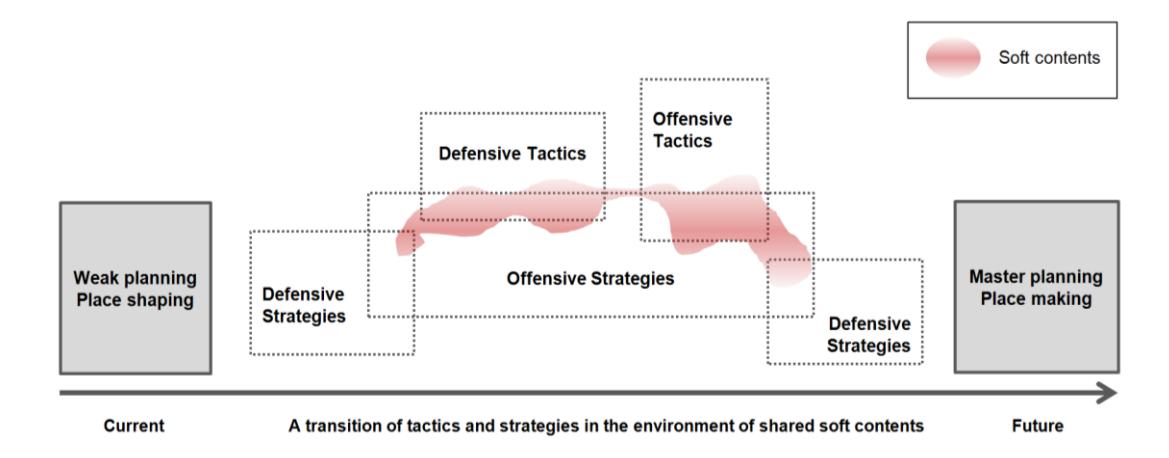
Figure 1. Diagram of analytical framework (edited by the author).
Data Collection
To identify the power relationship transformation of the relevant actors, the interview method was used to collect the necessary data. The interview enables a researcher to collect and interpret empirical data, such as the actors' attitudes, opinions and aspirations; it can hardly be caught by survey-based method. In this sense, the interview was used as a tool to trigger and guide a 'meaning-making conversation' (Holstein and Gubrium, 2016, p. 70), which produces narrative knowledge. Through the meaning-making conversation process, empirical analysis of the soft contents was done in the sense of 'how what is being said relates to the experiences and lives being studied' (Holstein and Gubrium, 1997, p. 127).
Specifically, six semi-structured interviews were carried out with key informants from four different groups: the Seoul Metropolitan Government, the Seoul Youth Hub Centre, temporary tenants and external consultants. In the first part, each interviewee was required to describe their roles in comparison to other stakeholders. In the second part, they were asked to express their opinions on and feelings about the soft programmes operating in the underused underground streets. All of the interviews lasted between 0.5-1.5 hours, either in single or multiple sittings, after obtaining informed consent (Table 1).
| Group | Name | Position | Date | |
|---|---|---|---|---|
| 1 | Seoul Youth Hub | H. M. Jung | Senior manager | 11th,18th June 2015 |
| 2 | Seoul Youth Hub | H. B. Lee | Junior manger | 11th,18th June 2015 |
| 3 | Seoul Metropolitan Government | Mr. Kim | Director | 16th June 2015 |
| 4 | Temporary tenant | Ms. Lee | Individual | th June 2015 9 |
| 5 | Temporary tenant | Y. B. Kim | Individual | 15th June 2015 |
| 6 | Existing tenant | K. S. Choi | Individual | th July 2015 4 |
Table 1. List of the Semi-Structured Interviewees.
Exploration of Case Study
Case Study Background
The Jongno 4-ga Job Creation Hub (JCH) is a temporary start-up incubator in an underused underground street, which used to flourish as a main commercial centre for textiles before the industry moved to areas of mainland China, such as Zhejiang, Shandong and Hebei, in the late 1990s. It is located in two planned clusters: the Dongdaemun fashion cluster and the Sewoon digital cluster (Figure 2).
Figure 2. Location of the case study area (Source: Google Map).
This exclusive redevelopment plan contributed to the underground street being more physically isolated under the changing urban fabric. This particular condition motivated the Seoul Metropolitan Government to find alternatives and solutions to revitalise the underground street. Moreover, these approaches were encouraged within the changing context of the political climate in Seoul. In 2011, the new Seoul mayor Park from the progressive party announced the sharing city agenda, which sought to utilise idle public resources and incubate sharing economy start-up businesses (SMG, 2013). This pragmatic approach centred on more creative alternatives to addressing the social problems in Seoul: the collapse of communities and youth unemployment. JCH was considered as an alternative to mitigate the increased youth unemployment by providing the young with incentives: cheap rents and flexible use of the underground space. Here, JCH intended to achieve two goals: to stimulate young start-ups, and to regenerate the underused underground in a time-limited manner (Interview: H.B. Lee, SYH, 2015). In this context, JCH was run for about two years, between 2014 and 2016. As one interviewee (ibid.) revealed, a new urban governance structure was created to facilitate the project, as it was unlikely to spontaneously start under the depressed market conditions in the aftermath of the global financial crisis in 2008.
In the new governance structure, the Seoul Metropolitan Government (SMG) was the main funding partner of JCH and officially commissioned the Seoul Youth Hub (SYH) to facilitate the delivery of JCH. The Seoul Metropolitan Facility Management Corporation (SMFMC) is a semipublic corporation that owns and manages the public facilities handed over by SMG, such as the underground street. SMFMC allows young people to undertake their creative businesses in the interim.
Formation of Offensive Strategies and Emergence of Offensive Tactics
The interviews with the informants confirmed that there had been a significant change in the middle of the temporary phase, which was the formation of collective groups that impacted on the different stakeholders.
In Andres' framework, SMG used defensive strategies during the early stage of JCH by only participating in official meetings. However, after the formation of the collective alliance with SYH and SMFMC, it appears to have started to use offensive strategies by offering a huge fund to stimulate diverse events in the hub. Therefore, it is clear that, from the beginning to the end of the project, SMG played an important role as a main funding partner by mobilising collective offensive strategies, which would be the seeds of the temporary users' offensive tactics in Andres' framework. However, it was also revealed that SMG intended to completely withdraw its influence at the end of the two-year project, as the financial support for temporary users was due to cease after the temporary period (Interview: Kim, SMG, 2015).
On the other hand, an interviewee from SYH understood that their key role was to coordinate JCH among the different actors by recruiting new start-ups and supporting their activities, while the nature of the role continued to change over time (Interview: H.B. Lee, SYH, 2015). In the early stages of the project, it seems that SYH used a defensive strategy, for example, by passively joining regular meetings. However, they appear to have mobilised offensive strategies by deploying staff members and providing networking programmes at JCH after the formation of the collective alliance with SMC and SMFMC. At the end of the project, they were supposed to use defensive strategies by maintaining the networking activities through ongoing programmes.
Initially, SMFMC used offensive strategies by offering direct financial grants and intensive training programmes to temporary users in the hub. However, after the formation of the collective alliance with SMG and SYH, it seems that SMFMC took a step backwards by empowering SYH as the main coordinator, which can be seen as a defensive strategy. At the end of the project, however, they expected to mobilise markedly offensive strategies by gaining more extensive control over the underground street in the hope of obtaining commercial benefits (Interview: H.W. Jung, SYH, 2015).
For the temporary users, JCH was seen as a place that offered the opportunity to initiate their businesses with lower risks and costs, which they might not have attempted otherwise. The temporary tenants described their activities as spontaneous but carefully calculated, actions that are time-limited (Interview: Y.B. Kim, Temporary Tenant, 2015). In the early stages, they became formally involved in the project through the lease contract but joined it in a passive fashion, which is what Andres terms defensive tactics. Over time, the tenants deliberately dedicated themselves to the collective alliance's desired vision, organising diverse events, supported by SYH. This contributed to changing the temporary users' defensive tactics to offensive tactics by establishing their temporary alliance to voice their solidarity. However, it was questionable whether the legacy of the temporary users' achievements would linger after new businesses came in under a direct contract with SMFMC.
Drawing on the above analysis of the transformation of governance in Andres' framework, two clear points can be identified. First, the project had a significant tipping point, when the collective alliance, consisting of SMG, SMFMC and SYH, was established in the second phase in 2015 (Figure 3).
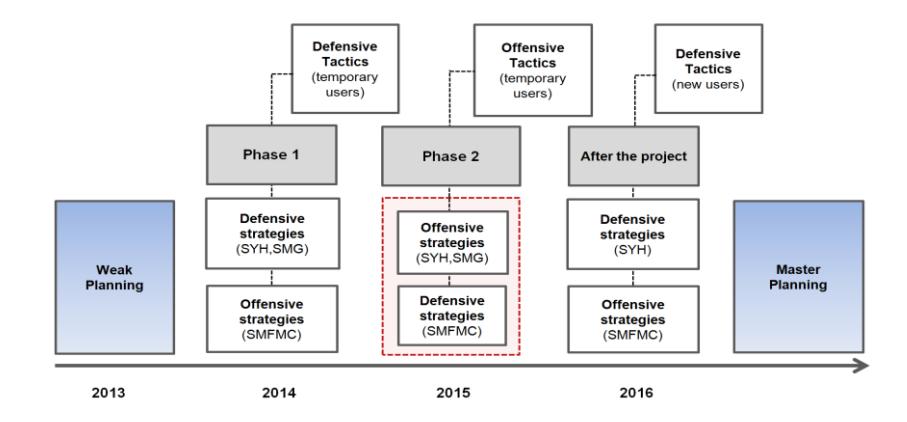
Figure 3. Transformation of the Governance of JCH (edited by the author).
By mobilising collective strategies, the alliance empowered SYH as the main coordinator between the alliance and the temporary users. Second, at the end of the project, an invisible conflict might have threatened to emerge. The conflict was expected to arise from a clash between the temporary tenants' offensive tactics in trying to save their position in the hub and SMFMC's offensive strategies to control the hub in the market mechanism. However, the conflict in the real-time context evolved in the overlapping forms of the transformation process rather than being a wholesale shift from offensive strategies to tactics and vice versa. This requires exploring the actors' feelings and opinions, not least those of the temporary users, about the events and actions during the temporary period, to identify the overlapping phases shaped by the soft content, operating in the underused underground street.
Defensive Programming of 'Soft Value'
When it comes to the soft content, the temporary users described their real experiences in the hub:
'…I really enjoyed doing my own work within such a nice co-workplace environment, which included a variety of creative activities giving me inspiration…' (Interview: Y.B. Kim, temporary tenant, 2015).
'Since I have come in, I've had opportunities to widen my social relationships. For example, I've had a big chance to meet a partner who I can work with while joining the official networking events: the night market and the underground festival. It's literally something unexpected.' (Interview: Lee, temporary tenant, 2015).
Agreeing with this, an existing senior tenant described:
'…as an existing business occupier, I had doubts about the young start-ups here… but after a textile pattern design workshop, I understood their passion for their work and we became more intimate with each other.' (Interview: K.S. Choi, existing tenant, 2015).
Many of the temporary users in the hub networked through a range of regular meetings and informal events. For the users, at least, it seems that JCH is not only the physical space where they work but also a communicative place, which provides them with a sense of belonging and the opportunity to socialise with a variety of external experts, as well as internal members. As almost all the interviewees pointed out, it was the soft content, such as networking events and design workshops, which contributed to the establishment of a common consensus between the actors.
However, in the later phase, SMFMC, as the property manager, attempted to directly control the hub in a more neoliberal manner. Subsequently, they sought to formalise experiences that had proven successful in order to apply this norm to the rest of the underground streets across Seoul. From this point of view, a concern echoed by the interviewees was that their tactical legacies would not last under the sole offensive strategy of SMFMC, as they tended to focus on exploiting the physical property itself in a neoliberal fashion rather than curating intangible soft content. As outlined in the conceptual framework earlier, this critical point can resonate with the concern regarding the dilemmas of temporary reuse, which may manipulate the tactics as 'new means of gentrification' in a neoliberal context.
In this sense, it appeared that the role of the mediating body is vital since it can act as a 'continuous catalyst' in generating a sense of networking between actors with the shared soft context in order to prevent the collapse of the creative legacies. For example, as a coordinator, SYH can constantly get involved in recruiting new start-up occupants to control the coherent quality of the creative businesses in the hub. In addition, they can provide a range of broader services as defensive strategies such as collective workshops and consulting services. In this sense, a coordinator group like SYH contributes to protecting the long-term legacies from the neoliberal urban development by providing 'defensive programmes of soft content (Figure 3).
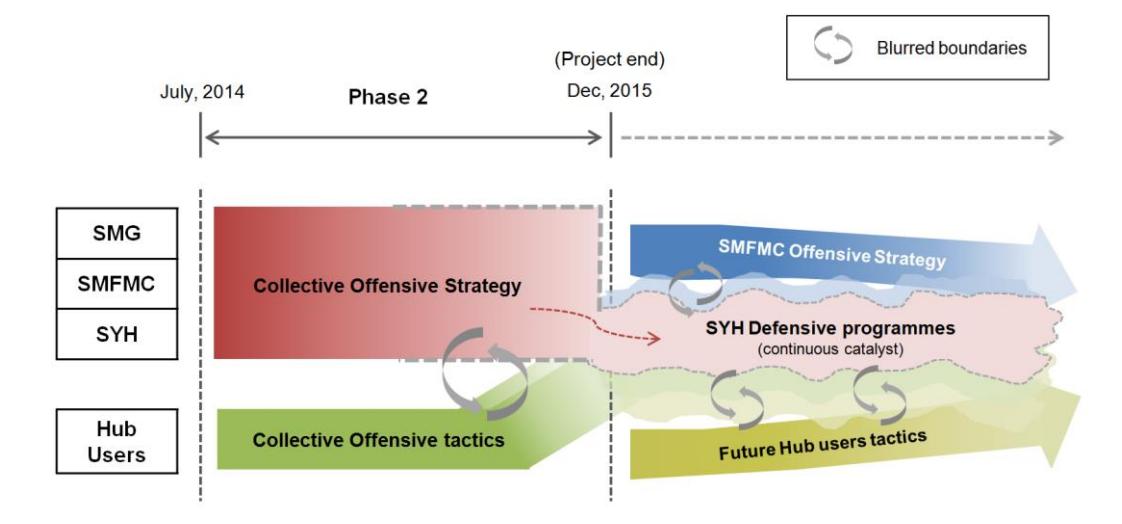
Figure 3. Evolution of strategies and tactics through shared soft contents (edited by the author).
Thus, the constant efforts to share the soft values in the hub contribute to creating a programmed space, which generates a sense of a community environment and helps to smooth the transition of the tactical legacies within the desired visions of the policy-makers in the weak-planning context.
In this sense, although it is still too early to say whether temporary urban reuse like JCH can play a role beyond an optional extra alternative in the future planning strategy of Seoul, the 'shared soft programmes' of tactical practices would at least be a key impetus behind future urban regeneration, establishing a common consensus between stakeholders and helping to bridge the gap between former and future spatial use in the underused urban fabric of Seoul.
Discussion & Conclusion
The case study from Seoul, JCH, was analysed to clarify, in detail, the different roles and aspirations of the key actors along their power transition and to examine the nature of the soft programmes and their implications for underused urban spaces.
The study showed that JCH evolved through a trial-and-error process, involving a transition from weak planning to master planning, while it was hoped that there would be a smooth conversion of the tactics into the long-term strategy, namely the sharing city agenda of Seoul. It seems that the strategies had to constantly undergo negotiation in the evolutionary process to establish good practice and stimulate small-scale practice, as the project was regarded as a learning experience. Under Andres' framework (2013), however, it appears that this negotiation process was subtly controlled and changed by the power dynamics of the key actors, which contributed to the emergence and disappearance of different types of tactics and strategies used by the actors in the hub. In other words, dialectic power relations between the actors in temporary urban use seem to constantly affect the conversion of tactical experiences to broader strategies in a step-by-step manner.
It was subsequently revealed that behind these complex power relations, shared soft content such as networking events played a pivotal role in establishing a consensus between the actors. Accordingly, the 'programmed spaces' contributed to the temporary users considering JCH as not only a space for work but also as a communicative place with a sense of belonging and opportunities to socialise. Therefore, the programmed spaces can be characterised as flexible with regard to change and growth, and open to diversity and justice.
This interpretation of programmed spaces resonates with the discourse of urban voids. For example, programmed spaces are linked to what Groth and Corijin refer to as the notion of 'indeterminate spaces' in which an underused space's undetermined status allows for "the emergence of a non-planned, spontaneous urbanity" and "more justice to the social and cultural complexity" (Groth and Corijin, 2016, p. 503). Thus, it focuses on "transitional re-appropriations that are assumed by civil or informal actors coming from outside the official, institutionalized domain of urban planning and urban politics" (ibid., p. 506). This interpretation is also echoed by the idea of lost space, which refers to gaps in spatial continuity that result from the loss of the intended purpose for which the space used to serve. In the lost space, focus is on the threshold nature of the underused space where the absence of land use broadens the boundaries of the transitional functions of space through a variety of playful behaviours by people (Trancik, 1986). Drawing on the overlapping interpretations, the soft programmes operating in JCH can be seen as a form of relentless momentum that yielded alternative urban futures, where small-scale urban
practices could be encouraged more and continue beyond the boundary between formal and informal use.
Furthermore, it became clear that the role of a mediating body like SYH is vital, since it can constantly perform as a catalytic actor to bridge the gap between the former and future spatial use of the area in a coherent manner. In other words, SYH can generate a sense of networking between the actors by operating shared soft content; this sense of networking further protects temporary users from becoming victims of their own success in the neoliberal urban growth of SMFMC.
However, after SMG steps down from JCH and SMFMC steps up, it is likely that the temporary tenants' solidarity will be weakened or displaced. Moreover, the maintenance of JCH tends to be centralised in a hierarchical funding framework where the key decisions and assessments are made by a few elites behind closed doors, even during the temporary period. It is this hierarchical fiscal mechanism that constrains the weak in making use of the strong. In this sense, this suggests that there is a strong need for a better understanding of the significant role of the coordinator, who can constantly curate defensive programmes of soft content in underused urban spaces over time.
Temporary urban use is an intentional process and inherently entails a range of power dynamics among the stakeholders in a short-lived collective alliance. Therefore, it is crucial to have a full understanding of how these complex relations happen and evolve in order to gain an improved insight into the potential of temporary reuse as an alternative for future strategic regeneration in Seoul. While it is still too early to examine the long-term legacy of JCH, the case study, at least, provides an important reference point for an improved understanding of the significance of soft contents and the role of coordinator groups in the regeneration process of underused urban spaces in the legacy of the developmental state.