

Introduction
Studies on local migrants in Indonesia have been carried out by various experts (Alatas, 1995; Syaukat, 1997). A better economic condition plays a great role in selecting the destination area of migration. In the context of Papua, few studies have been conducted on migration at the provincial level. Firman (1994) showed that the flow of migration between provinces to outside of the origin area was quite high. However, studies on migration from the mountains to urban areas in Papua have not been done. In its development, the migration from the Jayawijaya Wamena mountains brought cultural-economic growth in urban areas in Jayapura.
The influence of migrants on economic growth in urban areas is contextual, in accordance with the social, cultural and geographical conditions. Several studies on migrants have shown the driving and pulling factors that cause population movements from one region to another. In the context of direct migration flows, the main drivers of migration are the economic, social, geographical conditions of the region (Lumbantoruan et al., 2017; Girsang and Pinem, 2013). Furthermore, Nuraini and Pinem (2013) classified factors driving migration based on demographic indicators, including age, sex, length of stay, area of origin, formal education, type of work, and income, to describe the dynamics of the livelihood of migrants in their migration destination. Meanwhile, Sukmaniar et al., (2017) showed that migration not only happens to meet economic needs but also educational needs. Jelita (2015) argued that the economic activities of migrants as a form of coping or survival strategy are mainly farming and trading. This shows that studies of migrants can elaborate on aspects of livelihood related to the dynamics of building social relations with people from different cultural backgrounds.
The livelihood patterns of migrants in building social relations to sustain the household economy depend on the capability of access to resources in the form of capital. Annas (2014) showed that migrants who had access to financial capital in the destination area utilized money transfers for the economic development of the area of origin. In addition, Sepriandi (2018) showed that migrants who failed to build social relations cannot maintain their livelihood. Migration is considered positive because it can lead to equal distribution of wages and equitable development (Muthmainnah and Budyanra, 2016). In agrarian conflict cases, migrants have a negative image when they cause conflicts with local residents (Pertiwi, 2014). It shows that the presence of migrants can contribute to the economic development of a region, even when it is difficult to build social relations with the local residents (Monanisa, 2017). Thus, the process of adaptation after migration is an interesting study topic, especially related to efforts to build social relations between communities from different cultural backgrounds.
In this context, this study aimed to understand the contribution of local migrants to urban economic development in Papua. The migrants' social conditions determine the sustainability of their economic activity in the destination area. Anandari et al. (2018) have shown that obstacles in the process of migrant adaptation can be influenced by psychological conditions in family relationships. Furthermore, Rambiartha and Yasa (2018) have shown that migrant adaptation begins with administrative adjustment of the population in the destination area, followed by adjusting to the culture of the local community. In the economic context of migrant households, gender issues are very sensitive, especially in maintaining a livelihood (Sukarsa et al., 2015;
Rahmawati et al., 2017). Wijayanti (2018) has shown that the participation of female migrants in trading activities is determined by the level of education, age, ethnicity, length of marriage, number of dependents, and duration of migration. The process of migrant adaptation to the social environment begins by identifying various resources available in the destination area, followed by participating in social organizations to establish communication with the local population (Valina, 2013). Meanwhile, Dewi (2013) has shown that migrants who had adapted to the social conditions of the community in the destination area can contribute to regional economic growth through various businesses in the formal and informal sector. This means that the social conditions of migrants in the destination area affect the household economy as well as being an indicator of welfare.
Scientific studies on migrants and the economic development of urban areas are still dominated by the driving and pulling factors of migration (Prastio et al., 2018; Pratiwi et al., 2019). In addition, describing the marital systems and fertility comparisons between migrants and nonmigrants have become popular in scientific studies, especially in identifying their relationship with education, age of first marriage, use of contraception tools and employment, and the rate of growth of migrant populations (Jamilah, 2013; Ekawati, 2017; Pohan, 2017; Syarif et al., 2017). In the context of urban areas, the construction of migrant settlement dwellings is often uncontrolled, thus creating slums (Amalia, 2018). Furthermore, Sihaloho et al. (2016) linked migrants with issues of poverty, population mobility, and livelihood changes. Migrant livelihood is a popular topic in the Indonesian context, where existing studies mostly focus on the main island of Java. In terms of the social and economic development, Papua is a distinct case. The portrayal of migrant social and economic life needs to be elaborated in an in-depth discussion to visualize the process of adaptation to mobility of access to resources in the form of capital to maintain a livelihood. The popularity of migrants and the urban economy in Indonesia as a research topic is the background of the present study on the livelihood of migrants from Wamena in Jayapura, Indonesia.
Conceptual Framework of Sustainable Livelihoods
Practical analysis of community livelihoods in rural areas can be done from various perspectives, such as production, employment, and poverty-line thinking. Fundamental factors in the context of community livelihood are capability, equity and sustainability. To connect fundamental issues in community livelihoods, an integrated concept can be used to identify the determinants of livelihood, such as livelihood intensification, diversification, and transformation. The practical implications of this research can contribute to the development of related researches on population, intensity, complexity and diversity.
This study used the conceptual framework for sustainable livelihoods by Chambers and Conway (1991), as shown in Figure 1. It shows that the concept of integrated sustainable livelihoods emphasizes capability, equity and sustainability. Furthermore, it illustrates that the anatomy of family livelihoods can be classified into four aspects: people, activities, assets, gains or outputs. In the context of assets, the availability of resources is categorized as tangible assets, while access and claims are categorized as intangible assets. To maintain a family livelihood, claim capability and access to resources are determinants for achieving sustainability. The perspective of Chambers and Conway (1991) is contextual because it can be used to observe the livelihoods of rural communities in developing countries with various cultural characteristics integrated with social and economic conditions. Furthermore, policy and institutional aspects also affect the sustainability of people's livelihoods.
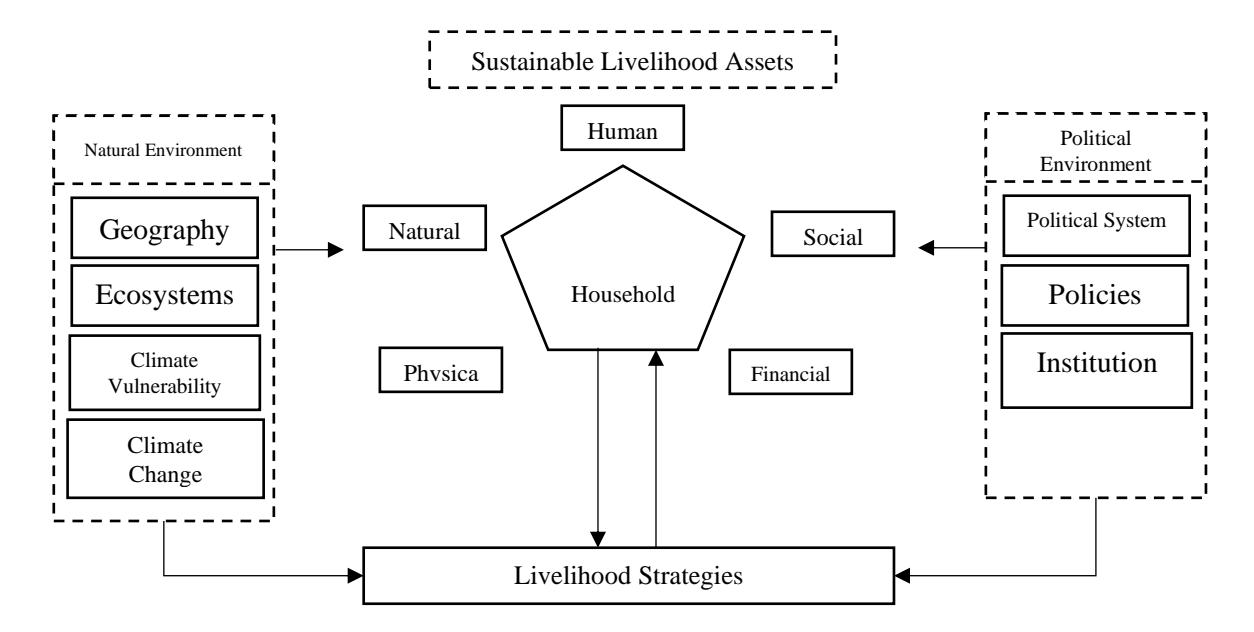
Figure 1. Conceptual framework of sustainable livelihood. Source: Adopted by DFID and modified by Chambers and Conway (1991)
In the context of migrant livelihoods, Putri et al. (2017) described migrants who maintained their livelihood as farmers form an organization to protect various interests and then built up a synergy between institutions to accommodate their common interests in the form of policies. In addition, Pangehutan (2007) showed that policies on migrants in each country are different, so that the mobility of migrants' access to resources as a determinant factor is also different. Retnaningdyah (2013) has shown the importance of institutions and policies that protect the social and economic conditions of migrants, so that they can avoid attempts to marginalize or exploit them. In addition, Saleh (2015) has shown that social relations among migrants and between migrants and local residents must be well established to ensure security and comfort in entrepreneurship to achieve sustainable livelihoods. This means that policy and institutional aspects are essential in maintaining a livelihood by migrants (Wulan et al., 2017; Soeliongan, 2017).
Urban areas tend to be migration destinations, however, among the impacts of migration to urban areas is social segregation in rural areas (Wagistina & Antariksa, 2019). The government has an important role in protecting citizens by minimizing potential conflicts arising from migration (Dewi et al., 2017). The government is also the driving force behind the economic development of human resources (Gunawan & Reiza, 2015). One strategy for migrants to maintain a livelihood is to create a community with fellow migrants (Chawa et al., 2018). The ease of adapting and building social relations is also influenced by the age of the individual when migrating and the interest to work in the destination is also determined by the elasticity of work (Meitasari, 2017). Furthermore, Zulham et al. (2009) have shown that the circulation of migration that drives the flow of labor, money and goods in a patron-client relationship between capital owners and migrants is a strategy to alleviate poverty. This means that the government, through policies, institutions and the migrants' social capability to adapt, is a determining factor for livelihood sustainability.
Methodology
This article outlines the conceptual framework of Robert Chambers and Gordon Conway (1991) for sustainable livelihoods in relation to the socio-economic conditions of migrants from Wamena living in urban areas such as Jayapura, the capital of Papua province, Indonesia. The results were analyzed by using life-history techniques to describe the migrants' experiences in building social relations and how they worked to meet the economic needs of the family. A map of the study locations from this study can be seen in Figure 2.
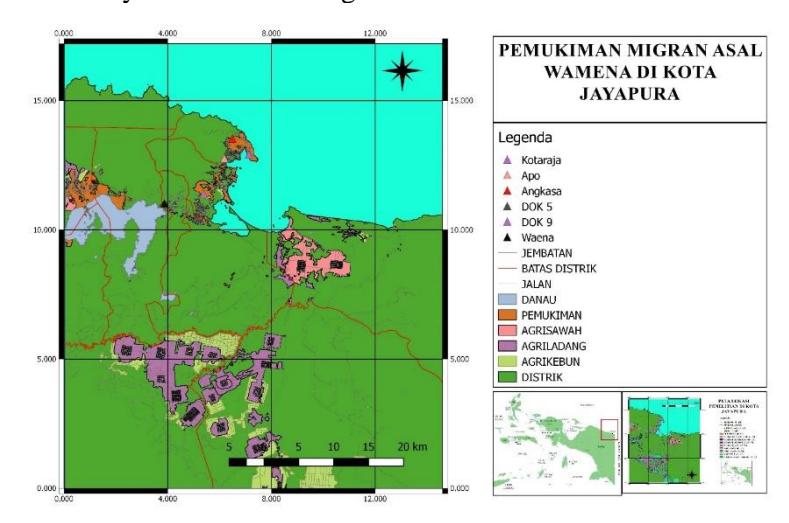
Figure 2. Research locations in Jayapura, the provincial capital of Papua province, Indonesia.
This study used primary and secondary data. In primary data collection, in-depth interviews were used to obtain information from key informants. The key informants met a purposive qualification standard determined by the researchers. Based on an agreement between the researchers and the informants, hereinafter referred to as participants, their identity could not be published and was therefore converted to initials. In the context of Jayapura society, women who are married and have children are referred to as 'Mama'. Thus, this study involved 'Mama LT', 'Mama OK', 'Mama YG', and 'Mama YU' as representatives of the areas of North Jayapura, South Jayapura, Abepura, Heram, and Muara Tami, respectively. The key informants had a background that was relevant to migration considering that they were 'mama-mama Wamena' (mothers from Wamena) who worked as farmers and sellers in the market in Jayapura. Therefore, the theoretical perspective of Chambers and Conway (1991) is relevant to the migration issues in Jayapura, especially related to the driving and pulling factors of migration and the coping and survival strategies of Wamena tribe families, specifically the role of women in maintaining the family's livelihood. The involvement of migrant women as key informants was important in order to describe various gender issues in the livelihoods of migrants from Wamena in Jayapura. Field observations were carried out evenly in each district of Jayapura in order to carefully observe the social and economic conditions of the migrants. Thus, apart from the in-depth interviews, direct observation was used as a primary data source in this study.
In addition to the primary data, secondary data were also important for analyzing the livelihoods of migrants in Jayapura. The secondary data were taken from The Asia Foundation (TAF) Rapid Assessment and the Indonesian Institute of Sciences (Lembaga Ilmu Pengetahuan Indonesia (LIPI)), Employment Profile of Jayapura, Welfare Indicators of Jayapura, Susenas Migrant Profile, People's Welfare Statistics in Jayapura, Geospatial Documents of Jayapura and Jayapura
Regency. The secondary data were used to support the analysis of the livelihoods of migrants from Wamena in Jayapura, Indonesia. Furthermore, the data were also processed using triangulation techniques by linking the results of the in-depth interviews, observation and document studies to obtain valid and credible information. The research process to find the livelihood patterns of migrants from Wamena in Jayapura, Papua, Indonesia took place from 2014 to 2019.
Results and Discussion
Livelihoods of Wamena Migrants in Jayapura
Description of the livelihoods of migrants from Wamena in Jayapura includes the reasons for migration: driving and pulling factors to migrate; policies, institutions, and politics toward land resource access capabilities; local wisdom and social capital: honay and Wamena women.
Driving and Pulling Factors to Migrate
The importance of education for the next generation of Wamena was one of the factors driving migration. The intensity of multi-ethnic relations allowed the exchange of knowledge about technological developments so as to increase awareness about the importance of reinforcing the capacity of their human resources through education. In addition, the economic situation of the migrants from Wamena in Jayapura was far more developed than in the area of origin, even though the scope of livelihood opportunities remained predominantly in the agricultural field. Things that slowed the economic growth in Wamena were the inadequate infrastructure supporting agricultural activities, in the form of road access, transportation and security. The limitations of this infrastructure had implications for the development of the local economy. Along with security and the quality of education, it was one of the main driving factors for the Wamena people to migrate to Jayapura. In general, migration occurred because of various economic, social and cultural, environmental and political considerations (Yazid, 2017; Taryono et al., 2009). Furthermore, Elfranita et al. (2013) have shown that dissatisfaction with the area of origin encourages individuals and families to migrate. It results from limited job opportunities, the hope for a better economic life as well as higher income opportunities in the destination area. In relation to the migration of the Wamena tribes in Papua, Table 1 below presents the classification of the driving and pulling factors of migration from Wamena to Jayapura.
Table 1. Driving and Pulling Factors of Migration from Wamena to Jayapura. Source: Results of in-depth interview data analysis.
| Driving Factors | Pulling Factors | Explanation | ||
|---|---|---|---|---|
| Economy | Economic opportunity | Mobilized by church institution | ||
| Limited land resources | Opportunity to access new land resources | Mobilized by customary institution | ||
| Education and infrastructure | Opportunity to access quality education and supporting infrastructure | Mobilized by local government institution | ||
Table 1 shows that the driving factors of migration are the lack of economic opportunities, insufficient land resources, low quality of education, and inadequate infrastructure. Meanwhile, the pulling factors are economic opportunity mobilized by church institutions, opportunity to access new land resources mobilized by customary institutions, and access quality education and supporting infrastructure mobilized by local government institutions. There were also other factors that influenced the migration process, such as conflicts, customary sanctions, and various social problems in the area of origin. The decision to migrate was supported by three institutions, i.e. church, customary, and local government institutions. This underlines that the migration process and adaptation in the destination area are highly related to the local cultural context.
In the context of Papua, zending (church) and ondoafi (tribal chief) played an important role as pulling factors to migrate. Through zending, the Wamena people had the opportunity to increase their human resources capacity through training in agriculture. On the other hand, ondoafi played an important role in accessing resources, in this case agricultural land available in Jayapura. Therefore, it can be seen that the mobilization of the migration process was inseparable from the role of the church and traditional institutions. The ondoafi mobilized the migrants from Wamena to build social relations with communities in Jayapura. Meanwhile, the zending mobilized the migrants from Wamena to increase their capability of access to land resources. Consequently, agricultural activities in the city of Jayapura became a coping and survival strategy for migrants from Wamena.
Along with this development, migrants who had established themselves economically in Jayapura started attracting family members from the area of origin. Money transfers motivated family members in Wamena to migrate to Jayapura. This is consistent with the findings by Armoyu (2015), which showed that migration for economic reasons tends to be family related. From a hedonic perspective, happiness is measured materially or according to the results achieved by an individual. Meanwhile, the eudaemonic concept focuses on happiness from a perspective of life experience. From a hedonic perspective, things such as employment and higher-income opportunities tend to be the most important factors driving migration. Furthermore, Iqbal and Gusman (2015) had similar findings: the things that encourage migrants to work abroad are dominated by economic reasons (per capita income and poverty). On the other hand, Bidwell et al. (2014) have shown that security and comfort can also be major reasons for migration if the migrants' area of origin is vulnerable to social conflicts that affect family livelihoods.
In the context of the migrants from Wamena in Jayapura, the things that encouraged migration were security, availability of land resources and better income opportunities in the destination area. The migration process went smoothly because there were intermediaries during the transition phase of the migration, such as church and traditional institutions (zending and ondoafi), which mobilized the migrants to access land resources for settlement as well as being a source of agricultural-based livelihoods in Jayapura. Suntajaya (2014) has shown that the process of urbanization in Indonesia is mainly caused by rural-urban migration due to the low natural growth of urban populations, the relatively slow change of status from rural to urban areas, and the relatively strong economic development policies that tend to be 'urban-biased', thereby increasing the attractiveness of urban areas for residents who live in rural areas. Apart from the driving and pulling factors of migration, the process of mediating communities from different cultural backgrounds is a determining factor for the success of adaptation to the destination area. Thus, it can be seen that the migration of the Wamena people to Jayapura was inseparable from the institutional, policy and political aspects of the capability of access to land resources.
Institutions, Policy and Politics of Access Capabilities of Land Resource
Institutionally, the migration process was driven by the desires of the migrants and also tended to be mediated by the church (zending) and customary institutions (the power of tribal leaders). Since 1966, the Wamena people had migrated to Jayapura. At that time, the influence of the church and customary institutions was still more dominant than that of the regional government. The agricultural, animal husbandry and carpentry training programs offered by the church were able to encourage people in Papua to optimize natural resources as coping and survival strategies. The church was among the religious institutions that played a role in increasing the capacity of human resources in the economic and social fields, especially in efforts to create social harmony in diversity (Wekke, 2016).
The existence of migrants from Wamena could be well received by people in Jayapura because of the willingness of individuals and groups, and the synergy of traditional institutions through the tribal chief (ondoafi). In addition, the tribal chiefs worked together with the church to provide access to land resources to be managed by the migrants from Wamena as a source of livelihood in agriculture. Therefore, the tribal chiefs not only played a role in resolving inter-tribal wars but also actively cooperated with other institutions for the common interest (Murib, 2015).
Culturally, the people in Wamena had different norms from the people in Jayapura. Cultural values in the form of local wisdom of the Wamena manifested themselves in social behavior and economic activities as represented by the use of natural resources to meet family needs (Fajarini, 2014). The presence of the migrants from Wamena in Jayapura also affected the urban economy. The agricultural and plantation products distributed to Jayapura mostly came from migrants from Wamena. The Wamena community utilized land resources in the Sentani, Waena, Koya, and Angkasa regions. The location of the migrant settlements was mostly in the hills and watershed areas (daerah aliran sungai – DAS) rather than the center of Jayapura. The level of soil fertility and the size of agricultural or plantation land were included in the considerations in choosing settlement locations by the migrants from Wamena. Rahmansyah and Latupapua (2003) have shown that the Wamena people have a synergistic cultural connection with farming activities because the settlements in their area of origin are also located in the mountains. Therefore, most of them were farmers instead of fishermen. Meanwhile, in the context of spatial planning, the migrant settlements from Wamena in Jayapura had been regulated in the policy document Jayapura Spatial Planning 2013-2033 related to high-, medium- and low-density residential zones (Lawene et al., 2017). This shows that, culturally, the livelihood of the migrants from Wamena as farmers was connected to their cultural values. Meanwhile, their settlements were regulated by Jayapura's spatial planning policy.
The migrants who lived in the center of Jayapura developed business relations with those who lived in the hills and watershed areas. Their relationship was a patron-client relationship, such that the migrants who lived in the center of Jayapura would no longer plant crops but only market agricultural and plantation products to buyers. This special autonomy helped them maintaining a livelihood by trading agricultural and plantation products. Pona (2008) illustrated that the population in Papua is predominantly affected by migration compared to natural growth, creating pluralistic communities in urban areas. Population change had formed social structures, classifications, and networks that are multi-racial, multi-ethnic, multi-cultural, multi-religious, multi-regional, and multi-political. In an effort to develop mutual awareness and willingness to improve social interaction and cross-social networks, Papua's special autonomy policy was essential. This policy had been highly influential on the livelihoods of migrants from Wamena in Jayapura (Lamba, 2011) and other regions (Frank, 2004).
Local Wisdom and Wamena Women
The Wamena people were familiar with the concept of unity in human-human relations as well as in human-nature relations, expressed in the concept of transcendence. Harmonious relations between humans and nature were believed to affect livelihoods, especially the ones in agriculture. Turua et al. (2014) have shown that the Wamena community in Jayawijaya tend to choose alluvial land as settlement location because of its very high food potential. Farmers in Wamena were accustomed to a pattern of taking, picking, and consuming or selling products compared to planting, caring, picking and selling products. Meanwhile, the agricultural commodities that Wamena farmers grow were understood to be resistant to pest attacks and give a minimum risk of crop failure, such as taro, sweet potato, cassava and banana. In the social context of Wamena farmers, internal distribution was not limited to giving crops to relatives but also participating in the culture of customary paying and fines, and wedding dowry fees. Furthermore, Veronika (2013) has shown that various norms are also manifested in environmental protection through customary rules and sanctions.
Table 1. Driving and pulling factors of Wamena women migration and the capability to access capital in the destination area.
Source: Results of in-depth interview transcript analysis
| Driving and Pulling Factors and Capabilities to Access the | Key Informant | |||||
|---|---|---|---|---|---|---|
| Capital | OK | YG | YU | OW | ||
| Relying on social capital to obtain natural capital in the destination area | ✔ | ✔ | ✔ | ✔ | ||
| Relying on financial capital to obtain natural capital in the destination area | ||||||
| Relying on human capital to obtain natural capital in the destination area | ||||||
| Relying on natural capital to obtain natural capital in the destination area | ✔ | ✔ | ✔ | ✔ | ✔ | |
| Relying on physical capital to obtain natural capital in the destination area | ✔ | ✔ | ✔ | ✔ | ✔ | |
Table 1 shows the results of the in-depth interviews with the key informants who were mamamama Papua (mothers from Papua) or Wamena women in Jayapura. They played an important role in maintaining the family livelihood. From the in-depth interviews it was found that there were similarities between the driving and pulling factors of migration, especially for the women, where the social capital had been a significant stimulus for migration, which was then developed into natural capital in the destination area. All of the key informants had relatives already living in Jayapura and they conveyed that there were better economic opportunities, higher quality education and an adequate supporting infrastructure in Jayapura. Therefore, the decision to migrate was made by the key informants in order to maintain their family livelihood. Adaptation to the destination area was done by accessing natural resources, which were then developed into economic capital when the harvest and crops were sold in the market. All key informants who moved to Jayapura were married and had families. Due to the dominant social values among the Wamena women, the decision to live independently was a motivation for them to build their own houses in Jayapura. This was in contrast to what happened in their area of origin (Wamena), where all family members worked on the same land, which made it difficult to meet all their needs, which were gradually getting more various each day. This showed that the Wamena women had a crucial role in making the decision to migrate.
For the Wamena people, land was part of the identity of each clan, or keret. It was symbolized by a mother figure in her role as the guardian of the lives of her children. This concept had developed into a norm that was part of the local wisdom of the Wamena community and influenced the behavior of land resource use in farming activities. Thus, this local wisdom led the Wamena people to limit the size of agricultural land to around 0.25-1.0 ha for nomadic cultivation. The driving factors of nomadic farming patterns are: (1) not to continuously settle in the same location; (2) to affirm ownership of customary rights; (3) to meet food needs in the form of sago, vegetables, and meats available in the forest. Meanwhile, the management of the land was divided into several purposes: gardening, hunting, sago plantation, fishing (especially in watersheds), supplying firewood and wood for building houses, and other zones. In the customary context, ownership of land rights was communal (shared ownership) based on clans, maraga and keret. The land use could be passed on to subsequent descendants in the patrilineal system, supported by the tribal chiefs (ondoafi) through customary institutions in recognition of the customary land ownership. The Wamena people traditionally measured their welfare by education level, economic conditions, and development of the village area.
The local wisdom in farming in Papua was contextual. Matualage (2011) emphasized that there are three important parts in agricultural activities: (1) the selection of land based on soil color and type; (2) land clearing by cutting bushes and growing grass; (3) tree cutting and burning (mahiro) for one month; (4) storing planting material for five days to accelerate the process of sweet potato growth; (5) before planting the sweet potatoes, there were two things to consider: type of wood used as a drill and planting method; (6) harvesting was done by determining the time and method of harvesting according to the age of the plant and the soil conditions. Harvesting could only be done if the soil looks like a pile and was loose. It was not done at once but gradually, so that the process was sustainable; (7) starting a new garden could be done when the sweet potatoes were about to be harvested. This shows that the local wisdom in farming in Papua led to a sustainable and environmentally friendly harvesting process. The local wisdom could mobilize a community to achieve sustainable livelihoods (Widyastini & Dharmawan, 2013; Sassongko & Kotalaha, 2018). Thus, local wisdom was a strategy to achieve sustainable livelihoods.
In the cultural context of the Wamena community, women had more responsibilities than men. Therefore, farming activities were mostly done by women. Furthermore, Rihi and Hiluka (2018) have shown that Wamena women play an important role in maintaining the family livelihood. They are mothers who plant sweet potatoes for consumption and selling in the market. The dominance of women in maintaining the livelihood of the Wamena community reflected the synergy between cultural values manifested in the form of the local wisdom of the Papuan people that the land, as a mother, provided various clothing, housing and food needs for the community. Furthermore, Solaiman (2018) confirmed that they have a dominant role in producing food. They were responsible for planting, collecting sago, fishing, picking various types of shellfish, and also for broader activities to start and prepare plantations. There was a great contrast between the men and the women providing support for the family and in maintaining the security of their families. Tebay and Solaiman (2019) illustrated that the Wamena women live according to local cultural values known as honay. Economic activities, which range from gardening, raising livestock, finding shrimp in the lake, were dominated by women. They diligently saved money, went to the garden in the morning and came home late in the evening while carrying cassava and vegetables carrying a large noken to meet the daily food needs of their family. This shows that the local wisdom and Wamena women contributed significantly to sustainable family livelihoods.
Discussion: Social Capital and Community-Based Economic Systems in a Sustainable Livelihood Approach
In this case study, migrants from Wamena in urban areas of Jayapura and their economic activities were observed to identify the driving and pulling factors of migration. The institutional, policy and capability aspects of access to land resources were mobilized by church, customary and government institutions to enable migrants from Wamena in Jayapura maintain to maintain a livelihood. This study found that the local wisdom contained in the honay cultural values was embraced by the migrant women from Wamena in farming and trading. From the perspective of Chambers and Conway (1991), a sustainable livelihood is determined by having access to resources in the form of social, financial, natural, physical, and human capital. In addition, environmental aspects (ecosystem and climate change) as well as institutional aspects, policies and local political systems determine the access to resources.
These findings indicate the dominance of social capital reconstructed from local culture (honay), which influenced the communal behavior to form a community-based economic system. Initially, the farming activities were limited to meeting the needs of the family, but along with its development, the welfare of the Wamena community was not only measured by the fulfillment of food needs but also diversified to a better level of education and quality of health (including security). Working together in the form of groups (networks) developed into a community-based agricultural economic system based on the norms and beliefs from the traditions of the Wamena people. In addition, the increase in welfare in terms of improved education and health became a reason for others to migrate. In the migration process, customary (ondoafi), religious, and church institutions played an important role in preparing the human resources capacity of migrants from Wamena for utilizing land in Jayapura as a source of livelihood and a new place for settlement.
Choosing settlements in the hills and watershed areas of Jayapura reflected the use of local wisdom in choosing land that was suitable for plantation and settlement. Sasongko and Wahyuni (2013) described the use of social capital by migrants in economic activities in the informal sector. Their findings show that social capital (norms, trust and networking) in the informal sector strengthen the relations between fellow migrants from the area of origin compared to the relationship between migrants and local residents. This is different from the findings of this study, which show that social relations were formed not only between fellow migrants but also between migrants and residents in Jayapura and other areas. In addition, Safitri and Wahyuni (2013) revealed that one of the strategies to adapt to the population in the destination area is to participate in local organizations or associations by providing assistance in social activities of local residents. Furthermore, the migrants were confronted with adaptation priorities. If the reasons to migrate were mostly of an economic nature, this affected the choice of workplace or type of work. If they were of a social nature, involvement in social activities in the destination area was a strategic step to blend in with the local population. Their findings show that the function of social networks determines the process of adaptation to the destination area. Meanwhile, this study shows that the migration of the Wamena people to Jayapura was mobilized by customary, religious, and government institutions. In a cultural context, the value of universality adopted by the Papuan people made it easier for the Wamena migrants to access land resources, where the negotiation process took place according to local traditions.
The social capital established by the migrants from Wamena created a community-based economic system that facilitated the distribution process through selling the harvests on the market. Migrants living in the hills and watershed areas grew agricultural commodities for trade. After the harvest, the commodities were distributed to migrants who live in urban areas to sell on the market. The agricultural commodities from Wamena were mainly sold by women (mama(s)). This shows that women played a very dominant role, ranging from gardening and farming activities to meet family food needs, to trading on the market to earn income for their children's education. Widjojo (2012) has shown that the cultural context of Papuan society ties women to gender issues. In the tradition of the Papuan people, social stratification was not only based on age and self-efficacy based on personhood but also on gender. This could be seen from traditional community settlements in the context of honay, where the honay house has separate areas for men and women. In addition, the men and women have different tasks. This also shows that women had a bond with nature. Hardiningtyas (2016) has shown the existence of women's resistance to environmental injustice and ecological issues in relation to natural management. The patriarchal system adopted by the Papuan people positioned women as workers, food processors, and harvest sellers. Papuan women faced these challenges by mastering the role of producer, consumer, educator, campaigner and communicator for nature conservation. Thus, women had an important social role in making Papuans aware of the necessity of protecting the environment.
By providing food commodities to meet market demand, the migrants from Wamena in Jayapura maintained a balance in the local economy. The agricultural products traded by the women (mama(s)) on the market reflected the social dynamics in the economic activities of traditional communities in Papua to maintain their family's livelihood, contributed to urban development, and achieved local cultural sovereignty. Triyanti and Firdaus (2016) have shown that these contributions to development can be made by maintaining livelihoods that strengthen the economic condition of families through education and health so as to avoid poverty and be able to achieve prosperity. Furthermore, their findings also show that the capability of access to social, natural, human, physical, and financial capital also influences sustainable family livelihoods. Similar findings were revealed by Pratiwi and Haryastuti (2011). One of the strategies to eradicate poverty and achieve prosperity is maintaining a family livelihood and optimizing economic aspects. Thus, it can be seen that the livelihoods of migrant families from Wamena were an aspect of maintaining food security, which contributed to the economic development of Jayapura. Therefore, the intensification, diversification and transformation of capital was essential in achieving sustainable livelihoods (Chambers & Conway, 1991).
Conclusions
This article aimed to describe the role of local migrants in urban economic development through a case study of migrants from Wamena in Jayapura, Indonesia. The results of this study indicate that they had contributed to the economic development of Jayapura through optimization of agricultural production as a strategy to achieve a sustainable economy. For the migrants from Wamena, education, health and security as well as economy were the main drivers of migration. In addition, the migration process could take place well because of the role of traditional, religious and regional government institutions that increased the capacity and capability of the migrants to adapt to the destination area and access resources as capital. From a livelihood perspective, the migrants utilized social capital (norms, beliefs and networks) to sustain economic, social and cultural life, and protect the environment. Furthermore, the Wamena local wisdom and Wamena women also played an important role in the economic development in urban areas by maintaining the livelihoods of their families.