
Introduction
Recently, social capital has been a much discussed subject globally, including in Malaysia. Although the term 'social capital' points to several different perspectives and frames of reference, it is commonly understood as a resource formed through a network of social relationships amongst people or societies. Most of the time, social capital is denoted as a culmination of trust, social participation, reciprocity, norms, and networks (Bourdieu 1986; Coleman 1988; Putnam 1993; Burt 2007). In other social applications, social capital has been associated with studies of economic growth (Knack and Keefer 1997; Beugelsdijk and Schaik 2005; Jetten et al. 2010), social health and wellbeing (Powdthavee 2010; Bartolini and Sarracino 2014, 2015; Western et al., 2005; Mikucka and Sarracino 2014), and political democracy (Putnam et al. 1993). Various studies in the fields of economics and social sciences have focused on social trust as a fundamental source of social capital (Putnam 2000; Welch et al. 2005; Dearmon and Grier 2011; Torpe and Lolle 2011) and a vital factor for a nation aiming to improve the social life of its citizens and maintain a stable political scene (Zanin et al., 2013; Alesina and La Ferrara 2002; Hardin 2002; Welch et al. 2005; Herreros and Criado 2008; Torpe and Lolle, 2011). Conceptually, social trust is one of the significant outcomes of social capital over time (Putnam, 2000; Stone, 2001; Woolcock, 2001).
The flourishing literature on social trust and its corollary social capital in the Global North, however, has not been met with a similar expansion of the amount of research. This is despite the significance of context, particularly cultural context, in nurturing social capital and social trust, as highlighted by Putnam (2007), Wang et al. (2014), Delhey et al. (2011) and Li et al. (2015). Numerous studies in Western societies found social capital to be highly generative of social trust between different groups, which facilitates social cohesion and socioeconomic integration of marginal and vulnerable communities (Putnam, 2007; Laurence, 2011; Huang, 2015). Although the nature of civic engagement differs from that in the North, research suggests that social capital emerges and exists in abundance in the transitional urban society of China (Chen and Lu, 2007), suggesting the usefulness of the concept in understanding society's collective actions, especially in cities of the Global South. Furthermore, Wu (2012), Li (2013) and Wang et al. (2015) found an existing relationship between neighbourhood factors, including residential diversity, local community involvement and trust, with social capital in urban China. In Jakarta, meeting places in neighbourhood centres were found to foster bonding ties, including trust, which, together with attachment to place and social belonging, appeared to be key local assets for promoting community resilience (Bott, Ankel & Braun, 2019). Urban villages in Kuala Lumpur offer a particularly engaging context for the study of social capital and social trust due to their unique socio-spatial setting. A national cultural heritage, yet generally left behind in terms of development, urban villages are usually associated with complex developmental problems and a poor living environment, including deteriorating infrastructure. It is therefore interesting to understand the context of urban social interaction among villagers and determine how neighbourhood facilities affect social trust in an urban village that is located in the fast-paced modernising city of Kuala Lumpur.
This study drew upon the concept of social capital as a foundation to investigate social trust among residents of a traditional urban neighbourhood in a rapidly urbanising Global South city. Generally measuring the confidence one has in another, social trust in particular refers to the extent of trust individuals have in people they acknowledge as well as in people they do not acknowledge. This includes trust in formal institutions such as local governing agencies, local authorities and law enforcement. According to Foxton and Jones (2011), trust is the most fundamental element in any relationship that provides a bridge linking individuals, organisations or communities and pacifies any kind of exchange between them. Therefore, trust can be reckoned as a resource used when building relationships and interacting with others (Bryant & Norris, 2002). Trust as a resource to measure social capital whereby people work together collectively in an environment of trust leading to a common goal has also been emphasized by Anderson and Milligan (2006).
According to Homs (2017), an urban village denotes a small settlement of a community or group of people who support each other, which is still big enough to support a reasonable cross-section of facilities. In the West, the urban village offers various types of residences as well as infrastructures. It provides a platform for social interconnection and facilitates substantial interaction between residents within a modern environment that aims to minimise degradation of local characteristic and uniqueness. In short, western urban villages are characterized by a complete integration of local and modern communal structures. Malaysian urban villages seen from this perspective are distinct from their Western counterparts. The 'new villages' in particular can be traced back to their origins, physical setting and well-known identity as Chinese settlements (Centre for Malaysian Chinese Studies, 2011). These villages were established in Peninsular Malaysia by the British colonials after the end of World War II, following the anticolonial revolt by armed communist insurgents. To regain control, the British initiated the resettlement of Chinese dwellers, then suspected of having links to the communists. The new village settlements were created to isolate anti-colonial groups and restrict the communists from getting resources from villages (Sandhu, 1964; Nyce, 1973; Voon, 2009). In Malaysia, most of these new villages can be found in the states of Perak, Selangor, Penang, and Pahang (Nooi & Hong, 2013). The urgency of the resettlements forced unconventional new villages into existence, with the sole military purpose of curbing anti-colonial uprisings. Consequently, the new villages were immediately turned into high-density, disorganized settlements with temporary structures as residences, with limited facilities and amenities; at that point in time, however, these features were considered advanced to the Chinese settlers, who lived in poverty (Centre for Malaysia Chinese Studies, 2011).
By now, these new villages have been in existence for almost 62 years (Centre for Malaysian Chinese Studies, 2011). Yet the problem of no title to land has remained largely unresolved. Illegal constructions and haphazard development over the years have added to development and planning complications for such villages, since no proper land-use guidelines or development plans can be executed due to their informality. Local authorities also face difficulties in reconstructing and redeveloping neighbourhoods as villagers refuse to comply with regulations. On a positive note, residents of new villages today enjoy the benefits of spillover from surrounding townships and cities that have developed (Nooi & Hong, 2013). With increased
mobility afforded by private transportation means, villagers have no trouble going out for their daily necessities, whether from inside or outside the village. Following the urban village improvement efforts under the Malaysian Vision 2020 policy, the authorities have initiated redevelopment projects and overhaul of urban villages (Kuala Lumpur City Hall, 2004). Kampung Baru, one of the most centrally located villages in Kuala Lumpur, exemplifies the most current and notable redevelopment project (The Malaysian Insider, 2016). The local authority and planners in this case have formulated a comprehensive plan to replace ad hoc settlements with culturally inspired architecture. However, such efforts face insurmountable challenges due to among others a lack of community integration and sustainable development. These are paramount to the creation of a holistic nation since it is important to take into account the nation's unity and social dynamics alongside economic growth (Mahathir Mohammad, 1991). This paper examines the effect of neighbourhood facilities on social trust in one selected new village: Salak South New Village. This was premised on the lack of operational knowledge about the role of neighborhood shared facilities in relation to social capital, more specifically social trust. The analysis aimed to assess the impact of neighborhood facilities on social trust of the village community via resident satisfaction towards their provision. The end result shows the need for proper planning and management of neighbourhood facilities in order to preserve or even further cultivate social trust. Findings such as this could go a long way to aid local authorities and other stakeholders in planning for future developments of urban villages as they indicate the type of facilities that should be prioritised for the general betterment of living standards, to foster social trust and therefore social capital.
Social Capital, Social Trust and the Effect of Neighbourhood Characteristics
Social capital as a concept has recently received considerable attention in studies focusing on different social capital concepts and analyses in diverse disciplines (Kim 2004; Knorringa and Van Staveren 2006; Park 2002; Portes 1998). The concept was first introduced and defined as a resource which individuals and groups have access to by virtue of their membership in networks (Bourdieu, 1986). Coleman (1988) later described social capital as the value of social relationships, mutual trust and norms of reciprocity, both individually and in society. Therefore, it can generally be perceived as a collective or as an individual resource (Veenstra 2005; Schultz et al. 2008; Giordano and Lindstrom 2010). The literature suggests that social capital is associated with both material and symbolic profits such as labour market success, upward social mobility and support in times of crisis (Wuthnow, 2002; Field, 2008). More recently, Scrivens and Smith (2013) have argued that the term social capital conveys the idea that human relations and norms of behaviour are instrumental in improving various aspects of people's lives which in turn shape individual as well as collective wellbeing outcomes. Siegler (2014) similarly asserts that social capital brings about connections that invoke benefits due to tolerance, solidarity and trust. Moreover, the formal and informal social connections established in the course of civic engagement are considered the cornerstone of society; they generate and sustain a wider set of networks and values that foster "the norms of reciprocity and trustworthiness", which further facilitate mutual collaboration and strengthen democracy (Putnam, 2000: 19; 2007).
As a concept, social capital can be viewed from two different perspectives (Chung et al., 2012): one that focuses more on the structural aspects, emphasizing its objectivity (Coleman, 1988; Bourdieu, 1986; Burt, 2000); and the other that highlights its cultural aspect, which is more subjective (Putnam, 1993; Fukuyama, 1995). Objective associations, or social networks, refer to both formal and informal associations, which are formed and engaged in on a voluntary basis. On the other hand, the subjective ties, or norms, mainly refer to trust and reciprocal feelings among individuals. According to Putnam (2000) and Stone (2001) bonding social capital presupposes
trust and reciprocity in closed networks and facilitates the process of 'getting by' in life on a daily basis. Bonding ties emerge in dense and relatively homogeneous networks where trust and social control are high (Agurto Adrianzén, 2014). These networks are assumed to foster immediate support and coping capacities, as network members share similar livelihoods and experiences (Chan et al., 2018; Kerr, 2018). Studies have shown that individuals with a richer stock of social capital are generally more likely to be trusting than other people (Putnam, 2000; Li et al., 2005, 2015; Uslaner, 2012). The World Bank (2003) furthermore reported that social fragility due to high ethnic diversity and profound economic inequality that is characteristic of many poor urban areas in the Global South creates low-level generalized trust.
Siegler (2014) argues that trust and values measuring the quality of relationships that are beneficial for society, and therefore constitute capital, can determine the willingness of people in society to cooperate with one another. Trust results from both commitment and intimacy in social interaction notwithstanding the context over which it is conferred ((Drew et al. 2012; Nooteboom, 2002). Social trust is manifested in people's trust in their fellow citizens in social exchanges on a large scale. It has been frequently measured as generalized social trust in several studies. The distinguishing role of trust as a source of social capital plays in civic society is evident in studies conducted in the North and to a much lesser extent in Global South societies, particularly China (Putnam, 2000; Li et al., 2005). Acknowledging the significance of local context in cultivating social capital and social trust (Putnam 2007; Wang et al., 2014; Delhey et al., 2011; Li et al. (2015), empirical studies conducted in the former found that social cohesion and the socioeconomic integration of members of minority or disadvantaged groups are enhanced by social trust originating from social capital (Putnam, 2007; Laurence, 2011; Huang, 2015). Although the nature of civic engagement differs between the two, research suggests that social capital in the transitional urban society of China is ample and similar to that in the West. This suggests that the concept of social capital, which was conceptualized and investigated in Western settings, can be useful in understanding society's collective actions, especially in urban areas (Chen and Lu, 2007, 2014). The dynamics of internal migration and the hukou system in urban areas in China, with a four-tiered structure of urban locals, urban migrants, new urbanites and rural migrants in a recent study by Huang (2018), result in a multi-dimensional concept of social capital in China that epitomises various aspects of its social connectedness. Additional studies exploring the effects of social change at the neighbourhood-level, including residential diversity, neighbourhood trust and local community involvement (Wu, 2012; Li, 2013; Wang et al., 2015), have all revealed an existing relationship between neighbourhood factors and social capital as well as the need to further examine individuals' neighbourhood attachments. However, researchers agree that measuring social capital is more challenging in vulnerable urban contexts in the Global South, such as slums and informal settlements exposed to various disasters (including those arising from urban violence, natural hazards and extreme poverty (Gallaher et al. 2013; Siegler 2014; Babcicky & Seebauer 2016). It is imperative therefore that the indicators used to measure social capital be culturally specific and adapted to context (Mpanje et al., 2018).
Studies have shown that social capital is crucial when other forms of capital, such as financial, physical, human, and symbolic capital, are limited or constrained (Braun and Aßheuer, 2011). For many communities in the Global South, social capital is key to understanding community-based resilience and adaptability to vulnerable urban conditions (Bott et al., 2019; Mpanje et al., 2018). Within vulnerable urban contexts such as those found in many cities of the Global South, the relative importance of trust as a source of social capital needs to be further studied regardless of the possibly different manifestations of trust indicators across cultures (Keely 2007). Subscribing to Putnam's (1995) conception, social capital in this study refers to a network of relationships between individuals, groups and/or organizations, formed in an environment of trust that produces the capacity for action towards mutual benefit or common goals. Social capital in this context is a resource of relationships and networks symbolic to those who are connected with others in possession of the same resource and is prone to diminution due to technological, demographic and socio-economic modification (Grootaert et al., 2004). Hence, social capital is sensitive to neighbourhood changes.
A trend linking neighbourhood characteristics to social sustainability was identified by Dixon (2011). Since then, many attempts have been made to unravel the complex characteristics of social sustainability. Remaining vague and frequently contested concepts (Dempsey et al, 2012; Ghahramanpouri et al, 2013; Murphy, 2012), terms such as social capital, social cohesion and social inclusion are commonly used in addressing issues in social sustainability in the field of planning and design of the built environment. Sociologists too have long been concerned with the changing character of neighbourhood growth. This is due to relationship between common spaces or open space design in neighbourhoods and social capital, which is significantly associated with changes in human psychological behaviour and physical health through the formation of social capital (Norstrand & Xu, 2012).
Neighbourhoods on the other hand, are spatial units universally defined as geographically localised communities within a large city, town, suburb, or rural area. Neighbourhoods usually function as sets of social networks within spatial units in which face-to-face social interaction occurs (Ahmad Farouk (2007). A neighbourhood is often considered a living space as well as a place of work and a family environment. Individuals within the neighbourhood will interact for utilities, support, or purely for socialisation. It is a space people recognise by moving throughout it while carrying out social and economic activities (Lebel, et al., 2007). Similarly, neighbourhoods in sociology are defined as socio-spatial units in which residents invest in socially and economically and maintain a small part of their accumulated social network (Kleinhans et al, 2007), done through the engrossment in daily shared activities or shared interests (Platts-fowler & Robinson, 2013). According to Kleinhans et al. (2007), this positive social interaction may, in turn, reinforce social trust as only a minimal level of trust is needed to begin social interaction and its reciprocity. Meeting is the starting point of any relationship involving trust as the main component. Consequently, helping to meet is an assistance of social trust. As per Sirgy and Cornwell (2002), the key part neighbourhoods play is in social association, interpersonal connections, work, monetary status and conjugal relations, whereby all the cooperation exercises include trust.
Within the neighbourhoods, shared spaces are found in the form of community spaces or public infrastructures with no restriction to their accessibility. Shared spaces in a way provide a meeting point for people, whether for community group activities or social events, subsequently offering opportunities for the community and residents to benefit from these spaces (Abu-Ghazzeh, 1999; Platts-fowler & Robinson, 2013). Open shared spaces are for all intents and purposes needed to advance social collaboration and the feeling of having a place, together. Public facilities and amenities are known as a medium for conducting open social occasions. The existence of physical infrastructure, for instance, schools, medical offices, transportation, centres, business offices, group structures and open spaces are measurements of a place that accommodate such gatherings (Dempsey et al., 2012; Platts-Fowler & Robinson, 2013). Other than that, the engagement within centres of administration, for example, health and commercial facilities, is more successful in uniting individuals (Platts-Fowler & Robinson, 2013). The nature of an area affects the behaviour, health, and satisfaction of residents (Ibem et al., 2015). In this context, when there is a solid feeling of connection and having a place, occupants will be eager to contribute their time and tend to their neighbourhood. The area's physical environment hence assumes a key role in expanding
social capital and social trust, and is useful in the assessment of future arrangements of new villages.
Neighbourhood appraisal surrounding resident satisfaction influences social collaboration through a feeling of connection. Ibem et al. (2015) proposed that area satisfaction influences how residents evaluate their neighbourhood surroundings. Neighbourhood satisfaction according to them can be characterized by the degree in which individuals are glad or disengaged with the encompassing physical, social and financial environment they dwell in. Satisfaction is very subjective and influenced by many factors including past individual encounters, current substance circumstances and expectations (Vrbka & Combs, 1993). Thus, neighbourhood satisfaction is by and large comprehended as an appraisal in which neighbourhood situations address the issues, expectations, and aspiration of residents (Ibem et al., 2015). Dempsey et al. (2012) added that undesirable, deficient and inadequately kept up facilities decrease the level of social wellbeing and increase utilization hesitance. Moreover, neighbourhood facilities that are not all around maintained will impair the chances of occupants to meet, connect and produce social trust, affecting the residents' ability to verify that all is good within their environment, which is necessary to develop confidence in their neighbourhood. The acceptance of an area or satisfaction in a neighbourhood is pertinent in building social trust as it is the qualifying factor for residents in contributing their social and monetary resources to neighbourhood activities (Ibem and Aduwo, 2013; Kleinhans et al., 2007). Essentially, the availability and upkeep of community facilities and infrastructure that encourage social association is fundamental for building social trust.
Materials and Method
The Case Study Area
Salak South New Village (SSNV) was established by the British in 1952 to isolate villagers from the Malayan National Liberation Army during the period of Emergency following World War II. By moving them to the village, the colonial administration was able to halt the supply of decisive materials and information to communist guerrillas, alongside halting their recruitment efforts. After establishing the village, the administration offered 30-year land leases to its residents. Despite this, at present many residents have yet to be granted permanent land titles. SSNV (Figure 1) is situated in the southern part of the capital city of Kuala Lumpur, surrounded by modern and established neighbourhoods such as Bandar Tun Razak, Taman Desa and Salak Selatan New Town. It can be observed that the growth SSNV has experienced was the result of spill-over development of Kuala Lumpur. Unfortunately, SSNV suffers from comparative underdevelopment vis-a-vis its surrounding townships and cities as only marginal improvements have been done to the village. Generally known as an urban area, the condition of facilities within SSNV does not reflect its urban status. While residents have initiated many appeals to the present government as to its myriad issues, these appeals are still pending due to the complexity of issues surrounding the status of the land.
At present, maintenance of facilities within SSNV is poor, aggravated by the fact that the amenities themselves are lacking. Most of the facilities are out-of-date (Figures 2 and 3). SSNV needs modern facilities to accommodate its large and growing population. Some of the existing neighbourhood facilities found in SSNV are a marketplace (Figure 4), a Chinese national school (SJK(C)) (Figure 5), a pre-school (Figure 6), a police station (Figure 7), a recreation park (Figure 8), a health clinic, and a community hall (Figure 9). The community hall in SSNV is a landmark for the residents to gather and socialize with one another. It is worth noting that the Chinese national primary school, SJK (C) Salak South, is well-maintained through community initiative;
the monetary fund for the school building's maintenance is pooled together via donations from parents, private organizations and through school activities. Another well-maintained facility is the marketplace; well-kept and clean, under the care of the Kuala Lumpur City Hall (KLCH). Access-wise, the village is easily accessible using private transportation, while a major highway, the Kuala Lumpur – Seremban Highway, located near SSNV, connects the southern region of the Klang Valley to the city centre of Kuala Lumpur, putting the village in a strategic location to live in.
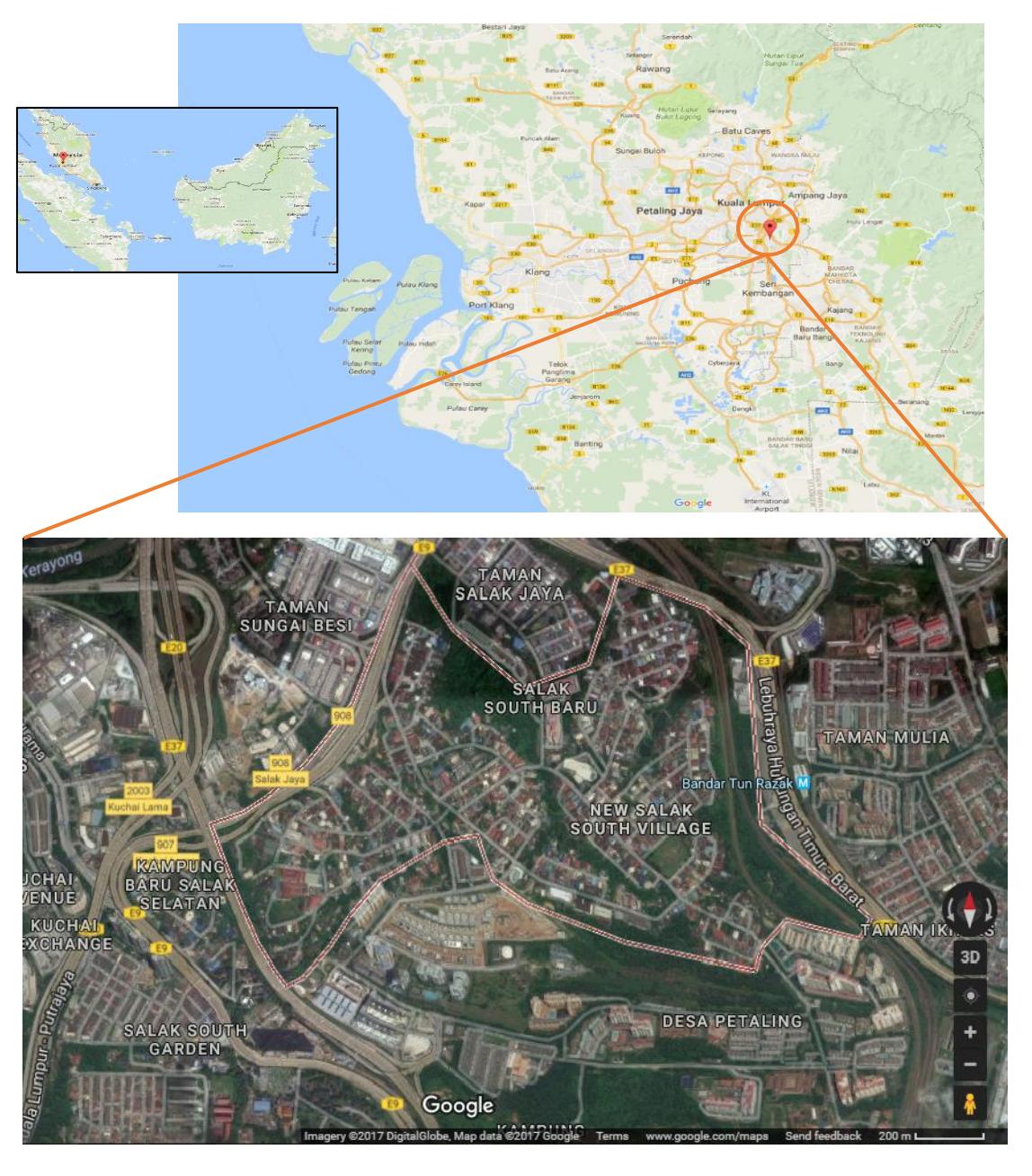
Figure 1. The location map of Salak South New Village. Source: Google map accessed 24 May 2017
The population increase in the village has resulted in an increase of density by 17.5%, from 4000 persons per-square kilometre to 4,700 per square kilometre from 2000 to 2010 (Department of Statistics, Malaysia, 2010). Relatively, the household number also increased from 1,400 to 1,420 (+1.4%) from 2000 to 2010. There is a tendency for the younger generation to move out of the village due to job opportunities or higher educational pursuits elsewhere, leaving the older generation behind in the village (Athni, n.d.; Phang & Tan, 2013). The once exclusively Chinese ethnic communities populating the village too are now being replaced by foreign immigrants and other ethnic groups due to the village's strategic location and low rental rates (Nooi & Hong, 2013; Phang & Tan, 2013).
Figure 2. The poor and ramshackle housing condition in SSNV.
Figure 4. The market place that opens daily from 5 am to 10pm.
Figure 6. The pre-school situated next to the community hall.
Figure 3. The irregular home layouts due to lack of formal planning.
Figure 5. The Chinese Primary School founded by Dato' Tan Leong Min.
Figure 7. The police station in SSNV.
Figure 8. The recreation park that consists of playground and outdoor mini gym to enhance healthy lifestyle.
Figure 9. The community hall with a badminton court is one of the main places where the community gathers and socializes
Source: Authors
Data Collection
Data on the SSNV respondents was acquired from a survey conducted in April 2016. The focusedon population comprised of villagers who were 18 years of age and above, and resided in SSNV for over five years. A strategy of one respondent per household was executed with the conjecture that the respondents included would be those with appropriate knowledge, while at the same time evading any duplication in responses. The total number of households in SSNV (sampling frame) in the latest census was 1,420 (Department of Statistics Malaysia, 2010). The field survey was administered systematically using skip intervals of households to obtain the minimum required sample of 303 households at a 95% level of confidence. Out of 350 questionnaires, only 335 that completely met the pre-set conditions were analysed. The final number of the survey forms obtained produced a confidence interval of ±2.13, with a 95% level of confidence. Therefore, it was 95% certain that the true population proportion fell within the range of 93.57% and 97.83%. The questions from the survey measured the villagers' profile in terms of demographic and individual socio-economic information, satisfaction towards neighbourhood facilities and finally level of trust towards the current situation of the village.
The survey questionnaire began with items regarding basic demographic information such as age, gender, length of stay, nationality, ethnicity and marital status. Questions regarding individual socio-economic profile such as educational level, occupational status and household income were also included. The survey next questioned the level of satisfaction towards basic facilities and the relative distance of facilities such as commercial facilities, health facilities, police service and public transport facilities within the village itself. The study was structured on the foundation of social capital; the final section of the survey adapted questions from Dave and Lola's Social Capital Question Bank (2002). The response scale involves a series of items related to social trust and respondents were required to answer based on a 5-point Likert rating score, where 1 represents strongly disagree and 5 represents strongly agree. Examples of questions in this section include trust among neighbours and trust in the local governance, including the local authority and the village security community (JKKK).
Sample Characteristics
A simple descriptive analysis was performed to reveal the general characteristics of the respondents for the survey conducted. Of the total 335 respondents, 51.3% were male whereas 48.7% were female. A majority of the respondents (99.1%) were Malaysian, of which 86.6% were ethnic Chinese. The new village was designed to be homogenous and this ensures good bonding capital from the start. A good majority of the respondents were aged 60 and above, denoting that a large population of older citizens populates the village. This therefore explains the high percentage of retirees (21.5%) following the lead percentage of a working population of 46.6%. The elderly population of SSNV is also indicative of the residential preference of the younger generation in more secured locations in the city with modern facilities. In addition, most of the respondents were married (65.1%), followed by single/unmarried individuals (24.5%). Most of the respondents possessed secondary and tertiary education, at 45.4% and 25.7% respectively, whereas the percentage of those with primary and no formal education were 17.6% and 11.3% respectively (Table 1). A large proportion of the respondents reported household incomes of <RM15,000 per month.
Table 1. Demographic characteristics of the sample.
| Variables | Number of Sample (n) | Percentage (%) | ||
|---|---|---|---|---|
| Age | Mean: 47.8, SD: 16.6 | |||
| Gender | Male | 163 | 48.7 | |
| Female | 172 | 51.3 | ||
| Length of stay | Mean: 31.6, SD: 17.4 | |||
| Nationality | Malaysian | 332 | 99.1 | |
| Foreigner | 3 | 0.9 | ||
| Ethnicity | Malay | 17 | 5.1 | |
| Chinese | 290 | 86.6 | ||
| Indian | 25 | 7.5 | ||
| Others | 3 | 0.9 | ||
| Religion | Islam | 18 | 5.4 | |
| Buddhism | 265 | 79.1 | ||
| Christianity | 30 | 9.0 | ||
| Hinduism | 16 | 4.8 | ||
| Others | 6 | 1.8 | ||
| Marital Status | Single/unmarried | 82 | 24.5 | |
| Married | 218 | 65.1 | ||
| Divorced/separated | 11 | 3.3 | ||
| Widowed | 24 | 7.2 | ||
| Educational level | No formal education | 38 | 11.3 | |
| Primary | 59 | 17.6 | ||
| Secondary | 152 | 45.4 | ||
| Tertiary | 86 | 25.7 | ||
| Occupation | Employed | 156 | 46.6 | |
| Unemployed | 6 | 1.8 | ||
| Student | 37 | 11.0 | ||
| Homemaker | 64 | 19.1 | ||
| Retired | 72 | 21.5 | ||
| Household income per | Below RM3000 | 63 | 18.8 | |
| month (RM) | 3001-8600 | 118 | 35.2 | |
| 8601-14200 | 124 | 37.0 | ||
| 14201-19800 | 24 | 7.2 | ||
| 19801-25400 | 3 | 0.9 | ||
| 25401-31000 | 2 | 0.6 | ||
| 31000 Above | 1 | 0.3 | ||
Data Analysis
As this study aimed to explore the nature of social trust measurement, an exploratory factor analysis was conducted to investigate the possible relationships between variables, which allows the formation of aggregate variables into individual dimensions. Principal component analysis with varimax rotation was conducted on 10 items from the questionnaire (Table 2). The result were two notable scales that clearly represent their individual characteristics. All items, except for one (factor loading 0.400) that was subsequently deleted, carried high factor loadings of 0.779 to 0.907 (>0.500), and no cross loadings. The scales were later titled 'communal trust' (α = 0.908) and 'leadership trust' (α = 0.940), each comprising 5 and 4 items respectively. In addition, both scales were found to be significant and positively correlated with each other (r = 0.286, p = 0.001). Therefore, in this study both scales were labeled Dependent Variable (DV) 1 and Dependent Variable (DV) 2 and later subjected to multivariate analysis of variance (MANOVA) to test the hypothesis that one or more independent variables (satisfaction towards neighbourhood facilities – basic utilities, commercial, health, and police services – as well as public transport provision) have an effect on social trust (communal trust and leadership trust).
Table 2. Rotated Component Matrixa
| Component | |||
|---|---|---|---|
| 1 | 2 | ||
| I know the people living in the village. | .823 | ||
| I trust the villagers here. | .852 | ||
| Villagers here are helpful. | .894 | ||
| Villagers here get along well. | .872 | ||
| People of different ethnicity are treated well here. | .779 | ||
| If my wallet containing my address was found by someone | .400 | ||
| in this village, it will be returned to me with nothing | |||
| missing. | |||
| I trust the authorities in this village – Police | .907 | ||
| I trust the authorities in this village – Local government | .927 | ||
| (political groups) | |||
| I trust the authorities in this village – JKKK | .931 | ||
| I trust the authorities in this village – Rukun Tetangga | .880 | ||
Extraction Method: Principal Component Analysis.
Rotation Method: Varimax with Kaiser Normalization.
MANOVA, on the other hand, is the best test to use when conducting experiments with latent variables such as the constructed social trust above. This is because it can handle nominal scale data for the independent variables, including multiple continuous-level independent variables, which typically measure constructs that are not directly observable. In principle, MANOVA tests the differences between group means for a particular combination of dependent variables. It is usually applied to investigate the influence of independent variables (IV) on the pattern of response in the dependent variable (DV) by producing an overall test of equality of mean vectors for several groups (Carey, 1998). Wilk's lambda () in this context provides the most trustworthy MANOVA statistic test. Lambda measures the percentage variance in dependent variables not explained by differences in levels of independent variables. An ideal condition is achieved when the value equals zero, which means that there is no variance unexplained by the independent variable. In other words, the closer the statistic is to zero, the more the study variable explains the model. The null hypothesis is likely to be rejected when Wilk's lambda is close to zero, provided that a small p-value is also observed (Cox and Reid, 2000 and Srivastava, 2002).
a. Rotation converged in 3 iterations.
The formula for Wilk's lambda (\(\Lambda\)) is shown below, assuming q as the dependent variable and \(\lambda_i\) the i-th eigenvalue of matrix \(\mathbf{A}\).
Wilk's lambda = \[\Lambda = \frac{|E|}{|H+E|} = \prod_{i=1}^{q} \frac{1}{1+\lambda i}\]
Results and Discussion
Preliminary assumption testing was conducted to test the sample data for violations in normality prior to performing MANOVA. According to Tabachnick and Fidell (2007), a sample size of at least 20 (each for dependent x independent variable combination) in each cell of the matrix should ensure robustness. If the samples are sufficiently large, then the Multivariate Central Limit Theorem holds. In this study, two dependent variables and five independent variables were identified. Consequently, the target sample size of at least 200 was satisfied when the total number of respondents which was 335 was above the requirement. Thus, it can be assumed that the multivariate normality assumption is supported. In other words, MANOVA is not highly sensitive to violations of multivariate normality provided any (or at least many) outliers exist (John, 1995).
This study earlier established two dependent variables (DV) using EFA that comprised social trust: communal trust and leadership trust. Next, five independent variables (IV) of satisfaction towards neighbourhood facilities were included in the model: basic utilities, commercial facilities, health facilities, police service, and public transport. Three levels of satisfaction regarding these neighbourhood facilities were classified as low (1.0-2.33), moderate (2.34-3.67) and high (3.68-5.0). Table 3 reports the descriptive analysis that demonstrated the mean values of communal and leadership trust (dependent variables) based on the level of satisfaction (low to high) for each of the neighbourhood facilities (independent variables). It shows generally that a high level of satisfaction towards neighbourhood facilities is associated with a high level of trust. Respondents who reported high satisfaction for the provision of basic utilities, commercial facilities, health facilities, police service and public transport also reported higher communal trust and leadership trust although communal trust showed consistently higher mean values compared to leadership trust in all cases. Leadership trust showed moderate mean score values across all levels of facilities satisfaction compared to the trust among the village community members. While the former signifies a close relationship amongst the villagers, the moderate distrust in leadership shown might be caused by the lack of proper maintenance of facilities and negligence from lax governance.
A one-way multiple analysis of variance (MANOVA) was conducted to analyse the variance of the two DVs in relation to the IVs. MANOVA in this context aims to determine the amount of variance in communal trust and leadership trust that is explained by differences in the level of the villagers' satisfaction with the facilities in their neighbourhood. Table 4 shows the results for the one-way MANOVA for the identified social trust. The procedure was performed for each of the two dependent variables of communal trust and leadership trust. Multivariate tests of significance are reported in the table with Wilk's Lambda values. More importantly, the table shows all tests on the variables were significant at the 0.05 level, thus indicating systematic differences among the independent variables in their influence towards the measured social trust.
Firstly, the analysis shows a statistically significant difference in social trust (communal trust and leadership trust) according to the respondents' satisfaction with the provision of basic utilities in the neighborhood, where: F (4,662) = 4.831, p = <0.05, Wilks \(\Lambda = 0.944\); \(\eta^2 = 0.028\). A statistically significant difference is also reported in the two DVs due to the different level of satisfaction over commercial facilities, where: F (4,662) = 26.113, p = <0.05, Wilks \(\Lambda = 0.746\); \(\eta^2 = 0.136\). The different satisfaction levels towards the provision of health facilities too affected social trust statistically differently, where: F (4,662) = 11.11, p = <0.05, Wilks \(\Lambda = 0.878\); \(\eta^2 = 0.063\). Furthermore, a statistically significant difference in the combined DVs was found in the different level of satisfactions towards police service, where: F (4,662) = 4.832, p = <0.05, Wilks \(\Lambda = 0.944\); \(\eta^2 = 0.028\). Finally, satisfaction reported with the provision of public transport caused a significant difference in both communal trust and leadership trust, where; F (4,662) = 17.38, p = <0.05, Wilks \(\Lambda = 0.819\); \(\eta^2 = 0.095\). Partial eta squared (\(\eta^2\)) in this analysis measures the proportion of the total variance in a dependent variable associated with the membership of different groups defined by an independent variable. Accordingly, from the partial eta squared values, commercial facilities appeared to be the most crucial factor influencing social trust with the highest \(\eta^2\) value of 0.136, followed by public transport (\(\eta^2 = 0.095\)), health facilities (\(\eta^2 = 0.063\)), and basic utilities and police service (both having the same value of \(\eta^2 = 0.028\)).
Table 3. Mean values of communal trust and leadership trust based on the level of satisfaction towards neighbourhood facilities.
| Independent Variables | Dependent Variables | |||||||
|---|---|---|---|---|---|---|---|---|
| Social Trust | ||||||||
| Neighbourhood | Level of | Comn | nunal trust | Leadership trust | ||||
| Facilities | Satisfaction | Mean | Standard Error | Mean | Standard Error | |||
| D | Low | 3.62 | 0.11 | 2.37 | 0.11 | |||
| Basic utilities | Moderate | 3.72 | 0.05 | 2.50 | 0.05 | |||
| High | 4.11 | 0.09 | 2.79 | 0.10 | ||||
| Commercial | Low | 3.27 | 0.12 | 2.21 | 0.14 | |||
| facilities | Moderate | 3.49 | 0.05 2.36 | 0.06 | ||||
| High | 4.21 | 0.06 | 2.80 | 0.06 | ||||
| Health facilities | Low | 3.45 | 0.08 | 2.27 | 0.09 | |||
| Moderate | 3.81 | 0.06 | 2.51 | 0.06 | ||||
| High | 4.09 | 0.09 | 2.97 | 0.10 | ||||
| Police service | Low | 3.79 | 0.07 | 2.49 | 0.07 | |||
| Moderate | 3.70 | 0.06 | 2.45 | 0.06 | ||||
| High | 4.04 | 0.11 | 2.96 | 0.11 | ||||
| Public | Low | 3.45 | 0.06 | 2.43 | 0.07 | |||
| transport | Moderate | 3.85 | 0.07 | 2.55 | 0.08 | |||
| _ | High | 4.25 | 0.07 | 2.71 | 0.08 | |||
Table 5 shows the result of the simple main effect test or test between subjects' effects for the neighbourhood facilities satisfaction influence on social trust. These tests were used to determine the effects between the two DV (communal and leadership trust) measures and the five IVs (basic utilities, commercial facilities, health facilities, police service, and public transport). The main effect test provides evidence that there are significant differences (p < 0.05) between social trust and satisfaction towards neighbourhood facilities. In general, this table shows the results where the DVs were considered separately. The multivariate test above (Table 4) shows that satisfactions with facilities influences the social trust of the villagers. This test gives permission to investigate further the relationship of the IV to each of the DV. It answers the question if all levels of neighbourhood facilities satisfaction differ on both dependent variables.
Table 4. Multivariate test of relationship between neighbourhood facilities and social trust.
| Multivariate Tests | |||||||
|---|---|---|---|---|---|---|---|
| Effect | Value | F | Hypothesis df | Error df | Sig. | Partial Eta Squared | |
| Intercept | Wilks' Λ | .050 | 3121.96 | 2.000 | 331.00 | .000 | .950 |
| Basic utilities | Wilks' Λ | .944 | 4.83 | 4.000 | 662.00 | .001 | .028 |
| Intercept | Wilks' Λ | .049 | 3206.02 | 2.000 | 331.00 | .000 | .951 |
| Commercial facilities | Wilks' Λ | .746 | 26.11 | 4.000 | 662.00 | .000 | .136 |
| Intercept | Wilks' Λ | .040 | 4006.36 | 2.000 | 331.00 | .000 | .960 |
| Health facilities | Wilks' Λ | .878 | 11.11 | 4.000 | 662.00 | .000 | .063 |
| Intercept | Wilks' Λ | .043 | 3642.64 | 2.000 | 331.00 | .000 | .957 |
| Police service | Wilks' A | .944 | 4.83 | 4.000 | 662.00 | .001 | .028 |
| Intercept | Wilks' Λ | .032 | 5082.91 | 2.000 | 331.00 | .000 | .968 |
| Public transportation | Wilks' Λ | .819 | 17.38 | 4.000 | 662.00 | .000 | .095 |
Table 5. Test of between-subject effects between neighbourhood facilities and social trust.
| Tests of Between-Subject Effects | |||||||
|---|---|---|---|---|---|---|---|
| Source | Type III Sum of Squares | df | Mean Square | F | Sig. | Partial Eta Squared | |
| T . | Communal trust | 3268.42 | 1 | 3268.42 | 5525.80 | .000 | .94 |
| Intercept | Leadership trust | 1463.54 | 1 | 1463.54 | 2304.62 | .000 | .87 |
| Communal trust | 9.25 | 2 | 4.62 | 7.82 | .000 | .04 | |
| Basic utilities | Leadership trust | 5.95 | 2 | 2.98 | 4.69 | .010 | .03 |
| T | Communal trust | 2644.94 | 1 | 2644.94 | 5575.06 | .000 | .94 |
| Intercept | Leadership trust | 1196.50 | 1 | 1196.50 | 1999.55 | .000 | .86 |
| Commercial | Communal trust | 48.11 | 2 | 24.06 | 50.71 | .000 | .23 |
| facilities | Leadership trust | 18.12 | 2 | 9.06 | 15.14 | .000 | .08 |
| T | Communal trust | 3930.98 | 1 | 3930.98 | 6855.83 | .000 | .95 |
| Intercept | Leadership trust | 1826.05 | 1 | 1826.05 | 3052.04 | .000 | .90 |
| Communal trust | 15.26 | 2 | 7.63 | 13.308 | .000 | .07 | |
| Health facilities | Leadership trust | 18.15 | 2 | 9.08 | 15.169 | .000 | .08 |
| T | Communal trust | 3828.54 | 1 | 3828.54 | 6321.35 | .000 | .95 |
| Intercept | Leadership trust | 1798.32 | 1 | 1798.32 | 2894.32 | .000 | .90 |
| Communal trust | 4.55 | 2 | 2.27 | 3.75 | .024 | .02 | |
| Police service | Leadership trust | 10.51 | 2 | 5.25 | 8.46 | .000 | .05 |
| Intercept | Communal trust | 4703.20 | 1 | 4703.20 | 9270.42 | .000 | .97 |
| Leadership trust | 2084.32 | 1 | 2084.32 | 3258.99 | .000 | .91 | |
| Public | Communal trust | 37.19 | 2 | 18.59 | 36.65 | .000 | .181 |
| transportation | Leadership trust | 4.45 | 2 | 2.23 | 3.48 | .032 | .021 |
The results show that satisfaction with the provision of basic utilities significantly influenced both communal and leadership trust: F (2,332) = 4.832, p = <0.05, η2 = 0.04. The effect of basic utilities on communal trust (η2 =0.04) though is higher than leadership trust (partial η2 = 0.03). Similarly, the impact of villager satisfaction with commercial facilities on communal trust (η2 = 0.23) is more significant compared to leadership trust (η2 = 0.08). On the other hand, the result for health facilities is slightly different, where the influence of leadership trust (η2 = 0.084) is more significant than that of communal trust (η2 influence = influence 0.074). Moreover, the results exhibit that satisfaction towards police service is more on the side of trust in leadership (η2 influence = influence 0.048) compared to trust in the community (η2 influence = influence 0.022), indicating that the levels of satisfaction with the police service depend more on the respondents' trust in the authorities. Conversely, communal trust (η2 influence = influence 0.181) seems to be more affected by the satisfaction of the respondents with public transport in the study area compared to leadership trust. In sum, it shows that the levels of communal and leadership trust of the respondents' rest on their satisfaction towards the neighbourhood facilities. A positive relationship indicates that high levels of satisfaction towards neighbourhood facilities lead to high levels of social trust (communal and leadership trusts).
Conclusion
Kuala Lumpur is experiencing rapid growth in its economy and development. Amidst its fastpaced urbanization, urban villages and especially new villages offer a stark reminder of the nation's historical struggles during the colonial era. They stand as being unique culturally with ethnic-rich communities not found in other parts of the world. Such distinctive features ought to be preserved and maintained for their contribution towards national cultural heritage. On the contrary, the current physical environment of the new villages, and all urban villages for that matter in Kuala Lumpur, continues to dilapidate with the passage of time. Literature has indeed established strong relationships between the satisfaction of residents towards local facilities with social capital through the form of social interaction and engagement. It is therefore important to ascertain the determining role of shared neighbourhood facilities on social capital in these villages in order to leverage their quality provision.
The systematic approach of this study focused on identifying the most significant variables that influence social trust, a resource that measures social capital. Two types of social trust were extracted from this study using factor analysis: communal trust, which measures trust among fellow villagers, and leadership trust, which gauges trust in the authorities operating in the village. Both descriptive analysis and multiple analysis of variance (MANOVA) confirmed that satisfaction with the provision of all five neighbourhood facilities (basic utilities, commercial facilities, health facilities, police service, and public transportation) significantly influences the social trust of the villagers. This includes both communal trust and leadership trust, which constitute measures of social trust in this study. Thereupon, social trust can be increased by providing the best neighbourhood facilities in this urban village. Therefore, the quality of neighbourhood facilities and services such as electricity and water supplies (basic utilities), preschool and schools (education facilities), clinics and health centres, shops and markets (commercial facilities), police stations and public transportation services needs to be upgraded in order to secure a higher level of social trust in this urban New Village apart from accommodating its growing population.
It is generally evident from the analysis that commercial facilities have the highest impact on the different scales of social trust in this study, followed by public transportation, health facilities, basic utilities and police service. Communal trust especially was found to be more correlated with commercial facilities compared to leadership trust, which has a higher level of connection with health facilities and to a lesser extent with commercial facilities. Other notable sub-items that measure leadership trust are trust in the local government and neighbourhood-based organisations. Commercial facilities in this context, seem to play an important role in strengthening and supporting social trust, particularly communal trust and leadership trust in that respect. This is because villagers tend to spend considerable time meeting one another at commercial facilities, such as the food court and retail shops. This in a way builds up and strengthens the sense of trust towards each other in the community by way of interaction. It is important to note that since commercial facilities substantially determine social trust, trust in leadership and authorities will slowly diminish as the satisfaction of the villagers towards these facilities decreases. Hence, in order to promote leadership trust, the governing framework must work to improve and upgrade especially these facilities along with other neighbourhood facilities.
It is imperative that urban villages not be left out from development plans of the country nor should any redevelopment of them be undertaken in an ad hoc manner. Rather, their regeneration should be planned for the long term with a view of being holistic and sustainable, both environmentally and socially. It is critical therefore that developers consult with villagers for their valuable input and feedback before any plan is executed in order to increase the success rate of the plan. Such carefully planned initiatives when executed well may ameliorate the quality of life of the villagers, contributing to the nation's wellbeing as a whole. The need for proper planning and management of neighbourhood facilities cannot be overemphasized in order to preserve or even further cultivate social trust as shown in the study. Findings such as this go a long way to help the authorities and other stakeholders in planning for future (re)developments of urban villages as they indicate the type of facilities that should be prioritised to foster social trust thereby social capital, even when these relationships may not be applicable to other neighbourhoods with different socio-economic backgrounds.