

Introduction
Climate change and disaster risk are major sustainable development issues in the 21st-century (Carter et al., 2015). They are included in the Sustainable Development Goals (SDGs), whose mainstreaming is being done globally. In the 11th and 13th goals, climate change and disaster risk reduction are targets and indicators of achievement of SDGs. Urban areas are considered to have major challenges related to climate change adaptation and disaster risk reduction (Carter et al., 2015). The notion of 'making cities resilient and sustainable' is widely used as a slogan for the development of world cities. The 2015-2030 Sendai Framework for Disaster Risk Reduction affirms the responsibility of nations to build resilient cities. Thus, as part of their contribution to achieving the SDGs, cities must have the capacity to transfer knowledge in developing adaptation concepts and practices in response to the rapid development and dynamics of urban areas.
Traditional approaches in urban planning and development are considered incapable of building adaptive cities (Carter et al., 2015). The uncertainty, rapid change and complexity of urban areas require a new concept of governance that can answer the challenges of contemporary urban development and ensure that long-term sustainable development can be realized (Ioppolo et al., 2016; Crona & Parker, 2012; Voß & Bornemann, 2011). A change in governance perspective is needed given that governance is a basic capacity in the transformation of society and urban space. Thus, the principle of reflexivity becomes a necessity for the development of urban governance patterns and processes: "it integrates a diversity of perspectives, expectations, and strategies in a complex understanding of societal change" (Voß & Bornemann, 2011: 9).
Over the last two decades, the consequences of neoliberal economic and politics have been shifting the distribution of power from 'government' to 'governance' (Jones et al., 2014). Governance has been a key concept in urban studies since the late 1980s (McCann, 2017). In recent years, the notion of 'transformation towards sustainability' has become the focus of discussions on governance among scholars and practitioners (Patterson et al., 2017). Both governance and sustainability are interlinked, as good urban governance is considered to be a prerequisite for the realization of sustainable communities (Meyer & Auriacombe, 2019). The complexity of network power in contemporary development has given rise to different governance approaches (Jones et al., 2014), therefore this study aimed to identify the general framework of adaptive urban governance through review, elaboration and analysis of documents, in this case, scientific articles that discuss urban governance specifically related to climate change adaptation (CCA) and disaster risk reduction (DRR). Disaster risk management has several challenges but it has been suggested that the most critical are governance and institutional matters (Hoang et al., 2018). The premise is that climate change and disaster risk governance have potential linkages with the production of vulnerability (Sandoval & Voss, 2016). Hence, the construction of various thoughts on this topic can provide insight into the development of governance approaches, both conceptually and empirically (McCann, 2017). In particular, the findings of this study are expected to be a discussion for future research on urban resilience and sustainability
Methods
This research consisted of a review of literature on urban governance, especially publications that are closely related to the issues of climate change and disaster mitigation, creating urban resilience, and achieving sustainability. Data collection was carried out through searching, filtering, screening, and selecting SCOPUS indexed publication archives. The choice of data collection techniques considered time effectiveness, data accessibility, and data reliability (Meyer & Auriacombe, 2019). For the main discussion, the authors used a qualitative approach to construct thinking and build a framework of the phenomena and issues encountered (Meyer & Auriacombe, 2019).
The stages in selecting the articles were:
- 1. A search was performed to find articles that had a title containing the word 'governance'.
- 2. From the results of the first stage, the search was limited by searching for relevant words, namely 'urban', 'climate', 'disaster', 'resilience' and 'sustainability', articles that are open-access, and published in the last 10 years (an adaptation of McCann, 2017; Plummer et al., 2012). The search yielded about 1300 articles.
- 3. The articles were then sorted based on the number of citations. Due to the limited ability and time to browse all articles the selection was limited to articles with a number of citations > 20, i.e. about 200 articles. From these articles were then selected by looking at the relevance of the content based on the title, the abstract and the research objectives. Finally, about 37 articles were selected.
- 4. The search was further extended by paying attention to the information obtained from reviewing the 37 articles. By continuing to use SCOPUS indexed publication archives in total about 45 articles were used in carrying out this literature review.
What is Urban Governance?
In general, governance is the act of governing in both the public and private sector contexts (Emerson et al., 2012). Governance is "the organization of decision-making and policy-making which emerged in the form of myriad experiments to answer the growing dynamism and complexity as well potential crises" (McCann, 2017: 313). This definition was motivated by the development of the neoliberal ideology and the process of globalization and is fundamental for scholars who conduct governance studies. The impact of this phenomenon is the restructuring of organizational forms and institutional processes in the formulation of development policies (Figure 1) (McCann, 2017). In the process of restructuring, urban regions are central in function and space because they are the main media to encourage market-oriented development.
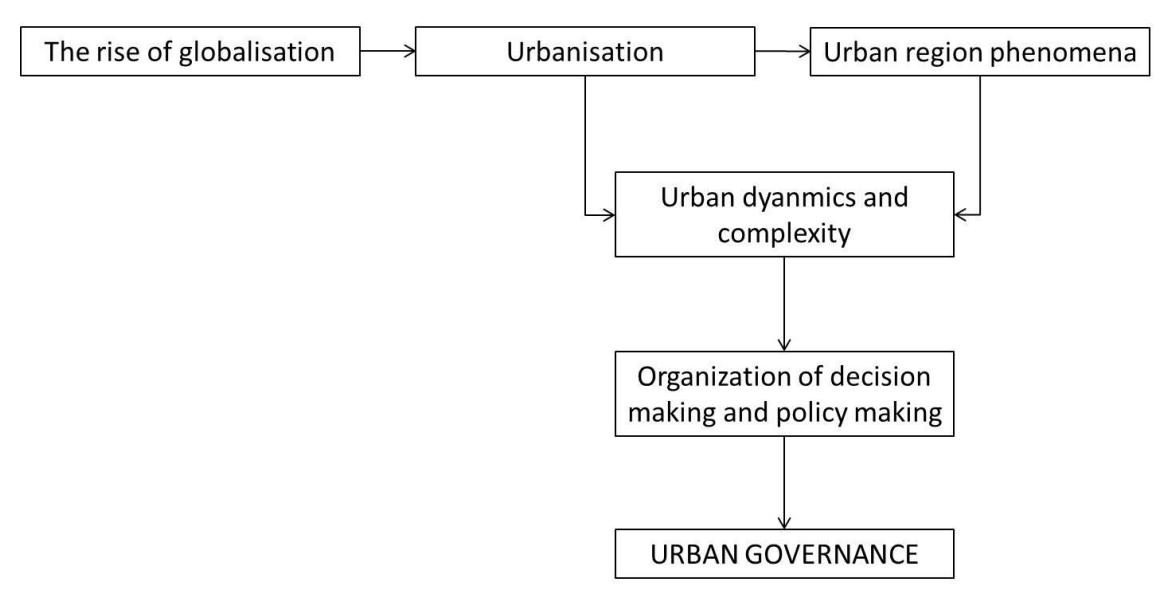
Figure 1. The rationale of urban governance studies. (Analysis from McCann, 2017)
The issue of urbanization in the current era is a starting point of the discussion on urban governance (McCann, 2017). The emergence of new power relations between government, communities and the private sector in the management of urban areas has led to the emergence of community marginalization and spatial segregation. Although it is apparent that implementing good governance principles is fundamental for the transformation and reformation of realms in the public sector, the milestones for the achievement of good governance will differ between global north and south countries. Hence, to achieve what is referred to as 'good urban governance', governance must be developed with a multidimensional approach to improve the welfare and quality of life of all urban communities, including the participation and involvement of diverse actors, urban management and administration, and public transparency and accountability (Meyer & Auriacombe, 2019).
Based on the findings of studies on governance, the forms of governance that developed in the 1980s-1990s can be categorized as follows: (1) partnerships of public institutions; (2) regulatory structures 'up-scaled' by supranational institutions and 'down-scaled' by local institutions; (3) public and private partnerships and participation; and (4) entrepreneurial governance (McCann, 2017). In the discourse on natural resources, governance studies mainly discuss knowledge utilization, boundary organizations, and stakeholder theory (Crona & Parker, 2012). Although the early development of the contemporary concept of governance was predominantly done in the context of urbanization, the recent discussions address the importance of a wider range scholarly works, i.e. urbanism context (McCann, 2017). Further, questions have been raised in the last two decades about the role and suitability of governance approaches in shaping the transformation of the urban world toward sustainability (Patterson et al., 2017). Governance capacity is a precondition of what could be called an effective transformation and thus determining a balanced set of conditions is a prerequisite (Koop et al., 2017). Potential future discussions on governance capacity in the urban context will confront sustainable development and resilience issues (Meyer & Auriacombe, 2019), notably climate change and disaster riskreduction.
Urban Governance for Sustainability and Resilience
Approaches from Climate Change and Disaster Issue
Since the enactment of the Sustainable Development Goals, the Sendai Framework and the Paris Agreement, the global post-2015 policy agenda (Munene et al., 2018) has highlighted the fundamental nature of building sustainability and resilience in urban settings. The vision of global consensus for climate change adaptation (CCA) and disaster risk reduction (DRR) has been adopted in different countries with common goals and milestones. Nevertheless, the practical scope of commitment, particularly within national and local governments, is still vague and lacks clarity. The question is: How to best implement it? (Munene et al., 2018).
'Governing for urban resilience' and 'resilience thinking' (Beilin & Wilkinson, 2015) in general contribute to the scholarship that engages with the idea of transformation and radical change of urban narratives within the complexity of 21st-century development. Based on common sense, climate and disaster governance also deals with the complexity of multiple elements within the cycle of disaster events (Sandoval & Voss, 2016). The gradual transformation of cities through good governance would be significant in the mitigation of vulnerability and disaster risk. Vice versa, good governance that considers risk management is expected to produce desirable results in resilience (Driessen et al., 2018). In this matter, transformation and complexity are very contextual, both temporally and spatially. Therefore, a so-called 'one-fits-all' urban resilience governance approach seems impractical and 'historicizing and contextualizing governance practices' are needed (Sandoval & Voss, 2016). Studies in this direction, the multiple contexts of governance for urban resilience, have not yet been conducted (Driessen et al., 2018).
'Governance approach' is the most frequently appearing keyword in journals related to urban governance from the past 10 years. From our literature review, based only on the titles of articles, there are two particular governance approaches that have become the main focus in the governance discourse, especially related to climate change and disaster mitigation, i.e. adaptive governance and anticipatory governance. The term 'adaptive' appeared in the title and keywords of 13 articles from the selected papers (Booher & Innes, 2010; Bronen & Chapin, 2013; Chaffin et al., 2014; Crona & Parker, 2012; Djalante, 2012; Djalante et al., 2011; Eakin et al., 2011; Koop et al., 2017; May & Plummer, 2011; Munene et al., 2018; Plummer et al., 2012; Plummer & Armitage, 2013; Voß & Bornemann, 2011). Meanwhile, the term 'anticipatory' was found in 2 articles from the selected papers (Boyd et al., 2015; Guston, 2014). These approaches overlap and are context-dependent, where an adaptive approach is needed to address inflexibility, while an anticipatory approach is required when responses are reactive (Koop et al., 2017).
Increased hazard events need resilient governance that includes interlinkages of adaptive governance, resilience, and DRR (Djalante et al., 2011). Adaptive governance (AG) is "a mechanism through which to fundamentally change the relationship between development and disaster risk, with potentially far-reaching implications for science, policy, and practice" (Munene et al., 2018: 1). AG "encompasses and identifies adaptive response strategies associated with uncertain environmental risk, and an important feature is that societies are flexible in their responses to environmental crises" (Boyd et al., 2015: 153). AG changes adaptation in the conventional risk management paradigm to the context of climate change and disaster mitigation AG changes the conventional paradigm of climate change adaptation (CCA) and disaster risk reduction (DRR) for the pursuit of sustainability and resilience (Munene et al., 2018; Bronen & Chapin, 2013; Djalante et al., 2011). A DRR transformation process through AG is needed to achieve disaster resilience and sustainable development following the directions of the Sendai Framework (Munene et al., 2018). DRR is "a systematic approach to managing disaster risks" while AG is "an alternative approach for governing complex problems" (Djalante, 2012: 1). AG manifests itself through "interactions between actors, networks, organizations, and institutions emerging in pursuit of the desired state for socialecological systems" (Chaffin et al., 2014: 1). Therefore, the integration of the DRR concept into AG is important, along with the consideration that a disaster is a complex problem that needs to be managed. Scholars and practitioners emphasize the need for AG application "to coordinate resource management regimes in the face of the complexity and uncertainty associated with rapid environmental change" (Chaffin et al., 2014: 1). The main character of AG, particularly from the perspective of SES resilience is: (1) the presence of adaptive management; (2) the role of scale with the best fit between social and ecological systems; and (3) institutional polycentricity, redundancy, and diversity (Chaffin et al., 2014).
AG is a fundamental mechanism for science, policy and practice of interdisciplinary linkages for resilience mainstreaming. Thus, the core mechanism in AG adaptive collaborative management, or adaptive co-management (ACM) (Plummer et al., 2012). Adaptive comanagement is "an emergent governance approach for complex social-ecological systems that links the learning function of adaptive management (experimental and experiential) and the linking (vertically and horizontally) function of co-management" (Plummer et al., 2012: 1). By combining both adaptive and collaborative narratives, ACM has two principles: (1) multilevel collaboration and collective action, and (2) social-ecological systems (SES) adaptation (Munene et al., 2018; May & Plummer, 2011). 'Adaptive' can refer to the process of learning-by-doing for long-term adaptation and government capacity building, while 'co-management' refers to the process of setting the institutional links and networks to support the short-term response and community capacity building (Plummer et al., 2012). ACM thus encompasses the enhancement of both horizontal and vertical links and networks of the institutional, shared learning process for short- to long-term development, and capacity building of various actors.
One form of the principle of collaboration in AG is the mechanism of multi-stakeholder platforms (MSPs), namely "as the multiplicity of organizations at different scales of governance working towards more coordinated and integrated actions in DRR" (Djalante, 2012). This mechanism allows national and local MSPs to collaborate with international and regional MSPs that have better resources, financial, and technical capacity. In countries with weak governance, the involvement of national/international non-governmental organizations, agencies and donors has a large influence on the success of disaster management-based activity programs (Jones et al., 2014). The development of policies and strategies for disaster management at the international and regional levels opens up opportunities for countries to evaluate and revise their policy models so that they can function more long-term (Mysiak et al., 2013; Heintz et al., 2012).
Although scholars commonly focus on adaptive governance, anticipatory governance appears to become more central to contemporary debates on urgent topics such as climate change and extremes events. When this approach is discussed, anticipation is used more often in various fields of study and emphasized more in the context of rapid change of technology in the current era of globalization: "Anticipatory governance is a broad-based capacity extended through the society that can act on a variety of inputs to manage emerging knowledge-based technologies while such management is still possible" (Guston, 2014: 1). Nonetheless, the anticipation narrative is considered to align with the resilience concept, which highlights uncertainty: "Anticipatory governance is a new concept that has significant relevance for developing strategies under uncertain environmental futures" (Boyd et al., 2015: 153). Therefore, an anticipatory approach is expected to be able to inform adaptive and resilient conditions for institutions, decision making, strategy formation, and society (Boyd et al., 2015).
Anticipatory governance motivates decision-making activities to change from short-term to long-term with the enhancement of foresight capacity (Boyd et al., 2015; Guston, 2014). Alongside the need for foresight, other capacities such as engagement and integration are also part of the anticipatory approach (Guston, 2014). The application of a multiscale nexus, multiple scenarios, risk-based development strategies and advanced technology signifies the suitability of this approach (Boyd et al., 2015). The approach is commonly associated with the context of forecasting or prediction within the shifting understanding of adaptation and uncertainty of the resilience concept (Boyd et al., 2015). Thus, the role of local knowledge and socio-ecological memory are significant to elaborate anticipation for building resilience (Boyd et al., 2015). The application of this approach needs methods and technological innovations related to anticipating the future, such as simulations and modeling.
Key Aspects for Adaptive Urban Governance
Meeting governance challenges requires an iterative process and capacity that can produce approaches based on dynamic long-term solutions. Aspects in various contexts of resilience governance discussed in the literature are described in Table 1.
Table 1. Governance Aspects From The Literature Source Governance Aspects Context (Djalante, 2012) (1) Funding capacity, (2) global and regional networking (3) technical provision for locals, (4) broader stakeholder involvement, and (5) UNISDR operating system in different countries DRR (Jiang et al., 2018) (1) Ideology, (2) learning capacities, (3) participation, (4) financing, (5) planning, (6) implementation, (6) evaluation and mechanisms (city-to-city peering learning mechanisms, institutional mechanisms, investments mechanisms, and adaptive planning mechanisms) Disaster management (Hoang et al., 2018) (1) Technical and infrastructure measures approach, (2) institutional and governance transformation Disaster management (Driessen et al., 2018) (1) Diversification of risk management approaches, (2) integration of risk management in the praxis aspects of disaster management, (3) public and private actors collaboration, (4) formal legal arrangements that are certain and flexible, (5) certainty of financial and resources aspects, (6) adaptation of normative principles in anticipating the impact of disasters CCA (Koop et al., 2017) The three dimensions of the Governance Capacity Framework (GCF): (1) 'knowing' (understand the risk), (2) 'wanting' (commitment to finding solutions), and (3) 'enabling' (implementation by actors through sufficient resources) CCA and urban water management (Wamsler, 2015) (1) On-the-ground measures, (2) organizational structures and assets, (3) formal and informal policies and instruments, (4) external cooperation and networking, (5) the general working language Ecosystem-based governance for DRR and CCA
| (Beilin & Wilkinson, 2015) | (1) Locating action, (2) using a scale to interrogate and facilitate change, (3) acknowledging the asymmetry of power relations to focus on social justice as critical to change, (4) incorporating local knowledge and the catalytic force of memory to assist that change | Urban resilience governance |
|---|---|---|
| (Bronen & Chapin, 2013) | (1) Local leadership, (2) adaptation planning based on social and ecological well-being | AG and CCA |
| (Greiving et al., 2012) | Parametric governance: (1) collaborative process-oriented form of decision-making, (2) dialogue and inclusion of diverse values of stakeholders, (3) structured communication path of the risk governance process | Risk management |
| (Shi, 2012) | (1) overall leadership, (2) engaging civil society, (3) international cooperation | Risk governance |
| (Djalante et al., 2011) | (1) Polycentric and multilayered institutions, (2) participation and collaboration, (3) self-organization and networks, and (4) learning and innovation. | AG and aesilience |
| (Ikeda & Nagasaka, 2011) | (1) Improve awareness of disaster risks and management issues by sharing risk information, (2) customize risk communication, (3) develop collaborative activities for informed decision making, (4) disseminate the generated risk scenarios with action plans to other residents | DRR |
| (Eakin et al., 2011) | New Public Management (NPM): (1) technical and financial capacities, (2) institutional memory, (3) learning and knowledge, and (4) participation and accountability | CCA |
| (Thieken et al., 2016) | (1) Integration of risk hazard analysis in spatial planning, (2) mitigation and preparedness measures in the property level, (3) EWS and coordination for disaster response, (4) defense system | Risk management |
| (Plummer et al., 2012) | (1) Bridging organization, (2) conflict, (3) enabling conditions, (4) incentives, (5) knowledge, (6) leadership, (7) learning, (8) networks, (9) organizational interactions, (10) shared power, (11) shared responsibility, (12) trust | Adaptive co management |
Referring to the table above, the governance aspects can be categorized into two dimensions, namely process/mechanism and capacity system. The grouping of aspects based on these categories is shown in Table 2.
| Dimension | Components | |
|---|---|---|
| Process/mechanism | Risk management, including risk hazard analysis, risk scenario, risk | |
| adaptive-based planning (spatial and strategic plan), disaster | ||
| management (preparedness, response, mitigation) | ||
| Capacity | Technical capacity, including technology and infrastructure | |
| Institutional capacity, including polycentric multi-layered organization, | ||
| stakeholders partnership and collaboration, multi-scale networking, | ||
| community participation, policy, and legal arrangement | ||
| Financial capacity, including funding and investment | ||
Human capacity, including value, knowledge, leadership, participation
Table 2. Dimensions of Sustainable and Resilience Governance for Urban Development
Governance Challenges for Sustainable and Resilient City
1. Local community involvement
Climate change adaptation and disaster risk reduction have similar goals related to the coping capacity toward climate-induced hazards. In neo-liberal governance, even though CCA and DRR governance are the responsibility of the government, with a change in the top-down bottom-up governing paradigm, stakeholders and communities have greater opportunities to participate in mainstreaming the concept (Forino et al., 2015; Jones et al., 2014). Risk management that involves innovative local coping capacities in reducing vulnerability leads to the development of a framework of disaster risk governance (Ikeda & Nagasaka, 2011).
Meanwhile, a technology-centric approach to disaster management is considered inadequate in anticipating rapid changes in socio-ecological conditions (Hoang et al., 2018). Technological complexity must be accompanied by increased governance capacity (Jiang et al., 2018). Governance in the context of sustainability must be aligned with local situations and community needs so as not to produce pragmatic policies and strategies (Chanza & De Wit, 2016). Various disaster management policies at all levels state the importance of community participation in decision-making. However, different governments have differing perception of the role and function of society in disaster risk management have resulted in low community involvement (Wehn et al., 2015). Therefore, the operationalization of global climate adaptation and disaster risk strategies at the local level must be supported by governance that encourages safety culture, involvement of local actors and communities, local or indigenous knowledge (IK), and capacity development for disaster risk reduction (Chanza & De Wit, 2016; Boyd et al., 2015; Botha & van Niekerk, 2013). To build resilience, links between IK, the anticipation approach and resilience are suggested (Boyd et al., 2015). Through the internalization of traditional knowledge in climate change adaptation, a collaboration between local communities and other stakeholders will also increase. The incorporation of this matter into research, policy, and partnership rules must be developed by the government (Williams & Hardison, 2013).
2. Local government capacities
The government has an important role to play – politically, economically, culturally and socially – in the application of risk governance systems (resource assurance, technical support, and risk management) (Shi, 2012). Based on the disaster risk management (DRM) framework, vulnerability has a close causality relationship with governance. Disaster governance that tends to be centralized has the potential to produce greater post-disaster vulnerability and unsafe conditions, i.e. the 'erosion of trust in authorities' (Sandoval &
Voss, 2016). Local governments are deemed not to have the ability to properly manage disaster risks, whereas, as the institution closest to the communities, their responsibility to address the goals of sustainable development is fundamental (Meyer & Auriacombe, 2019). This is because, nationally, the policy framework does not accommodate the need for mainstreaming risk-based policy into local governance and development practices (Bang, 2013). This leads to the implementation of disaster management strategies being carried out reactively rather than proactively. Accordingly, the importance of decentralization of decision making is to ensure that the policy delivered is unique, more active, and sufficient to meet the needs of the community (Meyer & Auriacombe, 2019).
The approach in CAA and DRR is advocated internationally to be integrated into the urban planning process with appropriate governance patterns through a framework of increasing local government capacity (Wamsler, 2015). Based on the analysis on the Urban Climate Change Governance Survey (UCGS), local governments need to improve the integration of adaptation and mitigation planning as well as the mainstreaming of adaptation planning into other long-term plans and sectoral plans (Aylett, 2015). As a continuous process, risk management must pay attention to several things, namely risk drivers, resultant risk, and risk reduction strategies that are regularly investigated (Thieken et al., 2016). In this case, public sector reform is important so that longer-term adaptive capacities and short-term efficiency goals can be achieved (Eakin et al., 2011).
3. Actors, networks, and collaboration
'Problems of interplay', lack of coordination and weak collaboration among stakeholders are cited as causes of the failure of DRM (Hoang et al., 2018; Greiving et al., 2012). Multiple actors, multiple arrangements, and multiple mechanisms for DRM at multiple scales of spatial and social contexts are fundamental for disaster governance (Sandoval & Voss, 2016). The actors who play a role in CCA and DRR governance consist of state actors, social actors, and economic actors. The integration of these three is done through co-management, private social partnership, and public-private partnership (Forino et al., 2015).
Multilevel actor collaboration no longer depends on formal or institutional governmental assistance but on informal or social networking efforts in local communities (Ikeda & Nagasaka, 2011). The application of this framework is expected to increase self-support and mutual assistance in the community adaptation process. Here, complex adaptive networks (CAN), a collaborative heuristics approach, can be a guideline for the development of innovative governance practices such as "new practices and norms for interactions among the agents, a distributed structure of information and decision making, a nonlinear planning method, self-organizing system behavior, and adaptation" (Booher & Innes, 2010). Another perspective on how to solve the problems of interplay is to enhance the global-local nexus 'glocality' that is embodied in the form of transnational municipal and regional networks (TMN). This approach deems to widen the opportunity of "pragmatism, innovation, and typical solution for the nations" (Bansard et al., 2017).
Discussion
The complexity of contemporary urban development toward sustainability and resilience leads to a debate on which governance approach is the best and how to implement it. Some scholars have stated that there is no single best approach in governing risk (Sandoval & Voss, 2016; Koop et al., 2017). However, in this study the governance approaches appearing in the literature on CCA and DRR could be parsed down to the adaptive and anticipatory approaches (Figure 2). Both approaches are considered to be part of the concept of resilience. Initially, the socioecological concept of resilience addressed the complexity and uncertainty of the future of the social-ecological system (SES), while later on it was adopted into the urban development context. Both are overlapping but each also has a distinctive way of accommodating the mainstreaming of sustainable development and urban resilience.
Adaptive governance scholarship, both theoretical and empirical, has developed over the last two decades. Adaptive governance seeks to meet 'uncertainty' with 'flexibility' of policy and development strategies. Long-term flexible strategies are expected to solve future issues of urban development. The term 'adaptive' is widely used in a variety of literature and is often juxtaposed with other terms, such as 'adaptive approach', 'adaptive system', 'adaptive management', and 'adaptive measure'. The main characteristics of all the terminology are adaptability and transformability, referring to the adaptive capacity of the system and its capability to change in response to feedback from previous conditions. Flexibility itself stresses the structural and operational capacity to proactively react to ambiguity through shifts in the policy agenda for the target framework. Thus, one of the characteristics of the prescriptive research agenda in adaptive governance is about how to be prepared for change (Chaffin et al., 2014). This context is then discussed further by anticipatory governance.
The literature on SES resilience considers anticipation and anticipation itself has a meaningful consistency with the concept of resilience (Boyd et al., 2015). Unlike adaptivity, anticipation emphasizes its role in the context of predicting change in understanding uncertainty analysis. Shifts in CCA and DRR policy perspectives, such as those in the Sendai Framework, emphasize that the priority of DRR is 'understanding risk', which is then followed by 'risk governance'. The anticipatory approach is expected to significantly improve the foresight capacity and to propose solutions to manage resources under extreme events (Boyd et al., 2015). Although the approach is often mentioned in the resilience literature, most publications are written from a theoretical perspective. The development of methods and tools for the implementation of the approach is recommended. The essence of this practice is providing "the most up-to-date information on uncertainty" (Chaffin et al., 2014).
Most theories on governance related to CCA and DRR construct ideas of what kind of urban governance capacities are required to adapt to rapid change. Based on the Governance Capacity Framework (Koop et al., 2017), the structure of the governance approach can be used as a tool to develop an empirical-based understanding of governance and its potential key enablers and to formulate strategies to enhance local government capacity. As mentioned above, the dimension of governance consists of process/mechanism and capacity. Generalizing this idea into the urban development context, the adaptive approach challenges the traditional perspective of planning, raising a debate on the governance structures that are best fit to develop effective responses (Carter et al., 2015). In this matter, adaptive governance considers risk management as a cyclical approach to predict sudden change due to possible disruption of the urban system, while recognizing that risk means planning for adaptation and promoting transformation. Meanwhile, within the capacity aspect, a shared learning process among various multilevel actors is a prerequisite to building sustainable development. City-to-city peer learning to share and promote good practices and innovation of CCA and DRR action can enhance actor and government capacity (Jiang et al., 2018). Building capacity to achieve the global adaptation agenda through cross-sectoral and inter-organizational action based on a silo approach is crucial (Carter et al., 2015). Particularly for local-scale stakeholders, achieving effective management thus requires more investment in resources for social capacity building, communication, and collaboration. The success of the mid- to long-term adaptation agenda is dependent on the establishment of planning that is integrated across sectors (Carter et al., 2015) and based on a consistent dialogue among actors (Ioppolo et al., 2016), including research institutions and businesses that can fill gaps due to the absence of strong spatial planning (Carter et al., 2015).
Governance for sustainability and resilience requires focusing on longer-term transformation and near-term incrementalism at the same time (Patterson et al., 2017). Initiatives on the sustainable development agenda should include program-based adaptive planning that builds on experimentation and reflection by optimizing urban governance capacity (Jiang et al., 2018). From a planning standpoint, adaptation strategies and spatial planning should be flexible and proactive. Flexibility in adaptive management provides opportunities for the development of shared learning processes and feedback loops for decision-makers to reconstruct ideas and development goals (Chaffin et al., 2014). With the principle of flexibility it becomes possible to change long-term comprehensive development through incremental plans that follow contemporary conditions. Meanwhile, proactive planning foresees future stresses or shocks, as well as their consequences, in order to develop appropriate short- to long-term development strategies. The foresighting practice could lead to the implementation of a 'sustainability transition' by adopting a long-term perspective for short-term development and precisely defining 'image sustainability' and possible transition paths (Boyd et al., 2015).
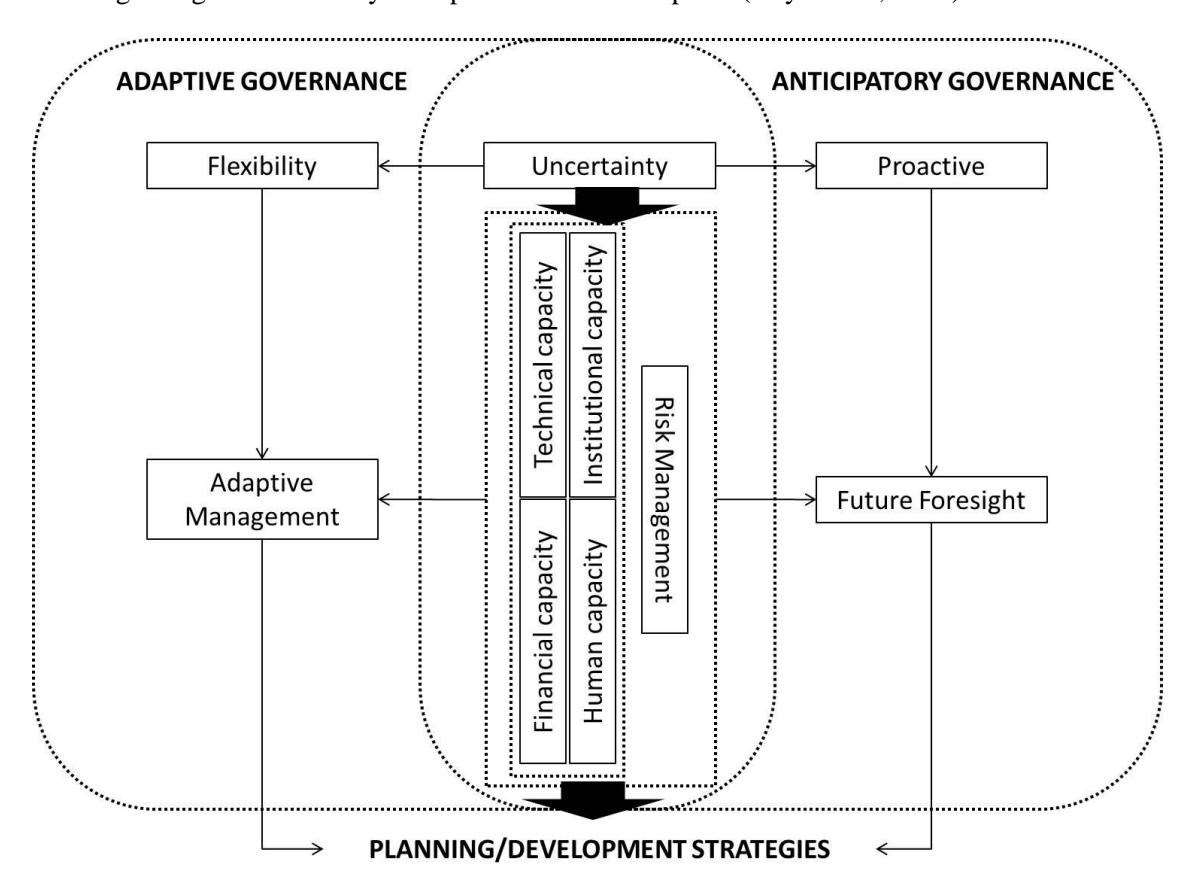
Figure 2. The Sustainable and Resilience Governance Framework.
Conclusion
Our review of the literature on governance in the context of CCA and DRR produced an overview of types of governance towards sustainability and resilience, most notably adaptive governance and anticipatory governance. Both are overlapping, yet each also emphasizes specific aspects of governance. Adaptive governance requires application of the principle of flexibility in the management cycle in policy formulation. Anticipatory governance requires application of the principle of proactivity and future foresight in policy formulation. Both consider and are influenced by governance aspects, both in terms of risk management mechanisms and capacities (e.g. technical, institutional, financial, and human capacity). Some challenges in building good governance based on adaptive approaches are encouraging community involvement, increasing local government capacities, and building integration between actors, networks and collaboration. Sustainability and resilience governance emphasizes the importance of local knowledge in the process of policy formulation so that the management process and foresight will be contextual, following stakeholder characteristics and spatial scale. Judging from the increasingly significant expectation of sudden disruption, the advancement of approaches, methods and technological innovations related to anticipating the future, such as simulations and modeling, are esssential for the development and spatial planning process.