
Introduction
Indonesian museums are generally perceived as outdated and dull places where artifacts are kept in a creepy environment and dusty rooms. In recent years, several museums have been thoroughly renovated, but mostly in the capital or famous heritage destinations in places such as Bali and Yogyakarta. Museums situated far from the city center and non-popular tourist destinations experience dire situations. Fewer and sometimes zero visitors have forced some museums to reduce their operating hours and even close their service, for instance, the Perjoeangan Museum, Bogor city (Sumardiyani, 2020).
Many scholars and practitioners have introduced initiatives, such as digitizing museum collections in order to prevent them from being forgotten (Navarrete, 2020). The Smithsonian National Museum of Natural History in the USA is promoting the digitization of its collections since 2013 to welcome an era where the public can explore its open-source collections (Stromberg, 2013). Meanwhile, the State Darwin Museum in Moscow, Russia has digitized its collections since 2017 through an intensive 3D scanning project (Artec 3D, n.d.). In line with the growing worldwide digitization trend, our interest was aroused in understanding the opportunities of Indonesian regional museums to implement digital technology.
Museum Taman Purbakala Kerajaan Sriwijaya (hereinafter referred to as Sriwijaya Museum) in Palembang city was selected as our case study site. The museum faces multiple challenges to overcome because its visitor numbers are in decline and its ability to attract young people to become members of the heritage community is insufficient. The museum and its complex were inaugurated in December 1994 and immediately became a popular tourist attraction. However, the provincial government has not successfully developed the museum to its maintain its former reputation (Manguin, 2008). The museum needs new branding to attract visitors, especially young people. To identify whether digitization could bring different opportunities for the museum, we decided to work with the museum's management to examine the possibility of employing digital technology in the Sriwijaya Museum. For this purpose, we designed a two-day workshop for participants interested in Palembang's history and in utilizing digital technology in cultural heritage preservation. The workshop was open to the public, as we attempted to stimulate participation by local residents.
There is a lack of studies that investigate participatory practices in cultural heritage preservation in Indonesia. Henceforth, this study aimed to contribute to the literature by capturing how the participants perceived cultural preservation through digital tools and the importance of policies to support the digitization movement in cultural heritage preservation. By using a workshop in a qualitative research approach this study attempted to fill the literature gap in Indonesia related to (i) participatory practices in cultural heritage preservation, and (ii) a qualitative approach based on workshop analysis.
This study specifically aimed to evaluate the process of involving the local community in applying digital tools in the Sriwijaya Museum. The rest of this paper consists of five sections. Section two discusses the literature used in this study, Section three elaborates the research method, Section four presents the research analysis, and Section five provides the research discussions and conclusions.
Community Participation and Digital Culture
The history of community involvement in addressing local issues goes back to the mid-1950s. The political turmoil in post-independence nation-states drove Asian communities to take part more actively in solving issues affecting their everyday life (Binswanger-Mkhize, et al., 2010). Due to the growing community involvement, various approaches were developed to accommodate community voices in the decision-making process (Chambers, 1994; Sarkissian, Harford & Wenman, 2010). One of the most common methods to help planners understand and work with local communities is the participatory workshop (Keeton, Mota, & Tan, 2020). Such a workshop allows community engagement through collaboration and constructive feedback between participants and facilitators. In this sense, a participatory workshop provides more credibility and trustworthiness of the data gathered (Ahmed & Asraf, 2018). A participatory workshop also enables different organizations to recognize and identify opportunities for cooperation.
Furthermore, we can also refer to the 'liveness' approach proposed by Tarr et al. (2018), who argue that a workshop can function as a performative method of obtaining data, which determines how the information is constructed. The data is considered 'lively', because it is contextdependent, unique, and, if possible, provocative in showing a discussion topic from a new perspective. Thus, the workshop's outcomes depend on the researcher's capacity to create a proactive and creative environment, facilitate a sense of sharing, and be aware of verbal and nonverbal communication. Furthermore, the facilitators must be responsive to how people respond to the collaborative process and act proactively (Ørngreen & Levinsen, 2017).
In the context of cultural heritage, participatory workshops are one of the most common approaches to promote cultural heritage preservation and safeguard action. In Berlin, participants from various institutions discussed their experiences, highlighting the value of participatory management of cultural heritage (REACH, 2018). Recently, the suggestion of using digital tools to enable a local community to participate in heritage-making and cultural institutions to be more responsive is getting more common (Cameron, 2011). Digitization is believed to be able to create new practices and cultural literacy understandings, particularly in cultural facilities such as libraries and museums (Rutten, 2018). The paper by Windhager et al. (2019) explores the potential use of cultural heritage visualization and the future role of visualization to accelerate transdisciplinary knowledge production. These points are important because they affect individuals and their relationship with others, formulate the development of a social group, tradition and customs, and involve culture, powerful political and economic ideas, and memory (Stainforth, 2017).
The museum as a tourism location can be regarded as a memory institution. Recent technological developments allow the application of digital tools in museums to improve their quality and attractiveness (Aicardia, et al., 2018; Cicalò, 2018; Bedford, 2017; Korytkowski Olejnik-Krugly, 2017; Yastikli, 2007). Thus, on the one hand digital memory can become a proclivity by uniting and separating cultural entities, and on the other hand it can become a distributive and cumulative
future-oriented drive, which leads to difficulties when combined in theory and practice (Stainforth, 2017).
Research Methodologies
Cases study
Unlike Western cities that utilize urban heritage as one of their primary economic resources, most Indonesian cities are less likely to perceive tangible heritage as a potential source for their urban development. Tangible heritage, mostly in the form of temples, colonial buildings, traditional houses, or green sites, is frequently sacrificed for the sake of modernization, as happened in our case study site, Palembang city, the capital of South Sumatra Province.
The modernization occurring after Indonesian independence has gradually made many historical buildings in Palembang disappear. It seems that many Palembang people do not understand the value of historic buildings. Henceforth, countless heritage buildings were destroyed and replaced with new buildings. The lack of historical awareness may come from people's low interest in study and reading. The historic record shows that many Palembang people, mainly lower-middle class, are not interested in upgrading their skills through reading (Santun, 2010). This attitude may be the result of the Dutch Indies' discriminatory policy of denying the poorer classes access to higher education.
Palembang people's inadequate knowledge and interest in urban history are also evident from their low visitation to local museums. Supardi (2019) reports that very few visitors visit the replica of the Cheng Ho boat in Sriwijaya Recreational Park, Palembang. Herwanto (2019) adds that the Sultan Mahmud Badaruddin II (SMB II) Museum of Palembang was not popular at the beginning of 2019. Another source highlights the same fact as proof of the museum's inability to attract visitors (Sulis, 2019).
However, the cultural preservation issues in Palembang are not limited to the city's gradual loss of its historic properties and lack of protection for them. The recent forest fire in South Sumatra Province has revealed people's lack of awareness of the importance of ancient objects for the identity of the local community and even the country. Illegal looting activities in burnt peatland prevent local researchers from developing a complete database of ancient objects from Palembang and South Sumatra (CNBC Indonesia, 2019). Even though the current national heritage law allows Indonesians to own artifacts discovered or purchased domestically, taking artifacts without first reporting them to local authorities is problematic for those who maintain the official database.
Even though Palembang city has limited historical sites, several locations close to the city are significant sites dating back to the early 7th century, when Sriwijaya was established. Some of these sites are Siguntang Hill, Sabokingking, and Candi Bumi Ayu. There are at least three pieces of evidence proving that the Sriwijaya Kingdom was established in Palembang. Firstly, artifacts from the 7th century have been found in Siguntang Hill, Sabokingking, and Candi Bumi Ayu in West Palembang. Secondly, the imported ceramics found in these areas are Chinese and Indian paintings. Thirdly, the statues are similar to those of Indian models. Artifacts from Sriwijaya Palembang are very limited in number because of the limited excavation area and the extensive land erosion on the slopes of Siguntang Hill (Coedes, et al., 2014). Another explanation is that the ancient Sriwijaya population used non-durable materials for their daily activities, such as bamboo, which have possibly vanished in a river or through degredation (Coedes, et al., 2014).
Moreover, moving the capital city from Palembang to Jambi may explain the limited artifact discovery in Palembang.
Our case study site, Palembang, has several museums displaying the richness of the city's heritage. One of the most prominent museums that safeguards the history of Sriwijaya is the museum of Taman Purbakala Kerajaan Sriwijaya, or the Sriwijaya Museum. The museum was built in 1994 and has a replica of Kedukan Bukit, an inscription that records the establishment of the Sriwijaya empire. This empire was rediscovered in the 1920s by the French scholar George Coedès. Since then, many foreign and domestic institutions have intensively explored this nearly forgotten empire in South Sumatra. The Sriwijaya Museum displays numerous artifacts and replicas from prehistoric times to the Malay-Sriwijaya period.
Workshop as a tool to collect data
We adopted a participative workshop as a qualitative research approach. Workshops can provide information-rich qualitative data from observations, interviews and interactions between the participants and facilitators. After discussion with local stakeholders, representatives of Masyarakat Sejarah Indonesia and the Islamic State University of Raden Fatah we decided to conduct a two-day workshop in the Sriwijaya Museum.
The workshop was open to local residents with an interest in Palembang's history, particularly Sriwijaya and in utilizing digital technology for cultural heritage preservation. We selected participants based on their background and interests and who regarded them as lay stakeholders (Fung, 2006). They were unpaid participants who were expected to engage and were willing to discuss the use of digital technology for cultural heritage preservation. As such, the workshop sought to empower the stakeholders to engage with the government and museum management to act in a collaborative partnership (Arnstein, 1969). This may be in the form of the exploration of story and artefact narrations by students and the community, or the digital revival of artefacts, or the preservation and recreation of urban color through color loci placemaking by urban designers.
The agenda for the first day contained lectures and discussions about cultural heritage preservation in museums and urban settings. The activities were led by scholars from Waseda University, Institut Teknologi Bandung (ITB), and National Chiao-Tung University to introduce digital tools for cultural preservation-related stakeholders in Palembang city. The participants included members of the local customary community, the government of the municipality, the archaeological center of South Sumatra, local academicians, and history students. The workshop was officially opened by the Sultan of Palembang and municipal officials from Palembang (Figs. 1 and 2).
The participants had the opportunity to learn how to use new software to generate 3D photogrammetry and color analytics for cultural heritage preservation. The workshop was led by four experts from the National Chiao-Tung University, Taiwan, PRC. Scholars from ITB and Waseda University assisted the participants and monitored their participation throughout the day. Pre-workshop and post-workshop questionnaires were delivered to the participants, consisting of history and anthropology academicians and students, the local heritage society, and government officers dealing with memory management from different institutions, such as museums, the R&D agency for preservation, and the tourism agency.
Figure 1 The opening of the Digital Tools for Cultural Heritage Workshop.
Figure 2 Discussion session in the Digital Tools for Cultural Heritage Workshop.
From the 50 participants we retrieved 19 responses to the pre-workshop questionnaire and 7 responses to the post-workshop questionnaire. The responses indicated that most participants lacked interest in helping the organizers assess the workshop and give proper feedback for future improvement. This was probably triggered by two factors. Firstly, most participants were probably not accustomed to filling out post-activity surveys. Secondly, they may have had other activities that prevented them from participating fully in the two-day workshop and sharing their reasons for withdrawing early with the organizers. Nevertheless, representatives of all stakeholders did fully attend the two-day event.
The pre-workshop questionnaire aimed to examine the participants' knowledge of the Sriwijaya kingdom and the history of Palembang, and their professional backgrounds. This information was vital to understand their experience and motivation for the post-workshop questionnaire. In the post-workshop questionnaire, we evaluated their perception of the benefits and meaning of digital tools for cultural heritage preservation. We also identified challenges to implementing this technology, such as policies and collaboration opportunities. A series of interviews with random participants and local stakeholders were also conducted to retrieve more information about the digital tools introduced in the workshop.
The analysis began with an elaboration on the workshop using digital tools. This was followed by descriptive statistics from the pre-workshop and post-workshop questionnaires and a discussion on how the stakeholders perceived cultural preservation through digital tools.
Analysis and Discussion
Participants' knowledge about the Sriwijaya empire and the history of Palembang
The result of the pre-workshop questionnaire verified the knowledge and background of the participants. Most of them had adequate knowledge of the Sriwijaya empire and the history of Palembang.
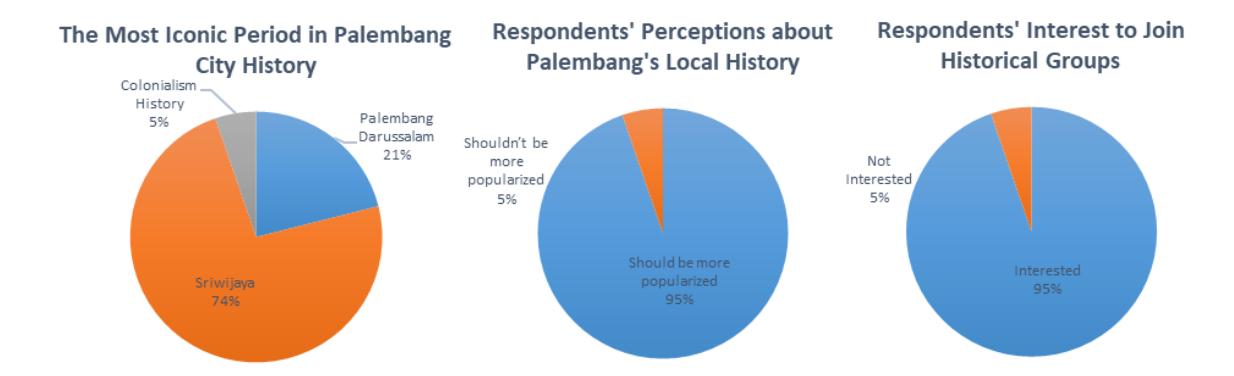
Figure 3 Pre-workshop questionnaires result.
The survey captured the respondents' enthusiasm for and knowledge of the Sriwijaya empire (see Fig. 3). About 74% of the respondents answered that the Sriwijaya period was the most iconic period in the history of Palembang. Approximately 95% of them agreed that the Sriwijaya civilization should receive more exposure and be promoted more inside and outside of Palembang. The survey also verified the participants' interests and knowledge of the history of Palembang. They routinely engaged with history-related events, such as visiting museums, convening conferences and group discussions with preservation communities, and participating in historical walks through the city. Furthermore, more than 90% of respondents were members of historical groups promoting the history and culture of Palembang as the city's identity.
Interestingly, the survey also discovered a lack of iconic artifacts or sites representing the importance of Sriwijaya in Palembang. Approximately 36% of respondents suggested that the Sriwijaya empire with its museum, historic buildings, and sites should be developed further as icons of Palembang (Fig. 4). In comparison, 25% of respondents argued that the colonial Kuto Besak of the 18th century should be further developed as a city icon, and 20% of the rest suggested the local culinary culture.
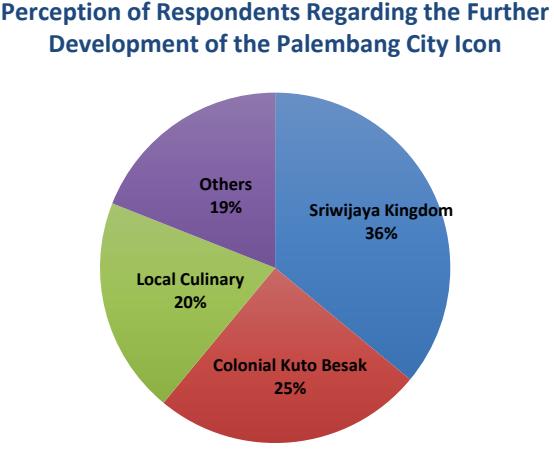
Figure 4 Perception of respondents regarding the further development of city icons.
The workshop: potential implementation of digital tools
The government maintains a database for historic properties in the city since 2014, listing 423 properties (Munajar, 2019). However, the lack of legal protection for historic properties prevents the government from protecting properties owned by individuals or private sectors. Of 137 historical buildings in Palembang 90% are not owned by the government (Urban Id, 2019). The government does not always have an adequate budget to purchase or renovate historic properties. Moreover, it does not have legal power to restrict ownership transfer of historic properties. However, local people are less likely to know and be concerned about the value and importance of their properties for the community's identity and urban history.
The Sriwijaya Museum has various relics of the Sriwijaya kingdom in the form of artifacts, such as inscriptions, Buddha statues, and ceramics. Three artifacts from the museum were used in the workshop. The first was the Kedukan Bukit Inscription, which describes the journey of Dapunta Hyang Sriwijaya Nska accompanied by 20,000 soldiers. The second was the Telaga Batu inscription that talks about the bureaucratic structure of the Sriwijaya government and was used in a ritual through which state servants declared their loyalty to the king. The third was the Talang Tuo inscription that talks about the establishment of Srikesetra Park for the Sriwijaya people. However, the existing information on these three artifacts is not comprehensive because the museum's inventory4 does not contain photos of the artifacts. Thus, digital tools are crucial to improve the availability of information on the artifacts presented by the museum and thus to attract more visitors.
We argue that the digital tools introduced in the workshop could help Palembang build a strong artifact collection database and identify a unique identity for the history of the Sriwijaya period. The first tool was three-dimensional (3D) photogrammetry to present and preserve artifacts in a 3D virtual display (Fig. 5). This tool allows the museum and government to preserve original artifacts in their current condition in digital form. This digital tool requires many still images (photos) of the artifact from various angles to generate its 3D structure. The process to create and edit a 3D photogrammetry model requires less than one hour. The second tool was color analytics used to extract and present original colors from the Sriwijaya empire through its remains. Unfortunately, Palembang has very limited remnants from the Sriwijaya period due to its rapid development and modernization. Therefore, the participants were advised to use materials available in the museum complex. Unfortunately, we witnessed a significant decline in the number of participants at this stage of the workshop because some participants did not participate in the workshop seriously. Many of them left the room without notice after lunch. This indicated a severe problem in the residents' shared commitment and attitude to engage in participatory workshops.
4 See https://indonesiakaya.com/pustaka-indonesia/museum-sriwijaya-wadah-peninggalan-kerajaanmaritim-terbesar-di-dunia/.
Figure 5. Samples of Sriwijaya artifacts in the Sriwijaya Museum.
Despite the reduced number of participants, the workshop was continued to explore the results of the color analytic software. This software was used to show the colors of the Sriwijaya empire based on color photos of buildings and the environment surrounding the museum and artifacts. For example, the following figures show: (a) the building in Siguntang Hill and artifacts in the museum, and (b) the colors were analyzed in detail and given codes such as cinereous (#98817B), making up 8.71% of colors in the building in Siguntang Hill, and sand (#C2B280), making up 32.42% of the artifacts (Fig. 6). The specific color codes and their percentages can be used by designers to use these characteristic colors in future cultural events such as cultural property exhibitions.
| Cinereous #98817B R:152 G:129 | B:123 | 8,71% |
|---|---|---|
| Khaki #C3B091 R:195 G:176 | B:145 | 8,05% |
| Dark Lava #483C32 R:72 G:60 | B:50 | 5,68% |
| Pastel Gray #CFCFC4 R:207 G:207 | B:196 | 5,21% |
| Black #000000 | D.O. | 5,14% |
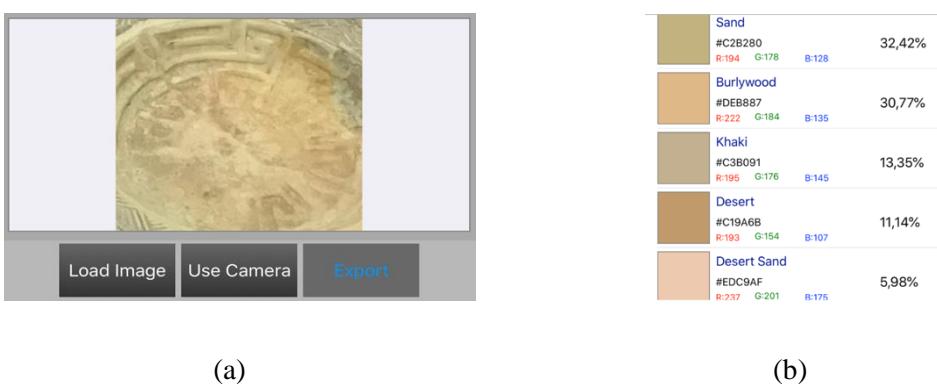
Figure 6. Illustration of the color analysis software.
The workshop revealed that the stakeholders approved of using digital technology and thematic urban activities to improve the Sriwijaya Museum in Palembang. Digital tools using photogrammetry to generate 3D digital models have been reliably used for cultural heritage documentation for more than a decade (Yastikli, 2007). They can potentially be used across various scales, from landscapes (10 km2 or more) to small objects (about 10 mm2 ). However, the approach requires specific core skills, including photography for image acquisition and photogrammetry for image arrangement to ensure the best coverage and highest accuracy. Additional skills include survey techniques to use the best time to capture images, software use, archaeology and architecture theories, and data presentation and visualization (Bedford, 2017). This is an advanced automated process that requires great accuracy (Aicardia et al., 2018). Moreover, it includes many functions,such as data acquisition, data processing and final products, allowing to limit direct interaction with the actual cultural heritage object to ensure minimum physical exposure.
On the other hand, the second digital tool, digital color analysis, allows researchers and museum management to enliven history by creating urban areas representing a transformation of social and cultural processes (Boeri, 2017). In this sense, color loci placemaking offers a new approach to urban design to balance the demands for preservation and renewal. This method mainly uses building and artifact photos to capture color codes that can be used to recreate the original colors of Sriwijaya. As such, color essentially functions to intervene in the regional branding and activities representing the local culture (Cicalò, 2018). The study by Korytkowski and Olejnik-Krugly (2016) has shown that heritage digitization by exploring color has large potential. It is required to identify critical lighting issues and appropriate technology to automate the process.
The respondents agreed that digital technology tools have large potential to make the museum more interesting. They suggested storytelling activities that can be performed in the museum and its surrounding area. Likewise, they recommended several thematic activities, such as performance, culinary and music festivals. As for the challenges, they underlined the cost of digital technology and human resources-related problems. The limited information and knowledge of the history of the park may also limit the possibility of recreating past urban culture. Meanwhile, the respondents believed that successful recreation of historical urban culture makes the government better understand its benefits and thus enables political and financial support from the government.
The study indicated the possibility of using digital tools to preserve the remaining heritage of Sriwijaya in Palembang while increasing the attractiveness of the Sriwijaya Museum. Through
participatory workshops, the museum can embrace active residents and heritage communities to rapidly develop various concepts by deploying digital tools for cultural preservation. The lower number of participants on the second day should not be seen as a discouragement. Instead, it should be perceived as a challenge to establish a more interesting workshop, especially for young people.
Moreover, the study revealed that digital tool promotion should agree with historical topics that young people learn about in school. Learning through objects and activities is implemented in Palembang schools, and students are exposed directly to temple miniatures, films, photographs, and archaeological remains (Susanti, 2019). Thus, the use of digital tools, including those introduced in the workshop, will accelerate the students' and community's knowledge of the Sriwijaya empire and the history of Palembang. At the same time, these new digital tools will give a new function and brand to the Sriwijaya Museum, a place for Palembang people to explore and actively rediscover the heritage from a past civilization.
Conclusion
This study contributed to highlighting the need to improve the traditional practices of a regional museum by accelerating digitization and enabling participatory culture. Cultural heritage preservation and management of cultural properties in local museums currently remain conventional and are not supported by advanced technology. Introducing digital tools in cultural heritage preservation, particularly in the management of museum collections, may transform the image of a museum from a boring place to a fun place to explore history.
In this study we identified the interest of local people in preserving and promoting the Sriwijaya civilization. However, due to the limited time and geographical distance, we could not identify the best strategy to guarantee the participants' commitment to participate in cultural heritage preservation activities. We noticed that young participants were less committed and active during the two-day workshop. The participants who fully participated in the workshop were the museum staff, archaeologists, app developers, and people with a strong interest in Palembang's past. Although only a limited number of young people participated in the second part of the workshop, we witnessed these young people's capability to apply the devices and learn the techniques introduced in the workshop. Therefore, we believe that involving younger generations in museum digitization will make a positive change. Once digital images of the artifacts have been produced using digital tools and are available in digital form at the museum and through the website, we believe the younger generations will appreciate the museum more. They will quickly become more familiar with these digital images and the narration produced.
This study strongly suggests that Palembangnese universities and schools should present the potential of digital tools for heritage preservation to their students. Along with this, we recommend using museums as primary outdoor learning places for students to practice using digital tools to preserve cultural heritage.
The second contribution of this study is related to the necessity to develop more robust collaboration and a cross-discipline network among local communities and government to create a new image for the museum and other cultural facilities in Palembang. While we underline the necessity of digitization, we also acknowledge the importance of the local community's commitment and the government's political will to preserve cultural heritage and incorporate technology in future heritage preservation plans. There is a need for developing a roadmap that defines the role and responsibility of each stakeholder in digitization implementation in cultural heritage preservation.
Acknowledgement
This work was presented on PlanoCosmo5.