
Introduction
Rural areas are always in dynamic development, both in policy, practice and theory. Rural society is currently experiencing the transformation from a traditional agricultural society to a modern industrial society. Based on the observation of rural development in China, Japan, Korea, France, Germany and other developing and developed countries, it is a global trend that rural communities are faced with aging and declining populations, less competitiveness of agricultural industry, and the dissolving of internal relationships (Ploeg, Ye, Schneider, 2015; Hebinck, 2018). Taking Chinese rural areas as an example, it has been pointed out that during the forty years since reform and opening-up, the most significant change was the disintegration of the traditional rural social order, with the growing existence of internal stratification (Lu, 2002; He, 2018). On the other hand, rural areas are establishing an increasingly open and close relationship with macroeconomic and social systems, as well as with urban activities. With multiple (local and extralocal) actors engaged in rural activities, either directly or indirectly, there is an increasingly strong consensus that the core of rural issues is rural governance, namely the power structures and the dynamic of networks in support of rural development and planning.
As a response to this continuous transformation, the mainstream theory of rural development has oscillated accordingly from discussing top-down, exogenous methods to solely endogenous approaches and now locally-led approaches, characterized by mixed endogenous-exogenous (also called neo-endogenous) development. As a result, the emphasis of recent rural policy in many countries has been on strengthening the role of communities in solving local problems in collaboration with external actors. In Japan, (Onitsuka, Hoshino, 2018), Korea (LEE and ZHANG, 2016), Germany (Gerhard, 2016) and France (Fan, 2018), etc., multi-actor collaboration has long been central to rural development policies, in order to complement a lack of human resources in rural communities and to promote social innovation. In China, increasing importance is attached to rural community self-help and social participation. In 2017, the Chinese central government launched the rural revitalization strategy as its new rural policy, which emphasizes building close connections in the way of taking action, that is, to enhance the cooperation between internal and external actors (Verdini and Zhang, 2020). From practice to theoretic study, it has gradually aroused global academic attention on how endogenous and exogenous actors are involved and interact in developing the countryside (Ploeg, Ye, Schneider, 2015; Wellbrock, 2013; Ventura, 2008; Liepins, 2000).
Taking China Taiwan as an example, this article attempts to take a broad observation of both internal and external factors that are active in current rural development, and then proposes a new theoretical framework, namely the 'new rural communitas', to explain how the relationship works among multiple actors, especially among endogenous actors, the government and social actors. China Taiwan has reached an urbanization rate of 80% in 1990 and has also experienced rural community disintegration. Recently, Taiwan has adjusted its policy focus and introduced a new rural development approach, rural regeneration policy, which calls for collective action as a new approach to realize rural rejuvenation (Yen, Chi, 2018). Three local rural communities were surveyed to help get a deeper understanding of how this policy has been implemented and how cooperative relationships have been established among the community, the government and social actors. Therefore, this study focused on the following three research questions:
- 1. What is the basic meaning of 'new rural communitas'?
- 2. What role do endogenous power, government power and social power play in constructing a new rural communitas?
3. What is the key factor in constructing a new rural communitas?
This paper first gives a literature review of classic theories, elucidating the basic definitions of community and communitas, and discussing the features of traditional rural community. Based on that, the second section proposes the new theoretic framework of the new rural communitas, discussing how the three main powers are interrelated in this new structure. The third section presents an empirical study about Taiwan's rural regeneration policy and analyzes how the new rural communitas is constructed through three case studies. The fourth section provides suggestions for adopting the theory to help revitalizing the countryside.
Literature Review
Community and communitas in sociology
Community, originated in the early stage of western social science, is a classical theoretical concept in sociology. Many related studies about the nature of social relationships in rural and urban communities are derived from the seminal work from German socialist Ferdinand Toennies. In his book Gemeinschaft und Gesellschaft (Community and Society) (1887), he first defined Gemeinschaft (community) as an organic unity based on natural will, such as instinct emotions, habits, memories and so on. Compared with Gesellschaft (society), mainly referring to urban societies or associations, communities are more of a strong social network, consisting of relatives and neighbors with close emotional ties developed through frequent face-to-face contact. And the rural village, as Toennies stated, is a typical community due to its natural geographical boundaries, close social interaction and shared social norms as well as public resources. This assumption has thereafter introduced villages into community study as a basic study unit. However, from Toennies's definition it is still hard to tell whether a community should have clear and relatively stable spatial boundaries, or it can be formed and changed flexibly according to certain conditions. Although the study of community has been done for many decades, the notion of 'community' is still debated. Hillery (1955) concludes three important elements of community: area, common ties, and social interaction (in increasing importance for each separate element) after comparing 94 definitions. Until now, the word 'community' has acquired a wide array of meanings. It encapsulates issues of identity and belonging, similarity and difference, inclusion and exclusion, and has been considered both a spatial and social phenomenon (Delanty, 2003; Johnston, 2000; Clark, 2007). Generally, variation in defining community can be assessed according to: (1) the extent of 'community' in the interaction, as discussed by Toennies, which basically refers to a collective identity or a set of beliefs and practices; and (2) the extent to which locality, including place, people, and the associations they share, are salient, that is, in this case, community is based upon enclosed geographical proximity and is of special concern to the locality, which is to say the local community, such as villages, neighborhoods, territorial associations (Summers, 1986; Kenneth, 1991; Brint, 2001).
However, it is still debatable whether a focus on place (territory) in the definition of community distracts from its authentic theory. Somehow, the rise of modernity and the subsequent 'communities lost' thesis have been increasingly debated in the study literature on community (Crow and Allen, 1994; Delanty, 2003). On the other hand, the term 'communitas', which was first used by British cultural anthropologist Victor Turner (1969), has been mainly opted for in sociology and anthropology. Etymologically, 'communitas' is a Latin noun commonly referring either to an unstructured community in which people are equal or to the very spirit of community. The use of 'communitas' has inspired people to think out of the box and dig deeper into the essence of community. Elkington (2011) compared the power that arises from both communitas and community as follows: the former emerges from social togetherness outside society, which focuses on a task at hand, while the latter comes from an inward focus, emphasizing mutual encouragement. Communitas cannot be thought of as a body or a specific territory (Esposito, 2010); it may be found when people engage in a collective task with full attention. As Frost (2007) contends, when people find themselves thrown together in a richer, deeper, more powerful sense of togetherness, they form a communitas, not a community.
So far, community has remained a central but highly debated concept in sociology because it is regarded as a positive way to improve locality and further set up civil society. However, the concept itself has been challenged when it comes to defining community as a physical subject with clear territorial boundaries. In contrast, communitas represents an acute point of community that is not subjected to a spatial area, but focuses on social relations that derive from collective action. Hence, in this article we refer to community as a relatively stable spatial unit, like an urban neighborhood or a rural village, and rural communitas as a more flexible collective structure, which is mainly built upon a common spirit of togetherness.
Traditional rural community both in the Western and Asian context
Rural community, as a basic living form, exists in both Western and Asian culture. However, it varies in organization mode, authoritative institutions, public rights and many other aspects in different cultural and spatial contexts. Given that many observations of traditional rural communities primarily focus on European and Asian communities, which represent two major kinds of traditional rural communities developed over a relatively long period of time, the main features can be described as follows.
In the Western context, especially in medieval England, the term traditional rural community (villa or villata) usually refers to an association of people living within a specific territory, sufficiently organized to have some control over the use of resources (usually fields and pastures) and to have dealings with superior authorities such as the state (Dyer, 1994). Four aspects are commonly mentioned in existing studies to characterize the traditional Western rural community: (1) traditional rural communities normally had (were permitted to have) a great deal of autonomy in managing their communal affairs, so the villagers organized themselves on their own initiative and in pursuit of their own objectives; (2) each community was regulated by its own local laws or rules, which had been formed over a long period of time and officially had legal effect. Additionally, villages had the right to have their own authoritative institutions, such as a manor court and village meetings, where the community assembly had adjudication as one of its duties. In villages in Switzerland, Austria, and Germany, the community had the right to hold its own court, presided over by village officials (Blum, 1971); (3) the village worked as a corporate body by managing communal resources, directing the economic activities and supervising the communal life of its residents; (4) rural communities elected their village officials and chief officer, who was called the headman in most places, as supervisor of communal affairs and activities of the village.
In East Asia, traditional rural communities were usually established in villages with clear geographic boundaries. However, strong internal relationships based on the ties of blood and region were more emphasized, which may be the most significant difference with their Western counterparts. In Japan, rural villagers heavily relied on the relationship among families. Thus, communal norms and social consciousness in daily life were gradually established in order to maintain long-term internal cooperation (Li, 2005). Japanese sociologist Ryotaro Suzuki (1940) used the term 'village spirit' to summarize the strong unity of social consciousness in Japanese
natural villages. In China, while relationships were also a key factor in traditional rural communities, Chinese villages put more value on the kinship system (Fei, 1930) so that family bonds and clans played a vital role in rural governance (He, 2011). Another important characteristic of Asian traditional rural communities is rural self-governance. Villages were legally permitted to take communal responsibility to democratically decide the political, economic, cultural and other public affairs in the village. However, it has also been pointed out that in the Chinese countryside, the community was only partially autonomous, in that state intervention directly eroded the foundation of local authority and thereby weakened community self-government (Duara, 1996). This phenomenon typically happened in villages in north China.
Traditional Indonesian rural villages shared several similarities with east Asian countries. Initially, the basic community unit in Java was the small village (dukuh), consisting of relatively large groups of houses surrounded by gardens. The rural community had fully autonomous rights and adopted a social system with strong kinship relationships and few external influences, such as in communities in coastal regions. Therefore, the villages were enclosed and very concerned to maintain internal harmony and cooperation within its territory (Kusumastuti, 2017; Bebbington, Fahmi, Guggenheim, 2006).
In summary, existing studies have portrayed several key features of traditional rural communities from various points of view. While the traditional Western rural community had a sort of selfgovernance, including the right to land and the right to autonomy and to participate in village public affairs, Asian rural communities attached more importance to collectivism and interrelatedness. Finding out about these differences may help to understand the basic meaning of traditional rural communities in the Western and the Asian context.
Debate on the transformation of the rural community
Since a series of drastic changes took place in the macro economic and social systems during the modern period of rapid urbanization, rural areas have long been in a weak situation with the continuous outflow of production factors (labor, capital, land), which inevitably affects the social structure of traditional rural communities, whether in developing countries or in developed countries (Zhang et al., 2016). Generally, the global trend is that rural areas have to deal with the increasingly serious problems of aging and declining populations, the lack of skilled leaders, and traditional agriculture crises.
The basic argument is whether social structural changes, as a result of these macro processes, also happened in rural society and consequently deprived rural communities of local autonomy in making collective decisions or even made rural areas become part of mass society. Some studies have claimed that the increased presence of extra-local forces in rural communities has destroyed horizontal integration and rendered small rural communities powerless in the face of the broad and powerful forces of urbanization, industrialization, bureaucratization, and centralization (Gallaher, Padfield, 1980). The internal relationships have once been characterized as disintegrated, because of the stratification in rural societies, more rational and utilitarian relationships, declining collective organizations, and the loss of autonomy (Fang, 2014; Liu, 2016). Meanwhile, there has also been a growing sense that the pronounced importance of rural communities has been somewhat exaggerated and should be reconsidered (Summers, 1986).
Others, however, contend that rural communities have not been swept away or made meaningless by the forces of mass society (Hunter, 1978). Instead, they are still essential to the satisfaction of human needs, especially the need not to feel alienated from society. Empirical researches in several economically developed rural villages in China in the late 20th century have found that the process of rural industrialization and marketization has not necessarily changed the basic meaning of villages (or communities) for the survival and development of peasants, but may somehow strengthened and empowered them (Zhe, 2000). The studied villages succeeded in minimizing their reliance on external dynamics and in turn promoted their internal solidarity.
In practice, rural development in the modern period has shown a considerable extent of diversity in many countries. In South Korea, the New Village Movement (Saemaul Undong) was launched in 1970s with systematic government support (Lee and Zhang, 2016). In Japan, many non-profit organizations and non-governmental organizations play an important role in rural communities (Zhang and Bai, 2021). In Europe, LEADER was launched in 1991 as an area-based and bottomup approach to rural development, putting an emphasis on moving away from top-down implementation in European policy (Bosworth G. and others, 2015). In North America, the market sector has played a significant role in providing public facilities, health, education, and social services for rural communities, in addition to governmental subsidies (Freshwater D., 2013). In mainland China, it has been increasingly common that local governments, private companies, successful entrepreneurs and even young people driven by nostalgia jointly devote themselves to rural construction and development (Qiao and Hong, 2017).
To some observers, the existing pattern of agriculture and rural life has been undergoing major reconstruction. Ploeg et al. (2000) anticipated that rural development would become a multi-level, multi-actor and multi-facetted process, implying that rural development related to modernization leads to a paradigm shift. Their study continued to analyze the characteristics of modern rural development, including the reconfiguration of rural resources, the centrality of agriculture, and further proposed that there should be more studies exploring new theories to grapple with the new mode of rural development. Based on the present understanding, the new rural communitas is about newly emerging and historically rooted realities that are currently reappearing, in other words, a combination of the 'old' and the 'new' (Ploeg et al., 2000).
In summary, under social transformation, the traditional rural community is inevitably faced with challenges to transform and must try to find room for development to meet the specific needs of modern society. To realize a successful transformation, the traditional rural community has to confront the dual task of reconstructing the internal organizational relationships to achieve selfreform and developing external connections to gain development opportunities.
However, for rural communities to stay active in modern society, they not only have to achieve internal reform but more importantly develop communities by getting reconnected or linked to exogenous resources instead of isolating themselves in self-constrained units.
The New Rural Communitas
Based on previous studies and the observation of practices in some pioneering regions, rural regeneration has gradually become a social activity or a social process, even a social campaign, such as Saemaul Undong in Korea in 1970s (Lee and Zhang, 2016) that involves both endogenous and exogenous factors. According to different subjects, these factors can be summarized into three main driving forces, that is, endogenous power, government power and social power. In this paper, we propose an ideal goal (or theoretical framework) of constructing the new rural communitas with these three main forces together playing a synergetic role in promoting rural development.
Endogenous power as core
Endogenous power can be interpreted as initiative derived from the traditional community. Actors generating endogenous power include villagers, local organizations and local elites.
Currently, it is widely recognized that it is important to put local villagers at the center of developing a rural community, which in turn requires the strengthening of the village's overall endogenous ability. Relevant empirical researches have shown that, for rural communities, the key to regenerating endogenous power includes raising collective agency, facilitating intercommunity networks, and rebuilding collective capacity (Amin, 2004; Luan, 2016; Onitsuka, 2018). In the European Union, place-based approaches of rural development are increasingly favored, with the aim of strengthening the resilience of rural areas against global pressures by decreasing state dependency and increasing the economic competitiveness of rural areas (Murdoch, 2000; OECD, 2006; Ray, 2006). Hence, in Europe rural development is mostly driven by farmers' ongoing search for new possibilities to safeguard the continuity of their farms. Accordingly, new rural development practices were first born as individual initiatives and then often tied together into new networks (Milone, Ventura, Ploeg, Schneider, 2015).
Meanwhile, in mainland China, the country plays a relatively leading role and the cultivation of collective ability is only in the beginning stage. However, there are two basic systems that guarantee the foundation for building internal cooperation, that is, the rural collective land system and the collective property right system. The collective land system claims that land property belongs to the rural collective instead of individuals. A collective property right system ensures that each individual in a rural community as a member of a collective economic organization has the right to share in collective assets. Therefore, in each rural village, land and property are owned collectively and are then allocated to individual villagers, which further sets up the basic rule for establishing modern cooperative relationships. In addition, the rural social capital, which is referred to as internal reliance, social structure and institutional basis formed by the community members during long-term communication, provides relationships that create trust and collective identification. Besides that, local elites and rural leaders are also part of the rural social capital and are of great importance in mobilizing and facilitating social networking that bolsters communities. Under the new framework for cooperation, the role of social capital as initiator is pivotal in developing future cooperative relationships in rural communities.
In summary, rural endogenous power is of strategic importance in constructing the new rural communitas. To raise collective ability effectively requires a joint reconsideration towards rural organizations and associations, and a cooperative system with a certain division of roles and tasks. Also, the traditional rural communitas hints at reshaping inter-community networks as well as developing self-autonomy. This implies that to initiate endogenous power, to some extent means to reactivate the authority and subjectivity of the rural collective. The cultivation of rural endogenous power should always be the decisive foundation for constructing a new rural communitas.
Government power as support
In a broad sense, government power is the effect of government intervention based on political power, including the state government and the local government. The working system is usually that through a top-down design the national government determines the development goals and investment strategies for rural areas; local governments formulate action plans and implement projects in accordance with national policy according to local conditions.
Based on practice, government power has been proved to have an indispensable advantage in providing public goods and introducing social capital to rural areas, and often bears the large investments required for rural construction, especially during the early stages of rural development. However, government-led rural development has been criticized for many deficiencies. Firstly, government investments mainly focus on developing public facilities and industrial projects, while the collective ability of villages to jointly manage public affairs and their collective economy remains underdeveloped. At the same time, the government consequently has to take full responsibility for rural construction and huge investments, eventually causing unsustainability of government support.
Secondly, the cohesion between the state government and local governments affects the results of rural policy and investment. It has been pointed out that during the implementation of rural policy, the relationship between the central and local governments (such as fiscal and administrative relations) and development goals are misaligned (Wang, 2015). It is difficult to to fully adapt the macro goals of the state government to the various local needs. This has also introduced the phenomenon of local governments with insufficient financial resources having to obtain more opportunities by 'getting projects', while a large number of public resources fail to be implemented genuinely in accordance with the demand target, with serious negative impacts on present rural construction (He, 2011).
Hence, government power in the new rural communitas should firstly be recognized as having the role of a coordinator instead of a conductor, namely to put more emphasis on strengthening the independency and overall capacity of the rural community. Another important point is to optimize the policy supply system, in order to promote a better cooperative relationship between the state government and the local government, and make full use of local governance in rural development.
Social power as synergy
Social power refers to exogenous motivation in addition to that from the government. Generally speaking there are three main ways of social involvement in rural construction: (1) market-driven social power, as represented by social enterprises or companies investing, developing business and conducting management in rural villages; (2) technology-driven social power, as represented by planners, architects, designers, engineers, and college students in related fields providing professional assistance for rural villages; (3) social organization-driven social power, as represented by voluntary associations, such as non-governmental organizations, that offer tuition and special aid for the local community, especially in disaster-affected villages, historical villages, suburban villages, remote villages, and so on.
It has been found in many countries that enlarging public social participation has been a main trend in rural development since urbanization universally entered its middle and late stages (Noack, Federwisch, 2019; Tregear, A., Cooper, S., 2016; Lowe, P. Ray, C., Ward, N., etc., 1999). In western countries with forerunner experience, social involvement has been practiced for years and taken into serious consideration in policy making. Currently, public social support is defined as public policies and programs, funds, infrastructure and knowledge facilitation provided by public administration at the European, national or subnational levels. In Japan, social organizations play an incredibly important role in reforming local agency and boosting the development of endogenous capacity (Zhang, 2020). Meanwhile, in China, since the national government gradually loosened the control over rural land rights, own rights, using rights, contracted management rights, and land-use regulations (Geng, Shang, 2018; Verdini and Zhang, 2020), more and more social capital and actors have been encouraged to participate in rural activities, initiating multi-purpose and multi-type rural construction practices driven by various social powers. Meanwhile, mechanisms to promote better cooperation between social power and government power still have to be explored.
Furthermore, one of the key factors to judge whether the intervention of social power is beneficial in rural areas is to see whether it can effectively cooperate with endogenous power and finally strengthen the collective capacity. Some practices have shown that effective social power has a great positive influence by raising collective agency and supporting mutual communication, introducing partnerships between local and extra-local practitioners, improving social diversity and creating an environment for democratic decision-making (Collinge and Gibney, 2010; Wellbrock, 2013).
Therefore, on the whole, social power should play the role of a connecting link between government power and local endogenous power in the construction of the new rural communitas. Along with government power, social power may help to find innovative ways of collaborating and develop a rational framework for applying market forces to active rural resources. Within local communities, social power has a great advantage in raising local identity, promoting rural empowerment and reforming rural organization.
To sum up, rural development now is a multidimensional, multi-level and multi-actor process. The centrality of establishing a truly collective process is to create a synergy, that is, the new rural communitas, which includes not only the social relationships within the community but also external relationships, as shown in fig. 1, with the cooperation of endogenous power, government power and social power. It has also been shown that the new rural communitas has to build external relationships, which is beyond the concept of the tradition rural community, such as communities of interest and virtual communities.
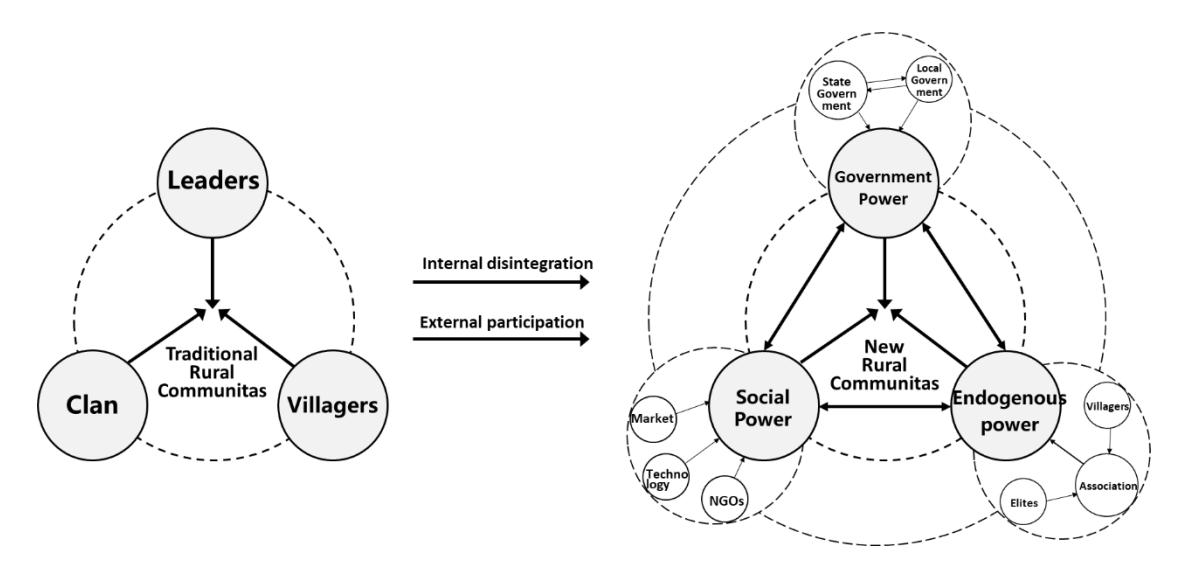
Figure 1. Logical transformation from a traditional rural communitas to a new rural communitas.
Methodology
To further interpret the theoretical framework, this study conducted three qualitative case studies in China Taiwan. Firstly, secondary data about Taiwan's rural regeneration policy has been collected from relevant policy documents, the research literature and reports during a four-month stay in Taiwan, mainly taken from the official statistics publications and annual government reports.
Secondly, three rural villages in different regions of Taiwan were chosen for case studies. The principle for selecting the cases was that there should be differences among the cases, especially in the type of rural community (Zhang and Zhang, 2020), and also in the participants involved in rural development. And for the purpose of better delineating the structure of the new rural communitas, the study chose three relatively successful cases after doing a general study. The main differences among the three villages are outlined in Table 1.
Participants Rural village Starting year Target Internal External Ecological Gongrong Local association, Government, design 2007 village villagers institutions improvement Government, youth Agricultural Local association, Gonglaoping entrepreneur, 2012 various organization, industry village industrial alliance, upgrade villagers students Local elites. Government, artists, Bantou village 2008 associated Art industry small companies community, villagers
Table 1. Rural village cases
In-depth face-to-face interviews were conducted with local leaders, villagers, related associations or groups, and government officials. For the rural villages, the main focus points of the interviews were: 1) the process of implementing the rural regeneration policy, 2) the villagers' willingness to participate and cooperate, 3) the triggers or initiators of collective cooperation, 4) major difficulties and problems, and 5) future ideas or plans for community development. For government officials, the main propose was to clarify the major content of the rural regeneration policy from the perspective of the government, sort out the key points in implementing the policy, and to develop ideas for adjusting or arranging the policy in the next stage. All the main questions were semi-structured and open-ended to encourage the interviewees' free expression of thoughts. Each interview lasted approximately one hour and was audiotaped with the participant's permission.
The information collected through the interviews was analyzed in three steps. First, the digital recordings of each interview were transcribed for detailed analysis. The transcribed responses were re-organized and classified into different focuses as listed above according to the different types of interviewees. Lastly, a comparison and summary were made to conclude various forms of new rural communitas.
| Subject | Respondents 1 | Respondents 2 | Main focus |
|---|---|---|---|
| Gongrong | Former President of the | Villagers | 1) the process of implementation |
| village | local association | 2) villagers' willingness to cooperate | |
| Gonglaoping | President of the local | Villagers | and change |
| village | association | 3) triggers of collective cooperation | |
| Bantou village | Leader of the local | Villagers | 4) difficulty and problems |
| administration | 5) future development ideas/plans | ||
| Taichung Soil | 1) major content of rural regeneration | ||
| and Water | Director and deputy | policy | |
| Conservation | director of the bureau | - | 2) key points for implementation |
| Bureau | 3) future plans |
Table 2. Interviewee information
Case Study: Taiwan's Rural Regeneration Policy and Three Villages
Taiwan's rural regeneration policy
In 2010, China Taiwan launched the rural regeneration policy, which, as the Council of Agriculture acknowledged, was the first time farmers were given the chance to plan their own community. The spirit of the policy is based on four main ideas: bottom-up; project-oriented; community autonomy; combining software and hardware. To enhance the support from the government, a rural regeneration fund of NT$ 150 billion over a 10-year period was earmarked to finance regeneration projects to meet the different needs of villages. This money targets more than 4,000 villages around the whole Taiwan region, affecting over 600,000 families, and will be of direct benefit to improving their living environment and boosting industry development in rural communities.
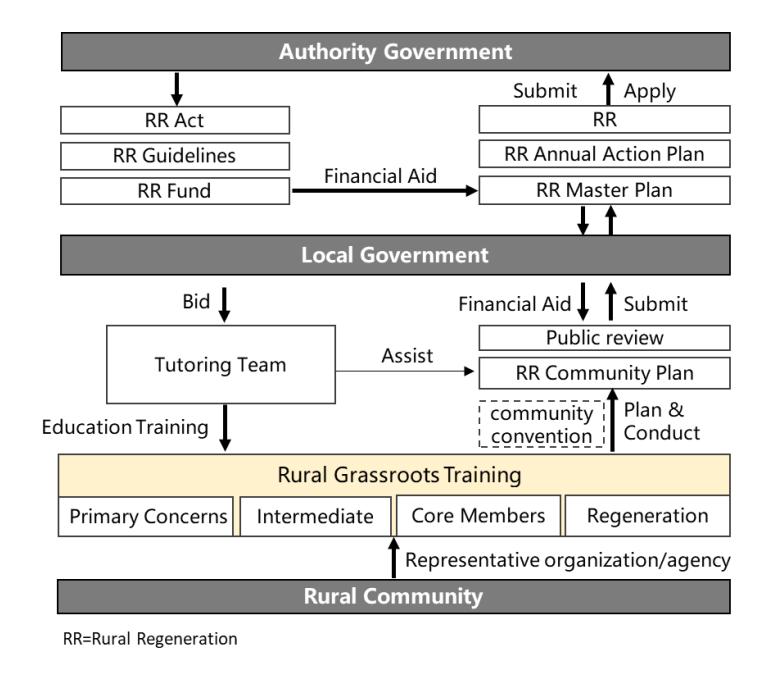
Figure 2. Implementation system of rural regeneration policy
The most significant improvement of the rural regeneration policy compared to Taiwan's previous rural or agricultural policy is that it aims to establish a bottom-up system by legally enlarging the villagers' participation to jointly promote comprehensive rural development. To ensure that the execution system of the rural regeneration policy involves three subjects (as shown in Figure 2). From the macro perspective, the central government formulates rural regeneration policy guidelines, providing guidance and assistance to local governments in assessing and formulating overall action plans for villages within their administrative area. At the meso level, local governments take the responsibility of setting principles as well as ensuring the progress of implementation; their main duty is to allocate human resources and financial aid to villages, review the villages' plans and work out annual action plans for regional rural regeneration. Rural communities, at the micro level, develop their own rural regeneration plans based on their own characteristic conditions and future visions, arrange the construction to implement their plans after getting administrative ratification, and set up a community convention for self-governance. In this way, the initiative of the rural community is much more emphasized in the whole system, which contains a strong sense of cooperation with government efforts to promote internal autonomy and social participation.
In the 10 years since the policy has been introduced more than 60% of total rural communities have participated in the program, and many exemplary communities have been cultivated, to some extent showing that the policy has been successful. The following section will further explain rural regeneration policy in detail and discuss how the new rural communitas works in practice in Taiwan.
New rural communitas in Taiwan's practice
Endogenous power
As mentioned above, the core spirit of rural regeneration policy is community autonomy. To fully stimulate community participation and strengthen their sense of obligation in public affairs, three strategies are used: cultivating manpower, innovating organization modes, and formulating autonomy regulations.
The first strategy is aimed at cultivating consensus in rural communities. Considering the problem that villagers are generally not well educated and lack professional guidance, rural regeneration policy states that communities must first attend grassroots training before they draw up a regeneration plan. The grassroots development curriculum is divided into four phases (92 hours in total). It starts with Local Concerns, then moves on to Intermediate, Core Members, and finally Regeneration. Taking lessons by professional teachers invited by the local government, community members have to determine the community's specialty and find out local concerns first. Then gradually they are encouraged to share needs, exchange ideas on future development, and after several discussions to come up with an action plan to realize some of the goals that they have outlined. Through the learning process, the villagers are empowered to develop flexible approaches tailored to their locality. To stimulate participation and ensure that a great number of community members are able to benefit from the training, teaching materials vary according to the needs of each district's characteristics and its prospects; the design and arrangement of the classes is also customized so that the participants can learn progressively through various levels. For community members, the continuous grassroots training not only improves personal knowledge but, more importantly, also reinforces confidence in their own ideas and fosters a spirit of collective identity.
The second strategy is to innovate organization modes. The rural regeneration policy requires that one of the local organizations or associations, instead of an administrative organization, should be nominated as the representative agency that is responsible for leading collective action and presenting regeneration plans for ratification by the municipal or regional authorities. This arrangement activates the function of local associations and uses their organizational form as capital that communities can adopt in collective action and as the basis for decision-making. During the early stages of internal mobilization, organizing community meetings and summing up villagers' opinions, local associations play a key role in connecting rural social capital and improving collective abilities, while in the later stages, characteristic functional positions of local associations will be derived from the different villages' features.
The third strategy is to form autonomy regulations. Villagers must work out a community convention, which should be reported, to manage and maintain public facilities, buildings and landscapes in the community. Self-governance can be gradually established by setting group rules and collective supervision mechanisms in order to safeguard collective interests and avoid the tragedy of the commons.
Government power
In rural regeneration policy, the main government power consists of the central government and local governments. The major contributions of government power lies in two aspects: innovating the fund allocation mechanism and building a platform for social participation.
First, in terms of fund allocation, how to optimize the way of providing governmental support in order to fully motivate local enthusiasm is the key to stimulating endogenous power. The practice in Taiwan is a combination of 'subsidy' and 'self-funding', that is, the central government sets up a rural regeneration fund as starting capital for local participation. Meanwhile, there are restrictions to the categories covered by the subsidy and the allocation of costs. It is stated that for the part that can be completed by the community itself, villagers are encouraged to purchase materials and carry out constructions by themselves. 3 For projects that require professional and technical support, the community proposes a development vision first, with the local government assisting in the planning and construction. During the whole process, community participation in the planning and construction of public facilities is highly recommended. Under a certain division of work and cooperation, the material investment from the government must directly meet the needs of the community and cooperate well with the labor investment from the community, so that the sense of responsibility and obligation of participating community members is further strengthened.
Second, the government's advantages in organizing are fully utilized to build multiple types of platforms for social participation. On the one hand, the central government has launched a number of related sub-plans in order to promote cultural communication between urban and rural areas, such as Rural-Up (for college students to join rural public activities), which invites college students and teenagers to stay in rural communities, participate in community affairs as well as agricultural activities, and help the rural communities to develop their future plans. Besides that, the central government also actively organizes various activities for public non-profit organizations, young designers, design institutes and so on, providing opportunities for social participation as well as promoting rural value. On the other hand, to improve rural industry
3 Self-construction refers to the process of collective creation by villagers together, designing schemes, purchasing materials and carrying out construction all by themselves. After the construction is completed, the local government will review and provide partial funds according to the construction quality.
development, the government makes efforts to build official sales markets for agricultural products at both the regional and local level (such as Taiwan Rural Good Mall), and also helps rural communities set up local enterprises and develop agricultural product brands (such as the specialized agricultural brand Shan Shou Xian). For example, in 2016 the Council of Agriculture launched the Rural Enterprise Counseling Program to encourage and guide rural industries to run enterprise operation. The government provides financial subsidies and introduces experts and scholars from different fields as expert consultants, who provide professional training related to company management and branding for communities, and also supports local industries in rural communities to upgrade and transform to an enterprise-oriented business mode.
In summary, the government power in rural regeneration policy is identified as a supporter rather than as a leader of community development, mainly focusing on funding, technical assistance and resource provision. Related policies, covering manpower education, industry consultation and so on, constitute a relatively complete policy system to better serve community regeneration. After completion of the planned construction, the local government gradually withdraws from community building activities but still plays a role as supervisor in routine performance monitoring and assessment, in order to maintain the long-term interest of the community.
Social power
Social power involves various subjects, touching a range of aspects of rural development. As an external force, social power enters the communities through the platforms introduced by the government. It is the extent to which the external capital and technology grafted by social power can actively interact and cooperate with endogenous power that determines the effectiveness of social power.
In Taiwan's case, effective social participations in the practice of rural regeneration is achieved by 'embedding' themselves in rural society, so that external capital (knowledge, technology, funds) can be a beneficial complementary to endogenous power. More specifically, this 'embedding' can be interpreted from two aspects. Firstly, social paticipants embeds their actions into local knowledge systems, 4 that is, they help the community cultivate collective values with respect to traditional folk customs, develop future industries based on local production conditions and economic characteristics, carry out construction of public projects with the contribution of local skills and crafts. For example, professional, such as planners and architects instead of providing entirely outsourced design services for rural communities, focus on counseling and education in the early stages, until gradually withdrawing from community building, working as a companion. The ultimate goal is to insert professional knowledge into the original local knowledge network so that villagers can fully improve and update their self-ability, from cognition, aesthetics and building to organizing and creating, during the whole process of planning and construction.
Secondly, social power embeds its form into the structure of local social relationships. It is typical that 'small capital', represented by small-scale cultural organizations, institutions or companies, is generally active in Taiwan's rural development. The reason is that the form of 'small capital' compared with large-scale construction dominated by single big enterprises is much more similar to the native organization mode of rural society, thus making it easier to promote communication and cooperation between external organizations and villagers. At the same time, benign
4 'Local knowledge system' refers to the practical experience and cognitive system of nature and society summarized and created based on local residents' daily work and life in a rural community, that is, the strategy, internal logic, and practical rationality of the existence in a rural society.
competition should be introduced with the participation of multiple types of social capital, which helps the community to develop its own cooperation system or mechanisms. Under the division of work and collective cooperation, social power can greatly contribute to the modernization of local governance, industrial development and cultural value in rural communities.
Essentially, the process of 'embedding' actually implies the reorganization of internal and external power. Only when local and external actors build a close relationship among each other through deep participation can the community's synergetic effect operate to the maximum extent.
In summary, rural regeneration policy has provided an institutional environment for connecting endogenous power, government power, and social power, constructing a new rural communitas mode (as shown in Fig 3) that is strongly interconnected internally.
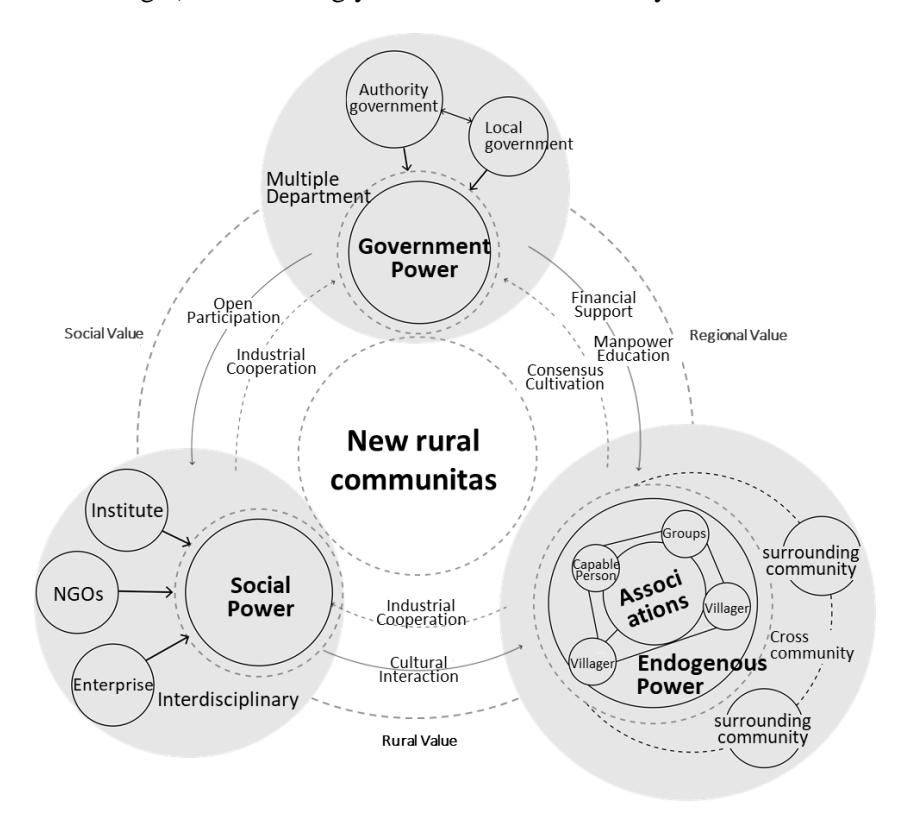
Figure 3. The new rural communitas mode under rural regeneration policy in China Taiwan
Three typical forms of new rural communitas in local villages
Under the basic theory of the new rural communitas discussed above various patterns of rural communitas in different communities in Taiwan region have emerged due to their characteristic needs and specific tendencies. Based on field surveys and in-depth interviews in several rural villages, 5 the following three representative rural communitas were selected.
5 For more details about our fieldwork in Taiwan China, please refer to our new book, Taiwan's Rural Development and Planning: To Construct a New Rural Communitas (Li and Zhang, 2021)
Gongrong village(共荣社区)
Gongrong Village in New Taipei City is a traditional agricultural rural community with less than 300 villagers. Because of extensive damage to the eco-system caused by natural disasters and the presence of a large amount of abandoned farmland, the community's rural regeneration plan focused on environment rehabilitation and friendly farming, to achieve the goal of becoming an ecological rural economy. After nearly 10 years' work, Gongrong Village got the Taiwan's first Golden Rural Community Award for its unique ecological value.
The growth of endogenous power in the Gongrong community started with the set-up of a local autonomy association, the Balianxi Rural Regeneration Promotion Association, which has played a leading role in coordinating other community organizations and villagers. During the cultivation of rural endogenous power, rural education was so strongly emphasized in the community that community members spent nearly 6 years on manpower training, including all kinds of theoretical study and practical courses related to ecology and environmental protection. To meet the needs of community education, the local government and the SWCB Taipei Branch invited agricultural experts from agriculture-related departments and colleges to provide the community with continuous rural education, which has established a fundamental ecological awareness among the villagers.
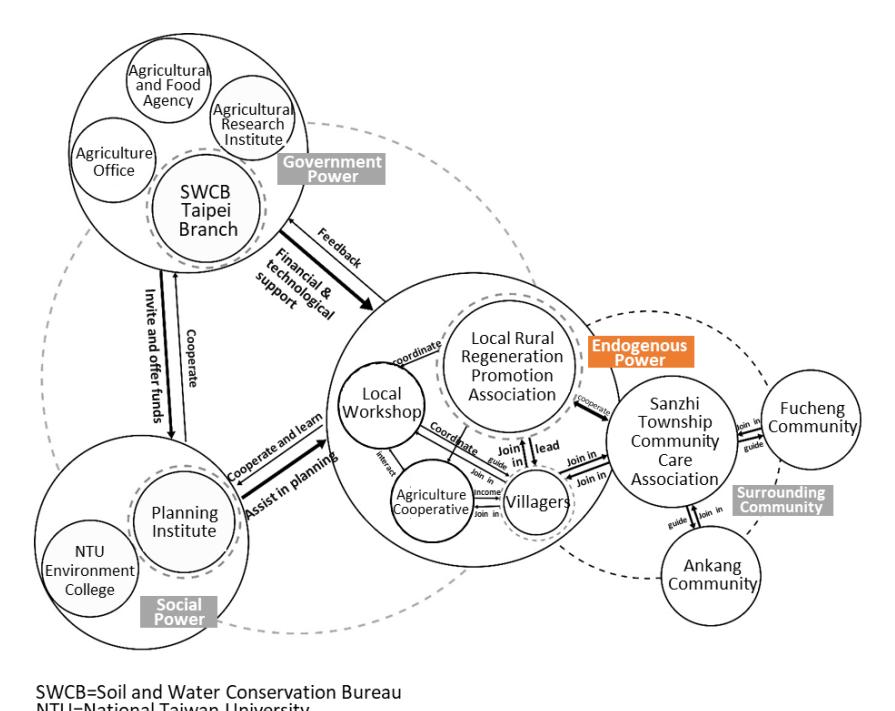
Figure 4. The new rural communitas mode under the Rural Regeneration Policy in China Taiwan
Secondly, continuous empowerment was highly valued during the whole process of community building. In terms of developing rural tourism in the later stages, instead of offering a complete tourism program, the local government, together with a planning institute, provided studying opportunities for the community to learn to develop rural tourism by itself, including event planning, propaganda organizing and so on. Thus, community members could come up with their own thinking, initiative and creativity fully activated, and were gradually able to develop and conduct tourism activities independently.
Thus, in the new rural communitas in Gongrong village, the government cooperated with social power to empower and continuously strengthen the endogenous power by offering financial and training support. The community progressively reduced its reliance on government power and social power and cultivated a strong sense of solidarity and self-identity. Villagers' consciousness and initiative in participating in rural public affairs has been greatly approved, which made it possible to establish a sustainable autonomous community. More importantly, the community has shared its considerable experience with environmental protection to neighboring communities, Fucheng community and Ankang community, and developed a cooperative relationship within a wider region.
Gonglaoping village (公老坪社区)
Gonglaoping village is a mountain village located in Fengyuan district, Taichung City at an altitude of about 4500 meters. The community's rural regeneration plan was aimed at activating traditional agriculture, so the villagers together established a community industry development association. The advantage of this industry-oriented association is that it can accurately meet the community's economic development demands and easily promote villager participation. The community, after the implementation of the rural regeneration policy, developed a complete industry chain, including traditional agriculture, primary products manufacture and rural sightseeing, and has succeeded in establishing its own brand for agricultural products.
Gonglaoping's success lies in, firstly, active rural social capital providing a social foundation for internal cooperation in the community. In the Gonglaoping community, local residents have set up many kinds of associations or organizations for various purposes, such as a traditional music group, an agricultural production association, volunteer groups and so on. These small groups have not only enriched the community's culture and helped community members to achieve consensus, but also promoted work divisions and cooperation in the community's collective work. For example, the elderly music group performs when the community holds a sightseeing activity and the agricultural production association helps individual farmers to sell their products collectively. In addition, many young villagers have been invited to return to the community, who refresh the community governance structure and methods, and provide ideas for upgrading the rural industry.
Secondly, the community has developed an interactive cooperation mode between villagers and tourism companies, and also explored the combination of traditional rural industry with the experiential economy with a entrepeneurial apporach. During the whole process of rural industry development, the villagers' abilities have been greatly improved, including planting techniques, creative agricultural production, and tourist hosting. Instead of depending on professional tourism companies, villagers were trained to host experiential activities in their own orchard by themselves. Thus, a direct link between the production side (villagers) and the consumption side (urban residents) has been established, reducing transaction costs and enabling villagers to obtain substantial economic benefits.
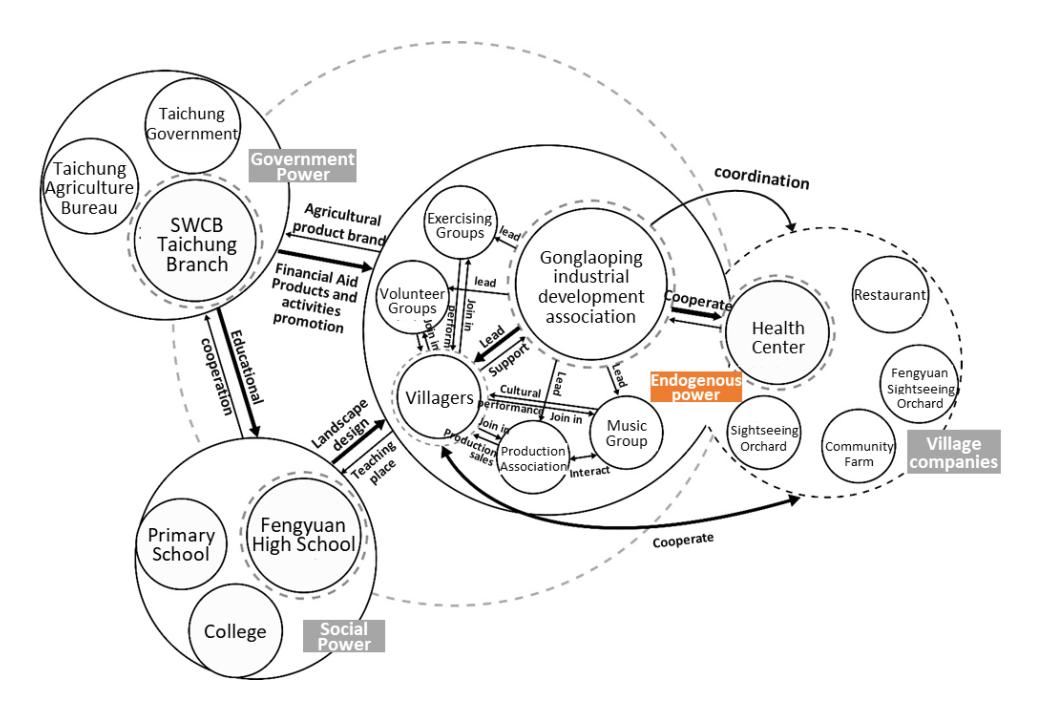
Figure 5. The new rural communitas in Gonglaoping community
Bantou village (板头社区)
Bantou village is located in Xingang town, Chiayi county. Originally it was a traditional agricultural village, with over 600 residents in all. After several local artists returned to the village, they gradually set up many culture-themed studios and small institutions in the village. Among them, Jiao-zhi pottery and Chien-Nien art are the most important and influential industries, which are also famously produced in Xingang town. 6 Due to these characteristics, the community's rural regeneration plan was to establish itself as a traditional art village, with the theme of Jiao-zhi pottery and Chien-Nien art. For this purpose the community set up a joint association with village leaders and local artists, a new organization combining rural community and social enterprises. In this association, local elites, especially artists, not only exercise social power but also participate in rural community governance, so they can motivate and instruct other villagers jointly with community leaders.
At the beginning of the rural regeneration process, local artists took the responsibility of art teaching to villagers and helped them to design and create a number of art installations in the community. The community's collective work has greatly improved the community environment and surprisingly succeeded in attracting many urban visitors, which further promoted the community's transformation to the tourism industry. However, due to a lack of management and cooperation mechanisms, the profits from the tourism industry could not be distributed evenly. The different groups of participants tried to maximize their own interest and as a result villagers gathered in front of art studios and institutions to sell their agricultural products, while different tourism activities were launched by the studios. The implementation of the rural regeneration plan had to be stopped until a cooperative relationship was organized. In the second period, a new
6 Jiao-zhi pottery and Chien-Nien art are traditional local handicrafts mainly using ceramics as raw material, cutting and collaging it into different shapes.
order of multi-actor cooperation was adopted. The community association strengthened its role in providing public services to the community and coordinating with different institutions, and the business institution offered a certain amount of funds as feedback to support continuous tourism operation.
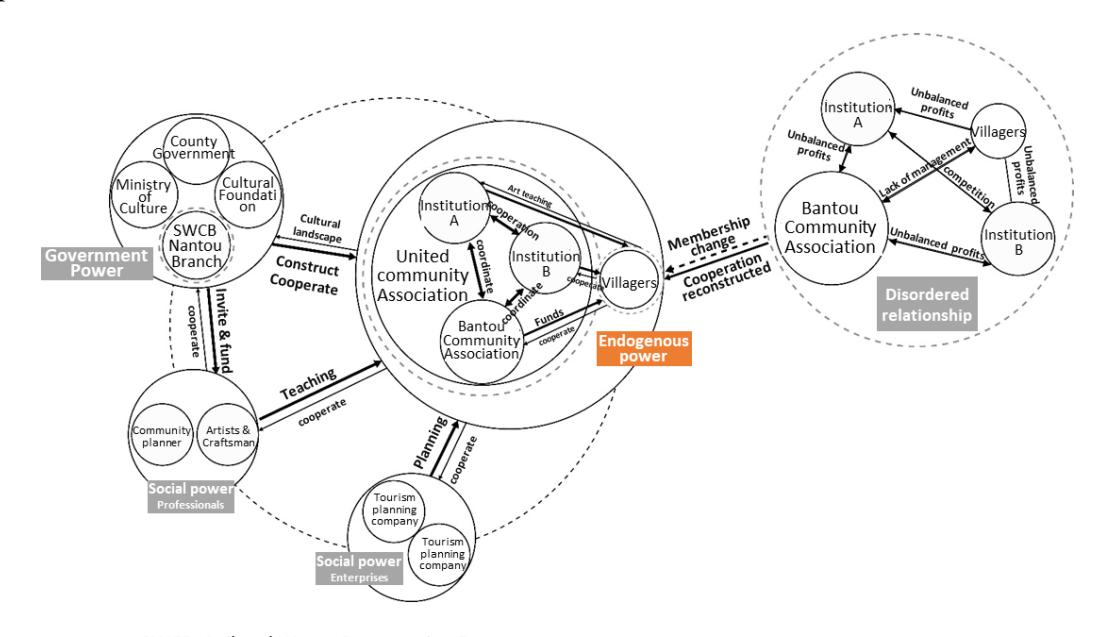
Figure 6. The new rural communitas in Bantou community
Conclusion and Discussion
Taiwan's rural regeneration policy provides a sustainable mechanism to continuously improve endogenous growth under a new cooperative relationship among rural communities, government and society. The government regulates the basic rules for the supply of fundamental support and bottom-up participation, and, more importantly, generates new opportunities for social participants. With the mobilization and assistance from the government and social power, the endogenous power is first triggered and then gradually developed into a spontaneous willingness and independent collective ability. It was also shown in the three case studies that for rural communities a strong internal desire for development is the primary condition for inducing consensus and, whether the social capital of the community is solid or not, obviously affects the achievement of collective cognition. The enhancement of endogenous power is supposed to be a long-term process, which in turn requires the government and social power to continuously spend resources and time on progressively cultivating and strengthening the community's endogenous ability. Three core suggestions can be outlined for constructing the new rural communitas in developing countries and possibly even in some developed countries.
Firstly, at the community level, renovating collective organization is the key to getting individual villagers united. It is commonly seen that autonomous organizations such as rural associations, collectives or the community council play a pivotal rule in gathering villagers' opinions and promoting more collaborative modes of rural governance. Beyond that, regular internal communication, through civil meetings and small salon discussions, contributes a lot to achieve consensus. For example, in Gonglaoping village, a community meeting is held every Tuesday
night and it has been decided that each family should have at least one family member present. This custom has already lasted for more than 8 years in Gonglaoping community and has become an important part of collective decision-making. For rural communities, continuous collective meetings could have positive effects, including: 1) maintaining an open and transparent group discussion environment, thus improving mutual trust; 2) encouraging free expression of opinions by all parties to avoid conflicts and contradictions caused by asymmetric information and elite dominance; 3) enhancing endogenous ability in organizing and deciding, and also strengthening internal social networks through regular communication.
Secondly, at the government level, the innovation of policy arrangements with more operational flexibility and giving more room for collaborative leadership are recommended. In terms of strengthening the coordination between different levels of government, the state government should gradually transfer more financial authority and developing authority to local governments, so that local governments can obtain more operational space and thus be more effective in conducting local rural development. In addition, the way financial support is provided should be reformed with an increase of the allowance or flexible forms of funding. Nowadays, the financial investment of the government in providing infrastructure construction and building model projects in rural areas is tremendous. However, considering the limits of public funding, the government on the one hand should provide financial support for basic investments and on the other hand it also needs to explore sustainable forms of introducing capital and project involvement. Taiwan's experience indicates that a combination of subsidies and self-funding as well as the appropriation of appraisal and reward funds may stimulate local enthusiasm and promote the cooperation between the government and rural communities.
Thirdly, at society level, a large diversity of social participation emerges during the whole process of rural development. As a complement for government power, social power has great significance in creating innovation, especially because: 1) social organizations and professional institutions play an important role in conducting local learning and introducing modern techniques, knowledge and concepts, meeting the urgent needs of most local communities; 2) social capital, especially small businesses embedded in rural communities (Greenberg, Farja, Gimmon, 2018), can enhance the growth potential of local businesses and help to develop a cooperative mode through the introduction of a market system, boosting the local collective economy. However, even when there is a shared objective, the short-term goals can be very different, which could trigger disagreements and conflicts. To achieve truly collective cooperation among diverse actors requires seeking a joint point (or interface) where new values and goals can be constructed collectively and to establish a cooperative system to maintain balance in allocating resources and sharing profits.
Reviewing the historic path of rural development, the essence of rural society is a strongly connected communitas. Future rural development has to correspond to this basic relationship. Based on this logic, this study reviewed the original concept of the rural communitas, analyzed the motivations for transforming traditional rural communitas and developed a new theoretic model for collaborative rural development. The key findings of this study suggest that it is important to establish a cooperative relationship among endogenous power, government power and social power. Each subject of the new rural communitas plays its own specific role in creating synergy in order to boost rural development and the empowerment of endogenous ability should be considered as the first priority of rural development.
It is also suggested that the new rural communitas, as a theoretical framework, needs to be further examined and improved in future studies, both in theory and in practice. Moreover, it is essential to apply this theory in studies of rural communities in different regions and countries.
Acknowledgements
Many thanks to professors Guocheng Xu, Songling Yang, Zhengyu, You and their colleagues for their support of our fieldwork in Taiwan. This paper was presented at Endinamos.