

1. Introduction
Mercury (Hg) is a heavy metal that is very dangerous for humans and the environment because it is toxic, persistent, bioaccumulates, and can travel over long distances through various media, including the atmosphere (Bose-O'Reilly et al., 2016). The damage of mercury is classified into three classes, i.e., heavy damage (damage >40%), moderate damage (damage 20-40%), and minor damage (damage <20%) (KLHK, 2018).
Mercury has been in use in Indonesia for a long time. According to the UN Comtrade database, around 2,348 tons of mercury valued at 76 million USD entered Indonesia between 1998 and 2014 (Wollff, 2017). Based on a study conducted by the Directorate General of Pollution and Environmental Degradation Control of the Ministry of Environment and Forestry in 2017, most of the mercury in Indonesia is used for community gold mining activities. Gold mining using mercury by communities in Indonesia takes place in the provinces of Aceh, West Sumatra, Jambi, South Sumatra, West Java, Banten, Central Kalimantan, West Kalimantan, Central Sulawesi, Southeast Sulawesi, West Nusa Tenggara, Maluku, and Papua. The small-scale gold mining sector employs more than one million people at hundreds of mining sites across the country. These gold mining activities account for 57% of the total mercury use in Indonesia (Pearl, 2015).
The dependence of Indonesian communities on mercury use is closely related to socio-economic factors. As explained by Cordes, Östensson, and Toledano (2016); Fisher et al. (2009); and Maxwell Stamp PLC (2015), mining activities encourage the growth of trade and service activities and other industries. Consequently, indirect employment is high. Therefore, the present study assumed that the level of community dependence on contaminated land and gold mining activities using mercury is high, both directly and indirectly. Thus, mercury strongly affects the environment, the economy, and the social conditions of people in Indonesia.
However, various regulations and policies regarding mining activities in Indonesia only focus on resolving their environmental impact and insufficiently consider socio-economic and regional aspects. As an example, Law Number 4 of 2009, which has been amended to Law Number 3 of 2020 concerning Mineral and Coal Mining, can be seen as an effort to limit small-scale mining by communities. Several provisions of Law Number 3 of 2020 have the potential to hinder the rights of communities in the utilization of mining resources: (1) issuance of all mining permits by the central government (centralization), compared to the previous law (UU 4/2009), which gave this authority also to regional governments; (2) removal of the authority of local governments to stipulate small-scale mining operations; (3) guaranteeing the contract extension for mining entrepreneurs whose mining permits will expire soon; (4) removal of the provision of criminal sanctions to licensors. Therefore, the results of this research can be used as the basis for strengthening mining governance in favor of small-scale mining operations carried out by communities.
In general, the management of land contaminated by mercury because of artisanal small-scale gold mining (ASGM) is carried out through an engineering approach focused solely on land
remediation technologies. Various studies have pointed out criteria for handling mercury. These studies focused on the risks posed by mercury-contaminated land, determining restoration technologies, and post-restoration supervision (IPEN, 2016; Blom, 2012; Merly, 2014). In the Indonesian context, an approach relying exclusively on engineering is unlikely to be successful because it does not address the root problem of small-scale gold mining, namely poverty and the need for jobs that offer a higher income than agriculture. For communities whose primary livelihoods depend on mining, several studies state that, in some cases, small-scale gold mining provides a higher income than other livelihoods (Fritz, Maxson, & Baumgartner, 2016; McMahon & Sheldon, n.d.; Wilson et al., 2015). This makes the sector a precious source of income. This situation implies that technical restoration of mercury may be feasible. Nevertheless, its success is not guaranteed if it is not carried out simultaneously with a study of socio-economic and regional aspects. This is because of the great likelihood that communities will reject the transition from mercury-based livelihoods. For example, in Lebak Situ Village, Lebak Gedong Sub-District, a small-scale gold mining location, one of the villages that was selected as a case study for this paper, the cyanide-based gold purifying technique could not be introduced because no social survey was conducted there. 3
The social aspect is crucial in uncovering the power relations in small-scale gold mining operations in each location. A social survey can identify the key actors who are most influential in transitioning to non-mercury-based technology. Likewise, the economic aspect is essential in offering the community environmentally friendly livelihoods with a feasible income, although it may not be fully equivalent to working in the mining sector. Meanwhile, the problem must also be viewed from a regional development perspective. An example is how the sub-district and provincial governments see the ASGM issue and respond with appropriate policies.
This paper discusses the development of an integrated model for managing mercury-contaminated land using a regional development perspective. The model is based on empirical studies in five villages located in five different sub-districts within Lebak Regency. This study is important because it contributes to the formulation of a model for handling land exposed to mercury that integrates various aspects in answering the complex problem of handling land exposed to mercury. The formulation of an integrated management model is also expected to encourage sustainable results of contaminated land restoration through the initiative of the Ministry of Environment and Forestry Regulation.
The research question is to what extent a regional development perspective can influence the formulation of a model of managing mercury-contaminated land that enables sustainable community livelihoods. The regional development perspective referred to is "a complex process that involves a multidisciplinary approach. Without a detailed analysis of successful regional development cases, the implementation of their development systems directly to other regions can lead to the loss of time, capital, and human resources. Regional development is a process that needs to be adapted to specific conditions. Each region has its own identity and unique characteristics" (Sabic and Vujadinovic, 2017, p. 467).
2. Research Methodology
A transdisciplinary approach was used in combination with participatory action research (PAR) as the framework for this study. Transdisciplinary research is described as a process characterized
3Mercury-based ASGM in Lebak Regency uses a gelundung. This system processes gold using a large tube driven by a diesel engine. The chemical process involves mixing gold with mercury. The mixture of mercury and gold is put into a drum to obtain the raw material.
by integrating various disciplines to solve problems (McGregor, 2004). Lang et al. (2012) and Nix et al. (2018) state that transdisciplinary research is an integrative scientific principle that aims at solutions to societal problems through collaboration with stakeholders from outside academia. According to Walter and Wiek (2009), an integrated transdisciplinary approach is a structured process that involves many agents to produce a coordinated strategic plan within the scope of sectoral development in a complex system. Transdisciplinary research is applied to solve sustainability problems in a landscape as an integrated social and ecological system, where different disciplines constitute a framework for research based on input from non-academic stakeholders (Axelsson et al., 2020). Transdisciplinary research is carried out in collaboration between academic and non-academic stakeholders to address challenges and support the socioecological system's sustainability (ibidem). In this study, the transdisciplinary approach was used empirically with multi-disciplinary experts, including from the field of engineering geology to delineate land exposed to mercury, from the field of environmental engineering and from biotechnology, to compile a remediation technology design, as well as regional planners, to formulate recovery and mercury-free social-economy plans, and law-making experts.
PAR provides a framework that enhances the integration of multiple disciplines, improves communication between actors during the project, and supports transdisciplinary collaboration through increased shared understanding, expanded disciplinary boundaries, and increased impact and sustainability of research results (Nix et al., 2018). The PAR method is carried out to stimulate social change with specific actions (Greenwood and Levin, 1998; McNiff and Whitehead, 2006). The PAR concept is meant to guarantee the rights of local communities to participate in the analytical process. Moreover, it allows communities to determine (have power and control over) solutions to problems in their area to achieve sustainable development (Attwood, 1997). The PAR method was chosen to involve researchers and community members as subjects and objects of research to stimulate social change based on the needs and desires of the parties involved. In other words, to come up with a win-win solution that can address various aspects of the problem.
This study involved members of the community, academics from various fields, and the government to jointly develop and implement a design model for handling land exposed to mercury in an integrated and structured process within a complex system. The methodology in this study, i.e., the PAR framework developed by Nix et al. (2018), consists of three stages: 1) problem identification, 2) designing solutions, and 3) implementation, monitoring, and evaluation. The involvement of various integrated elements in each stage can produce a model that is verified and can be used as a reference.
A transdisciplinary approach is a research approach that looks at a problem based on collaboration between researchers from various disciplines and between researchers and practitioners. However, there are limits to the degree of involvement of participants outside academics. In a transdisciplinary approach, other actors have a role in responding and reacting to the study conducted. Also, the researchers consider their perspectives and thoughts during the research; community actors are not actively involved in the thought process or in producing and analyzing the results. Meanwhile, in a participatory approach, community actors are fully involved in the research process, and their knowledge is equally valuable for developing new scientific knowledge. The combination of the transdisciplinary and participatory approaches can complement and enhance the research process by involving all actors. As part of the sub-team for the socio-economic aspect, the authors discussed intensively with the other sub-teams, participated in direct observation and research in the field, and were involved in all FGDs, which involved the central government, local governments, and representatives of the community.
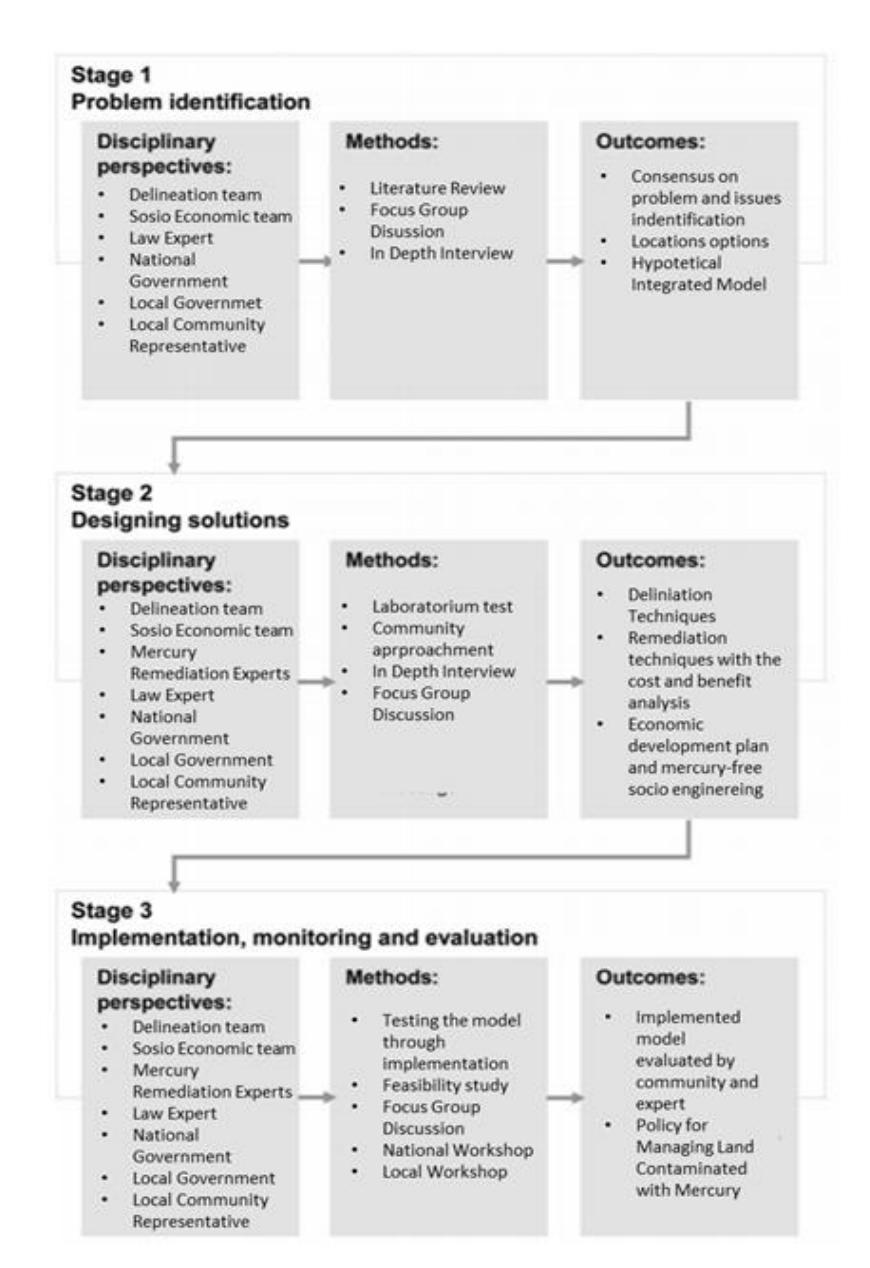
Figure 1. Modified Framework from Three-stage PAR process, Integration of Disciplinary Perspectives by Nix et al. (2018)
Data was collected using in-depth interviews with relevant stakeholders, such as village heads, school principals, religious leaders, community leaders, and members of the community, consisting of entrepreneurs, mining workers, and non-mining workers. These interviews were carried out to determine socio-economic and regional needs. This should support the mercury restoration process and help formulate a mercury-free socio-economic plan for the study location. The selection of respondents was done using snowball sampling (chain-referral sampling) as a non-probability sampling technique, where the initial respondents provide referrals to recruit the subsequent respondents required to gain specific information. Meanwhile, the selection of community representatives was based on the results of delineation of areas exposed to mercury. The selected representatives were based on the level of mercury impact on a community and its
dependence on ASGM. The study framework, which is a combination of PAR and the transdisciplinary approach, is shown in Figure 1.
3. Results and Discussion
3.1 The Process of Developing a Model for Managing Mercury-Contaminated Land
3.1.1 Pre-Model for Mercury-Contaminated Land Management
The process of developing the model began by reviewing a preliminary assessment by the Ministry of Environment and Forestry from 2017. This survey was conducted by the Directorate for Restoration of Contamination and Emergency Response for Hazardous and Toxic Waste, Directorate General of Waste and Hazardous and Toxic Waste Management, Ministry of Environment and Forestry and the result was a preliminary report on the distribution of mercury in Lebak Regency. The survey found 4,359.91 tons of land contaminated with mercury in seven sub-districts of Lebak Regency. However, the precise horizontal and vertical distribution of mercury was not addressed. Therefore, the findings were insufficiently accurate to determine sites for restoration efforts.
An initial concept for the present study, aimed at developing a model for managing mercurycontaminated soil in Lebak Regency, was then formulated. Several model options were deliberated during three consecutive focus group discussions (FGDs) in Bandung. These FGDs were attended by experts from Bandung Institute of Technology, the Ministry of Environment and Forestry, the Lebak Regency Environmental Office, and sub-district representatives. During the discussions, issues came up regarding land compensation, the need for new jobs, and the accuracy of the data on the dispersion of mercury contamination. Based on the FGDs, it became evident that an approach is needed that can delineate the extent of soil contaminated by mercury due to ASGM. The process of formulating a hypothetical model, which then needed to be tested in the field, is shown in Figure 2.
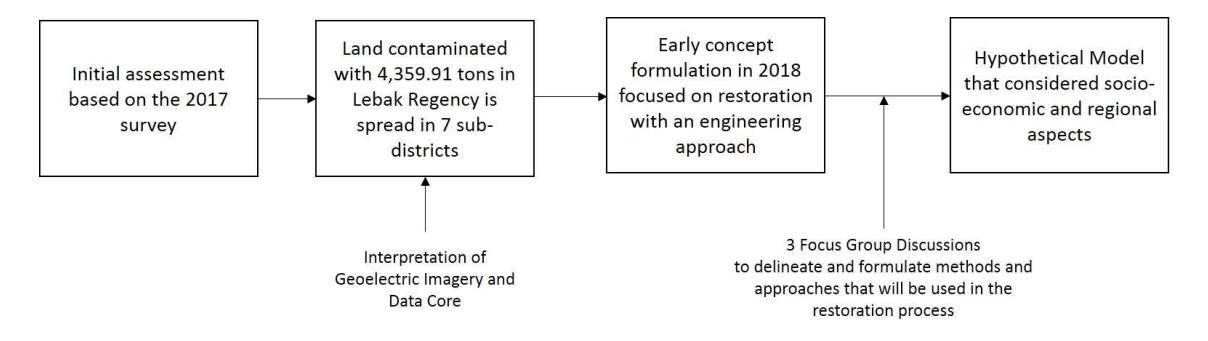
Figure 2. Process of Formulating the Hypothetical Model
3.1.2 Testing the Model
The process of testing the model started from the delineation stage. A delineation sub-team consisting of geologists was formed to uncover the volume of contaminated land to be used as the basis for developing the model. The socio-economic-regional sub-team always accompanied the other sub-teams, from the delineation stage to the determination of the remediation technology to be used (See Figure 3).
A preliminary survey was carried out by a research team of Bandung Institute of Technology from 30 July 2018 to 5 August 2018, accompanied by the Ministry of Environment and Forestry and the Environment and Forestry Office (DLHK) of Lebak Regency. The preliminary survey consisted of FGDs with DLHK Lebak Regency and the heads of the sub-districts that were expected to be selected as sites for developing the model. Based on this preliminary survey, five sites were selected for restoring mercury-contaminated land (see Figure 4). The study sites were in the following five regions:
- 1. Muncang Village, Muncang Sub-District
- 2. Lebak Situ Village, Lebak Gedong Sub-District
- 3. Girimukti Village, Cilograng Sub-District
- 4. Cipeundeuy Village, Panggarangan Sub-District
- 5. Pasir Gombong Village, Bayah Sub-District
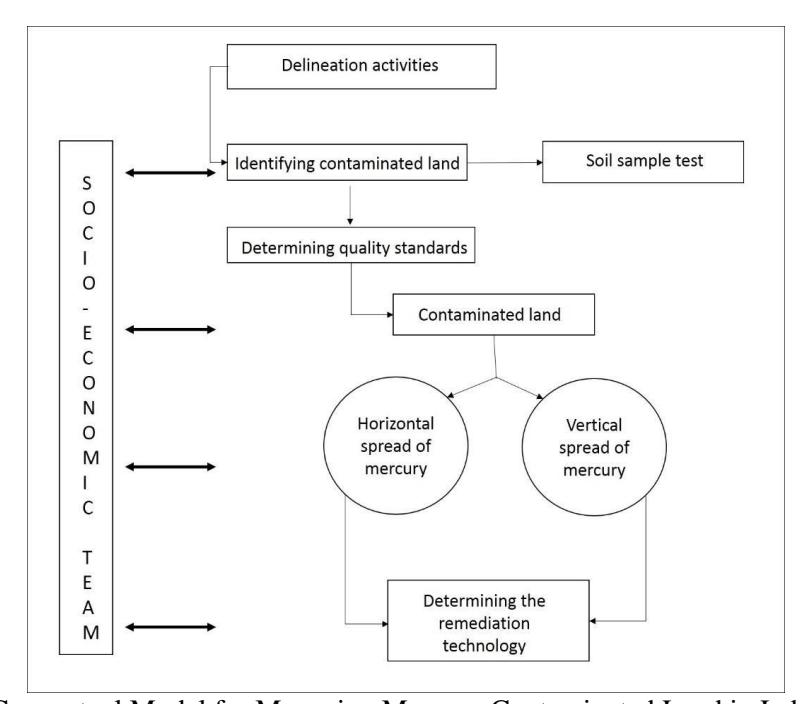
Figure 3. Conceptual Model for Managing Mercury Contaminated Land in Lebak Regency
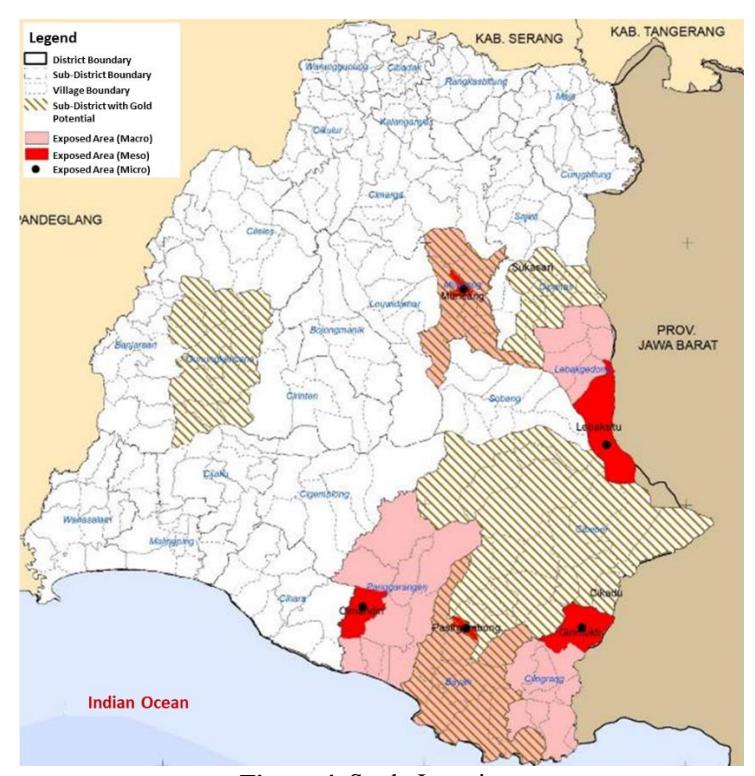
Figure 4. Study Locations
Then, field surveys were carried out on-site to develop the model. When the delineation team conducted field surveys at locations suspected of being exposed to mercury, there was a shock in the community who thought that the delineation sub-team was a team sent by the ministry to curb gold mining activities, so the community stopped their mining activities. This slowed down the work process of the delineation sub-team, so the socio-economic sub-team informally approached the local community. As a result of this, the community returned to their normal mining activities so that the delineation sub-team could continue its work. This occurrence confirms the strength of the PAR approach. Subsequently, empirical field testing was carried out by each sub-team by taking soil samples for restoration. During the testing of the model, the socio-economic sub-team also accompanied the delineation and restoration technology sub-teams. Figure 5 presents a diagram of the process of empirical field testing at the selected locations in Lebak Regency.
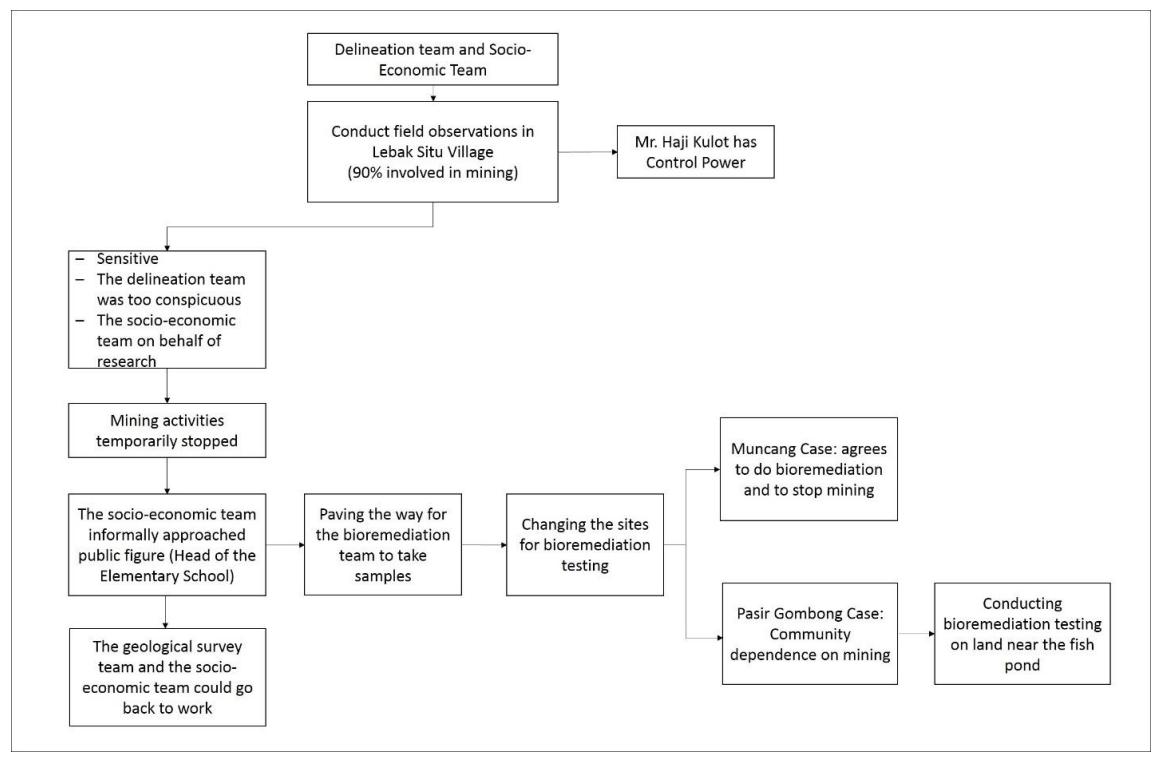
Figure 5. Empirical Fieldwork for Testing the Model
3.1.2.1 Delineation of Mercury-Contaminated Land in Lebak Regency
Location Mercury Levels > Level-B (75 mg/kg) Soil Volume (m3 ) Soil Tonnage (ton) Mercury Content (kg) Muncang 457 753 114 Lebak Situ 944 1,558 167 Cimandiri 234 387 55 Pasir Gombong 6,009 9,913 1,669 Girimukti 545 899 88 Total 8,188 13,509 2,093
Table 1. Volume of Contaminated Soil and Mercury Content
The delineation was executed to obtain information on the dispersion, volume, and content of mercury in the soil. This delineation output was used to recommend locations that need to be restored. This study was conducted at abandoned small-scale gold mining (ASGM) sites, where mercury was used to extract gold from source rocks. Determining the areas that need to be restored requires detailed information such as the extent and depth of the contaminated soil and the mercury concentration. This information is crucial in choosing an appropriate and effective method of remediation. For this reason, the delineation in this integrated concept applied twodimensional and three-dimensional modeling to map the contaminated soil in order to select suitable restoration sites. Table 1 shows the results of the delineation study in Lebak Regency.
Figure 6 shows an example from the mercury distribution map in the form of a two-dimensional and three-dimensional representation of the mercury dispersion.
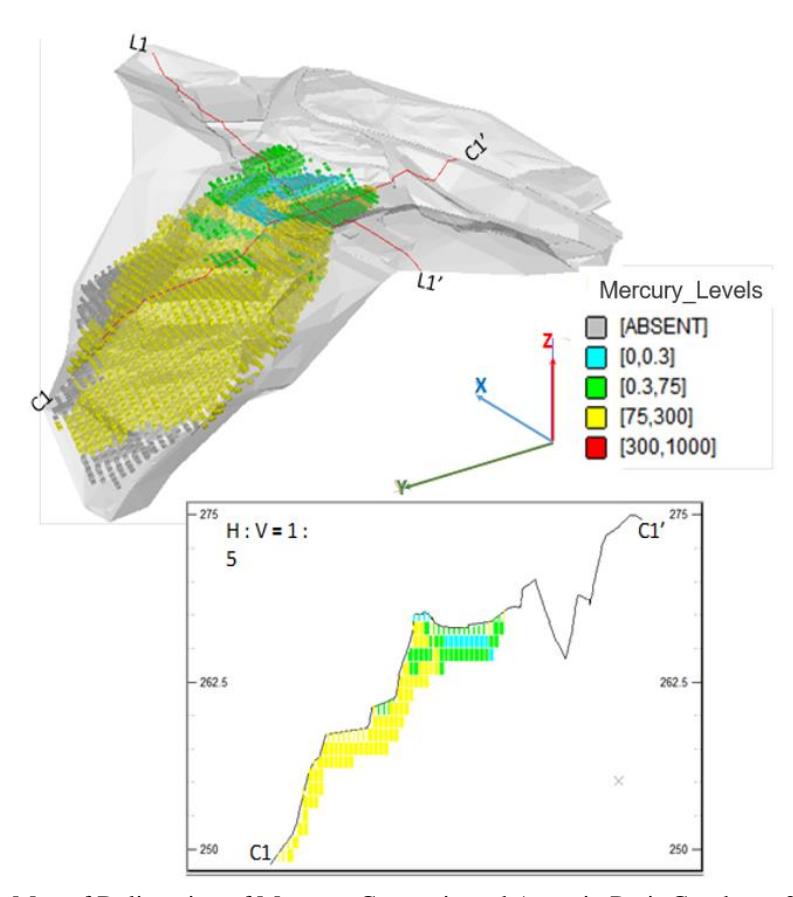
Figure 6. Map of Delineation of Mercury-Contaminated Areas in Pasir Gombong Sub-District
3.1.2.2 Socio-Economic and Regional Aspects
Essentially, the process of incorporating socio-economic and regional aspects consists of two parts, i.e., planning for the restoration of mercury-contaminated land and post-restoration planning, which includes social engineering and recommendation of alternative livelihoods for the ASGM dependent community.
Planning for the Restoration of Mercury-Contaminated Land
The design scheme for mercury-contaminated land restoration from a socio-economic perspective has to fulfill two criteria:
- 1. Acceptance of the community towards the restoration of contaminated land.
- 2. Finding alternative sustainable livelihoods for the community.
Once the above criteria were met, a plan was prepared that contained the detailed process of restoration of contaminated soil (determining the length and methods of restoration) and economic incentives for the affected community.
Planning for Post-Restoration towards Mercury-Free Economic Activities a. Mercury-Free Economic Plan
Based on the analysis of alternative economic opportunities, the agricultural sector can be developed in each village in the study area based on the concept of agribusiness development. Agribusiness comprises the following subsystems: production facilities and infrastructure, biological production processes at farming level, transportation activities of various forms of processing, storage or preservation, marketing and trading, as well as financing (See Figure 7). The production center in each village consists of two layers, i.e., the areas for the development of agricultural land and the regional center.
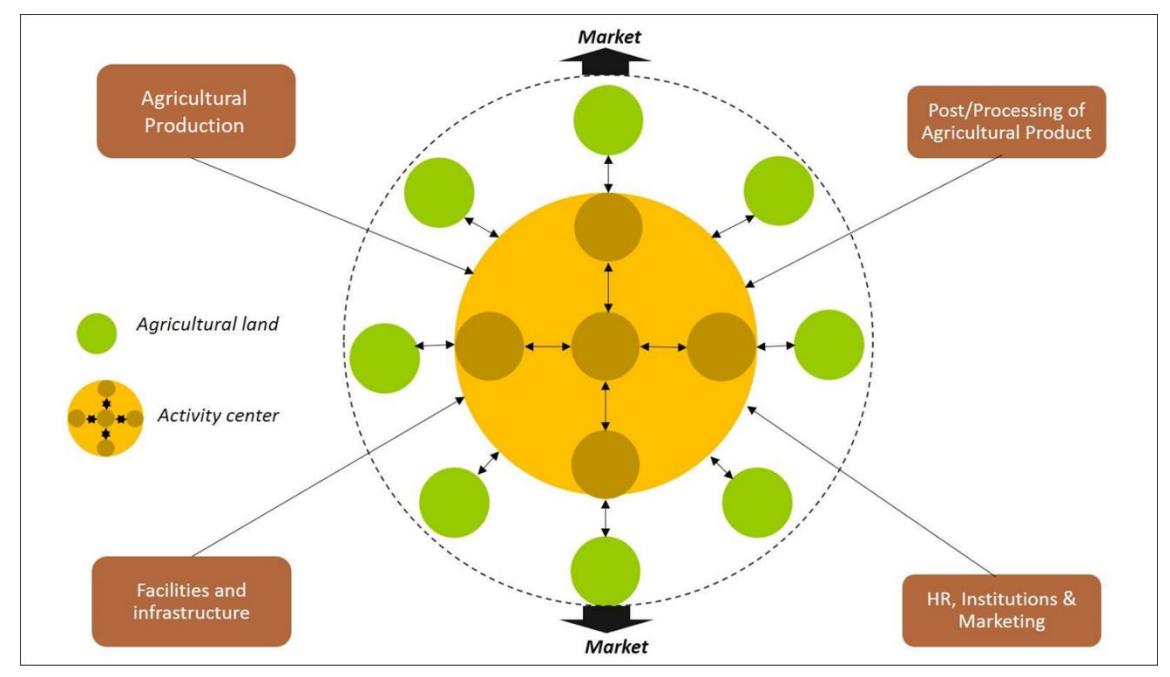
Figure 7. Development of Production Centers in the Agribusiness Concept
The agricultural production in each village is currently marketed in the form of raw materials. To gain higher economic value, it is recommended to further process raw commodities into higher value products as shown in Table 2.
Table 2. Recommendation for Increasing Economic Value of Local Agricultural Production
| Village | Potential Commodities | Existing Value Added | Recommendation |
|---|---|---|---|
| Muncang Village | Banana | Processed food | ● Sale of bananas ● Various processed foods (jams, dodol, getuk, jenang, fruit juice, etc.) ● Wrapping leaves ● Vegetables ● Flour ● Cattle fodder |
| Lebak Situ Village | Palm sugar | Palm sugar | ● Palm sugar ● Various processed foods made from palm sugar ● Sugar palm fruit ● Honey ● Processed wood ● Cattle fodder ● Traditional crafts |
To be able to increase the economic value of agricultural commodities produced within the study area, local capacity needs to be strengthened through several activities:
- ● training on harvesting and post-harvesting technology;
- ● applying post-harvesting technology and highly productive processing equipment;
- ● training in product diversification and quality certification.
b. Mercury-Free Social Engineering Plan
Social change is any change that alters human life patterns and affects the social structure of society, including the values, attitudes, and patterns of behavior among community groups. This change also includes changes in roles or the emergence of new roles, changes in the structure of social classes and changes in the form of social institutions, and cultural change in society.
In restoring mercury-contaminated land in five villages in the Lebak Regency, social engineering was carried out by stimulating behavioral change to achieve social change and eventually upscale social change. Social engineering is systematic and coordinated planning to manage social change and regulate the future development and behavior of a society.
Firstly, individual behavioral change is needed to adjust the community's mindset towards the use of mercury as a medium for gold extraction and for the community to be willing to switch to environmentally friendly gold extraction technologies. Secondly, social change should occur in the community or in groups. Thirdly, in the long-term, this social change will be scaled up to the regional level so that mercury-free economic and social activities that have been successfully implemented in the five villages of the study area can serve as mercury-free pilot projects for the rest of Indonesia.
The scenario of a transition to mercury-free communities in the five study villages in Lebak Regency was based on the stages of the diffusion of innovations proposed by Rogers (Effendy, 2003). Rogers stated that communities must pass five stages in the diffusion of innovation. These stages are: (1) knowledge/awareness (information about innovation must be conveyed through various existing communication channels, i.e., electronic media, printed media, and interpersonal communication between people); (2) persuasion (trying to change the minds of potential users by calculating the benefits of adopting the innovation); (3) decision (the community decides to adopt or reject the innovation); (4) implementation (the community starts using the innovation and learns more about it); and (5) confirmation/continuation (the community seeks to justify their decision; if the community accepts the innovation, they will guard its sustainability).
The stages of the diffusion of innovation were integrated with the concept of community empowerment. This was done to influence the community to make innovative decisions to improve the sustainability of technological inventions for mercury-free gold extraction and develop economic resources other than mining. The policies on each level of government also support each stage of the diffusion of innovation. Next, this scenario should affect the stages of change in society related to changes in individual behavior, social changes in the community/groups, and upscaling social change. Figure 8 illustrates the scenario of a transition to a mercury-free society.
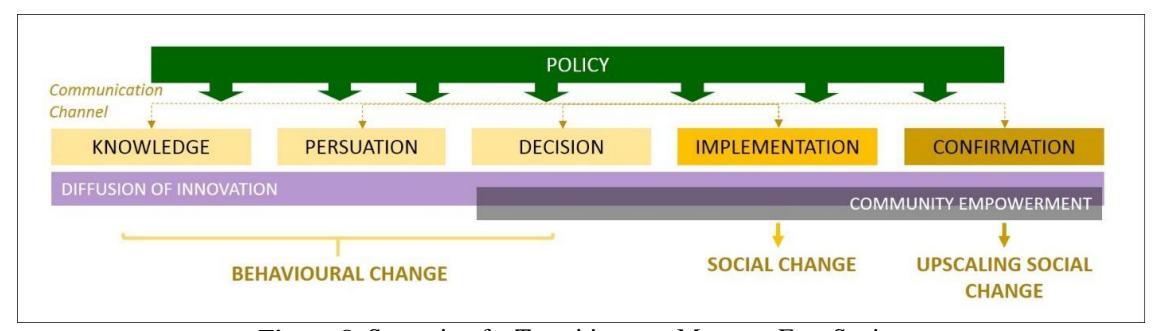
Figure 8. Scenario of a Transition to a Mercury-Free Society
3.1.2.3 Classification of Remediation Technologies
The treatment of hazardous and toxic waste is a process that alters the characteristics and composition of waste to eliminate or reduce its hazardous and toxic properties. Mercurycontaminated land, particularly in a restoration context, can be managed in several ways. Each technology can deal with different conditions depending on the state of the contaminated soil. The remediation technologies for mercury-contaminated land can be divided into three main classes based on their method and approach (Soesilo and Wilson, 1997), i.e., biological, physicalchemical, and thermal remediation technologies.
The choice of technology to be used to restore mercury-contaminated land can be adjusted to the specific characteristics of a site, including its socio-economic and regional condition. It is possible to combine all the available technologies to restore the land optimally. Such a combination is called a train system. Table 3 summarizes the three types of restoration technologies.
Table 3. Classification of Remediation Technology
| No | Remediation | Restoration Process | |||
|---|---|---|---|---|---|
| Technology | Definition | Tools | Conditions | ||
| 1.1 | Remediation Physics-Chemistry 1: Soil Washing + Absorption | The process of separating contaminants from the soil: (i) soil particles containing most contaminants are separated from the bulk fraction of the soil, or (ii) the contaminants are removed from the soil using chemical solutions and recovered in the form of solid substrates. | Restoration facilities: main machine soil scrubbing and solvent chemicals | (1) Low clay content (Lebak Situ) (2) High clay content >20% (Muncang) Solvent Kl 0.2M, pH 2, solid/liquid ratio 1:15 | |
| 1.2 | Remediation Physics-Chemistry 2: Electrochemistry | The process of separating contaminants from the soil by using electrified electrodes with a specific voltage. | Restoration facilities: Electro-chemical units, KCl material, wastewater treatment | High clay content >20%. Carbon & iron electrodes, KCl electrolytes, voltage 20 V | |
| 2 | Bioremediation | The process of reducing pollutants in the environment using a biological process of decomposing organic or inorganic waste under controlled conditions. In bioremediation, enzymes produced by microorganisms modify toxic pollutants by changing the chemical structure of these pollutants. This process is called biotransformation. | Restoration facilities, bacteria-based material | Anaerobic reactor conditions | |
| No | Remediation | Restoration Process | |||
|---|---|---|---|---|---|
| Technology | Definition | Tools | Conditions | ||
| 3.1 | Phytoremediation | A remediation technology that uses plants to restore soil, mud, sediment or water that is contaminated with organic and inorganic compounds. | Planting Jatropha curcas and Vetiver zizanioides L. | Land exposed to sunlight, enough water content, high soil porosity (loose), gentle slopes | |
| 3.2 | Mycoremediation | A bioremediation technology using mushrooms to restore soil, mud, sediment or water that is contaminated with organic or inorganic compounds. | Plastic building, fungi species Pleurotus ostreatus & Pleurotus flabellatus | The process is done in a 1 x 1 x 2 m plastic building, covered with tarpaulin. Optimum temperature of each fungus: 11-14 °C and 20 °C | |
Based on the above table, each technology suits only certain soil conditions needed for the technology to work optimally in restoring mercury-contaminated soil. Based on the results of the application of mercury recovery technology, it is known that there is a trade-off between cost and recovery time for each technology. For example, for bioremediation, the required cost for recovery is around 5.5-6 billion Rp for every 3000 ton of land recovered, with a recovery time of 10 months. For soil washing, the required cost is around 6-7 billion Rp for every 3000 ton of land that is recovered, with a recovery time of 16 months. For phytoremediation, the required cost is around 3-4 billion Rp for every 3000 ton of land recovered with a recovery time of 24 months. It is possible to use a combination of technologies (a train system) from the three main remediation technology classes to restore the land optimally, forming a complex integrated mercury management system.
3.1.2.4 Case Study of Mercury-Contaminated Land Restoration on a Field Scale (Pilot Project)
This section describes a pilot project for the restoration of land contaminated with mercury on a field scale. The following criteria were used in selecting the sites for applying the phytoremediation and mycoremediation methods:
- a. Referring to the delineation study, contaminated land with high mercury content was selected.
- b. Permission was obtained from the landowners to plant phytoremediation vegetation and to carry out mycoremediation activities.
- c. The site had good accessibility to facilitate the monitoring process.
- d. The land of the site complied with several characteristics: flat slope; not prone to landslides; sufficiently high pH levels, and suitable texture for planting; containing approximately 3000 tons of contaminated soil.
Based on the above criteria, three sites were selected in five sub-districts:
- 1. Muncang Village Muncang Sub-District (soil Hg concentration of 75.96 ppm)
- 2. Lebak Situ Village Lebak Gedong Sub-District (soil Hg concentration of 99.31 ppm)
- 3. Pasir Gombong Village Bayah Sub-District (soil Hg concentration of 64.58 ppm)
3.1.3 Development of a Model for Managing Mercury-Contaminated Land
Based on the tests carried out in Lebak Regency, a team of experts from Bandung Institute of Technology conducted an analysis and formulated a model for managing mercury-contaminated land. An illustration of the model can be seen in the diagram below (Figure 9).
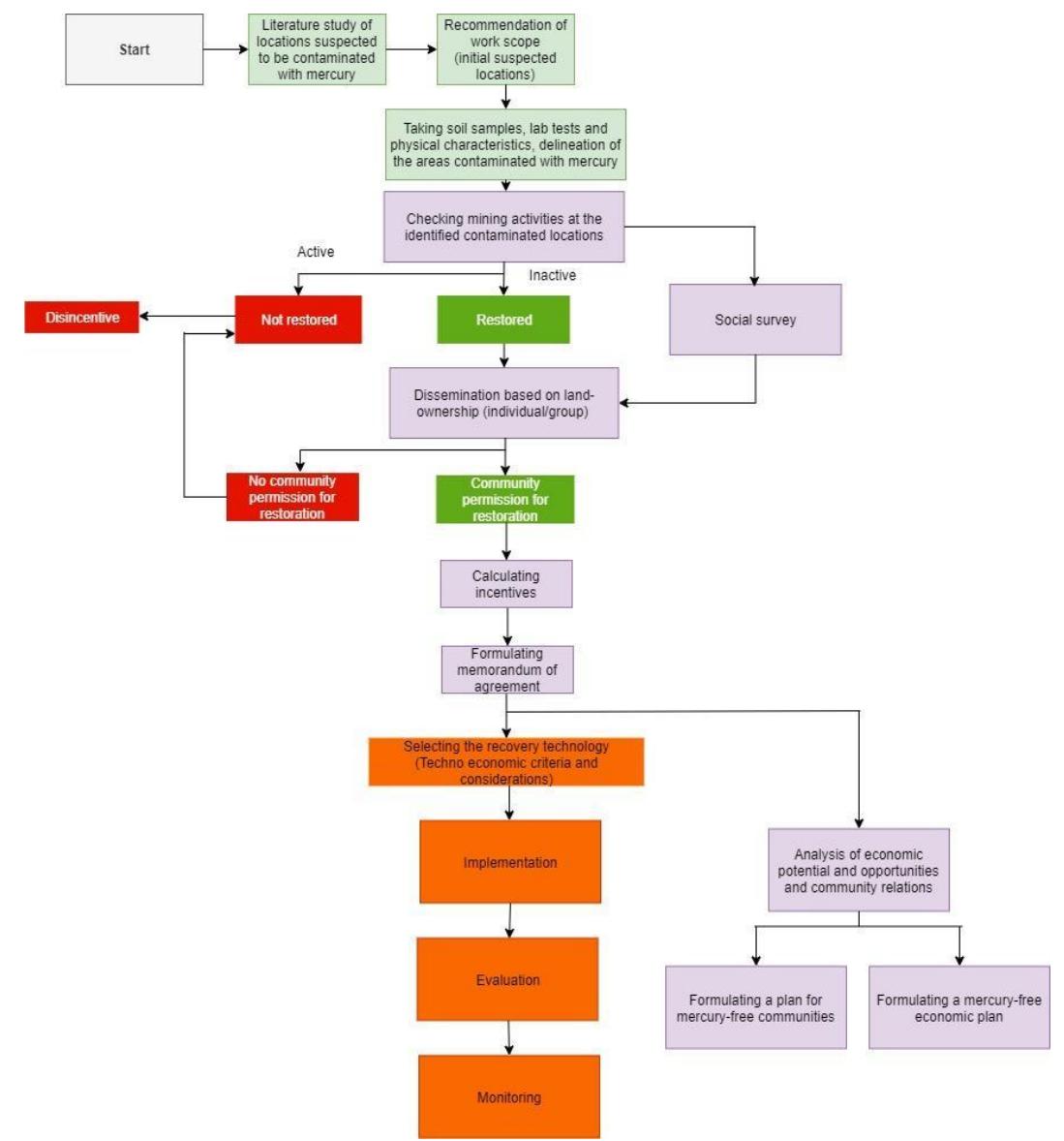
Figure 9. The Model for Managing Mercury-Contaminated Land
3.2 Discussion
The integrated model for managing mercury-contaminated land from the perspective of regional development is innovative because it applies a transdisciplinary approach and participatory action research. It does so in a process starting from the delineation of contaminated land to the preparation of plans for managing the land with consideration of socio-economic and regional aspects. This model complements an exclusively engineering approach to managing mercurycontaminated land. This new approach is intended to address a variety of problems, not only physical restoration of the land but also the socio-economic problems of the affected communities. The development of this approach uses several technical approaches and is currently being developed further to manage land contaminated with mercury and other contaminants; previously, the restoration of land contaminated with mercury only used a physical and chemical approach. At times, it is unfeasible to apply this approach due to the costs (Hinton and Veiga, 2001). In response to the high costs of this approach, Moreno et al. (2009) developed a cheaper soil remediation technology for post-mining mercury-contaminated land using plants, called phytoremediation.
Feng He et al. (2015) conducted a comparative study of several remediation methods that have been developed, comprising biological and physical-chemical approaches with various considerations, such as the effectiveness of restoration, the time required for restoration, and the costs. Feng He et al. (2015) found that an exclusive remediation technology is the most effective method because it can permanently eliminate mercury from contaminated land. In 2016, IPEN released Guidance on the Identification, Management, and Remediation of Mercury Contaminated Sites. IPEN did not focus only on pure remediation technology but also provided guidance on identifying and managing mercury-contaminated sites and stakeholder engagement. Our study found a trade-off between the cost and the length of recovery time of each remediation technology. In terms of cost, phytoremediation is the cheapest, while soil washing is the most expensive. Meanwhile, in terms of recovery time, bioremediation is the fastest technology (10 months), followed by soil washing (16 months), and then phytoremediation (24 months) technology. Furthermore, the combination (train system) of physico-chemical remediation, bioremediation, and phytoremediation/micro-remediation can be considered cost-effective.
Furthermore, our study offers a method that is also more comprehensive than previous studies. The process of handling land exposed to mercury analyzed through a transdisciplinary approach has been proven to be able to solve various problems of concern to the local community. The use of a purely technological approach without sufficient consideration of the social, economic, and regional aspects is not successful, as indicated by the community rejection toward the introduction of cyanide technology for separating gold minerals from source rocks in the village of Lebak Situ, Lebak Regency.
4. Conclusion
This study concludes that consideration of the socio-economic and regional aspects allowed to successfully formulate a plan for social change, a mercury-free economic plan, and policy recommendations for the restoration of mercury-contaminated regions. Without a social approach, community acceptance towards mercury-free gold extraction may never be achieved. In fact, without applying a social approach, the delineation team consisting of geological experts would not have been able to move their personnel and equipment into Lebak Situ Village to commence their work because of the villagers' suspicions. The concept of an integrated approach of delineation, socio-cultural conditions, legal aspects, and restoration technology in managing mercury contaminated land is crucial as it effectively addresses problems and also provides recommendations on social engineering as well as sustainable community livelihoods. The practice of managing mercury for artisanal small gold mining may differ in each region, depending on the level of contamination and the local socio-cultural conditions. Thus, it must be adjusted through the use of an integrated conceptual framework consisting of a transdisciplinary approach and participatory action research as a new idea for managing mercury pollution.
Acknowledgements
This paper was based on a study on the development of a model for managing mercurycontaminated land in Lebak Regency. The study was a cooperation between ITB's Institute for Research and Community Services and the Ministry of Environment and Forestry. The study used a multi-disciplinary approach that included disciplines such as geological engineering for delineating the mercury-contaminated land, environmental and biological engineering for
An Integrated Model for Managing Land Contaminated with Mercury due to Small-Scale Gold Mining in Lebak Regency, from the Perspective of Regional Development
developing remediation technologies as well as regional planning, which is an innovation in the study of managing mercury-contaminated land in Indonesia.