

Introduction
Background
Among the various natural and man-made hazards affecting Sri Lanka, landslides are a hazard with an extremely high frequency of occurrence (Disaster Management Centre, 2014). Nearly 13,000 km2 , constituting 20% the country's total land area, is considered to be highly prone to landslides (Asia Pacific Alliance for Disaster Management, 2016). Addressing the risk posed by landslides in certain rural areas of the country, a relocation program was designed and implemented as a Disaster Risk Reduction (DRR) strategy1 by the government of Sri Lanka with technical assistance from organization X, a leading research and development institution and the designated technical agency for landslide risk management in Sri Lanka.
1Relocating communities as a DRR strategy represents a form of climate induced relocation, also referred to as 'planned relocation', where communities are uprooted from their original habitats and settled permanently in a safer location with the objective of minimizing their exposure to natural hazards (UNHCR, 2014). This form of relocation can be executed pre-emptively before a community experiences a natural disaster or reactively following the exposure of the community to a disaster (UNHCR, 2014).
The mentioned relocation program was executed following the 2016 landslide tragedy in the Y district, which affected 36,121 people from 9,983 families and caused 168 cases of full damage and 1,631 cases of partial damage to the district housing stock in 11 Divisional Secretariat Divisions (predominantly constituting rural areas in the district). The program was implemented based on the Resettlement Implementation Framework devised by organization X and approved by the Cabinet of Ministers, relocating families residing in areas at risk of landslides and houses damaged by landslides. Immediately following the landslide tragedy, the government of Sri Lanka decided to construct houses for families affected by the landslide and families located in areas at high risk from landslides. The resettlement plan had the following objectives:
- 1. To complete 'core houses' for the beneficiaries, with financial assistance from the government.
- 2. To ensure that disaster resilient houses were constructed.
The core houses consisted of the following features: a minimum floor area of 650 square feet, a resilient foundation and superstructure (as directed by organization X), two bedrooms, a kitchen, a permanent roof, and a water seal toilet with septic tank. Accordingly, a total of 1,729 houses were constructed in 11 Divisional Secretariat Divisions of the Y district. The beneficiaries were provided with three options, namely Donor Driven, Owner Driven at Government Relocation Sites (GRS), and Owner Driven at Individual Relocation Sites (IRS). Under the Donor Driven option, houses were constructed with material and labor supply financed by donors. Further, under the GRS approach, the government allocated a plot of minimum 10 perches of land for house construction. Beneficiaries were granted LKR 1.2 million for house construction in four instalments based on the stage of completion. On the other hand, beneficiaries who opted for Individual Resettlement Sites (IRS) were granted a lump sum of LKR 0.4 million to purchase land, in addition to LKR 1.2 million for house construction. While 211 houses were provided under the Donor Driven option, 949 and 569 houses were provided under the GRS and IRS options, respectively.
DRR has become increasingly important over recent years as both the incidence and frequency of natural disasters have surged. Statistics demonstrate that during the last couple of decades, a total of 7,348 disaster events have been reported worldwide. This marks approximately a 74% increase in disaster events relative to the preceding 20 years, i.e., from 1980 to 1999, during which the number of reported disasters amounted to 4,212 (CRED and UNDRR, 2020). The economic losses associated with disasters have comparably risen, from USD 1.63 trillion during the period 1989-1999 to USD 2.97 trillion between 2000 and 2019 (CRED and UNDRR, 2020).
Agriculture accounts for the livelihoods of over 2.5 billion people across the globe (FAO, 2021; FAO, 2018). While economic losses caused by disaster events may reflect damages to livelihoods in various economic sectors, the agriculture sector is particularly vulnerable to natural hazards and disasters due to its intrinsic reliance on natural resources (e.g., land) and natural factors such as climatic and weather conditions. Based on data gathered from 71 post disaster needs assessments carried out between 2008 and 2018, the Food and Agricultural Organization (FAO, 2021) asserts that in the given period, the agriculture sector absorbed 26% of the overall impact of medium- and large-scale disaster events in low- and middle-income countries. Further, the same data indicates that industry, commerce and tourism taken as a whole accounted for only 37% of the losses and damages caused by disasters compared to agriculture, which bore 63% of losses and damages in the given period (FAO, 2021). Growth in agriculture production and agriculture development is crucial for driving economic growth and achieving economic development, particularly in developing countries. Statistics indicate that in 2018, agriculture contributed to 4% of the global gross domestic product (GDP) and over 25% of the GDP of certain
developing countries (World Bank, 2021). The increased susceptibility of the agriculture sector to the growing severity of weather events coupled with the sector's significant contribution to the economies of developing countries makes a convincing case for the need to implement DRR measures in the agriculture sector. In this study, attention was paid to relocation as a DRR measure with the aim of examining how effective relocation has been in reducing the vulnerability of agricultural communities.
The impetus of this paper is three-fold. Most studies on relocation drew primarily on cases where communities had been relocated following displacement caused by development projects, called Development Induced Displacement and Resettlement (DIDR) (Piggott-McKellar et al., 2020). Relocating communities as a DRR strategy is a relatively recent practice and studies that cite such cases in discussing the outcomes of relocation are limited (Piggott-McKellar et al., 2020). Secondly, most studies on relocation looked at the generic effects of relocation on resettled communities. Some of these studies (e.g., Arnall et al., 2003; Delang and Toro, 2011; Mallick & Sultana, 2017; Li et al., 2018) outlined loss of land due to relocation followed by loss of agriculture-based livelihoods among relocatees as a significant issue. However, the specific impacts of relocation on communities that depend on agricultural income sources have not been investigated in depth. Thirdly, enhancement of agricultural production and productivity have been identified as key to reducing rural poverty and improving food security, particularly in the developing regions of the world (FAO, 2016) and thereby positively addressing the Sustainable Development Goals (SDGs) of 'Zero Poverty' and 'Zero Hunger' (United Nations, 2020). Although the importance of DRR for sustainable development has been acknowledged in the Post-2015 Sustainable Development Agenda (UNISDR, 2015), the extent to which real-world cases of DRR (like planned relocation) have supported the achievement of SDGs has not been adequately evaluated.
Accordingly, this study explored the impact of relocation on agricultural income generating activities with specific reference to a case of planned relocation implemented in the Y district of Sri Lanka. The study further looked at the extent to which the outcomes of said relocation program complied with the Post-2015 Sustainable Development Agenda, particularly SDG 01: 'End poverty in all its forms everywhere' and SDG 02: 'End hunger, achieve food security, and improved nutrition and promote sustainable agriculture', thereby informing future policy directions towards planning, designing and executing DRR measures that are effectively driven towards sustainable development.
Significance of Agriculture in an Era of Sustainable Development
The 2030 Agenda for Sustainable Development constituting its 17 Sustainable Development Goals (SDGs) was adopted by all UN member states at the UN Sustainable Development Summit held in New York in 2015 (United Nations, 2020). Having traced the global trend of rising food insecurity, steering development in global partnership towards a state of 'Zero Hunger' was established as one of the 17 SDGs. The United Nations' Post-2015 Development Agenda to end world hunger was accompanied by an emphasis on improving food security and promoting sustainable agriculture (United Nations, 2020). Regardless of the global significance attributed to freeing the world's population from hunger, food insecurity has been on the rise. For instance, while 23.2% of the total global population was affected by moderate or severe food insecurity in 2014, the percentage has risen to 26.4% in 2018 (United Nations, 2020). In 2019, approximately 687 million people across the world suffered from undernourishment, more than half of whom resided in Asia (FAO, IFAD, UNICEF, WFP and WHO, 2020). While Sri Lanka's level of chronic malnutrition, amounting to 13% of the population, is satisfactory relative to other countries in South Asia, a significant proportion of the population, ranging between 14% and 35% in each of the 25 districts, suffers from acute malnutrition, where individuals are deficient in the intake of vital vitamins and minerals (World Food Program, 2020).
An increase in food production is fundamental for minimizing food insecurity (Food and Agriculture Organization of the United Nations, 2020). Hence, targets under the SDG of 'Zero Hunger' have been geared towards improving agricultural productivity and income of small-scale food producers by securing their access to land and other resources like finance and skills, while enhancing the resilience of agricultural practises (United Nations, 2020).
Further, with approximately 80% of the world's extreme poor residing in rural areas, eradicating rural poverty has been identified as a stimulus for accomplishing the SDG of 'Zero Poverty' (Campos et al., 2018). Agriculture is the mainstay of rural economies (Baig & Straquadine, 2011; Briones, 2017). For this reason, agriculture development is regarded as a solution not only to food insecurity but also to rural poverty (Janvry & Sadoulet, 2000; FAO, 2017). For instance, the FAO (2017) in its Strategic Program 03, which focuses on reducing rural poverty, outlines three pathways through which rural communities can overcome poverty: 1) specialize in agriculture, 2) combine agriculture activities with lucrative non-agriculture sector activities (e.g., selfemployment, wage labor, migration, etc.), and 3) completely abandon agricultural activities and adopt non-agriculture sector activities. However, the FAO (2017) has reported that fostering agriculture through significant investments in the agriculture sector (as opposed to investing in non-agricultural sectors) vests rural communities with an opportunity to effectively leverage their main assets (land and labor) and thus offers a direct pathway out of poverty.
Disaster Risk Reduction: An Adequate Policy Tool to Facilitate Sustainable Development?
Disaster Risk Reduction and Sustainable Development
The increasing frequency and intensity of natural disasters can cause a major setback in the development of countries by causing loss of life and damage to property and resources. Disasters affect both developed and developing countries, but damage caused by disasters is more intense in the developing world (Zorn, 2017; McBean, 2012). The World Bank (2021) has reported that out of all deaths from weather and climate related hazards, 91% were in developing countries. This leads to the realization that investing in DRR, particularly in developing countries, is crucial for protecting development gains and steering the progress of these countries towards sustainable development.
The term 'sustainable development' first gained global prominence and popularity when it was defined in the World Commission of Environment and Development's (1987) Brutland Report: "Sustainable development is the kind of development that meets the needs of the present without compromising the ability of future generations to meet their own needs." At the United Nations Conference on Environment and Development held in Rio de Janeiro, Brazil in 1992, 'sustainable development' was discussed for the first time as a global agenda that seeks to align economic, environmental, and socio-political dimensions of development (Noraman & Carr, 2009; Najam & Cleveland, 2004). Despite the indispensable relevance of DRR in steering societies towards sustainable development, there was no mention of DRR in the Rio Declaration and Agenda 21, the two major outcomes of the Brutland Commission. Neither was it discussed in the United Nations Millennium Development Goals 2000-2015, another milestone of the international agenda on sustainable development (Uitto and Shaw, 2016).
Nevertheless, in recent years, the importance of DRR in driving the world's progress towards sustainable development has come to be globally acknowledged, particularly as part of countries' commitment to the Sustainable Development Goals (SDGs) instated in the United Nations Post-2015 Sustainable Development Agenda (UNISDR, 2015). For instance, in its mission of promoting agriculture to reduce rural poverty and improving global food security, the FAO (2016) has identified natural hazards, including climate related disasters and man-made protracted disasters such as violent conflicts, as two of the three main groups of shocks that undermine agricultural livelihoods and thereby pose adverse effect on food production levels. For this reason, the FAO (2016) puts emphasis on increasing the resilience of agricultural livelihoods through DRR efforts like adequate crisis and disaster risk governance; effective monitoring of crisis and disaster risk with early warnings (EWs); reduction of community vulnerability to crises and disaster risk; and proactive preparation for and timely response to crises. This directly relates to the achievement of SDG 02: 'End hunger, achieve food security, and improved nutrition and promote sustainable agriculture'. Similarly, SDG 01: 'End poverty in all its forms everywhere' emphasizes the need to improve the resilience of the poor and the vulnerable, reducing their exposure and vulnerability to weather-related and other economic and social shocks (UNISDR, 2015). Further, DRR is extensively captured in SDG 11: 'Make cities and human settlements inclusive, safe, resilient and sustainable', which entails significant reduction of the number of deaths and economic losses associated with natural disasters. In addition, Goal 13: 'Take urgent action to combat climate change and its impacts' makes direct reference to DRR through its emphasis on enhancing resilience and adaptive capacity for extreme weather events, which are often regarded as manifestations of climate change (UNISDR, 2015).
The significance of DRR in steering countries' progress towards sustainable development is clear through multiple references made in the Post-2015 Sustainable Development Agenda to DRR efforts (United Nations, 2021). Evidently, for development to be sustainable and to protect development gains, DRR should be mainstreamed into the national development agendas of countries. This may involve measures such as hazard mapping and zoning to be used as input for designing land-management and land-use plans; drawing up geographically indexed profiles of infrastructure; incorporating DRR aspects into instruments of governance such as laws, ordinances, policies and long-term plans; developing a financial strategy for coping with disaster risk (e.g., budget allocations for DRR) and adequately investing in building resilient infrastructures and communities (Bello et al., 2021).
However, leveraging interlinkages between sustainable development and DRR is a two-way process. Not only should DRR efforts be integrated into national development agendas, strategies, targets, and courses of action, it also crucial to ensure that the DRR strategies that are planned and executed promote sustainable development rather than impede it. The importance of synergizing DRR efforts with sustainable development has been precisely articulated in one of the guiding principles of the Sendai Framework for Disaster Risk Reduction (SFDRR): "The development, strengthening and implementation of relevant policies, plans, practices and mechanisms need to aim at coherence, as appropriate, across sustainable development and growth, food security, health and safety, climate change and variability, environmental management and disaster risk reduction agendas. Disaster risk reduction is essential to achieve sustainable development" (United Nations, 2015, p. 13). Planning, designing and implementing DRR strategies that align with SDGs thus necessitate preventing or minimizing, as far as possible, counter-productive outcomes. The aim of an integrated DRR strategy that promotes sustainable development is to reduce the vulnerability of communities and enhance their coping capacities so that the adverse economic and social effects of disasters are kept to a minimum (UNDRR, 2022;
United Nations, 2021). DRR outcomes that fail to accomplish this objective may render the efficacy of DRR in driving sustainable development dubious.
Normative conceptions of how DRR strategies could be made to coincide with sustainable development stem from cases of post-disaster recovery. Drawing on evidence from post-disaster impact and reconstruction in Zimbabwe, Dube (2020) advocates the emulation of a 'build back better' approach in disaster recovery and reconstruction processes to ensure that issues of vulnerability are factored in adequately and that said processes steer sustainable development. The concept of 'build back better' calls for gearing post-disaster recovery and reconstruction processes towards improving the resilience of communities and achieving long-lasting better outcomes for disaster affected populations (UNDRR, 2017). Dube (2020) argues that by replacing infrastructure that was destroyed or damaged by a disaster with stronger and improved infrastructure and providing disaster affected communities with 'recovery surpluses' that entail new technology, equipment, and ways of doing things, and learning from experience with past disasters, recovery and reconstruction processes may substantially contribute to achieving SDG 09: 'Build resilient infrastructure, promote inclusive and sustainable industrialization and foster innovation' and SDG 11: 'Make cities and human settlements inclusive, safe, resilient and sustainable.'
With reference to recovery and reconstruction efforts following the 2008 Wenchuan earthquake in Hushui county in China, Tang et al. (2021) observed that sustainable adaptation is instrumental in achieving sustainable development in post-disaster recovery. Sustainable adaptation is an approach that seeks to enhance the long-term resilience of a community through adequate community participation coupled with planned government interventions in the recovery process. In this regard, Tang et al. (2021) propose a three-stage model for an integrated disaster recovery and sustainable development approach: 1) 'recovery' when community resilience is at a low level and the aim is short-term recovery, which has to be facilitated by external interventions; 2) 'poverty alleviation' with the goal of eliminatin poverty, to be achieved through external interventions, and 3) 'rural revitalization' where a breakthrough in self-development of the community can be witnessed through coordination with external actors to build long-term resilience.
Certain scholars even perceive disasters as 'windows of opportunity'. Their tenet is that destruction caused by disasters may act as a catalyst for social transformation towards the achievement of SDGs (Birkmann et al. 2009; Pelling & Dill, 2010; Solecki, 2015). Seizing disasters as opportunities palpably extends beyond mere restoration of pre-disaster lives, livelihoods and properties of the affected persons and facilitates a transition that takes the course of sustainable development. For example, Greensburg, a small town in the USA that was almost completely destroyed by a strong tornado in 2007, was rebuilt as 'Greensburg – Greentown, the greenest town in rural America,' thereby directly aligning with SDGs 9 and 11. Post-disaster reconstruction of the tribal village of Ulaljuc in Taiwan provides another sound example. Following landslides caused by the typhoon Morakot in August 2009, the Taiwan tribesmen had to be relocated to a safer site (Chang et al., 2020). The relocation not only reduced the tribe's exposure to similar hazards but also provided new opportunities for cultural reconstruction (e.g., through designating infrastructure in a way that affirmed the cultural identity of the tribespeople) and industrial development (e.g., through deploying opportunities for tourism in the new location to expand the coffee industry of the tribe) (Chang et al., 2020).
Planned Relocation as a DRR Strategy: Some Alarming Concerns
In recent years, planned relocation of communities that reside in areas that are prone to climaterelated hazards has been regarded and used as a DRR strategy to adapt to the damaging effects of such hazards (UNHCR, 2014). However, in compliance with the ideas of Warner & Van der Geest (2013), planned relocation itself has in certain instances resulted in irrevocable economic, social and cultural costs, especially where communities dependent on agriculture were relocated. Thus, in contradiction to FAO's (2016) proposal of leveraging DRR to protect and enhance the resilience of agricultural livelihoods, the execution of planned relocation as a DRR initiative has in some cases challenged the generation of agricultural income. For instance, a survey was conducted among relocation and non-relocation households in Ankang, which is one of the three prefectures involved in the Relocation and Settlement Program (RSP) of China. This study observed that while households in their original settlements in mountainous areas relied heavily on traditional agriculture for food security, agriculture and livestock activities reduced drastically among those who participated in the Relocation and Settlement Program (RSP) (Li et al., 2018). By causing a decrease in farmland area, RSP had a negative effect on the proportion of households engaged in agricultural activities after relocation (Li et al., 2018). Similarly, Mallick and Sultana (2017) in their study of four communities relocated under the Guchchagram project in the Gopalganj district of Bangladesh found that rice production in the communities had declined significantly following relocation. According to the respondents of said study, there was inadequate land in the new settlement to rent for cultivation purposes (Mallick & Sultana, 2017).
A study conducted on flood induced resettlement in Mozambique elucidates how a community that was residing in the Incomati river valley was resettled to a newly established communal village called Chimoco following the floods of 2000 as an initiative of the government and Global Aid. The families were not provided with separate land for farming but were asked to continue their activities in the low area (Arnall et al., 2003). These families were thus compelled to abandon their previous family farms and resort to alternative means of income generation. The number of residents that engaged in low-area agriculture dropped by 35% owing to reasons such as previous farms being located too far from the new settlement, lack of seeds and equipment, and shortage of cattle for ploughing (Arnall et al., 2003).
Other studies (e.g., Lasgorceix & Kothari, 2009; Nadkarni, 2000) have shown that a considerable number of people in India reside within or close to Protected Areas (PAs). Constant wild animal attacks constitute one of the major issues faced by these communities (Lasgorceix & Kothari, 2009). Said attacks often result in death or injury of community members on the one hand and crop and/livestock damage on the other hand (Lasgorceix & Kothari, 2009). While some of these communities have been resettled to safer areas with the objective of resolving said issues, in some cases the relocatees were deprived of access to agricultural land. For example, in the early 1990s, 350 tribal families that were residing in the Rajiv Gandhi National Park were forced to relocate. The families were not adequately compensated for the loss of their access to lands that had previously been used for agricultural purposes. As a result, the families showed a high level of resistance to relocation (Nadkarni, 2000). In certain cases where new land was provided to households that were displaced and relocated from PAs, the quality of the new land was questionable (e.g., in the case of relocation from Rajaji National Park in Uttarakhand) (Lasgorceix & Kothari, 2009).
Similarly, a recent study conducted on the resettlement of Meeriyabedda landslide victims in the Makaldeniya estate in the Badulla District of Sri Lanka found that the lack of garden space in the new relocation settlement hindered the capacity of most respondents to engage in outdoor income generating activities like animal husbandry. While such activities served as additional sources of income, inadequate garden space in the new settlement had an unfavorable impact on household income (Fernando et al., 2017).
In most studies cited in this section, communities had been subjected to the risk of landlessness, 1 followed by marginalization2 (Cernea, 2000). In some studies (e.g., Arnall et al., 2003), agriculture sector workers were compelled to abandon their agricultural income generating activities and resort to non-agriculture sector activities to earn a living after relocation. Evidence has shown that the propensity of and returns gained from farmers engaging in non-agriculture sector activities correlates positively with access to human capital (e.g., education and training) (Barrett et al., 2001; Batunde & Quaim, 2010; Anang & Yeboah, 2019) and financial capital (e.g., access to credit facilities) (Dzanku & Sarpong, 2014). Hence, farmers who have limited access to human and financial capital are less likely to be successful in adopting non-agricultural sector activities. There is then a greater tendency for such farmers to become marginalized.
It is against this background that this study examined the effects posed by relocation on agricultural income generating activities, citing from a case of planned relocation in Sri Lanka, in order to evaluate the extent to which DRR strategies like planned relocation comply with SDGs and their efficacy in steering sustainable development.
Methodology
The methodology of this study consisted of three main steps: data collection, data analysis and information presentation. The study mainly depended on primary data, which were collected through structured interviews carried out by two enumerators over a period of two months in the year 2019. Simple random sampling was used to derive the sample for primary data collection. The sample consisted of 25% of the total population who received houses under the resettlement program. According to the rule of thumb, 20% is a justifiable representation of the total population (Kumar, 2011). The sample of respondents included 129 Donor Built households, 190 GRS households, and 116 IRS households.
Data analysis was carried out using the Statistical Package for the Social Sciences (SPSS) software. The data was subjected to both univariate and bivariate analysis. Univariate analysis allows to trace trends and patterns pertaining to a single variable. With respect to univariate analysis, frequency distributions were run to explore the distribution of the sample of respondents by sector of employment, utilization of previous lands following relocation, reasons for discontinuing the use of previous lands for cultivation purposes, the availability of a home garden in the current settlement, and the extent of livelihood diversification among agriculture sector workers prior to relocation.
In terms of bivariate analysis, the data was tested for nominal variable associations using cross tabulations. Cross tabulation is a useful method of statistically describing the relationship between 1 In Michael Cernea's Impoverishment Risks and Reconstruction Model for Resettling Displaced Populations (IRR model) 'landlessness' refers to the loss of land in the original habitat of the relocated community as a result of relocation.
2 In Michael Cernea's Impoverishment Risks and Reconstruction Model for Resettling Displaced Populations (IRR model) 'marginalization' entails a situation where individuals are demoted from comparatively higher socioeconomic status to a lower socioeconomic status as a result of loss of economic power after relocation.
two categorical variables. Cross tabulation was used in this study as the data collected was predominantly nominal or categorical in nature. The nominal variable associations were evaluated using Cramer's V measure at a significance level of 0.05. Cross tabulations were run 1) to explore associations between the respondents' sector of employment and other variables that are key in examining the impact of relocation of agricultural income generating activities, and 2) to identify pre-existing vulnerabilities among agriculture sector respondents.
The information received from the analysis was represented in graphs and charts generated using the Microsoft Excel software. The results of this study are presented here under three main sections: 1) distribution of respondents by sector of employment; 2) impact of relocation on agricultural income generating activities, and 3) pre-existing vulnerabilities of agriculture sector workers.
Results
Distribution of Respondents by Sector of Employment
When delving into the occupations of the respondents in their original settlements, it is evident that self-employment had been the primary source of income for more than half of the respondents. However, a considerably significant proportion (19%) of respondents had relied on agricultural activities as their main means of income generation. The rest of the respondents had been employed in state sector and private sector organizations and had therefore depended on wage earnings as their main source of income (see Figure 1).
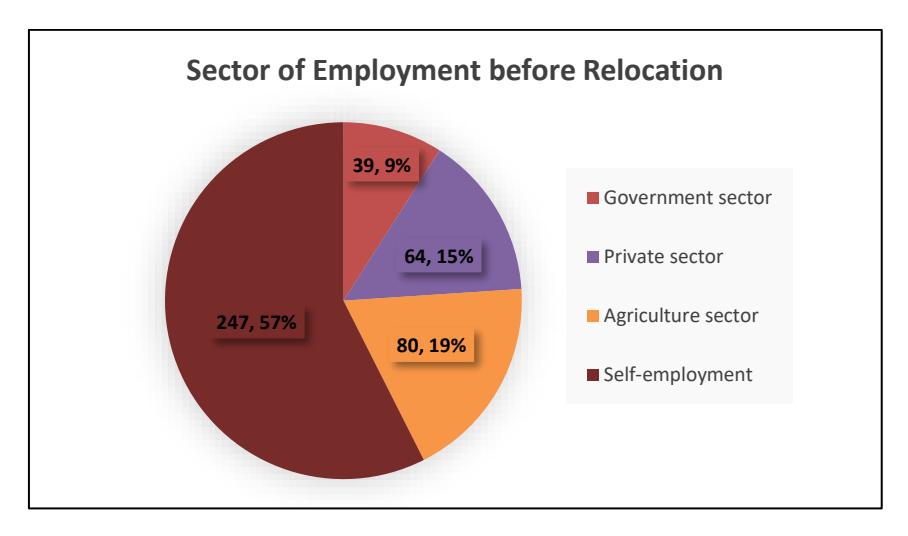
Figure 1 Sector of employment before relocation. Note: Number of valid cases = 430. Source: Field Survey, 2019.
Impact of Planned Relocation on Agricultural Income Generating Activities
Adverse Effects on Agriculture as Primary Source of Income
When examining whether there was an association between the respondents' sector of employment before relocation and income earned from the sector of employment prior to relocation, some interesting patterns emerged. For instance, there was a weak association (V = 0.179, p < 0.05) between the respondents' sector of employment before relocation and income earned from the sector of employment. This association was statistically significant (Figure 2).
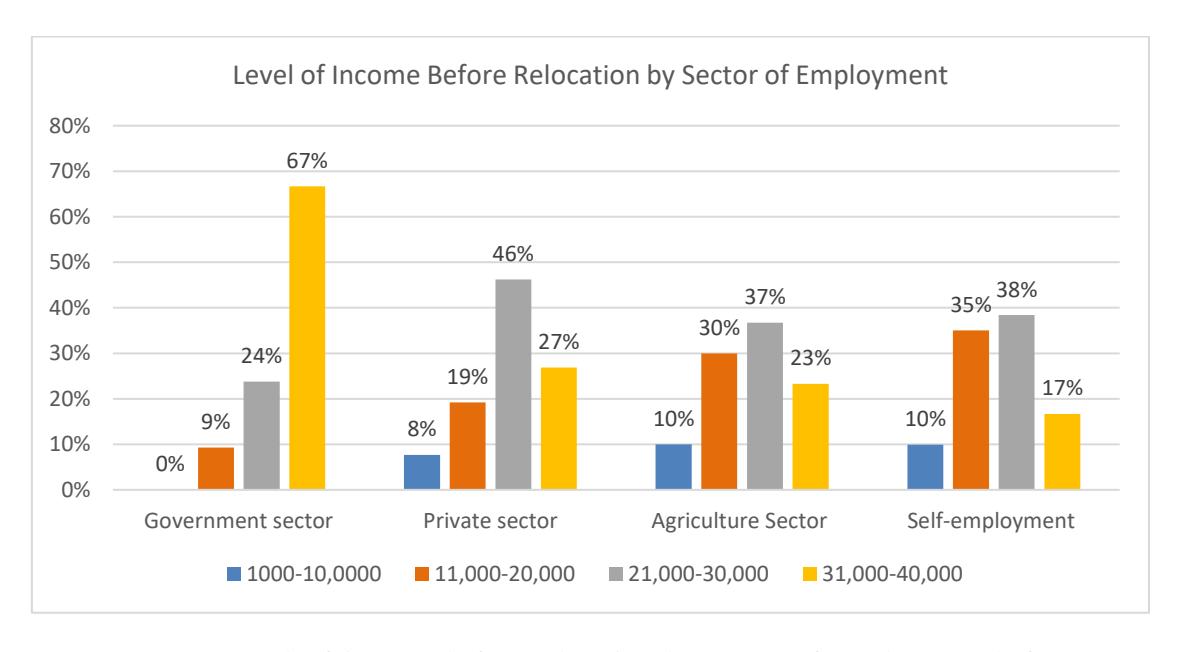
Figure 2 Level of income before relocation by sector of employment before relocation. Note: Number of valid cases = 336. Source: Field Survey, 2019.
Elaborating on this, more than half of government sector workers had earned an income of LKR 31,000-40,000. The results also showed that approximately 91% of government sector workers had earned an income of LKR 21,000 or more, and LKR 40,000 or less, constituting the two highest income ranges among the sample of respondents. On the other hand, 73% respondents employed in the private sector and 60% of respondents who had relied on agriculture as their primary source of income had earned an income between LKR 21,000 and LKR 40,000. However, only 55% of self-employed respondents had earned an income within the highest income ranges among the sample of respondents. It can be deduced that government sector workers had enjoyed greater financial stability and higher socio-economic status than respondents who had relied on other sources of income generation before relocation.
Further, when inquiring into whether there was an association between the respondents' sector of employment before relocation and income earned from the respondents' sector of employment in their current settlements, a statistically significant weak association (V = 0.161; p < 0.05) was found between said variables (see Figure 3).
The results showed that after relocation only 85% of government workers earned an income between LKR 21,000 and LKR 40,000, which is representative of the highest income ranges among the sample of respondents. Thus, it is evident that the proportion of government sector workers that earned an income within the highest income ranges among the sample of respondents had decreased by 6% after relocation. Similarly, the proportion of private sector workers and selfemployed respondents that earned an income within said income ranges in their current settlements was 68% and 50%, respectively. That is, the proportions of private sector workers and self-employed respondents who earned an income within the highest income ranges had decreased by 5%. On the other hand, only 53% of agriculture sector workers earned an income that fell within the highest income ranges after relocation. Hence, the proportion of agriculture sector workers who earned an income between LKR 21,000 and 40,000 had decreased by 7%. Evidently, while the income level of all respondents regardless of their sector of employment dropped after relocation, the most adverse effect on income was noticeable among those who were employed
15%
12%
31 000-40 000
Self-employment
20%
10%
0%
15%
Government sector
1000-10 0000
0%
Level of Income After Relocation by Sector of Employment 60% 52% 50% 39% 38% 40% 32%33% 35% 33% 29% 30% 20% 15% <sup>17%</sup>
15%
Agriculture Sector
21.000-30.000 in the agricultural sector prior to relocation compared to those who were employed in other sectors.
Figure 3 Level of income after relocation by sector of employment after relocation. Note: Number of valid cases 336. Source: Field Survey, 2019.
Private sector
11.000-20.000
Shifting to Alternative Livelihoods in the Non-Agriculture Sector
With the aim of exploring changes in livelihood strategies among respondents after relocation, the association between the respondents' sector of employment before relocation and the respondents' sector of employment after relocation was examined. The results show that there was a strong association (V = 0.592; p < 0.05) between said variables and that the association was statistically significant (see Figure 4).
It is notable that only 33% of agricultural sector workers continued to rely on agriculture as their primary source of income after relocation. The rest of the agricultural workers were compelled to find and utilize alternative means of income after relocation. Most agriculture sector workers who were compelled to change their primary means of income generation after relocation resorted to self-employment. An equally important observation is that more than half of the respondents who previously had been employed in non-agricultural sectors, remained in their respective sectors of employment after relocation. This shows that compared to the respondents in non-agricultural sectors of employment, a higher proportion of agricultural sector workers were compelled to resort to alternative sources of income, often by seeking substitute income generating opportunities in the non-agricultural sector.
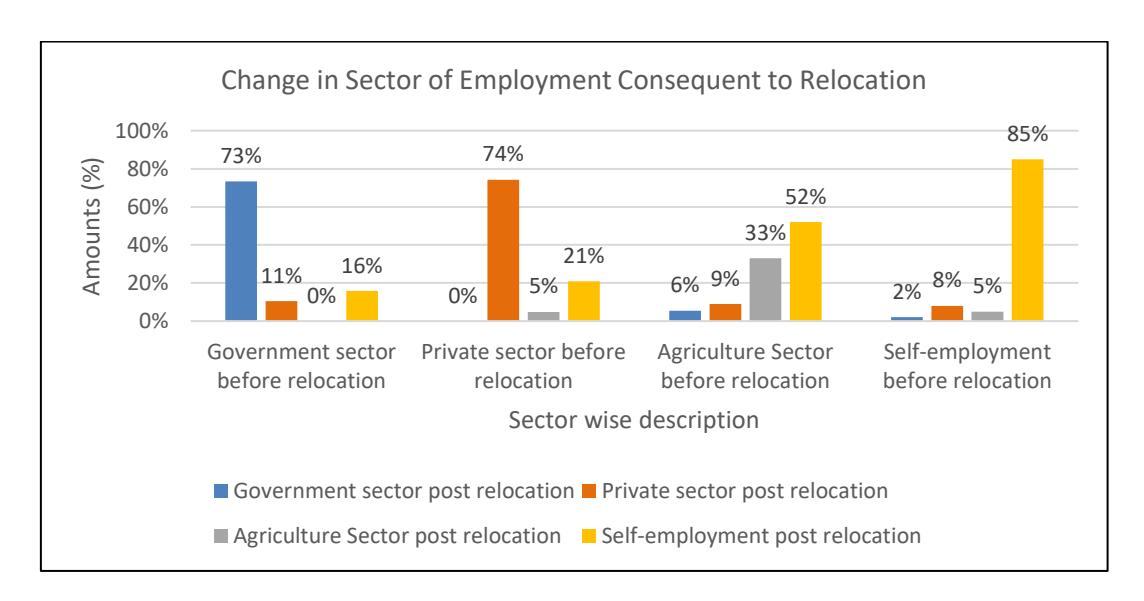
Figure 4 Change in sector of employment after relocation. Notes: Number of valid cases = 413. Source: Field Survey, 2019.
Loss of Land Required for Agriculture
Agriculture is a land-based source of income. Under the relocation project, the beneficiaries were provided with just enough land for house construction even though the relocation process had compelled most of them, especially agricultural sector workers, to abandon land used for cultivation in their original habitats. The data was tested to explore the extent to which people whose main source of income prior to relocation was agriculture continued to utilize their previous lands for cultivation purposes post relocation. The results suggested that the majority (53%) of these workers ceased to use their previous lands for agricultural activities (see Figure 5). The most cited reason for this was the distance between their current location and their previous lands. Most (29%) of agriculture sector workers claimed that their previous lands were too far to access from their current settlements, while another significant proportion (19%) of the same workers stated that their lands were completely destroyed by the landslide (see Figure 6).
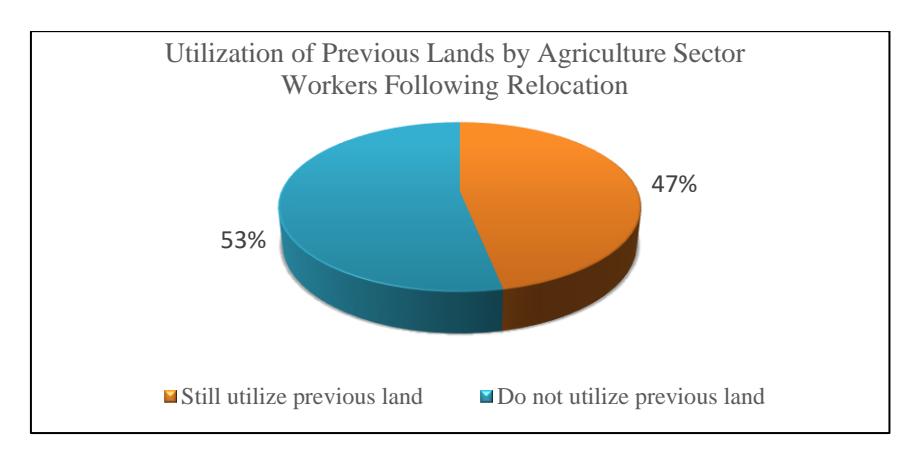
Figure 5 Utilization of previous lands by agriculture sector workers after relocation. Note: Number of valid cases = 79. Source: Field Survey, 2019.
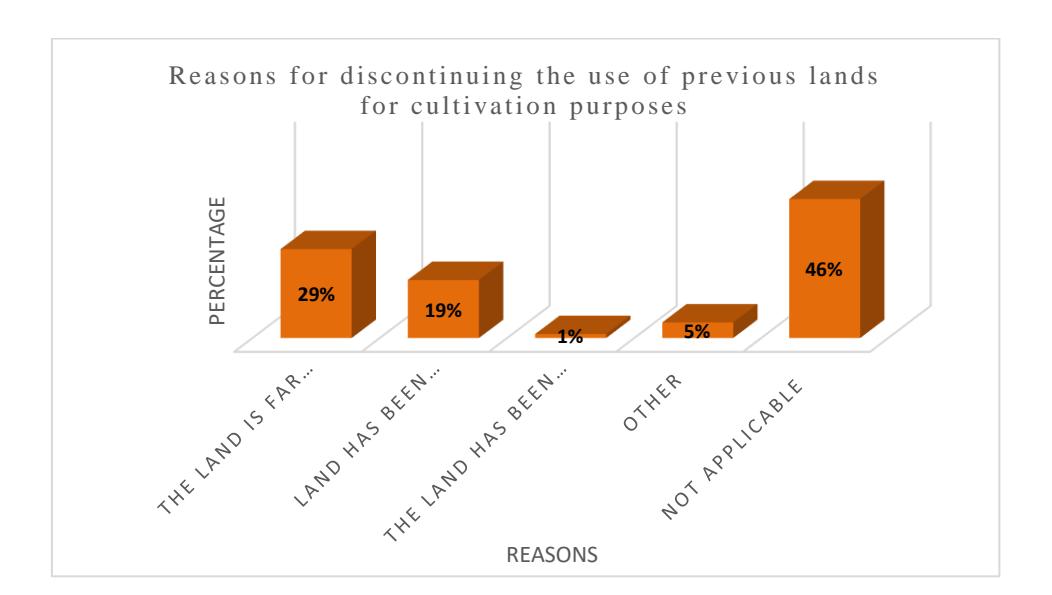
Figure 6 Reasons for discontinuing the use of previous lands for cultivation purposes. Note: Number of valid cases = 79. Sources: Field Survey, 2019.
Impact of Planned Relocation on Agriculture as a Subsidiary Source of Income
Apart from the fact that a significant proportion of respondents in the study had previously relied on agriculture as their primary source of income, the results showed that for most respondents, home garden cultivation had been an important source of subsidiary income and subsistence food production in their previous settlements (see Figure 7).
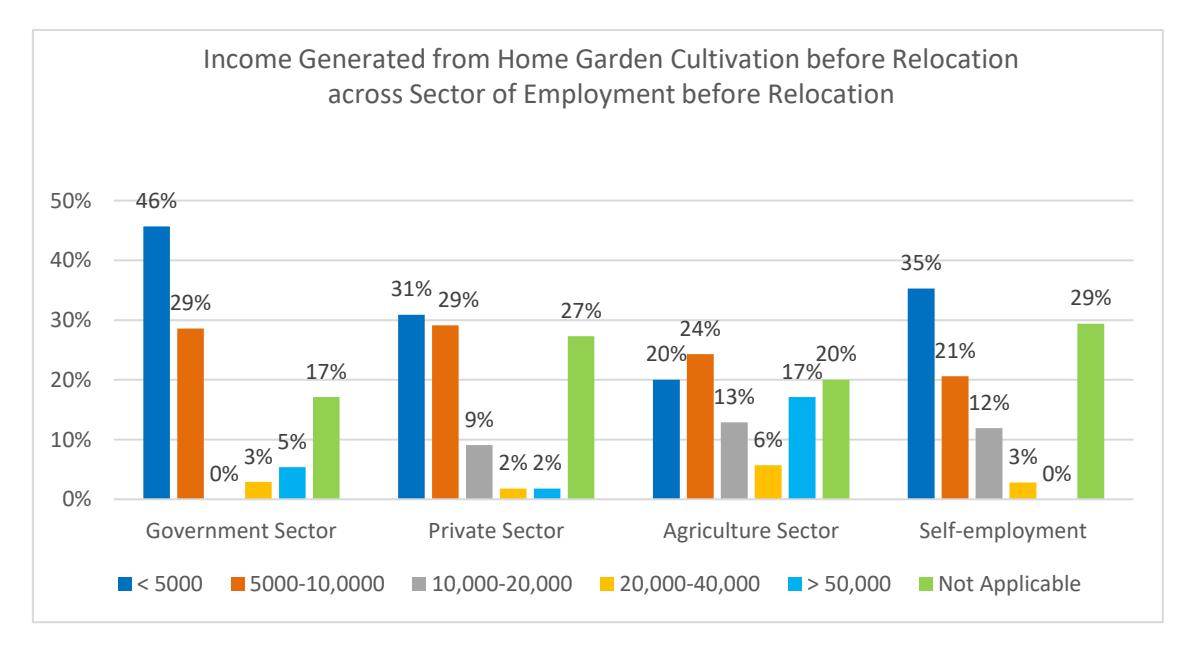
Figure 7 Income generated from home garden cultivation before relocation across sector of employment before relocation. Note: Number of valid cases = 378. Source: Field Survey, 2019.
The data was tested to examine whether an association existed between the respondents' sector of employment in their previous settlements and the income generated from home garden
cultivation. The results (V = 0.226; p < 0.05) revealed that there was a weak association between these two variables and that this association was statistically significant. Prior to relocation, home garden cultivation had been a significant source of additional income for most respondents regardless of their sector of employment. Elaborating on this further, 37% of government sector respondents and 42% of private sector respondents had been able to generate a minimum income of LKR 5000 per month from home garden cultivation. Similarly, 60% of agriculture sector respondents and 36% of self-employed respondents had used home garden cultivation as a source of additional income prior to relocation, generating an income of at least LKR 5000 per month.
Although home garden cultivation had been an important source of additional income for most respondents prior to relocation, the majority (84%) of respondents did not have garden space in their current settlement (see Figure 8). This indicates that most respondents had been deprived of the opportunity to cultivate a home garden as a result of relocation. This further implies that most respondents had lost their means of generating an additional income through home garden cultivation as a result of being relocated. This also hindered their capacity for subsistence food production.
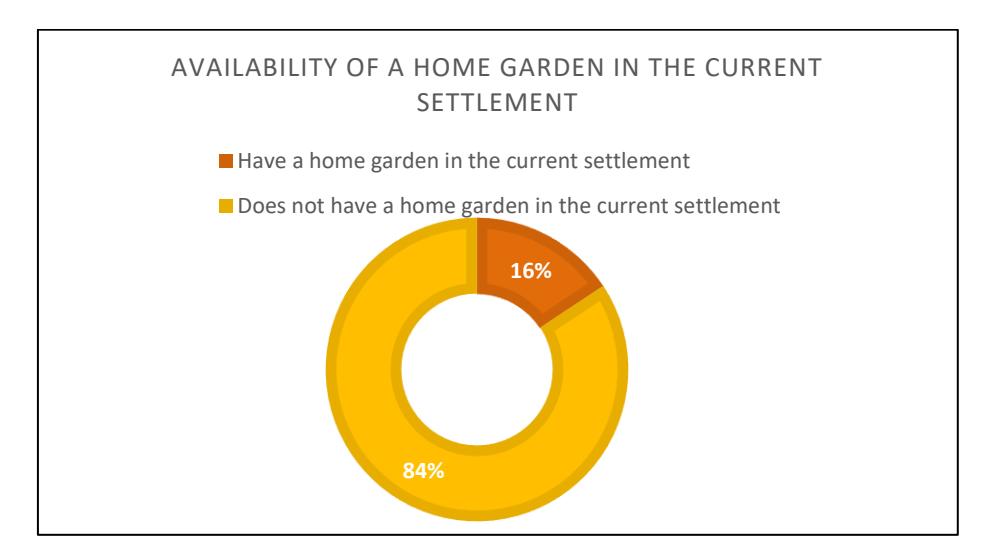
Figure 8 Availability of a home garden in the current settlement. Note: Number of valid cases = 420. Source: Field Survey, 2019.
Pre-existing Vulnerabilities among Agriculture Sector Respondents
Apart from the relocation outcomes on agricultural income generating activities of relocatees, the data showed signs of pre-existing socio-economic vulnerability among the relocatees whose primary source of income generation before relocation was agriculture. These consisted of 1) inadequate savings, 2) low level of education, and 3) lack of diversification of income sources.
1) Lack of Savings Prior to Relocation
When exploring whether there was an association between the respondents' sector of employment before relocation and the respondents' status of savings, it was revealed that there was a weak association (V = 0.168; p < 0.05) between said variables (see Table 6) and that this association was statistically significant.
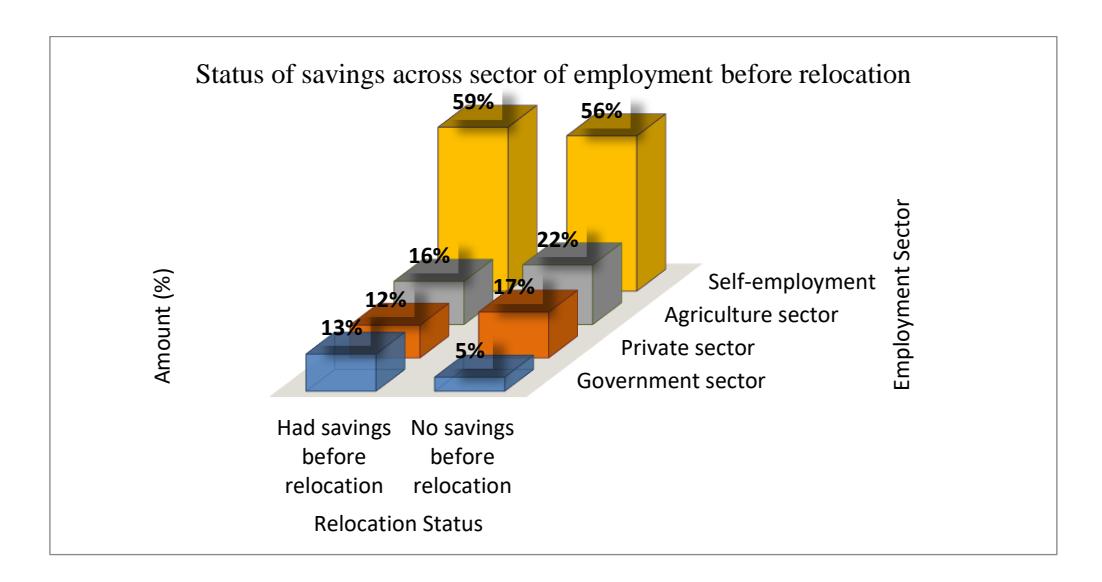
Figure 9 Status of savings across sector of employment before relocation. Note: Number of valid cases = 423. Source: Field Survey, 2019.
The data revealed that savings among all respondents, regardless of their sector of employment, had been low prior to relocation, as the majority (i.e., 237 respondents) had no savings before relocation. However, it was observed that out of the 237 respondents who had not saved money in their previous settlements, the majority were self-employed (56%) and agricultural sector workers (22%). Here it is important to note that a higher percentage of respondents employed in the agricultural sector had been compelled to seek alternative means of income generation after relocation relative to self-employed respondents. In this case, access to forms of financial resources like savings is more crucial for agricultural sector workers compared to self-employed respondents. This is because, in being compelled to resort to alternative income generating activities after relocation, one requires financial capital to invest in such activities. For instance, agricultural sector workers who have lost access to cultivation lands in their original settlement and have thus been deprived of the possibility of continuing their agricultural income earning activities in the resettlement area, may opt for self-employment as their main means of income generation after relocation. Commencement of self-employment activities demands access to forms of financial capital like savings. The absence of savings in their previous settlement may mean that while agricultural sector workers lost their agriculture-based income sources owing to relocation, their capacity of effectively investing in other means of income generation in their current settlements was also low.
2) Low Level of Education among Agriculture Sector Respondents Prior to Relocation
The data was tested to examine whether an association existed between the respondents' level of education prior to relocation and the respondents' sector of employment before relocation. The results showed that there was a weak association (V = 0.208; p < 0.05) between these two variables and that this association was statistically significant (see Figure 10).
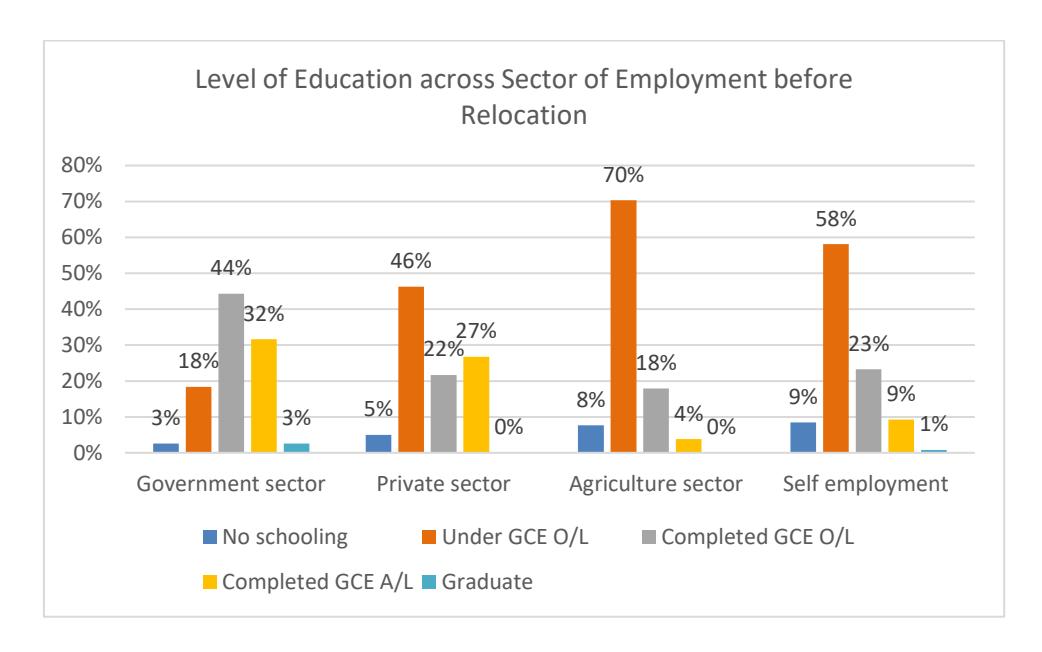
Figure 10 Level of education across sector of employment before relocation. Note: Number of valid cases = 412. Source: Field survey, 2019
It is evident that the majority (79%) of government sector workers had at least completed their GCE Ordinary Level (O/L) examination. Similarly, a considerable proportion of private sector (49%) and self-employed (33%) respondents had obtained a minimum educational qualification by passing the GCE O/L examination. However, only 22% of agriculture sector workers had been able to at least complete their GCE O/L examination. More than half (78%) of agriculture sector workers had not been able to complete their GCE O/L examination. These results show that the level of education of agriculture sector respondents was low relative to the respondents employed in other sectors.
A significant proportion of agriculture sector respondents had lost access to cultivation lands and were therefore forced to discontinue their agriculture-based income generating activities after relocation. As a result, they were compelled to seek alternative means of income generation in their new settlements. Limited access to education may diminish the chances of agriculture sector respondents finding lucrative alternative methods of income generation.
3) Sole Dependence on Agriculture before Relocation
As outlined above, the results revealed that most respondents employed in the agriculture sector lost access to their primary means of income generation mainly because their previous cultivation lands were too far to access after relocation. The data presented in Figure 11 show that the majority (65%) of agriculture sector respondents had not used additional sources of income apart from agriculture prior to relocation.
On the one hand, this indicates that even though a significant proportion of agriculture sector workers had lost their agriculture-based livelihoods after relocation, the majority of these respondents were left with no alternative means of income to rely on to earn a living immediately after relocation. On the other hand, sole dependence on agriculture prior to relocation may mean skills and competencies of agriculture sector respondents were confined to the field of agriculture. This may therefore impede the ability of said group of respondents to successfully adopt alternative means of income generation outside of the agricultural sector following relocation.
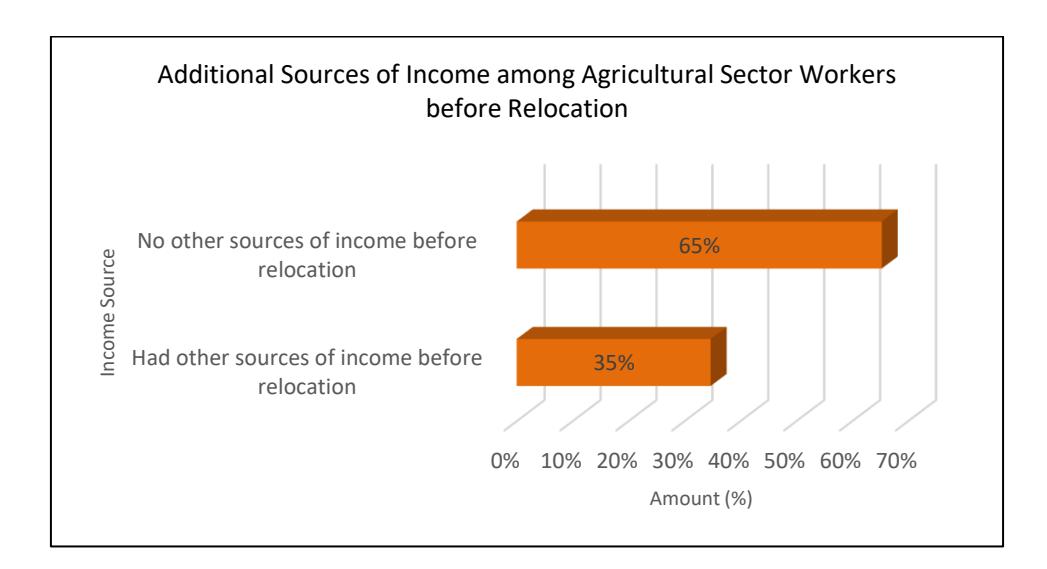
Figure 11 Additional sources of income among agricultural sector workers before relocation. Note: Number of valid cases = 75. Source: Field Survey, 2019.
Discussion
Relocation Outcomes on Agricultural Income Generating Activities of Relocatees
This study explored how a planned relocation initiative implemented as a DRR strategy in the Y district of Sri Lanka affected the agricultural income generating activities of relocatees. Similar to the findings of Lasgorceix & Kothari (2009), the monthly income earned by agricultural sector workers in this study declined significantly after relocation comparative to respondents employed in other sectors. In accordance with Fernando et al. (2017), who drew on the resettlement of Meeriyabedda landslide victims in Badulla, Sri Lanka, the present study also showed that relocation had a detrimental effect on home garden-based cultivation activities of most respondents, regardless of their sector of employment. The absence of home garden space in their current settlements deprived most respondents of opportunities for subsistence food production and the generation of subsidiary income. Loss of subsistence food production is related to an increase in food related expenditure among relocatees post-relocation.
The findings further demonstrate that the agriculture sector respondents experienced landlessness post-relocation, as they were deprived of access to cultivation lands in their previous settlements. These findings are in accordance with Nadkarni (2000); Li et al. (2018) and Mallick & Sultana (2017), who demonstrated how rural communities were exposed to landlessness following relocation, citing from the Relocation and Settlement Program (RSP) in China, and relocation from the Rajiv Gandhi National Park in India and the Guchchagram project in Bangladesh, respectively. The findings of this study also show that even though organization X allowed relocatees to keep cultivating their previous lands and some agriculture sector respondents had continued to do so, these lands were located relatively far from the respondents' current settlements. Hence, considerable time, energy and money had to be expended on commuting to these lands. Although unable to be quantified and compensated for, such costs are real and irreversible.
As in the case of families resettled from the Incomati river valley following the floods of 2000 in southern Mozambique (Arnall et al., 2003), the majority of agriculture sector respondents in the present study had been forced to resort to alternative strategies for income generation following
relocation. Replacing one's means of income with alternative means not only has economic implications but also social and cultural implications that cannot be quantified and compensated for (Wrathall et al, 2015). That is, to abandon one's usual agriculture-based livelihood practises may call for a change in one's lifestyle and self-identity, a deviation from indigenous knowledge systems, and a loss of cultural heritage (constituting customs and traditions associated with farming).
Furthermore, lack of savings prior to relocation, low level of education, and lack of diversification of income sources in the previous settlement were identified through the data as signs of preexisting socio-economic vulnerability among agriculture sector workers. A shift in methods of income generation demands a substantial level of transferable skills and financial resources. Although agriculture sector respondents had been compelled to resort to alternative means of income generation following relocation, limited savings and a low level of education weakened their capacity to effectively adopt new means of income generation. Apart from this, most agricultural sector workers had solely depended on cultivation for income generation in their previous settlements. This is indicative of a lack of skills, competencies and knowledge among agriculture sector respondents to invest in alternative methods of income generation. These findings therefore correspond with Barrett et al. (2001); Batunde & Quaim (2010); Dzanku & Sarpong (2014) and Anang & Yeboah (2019), who state that access to human capital and financial capital are major determinants of the extent to which farmers are likely to be successful in adopting non-agriculture sector income generating activities.
Pre-existing socio-economic vulnerability characterizing agriculture sector workers reflects a lack of productive assets and adaptive capacity to cope with stresses and risks that emerge as a result of relocation. Adverse relocation outcomes on agricultural income generating activities of this respondent group were likely to be compounded by their pre-existing vulnerability, thus pushing them to further into deprivation and marginalization post relocation (Cernea, 2002). This observation carries important policy implications for planning and implementation of relocation as a DRR strategy as discussed in the proceeding section.
Implications for Policy and Practice
Enhancing agricultural production and productivity, improving agriculture-based livelihoods and promoting innovation in the agriculture sector are indispensable in achieving SDGs such as SDG 01: 'End poverty in all its forms everywhere' and SDG 02: 'End hunger, achieve food security, and improved nutrition and promote sustainable agriculture' (Food and Agriculture Organization of the United Nations, 2020; United Nations, 2020; Janvry & Sadoulet, 2000; FAO, 2017). On the other hand, the SFDRR, which is the current global policy framework for DRR, advocates the establishment and maintenance of coherence between DRR and sustainable development so that DRR initiatives are conducive to protecting development gains (The United Nations, 2015). The resettlement program under consideration in this study was unfavorable towards the continuation of agricultural income generating activities of relocatees. The relocation program evidently paid inadequate attention to the nature of income generating activities undertaken by relocatees in their previous settlement and the livelihood assets on which these activities were based. The program failed to account for the relocatees' main and subsidiary sources of income, which largely depended on immovable assets (e.g. land) and were closely linked to the identity, lifestyle and culture of the relocatees. Relocation outcomes such as loss of access to agriculture-based sources of income and the resulting deprivation caused among relocatees diverge from the targets of SDGs 01 and 02, and in turn subdue the efficacy of DRR in promoting sustainable development (UNDRR, 2022; United Nations, 2021).
As mentioned above, the resettlement program under consideration in this study was executed based on the Resettlement Implementation Framework developed by organization X (Fernando et al., 2021). The framework focused extensively on reducing the exposure of beneficiaries to landslides and providing them with high quality housing. It predominantly captured the stages: 1) before relocation, and 2) soon after relocation, paying minimal attention to medium and longterm recovery of the relocatees. The framework failed to address the need for reconstruction of livelihoods, particularly those based on immovable assets (e.g., agriculture), rendering itself ineffectual in terms of fostering sustainable development.
The findings of this study necessitate relocation to be backed by a policy framework that accords well with the Post-2015 Sustainable Development Agenda. An ingrained 'build back better' approach that seeks to overcome the pre-existing socio-economic vulnerabilities and improve the resilience of the relocated community (Dube, 2020), a conception of relocation as a long-term process that gradually lays the necessary groundwork for self-development of the community (Tang et al., 2021) and an inclination to transform disaster contexts into opportunities for sustainable transformation (Birkmann et al. 2009; Pelling & Dill, 2010; Solecki, 2015) are essential ingredients of such a policy framework.
Conclusion
Agricultural income generating activities are especially threatened by relocation initiatives as such activities are reliant on immovable assets such as land. Rural communities that depend on agriculture as primary or subsidiary source of income can be characterized by pre-existing vulnerabilities, rendering it difficult to cope with the risks of relocation. Therefore, particular attention should be paid to such communities in planning, designing, and implementing relocation programs. It is important that long-term livelihood rebuilding efforts are targeted in such communities against the backdrop of a relocation policy framework that advocates three overlapping notions: 1) build back better, 2) community self-development, and 3) sustainable transformation. Agriculture is key to achieving SDGs such as SDG 01, which is concerned with eradicating poverty, and SDG 02, which is aimed at improving food security. Therefore, failure to secure agriculture-based income generating activities in relocation initiatives may defeat the very purpose of DRR, which is to protect development gains. For success to be achieved, DRR strategies such as relocation should be planned, designed, and executed in alignment with the 2030 Sustainable Development Agenda.