

Introduction
The concepts of the bioeconomy, the resource-efficient economy, the circular economy, green and blue growth, and sustainable development are cornerstones in the current planning and environmental agenda within European practice (Barbesgaard, 2018). The terminology found within the mainstream media is based on the tension between the forces for environmental protection and economic growth; these trends are not unique to the EU. Resolving these oftendivergent missions can only be accomplished through consensual policies that try to resolve conflicting agendas by integrating critical environmental issues during the decision-making process (Gómez-Baggethun & Naredo, 2015). GI concepts are represented in land-use policies and are enacted based on their promise to integrate various sector-based policies across different scales (Artmann et al., 2019).
At the outset, the GI approach became part of the public dialogue in the United States (US) in the mid-1990s. However, one can argue that its origin can be found much earlier. Landscape architects Frederick Olmsted and Charles Eliot prepared plans for an integrated network of parks in Boston, Massachusetts, commonly known as the Emerald Necklace, in 1890. Their plan for the Boston Riverway and the Fens resulted in the first metropolitan park system planned around hydrological and ecological features, combining recreation, preservation of natural scenery and management of water quality (Ndubisi, 1997). All of this groundbreaking work took place long before the terminology GI was applied to this style of broad-based and integrative work that blended restoration of degraded water bodies, providing recreation opportunities for the public and fostering economic growth. Nonetheless, the antecedents of GI can be found even earlier, in the 1850s, with the very first reference to green belts in the United Kingdom (Cohen-Shacham et al., 2016) and the establishment of open spaces and public parks across industrial regions for activities that were recreational and ecological in nature (Geneletti & Zardo, 2016).
These historical references help establish recognition of the value of what we now call GI. In the previous decade, the notion of GI has garnered much popularity, with successful examples found in many metropolitan areas throughout the EU. Developing a detailed understanding of the fundamental role that nature plays as part of a mosaic of interconnected resources would strongly be linked with a wider shift to evaluating nature from an economic standpoint (Maes & Jacobs, 2017) and diversity in terms of activities that compute and measure the value of the natural ecosystem capital (Apostolopoulou & Adams, 2017). Clear evidence has been presented that the implementation of green infrastructure as a strategy for urban resilience has been done by a number of EU member states.
This policy was first initiated in 2013 (European Commission, 2013) and based on this approach GI has been defined as a strategically planned network for natural and semi-natural areas. This, in tandem with diverse aspects of the environment, is intended to offer a detailed range of ecosystem services, hence, their popularity and the broad recognition of the role ecosystem services play in providing ecological resilience, particularly in urbanized and built-up areas. Parallels can also be drawn between GI and rural regions (or peri-urban regions in urban contexts), which include coastal, marine, and terrestrial regions. Multifunctionality is the strategic driver that can be found at the very center of GI policies within the EU. Accordingly, a key objective of GI is to cater to multiple objectives for a detailed array of ecosystems that bridge the gap between urban and rural regions and different administration scales based on policy (Apostolopoulou & Adams, 2016). These would be inclusive of adapting strategies pertaining to climate change and its mitigation, reduction in energy usage, managing risks in times of disaster, providing food, conservation and management of biodiversity, well-being, health and recreation, the increased value of land and property, the growth of the economy and competitiveness, and enhancement of regional unification (Hehn, 2016).
It is possible to find both variety and variability based on the fact that GI is a key element within a wide array of EU policies being implemented across a broad temporal scale. These various policies comprise regional land-use development plans, forestry, agriculture, and mitigating climate change. GI has also emerged as an integral component within current strategies aimed at expanding biodiversity as propagated by the EU's environmental strategy specific to adapting the use of land through innovative spatial planning. Diversity of such kind is clearly evident in projects recently funded by the EU (Vaňo, et al., 2021) and those focusing on the multifunctionality of GI while facilitating the choice of optimal design features for realizing specific objectives and planning outcomes.
Studies that currently examine GI comprise an extensive array of domains, which include urbanology, botany, economics, environmental science, geography, and architecture; the last two are typically the domain of planners. The techniques, theories and technology of GI have been widely debated amongst research scientists, resulting in the formation of diverse and specific areas of study. Research on GI is grounded in developing concepts and evolution in the field of GI. The evolution of GI was summarized by Wang & Banzhaf (2018) through a review of articles across several databases. They highlighted the significance of multifunctionality for the study and development of GI. Similarly, systematic reviews of a particular branch of GI have also been investigated by scholars. Storm-water management of GI was discussed by McFarland et al. (2019), while reviewing relevant literature to offer storm-water management for varied types of GI. Ecosystem services evaluation within GI was done by Brzoska & Spāģe (2020) to acquire the key types and generalized methods of ecosystem services evaluation in GI. The research reported in the present paper aimed to provide a systematic review and meta-analysis of the existing literature on GI and explore future work opportunities and possibilities.
Materials and Methods
This systematic literature review adhered to several authors' approaches (Pickering & Byrne, 2014; Parker 2015; Parker and Simpson 2018) and the guidelines outlined through the Preferred Reporting Items for Systematic Reviews and Meta-Analysis (PRISMA) method (see Figure 1). An extensive literature search was conducted, sourcing the most relevant papers in several academic databases; the goal was to identify relevant peer-reviewed papers where the keyword search string included 'green infrastructure'. All papers published between the years 2010 and 2022 that included this string were identified. On the basis of the PRISMA method, the search of various databases yielded 612 papers whose titles included the string 'green infrastructure'. However, out of the total 612 reviewed, papers that did not fall within the specified time period, or those which did not have GI within their title, or did not involve the use of empirical research, and those that were not EU-focused were discarded. After removing the papers that were not relevant, a total of only 40 papers remained. These 40 papers were the subject of the systematic review and meta-analysis reported herein.
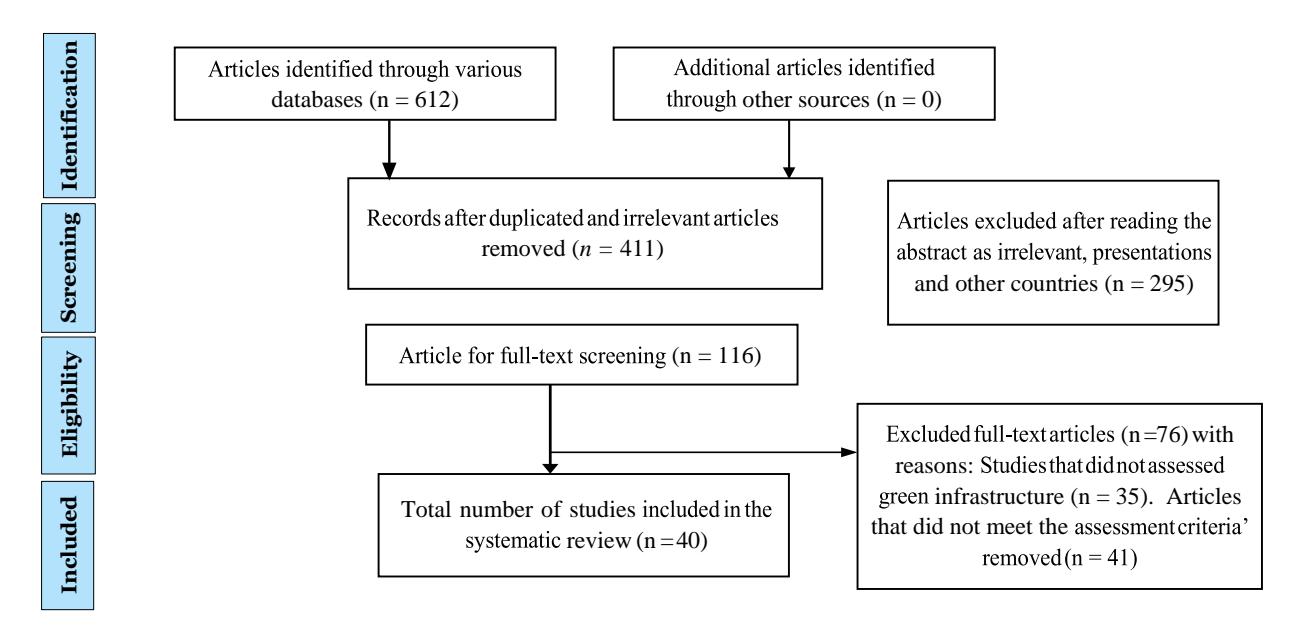
Figure 1. PRISMA flow chart. Source: Author
Results
As mentioned above, a total of 612 articles were identified using databases such as Web of Science, ScienceDirect, Taylor and Francis, Emerald Insight etc.; no articles were identified or sourced from other databases. Following this, the identified studies were checked for duplication, which here refers to the same papers obtained from searches of different databases. 201 articles were removed for this reason. An additional 295 articles were deleted after a review of their abstracts. The abstract screening revealed that these 295 articles did not match the objectives of this research or did not pertain specifically to green infrastructure. Later a full-text screening was done on the remaining 116 articles, out of which a total of 76 articles were removed. From said 76 articles, it was found that 35 of the articles did not assess green infrastructure, while 41 did not match the assessment criteria, such as year of publication (from 2011-2022), country of investigation, publication journal and author affiliation. After the duplicates and articles that did not meet the criteria were removed, a total of 40 full-text articles that met the research criteria remained. A detailed analysis was then conducted on these 40 remaining articles (see Table 1).
Analysis based on author affiliations shows that these papers exclusively focused on Europe (n = 40). The geographic distribution by study site is presented in Table 2. The majority of reviewed papers were published in Germany, Greece, and the Netherlands, followed by 6 papers from Italy, three papers from Spain and the UK, two papers from Sweden and France, and only one paper from Austria, the Republic of North Macedonia, and lastly Switzerland (see Table 2 and Figure 2).
Table 1. Characteristics of the included studies.
| Author | Country | City | Methods of Investigation(Rm - research methodology, CS- Case study, GIS - Geographic information systems) | Research Design | Climate | (GI) categories | Spatial Scale | Dependent Variables | Independent Variables |
|---|---|---|---|---|---|---|---|---|---|
| Van Hove et al. (2015) | Netherlands | Rotterdam | Aerial & photographic survey | LN (Longitudinal) | Cfb | GOS (Green open space) | Meso | Atmospheric UHI, Average radiation, temperature,wind speed, | " Latitude Longitude Measuring,height,height,AS L,Building %, impervious %, Green %, Water, SVF, Element height, Surface albedo, Roughness, length (z0),Local climate |
| Di Giuseppe and D'Orazio (2015) | Italy | Ancona | RM/CS | LN | Cfa | GR (Green roofs) | Micro | Reflected radiation, relative humidity | zone, " |
| Djedjig et al. (2015) | France | La Rochelle, Athens | RM/CS | CS (Cross- sectional) | Cfb, Csa | GR, VGS (Vertical Greenery systems Typologies) | Micro | Heat flux, temperature, cooling load, heating load | Thickness,Material, Thermal, conductivity, Density, Specific heat, Solar absorption, Emissivity, |
| Emmanuel and Loconsole (2015) | UK, | Glasgow Clyde Valley (GCV), Scotland | Experimental Study, GIS Mapping/CS | LN | Cfb (Warm Climate) | TC (Tree canopy), | Local | Timing, Lateral Boundary Condition types, Building, Soil, Time Steps, Turbulence, | "fractional |
| Gaitani et al. (2011) | Greece | Athens | CS | CS | Csa | TC, GOS | Micro | Temperature and time | vegetation coverage,, long wave radiation,heat balance, ambient temperature, Time step, latent heat fluxes, minimum stomatal resistance, depth, , the leaf area index, , the leaf canopy |
| Gillner et al. (2015) | Germany | Dresden | Experimental Study | LN | Cfb | TC | Micro | Temperature and humdity | height (hf), foliage extinction coefficient," |
| Hoelscher et al. (2016) | Germany | Berlin | Experimental Study | LN | Cfb | VGS | Micro | surface temperatures, Time, Air temperature, Cooling effect | "Main data: Domain Size, Grid Size, Simulated day, Wind Speed, Wind Direction, Roughness length (m), Initial temperature of atmosphere (k), relative humidity (%) |
| Gromke et al. (2015) | The Netherlands | Arnhem | CS | CS | Cfb | TC, GR, VGS | Micro | Air temperature, mean wind direction, | Timing: Surface data internavl, wind & turbulance interval, radiation & shadow interval, plant data interval. Building: Inside temperature (k), heat transmission walls (w/m2km), heat transmission roofs (w/m2k), albedo walls, albedo roofs. Soil data: initial temp upper layer, middle, lower. RH UL, ML, LL. Time Steps: Sun Height, Tubulence: " |
| Klemm et al. (2015) | The Netherlands | Utrecht | RM/CS | CS | Cfb | TC, GOS | Micro | air temperature, physiological equivalent temperature (PET) | "Spatial and temporal variations of surface |
| Klemm et al. (2015) | The Netherlands | Utrecht | RM/CS | CS | Cfb | TC, GOS | Micro | Street type,air temperature, Thermal comfort perception | and air temperature, wind speed, |
| Armson et al. (2012) | UK | Manchester | Experimental Study | LN | Cfb | TC | Micro | Global temperatures and surface temeprature | direction, humidit, pollution levels, " |
| Žuvela- Aloise et al. (2016) | Austria | Vienna | Case Study | LN | Cfb | Water bodies | Meso | Air Temperature | Transpiration (Emax) and stomatal conductance (gsmax), surface temperature, Relative humidity, LAD, |
|---|---|---|---|---|---|---|---|---|---|
| Zinzi and Agnoli (2012) | Italy | Rome | Comparitive Analysis | CS | Csa, BWh | GR | Micro | Temperature, Roof | Relative humidity, short- wave radiation, . Incoming radiation, sap wave, Shading effect, |
| Wang et al. (2015) | Netherlands | Wageningen | Aerial & photographic survey | LN | Cfb | GOS | Micro | Globe temperature, Air velocity, Air temperature, Globe diameter, Globe emissivity | turbulence dissipation rate, a |
| Bevilacqua et al. (2015) | Spain | Lleida | CS/RM | CS | BSk | GR | Micro | Temperature and time | humidity, wind speed and short- and long-wave radiation, , mean radiant temperature,population density, Daily actual rel. duration of sunshine, |
Source: Van Hove et al. (2015), Di Giuseppeand D'Orazio (2015).
Table 2. Geographic distribution of reviewed literature based on affiliations, study locations.
| Countries | Number of publications |
|---|---|
| Germany | 7 |
| Greece | 7 |
| Netherland | 7 |
| Italy | 6 |
| Spain | 3 |
| UK | 3 |
| Sweden | 2 |
| France | 2 |
| Austria | 1 |
| Republic of North Macedonia | 1 |
| Switzerland | 1 |
| Total | 40 |
Source: Van Hove et al. (2015), Di Giuseppeand D'Orazio (2015).
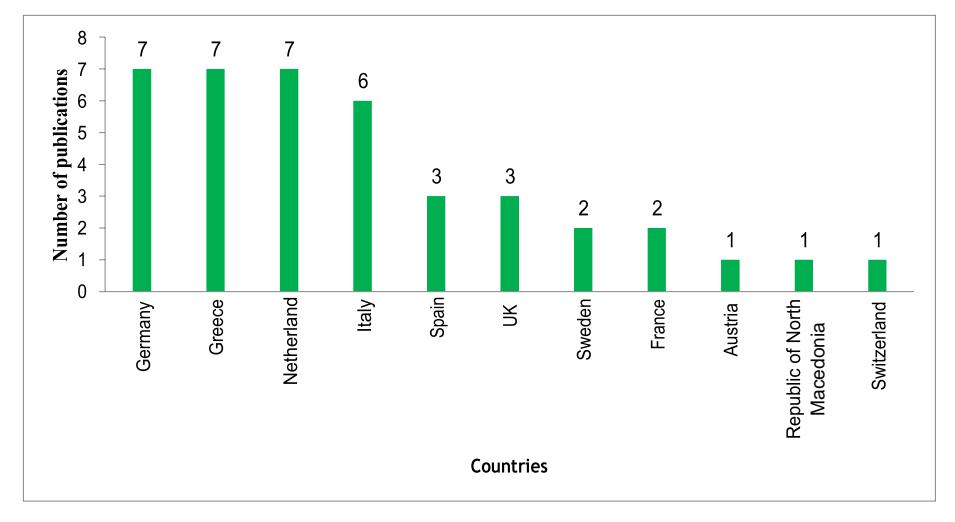
Figure 2. Geographic distribution of reviewed literature based on affiliations, study locations. Source: Van Hove et al. (2015), Di Giuseppeand D'Orazio (2015).
According to the updated Köppen-Geiger climate classification, twenty three of the papers were about an area with a temperate oceanic climate with warm summers (Cfb) (57.5%), nine were about an area with a hot-summer Mediterranean climate (Csa) (22.5%), three were about an area with a cold semi-arid climate (BSk) (7.5%), two were about an area with a humid subtropical climate (Cfa) (5.0%), and one was about an area with a combined climate (Cfa/Csa, Cfb/Csa and Csa/BWh) (2.5% each) (see Table 3 and Figure 3).
| Köppen-Geiger climate zones | Number of publications |
|---|---|
| Cfb | 23 (57.5) |
| Csa | 9 (22.5) |
| Bsk | 3 (7.5) |
| Cfa | 2 (5.0) |
| Cfa/Csa | 1 (2.5) |
| Cfb/Csa | 1 (2.5) |
| Csa/BWh | 1 (2.5) |
| Total | 40 (100.0) |
Table 3. Geographic distribution of reviewed literature based on affiliations, climate zones.
Cfb = temperate oceanic climate, Csa = hot-summer mediterranean climate, Cfa = humid subtropical climate, BSk = cold semi-arid climate, BWh = hot desert climate. Source: Van Hove et al. (2015), Di Giuseppeand D'Orazio (2015).
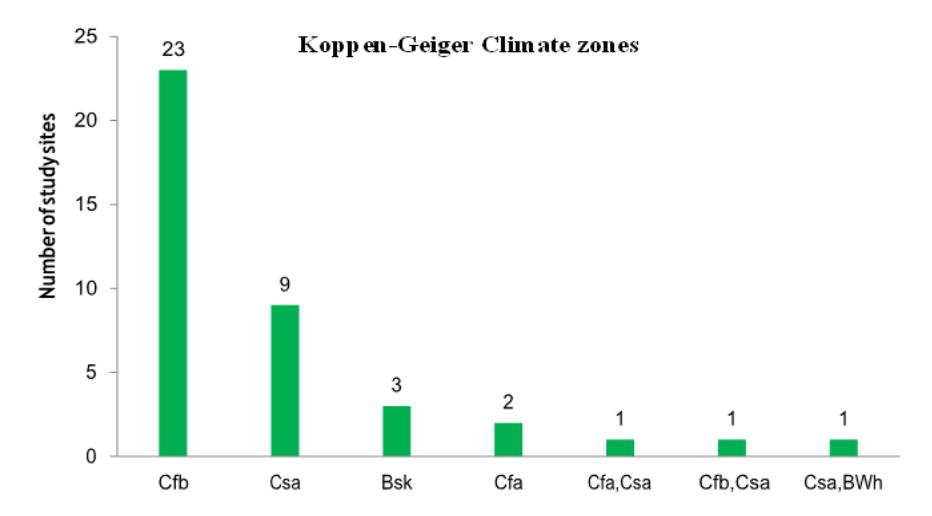
Figure 3. Geographic distribution of reviewed literature based on affiliations, climate zones. Source: Van Hove et al. (2015), Di Giuseppeand D'Orazio (2015).
Table 4 and Figure 4 reveals the distribution of different GI types corresponding to spatial scale. Of the total of forty articles, eight were about the TC GI type, all of which were micro scale; seven were about the GR GI type, all of which were micro scale; six were about the TC-GOS GI type, out of which four were micro scale and two were local scale; six were about the VGS GI type, out of which five were micro scale and one was local scale; the last two were about the WB GI type, out of which one was meso scale and one was local scale.
Table 5 depicts the frequency of the GI types discussed in the forty articles: fourteen were about TC GI (35%), eleven were about GOS GI (27.5%), seven were about GR GI (17.5%), six were about VGS GI and multi-type GI (15.0% each), and one was about WB GI (2.5%). The frequency of the Köppen-Geiger climate classes is shown in Table 6: twenty were about areas with a temperate oceanic climate (Cfb) with warm summers (60.0%); eleven were about areas with a hot-summer Mediterranean climate (Csa) (27.5%), three were about areas with a humid subtropical climate (Cfa), and a cold semi-arid climate (BSk) each (7.5%), while one was about an area with a hot desert climate (2.5%). Table 7 reveals the spatial scales. The majority were micro scale (29 = 72.5%), seven were local scale (17.5%), and four were meso scale (10.0%). Table 8, Figure 5 and Figure 6 indicates the forest plot and funnel plot, which reveals that the studies lay within the funnel and there was no risk of publication bias.
| GI type | Micro | Meso | Scale Local | Meso/Local | Total |
|---|---|---|---|---|---|
| TC-GOS | 4 | 0 | 2 | 0 | 6 |
| GOS | 2 | 2 | 0 | 1 | 5 |
| TC | 8 | 0 | 0 | 0 | 8 |
VGS 5 0 1 0 6 GR 7 0 0 0 7 Multi-type 4 0 2 0 6 WB 0 1 1 0 2
Table 4. Distribution of different GI types corresponding to scale analysis
| Total | 30 | 3 | 6 | 1 | 40 | ||||
|---|---|---|---|---|---|---|---|---|---|
| GOS = green open spaces, TC = tree canopy, VGS = vertical greenery systems, GR = green roofs, WB = water bodies. | |||||||||
| Source: Van Hove et al. (2015), Di Giuseppeand D'Orazio (2015). | |||||||||
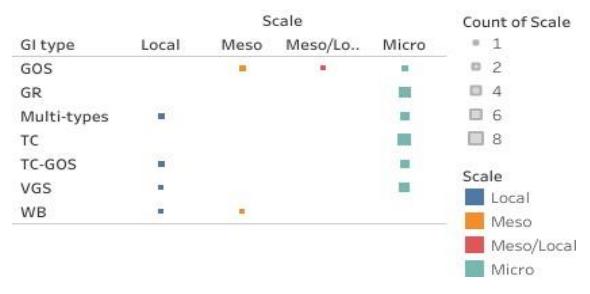
Figure 4. Distribution of different green infrastructure types by scale. Source: Van Hove et al. (2015), Di Giuseppeand D'Orazio (2015).
Table 5. Frequency of GI types
| GI types | Frequency |
|---|---|
| TC | 14 (35.0) |
| GOS | 11 (27.5) |
| GR | 7 (17.5) |
| VGS | 6 (15.0) |
| Multi-type | 6 (15.0) |
| WB | 1 (2.5) |
| Total | 40 |
Source: Van Hove et al. (2015), Di Giuseppeand D'Orazio (2015).
| Climate | Frequency |
|---|---|
| Cfb | 24 (60.0) |
| Csa | 11 (27.5) |
| Cfa | 3 (7.5) |
| BSk | 3 (7.5) |
| BWh | 1 (2.5) |
| Total | 40 |
Table 6. Frequency of climate types
Cfb = temperate oceanic climate, Csa = hot-summer mediterranean climate, Cfa = humid subtropical climate, BSk = cold semi-arid climate, BWh = hot desert climate. Source: Van Hove et al. (2015), Di Giuseppeand D'Orazio (2015).
Table 7. Frequency of spatial scale
| Spatial scale | Frequency |
|---|---|
| Micro \((1 \text{ m} - 1 \text{ km})\) | 29 (72.5) |
| Local | 7 (17.5) |
| Meso (1 km – 100 km) | 4 (10.0) |
| Total | 40 |
Source: Van Hove et al. (2015), Di Giuseppeand D'Orazio (2015).
Table 8. Number of studies in scale and climate by class and GI type.
| CLASS | GI types | Total samples | No. of studies | Scale (%) | Climate (%) |
|---|---|---|---|---|---|
| Building based | Cfa = 2 Cfb = 2 | ||||
| GR | 1.5 | 7 | Micro = 7 | Csa = 1 Csa/BWh = 1 BSk = 1 | |
| MULTI | 15 | 2 | Micro = 2 | Cfb = 1 Cfb/Csa = 1 | |
| VGS | 6 | Micro = 5 Local = 1 | Cfb = 3 Cfa/Csa = 1, BSk = 2 | ||
| Ground based | GOS | 23 | 5 | Micro = 2 Meso = 2 Meso/local = 1 | Cfb = 4 Csa = 1 |
| TC-GOS | 10 | Local = 4 Micro = 6 | Cfb = 6 Csa = 4 | ||
| TC | 8 | Micro = 8 | Cfb = 5 | ||
| Water bodies | WB | 2 | 2 | Meso = 1 Local = 1 | Cfb = 2 |
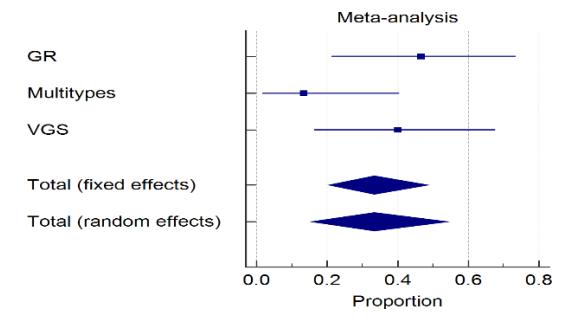
Figure 5. Forest plot for building types. Source: Van Hove et al. (2015), Di Giuseppeand D'Orazio (2015).
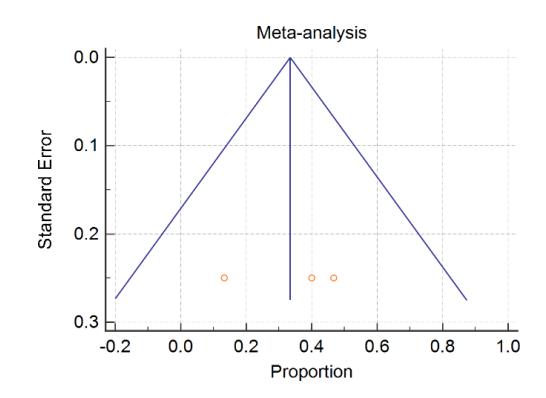
Figure 6. Funnel plot for building types Source: Van Hove et al. (2015), Di Giuseppeand D'Orazio (2015).
Discussion
In the previous sections, the main attributes of the 40 selected studies on GI were identified across EU nations. This comprised information related to research methods, land-use types and ecosystems, and GI conceptualization. Such information is of specific use for various divergent research domains like GI, as it is instrumental in highlighting various policy and research agendas that could emerge from terms that have been widely defined. In this section, the main findings are categorized into key issues to develop a clear understanding of the main ideas that highlight the research pertaining to GI across Europe while also offering suggestions for future research.
Types of Ecosystems and Stress on Urban Environments
While several authors have defined GI on the basis of the EU strategy, this hardly ensures consistency across various papers, given that the strategy refers to an extensive array of objectives and connected ecosystems. For instance, the concept of GI, though popular, varies in terms of definitions, terminology, and objectives on the basis of geographic and disciplinary context. The wider potential of GI is clear through its incorporation across diverse settings and policies (Pauleit et al., 2020) and is improved based on the fact that there is huge variance across GI components; this varies from small-scale urban parks to broad-scale national forests and national park sites (Pauleit et al., 2020). An extensive range of ecosystems and case studies within the published literature is undoubtedly associated with the term GI's innate ambiguity (Wright 2011). As such, one finds that the term GI is surrounded by uncertainty in its use and definitions. The same is true for other similar and widely used terms, such as 'ecosystem services' (Abson et al., 2014), and 'nature-based solutions' (Nesshöver et al., 2017). Certainly, as it has been confirmed through the findings of the present research, many studies of GI tend to focus on generic terms such as 'green space', which comprises almost any type of land that has not been built upon (Garmendia et al., 2016). While it is possible that an approach of this kind would be appropriate from the perspective of land-use planning, it could manifest greater support for green spaces, but it could prove to be challenging from the standpoint of conservation, as it has the propensity to cluster together landuse types and ecosystems with different needs and functional and spatial attributes (Salomaa et al., 2017).
This diversity also reflects on the antecedents of GI across diverse academic disciplines that comprise the conservation of nature, planning of landscapes and urban areas, and developing green belts (Lennon 2015). The strategy for GI within the EU is structured on the multifunctionality offered through the concept of GI and it is additionally improved by associating
GI to two concepts in a direct manner, i.e., ecosystem services and ecological connectivity (Salomaa et al., 2017). Several publications concentrated on the diversity in the types of ecosystems, including rural and urban ecosystems, and ecosystems that cross the urban-rural divide (Andersson et al., 2013; Colantoni et al., 2018). A clear focus on the urban-rural gradient and urban regions was observed. Such an emphasis on urban environments is indicative of the history of the term and its popular interpretation. Very often, GI has been utilized as a synonym forsustainable infrastructure (Mell et al., 2013), green spaces, and green investments within cities. The robust association between GI and urban built areas is also linked with the mainstreaming of discussions which range from 'green' or 'smart' growth to green urbanization (Horwood, 2011), and green gentrification (Anguelovski et al., 2019), which has room for additional expansion. From the wider setting of planetary urbanization (Brenner & Schmid, 2015) and the tentative urban expansion that has been forecasted to take place by 2030 (Brenner & Schmid, 2015), issues pertaining to the environment are greatly proving to be a key challenge in terms of sustainability within urban development (Apostolopoulou & Adams, 2017). This emphasizes the significance of recognizing and accepting the relationship between research on GI and the social, ecological, and spatial impacts from urbanization and is already reflected through the growing number of publications that tackle the trade-offs between urban densification and providing green urban spaces (Piselli et al., 2018).
Ecosystem Services, Connectivity and Multi-functionality
An integral aspect regarding research on GI that bears similarity across several publications is their robust association with services related to the ecosystem. Perceiving GI as a concept that offers ecosystem services is indicative of a significant transition in terms of the evolution of the term as such, while corroborating the scientific and policy emphasis on observing non-human nature as a service provider (Apostolopoulou & Adams, 2017), and the massive popularity in terms of framing nature's values in a utilitarian way (Lennon, 2015). This, in tandem with the growing utilization of diverse techniques to map and measure services of ecosystems and the natural capital they provide, along with the extensive implementation of market-based tools (carbon offsets, ecosystem service payments, biodiversity). This suggests a larger reframing of conservation and environment-related policies relating to measuring a considered quantified economic value of nature (Chatzimentor et al., 2020).
Conceptualizing GI as a network of blue and green spaces is a popular practice in the extant literature. This suggests a unique trait of GI in terms of understanding individual green areas as connected networks, either within a city or in rural regions. This is also evident through the association between GI and the notion of ecological connectivity, something that has been accepted in EU strategies for GI (Iojă et al., 2014) such as EcoNet or the utilization of the Territorial system of Ecological Stability in practice in the Czech Republic. While GI has been outlined as a component of the EU strategy for biodiversity, any reference to biodiversity conservation was restricted within the literature analyzed for this research. This is associated with the emphasis of GI research on ecosystem services mentioned above, while reflecting already expressed concerns related to the actual efficiency of the concept in terms of extending support to the conservation of biodiversity (Garmendia et al., 2016). An interesting observation that has been made refers to the fact that irrespective of the restricted association amongst research on GI and conservation, a minor but coherent group was found through the thematic cluster analysis, which was distinct from the prominent focus on services in ecosystems and urban GI. This included articles that investigated the conservation of forests across Scandinavian nations and may also be associated with the fact that the Baltic and Fennoscandian nations have been extensively integrating issues related to biodiversity into forestry production right from the 1990s (Timonen et al., 2010).
Patterns in GI Research in Europe
Biases known to occur in spatial projects can cause an inherent discord within the policy for the environment (Nita et al., 2016). On the basis of the analysis carried out here, it was evidenced that collaborations in research on GI across Europe are largely driven by a few nations, i.e., Germany, Spain, the United Kingdom, Sweden, and Italy. Research across Europe has been very varied in terms of scope, from investigation of the spatial facets of components of GI (Pauleit et al., 2019) to urban planning and the necessity to adopt an approach for offering services in ecosystems (Geneletti & Zardo, 2016). In contrast, GI-related research across Eastern Europe is limited to date. Eastern and post-Soviet nations, irrespective of having abundant levels of information pertaining to relevant issues comprising allotment gardens and urban agriculture, seem to end up in the margins of the peer-reviewed literature. This is most possibly associated with a low rate of submission acceptance from such nations by scientific journals, resulting in the underutilization of its significant knowledge base. Spatial patterns that have been observed could be explained on the basis of the main role relating to the notion of ecological connectivity and ecological networks (Johanna, 2010) within research on GI across Europe. Specifically, the Natura 2000 network has been deemed the heart or basis of GI within the EU. Thus, nations with extensive experience in shaping and executing EU conservation policies and building ecological networks are presumed to be highly advanced in their governance of public spaces. As per another explanation, it would refer to the variation in institutional and governance-related structures on environmental funding and policies (Nita et al., 2016), including the impacts of the financial crisis of 2008, which had a large effect on policies associated with environmental conservation within Europe.
Opportunities and Challenges for GI in Europe
Implications pertaining to GI hinge on the manner in which the concept is understood, interpreted, and implemented on the part of research scholars, stakeholders, governments, as well as practitioners; specific objectives and interests tend to be served on the ground (Sussams et al., 2015) and the broader economic and political settings. On the basis of the analysis carried out here, it was revealed that a large volume of the literature continues to focus more on GI across Europe while suggesting an increasing interest in research on the topic. This finding was instrumental in enabling the researchers to investigate whether it has found support through projects funded in the EU. Therefore, all major EU funding programs for research and technology were searched. It was revealed that GI was slowly emerging as a vital component of funded research across Europe. It was indicated that more than 400 EU projects funded under the Horizon 2020 scheme discussed and tackled aspects associated with GI as compared to 135 projects in previous funding periods. Eight applications related to GI were identified by the European Environmental Agency (2011), including adaptation to climate change, management of water, recreational benefits, cultural benefits, protection of biodiversity, mitigating climate change, production of food, and land value. Therefore, GI is pertinent to every type of ecosystem and landscape and to diverse environmental and societal issues across various geographical regions.
A widely defined term provides the required flexibility to incorporate several principles and challenges under similar settings. However, regarding concepts with a robust political background and ramifications, such as GI, fluidity, and ambiguity also project the intention to build political momentum while augmenting a term's popularity (Lennon, 2015). As far as the practice is concerned, the current status of research on GI in Europe indicates that it has resulted in a highly fragmented approach that favors certain facets of GI over others. The findings from this research indicate a clear emphasis on ecosystem-related services and a limited emphasis on the social aspects of GI. Wright (2011) indicates that the ambiguity associated with GI relates to the concept's intricate, contested, and political nature, while simply deliberating for a fixed definition is not of much help, as the idea will ultimately further evolve and develop.
This significant issue does not so much point to the need for a forced clarity that challenges the broad and sometimes general definition of the GI term but rather creates a level of awareness in terms of the variation in socio-economic and environmental objectives that are frequently grouped together under the category of GI. Significantly, this would warrant the acknowledgement that probable conflicts amongst the functions of GI are not just a matter of technical definition and/or application (Garmendia et al., 2016) but rather are both impacted and influenced by the competing demands for resources and land. As indicated through recent research, this includes funding cuts on the management of GI owing to austerity politics in post-crisis Europe (Mell, 2020).
Extending support to the notion of multifunctionality in the application of GI would comprise both exclusions and inclusions. It would also tend to create winners as well as losers, possibly increasing socio-spatial and environmental injustices (Garmendia et al., 2016) by impacting the quality and habitability within urban environments. Measures that ensure that GI's execution clearly extends support to social-environmental sustainability and environmental justice are, thus, necessary for GI to play a positive role for nature as well as individuals. Reviews that provide critical assessments pertaining to GI are instrumental in offering help in this with the identification and analysis of probable trade-offs and challenges that would emerge from, on the one hand, the wider nature and innate ambiguity of the concept and at the same time biases that exist within the existing literature. This would result in designating and executing GI applications that may have the scope to extend support for the transition to sustainability inside and outside the city. If the present projections are taken into account, around 83 per cent of the population within Europe has been forecast to move to cities by 2050, this challenge would prove to be of significance for the future of cities across Europe and the residents' quality of life.
Limitations and Conclusion
At the outset, the summary that is presented in this paper using a systematic review and metaanalysis that was done on a selected body of literature – 40 papers in number – would only be as reliable as the research methods that were utilized to project the impact from each of the primary studies included in the research. Simply said, when a meta-analysis is carried out, it seldom circumvents challenges that innately existed in the research design and the way the primary study was executed. A meta-analysisis also not useful in rectifying the biasesthat emerge as an outcome of selective publications, wherein studies that report remarkable effects have more scope to be identified, summarized, and consequently pooled for the meta-analysis rather than studies that report smaller effect sizes, an issue which is commonly called publication bias.
Given these factors, this systematic review and meta-analysis do not offer findings that can be generalized, as compared to a quantitative study where data is derived from a small sample of primary sources. Findings derived through a quantitative study can be generalized to a larger population. Therefore, future studies need to be conducted with a quantitative approach. Investments in GI projects could benefit from diverse societal, environmental, and economic advantages. Biodiversity-rich blue-green high-quality areas are instrumental in augmenting land sustainability and facilitating refining strategies that help solve several problems like climate change impacts, noise and air pollution, heat waves, public health concerns, and floods. With a view to the design and management of green infrastructure projects in an efficient manner, there is a need for consistently framing multi-scale and inter-sectoral green infrastructure-related policies. Given the significance of green infrastructure not only for Europe but also for the world at large, it is imperative that continuous and wide-ranging research is carried out extensively in this domain.
Data availability statement:
The authors confirm that the data supporting the findings of this study are available in the article and its supplementary materials.
Declaration of interests
The authors declare the following financial interests/personal relationships which may be considered as potential competing interests:
Jenan Hussein reports financial support was provided by Czech University of Life Sciences Prague.
Acknowledgement
This work was supported by an IGA grant 2021/2022 (Internal Grant Agency) (Registrační číslo žádosti 2 0 2 2 B 0 0 1 4 Interní grantová agentura – FŽP), Department of Landscape and Urban Planning, Faculty of Environmental Sciences, Czech University of Life Sciences, Kamycyka, 129, 165 00, Prague.