

Introduction
Pavement dwellers, street dwellers, floaters, homeless, rough sleepers, rootless, vagrants – many names but one identity. They are the most marginalized urban group without a roof over their heads and can be found sleeping on streets, footpaths/pavements, railway stations, bus/truck stands, launch/ferry terminals, parks, pedestrian bridges, open stairways of public and private buildings, open spaces of markets/bazaars, religious places, and open public spaces. Pavement dwelling is a common phenomenon in cities in developing countries and sometimes in developed countries in the broad form of homelessness. Pavement dwellers belong to the lowest end of the urban poverty spectrum, often with minimal access to shelter, safe food, healthcare, education, water, sanitation, and other basic amenities. They lead a perilous life under the constant fear of eviction and mental, physical, and sexual harassment (Ahmed, Hossain, Khan, Islam, & Kamruzzaman, 2011). Female pavement dwellers are often subject to gender-based violence (Koehlmoos, Uddin, Ashraf, & Rashid, 2009). Overall, pavement dwellers' human, social, cultural, political, economic, and environmental rights are in a highly vulnerable state (Shil et al., 2013; Chaudhuri, 2013).
According to Article 25 of the Universal Declaration of Human Rights (1948), individuals possess the right to a level of living sufficient to ensure their overall welfare, including provisions such as food, clothing, housing, and healthcare. In reality, homelessness is a prevalent and longstanding issue in the world's major cities (Ghosh, 2019). The comprehensive global framework for addressing homelessness proposed by Busch-Geertsema, Culhane, and Fitzpatrick (2016) is a reference point for cross-national efforts in this domain. It consists of three distinct categories of individuals experiencing homelessness: individuals without shelter, individuals in temporary accommodation, and individuals in inadequate and insecure accommodations. According to these authors, to address the issue of global homelessness more effectively, efforts should center on the first two categories. The utilization of the third category may be applicable in particular local and national circumstances. These categories are interconnected, as people move to or are driven from one category to another. However, as pavement dwelling is the most visible one, many use it interchangeably with homelessness (Zufferey & Yu, 2018).
Although data on homelessness is available for a large part of the global north, few countries in the global south have such data (Busch-Geertsema, Culhane, & Fitzpatrick, 2016). In addition, different countries define homelessness in different ways. For example, China has no official definition of homelessness (Qiu & Zufferey, 2018), whereas the Philippines considers pavement dwellers as homeless (Nicolas & Gray, 2018). In South Asia, only India and Bangladesh seem to collect such data through censuses (PIB, 2021; BBS, 2015). As a result, studies on homelessness in the developing world are limited and are mostly case studies rather than macro research.
Poverty, unemployment, displacement, infeasible relocation, lack of affordable housing, etc. are common reasons for homelessness, particularly in developing nations (Ghosh, 2019; Goel & Chowdhary, 2018). However, it is necessary to point out that migration is not a driver of homelessness but a part of the process of becoming homeless (Speak, 2019). Not every homeless person migrates and not every migrant experience homelessness.
In the last 25 years, Bangladesh has witnessed a real per capita income growth of 237 percent (The World Bank, 2022). During the same period, the floating population of greater Dhaka almost halved from 15 to 7.5 thousand (BBS, 1999; BBS, 2015; BBS, 2022). In the face of such economic growth, one could positively assume that half of the pavement dwellers would have graduated from pavement life to slums or returned to their place of origin, which now has better
opportunities than before or both. However, the prevailing existence of the other half raises a question in our mind: Why do they persist in the face of such remarkable economic growth?
To seek an answer to this query, we looked at the persisting half from different dimensions. We examined the prevalent demographic and socioeconomic characteristics, living conditions, migration outcomes, social security effectiveness, and expectation-reality anomalies of the pavement dwellers of Dhaka city using a mixed-method approach. We compared recent findings with earlier studies to capture changes in pavement dwellers' livelihood trajectories if possible. We found them to be no less vulnerable than in the 1990s (Begum, 1997; Begum, 1999). This suggests that in order to elevate them from pavement life, a greater effort is required.
This study makes a valuable contribution to the relatively understudied field of homelessness in developing nations by offering empirical evidence from the context of Bangladesh. Our findings give helpful insight into Dhaka's current pavement-dwelling phenomenon to relevant stakeholders (policymakers, planners, NGOs) in planning how to ameliorate this more than halfcentury-old issue from the urban scene of Dhaka.
Vulnerabilities of Dhaka's pavement dwellers
Though a significant number of studies have been conducted on slum dwelling in Bangladesh in the last five decades (Majumder, Mahmud, & Afsar, 1996; Begum, 1999; Mohit, 2012; Hossain, 2007; Uddin N., 2018), comparatively, very few studies have been carried out on pavement dwelling. This has resulted in total inattention to this issue in the policy discourse (Koehlmoos, Uddin, Ashraf, & Rashid, 2009; Shil et al., 2013), which has eventually normalized people's views on this issue to one of acceptance.
The well-being of pavement dwellers is considerably lower than those living in slums (Begum, 1999). Pavement dwellers are incredibly vulnerable regarding their health and healthcare-seeking behavior (Uddin et al., 2010). Their health greatly depends on their living conditions and the duration, quality and quantity of their food intake, occupation and hygiene practices (Islam, Islam, Rahman, & Morshed, 2019). Tune et al. (2020) found the urban healthcare system to be relatively inefficient in reaching the most vulnerable urban groups, leading to informal healthcare-seeking behavior among the pavement dwellers. The authors suggested that a target-based customized package of health services with minimum or no cost can enhance the robustness of the urban health system targeted at the poorest.
Extreme vulnerability also exists in terms of food security among pavement dwellers (Huda, 2014). Three-quarters of pavement dwellers in Dhaka city were found to have three meals a day; however, 84 percent were dissatisfied with the quality and quantity. Although two-thirds were able to buy food, three-quarters faced financial difficulties, leading to an insufficient daily food intake. Koehlmoos et al. (2009) observed high levels of violence, sexual harassment, and drug abuse among the pavement dwellers of Dhaka city, with 82 percent of females and 29 percent of males facing physical assault, 66 percent of females experiencing sexual harassment, and 69 percent of males being addicted to some sort of drugs. Most acts of violence toward females were carried out by their husbands, followed by boyfriends, hooligans, and law enforcers.
Vulnerability reduction in Dhaka's pavement dwellers
Pavement dwellers' conditions have not improved over the last three decades. A study in 1991 was the first to attempt to understand the motivations of pavement dwellers, surveying 2761 pavement dwellers in Dhaka (Begum, 1997). Ahmed et al. (2011) conducted a subsequent
benchmark study on pavement dwellers in Dhaka city, analyzing the socioeconomic responses of 2264 pavement dwellers. Their study found no significant improvement in the prevalent condition compared to the study carried out in 1991. Pavement dwellers lead a life that practically becomes invisible to the urban system when the question of essential services arises (Uddin et al., 2010).
Over the last several decades, poverty eradication has been vital in development economics (Chaudhuri, 2013). Many of the poverty reduction initiatives in Bangladesh are primarily ruralfocused, often distracting from urban poverty. According to the Household Income and Expenditure Survey 2016, nationally, 34.5 percent of rural households received benefit from government-operated Social Safety Net Programmes (SSNPs) compared to 10.6 percent of urban households(BBS, 2019). Moreover, 22 percent of rural households in the Dhaka division received benefits from SSNPs, whereas for urban households it was only 3 percent (BBS, 2019). This underscores the somber reality of how a substantial portion of the urban poor fall outside the safety nets. Though this shortfall was addressed in the National Social Security Strategy (NSSS) 2015, the reality is yet to change. In the 8th Five Year Plan, the Government of Bangladesh (GoB) has set the target of reducing national urban poverty incidence to 10 percent (GED, 2020).
Like studies on pavement dwellers, intervention programs for them are also very few compared to those for slum dwellers. One such is the Improving the Lives of the Urban Extreme Poor (ILUEP) program, which aims to graduate pavement, squatter and undeveloped slum dwellers out of extreme poverty since 2008 (formerly known as the Amrao Manush – We Are Human Too program) (Devereux & Shahan, 2019). This program provides multidimensional support to pavement dwellers, e.g., overnight shelter for women and children, safe water and sanitation, cooking facilities, health care, daycare, etc. through its twelve pavement dweller centers (PDC) in Dhaka and Chittagong (Rahman & Hasan, 2022). These assistances aim to steadily upgrade their conditions to escape the vicious cycle of poverty. In reality, 47.8 percent of the beneficiaries successfully escaped extreme poverty. Rahman & Hasan (2022) outlined the significance of the collective impact approach in tackling the issue of pavement dwelling.
Rural-urban migration and Dhaka's pavement dwellers
As Bangladesh's capital city, Dhaka is always under mounting pressure of in-migration from rural areas. The average annual growth rate of the population of Dhaka city from 1991 to 2021 was 3.38 percent, of which 1.01 percentage points can be attributed to migration. 3 Most of the migrations occur due to economic push (e.g., insufficient income, lack of employment, landlessness) and pull factors (e.g., better job opportunities, higher wages) as well as social, political, and climatic reasons (Lee, 1966; Begum, 1999; Patnaik, 2014). A sizable proportion of these migrants find refuge in informal settlements, but those in very fragile situations end up on the streets and pavements (Ahmed, Hossain, Khan, Islam, & Kamruzzaman, 2011).
Methodology
Study design
This study adopted a concurrent mixed-method research design to examine the conditions of pavement dwellers in Dhaka city. A sample survey was implemented to capture quantitative information on pavement dwellers' demographic, socioeconomic and living conditions, whereas in-depth interviews obtained qualitative information on migration history, life experience, and 3 Author's estimation using balancing equation and data from Population and Housing Census and Bangladesh Sample Vital Statistics for the period of 1991-2022.
future visioning. Following good ethical practice, formal informed consent was taken from the respondents.
Sampling
Sampling designs can be broadly classified into non-probabilistic and probabilistic schemes, where the latter is a prerequisite for inferential analysis (Cochran, 1977). Most studies on Dhaka's pavement dwellers (Begum, 1997; Begum, 1999; Ahmed, Hossain, Khan, Islam, & Kamruzzaman, 2011; Huda, 2014; Devereux & Shahan, 2019; Tune et al., 2020) implemented non-probabilistic sampling schemes primarily due to the complex nature of the availability of the pavement dwellers. This study aimed to explore statistical associations beyond descriptive statistics, which is coherent (Brewer & Kuhn, 2010) with the sample size of n = 64 suggested by Onwuegbuzie & Collins (2007) for a mixed-method causal-comparative research design. This sample size is recommended for finding a two-tailed statistically significant relationship/difference with 0.80 statistical power at a five-percent significance level.
For the sample survey, the pavement dwellers of Dhaka city were stratified (Thompson, 2012) by twelve hotspots (Figure 1), where the proportions of pavement dwellers were twelve-highest during the Census of Slum Areas and Floating Population 2014 (BBS, 2015). Half of these strata (hotspots) were in Dhaka North, and the other half were in Dhaka South City Corporation. A total of 704 adult pavement dwellers were found at the spots after the preliminary count. The recommended sample size of n = 64 was then proportionally allocated to the strata as follows: Gabtoli bus terminal (6), Shah Ali Majar/Shrine (5), Rayerbazar (5), Mohakhali bus terminal (7), Kawran Bazar (3), Pantho Kunja (2), Bangla Motor (2), Dhaka University (7), Gulistan (7), Kamalapur rail station (12), Nayabazar (6), and Sadarghat launch terminal (6). To avoid the complexity of numbering all the street dwellers in a stratum, a systematic sampling scheme (Cochran, 1977) was applied to randomly choose participants for personal in-depth interviews.
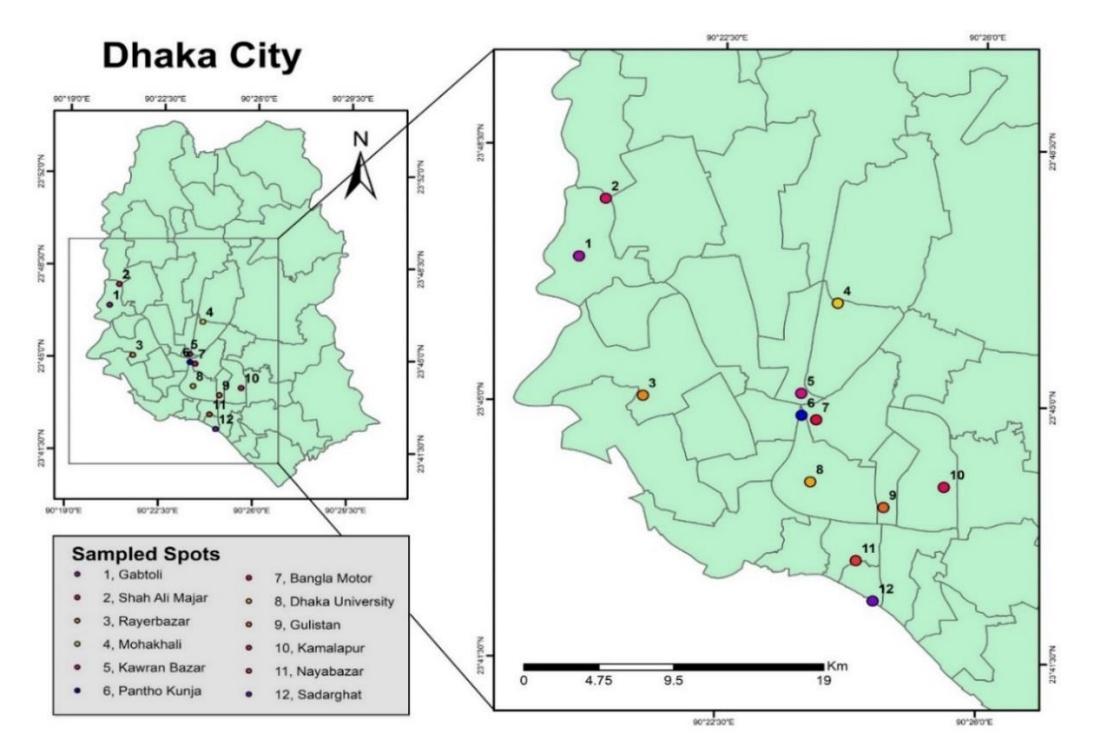
Figure 1. Sampled spots of pavement dwellers.
Data collection
A detailed semi-structured questionnaire was formulated to conduct the sample survey of adult pavement dwellers. Closed-ended questions were used to collect quantitative data, whereas openended questions (more than half of the questions) were used to collect qualitative data. Eight male graduate students were trained to conduct the interviews and official measures were taken to ensure their safety during fieldwork. Before commencing the survey, the questionnaire was pretested with a small group of pavement dwellers and questions were adjusted as needed.
The interviews were conducted around midnight at the twelve hotspots during the last week of January 2022. The purpose of the study was explained to each interviewee before the interview and verbal consent was obtained. The interviewees were made aware of their right to remain anonymous or withdraw from the study whenever they wished. It is worth noting that, as this survey was conducted at the end of winter, those found sleeping on the street were the most vulnerable, as they had no options to escape the cold.
Data analysis
Data were entered in MS Excel and analyzed using Stata 17. Tools of descriptive analysis such as mean, frequency distribution, and multiple bars plots were used to analyze the quantitative data from the closed-ended questions. Content analysis was used to thematically categorize the qualitative data from the open-ended questions. Inferential analysis was run using the Chi-square independence test to examine categorical associations of several variables.
Results
Demographic information
Eighty-nine percent of respondents lived alone on the pavement compared to only eleven percent living with their families, underlining the lonely nature of pavement dwelling (Table 1).
Almost 77 percent of respondents were male and 23 percent female, showing a sex ratio of 327, which is coherent with the previous studies from 1997 (357) and 2014 (367) (BBS, 1999; BBS, 2015). Life on the street is highly vulnerable and for females, this vulnerability increases manifold due to fewer work opportunities and less security; hence, fewer females are found on the street. This can be better understood from the following statements. A middle-aged man who lived at the Gabtoli bus terminal area with his wife and two daughters said:
I need to change our sleeping place every week to avoid harassment towards my wife and young daughters. I always choose places that are populous, even late at night. In the back of my mind, I am constantly worried about their security. In the future, when my daughters grow up, I intend to marry them off quickly.
The sample has a mean age of 47 years. Forty-seven percent of males and 60 percent of females were aged 36 to 59, indicating a middle-aged sample. Females suffered 1.6 times more from chronic illness than males. Half of the males were currently married, whereas two-thirds of the females were widows/divorced/separated. More male respondents were found to be literate than female respondents.
| Characteristics | Male | Female | Total |
|---|---|---|---|
| n (%) | |||
| Respondent type | |||
| Individual | 42 (86) | 15 (100) | 57 (89) |
| Family head (family of 3 members) | 3 (6) | - | 3 (5) |
| Family head (family of 4 members) | 3 (6) | - | 3 (5) |
| Family head (family of 5 members) | 1 (2) | - | 1 (1) |
| Gender | 49 (77) | 15 (23) | 64 (100) |
| Age (years) | |||
| 18-35 | 11 (22) | 4 (27) | 15 (23) |
| 36-59 | 23 (47) | 9 (60) | 32 (50) |
| 60-80 | 15 (31) | 2 (13) | 17 (27) |
| Health status | |||
| Physically fit | 29 (59) | 8 (53) | 37 (58) |
| Handicapped | 6 (12) | - | 6 (9) |
| Chronically ill | 14 (29) | 7 (47) | 21 (33) |
| Marital Status | |||
| Unmarried | 10 (20) | 1 (7) | 11 (17) |
| Married | 23 (47) | 4 (27) | 27 (42) |
| Widow/widower/divorced/separated | 16 (33) | 10 (66) | 26 (41) |
| Education | |||
| Illiterate | 18 (37) | 9 (60) | 27 (42) |
| Can sign | 7 (14) | 3 (20) | 10 (16) |
| Class 1 to 5 | 12 (25) | 2 (13) | 14 (22) |
| Class 6 to 10 | 9 (18) | 1 (7) | 10 (16) |
Table 1. Demographics of the respondents
Note: Parentheses contain column percentages except for gender.
Socioeconomic status
The most common occupation of pavement dwellers is begging. Thirty-nine percent of pavement dwellers were beggars, similar to 1991's 22 percent (Begum, 1997). Almost 60 percent of the males were doing labor-intensive jobs, whereas 53 percent of females' main job was begging (Table 2). Altogether, 90 percent of pavement dwellers had daily work opportunities, the same as in 1991 (Begum, 1997).
SSC or higher 3 (6) - 3 (4)
Almost 70 percent of males' daily earnings ranged between Bangladeshi Taka (BDT) 100 to 500, and 80 percent of females' daily earnings were less than BDT 250. Among pavement dwellers living alone, males earned 1.4 times more than females. The same was 1.5 times in 2011 (Ahmed, Hossain, Khan, Islam, & Kamruzzaman, 2011). This disparity may be because females cannot take up labor-intensive jobs as readily as their male counterparts can. Those living with family earned more, as every member was able to undertake some form of wage labor. In general, pavement dwellers did not spend all they earned. Around 20 percent remitted money to their families in the village, while others saved, gave loans to fellow dwellers, visited home periodically, bought drugs, occasionally shopped, bought good food, etc. A 35-year-old female pavement dweller described her motive behind remitting money to the village as follows:
After coming to Dhaka, my husband left me and went with another woman. My only daughter now lives in my village and studies in a Madrasa. I want a good future for her; that is why I send money for her education every month.
Table 2. Socioeconomic status of the respondents
| 2022 | 1991 | |||
|---|---|---|---|---|
| Characteristics | Male | Female | Total | % |
| n (%) | ||||
| Occupation | ||||
| Beggar | 17 (35) | 8 (53) | 25 (39) | 22 |
| Day laborer | 11 (23) | 1 (7) | 12 (19) | 17 |
| Rickshaw/van/cart puller | 7 (14) | - | 7 (11) | 12 |
| Street vendor | 5 (10) | 1 (7) | 6 (8) | 5 |
| Scavenger | 3 (6) | 4 (26) | 7 (11) | - |
| Waiter | 2 (4) | - | 2 (3) | - |
| Gardener | 1 (2) | - | 1 (2) | - |
| Shop assistant | 1 (2) | - | 1 (2) | - |
| Housemaid | - | 1 (7) | 1 (2) | - |
| Unemployed | 2 (4) | - | 2 (3) | 3 |
| Availability of work | ||||
| Daily | 43 (88) | 15 (100) | 58 (91) | 90 |
| Four days a week | 2 (4) | - | 2 (3) | - |
| Three days a week | 3 (6) | - | 3 (5) | - |
| Two days a week | 1 (2) | - | 1 (1) | - |
| Daily income (BDT) | ||||
| <100 | 8 (16) | 2 (13) | 10 (16) | - |
| 100-249 | 12 (25) | 10 (67) | 22 (34) | - |
| 250-499 | 22 (45) | 1 (7) | 23 (36) | - |
| ≥500 | 7 (14) | 2 (13) | 9 (14) | - |
| Daily expenditure (BDT) | ||||
| 0-100 | 12 (24) | 6 (40) | 18 (28) | - |
| 100-250 | 25 (52) | 7 (47) | 32 (50) | - |
| 250-500 | 12 (24) | 2 (13) | 14 (22) | - |
| Remits money to village | ||||
| Yes | 11 (22) | 2 (13) | 13 (20) | - |
| No | 38 (78) | 13 (87) | 51 (80) | - |
| Amount (BDT) | ||||
| Daily average | ||||
| income (individual) | 256 | 187 | 240 | 43 |
| expenditure (individual) | 145 | 102 | 135 | - |
| income (family) | - | - | 371 | - |
| expenditure (family) | - | - | 336 | - |
Note: Parentheses contain column percentages.
Table 3. Nominal and real daily income of pavement dwellers
| Year | Daily income | ||
|---|---|---|---|
| Current BDT | Constant BDT 1991 | ||
| 1991 | 43 | 43 | |
| 2011 | 121 | 41 | |
| 2022 | 254 | 42 | |
To understand how pavement dwellers' income has evolved over the last thirty years in nominal and real terms, Table 3 presents daily nominal and real income for 1991 (Begum, 1997), 2011 (Ahmed, Hossain, Khan, Islam, & Kamruzzaman, 2011) and 2022 (current study). Real income has been derived by adjusting nominal income for inflation using GDP deflator (World
Development Indicators, 2022). Although nominal income rose six times over the last three decades, real income remained around the same level as in 1991.
Migration expectations versus reality
The pavement dwellers qualitatively unfolded their migration stories. Content analysis was used to categorize the stories by key themes and build a broad picture. The pavement dwellers of the sample originated from thirty different districts, with three-quarters from Dhaka, Mymensingh, Chattogram and Rajshahi divisions.
On average, each pavement dweller had two reasons for migration, similar to 1993 (Begum, 1999). Almost half of the migration reasons they reported were economic, compared to 44 percent in 1993, whereas the other half were social (family quarrel, social tension, etc.), physical (river erosion, storm, fire, etc.), political (rivalry, threats, etc.) and psychological (thinking cities are superior in every aspect) (Figure 2). None were found to have migrated for educational reasons.
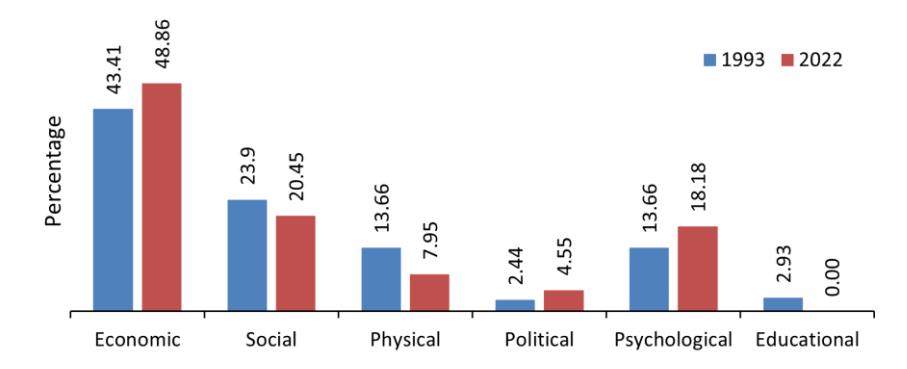
Figure 2. Pavement dwellers' reasons for migration in 1993 and 2022
Seventy-two percent of the pavement dwellers migrated within 30 days of taking the decision (Table 4). More than half of the pavement dwellers thought they had enough information about Dhaka before migration, mainly from neighbors (51 percent) and family (14 percent). However, more than 90 percent's post-migration realization was that they were ill-prepared for the migration, and information plays a crucial role in ensuring the migration reality matched their expectations.
About half of the pavement dwellers reported that the initial benefit of migration was that they earned something to carry on with their lives. In contrast, the initial challenge was accommodation issues (48 percent), followed by food problems (31 percent), unemployment (22 percent), and lack of security (19 percent).
A middle-aged male who lived on the pavement with his wife and two children described his migration journey as follows:
We lost everything because ofriver erosion in Sirajganj. I thought going to Dhaka would be good for us. However, we had no money, knew no-one and had no real information about livelihood in Dhaka. Once we arrived here, the reality was different. It was not easy to get a work instantly. As a result, we took refuge on the street to sleep. Now, I am a street vendor and sell different things on the pavement. My wife and I are trying hard to earn enough to move to a slum. We want to ensure a better future for our children.
Table 4. Migration characteristics of the respondents
| Characteristics | n (%) |
|---|---|
| The time gap between decision and migration | |
| ≤ 1 week | 25 (39) |
| > 1 week but ≤ 1 month | 21 (33) |
| > 1 month but ≤ 6 months | 11 (17) |
| > 6 months | 7 (11) |
| Thought to have enough info about Dhaka before | |
| migration? | |
| Yes | 35 (55) |
| No | 29 (45) |
| Sources of information for those who thought to have | |
| enough info about Dhaka before migration | |
| Neighbor | 18 (52) |
| Family | 5 (14) |
| Acquaintance | 4 (11) |
| Earlier work experience in Dhaka | 4 (11) |
| Earlier stay experience in Dhaka | 2 (6) |
| Television | 2 (6) |
| Source of money for migration | |
| Own income/savings | 29 (45) |
| Support from family | 9 (14) |
| Loan from a relative/neighbor/friend | 14 (22) |
| No money | 12 (19) |
| Post-migration realization about the level of | |
| preparedness before migration | |
| Not at all | 21 (33) |
| Very little | 22 (34) |
| Somewhat | 18 (28) |
| To a great extent | 3 (5) |
| Perception about the importance of information after migration | |
| Important | 58 (91) |
| Not important | 6 (9) |
| Why is the information before migration important? For an overall better life | 26 (40) |
| For better employment | 22 (35) |
| For better accommodation | 16 (25) |
A young female pavement dweller recalled her first days as follows:
I first came to Dhaka with my aunt. Before coming to Dhaka, she had heard about abundant work opportunities here. So, she thought she could manage some accommodation once we arrived but in reality, we ended up on the street. After some days, she got a job as a housemaid, and later I also took up the same work. My aunt has returned to the village, but I have remained here to earn my livelihood. I do not earn enough to live in a slum, which is also quite far from my work. I live here with a group of other pavement dwellers whom I have known for quite some time.
Living conditions
Pavement dwellers suffer from a range of problems, paramount among those being unhoused and being invisible regarding their rights.
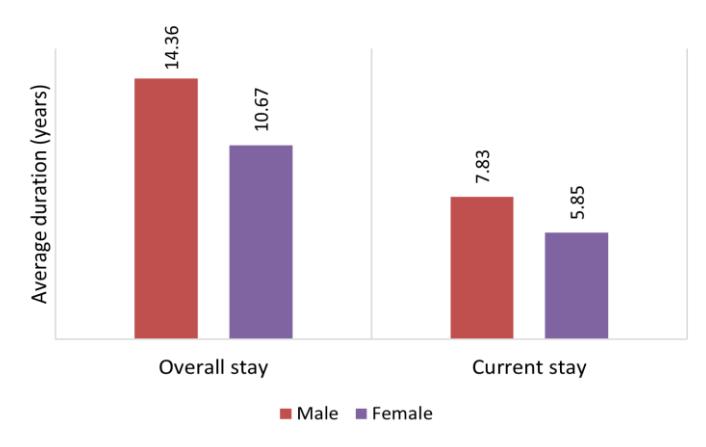
Figure 3. Duration of stay on the pavement.
Males' overall (whole pavement life) and current (at the present place) average duration of stay on the pavement was higher than for females (Figure 3). The combined average duration of overall stay was 13.5 years, whereas the current stay was 7.36 years, slightly higher than in 2011's 7.2 years (Ahmed, Hossain, Khan, Islam, & Kamruzzaman, 2011).
According to Table 5, more than half of the pavement dwellers had never changed their spot, conforming to the fact that, if not forced, pavement dwellers infrequently change their locations (Shil et al., 2013). When asked about the kinds of issues they faced at their current location, pavement dwellers mentioned, on average, two problems. Adverse weather and eviction by security forces emerged on top of the problems, followed by a lack of security (hooligans stealing money, physical abuse, etc.) and the surrounding environment.
Almost three-quarters of the pavement dwellers identified financial problems as the critical reason for not moving to a slum. Though 81 percent have safe drinking water, 55 percent do not have free/easy access to a hygienic toilet. Moreover, 40 percent of the females faced gender-specific challenges, e.g., fewer work opportunities, physical abuse, sexual harassment, etc.
Upon asking a 50-year-old female pavement dweller, we got the following response about the issues of her pavement life:
I have been living on the street for almost half a decade after my husband abandoned me in my village. The biggest problem of sleeping on the pavement is extreme weather. Another constant threat is eviction by security personnel and being looted/harassed by hooligans while sleeping. That is why I always try to stay with the groups I know well. Staying with such groups at least provides some security in the face of being robbed or harassed while sleeping. This is one of the reasons why I have kept my location the same for the last five years. It also helped me in terms of finding work.
A 60-year-old male pavement dweller answered the following when we asked him why he was not interested in moving to a slum:
I am used to the life of pavement dwelling. I like the anonymity of pavement life and prefer to live alone. Moreover, slums also have many issues like drug business, criminal activities, etc. That is why moving to a slum will be a waste of money for me. I do not want to lead my life wasting my money on things I am not interested in.
Table 5. Living conditions of pavement dwellers
| Characteristics | n (%) |
|---|---|
| Staying pattern | |
| Never changed spot | 36 (57) |
| Changed spot once | 17 (27) |
| Changed spot twice | 8 (12) |
| Changed spot thrice | 2 (3) |
| Changed spot more than thrice | 1 (1) |
| Pays for the place of stay? | |
| Yes | 6 (9) |
| No | 58 (91) |
| Problems faced at the place of stay* | |
| Cold or rain | 24 (23) |
| Frequent eviction by security personnel | 24 (23) |
| Lack of security | 18 (18) |
| Accommodation problem | 17 (17) |
| Mosquito bites | 10 (10) |
| Sound pollution | 9 (9) |
| Reason for not staying at a slum | |
| Financial problems | 46 (71) |
| The slum environment is not good | 7 (11) |
| Not interested, as he/she likes to live alone | 5 (8) |
| No slum around | 4 (6) |
| Not feasible for work | 1 (2) |
| Planning to move to a slum | 1 (2) |
| Easy access to safe drinking water | |
| Yes | 52 (81) |
| No | 12 (19) |
| Easy access to a hygienic toilet | |
| Yes | 29 (45) |
| No | 35 (55) |
| Gender-specific challenges faced by women? | |
| Yes | 6 (40) |
| No | 9 (60) |
*Response percentages
Expectation versus reality: A distressing story
This section looks at expectation versus reality before and after coming to the city. Regarding income, 63 percent of pavement dwellers' expectations were unfulfilled (compared to 51 percent in the 1993 study), whereas the same was 67 percent for employment and health (53 percent in 1993) and 84 percent for housing (77 percent in 1993) (Begum, 1999), showing a comparative rise in unfulfilled expectations. 4 Figure 4 reveals that before coming to the city, they all harbored high expectations, but after experiencing city life, it has been less well than expected, and they say it is 'passable'.
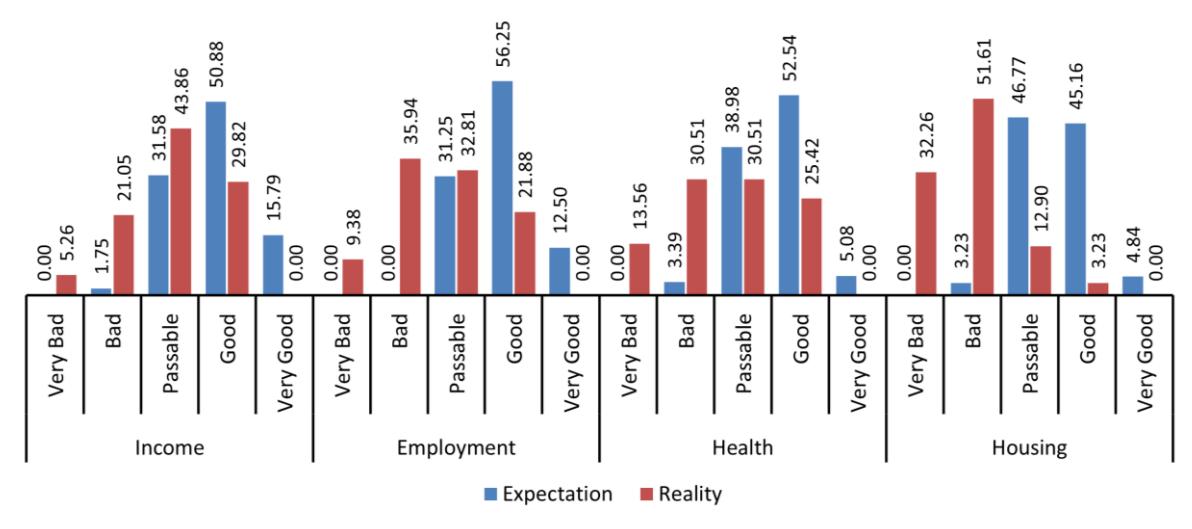
Figure 4. Thematic view on unfulfillment of expectations.
Table 6 shows that despite the painful reality, half of the pavement dwellers envision their future in the city, whereas 41 percent wish to return to their place of origin at some point, compared to 1993's 10 percent (Begum, 1999). Most want to live with family (42 percent) back home. To sustain themselves in the city, pavement dwellers largely expect housing and employment support from the government. Although each pavement dweller knew about 4.5 programs on average, only 18 percent of them ever received any benefit from SSNPs. They indicated a desire for SSNPs, which will at least ensure shelter and employment/financial support if they are to return to their place of origin.
A 65-year-old female pavement dweller described her experience with SSNPs as follows:
When I lived in the village, I never received a widow allowance. If one is not closely known by the local public representative or unwilling to spend some speed money, it is tough to become a beneficiary of such safety net programs. In Dhaka, I have never heard of any such aid.
4 Unfulfilled if reality is below expectation.
Table 6. Commitment of pavement dwellers
| Characteristics | 2022 | 1993 |
|---|---|---|
| n (%) | % | |
| Commitment to city life | ||
| Yes | 32 (50) | 85 |
| No | 26 (41) | 11 |
| Do not know/not sure | 6 (9) | 4 |
| Reasons for no commitment to city life | ||
| Want to live with family | 11 (42) | - |
| Will return if employment is ensured | 5 (18) | - |
| Better accommodation | 2 (8) | - |
| City life is expensive | 2 (8) | - |
| Better food | 1 (4) | - |
| The city environment is not good | 1 (4) | - |
| Security issue | 1 (4) | - |
| Physically weak | 1 (4) | - |
| Want a safer future for children | 1 (4) | - |
| Will return when anger falls for the family | 1 (4) | - |
| Expected support from govt. in city* | ||
| Housing | 30 (38) | - |
| Employment | 29 (37) | - |
| Transparency in social safety net programs | 9 (12) | - |
| Food | 7 (9) | - |
| Education | 2 (3) | - |
| Health | 1 (1) | - |
| Average number of SSNPs known by dwellers | 4.5 | - |
| Percentage ever been benefited by SSNPs | 18 | - |
*Response percentages
Several significant associations between a few demographic, migration, and expectation variables have been derived by Chi-square tests of independence (Table 7). Commitment to city life is significantly associated with health status, the time gap between decision and migration, and fulfillment of overall expectations. In contrast, fulfillment of overall expectations is significantly associated with age group, the behavior of remitting money to the place of origin, and the reason for migration.
A careful review of the contingency table reveals that disabled/chronically ill pavement dwellers were 1.5 times more committed to urban life than physically fit ones. Those who migrated within less than one month after taking the decision were three times more committed to city life. Moreover, those whose expectations were met to some extent tended to be more committed to city life (1.5 times).
Characteristics Commitment to city life, n (%) χ 2 Yes No Health Status Physically fit 15 (44) 19 (56) 4.06* Handicapped/chronically ill 17 (71) 7 (29) Time gap between decision and migration ≤ 1 month 15 (68) 7 (32) 9.74** > 1 month 4 (24) 13 (76) Fulfillment of expectation Positive 22 (71) 9 (29) Negative 4.24* 14 (45) 17 (55) Fulfillment of expectation, n (%) Positive Negative Age Group 18-35 7 (47) 8 (53) 11.04** 36-59 8 (25) 24 (75) 60-80 12 (75) 4 (25) Key reason for migration Economic 19 (56) 15 (44) 4.34* Non-economic 9 (30) 21 (70) Remits money to the origin
Table 7. Chi-square tests of independence
Note: Parentheses contain row percentages. P-values: ** <0.01, * <0.05
Middle-aged (36-59 years old) pavement dwellers were three times more dissatisfied with the fulfillment of their expectations than older ones. Those who migrated for economic reasons were almost twice as satisfied with the fulfillment of their expectation than those who migrated for non-economic reasons. The same was true for those who remitted money to their home.
Yes 9 (70) 4 (31) 4.65*
No 18 (36) 32 (64)
Discussion
Pavement dwellers migrate in search of stable income and harbor expectations centered on the capital city despite many development initiatives for the poor in rural regions. Urban areas manifest the phenomenon of marginalized pavement dwellers who have merged into the cityscape. The poor are heterogeneous and policies encompassing all poor people often fail to reach these pavement dwellers. Pavement dwellers are a subset of the urban poor without a roof over their head. Their lack of an official address excludes them from recognition and rights. Therefore, they suffer from the elements as well as very low standards of urban living. They cannot avail of social safety schemes in rural areas and cannot earn a stable income. In the city, they do not want to educate their children, cannot rent a room in the slum, stay in groups on the streets and set their priorities on surviving on meager earnings. Though their average nominal income has risen six times over the last three decades, real income remained at the same level as in 1991. Essential commodities cost more in this city, and pavement dwellers resort to eating sparsely in order to survive. The main query here naturally emanates from their clear exclusion and lack of access to the benefits of the capital. It is strange that they do not return to their place of origin or other rural areas that have by now become hubs of growth. The result that shows their
inability to graduate to a slum or tenement housing or decision to return is, indeed, uncharacteristic.
It is in the cities that the economies of production and consumption interlock. Dhaka embodies the country's prosperity and it is here that the nation's aspirations are showcased, but it is within this glitter that those who belong to the lowest rung of the urban poverty spectrum forgo basic amenities. Slum dwellers have a modicum of security, but pavement dwellers do not, due to their open accommodations, especially at night. This aspect of shelter is so important for pavement dwellers because their living conditions are not conducive to healthy living. Twenty-four hours, they are subject to either excess cold or heat, pollution, lack of sleep (when it rains during the monsoon, when there is fear for their security, etc.), inability to access adequate and nutritious food, lack of hygiene (undemarcated living space) and lack of hygienic sanitary facilities. In addition, their occupations are low-paid, insecure, and menial. The group also contains an especially vulnerable section, i.e., women, who lead more miserable and perilous lives in the city. They brave threats of mental, physical, and sexual victimization. Rough living on the streets tends to deprive humans of basic self-respect. Along with the hardships of physically surviving on the street, women are also often exposed to violence from their intimate partners, predators on the prowl at night, drug dealers, and law enforcers.
Livelihood trajectories of pavement dwellers show that citizens' rights, benefits, expectations of financial prosperity, shelter etc. remain elusive. This half-century-old issue could be amended with the help of government and NGO collaborative initiatives to house them on a greater scale, similar to New Delhi (Ghosh, 2019). The number of female pavement dwellers seems moderate and could be accommodated. Overall, it appears that inattention to this issue in the policy discourse has eventually regularized popular opinions on this issue to one of acceptance. A concerted effort must be made to scale up projects like ILUEP into programs in order to integrate the urban poor into the urban economy.
Since the 1990s, female pavement dwellers have, in the majority of cases, resorted to begging, but their take-home alms do not compare favorably with those of male pavement dwellers. One reason for males getting more alms is that in this cultural setting, men are often perceived as being the breadwinners for their families, whereas women are expected to be doing chores or working as maid-servant in rich homes, not begging in the streets. Investigative newspaper reports have contributed to this thinking to some extent. However, these are mostly widowed, divorced, or separated women. Efforts must be made in order to identify these real destitute women and their children and give them shelter and an allowance. It would be useful to target women first for assistance.
Females were suffering one and a half times more from chronic illness than males. Projects to woo women back to their place of origin through establishing poor women's self-help crisis centers could be advantageous. Women's unemployment and security challenges could be handled by documenting them and giving them special ID cards. These ID cards would enable them to access shelter homes, health care, and food. Best practices for such a program can be learned from Rashtriya Swasthya Bima Yojana (now Ayushman Bharat Yojana) – India's landmark health insurance program for the population below the poverty line.
As the majority of pavement dwellers cited two key reasons, economic and social, for their migration motivation, origin area targeting could be beneficial in harnessing this outward flow of migrants. Those who migrated for economic reasons were almost twice as satisfied with the fulfillment of their expectations than those who migrated for non-economic reasons. This may be because city life cannot offer instant solutions to complex social issues as easily as it does in the case of earning a living. Pavement dwellers between 36 and 59 years of age were three times more dissatisfied with the fulfillment of their expectations than older ones. This could be due to their family responsibilities, which include their own children and probably their extended families, including parents; the burden of earning is higher. Those who remitted money home were more satisfied with the fulfillment of their expectations.
Once in the city, pavement dwellers conceded that their hopes of a better livelihood were not based on a correct assessment on their part, as much of their aspirations for a superior source of income were flawed. The initial challenge was accommodation, followed by food problems, unemployment, and lack of security. In reality, city life led to an existence on a hand-to-mouth basis during the first few months. Although the city life promised, it failed to deliver because half of them claimed that accommodation, that is to say, life on the pavement, was almost a nightmare. A third of pavement dwellers were saddened by the quality of food they could procure, followed by issues of unemployment and insecurity. Despite the lack of choices and painful destination denouement, half the pavement dwellers still want to stay in this metropolis. A smaller percentage would be convinced to return if they could access an environment that would enable them to sustain their families (for example, through SSNPs). For those committed to the city, the benefits of being able to access cash in the city are very important. Many of them also do not have any family or are abandoned by their families. Their aspirations remain hinged upon realizing their expectations from the government, especially support concerning housing and employment.
The National Social Security Strategy has a strategy for identifying the ones who require assistance, but the implementation falls short because the poor are not a homogenous group. A more sensitive implementation process would have to be designed to be effective. Similar to all other initiatives and studies, the urban poor have been bereft of cogent policies that focus on their specific needs, not only because they remain undocumented but also because policies do not encompass this group, who remain shrouded in the urban milieu. Safety protection schemes that can provide economic stability to them could be implemented in greater numbers, especially in the rural areas of Dhaka, Mymensingh, Chittagong, and Rajshahi.
Information is key to motivating pavement dwellers to remain in their rural areas. As two-thirds reported that they moved to the capital city within a month of making their decision, broadcasts that show the real state of the urban poor on the pavements and the use of jari-gaan (traditional folk songs) and popular theaters to inform potential migrants could be taken up.
In 2020, the 8th Five-Year Plan of the Government of Bangladesh stipulated a target of ten percent for reducing national urban poverty. The persistence of pavement dwelling may seem inconsistent with this target. Hence, a specific work plan is needed to address this urban phenomenon.
This study has allowed a glimpse into the harsh reality of pavement dwellers and the impossible odds they face daily. Despite being a threat to the realization of intrinsic human needs, homelessness is highly prevalent among developing countries, but only a limited number document the problem. In this study, we combined information from three decades and referred to the documentation of case studies to untangle the issues in order to accommodate sensitive policy recommendations.
This paper attempted to convey an analytical view of the lives of pavement dwellers. This evidence-based study could help update policymaking to expand the share of employment and income-earning for pavement dwellers, who are prone to insufficient resource allocation from public sources. This study established a concise setting that may assist in penetrating and identifying operative directions of beneficial policies for pavement dwellers.
Conclusion
This study shed light on the last three decades' unchanged strenuous circumstances experienced by pavement dwellers in Dhaka and the insufficiency of existing policies to eradicate the issue effectively. Though the number of pavement dwellers has halved over the last three decades, the vulnerability in the existing ones seems higher than before. The findings underscore the need to implement focused strategies that effectively target the unique constraints encountered by this marginalized population, including inadequate access to housing, limited job prospects, and insufficient social assistance. An approach that not only puts the responsibility on the government but also involves other relevant stakeholders to address the issue could be an inclusive solution. This paper also highlighted the essentiality of recalibrating policies in the face of the rising share of urban poverty and emphasizes the need to implement comprehensive development measures to safeguard the well-being and the rights of the urban poor.
Acknowledgment
The authors would like to thank Md. Irfan Hossain, Synesis IT, for supporting the GIS mapping of the sampled spots.