

Introduction
Agriculture has historically been a vital sector in developing countries, accounting for approximately 40 to 60% of their economies (Johnston & Mellor, 1961). Over the past century, the diffusion of innovation has played a significant role in shaping agricultural development and economic outcomes (Abdulai & Huffman, 2005; Sunding & Zilberman, 2001; Cochrane, 1979). The increasing number of innovations and technological advancements has contributed to the modernization of the agricultural sector, as evidenced by substantial improvements in productivity and production methods (Sunding & Zilberman, 2001). Currently, innovative practices such as sustainable intensification are crucial to ensuring that agricultural systems can produce sufficient and nutritious food while preserving ecological integrity (Pretty et al., 2018).
Most productivity innovations pertain to production methods, export farming activities, changes in resource utilization, technological advancements, and water conservation (Berger, 2001). This indicates that innovation and its diffusion are critical factors in the transformation and advancement of agricultural development. However, technological progress and innovation have advanced slowly in developing countries (Ndjeunga & Bantilan, 2005), particularly within the agricultural sector (Padel, 2001). This limited adoption of innovation in agriculture has
adversely impacted agricultural productivity and farmer welfare (Spielman et al., 2011), thereby perpetuating the livelihoods of the rural poor and hindering rural development.
The diffusion of innovation occurs over varying lengths of time, with the rate of adoption serving as a critical determinant of whether an innovation is accepted or rejected (Rogers, 2003). The degree to which an innovation aligns with the social system influences its adoption process, which may occur through mass media or interpersonal relationships (Rogers, 2002). In examining this issue, it is essential to consider the role of social capital. We propose that social capital significantly impacts the rate of innovation adoption. The significance of social capital in the diffusion of innovation lies in the fact that innovation is socially and cumulatively constructed from numerous individual novel elements (Robertsson, 1967), and the social structure either facilitates or impedes the diffusion process (Rogers, 2003). A substantial body of literature has also explored the interrelationship between social capital and the diffusion of innovations (e.g., Laursen et al., 2012; Akcomak & Weel, 2009; Douthwaite et al., 2009; Landry et al., 2002; Cooke & Wills, 1999; Fountain, 1998). However, most studies have addressed this relationship within the context of business and industrial development in formal organizational settings. Only a limited number of studies have considered this concept outside such contexts, and even then, not always explicitly (see Kansanga, 2017; Bauermeister, 2015; Röling, 2009).
This paper examines case studies within the agricultural sector of West Java to address the existing knowledge gap regarding the role of social capital in driving innovations that enhance agricultural development, both in the presence and absence of formal organizations. According to the West Java Agricultural Agency (2014), the agricultural sector in West Java remains insufficiently market-oriented and is characterized by a low quality of human resources. Consequently, the diffusion of innovation is critical for the sector's advancement, necessitating an analysis of social capital among agricultural actors. This study focuses on two rural areas in West Java, Indonesia—Cisondari and Cibodas—both recognized for various innovations in vegetable cultivation. The primary distinction between these cases lies in the presence of a formal farmers' organization in Cisondari, which structures and regulates social and economic systems, whereas in Cibodas, interactions among farmers are informal and less structured. By examining these differing degrees of formality, this study elucidates how social capital influences the diffusion of innovation.
The paper begins with a literature review addressing the diffusion of innovation, social capital, and agricultural stages. This is followed by a detailed description of the methodology and an overview of the case studies. The analysis is structured by initially examining the state of social capital in both cases, subsequently discussing the key elements of the diffusion of innovation and the influence of social capital on each element within the various agricultural stages. The discussion concludes with a reflexive and critical review of the application of social capital and the diffusion of innovation in the agricultural sector.
Literature review
Diffusion of innovation
Innovation constitutes a fundamental component in the development and growth of contemporary economies (Silverberg et al., 1988). It is defined as any idea, practice, or object that is created and recognized as novel within a system by an individual or members of a social system (Rogers, 2002). It is widely acknowledged that innovations require varying durations to disseminate throughout a social system (Silverberg et al., 1988). The process by which innovations are disseminated and adopted within a system is termed diffusion. The diffusion of innovation represents a critical mechanism in the advancement of the system. An expanding body of literature has sought to elucidate the diffusion process through diverse theoretical frameworks (see, for example, Rogers, 2003; Hall, 2003; Silverberg et al., 1988; Robertsson, 1967). Rogers (2003) defines diffusion as "the process by which an innovation is communicated through certain channels over time among the members of a social system" (p. 5). From this definition, four principal elements of the diffusion process can be identified: (1) the innovation itself, (2) communication channels serving as the medium of diffusion, (3) time, which determines the rate of adoption, and (4) the social system, which constitutes the potential adopters of the innovation. A comprehensive understanding of these elements is essential for analyzing the nature of the innovation diffusion process.
The degree to which an innovation aligns with a social system is determined by its relative advantage, compatibility, complexity, trialability, and observability (Rogers, 2003). Additionally, communication channels—defined as the means through which innovation messages are conveyed—play a significant role in the adoption process, whether via mass media or interpersonal relationships (Rogers, 2002). Another critical factor is time, which governs the operation and regulation of the diffusion process by innovators. This process unfolds over a specified period during which an individual or organization progresses through the innovationdecision stages: knowledge (awareness of the innovation), persuasion (interest development), decision (acceptance or rejection), implementation (utilization), and confirmation (sustained use) (Rogers, 2003). Finally, the social system establishes a structure that organizes its units according to categories such as innovators, early adopters, early majority, late majority, and laggards (Rogers, 2003). This paper employs these adopter categories as a framework to elucidate the nature of the social system, as they effectively explain how a system may facilitate or hinder the diffusion of innovation (Rogers, 2003).
Consequently, these key elements lead us to examine how innovation emerges through social interactions and integrates within existing social structures. In addressing this issue, it is essential to consider the role of social capital, which is hypothesized to influence whether the various components of innovation are accepted or rejected (see Albors-Garrigos & Hervas-Oliver, 2019). The significance of social capital in the diffusion of innovations lies in the fact that innovation represents "the result of cumulative synthesis of many individual items of novelty" (Robertsson, 1967), and social structures either facilitate or hinder the diffusion process (Rogers, 2003). In summary, social capital constitutes a primary factor driving the adoption of key elements of innovation within a given social system.
Social capital and informality
There is a range of definitions of social capital across a large spectrum of social scientists. The novelty of social capital comes from two sources: its attention to the positive consequences of social relations and its concern about the nonmonetary capital in the broader framework of capital to facilitate action (Adler & Kwon, 2002; Portes, 1998).
Bourdieu was the first scholar to define the concept of social capital. He constructed this concept as an aggregate of resources that emerge and are created through a network of certain actors in mutual acquaintance (Adler & Kwon, 2002; Bourdieu, 1985). He focused on the accumulating benefits when individuals are part of actors' networks, but he still acknowledged individual capital as the source of such benefits that can be converted to economic and other
advantages (Adler & Kwon, 2002; Portes, 1998). By this definition, we can analogise this as 'a set of skewers that has more power than one skewer'.
Meanwhile, Loury departed from his critical thinking of conventional economic theories in defining social capital (Portes, 1998). He then argued that social capital is a capture of access to opportunities that are inherited through family relations and social connections for the community (Nahapiet & Ghoshal, 2000; Loury, 1977). Thus, such individuals have nothing unless they are connected each other through social networks in acquiring access to opportunities. This work was refined by Coleman (1988) who defined social capital as a variety of entities existing within social structures that facilitates certain actions of actors in such structures (Putnam, 2000). Both Bourdieu and Coleman focus on the intangible resources in the actors' networks or structures, while Loury and Coleman emphasise the access to opportunities in facilitating actions of actors to achieve mutual benefit. Coleman's definition seems to accommodate those three perspectives so this work has triggered a growing body of literature to stand for the capability of actors to acquire benefits of being within the social networks in defining social capital (Portes, 1998).
Generally, social capital has three main components: trust, networks, and shared norms. Trust determines the extent of the willingness of a party in doing something based on obligations and mutual relationship (Burt, 2009; Coleman, 1988). This component is the most encompassing factor in facilitating collective action (Ostrom & Ahn, 2003), even in unrelated tasks if necessary (Putnam, 2014). Meanwhile, networks give access to information regarding potential transactions (Ostrom & Ahn, 2003; Burt, 2000; Coleman, 1988) and facilitate coordination and communication (Putnam, 2014) among individuals within a social system. Lastly, shared norms and rules guide individuals to act based on the actions (or outcomes) required in a certain social system for the interests of the collectivity (Putnam, 2014; Coleman, 1988).
Therefore, social capital is synthesised as a form of capital that is available in the society (Bourdieu, 1985), as an investment to make a benefit (Field, 2003), which can be accessed by individuals in the social system to aim something and result in mutual benefit (Janssens, 2007) by their embeddedness with other actors in a network of relations (Esser, 2007). Social capital is essential to regeneration and revitalisation (Alston, 2002) and it can drive collective action and establish a convenient condition (Ahn & Ostrom, 2007), which can be utilised to induce an innovation in the social system, depending on its sociocultural basis and context (Vanclay et al., 1998). Social capital facilitates the diffusion process through the social structure (Rogers, 2003), and, thus, this issue is essential since innovation is constructed through cumulative ideas of individuals within a social system (Fahmi, 2019; Robertsson, 1967).
This means that the interpersonal relationship within the social system is critical and a quite large body of literature has discussed this issue. However, this literature discussed the relationship in the context of business and industrial development, within a formal organisation. We know little about how this mechanism works in the context of the agricultural sector, without any formal institution to manage it. In fact, previous studies have shown that informal networks can act as 'actual communication channels and relationships' that 'provide a more effective and holistic way of spreading and promoting innovations for organisational learning' (Masuda et al., 2018, p. 190).
Methodology
To examine the role of social capital in facilitating the diffusion of innovations within the agricultural sector, a qualitative research methodology was adopted (du Toit, 2015). Two case
studies were conducted in Cisondari and Cibodas, West Java, Indonesia, both of which have demonstrated success in agricultural innovation diffusion but differ in their organizational structures. Cisondari exemplifies a formal farmers' organization characterized by a clear structure, established rules, and defined objectives, whereas Cibodas lacks such formal arrangements, with farmers engaging through informal interactions. The selection of these cases enables a comparative analysis of how social capital embedded in informal versus formal organizational contexts influences the innovation diffusion process.
Interviews were conducted with 24 key informants in Cisondari, comprising 21 farmers, one agribusiness actor, and two local officials or leaders, as well as with 46 key informants in Cibodas, including 41 farmers, four agribusiness actors, and one local leader. The key informants were selected using purposive and snowball sampling techniques to obtain comprehensive information from local actors who had direct experience and involvement in the diffusion of innovations across various groups within the agricultural communities. This approach was employed to enhance the validity of the collected data. During the interviews, several issues were corroborated to characterize the state of social capital and the process of innovation diffusion within both agricultural sectors.
To complement the interview data, field notes and observational data were collected to provide a comprehensive overview (Silverman, 2015). The analysis was conducted using narrative and content analysis methods (Silverman, 2011; Krippendorff, 2004) to elucidate how social capital facilitates the diffusion of innovation, thereby enhancing the economic performance of the agricultural sector. Following the transcription of all interviews, the transcripts were coded through a three-stage process comprising open coding, axial coding, and selective coding. Throughout this process, the data were interpreted and categorized according to emerging themes, with continuous comparisons made between the two cases to support and validate the conclusions.
Analysis
This study focuses on two case locations, Cibodas and Cisondari, situated in West Bandung Regency and Bandung Regency, respectively, within West Java Province, Indonesia. Cibodas is predominantly characterized by hilly terrain comprising agricultural land and conservation forest. The village possesses significant agricultural potential, attributed to its soil composition and microclimatic conditions. Consequently, the majority of the population is engaged in farming activities. Agricultural practices in Cibodas primarily involve the cultivation of horticultural crops such as cabbage, lettuce, spring onion, tomato, and chili. Additionally, livestock farming, including cattle, goats, and sheep, is practiced in the area. Owing to its agricultural capacity, Cibodas is widely recognized as a vegetable production center. Similarly, Cisondari is also characterized by hilly landscapes and predominantly agricultural land, with most residents employed in farming. The agricultural output in Cisondari includes staple crops such as paddy rice, as well as secondary crops like corn, potatoes, and nuts. Furthermore, tea and coffee cultivation is prevalent in the village. Cisondari is broadly acknowledged as a center for organic food production.
In Cibodas, the majority of farmers have sustained mutual relationships over many years, resulting in strong social cohesion. Trust has naturally emerged from these relationships and facilitates daily social interactions, such as borrowing money, entrusting personal belongings, and assisting one another with crop cultivation. Similarly, in Cisondari, farmers also exhibit mutual trust to support daily social processes as described above. However, a key distinction is that in Cisondari, this trust is fostered through the establishment of farmers' groups (kelompok tani), which effectively compels members to trust one another by virtue of their group affiliation (see Table 1). Although farmers' groups exist in Cibodas as well, they do not function in the same manner as in Cisondari. In Cisondari, the farmers' group operates as a community enterprise that develops business models and makes critical decisions, such as selecting new agricultural techniques and determining which commodities to produce. As members of this group, farmers adhere to the directives issued by the group leader.
The majority of farmers in Cibodas have engaged in various social events and recognize the significance of their participation within the community. They acknowledge a shared objective, which has led to the development of networks aimed at addressing common challenges and facilitating knowledge exchange, particularly in the realm of agricultural development. Conversely, as previously noted, the networks among Cisondari farmers were primarily initiated through the establishment of farmers' groups, compelling interaction within these groups. This suggests that the networks among farmers in both villages remain relatively weak, as interactional networks are limited and contingent upon specific contexts in which the farming communities establish connections.
Local norms within the farming communities of both villages are expressed through mutual reciprocity. Farmers recognize an informal rule that obligates them to assist and support one another. This norm has developed over several decades through social processes among farmers, fostering trust and empathy as they perceive themselves as members of a cohesive community. Mutual reciprocity is evident in daily practices, including community self-help initiatives, routine interactions, and courteous behavior.
Table 1. Case comparison
| Aspects | Cibodas | Cisondari |
|---|---|---|
| Organisational structure | Informal interactions among farmers | Formal, farmer's group (kelompok tani) that sets up rules and targets |
| Social capital | ||
| Trustworthiness | • Born naturally through mutual relationships between neighbouring farmers | • Stimulated by the forming process of farmers' group, so the farmers are 'forced' to trust each other since they belong to the group |
| Networks | • Most farmers have participated in some social events and they realised that their participation is important in the community. • As they acknowledged a mutual aim, they share knowledge and solve problems together | • Catalysed by the formation of farmers' group, so that they have no choice but to interact and share knowledge with each other |
| Norms | • There is an 'informal rule' to help and care towards each other, which was formed due to the social process that happened among farmers | |
| Innovations | ||
| Developing an efficient-cultivating style | • Changing planting-pattern system • Applying intercropping style • Utilising organic, unique, and affordable pesticides and fertilisers | |
| • Utilising plastic-mulch for intercropped-planting | • Developing a climate responsive cultivated system | |
| • Developing green house | • Applying new style of seeding | |
| Aspects | Cibodas | Cisondari |
|---|---|---|
| system (ngebekong) | ||
| Product diversification | • Cropping organic-oriented vegetables • Planting Japanese vegetable • Planting brand-new product | • - |
| Organising agriculture management | • Strengthening local community networks and coordination | |
| • Developing partnerships to suppliers and consumers | • Developing partnerships to consumers • Developing partnerships to the agricultural industry | |
| Adding value of the products | • Developing a product packaging system • Developing a quality control system | |
| • Processing vegetables into fresh food • Developing local brand for local products | • Processing vegetables into flour • Developing local organic brand for local products | |
| Building a market oriented agricultural sector | • Planting a market-sensitive planting-pattern • Developing a market network for price and demand information | |
| • Developing a market-responsive packaging system • Searching new market opportunity for modern market, restaurant, and catering • Creating an agritourism system and internship as farmer • Exporting product to other countries | • Developing a market-responsive production system • Searching new market opportunity for modern market • Holding an agricultural exhibition and internships as farmer |
This section examines how social capital within both formal and informal contexts influences the diffusion of innovation through its four key components: (1) the innovation itself, (2) communication channels as the medium of diffusion, (3) time as the determinant of the innovation's adoption rate, and (4) the social system as the potential adopter of the innovation.
Innovation
Over the past three decades, innovations in the agricultural systems of both villages have been developed. These innovations share several commonalities aimed at enhancing the economic value of agricultural products, including: (1) the development of efficient cultivation methods, (2) product diversification, (3) the organization of agricultural management, (4) value addition to products, and (5) the establishment of a market-oriented agricultural sector. In both cases, farmers committed to cultivating organic vegetables by employing locally derived organic pesticides, utilizing traditional knowledge such as the use of garlic and turmeric. To increase product value, farmers engaged in post-harvest processing activities including sorting, washing, packaging, branding, and quality control, rather than merely distributing raw crops directly to the market. Additionally, they organized networks of local farmers to enhance agricultural management efficiency and foster a market-oriented economy. Differences between the two cases are evident in specific emphases, such as product intensification through intercropping in Cisondari and the use of greenhouses in Cibodas (see Table 1). It is noteworthy that most innovations are feasible for small-scale farmers due to their affordability and ease of implementation, with exceptions including greenhouse development, export activities in Cibodas, and the organization of agricultural exhibitions and internships related to farming and food processing in Cisondari. Although many of these innovations are not novel within the broader agricultural context, they represent significant improvements relative to the previous conventional agricultural practices in both villages. The cultivation of Japanese vegetables stands out as the innovation with the greatest relative advantage, given its novelty within the Indonesian agricultural sector.
The initial innovations in Cibodas emerged in the 1970s, characterized by the adoption of efficient cultivation methods through the implementation of planting patterns tailored to local microclimatic conditions, followed subsequently by the construction of greenhouses. In 1992, a local farmer and agribusiness practitioner, Ishak, introduced horticultural crops previously unplanted in the village, particularly Japanese vegetables. This initiative was informed by his knowledge acquired through external networks and training programs he attended in Japan in 1984 and 1987. Ishak disseminated this knowledge by providing training sessions to fellow farmers. Additionally, he encouraged some farmers to conduct experimental trials aimed at developing new techniques and crops, including the establishment of a short yet efficient food supply chain, as well as identifying market demand and targeting modern and export markets as potential outlets. Consequently, the community not only adopted innovations from external sources but also actively engaged in their own innovation processes.
A comparable yet distinct development occurred in Cisondari, where a local farmer named Oni began cultivating organic vegetables that had not previously been grown in the village in 1989. In 2003, he also transitioned to the plasma planting system. Unlike the case in Cibodas, Oni and his fellow farmers in Cisondari primarily received support from government entities. Assistance and collaboration were provided by various governmental agencies that function as incubators for innovation, including BPPT (National Board of Technological Studies and Development), BALITSA (Agency of Vegetable Research), and the West Java Provincial Government. Furthermore, in contrast to the Cibodas case, the implementation of innovations in Cisondari was characterized by a more coordinated approach, as the farmers' group actively directed decisions related to farming activities, including the adoption of new techniques and products.
In conclusion, the presence of a local 'champion' or early innovator possessing network capital and accumulated knowledge constitutes a critical factor in both Cisondari and Cibodas. Investment in social networks contributes significantly to the development of innovations in both contexts. In Cisondari, the local actor maintains strong connections with government organizations that provide assistance and subsidies to farmers, whereas in Cibodas, such resources are acquired more independently, without governmental support. Another notable finding is that the existence of a formal organization, which establishes regulations and norms, facilitates the more systematic implementation of innovations, as observed in Cisondari. Conversely, in Cibodas, the informal setting has fostered the emergence of innovations that, in turn, have stimulated enhanced communication and collective learning among farmers through experimentation with new ideas and knowledge.
Time
The diffusion of innovation has taken place over more than three decades in both villages. Throughout this period, the rate of innovation adoption can be classified into four categories: very fast, fast, slow, and very slow. This classification corresponds to the stages of innovation diffusion, namely knowledge, persuasion, decision, implementation, and confirmation (Rogers, 2003). Innovations related to the development of efficient cultivation methods and product
diversification tend to be adopted rapidly, with adoption occurring within less than six months (very fast) or between six months and one year (fast). The swift implementation of these innovations is attributed to their ease of application and the straightforward assessment of their outcomes.
The timeline of innovation development in both villages indicates that this process has been facilitated by social capital through social interactions since 1970 (see Figure 1). From the 1970s until 1987 in Cibodas, and during the 1980s in Cisondari, the innovation-decision process predominantly remained in the knowledge stage. Most conventional ideas were initially generated by individuals and external entities, such as the Ministry of Agriculture, aiming to implement more efficient cultivation methods. These actors functioned as the primary drivers of knowledge production for agricultural innovation. The diffusion of innovations during the knowledge stage was accelerated by interaction networks within farmers' groups and the trust embedded in the community. The existence of communication channels among farmers facilitated the adoption of innovations at this stage. Although innovation development in Cibodas commenced earlier than in Cisondari, the knowledge stage in Cibodas was prolonged. This extended duration may be attributed to a slower diffusion of innovation during the 1970s, compared to Cisondari, where innovations occurred during a period when agricultural advancement was stimulated by national policies, such as the self-sufficiency objective in the national food policy.
The development of innovations during the persuasion stage in both villages took place primarily in the 1990s. During this period, the adoption of most ideas increased significantly, facilitated by social learning processes within farmers' communication networks and their strong sense of belonging to the farming community, which heightened their awareness of norms of reciprocity. Consequently, the implementation of ideas during these years was predominantly focused on product diversification and the organization of agricultural management.
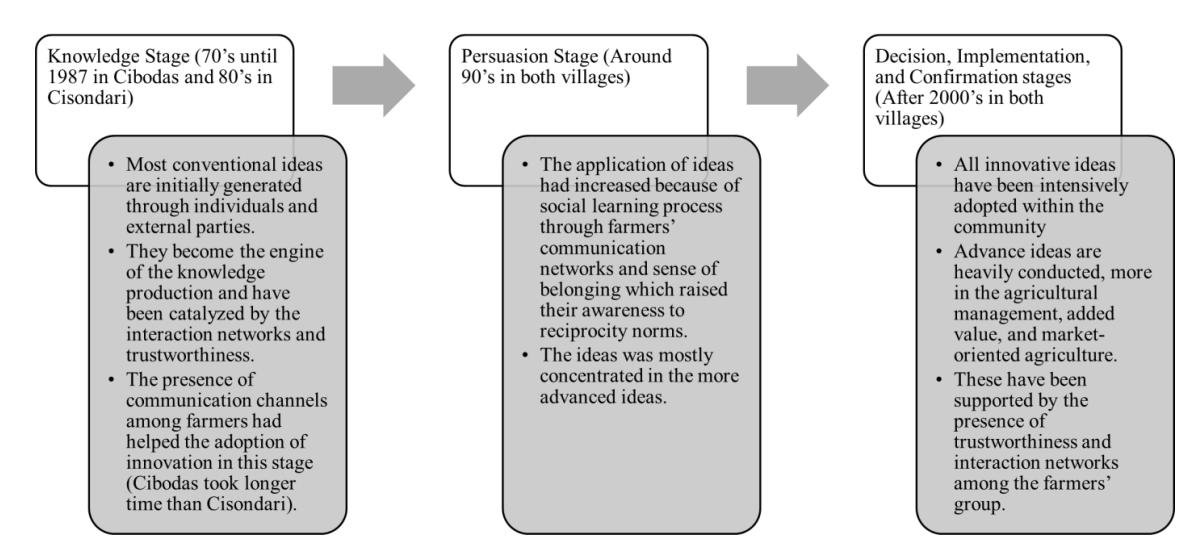
Fig. 1 Timeframe of the Innovation-Decision Process in Cibodas' and Cisondari's Agriculture
The decision-making, implementation, and confirmation stages predominantly occurred after the year 2000. Innovative ideas have been extensively adopted within the farming community, and new advanced practices are widely implemented, including organizing agricultural management through cooperation with external parties, enhancing product value, and developing a market-oriented agricultural sector. These processes have been facilitated by the presence of trust and interaction among farmers' groups.
From both cases, it can be concluded that social capital significantly influences the duration of innovation diffusion. Elements of social capital, such as trust, mutual norms, and networks, facilitate this process by mitigating challenges encountered during the implementation of innovations (e.g., new techniques and products). When comparing each stage of diffusion, collective learning and networking among farmers tend to develop more readily in informal settings. However, during the knowledge acquisition stage, farmers in Cisondari were able to accelerate the diffusion process, driven by specific needs and government policies. This finding suggests that new codified knowledge can also be effectively disseminated through more formal organizational structures.
Communication channels
The communication channels that facilitated the diffusion of innovation in both cases include interpersonal interactions within the social system and mass media, which involves external parties in disseminating innovative ideas. Initial knowledge transfer often occurs through mass media sources such as agricultural publications, as well as through various facilitators including government agencies, agricultural industries, suppliers, and other external stakeholders, in addition to the Internet. The majority of knowledge is subsequently conveyed to individuals within the farming community and local farmers' groups via face-to-face interactions. This communication channel serves as a critical gateway to more advanced innovation development within the community.
The knowledge transfer process in the diffusion of innovations within both villages predominantly occurs through interpersonal channels, which can be categorized into three types: knowledge transfer from family members or relatives, interactions among farmers, and communication within groups. Family members serve as a primary conduit for disseminating innovative ideas related to agricultural development, such as more efficient cultivation techniques. This channel represents the smallest and most intimate unit among the three, thereby rendering it the most effective means of communicating innovative concepts. This effectiveness is attributed to the high level of trust inherent among family members in traditional village communities. Additionally, strong norms of mutual reciprocity exist among relatives, reinforced by close familial bonds. Finally, familial networks are characterized by intense interactions, which are more frequent and robust compared to those with other social units.
The case of Cibodas demonstrates that interactions among farmers in informal settings serve as effective channels for knowledge transfer. Farmers are not compelled to adopt innovative ideas; rather, they observe how an individual implements the innovation and engage with one another to understand its functionality. Additionally, they may adopt the innovation directly by monitoring others' adoption processes, often without undergoing an intensive learning phase. Although the levels of trust and sense of belonging among farmers are not as strong as those found within family units, they remain relatively high due to the existence of social networks fostered through interaction and community participation.
The networks of interaction within farmers' groups serve as an important channel for disseminating new ideas aimed at enhancing agricultural performance. In Cisondari, the role of farmers' groups facilitates the establishment of communication channels through organizational rules and customs. In this context, farmers do not adopt new ideas voluntarily due to the participatory mechanisms within the group. Rather, any ideas introduced within the farmers' group are expected to be adopted, and farmers are required to engage in the development of innovations for their crops. Compliance with these 'rules' is motivated by a sense of belonging to the group. The group provides multiple benefits, including assistance in resolving croprelated problems, access to financial resources, information, and various experiences previously unavailable to the members. Although social capital elements such as trust and norms of mutual reciprocity are relatively limited within the farmers' group, strong networks and regulatory frameworks maintain group cohesion and facilitate the adoption of new ideas. Consequently, the diffusion of innovation through farmers' group channels is as effective as through interactional networks among farmers, despite the comparatively lower level of social capital.
The Characteristics of the Social System
The diffusion of innovations takes place within the social system of the farming community, where power relations are present. This study analyzes power dynamics in both cases, as reflected in the adopter categories—innovators, early adopters, early majority, late majority, and laggards—and investigates how informality affects the innovation diffusion system (see Figure 2).
Innovators are defined as farmers who were the first to adopt new agricultural innovations, beginning in the 1970s in Cibodas and the 1980s in Cisondari. These farmers had access to mass media, which served as a primary source of knowledge acquisition. The majority obtained information through books, the Internet, community facilitation programs provided by the Ministry of Agriculture (Cisondari), or training opportunities abroad (Cibodas). Consequently, these innovators did not generate novel agricultural innovations themselves; rather, they transferred and applied the knowledge they had acquired. They implemented these innovations in their agricultural practices, focusing primarily on efficient cultivation techniques and product diversification. Examples include the use of organic, unique, and cost-effective fertilizers; the cultivation of organic and Japanese vegetable varieties; the application of plastic mulch for intercropping, among other strategies.
These farmers subsequently conveyed the innovation to the early adopters around the 1990s, facilitated by established trust and social networks. The early adopters possessed greater capacity to embrace the idea and disseminate it throughout the wider community. Unlike many innovators, they had limited access to mass media; however, they effectively utilized interpersonal channels—such as family connections, interactions among farmers, and farmers' groups—to encourage the early majority to adopt the innovation.
Subsequently, the early majority adopted the innovation due to their trust in the early adopters, who disseminated the ideas through interpersonal networks. The early majority implemented these innovative practices around the early 2000s. Following this, the late majority, as later adopters, embraced the innovation primarily because it was transmitted through farmers' groups, leaving them little choice but to comply. In Cibodas, this adoption process is largely voluntary, allowing individuals the freedom to choose whether or not to join the collective movement toward innovation. Conversely, in Cisondari, membership in the farmers' group mandates the adoption of the innovation. Consequently, by the 2010s, farmers categorized as late adopters felt compelled to adopt the innovation to maintain their group membership.
Lastly, laggards represent the final social group to adopt new ideas. Although their numbers are small in both cases, they are present and tend to be isolated from the broader social system. Laggards choose to embrace innovation only after widespread adoption has occurred within the community. They require observable outcomes of the innovation before fully committing to it. This adoption phase among laggards occurred approximately between 2011 and 2013.
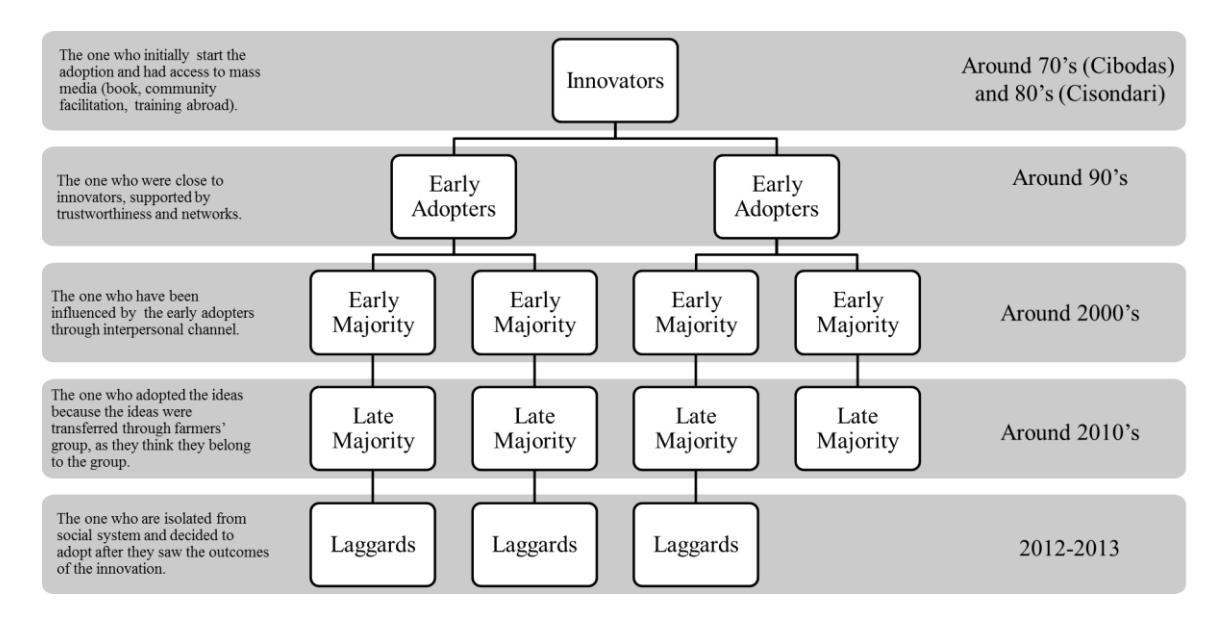
Fig. 2 Adopter Categories in Cibodas' and Cisondari's Agriculture
Discussion and conclusion
This study examines the influence of social capital on the diffusion of innovation within agricultural communities, considering the role of both formal and informal institutions in Cibodas and Cisondari. Social capital evidently plays a significant role in the dissemination of agricultural innovations. These communities depend on knowledge and ideas adapted from external sources, actively integrating them into their farming systems (see also Röling & van de Fliert, 1994). In this context, innovators function primarily as extensions of various media channels, facilitating the transfer of new knowledge regarding agricultural innovations. Investment in external networks enables certain early adopters to access knowledge and resources beyond their villages, which they subsequently introduce to fellow farmers. The existing connections and mutual trust among farmers enhance the adoption of innovations initiated by individuals within the community. Furthermore, trust and reciprocity are reinforced through social interactions and community participation, fostering the development of social groups dedicated to innovation within the farming community.
An analysis of the two cases reveals that the (in)formality of organizational settings significantly influences the diffusion of innovation. In informal organizations, elements of social capital—specifically trust, mutual norms, and networks—develop more organically, enabling farmers to engage voluntarily in the innovation diffusion process. This dynamic subsequently accelerates the diffusion timeline and facilitates the restructuring of the social system in which the innovation is implemented. However, despite these advantages, the absence of formal organizational structures limits the community's capacity to generate new innovations or to support genuine innovators, even when trust and mutual norms are present among
members. Unlike the business and industrial sectors, informal settings lack a formal research and development process, as their functions evolve dynamically in response to mutual needs and internal mechanisms (cf. Laursen et al., 2012; Akcomak & Weel, 2009).
Our findings indicate that, contrary to prevailing conceptual arguments within the field of industrial development, innovation diffusion can occur within informal settings, provided that social capital is present to facilitate both contractual and non-contractual interactions and to mitigate social costs, including transaction, information, bargaining, and enforcement costs (see Laursen et al., 2012; Landry et al., 2002; Cooke & Wills, 1999). Informal settings are particularly conducive to fostering trust and networks organically among agricultural communities, as the active and voluntary participation of community members enhances collective learning and the innovation diffusion process. While this study elucidates the influence of informality on the role of social capital in supporting innovation diffusion, organizational and institutional factors—such as leadership, business models, role and status patterns, human capital, and socio-cultural values—also play significant roles but were beyond the scope of the present research. Future studies should explore how these dimensions affect the diffusion of agricultural innovations across diverse contexts.
Our findings have significant implications for policies aimed at promoting agricultural innovation, which is essential for advancing sustainability. In many contexts, including Indonesia, agricultural communities are often unable to generate innovations independently; therefore, external actors, such as government agencies, play a crucial role in supporting the implementation of new techniques, products, and management practices within the agricultural system. Although policy strategies frequently operate through farming organizations or associations to facilitate the distribution of subsidies and assistance, our results indicate that such strategies need not be confined to formal organizations. The development of these organizations requires greater emphasis on factors such as farmers' willingness to participate in formal groups, which may impede the dissemination and acceleration of knowledge within the community. Consequently, the establishment of formal organizations may not be a necessary condition; rather, fostering a social environment that encourages the formation of informal networks and interactions among farmers is more critical, as these can promote knowledge sharing and collective learning.