

Introduction
Tourism policies provide the framework to foster sustainable tourism practices, with as primary objectives to improve economic benefits for local communities while also protecting the environment and preserving socio-cultural values (An & Alarcón, 2020). In practice, balancing the needs of tourists, communities, and the environment is crucial to ensure the long-term viability of the entire tourism industry. This equilibrium can be achieved by formulating comprehensive tourism policies that consider the complexity of sustainable tourism. In the process, governments, tourism organizations, local communities, and other relevant stakeholders should collaborate to incorporate sustainability principles into tourism policies (Cardoso, 2020). This will provide valuable insights and resources for developing robust and context-specific sustainable tourism policies. Leveraging the collective expertise and experience of the stakeholders allows policymakers to craft well-informed strategies tailored to the unique needs and challenges of specific tourism contexts (Bello, Lovelock, & Carr, 2016; Setyagung, Hani, Azzadina, Sianipar, & Ishii, 2013). In practice, sustainable tourism policies require ongoing monitoring and evaluation to ensure successful implementation. Regularly assessing tourism policies enables governments, tourism organizations, and local communities to make data-driven decisions and adapt their strategies as necessary to pursue the overall sustainability of the tourism industry (Koerner, Sushartami, & Spencer, 2023). In that sense, the environment in which tourism policies exist is critical in pursuing a sustainable tourism industry.
The relationship between the policy environment and tourism policy in pursuing sustainable tourism involves the broader context in which these policies are formulated, implemented, and evaluated (Anderfuhren-Biget & Ed, 2014). Basically, the policy environment covers various factors, including social, economic, environmental, and political aspects, collectively shaping tourism policy development. As such, the policy environment can either act as a catalyst or an obstacle to formulating and implementing tourism policies (Bakker, 2018). A supportive policy environment, characterized by clear regulatory frameworks (Chakrabarty, 2020), solid political commitment (Allaberganov, Preko, & Mohammed, 2021), and stakeholder collaboration
(Kurkela, Kork, Jäntti, & Paananen, 2023) can encourage the development of tourism policies that promote sustainability. Regulatory frameworks provide the necessary guidelines for stakeholders to adhere to and align their actions with sustainability objectives (Chakrabarty, 2020), while political commitment signals the prioritization of sustainability as the ultimate goal of the tourism industry (Pforr, Pechlaner, Volgger, & Thompson, 2014). In parallel, stakeholder collaboration fosters a sense of shared responsibility and facilitates the exchange of knowledge and resources, thereby enhancing the overall effectiveness of tourism policies (Klint et al., 2012). Given the critical role of the policy environment in shaping tourism policies, governments, tourism organizations, and local communities must adopt a favorable policy environment. It allows policymakers to create the conditions for tourism policies to thrive to contribute to the long-term resilience of the tourism industry.
In the context of community-based rural tourism (CBRT), the policy environment and tourism policies face unique challenges in pursuing sustainable rural tourism. Basically, rural areas have extremely particular socio-economic and cultural characteristics compared to urban areas. For example, rural communities may have financial constraints (Zielinski, Kim, Botero, & Yanes, 2018), limited access to formal education (Zheng, Liang, Ma, Liu, & Wu, 2022), and a stronger attachment to traditional practices (Zhu et al., 2021), making the policy environment less favorable to adopt more generalized tourism policies developed at higher administrative levels. Besides, rural communities may have stronger social ties and a greater sense of collective identity than urban communities (Onyx, Edwards, & Bullen, 2014). While strong community cohesion can support collective decision-making and resource management, it can also lead to resistance to change and difficulties in accommodating external stakeholders. Then, rural tourism often attracts different types of visitors compared to urban tourism (Huang et al., 2016), such as those seeking nature-based experiences, cultural immersion, or adventure activities. This requires different policy environments and policies to ensure that tourism development is sustainable and meets the needs and expectations of visitors and local communities.
In the literature, the issue of the policy environment has become increasingly important in tourism studies. However, there are noticeable gaps in the CBRT literature regarding the policy environment and its role in supporting rural-focused tourism policies to achieve sustainable rural tourism. In general, the CBRT literature often emphasizes the role of local communities and their capacity to manage and benefit from tourism development (Ezeuduji, Africa, Rid, Muenchen, & Gambia, 2020; Kayat, Farrah, & Zainuddin, 2016; Lenao, 2014). While this focus is essential, it may lead to underemphasizing the role of the policy environment and its impact on the formulation and implementation of rural-focused tourism policies. On the other hand, some studies on CBRT did cover general policy and governance issues (Gohori & Merwe, 2021; Manaf, Purbasari, Damayanti, Aprilia, & Astuti, 2018). Still, they have not delved deeper into the holistic interactions between government-community relations, inter-agency coordination, and other complex challenges associated with tourism policies for CBRT. Evaluating the policy environment in the development of CBRT provides a comprehensive view of each stage and interaction within the tourism policy development process. This approach highlights details that are beneficial for future research. This is because the policy environment encompasses not only the policies themselves but also the policy-making and implementation processes (Wong, Jiang, Klint, Dominey-Howes, & Delacy, 2013). Such an evaluation helps to uncover critical insights into stakeholder roles, institutional frameworks, and socio-cultural factors, thereby identifying potential gaps and challenges. This holistic approach ensures that future interventions are more responsive to the local context and more likely to achieve sustainable outcomes.
Thus, this study aimed to observe how the policy environment in the context of CBRT can foster the development, implementation, and evaluation of tourism policies in all phases of tourism activities. Particularly, it attempted to discover how the policy environment involves multiple actors in CBRT to ensure effective tourism policies. By evaluating the current policy environment, this study was expected to construct feedback for tourism policies in the future that can lead to a sustainable rural tourism industry. This study hence attempted to answer the following research questions:
- RQ1 What is the appropriate framework to evaluate the policy environment of CBRT?
- RQ2 From the perspectives of multiple actors, what forms of policy environment can support CBRT policies?
- RQ3 How does the policy environment influence the multiple facets of CBRT?
Literature Review
Community-based tourism development in rural areas
Community-based tourism development policies in rural areas can be likened to a double-edged sword. On the one hand, the influx of tourists to rural areas brings financial benefits to local communities, providing an important source of income and economic development (Novelli, Klatte, & Dolezal, 2017). This economic boost is essential for improving the livelihoods of rural residents. On the other hand, rural communities have the opportunity to showcase their unique culture and traditions to visitors from other regions, fostering cultural exchange and mutual understanding (Medina-Muñoz, Medina-Muñoz, & Gutiérrez-Pérez, 2016). The development of tourism in rural areas, where social and cultural conditions remain robust, can also serve to strengthen the relationships between domestic tourists and local rural communities. This interaction allows for the exchange of values from both the past and present, reinforcing a sense of shared heritage and community (Light, Creţan, & Dunca, 2021).
However, the development of tourism can also lead to significant rural transformation, where rural landscapes and communities are modified to cater to the needs and expectations of tourists (Urry, 1992). This transformation can sometimes bring about positive changes, such as improved infrastructure and increased access to services for rural residents (Berdegué, Rosada, & Bebbington, 2014). Despite these potential benefits, Larsen (2014) argues that the influx of tourists can also have detrimental effects on the visited areas. The negative impacts may include environmental degradation, cultural commodification, and the disruption of local social dynamics. These issues highlight the importance of carefully crafted tourism development policies in rural areas to balance economic benefits with the preservation of local environments and social-cultural conditions.
In this context, the policy environment plays a crucial role. Effective tourism development policies must be designed to create a supportive environment that facilitates the achievement of primary goals, such as economic development and cultural preservation, while minimizing potential negative impacts. This requires a comprehensive approach that includes stakeholder engagement, sustainable planning, and continuous monitoring and evaluation. By fostering a policy environment that prioritizes these aspects, rural communities can benefit from tourism development while safeguarding their unique cultural and natural heritage.
CBRT and the Policy Environment
Community-based tourism (CBT) is vital for sustainable tourism (Simons & de Groot, 2015), offering a promising approach to achieving economic, social, and environmental development for local communities by providing area-specific tourism products (Goodwin & Santilli, 2009). With its origins in the 1970s and gaining popularity in the mid-1990s, CBT is acknowledged for its comprehensive coverage of multiple aspects, including cultural heritage, poverty reduction, community development, and environmental conservation (Chanchani, B.R., & Narayan, 2009; Giampiccoli & Mtapuri, 2019; Ishihara, 2020) For instance, CBT can foster social cohesion and empowerment by encouraging community participation in decision-making processes and promoting a sense of ownership over local resources. Besides, CBT in rural areas can generate alternative income sources for rural communities, reducing their reliance on traditional livelihoods and promoting economic diversification. The widespread adoption of CBT in government policies has led to its integration into rural development strategies, giving rise to CBRT (Giampiccoli & Mtapuri, 2012, 2020; Kayat, 2014). CBRT development aims to capitalize on the unique attributes of rural areas, such as their rich cultural heritage, pristine natural environments, and strong community ties, to create authentic and sustainable tourism experiences that benefit visitors and local communities. Thus, CBRT necessitates contextspecific rural policies and strategies that consider the unique characteristics of rural areas and promote collaborative rural governance structures that facilitate stakeholder engagement and cooperation.
The literature contains several definitions of CBT. While the core aspects are generally consistent across these definitions, subtle differences emphasize specific elements, such as community ownership, management, and involvement in tourism activities (Goodwin & Santilli, 2009; Suansri, 2003; Spenceley, 2008, as cited in Yanes et al., 2019). For example, Suansri (2003) suggest that CBT involves tourism activities that the community manages and owns. Subtly different, Goodwin & Santilli (2009) emphasize that CBT refers to tourism owned or managed by the community. In contrast, Spenceley (2008), as cited in Yanes et al. (2019), offers a more inclusive definition, suggesting that CBT involves tourism owned, managed, or co-managed by one or more community members. These varying definitions underscore the complexity of the CBT concept and the need for an in-depth understanding of its various dimensions. In the rural context, the different meanings of CBRT are inherited from the diverse objectives of rural development itself, which involve poverty alleviation, environmental conservation, migration control, etc. They lead to different CBRT conceptualizations, as the specific focus and priorities of each policy may vary depending on the context and the needs of the local communities. Given the heterogeneity in the literature, adopting the CBT concept and the objectives set for CBRT development in one policy may differ from those in other policies.
Furthermore, Yanes et al. (2019) highlight the absence of a standardized framework for evaluating CBT policies, leading to practical inconsistencies in assessing CBT initiatives. Their study thus proposes a policy analysis framework that considers various aspects that influence CBT initiatives. Afterward, Giampiccoli et al. (2021) analyzed CBT development policies from the perspective of their vision and primary objectives. However, their study focused solely on the content of policy documents, examining them to the ideal conditions for CBT rather than the actual reasons behind the establishment of these policies. In other words, the approach overlooks contextual situations that shape the formulation and implementation of CBT policies, limiting the applicability of their findings to real-world situations. In practice, to ensure the success of CBT/CBRT policies, it is crucial to consider the comprehensiveness of the legal documents and the availability of the necessary resources and mechanisms to achieve the intended goals (Gritsenko & Efimova, 2017). This entails examining the policy environment, including the institutional structures, financial resources, and capacity-building initiatives supporting CBT/CBRT policies. A more holistic approach allows CBT stakeholders to gain a deeper understanding of the factors that contribute to the success or failure of CBT/CBRT initiatives and identify opportunities for improvement.
Wong et al. (2013) have proposed an evaluation framework for policy environments, arguing that it offers more significant insights compared to traditional policy analysis methods. It incorporates both the policymaking and policy implementation processes by considering the commitment of stakeholders, the availability and capacity of resources, and the mechanisms or processes involved in executing policies (Owners, Delacy, & Jiang, 2019; Wong et al., 2013). Examining these critical factors allows for a more in-depth understanding of the policy environment. A favorable policy environment is necessary to achieve the desired outcomes of a policy, as it ensures that the appropriate resources, support, and mechanisms are in place to facilitate policy implementation (Jiang, Wong, Munk Klint, & DeLacy, 2012). Besides, it can inform future strategic directions and development plans. In the context of CBT/CBRT, the framework can be particularly useful for assessing how the policy environment helps to support local communities, protect the environment, and preserve socio-cultural characteristics. By examining the alignment of stakeholder interests, the suitability of financial and human resources, and the efficiency of policy implementation mechanisms, policymakers can gain valuable insights into the factors that contribute to the success or failure of CBT/CBRT initiatives. Looking at the usefulness and benefits, this study decided to use it as the analytical framework.
CBRT and Tourism Value Chain
In CBT development, the active participation of the community involved in tourism management and development is fundamentally desirable. However, it is crucial to recognize that tourism is not a singular activity but rather an array of activities, involving numerous stakeholders who work together within a value chain (Varvaressos, 2018; Yilmaz & Bititci, 2006). Consequently, a comprehensive tourism development policy must consider all aspects of the tourism value chain (TVC). Kaplinsky and Morris (2001) have suggested that value chain analysis is valuable for understanding the policy environment. By examining the various components of the TVC, researchers, and policymakers can gain insights into the complex interrelationships among stakeholders, the distribution of benefits, and the potential bottlenecks or challenges that may hinder the effective implementation of CBT initiatives. This holistic TVC approach to policy analysis can help to identify opportunities for enhancing the sustainability and inclusiveness of tourism development, ensuring shared benefits among all stakeholders, particularly local communities. In the context of CBT, the evaluation of the policy environment should, therefore, incorporate an analysis of the TVC, which should consider the roles and responsibilities of different stakeholders, the allocation of resources, and the mechanisms for coordination and collaboration. By examining the TVC, policymakers can identify potential synergies and areas for improvement, fostering a more conducive environment for the successful implementation of CBT initiatives.
In practice, tourism products are created through a process of value creation that involves two primary stakeholders of TVC: tourists (as consumers) and suppliers. The value creation process includes a wide range of activities, from the early pre-delivery to the post-delivery stages, consisting of thirteen main activities, as illustrated in Figure 1 (Sutomo et al., 2023). This framework, often referred to as the destination logic of TVC, provides a comprehensive
understanding of the various stages and components involved in developing and delivering tourism products. In addition to the destination logic, the Tourism Value Web (TVW; Figure 2) has also been proposed in the literature, which incorporates the entirety of the production processes involved and the role of multi-layered intermediaries in connecting tourism products and services with tourists as consumers (Sutomo et al., 2023). The TVW offers a more holistic perspective on the complex interrelationships among various stakeholders and activities within the tourism sector, emphasizing the need for effective coordination and collaboration to ensure the successful delivery of tourism products and services. In this sense, integrating the TVC and TVW frameworks into evaluating the policy environment for CBT/CBRT may facilitate a more holistic understanding of the factors that contribute to the success of CBT/CBRT initiatives. The frameworks thus serve as essential tools for informing tourism development policies, as they provide a comprehensive overview of the numerous activities and stakeholders involved in the tourism sector.
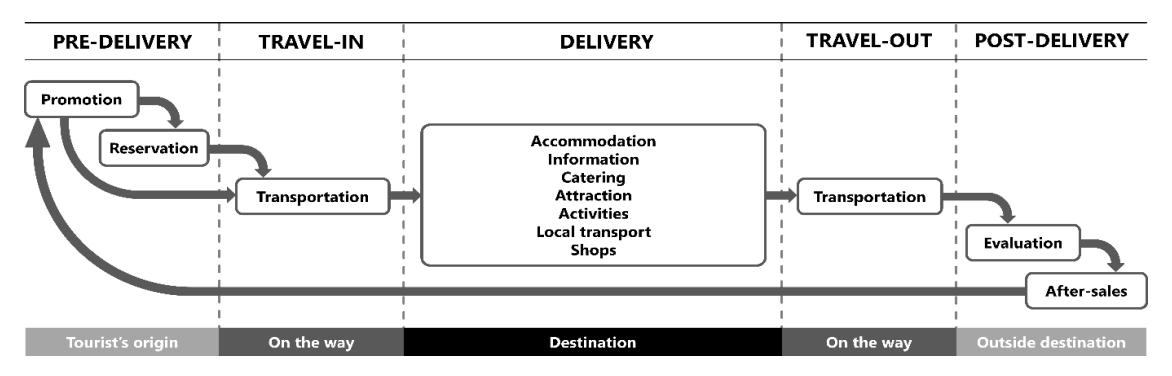
Figure 1. General TVC framework (Sutomo et al., 2023)
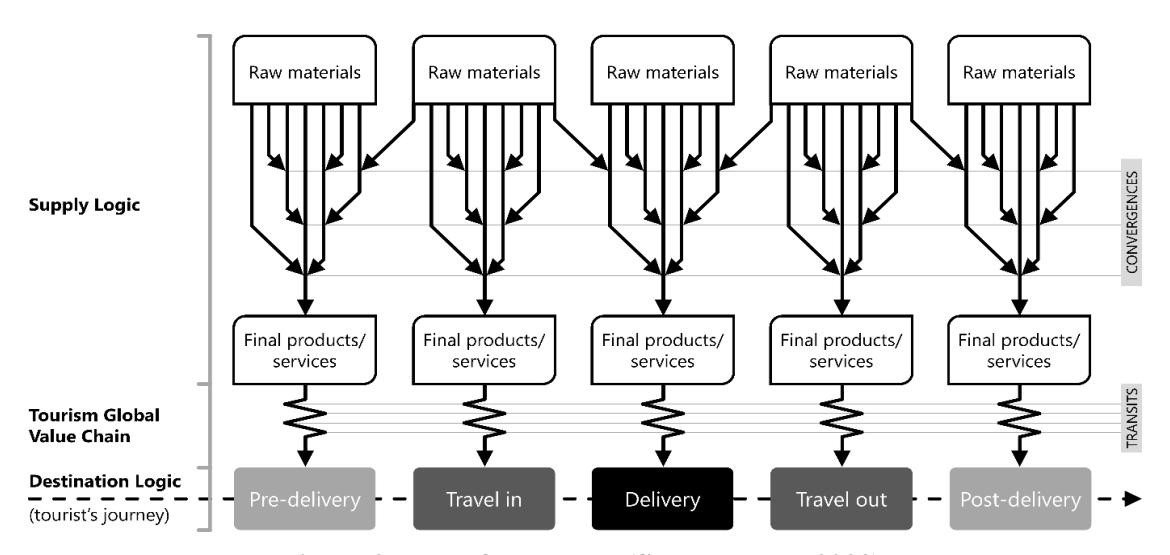
Figure 2. TVW framework (Sutomo et al., 2023).
Looking at the benefits and suitability of the TVC framework to understand the complex dynamics of the tourism sector, this research decided to evaluate the policy environment for CBRT development by using TVC as the conceptual framework. This study argues that TVC would allow a more detailed and comprehensive assessment of the formulation and implementation of rural-focused tourism policies for CBRT development. As aforementioned, the TVC framework enables a thorough examination of the various processes necessary to develop and deliver tourism products. This in turn helps to identify potential gaps, challenges, and opportunities within the policy landscape, ultimately informing the development of more effective and targeted strategies for promoting CBRT. Moreover, applying the TVC framework to analyze tourism policies may provide valuable insights into the coverage and emphasis of these policies across the entire value chain. By mapping the distribution of policy interventions and priorities within the TVC, we can better understand the areas that receive the most attention and support, as well as those that may require further investment or improvement.
Methodology
Multiple Case Studies: Tourism Villages in Sleman, Indonesia
Indonesia, a middle-income country with a large rural population, has prioritized rural development for many years (L.P. Putri, Russell, O'Sullivan, Meliala, & Kippen, 2022). However, it was not until 2010 that rural tourism became a focus through the establishment of tourism villages, an initiative aimed at improving rural competitiveness and generating economic benefits (Government of Indonesia, 2010). Sleman Regency, located in the Special Region of Yogyakarta (Figure 3), has seen significant development in rural tourism through the establishment of numerous tourism villages, both in terms of quantity and quality (Rudwiarti, Pudianti, Emanuel, Vitasurya, & Hadi, 2021). This progress was also supported by the infrastructure and other key factors, leading to Sleman achieving the highest tourism index among regencies in Indonesia in 2016 (Devi & Firmansyah, 2019).
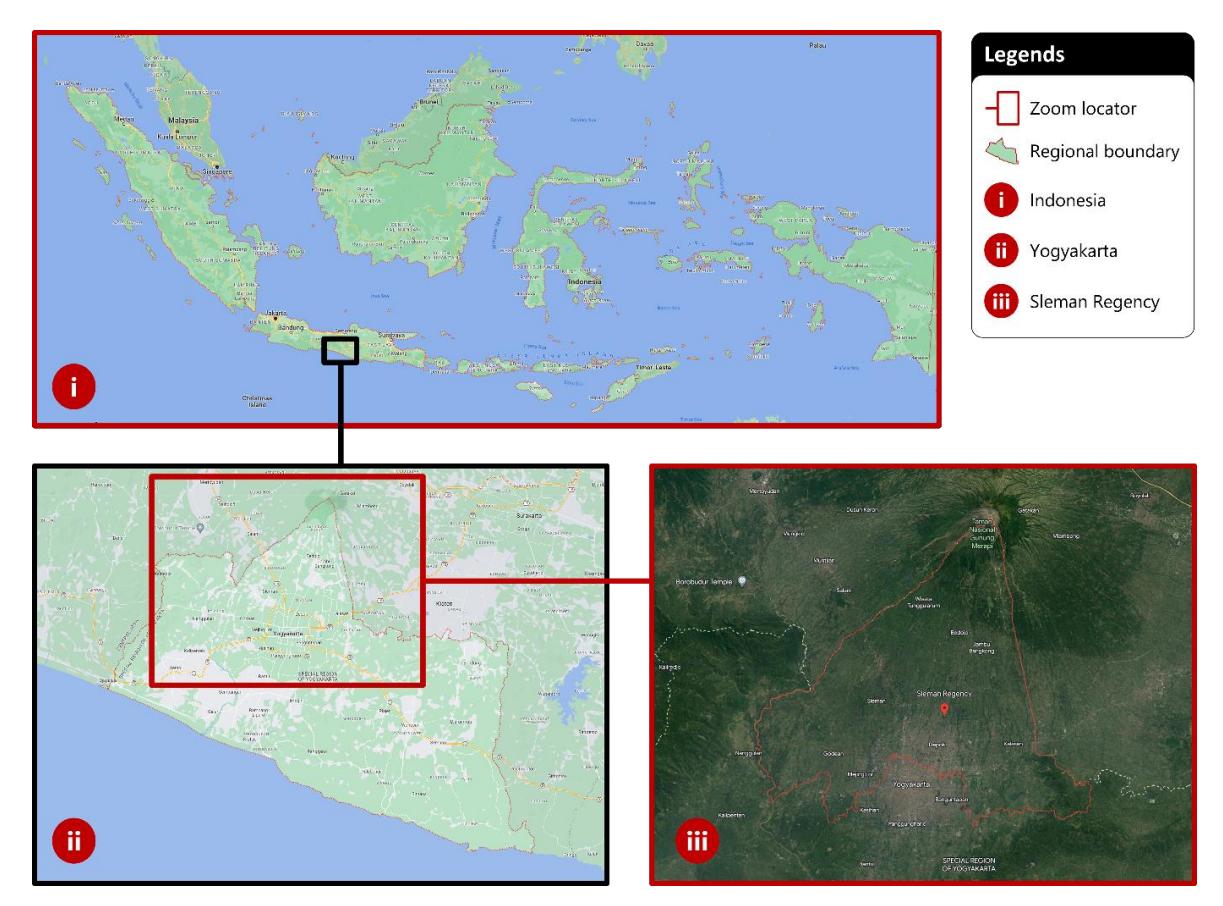
Figure 3. Location of Sleman Regency (iii) in Yogyakarta (ii), Indonesia (i).
Sleman Regency covers an area of 574.82 km2 , divided into 17 sub-districts and 86 villages, with a population of 1,088,109 in the middle of 2021 (Local Government of Sleman Regency, 2022). Sleman Regency has more economic growth and a higher Human Development Index (HDI) than the national average (Local Government of Sleman Regency, 2022). Nevertheless, the Gini ratio of Sleman Regency is higher than the national one, with low-income families concentrated in the rural areas (Local Government of Sleman Regency, 2021). It shows high inequality between urban and rural people in Sleman Regency, which was the motive for the local government to support the development of rural areas, one way being through the development of tourism villages.
Currently, there are tens of tourism villages in Sleman Regency, all established based upon the CBT concept. Various CBT-favorable policies have been developed to support the self-reliance of rural communities in developing tourism activities in their areas (Regional Development Planning Board of Sleman Regency, 2015). However, the policy environment in which these supposedly supportive policies have been applied remains unreliable due to numerous issues, such as stakeholder conflicts (Hutagalung, Purwana, Suhud, Mukminin, & Hamidah, 2022) and policy limitations (Rindrasih, 2018). In that sense, these tourism villages were an appropriate research environment for the objectives of the present study. Besides, those villages would allow a synthesis based on multiple situations under the same research questions, making it possible for this study to produce more generalized findings for the issues in question (Greene & David, 1984; Stewart, 2015). Therefore, the tourism villages in Sleman Regency were taken as case studies for this research.
Research Design: Multi-Actor Perspectives
This study adopted the conceptual TVC framework by Sutomo et al. (2023) and the analytical frameworks by Wong et al. (2013) to evaluate the policy environment of the CBRT development policies in Sleman Regency. The research stages covered a basic location analysis (history, politics, and institutional structure), an examination of the tourism policies and the roles of stakeholders in all TVC and TVW stages, an evaluation of the policy environment (commitment of stakeholders, the availability and capacity of resources, and the mechanisms or processes involved in executing the policy), and an analysis of the implications for future policymaking in CBRT development. This study used a qualitative approach for data collection and analysis since evaluating a specific aspect of policies is better conducted through a qualitative approach (Midmore, 1998; Tirado Ballesteros & Hernández, 2019). Multiple data sources and data collection methods were employed to help with triangulation in the qualitative process of the evaluation studies (Ammenwerth, Iller, & Mansmann, 2003). The overview of the data collection is shown in Table 1.
The first and main collection of data was conducted through semi-structured interviews with officers from the local government to get detailed and thorough information covering all of the TVC and TVW aspects about the policy environment of CBRT development in Sleman Regency. Respondent selection was done by snowball sampling to enrich the sampling clusters and access hidden populations (Noy, 2008). Meanwhile, the second collection of data was conducted by reviewing official documents to obtain legal legitimation. The data was collected based on respondents' information and official government websites. Then, to strengthen data validity and information integrity, the third collection of data, a questionnaire survey that covered thirteen aspects of TVC, was conducted in the observed tourism villages. The questionnaire form is shown in Table 2. Survey samples were selected based on purposive sampling, which can arguably be more effective than random sampling in certain conditions
(Tongco, 2007). The sampling process targeted tourism villages registered in 2020 and still active in 2022. 3 The sample selected consisted of 49 tourism villages. The target interviewees were the village leaders and/or active community members from each of the villages. The survey visits were assisted by a research assistant, who, as a third party, could enhance the data collection and bring different insights in support of the research (Stevano & Deane, 2019).
Table 1. Data collection
| METHODOLOGY | INTERVIEW | LITERATURE REVIEW | QUESTIONNAIRE SURVEY | ||
|---|---|---|---|---|---|
| Sources | Government | Document | Communities | ||
| Population | Government officers related to rural tourism development | National and local government documents | Tourism villages in Sleman Regency | ||
| Sampling | Snowball sampling | Documents related to rural tourism development | Purposive sampling, tourism villages registered in 2020 and still active in 2022 | ||
| Expected main result | Detail information | Legitimacy | Validation of the implementation | ||
| Data Collection | Face-to-face (2020) Phone (2022) | Official website, key informants | Conducted by a research assistant and recorded | ||
The study started by analyzing the official documents of the Local Medium-Term Development Plan (LMDP; Rencana Pembangunan Jangka Menengah Daerah – RPJMD) of Sleman Regency as the general development planning document. In parallel, this study interviewed a government officer who led the development of the LMDP to understand how general policies in the regency integrated the development planning for tourism villages. After that, primary data collection was done using snowball sampling for face-to-face interviews with other stakeholders directly involved in the creation and implementation of rural tourism policies. Relevant supporting documents were collected simultaneously from respondents (Table 3) and from official websites that complemented information from the interviews. The interviews were conducted in native languages, a mix of Indonesian (national language) and Javanese (local language). The interview visits were in 2020 and 2022. In the year 2020, the LMDP 2016-2021 ended, as the regency elected a new regent in December 2020. Meanwhile, 2021 was a transition period when the local government prepared the new LMDP for 2021-2026. Both periods of interviews were intended to evaluate the implementation of the previous policy and the decision-making process for the new policy. This period also witnessed the Covid-19 pandemic, which had a massive impact on tourism.
3 The local government conducted verification and evaluation of tourism villages every two years.
Table 2. Questionnaire form for the communities
1 2 3 4 5 6 7 8 9 10 11 12 13 1 What kind of support/aid has been given from the local government for this tourism village development? a. Cash b. Goods c. Construction d. Training e. Assistance f. Facilitation g. Others ……… h. None (If none, then continue to Q4) 2 How is the procedure? Directly given by the government without communication with the community (top-down) Purely requested by the community based on the needs (bottom-up) Community requests based on the types of support set by the government 3 Which institution manages the support/aid? Tourism Agency Kapanewon / Sub-district Office Other institution, please mention …............... Other institution, please mention …............... Q4-Q6 only if there were no support/aid received 4 Have you ever proposed support/aid from the local government? Yes No 5 If "Yes", why was it rejected? Not prioritized No fund No response Others …............... 6 If "No", why have you not tried to propose a support / an aid? Do not know the procedure Do not need it yet Others …............... Value Chain
Note: Value chain:
| 1 | Promotion | 8 | Attraction |
|---|---|---|---|
| 2 | Reservation | 9 | Activity |
| 3 | Transportation in | 10 | Souvenir |
| 4 | Information | 11 | Transportation out |
| 5 | Local transport | 12 | Evaluation |
| 6 | Accommodation | 13 | After-sales service |
| 7 | Food & beverage |
Table 3. List of respondents for the interview
| RESPONDENT | INSTITUTION | AFFILIATION | TOPIC |
|---|---|---|---|
| I 2000&2022 | Regional Planning and Development Board | General Planning | • Basic condition (politic & institutional) |
| II 2000&2022 | Regional Planning and Development Board | Tourism General Planning | • Basic condition (politic & institutional) • Policy (all TVC) |
| III 2000&2022 | Tourism Agency | Human Resources Development | • Basic condition (politic & institutional) • Policy (all TVC) |
| IV 2000 | Ex Tourism Agency | Tourism | • Basic condition (history & politic) |
| V 2000&2022 | Tourism Agency | Tourism Facilities | • Policy (all TVC) |
| VI 2000&2022 | Tourism Agency | Capacity Building and Organization | • Policy (all TVC) |
| VII 2000&2022 | Tourism Agency | Promotion | • Policy (promotion & reservation) |
| VIII 2000&2022 | Tourism Agency | Attraction and Creative Economy | • Policy (promotion, attraction, & activity) |
| IX 2022 | Regional Planning and Development Board | Land and Spatial Planning | • Basic condition (politic) • Policy (general mechanism) |
| X 2022 | Regional Planning and Development Board | Special Funds Planning | • Basic condition (politic) • Policy (general resources & mechanism) |
| XI 2022 | Regional Planning and Development Board | Research and Development Planning | • Basic condition (politic) • Policy (general mechanism) |
| XII 2022 XIII 2022 | Industrial and Trading Agency Environmental Agency | Industrial Instructor Environmental Conservation | • Policy (attraction & activity) • Policy (attraction & activity) |
The next step involved conducting a survey using questionnaires targeted at the tourism villages. This phase primarily aimed to gather additional information and enhance the validity of the data obtained from documents and interviews. The questionnaire covered types of support from the local government, institutions providing the support, and the mechanisms of how this assistance is delivered at each stage of the Tourism Value Chain (TVC). The support mechanisms are classified into three types. The first is top-down, where the government provides assistance without considering the community's input. The second is bottom-up, where support is given purely based on communities' requests according to their needs. The third type is mixed and was derived from information gathered through interviews with government officials, where the government predetermines assistance programs, but the distribution is still based on formal requests from communities through proposals.
The data, to maintain cultural and specific nuances in data interpretation (Krishnamurthi et al., 2022), were coded in the original language using the NVivo software. The data was then analyzed by following the five steps of the framework analytical approach and validated by triangulation from different methods and sources (Ammenwerth et al., 2003; Goldsmith, 2021; Morse, 1991). The relevant quotes were then translated into English for reviewing and writing purposes (Krishnamurthi et al., 2022).
Results
Location analysis
The regulation of rural tourism development planning in Indonesia officially kicked off in 2010 through the enactment of the National Medium-Term Development Plan (NMDP; Rencana Pembangunan Jangka Menengah Nasional – RPJMN) 2010-2014, which was immediately translated into general guidance for tourism villages. Nevertheless, tourism villages in Sleman Regency had organically started long before that time. The first tourism village was established around 1999 and in 2005 there were already eight tourism villages registered in the regency. The number of tourism villages has increased since then, especially after formal acknowledgment and support from the national government. In 2022, the number reached 80 tourism villages, all of which were initiated by rural communities. This shows that the establishment of tourism villages was organically initiated without interference from the government.
The administrative jurisdiction of Sleman Regency within the Special Region of Yogyakarta (Daerah Istimewa Yogyakarta – DIY, or simply Yogyakarta) has significantly benefited the regency. Yogyakarta has special privileges from the national government that allow it to manage some of its internal affairs, including a self-administered cultural sector. In practice, the national government has supported Yogyakarta with special funding since 2012. The cultural development somewhat affects the development of tourism villages in Yogyakarta, including Sleman Regency. In Yogyakarta, a tourism village is defined as "suatu integrasi antara atraksi, akomodasi, dan fasilitas pendukung yang disajikan dalam suatu struktur kehidupan masyarakat yang menyatu dengan tata cara dan tradisi yang berlaku" (Governor of Special Region of Yogyakarta, 2020). Freely translated this means: "an integration of attractions, accommodations, and supporting facilities presented in a structure of community life that is integrated with the prevailing procedures and traditions". Sleman Regency also uses this definition in their draft of regional regulation for tourism villages.
Tourism villages in Sleman Regency are considered a prospective 'commodity' for Sleman Regency that can bring economic benefit and protect rural areas in Sleman Regency from massive land conversion. In 2016, the policy was explicitly laid out in LMDP 2016-2021 and supported by a Regent's decision that included tourism villages as one of the featured products of Sleman Regency (Local Government of Sleman Regency, 2016). However, based on the official documents, there is only one department among 45 institutions in the regency directly involved with tourism village development, which is the Department of Tourism (Dinas Pariwisata).
Understanding the Policy Environment
The term 'policy environment' refers to the various factors that influence how conducive a policy is (Jiang et al., 2012). Therefore, evaluating the policy environment involves looking at a broader context beyond the policy itself. Following the aspects of policy environment evaluation suggested by Wong et al. (2013), this study investigated the policy environment based on three main aspects: stakeholder commitment, available resources, and the procedures or mechanisms in place to implement the policies. These aspects were then evaluated in each TVC phase while considering the aspects in the TVW framework.
The ongoing development of tourism villages in Sleman Regency basically refers to the CBT concept. It encourages the rural community to be self-reliant in developing its tourism activities in its area. In practice, the main stakeholder of tourism village development in the Department of Tourism is the Division of Human Resources and Tourism Business (HR-TB), with primary responsibilities covering all TVC phases and aspects, from promotion to after-sales services. The division coordinates with other divisions in the Department of Tourism for the implementation and cooperates with the Subdivision of Labor and Tourism, the Regional Development Planning Board, for general planning and budgeting. Furthermore, the subdivision facilitates and coordinates with other institutions within the government of Sleman Regency (Figure 4). Other institutions in the government also contribute to the development of tourism villages. However, this does not happen in a direct manner, as their main target is not tourism village development, even though some of their projects/activities are within the areas of the tourism villages or target rural communities. In that sense, the other institutions only support one or some chains that are related to their sector.
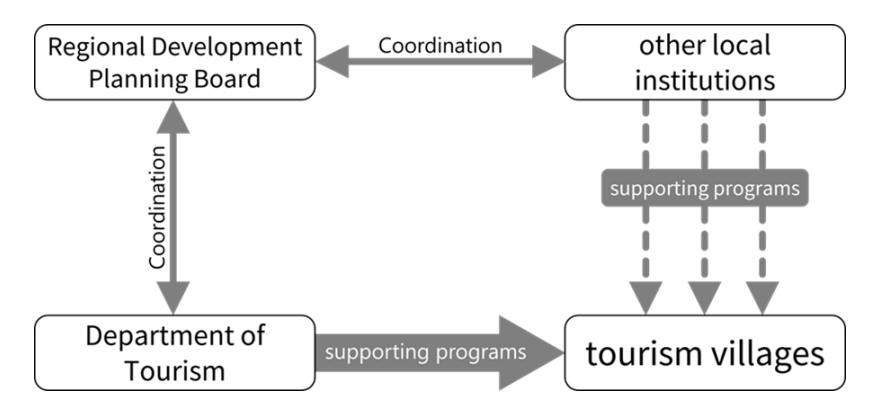
Figure 4. Relation between Sleman Regency's institutions in tourism villages development.
Based on official documents, the Department of Tourism is the only institution responsible for the development of tourism villages in Sleman Regency. Consequently, it limits the resources available to support the program in terms of human resources and funding. Still, the data show that the tourism villages in Sleman Regency have also received support from other institutions within the local government. Based on the questionnaires, at least nine institutions were supporting the development of tourism villages in Sleman by providing various resources with different mechanisms in different phases of TVC (Table 4).
The development policies of tourism villages in Sleman Regency have been well included in the general medium-term and annual development plan of Sleman Regency, sectoral medium-term and annual development plan in the Department of Tourism, and also supporting documents such as the Masterplan of Tourism Development and the Action Plan of Tourism Villages Development. However, in 2016, the ASEAN Secretariat published a CBT standard to guide CBT development in ASEAN countries, including Indonesia. Consequently, most of the practical indicators of CBRT development in Sleman Regency also follow the ASEAN CBT standard.
The development of tourism villages in Sleman Regency has adopted the CBT concept to establish self-reliant rural communities that are expected to develop their own rural areas for poverty alleviation and sustainable development purposes. It requires the HR-TB Division to focus on training and community building. These actions were frequently given to the communities with different topics and involved professionals as trainers or speakers. They also assist the community through communication forum meetings (Forum Komunikasi – Forkom) and site visits. This allows communication building among main stakeholders to develop tourism villages based on self-reliance. The tourism villages were then evaluated every two years to classify their development level for further assistance.
Table 4. TVC coverage by institutions in tourism village development
| INSTITUTIONS | |||||||||
|---|---|---|---|---|---|---|---|---|---|
| TVC | DP | KO | DK | DKI | DT | DPUPKP | DLH | DPP | DPPP |
| 1 | TD-MIX-BU | TD | TD-MIX | ||||||
| 2 | TD-MIX-BU | TD | TD-MIX | ||||||
| 3 | TD-MIX-BU | TD | TD | ||||||
| 4 | TD-MIX-BU | TD | |||||||
| 5 | TD-MIX-BU | TD | |||||||
| 6 | TD-MIX-BU | TD | MIX | TD-MIX | TD | ||||
| 7 | TD-MIX-BU | TD | MIX | ||||||
| 8 | TD-MIX-BU | TD | TD-MIX | TD-MIX | TD | TD-MIX | |||
| 9 | TD-MIX-BU | TD | TD-MIX | TD-MIX | TD | TD-MIX | |||
| 10 | TD-MIX-BU | TD | |||||||
| 11 | TD-MIX-BU | TD | TD | ||||||
| 12 | TD-MIX-BU | TD | |||||||
| 13 | TD-MIX-BU | TD | |||||||
Note:
DP : Dinas Pariwisata (Department of Tourism)
KO : Kapanewon (Sub-district Office)
DK : Dinas Kebudayaan (Department of Culture)
DKI : Dinas Komunikasi dan Informatika (Department of Communication and Information)
DLH : Dinas Lingkungan Hidup (Department of the Environment)
DPP : Dinas Perindustrian dan Perdagangan (Department of Industry and Trade)
DPPP : Dinas Pertanian, Pangan, dan Perikanan (Department of Agriculture, Food, and Fishery) DPUPKP : Dinas Pekerjaan Umum, Perumahan dan Kawasan Permukiman (Department of Public
Works, Housing, and Settlement Areas)
DT : Dinas Perhubungan (Department of Transportation)
TD : Top-down mechanism BU : Bottom-up mechanism MIX : Mixed mechanism
General Evaluation
In spite of the local government committing to developing tourism villages, the HR-TB Division leads the activities by itself. In practice, they need support from other institutions to manage the development since some programs are more suitable for other sectoral institutions, making inter-institutional coordination vital for development. Formal coordination is held annually, facilitated by the Regional Development Planning Board, and involves all the relevant stakeholders. Commonly discussed problems are limited resources to achieve government-set priorities and targets, implying discrepancies between practical situations and institutional requirements. Hence, the coordination necessitates integrated planning that involves multiple actors (stakeholders). It should deliver mutual benefits in achieving the targets of every
affiliated institution, induce inter-institutional cooperation, and avoid conflict/overlap within institution-specific programs.
Despite limited funding from the local government, the opportunity to get extra funding support from different sources is widely available. Besides the internal support from the government of Sleman Regency, tourism villages can also get support from the provincial and village-level governments, as they also have programs related to rural development. The regency government can propose or recommend funding to them, especially for inter-regional programs and other ones under their authority. Opportunities to cooperate with external parties are also high as they already cooperate with several professional associations and universities that offer professional support and community service programs (Kuliah Kerja Nyata). Furthermore, the local government also connects tourism villages to various companies for their Corporate Social Responsibility (CSR) programs. In practice, the development of tourism villages in Sleman Regency was expected to support the sustainable rural development program, as tourists offer not only economic benefits but also pursue social and environmental interaction in value cocreation (Xie, Guan, He, & Huan, 2021).
Achieving the development target of tourism villages can also have unintended outcomes. Rivalry, rural transformation, and waste problems are some of the negative impacts of the concurrent development of various tourism villages within the same regional boundary and administrative area. In fact, more developed tourism villages that are expected to be role models for others in sustainably developing their rural areas do not always meet expectations. These unintended consequences show that evaluation is needed for future policy implementation.
Policy Environment in the Tourism Value Chain
The implementation of development policies for tourism villages in each TVC phase is also different (Table 4). Various mechanisms were implemented with either a top-down, bottom-up, or mixed approach. The development programs in the pre-delivery phase were mostly conducted top-down. The Department of Tourism provided promotional activities through social media and promotional events but not specifically for tourism villages. Besides, no information was shared with the public about the list or profile of tourism villages in the regency. This implies that the development programs focused more on suppliers and intermediaries rather than consumers.
In terms of transportation, the local government considered the transportation infrastructure in Sleman Regency generally sufficient. Thus, they did not provide specific programs for developing the transportation infrastructure in tourism villages. The transportation sector in Sleman Regency is usually developed based on general priorities. Nevertheless, urgent needs of tourism villages related to accessibility are always considered, primarily through the bottom-up mechanism. The focus of transportation sector development is more focused on parking space provision, as most visitors of tourism villages use private vehicles for their visits.
The local government set a certain standard as the basis for tourism village classification. Therefore, the local government provided support through various resources from different departments, primarily utilizing top-down and mixed mechanisms. The support was mainly focused on accommodation, attraction, and activities, which are covered in the definition of tourism village in the regulations. However, every tourism village is unique, which is its selling point and differentiates it from other tourism villages. Standardization can avoid over-tourism in a single tourism village when the other tourism villages offer services with similar standards. Still, the local government not only focused on pushing standardization for the communities as suppliers but also acknowledged the variety of tourist needs, especially regarding safety precautions. Disaster-prone areas and adrenaline-triggering activities in some of the tourism villages were some of the reasons why local government pinpointed safety measures in the standardized evaluation and classification of tourism villages. Furthermore, since tourism villages have different character and development levels, the support that is necessary to reach the standard will differ. Mapping the ongoing situations and the bottom-up mechanism is therefore essential for optimizing the development of tourism villages.
Meanwhile, the post-delivery phase, which includes evaluation and after-sales service, has not yet received special attention from the local government. The support provided by the government has so far been limited to advise, training, and consultation by the tourism department to the communities with a more top-down mechanism. This support was provided through training sessions, assistance, and discussions in the Forkom (Communication Forum). This shows that this phase was not a priority for development regarding facilities and infrastructure. Therefore, awareness and self-reliance of the community are crucial in the implementation of this phase.
Discussion
The study attempted to evaluate the CBRT development policy environment based on the dimensions of the policy environment, which are stakeholders commitment, resources, and assistance delivery mechanisms (Wong et al., 2013), in the thirteen stages of TVC and considering the TVW framework (Sutomo et al., 2023). In terms of commitment, the local government of Sleman Regency has embraced the CBT concept for rural development by establishing tourism villages. The local government performs its commitment by making efforts in every stage of TVC despite the limited coverage and details of the policy documents. This shows the significance of policy environment evaluation rather than solely focusing on evaluating policy documents. However, it is important to note that the implementation needs to be supported by a clear and detailed policy document (Giampiccoli et al., 2021; Yanes et al., 2019). A clear representation of the core principles of CBT and/or rural tourism is essential in the definition of tourism villages employed in the policy documents. Despite the varying levels of community involvement, the CBT concept consistently emphasizes community participation as a fundamental aspect of its implementation, in line with Ishihara (2020). This underscores the need for a more precise definition of tourism villages that captures the spirit of CBT, ensuring that the efforts of the local government align with the overarching goals of community empowerment and sustainable development. It also highlights the need for a complete understanding of rural tourism. Despite the numerous definitions of rural tourism in the literature, the comprehensive definition used should, as Lane (1994) and Ruiz-Real et al. (2022) suggest, cover elements such as the rural location, scale, and/or characteristics of the tourism activities.
Meanwhile, the current definition of tourism villages adopted by the government of Sleman Regency has limited coverage of tourism activities, as it only involves attractions and accommodations. This narrow focus starkly contrasts with the TVC framework, which identifies the thirteen distinct aspects or stages that function in synergy as a system, each contributing its own unique products (Sutomo et al., 2023). This discrepancy underlines the need for a clear and comprehensive applied definition that accurately reflects the diverse range of tourism activities and components. This would not only facilitate the identification of preconditions and classification processes for establishing tourism villages but also contribute to the growth and, eventually, the goals of the CBRT program.
In terms of resources, the case studies in Sleman Regency showed that tourism village development policies cannot be optimally conducted by a single institution. Support and collaboration among other institutions, namely the coordinating institution and other sectoral institutions, is indispensable. Furthermore, the local government also builds cooperation and collaboration with other stakeholders, namely academic institutions and corporations, forming a basic triple helix model (Etzkowitz, 2008). This collaboration supports the communities in developing tourism villages. This cooperation is expected to encompass all stakeholders, including suppliers, intermediaries, and consumers, who are interconnected within the TVW. In the literature, the induction of a community in the basic triple helix concept has been studied and developed by scholars to form a multiple helix model (Nordberg, Mariussen, & Virkkala, 2020; Peris-Ortiz, Ferreira, Farinha, & Fernandes, 2016; Sutriadi, Aziz, & Ramadhan, 2022). However, the case studies in Sleman Regency suggest that the community should be the main actor in CBRT development. This corresponds to the ideal CBRT concept with a spirit of selfreliance (Giampiccoli, Mtapuri, & Nauright, 2020; Mtapuri & Giampiccoli, 2013). It gives an opportunity for the community to get the transfer knowledge and interact with other stakeholders to have the opportunity to engage with all of the resources from other stakeholders (Alizadeh, 2010; Espinoza-Sánchez, Peña-Casillas, & Cornejo-Ortega, 2022; Sianipar & Widaretna, 2012). Therefore, the community should become the axis at the center of the multiple helix in CBRT development (Figure 5).
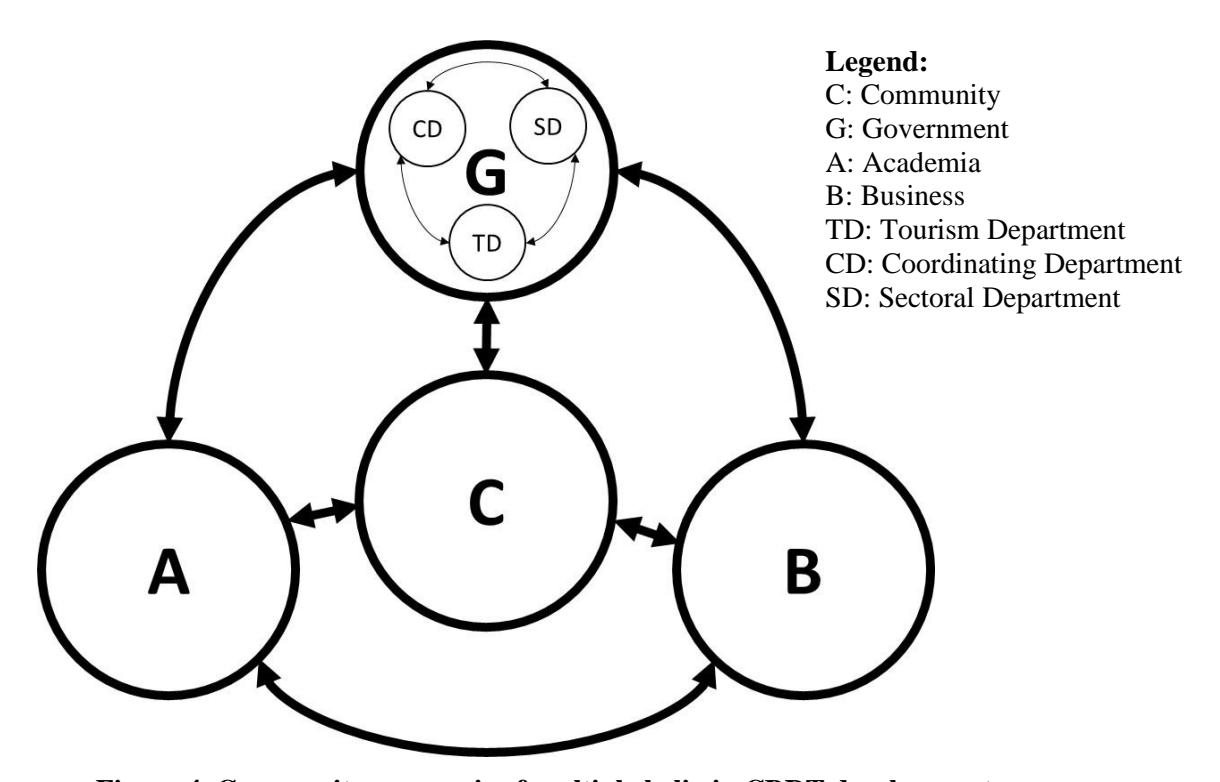
Figure 4. Community as an axis of multiple helix in CBRT development.
Regarding the mechanism aspect, the Department of Tourism represents the authoritative body for tourism development, supported by other institutions and external parties. The side-by-side coordination ensures a thorough institutional and external backing for CBRT initiatives in terms of commitment and resources. It confirms Yanes et al. (2019) on the importance of comprehensive administrative support for CBT-related policies. The centralized nature of this approach simplifies the bottom-up planning process. The designated division serves as the primary point of contact for rural communities seeking to communicate with or access support from the local government for tourism village development. This finding is in line with Sharpley & Telfer (2015), who state that streamlined communication is particularly crucial for rural communities in peripheral regions, which often struggle to garner the interest and support of local government authorities. Meanwhile, the creation of a communication forum (Forum Komunikasi – Forkom), facilitated by the designated division, further enhances the policy environment by providing a common platform for government-community dialogue and intercommunity communications. It enables the exchange of opinions and ideas, which, as Figueroa et al. (2002) and Putri & Adinia (2018) also advocate, fosters a collaborative environment that may lead to positive changes in the development process. Furthermore, an effective mechanism of local government supported by related stakeholders will lead to sustainable tourism village development planning (Widhianthini, 2017).
Even if the currently applied CBT definition does not include most of the TVC aspects and phases, this study revealed that, organically, CBRT implementation in Sleman Regency takes care of the entire TVC. This confirms that TVC (Sutomo et al., 2023) is a useful framework for seeking an end-to-end understanding of the tourism industry in real-world cases. Meanwhile, the TVW framework plays a role in providing an overview of all activities and stakeholders involved in tourism development. Moreover, the currently applied focus on community selfreliance in tourism village development efforts is highly valuable, especially recently. Confirming Leung et al. (2022), self-reliance can foster community resilience, which, according to Noorashid & Chin (2021), is critical for communities to withstand challenges like the Covid-19 pandemic. However, confirming Giampiccoli & Mtapuri (2021), the Covid-19 pandemic provided an opportunity to evaluate the policy environment for effective CBT development. Looking ahead, as UNWTO (2020) suggests, CBRT development policies should put a stronger emphasis on resilience and sustainability by prioritizing inclusivity and responsibility. According to Khunnikom et al. (2022), this requires a continued observation of the rural communities to anticipate the dynamic situations. The CBRT development policy and the supportive policy environment should, therefore, be adaptive and responsive, able to adjust to changing circumstances.
Conclusion
Evaluating the CBRT policy environment is essential because it covers both policymaking and implementation, ultimately aiming to achieve the desired outcomes. This evaluation helps stakeholders to better understand the policy landscape than by merely analyzing official documents. Besides, using the Tourism Value Chain framework in evaluating the CBRT policy environment offers valuable insights into the policies and their implementation across various stages of rural tourism activities, offering a more complete view. Additionally, data from three distinct sources and methodologies allow enriched information to enhance the validity of the analysis, which in turn can inform the development of evidence-based recommendations for policy improvement. Furthermore, the CBRT policy environment is dynamic and requires a proactive and adaptive approach to policy evaluation to ensure the long-term success and sustainability of CBRT initiatives.
Meanwhile, the CBRT practices in Sleman Regency organically included all TVC phases despite having CBRT policies with limited coverage of TVC aspects. This demonstrates the rural communities' organic conscience to foster sustainable growth in the tourism sector. However, with multiple actors (stakeholders) involved, effective coordination and collaboration, reinforced by well-structured planning documents, are essential for improving the development
process and ensuring the successful implementation of policies. A thorough mapping of the conditions of tourism villages is also crucial to tailor policy approaches specific for each TVC phase and aspect group while considering all of the aspects and stakeholders in the TVW. Detailed assessments help policymakers create targeted solutions for each village's needs, enhancing the overall CBRT policy. While tourism village development in Sleman shows great potential, policymakers should anticipate and mitigate any negative impacts to ensure that the process remains sustainable and beneficial for all involved.
This study not only provides input on the implementation of CBRT development policies but also contributes to academia, particularly in the field of Community-Based Tourism (CBT) in rural areas. It offers a framework for evaluating the policy environment in CBRT and examined its impacts on stakeholders. Additionally, this study proposes a multiple-helix model for CBT development. However, some limitations in this study remained, which point to opportunities for further research. First, this research focused primarily on the perspective of the local government, with limited input from other stakeholders, such as communities, tourism businesses, or other government levels. Second, despite using multiple case studies, this research only examined the CBRT policy environment within Sleman Regency. A comparative analysis of CBRT policies, practices, and policy environments in other regions could provide a broader context for a policy environment evaluation study.