

Introduction
The revitalization of historic districts has become a strategic issue in the global discourse on sustainable development. Amid increasing pressure from overtourism, the climate crisis, and the erosion of local cultural values, conservation and adaptation efforts are no longer seen merely as preserving relics of the past; they are now considered essential for sustaining present and future generations. They have become vital instruments for shaping inclusive, resilient, and highly competitive tourism destinations amid global change. In developing countries like Indonesia, revitalizing historic areas serves a dual purpose: preserving local cultural identity, while also meeting the demands of increasingly complex, environmentally conscious global travelers
2 Interior Design Study Program, Indonesia Institute of the Arts Denpasar
(Pranajaya, 2023). These global challenges necessitate localized responses, particularly in developing countries, where tourism, heritage, and sustainability intersect most critically.
Sanur, located in Bali, is a historic district that has served as the gateway to international tourism in Indonesia since the mid-20th century, with the Grand Inna Bali Beach Hotel as its iconic landmark. Constructed in 1965 under the initiative of President Soekarno, the hotel exemplifies a synthesis of modern tropical architecture and local traditions. Over time, however, the area has faced multiple challenges, including physical deterioration from fire damage, a shift in tourist preferences toward more sustainable destinations, and increased competition from areas such as Canggu and Seminyak. The decline in Sanur's appeal underscores the urgent need for a revitalization approach that is sensitive to its historical significance and cultural values. In 2022, Sanur was officially designated as a Special Economic Zone (SEZ) for health and wellness tourism. This designation catalyzed a new phase of planned development, including the construction of Bali International Hospital and the transformation of the Grand Inna Beach Hotel into The Meru Sanur resort. The revitalization project adopted a local genius approach, blending indigenous wisdom with modern tropical luxury to reinforce the district's architectural and spatial identity. While the designation of Sanur as an SEZ provides a policy framework, academic inquiries are required to critically assess whether such development truly balances heritage conservation with innovation.
The revitalization approach implemented in this context extends beyond mere physical renewal, encompassing social, cultural, economic, and ecological dimensions in an integrated manner. Integrated regional planning serves as a strategic instrument to ensure cohesion among functions, spatial arrangements, and stakeholder participation. According to the UNWTO report from 2024, many revitalization efforts in developing countries have failed due to the absence of spatial integration and collaborative governance. These shortcomings have led to cultural degradation, environmental stress, and social exclusion (UNWTO, 2024). In the Sanur SEZ, sustainability principles have been implemented through the development of high-quality public spaces, environmentally friendly transportation systems, the use of renewable energy, integrated waste management, and the conservation of both coastal and marine ecosystems. At the same time, the revitalization process incorporated sensitive contemporary interventions, allowing the district to retain its heritage character while remaining relevant to modern tourists' needs. This approach demonstrates how sustainable architecture can be effectively applied within historic buildings, enabling Sanur to preserve its identity while enhancing its global competitiveness (Aecom, 2023). The aforementioned recurring failures demonstrate the need for more holistic and context-sensitive approaches to revitalization, especially in the Global South.
The revitalization of the Grand Inna Bali Beach Hotel emphasizes active conservation by restoring elements of modern tropical architecture, including natural ventilation, tropical geometric structures, and environmentally friendly local materials. The principle of adaptive reuse is carefully applied to preserve historical value without compromising energy efficiency. The interior design incorporates Balinese cultural elements through collaboration with local artists, reinforcing the visual identity and supporting the local creative economy. However, the academic literature still reveals several limitations: revitalization studies in Indonesia tend to remain sectoral, lacking a comprehensive integration of urban planning, architectural conservation, and interior design. Furthermore, the incorporation of local philosophies such as Tri Hita Karana remains limited, in both theoretical frameworks and practical applications, as a foundation for spatial ethics. Previous studies on Indonesian revitalization efforts (Abidin Kusno, 2012; Yung & Chan, 2012; Antariksa et al., 2024) tended to adopt a sectoral approach, focusing either on urban planning or architectural conservation in isolation. Similarly, research on adaptive reuse (Yung & Chan, 2012) often neglected cultural philosophies such as Tri Hita Karana, which could serve as a normative basis for spatial ethics. These scholarly gaps highlight the absence of integrative frameworks that connect planning, architecture, and interior design within culturally sensitive revitalization processes.
This study proposes an integrative approach that combines adaptive regional planning, sustainable architecture, and culturally grounded interior design, with the Tri Hita Karana philosophy as its conceptual framework. This Balinese philosophy is operationalized through theories of place-making, adaptive reuse, and circular design, generating a contextual, participatory, and transformative model of area revitalization. The case study of the Sanur SEZ, particularly the revitalization of the Grand Inna Bali Beach Hotel and the development of The Meru Sanur resort, provides the analytical basis for examining spatial policies, architectural and interior practices that integrate cultural heritage and innovation, and the role of local communities within the tourism ecosystem. This research aimed to develop a values-based revitalization model that can be replicated in other coastal tourism areas across Southeast Asia, offering both theoretical and practical contributions to the discourse on inclusive, sustainable, and context-sensitive heritage district revitalization.
Based on these gaps, this study wanted to answer the following research questions: (1) How can adaptive regional planning be integrated with sustainable architecture and culturally grounded interior design to revitalize historic districts? (2) In what ways can the Tri Hita Karana philosophy provide a normative framework for spatial ethics in revitalization practices? This study sought to fill the research gaps by developing a comprehensive, values-based revitalization model that addresses the intersection of planning, architecture, and interior design in the context of heritage tourism.
Literature Review
The sustainable development of historic tourism districts requires a multidisciplinary approach that synthesizes theoretical perspectives from regional planning, architecture, and interior design. This study consolidated various theoretical frameworks underpinning the revitalization of the Sanur SEZ and identified critical gaps in cross-disciplinary integration. The place-making approach is rooted in the understanding that public spaces should not only fulfill physical functions but also carry social and emotional significance for their users (Montgomery, 1998). In the context of tourism, place-making fosters authentic place identity and strengthens tourists' emotional attachment to a destination. In historic districts such as Sanur, placemaking is a key strategy for restoring the area's appeal without eroding its original character. In the Sanur SEZ, the placemaking approach must also consider the district's tropical climate, coastal ecology, and architectural heritage, which together influence vegetation patterns, the use of local building materials, and the spatial experience of both residents and visitors.
In alignment with this, adaptive reuse is a design approach that emphasizes repurposing existing buildings for new uses while preserving their historical value (Stone, 2005; Till & Schneider, 2005). It is important to emphasize that functional adaptation must consider both flexibility and energy efficiency to ensure that buildings remain relevant to contemporary needs. The growth pole concept was introduced by Perroux (1950). It posits that development concentrated in a strategic area can generate a multiplier effect on the surrounding regions. In the context of tourism, this theory has been further developed to explain the role of flagship destinations as gravitational centers of regional development. The development of the Sanur SEZ as a health tourism hub can be viewed as a growth pole strategy in the Province of Bali, aimed at redistributing tourism development more evenly, which has historically been concentrated in the island's southern region. Its alignment with the Spatial Plans (RTRW) of Denpasar City and the Province of Bali further reinforces Sanur's role as a new growth center rooted in sustainable tourism principles. In Sanur, adaptive reuse principles are particularly relevant to the transformation of the Grand Inna Bali Beach Hotel into The Meru Sanur resort, where modern tropical architectural features and Balinese aesthetics are preserved while upgrading facilities to cater to contemporary health tourism.
The principles of green architecture emphasize energy-efficient building design, the use of environmentally friendly materials, and consideration of the building's life cycle from planning to demolition (Nanu et al., 2020a; Bennetts et al., 2003). This demonstrates that green architecture not only has a positive impact on the environment but also offers long-term cost efficiency. The concept of the circular economy in architecture emphasizes material reuse, waste reduction, and resource efficiency (Geissdoerfer et al., 2017). Pomponi & Moncaster (2017) further emphasize that applying these principles extends the lifespan of buildings, strengthens cultural values, and reduces dependence on virgin resources. In the context of Sanur SEZ's revitalization, these principles are implemented through the reuse of materials from historic structures, the adoption of solar energy technologies, and the integration of a comprehensive waste management system. Thus, the development of Sanur SEZ serves not only as a growth pole in Bali's southern tourism corridor but also as a strategic node for sustainable spatial redistribution, aligning with national economic policies.
Biophilic design is an approach that seeks to enhance the human-nature connection by incorporating natural elements into built environments (Stephen R. Kellert, 2011). The incorporation of biophilic elements, such as natural lighting, indoor vegetation, and organic materials, can enhance psychological comfort and accelerate healing (Nanu et al., 2020b). This concept is highly relevant for health tourism destinations such as the Sanur SEZ, which emphasize therapeutic experiences in both accommodation and public spaces. Spatial design that integrates tropical elements with local cultural values enhances the overall quality of the tourist experience. In Sanur's revitalization, green architecture principles are applied through passive cooling strategies, the use of renewable energy, and the prioritization of local materials such as viro synthetics, teak, and volcanic stone, which are resilient to Bali's humid tropical climate.
Furthermore, the design-based development regulation approach, as proposed by Carmona (2021), serves as a spatial planning system that prioritizes aesthetic quality, spatial efficiency, and environmental sustainability as core requirements for area development (Gill Cullinan, 2015).This approach also supports addressing the challenges of urbanization and climate change. In the context of Sanur SEZ's revitalization, estate regulation serves as a critical instrument to ensure coherence among architectural design, spatial use, and the area's social functions. For a health tourism hub like Sanur, biophilic interventions from coastal greenery to interior healing gardens enhance the therapeutic value of built environments, directly supporting the Sanur SEZ's branding as a wellness destination.
Engaging local communities in the planning process is essential for creating inclusive and sustainable spaces. Ashley & Haysom (2006) further argue that integrating micro, small, and medium enterprises (MSMEs) and local creative economy actors into the tourism value chain enhances a destination's economic resilience. The collaborative governance model adopted in the Sanur SEZ provides participatory space for communities in the development of wellness products, culturally rooted interior design, and the promotion of local arts. As a contribution from the local context, the Tri Hita Karana philosophy is employed to enrich the area planning approach. This philosophy emphasizes harmony between humans and the divine, among fellow
humans, and between humans and the natural world. The integration of Tri Hita Karana principles not only adds cultural value but also introduces a distinct Balinese spiritual and ecological dimension into the design and management of the area. Thus, the revitalization of the Sanur SEZ is not merely a technical project but a meaningful transformation of values for the local community and future generations. Estate regulations in the Sanur SEZ ensure that architectural interventions remain cohesive with the area's tropical and spiritual character, while addressing urbanization and climate adaptation.
Originating from Balinese Hindu philosophy, Tri Hita Karana emphasizes three harmonious relationships: parahyangan (human-divine), pawongan (human-human), and palemahan (human-nature). Historically, this philosophy has guided the spatial organization of Balinese villages and temples, influencing zoning, orientation, and the use of natural materials. The previous study by Lansing (2017) has demonstrated how its application in architecture enhances cultural identity while maintaining ecological balance. In the context of the Sanur SEZ, Tri Hita Karana provides a normative framework for integrating local wisdom into adaptive planning, sustainable design, and culturally rooted interior spaces.
Research Method
This study employed a mixed-methods approach, utilizing a convergent parallel design that integrates qualitative and quantitative methods simultaneously to provide a comprehensive understanding of the revitalization of the Sanur SEZ. This approach is well-suited to the complexity of issues encompassing spatial, social, economic, cultural, and ecological dimensions. Guided by a pragmatic paradigm, the research focuses on context-specific solutions by integrating numerical and narrative data to analyze regional planning, architectural design, and interior design practices. Exploratory and descriptive, the study aimed to identify revitalization practices, evaluate policies, and design interventions, ultimately formulating a conceptual model grounded in field-based evidence. The primary research site was the Sanur SEZ in Denpasar, Bali, which was selected for its historical significance, notably the Grand Inna Bali Beach Hotel, its functional transformation into a medical tourism zone, and its inclusion in national strategic projects, such as The Meru Sanur resort and Bali International Hospital. This study also incorporated comparative international case studies of Marina Bay (Singapore), Song Saa (Cambodia), and Costa Navarino (Greece), all recognized for their successful integration of sustainability, cultural conservation, and community engagement.
The mixed-methods design adopted in this study follows a convergent parallel approach, as illustrated in Figure 1, which outlines the sequential logic of theoretical framing, data collection, and integration between qualitative and quantitative strands. The diagram outlines the convergent parallel design adopted in this research, showing simultaneous data collection through literature review, field observation, interviews, and international benchmarking, followed by the integration of qualitative, quantitative, and comparative analyses. This visual representation is intended to strengthen the coherence between the research objectives, data collection techniques, and analytical strategies.
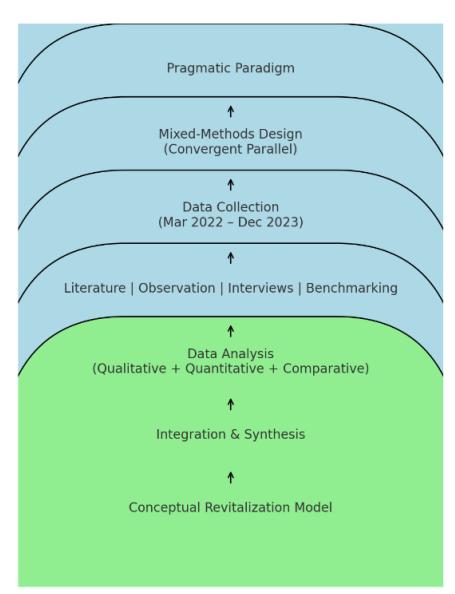
Figure 1. The methodological framework of this study. Source: Author
Data collection was conducted using four primary techniques. First, a literature review and document analysis were carried out, focusing on government regulations related to the Sanur SEZ, the Spatial Plans (RTRW) of Denpasar and the Province of Bali, the Sanur SEZ masterplan and estate regulations, as well as reports from UNWTO and UNESCO, peerreviewed academic journals, and architectural studies of historic buildings (Sugiyono, 2009). The objective of this study was to establish a policy framework and planning context underlying the area's revitalization. Second, field observation and manual spatial mapping were conducted to examine the spatial configuration, circulation patterns, public spaces, environmentally friendly transportation systems, and revitalized heritage buildings. Mapping was carried out through sketching, visual documentation, and spatial observation of functional zoning, green space integration, and inter-facility connectivity.
Data collection took place between March 2023 and December 2024. This time frame encompassed both the pre-revitalization and ongoing revitalization phases of the Sanur SEZ, enabling the research to capture changes in spatial conditions, stakeholder perspectives, and policy implementation dynamics in real time. To complement the qualitative inquiry, the quantitative component of this study utilized data obtained from official estate management reports, environmental monitoring records, and spatial documentation related to the Sanur SEZ. Four key variables were selected to represent sustainability performance indicators: (1) the proportion of green open space relative to the total land area (%); (2) annual building energy consumption (kWh/m²/year); (3) monthly solid-waste generation (tons/month); and (4) the public accessibility index (%). These datasets were analyzed using descriptive statistical methods and subsequently compared against international benchmarks for sustainable development zones. The quantitative findings were then integrated with qualitative insights through a triangulation process during the interpretation stage to ensure analytical validity and strengthen the overall reliability of the results.
Third, in-depth semi-structured interviews were conducted with 25 key informants from five stakeholder groups: national and local government officials; area developers and architects; academics and planning experts; local communities and MSME actors; and tourists and users of health services. A purposive sampling technique was employed to select the informants based on their experience and strategic roles in the revitalization process. The interview questions
focused on policy dimensions, design practices, community participation, and perceptions of spatial transformation. Fourth, international benchmarking was conducted through case studies of three international tourism destinations. Data sources included academic publications, development reports, and architectural and spatial planning studies from each respective site.
Data analysis was conducted using three complementary approaches. First, a qualitative study was performed using Grounded Theory, involving the stages of open coding, axial coding, and selective coding to formulate theoretical propositions. Validity was ensured through source triangulation, member checking, and peer debriefing. Second, quantitative analysis was conducted descriptively using tables, trend diagrams, and evaluation matrices based on sustainability indicators, including green open space, energy consumption, waste volume, and accessibility. Third, benchmarking was employed to compare the strategies used in the Sanur SEZ with international best practices in zoning, sustainable tropical architecture, participatory governance, green technologies, and circular economy models.
This study ensured data validity through triangulation of sources, including literature, field observation, and interviews, as well as expert validation involving professionals in planning, architecture, and public policy. Participants were allowed to review interview summaries to confirm their accuracy. Research ethics were upheld by adhering to the principles outlined in the Belmont Report, including obtaining informed consent, maintaining data confidentiality, ensuring voluntary participation, and disseminating findings equitably and transparently.
Results and Discussion
1. The Integration of Regional Planning in the Development of the Sanur SEZ as a Sustainable Health Tourism Destination
The revitalization of the Sanur Special Economic Zone (SEZ) is inextricably linked to the spatial planning framework established through legal instruments at both the municipal and provincial levels. Denpasar City Regional Regulation No. 8 of 2021 concerning the Denpasar City Spatial Plan (RTRW) 2021-2041 and Bali Provincial Regulation No. 3 of 2020, which revises the Bali Province RTRW 2009-2029, serve as the normative and strategic foundations for spatial governance, particularly in the coastal area of Sanur. These two regulations reflect the local government's commitment to integrating economic growth through tourism, preserving Balinese culture, and promoting environmental sustainability within a comprehensive regional development framework. On the zoning map, the Sanur coastal area is designated Zone W1 (Tourism Zone), which is subject to strict regulations. These regulations include the obligation to allocate 25% of the area as green open space, building height restrictions, and a prohibition on construction within the coastal setback zone. This zone also functions as a disaster evacuation corridor and provides public access to the sea, thereby serving as a social, cultural, and spiritual space. Its intersection with residential zones (P), commercial and service zones (K-1), and open space zones (R) necessitates cross-sectoral spatial design that prioritizes land-use efficiency and functional integration across zones to create an inclusive and sustainable area, as illustrated in Figure 2.
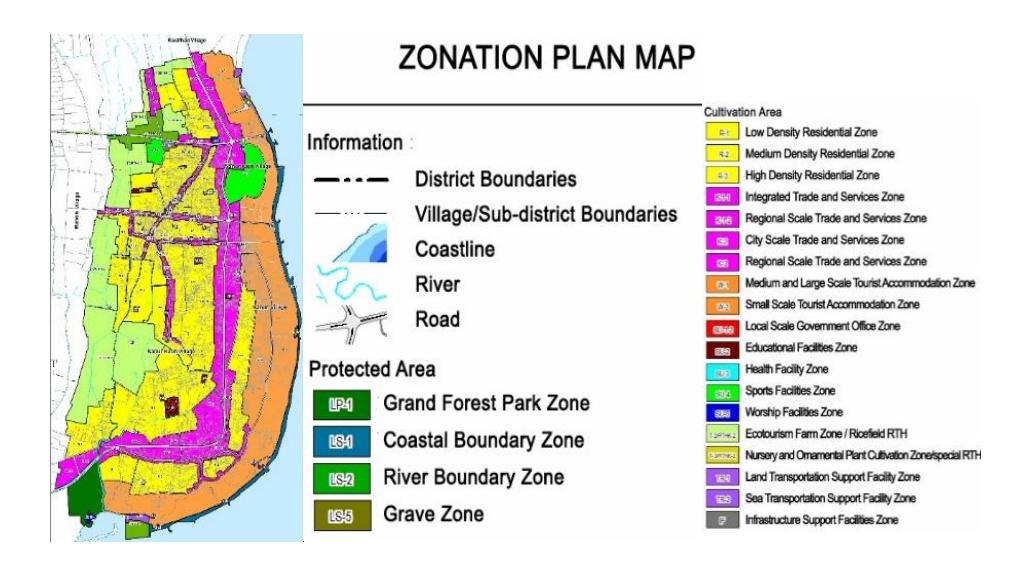
Figure 2. Zoning plan map of the Sanur area. Source: Denpasar City Government
To provide a clearer understanding of the regulatory framework governing the revitalization of the Sanur SEZ, Table 1 summarizes the key government regulations, their technical criteria, and their practical implications. This tabular format enables easier comparison of spatial requirements, such as coastal setbacks, sacred site boundaries, and green open space provisions, which are essential for ensuring sustainable and culturally sensitive development.
Table 1. Summary of Government Regulations and Their Spatial Implications for Sanur SEZ
| Regulation | Technical Criteria | Practical Implications for Sanur SEZ |
|---|---|---|
| Regional Regulation of | Building setback: min. 100 m from | Ensures public coastal access, |
| Denpasar No. 8/2021 | the coastline; height limits | prevents overdevelopment. |
| Regional Regulation No. | Sacred site boundary: 50 m; green | Protects cultural sites and secures |
| 3/2020 (Bali) | open space: ≥25% of area | ecological buffers. |
| Government Regulation | Compact city principle, integrated | Promotes dense yet eco-friendly land |
| No. 41/2021 (SEZ) | TOD, 25% minimum KDH | use and sustainable mobility. |
| Minister of Investment | Mixed-use: healthcare, MSMEs, | Encourages synergy between health |
| Decree No. 1/2023 | MICE, tourism accommodations | tourism and the local economy. |
Source: Analysis Author
The designation of Sanur as a special economic zone through Government Regulation No. 41 of 2021, subsequently updated by Government Regulation No. 77 of 2022, highlights the importance of achieving spatial synergy between area development plans and regional spatial planning. As the managing enterprise, the special economic zone has been given a strategic mandate to formulate and implement the Sanur SEZ masterplan, which integrates key components such as internationally accredited healthcare facilities, premium hotels and villas, conference and exhibition spaces (MICE), MSME centers, and an interconnected transportation network within a unified area-based ecosystem, as illustrated in Figure 3. The concept of a compact city is employed in this planning framework, emphasizing spatial densification, infrastructure optimization, and integrated land use to support user mobility and comfort without compromising socio-ecological sustainability.
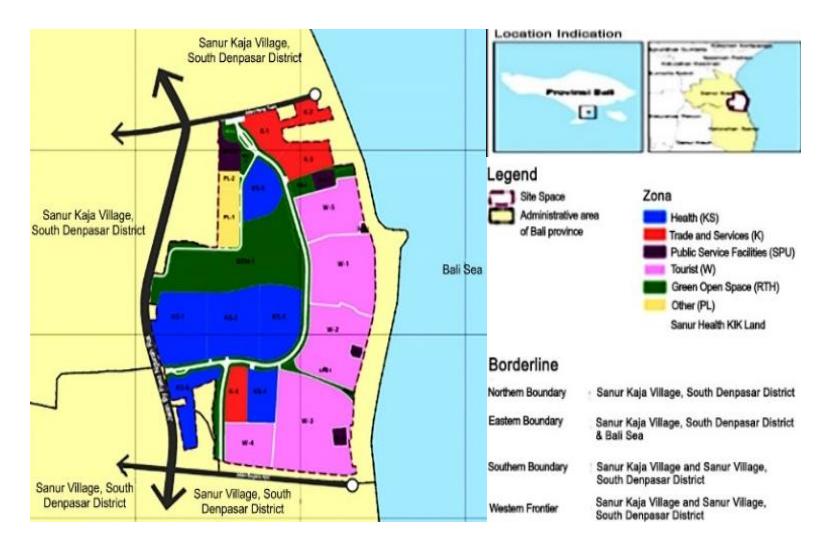
Figure 3. Spatial structure plan map of the Sanur SEZ. Source: Developer
The implementation of Transit-Oriented Development (TOD) principles represents a key innovation in the development of the Sanur Special Economic Zone (SEZ). The expansion of Sanur Port into an international harbor is integrated with the provision of pedestrian pathways, bicycle facilities, and low-emission electric transportation systems, all of which promote environmentally friendly mobility while reducing reliance on private vehicles. Environmental sustainability is further reinforced through the establishment of a minimum Green Base Coefficient (Koefisien Dasar Hijau/KDH) of 25%, the integration of waste and water management systems, and the conservation of native vegetation as ecological buffers that support coastal biodiversity. As illustrated in Figure 4, the spatial composition of the Sanur SEZ reflects a balanced allocation of functions, consisting of 40% hotel and spa areas, 32% green open space, 18% MSME (UMKM) zones, and 10% public spaces, demonstrating the integration of economic development with environmental and social sustainability principles.
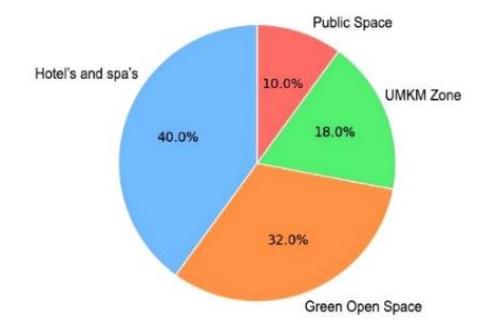
Figure 4. Functions of space in the Sanur SEZ. Source: Author
The buildings within the Grand Inna Bali Beach area have been developed in compliance with technical building standards and spatial planning regulations. This includes considerations of function, structural integrity, aesthetics, and spatial utilization. The construction process adhered strictly to existing rules, resulting in an optimal integration of design and functionality. The area is thus classified as a well-organized zone by prevailing legal frameworks. Figure 5 illustrates the strategic use of native vegetation, such as Trembesi, Pule, Sawo Kecik, and Frangipani
(Plumeria), which not only enhances the area's aesthetic value but also improves microclimatic conditions. The spatial arrangement, including coastal setback zones and building alignments, complies with Denpasar Mayor Regulation No. 8 of 2023 and No. 8 of 2021. The required distances between buildings, shoreline setbacks, and sacred site boundaries have all been duly observed. The Hotel Tower, although constructed before the implementation of contemporary regulations, is officially recognized as an existing structure and designated as a national cultural heritage asset.
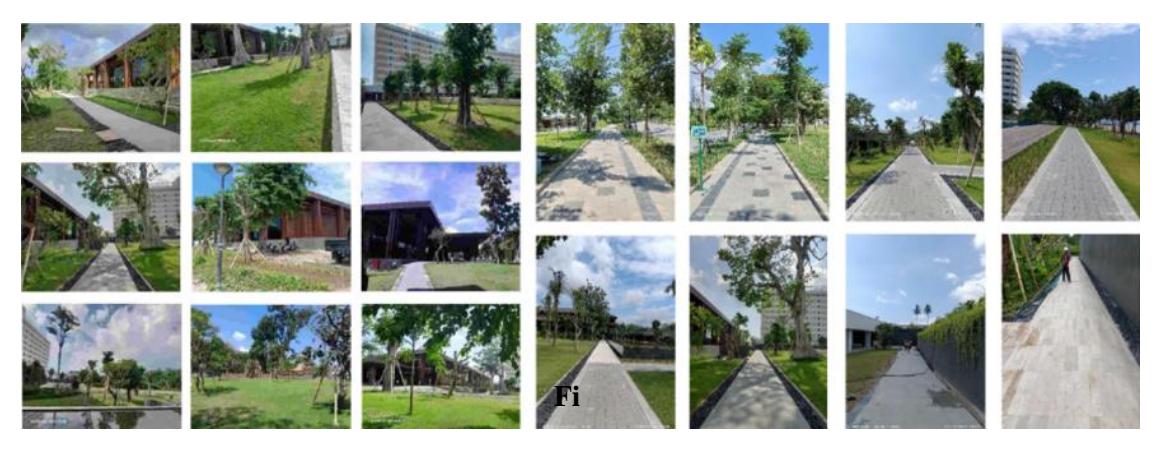
Figure 5. Application of native plant species in the Sanur SEZ. Source: Author (2025)
Within the theoretical framework, the development of the Sanur Special Economic Zone (SEZ) can be interpreted through the lens of Perroux's (1950) growth pole theory. The Sanur SEZ is envisioned as a new economic node intended to generate multiplier effects for East Denpasar and its surrounding areas, while also redistributing development pressures that have long been concentrated in regions such as Kuta and Seminyak. This approach is integrated with Elkington's (1998) triple bottom line concept, which advocates for a balanced consideration of economic, environmental, and social dimensions. The Sanur SEZ is conceived not merely as an investment enclave but also as a developmental testbed that harmoniously integrates modernity with local wisdom in a sustainable manner. The master plan for the Special Economic Zone (SEZ) reflects a commitment to holistic and participatory development principles, as articulated in contemporary planning paradigms (Friedmann, J., 2020). The development plan integrates medical and wellness facilities, hotel accommodations, micro, small, and medium enterprise (MSME) zones, and public spaces into a cohesive spatial framework. A strong commitment to preserving local cultural heritage is demonstrated through the adoption of traditional Balinese architectural elements and the inclusion of spaces dedicated to religious and customary activities. Furthermore, the use of environmentally friendly construction materials, water conservation measures, and modern waste management systems serves as a key indicator of the zone's orientation toward energy efficiency and environmental quality.
Specifically, the environmentally friendly construction materials applied in the Sanur SEZ include reclaimed timber from fire-damaged structures and locally sourced paras stone and viro synthetics, which reduce embodied energy and promote the circular use of resources. Water conservation strategies involve rainwater harvesting systems, greywater recycling for landscape irrigation, and the installation of low-flow sanitary fixtures in public and hospitality facilities. Modern waste management is implemented through a three-tier system: segregation of organic, recyclable, and residual waste at the source; composting and anaerobic digestion of organic
waste; and an IoT-based monitoring system that tracks waste volumes and optimizes collection schedules. These measures ensure that the revitalization process minimizes environmental impact, improves operational efficiency, and aligns with global sustainability standards.
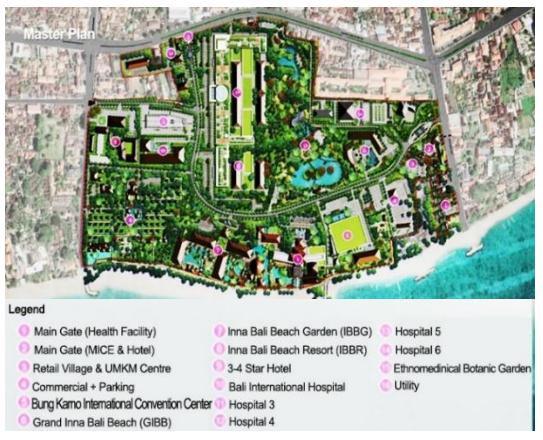
Figure 6. Masterplan of the Sanur SEZ. Source: Author
Figure 7. Spatial network and transportation integration within the Sanur SEZ. Source: Author
Figure 6 shows that the development of subzone W1 within the Sanur SEZ aligns with both regulatory frameworks and the area's strategic objectives, as outlined in Decree of the Minister of Investment/Head of BKPM No. 1 of 2023. The integration of healthcare, commercial, and tourism functions has given rise to a wellness hospitality concept, which combines medical services, accommodation, and culturally rooted therapeutic practices. Hotels in the area offer post-operative care packages that seamlessly integrate traditional spa treatments with modern medical technologies. The spatial visualization shows a balanced distribution of core facilities and green open spaces, supported by an efficient, environmentally friendly internal transportation network, as depicted in Figure 7.
The Sanur SEZ exhibits strong potential as a model for health and sustainability-themed development in Indonesia, made possible through the integration of national and local policy coordination, adaptive spatial planning, and contemporary development theories. This synergy not only generates economic value but also reinforces local identity and long-term ecological resilience. Sustainable architecture is manifested through a synthesis of modern design principles and traditional Balinese elements, as outlined in Bali Regional Regulation No. 5 of 2005. Each building features distinctive local characteristics, such as roof forms, ornamental details, natural lighting, and passive ventilation systems. Adaptive design is further realized through spatial flexibility, innovative technologies, and interior elements that respond to diverse user needs.
2. Sustainable Architectural Strategies and Green Technology Innovations in the Revitalization of the Bali Beach Hotel
The revitalization of Grand Inna Bali Beach Hotel into The Meru Sanur resort and Bali Beach Hotel marks a transformative shift in Bali's coastal architectural paradigm, embracing sustainable building practices that integrate historical value, low-carbon technologies, and cultural narratives. Originally constructed during the Soekarno era as a symbol of modern tropical architecture, the structure now embraces principles of regenerative architecture and the circular economy. Passive design strategies, such as cross ventilation, wide overhangs, and optimal building orientation, contribute to high energy efficiency. The post-fire 2021, adaptive reuse of the structure incorporates the original concrete framework and environmentally friendly, locally sourced materials, including reclaimed timber and porous stone. These efforts align with Indonesia's 2035 carbon neutrality target while promoting time efficiency and waste reduction, positioning the project as a model of sustainable architecture grounded in cultural conservation. This transformation also involves integrating green technologies, including installing solar panels that generate approximately 60 kWh per day to power public facilities. Additionally, a heat pump-based water heating system and automated LED lighting, controlled by sensors and an IoT-based energy management system, have been implemented. This combination of systems has significantly reduced both electricity consumption and annual carbon emissions, resulting in an adaptive and environmentally conscious building. Externally, the hotel landscape has been designed as an active ecological element, incorporating green envelopes and rain gardens. These gardens are designed to absorb rainwater, provide habitat for local fauna, and enhance the area's spatial character, as illustrated in Figure 8. The irrigation system, which uses greywater, reduces clean water use by up to 20%, aligning with green building design principles of resource efficiency.
Figure 8. Rain garden and green envelope strategy at The Meru Sanur Hotel (greywater irrigation). Source: Author (2025)
Figure 9. Five design principles applied in the Sanur SEZ. Source: Developer
The revitalization of the Grand Inna Bali Beach Hotel into The Meru Sanur resort and Bali Beach Hotel emphasizes the integration of local aesthetics with global branding strategies. Traditional Balinese elements, such as angkul-angkul (ornamental gateways) and karang sari motifs, are reinterpreted in the design to create an immersive spatial experience imbued with spiritual significance. The hotel is positioned as a tropical healing sanctuary, offering not only accommodation but also a holistic health transformation experience. As part of a nationally symbolic architectural project from the 1960s, the hotel holds historical significance comparable to that of the Indonesia Hotel in Jakarta and the Ambarrukmo Hotel in Yogyakarta. The revitalization process preserves its architectural value through a conservation approach based on structural feasibility studies and laboratory assessments.
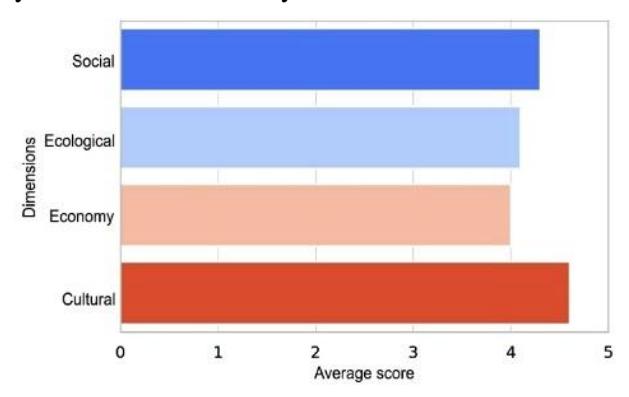
Figure 10. Informant perceptions of revitalization dimensions in the Sanur SEZ. Source: Author
Figure 10 illustrates the average evaluation scores across four sustainability dimensions cultural, social, ecological, and economic during the revitalization of the Sanur SEZ. The results indicate that the cultural dimension achieved the highest score, followed by the social, ecological, and economic dimensions. This pattern reflects that the Sanur SEZ revitalization project has been most successful in preserving local cultural identity and strengthening community cohesion through participatory engagement and the empowerment of local MSMEs, artisans, and cultural actors. The relatively high ecological score also demonstrates efforts to implement environmentally responsible design strategies, including green open spaces and wastewater integration systems. However, the slightly lower economic score suggests that there remains room for improvement in ensuring broader local value-chain participation and equitable income distribution. Overall, the findings highlight that the Sanur SEZ development prioritizes culturebased and community-oriented sustainability, aligning with the local philosophical framework of Tri Hita Karana.
The revitalization of the Bali Beach Hotel aims to restore the building's original character, which was influenced by modern tropical architecture and drew inspiration from Miami Modernism (MiMo). The initial design, featuring bold horizontal lines, solid white walls, and symmetrical windows, had been diminished over time due to unsympathetic modifications. The recent project removed these incongruent additions, reinstated the original façade based on historical archives, and incorporated sustainable design principles. Key architectural elements such as solid white walls, orderly fenestration, and systems for natural ventilation and daylighting were restored to enhance energy efficiency and thermal comfort. The outcome is a structure that is aesthetically refined, functionally efficient, and firmly rooted in Bali's local architectural identity.
The original Bali Beach Hotel building. Source: Developer
The Bali Beach Hotel building after the implementation of Regional Regulation No. 5/2005. Source: Developer
The new Bali Beach Hotel after revitalization. Source: Author (2024)
This revitalization effort is aligned with the broader transformation of Sanur into a Special Economic Zone for Health Tourism. The Meru Sanur resort functions as a central node within a network of world-class facilities, including luxury accommodations, a convention center with a capacity of 5,000 people, elderly care facilities, an ethnomedicinal botanical garden, and high connectivity to Sanur Port and public transportation hubs based on transit-oriented development (TOD) principles. The collaboration among government entities, state-owned enterprises, and the private sector has enabled optimal space utilization through the compact city and TOD frameworks. This integrated approach enhances the area's economic value, promotes inclusivity, and strengthens the destination's global competitiveness.
This transformation aligns with Butler's (2008) destination life-cycle model and the UNWTO's (2024), both of which underscore the importance of revitalization in extending a destination's life cycle and addressing sustainability challenges. Accordingly, the development is not only adaptive to global medical tourism trends but also reinforces cultural identity and social cohesion through active engagement with the local community. As emphasized by Blair (2010), integrating local communities into tourism governance enhances social sustainability and fosters a stronger sense of ownership over the destination. The Meru Sanur has adopted a participatory planning approach, positioning the community not merely as economic beneficiaries but also as active agents in the transformation narrative.
This transformation aligns with Butler's (2008) Destination Life-Cycle Model and the UNWTO's (2024) Sustainable Destination Model, both of which emphasize the importance of revitalization in extending a destination's life cycle and addressing sustainability challenges. Accordingly, this development is not only adaptive to global medical tourism trends but also reinforces cultural identity and social cohesion through active engagement with the local community. As emphasized by Blair (2010), the façade depicted in Figure 11 represents an architectural approach to tropical design that prioritizes not only climatic performance but also integrated aesthetic and cultural values. The vertical section of the building on the left side of the image illustrates how perforated façade elements are positioned outside the corridor zone, functioning as a climatic shield or climate skin. These protruding modules extend beyond the building's primary line, creating an intermediary space that serves as a thermal buffer. This design reduces direct exposure to intense tropical sunlight while simultaneously enhancing thermal comfort in transitional zones, such as semi-open corridors.
Figure 12. Architectural expression of revitalized Bali Beach Hotel building. Source: Author (2024)
On the right side of Figure 12, a three-dimensional modular façade unit with a trapezoidal form and diagonal folding geometry is visible. This module serves a dual function: as a visual design element and as a passive device for microclimate regulation. The gaps between the modules allow for natural daylight entering without glare and facilitate optimal cross-ventilation while maintaining user privacy. The folded geometry adds visual depth and creates dynamic shadow patterns throughout the day. From a technical perspective, the building complies with architectural standards for structural strength, safety, and comfort. Its façade, roofing, and interior elements are in good condition. Utilities such as the transformer room, generator, and waste management system are arranged in accordance with safety protocols. Supporting facilities were designed with ergonomic considerations, reflecting the principles of sustainable and operationally efficient building design.
The modular screen design on the façade embodies the principles of passive tropical architecture, incorporating sloped surfaces and air cavities to reduce heat gain while enabling natural ventilation. This structure is also resistant to horizontal rain, making it well-adapted to the humid tropical climate. The repetition of modular patterns establishes a rhythmic visual language and dynamic shadow play, enriching the architectural expression. The prefabricated approach facilitates installation and maintenance, enhancing efficiency and sustainability. The modular aesthetic interprets traditional Balinese elements, such as kerawangan (perforated carving) and ventilation panels, merging local values with contemporary design in a visually and functionally harmonious context. The hollow modular façade of The Meru Sanur exemplifies sustainable tropical architecture, excelling in technical performance, aesthetic appeal, and contextual sensitivity. It integrates energy efficiency, passive systems, and cultural expression, making it ideal for public and hospitality buildings in tropical environments. At the Bali Beach Convention Center, traditional motifs such as patra chine are reinterpreted in a contemporary manner, showcasing collaboration between architects and local artisans. This revitalization project successfully bridges conservation and innovation, establishing a model for health tourism that honors local history and culture while addressing the imperatives of sustainable development and global market responsiveness.
3. Adaptive Interior Design and the Preservation of Local Cultural Identity in The Meru Sanur Project
The interior design approach for the revitalization of The Meru Sanur resort and the Bali Beach Hotel was developed explicitly around an adaptive concept that accommodates evolving user needs while harmoniously integrating local wisdom and green technology principles. According to Stone (2005), adaptive interior design is a flexible approach that responds to changes in spatial functions and user demands while maintaining long-term aesthetic quality and sustainability.
In the context of this revitalization project, the adaptive concept is realized through the use of environmentally friendly, locally sourced materials and the active involvement of the local community in the design and implementation processes. As a result, the interior spaces are not only functionally effective but also culturally authentic.
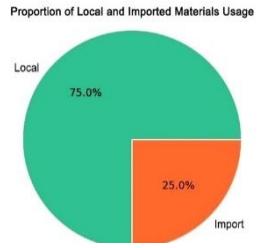
Figure 13. Comparison of building material usage. Source: Author
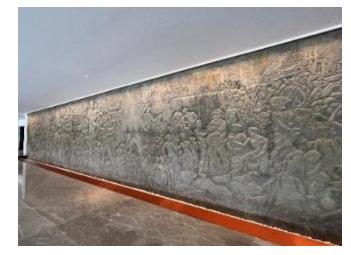
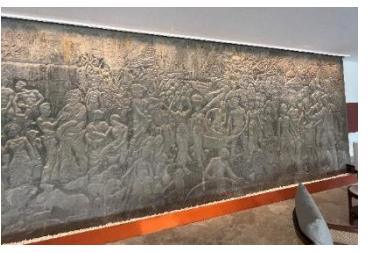
Figure 14. Relief The Rise of the Indonesian Nation by Edhi Sunarso.
Source: Author (2025)
Figure 13 shows that the Sanur SEZ has incorporated key elements of interior design, with approximately 75% of materials sourced locally and 25% imported. In line with McKercher and du Cros's (2002) theory of cultural management in tourism, integrating local cultural elements into interior design enhances the space's authenticity, thereby strengthening the destination's identity in the eyes of global visitors. This approach has been implemented through direct collaboration with Balinese local artisans, particularly in the creation of carvings and decorative elements. Beyond offering a compelling visual appeal, the integration of these cultural components also makes a meaningful contribution to the preservation of local heritage, aligning with the perspective of Sustainable Cultural Tourism as proposed by Scheyvens and Hughes (2019). This is further exemplified by the presence of a monumental relief titled The Rise of the Indonesian Nation. The relief is the work of master sculptor Edhi Sunarso, who is also renowned for creating the Welcome Monument in front of Hotel Indonesia in Jakarta. Created around 1966, the relief embodies the post-independence development spirit championed by Indonesia's first president, Ir. Soekarno. Measuring 23.4 meters in length and 3.7 meters in height, the relief is crafted from high-quality andesite stone sourced from Mount Merapi, Yogyakarta, as depicted in Figure 14.
The reliefs and sculptures in Sanur reflect a strong commitment to preserving Indonesia's cultural heritage. The monumental relief, depicting the life of the people and the figure of Bung Karno as a symbol of national hope, is now prominently displayed in the hotel's main lobby. The Jaka Tarub sculptures by renowned artist Nyoman Nuarta, illustrating a Balinese folk tale, further enrich the hotel's historical and cultural significance (Figure 15). Installed after the 1993 renovation, the group of sculptures has become an iconic landmark in Bali's tourism history. By preserving these artworks, The Meru Sanur offers visitors an authentic and meaningful cultural experience, seamlessly blending modern hospitality facilities with historical narratives and local wisdom for both domestic and international tourists.
Figure 15. Bronze sculptures depicting the Tale of Rajapala. Source: Author (2025)
Figure 16 illustrates the approach to the hotel lobby, which features a corridor lined with roughtextured marble walls and dark polished marble flooring. The design emphasizes spatial continuity and experiential flow. Six cylindrical columns linking the drop-off area to the main lobby serve as transitional zones, providing natural light, ventilation, and space for displaying artworks and representations of the seven chakras. Meanwhile, the neutral zone within the lobby connects the old and new sections of the building through the interplay of light and water, reinforcing the site's coastal identity. The ceiling features a long skylight and water elements that not only enhance the space's aesthetic but also serve as natural cooling systems, significantly reducing indoor temperatures. This design creates a magical atmosphere that welcomes guests with the signature warmth of Balinese hospitality (Figure 17).
Figure 16. Corridor with roughtextured marble walls leading to the lobby.
Figure 17. Architectural expression of the original and revitalized Bali Beach Hotel. Source: Author (2025)
Source: Author (2025)
The interior design of The Meru Sanur blends modern luxury with authentic Balinese culture. Wooden lattice details, artistic moldings, and the use of local materials such as ulin and merbau timber create a comfortable tropical ambiance. Each suite, ranging in size from 83 to 209 square meters, features a private balcony offering views of either the garden or the beach. As part of the Sanur SEZ, the hotel also offers wellness facilities, including a spa, fitness center, and an ethnomedicinal garden. The Meru Sanur stands as a model of sustainable tourism development, grounded in local genius and respectful of Bali's cultural and natural heritage. The private balconies in each room offer calming views of tropical gardens or the Sanur coastline, providing guests with an exclusive and serene accommodation experience (Figure 18).
Figure 18. Hotel room interiors. Source: Author (2025)
Figure 19 illustrates how The Meru Sanur incorporates natural ventilation through open corridors and connecting bridges between buildings, allowing unrestricted airflow. The use of natural materials and an open design not only enhances occupant comfort but also reflects sustainable architectural principles that respect the surrounding environment. The resort's culinary facilities are likewise designed with an emphasis on both aesthetics and comfort. The restaurant offers stunning ocean views and an elegant ambiance enriched by abundant natural lighting. The lounge, which also serves as a library, provides a refined, tranquil atmosphere and offers a selection of Balinese signature drinks and cocktails, as shown in Figure 20. By combining architecture that honors local culture, natural materials, and modern wellnesssupporting amenities, The Meru Sanur creates an authentic and memorable hospitality experience. The resort stands as a compelling example of how local genius can be meaningfully integrated into sustainable tourism development that values both cultural heritage and the local environment.
Figure 19. Corridors and connecting bridges between buildings. Source: Author (2025)
Figure 20. Lounge and lobby area. Source: Author (2025)
By combining design elements that reflect local wisdom with modern comfort, The Meru Sanur offers an experience that is not only luxurious but also authentically Balinese, making it an ideal destination for travelers seeking tranquility and cultural richness. This locally grounded interior design approach goes beyond enhancing room aesthetics; it actively supports the local creative economy and fosters a synergistic relationship between tourism and the surrounding
community. The revitalization also incorporates principles of biophilic interior design. According to Stephen R. Kellert (2011), biophilic design is an intentional approach that integrates elements of nature into interior environments to promote healthier, more comfortable, and psychologically supportive spaces. At The Meru Sanur and Bali Beach Hotel, biophilic strategies are implemented through the use of natural vegetation, such as tropical indoor plants, water features like ponds and small fountains, and natural material textures like wood and stone. These elements visually promote relaxation while contributing to a physically and psychologically healthy environment for guests, as depicted in Figure 21.
Figure 21. Exterior of The Meru Sanur. Source: Author (2025)
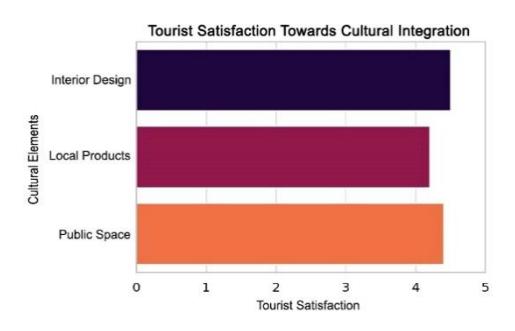
Figure 22. Tourist satisfaction with cultural integration. Source: Author
The emphasis on spatial flexibility in adaptive interior design has significant implications for extending a building's life cycle and enhancing the competitiveness of tourism destinations. This flexible space approach enables interiors to adapt to rapidly changing functional requirements, aligning with the evolving demands of the global tourism market. According to Till and Schneider (2005), flexible interior design enables buildings to remain relevant despite shifting user needs, while also supporting long-term spatial efficiency. In the context of this hotel revitalization, the implementation of modular furniture that can be easily reconfigured, along with portable decorative elements that are simple to update or replace, provides a practical realization of flexible interior design principles.
Compared to other approaches, the adaptive interior design concept, rooted in local wisdom and green technology, applied in this hotel revitalization aligns with international best practices. Similar methods can be observed in leading community-based resorts in Southeast Asia, such as Six Senses in Thailand and Song Saa Private Island in Cambodia (Bricker & Schultz, 2015). Both destinations have successfully integrated local cultural elements and environmentally friendly practices into their interior design in a harmonious manner, ultimately creating a competitive advantage and significantly enhancing visitor satisfaction (UNWTO, 2023).
Nevertheless, implementing adaptive design concepts continues to pose challenges, particularly in maintaining green technologies and ensuring the long-term consistency of locally produced materials. Addressing these issues requires sustained collaboration between hotel management, local communities, and relevant stakeholders to ensure that both design quality and operational standards are maintained over time (Bramwell & Lane, 2011). With the right strategic approach, adaptive interior design grounded in local wisdom and green technology, within the context of this hotel revitalization, can generate added value for visitors while also delivering long-term economic, social, cultural, and environmental benefits.
4. International Comparative Study and Lessons for Tourism Area Development in Southeast Asia
To strengthen the analytical framework and broaden the generalizability of its findings, this study conducted a comparative analysis of three international tourism destinations that have successfully integrated environmental conservation, sustainable architecture, and community empowerment: Costa Navarino in Greece, Song Saa Private Island in Cambodia, and Marina Bay Sands in Singapore. These destinations offer strategic insights that can be adapted to the Southeast Asian context, particularly in the development and revitalization of the Sanur SEZ. Costa Navarino, situated along the coastal region of the Peloponnese in Greece, was developed with a strong emphasis on preserving the historical landscape, conserving ecosystems, and integrating the local community. The use of local materials such as stone, clay, and olive wood has become a standard for construction. High-rise buildings were prohibited to preserve the natural topography, while local cultural narratives are embedded in the hotel's interior design and educational programs for visitors. Local farmers supply the resort's restaurants with ingredients. In the context of the Sanur SEZ, this approach is particularly relevant through the adoption of low-rise, low-impact development strategies and the strengthening of cultural narratives as a form of differentiation within the hospitality industry, ensuring the area avoids being diluted by the banalities of globalized architectural trends.
Table 2. Comparative Study of Three International Tourism Destinations
| Aspect | Costa Navarino | Song Saa Island | Marina Bay Sands | Sanur SEZ (Indonesia) |
|---|---|---|---|---|
| Focus | Landscape and cultural preservation | Ecological and social regeneration | Technological and aesthetic innovation | Cultural revitalization and wellness |
| Community Engagement | High (local farmers) | High (coastal communities) | Low (top down approach) | High (MSMEs, artists, villages) |
| Architectural Design | Vernacular and low carbon | Recycled and spiritually inspired | Futuristic and iconic | Adaptive tropical and biophilic |
| Spatial Regulation | Locally limited | Informal | Strict and centralized | Adaptive estate level regulation |
| Energy Resources | Local energy and low waste | Self-sufficient (water and waste systems) | Intelligent and efficient energy systems | Solar panels and greywater reuse |
Source: Analysis Author, (Lee, 2018; Yap, 2013)
Song Saa Private Island in Cambodia serves as a pioneering model of regenerative tourism in Southeast Asia, with a primary focus on marine ecosystem restoration, low-impact development, and the empowerment of local communities. The resort utilizes reclaimed timber and upcycled boat materials in its construction, while a portion of its revenue is dedicated to coral reef conservation and community education initiatives. The interior design embodies Buddhist spirituality and Khmer cultural values, adhering to the philosophy of 'luxury with soul', while implementing zero-waste systems and an independent clean-water supply. This approach offers valuable lessons for the Sanur SEZ, particularly in the utilization of recycled materials, community engagement, and cultural integration within design strategies.
Marina Bay Sands, located in Singapore, exemplifies a high-tech architectural approach, incorporating innovative building systems, vertical greenery, green roofing, and seamless integration with public transportation via a transit-oriented development model. Spatial management is governed by strict design guidelines that ensure a balance among aesthetic
quality, energy efficiency, and urban order. Although developed in a different context, Marina Bay offers strategic insights into low-emission district planning and intelligent design regulation.
In a comparative strategic framework, Costa Navarino excels in landscape and cultural preservation, Song Saa in ecological regeneration, Marina Bay Sands in technological innovation, and Sanur SEZ in cultural and wellness revitalization. Community engagement is strong in Costa Navarino, Song Saa, and Sanur, yet limited in Marina Bay. Architecturally, Costa Navarino and Song Saa adopted vernacular, low-carbon approaches. In contrast, Marina Bay is futuristic and iconic, while Sanur employs an adaptive tropical and biophilic design language. Energy strategies vary: Marina Bay prioritizes efficiency, Song Saa is self-sufficient, Costa Navarino emphasizes local energy with minimal waste, and Sanur combines solar power with greywater reuse.
This comparison highlights five key lessons for the development of sustainable tourism areas in Southeast Asia. First, revitalization efforts must be rooted in local cultural values, which define the destination's distinctive identity. Second, spatial design regulations should be flexible and participatory, particularly in contexts where community involvement is strong. Third, conservation must be integrated with economic models to ensure long-term sustainability, in line with the growing regenerative tourism movement. Fourth, empowering local micro, small, and medium enterprises (MSMEs) is essential for fostering an inclusive and resilient economic foundation. Lastly, technology should serve to support, rather than replace, cultural values and systemic efficiency. The Sanur) demonstrates significant potential as a regenerative revitalization model that successfully integrates Balinese philosophical values with global development principles.
The adaptive reuse of the Grand Inna Bali Beach Hotel demonstrates the potential for modern functionality while maintaining cultural identity, reflecting the principles of flexible housing and building adaptability proposed by Till & Schneider (2005). Similar approaches have been successfully implemented in historic coastal developments such as Singapore's Fullerton precinct (Soh & Yuen, 2011), where heritage conservation and economic revitalization were mutually reinforced. Although the Sanur SEZ model demonstrates significant potential as a form of regenerative revitalization rooted in Balinese cultural values, several challenges and limitations require further attention to ensure a more balanced analysis. First, there remains a capacity gap among local MSMEs, particularly in business management, product innovation, and access to financing and green technologies (see Figure 23). This condition may limit their role within the sustainable tourism value chain. Second, there is a risk of cultural commodification, in which symbols of local tradition are overly exploited for commercial purposes, disregarding their inherent spiritual and social meanings. Therefore, policies, capacity-building initiatives, and institutional mechanisms are needed to ensure a balance between cultural preservation and economic development, so that the sustainability principles promoted remain firmly grounded in Balinese local wisdom.
Figure 23. Atmosphere of the MSME area. Source: Author (2024)
5. Community Engagement and MSME Collaboration in the Local Economic Revitalization of the Sanur SEZ
The revitalization of the Sanur Special Economic Zone (SEZ) places local community empowerment at the heart of its transformation into a sustainable health tourism destination. Through the collaborative Sanur Wellness Ecosystem model, developers, micro, small, and medium enterprises (MSMEs), and educational institutions work together within an integrated ecosystem. This model rests on three core pillars: locally produced wellness products, the incorporation of traditional crafts into design, and culturally based community services. Creative business incubation programs further support economic sustainability by offering training, certification, and market access.
Moreover, revitalizing public spaces such as Sindu Market enhances the community's socioeconomic role, positioning it as a hub for cultural exchange and a driver of inclusive, sustainable local economic development. The revitalization of the Sanur SEZ demonstrates how a mature tourism area can reconfigure its spatial and functional structures to sustain competitiveness and environmental performance. This process aligns with Butler's (2008) tourism area life cycle model, which posits that destination renewal is essential to avoid stagnation, and reflects international best practices in urban waterfront regeneration, such as Marina Bay in Singapore (Butler, 2008; Soh & Yuen, 2011). This approach is examined through the lens of collaborative governance, which emphasizes multi-stakeholder cooperation, facilitation by neutral actors such as academics and local government, and sustained open dialogue. This process has proven effective in reducing initial community resistance and enabling a shift in their role, from passive recipients of development to active agents shaping the direction of area revitalization.
Nonetheless, several challenges persist, including capacity disparities among MSME actors, limited access to capital, and the risk of over-commercializing local cultural heritage. Careful cultural curation is essential to ensure that traditional values are preserved rather than reduced to commodified symbols. On the other hand, significant opportunities exist for international collaboration, both in the export of wellness products and the development of regional training centers. Overall, this collaborative approach demonstrates that area revitalization can be harmoniously integrated with community empowerment, positioning local stakeholders as key drivers in a sustainable health tourism ecosystem. Increased participation of local MSMEs and communities in the Sanur SEZ reflects the broader notion that inclusive tourism governance enhances social sustainability. This finding is consistent with Ashley & Haysom (2006), who emphasize that community-based enterprises generate multiplier effects in local economies, and Bramwell & Lane (2011), who highlight the importance of collaborative governance in sustainable tourism development.
6. Synthesizing the Local Values of Tri Hita Karana within a Theoretical Framework of Culture-Based and Sustainable Revitalization
The revitalization of the Sanur Special Economic Zone (SEZ) demonstrates that sustainable tourism area development in the Global South must be grounded not merely in technocratic frameworks but in contextual and spiritual theoretical paradigms. The Balinese philosophy of Tri Hita Karana, which emphasizes harmony between humans and the divine (parahyangan), fellow humans (pawongan), and the natural environment (palemahan), has been adopted as a foundational framework for planning and development. This principle is operationalized through the spatial integration of sacred sites, community involvement in governance, and the preservation of the environment alongside the use of renewable energy. As such, Tri Hita Karana functions not only as a normative value system but also as a practical, culturally rooted framework guiding holistic and sustainable area development.
The integration of Tri Hita Karana into the revitalization of the Sanur SEZ represents a decolonial approach to prevailing theories of urban and tourism revitalization, which are often shaped by Western epistemologies. Concepts such as place-making and green architecture are recontextualized by infusing them with local spiritual and customary values. Space is not only aesthetically designed but also considered sacred; building efficiency is interpreted as a form of respect for the spirit of place. This study proposes the Contextual Revitalization Model Based on Tri Hita Karana, which merges technical sustainability with cultural meaning. Its three dimensions, parahyangan, pawongan, and palemahan, are realized through spiritual spatial design, inclusive community engagement, and environmental stewardship rooted in circulareconomy principles and green architecture.
This model carries significant theoretical and practical implications. Theoretically, it offers a decolonial framework for planning and architecture, positioning indigenous philosophy as a methodological foundation, and providing an alternative development model for tourism destinations in the Global South that is sensitive to local values and spirituality. Practically, it serves as a planning and evaluation guide for the revitalization of culturally significant areas. By bridging local knowledge and global practice, this approach enables regenerative, contextual, and meaningful development, positioning the Sanur SEZ as a compelling example of valuedriven spatial governance rooted in cultural identity. Based on theoretical integration and empirical findings, this study proposes the folowing model for the revitalization of heritage areas grounded in a synthesis of Tri Hita Karana and global sustainability principles:
Table 3. Tri Hita Karana-based Revitalization Model for Historic Areas
| Strategic | Local Value (Tri | Relevant Global | Implementation in Sanur SEZ |
| Dimension | Hita Karana) | Theory | |
| Spiritual ecological | Parahyangan | Biophilic design, cultural branding | Sacred space design, spiritual ornaments, aromatic and symbolic elements |
| Social participatory | Pawongan | Collaborative governance, place making | Integrated MSMEs, participatory design, and public cultural spaces |
| Environmental sustainable | Palemahan | Green architecture, circular economy | Solar panels, recycled materials, and ecological landscape management |
Source: Analysis author & (Wahyu Nurmala et al., 2025) (Pranajaya, 2021; Pranajaya et al., 2025)
7. Synthesis of Field Findings and Validation of Revitalization Strategies
The mixed-methods approach, with a convergent parallel design, enabled the simultaneous synthesis of qualitative, quantitative, and comparative findings in this study. From 25 key informants, a consistent alignment was found among narratives, perceptions, and spatial data related to the Sanur SEZ. These findings affirm that revitalization is not merely technocratic, but also contextual and participatory. Through Grounded Theory, four major categories were identified: cultural identity, community inclusion, design sustainability, and spatial transformation. The dominant themes were community inclusion and sustainability, as evidenced by the active involvement of MSMEs, local artisans, and residents in design processes and in curating public spaces that reflect broader social change. Quantitative analysis revealed that the area's sustainability performance meets and in some cases exceeds global standards. Sanur SEZ maintains 32% green open space from its total land area (exceeding the 30% international minimum), achieves an energy consumption efficiency of 145 kWh/m² per year, and implements an integrated waste management system, resulting in 85 tons per month. The public accessibility index of 78% also demonstrates a strong commitment to spatial inclusivity. These data reinforce the notion that the applied spatial approach has successfully reduced ecological pressure while improving the area's quality of life (see Figure 24).
Benchmarking against Costa Navarino, Song Saa, and Marina Bay Sands positions Sanur SEZ as a unique model of tropical regenerative destination development in Southeast Asia. The zone effectively combines adaptive landscape strategies, community-driven innovation, and progressive spatial regulation, with particular strengths in integrating local cultural values, utilizing green technologies such as solar panels and greywater reuse, and fostering collaborative governance among government, developers, and the community. The success of Sanur SEZ highlights the importance of integrating spatial, cultural, and sustainability innovation in area revitalization. The Tri Hita Karana model applied in the project has proven to be conceptually and empirically effective in bridging local values with global principles, supported by triangulated data validation and expert engagement. Thus, Sanur SEZ represents more than a successful physical and economic transformation; it serves as a living laboratory for applying regenerative principles that are value-based, socially collaborative, and ecologically adaptive. These findings affirm that the revitalization of heritage areas can transcend conventional preservation approaches toward a meaningful renewal of space, identity, and sustainable futures.
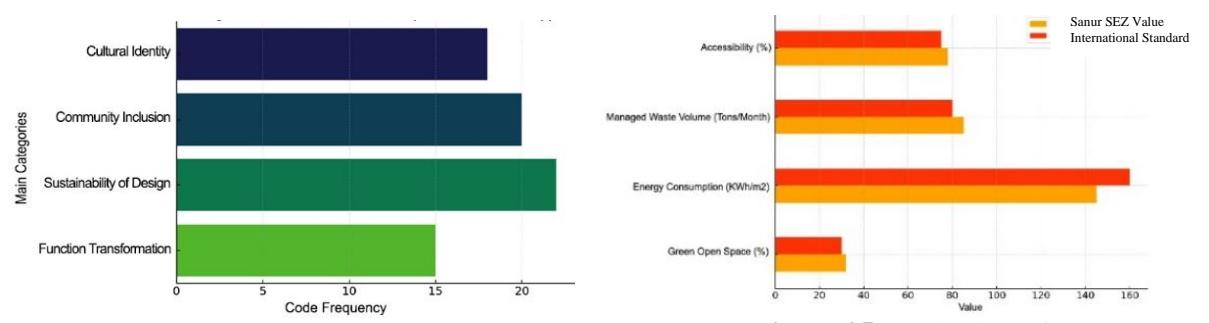
Figure 24. Results of selective coding (Grounded Theory). Source: Author
Figure 25. Evaluation of Sanur SEZ's sustainability indicators vs. international standards.
Source: Author
Figure 24 illustrates the results of the selective coding process, organizing qualitative narratives from interviews and observations into four dominant categories: cultural identity, community inclusion, design sustainability, and spatial transformation. Meanwhile, Figure 25 provides a comparative evaluation of Sanur SEZ's sustainability indicators against international standards. The results show that Sanur exceeds the minimum global threshold of 30% green open space (achieving 32%), maintains efficient energy consumption at 145 kWh/m² per year, and has successfully implemented an integrated waste management system, handling 85 tons of waste
monthly. Together, these figures validate that the Sanur SEZ not only aligns with international benchmarks but also demonstrates best practices in tropical regenerative tourism development.
Conclusion
This study confirms that revitalizing the Sanur Special Economic Zone as a sustainable health tourism destination requires an integrative, value-based approach that unites spatial planning, green architecture, adaptive interior design, and community empowerment. Ecological zoning, transit-oriented development (TOD), and design-based regulations provide the spatial foundation, while green technologies and adaptive reuse ensure energy efficiency and heritage preservation. The incorporation of the Tri Hita Karana philosophy elevates the model by embedding cultural, spiritual, and ecological values into spatial practices, producing a wellnessoriented destination that is both globally competitive and locally grounded. The active role of MSMEs demonstrates that revitalization can serve both as a means of cultural preservation and of economic empowerment. Nevertheless, sustaining long-term community participation and ensuring equitable economic distribution remain ongoing challenges that require continuous policy and institutional support. Comparative insights from international cases validate the distinctiveness of the Sanur SEZ model, which avoids uncritical adoption of Western frameworks by offering a replicable Southeast Asian paradigm for regenerative, culturally rooted tourism development.
Theoretically, this research advances debates in architecture, urban planning, and sustainable tourism by synthesizing global concepts—such as place-making, green architecture, circular economy, and biophilic design with the Balinese philosophy of Tri Hita Karana. This integration positions indigenous knowledge as a methodological foundation, offering a decolonial and context-sensitive alternative to prevailing Western-centric models. Furthermore, the study reframes sustainability not merely as technical efficiency, but also as a spiritual and social practice expressed through interior and spatial design that actively preserves cultural identity.
In practice, the findings provide guidelines for policymakers, planners, and developers for creating culturally based health tourism destinations. Estate regulations and zoning guidelines should prioritize ecological limits, cultural values, and community participation. The study also underscores the importance of multi-stakeholder governance, in which government, the private sector, MSMEs, and local artisans collaborate to co-create inclusive tourism ecosystems. For Indonesia and other Southeast Asian countries, the Sanur SEZ model demonstrates how heritage-led regeneration can support national sustainability agendas while fostering local creative economies, ensuring that future development is both globally relevant and locally meaningful.