

INTRODUCTION
Self-efficacy, or an individual's belief in their ability to achieve goals, was first introduced by Bandura (1977) in social cognitive theory, which emphasizes that personal beliefs influence motivation, resilience, and performance, including in sports (Bandura, 1997). In the context of sports, self-efficacy is defined as an athlete's confidence in their ability to succeed in specific tasks (Feltz et al., 2008). Research has shown that this concept not only affects physical performance but also
Correspondence author: Nabella Ayu Wulan, Universitas Lambung Mangkurat, Indonesia. Email: nabellabel04@gmail.com
DOI: http://dx.doi.org/10.5614/jskk.2025.10.1.9 e-ISSN: 2654-8860 . p-ISSN: 2477-1791
coping strategies, mental toughness, and psychological well-being (Moritz et al., 2000; Weinberg & Gould, 2019). Furthermore, self-efficacy plays a crucial role in promoting physical activity among populations with chronic health conditions (McAuley et al., 2011) and helps reduce depression and anxiety in injured athletes (Jackson et al., 2018). With growing attention to psychosocial factors and health, a multidisciplinary approach that integrates psychology, sports science, and health interventions is increasingly important to understand and optimize the impact of self-efficacy on an active lifestyle (Hagger et al., 2020).
Self-efficacy, or an individual's confidence in their abilities, has been shown to play a crucial role in enhancing performance, motivation, and participation in physical activities. Athletes with high self-efficacy are better able to cope with competitive pressure, maintain focus, and achieve optimal performance (Moritz et al., 2000; Bandura, 1997). Moreover, self-efficacy increases intrinsic motivation, encouraging individuals to stay active despite challenges (Ryan & Deci, 2000; Teixeira et al., 2012). Research also indicates that self-efficacy helps establish consistent exercise habits, even among previously inactive individuals (Ashford et al., 2010; Williams & French, 2011). This makes self-efficacy relevant not only for athletes but also for the general population aiming to maintain a healthy lifestyle. Interventions aimed at enhancing self-efficacy have proven effective in increasing physical activity participation across various groups, including adolescents, older adults, and individuals with chronic health conditions (McAuley & Blissmer, 2000; Lubans et al., 2008; Bauman et al., 2012).
Besides psychological aspects, self-efficacy also influences physiological responses such as heart rate and fatigue levels (Jones & Hanton, 2001; Craft et al., 2003). Athletes with high self-efficacy tend to experience lower anxiety before competition, which can enhance their performance (Hanton et al., 2004; Nicholls et al., 2009). Self-efficacy is also associated with better physical endurance and faster recovery following intense training (Jackson et al., 2018; Maddux, 2013). By understanding the interaction between self-efficacy, psychological factors, and physiological responses, coaches and sports practitioners can design more effective programs to improve athlete performance and well-being (Feltz et al., 2008; Weinberg & Gould, 2019).
In recent decades, research on self-efficacy in sports has grown rapidly, with the concept first introduced by Bandura (1977) in social cognitive theory becoming a foundational element in sports psychology due to its ability to predict athletes' performance, motivation, and mental resilience (Feltz et al., 2008; Bandura, 1997). This increasing interest is reflected in the numerous publications exploring the role of self-efficacy across various sports disciplines, ranging from amateur to professional levels (Schunk & DiBenedetto, 2020), as well as the growing awareness of the importance of self-efficacy in promoting public participation in physical activity (Weinberg & Gould, 2019; Bauman et al., 2012). Moreover, selfefficacy is recognized as a key component in motivational theories such as Self-Determination Theory (SDT), which emphasizes the importance of autonomy, competence, and relatedness in fostering active behavior (Ryan & Deci, 2017).
The importance of bibliometric-based approaches in mapping the development of research on self-efficacy in sport cannot be overlooked as these methods allow researchers to identify trends, patterns, and collaborations in the scientific literature, as well as measure the impact and productivity of research (Zupic & Čater, 2015; Cobo et al., 2011). Bibliometric analysis also facilitates mapping the evolution of the self-efficacy concept introduced by Bandura (1977), identifying seminal works, and understanding the contributions of different researchers and institutions (Chen et al., 2012).
In recent decades, the concept of self-efficacy has become a foundational element in sports psychology, focusing on how self-belief influences athletes' performance, motivation, and mental resilience (Feltz et al., 2008; Bandura, 1997). Publication trends show a significant increase in the number of studies exploring this topic, reflecting growing academic and practical interest in the role of selfefficacy across various sports contexts (Weinberg & Gould, 2019; Bauman et al., 2012). This analysis not only helps identify periods of rapid development in research but also reveals shifts in themes and study focuses over time (Hagger et al., 2020; Sallis et al., 2006).
This study utilized the Scopus and Web of Science databases due to their broad coverage and credibility in academic publications (Mongeon & Paul-Hus, 2016; Donthu et al., 2021). The research analyzed the development of self-efficacy
studies in sports from 1977—when Bandura first introduced the concept—up to the present period, aiming to reveal trends and shifts in approaches within this field (Feltz et al., 2008). The bibliometric analysis was conducted using three main techniques: keyword analysis to identify dominant themes such as "motivation" and "athlete performance" (Jones & Hanton, 2001), publication trend analysis to understand growth patterns in studies (Van Eck & Waltman, 2014), and collaboration network analysis to map cooperation among researchers and institutions (Moed, 2017). By combining these approaches, this study aims to provide a holistic understanding of the structure and dynamics of self-efficacy research in sports.
This research employs a bibliometric approach to map the development of self-efficacy studies in sports, including publication trends, major themes, and contributions from researchers and institutions (Zupic & Čater, 2015). The study also highlights its impact on sports policies and health interventions, particularly in promoting physical activity among adolescents and older adults through selfefficacy-based programs (McAuley & Blissmer, 2000; Lubans et al., 2010). Using a bibliometric approach, this research provides a comprehensive overview of the scientific landscape of self-efficacy, including literature growth, author collaborations, and areas that remain underexplored.
METHODS
Data Sources, Search Strategies, and Data Collection
This study utilizes two of the most commonly used international scientific databases for bibliometric studies, namely Scopus and Web of Science (WoS). These databases were selected due to their comprehensive publication metadata, which includes information on article titles, author names, institutional affiliations, journals, publication years, keywords, and citation counts.
The literature search was conducted in Scopus and Web of Science (WoS) using a combination of keywords: "self-efficacy," "sports," "physical activity," and "exercise" within the TITLE-ABS-KEY fields. Restrictions were applied to document types (journal articles, reviews, proceeding papers), language (English), and sources (scientific journals and proceedings). The search was performed on
March 7, 2025, without a time limit, covering publications from 1982 to 2025. The choice of Scopus and WoS also considered their broad multidisciplinary coverage and compatibility with bibliometric visualization software, enabling a more indepth analysis of publication patterns, scientific collaboration, and emerging research topics related to self-efficacy in sports.
The analysis process involved data processing, metadata filtering, information standardization, and visualization of collaboration networks. This process facilitated the identification of influential authors, highly productive institutions, countries with the greatest contributions, as well as emerging thematic trends in self-efficacy research within sports. Additionally, co-word and co-citation analyses were applied to understand the interrelationships among scientific works and the evolution of research themes. Through these methods, the study reveals patterns of scientific collaboration and provides insights into the future directions of self-efficacy research in the context of sports (Zupic & Čater, 2015).
Research Design
Regarding document types, the majority consisted of scientific articles (6,551 documents), followed by 395 review articles, and other types such as proceedings papers (83 documents), book chapters (58 documents), early access publications (96 documents), and retracted publications (12 documents). Data cleaning was conducted using OpenRefine version 3.7.6 to standardize metadata, correct formatting, and remove invalid entries. The cleaned data were then converted from BibTeX to CSV format using the Bibliometrix 4.1.2 package in R Studio version 2024.03.0 for further analysis.
The data cleaning process involved OpenRefine 3.7.6, followed by conversion to CSV format and analysis via R Studio 2024.03.0 using the Bibliometrix 4.1.2 package. Analyses included co-word and co-citation to map conceptual relationships and scientific dynamics. Collaboration network visualization was performed using VOSviewer to reveal the knowledge structure and the developmental trajectory of self-efficacy research in sports more comprehensively.
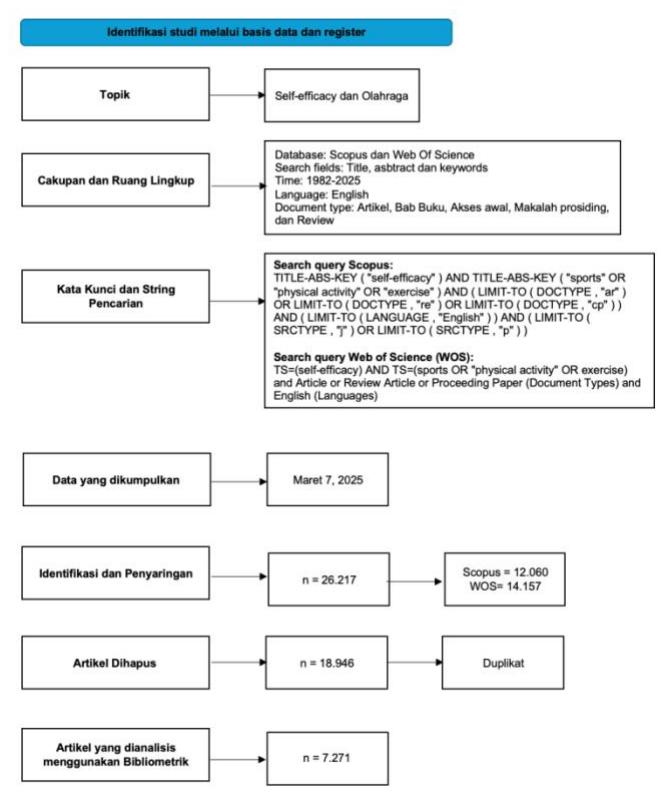
Figure 1. The Process of Developing the Research Article Self-efficacy in Sport
RESULTS
Development of Research on the Theme of Self-Efficacy and Sports
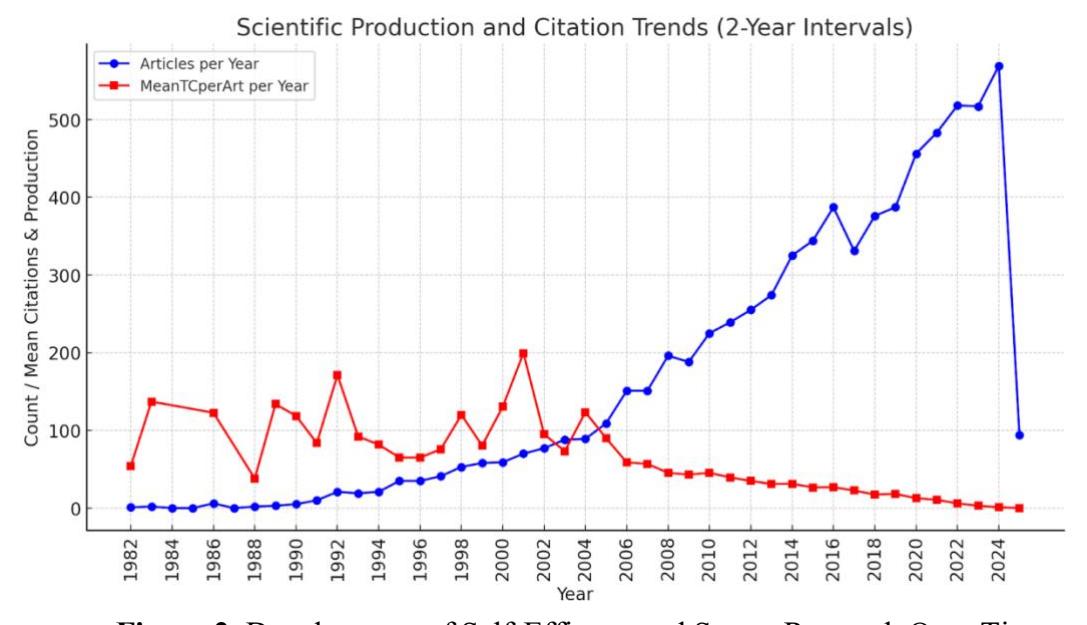
Figure 2. Development of Self-Efficacy and Sports Research Over Time
The bibliometric analysis revealed a significant growth in the number of publications related to self-efficacy in sports since 1982. In the early 1980s, the number of publications was limited but began to increase in the 1990s, with a notable surge reaching 70 articles in 2001. Exponential growth occurred after 2005, with the number of publications rising from 109 articles in 2005 to 569 articles in 2024. This surge reflects increasing academic attention to self-efficacy in sports. Despite the rising number of publications, citation trends show a clear decline. Older articles tend to have higher average citations, with 171.14 citations in 1992 and 199.34 in 2001. The average citations dropped to only 1 in 2024, indicating that although the volume of publications has increased, the academic impact per article has decreased.
Relevant Studies Supporting the Conceptual Framework of Self-Efficacy in Sports
Albert Bandura dominates self-efficacy research with two leading articles: "Social Cognitive Theory: An Agentic Perspective" (2001) with 8,230 citations, and "Health Promotion by Social Cognitive Means" (2004) with 4,427 citations. Both serve as foundational works for understanding self-efficacy in the context of sports and health promotion. Other notable articles include Conner & Armitage (1998) on the Theory of Planned Behavior (2,060 citations) and Bandura (2000) on collective efficacy (1,419 citations), which underscore the psychological relevance in sports participation. Stewart G. Trost et al. (2002) contributed significantly with their study on determinants of physical activity (1,417 citations), as did Bess H. Marcus et al. (1992) on self-efficacy in exercise behavior change (1,280 citations).
Additional influential works include Martin S. Hagger et al.'s (2002) metaanalysis on the theory of reasoned action (1,064 citations) and Aleksandra Łuszczyńska et al.'s (2005) validation of self-efficacy scales (1,041 citations), demonstrating the application of the concept across various populations. Charles C. Benight & Bandura's (2004) article on post-trauma recovery (954 citations) and Klazine van der Horst et al.'s (2007) study on sedentary lifestyle among adolescents (923 citations) also play important roles. Collectively, these articles affirm the role of self-efficacy in sports motivation, rehabilitation, and mental health, establishing it as a key concept in research related to sports and physical activity.
Table 1. Articles with the Highest Citations
| First | Article Title | TC | TC/Year | N /TC |
|---|---|---|---|---|
| Author | ||||
| Albert Bandura | Bandura A. (2001). Social cognitive theory: an agentic perspective. Annual review of psychology, 52, 1–26. https://doi.org/10.1146/annurev.psych.5 2.1.1 | 8230 | 329.20 | 41.29 |
| Albert Bandura | Bandura A. (2004). Health promotion by social cognitive means. Health education & behavior : the official publication of the Society for Public Health Education, 31(2), 143–164. https://doi.org/10.1177/1090198104263 660 | 4427 | 201.23 | 35.88 |
| Mark Conner | Conner, M., & Armitage, C. J. (1998). Extending the theory of planned behavior: A review and avenues for further research. Journal of Applied Social Psychology, 28(15), 1429–1464. https://doi.org/10.1111/j.1559- 1816.1998.tb01685.x | 2060 | 73.57 | 17.17 |
| Albert Bandura | Bandura, A. (2000). Exercise of human agency through collective efficacy. Current Directions in Psychological Science, 9(3), 75–78. https://doi.org/10.1111/1467- 8721.00064 | 1419 | 54.58 | 10.87 |
| Stewart G. Trost | Trost, S. G., Owen, N., Bauman, A. E., Sallis, J. F., & Brown, W. (2002). Correlates of adults' participation in physical activity: review and update. Medicine and science in sports and exercise, 34(12), 1996–2001. https://doi.org/10.1097/00005768- 200212000-00020 | 1417 | 59.04 | 14.91 |
| Bess H. Marcus | Marcus, B. H., Selby, V. C., Niaura, R. S., & Rossi, J. S. (1992). Self-efficacy and the stages of exercise behavior change. Research quarterly for exercise and sport, 63(1), 60–66. https://doi.org/10.1080/02701367.1992. 10607557 | 1280 | 37.65 | 7.48 |
| Martin S. Hagger | Hagger, M. S., Chatzisarantis, N. L.D., & Biddle, S. J.H. (2002). A meta-analytic review of the theories of reasoned action and planned behavior in physical activity: Predictive validity and the | 1064 | 44.33 | 11.20 |
| contribution of additional variables. Journal of Sport & Exercise Psychology, 24(1), 3–32. https://doi.org/10.1123/jsep.24.1.3 | ||||
|---|---|---|---|---|
| Aleksand ra Łuszczyń ska | Luszczynska, A., Scholz, U., & Schwarzer, R. (2005). The general self efficacy scale: multicultural validation studies. The Journal of psychology, 139(5), 439–457. https://doi.org/10.3200/JRLP.139.5.439- 457 | 1041 | 49.57 | 11.58 |
| Charles C. Benight | Benight, C. C., & Bandura, A. (2004). Social cognitive theory of posttraumatic recovery: the role of perceived self efficacy. Behaviour research and therapy, 42(10), 1129–1148. https://doi.org/10.1016/j.brat.2003.08.00 8 | 954 | 43.36 | 7.73 |
| Klazine van der Horst | Van Der Horst, K., Paw, M. J., Twisk, J. W., & Van Mechelen, W. (2007). A brief review on correlates of physical activity and sedentariness in youth. Medicine and science in sports and exercise, 39(8), 1241–1250. https://doi.org/10.1249/mss.0b013e3180 59bf35 | 923 | 48.58 | 16.21 |
Note. TC = total citations; TC/Year= Total Citations per Year; N/TC = Normalized total citations
Top Contributing Countries in Research on Self-Efficacy in Sports
The bibliometric analysis revealed that the United States (USA) dominates both in publication productivity and impact in self-efficacy research within sports, with 10,939 publications and 111,080 citations. Of the total 2,717 publications analyzed, the majority (90.18%) were Single Country Publications (SCP), indicating that although most research was conducted domestically, international collaboration is also growing, enhancing global impact. China, with 2,547 publications, showed increased productivity but had a lower citation ratio (S/P = 11.0), suggesting a focus on quantity rather than quality. Canada ranked third with 2,625 publications and a higher citation ratio (S/P = 31.8), reflecting better research quality, while Australia demonstrated a balance between productivity (2,129 publications) and impact (S/P = 34.8), along with a high level of international collaboration.
Overall, this trend demonstrates the dominance of the United States, Canada, the United Kingdom, and Australia in this field of research, while China and South Korea are beginning to increase their contributions through international collaboration. A multidisciplinary and interdisciplinary approach, particularly by integrating psychology, neuroscience, and sports science, is expected to enhance a deeper understanding of the role of self-efficacy in athletic performance and physical fitness.
Table 2. Top Five Countries with the Highest Total Citations and Publications
| No. | Country | TP | TC | C/P |
|---|---|---|---|---|
| 1 | USA | 10939 | 111080 | 40,9 |
| 2 | Canada | 2625 | 22220 | 52,2 |
| 3 | China | 2547 | 18055 | 31,8 |
| 4 | Australia | 2129 | 15304 | 34,8 |
| 5 | UK | 1744 | 7604 | 37,3 |
TP = Total Publications; TC = Total Citations; C/P = mean total Citations and Publications
Research Topic Dynamics in the Theme of Self-Efficacy in Sports
The bibliometric analysis indicates that self-efficacy is a central concept in sports research, with 2,341 occurrences, highlighting the key role of this psychological factor in promoting participation and sustaining exercise habits. Related keywords such as physical activity (1,820 occurrences) and exercise (1,163 occurrences) further emphasize that research in this field focuses on the relationship between self-efficacy and physical activity patterns, both in recreational and competitive sports contexts.
Beyond physical aspects, psychosocial dimensions have also gained attention, as reflected by motivation (252 occurrences) and social support (203 occurrences), which have shown significant increases from 2014 to 2022. This suggests that, in addition to individual self-confidence, intrinsic motivation and social support from family, peers, and coaches play important roles in maintaining sports participation. From a health perspective, research has linked self-efficacy with obesity (229 occurrences) and rehabilitation (208 occurrences), showing stable trends from the 2010s to 2022. This indicates that self-efficacy is involved in weight loss programs and post-injury recovery, helping individuals develop healthy
lifestyles and improve quality of life.
Furthermore, research across different age groups has also expanded, with a focus on adolescents (191 occurrences) and older adults (172 occurrences). This indicates that self-efficacy has a broad impact, both in promoting active habits from adolescence and in maintaining physical health and mobility in the elderly. Emerging research trends also highlight the relationship between self-efficacy and behavior change, health promotion, and mental health. Since 2014, an increasing number of studies have explored the role of self-efficacy in reducing depression and enhancing psychological well-being through physical activity.
Overall, research on self-efficacy in sports continues to grow, not only in the context of athletic performance but also in disease prevention, rehabilitation, and mental health. With increasing attention to psychosocial and health factors, a multidisciplinary approach integrating psychology, sports science, and health interventions is becoming increasingly important in understanding and optimizing the impact of self-efficacy on an active lifestyle.
Table 3. Keyword Frequency in Research on Self-Efficacy and Sports
| Keyword | Occurence |
|---|---|
| self-efficacy | 2341 |
| physical activity | 1820 |
| exercise | 1163 |
| motivation | 252 |
Table 4. Trends in Research Topics Related to Self-Efficacy and Sports Over Time
| Keyword | Frequency | First Periode (Q1) | Middle Periode (Q2) | Recent Period (Q3) |
|---|---|---|---|---|
| self-efficacy | 2341 | 2012 | 2018 | 2022 |
| physical activity | 1820 | 2012 | 2018 | 2022 |
| exercise | 1163 | 2010 | 2016 | 2021 |
| motivation | 252 | 2014 | 2018 | 2021 |
| obesity | 229 | 2012 | 2016 | 2021 |
| social support | 203 | 2012 | 2017 | 2022 |
| adolescents | 191 | 2011 | 2016 | 2021 |
| health promotion | 171 | 2009 | 2015 | 2020 |
| behavior change | 157 | 2014 | 2019 | 2022 |
| depression | 120 | 2014 | 2019 | 2022 |
|---|
Academic Journals Publishing Studies on Self-Efficacy within Sports
Table 5. Most Relevant Sources Related to Self-Efficacy in Sports
| No. | Institute | Total Article |
|---|---|---|
| 1 | Health Psychology | 151 |
| 2 | International Journal Of Environmental | 127 |
| Research And Public Health | ||
| 3 | Frontiers In Psychology | 126 |
| 4 | Psychology Of Sport And Exercise | 109 |
| 5 | Journal Of Aging And Physical Activity | 91 |
Table 5 presents the top five journals with the highest number of publications on the topic of self-efficacy and sports. Health Psychology is the most productive journal, with a total of 151 articles, followed by the International Journal of Environmental Research and Public Health (127 articles) and Frontiers in Psychology (126 articles). These three journals demonstrate a strong focus on health psychology and the application of self-efficacy in physical activity and sports. Another significant contributor is Psychology of Sport and Exercise (109 articles), which emphasize applied research in the context of athletic performance and psychological well-being. Meanwhile, the Journal of Aging and Physical Activity ranks fifth with 91 articles, reflecting attention to self-efficacy in older populations and fitness activities.
These findings indicate that research on self-efficacy in sports has secured a place in various multidisciplinary journals, with focuses ranging from mental health and athletic performance to psychology-based physical interventions. The high volume of articles in these journals signifies their influence and consistent contribution to the development of literature in this field. This also demonstrates that the issue of self-efficacy in sports receives broad attention across journals, particularly from the fields of health psychology, sports psychology, and public health.
Primary Concepts Related to the Theme of Self-Efficacy in Sports
Based on bibliometric analysis using thematic mapping and keyword network analysis, research on self-efficacy in sports reveals several main focuses. In Figure 3 (thematic map), the clusters "self-efficacy," "exercise," and "rehabilitation" are located in the Basic Themes quadrant, indicating that these topics have high relevance but are still developing internally. The clusters "physical activity," "motivation," and "obesity" fall within the Motor Themes quadrant, suggesting that these topics are well-established and central to the development of literature. Themes such as "validity" and "reliability" appear as Niche Themes, which, despite significant development, are less broadly connected within the research ecosystem. Meanwhile, themes like "mhealth" and "ehealth" remain in the Emerging Themes zone, indicating that these areas are still evolving and have the potential to become focal points in the future.
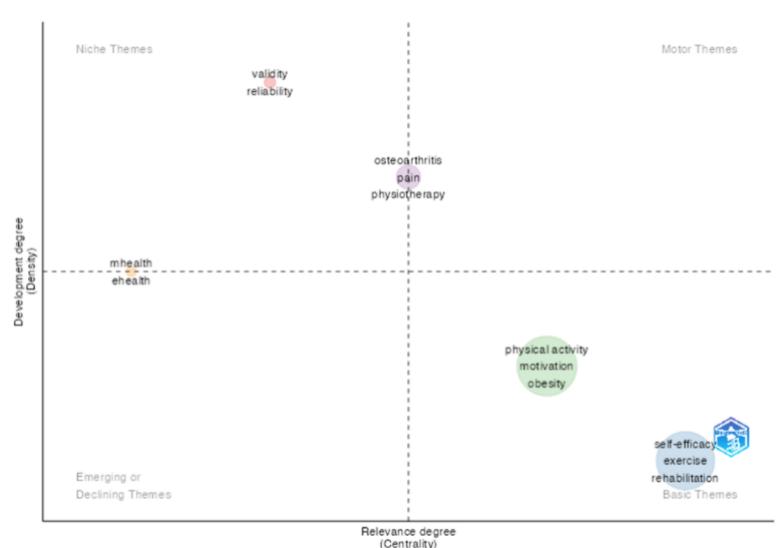
Figure 3 . Thematic Map Based on Clusters in Self-Efficacy and Sports Research
Meanwhile, Figure 4 reinforces these findings by showing dominant keywords such as self-efficacy, exercise, and physical activity as central nodes within the network. These keywords are closely connected with various supporting concepts including motivation, health promotion, rehabilitation, and quality of life, indicating that the literature in this field is interdisciplinary, encompassing psychological, physical, and social aspects. The dense network illustrates strong integration among topics as well as the potential for interdisciplinary collaboration in studies on self-efficacy and sports.
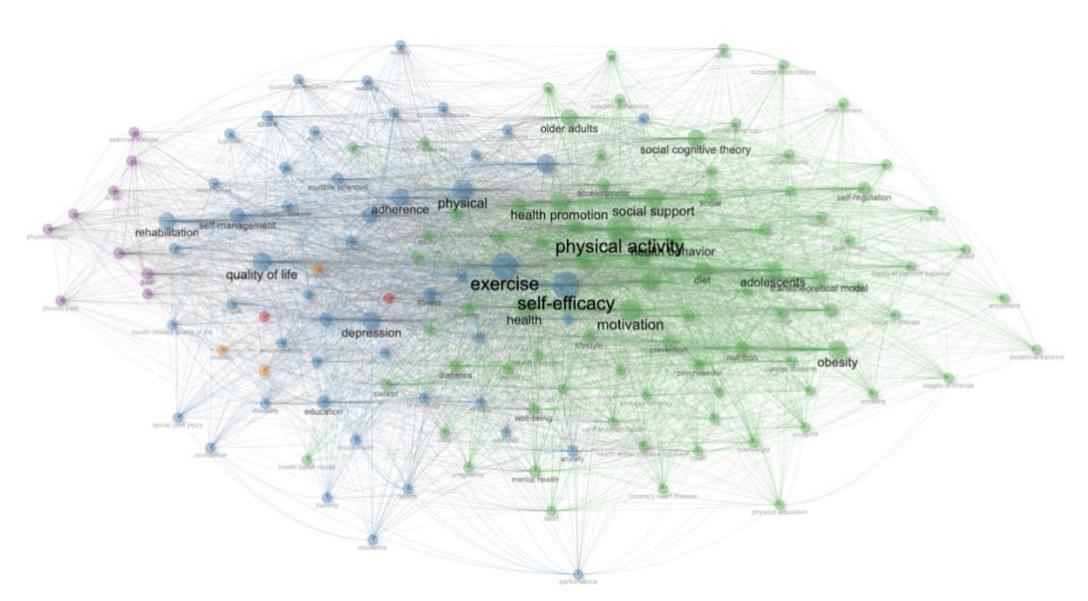
Figure 4. Thematic Map Based on Network Analysis in Self-Efficacy and Sports Research
DISCUSSION
This study aims to identify research trends, publication impact, and patterns of scientific collaboration in self-efficacy studies within sports using bibliometric analysis methods. Utilizing data from Scopus and Web of Science (WoS), the analysis was conducted on 7,271 documents published between 1982 and 2025. The results indicate that research on self-efficacy in sports has experienced significant growth, with an annual growth rate of 11.14%. This reflects increasing academic interest in the topic as well as its relevance in scientific and practical sports contexts. Regarding publications, this research involved 1,724 journal and book sources, with an average citation per document of 30.72. This demonstrates that literature in this field has a substantial impact within the academic community. Furthermore, the average document age of 9.74 years indicates that self-efficacy research in sports has developed over a long period, with classical articles remaining key references.
The bibliometric results identify Edward McAuley as the most productive researcher in sports self-efficacy, with 118 publications and 9,049 citations, supported by an h-index of 56 and a g-index of 93, reflecting the broad impact of his work. Meanwhile, Albert Bandura, the originator of self-efficacy theory, holds the highest number of citations (16,205) despite having only 12 publications, underscoring his fundamental influence. In addition to McAuley, John Annesi (86
publications) and Robert Motl (84 publications, 4,947 citations) have made significant contributions, consistent with previous findings highlighting their roles in sports and health research. Ralf Schwarzer (63 publications, 5,589 citations) further reinforces the relevance of self-efficacy in health contexts. These findings align with studies demonstrating the role of self-efficacy in sports motivation and the sustainability of physical activity. Other researchers such as Marcus, Sallis, Pate, and Trost indicate that this field has developed across various disciplines, ranging from sports psychology to public health. The dominance of McAuley and Bandura in this literature confirms that their contributions serve as the foundation for the development and application of self-efficacy research in sports and physical activity.
The United States dominates research on self-efficacy in sports with 10,939 publications and 111,080 citations (S/P = 40.9), confirming its position as a primary hub in this field. Although the majority of research is domestic (Single Country Publications, SCP 90.18%), international collaboration (Multiple Country Publications, MCP 9.82%) continues to grow. China, as the second-highest publishing country with 2,547 publications, shows a higher rate of international collaboration (MCP 27.43%), despite its relatively lower citation impact (S/P = 11.0). Canada and Australia demonstrate a balance between research productivity and impact. Canada's citation ratio (S/P = 31.8) indicates high research quality, while Australia (S/P = 34.8) exhibits strong international collaboration (MCP 34.31%). The United Kingdom and the Netherlands also have high citation impacts (S/P of 52.2 and 37.3, respectively), with the UK showing broader collaboration. Countries such as Germany, Sweden, Spain, and South Korea contribute with high levels of international collaboration (MCP > 20%), underscoring the importance of cross-national cooperation in enhancing research impact. This trend highlights that global collaboration increasingly strengthens the quality of self-efficacy studies in sports, with multidisciplinary and interdisciplinary approaches potentially broadening the understanding within this field.
Bibliometric analysis shows that self-efficacy is a central concept in sports research, with 2,341 occurrences, underscoring its role in promoting participation and maintaining physical activity habits. The strong association between selfefficacy and physical activity (1,820 occurrences) as well as exercise (1,163 occurrences) indicates that this research not only focuses on athletic performance but also on recreational sports and individual well-being. The psychosocial dimension within self-efficacy research has expanded, with increasing attention to motivation (252 occurrences) and social support (203 occurrences) from 2014 to 2022. These findings confirm that psychological factors and social support play significant roles in sustaining individuals' engagement in sports. Additionally, connections with obesity (229 occurrences) and rehabilitation (208 occurrences) highlight the role of self-efficacy in weight management programs and injury recovery, indicating its relevance to health and an active lifestyle.
On thse research also expanded across age groups, with attention to adolescents (191 occurrences) and older adults (172 occurrences), indicating that self-efficacy contributes to the development of active habits from youth through the maintenance of mobility in older age. Additionally, the increase in studies since 2014 linking self-efficacy with behavior change, health promotion, and mental health highlights its impact on reducing depression and enhancing well-being through physical activity. Overall, these trends demonstrate that self-efficacy research in sports is becoming increasingly multidisciplinary, integrating psychology, sports science, and health interventions. With growing attention to psychosocial factors and mental health, a holistic approach is key to optimizing the role of self-efficacy in promoting an active and healthy lifestyle.
Bibliometric analysis reveals significant growth in publications related to self-efficacy in sports. In the initial period (1982–1987), no publications were identified; however, research began to emerge sporadically from 1988 onwards. A gradual increase was observed starting in 1995 with 15 publications, accelerating rapidly in the 2000s, reaching 67 publications in 2010, and exceeding 100 publications annually since 2015. In the past five years, an exponential surge occurred with 151 publications in 2024, driven by advancements in research methodologies, including neuropsychological approaches and technology-based interventions. Several journals have played key roles in disseminating this research, with Health Psychology being the most influential (h-index 53, total citations 9,251).
Bibliometric analysis indicates significant growth in publications related to self-efficacy in sports. Since 1988, research began to appear sporadically and increased rapidly from 1995 onward. In 2010, there were 67 publications, surpassing 100 per year since 2015, and reaching 151 in 2024. This surge reflects growing academic attention, supported by methodological advancements, including neuropsychology and technology-based interventions. Overall, self-efficacy research in sports has expanded within health psychology, rehabilitation, fitness, and sports motivation, underscoring the importance of psychological factors in physical activity engagement and the benefits of a multidisciplinary approach.
Bibliometric analysis confirms the central role of self-efficacy in sports and health research, with Albert Bandura as a dominant figure. His two works, Social Cognitive Theory: An Agentic Perspective (2001) and Health Promotion by Social Cognitive Means (2004), serve as foundational frameworks for understanding the relationship between self-efficacy, physical activity, and health promotion. Additionally, related behavioral theories such as the Theory of Planned Behavior (Conner & Armitage, 1998) and the concept of collective efficacy (Bandura, 2000) contribute to explaining motivation and sports participation. Empirical studies further reinforce the relevance of this concept, including Trost et al.'s (2002) research on determinants of physical activity and Marcus et al.'s (1992) work on self-efficacy in exercise behavior change.
urthermore, meta-analytic reviews and the development of validation instruments (Hagger et al., 2002; Łuszczyńska et al., 2005) have expanded the application of self-efficacy theory across various populations and contexts. Studies on post-trauma recovery (Benight & Bandura, 2004) and sedentary lifestyles among adolescents (van der Horst et al., 2007) demonstrate how self-efficacy plays a role in health behavior change and rehabilitation. Overall, this body of research confirms that self-efficacy influences not only sports motivation but also behavioral change, mental health, and rehabilitation, establishing it as a key concept in sports and physical activity research.
Bibliometric analysis confirms Albert Bandura's dominance in self-efficacy research, with his two works serving as foundational frameworks for understanding the relationship between individual self-belief and engagement in sports and health
promotion. Additionally, other behavioral theories such as the Theory of Planned Behavior and collective efficacy reinforce the role of psychological factors in sports participation. Empirical studies on determinants of physical activity and exercise behavior change further underscore the relevance of self-efficacy in the sports context. Meta-analytic reviews and scale validations also demonstrate the application of this theory across diverse populations. Furthermore, research on posttrauma recovery and sedentary lifestyles illustrates how self-efficacy contributes to health behavior change and rehabilitation. Overall, these findings affirm that selfefficacy is a central concept in sports and physical activity research, with broad impacts on motivation, behavior change, rehabilitation, and mental health.
Multiple Correspondence Analysis (MCA) complements bibliometric analysis by visualizing relationships among categorical variables, such as keywords, thereby facilitating the exploration of the conceptual structure of the research. This technique aids in identifying co-occurrences of keywords within selfefficacy studies in sports, providing insights into research trends and conceptual dynamics.
CONCLUSSION
This study employed bibliometric analysis to map the development of selfefficacy research in sports from 1982 to 2025, based on 7,271 documents from Scopus and Web of Science. The analysis revealed an exponential growth in publications since 2015, with an annual growth rate of 11.14%, reflecting increasing academic and practical interest in the role of self-efficacy within the sports context. Edward McAuley was identified as the most productive author (118 publications, 9,049 citations), while Albert Bandura, the originator of self-efficacy theory, was the most impactful author (16,205 citations). The University of Illinois dominated as the most productive institution (424 publications), and the United States was the leading contributor (10,939 publications, 111,080 citations). Keyword analysis uncovered a focus on physical activity (1,820 occurrences), exercise (1,163), and motivation (252), with emerging research trends extending to rehabilitation, mental health, and technology-based interventions.
The thematic mapping identified five major clusters: (1) self-efficacy in physical activity and sports, (2) rehabilitation and quality of life, (3) behavior
change and nutrition, (4) mental health, and (5) the elderly population. Theoretically, this study reinforces the role of self-efficacy as a key factor in motivation, athletic performance, and public health, while practically, these findings can serve as a foundation for developing inclusive programs targeting underserved groups such as older adults. Recommendations include exploring selfefficacy across diverse age and fitness groups, integrating multidisciplinary approaches (psychology, neuroscience, technology), fostering cross-national collaborations, and implementing sports policies based on accessibility and social support. Thus, this study provides a comprehensive map of research development while opening avenues for academic and practical innovation to promote physical activity participation and global well-being.
For future research directions, it is recommended that subsequent studies focus more on: longitudinal and experimental exploration to understand the causal mechanisms of self-efficacy in the context of sports and rehabilitation, thereby strengthening the validity of findings and enabling more targeted intervention implementations. Additionally, integrating multidisciplinary approaches involving neuroscience, sports psychology, and data science is encouraged to develop dynamic and contextual predictive models of self-efficacy.
REFERENCES
- Aria, M., & Cuccurullo, C. (2017). bibliometrix: An R-tool for comprehensive science mapping analysis. Journal of Informetrics, 11(4), 959–975. https://doi.org/10.1016/j.joi.2017.08.007
- Ashford, S., Edmunds, J., & French, D. P. (2010). What is the best way to change self-efficacy to promote lifestyle and recreational physical activity? A systematic review with meta-analysis. British Journal of Health Psychology, 15(2), 265–288. https://doi.org/10.1348/135910709X461752
- Bandura, A. (1977). Self-efficacy: Toward a unifying theory of behavioral change. Psychological Review, 84(2), 191–215. https://doi.org/10.1037/0033- 295X.84.2.191
- Bandura, A. (1997). Self-efficacy: The exercise of control. W.H. Freeman and Company.
- Bauman, A. E., Reis, R. S., Sallis, J. F., Wells, J. C., Loos, R. J. F., & Martin, B. W. (2012). Correlates of physical activity: Why are some people physically active and others not? The Lancet, 380(9838), 258–271.
- https://doi.org/10.1016/S0140-6736(12)60735-1
- Beauchamp, M. R., Halliwell, W. R., Fournier, J. F., & Koestner, R. (2002). Effects of cognitive–behavioral psychological skills training on the motivation, preparation, and performance of novice golfers. The Sport Psychologist, 16(3), 251–267. https://doi.org/10.1123/tsp.16.3.251
- Brawley, L. R., & Rejeski, W. J. (2009). Self-efficacy and adherence to physical activity. In R. E. Rhodes (Ed.), Physical activity and mental health (pp. 145– 160). Human Kinetics.
- Callon, M. (1986). Pinpointing Industrial Invention: An Exploration of Quantitative Methods for the Analysis of Patents. In: Callon, M., Law, J., Rip, A. (eds) Mapping the Dynamics of Science and Technology. Palgrave Macmillan, London. https://doi.org/10.1007/978-1-349-07408-2_10
- Callon, M., Courtial, J.-P., Turner, W. A., & Bauin, S. (1983). From translations to problematic networks: An introduction to co-word analysis. Social Science Information, 22(2), 191-235. https://doi.org/10.1177/053901883022002003
- Callon, M., Courtial, J.P. & Laville, F. (1991). Co-word analysis as a tool for describing the network of interactions between basic and technological research: The case of polymer chemsitry. Scientometrics 22, 155–205. https://doi.org/10.1007/BF02019280
- Chen, C., Ibekwe-SanJuan, F., & Hou, J. (2012). The structure and dynamics of cocitation clusters: A multiple-perspective cocitation analysis. Journal of the American Society for Information Science and Technology, 61(7), 1386– 1409. https://doi.org/10.1002/asi.21309
- Cobo, M. J., López-Herrera, A. G., Herrera-Viedma, E., & Herrera, F. (2011). Science mapping software tools: Review, analysis, and cooperative study among tools. Journal of the American Society for Information Science and Technology, 62(7), 1382–1402. https://doi.org/10.1002/asi.21525
- Côté, J., Ericsson, K. A., & Law, M. P. (2014). Tracing the development of athletes using retrospective interview methods: A proposed interview and validation procedure for reported information. Journal of Applied Sport Psychology, 17(1), 1–19. https://doi.org/10.1080/10413200590907531
- Craft, L. L., Magyar, T. M., Becker, B. J., & Feltz, D. L. (2003). The relationship between the Competitive State Anxiety Inventory-2 and sport performance: A meta-analysis. Journal of Sport and Exercise Psychology, 25(1), 44–65. https://doi.org/10.1123/jsep.25.1.44
- Donthu, N., Kumar, S., Mukherjee, D., Pandey, N., & Lim, W. M. (2021). How to conduct a bibliometric analysis: An overview and guidelines. Journal of Business Research, 133, 285–296. https://doi.org/10.1016/j.jbusres.2021.04.070
- Duda, J. L., & Treasure, D. C. (2015). The psychology of sport and exercise. Human
Kinetics.
- Feltz, D. L., Short, S. E., & Sullivan, P. J. (2008). Self-efficacy in sport: Research and strategies for working with athletes, teams, and coaches. Human Kinetics.
- Hagger, M. S., Cameron, L. D., Hamilton, K., Hankonen, N., & Lintunen, T. (2020). The handbook of behavior change. Cambridge University Press.
- Hanton, S., Thomas, O., & Maynard, I. (2004). Competitive anxiety responses in the week leading up to competition: The role of intensity, direction, and frequency dimensions. Psychology of Sport and Exercise, 5(2), 169–181. https://doi.org/10.1016/S1469-0292(02)00042-0
- Jackson, T., Wang, Y., Wang, Y., & Fan, H. (2018). Self-efficacy and chronic pain outcomes: A meta-analytic review. Journal of Pain, 15(8), 800–814. https://doi.org/10.1016/j.jpain.2014.05.002
- Jones, G., & Hanton, S. (2001). Pre-competitive feeling states and directional anxiety interpretations. Journal of Sports Sciences, 19(6), 385–395. https://doi.org/10.1080/026404101300149348
- Lubans, D. R., Foster, C., & Biddle, S. J. H. (2008). A review of mediators of behavior in interventions to promote physical activity among children and adolescents. Preventive Medicine, 47(5), 463–470. https://doi.org/10.1016/j.ypmed.2008.07.011
- Maddux, J. E. (2013). Self-efficacy theory: An introduction. In J. E. Maddux (Ed.), Self-efficacy, adaptation, and adjustment: Theory, research, and application (pp. 3–33). Springer.
- McAuley, E., & Blissmer, B. (2000). Self-efficacy determinants and consequences of physical activity. Exercise and Sport Sciences Reviews, 28(2), 85–88.
- McAuley, E., Mailey, E. L., Mullen, S. P., Szabo, A. N., Wójcicki, T. R., White, S. M., Gothe, N., Olson, E. A., & Kramer, A. F. (2011). Growth trajectories of exercise self-efficacy in older adults: influence of measures and initial status. Health psychology : official journal of the Division of Health Psychology, American Psychological Association, 30(1), 75–83. https://doi.org/10.1037/a0021567
- Moed, H. F. (2017). Applied evaluative informetrics. Springer.
- Mongeon, P., & Paul-Hus, A. (2016). The journal coverage of Web of Science and Scopus: A comparative analysis. Scientometrics, 106(1), 213–228. https://doi.org/10.1007/s11192-015-1765-5
- Moritz, S. E., Feltz, D. L., Fahrbach, K. R., & Mack, D. E. (2000). The relation of self-efficacy measures to sport performance: A meta-analytic review. Research Quarterly for Exercise and Sport, 71(3), 280–294. https://doi.org/10.1080/02701367.2000.10608908
- Nicholls, A. R., Polman, R. C. J., Levy, A. R., & Backhouse, S. H. (2009). Mental toughness in sport: Achievement level, gender, age, experience, and sport
- type differences. Personality and Individual Differences, 47(1), 73–75. https://doi.org/10.1016/j.paid.2009.02.006
- Ryan, R. M., & Deci, E. L. (2000). Self-determination theory and the facilitation of intrinsic motivation, social development, and well-being. American Psychologist, 55(1), 68–78. https://doi.org/10.1037/0003-066X.55.1.68
- Ryan, R. M., & Deci, E. L. (2017). Self-determination theory: Basic psychological needs in motivation, development, and wellness. Guilford Press.
- Sallis, J. F., Cervero, R. B., Ascher, W., Henderson, K. A., Kraft, M. K., & Kerr, J. (2006). An ecological approach to creating active living communities. Annual Review of Public Health, 27, 297–322. https://doi.org/10.1146/annurev.publhealth.27.021405.102100
- Schunk, D. H., & DiBenedetto, M. K. (2020). Motivation and social cognitive theory. Contemporary Educational Psychology, 60, 101832. https://doi.org/10.1016/j.cedpsych.2019.101832
- Stathi, A., Fox, K. R., & McKenna, J. (2010). Physical activity and dimensions of subjective well-being in older adults. Journal of Aging and Physical Activity, 10(1), 76–92. https://doi.org/10.1123/japa.10.1.76
- Teixeira, P. J., Carraça, E. V., Markland, D., Silva, M. N., & Ryan, R. M. (2012). Exercise, physical activity, and self-determination theory: A systematic review. International Journal of Behavioral Nutrition and Physical Activity, 9(1), 78. https://doi.org/10.1186/1479-5868-9-78
- Van Eck, N. J., & Waltman, L. (2014). Visualizing bibliometric networks. Measuring Scholarly Impact: Methods and Practice, 285–320. https://doi.org/10.1007/978-3-319-10377-8_13
- Weinberg, R. S., & Gould, D. (2019). Foundations of sport and exercise psychology (7th ed.). Human Kinetics.
- Williams, S. L., & French, D. P. (2011). What are the most effective intervention techniques for changing physical activity self-efficacy and physical activity behavior—and are they the same? Health Education Research, 26(2), 308– 322. https://doi.org/10.1093/her/cyr005
- Zupic, I., & Čater, T. (2015). Bibliometric methods in management and organization. Organizational Research Methods, 18(3), 429–472. https://doi.org/10.1177/1094428114562629