

INTRODUCTION
In the world of sports performance, there are three main aspects that support athlete performance, namely physical aspects, technical aspects, and mental aspects (Cox, 2007). Among these three aspects, the mental aspect is often less considered even though it has an important role in improving athlete performance (Ma'mun, 2013; Simonsmeier et al., 2021). Sport itself is defined as physical activity performed to improve physical and mental fitness, which also involves elements of competition and recreation (Krüger, 1999). According to the WHO (2010), sport includes any form of physical activity for competitive or recreational purposes, designed to increase physical fitness, reduce the risk of chronic disease, and improve mental well-being. Therefore, sport has various purposes, such as daily routine, recreation, to achievement maximum (Becheva et al., 2023).
Correspondence author: Adhitya Nugraha Pratama Putra, Universitas Indonesia, Indonesia. Email: adhityaputra44@gmail.com
DOI: http://dx.doi.org/10.5614/jskk.2025.10.1.3 e-ISSN: 2654-8860 . p-ISSN: 2477-1791
In the context of achievement sports, athletes act as the main actors. Athletes are individuals who train systematically, structured, and measured to achieve the best performance so that they can achieve the highest achievements (Weinberg, 2008). To achieve maximum performance, athletes need technical skill training, physical strengthening, and psychological training, one of which is mental imagery training (Simonsmeier et al., 2021). Mental imagery is a psychological exercise that helps athletes visualize competition or training situations to improve confidence, technical skills, and mental readiness (Simonsmeier et al., 2021).
According to the American Psychological Association (APA, 2019), imagery is the mental process of imagining or creating sensory experiences in the absence of external stimuli. In sport psychology, imagery is often used to visualize (Cox, 2007). Tabassum and Wali (2021) emphasize that mental imagery is related to sports performance, both individual and team, resulting in cognitive, behavioral, or physiological assessments. Then Sumarno (2017) revealed that mental imagery contributes more than 50% in improving hitting skills and athlete confidence. Another study by Miranti (2019) showed that internal imagery training has a significant effect on the athlete's hitting results.
Mental imagery research has become a major focus in the development of sport psychology as it is considered an important variable in supporting athlete performance. With the increasing number of studies on mental imagery, further analysis is needed to understand the development and trends of research over the past 50 years. This study used a bibliometric approach to explore the number of publications, leading authors, countries with the largest contributions, and research topics related to mental imagery in sport. Through this analysis, we were able to identify research gaps and provide direction for future studies.
Therefore, this study aims to review the literature over the period 1977-2024 that addresses the influence of mental imagery on sports performance and injury recovery in athletes. This study utilizes the bibliometric method pioneered by Pritchard (1969) to explore articles without specific restrictions. This study is expected to provide comprehensive insights into publications, citations, journals, authors, and research trends related to mental imagery in sport. Some of the research questions raised include the development of the number of publications, publication and citation trends, and exploration of mental imagery topics that have opportunities for future research.
In this study, bibliometric analysis was used to answer the following research questions.
- − Q1. What is the development of the number of publications of articles with mental imagery strings on sports performance and injury recovery in athletes from 1977 to 2024?
- − Q2. What are the current publication and citation trends on the effect of mental imagery on sports performance and injury recovery in athletes?
- − Q3. Which authors, articles, publishers and countries have published the most articles on the effect of mental imagery on sports performance and injury recovery in athletes?
- − Q4. What are the most prolific journals dealing with strings of mental imagery's influence on sports performance and injury recovery in athletes?
- − Q5. What mental imagery is being explored by researchers and also what topics are emerging and have opportunities for future research.
METHODS
This study uses bibliometric methods to explore and analyze research trends related to mental imagery in sport. This method was conducted using the Scopus database, which is one of the largest and most verified scientific reference sources in academia. The use of data from Scopus allows this study to obtain a broader coverage of the literature compared to other sources such as Google Scholar or PsycInfo, which have limitations in the selection of articles that have gone through a rigorous peer-review process.
Bibliometric research methods have been widely used in previous studies to map developments and trends in various disciplines. One of them, a previous study conducted by Haustein et al., (2020) analyzed with bibliometric methods the relationship between vividness, consciousness, and mental imagery, and found that although these concepts are related, they are rarely studied together in one study. This suggests that bibliometric analysis can uncover hidden patterns in academic publications and identify research gaps that need to be further explored. Another
study conducted by Muniandy et al., (2023) used a bibliometric approach in sport psychology, by analyzing more than 1,906 articles from Scopus related to psychology in sport published between 2020 to 2023. The study revealed that sport psychology research trends are rapidly increasing and increasingly focusing on the influence of psychological factors on athlete performance, including motivation, anxiety, self-talk, and imagery.
In this study, data were collected through a systematic search using keyword strings such as "imagery," "athlete," "performance," "sport," "sport performance," and "athlete performance" on the Scopus database. The search results yielded 131 relevant journal articles published between 1977 and 2024. All articles found were collected in CSV format and then analyzed using VOSviewer and RStudio software to visualize research trends and interrelationships between articles.
Journal articles were chosen as the main focus because they have stricter selection standards through the editor review process, so the quality of journal publications is more guaranteed. Therefore, other documents such as books and proceedings were not included in the analysis of this study. In addition, this study also considers bibliometric analysis techniques used by Donthu et al. (2021), which highlight the importance of mapping research trends through data visualization methods such as network analysis and density mapping. The results of these methods will help in understanding the evolution of the concept of mental imagery in the context of sport as well as identify research gaps that can be further explored.
With this approach, this research is expected to provide a clearer picture of how mental imagery affects sports performance and how research in the field of mental imagery is developing in the academic realm.
The articles that have been obtained are then analyzed and visualized using three main tools, namely Scopus, VOSviewer, and RStudio. Scopus was used to provide an overview of publication trends based on the year of research on mental imagery. VOSviewer helped visualize topics related to the influence of mental imagery on sports performance and injury recovery in athletes. Finally, RStudio with a bibliometric approach was used to identify the number of journal citations and productivity of journals that most frequently discuss mental imagery.
RESULTS Number of Articles in the Period 1977 to 2024
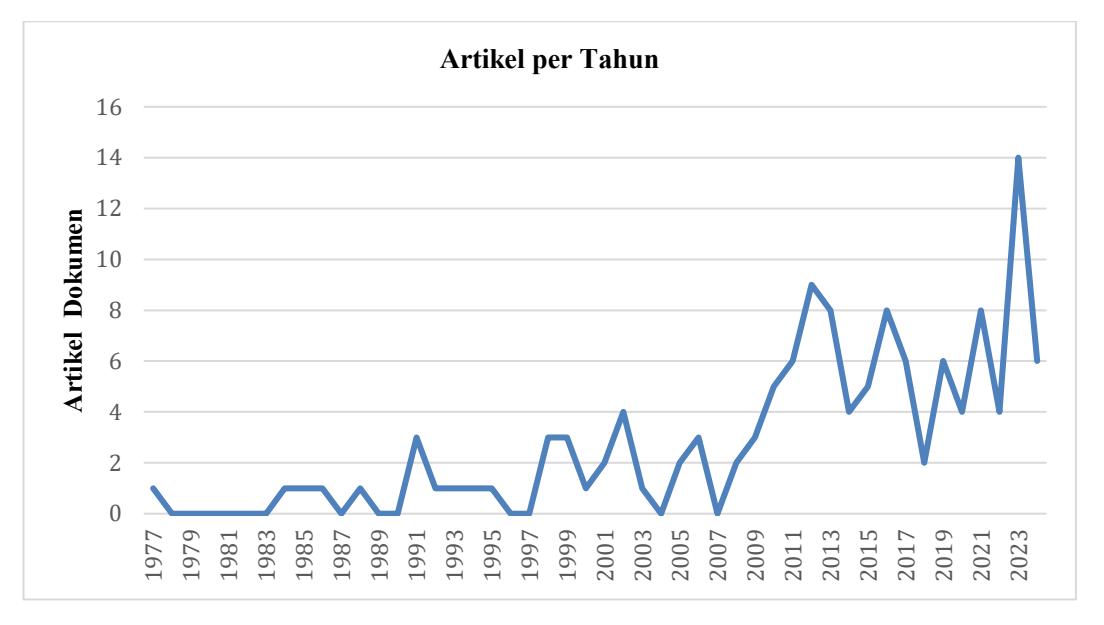
Figure 1. Annual Growth in Imagery Publications on Sports Performance in Athletes. Source: Scopus Database with Bibliometrix.
From the Scopus journal article database that researchers searched, it was found that there were 131 published journal articles that referred to the keywords mental imagery, athlete performance and injury recovery. Recent research from Abdurrahman et al, (2024) shows that mental imagery is effective in improving shot accuracy and mental readiness of petanque athletes. Furthermore, research from Hidayat et al., (Hidayat et al., 2023) revealed that mental imagery plays an important role in increasing the confidence and motor skills of badminton athletes, which has a positive impact on their performance.
The first journal containing mental imagery on sports performance appeared in 1977. However, the development of research in the field of mental imagery is still small and tends to stagnate every year. In the end, there was a momentum point of development and consistency of research since 2008 which published 2 journal articles, which then in 2009 increased by publishing 3 journal articles. Research related to mental imagery continues to grow rapidly every year, although it had experienced a decline in 2018, with only two articles published.
Significant momentum in mental imagery research occurred in 2021, where 8 articles were successfully published. The peak number of publications was recorded in 2023, with a total of 14 articles published. This trend reflects the increasing interest and attention from academia to the influence of sport psychology, particularly in the field of imagery, in supporting athletes' performance and injury recovery. This research development also shows that mental imagery is increasingly considered as an important variable in sport psychology, both to improve performance and support injury recovery in athletes.
The Most Cited Article
Table 1. Top Most Cited Journal Articles on Imagery on Sports Performance in Athletes
| No | Author Name | Article Title | Journal | Total Citation | Citations per year |
|---|---|---|---|---|---|
| 1 | Michael J. Mahoney & Marshall Avener | Psychology of the Elite Athlete: An Exploratory Study | Cognitive: Therapy And Research Springer Journal | 341 | 7.10 |
| 2 | P Gaudreau, JP Blondin | Development of a Questionnaire for the Assessment of Coping Strategies Employed by Athletes in Competitive Sport Settings | Psychology of Sport and Exercise Elsevier Journal | 176 | 7.65 |
| 3 | Melanie Gregg, Craig Hall, Andrew Butler | The MIQ-RS: A Suitable Option for Examining Movement Imagery Ability | Evidence – Based Complementary and Alternative Medicine, Wiley Journal | 165 | 11.00 |
| 4 | Aidan Moran, Aymeric Guillot, Tadhg MacIntyre and Christian Collet | Re-imagining motor imagery: Building Bridges Between Cognitive Neuroscience and Sport Psychology | British Journal of Psychology, The British Psychological Society | 151 | 11.62 |
| 5 | Jennifer Cumming & Craig Hall | Deliberate Imagery Practice: the Development of Imagery Skills in Competitive Athletes | Journal of Sports Sciences, Taylor & Francis | 113 | 4.91 |
| 6 | R. Roure, C. Collet, C. Deschaumes Molinaro, G. Delhomme, A. Dittmar, E. Vernet-Maury | Imagery Quality Estimated by Autonomic Response Is Correlated to Sporting Performance Enhancement | Physiologhy & Behavior Elsevier Science | 95 | 3.65 |
| 7 | Molly Driediger, Craig Hall & Nichola Callow | Imagery Use by Injured Athletes: A Qualitative Analysis | Journal of Sports Sciences, Taylor & Francis | 91 | 2.52 |
| 8 | Linda Warner, M. Evelyn McNeill | Mental Imagery and Its Potential for Physical Therapy | Physical Therapy & Rehabilitation Journal | 85 | 2.30 |
Adhitya Nugraha Pratama Putra, dkk / Jurnal Sains Keolahragaan dan Kesehatan A Study on Mental Imagery: The Effect of Mental Imagery on Sports Performance and Injury Recovery in Athletes Using Bibliometric Analysis
| 9 | Thomas Schack, Kai Essig, Comelia Frank and Dirk Koester | Mental Representation and Motor Imagery Training | Frontiers in Human Neuroscience, Hypothesis And Theory Article | 81 | 7.36 |
|---|---|---|---|---|---|
| 10 | Angela H. Nippert, PhD & Aynsley M. Smith, RN, PhD | Psychologic Stress Related to Injury and Impact on Sport Performance | Physical Medicine And Rehabilitation Clinics Of North America, Elsevier | 78 | 4.59 |
Table 1 reports the 10 most cited journal articles on the influence of mental imagery on athletes' sports performance. The article with the most citations was written by Michael J. Mahoney & Marshall Avener(1977), with a total of 341 citations and an average citations per year of 7.10. This article highlights the importance of using internal imagery to help athletes improve performance through realistic visualization and psychological preparation for competitive pressure. Research results show that more successful athletes tend to use internal imagery rather than external imagery (Mahoney & Avener, 1977). Internal imagery involves imagining the self from a personal point of view with real sensory experiences, whereas external imagery depicts the self from an external point of view such as watching a movie. This technique allows athletes to "train" mentally outside of physical sessions and prepare themselves psychologically for competition (1977).
The second article, written by P. Gaudreau & J.P. Blondin(2002), had 176 citations with an average of 7.65 citations per year. This study developed the ISCCS questionnaire to assess coping strategies in competitive sport, including the role of imagery. The results showed that mental imagery has high validity in coping strategies involving effort expenditure and mind control (Gaudreau & Blondin, 2002). This suggests that mental imagery is an important component of effective coping strategies for athletes (2002).
The third article written by Melanie Gregg et al., (2010), with a total of 165 citations and an average of 11.00 citations per year, revealed that mental imagery is very effective in injury rehabilitation in athletes. Mental imagery helps athletes access motor tissue without physical movement, accelerates recovery, reduces muscle atrophy, and increases confidence during rehabilitation (Gregg et al., 2010). This article also highlights that the use of mental imagery during immobility can maintain motor skills and reduce the negative effects of injury.
The fourth article by Aidan Moran et al.(2012), with 151 citations and an average of 11.62 citations per year, explores the relationship between mental imagery and cognitive brain processes. This research shows that motor imagery activates brain areas such as the premotor and primary motor cortex, albeit with less intensity than actual physical movement (Moran et al., 2012). Mental imagery training techniques such as the PETTLEP model are used to increase the effectiveness of imagery in improving athlete performance (2012).
The fifth article written by Jennifer Cumming & Craig Hall(2002), with 113 citations and an average of 4.91 citations per year, discusses various functions of imagery, such as cognitive specific imagery for skills, cognitive general imagery for strategies, and motivational imagery for motivation and anxiety management. Using structured mental imagery exercises helps athletes prepare for competition (Cumming & Hall, 2002).
The sixth article written by R. Roure et al.,(1999), with 95 citations and an average of 3.65 citations per year, shows that imagery quality can be measured through autonomic nervous system (ANS) responses, such as electrodermal response and respiratory frequency. The results show that there is a strong positive correlation (r = 0.79) between imagery quality as measured through autonomic nervous system (ANS) responses and improved sports performance (Roure et al., 1999). That is, athletes with the use of mental imagery training experienced significant performance improvements in task and sport performance.
The seventh article written by Molly Driediger et al., (2006), with 91 citations and an average of 2.52 citations per year, describes how injured athletes use mental imagery exercises to maintain motor skills, increase motivation, and manage stress. The article discusses three types of imagery including:
- − Cognitive Imagery: An imagery technique used to visualize specific techniques, strategies, and movement patterns to maintain technical skills during an athlete's injury recovery process.
- − Motivational Imagery: An imagery technique used to envision positive outcomes, such as a successful return to competition, which serves to energize and maintain the athlete's self-motivation during the athlete's injury recovery process.
− Healing Imagery: An imagery technique used to visualize the process of tissue healing and physical injury recovery, which is believed to speed up the athlete's injury recovery process.
The eighth article was written by Linda Warner & M. Evelyn McNeill (1988), with 85 citations and an average of 2.30 citations per year, showing that mental imagery training allows injured athletes to practice physical movements and techniques without the risk of physical injury associated with actual physical training and techniques. This technique is effective for improving mental focus, reducing anxiety, and building athlete confidence (Warner & McNeill, 1988). Using mental imagery training allows athletes to visualize themselves successfully performing difficult movements, which in turn can speed up recovery and promote success in actual physical training later on (1988).
The ninth article written by Thomas Schack et al., (2014), with 81 citations and an average of 7.36 citations per year, explores the relationship between mental representations and motor imagery in sport and rehabilitation. Motor imagery exercises based on mental representations are used to improve motor skills without physical movement, which are applied in sports such as golf and volleyball (Schack et al., 2014). Another finding from a study by Thomas and colleagues (2014), found that, during the motor learning process, the structure of mental representations develops along with skill improvement. In a study on beginners in the sport of golf, the structure of mental representations became more similar to the structure of expert players after physical and mental training, suggesting functional changes in the BACs cluster.
A recent article written by Angela H. Nippert & Aynsley M. Smith ( 2008), with 78 citations and an average of 4.59 citations per year, highlights the role of mental imagery in managing injury-related psychosocial stress experienced by athletes. Mental imagery assists athletes in reducing anxiety, increasing focus, and accelerating recovery through visualization of healing body tissues (Nippert & Smith, 2008). Research from Angela & Aynsley (2008), confirms the importance of mental imagery as a psychological strategy in achieving sporting performance to support performance and injury recovery in athletes. With significant contributions to the development of sport psychology, mental imagery intervention is becoming an increasingly recognized technique in various studies around the world.
The Most Productive Journal
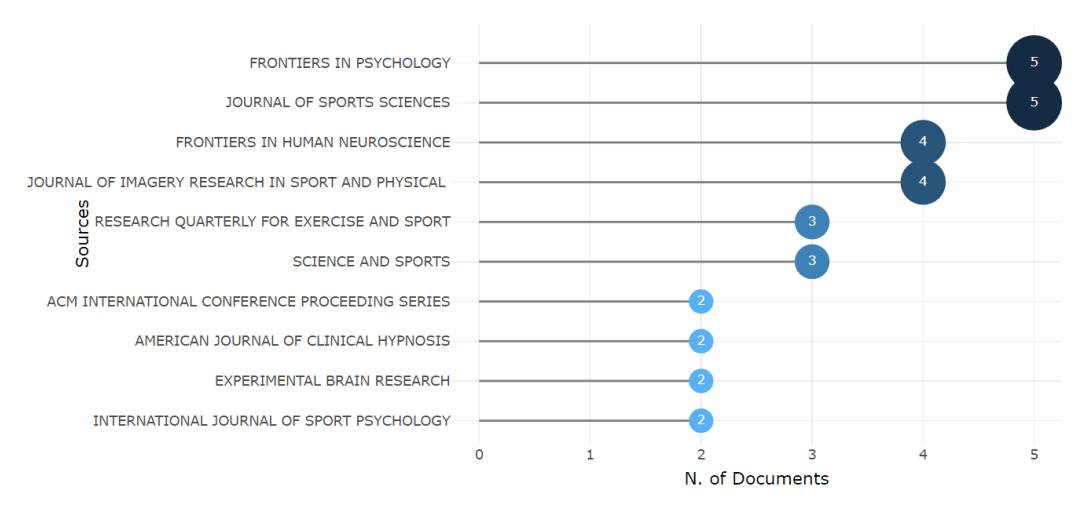
Figure 2. Productive Journal That Publish Mental Imagery on Sports Performance and Injury Recovery In Athletes. Source: Scopus Database with Bibliometrik.
From the data graph above, there are 131 articles from the Scopus database. With the most productive journals from the top 3 rankings listed in the figure above. In the first rank, the journal with the most articles on mental imagery strings on sports performance and recovery in athletes has a total of 5 articles. This journal focuses on advances in the field of psychology led by Prof. Axel Cleeremans. 2nd place with a total of 5 articles published on mental imagery strings on sports performance and recovery in athletes. One of the most popular articles in terms of citations in this journal is ranked 5th with 113 citations. The journal covers the fields of sport, sport psychology, and mental health in sport. The journal has also been indexed by Scopus, Routledge, Taylor & Francis.
And finally, the journal at number 3 successfully published 4 journals in the field of the influence of mental imagery on sports performance and injury recovery in athletes. One of the articles ranked 9th in citation trends with 81 citations. This journal focuses on the field of sport psychology, specifically related to the psychological stress experienced by athletes due to injury and how it affects athlete performance in sports. As such, journals that are prolific in publishing on the topic of mental imagery on athlete performance and recovery make a significant contribution to the development of research in the field of sport psychology and mental health. In addition, these journals can be used as key references for future
research and publications that want to explore more deeply the influence of mental imagery on performance and injury recovery in athletes.
Keywords That Arise in the Effect of Mental Imagery on Sports Performance and Injury Recovery in Athletes
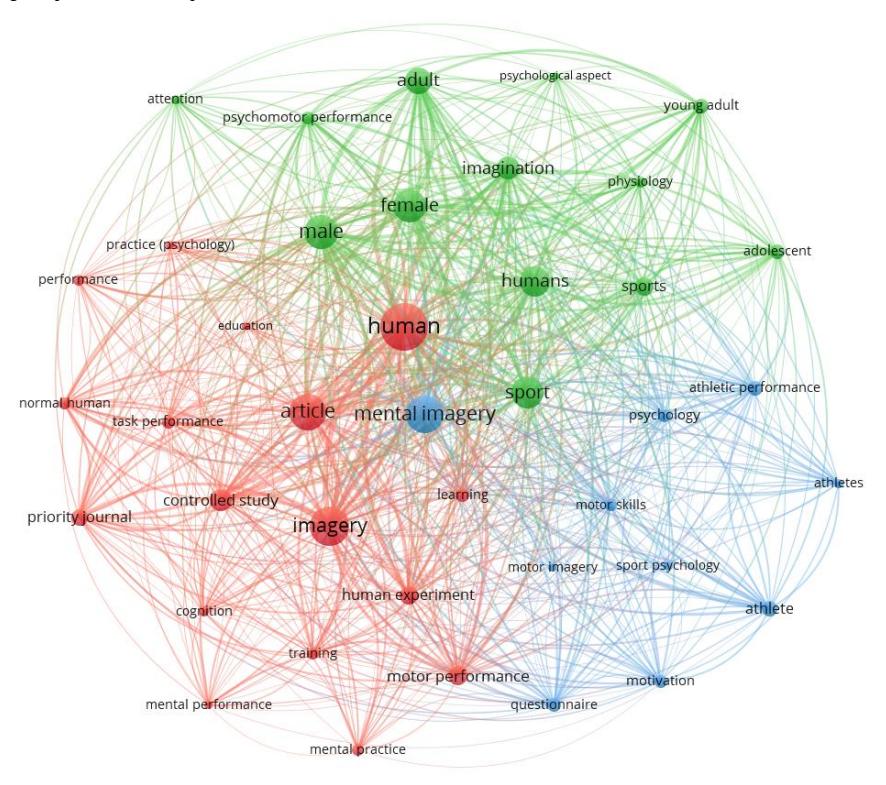
Figure 3. Topics Related to Mental Imagery on Sports Performance and Injury Recovery in Athletes. Source: Scopus Database with Bibliometrik.
Figure 3 above shows a bibliometric map that visualizes the keywords that frequently appear related to mental imagery, sports performance, and athlete injury recovery. With the help of VOSviewer software, the keywords are grouped into six major clusters, namely mental imagery, human, imagery, humans, sport, and article. The size of the dot indicates the frequency of occurrence of the keyword, while the color of the cluster indicates the relatedness of a particular topic. Here are the details of each cluster:
Blue Cluster: Mental Imagery Related To Sports Aspects
The blue cluster includes 10 keywords including mental imagery, motor skills, motor imagery, sport psychology, questionnaire, motivation, athlete, athletes, athletic performance, psychology. The research in this blue cluster emphasizes how mental imagery affects the cognitive, motivational and motor skills
aspects of athletes in a sporting context. Mental visualization techniques, as described by Mahoney & Avener(1977), are used to prepare athletes for the pressures of competition by "training" mentally outside of physical sessions. This has a positive impact on improving athlete performance, both during training and competition, and could be explored in further research for the impact of sport performance and injury rehabilitation on athletes.
Red Cluster: Mental Imagery Relates To Psychological Aspects
The red cluster consists of 17 keywords that focus on psychological aspects. The research in this red cluster explores the use of mental imagery as a technique to improve performance through mental rehearsal, particularly in tasks involving cognition and motor skills. In addition, this cluster also includes keywords such as controlled study and priority journal, which indicate the research methodology used. The use of controlled studies is expected to provide further insight into the effectiveness of mental imagery in supporting athlete performance and injury recovery.
Green Cluster: Mental Imagey Related To Aspects Of Biography
The green cluster includes 13 keywords, including male, female and then adult, young adult, adolescent. This cluster shows that research related to mental imagery on sports performance and injury recovery of athletes is mostly conducted on adolescents to adults. However, research on the effects of mental imagery on early childhood athletes is scarce. It is important to develop training or research related to mental imagery interventions in young athletes so that they can understand, manage performance and injuries effectively early on.
Mental Imagery Being Explored By Researchers Today
One topic that is widely discussed today is the effect of mental imagery training on athlete performance, as this intervention technique has been proven effective in supporting performance and confidence during training and competition (Sumarno, 2017). Research also shows that mental imagery provides a holistic approach that not only supports the physical but also mental aspects of athletes (Tabassum & Wali, 2021).
In addition, the use of mental imagery exercises in the injury rehabilitation process in athletes is an important focus. According to research conducted by Gregg
et al., (2010), mental imagery interventions help athletes recover faster and reduce the negative effects of injury, such as muscle atrophy. Athletes who used mental imagery during injury rehabilitation showed improvements in motor skills and confidence to compete again.
Mental imagery techniques also play an important role in preparing athletes for the pressure of competition. Research conducted by Driediger and his colleagues (2006) shows that various mental imagery functions such as cognitive specific imagery, cognitive general imagery, motivational imagery, and healing imagery help athletes maintain focus, manage stress, and improve motor skills. With these benefits of mental imagery training, it contributes significantly to supporting athletes' performance under competitive pressure and accelerating injury recovery. In-depth research on this topic is expected to contribute further to the development of sport psychology and improve intervention approaches for athletes.
DISCUSSION
The results of this study confirm that mental imagery has a very significant role in improving athlete's sports performance and injury recovery. Since it was first proposd by Mahoney & Ayener (1977), the concept of imagery has undergone rapid development in various sports research. Internal imagery was found to be more effective than external imagery in improving mental readiness and optimizing athletes' pre-game readiness. In addition, research from Gregg et al., (2010) showed that imagery has a positive impact in injury rehabilitation, supporting the hypothesis that this technique can be used not only to improve performance, but also accelerate injury recovery in athletes.
Compared to previous studies, the current trend is increasingly exploring mental imagery as part of coping strategies in the face of competitive pressure. Gaudreau & Blondin (2002) revealed that imagery is closely related to effective coping strategies in competitive sports. This technique allows athletes to develop control mechanisms over the external and internal pressures they face. Furthermore, research from Moran et al. (2012) showed that mental imagery can increase connectivity between the premotor cortex and primary motor, assisting athletes in building motor readiness without performing actual physical movements.
This recent research trend in bibliometric analysis also identified increased exploration in the application of technology-based imagery (Schack et al., 2014). With the development of virtual reality technology, trainers and researchers have begun to explore the effectiveness of imagery combined with virtual reality-based sensory experiences. Several recent studies have shown that the use of VR-based mental imagery can provide a more realistic visualization experience, thus increasing the effectiveness of mental training (Schack et al., 2014). This shows that research in the field of mental imagery has progressed from traditional methods to technology-based approaches.
However, this study also revealed some limitations in the exploration of mental imagery. One of the main weaknesses is the lack of research focusing on early childhood athletes. Bibliometric results show that most research on imagery focuses on adolescent to young adult athletes, while exploration of the use of mental imagery in children is still very limited. As stated by Warner & McNeill (1988), mental imagery should be introduced at an early age to help young athletes build motor skills and mental readiness early in their careers.
In addition, the exploration of the effect of mental imagery on specific sports is still very limited. Most of the research in this bibliometric highlights mental imagery in individual sports such as golf, badminton and tennis, while team sports such as soccer and basketball are less explored. Sumarno (2017) found that mental imagery can contribute more than 50% in improving hitting skills in softball, which suggests that this technique can also be applied in team sports that have high technical elements. In addition, research conducted by Deck, Kouali and Hall (2022) on shot put athletes showed that athletes who were given mental imagery training under challenging conditions had lower cognitive and somatic anxiety, and higher self-confidence. In Indonesia, research related to mental imagery has been conducted among others to improve gymnastics skills and self-confidence in athletes aged 10-12 years (Firmansyah, 2011), and to increase the achievement of learning motor skills in badminton athletes aged 10-12 years (Hidayat, 2011). Thus, further research needs to be done to examine how imagery can be adapted in various types of sports.
This research also highlights that the keywords that appear in bibliometrics
related to imagery are very diverse and grouped into various clusters, such as psychological aspects, biographical aspects, and research methodology. From these clusters, it can be concluded that imagery not only plays a role in improving performance, but also serves as a rehabilitation technique, coping strategy, as well as a growing mental training method. Thus, future research needs to emphasize more on exploring the application of imagery in various conditions and groups of athletes to gain a more comprehensive understanding.
Overall, the results of this bibliometric analysis provide an in-depth look at how mental imagery has evolved in sport research. The trends found suggest that imagery is increasingly recognized as an important strategy in sport psychology, both in improving athlete performance and as a post-injury rehabilitation technique. The conclusion of this study confirms that mental imagery is a technique that has many benefits for athletes, and has great potential to be further developed in the context of technology and wider sport applications.
CONCLUSSION
This bibliometric analysis reveals that research on mental imagery in sport has grown rapidly since 2012, with a significant surge in the number of publications in the last decade. From 131 articles analyzed in the Scopus database (1977-2024), publication trends show that mental imagery is increasingly recognized as an important strategy in improving athlete performance and accelerating injury recovery. The journals with the largest contributions in this field are dominated by sport psychology and exercise science journals, confirming that the impact of mental imagery is not only applicable to elite athletes but also to athletes undergoing post-injury rehabilitation. The development of this research also shows a shift from the use of mental imagery in the context of motor skill enhancement towards its use from coping strategies, anxiety management, as well as integration with technology such as virtual reality for more realistic simulation of mental imagery exercises.
The results of this study highlight the need for further exploration in several aspects that need further research. One of them is the application of mental imagery in early age athletes, which until now has rarely been the focus of research. In addition, future research also needs to expand the scope to various team sports, such
Recovery in Athletes Using Bibliometric Analysis as soccer and basketball, which have higher tactical complexity and team coordination. In terms of methodology, innovative approaches such as the use of machine learning in the analysis of mental imagery patterns and the exploration of neuroimaging to understand brain mechanisms in the visualization process can enrich the understanding of research in the field of mental imagery. With the increasing development, mental imagery is expected to be increasingly integrated with training programs and injury rehabilitation in athletes, which can provide
optimal benefits for coaches, athletes, and sports practitioners as well as sports
REFERENCES
psychology in the future.
- Abdurrahman, E., Nasuka, Sulaiman, Raharjo, H. P., & Setyawati, H. (2024). Analysing the Mental Imagery Training to Improve the Ability of Petanque Sport Shooting Game: Literature Review. Physical Education Theory and Methodology, 24(3), 474–479. https://doi.org/10.17309/tmfv.2024.3.17
- Becheva, M. S. V., Kirkova-Bogdanova, A. G., Kazalakova, K. M., & Ivanova, S. A. (2023). The benefits of sports for the physical and mental health of adolescents. Pharmacia, 70(3), 751–756. https://doi.org/10.3897/pharmacia.70.e111888
- Birrer, D., & Morgan, G. (2010). Psychological skills training as a way to enhance an athlete's performance in high-intensity sports. 20, 78–87. https://doi.org/10.1111/j.1600-0838.2010.01188.x
- Cox, R. H. (2007). Sport Psychology: Concept and Application (5 ed.). New York: McGraw-Hill.
- Cumming, J., & Hall, C. (2002). Deliberate imagery practice: The development of imagery skills in competitive athletes. Journal of Sports Sciences, 20(2), 137– 145. https://doi.org/10.1080/026404102317200846
- Deck, S., Kouali, D., & Hall, C. (2022). Effects of Imagery and Mindfulness on Anxiety, Confidence, Mental Well-Being, and Performance in Shot Putt Throwers: A Case Study. Journal of Emerging Sport Studies, 1(2018), 1–13. https://doi.org/10.26522/jess.v1i.3701
- Driediger, M., Hall, C., & Callow, N. (2006). Imagery use by injured athletes: A qualitative analysis. Journal of Sports Sciences, 24(3), 261–272. https://doi.org/10.1080/02640410500128221
- G Sumarno, Carsiwan, Salman, and T. H. (2017). Analysis of the Contribution of Self Confidence on Hitting Skills Through Mental Rehearsal Imagery and
- Goal Setting in UKM Softball UPI. IOP Publishing, 755(1), 1–6. https://doi.org/10.1088/1742-6596/755/1/011001
- Gaudreau, P., & Blondin, J. P. (2002). Development of a questionnaire for the assessment of coping strategies employed by athletes in competitive sport settings. Psychology of Sport and Exercise, 3(1), 1–34. https://doi.org/10.1016/S1469-0292(01)00017-6
- Gregg, M., Hall, C., & Butler, A. (2010). The MIQ-RS: A suitable Option for examining movement imagery ability. Evidence-based Complementary and Alternative Medicine, 7(2), 249–257. https://doi.org/10.1093/ecam/nem170
- Haustein, S., Vellino, A., & D'Angiulli, A. (2020). Insights from a bibliometric analysis of vividness and its links with consciousness and mental imagery. Brain Sciences, 10(1), 1–11. https://doi.org/10.3390/brainsci10010041
- Hidayat, Y., Yudiana, Y., Hambali, B., Sultoni, K., Ustun, U. D., & Singnoy, C. (2023). The effect of the combined self-talk and mental imagery program on the badminton motor skills and self-confidence of youth beginner studentathletes. BMC Psychology, 11(1), 1–16. https://doi.org/10.1186/s40359-023- 01073-x
- Ma'mun, A. (2013). Perspektif Kebijakan Pembangunan Olahraga dalam Era Demokrasi dan Kepemimpinan Nasional di Indonesia. Atikan.
- Mahoney, M. J., & Avener, M. (1977). Psychology of the elite athlete: An exploratory study. Cognitive Therapy and Research, 1(2), 135–141. https://doi.org/10.1007/BF01173634
- Miranti, A., & Rahayu, S. (2019). Imagery Training Method and Hand-Eye Coordination on The Exercise of Ball Batting Practice of Softball-Baseball of UNNES. Journal of Physical Education and Sport, 8(1), 6–10. https://journal.unnes.ac.id/sju/index.php/jpes/article/view/25981%0Ahttps:// journal.unnes.ac.id/sju/index.php/jpes/article/download/25981/11558
- Moran, A., Guillot, A., MacIntyre, T., & Collet, C. (2012). Re-imagining motor imagery: Building bridges between cognitive neuroscience and sport psychology. British Journal of Psychology, 103(2), 224–247. https://doi.org/10.1111/j.2044-8295.2011.02068.x
- Muniandy, M., Mohd Rasyid, N. binti, Abdul Razak, N. binti, & Elumalai, G. (2023). Bibliometric Analysis: Psychology in Sport. International Journal of Academic Research in Progressive Education and Development, 12(2). https://doi.org/10.6007/ijarped/v12-i2/16948
- Nippert, A. H., & Smith, A. M. (2008). Psychologic Stress Related to Injury and Impact on Sport Performance. Physical Medicine and Rehabilitation Clinics of North America, 19(2), 399–418. https://doi.org/10.1016/j.pmr.2007.12.003
- Roure, R., Collet, C., Deschaumes-Molinaro, C., Delhomme, G., Dittmar, A., & Vernet-Maury, E. (1999). Imagery quality estimated by autonomic response
- is correlated to sporting performance enhancement. Physiology and Behavior, 66(1), 63–72. https://doi.org/10.1016/S0031-9384(99)00026-8
- Schack, T., Essig, K., Frank, C., & Koester, D. (2014). Mental representation and motor imagery training. Frontiers in Human Neuroscience, 8(MAY), 1–10. https://doi.org/10.3389/fnhum.2014.00328
- Simonsmeier, B. A., Andronie, M., Buecker, S., & Frank, C. (2021a). The effects of imagery interventions in sports: a meta-analysis. International Review of Sport and Exercise Psychology, 14(1), 186–207. https://doi.org/10.1080/1750984X.2020.1780627
- Simonsmeier, B. A., Andronie, M., Buecker, S., & Frank, C. (2021b). The effects of imagery interventions in sports: a meta-analysis. International Review of Sport and Exercise Psychology, 14(1), 186–207. https://doi.org/10.1080/1750984X.2020.1780627
- Tabassum, F., & Wali, R. (2021). Effects Of Imagery Ability And Imagery Use On The Performance Of Hockey Players. Research Gate, January.
- Warner, L., & McNeill, M. E. (1988). Mental imagery and its potential for physcial therapy. Physical Therapy, 68(4), 516–521. https://doi.org/10.1093/ptj/68.4.516
- Weinberg, R. (2008). Does Imagery Work? Effects on Performance and Mental Skills. Journal of Imagery Research in Sport and Physical Activity, 3(1). https://doi.org/10.2202/1932-0191.1025
- WHO. (2010). Health - United Nations Sustainable Development. WHO.