

INTRODUCTION
Sepak Takraw is a popular traditional sport in Southeast Asia, particularly in Malaysia, Thailand, and Indonesia, which demands a high level of skill and intensive training (Male et al., 2024). The Indonesian Sepak Takraw team has demonstrated notable achievements, including the attainment of gold medals at the 2019 and 2023 Southeast Asian (SEA) Games. These accomplishments require consistent efforts for preservation and enhancement. A key strategy involves identifying talent across various regions in Indonesia and developing appropriate
Correspondence author: Fadia Tasyafa, Universitas Indonesia, Indonesia.
Email: fadia.tasyafa@office.ui.ac.id
long-term programs to establish effective coaching patterns for Sepak Takraw athletes in the country (Hanif, 2015). Given that student-athletes face dual responsibilities pursuing academic success while also striving for high-level sports performance this demographic requires increased attention and support from the government.
As a team sport, individual ability serves as the foundation for generating synergy in Sepak Takraw. In addition to the importance of enhancing technical and physical skills, athletes must also consider their psychological condition during both training and competition. Psychological factors are recognized as one of the fundamental components contributing to high performance and success in sports (Koçak, 2020). Previous research by Fadli and Anshor (2019) highlighted the significant role of psychological aspects in influencing the performance of Sepak Takraw athletes, as evidenced by a survey involving coaches from the North Sumatra chapter of the Indonesian Sepak Takraw Association (PSTI) regarding athletes' readiness for the VIII Regional Sports Week. Furthermore, discussions with PSTI North Sumatra coaches indicated that the underperformance of the team in several recent events was largely attributed to psychological factors affecting the athletes.
Several factors influence the psychological condition of athletes during both training and competition, one of which is self-confidence. In psychology, beliefs regarding one's ability to accomplish a task are referred to as self-efficacy. Bandura (1997) describes self-efficacy as a determinant of how individuals feel, think, behave, and motivate themselves. Similarly, Alwisol (2019) defines self-efficacy as an individual's perception of their own capacity to function effectively in specific situations. Self-efficacy is shaped by individuals' cognitive evaluations about their capabilities, rather than by their actual possessions. Furthermore, Koçak (2020) emphasizes that, in the context of sports, self-efficacy can be understood as an athlete's belief in their ability to perform various tasks that contribute to achieving optimal athletic performance.
Self-efficacy plays a crucial role in determining the extent to which athletes believe in their own capabilities. When athletes possess a high level of self-efficacy, they are more likely to fully utilize their abilities during competition. In contrast, athletes with low self-efficacy tend to avoid competitive situations, particularly high-stakes or prestigious events (Santrock, 2010). The level of self-efficacy influences the behavioral goals athletes set for themselves. These goals are typically formulated based on individual beliefs about personal capabilities, and athletes develop plans to achieve them accordingly.
The formulation of performance targets by athletes is an important variable that contributes to enhancing motivation, focus, confidence, and optimal performance (Jeong et al., 2023). The presence of goals psychologically reinforces athletes' awareness of what they are doing and the purpose behind their actions. Goal setting can be defined as an individual's ability to design and establish objectives they aim to achieve (Weinberg & Gould, 2019). A study conducted in 2023 involving archery athletes in Pontianak City demonstrated that the more specific the goal-setting process, the higher the athletes' achievement motivation (Fachrezi et al., 2023). Furthermore, a meta-analysis by Williamson et al. (2022) concluded that goal setting has a moderate to high positive effect size on sports performance, thereby supporting its use as an effective strategy in sports-related interventions.
Goal setting among athletes is grounded in a deliberate and specific process, aimed at positively influencing optimal performance while also addressing various psychological challenges such as anxiety, low self-efficacy, and reduced selfconfidence. Goal setting has been shown to contribute to the development of selfconcept and enhance self-efficacy (Locke & Latham, 1985). A meta-analysis and systematic review reported that 7 out of 27 reviewed studies specifically examined the impact of goal setting on self-efficacy. Research on Sepak Takraw at the student level is particularly important, as adolescence represents a critical phase in the development of psychological skills. This is consistent with the findings of Dimyati et al. (2013), who reported that although student-athletes in Yogyakarta demonstrated high levels of motivation, their self-confidence and anxiety control still required reinforcement to support the achievement of optimal performance.
Based on the aforementioned explanation, the need to develop psychological aspects in Sepak Takraw athletes has encouraged researchers to focus on the growth and development of student athletes, particularly in relation to self-efficacy and goal setting as key psychological variables to support mental training programs for student Sepak Takraw athletes in Indonesia. Therefore, the present study aims to examine the relationship between self-efficacy and goal setting among student Sepak Takraw athletes in Indonesia. The hypothesis of this study posits that there is a significant relationship between the level of self-efficacy and goal setting among this population.
METHODS
This study employed a survey method with a correlational research design to examine the relationship between goal setting and self-efficacy. The data analysis technique utilized the Spearman correlation to determine the strength and direction of the relationship between the two variables, as well as to assess the extent to which goal setting influences the level of self-efficacy. Data analysis was conducted using Jamovi version 2.4.11. The data collection process applied a convenience sampling technique, which is a type of non-probability sampling wherein sample selection is based on ease of access, availability, and proximity to the researcher, without considering full population representativeness.
This technique was selected to facilitate the data collection process under constraints of limited time and resources, while still ensuring that participants met the predetermined research criteria. The questionnaire was distributed via Google Forms during the Pre-Popnas match in Surakarta in November 2024 and through online distribution via social media platforms in December 2024.
This study is a correlational research aimed at examining the relationship between self-efficacy and goal setting among student Sepak Takraw athletes in Indonesia. The study population comprised student Sepak Takraw athletes across Indonesia, aged between 12 and 18 years. A total of 156 participants took part in the study (74 female and 82 male). The questionnaire consisted of a participant demographic profile and two research instruments: the Athlete Self-Efficacy Scales developed by Koçak (2020), and a simple self-audit questionnaire for goal setting adapted from Wilson and Dobson (2008). The research procedures included the translation of measurement instruments, review, back-translation, expert judgment, and the ethical review process prior to questionnaire distribution. Ethical clearance for this study was granted by the Ethics Committee of the Faculty of Psychology, Universitas Indonesia, under reference number 200/FPsi.Komite Etik/PDP.04.00/2024.
RESULTS
The results of this study were obtained based on the total scores from the Athlete Self-Efficacy Scales and the Self-Audit for Goal Setting, as presented in Figure 1.
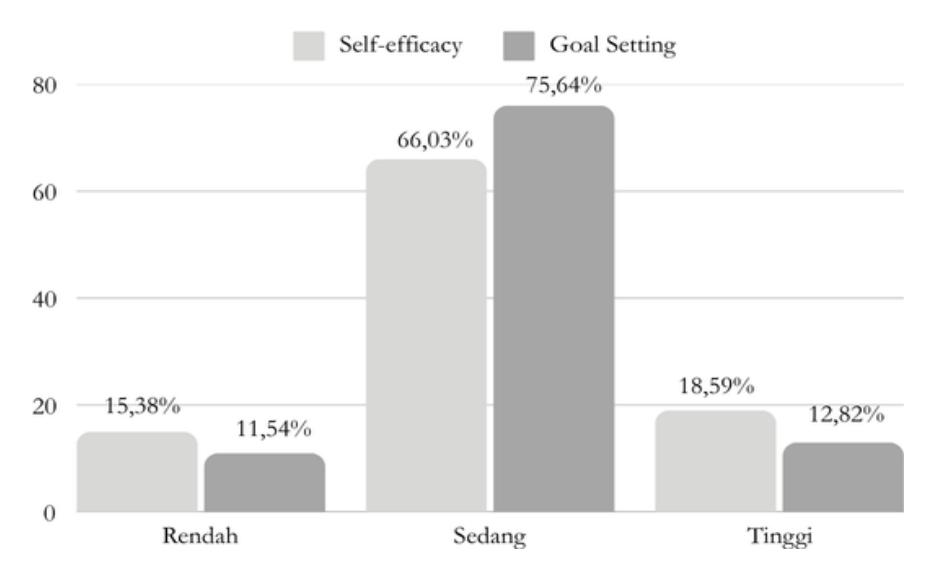
Figure 1. Frequency Results in Percentage
Based on Figure 1, the class intervals are categorized into three levels: low, moderate, and high. The moderate category dominates both variables, with 66.03% of participants (103 athletes) demonstrating a moderate level of self-efficacy, and 75.64% (118 athletes) exhibiting moderate goal-setting ability. The percentage of participants in the low category is higher for self-efficacy, accounting for 15.38% (24 athletes), compared to goal setting, which accounts for 11.54% (18 athletes). Meanwhile, the high category is represented by 18.59% (29 athletes) for selfefficacy and 12.82% (20 athletes) for goal-setting ability.
Table 1. Results of the data normality test
| Variabel | Shapiro-wilk (p) | |
|---|---|---|
| Efikasi diri | 0,006 | |
| Goal setting | 0,018 | |
Based on the results of the normality test using the Shapiro–Wilk method, the p-values for self-efficacy (p = 0.006) and goal setting (p = 0.018) were both below the significance threshold of 0.05, indicating that the data for both variables were not normally distributed.
Table 2. Correlation results
| Efikasi Diri | ||
|---|---|---|
| Goal setting | Spearman's correlation | 0,638 |
| Df | 154 | |
| p-value | <.001 |
Spearman's correlation analysis yielded a correlation coefficient of r = 0.638, p < 0.001, indicating a moderately strong positive relationship between the two variables. These findings demonstrate a statistically significant positive correlation between self-efficacy and goal setting. In other words, the higher the goal-setting ability of athletes, the higher their level of self-efficacy.
DISCUSSION
The level of self-efficacy among student Sepak Takraw athletes in Indonesia falls predominantly within the moderate category, accounting for 64.7% of participants. This indicates a moderate level of confidence in their ability to complete tasks successfully, although further enhancement is necessary. These findings are consistent with previous research on swimmers, which also reported a predominance of moderate self-efficacy levels among swimming athletes (Kusumadewi et al., 2021). Furthermore, a meta-analysis and systematic review by Lochbaum et al. (2023) demonstrated that pre-match self-efficacy has a moderate and consistent effect size on sports performance across various disciplines from 1983 to 2021. The absence of significant differences in self-efficacy between athletes in team and individual sports indicates that athletes in both categories still require personal development to strengthen their self-efficacy (Rasyid & Rambey, 2024).
This moderate level of self-efficacy suggests that while athletes generally have confidence in their abilities, doubts may still arise in certain situations, such as when facing stronger opponents or challenging match conditions. According to Ermiş and Çankaya (2023), self-efficacy plays a crucial role in athlete performance;
their research further identifies additional factors influencing self-efficacy development, including age, experience, and social support. Based on this discussion, athletes in team sports exhibit individual differences that can affect their confidence levels. Therefore, it is important for coaches to provide equal attention to self-efficacy development programs for both individual athletes and those competing as part of a team.
The frequency of goal setting among student Sepak Takraw athletes in Indonesia is predominantly classified within the moderate category, with 70.5% of participants (110 athletes) exhibiting goal-setting levels that are neither low nor optimal. This finding suggests that while many athletes tend to set goals, they have yet to fully implement goal-setting strategies effectively to enhance their performance. Goal setting is a critical aspect of sport psychology that can improve athlete motivation, focus, and performance outcomes (Weinberg & Gould, 2019). When goal-setting ability remains at a moderate level, athletes may lack a comprehensive understanding of goal setting or insufficient guidance in its practical application. Key principles of effective goal setting include difficulty, specificity, acceptance, and evaluation, with athletes encouraged to formulate goals following the SMART framework (Specific, Measurable, Achievable, Relevant, Time-bound) (Fathannisa et al., 2022)..
Based on the correlation test between self-efficacy and goal setting, a Spearman's rho correlation coefficient of r = 0.638 (p < 0.001) was obtained, indicating a strong positive relationship between the two variables. This finding suggests that the higher the self-efficacy levels among Sepak Takraw athletes, the better their goal-setting abilities, and vice versa. Athletes who have confidence in their own capabilities are more likely to remain motivated and persist in pursuing their goals, even when faced with obstacles. Meta-analytic research on goal setting has demonstrated that the effective relationship between self-efficacy and goal setting is particularly supported when goals are specific and process-oriented, which can enhance athletes' self-efficacy more effectively (Williamson et al., 2022). These results align with Locke and Latham's (1985) goal-setting theory, which emphasizes that athletes with high self-efficacy tend to establish specific, well-developed, and realistic goals.
The findings of this study can provide valuable insights for coaches and administrators in Sepak Takraw to optimize athletes' psychological aspects, including self-efficacy and goal setting. Psychoeducation and goal-setting interventions aimed at enhancing self-efficacy may be effectively implemented using the SMART method. Coaches, as mentors and facilitators within their sport, can assist athletes in establishing short-, medium-, and long-term goals, thereby fostering the confidence necessary to perform sport-specific tasks successfully. Given the dual responsibilities of athletes who are also students (Oktafiranda, 2021), detailed goal setting serves as a crucial strategy for effective time management between training and academics, as well as for enhancing selfefficacy, which in turn increases athletes' confidence in their ability to achieve success in both domains.
This study has several limitations, including the use of convenience sampling, which may not fully represent the national population of Sepak Takraw athletes. Furthermore, the correlational design employed does not allow for direct determination of cause-and-effect relationships. Therefore, future research is recommended to utilize an experimental design to examine the direct impact of goal-setting interventions on self-efficacy enhancement.
CONCLUSSION
Based on the results and discussion, it can be concluded that there is a significant relationship between self-efficacy and goal setting among student Sepak Takraw athletes in Indonesia. The levels of self-efficacy and goal setting observed in this population fall within the moderate category, highlighting the need for further improvement in these variables to enhance athletes' performance effectively. Implementing a more systematic approach to specific goal settingsuch as through psychological interventions or specialized training—is expected to optimize both self-efficacy and athletic performance. To validate and generalize these findings, further research should test the relationship between self-efficacy and goal setting across different sports. Future studies are recommended to expand the sample to include various sports, employ experimental or longitudinal designs, and investigate how individualized goal-setting strategies can improve selfefficacy.
REFERENCES
- Alwisol. (2019). Psikologi Kepribadian (1st ed.). UMM Press.
- Bandura, A. (1997). Self efficacy The Exercise of control. W.H.Freeman Company.
- Dimyati, Herwin, & Hatuti, T. A. (2013). Karakteristik psikologis atlet di pusat pendidikan dan latihan pelajar (PPLP). Jurnal Psikologi, 40(2), 143–158.
- Ermiş, A., & Çankaya, S. (2023). Analysis of self-Efficacy levels of fencers. Mediterranean Journal of Sport Science 2023, 6(1). https://doi.org/10.38021asbid.1347033
- Fachrezi, M. Y., Vidyastuti, V., & Lestari, W. (2023). Goal setting dan motivasi berprestasi atlet panahan di kota pontianak. Philanthropy: Journal of Psychology, 7(1), 45. https://doi.org/10.26623/philanthropy.v7i1.6430
- Fadli, Z., & Anshor, K. (2019). Survey tentang aspek-aspek psikologis atlet sepak takraw putra sumut dalam menghadapi pekan olahraga swilayah viii tahun 2011 Kepulauan Riau. Jurnal Ilmu Keolahragaan, 18(1), 31–39.
- Fathannisa, T. B., Devy, R., Aprilia, T., Hidayat, Y., & Apriantono, T. (2022). Intervensi goal setting dalam cabang olahraga terukur: Systematic literature review. Jurnal Sains Keolahragaan Dan Kesehatan, 7(1), 46–55. https://doi.org/10.5614/jskk.2022.7.1.5
- Hanif, A. S. (2015). Sepak Takraw Untuk Pelajar. Raja Grafindo.
- Jeong, Y. H., Healy, L. C., & McEwan, D. (2023). The application of goal setting theory to goal setting interventions in sport: A systematic review. In International Review of Sport and Exercise Psychology (Vol. 16, Issue 1, pp. 474–499). Routledge. https://doi.org/10.1080/1750984X.2021.1901298
- Koçak, Ç. V. (2020). Athlete self-efficacy scale: development and psychometric properties. Baltic Journal of Health and Physical Activity, 12(6), 41–54. https://doi.org/10.29359/BJHPA.2020.Suppl.1.05
- Kusumadewi, I. A., Ghozali, D. A., Hastami, Y., & Wiyono, N. (2021). Hubungan tingkat kecemasan dengan tingkat efikasi diri pada atlet renang. JOSSAE : Journal of Sport Science and Education, 6(1), 107. https://doi.org/10.26740/jossae.v6n1.p107-114
- Lochbaum, M., Sisneros, C., Cooper, S., & Terry, P. C. (2023). Prevent selfefficacy and aports performance: A systematic review with meta-analysis. In Sports (Vol. 11, Issue 11). Multidisciplinary Digital Publishing Institute (MDPI). https://doi.org/10.3390/sports11110222
- Locke, E. A., & Latham, G. P. (1985). The application of goal setting to sports. In Journal of Sport Psychology (Vol. 7).
- Male, S., Kadir, S., Duhe, E. D. P., & Haryanto, A. I. (2024). Efektivitas latihan ketepatan servis atas dengan kick pad vs bola gantung sepak takraw. Jurnal
- Sains Keolahragaan Dan Kesehatan, 9(1), 74–86. https://doi.org/10.5614/jskk.2024.9.1.7
- Oktafiranda, N. D. (2021). Motivasi berprestasi atlet panahan PPOP DKI Jakarta. Jurnal Sains Keolahragaan Dan Kesehatan, 6(2), 145–155. https://doi.org/10.5614/jskk.2021.6.2.4
- Rasyid, A. F., & Rambey, I. R. (2024). Efikasi diri dan kecemasan kompetitif: Perbedaan atlet individu dan atlet bertim. Psikobuletin, 5(3), 389–396. https://doi.org/https://doi.org/10.24014/pib.v5i3.27632
- Santrock, J. W. (2010). Life-Span Development (13th ed.). McGraw-Hill.
- Weinberg, R. S. (Robert S., & Gould, D. (2019). Foundations of sport and exercise psychology (7th ed.). Human Kinetics.
- Williamson, O., Swann, C., Bennett, K. J. M., Bird, M. D., Goddard, S. G., Schweickle, M. J., & Jackman, P. C. (2022). The performance and psychological effects of goal setting in sport: A systematic review and metaanalysis. International Review of Sport and Exercise Psychology. https://doi.org/10.1080/1750984X.2022.2116723
- Wilson, S. B., & Dobson, M. S. (2008). Goal Setting How to Create an Action Plan and Achieve your Goals (2 ed). Amacon.