

1 Introduction
1.1 Prologue: Archipelago Manifesto
We could live in a country powered mostly by renewable energy, islands woven together by reliable infrastructure, in which the jobs and opportunities of this transition are designed to systematically eliminate regional and gender inequality. Caring for one another and caring for the planet could be the economy's fastest growing sectors.
We know that the time for this great transition is now. People in rural communities still experience hardship condition known only to least developed countries in the modern world, whereas many children still suffer from bad hygiene, malnutrition, lack of education and poor health care. Moreover, climate change is predicted to raise sea level, inundating coastal communities, reduce crop yield and create more frequent forest and peatland fires. That means small steps will no longer get us where we need to become advanced nation.
This leap must begin by respecting the inherent rights and title of the original caretakers of this land. People who live in villages have been at the forefront of protecting rivers, coasts, forests and lands from out-of-control industrial activity. We can bolster this role, and reset our relationship, by fully implementing the 5th principle of Pancasila, social justice for all Indonesians.
Developing our cities will no longer get us to where we need to go. So we need to power the whole archipelago. Moved by Pancasila that form the legal basis of this country and bind us to share the land "for as long as the sun shines, the grass grows and the rivers flow", we want energy sources that will last for time immemorial and never run out or poison the land. Technological breakthroughs have brought this dream within reach.
We all should know this fact and strive to become a productive member of Indonesian society. We should prepare for the changes in the world and better still become an agent of those changes. The world is heading into perilous future if we do not address man-made climate change and economic inequality among nations. We therefore introduce "Powering the Archipelago" to build a new Indonesia and reshape our planet's future. For we only have one planet and our country is home of the richest biodiversity in our planet.
1.2 Background
Indonesia has the largest population in South East Asia and is one of the fastest growing economies among the G20 countries. Energy demand has significantly
increased in parallel with its population growth, urbanization, and economic development [1]. The primary energy source in Indonesia is based on fossil fuels, such as oil, gas, and coal. Fossil fuels continue to account for the most significant share of the energy mix in the country [2]. However, the increase in the consumption of fossil fuels affects both the economy, as fossil fuels are imported, and the commitment of Indonesia to reduce greenhouse gas (GHGs) emissions. In the Nationally Determined Contribution (NDC) submitted to the United Nations Framework Convention on Climate Change (UNFCCC), Indonesia has committed to reducing GHG emissions by up to 29%. Additionally, there are issues of energy insecurity in many parts of the country. Many rural areas are deprived of modern sources of energy, such as electrification, and largely depend upon traditional bioenergy sources, such as fuelwoods, which also contribute to deforestation.
The Government of Indonesia has committed to provide energy to its growing population through the National Energy Policy (Kebijakan Energi Nasional). The policy emphasizes achieving energy diversification, environmental sustainability, and utilization of domestic energy resources. Further, Indonesia has set a 25% renewable energy target from the total share of energy use by 2025. This energy target cannot be met by a single renewable source and thus it is essential for Indonesia to explore different renewable sources. In the other hand, the international community is seeking affordable and clean renewable energy from biomass as a response to the current UN-driven sustainable development goals (SDGs). Ensuring universal access to affordable, reliable and modern energy services is the cornerstone of sustainable development as it is intrinsically linked to many other goals, such as no hunger and poverty reduction. Thus, biomass-sourced energy could greatly contribute to help Indonesia meet its renewable energy targets.
Bioenergy is an important renewable energy produced from plant biomass and plant-derived residues and wastes [3]. Approximately 3 billion people depend on traditional biomass, such as fuelwood and charcoal, for cooking and heating [4]. However, traditional forms of biomass have lower conversion efficiencies and when burned in open fires they emit toxic smoke that causes serious health impacts [5]. They have also been associated with forest degradation and biodiversity loss [6, 7]. An alternative is modern bioenergy that has higher conversion efficiencies and can be utilized in the production of electricity or fuels for cooking, heating, and transportation [8]. Bioenergy includes bioethanol, biodiesel, and biogas produced from plants, woods, and agricultural waste, among many other feedstocks. Modern bioenergy also complements other renewable energy technology, such as solar and wind, and supports accelerated electrification coupled with the decarbonized electricity generation that is required to achieve climate goals [9].
Bioenergy technology has moved a long way and there are no constraints in technology, except for the availability of raw materials. Currently, bioenergy is produced primarily from food sources, such as palm oil, cassava, corn, and sorghum. This use of edible biomass for bioenergy is a concern for food security, as the biomass that could be used for food is used for energy production. Thus, biomass production for bioenergy is often debated because of its potential to impact food production and biodiversity due to land-use changes [10]. Further, there can be challenges, such as lack of local acceptability of bioenergy systems and the cost of raw materials. Nevertheless, bioenergy will continue to be an integral component of the renewable energy mix, as the early transition away from fossil fuels or decarbonization of the economy may not be achieved without bioenergy, especially considering the limited substitution options for end-use sectors [11]. Thus, it is necessary to look for an alternative biomass resource that does not pose a threat to either food security or biodiversity. The Government of Indonesia is supporting/taking several initiatives to identify an appropriate bioenergy feedstock for sustainable bioenergy production in the country. In this context, this paper aims to introduce an alternative bioenergy crops as a raw material for biomass-based electricity production in the country.
The rest of the paper is organized as follows: we define the problem that we would like to address in this paper in the next sub-chapter. The proposed solution is presented in Chapter 2. The economical and the social impacts of the proposed solution is given in Chapter 3 and Chapter 4 concludes the paper.
1.3 Problem Statement
Motivated by these following facts:
- 1) The commitment of the Government of Indonesia to provide energy to its growing population
- 2) The National Energy Policy to achieve energy diversification, environmental sustainability, and utilization of domestic energy resources
- 3) The commitment of Indonesia to reduce GHG emissions, and
- 4) The lack of access to modern energy (electricity) of the Indonesian population in remote areas
we would like to find a solution to the following problem:
Problem 1: To propose an electric power generation system for remote areas that satisfies the following requirements:
- 1. The energy source is renewable and can be obtained locally
- 2. The effect of the harvesting process of the energy source to the ecological system is minimal
- 3. The generation system must be dispatchable and scalable
4. The electricity produced must be equitable, reliable and affordable
While it may seem to be a difficult problem to solve, we will show in the next chapter that these are attainable with a reasonable solution.
2 Proposed Solution
To answer Problem 1, we first consider the type of power generation system (centralized vs distributed) suitable for remote areas application in section 2.1. Next, we discuss on the type of renewable energy sources suitable for the application in remote areas in Indonesia in section 2.2. Lastly in section 2.3, we discuss the type of renewable energy source where all stakeholders (the community, the developer and the government) in the electrification project of the remote areas can equally take part in it.
2.1 Distributed Power Generation System
Distributed Power Generation System (DPGS) is a small-scaled power generation system placed near the areas that need to be supplied by the electricity. In contrast, the Centralized Power Generation System (CPGS) is a power generation system stationed in one place where the produced electricity is transmitted over a long distances. The transmission infrastructure needed for DPGS is then a lot simpler and cheaper than the CPGS, since the DPGS is stationed near to the load to be served.
Due to the relatively large load needs to be served by one station, CPGS is usually powered by fossil fuel, nuclear, hydroelectric dams or large scale solar photovoltaic system. In the other hand, due to relatively small power demand, DPGS is usually powered by renewable energy resources. Aside from simpler and cheaper transmission infrastructure, the transmission efficiency of DPGS is also higher due to short transmission distances needs to be covered by DPGS.
Regardless of the energy resources used, the key properties of DPGS in answering Problem 1 is its transmission distance and infrastructure design are suitable for electrification of remote areas. To electrify remote areas, rather than building expensive transmission-infrastructure between the main island (where CPGS is located) and the remote islands (where the load to be served is located), it is much cheaper and efficient to build small-scaled power generation system directly located at each remote area. Moreover, due to the increasing demands of renewable energy resources and technology advancement in the renewable energy, the production, operation and maintenance cost of renewable
energy powered power station becomes lower. This serves as one of the main reason of the increase in the adoption of DPGS all over the world.
2.2 Literature Review of Renewable Energy Powered Electricity
Renewable Energy (RE) is the energy where its source is continually replenished by nature [12]. When it comes to electricity generation, all electricity generation powered by water, wind, sun, geothermal and bioenergy are called RE powered electricity. For wind powered electricity, things to consider are the noise pollutions and the feasible area to place the windmills. If the wind is too weak, the power generated is not sufficient, but if the wind is too strong it could become catastrophic. Therefore, not all remote areas in Indonesia are feasible for wind powered electricity.
The solar powered electricity works by converting the solar energy into electricity and then store it in a battery. Although the whole process is very simple, the needs of a battery makes it unfavorable to be used in remote areas. When solar powered electricity is adopted, every household must have these batteries, and batteries are expensive and also it needs to be replaced after some period of time. Therefore, it is difficult to make solar powered electricity to be affordable for the remote areas communities.
Hydro powered electricity converts the mechanical energy of running water into electricity. Due to the small-scaled electricity demand in the remote areas, if adopted, the hydro powered RE will be the micro-hydro type. The only limitation of this type of RE is the availability limitation of the running water in remote areas suitable for micro-hydro application. Moreover, if the location of the micro-hydro power station is too far from the load to be served, the transmission efficiency will be too small.
Geothermal powered electricity converts the geothermal energy into electricity. Technologies used are usually dry steam, flash steam and binary cycle power stations. Recent studies show that 40% of world's geothermal energy reserves is found in Indonesia. However, remote areas in Indonesia are often lack of this resources and therefore geothermal energy is not always viable option to power the remote areas.
Bioenergy powered electricity converts the chemical energy from biological substance (biomass) into electricity. The basic technology is to convert the biomass into biofuel (in solid, gas, or fluid forms). The advantage of the bioenergy powered electricity compared to the other type of RE is that the energy source can be obtained locally and reliably by planting the biomassplants near the DPGS. Also, some of the biomass-plants like bamboo can be planted at almost any location, so there will be no limitation for the location as long as there are lands to plant it. Due to the least limitation in the application as a renewable energy source, bioenergy is therefore the most suitable to be used as energy source for the DPGS to be applied at remote areas.
2.3 Community-based Renewable Energy Powered Electricity (CbREPE) using Bamboo Biomass
There are many type of biomass currently available in production: bamboo, corn, palm oil, sugarcane, etc [13]. The type of biomass we will consider to answer \emph{Problem 1} must not affect the ecological system significantly, so clearly palm oil is not a suitable choice. The biomass type must also exclude the plants that are used as foods because it will impose a threat to the food security. Thus corn, sugarcane and other food-like biomass are also excluded from our choice. We therefore point our attention to bamboo biomass as the energy source.
Bamboo has several favorable properties [14,15] such as:
- 1. it is the fastest growing plant with growing speed of 91 cm per day
- 2. the harvest-able time for bamboo is around 3-5 years compared to 10-20 years for most softwood
- 3. it has self-regeneration properties
- 4. it can tolerate poor soils condition and it can grow in a degraded land
- 5. it has desirable fuel characteristics such as low ash content and alkali index, and its high heat value is higher that most agriculture residue
By confronting the bamboo's properties and \emph{Problem 1}, bamboo as biomass clearly satisfies the first two requirements. These favorable properties make bamboo also suitable as the energy source for the Community-based RE Powered Electricity (CbREPE) or \emph{Listrik Gotong Royong}. The concept of the CbREPE is briefly explained in Figure 1.
Figure 1 Community-based RE Powered Electricity Diagram
From Figure 1, role number 1 is filled by the community in the remote area. The role of the community is to plant and harvest the bamboo to be supplied as the energy source for the electricity generation (please see reference [15] on the method of converting bamboo biomass into electricity). The bamboo is then supplied to the IPP (Independent Power Producer) that fills role number 2. In return, the community is compensated for the bamboo supplies, which is actually an additional income for the community. The IPP then process the bamboo such that it can be used as fuel to generate the electricity. IPP then sell the electricity produced to PLN (Perusahaan Listrik Negara), and finally PLN sell the electricity to the community.
On the planting of the bamboo, we propose that every household in the community to receive 100 bamboo seedlings, where 1 seedling will grow into 100 bamboo poles within 5 years. Based on the high heating value of bamboo where 1 bamboo poles weigh at more than 20 kgs, one household in remote areas needs only about 3 bamboo poles per month to fulfill their energy needs. By noting that every household will have 10,000 bamboo poles within 5 years, this much of bamboo poles will be able to fulfill their energy needs for more than 250 years. Moreover, after the first harvesting, bamboo will grow even faster so that the energy source itself is being renewed by nature. The 3 pilot projects that have been built can be regarded as proof of concept (see figure 2).
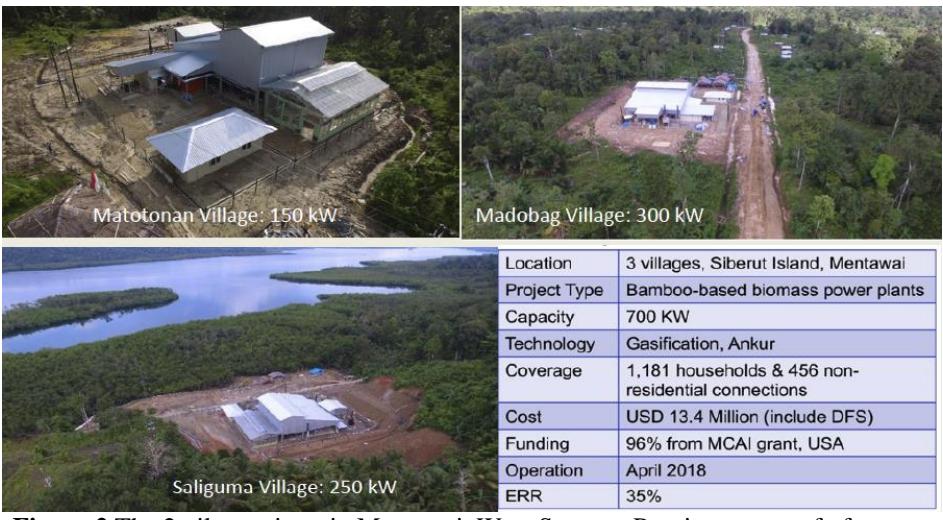
Figure 2 The 2 pilot projects in Mentawai, West Sumatra Province as proof of concept
From this section, we conclude that DPGS powered by bamboo biomass where the community is involved in the energy production is the solution to \emph{Problem 1}. To electrify remote areas, DPGS is the best solution in contrast to CPGS. Whereas, the concept of CbREPE using bamboo biomass results in the renewable energy that can be obtained locally and has little effect to the ecological system. In addition, the CbREPE or "Listrik Gotong Royong", by involving the community, result in a more affordable and equitable electricity. Finally, as for the reliability, dispatchability and scalability of the power generation system of DPGS powered by bamboo biomass, they are equal to the fossil fuel powered power plants.
3 Economic and Social Impacts of The Proposed Solution
Fossil fuel-based power plants have been proven to be highly effective drivers of economic progress, but at the same time damaging the environment and human health. Environmental aspects and quality of life indicate that environmental pollution is largely linked to the increase use of fossil fuel with emissions of sulphur dioxide, nitrogen oxide and carbon dioxide [16]. In the other hand, bamboo (biomass in general) absorbs carbon dioxide for its growth, and when it is burnt to produce electricity, the carbon dioxide is released. The amount of carbon dioxide released to the atmosphere during the combustion of bamboo biomass is almost same as the one being captured during the growth of bamboo itself. Therefore, the carbon cycle is neutral, means that the proposed solution has minimum damage to the environment.
Electricity production is often considered as the state obligation, but its unavailability harms all parties. Whereas, the availability of electricity is enjoyed by all parties. Therefore, all parties should be involved in their own proportions to contribute in the electricity production process. The involvement of all parties is needed particularly in the remote areas which are currently in a state of electricity shortage.
Local leaders and local communities are the stakeholders that are directly affected by the power generation system, thus their contribution and responsibility should be the largest during the electrification project of the remote areas. Their involvement should oversee the local capacity building in both technical and administrative which put them mainly related with raw materials and energy sources. The proposed solution enhances innovative spirit, technical proficiency and enthusiasm of local residents since they are given opportunity to use the land and obtain financial benefits from selling the produced biomass continually. Job creation is a key part of economic development activity and healthy economies which generate spin-off benefits known as the multiplier effect. The proposed solution can create more jobs per IDR invested than the conventional energy-supply systems. More varied economics activities in different sectors will strengthen the overall economy which contribute to increase social cohesion and stability.
The proposed solution will also increase transparency and accountability for all parties, including local communities, local and central government, and also investors. Their involvement will increase the sense of belonging and encouragement to support the system. Transparency and accountability are derived real-time especially on the system's input and output. Moreover, additional social economical data can be requested as part of the agreement. These processes can be done because of the mutually binding interests. It is expected that many more targeted policies can be applied by reliable real-time individual data.
Compared to other renewable energy, biomass tends to be available for the whole year, especially for tropical country like Indonesia. Unlike solar panel which can be stolen since it is put separately, the proposed solution technology are located in specific area for one village, making it easier and safer to be managed. In addition, bamboo as the power plant's raw material will not compete with the demand for food as it is not edible.
The DPGS powered by bamboo biomass can contribute to all important element of the country's development. Among other renewable energy source, biomass is the most labor-intensive technology and has the highest employment-creation potential. We believe that it will bring about the transition to the use of renewable energy source to generate electrical power in the entire country as it bring reliable and equitable electricity access in remote areas rapidly. It also has the potential to help PLN in bringing down the local cost of electricity generation in the long term. Moreover, it can contribute directly to forest and land restoration in the area surrounding the power plants.
4 Conclusions and Future Works
4.1 Success story of Mentawai and Future Project in Ambon
The success story of Mentawai begin in March 20th, 2017 when the agreement was signed between PT Charta Putra Indonesia (CPI) \& Millenium Challenge Account (MCA) for Biomass Power Plant (PLTBM) [17]. The project was initiated by the government to tackle the shortage of electricity in Mentawai. Before the PLTBM Project was initiated, PLN has tried to fulfill the needs of electricity by building Solar Power Plant (PLTS) in some rural area in Mentawai. The PLTS project has increased the electricity ratio from 29.80\% to 43.60\% [17]. After the PLTS project was started, the local government tried to propose another source for renewable energy powered power plant project which is Bamboo Biomass power plant. For Mentawai people, bamboo has been the part of their daily life. People in Mentawai use bamboo as raw materials for home building and also for cooking. Malepet, Madobak and Matotonan villages were chosen as the pilot project for PLTBM and as per March 9th, 2018, the progress has been 97\%, 60\% and 65\% for Malepet, Madobak and Matotonan vollage respectively [18]. The project also encourage local people to preserve the environment by planting bamboo while also achieving additional income by selling their bamboo as raw material for electricity generation.
For the future project in Ambon, there has been an agreement to replicate Mentawai PLTBM project on Seram and Buru islands. With the success and proven method for PLTBM in Mentawai we are confident that we can also replicate the same success story for Ambon and any area in Indonesia. To help various stakeholders in Indonesia pick the most ideal situation for development of Mentawai Model, we identify 3 factors: 50,000+ villages in Indonesia where electricity is still unreliable and inequitable, 30+ million Ha of critical lands where restoration with bamboo and other types of trees can be beneficial and locations where PLN has the highest Cost of Electricity Generation (see figure 3).
4.2 Future studies on Renewable Energy Powered Electricity for Remote Areas
Since energy availability will act as trigger to boost local economic growth and become a medium of wealth creation, in further planning, IAM M-RE aims to develop integrated smart grid in realizing interconnection between villages, supported with mobile or web based application as reporting and transaction platform. The mentioned application will be called Mentawai Apps. This development plan is aligned and supported by the 5G implementation plan in Indonesia [19].
In terms of functionality, the interconnection will provide much more benefit to the community, private sector and government. First, electric consumption data could be acquired and used as reference data as well as other local economical parameter to measure economic growth within certain areas. Second, interconnection could be used to develop independent energy connection. This means each member of the community is allowed to transact their energy balance among the communities with similar concept as fintech 3.0. Third, refer to the second point, once the off-grid community based electricity has been implemented, equality will be more achievable. Any industry in the local area which requires more electricity for their business process may purchase more power from the community member who have power consumption surplus. On the other hand, household could get an incentive if they agree to consume less power, where the excess of the power will be purchased by the industry that needs it. This incentive will make the electricity to be more affordable for the community. Moreover, this could also increase the energy security in the country.
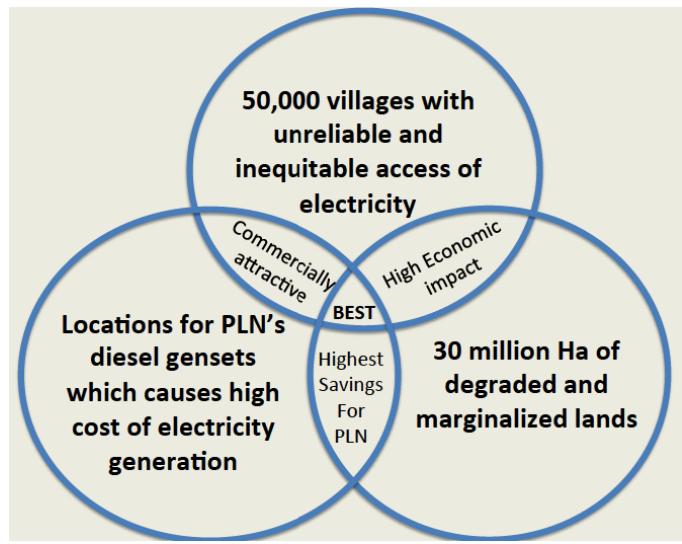
Figure 3 Strategy for Future Development
As part of further development of smart grid, other power generation infrastructure will also be developed to support this smart grid system. In the future, we consider to install solar photovoltaics at public facilities like port and town, waste to energy system will be utilized in small town, and hydro power generation will be built where it is possible to utilize hydro based energy.
5 References
- [1] National Energy Council, Indonesia Energy Outlook 2016, National Energy Council, Secreteriat General: Jakarta, Indonesia, 2016.
- [2] Energypedia, Indonesia Energy Situation, available from: energypedia.info/wiki/Indonesia Energy Situation, cited on 2018 February 4.
- [3] Souza, G.M., et al., Bioenergy & sustainability: bridging the gaps, SCOPE, Paris. ISBN 978-2954555706, pp. 978-2, 2015.
- [4] International Energy Agency, World Energy Outlook 2016, OECD/IEA France, 2016.
- [5] WHO, Burden of Disease from Household Air Pollution for 2012, World Health Organization, 2014.
- [6] Specht, M.J., et al., Burning Biodiversity: Fuelwood Harvesting Causes Forest Degradation in Human-dominated Tropical Landscapes, Global Ecology and Conservation, 3: pp. 200-209, 2015.
- [7] Masera, O.R., et al., Environmental Burden of Traditional Bioenergy Use, Annual Review of Environment and Resources, 40: pp. 121-150, 2015.
- [8] Faaij, A., Modern Biomass Conversion Technologies, Mitigation and Adaptation Strategies for Global Change, 11(2): p. 335-367, 2006.
- [9] IPCC, Climate Change 2014: Mitigation of Climate Change Contri-bution of Working Group III to the Fifth Assessment Report of the Intergovernmental Panel on Climate Change, edited by O. Edenhofer, et al., Cambridge University Press, 2014.
- [10] Immerzeel, D.J., et al., Biodiversity Impacts of Bioenergy Crop Production: A Stateoftheart Review, Gcb Bioenergy, 6(3): p. 183-209, 2014.
- [11] OECD/IEA and IRENA, Perspectives for The Energy Transition - Investment Needs for A Low-carbon Energy System, 2017.
- [12] https://www.nrel.gov/docs/fy01osti/27955.pdf, accessed on 4/25/2018
- [13] https://en.wikipedia.org/wiki/Biomass#Sources of Biomass, accessed on 5/15/2018
- [14] Engler, B., et al., Suitability of Bamboo as an Energy Resource: Analysis of Bamboo Combustion Values Dependent on the Culm's Age, International Journal of Forest Engineering, vol. 23, 2012.
- [15] An Ha Truong and Thi My Anh Le, Overview of Bamboo Biomass for Energy Production, 2014.
- [16] Akella, A.K., Saini, R.P., & Sharma, M.P., Social, Economical and Environmental Impacts of Renewable Energy Systems, Renewable Energy, 34, 390396, 2009.
- [17] http://cleanpowerindonesia.com/cerita-seputar-proyek-listrik-energibambu-di-mentawai/, accessed on May 2018.
- [18] http://cleanpowerindonesia.com/cerita-seputar-proyek-listrik-energibambu-di-mentawai/, accessed on May 2018.
- [19] Awangga Febian Surya Admaja, 5G Indonesia Early Preview, Pusat Penelitian dan Pengembangan Sumber Daya dan Perangkat Pos dan Informatika, 1: pp. 1, December 2015.