

Abstrak
Teknologi aspal hangat menjadi salah satu alternatif untuk struktur perkerasan jalan. Salah satu metode untuk meningkatkan performa campuran aspal hangat yakni dengan menggunakan bahan tambah fibre. Penelitian ini hendak menganalisis pengaruh dari penggunaan fibre aramid dan polyolefin pada campuran aspal hangat melalui beberapa pengujian, untuk memberi rekomendasi dosis fibre yang optimum. Hasil uji 4-point bending dan triaxial pada sampel campuran aspal DAC-16 dengan proporsi fibre 0.05% berat sample total yakni peningkatan fatigue life sebesar 100% serta penurunan creep coefficient 20%. Kemudian, pengujian tarik dilakukan pada sampel aspal mortar, serta semi-circular bending test pada sample campuran aspal DAC-16, dengan tiga dosis fibre berbeda: 0.05%, 0.1% dan 0.5%, serta dengan dua panjang fibre yang berbeda: 19-mm dan 38-mm. Hasil pengujian menunjukkan peningkatan kekakuan hingga 89% serta creep coefficient yang menurun hingga 45% dibanding sample kontrol, juga peningkatan kuat tarik sebesar 12.5% dan total energi sebesar 17%. Selain itu, ditemukan bahwa penambahan fibre 38-mm sebanyak 0.1% dari total berat spesimen memberi performa optimum. Dapat disimpulkan bahwa penambahan fibre dengan panjang 38-mm, dosis 0.1% memberikan peningkatan performa campuran yang optimum. Hasil CT-Scan pada sampel mortar menjelaskan mekanisme perkuatan akibat penambahan fibre, yakni (i) transfer beban antar fibre dan (ii) interface bonding fibre-matriks aspal.
Kata kunci: Aspal hangat, aramid + polyolefin, kuat tarik, creep coefficient, fatigue life
1. Introduction
Asphalt is a vital component in a highway construction development process, where in general the volume of asphalt is about five percent of the total volume of a pavement layer (wearing course). As for now, asphalt engineering technology has developed very rapidly, one of which is by making warm mix asphalt (WMA). The advantage of WMA compared to the generally used mixture type (hot mix asphalt - HMA) consists of several aspects, such as energy and fuel savings of about 20-35% and lower heat emissions to the environment, due to the difference in mixing temperature which is about 10-40°C lower. In addition, this technology also makes it possible to use recycled aggregates with a larger portion than usual. (EAPA 2019) However, even this lower mixing temperature can cause harm to the application, especially on the performance part of the resulting pavement, which has a direct impact on its useful life. To overcome this problem, fiber is used as an additional material to improve the mechanical properties of a warm mix asphalt so that it can produce a material with good quality. This study used a combination of aramid and polyolefin fibers as additives for dense asphalt concrete (DAC) warm mix asphalt, with the aim of finding the optimum content of fiber addition and the effect of adding fiber to the performance of WMA
material through several tests, namely triaxial test and 4-point bending test to determine the sample age against cyclic loads and resistance to permanent deformation so it can be determined whether the addition of fiber has a positive impact on the strength of the test sample, direct tension test - monotonic and cyclic loading at mortar level (bitumen + sand + mineral filler) to determine the effect of fiber on stiffness and resistance to permanent deformation from a critical micro-interaction level in determining mixture failure and to find the optimum content of fiber as an additive, and semi-circular bending test on DAC mixture to check the effect of fiber on the test sample's tensile strength. The CT scan was performed on a mortar sample in order to be able to analyze the fiber interaction in the test specimen, so that the strengthening mechanism can be identified. The result of this study is the optimum content of the addition of aramid-polyolefin fibers recommended to achieve maximum warm mix asphalt performance.
2. Theoretical Foundation
The use of warm asphalt technology is known to have several advantages, including to reduce gas emissions, fuel consumption efficiency at the level of 20-35% (Zaumanis 2011) (D'Angelo and al. 2008) (Ana Costa 2015), and the opportunity to make compaction in a longer period than the hot mix asphalt, thereby reducing the work duration (Prowell, Hurley and Frank 2012) (EAPA 2019). Furthermore, life-cycle assessment shows that the use of warm mix asphalt can reduce the use of fossil fuels by 25% which has an effect of 26 and 29% reduction in the effects of global warming and acidification, compared to hot mix asphalt (Mithil Mazumder 2016). However, the results of research in China show that although the use of warm mix asphalt has been proven to have positive environmental effects, the problem of mechanical properties (especially in the long term) is still lacking in its application, so further analysis and research in the mechanical performance of warm mix asphalt are necessary (Hui Ma 2019).
One method to improve the performance of asphalt mixes, both hot and warm, is to use fiber as an additive. The use of fiber has become a common thing in civil engineering, specifically in the concentration of road structures, where the first use in modern civilization was recorded in the 1920s in the United States using asbestos (Mcdaniel 2015). The use of asbestos as an additive was normal until the 1970s, where it was banned because of its danger to health. Therefore, the use of other materials as fibers began to be in demand, until now the types of fiber that are generally used are divided into several categories according to their forming materials, namely minerals, glass, cellulose and synthetic polymers. In general, the use of fiber as an additive in asphalt mixes has been reported to increase tensile strength, service life to cyclic load (fatigue life), as well as resistance to permanent deformation (rutting) so that it increases the durability of asphalt mixes (Mcdaniel 2015). Aramid and polyolefin fibers are in the synthetic polymers category. Aramid, with the chemical name
paraphenyleneterephthalamide, is formed through a synthesis process by two monomers namely 1,4phenylenediamine and terephthaloyl dichloride using methyl pyrrolidone and calcium chloride as solvents (Van Der Zwaag 2009). Aramid is known to have a high ratio of tensile strength to specific gravity (> 5 times steel and glass fiber), high fatigue resistance (> 10 million cycles) and good heat resistance (loss of only <20% tensile strength at 200°C), so it is often used for structures to achieve light weight with high quality or structures in extreme locations (Jassal and Ghosh 2002). Meanwhile, the polyolefin is divided into several sub-clusters, such as High-Density Polyethylene (HDPE), Low-Density Polyethylene (LDPE), and Polypropylene (PP). The making of polyolefin fibers begins with the discovery of polyethylene as a residue from chemical testing at high pressure, which begins the LDPE production method. Polyolefin has several advantages such as light specific gravity (\(\sim 0.9 \text{ g/cm}^3\)) with a tensile strength that vary between 17-80 MPa and a relatively high modulus of elasticity between 200-1000 MPa, where PP has superior properties compared to PE (Hutley and Ouederni 2016).
The effect of using the combination of aramid and polyolefin fibers on asphalt mixes has been studied in hot asphalt mix (Kaloush, et al. 2008), where the addition of fiber increased the shear strength as well as resistance to cyclic load, and also asphalt mix tensile strength. Another study also proved the effect of adding aramid and polyolefin fibers on the quality of asphalt mix for airstrips, where the added fiber could increase stiffness and resistance to raveling (Stempihar, Souliman and Kaloush 2012). Furthermore, a recent research shows that the use of aramid-polyolefin fibers increases resistance to cracking, especially at low temperatures (-20°C), where the addition of fiber can maintain the test sample's level of stiffness at the point where the crack does not occur significantly (Piotr Jaskuła 2017).
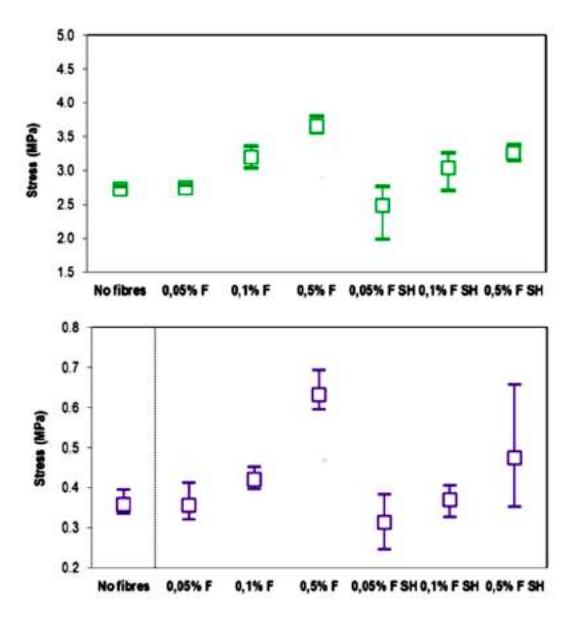
Figure 1. Specimen's tensile strength at a temperature of 5°C (above) and 20°C (below)
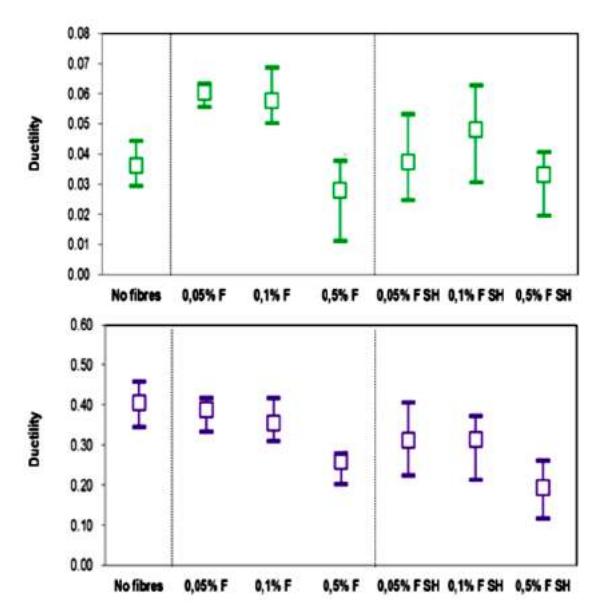
Figure 2. Specimen's ductility at a temperature of 5°C (above) dan 20°C (below)
Previous research related to the use of aramid and polyolefin fibers has also been conducted by the author to review the effect of temperature on the tensile strength of warm mix asphalt. The research shows that the use of fiber as a reinforcement material will function more optimally at a high test temperature (20°C). (Apostolidis, et al. 2019)
Figure 1 shows that the effect of using fiber on an asphalt mix gave a more significant tensile strength result when tested at higher temperatures (20°C). This is caused by the nature of bitumen which becomes more viscous at this temperature, so the critical parameter that determines the collapse of the sample is interfacial bonding between the fiber and mortar matrix, so that the fiber's high modulus of elasticity and tensile strength have a more significant impact compared to a low temperature. It can be concluded that the use of fiber in the pavement structure itself becomes more optimum if used at relatively high service temperatures. However, this increased tensile capacity causes the sample's ductility to decrease (Figure 2), in other words materials with large fiber contents lose the ability to stretch. Therefore, the study concluded that asphalt mixes with 0.1% aramid-polyolefin fiber proportion give optimum results compared to other options.
3. Research Method
3.1 Materials used
This study used a combination of aramid and polyolefin fibers with a proportion of 10% and 90%. The fiber specifications in accordance with manufacturing standards can be seen in Table 1.
The mixture used in this test was a warm mix asphalt with DAC-16 gradation type, in accordance with the Dutch mix design standard (DAB - dense asfalt concrete), as shown in Figure 3. As for the purpose of making asphalt mortar samples, the sand taken was
Table 1. Technical specifications of aramid-polyolefin fibers used
| Physical Properties | ||
|---|---|---|
| Aramid Fibers | ||
| Length | 19 | mm |
| Form | Monofilament | |
| Tensile Strength † | 2758 | Мра |
| Specific Gravity | 1,44 | |
| Operating Temperatures | -73 - 427 | °C |
| Polyolefin Fibers | ||
| Length | 19 | mm |
| Form | Serrated | |
| Tensile Strength | N/A | * |
| Specific Gravity | 0,91 | |
| Operating Temperatures | N/A | * |
* Fibers will become plastically deformed during asphalt mix production
defined from those retained in a 0.5 mm sieve which can be seen in Table 2. The bitumen used was a penetration grade 50/70 bitumen, and ANOVA 1501 chemical additive which could reduce the bitumen temperature to 40°C and simplify the compaction process without modifying its rheological properties (Cargill, Inc. n.d.).
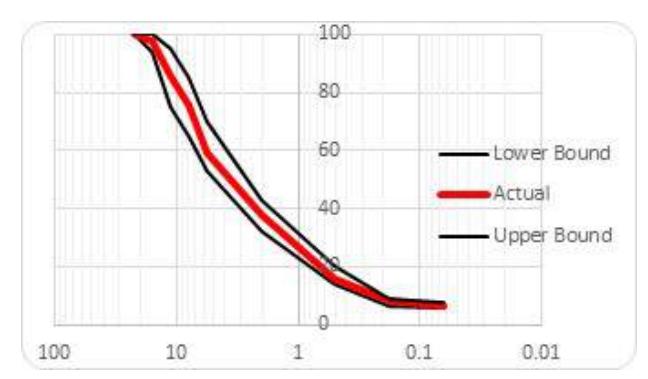
Figure 3. Sieve analysis results for DAC-16 warm mix asphalt
Table 2. Asphalt mortar composition based on DAC-16 gradation
| Component | Proportion |
|---|---|
| Sand | 47.10% |
| Bitumen 50/70 | 23.80% |
| Filler (Wigras) | 29.00% |
| ANOVA 1501 | 0.7% of bitumen weight |
3.2 Samples dan tests
For standard test as an initial stage of this research, warm mix asphalt was made in the form of a beam specimen for the 4-point bending test, and a cylinder for the triaxial test. The stiffness value from the 4-point bending test was obtained from the stiffness after 100 cycles (initial stiffness), where the test was conducted in several frequency variations to determine the effect of the load frequency on the specimen's stiffness. Meanwhile, the fatigue life was taken from the number of cycles taken where the sample's stiffness had reached 50% of the initial stiffness value. The 4-point bending test was conducted in accordance with Eurocode NEN 12697-24 and 12697-26 standards. While the triaxial
test produced a deformation curve with time divided into three phases: phase 1 (elastic), phase 2 (viscoelastic) and phase 3 (near collapse). The creep coefficient value itself was set according to the Eurocode NEN 12697-25 standard as an exponent of the mathematical function slope contained in the second phase, where permanent deformation began to occur. The low creep coefficient results indicate that the sample underwent a smaller permanent deformation after being loaded in such a way. Standard graph of 4-point bending test results and data interpretation methods can be seen in Figure 4.
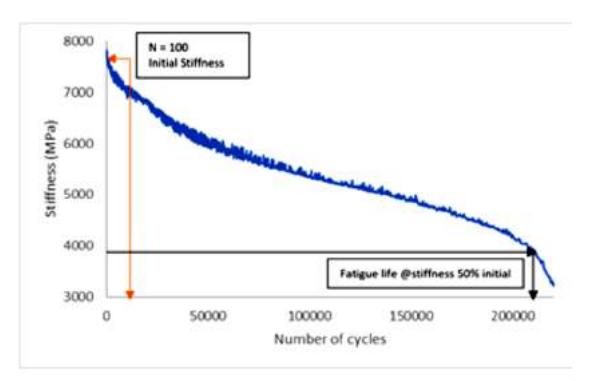
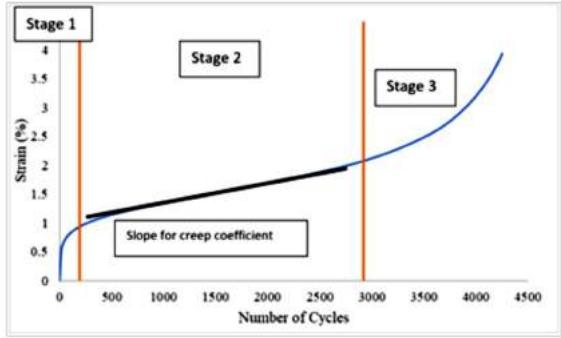
Figure 4. Test results and data interpretation (above) 4-point bending and (below) triaxial
In the next step, asphalt mortar samples for the tensile test were made in parabolic form as in Figure 5. The selection of the geometry aimed to ensure that the plane of failure occurred in the middle of the sample or to avoid collapse at the top/bottom of the specimen, which has the potential to cause damage to the test machine as happened in studies using perfect cylindrical samples (Bolzan and Huber 1993). The geometrical form was first put forward in the early 2000s (Erkens and Poot 2001), then further modelling was done using finite element to prove the failure mode (Kringos, et al. 2011).
CT-Scan was also carried out for the sample mortar before and after the tensile test, which aimed to analyse the mechanism of the relation between fiber with other components in the specimen, so that the tensile mechanism given by fiber could be identified. The tensile test results were force-displacement data recorded by the system and then converted to stress and strain using the formulas of (1) and (2)
\[\sigma = \frac{F}{0.25\pi d^2} \tag{1}\]
Figure 5. (above) Tensile test setup and (below) UTM machine
\[\varepsilon = \frac{\Delta l}{l_a}\] (2)
For the final stage, the semi-circular bending test was conducted using a UTM machine based on the Eurocode NEN 12697-44 standard. This method was chosen because it can represent the tensile strength value of an asphalt mix more clearly than the ITT standard test, where the failure mode that occurs in the ITT test is a combination of compressive and tensile, whereas in the SCB test the collapse due to tensile becomes the dominant failure mode (Molenaar, et al. 2002), (Molenaar, Liu and Molenaar 2003) (Gourab Saha 2016). The test was carried out at 0°C temperature, where the results of the tests would be processed using the following equation:
\[\sigma_{max,i} = \frac{4.263 \cdot F_{max,i}}{D_i \cdot t_i}\] (3)
\[G_f = \frac{W_f}{A_{lig}} \tag{4}\]
Samples for SCB test along with the setup test can be seen in Figure 6
Figure 6. Test setup semi circular bending
4. Results and Discussion
4.1 Preliminary test - standard test
The first part of this research was by using a series of standard tests to determine the quality of the warm mix asphalt resulting from the addition of aramid-polyolefin fibers at a content of 0.05% of the specimen's weight, according to the distributor's recommendations. The first test, the 4-point bending test, produced data in the form of stiffness and life span of the sample against cyclic loads, as shown in Figure 7.
From the above data, it can be seen that the addition of fiber, although it does not significantly influence the material's stiffness (in the range 1-8 GPa), can actually increase the specimen's service life in the fatigue test, especially at high load frequencies by almost two times.
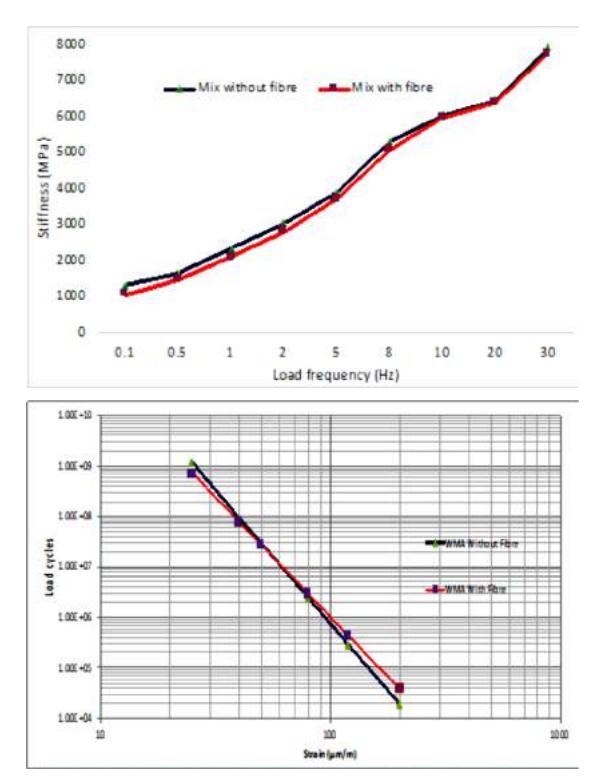
Figure 7. Stiffness value (above) and fatigue (below) from the results of 4-point bending beam test
It can be seen from both graphs that the performance improvement is more significant when loaded with high strain levels, both the stiffness evolution curve and the fatigue life of the specimen tested. A high level of strain can be associated with low load speed, indicating that the use of fiber will be more optimum in a pavement structure with a low planned speed.
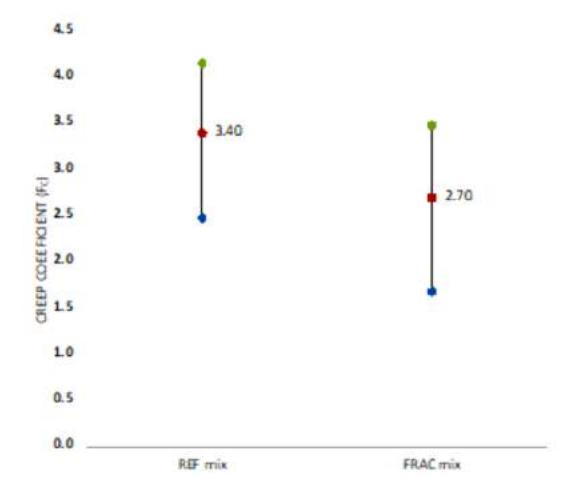
Figure 8. The coefficient of permanent deformation from the results of triaxial test
The creep coefficient is the gradient of the triaxial test curve using cyclic loads whose limits are taken from the point where the viscoelastic deformation begins. Based on Figure 8, it is clear that the creep coefficient of the sample with the addition of fiber is below the control test sample with a difference of about 20%. This shows that the addition of fiber to asphalt mixes can increase the mix's resistance to permanent deformation due to loading for a certain period.
4.2 Asphalt mortar - tensile strength test
Tensile test using asphalt mortar specimens shows the results in the form of stiffness, which can be seen in Figure 9. This value can only be produced at low temperatures, where the bitumen acts as an elastic material. At higher temperatures, bitumen will be viscoelastic, so the determination of elastic stiffness cannot accurately describe the structure's behaviour.
The test results at -5°C show an increase in the stiffness value through the addition of fiber compared to the control test sample, where the test sample with fiber's stiffness increased by 190% from the test sample without fiber. This shows the role of fiber as a binding material in the sample, which also indicates an increase in the specimen's strength. In addition, the stiffness parameter of the specimen with a 38-mm fiber content of 0.1% has a relative value compared to a mixture with a fiber content of 0.5%. This happens because at a content of 0.5%, there can be a phenomenon of clumping, where the fiber is collected and concentrated in one point which causes the working mechanism of the fiber in asphalt to be relatively less optimum. Although it is also seen that a large enough fiber content can reduce the risk of permanent deformation which is quite significant, the coefficient value of a mixture with 38-mm fiber in the proportion of 0.1% w/t
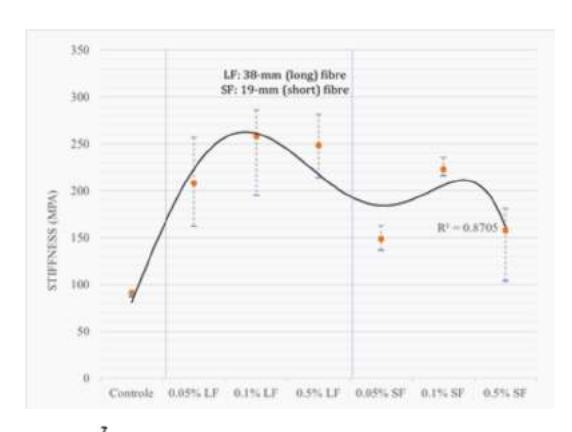
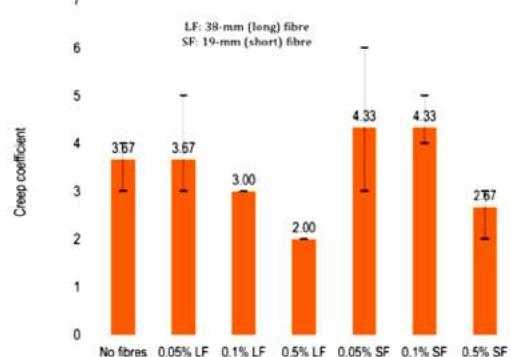
Figure 9. Stiffness value (above) and creep coefficient (below) from the results of the asphalt mortar sample's tensile test
does not differ greatly with a mixture with 19-mm fiber in the proportion of 0.5% w/t.
Furthermore, the tensile test results using cyclic loads show that the addition of fiber to the asphalt mortar mixture gives a higher value of resistance to permanent deformation (rutting), as shown in the creep coefficient in Figure 9. Based on the graph, increasing the content of fiber used would increase the resistance value of asphalt mixes up to 45%. However, the use of inappropriate content and/or the use of 19-mm fiber would give a negative impact on the test results. This is caused by the bonding mechanism that occurred at the fiber-matrix interface itself (Park, El-Tawil and Naaman 2017). In testing the mixture with the content and use of fiber with the right length, the capacity of the fiber to distribute the load evenly becomes more optimum, so that the load can be transferred from 1 fiber to another fiber without causing damage to the matrix. With improper use, the fiber will potentially become a lubrication material which reduces friction in the mortar matrix, causing collapse to occur faster than it should.
The strengthening mechanism provided by the fiber mixed in the specimen is illustrated in Figure 10. In the CT-Scan result image of the tensile test sample, it is clearly seen that the fiber is a binding material, wherein the collapse mode, the fiber undergoes displacement from its original location. That indicates that when loading occurs, the fiber carries the weight transferred from the mortar matrix. In addition, the fiber serves to hold the cracks in the specimen does not necessarily lead to failure of the sample, namely through the interface bonding mechanism between the fiber and mortar matrix. This is in accordance with the results of the test, where the bonding between fiber and matrix raises resistance to the load given.
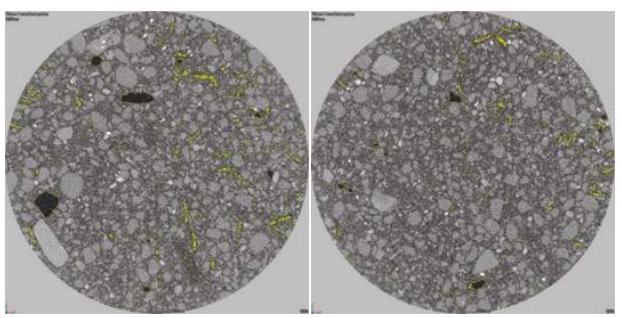
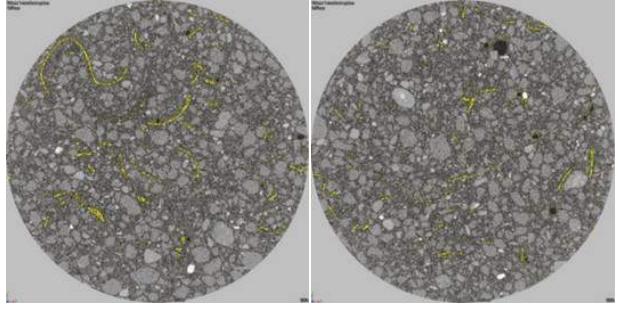
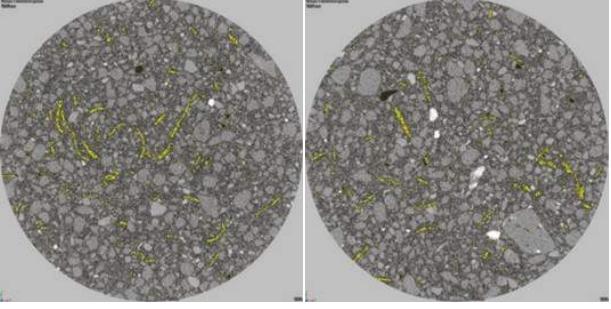
Figure 11 is a CT scan result showing the distribution of fiber in all parts of the test specimen. There was an uneven distribution caused by the sample fabrication method that was done manually, where the mixing and compaction methods used the manual method. In addition, the calculation of the plan was made in batches, where 1 mix batch could be made into 6
Figure 10. The mechanism of fiber strength in the mixture, seen through CT-Scan (above) before test and (below) after
h = 2.06mmh = 5.55mm
h = 7.37mmh = 9.56mm
h = 10.93 mm
h = 15.54mm
Figure 11. CT-Scan of the cross-section of the mortar tensile test sample
samples. These things affect the variation in the value of the test results and the location of the collapse of the sample. Simultaneously, this figure can show the potential of the fiber to be concentrated in certain locations, forming the phenomenon of clumping.
4.3 Supporting research - semi circular bending
From Figure 12, it can be seen that the addition of fiber to the specimens would increase the strength of the sample up to 12.5% and the value of the energy needed to achieve collapse by up to 17%. These results also support the results of previous tests, that a content of 0.1% fiber with a length of 38-mm gave results that are relatively equivalent to a mixture with a content of 0.5%. As explained earlier, this occurred because, at a content of 0.5%, there could be a phenomenon of clumping, where the fiber was collected and concentrated in a single point which caused the working mechanism of the fiber in asphalt to be relatively less optimum.
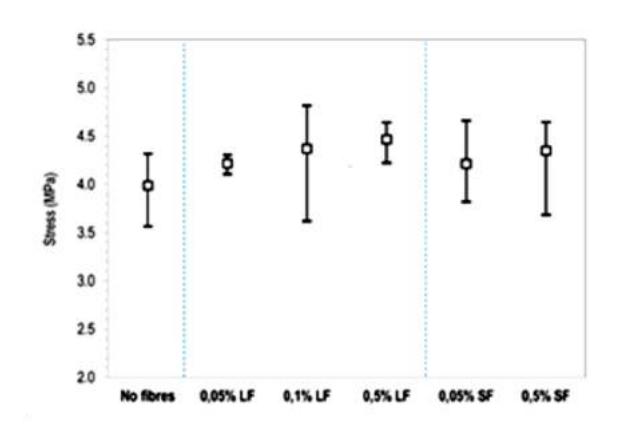
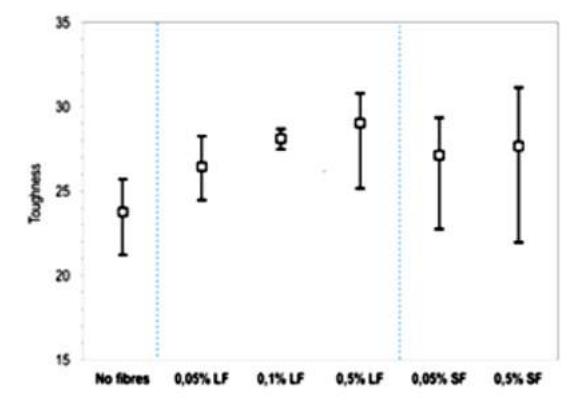
Figure 12. Semi-Circular Bending Test Results
5. Conclusions
From these results, several things can be concluded as follows.
- Standard tests carried out (ITT, triaxial and 4-point bending test) successfully showed an increase in the performance of warm mix asphalt specimens with additional content of aramid-polyolefin fibers of 0.05% of the weight of the mixture.
- However, the resulting increase was not too significant except in terms of resistance to permanent
- deformation (rutting). Then from the tensile strength test results at a temperature of -5°C it can be concluded that the addition of fiber with a content of 0.1% of the specimen's weight produced optimum stiffness.
- CT-scan on a mortar sample can explain these results, that the transfer of load between fibers and interfacial bonding between fiber and other components forming mortar would increase the strength of the test specimen, but an incorrect proportion would reduce the strength of the sample due to its nature of being a lubricating material.
- It can also be seen from the results of the Semi-Circular Bending test, where the addition of fiber at a content of 0.1% gave an optimum result compared to other contents. In addition, the effect of the difference in fiber length (38 and 19 mm) had an impact on the test results, where fiber with a longer size gave a higher result. It can be concluded that the content of using aramid and polyolefin fibers is recommended at the level of 0.1% of the mixture's total weight, as well as by using a longer-sized fiber (38-mm) to produce a warm mix asphalt with optimum strength, stiffness, and durability.
6. References
- Costa, Agostinho Benta. "Economic and environmental impact study of warm mix asphalt compared to hot mix asphalt ." Journal of Cleaner Production, 2015.
- Apostolidis, P., X. Liu, C.G. Daniel, S.M.J.G. Erkens, och A. Scarpas. "Effect of Synthetic Fibers on Fracture Performance of Asphalt Mortar." Road Materials and Pavement Design, 2019.
- Bolzan, P.E., och G. Huber. Direct Tension Test Experiments. Strategic Austin: Highway Research Program, 1993.
- Cargill, Inc. "Cargill Asphalt Warm Mix Additives." https://www.cargill.com/bioindustrialanova/ asphalt-warm-mix-additives. u.d. www.cargill.com/bioindustrialanova/asphaltwarm-mix-additives (använd 8 2019).
- Chang, K. "Aramid Fibers." (Materials Park, OH: ASM International) 2001: 41-45.
- Chowdhury, Arif, och J.W. Button. A review of warm mix asphalt. Texas Transportation Institute. Texas A&M University System., 2008, 75.
- D'Angelo, John, och et al. Warm-Mix Asphalt: European Practice. Alexandria: US Federal Highway Administration, 2008.
- EAPA. eapa.org. den 01 12 2019. https://eapa.org/ warm-mix-asphalt (använd den 22 02 2020).
- Erkens, S.M.J.G., och M.R. Poot. The Uniaxial Tension Test - Asphalt Concrete Response (ACRe). Delft: Delft University of Technology, 2001.
- Gourab Saha, Krishna Prapoorna Biligiri. "Fracture properties of asphalt mixtures using semicircular bending test: A state-of-the-art review and future research." Construction and Building Materials, 2016: 103-112.
- Hui Ma, Zhigang Zhang, Xia Zhao, Shuang Wu. "A Comparative Life Cycle Assessment (LCA) of Warm Mix Asphalt (WMA) and Hot Mix Asphalt (HMA) Pavement: A Case Study in China." Advances in Life Cycle Environmental Sustainability of Civil Infrastructure Systems, 2019: 1-12.
- Hutley, T.J., och M. Ouederni. "Polyolefins-The History and Economic Impact." i Polyolefin Compounds and Materials Fundamentals and Industrial Applications, av M.A. AlMa'adeed, & I. Krupa, 13-50. Springer, Cham, 2016.
- Jassal, M, och S Ghosh. "Aramid fibers-An overview." Indian Journal of Fiber and Textile Research 27, nr 3 (2002): 290-306.
- Kaloush, K.E., W.A. Zeiada, K.P. Biligiri, M.C. Rodezno, och J. Reed. "Evaluation of Fiber-Reinforced Asphalt Mixtures Using Advanced Material Characterization Tests." The First Pan American Geosynthetics Conference & Exhibition. Cancun, 2008.
- Kringos, N., R. Khedoe, A. Scarpas, och A. de Bondt. "A New Asphalt Concrete Moisture Susceptibility Test Methodology." *Transportation Research Board 90th Annual Meeting. Washington, D.C.: Transportation Research Board, 2011.
- Mcdaniel, R.S. "Fiber Additives in Asphalt Mixtures." NCHRP SYNTHESIS 475, 2015.
- Mithil Mazumder, Vedaraman Sriraman, Hyun Hwan Kim, Soon-Jae Lee. "Quantifying the environmental burdens of the hot mix asphalt (HMA) pavements and the production of warm mix asphalt (WMA)." International Journal of Pavement Research and Technology, 2016: 190 -201.
- Molenaar, A.A.A., A. Scarpas, X. Liu, och S.M.J.G. Erkens. "Semi-Circular Bending Test: Simple But Useful?" Association of Asphalt Paving Technologists-Proceedings of the Technical Sessions. 2002.
- Molenaar, J.M.M., X. Liu, och A.A.A. Molenaar. "RESISTANCE TO CRACK-GROWTH AND FRACTURE OF ASPHALT MIXTURE." 6th RILEM Symposium PTEBM'03. Zurich, 2003.
- Park, P., S. El-Tawil, och A.E. Naaman. "Pull-out behavior of straight steel fibers from asphalt binder." Construction and Building Materials 144 (2017): 125 137.
- Piotr Jaskuła, Marcin Stienss, Cezary Szydłowski. "Effect of polymer fibers reinforcement on selected properties of asphalt mixtures." Modern Building Materials, Structures and Techniques, MBMST 2016. Procedia Engineering, 2017. 441 448.
- Prowell, B.D., G.C. Hurley, och B. Frank. "Warm-Mix Asphalt: Best Practices." Quality Improvement Publication 125, 3rd Edition, 2012.
- Stempihar, J.J., M.I. Souliman, och K.E. Kaloush. "Fiber-Reinforced Asphalt Concrete as Sustainable Paving Material for Airfields." Journal of the Transportation Research Board (Transportation Research Board of the National Academies), nr 2266 (2012): 60-68.
- Van Der Zwaag, S. Structure and properties of aramid fibers. Vol. 1, i Handbook of Textile Fiber Structure Fundamentals and Manufactured Polymer Fibers, av S.J. Eichhorn, J.W.S. Hearle, M. Jaffe, & T. Kikutani, 394-412. Woodhead Publishing Limited, 2009.
- Zaumanis, Martins. Asphalt is Going Green: Overview of Warm Mix Asphalt technologies and research results from all over the world. Berlin: Lambert Academic Publising, 2011.