

1 Introduction
In the northern part of Surabaya, the atmosphere of a European city is really pronounced since many buildings seen on Jalan Rajawali, Jalan Veteran and Jalan Jembatan Merah were erected between 1870 and 1940, during the Dutch Colonization Era. They were strongly influenced by European architecture such as the Empire style (inspired by features popular in Ancient Greece) and exported to Surabaya by Daendels, the Governor-General of the Dutch East Indies (1808-1811) [2]. Later, around 1900, Dutch architects came and brought more modern designs that were adaptive to the weather conditions in Surabaya. These were dominated by features, such as Dutch gables, dormers, towers and external galleries, that provided protection from both direct sunlight and rain, that the 'features' helped to provide the protection. In addition, the Algemeene building (1901), now known as "Grahadi" (the residence of the Governor of East Java), in Surabaya was designed by the Dutch architect Berlage who was one of the leading lights of the Modernist movement in European architecture. Since Surabaya is one of the oldest cities in Indonesia, with a significant number of cultural heritage and historical buildings of different styles of architecture, the city is culturally divided into four major areas with different landmarks. These are: European Quarter, Chinese Quarter, the Arab Quarter and the Upper city. In this paper, the discussion will focus mainly on the colonial historical buildings around the European Quarter [3].
Despite its abundant "gifts" in the form of historic buildings handed down as part of its cultural heritage by its ancestors, the Surabaya city government still seems unable to show proper appreciation of their existence. Many of the heritage buildings closely connected with the history of Surabaya are still poorly managed with some buildings being demolished and others being replaced by modern architectural construction. In addition, data in Surabaya's Culture and Tourism Office shows that the number of heritage buildings listed was only 167 in 2011. However, according to the 2002-2010 Surabaya mayor, Bambang Dwi Hartono, there were more than 1000 historical buildings. From about 1000 buildings, 25% of them were controlled by the city government and the ownership of the remaining was still unclear. As stated by the Head of the Culture and Tourism Office, Wiwiek Widayati, one of the reasons for the unclear status of the buildings is the difficulty in conducting data collection (age, history, architecture and the connection with the growth of the city) and the verification of the city's historic buildings due to very limited personnel.
There is no doubt that there is a growing interest in the tourism industry toward cultural heritage, historic places and cities; this is global, including in Indonesia. Utilizing heritage assets as tourist attractions has become a government interest, since it can also contribute to the country revenue, education and cultural values. Furthermore, the importance of maintaining those assets for future generations is extremely high for a nation since it is well connected with the nation's history. The Indonesian government has a legal umbrella for heritage maintenance, Law No. 11/2010 on cultural heritage for preservation of heritage tourism and education assets. Under this legal umbrella, the city government should firmly maintain the existence of its cultural heritage by preventing the demolition of heritage buildings, owing to the business interests under the city development arguments.
As the second biggest city in Indonesia, Surabaya has many heritage buildings left by Dutch colonialism that can be considered as assets of heritage tourism and education.
Surabaya is also an important hub to other areas in Indonesia, especially the Eastern region. The tourism and education potency from local and international
markets are getting higher and higher from time to time. Unfortunately, such great tourism potency has been neglected by the tourism stakeholders, such as the government and the industries. One of the heritage buildings in Surabaya, going by the name PTPN X (PT Perkebunan Nusantara X) as shown in Figure 1, that is located at Jalan Jembatan Merah, a state-owned agricultural business office, was damaged by fire. Its damage level was 60% due to suspected electrical short-circuit. This unfortunate incident can actually be avoided if the government has greater care and appreciation for these buildings by giving necessary preventive actions and taking precautions in protecting the buildings from fire. Recently, there has been increased growing concern from the community, represented by a group of university students, to push the government to protect and preserve heritage buildings such as PTPN X, among others, which are important and potential tourism and education heritages.
Figure 1 PTPN X building (the new design)/Source of observation research.
2 Research Objective
Given the strategic position of PTPN X building in Jalan Jembatan Merah, along with other sites with full historical values such as "JembatanMerah" (Red Bridge), it is chosen as the object of this study in conjunction with the Surabaya city government goal in restoring PTPN X historical building after it burnt down in 2005. The challenge in this study is to rebuild a new PTPN X building by the year 2008 and restore its original colonial building design, structure and functions. One crucial step in this study is to collect, analyze, sort and manage useful data and information that represent the original PTPN X building description using the right resources for restoring & redesigning the entire building into its pre-burnt colonial building structure and functions.
3 Theory and Research Methods
The restoration process of the 60%-damaged building into its pre-burnt original design, structure and function is more complex than that of a normal heritage
building which is still in full construction. As mentioned earlier, the PTPN X building was burnt down in 2005. The blueprints of the building and other important documents and photos that are useful for restoration were damaged by the fire. It requires a thorough research study which applies descriptive, deductive and qualitative methods for collecting detailed information and data about the PTPN X colonial building, its historic relics, cultural values and past architecture. In addition, it requires the right literature as theoretical references, meaningful implementation of the observation done in the field, and intensive interviews with the right personnel, such as colonial building experts, in order to have the complete picture of the building that covers its historical, cultural and art aspects. All the collected information and data are then analyzed by using the comparative method based on the theoretical references and its suitability with the fundamental principle of the research.
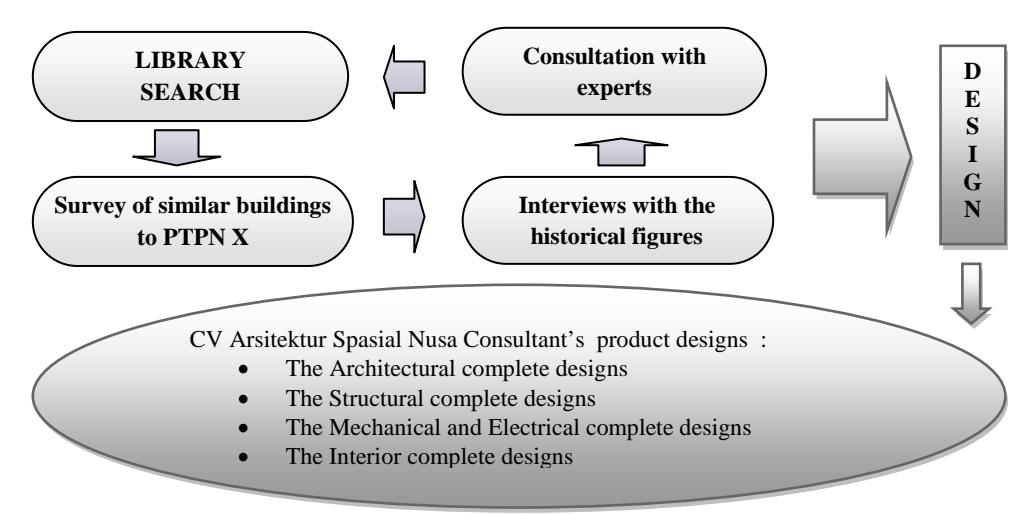
Figure 2 The Flow Chart of Four Research Activities.
There are four main activities involved in this research, such as a library search, survey, interview, and consultation, as a part of the building development process as shown in the following flow-chart in Figures 2 and 3. Finding the right literature for theoretical references is done via library search. The library search is the first activity in this research to obtain a complete, chronological overview of the building development and sources of historical materials in the colonial era. After the library search, the next activity in this study is the survey. Since 60% of PTPN X building was destroyed by fire, doing a survey of other
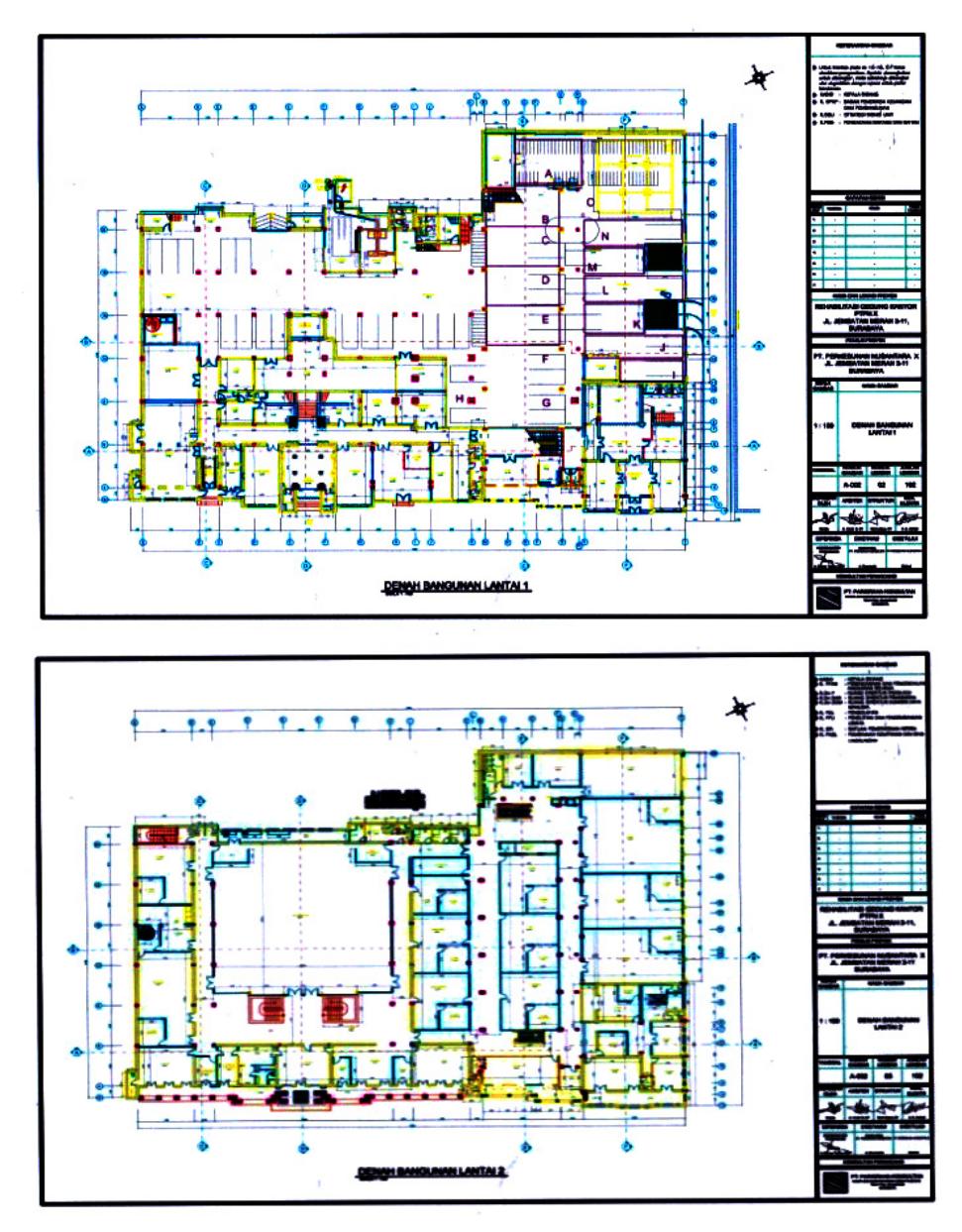
Figure 3 PTPN X Building (the first and the second floor design), by CV. Arsitektur Spasial Nusa Consultant [4].
heritage buildings with similar European architecture, such as other PTPN buildings, is necessary. This is very useful for further refinement of the redesigned masterplan to produce the original architectural masterpiece as close as possible. Furthermore, in order to provide accurate and detailed information
about the original design and function of the pre-burnt PTPN X building, the next activity to do is intensive interviews with the right people that can facilitate the redesign process for renovating the building.
The redesign process is continued by consultating experts, such as leaders in Surabaya Heritage, PTPN X senior employees and academic experts from ITS, in order to get more detailed information about the building's history, functions, past architecture and historic relics. All of the obtained data is sorted and grouped in a structured, easy to be processed manner, in order to prepare for working on the redesign of the entire building and to process the information for the Dutch colonial building's original design. In general, the first activity, and others, can be repeated to get more references for validation purposes of what we have observed, heard and recorded in the field.
4 Results and Discussion
Since the fire destroyed 60% of the PTPN X building, the level of difficulty in the redesign work is very high, and it takes a long time. To facilitate the redesign process, selected professional consultants were involved in this study by intensively interviewing the Board of Directors and some retired employees of PTPN X and finding the necessary data in the office of Surabaya Heritage. All of the collected data and information in this study are sorted and grouped into a form that can be processed easily and used for preparation for redesign work of an entire building back to its original European architectural design. Based on the information and data in this study, the original PTPN X building (before burning down) can be described as follows:
- 1. Basement of the building: it has excellent sanitation system. There are pumps and generators that still work well in the basement level.
- 2. Its main building has emergency exits through three stairways with direct exit to the basement for the safety of the Board of Directors in the case of a fire (Figure 4).
Figure 4 The stairways at PTPN X building/Source of observation research.
3. The colonial building is equipped with security systems and a hidden bunker to protect the safe storage of money and important documents of the
Dutch plantation office, and to protect the employees from external disturbances (there is a way to escape for employees that flow to the river which is located in outside of the office) (Figure 5).
Figure 5 The bunker at PTPN X building/Source of observation research.
4. It also has galleries throughout the building with an excellent ventilation system, dormer for lights especially in the middle section of the building, and special ornaments depicting the plantation process starting from the planting stage until the harvest, which is well reflected on its glazing glass (Figure 6).
Figure 6 The type of ventilations of PTPN X Building/Source of observation research.
5. There is a multipurpose room that is used for meetings by all employees, and representatives from other plantation offices that are scattered in East Java (Figure 7).
Figure 7 The multipurpose room PTPN X/Source of observation research.
The various kinds of people who were brought to the Dutch plantation, especially during World War I and II, are described in the reliefs of the room.
The redesigning of the new three-level PTPN X building, that was formerly used for the office of the Dutch plantation, has been done as follows:
1. The basement of PTPN X building:
This floor is used for parking space of the Directors' and Employees' cars and motorcycles, storage area, toilets and janitor space, building pump and electricity generator space. The floor design is based on the original building design (Figure 8).
Figure 8 The parking space in the basement/Source of observation research.
2. The first floor of PTPN X building:
On this floor, there are many building spaces with different functions that were rebuilt based on the original building design, such as space for the Head Division office and staff rooms, Meeting rooms, Procurement and Project Activities space, storage space for important documents which was formerly a hidden bunker, and other functions such as a warehouse of records, janitor area and toilets. The new floor was rebuilt with an enhanced security system and it was rebuilt in accordance with the original floor design and with the same building functions (Figure 9).
Figure 9 The head division office and meeting room/Source of observation research.
3. The second floor of PTPN X building:
This floor is where the offices of the Board of Directors/BOD (President Director, Finance, Operations and Marketing Directors) and Corporate Secretary are located. The BOD meeting rooms and the living room are located on the same floor. In addition, there is a Primary Multipurpose room, Corporate Finance room, Warehouse for Records, Janitor area and toilets. All of these rooms on this floor were rebuilt in accordance with the original heritage building design (the design in Figure 4).
4. Physical building Finishing:
All the physical building finishing was customized to the Dutch colonial building original design. Authentic ornaments were applied to the building walls with synergic glass colors and patterns. All of the Dutch colonial heritage furniture is still functioning properly, including the safe for storing the company documents and the large cupboards for the plantation office archives that are located on the first and second floor. The finishing of the entire building includes the space for the sanitary and plumbing systems, which was done in accordance with the original building finishing (the design in Figure 10).
Figure 10 The physical of PTPN X building finishing/Source of observation research.
5. Roof Finishing:
The construction material used for the roof was stainless steel, instead of high quality wood materials as was in the original building construction. This is due to the reason that finding high quality wood material with the same specification as the original roof construction was not possible (Figure 11).
Figure 11 The Roof of PTPN X building/Source of observation research.
One of the tips to further improve the credibility of the existence of cultural heritage buildings, as well as to use it for the benefit of important and potential education and cultural heritage especially for students of architectural programs, is to push the government to protect and preserve the heritage buildings such as PTPN X and etc. in Surabaya.
5 Conclusion
In principle, the rebuilt PTPN X building has not changed in its design and function and it is still used as the state-owned plantation office which manages the farming community in East Java, in particular crops such as sugar cane, tobacco, coffee, pepper and clove, similar to what had been done during the Dutch colonial era. Nowadays, each PTPN office manages specific crops while PTPN X only manages sugar cane and tobacco crops. This new system is intended for the equal distribution of plantation yields and for the maximum performance of each PTPN plantation office.
As a part of Surabaya's Heritage, the historical PTPN X building has a high historical value, both for the history of Surabaya city as well as the history of Indonesia. The high historical value is associated with the level of economical development, which is indicated by the rapid advancement of large plantation estates in East Java. It is also associated with the history of plantation labour during the colonial era that made lots of Indonesian people suffer. In terms of the function and utilization of buildings, the beginning of the northern Surabaya area is reserved for offices and a commerce zone, as well as for a public service and residential zone. In addition, the colonial architecture building has been adapted to work with Surabaya's weather condition, i.e. in redesigning the new building, the past architecture was entirely kept, with its rich architectural ornaments and the large distance from the ceiling to floor, a minimum of six meters, that can help to cool down the heat due to global warming.
In conclusion, in order to preserve the heritage building, the ground rules are as follows:
- 1. The heritage building must be preserved while maintaining the current design without adding, modifying or dismantling the existing parts of the building.
- 2. Spatial planning needs to be adjusted in the case of space shortage, but the formation of the outside appearance of the building is kept to have the same characteristics of the original building design, thus for valuable heritage building science, such as the Santa Maria and Saint Louis school, there is still enough space for it to be developed given an increase in the number of school children. The new buildings need to maintain the principles of existing buildings and to be homogeneous in their existing environment (don't produce an impression of contrast between the old and new buildings).
- 3. The appreciation from future generations for the sacrifice of the heroes in the days of the struggle for Indonesian independence can be enhanced by the presence of heritage colonial buildings, which represent the history of Surabaya city, known as the city of heroes. That means that the protection and preservation of Surabaya Heritage assets are so important.
The existence of this building that reflects the historic situation remains steady, so that the colonial era can be enjoyed as a cultural asset that represents the actual conditions of the former Dutch colonial era, in Surabaya city, as shown in Figure 12 [5].
Figure 12 The PTPN X Building (old and new one)/Source of observation research.