

1 Introduction
Recently, the fashion industry has enthusiastically embraced the effort to become more sustainable. An important aspect of the future of fashion design toward sustainability is eco-fashion. One of the requirements towards sustainability is using eco-materials in designing fashion and apparel. Joergens [1] states that eco-fashion materials are a category of materials implemented in fashion and clothing design that decrease harmful side effects on the environment for the benefit of the consumer and social health. They can be found, for instance, in fabrics made of cotton, wood pulp, and plastic bottles. Furthermore, eco-fashion not only considered during the design phase [2]; it
also involves the physical and emotional durability of the designed product to ensure a reduction of its environmental impact [3].
There are three principles in eco-fashion design – reduce, reuse, and recycle – to prevent environmental degradation caused by the fashion industry [4]. Thus, in eco-fashion it is better to see design as a catalyst for change and development of the sustainable fashion industry. Designers are central in the creation of designs. They can recover value from clothing waste based on the principles of sustainability in eco-fashion design [5]. Xu, et al. [6] investigated the factors that most affect the decision making and perceptions in eco-fashion design, such as the designer's concern about psychological barriers toward the quality of eco-fashion materials.
Investigative efforts are needed to develop a conceptual model for the understanding and prediction of the designer's attitude and intention toward sustainable fashion and apparel design with eco-fashion materials. In order to thoroughly understand these issues it is important to identify the factors that most affect the designer's intention toward implementing clothing waste reduction through eco-fashion design.
Based on these knowledge gaps, the authors strove to contribute to the available literature about effective predictors of designer behavior. Moreover, it was investigated which predictors have the most significant effect on the designer's intent. The aim of this research was to study the factors that influence fashion design with eco-fashion materials and to investigate the objectives and intent of the design. This research used attitudes and subjective norms related to designer behavior to predict behavioral intention. The theory of reasoned action [7] was applied, which has been successfully used in the prediction of behavior in social studies. First, important predictors were identified by using the opinions of individuals and then these predictors were analyzed. Hence, this study was based on a mixed system approach [8]. In order to identify and understand the factors related to the designer's intentions toward eco-fashion design, the first phase of the research consisted of analyzing the qualitative aspects through indepth interviews with fashion and apparel designers. The second phase consisted of testing the hypotheses that were developed in the first phase based on surveying a sample from the fashion designer population. The analysis consisted of four predictor classes that influence the attitude of designers toward designing eco-fashion clothes.
2 Literature Review, Qualitative Phase, and Hypotheses
Studies focused on predictors of individuals' behavior towards products in general and towards eco-fashion clothes in particular can be classified in various ways [9-12]. There are some studies that investigated designer behavior concerning the design intention related to eco-fashion products. These have shown that physiological influences play an important role in the attitude of designers [13-17] and present the most significant psychological factors to analyze at the individual level [16].
Attitude is important in the study of social psychology; a positive relationship was found between the designer's attitude and the designer's waste minimization behavior [13], most of whom were women with a higher education [14]. In addition, direct instruction can also influence attitude formation. Ramsey and Rickson [18] state that the increase of knowledge about environmental threats leads to improving the attitude towards the promotion of environmental preservation. Environmental knowledge provides concepts and general knowledge of how materials interact with the natural environment, which can lead to sustainable development [19]. Gam and Banning [20] have reported that a lack of environmental knowledge creates a psychological barrier in the attitude of designers toward accepting eco-fashion design.
Attitude is also formed by perception. The perceived quality and price of ecoproducts can lead to a positive attitude toward these products [21]. The perceived price and quality are not the real monetary price and quality of a product; these factors originate from subjective observation. When people compare products, the perceived price and quality help them to identify if the price of the product is fair and the quality of the product is acceptable [22]. Besides, according to Wagner, et al. [23], the common attitude regarding the appearance of eco-fashion products has been reported to be related to the visibility of their eco-value (aesthetics). Hence, the perceived functional and aesthetic values of eco-fashion materials can encourage attitudes of both designers and consumers to design or accept eco-fashion clothes, respectively [1,24].
Finally, technology has been shown to have a positive influence on the formation of designer attitudes in the product development process. Ma, et al. [25] have shown that there is a relationship between the perceived ease of use and the perceived usefulness of technology, on the one hand, and designer attitude toward eco-fashion design, on the other hand.
An initial review of the relevant literature provided a good understanding of the psychological variables that can be used to predict the designers' perceptions in the study scenario. Based on this initial review, the authors decided to proceed with a mixed-method strategy. To explore the fundamental preconditions for the use of eco-fashion materials in the decision making process of designers, the theory of reasoned action (TRA) developed by Ajzen and Fishbein [7] was employed as a framework. TRA provides a theoretical foundation for understanding the designer's attitude and subjective norms, which are important predictors of behavior [7]. Therefore, it can provide a plausible explanation for the designer's behavior toward eco-fashion design. TRA has been successfully applied in various domains of eco-friendly behavior: sustainable apparel consumption [9], green purchasing behavior [26], and designer behavior toward sustainability [15]. Next, the study analyzed the qualitative results [27]. The qualitative phase utilized the results from the TRA to explore and investigate the designers' attitudes and behavioral intention towards eco-fashion design.
2.1 Qualitative Research Design
In November 2018, this study approached eight fashion designers (six females and two males) whose ages ranged from 31 to 55 years old and who had more than seven years of working experience in sustainable fashion design. All fortyminute interviews were audio-recorded. The interviews discussed specific issues of design using eco-fashion materials and not just abstract concepts. The qualitative method investigated factors and issues that can influence the behavioral intention fashion designers toward eco-fashion design. Due to insufficient research on the vast quantity of eco-fashion design, open-ended questions were used.
The qualitative phase consisted of the following aims to recognize and understand the variables that have an effect on the designer's attitude toward eco-fashion design. After the introduction, the interviewer proceeded with trying to gain a deeper understanding of the interviewees' behavior and their design-intention experiences related to eco-fashion with recycled materials.
All questions were adopted from previous literature [28-30], with the questions modified to fit this study. The interviews were transcribed and analyzed by creating trees and nodes in the NVivo software package, version 10. This approach helped to test the validity of related scientific articles [31]. As mentioned above, for the investigation of designer behavior toward eco-fashion design, this study applied the mixed-method strategy design by Cruz-Cardenas, et al. [32], who investigated sustainable practices such as recycling and upcycling. To improve the reliability of the findings, the researchers utilized direct quotes from the interviewees [33].
2.2 Qualitative Findings and Hypotheses
Qualitative analysis of the data was done to determine the factors that influence designer attitude and their related hypotheses: environmental knowledge (EK); perceived quality and price (PQP); perceived functional and aesthetic values (PFA); and perceived ease to use and usefulness of technology (PT) in ecofashion design. Additionally, according to the TRA model, psychological factors toward eco-fashion design were evaluated. The data presented below are supported by quotes from the interviewees and additional literature to support them. The interviewees' names have been altered to maintain their anonymity. Therefore, quotations from the participants are reported as 'P' followed by the participant's number.
2.2.1 Environmental Knowledge and Attitude
One of the first topics in the respondents' stories was the relationship between the interviewees' environmental knowledge and their attitude toward ecofashion design. The participants were asked to talk about their concerns over the environment during clothing design. The first major concern was designing clothes that are beautiful but may damage the environment. Several participants (n = 6, 75%) mentioned such worries as the reason why they were concerned about the conditions governing the environment and possible future consequences. P2 stated that environmental information was relatively important in her job because her work involves assessing environmental impacts from the design phase to the use phase. For almost half of the participants (n = 4, 50%), environmental concerns seemed to be related to an interest in increasing the designer's knowledge toward preserving the environment. P1 emphasized that her knowledge of environmental issues encouraged her to have a positive attitude: "An important point is what happens after usage: clothing will be recycled. Because the materials are still usable at the end of the life cycle instead of being discarded".
These qualitative results align with previous studies. Designers want to protect the environment and therefore feel the need to use natural resources to design trendy clothing. Ohtomo and Hirose [19] observed that if designers have a lack of knowledge about environmental issues, there is a gap between their attitude and behavior, which may have a strong influence on their sustainable design intention. Hill and Lynchehaun [34] concluded that possessing environmental knowledge supports the attitude of wanting to preserve the environment. Thus, when people are environmentally conscious, their attitude toward eco-fashion products can reduce clothing waste in the environment [35]. Therefore, the following hypothesis is proposed:
H1: Environmental knowledge has a direct and positive relationship with the designer's attitude toward eco-fashion design.
2.2.2 Perceived Quality and Price, and Attitude
This theme came up in the respondents' subjective perceptions. Some of the participants (62.5%, n = 5) believed that it is necessary to remove barriers and stimulate thinking about eco-fashion by presenting good quality in eco-fashion styles as well as affordable prices and improving awareness through advertising. P4 explained that the perception of good quality of eco-fashion materials led her to buy more of such materials. Her story underlines that recycling or reusing fabrics of acceptable quality is related to the high price of natural fabrics [28]: "The quality of the materials encourages me to change my misjudgment. Also, finding organic cotton fabrics is difficult and more costly". P7 expressed that he judges the value of an eco-material using quality indicators and then combines this judgment to evaluate his design intention [23]: "My collections always have a good visual appearance and quality, but they seem quite expensive because this is a special style, so the understanding about the quality and the price of the materials is my design borderline". Of all the eco-fashion design enthusiasts, P8 seemed to have the most potential to make money through her environmentally friendly work.
An affordable price (n = 7, 87.5%) was deemed more important than the materials and the design of the clothes. However, it is difficult to estimate how long an eco-product would take to design and therefore how much it would cost. Roughly half of the participants (n = 4, 50%) were not willing to pay more for purchasing eco-fashion materials, because they believed it would affect the final design output directly; most consumers expect to pay less or the same for eco-fashion as for other clothes. In addition, from the viewpoint of the designers, the amount of customization in eco-fashion design could also influence the price (n = 6, 75 %). The perceived price of second-hand garments is an important factor in leading the designer to think about using them as an eco-fashion material [6]. Thus, based on respondents' notes and information from the literature, the following hypothesis is proposed:
H2: The perceived quality and price of eco-fashion materials has a direct and positive relationship with the designer's attitude toward eco-fashion design.
2.2.3 Perceived Functional and Aesthetic Values, and Attitude
The psychographic and behavioral characteristics of individuals who design eco-fashion clothing are of primary interest. The interviewees noted an ability to alter their attitudes through their perception of the functional and aesthetic values of eco-fashion designs. P8 indicated that she always thinks about buying second-hand clothing and recycled fabrics because she believes they are still beautiful: "In some cases, the apparent charm of the recycled fabrics makes me convinced to use them in a design instead of throwing them away".
Kjærheim [36] states that not only the quality of the material is a key element in the designer's attitude toward the success of the products they create, but a positive perception of the functional and aesthetic values is also required for any successful eco-fashion product. P2 commented that eco-fashion clothes can have a simple style to achieve an environmental friendly appearance [37]: "Ecofabrics give me a good feeling, I feel a sense of nature. The ability to adapt them to any style and design is interesting". A style- and fashion-oriented approach is seen as the main success factor in the design of eco-fashion [38]. It has been reported that the fashionableness of second-hand garments is an important factor for using them [23]. P3 expressed that she can make a good connection with eco-fashion materials in terms of appearance and performance: "They have no executive restrictions and are flexible for any seasonal design collection". Although most of the designers (n = 7, 87.5%) had a wide array of skills and creativity, they usually specialized in a specific eco-product category as professional designers. For example, P7 was a sportsman, so many of the items he made were purchased and designed based on functionality: "I mainly design organic cotton sportswear. I choose fabrics and designs based on functionality, so eco-fashion materials and especially organic cotton can convince me to wear them in cold weather". P5 highlighted that he is satisfied with the visual value of eco-fashion materials: "Understanding aesthetic sense is an element of synaesthesia. These features have changed my attitude toward eco-fashion materials". Therefore, the following hypothesis emerged from this study:
H3: The perceived functional and aesthetic values of eco-fashion materials have a direct and positive relationship with the designer's attitude of eco-fashion design.
2.2.4 Perceived Ease to Use and Usefulness of Technology, and Attitude
In several interviews, respondents stated that it was their experience that using technology influences their attitude. Empirical studies have reported that designers struggle to understand information about technology in making a responsive design for eco-fashion products [36,39]. Four of the participants considered themselves textile artists as well as eco-fashion designers. They specialized in haute couture design and arts and craft techniques to make wearable art pieces. They believed that modern technology affected their work. Hence, designers discussed how they are still learning, improving and expanding their skills based on modern technology. Designers want to use technology in eco-fashion design if it will help them to deliver the value of sustainability [40]. P6 stated that she does not pay attention to technology unless she sees the benefit of using it: "I'm always trying to save material as well as reduce time in eco-fashion design. Working with zero-waste technology has brought me closer to my goal".
These results align with previous studies. The perceived usefulness of technology significantly reduces the costs, saves time and increases the aesthetics of the products with regard to sustainability [36]. P7 pointed out that he believes the use of technology leads to reducing human error as well as decreasing waste of fabric [41]: "It is very easy to learn and apply. I can save time and money in making a prototype using eco-fashion materials, which is actually my main goal in eco-fashion design: enjoy, reduce, save". Parsons and Campbell [42] have shown that technology encourages the designer's attitude to develop their knowledge as a contribution to sustainability in the design process and try out different techniques. Lee, et al. [43] noted that fashion design with the employment of modern technology software can lead to an acceptable outcome as well as save time and money. Therefore, it would be meaningful to explore the following hypothesis:
H4: The perceived usefulness and ease of use of technology has a direct and positive relationship with the designer's attitude toward eco-fashion design.
2.2.5 Attitude of Eco-Fashion Design and Behavioral Intention
Intention indicates how much effort an individual is willing to put forth or invest in order to produce a behavior that is appropriate for a sustainable environment. Gam, et al. [28] showed that there is a positive relationship between attitude and behavioral intention in design. P4 stated that her positive perception of eco-fashion collections stimulated her design intention: "In 2012, the good memory of eco-fashion clothes with a unique design at the REDRESSED fashion show persuaded me to design with eco-fashion materials". This finding is consistent with previous literature that showed that the use of recycled instead of virgin material is popular especially among young designers who have established their own small fashion companies [36]. An interesting result from Mostafa [35] is that in most cultures a positive attitude can create the intention to perform specific behavior. This study showed that all the interviewees reacted positively towards more sustainable designs. Therefore, we propose the following hypothesis:
H5: The attitude toward eco-fashion design has a direct and positive relationship with the design intention.
2.2.6 Subjective Norms of Eco-Fashion Design and Behavioral Intention
A subjective norm is defined as a psychological factor that refers to social pressure to perform or not perform certain behavior [7]. Several designers stated that close friends and their families had changed their behavior in several ways to minimize their impact on the environment. Indeed, all except two participants expressed that concern about environmental pollution is common among their family. Six participants (75%) indicated that they think and talk about things that affect the atmosphere and about saving the planet over the next decades with their close friends. P5 stated that social norms have a major influence on his intention [44]: "I rely on the customers and they have become more environmentally conscious and are looking for clothes with an ethical label. Therefore, they expect me to consider environmental issues in design". P2 shared the same comment: "I want to use eco-fashion materials because of my children. I want them to be proud of me and my designs, because I am doing something to save their future". Meanwhile, half (50%, n = 4) of the participants indicated that often a specific family member or close friend influenced their beliefs toward designing clothes to preserve the environment. Nearly all participants said that their friends and family members recycled household goods and some said that some family members composted their waste. Also, four participants (50%) said their family members made a choice to reduce their impact on the environment in order to save money, for example by conserving water, fuel, and energy. In addition, researchers across studies have found that subjective norms can induce environmentally responsible behavior [45], because designers often perceive more risk in eco-fashion design than in other design approaches. They may be more susceptible to the influence of subjective norms in design with eco-fashion materials. Thus, we hypothesize:
H6: Subjective norms toward eco-fashion design have a direct and positive relationship with design intention.
2.2.7 Behavioral Intention and Behavior toward Implementing Waste Reduction by Design
The tendency to perform a specific action is known as behavioral intention. It can be measured by a person's enthusiasm to make an effort to achieve something [46]. Intention determines actual behavior. Basically, intention is assumed to be a strong predictor of behavior, though in some cases it may not act in a consistent manner. All participants were highly likely to design clothing based on eco-fashion services and processes in the future. Most participants (87.5%, n = 7) talked about specific plans for environmentally friendly fashion with a focus on using only eco-fashion materials. The reasons for their interest in using eco-fashion design included: consideration of human health, preservation of the environment, getting more use out of clothing and fabrics in their fashion home or studio, achieving a unique appearance, and not liking ready-to-wear designs and sizes.
Several participants (50%, n = 4) said they enjoy the creative process of redesign services in eco-fashion design. P5 emphasized that: "I often don't know what I'm going to design with them. Hence, I prefer to choose draping rather than making a pattern. It is part of the ideation process". In addition, most of the participants (87.5%, n = 7) stated that when they have the intention to buy fabrics from retail stores, they sometimes choose fabrics based on the fiber type rather than texture and appearance. Most of the participants (n = 5, 62.5%) bought fabrics or clothes from brands and shops with social responsibility programs and also clothes or fabrics manufactured in their own country as fair trade clothing (n = 6, 75%), and clothes or fabrics from stores from local textile designers and brands (n = 4, 50%). Two designers were not sure if they had ever bought such fabrics, especially handmade by socially responsible brands. P7 stated: "I always try to keep all handmade as well as natural fabrics such as silk and cotton. Even though I keep such pieces and fabrics to save money, I also think they may come back in style".
A study on the behavior related to environmentally sustainable products [47] reported a large effect of behavioral intention toward sustainability on actual behavior. Research on design behavior for minimizing waste has shown a significant relationship between intention and design behavior [15]. In addition, three of the participants (37.5%) occasionally hired tailors and cobblers to repair clothing and shoes individually. Although many studies have established the relationship between intention and behavior, we want to ascertain this relationship in the context of eco-fashion clothes. Thus, we hypothesized:
H7: Behavioral intention toward design eco-fashion clothes has a direct and positive relationship with the actual designer behavior.
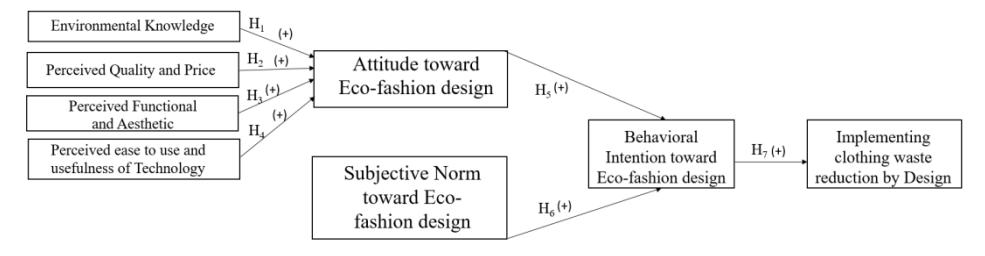
Figure 1 Proposed eco-fashion design model.
Based on the available literature and analytical-qualitative studies, we developed a model based on the TRA theory to investigate the relationship between the factors that influence eco-fashion design (Figure 1).
2.3 Quantitative Research Design Phase
This study adopted closed-ended questions with responses on a Likert-type scale. The questionnaire consisted of 28 written questions divided into three sections: personal characteristics, factors affecting designer attitude, and factors affecting designer behavior toward eco-fashion design. The first section consisted of questions regarding demographic characteristics, age, gender, education, and experience. Based on previous researches, the final questionnaire was created [7,10,28,30,42,47]. The investigation was carried out in the form of hard-copy and soft-copy surveys in March 2019. In total, 133 respondents completed the questionnaire. Based on the obtained results and classified relationships, descriptive statistics, reliabilities and correlations were determined for each variable using the Statistical Package for Social Science (SPSS), version 23. The significance level was set to 95%. Structural equation modeling was used to analyze the data obtained using structural analysis software SmartPLS 3.0. The evaluation of external measurements through confirmatory factor analysis (CFA) and inner structural modeling was done via coefficient of determination \((R^2)\), path coefficient \((\beta)\), t-statistic value, and effect size \((f^2)\). A single source of information was used for the variables. Based on Podsakoff, et al. [48], the total variance obtained in this analysis was 36%, which means that CMB had no impact on the results.
3 Results
3.1 Descriptive Statistics and Analysis
A total number of 133 respondents completed the questionnaire, which was distributed among sustainable fashion designers. Only 98 responses were chosen for analysis because their experience in the field of eco-fashion design had to be more than 2 years. Regarding the designer's general design experience, 74% (n = 98) had designed professionally for more than two years. According to Warde [49], a response rate above 30% is excellent for social science topics. Table 1 includes the results of the characteristics of the sample. The sample of sustainable fashion designers consisted of 92 females and 6 males, with 56% over the age of 35 years. Most of the respondents possessed a bachelor's degree (54.1%, n = 53). For the location of their business, 40.8% (n = 40) indicated Southeast Asia and the rest were located in countries in the Middle East and Europe (32.7%, 26.5%, respectively). The measurement scales are shown in Table 3.
| Frequency | Valid Percent | ||
|---|---|---|---|
| Gender | Female | 92 | 93.9 |
| Male | 6 | 6.1 | |
| -20 | 7 | 7.1 | |
| A | 21-25 | 19 | 19.4 |
| Age | 25-35 | 17 | 17.3 |
| +35 | 55 | 56.1 | |
| Level of | Technical school graduate | 20 | 20.4 |
| Bachelor's degree | 53 | 54.1 | |
| education | Postgraduate or professional degree | 25 | 25.5 |
| Europe | 26 | 26.5 | |
| Location | Southeast Asia | 40 | 40.8 |
| Middle East | 32 | 32.7 |
Table 1 Demographic profile of respondents (N = 98).
3.2 Reliability and Validity
The aim of the analysis was to determine whether the model proposed met the reliability and validity requirements through confirmatory factor analysis. The reliability was tested through composite reliability (CR) and Cronbach alpha (\(\alpha\)), both of which should be higher than 0.70. As can be seen in Table 2 and Table 3, according to George and Mallery [50], all variables had high reliability (\(\alpha \geq 0.7\)). The validity of the scale items was evaluated through factor loading and average variance extracted (AVE), both of which should be greater than 0.50. The Heterotrait-Monotrait (HTMT) ratio test showed that the construct variables were lower than 0.85 [50]. As shown in Table 2, reliability and discriminant validity were accepted.
Table 2 Empirical results of outer structural model outcomes (N = 98).
| α | CR | AVE | Variables (HTMT) | ||||||||
|---|---|---|---|---|---|---|---|---|---|---|---|
| Items | (≥0.7) | (≥0.7) | (≥0.5) | A | BI | BD | EK | PFA | PQP | SN | PT |
| A | 0.87 | 0.92 | 0.79 | ||||||||
| +BI | 0.72 | 0.83 | 0.70 | 0.83 | |||||||
| BD | 0.81 | 0.87 | 0.68 | 0.73 | 0.79 | ||||||
| EK | 0.80 | 0.87 | 0.63 | 0.69 | 0.77 | 0.82 | |||||
| PFA | 0.83 | 0.89 | 0.66 | 0.72 | 0.48 | 0.70 | 0.73 | ||||
| PQP | 0.82 | 0.86 | 0.63 | 0.35 | 0.64 | 0.65 | 0.70 | 0.66 | |||
| SN | 0.77 | 0.85 | 0.68 | 0.59 | 0.27 | 0.64 | 0.68 | 0.73 | 0.74 | ||
| PT | 0.85 | 0.89 | 0.65 | 0.73 | 0.35 | 0.74 | 0.54 | 0.49 | 0.47 | 0.39 | |
Note: CR = composite reliability, AVE = average variance extracted.
3.3 Regression Analysis
Based on the study and the construction of all hypotheses formed at the qualitative level, the authors used a multiple regression model. As can be seen in Table 4, Durbin Watson's data with a valid value between 1.5 and 2.5 meet the criterion of error independence [50].
Table 3 Informational factors rated significantly different (N = 98).
| Variables (α ≥ 0.7) | M | SD | Factor loading | |
|---|---|---|---|---|
| Items | (≥0.7) | |||
| EK (α = 0.806) | ||||
| Using eco-fashion materials in design is a primary way to: | ||||
| conserve natural resources | 4.39 | 0.79 | 0.73 | |
| reduce clothing waste | 4.45 | 0.64 | 0.83 | |
| reduce carbon impact | 4.30 | 0.86 | 0.80 | |
| reduce water consumption | 4.42 | 0.75 | 0.85 | |
| PQP (α = 0.822) | ||||
| In design with eco-fashion material: | ||||
| I perceive the price of eco-fashion clothing as a positive thing | 4.42 | 0.65 | 0.88 | |
| I am interested in using these materials, they seem inexpensive | 4.38 | 0.66 | 0.89 | |
| It is important for me to know the quality of the materials I buy | 4.28 | 0.80 | 0.73 | |
| It is important for me to buy materials that have high quality | 4.31 | 0.76 | 0.75 | |
| PFA (α = 0.835) | ||||
| In design with eco-fashion material: | ||||
| I am interested in using them with nice colors and high attractiveness | 4.05 | 0.87 | 0.80 | |
| I perceive that a simple style is a positive thing | 4.11 | 0.86 | 0.78 | |
| It is important to assess the quality and price based on aesthetic value | 3.92 | 0.87 | 0.75 | |
| I search for as much functional feature information as possible before I design | 3.89 | 0.89 | 0.79 | |
| PT (α = 0.855) | ||||
| In design with eco-fashion material: | ||||
| I find it easy to use technology to make a design decision | 3.88 | 1.04 | 0.71 | |
| It is easy for me to become an expert in utilizing technology | 3.83 | 0.92 | 0.83 | |
| New-fashioned technology makes me a smarter designer Utilizing technology reduces time and saves money | 3.89 3.93 | 0.89 0.97 | 0.75 0.72 | |
| BI = Behavioral Intention (α = 0.726) | ||||
| After that I will make an effort to use eco-fashion materials in my profession | 4.24 | 0.80 | 0.81 | |
| Regarding my profession I intend to use eco-fashion products | 4.08 | 0.92 | 0.78 | |
| I believe that eco-fashion material usage will become widespread in the future | 3.88 | 1.04 | 0.88 | |
| I expect to use information on eco-fashion products regularly in the near future | 3.68 | 0.85 | 0.92 | |
| BD = Behavioral Design (α = 0.812) | ||||
| I choose the eco-fashion materials for my products if they have a similar price as other | 4.45 | 0.66 | 0.80 | |
| types available in the market | ||||
| I redesign my clothes in the wardrobe in order to reduce the use of materials and fabrics | 4.45 | 0.64 | 0.78 | |
| If I understand the potential damage to the environment that some clothes can cause, I do | 4.30 | 0.86 | 0.82 | |
| not design those clothes | ||||
| I don't buy material from companies that are environmentally irresponsible | 4.38 | 0.68 | 0.76 | |
| SN = Subjective Norm (α = 0.771) | ||||
| Most of my friends use eco-fashion materials in their process design | 3.89 | 0.89 | 0.71 | |
| My friends and social environment emphasize the use of eco-fashion materials | 4.42 | 0.65 | 0.85 | |
| I think most people who are important to me support my eco-clothes collections | 4.39 | 0.66 | 0.77 | |
| Most designers who are important to me think that using eco-fashion is a good idea | 4.30 | 0.86 | 0.81 | |
| A = Attitude (α = 0.876) | ||||
| According to me, the idea of using eco-fashion materials in my profession is wise | 4.11 | 0.86 | 0.78 | |
| Using eco-fashion material is an excellent idea | 4.38 | 0.66 | 0.93 | |
| Using eco-fashion materials for apparel design would be very pleasant | 4.39 | 0.66 | 0.88 | |
| I feel that eco-fashion materials are a necessary instrument in fashion design | 4.42 | 0.65 | 0.92 | |
Note: α = Cronbach alpha, Mean = M, SD = Standard Deviation
Multiple regression analysis resulted in the model. It is noted that according to George and Mallery [50], R-squared is the correlation between the observed and the predicted values; it is significant when it is higher than 0.6. Hence, the model coefficients imply that the EK, PQP, PFA, and PT accounted for 87.4% (R2 = 0.874) of the variation in the designers' attitudes. Linear regression analysis showed that environmental knowledge is an important predictor toward strengthening the designer's attitude (β = 0.52, p = 0.00). Additionally, attitude and subjective norms accounted for 64% (R2 = 0.640) of the variability of the design intention. As can be seen in Table 4, attitude is a stronger predictor toward design intention than subjective norms (β = 0.914, p = 0.00; β = 0.295, p = 0.01, respectively). Finally, 73.3% (R2 = 0.733) of the variance in intention predicts designer behavior to implement waste reduction by using eco-fashion materials.
| B | Std. Error | β | t-value | p-value | Lower | Upper | ||
|---|---|---|---|---|---|---|---|---|
| EK | 0.509 | 0.047 | 0.528 | 10.94 | 0.000** | 0.417 | 0.601 | |
| Factors | PQP | 0.211 | 0.047 | 0.210 | 4.48 | 0.000** | 0.118 | 0.305 |
| affecting A | PFA | 0.214 | 0.048 | 0.261 | 4.43 | 0.000** | 0.118 | 0.310 |
| PT | 0.092 | 0.038 | 0.125 | 2.42 | 0.017* | 0.017 | 0.167 | |
| R2 | = 0.874 , F(4,93) = 161.516, P = 0.00 , Durbin-Watson = 1.994 | |||||||
| Factors | AD | 1.047 | 0.169 | 0.914 | 6.20 | 0.000** | 0.712 | 1.382 |
| affecting BI | SND | 0.331 | 0.165 | 0.295 | 2.05 | 0.048* | 0.030 | 0.659 |
| R2 | = 0.640 , F(2,95) = 40.396, P = 0.00 , Durbin-Watson = 2.002 | |||||||
| Factors affecting | BI | 0.728 | 0.045 | 0.856 | 16.25 | 0.000** | 0.639 | 0.817 |
| BD | R2 | = 0.733 , F(1,96) = 264.08, P = 0.00 , Durbin-Watson = 1.810 |
Table 4 Regression analysis of variables *p < 0.05, **p < 0.000 (N = 98).
Since p ≤ 0.05, we rejected the null hypothesis. Therefore, we can conclude that the variables in our model had a linear relationship. Since MANOVA can detect patterns between multiple dependent variables, the research applied this analysis to show the significant differences between designer behavior in the multivariate tests. Different levels of all factors had an effect on the designer attitude. Subjective norms had an effect on designer intention, which was confirmed by both tests: Pillai's trace = 1.084, F (54.427) = 2.924, Wilks' lambda = 0.202, p = 0.00. In addition, designer intention had an effect on implementing waste reduction, which was confirmed by Pillai's trace = 1.511, F (56.452) = 9.328 and Wilks' lambda = 0.016, p = 0.00.
3.4 Structural Model and Hypothesis Testing
The structural equation modeling (SEM) approach was used for the analysis of our proposed hypotheses; the results are summarized in Table 5. As shown in Figure 2, all hypotheses were supported. Thus, the following variables had a positive relationship with designer attitude: environmental knowledge (H1), perceived quality and price (H2), perceived functional and aesthetic values (H3), and perceived ease to use and usefulness of technology (H4). The results indicate that environmental knowledge and perceived quality and price have a strong influence on attitude. In addition, eco-fashion design can lead to the designer intention to use eco-fashion materials (H5 and H6). Finally, behavioral intention played an important role as a predictor for implementing clothing waste reduction by design in the quantitative results (H7).
| Path-Correlation | f² | Effect | β | SE | t-value | p-value | Decision | |
|---|---|---|---|---|---|---|---|---|
| H1 | EK -> A | 1.65 | large | 0.52 | 0.04 | 13.34 | 0.00** | Supported |
| H2 | PQP -> A | 0.59 | large | 0.30 | 0.04 | 7.60 | 0.00** | Supported |
| H3 | PFA -> A | 0.15 | medium | 0.18 | 0.06 | 3.87 | 0.00** | Supported |
| H4 | PT -> A | 0.10 | medium | 0.13 | 0.05 | 2.72 | 0.01* | Supported |
| H5 | A -> BI | 0.42 | large | 1.01 | 0.19 | 5.37 | 0.00** | Supported |
| H6 | SN -> BI | 0.06 | medium | 0.08 | 0.20 | 2.20 | 0.04* | Supported |
| H7 | BI -> BD | 2.13 | large | 0.82 | 0.02 | 23.97 | 0.00** | Supported |
Table 5 Results of Hypotheses Testing *p < 0.05, **p < 0.000.
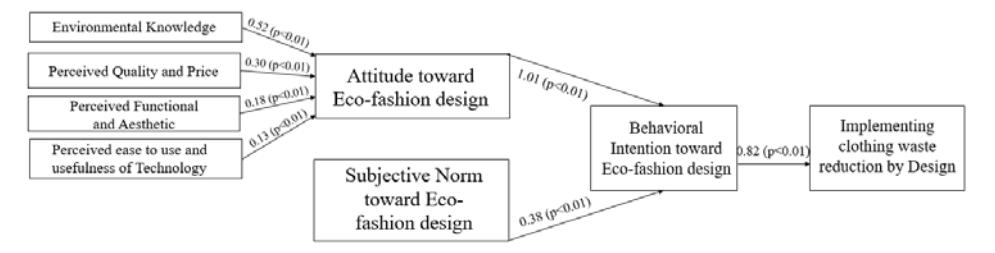
Figure 2 Measurement model of eco-fashion design.
4 Discussion
This study applied insights from psychological theory to examine the relationship between fashion designers' motivation and the principles of ecofashion in their design. The theory of reasoned action (TRA) from Fishbein and Ajzen [7] identified the factors that influence the designers' intention when they want to design clothes with eco-fashion materials. Based on the results, all hypotheses were supported. Therefore, the variables selected appear to be good indicators of the designers' inclination towards eco-fashion design.
In general, the eco-fashion design intention among the designers presented a satisfactory image. For most of the designers we interviewed, the pursuit of ecofashion issues in their design had a psychological dimension. They felt that ecofashion should be incorporated by themselves and other designers as the right thing to do. The supporting results indicated that the fashion designers who were interested in eco-fashion design believed that environmental knowledge, the perceived value of quality, price, function, aesthetics, and technology are important factors in forming their attitude toward eco-fashion design.
Environmental knowledge was found to have a significant positive influence on the designers' attitude.
The designers had a positive attitude towards design with eco-fashion materials if they had a high level of environmental knowledge; therefore, environmental knowledge played the main role in their actual behavior. Our findings resonate well with O'Reilly and Kumar [51], who found that environmental knowledge has a significant relationship with attitude towards eco-friendly product design. This is understandable because awareness to preserve the environment would improve the designer's attitude toward sustainable issues. Hence, fashion designers can develop products that are eco-friendly and share knowledge of sustainable design to encourage other designers to be involved in eco-fashion practices and contribute to reducing clothing waste.
The present study also considered some predictors overlooked by previous studies. Perceived quality and price was the second most powerful predictor of attitude towards eco-fashion design. The presence of this variable is understandable, because a significant proportion of these materials are produced by recycling. This is in line with Kjærheim [36], who showed that most designers emphasize that an acceptable quality and price of eco-fashion materials can encourage them to think about design using this type of materials.
According to the findings from the qualitative part, the acceptability of quality as well as price in eco-fashion design was the onset of the idea to implement waste reduction by design. Sometimes both were the most restricting factors in carrying out eco-fashion design. The respondents explained that decreasing the costs of eco-fashion materials would potentially increase their motivation to design eco-fashion. This is in agreement with the conclusion reached in HatefJalil and Shaharuddin [39], who found that eco-fashion materials are demanded only when the price is at a reasonable point and the material's quality is acceptable for the designer.
This research also illustrates another predictor that has largely been neglected in the past, the perceived functional and aesthetic values. The structural modeling showed that functionality and an attractive appearance of eco-fashion materials had a medium effect on the designer's attitude toward eco-fashion design. Similarly, Niinimäki [37] states that ethical issues concerning eco-fashion design occupy the designer's mind, but the appearance and functionality of this type of clothing have always provoked the designer's attention for improvement. It should be noted that fashion is inherently functional, so undoubtedly designers would not only see sustainability in eco-fashion materials or clothes. This finding is supported by Li, et al. [52], who states that designers need to understand that eco-fashion clothes deserve appreciation in the field of performance and appearance, especially if designers want to make an extra effort to achieve better sustainability in fashion design.
Another new factor found in the current study was the perceived ease of use and usefulness of the technology. The qualitative results of the current study indicate the use of technology related to saving money, saving time and reducing waste. These factors had a positive effect on forming the designers' attitude and the quantitative results supported a positive relationship between these factors. Our findings resonate well with Kjærheim [36], who states that designers believe that using computer-aided design can solve sustainability problems in fashion design. Moreover, technologies in recycling programs could improve the designers' attitude about converting waste to new fabrics. Likewise, technology can even resolve the development of applications between designers and customers to create a link toward design customization services by customizing the design with the client's eco-fashion materials [53].
Nevertheless, technology was not a strong predictor toward the designers' attitude of eco-fashion design. Perhaps this is related to education, because there is an obvious gap in the use of digital tools for education purposes between Asian and Western countries [54], since (70%) of the respondents in the survey were educated in Asia. The Asian education system does not pay much attention to employing advanced technology in fashion design [54]. Moreover, the results showed that designers with a higher education knew most about the role of technology in sustainability. The findings indicate that a significant percentage of changes in the behavioral intention toward eco-fashion design was affected by the designers' attitude and subjective norms toward eco-fashion design. It was revealed that attitude had a more significant effect on design intention in comparison with subjective norms, which is in line with the findings of previous studies [15,17,55]. Subjective norms cannot be effective if attitudes toward ecofashion design do not develop adequately [17]. It should be noted that this finding contradicts the finding from Ramayah, et al. [56] that the most important predictors of behavioral intention toward sustainability are subjective norms. The authors believed that social pressure played an important role in behavior in a Southeast Asian economy like Malaysia, where socialism influences many aspects of daily life.
5 Implication and Recommendations
The results show that TRA provides a reasonable theoretical framework for understanding designer behavior.
5.1 Theoretical implications
The findings of this research contribute to the literature on the role of fashion designers in eco-fashion design. It provides evidence that psychological factors do not only form the designer's attitude but they can also foster the consolidation of eco-fashion design intention. This study provides a framework to guide the understanding of designer behavior toward reducing clothing waste by eco-fashion design. The factors influencing attitude indicate that fundamental perceptions are essential for the development of sustainable thinking. In order to provide high liability of behavioral intention, mental factors, especially those motivated by self-interest, are very helpful. Empirical studies support the positive effect of attitude on social impact, indicating subjective variables that reflect the deliberate cycle of personal behavior. In other words, to increase behavioral intention towards eco-fashion design, we need to improve the designers' attitude. According to the findings of this study, to improve the designers' attitude, the level of environmental knowledge and perception of the quality and price of eco-fashion design should be further developed in the designer community.
5.2 Practical implications
From a practical point of view, the attitude of the designer has a significant impact on eco-fashion design intention. This finding provides a useful orientation for organizational decisions related to eco-fashion design. Firstly, policies should be established to improve designers' attitude toward eco-fashion and reduce designers' perception of barriers in the eco-fashion design process. For example, the existing specifications should be modified toward allowing designers to use eco-fashion materials. Secondly, policies should aim to enhance designers' knowledge of the consequences of clothing waste minimization by design. The aesthetic value of design with eco-fashion fabrics made from waste clothing or successful fashion projects could stimulate designers' enthusiasm towards using eco-fashion materials. Additionally, education programs and legislation should be provided to educate designers on the necessity of implementing design with eco-fashion materials.
5.3 Recommendation
To achieve a sustainable fashion community with environmentally conscious designers, improving the perception of fashion designers towards designing with eco-fashion materials will enhance their social impact. As environmentally conscious designers become increasingly worried about the future and the health of the environment, they can encourage their customers to purchase ecofashion clothes. Moreover, it is also essential for the fashion sector to educate the consumer by providing environmental knowledge. This will lead to an increase of social pressure in the field of sustainability. Thus, this can also help fashion designers to participate in eco-fashion design.
It is noted that this study focused on freelance designers, however, in fashion companies and fashion brands, designers are not the conclusive decision-makers in choosing materials, but they can persuade others to use eco-fashion materials. Lastly, fabric recycling communities are important partners for the eco-fashion sector. Therefore, paying attention to producing materials with acceptable quality, good performance and a beautiful structure can lead to increased collaboration between the fashion and textile market regarding the use of ecofashion materials.
6 Conclusion
This study took a novel approach toward investigating why eco-fashion design is practised by fashion designers and what factors determine their behavior towards sustainability. Hence, the individual motivations were examined from a psychological perspective. The findings show that perceived values influence designer attitude, which can directly influence real behavior. To preserve the environment and support recycling technologies, designers can make sustainable decisions during the clothing design process to reduce clothing waste. With the support of theories from social psychology, this research developed a TRA model to verify more constructs of designer intention and further understand designer behavior in more detail. A major finding of this study was the discovery of significant factors that influence designer attitude toward the behavioral intention of eco-fashion design with recycled materials. The findings from the research are meaningful and show that the factors behind the formation of designer attitude toward eco-fashion design are environmental knowledge, perceived quality and price, perceived functional and aesthetic values, and perceived easiness to use and usefulness of technology. This study indicates that all perceived values of eco-fashion design are significant and influence designer attitude toward eco-fashion design and support eco-fashion materials. The findings are an important addition to the literature on eco-fashion design and designer behavior.
Acknowledgements
This research was supported by a Zamalah Scholarship from University Malaysia Sarawak (UNIMAS).