

1 Introduction
This Spices are not something foreign to Indonesians. However, at least in the last ten years or so, the collective memory of spices has suddenly burst into the imagination of the Indonesian people. The biodiversity of the Indonesian archipelago, especially its spice plants, is believed to have played a role in shaping the spice trade routes that changed history. Since 2015, I have been
Received November 20 nd , 2021, Accepted for publication May 31st , 2022. Copyright © 2022 Published by ITB Institute for Research and Community Services, ISSN: 2337-5795, DOI: 10.5614/j.vad.2022.14.1.5
studying the dynamics of the interactions that occur between society, the state, and the market in reconstructing the ideal imagination about Indonesia, including how that imagination is narrated to redefine an identity that fosters nationalism, especially through the Spice Route narrative. Efforts to reproduce nationalism is usually made by the political elite, through education, ceremonies, monuments, etc. In the present study, these were actually initiated by the community independently and democratically [1].
The proposal to nominate the Spice Route as World Heritage to UNESCO by the Indonesian government adds to the tumultuous process of reproducing nationalism through design as visual material culture, contested between the community, the state, and the market. In this article, I underline the parallel relation between the stakeholders, consisting of communities, the state, and the market, each of which have different vested interests. Due to democratization, there is equality in authority and legitimacy, which results in the absence of a dominant authority [2]. The absence of a dominant authority among the state, society, and the market can be studied through the emergence of a visual identity that elevates spices as a unique proposition for framing the Indonesian national identity. Design, as a discipline that is closely related to visual material culture, has often been involved in the process of constructing national identities [3, 4]. A national identity is important when it is associated with efforts to create a good reputation for the country as well as to gain a competitive advantage over other countries. Nation branding creates a perspective that has an impact on the way the world sees and treats a country regarding political and economic affairs such as trade, tourism, export-import, investment, and other international affairs [5, 6, 7]. Therefore, nation branding is often closely related to public diplomacy [8].
2 Methodology
In this study, I used the auto-ethnographic method, which positions me not only as a researcher but also as an active actor in society and community movements. This approach prioritizes participant observation, in-depth interviews, literature study, comparisons, and visual communication design analysis methods to review the form, content and context of the constructed narrative both directly and indirectly. The subjects and objects of observation were defined as follows: (i) state and non-state actors represented by state civil apparatus, nongovernmental organization volunteers, and public participation; (ii) visual communication design materials; (iii) mass and social media publications as sources to illustrate the process and the impact of the Spice Route campaign. My involvement as part of a community that promotes the Spice Route narrative began in 2014 and continued as I was appointed as the exhibition coordinator and designer of a Spice Route exhibition at the National Museum.
This movement then continued in a community that became the forerunner of an organization called the Negeri Rempah community network. The role of designers in this community was dominant in driving a literacy campaign using the Spice Route narrative. I started this research intensively in 2017. My position as the program designer in this community strategically provided the opportunity to participate while observing and engaging in various interactions with state actors and non-state actors, especially from a designer's point of view. At least more than forty contributing designers (volunteers) under my coordination have been intensively involved in this community-based Spice Route literacy campaign until today.
3 Literature Review
3.1 Design and Nationalism
Discussions regarding the relevance of design in building nationalism go back to Billig's thesis on banal nationalism from 1995. He argued that to see how national identity and nationalism work, researchers need to expand their observation and analysis to everyday symbols [9]. Design as part of material culture is closely related to daily life, and there have also been many efforts to link design to the nation-building processes. In fact, the role of design from the perspective of nationalism and national identity does not necessarily result in banal nationalism or nationalism driven from below. Design also plays a role in a (elite driven) top-down nation-building process [3]. In terms of creating and managing the state's image, the identity embodied in nation branding is a process that the state continues to invest in. However, these efforts have the potential to generate tensions and contradictions between nation branding and national identity. In Estonia, the nation branding design that aimed to attract investment drew criticism because it was full of identity politics promoted by the interests of certain political elites and was soon forgotten after a change of government [10]. Meanwhile, in different cases, design is a means to frame national identity in order to narrate new ideas and paradigms. Design has been the spearhead of narrating the changing economic and geopolitical orientation of Australia, as manifested in the Australian Pavilion at the Japan World Exposition held in Osaka in 1970. In this exhibition, design was utilized to narrate the transformation of Australia's national identity in line with international modernization trends in accordance with industrialization in the Asia Pacific region [11].
3.2 Spice Route as the Grand Narrative
The grand narrative of the Spice Route provides a new perspective in revisiting Indonesian history. The romantic history of the Spice Route eventually gave
rise to a collective imagination about the greatness of the nation, albeit to varying degrees for different individuals. This socially constructed imagination is created by communities who perceive themselves as part of one group [12]. These plural societies do not even know each other but have similar aspirations. The imagination of an ideal Indonesia, at the same time also gives rise to nationalism and new meanings of what it means to be Indonesian. In order to establish continuity with the past, society then aligns itself with conditions that are considered ideal based on historical references. This is where the role of the elites is often crucial, since it is in their hands that the national vision is initiated and deliberately constructed. References in the form of traditions from the past are then recreated repeatedly to fit the context in the present [13]. However, it is undeniable that globalization has blurred state boundaries and gave birth to a new form of nationalism that is related to cultural identity. The state becomes a 'public arena', which is a domain for human creativity in its democratic struggle to negotiate similarities and differences [14]. People are free to choose to be different or not to be different.
In the era of democratization, the state and the community are always pulling at each other, with the market as a catalyst [2]. When cultural-historical narrative construction undergoes a market-oriented interpretation, the narrative is embodied into popular policies as well as cultural products of the creative industry, which will continue to provide new meanings. Instead of a very political ideology, national history is now capable of being transformed into branding content as well as educational curriculum subject. It can emerge in widescreen movies as well as the content of presidential speeches. It can emerge in the policy of cultural diplomacy as well as the flagship tourism theme of the Ministry of Tourism. In some places, design is still perceived as complementary to marketing and promotion rather than a means for strategic purposes. This misconception is common, especially in Asia, as if the nation's reputation can be manipulated through marketing communications with an approach similar to product branding at the commercial level [15].
3.3 The History of Spice Route
The Spice Route is not an unfamiliar concept. The terminology is often found in academic texts to describe one of the busiest maritime trade routes in history, connecting Asia and the Middle East to Europe, with Nusantara (former name to address Southeast Asia or the Indonesian archipelago) as the focal point. The cultural-historical narrative that places spices as the main commodities that shaped the history of world civilization is a romantic construction. Although the Spice Route has often been closely associated with European colonialism, precolonial perspectives have emerged, enriching the narrative. Apart from the vast number of species of spices from Southeast Asia, with Indonesia as a source of endemic spices [16] such as camphor, cloves, nutmeg, frankincense, and sandalwood, the maritime aspect is also underlined.
It is because of these spices that the archipelago has become a meeting point for people from various parts of the world, most of whom have a passion not only to trade but also to build a civilization. The Nusantara archipelago has long been an important node of intercultural exchange that brings together various ideas, concepts, science, religion, language, aesthetics, and customs. Long before Europeans set foot in the archipelago, this maritime spice trading route has been a means for intercultural exchanges that contributed significantly to shaping world civilization. Thus, instead of merely being associated with a commodity exchange route, social interactions and intercultural exchanges that have occurred along the maritime routes for the spice trade have met the criteria of a cultural corridor since the beginning of the seventh century [17].
3.4 Constructing the Spice Route Narrative
The narratives constructed by society, the state, and the market are substantially different from each other. From the people's perspective, the Spice Route is a means of identity construction. It is as if their ancestors had a certain ethos that created their country's glorious past. The Spice Route becomes very ideological when it is associated with a value system beyond trade, which is an ideology that enables intercultural exchanges that embody various concepts, ideas, and practices. This achievement is assumed to have been realized only because the people had a set of values and the ability to utilize these intercultural exchanges. A dynamic civil society is imagined, with the ability to adapt to diversity, the intelligence to empower their natural resources (in this context, spices), as well as play a vital role in the regional economy and politics. Although there is no single interpretation, this idealistic imagination is then projected onto the present [2].
Peoples' enthusiasm for constructing a national identity through the Spice Route received a response from the state, which enriched the narrative. One of the policies of President Joko Widodo that has received a lot of public attention is his idea to turn Indonesia into the Global Maritime Fulcrum, i.e., to position Indonesia as a strategic maritime power at the global level. Although the concept of Indonesia as a maritime state has often been debated by experts, the government is still trying to reconstruct Indonesia's national identity through the imagination of a glorious maritime nation. The rising aspiration of a maritime country with a maritime spirit has emerged as a new nationalism construction that combines the dreams of territorial sovereignty and prosperity [2], even though, ironically, the development of territorial waters in Indonesia is actually lagging. Besides identity construction, the proposal to nominate the
Spice Route as World Heritage to UNESCO, fostered by the Ministry of Education, Culture, Research, and Technology, has made the Spice Route narrative into a claim with political and economic implications. To some extent, this claim also challenges the Maritime Silk Road, a constructed narrative initiated by China, which can therefore have political consequences. On the other hand, the programs developed by the government are also oriented towards economic development through industrial strength.
Meanwhile, in a democratic situation, the market plays a crucial role in society. Market ideology to some extent is in line with the spirit of freedom of selfdetermination – albeit with an ambiguity. On the one hand, market ideology asserts that economic life is a reflection of a domain in which social relations develop freely. At the same time, it negates the freedom it carries when referring to the eternal laws of the market. History shows that corporations often provide support for the development of political discourse that is outside the realm of government power. Likewise, discourse development is now carried out in the public sphere, which is being facilitated and operationalized as a business [2]. The Spice Route narrative thus becomes an asset that is commodifiable through the creative industry. It is worth noting that as the Spice Route narrative becomes creative content utilized by the market, the construction of a national identity also carries the interests of the capitalists.
The reconstruction of national history and the redefinition of a market-oriented identity gives a new dimension to the process of reproduction of nationalism [2- 6]. Through the data I have collected, I attempted to determine the extent to which the Spice Route narrative that is intended as nation branding has been able to reconstruct and redefine national identity.
4 Reconstructing National Identity through Design
The subject of analysis that I wish to present are multiple interpretations of the Spice Route narrative. Society, the state and the market are free to interpret the narrative according to their respective understandings. These interpretations are then abstracted into a visual identity that is used to communicate their respective activities with multiple purposes.
4.1 Initiating the Spice Route Imagination
In 2015, the Jakarta Post, one of the leading national media, facilitated an initiative to develop a Spice Route exhibition during The Museum Week, held at the National Museum. The exhibition was entitled Jalur Rempah, The Untold Story. The idea to promote the Spice Route narrative came from Gelar Nusantara, a partnering organization to which I belong, and with whom the
Jakarta Post collaborated to develop the contents of the exhibition. Due to limited funding, the initiators proposed to collaborate with volunteers from various communities to support the exhibition, including the designers. The challenge that arose, was how to visually interpret the grand narrative of the Spice Route, which has a long timeline as indicated by expert sources consisting of archaeologists, historians, and anthropologists. Spices have mostly been associated with the arrival of Europeans in the sixteenth century, an important milestone in the history of global human rights violations. However, according to experts, even though colonialism ultimately had an impact on Indonesian independence, the narrative should not be constructed on that basis alone, since it does not represent the whole historical timeline of the Spice Route. Therefore, the Spice Route narrative should be extended back to the era of early commerce before the beginning of the first millennium, starting from the reign of Barus, the kingdom of Tarumanegara, Syailendra, Kahuripan, Srivijaya, Majapahit, to the era of the port states, which marked the entry of Islam and the emergence of sultanates in various regions in the Nusantara archipelago. Thus, the colonial period was only a small part of the process of becoming a nation, culminating in the period of revolution towards Indonesian independence. The pre-colonial Spice Route narrative, which is not widely known, triggered the curiosity of the public, including the designers themselves. This grand narrative seemed to inspire the nationalism of the designers, who contributed to this exhibition voluntarily. With the help of a good communication strategy, visitors to the National Museum jumped to 25,000 people in over two weeks during the Spice Route exhibition [18].
Figure 1 Visual identity applied in social media promotion [19].
The exhibition's interpretation of the Spice Route narrative was manifested into a visual identity in the form of a logotype that uses a serif typeface and color as the dominant design elements. Based on the graphic standard manual, 21 color palettes were set in the formulation of CMYK and RGB colors. In addition to this important color element, the gestalt approach of the typography is based on overlap between the letters, the absence of a baseline, a lack of balance, yet still
being linear. Although there is a risk of lacking legibility, this logotype is able to convey the impression of a dynamic phenomenon that is shrouded in uncertainty and mystery, which is at the same time romantic – like the narrative itself. The use of photographic images directly taken from spice-producing areas such as Banda, Ternate, Tidore, Run Island, and Banten added to the exotism of the Spice Route narrative.
The following year, the Jakarta Post and its business network organized a follow-up of the Spice Route exhibition. However, instead of involving the community movement again, the Spice Route exhibition now was supported by media corporations with massive media penetration. Since the collaborative method involving communities was no longer applied, it is understandable that the visual identity of the previous year's exhibition had to be redesigned, so that it would not violate any copyrights if used commercially. With the massive marketing communication efforts and creative output, including feature films and documentary series on television, the Spice Route narrative began to undergo a process of commodification. This had an impact on the design of the visual identity as a program marker.
Figure 2 Logotype Jalur Rempah [20].
Figure 3 Visual identity applied in promotional items [21].
This interpretation of the Spice Route narrative was translated into a new visual identity, while maintaining the logotype with a flexible typeface selection.
Another design element was a logogram with a geometric shape consisting of two outer and inner circles. In the inner circle, there is a stylized clove flower with a style resembling ancient Javanese ornamentation (see Figure 2). The elements are arranged in eight compass directions. The addition of the word 'Nusantara' strengthens the overall impression that communicates its relations in various directions. This logotype also implies the construction of a precolonial Spice Route narrative, at least reviewed from the selection of a typeface that does not have serifs related to the classical Roman style [22]. This visual identity appeared in every production released by the sponsoring media (see Figure 3).
4.2 Community Movement through New Campaign Identity: #JalurRempah
At the same time, I joined the initiative to start a community driven public literacy campaign. The members of this community mostly felt inspired by the grand narrative. The Negeri Rempah Community Network (Jaringan Masyarakat Negeri Rempah) facilitated the designers who had been involved in the Spice Route exhibition at the National Museum. In 2016, the Spice Route initiative was continued as a literacy campaign with much enthusiasm and a spirit of collaboration that extended to various regions in Indonesia. The absence of patron funding made this community network develop a mechanism of sharing, learning, and exchanging information. The main goal was to teach about Indonesia's diversity and intercultural understanding with the Spice Route narrative as the starting point.
Figure 4 A modest visual identity making use of a hashtag to indicate community movement designed by Kumoratih (Negeri Rempah Foundation).
Based on interactions with communities in several historical sites and spice producing regions involved in this campaign, I found that an identifier was necessary to relate to each other as part of the movement. This visual identity also aimed to distinguish this initiative as purely based on communities/society, independent from the state or the market. Therefore, as the designer, I needed to ensure that this visual identity could be applied easily while maintaining its consistency. Thus, this literacy campaign is identified by adding a hashtag, making it easier for anyone who wants to use it on social media. Regarding the visual communication strategy, a logotype was developed using a familiar typeface, i.e., Garamond bold. This typeface was preferred due to its clarity and simplicity. Another criterion would be its technical availability, especially when applied by those who are located in different parts of Indonesia with limited design literacy (see Figure 4). This strategy was also a compromise anticipating technical limitations that may still exist in certain regions. As Garamond is generally available on computer devices, anyone can apply this identity easily. Thus, the consistency of the campaign identity can be maintained [18]. The application of this simple and modest visual identity provides flexibility for members of the community with a wide range of segmentation without feeling awkward with excessive styling. In addition, this visual identity unites its community members, who are spread across Sumatra, Java, Sulawesi, Maluku, Nusa Tenggara, Bali, and abroad (see Figure 5).
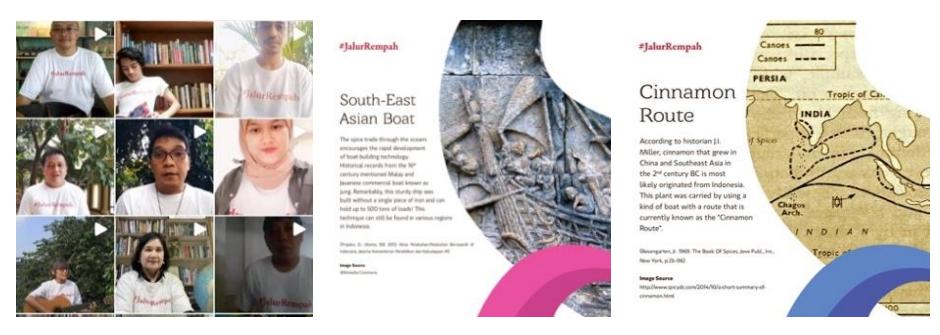
Figure 5 Visual identity applied on a T-shirt worn by community members during the Independence Day celebrations, and applied in infographics [23].
4.3 Spice Route Campaign Initiated by the State
The intensified attention for the Spice Route in communities and mass media was followed by the government's initiative to nominate the Spice Route as World Heritage to UNESCO in 2017. This happened under the auspices of the Ministry of Education, Culture, Research, and Technology. When it became a program that was supported by the state, naturally, the constructed narrative of the Spice Route had to be reformulated strategically in order to achieve the nomination objectives. The process of nominating the Spice Route required support from neighboring countries, especially those located along the spice trading routes. This had an impact on the reconstruction of the Spice Route narrative so that it would not sound like a one-sided claim, while also strengthening the friendship among the nations. However, the Ministry of Education, Culture, Research, and Technology felt the need to have a visual identity that framed their Spice Route program. This visual identity aimed to increase public awareness of the long history of the Indonesian nation and it being rooted in maritime culture.
Figure 6 Visual identity representing the state's campaign, designed by AIDIA [24].
The Spice Route visual identity initiated by the government was designed by the Indonesian Association of Visual Communication Design Professionals (AIDIA). This visual identity uses a logotype with a very casual typeface. The logogram resembles a specific spice, i.e., star anise (Illicium verum), which also forms the initials J and R of Jalur Rempah (spice route). Based on the rationale given in the graphic standard manual and interviews with the designers, the basic shape of the logo is a visualization of the dynamic (spice) movements based on maritime traditions. The element of 'five' contained in the logogram also seems to be a rationale that was considered significant by the designers, associated with the five major islands of Indonesia, the five continents, the five oceans, and the five principles of Pancasila. Warm colors (red, brown, green, and yellow) were chosen to represent warmth and friendliness (see Figure 6). It was interesting to see actual implementations of the logo on visual communication materials. It seems that the government stressed the necessity to emphasize that the Spice Route campaign is a flagship program, as indicated by logo repetition. The placement of the Spice Route campaign logo at the top left, side by side with the Ministry of Education's logo, clearly shows the hierarchy. However, the same logo with a different configuration was applied below right with the tagline: 'Spice Up the World.' In general, it shows inefficiency in its application (see Figure 7).
Figure 7 Applied visual identity with an emphasis on logo repetition [25].
4.4 Indonesia 'Spice Up the World'
The increasingly widespread spices theme create much enthusiasm among the public, government, and private enterprises as well. At the state level, the Coordinating Ministry for Maritime Affairs and Investment started to associate the Spice Route with the 'Global Maritime Fulcrum' discourse. In 2019, the Ministry supported Negeri Rempah Foundation, a not-for-profit NGO, which initiated the first International Forum on Spice Route. In 2020, the Ministry of Education, Culture, Research, and Technology continued to cooperate in the same forum with an agenda to strengthen cultural diplomacy in the context of nominating the Spice Route as World Heritage to UNESCO. In 2021, the Coordinating Ministry for Maritime Affairs and Investment began to direct its strategy toward the growth of exports, especially of Indonesian spices. 'Indonesia Spice Up the World' became the campaign slogan, where several ministries and government-related institutions also supported this campaign by launching programs that are in line with their respective functions. To name a few, the Ministry of Tourism and Creative Economy committed itself to strengthening the culinary industry by developing Indonesian restaurants abroad and strengthening gastrodiplomacy.
Figure 8 Example of a government-related 'Indonesia Spice Up the World' event with no visual identity [26].
Likewise, the Ministry of Cooperatives and Small Medium Enterprises as well as the Food and Drug Supervisory Agency launched programs to support micro, small and medium enterprises (MSMEs) by providing convenience in the process of obtaining permits and facilitating exports (see Figure 8). Special directions were also given to GAPPMI (Indonesian Food and Beverage Producers Association) to support Indonesia Spice Up the World. Thus,
Indonesia Spice Up The World must be seen as a top-down national movement that is being carried out by the government for the purpose of increasing economic value in tourism, trade, and investment through the gastronomic industry.
It is interesting to observe how the Indonesia Spice Up the World slogan came to the fore before being adopted by the state. In several community-initiated activities, the theme Spice Up the World had been brought up by the Ubud Food Festival in 2018 to make Indonesian dishes go global (see Figure 9). Actors in the field of gastronomy often echoed this slogan as well. Mid-2019, a movement called Indonesia Spicing the World, was launched by branding practitioner Subiakto Priosudarsono to promote local brands, especially creative products inspired by Indonesian spices (see Figure 10). However, every initiative that emerged from both communities and the state had its own visual identity, even though they carried the same slogan. Through 'Indonesia Spice Up the World', the grand narrative of the Spice Route became more market driven.
Figure 9 'Spice up the World' as theme of the Ubud Food Festival [27].
Figure 10 'Indonesia Spicing the World' visual identity designed to encourage local brands [28].
5 Discussion and Conclusion
The above descriptions provide an illustration of the extent to which the construction of the Spice Route narrative can be contextualized. Building a national reputation requires high consistency and is a long-term process. Design is a strategic means to construct national identity and competitive advantage over other countries in a continuous and sustainable manner. The role of design cannot be ruled out from and can even play a vital role in cross-cultural public diplomacy. The Spice Route narrative has the potential to be further developed in shaping the image of Indonesia as a nation with extreme cultural diversity in a wider context.
The endeavor to nominate the Spice Route as World Heritage fostered by the Ministry of Education, Culture, Research, and Technology positioned the Spice Route narrative at a political-ideological level that requires strategies in cultural diplomacy. On the other hand, the Coordinating Ministry for Maritime Affairs and Investment as a strategic ministry has reduced the grand Spice Route narrative by positioning spices as a commodity that is related to food and gastronomy as a means of economic diplomacy. The use of food as a means of nation branding and public diplomacy has been carried out by several neighboring countries, such as Thailand with 'Kitchen to the World', South Korea with 'Taste of Korea', and Japan with 'Loved Around the World' [29]. The success of these countries in carrying out gastrodiplomacy has inspired Indonesia to take part in this global competition. With 'Indonesia Spice Up the World' as the slogan, Indonesia is quite optimistic that spices are a competitive advantage. However, as it became a national movement led by the state, the grand narrative and idea of the Spice Route, which originally inspired many people, as the construction of a national identity was not able to unite the various aspirations of the stakeholders involved and ensure that the programs would be sustainable. Contestation between the state, market, and society began to appear when the state started the Spice Route narrative, echoing communities' initiatives. However, instead of collaborating and embracing the many efforts from the communities, the state seemed to prefer to act alone, regardless that many communities had already embarked on the same effort. In fact, they actually wished for support and recognition that they had contributed to the identity construction process. This is where design can become a space for negotiation between contesting stakeholders. On the one hand, society and the market need state recognition, on the other hand, through design, these stakeholders are also voicing their resistance to identity construction by other parties.
It is interesting to underline that in the context of design, the state has not developed a visual identity based on the idea of the Spice Route. In fact, each
government institution that represents the state has its own visual identity according to its specific interests. It seems that a single unified visual identity as a symbol of this state-led national movement is still needed by all stakeholders (state, society, and market) as a form of state legitimacy.
To conclude, historical narratives such as the Spice Route narrative are very likely to be freely reinterpreted by civil society and the market into new meanings, albeit full of contestation between the state, society, and the market. Previous studies have demonstrated that the process of reproduction of nationalism through the reconstruction of national history and national identity is now no longer always initiated by the elite. However, in the case of visual identity, it is still shown that no matter to what degree democratization and globalization can provide space for civil society to reinterpret their ideal image of Indonesia, legitimation from the state is still required. Design can actually unite these diverse aspirations and negotiate the contestation between stakeholders, for example, when it comes to the process for nominating the Spice Route as World Heritage. This may be an ideal moment to start considering nation branding thoroughly. As nation branding should be led by the state, a careful grand strategy is required beyond design issues. This is a challenging task for designers, as the nation brand should also be used as means to project the values of the nation.
6 Acknowledgements
This paper was accepted for dissemination at the 2nd International Conference on Art, Craft, Culture and Desain (ICON ARCCADE) and was presented on 29- 30 September 2021 under the theme of 'Creative Economy and Policy Development'. The author would like to acknowledge the Jakarta Post, Negeri Rempah Foundation and Indonesian Association of Visual Communication Design Professionals (AIDIA) for the support in providing resources and documentation.