

1 Introduction
Craft is defined as an activity that involves the skill of making goods by hand, without the use of machines or their marginal use, and employing a limited number of workers in a small-scale workshop to make them. Traditionally, handicraft producers are home-based, selling their products locally [1]-[2].
Any thought of craftsmanship evokes the concepts of uniqueness, originality, and individuality. The craftsman's behavior is characterized by precise daily work; not only production activities but also the selection of raw materials and processes, processing, and packaging. Several studies have shown that artisans are not motivated by money or economic growth but by their own preferences and lifestyle attitudes [3]-[4].
References [5]-[6] explicitly emphasize the importance of craftsmanship and its socio-cultural significance. They studied the rediscovery of artisanal production and its increasing significance and competitiveness in the worldwide economy with the development of industrial production toward commercialization. Craftsmen constantly pursue an increasing demand from customers for exclusive products but commonly do not succeed to directly involve themselves in the formation of end-user demand in modern society. This study aimed to identify factors that influence the home decorating preferences of Pakistani people. Rachel [8] states that one of the best ways to understand how a culture works is by studying history. Whereas trends come and go very quickly, the foundation usually has a historical background.
Conserving cultural values in traditional interior design requires a high degree of knowledge and diversity of designers and decorators. An in-depth analysis of the physical location, its architectural form, and organization is required, but it also requires sensitivity to the intangible qualities expressed by its atmosphere and an understanding of its history and previous uses.
In the past, interior design was instinctively applied as part of the building process. The specialty of interior design emerged as the result of complex architecture following the development of social and industrial processes [7]. In the era of global competition, there must be a clear vision and a clear plan on how to preserve the authenticity of interior handicraft products and encourage their growth in a way that ensures the combination of old and new in a way that suits modern times and is in line with the user's needs.
Globalization is a progression of interface and incorporation between communities, companies, and governments in different countries. This is a development supported by investment and information technology as well as international trade. This progression has an influence globally on the environment, economic development, culture, politics, and social prosperity. It also affects user and consumer behavior because consumers, with unique and distinctive needs, have become more conscious about decorative accessories. In marketing strategies, users or consumers are divided into different groups that follow different goals in order to better provide differentiated high-quality products. Therefore, consumer demand is no longer stimulated by only offering competing products based solely on price and accessibility but also goods that compete through personality, design value, and visual appeal. Globalization is nothing new, but it works best for developed countries because their markets provide the highest margins in the world. These countries have many resources and their economic situation is also very good. Thus, they have developed successful marketing strategies, which are also very much needed in poor and developing countries to regulate resource utilization.
The objectives of this study were to shed light on the value of the Pakistani arts and crafts heritage. By conducting a survey among well-selected respondents, this research evaluated the present state of the use of traditional crafts in modern home decoration and determined their social and cultural development. However, there is a problem with the growing use of imported decorative products. Pakistan is rich in resources and has no shortage of skilled craftsmen in terms of the quality of decorative handicrafts produced. However, these abundant resources need to be harnessed to let the decorative arts and crafts industry prosper by bridging the gap between artisan and consumer. Craftspeople need to continuously improve their cultural practices as a collective in order to enhance their own living standards as individuals. Pakistani society and cultural life are always looking out for sources of stylistic innovation. In addition, the characteristics of Pakistani traditional culture of interior decoration are still visible in modern designs. Incorporating traditional elements in products adds an organic beauty and attractiveness to the designs that appeals to natural sensations. Furthermore, indigenous products use mostly natural materials that are more environmentally-friendly and support decorative interiors that project a feeling of eco-responsibility. Traditional styles have a long history and their features have developed over time, borrowing elements from various cultures and civilizations.
This study identified the current decline of handicraft factors as well as the weaknesses of traditional craft. These phenomena have not been studied well before in Pakistan, which is expected to be useful to boost handicrafts in the country. This research attempted to circumvent this issue by identifying factors that drive consumers to prefer imported products for interior decoration over local handicrafts. We analyzed consumer behavior and its ultimate impact on the welfare of craftspeople.
2 Methodology
To meet the objectives of the research quantitatively and qualitatively, two research designs were applied. The research was conducted through questionnaires, interviews, on-site interviews, and participant observation to gain an understanding.
The author, who has experience in the handicraft industry, spent a reasonable amount of time from 2016 to 2022 with designers, craftsmen, academia, government institutes to compile all this information and collect data and closely observing the issues in the field. The survey was followed by testing the hypothesis from the gathered data and by analyzing the results. This stage of the research followed a deductive approach.
The research started with a theoretical study to identify problems by reviewing related literature. There was almost no literature available from Pakistan to study the subject deeply, so a comprehensive literature review was conducted.
The study was conducted thoroughly through primary and secondary data. As Robert Haddad has stated, qualitative techniques are based on methods used to assess subjective experiences such as interviews and annotations. The result is verbal analysis to identify conclusions, themes, concepts, and complications. Although quantitative techniques are based on the method of directly assigning numbers to the thing being measured, it also means providing rating scales and categories.
2.1 Pilot Study
A pilot study was conducted to validate the questionnaire in order to get a proper response and more precisely to find out whether there were any unclear questions or any inconsistent combinations of questions.
2.2 Study Samples
Case study research has determined that probability sampling is the most suitable technique, which is why we chose this method for the present study. In the probability sampling, the target population consisted of known craftsmen, practitioners, local people from the middle, upper middle, and elite classes living in recent housing society projects. Different age groups were selected and people were included from every major city and from different fields.
2.3 Analysis
The statistical software mainly used was Statistical Package for Social Sciences, (SPSS) and PLS. Data feeding and screening was done using the same software. This provided us with a number of advantages in dealing with the data.
The statistical techniques were used in combination to meet the requirements of the study. Correlation analysis was used for detailed analysis of the relationships; Structural Equation Modeling, the latest technique, was used for learning purposes and for examining the relationships between the variables. SPSS supported the examination of the relationships between the variables and helped in determining the strength and magnitude of these relationships.
Descriptive statistics were employed to find the mean and standard deviation of the respondents' demographic data, such as city, age, profession, salary, budget, etc. by using the SPSS software. Smart PLS was used for correlation and cross tabulation. The study hypothesis is shown in Figure 1.
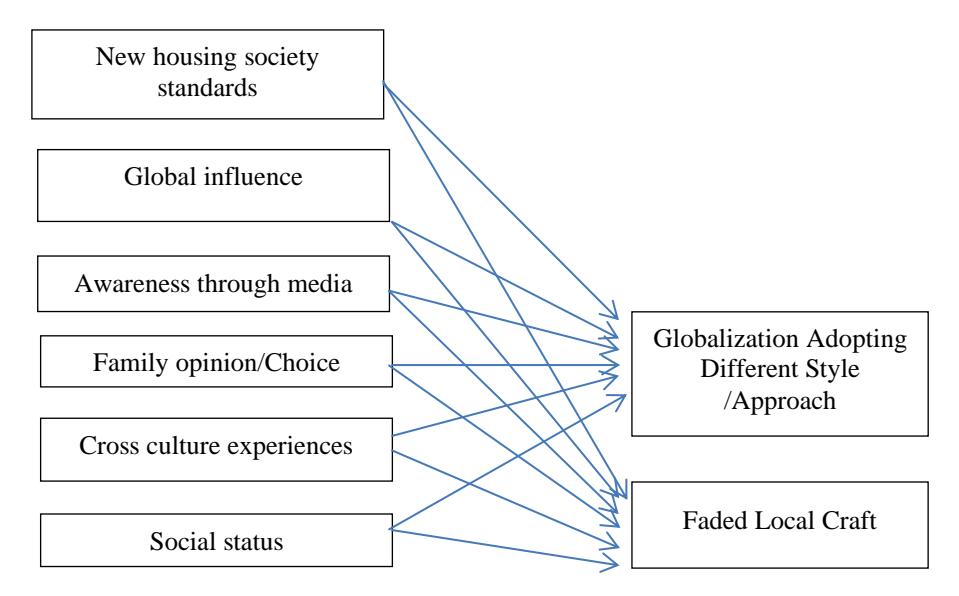
Figure 1 Diagrammatic representation of the study hypothesis, which was examined using statistical tests. Source: author
3 Features of Decorative Art/Handicraft
The traditional decorating culture of Pakistan encourages the use of a large variety of colors, patterns and textures in the interior environment as well as elements that are often inspired by nature. Dark polished wooden furniture adds a classical element to the house and antique wooden cabinets, desks, beds, and dressers give a glimpse of a bygone era.
The foremost handicraft products are metal work, carved woodwork, stone and onyx art, rugs, and carpet weaving, glazed blue tiles and pottery, embroidery, block handprint textiles, and many others [10].
Pakistan has a long and diverse history of handicraft. The entire timeline of its culture has been broadly studied. Porcelain and glazed pottery, dating back to 2500 BC, are the oldest art forms in Pakistan, related to the prosperity brought by the Indus Valley Civilization throughout Pakistan [11]. The most popular technique involves engraving intricate patterns on the base coat of the pottery, followed by glazing with colored transparent glazes. Another common practice is Pakistani potters applying blue-colored patterns over white glaze tiles that adorn mosques and public buildings.
Handicraft is a part of Pakistan's rich and diverse culture. Carved furniture, hand woven carpets and rugs as well as carved stone and agate accessories are examples of famous Pakistani handicrafts. However, other decorative arts, such as metal products, including inlaid or carved brass, silver, and bronze accessories, embroidered wall hangings, enlightened paintings, intricate calligraphy, and camel skin lamps, are considered the most famous crafts in Pakistan [12]-[13]. Some highly decorative handicraft products are shown in Figure 2.
Figure 2 Traditional decorative handicraft products from Pakistan.
Reference [14] points out that a key flaw in protecting traditional handicrafts is that not enough data on it is available. There is little or very limited literature on the protection of handicrafts, and most studies focus on the protection of physical heritage, especially architectural heritage in the form of monuments, ancient forts and palaces, etc.
Additionally, in the modern era some factors affect the interests of indigenous people. Often, 'indigenous' refers to artisan products with a long history that have been manufactured for generations; their designs can be identified from characteristics related to specific regions or ethnic populations.
3.1 Factors that Affect Individual Choices in the Era of Globalization
According to Shelley little, religion is often associated with culture and sometimes it seems difficult to find a way to combine deeply held beliefs with decorative schemes in the home [15]. One could say that culture is the structure of behaviors, beliefs, customs, values, and cultural relics that are used by individuals in any society to share with the world and each other, which are transferred from generation to generation. Pakistan's traditional ornamental art inside houses has a strong background of historical origin, growth, and progress in a unique cultural system, providing an upscale cultural flavor.
The current furnishing style in Pakistan is characterized by a combination of the modern style, using white and grey colors, the Victorian style, which is elaborated, heavily carved and involves the use of wallpaper, and the Mughal style, which is characterized by brocade, heavy silk, and velvet upholstery. These elements are full of grace and soberness. This style is part of the homes and lives of people representing the charm of human life. Moreover, there is an increasing trend of transmitting visual effects derived from modern and traditional combinations using contrasting and matching colors in a coordinated fashion.
However, many imported items and style flowing into the market have changed the mindset of the people. More and more, imported items are preferred in home decoration over local handicraft (see Figure 3).
Figure 3 Modern interiors with a white and grey color scheme. The living room is rectangular and furnished with L- and U-shaped modern furniture and imported accessories. Source: modified by the author
3.1.1 Advancement in Technology
Global trade provides customers with opportunities to enter new markets and buy and sell new products [16]. More or less all types of products can be found in the global market: food, household equipment, clothing, machinery parts, handicraft, cosmetics, home decorations, and building materials. In addition, services include travel, banking, consulting, and transportation. Mechanization, industrialization, advanced technology, including transportation, multinational companies and organizations have a major impact on international trading. Increasing international trade is essential for the continued development of globalization [17].
Indigenous handicraft is an important part of any culture that reflects the identity of a particular region. The development of the decorative home accessories market and increased interest in global goods has created and opened up many opportunities for new markets [18]. In addition, architectural developments, technological advancements, and quality improvement have opened up opportunities for consumers.
Investigations based on interviews and observations have found that Pakistanis have begun to choose their favored items from advanced resources, such as selecting interior design pictures from the Internet, digital magazines, or any other medium, which has changed the sources of inspiration. People, especially women, get inspiration from interior design and fashion fabrics (e.g., wall coverings, furniture, lamps etc.) shown in TV series and on social media. They feel an urge to follow those styles in their own homes. Once they have finalized the idea, they start the process of hunting for similar products in showrooms, accessory stores, and online.
Globalization improves industrialization, which changes consumer needs and lifestyles; thus, interior craft products slowly lose their market. The cultural importance of handicraft has long been understood but this field has suffered from different challenges, such as industrialization and globalization [19]. As a result, artisans cannot compete and participate in well-organized industrial units [20]. The decline in the number of handicraft consumers has forced artisans to close their handicraft business and move to the city to make a living.
As a result, some techniques have disappeared with the decline of traditional crafts, and only few among the younger generations are interested anymore in learning traditional handicraft arts [21] The advancement of globalization has led to new technologies, better durability, and diversity of materials. The economic value of industrial products is secure, while indigenous handicrafts are gradually disappearing and losing their social status [22].
3.1.2 Family opinion and choices in the modern era
Interior decorations and designs provide hedonic benefits and are a source of comfort in daily life. Pakistan is a collectivist society where family bonding is central to a successful life. Due to religion, culture, and social values, the family comes first in Pakistani culture. The family system makes relations and social life more sustainable. Family opinions and suggestions are valuable when decorating the house. This factor is very important when people decorate their home.
Pakistan's interior design and decoration style is eclectic, using diversity in interior decoration, which comes from the different opinions of the family members. Different interior decoration styles from different time periods are brought together within the family home; thus, several styles of furniture and accessories are combined and blended together. Some elaborate decorative interior styles are very suitable for use on a limited budget because there are many design options and many styles to choose from, while the availability of products may differ, which can all be integrated into the interior space.
By borrowing multiple interior decoration styles through careful observation of decorative elements such as their form, shape, color, and texture, all elements are organized in such a way that they are well integrated and sometimes fuse. However, when an over-abundance of busy patterns, textures, colors, and heavy furniture with too many accessories are used in a room, the result will look cluttered. Style can be developed by adding, subtracting, and changing rules
[23]. Among the aesthetic laws of traditional beauty (symmetry, balance, order, and other characteristics), harmony, contrast, and rhythm are the most significant.
The beauty of the decorations in traditional homes in Pakistan lies in three basic characteristics, i.e., symmetry, harmony, and balance. Symmetry in decorative designs adds simplicity and practicality, and symmetric designs are easily controllable. Balance provides a basis for using appropriate proportions to instill aesthetic culture. In addition, harmony creates an impression of wholeness that is warmly appreciated by Pakistani families [24].
3.1.3 Displaying Wealth and New Patterns of Demand
As British colonial rule progressed, a new class arose that was keen to emulate the British way of life. This changed demand patterns in favor of British goods. Therefore, in order to showcase their wealth, Victorian and Baroque style furniture, over-decorated and highly meticulous, became more common. In addition, in order to meet the interior decoration requirements, the use of heavy curtains has become the preferred style (see Figure 4).
Pakistan's architecture and interior design have been adapted to a great extent in recent housing society projects in urban areas. The extent to which is also related to the available personal budget. Hiring an architect or interior designer is costly and often means having to spend a large amount of money on imported brand furniture and interior decoration materials.
The industrial revolution and the emergence of housing societies have changed lifestyles and living standards, mainly of those who enter the real estate and construction fields, making them more prosperous (see Figure 4). Also, new technologies have been introduced in construction.
Figure 4 Mixed heavy Victorian style and gilded furniture with highly elaborate draperies and embroidery work on upholstery, with imported lamps and glass items (2019-2023). Source: author
In the age of globalization and rapid economic development, people are getting more status conscious and more focusing on the way in which they can show their status straightforwardly. The result is increasing public interest in buying international branded products and reduced interest in domestic products. Thus, the handicraft heritage needs to be recognized and protected; otherwise, it may be lost forever. Therefore, some cultural heritage establishments have emphasized the need to protect and focus on developing marketing strategies for craft producers [25]. It is not only necessary to maintain the identity of the community, but also to confer economic welfare and other values [26].
3.1.4 Cultural Exchange
Moreover, Pakistani students and community members settle abroad for studying, job careers, and business. Most of them settled in the UAE, the United Kingdom, Canada, the United States, Australia, China, Malaysia, Europe, and the Middle East. Studying, working, and living abroad in diverse and unfamiliar cultures offers them great opportunities and experiences from which Pakistani society can benefit. Cultural exchanges often provide them with a new environment so that they can adjust and learn new things. When they return, they also bring new views and concepts, which they can try to integrate into the local environment of Pakistan, and then develop a new style. Art, music, and literature can be viewed as organized activities that community members can learn and use to create works of art themselves.
Styles are passed on from previous generations. People learn through observation and social influence [27]. Exchange of ideas and exposure to foreign styles also occurs when decorators and designers participate in conferences and seminars abroad. They tend to integrate local and foreign styles, creating innovative designs and developing mixed styles. Foreign exposure of a designer affects her choices and tastes. Her preferences are also influenced, and her attitude can be positive, adverse, or neutral toward international designs [28]. People of different backgrounds often have different experiences and therefore have different perspectives. Exposure to a variety of viewpoints brings greater creativity [29].
4 Interior Decoration Trends in New Housing Society projects
Design ideas depend on how individual homes are designed and where Pakistanis tend to live. Architecture in Pakistan reflects the cultural diversity and stylistic differences with which the country has historically been closely associated. In interior decoration of homes in housing society projects in Pakistan, especially designs that consider the spatial aspect, space is considered an essential characteristic of the design. As it provides an opportunity for people to come together, it emphasis vigorous virtual and real spatial relationships. At the same time, Pakistani houses have separate living rooms, so guests can be treated with respect and honor. Details of the Pakistani interior design style are given in Table 1.
Table 1 Pakistani house types and decoration styles. Source: author
| House types late 1990s-2023 Housing society projects | Features |
|---|---|
| Villas and bungalows | Large house or villa with large porch, balcony, lawn, terrace, two stories. A bungalow is another type of large but single-story home that has a distinct character. |
| Small houses | Small houses are built in a spacious way and are not unnecessarily stuffed with things. They have one or two stories and glass windows in the doors allow light to flow throughout the space. |
| Ventilated houses | Ventilated, smaller or larger two-story houses with large windows that are much like mirrored doors, having the same or even greater length and width. |
| Smart houses | Two-story smart homes (small or large) use the latest technology and smart construction techniques and are resilient to heat and cold, also to make the house more energy-efficient. |
| Simple traditional house in the countryside | Mostly single-story, less use of the latest technologies. Affordable price. The single-level floor plan is easy to move around in. Also, it is much easier to redesign such houses. |
| Apartments | Simple with less space-consuming interior items such as beds, sofas, and chairs. Maximum comfort and easy adjustment to the smaller area. Use of multipurpose furniture like a rollaway bed, which can prove to be handy for small homes. |
| Farmhouse/ 'Bangalow' | Luxurious residences for the elite, politicians, military officers, bureaucrats. Reflects the modern bungalow design with a spacious balcony. Clever use of storage space and dual-function rooms are some of the unique features that make it even more attractive. |
Planning a home depends greatly on the homeowner's budget and the housing sector they live in. Through our investigation in recent housing society projects, architects and interior designers were interviewed. According to them, the attitude and mentality of Pakistanis are to a large extent influenced by the British colonial past, but European stylishness has changed their approach. However, some want more variety that blends nicely with various design decor styles. Therefore, the emergence of housing societies and the easy availability of new information have brought advancement in lifestyle. People living in advanced residential societies want style in addition to the basic requirements of safety, security, and comfortable facilities and services. Therefore, they make
use of technology (e.g., social media) and make more informed decisions in light of the broad range of choices available. New housing layout plans and elevations are shown in Figures 5 and 6.
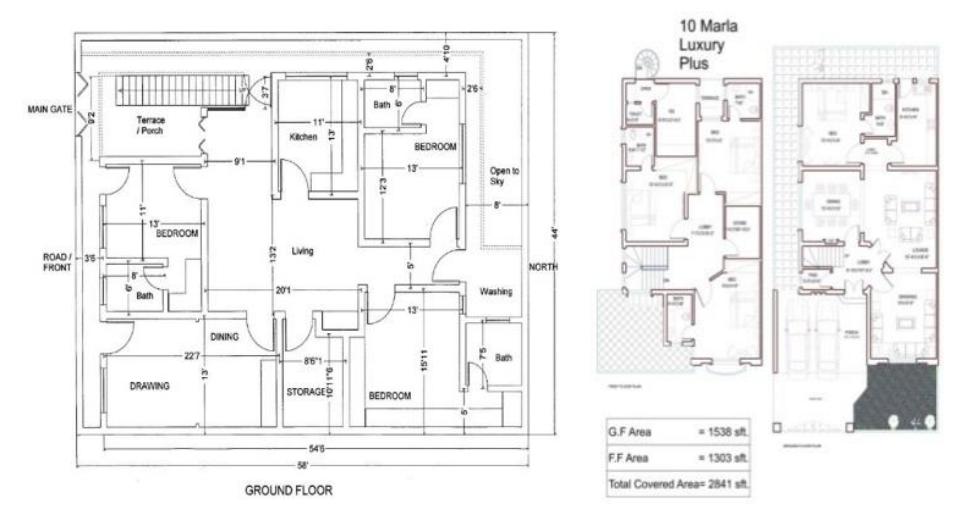
Figure 5 Different layout plans for housing society projects (2000-2023). Source: author
Figure 6 Elevations of houses in different styles in housing society projects, Pakistan (2000-2020). Source: author
Houses in Pakistan can accommodate transitional interior decoration spaces, which add grace and uniqueness. Further, they are a reflection of social status (see Figures 7 and 8). A rectangular living room furniture against a wall with additional sectional furniture layouts is shown below.
Figure 7 Transitional style approach. Source: author
Figure 8 Warm and cool color interior scheme in a bedroom in a housing society project with a rug, imported floor tiles, wallpaper, and woodwork on an accent wall (2023). Source: author
Further, they are interested in transformation of the interiors. For this purpose, they look for designs and styles that enhance the interior's aesthetic value and reflect new trends. In addition, their objective is to project prosperity. To this end, they emphasize styles that accomplish this.
A mansion plan is a unique and creative combination of size and style. With the initial requirements of having an open budget fulfilled, the options for bringing a luxurious look to the interior are endless. It can range from several pieces of art to quilted velvet sofas to create stylish, royal interiors. Clean lines, generous light fixtures, plush and delicate columns are just a few ways to create alluring designs.
We conducted a survey to investigate what the major concerns are when designing and decorating a home. Factors involved in decorating homes are shown in Figure 9.
Figure 9 Model developed on the basis of our survey.
5 Study Evaluation – Statistical Test Used for Survey
To confirm the validity of the measures, the Smart PLS software was used. Smart PLS allows examining the validity of the measures using confirmatory factor analysis (CFA). Different statistical tests are used to get a meaningful analysis. The following analysis was conducted as discussed in the following.
- 1. Descriptive statistics
- 2. Reliability of the scales
- 3. Validity of the measures
- 4. Normality of data
- 5. Correlation analysis
- 6. Structural Equation Modeling
The statistical tests are run using two different software packages, i.e., the Statistical Package for Social Sciences (SPSS) and Smart PLS for running Structural Equation Modeling.
| Variables | Class | Frequency | Percent | Cumulative Percentage |
|---|---|---|---|---|
| 26 to 30 years | 7 | 2.7 | 2.7 | |
| 31 to 35 years | 17 | 6.7 | 9.4 | |
| 36 to 40 years | 50 | 19.6 | 29.0 | |
| Age | 41 to 45 years | 87 | 34.1 | 63.1 |
| 46 to 50 years | 58 | 22.7 | 85.9 | |
| 51 to 55 years | 26 | 10.2 | 96.1 | |
| 56 to 60 years | 10 | 3.9 | 100.0 | |
| Bachelors | 121 | 47.5 | 47.5 | |
| Masters | 23 | 9.0 | 56.5 | |
| Education | MS | 109 | 42.7 | 99.2 |
| PhD | 2 | .8 | 100.0 | |
| Gender | Male/female | 255 | 100.0 | 100.0 |
| 1 to 5 | 27 | 10.6 | 10.6 | |
| Experience | 6 to 10 | 140 | 54.9 | 65.5 |
| 11 to 15 | 88 | 34.5 | 100.0 |
Table 2 Demographics.
5.1 Determining the Sample Size
The sample size for the current study was 382, but we distributed 400 questionnaires in view of equal representation of the construction projects. The questionnaires were equally distributed among the participants. The locations of the four housing society projects investigated are listed below:
- 1. Bahria Town, Rawalpindi
- 2. DHA, Lahore
- 3. DHA Town, Karachi
- 4. Bahria Town, Peshawar
We used random sampling to get the most representative sample. Equal distribution took place by personally visiting Bahria Town and the DHA Housing Society. One hundred questionnaires were distributed per Bahria Town location. Collection of the data was done over a period of six months.
5.2 Results
The results of this study are discussed in this section. Before conducting the data analysis, the major objectives of this study have to be highlighted once again.
| To examine the effect of | Name of variable |
|---|---|
| NH | New housing society standards |
| SS | Showcasing status |
| TM | Technology and media |
| FO | Family opinion/choice |
| CC | Cross-cultural experience |
| GI | Global influence |
| AD | Adopting a different style |
| LC | Fading local craft industry |
The variables used for studying the respondents' opinions were coded for the purpose of compiling and analyzing the data. The codes helped in identifying the variables and their items (statements) while recording the data and using software for data analysis. The relationship between the variables were examined using Structural Equation Modeling through smart PLS 3.0, which is currently the most commonly used software for analysis in social science subjects.
For the purpose of this study, a survey was conducted. The participants' responses were recorded on a five-point Likert scale, where 1 represented strongly disagrees and 5 represented strongly agree (see questionnaire for reference). Further details of the analysis are given below in Figure 10.
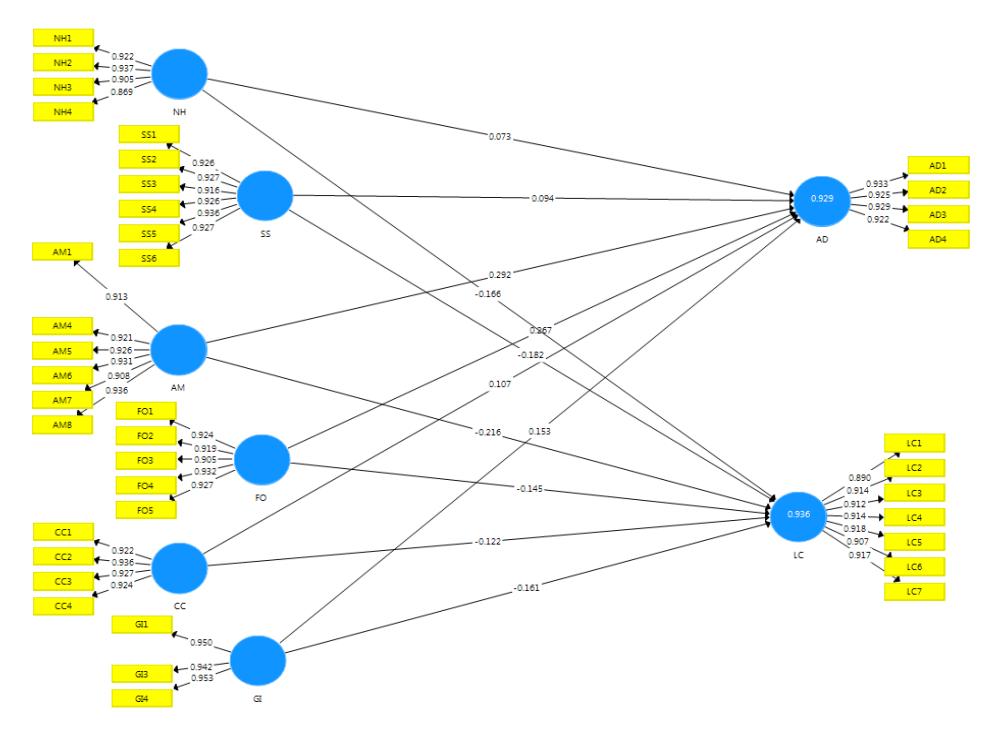
Figure 10 Factor loadings. Source: author
Factor loadings are widely used in social sciences to examine whether the statements (items) used for recording the responses of the respondents were appropriate and in close connection to the variable being examined or not. The value of each factor loading must be greater than or equal to 0.7, or higher. Table 3 shows the factor loadings for each factor representing a separate variable.
The value of each factor loading was adequate, i.e., more than or equal to 0.7 as per the recommendations of statistical experts. These factor loadings show that the statements asked to measure the responses for each variable were appropriate to measure the variable. From Table 3 it becomes clear that the factor loadings fulfilled the requirement for the scales to be appropriate for employment.
Table 3 Factor loadings.
| AD | TM | CC | FO | GI | LC | NH | SS | |
|---|---|---|---|---|---|---|---|---|
| AD1 | 0.933 | |||||||
| AD2 | 0.925 | |||||||
| AD3 | 0.929 | |||||||
| AD4 | 0.922 | |||||||
| AM1 | 0.913 | |||||||
| AM4 | 0.921 | |||||||
| AM5 | 0.926 | |||||||
| AM6 | 0.931 | |||||||
| AM7 | 0.908 | |||||||
| AM8 | 0.936 | |||||||
| CC1 | 0.922 | |||||||
| CC2 | 0.936 | |||||||
| CC3 | 0.927 | |||||||
| CC4 | 0.924 | |||||||
| FO1 | 0.924 | |||||||
| FO2 | 0.919 | |||||||
| FO3 | 0.905 | |||||||
| FO4 | 0.932 | |||||||
| FO5 | 0.927 | |||||||
| GI1 | 0.950 | |||||||
| GI3 | 0.942 | |||||||
| GI4 | 0.953 | |||||||
| LC1 | 0.890 | |||||||
| LC2 | 0.914 | |||||||
| LC3 | 0.912 | |||||||
| LC4 | 0.914 | |||||||
| LC5 | 0.918 | |||||||
| LC6 | 0.907 | |||||||
| LC7 | 0.917 | |||||||
| NH1 | 0.922 | |||||||
| NH2 | 0.937 | |||||||
| NH3 | 0.905 | |||||||
| NH4 | 0.869 | |||||||
| SS1 | 0.926 | |||||||
| SS2 | 0.927 | |||||||
| SS3 | 0.916 | |||||||
| SS4 | 0.926 | |||||||
| SS5 | 0.936 | |||||||
| SS6 | 0.927 |
The relationships between the variables were examined using the Structural Equation Modeling technique, which is most recommended for conducting studies in social sciences in general, including art and design subjects. The results of the coefficients and their significance values are given below (see Table 4).
| Coefficients | T-Statistics | P-Values | |
|---|---|---|---|
| TM -> AD | 0.292 | 3.993 | 0.000 |
| CC -> AD | 0.107 | 2.798 | 0.051 |
| FO -> AD | 0.267 | 3.325 | 0.001 |
| GI -> AD | 0.153 | 3.080 | 0.002 |
| NH -> AD | 0.073 | 2.078 | 0.052 |
| SS -> AD | 0.094 | 2.186 | 0.036 |
| AM -> LC | -0.216 | 3.095 | 0.002 |
| CC -> LC | -0.122 | 2.981 | 0.048 |
| FO -> LC | -0.145 | 2.826 | 0.050 |
| GI -> LC | -0.161 | 2.891 | 0.004 |
| NH -> LC | -0.166 | 2.376 | 0.018 |
| SS -> LC | -0.182 | 2.516 | 0.012 |
Table 4 Relationships between the variables.
5.3 Style and Formatting
Table 4 depicts the relationships between the variables. It is clear from the results that new housing society standards (NH), showcasing status (SS), awareness through technology and media (TM), family opinion (FO), crosscultural experiences (CC), and global influence (GI) had a positive relationship with adopting different style/approach (AD). At the same time, all the abovementioned variables had a negative relationship with having an inclination towards local crafts. All the variables had statistically significant relations.
Further, it is notable that the relations between the variables was examined using their respective coefficient values and the significance values. The value of coefficient may fluctuate from 0 to 1, where a value nearer to 1 indicates a stronger relationship. At the same time it represents the direction of the relationship by having a positive (+) or a negative (-) sign. The value of significance shows whether the hypotheses developed were accepted or rejected. In the current case, the significance values were within the range, i.e., the value of T-statistics must be equal to or greater than 1.96 and the value of p must be below or equal to 0.05. Both criteria were met in this study.
6 Discussion
Globalization provides a better organized interior design market. Because of increasing competition, the architecture and interior industries are persistently pursuing to improve their services, placing more emphasis on the use of modern design to satisfy their consumers. Designers should collaborate with artisans around the world to improve craft designs. Demand for some traditional goods has declined as product choices have increased globally. Due to industrialization, machine-made products are used widely, as traditional
handicrafts are replaced by machine-made products, and handicrafts compete with other similar substitutes due to increased global competition.
Artisans from developing countries can now benefit from the latest technologies because of globalization. Today, artisans in some countries use modern machines to produce contemporary products (Ghosh, 2013).
Handicraft is the second largest source of income after the agricultural sector in many developing countries [28]. Artists in the modern world use abstract forms to evoke their inner beliefs and produce striking works of art [30], dominating developed western culture and Western-led mass media and advertising, as well as the natural desire to improve one's life, essentially pushing global consumers to imitate people in Western developed countries. At least in the next few years, the market is expected to continue to move from indigenous to more modern shapes. The demand for genuine traditional handicrafts will still remain relatively small in the foreseeable future. It might even be said that the market for indigenous home decorative items will disappear, as there will not always be demand.
Though the opportunities for purely indigenous design may be limited, the potential for home decorative products with contemporary and local features is certainly not. As a global style, the combination of contemporary and traditional design can be considered an established and evolving category in Pakistan's home decoration that offers new and expanding opportunities for artisans and retailers. Product enhancement through innovative product development, design, materials, and technology can greatly increase the appeal of contemporary products by creating an innovative look. The demand for these unique products will grow, especially in the high-end market, which offers producers the opportunity to adopt a contemporary style using sophisticated products from artisans.
The lack of innovation in handicraft as well as the gap between designers and craftsmen are among the reasons for the decline of using decorative handicrafts in the modern era. Craftspeople have expertise, experience, and knowledge so their collaboration with modern designers can lead to indigenous art and craft expansion and success.
Due to a lack of innovation and technology, artisans are unable to meet the needs of customers. To the extent that artisans rigorously insist on traditional designs, they need to be criticized. Currently, consumer demand for new designs is changing rapidly; in order to compete in the market; artisans should understand the changing needs of consumers and should introduce modern innovative designs while still retaining traditional design themes.
The correlation analysis proved that, among other factors, the influence of globalization on individuals had the highest correlation with decorating style decisions; the relationship between appearance and display status of interior design and decoration products was the highest. Although there were similarities in displaying identities, some income groups had significant differences in displaying identities. As a source of design innovation and development, Pakistan's cultural heritage remains a huge asset. Both Pakistani society and cultural life always seek sources of style innovation.
7 Conclusions
Research has shown that global design trends pose a major complication in Pakistani society. Imported decorative art accessories have a large impact on Pakistani homeowners' decision-making. Research has also found that Pakistani culture is capable of implementing diverse values and enhance decorative practices in society. However, when Pakistani customers purchase decorative interior products, the appearance of these products also has an impact on their decision-making. Compared with traditional art, the results of decision-making have a lower impact. In addition, this research also found that buy imported brand products to show their social status. Especially in the recent housing society projects investigated, there were three key elements of home decoration that exemplify influencing factors. Our survey showed firstly that people are stimulated from globalization. Secondly, motivated by social pressure from higher social groups and third but not least they are also affected by the Western outlook and quality of accessories .Handicraft items can make a home attractive and the design of an interior can be made more genuine by including them. However, the availability of handicrafts has declined over the past few decades due to a lack of attention for the reformation of the handicraft sector aimed at developing products that cover the whole range from traditional to ultramodern.
The most important reason for the weakening of the handicraft sector is the introduction of imported machine-made goods and ignorance of handicrafts. To meet the high demand for machine-made products, more emphasis has been placed on exporting raw materials to abroad from Pakistan. Imported manufactures are cheaper and of better quality than handicrafts. Thus many artisans go out of business. Many handicraft products need to be sold to let Pakistan's decorative arts and interior decoration industry flourish. Craftspeople need to continuously improve their cultural practices as a collective in order to enhance their own living standards as individuals.
In Pakistan, there is no shortage of resources and skilled craftsmen that can be utilized in producing high-quality crafts for interior decoration. However, there is a need to use these resources effectively by promoting handicraft industries, and there is a need to make improvements in traditional elements to align them with modern requirements to strengthen the market.