

1 Introduction
Automotive design is a multifaceted endeavor that demands cohesive collaboration among diverse stakeholders, including designers, engineers, marketers, and manufacturers. The complexity of aligning various factors, such as aesthetics, functionality, safety, and cost-effectiveness, underscores the intricacies inherent in this process [1,2].
In automotive design, Pahl et al. [3] proposed a structured approach involving four main phases: Planning Phase, Conceptual Design Phase, Embodiment Design Phase, and Detail Design Phase [4,5]. In this context, sketching emerges as a vital tool during the conceptual design phase, enabling swift exploration and effective communication of diverse design concepts [6-8]. To meet the design requirements, various concepts and ideas are generated, analyzed, and evaluated during the Conceptual Design Phase. Sketching, brainstorming, and conceptualizing different design solutions occur during this phase. Besides that, sketching embodies a method of thinking and exploring design possibilities that is beyond its role as a visual representation technique [7-10].
In a recent study by Badke-Schaub et al. [11], collaborative sketching within design teams was explored in various ways. One approach involves the entire team sketching simultaneously using digital tools or extensive whiteboards. In other cases, a collaborative sketch might begin with one team member and then undergo further refinement or elaboration by other team members. Additionally, team members frequently share their sketches to gather feedback and enhance the overall quality of the design. This collaborative effort leverages each team member's unique expertise and perspectives, with engineers focusing on technical aspects and designers emphasizing aesthetics [11,12]. In contemporary design practice, teams often utilize technology to facilitate real-time online collaborative sketching [13].
However, approaching sketching systematically and integrating collaboration, creativity, and communication is essential [14-16]. Establishing a common understanding and vocabulary within design teams concerning elements like proportion, line quality, and form necessitates considering the diverse perspectives of all participants in the design process, including end-users and manufacturers [17,18]. This is supported by previous research, which utilized modern collaborative platforms like SKWiki, CollabSketch, and Sketchfans software to accomplish their objectives [19-21]. Modern collaborative platforms are digital tools and software designed to facilitate teamwork, communication, and joint work on real-time projects, often carried out remotely [22,23]. These platforms leverage technology to enable seamless collaboration among team
members regardless of their physical locations. By employing these advanced tools, they may streamline their work processes and enhance productivity [24].
Despite the recognized significance of automotive design sketching in fostering collaboration, communication, and innovation, a comprehensive analysis of its values within team dynamics still needs to be developed [25-28]. Additionally, it is challenging for one study to cover all the aspects and values of team-based automotive design sketching. Hence, this review aims to thoroughly examine the literature to gain a more comprehensive understanding of team-based automotive design sketching values, with a particular focus on collaboration, communication, and creativity.
2 Review Methodology
This section outlines the review methodology used to analyze the selected literature on the subject. This methodology describes the approach taken to identify, evaluate, and synthesize the relevant research papers, ensuring a systematic examination of the themes and insights within the automotive design domain.
2.1 Inclusion and Exclusion Criteria
The inclusion criteria for this review focused on articles specifically addressing automotive design sketching within team settings. To qualify, the articles needed to:
- 1. Be cross-sectional or experimental studies examining automotive design sketching in team settings.
- 2. Contribute to understanding sketching practices within collaborative automotive design, reflecting the population of interest.
- 3. Emphasize one/all three core values: communication, collaboration, and creativity.
- 4. Have been published from 2013 to 2023 to ensure the relevance of theories and trends.
- 5. Have been published in journals within the fields of design studies, social sciences, and engineering, ensuring alignment with the literature's focus.
- 6. Have been published in English and be available in full text.
However, there were also several criteria based on which articles were excluded in this research:
1. Articles that did not focus on collaborative sketching in design, as the study's primary focus was on sketching within team contexts.
- 2. Articles that emphasize CAD (computer aided design), as they are a deviation from the study's main scope, which centered on the initial stages of idea sketching.
- 3. Articles not directly related to the conceptual design phase, as the research primarily concentrated on the critical early stages of generating conceptual ideas for the design process.
The review procedure encompassed a systematic search involving identification, screening, and establishing exclusion and inclusion criteria for the articles under scrutiny. Subsequently, assessing the articles' quality will precede the making of abstracting, reviewing, analysis, and validation of the data derived from these studies.
2.2 Search Methods
SCHOLAR
The Reporting Standards for Systematic Evidence Syntheses (ROSES) review protocol was used in this study to guide the search methods. Originally developed for environmental management, ROSES aims to help researchers to report data in detail [29,30]. It is a versatile protocol designed for environmental studies but also works well for automotive design sketching [31]. It offers a clear framework for systematic reviews, making gathering, evaluating, and summarizing relevant studies easier. Its flexibility allows for use with different research types, ensuring a complete view of collaborative sketching in car design teams. This adaptability fits the varied research in automotive design, making it a simple choice for organizing and reporting findings.
Based on ROSES, this study's search approach encompassed three procedures: 1) searching, 2) screening, and 3) critical appraisal and synthesis, each executed with specific criteria to ensure relevance and inclusivity.
| Database | Search String |
|---|---|
| TITLE-ABS-KEY (automotive OR automobile OR car OR vehicle AND | |
| SCOPUS | design* OR development* AND sketch* AND team OR collaboration) |
| WEB OF | TI- (team OR collaboration *) AND TI- (design* OR development*) |
| SCIENCE | AND TS= (automotive OR car AND sketch*) |
| SCIENCE | Title: 'automotive design' AND Abstract: (automotive OR car) AND |
| DIRECT | (sketch* AND team OR collaboration) |
| (Title automotive * OR car* AND Title design*) OR (Title | |
| SAGE | development* AND (Abstract automotive OR Abstract car AND |
| ((Abstract sketch) * AND (Abstract team) OR (Abstract collaboration)) | |
| all abstract all title: (automotive OR car AND sketch* AND team OR |
collaboration) AND (design OR development)
Table 1 Search strings employed for respective databases.
- 1. Searching: The search was limited to articles published from 2013 to 2023, exploring five databases: Scopus, Web of Science, Science Direct, SAGE, and Google Scholar. The search strategy incorporated various phrases such as 'automotive design sketching,' 'car design sketching,' 'sketching,' 'drawing,' 'teams,' 'groups,' 'collaboration,' and 'co-creation' (refer to Table 1). Initially, 908 articles were identified across these databases. After eliminating duplicates, the pool was refined to 902 unique articles for subsequent evaluation and screening.
- 2. Screening: The screening process encompassed multiple stages. Initially, titles were assessed, narrowing down the pool to 80 records. Subsequently, the abstracts were reviewed, reducing the selection to 27 potentially relevant articles. In the final screening assessment, 19 full-text articles were retrieved and examined based on the study's inclusion and exclusion criteria. Two articles were excluded from the review. One was excluded because it did not contain information about the relevant population, and one was excluded because it did not reflect on automotive design sketching. Finally, 17 articles met the inclusion criteria and were included in the review.
- 3. Critical Appraisal and Synthesis: All 17 studies that met the inclusion criteria were identified and retained following a rigorous critical appraisal process. These studies underwent assessment for quality, relevance, and rigor, and all proved suitable for further analysis. Notably, none of the studies were excluded from further synthesis due to any identified issues during the critical appraisal. This underscores the high quality and relevance of the selected studies, which satisfied the necessary criteria for inclusion in the synthesis. All 17 studies meeting the inclusion criteria were integrated into the narrative synthesis following a rigorous critical appraisal process. This phase involved providing a comprehensive and qualitative summary of the findings from these studies. The goal was to facilitate the exploration of recurring themes, patterns, and trends within the domain of automotive design sketching in team settings.
This systematic approach, aligned with the recommended phases and outlined methodologies, ensures thoroughness and completeness in the evaluation process, promoting transparency and reproducibility [31]. The detailed search method for systematic review is illustrated in Figure 1 using a ROSES flow diagram.
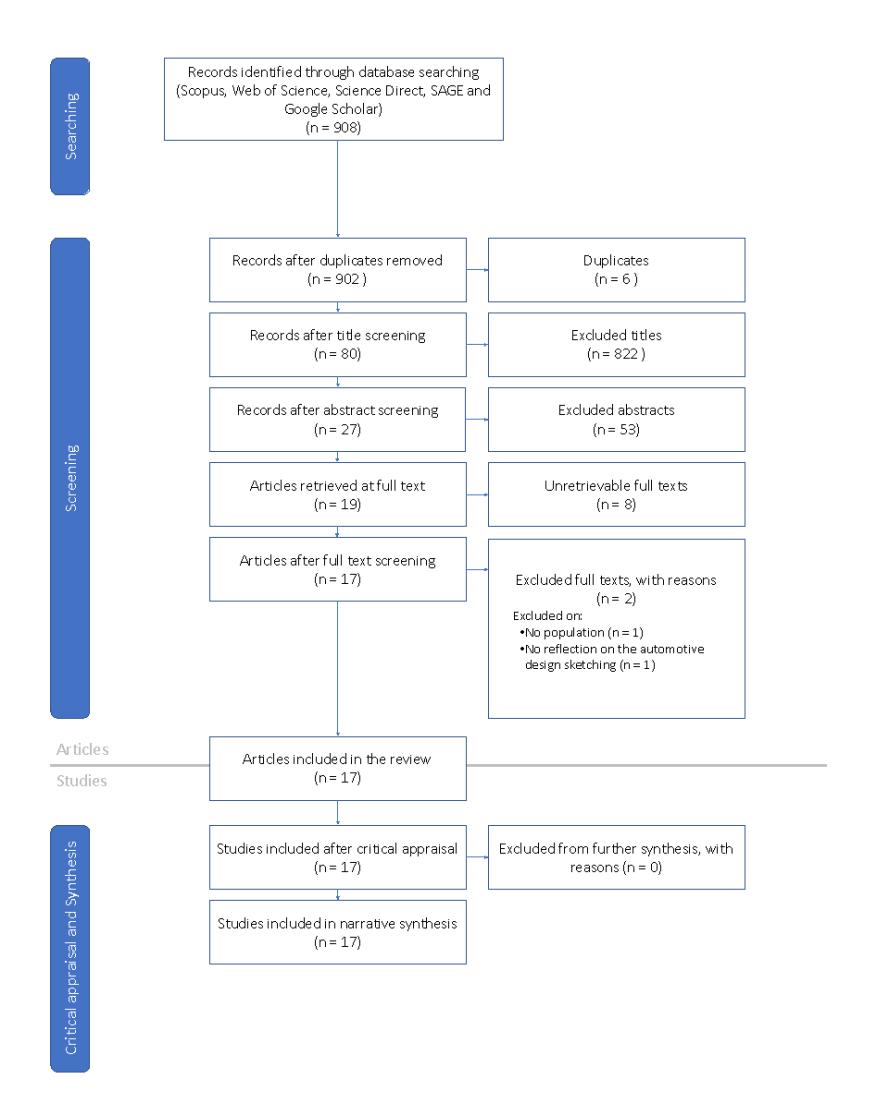
Figure 1 Flow diagram for systematic reviews using the ROSES framework, developed based on the guidelines provided by Haddaway et al. [31].
In the context of this paper, NVivo Plus software version 12 was utilized to analyze data from the 17 core articles. The software facilitated the identification of key themes related to creativity, communication, and collaboration, which emerged as central elements in automotive design sketching [25]. The focus was on identifying studies that explored the practice of sketching as a collaborative tool within automotive design teams and examined its role in facilitating communication and fostering creativity in the design process.
3 Quality Assessment
The process of evaluating the quality of selected papers was carried out meticulously by a team of dedicated research professionals and subject matter experts to uphold the rigor of the paper selection. Academic articles were scanned using SCImago, a portal to rank journals that provides indicators to measure the scientific influence of scholarly journals. This measure guaranteed that every article included in the study was published in an indexed journal, ensuring the credibility and quality of the research papers. The manual verification process confirmed that these articles were published in peer-reviewed journals, mitigating potential discrepancies that may arise when relying solely on the Google Scholar database. Consequently, the final dataset for the review comprised a carefully curated selection of 17 high-quality scientific articles.
Validation by two subject matter experts in automotive design research was a crucial step in the article selection process to ensure a robust selection of highquality articles for this study. These experts mutually agreed on the final set of articles chosen for inclusion articles in the review. This collaborative validation process added rigor and reliability to the selection, enhancing the overall quality and credibility of the papers included in this study.
4 Results
The academic articles reviewed between 2013 and 2023 reveal an intriguing distribution of themes. These articles explore three central themes related to collaboration, communication, and creativity in the context of automotive design sketching in teams. As depicted in Table 2, two papers focused on the communication in 2013. However, starting in 2014, scholars increasingly discussed collaboration, and by 2015, papers began covering two themes, namely collaboration and communication, emphasizing collaborative sketching as a technique for exploring and communicating design ideas during the conceptual phase of automotive design. In 2016, researchers started placing renewed emphasis on creativity enhancement within this context, with seven papers highlighting the theme of creativity from 2016 to 2021. Interestingly, two papers discuss the interplay of creativity and communication, as well as creativity and collaboration. Remarkably, no paper combines all three themes in a single research effort, indicating a notable research gap. In total, 7 papers focused on collaboration, 9 on communication, and 7 on creativity. The nearly equal distribution of these themes underscores their equal importance in the automotive design domain. A research effort encompassing all three themes could bring a new dimension to this field, potentially yielding valuable insights beneficial to the automotive industry.
Table 2 Overview of research articles based on sample, methodology, and country.
| No | Author/ Year | Country | Sample Size/ Population | Methodology | Themes | ||||||
|---|---|---|---|---|---|---|---|---|---|---|---|
| Students | Researchers Educators/ | Practitioners | Quantitative | Qualitative | Method Mixed- | Collaboration Facilitation | Communication Enhancement | Enhancement Creativity | |||
| 1 | Jo Shah, Idris Lim, A. Molina-Cristobal, Christian, V. Dale, Feng Mei (2021) | UK | / | / | / | ||||||
| 2 | Maher Fakih, Oliver Klemp, Stefan Puch, Kim Grüttner (2021) | Germany | / | / | / | / | |||||
| 3 | Xiaoyang Mao, Omar M. Galil, Quintcey Parrish, Chiradeep Sen (2020) | USA | / | / | / | / | / | ||||
| 4 | Marija Nikolit, S. Skec, T. Martinec, N. Horvat (2019) | Croatia | / | / | / | ||||||
| 5 | B. Bahari, Bin Hamdan Sinin, Binti Ibrahim Zalina (2018) | Malaysia | / | / | / | ||||||
| 6 | T. Hammond, S. Kumar, Matthew Runyon, Josh Cherian, Blake Williford, Swarna Kes (2018) | USA | / | / | / | / | / | ||||
| 7 | Tellervo Härkki, Pirita Seitamaa-Hakkarainen, Kai Hakkarainen (2018) | Finland | / | / | / | ||||||
| 8 | B. Singh, Meghna Luthra (2018) | India | / | / | / | / | |||||
| 9 | Ludwig Trotter, Christian Mai, Florian Alt (2017) | Germany | / | / | / | / | / | ||||
| 10 | Frode Eika Sandnes, Yuriy Lianguzov, Osmar Vicente Rodrigues, Henrik Lieng, Fausto Orsi (2017) | Norway | / | / | / | / | |||||
| 11 | Omar M. Galil, Kirill Martusevich, Chiradeep Sen (2017) | USA | / | / | / | ||||||
| 12 | Ethan C. Hilton, Wayne L,i Sunni H. Newton, Meltem Alemdar, R. Pucha, J. Linsey (2016) | USA | / | / | / | ||||||
| 13 | Lingyun Sun, Wei Xiang, Shi Chen, Zhiyuan Yang (2015) | China | / | / | / | / | |||||
| 14 | Schembri, M., Farrugia, P., Wodehouse, A. J., Grierson, H. & Kovacevic, A. (2015) | UK | / | / | / | ||||||
| 15 | Senthil K. Chandrasegaran, Sriram Karthik Badam, Zhenpeng Zhao, N. Elmqvist, Lorraine G. (2014) | USA | / | / | / | ||||||
| 16 | Tianjia Shao, Wilmot Li, Kun Zhou, Weiwei Xu, B. Guo, N. Mitra (2013) | UK | / | / | / | / | |||||
| 17 | K. Novákova, V. Jakubal, H. Achten, D. Matejovska (2013) | Republic Czech | / | / | / | ||||||
A comprehensive analysis of various studies on sketching in design consistently underscores its pivotal role in enhancing communication, collaboration, and creativity within design teams [32-35]. Across these studies, a recurring pattern emerges where sketching serves as a powerful tool for idea generation and fostering mutual understanding in collaborative settings [32-38]. Moreover, 4 research papers place particular emphasis on the critical role of sketching, especially in the early conceptual phases of design, with a specific focus on domains like automotive design, highlighting its significance in visualizing and exploring initial ideas [32-34,39]. Additionally, 3 studies investigating sketching's impact on cognitive processes, such as cognitive chunking and spatial visualization, offer insights into how sketching supports complex problemsolving and aids in conceptual thinking, further underscoring its inherent value in the design process [40-42].
The studies on the role of sketching in design exhibit a wide range of sample sizes, encompassing both small groups of professional designers and larger student populations, as well as diverse participant categories such as professionals and educators. This diversity in sample sizes and populations raises questions about the generalizability of the findings. Furthermore, the methodological approaches employed in these studies were equally diverse, encompassing qualitative analyses, experimental evaluations, protocol analyses, and surveys. This methodological variety underscores a multifaceted approach to gaining insights into the significance of sketching in the design process, contributing to a more comprehensive understanding of the subject.
Analyzing geographic and institutional distribution in these sources offers valuable insight into regional and institutional research trends in automotive design. Notably, research is geographically diverse, spanning the United Kingdom, Germany, the United States, Croatia, Malaysia, Finland, India, Norway, China, and the Czech Republic, highlighting the global relevance of automotive design. However, the notable concentrations of research from the USA, Germany, and the UK indicates robust research ecosystems in these countries. The diversity of contributing institutions, including universities, research institutes, and academic departments worldwide, underscores the interdisciplinary nature of automotive design research. Moreover, the emergence of research from less traditionally associated regions like Croatia, Malaysia, India, and the Czech Republic suggests growing interest and investment in automotive design. The collaborative nature of research, seen in papers coauthored by individuals from diverse nations, underscores the global perspective in automotive design research, fostering the exchange of ideas and expertise to enrich the collective knowledge base.
Themes Theme Codes Collaboration Teamwork, Synergy, Collective effort, Group dynamics, Shared vision, Interdependence Communication Shared understanding, Mental model, Clear communication, Active listening, Feedback, Clarity of ideas, Non-verbal communication, Verbal communication Creativity Brainstorming, Idea generation, Innovation, Inspiration, Divergent thinking, Exploration, Cognition
Table 3 Summary of theme codes developed from the articles.
Furthermore, a comprehensive thematic analysis resulted in the identification of three key themes prevalent within the scholarly articles as depicted in Table 3:
- 1. Collaborative Tools
- 2. Communication Tools
- 3. Creativity Tools
The thematic categories presented here encapsulate the multifaceted nature of studies within the reviewed articles, highlighting the emphasis on tools and methodologies that enhance collaboration, communication, and creativity within automotive design teams. Notably, these findings were derived from research conducted by authors such as Fakih et al. [32], Shah et al. [33], Mao et al. [40], Nikolić et al. [36], Härkki et al. [34], Yusoff et al. [39], Hammond et al. [37], and Singh and Luthra [35]. Table 3 outlines the themes and associated codes derived from the analyzed articles, offering a structured framework for comprehending the diverse understandings and focal points presented in the academic discourse.
In the context of the 17 selected articles, it is important to clarify that all articles had to comprehensively cover at least one of three themes. Meanwhile, each article could contribute to the themes in varying degrees or focus predominantly on one or two themes while touching upon the others in a more limited manner. The thematic categorization served to capture the core content and primary areas of emphasis within each article, recognizing that different publications may offer diverse and subtly differentiated contributions to these themes. This approach fosters a comprehensive grasp of the collective insights from the reviewed articles, acknowledging their diverse focuses and contributions in the domains of collaborative, communication, and creativity tools in automotive design.
5 Discussion
The significance of sketching in automotive design collaboration is underscored by the key findings presented in the referenced papers. Freehand sketching, as recognized by Shah et al. [33], emerges as a vital means of ideation that empowers designers to communicate and explore creative concepts effectively, fostering collaboration by providing a platform for enhanced flexibility and creativity. As identified by Härkki et al. [34], collaborative sketching methods offer teams the ability to coordinate, adapt, and collectively adopt ideas, emphasizing the collaborative potential of sketching. Furthermore, sketching aids communication and clarification by rendering intricate design details more comprehensible to team members, further enhancing collaboration within interdisciplinary design teams [40].
However, there are limitations and challenges associated with collaborative sketching in automotive design. Shao et al. [43] and Sandnes et al. [38] suggested that integrating technology could hinder the creative process and teamwork, particularly when operating computer-based sketching tools. Additionally, Hammond et al. [37] found that while developing sketching skills among team members is crucial, it can be a challenging adjustment for certain individuals. The complexity of sketching intricate design details may also limit effective communication in certain scenarios for collaboration [6,36].
Emerging trends in automotive design collaboration emphasize the ongoing importance of traditional and digital sketching. Digital sketching tools are expected to play a more significant role in streamlining the design process [39,42]. Perspective-based sketching methods may become a standard in design education due to their potential to enhance skills and self-efficacy [42]. Moreover, collaborative sketching trends reveal exciting possibilities. Crowd sketching and technology platforms like Sketchfans encourage originality and creativity [19]. Visualization tools like skWiki offer innovative ways to ideate and communicate designs [20]. Technology also enables the creation of functional models from concept sketches, enhancing communication among design teams [40,43]. These trends signify a dynamic future for collaborative sketching in automotive design, driven by technology, innovation, and efficiency. To date, collaboration in automotive design sketching is a basis of innovation and creativity. While challenges persist, including technology integration and skill development, emerging trends indicate that technology holds the key to more efficient and creative collaborative design processes in the future.
Moreover, sketching is a vital tool in automotive design [40], promoting effective communication, idea generation, and concept exploration, with both traditional and digital methods having their roles and challenges [38]. It supports the recording and sharing of design concepts. It serves as a foundation for advanced modeling techniques [43], benefiting both professionals and students in the automotive design field [21]. They employ traditional sketching methods on paper and digital tools like CollabSketch to exchange and develop design ideas, highlighting the enduring relevance of sketching in design education [21]. According to Mao et al. in [40], sketches have significantly enhanced communication and clarification among automotive design teams. They discovered that communication in sketches plays a vital role in conveying intricate design specifics and aiding designers in expressing their thoughts with greater clarity. As a result, it fosters enhanced collaboration within the team, enabling members to assess better and comprehend design concepts, ultimately leading to improved cooperation.
In the conceptual design phase, designers heavily rely on freehand sketches to facilitate creative idea generation [9,39,44]. Sketching complements verbal communication, allowing designers to visualize and explore their thoughts effectively. It is a powerful tool for expressing ideas and strengthening arguments with visual representations, thereby fostering creativity in automotive design [36,45]. Sketching is crucial in the initial conceptual stage of engineering and automotive design, allowing designers to convey and document their ideas efficiently [46]. This underscores the significant role of sketching as an essential element of the design process, contributing to developing and communicating innovative automotive concepts [39,45,47]. Based on Trotter et al. [46], each technique serves a specific purpose in exploring and communicating design ideas, enabling a comprehensive approach to concept development.
The role of freehand sketching in automotive design teams as a creativity tool has been studied by various researchers, revealing important insight into its significance. These findings collectively emphasize the value of sketching as a crucial element in the automotive design process. Shah et al. [33] highlight that freehand sketching is perceived as a pivotal tool for concept ideation in automotive design, offering unique advantages over computer-aided design (CAD) software, including greater flexibility and creativity. This suggests that sketching by hand allows designers to explore ideas and express their creativity more freely.
Furthermore, the research of Mao et al. [40] underscores that sketching aids the creative process, enabling designers to explore ideas and generate innovative solutions freely. Sketching is a medium for visualizing and articulating thoughts, making it an invaluable tool for brainstorming and concept development in automotive design [14,36,48]. Singh and Luthra [35] go a step further, suggesting that integrating freehand sketching into engineering education enhances students' creativity and visual thinking skills, potentially leading to more effective learning outcomes and benefiting the future of automotive design.
The cognitive processes involved in conceptual design tasks, including visual perception, creative thinking, evaluation, and decision-making, are highlighted by Galil et al. [41] and Dell'Era et al. [49]. Sketching likely plays a pivotal role in facilitating these processes by allowing designers to externalize and refine their design concepts [50,51]. Finally, Hilton et al. [42] indicates that innovative teaching methods, such as perspective-based sketching, can yield equivalent gains in spatial visualization skills and design self-efficacy, reinforcing the potential for enhancing skills relevant to automotive design. Therefore, the collective findings emphasize the multifaceted role of freehand sketching in automotive design, from aiding creativity and idea formation to enhancing cognitive processes and skill development [52]. This insight underscores the enduring significance of sketching as a fundamental tool in the automotive design process, with implications for professional practice and education.
The analysis of the 17 articles on automotive design sketching in teams revealed that they all touch upon the central themes of collaboration, communication, and creativity. However, within the literature from 2013 to 2023, none of these articles fully encompass all 3 themes simultaneously. While 6 articles address 2 of the 3 themes, the rest primarily focus on just 1 theme. This observation underscores a significant research gap. Therefore, it is highly recommended that future research prioritizes exploring the intersection of collaboration, communication, and creativity within the context of automotive design sketching in teams. Addressing this gap will contribute to a more comprehensive understanding of the dynamics at play in automotive design teams and lead to more holistic insight for practitioners and researchers alike.
The research highlights how sketching significantly enhances collaboration, communication, and creativity in automotive design. Integrating digital and conventional sketching methods aids the smooth transition from concept to CAD models, which is crucial for viable automotive products [53-55]. Training in diverse sketching techniques, especially in user experience, aligns with recommendations for effective application [56]. For instance, Ford's collaboration with Gravity Sketch showcases how 3D VR tools spark global collaboration and innovative designs [57]. Additionally, leveraging sketching for idea exploration and communication within teams [58,59] while embracing diverse perspectives enhances creativity [60]. Strategies like structured sessions varied sketching methods, and stakeholder involvement align with enhancing the sketching process [60,61]. These approaches create an inclusive and supportive environment for improved collaboration and creativity in everyday automotive design contexts.
6 Conclusion
This paper synthesized and analyzed existing research on automotive design sketching in team settings, highlighting the critical roles of collaboration, communication, and creativity. Sketching is a vital visual language in the automotive industry's creative process, especially during the conceptual design phase, facilitating shared understanding within design teams. However, a notable gap in recent research becomes evident as only a few studies comprehensively address these three dimensions simultaneously within the context of automotive design sketching, with no such studies found between 2013 and 2023. This gap emphasizes the need for further exploration in these interconnected areas. Advocating for holistic research that simultaneously considers collaboration, communication, and creativity, this approach can optimize design processes for automotive designers and professionals in related fields such as engineering and architecture. This approach addresses modern automotive design's multifaceted challenges and opportunities, paving the way for innovation and excellence across industries.
Acknowledgements
The authors would like to thank all those involved in this research, either directly or indirectly, for their scientific, material, and financial support. This research was mainly supported by the Ministry of Higher Education, Malaysia, grant number FRGS/1/2023/SSI07/UTM/02/6. This research also supported by Universiti Teknologi Malaysia through UTM Encouragement Research, grant number PY/2022/03803. No funding bodies had any role in the decision to publish or prepare the manuscript.