

1 Introduction
Craft is a prominent emblem of Indonesian cultural heritage, serving as a channel for expressing human ingenuity, activities, and cultural identities within specific temporal and spatial contexts [1]. Currently, amidst the global imperative to address environmental concerns and a burgeoning appreciation for indigenous wisdom and cultural heritage, opportunities emerge for the sustainable development of craft products utilizing natural materials. This includes endeavors to augment the quality of Indonesian textile craft products by incorporating natural dyes, thereby fostering sustainable innovation within Endek cloth production, particularly in Jinengdalem Village, Buleleng District, Bali Province, Indonesia.
Jinengdalem Village, renowned as a bastion of weaving craftsmanship, notably in producing Endek cloth, encapsulates a rich intergenerational legacy inherited from the villagers' forebears. The creation of Endek cloth entails a multifaceted creative process, melding elements of artistic expression, technical precision, coloring techniques, and iterative innovation to yield superlative quality. This intricate craft involves three primary processes: warp processing, weft processing, and weaving.
Mrs Poni, the esteemed proprietor and leader of Poni's Songket Weaving Center in Buleleng, elucidates the challenges confronting weavers in their pursuit of fashioning more sustainable Endek cloth imbued with innovative designs and contemporary nuances. Central to these challenges is the prevalent reliance on synthetic dyes, owing in part to artisans' limited knowledge of harnessing indigenous resources such as mango leaves, tarum, sappan wood, jackfruit wood, areca nut, noni root, avocado leaves, seeds, and skins, among others, for natural dye extraction. While innovation is essential to underpin sustainable practices, the imperative to uphold tradition by infusing Endek cloth with a harmonious blend of traditional and modern motifs still persists, to ensure the preservation of cultural and economic legacies [2, 3].
Moreover, governmental intervention and support are indispensable in safeguarding and perpetuating this cultural practice [4-6]. This research attempted to elevate the intrinsic value of indigenous heritage within the Jinengdalem village community by fostering the production of more sustainable Endek woven cloth by utilizing natural dyes to enhance community livelihoods. The delineated activities encompass the augmentation of Endek cloth design alternatives through ornament exploration, the introduction of innovative designs utilizing locally sourced natural dyes, capacity-building initiatives targeting the weaver community in Jinengdalem village, and the facilitation of quality improvement in weaving techniques.
Craft, as an artistic endeavor, is characterized by the creation of handcrafted artefacts imbued with functional, traditional, philosophical, and aesthetic significance [1, 7, 8], with these values inherently vested in the craft artisan community [8]. In 1955, Hillery [9] articulated that physical or geographical proximity and shared interests, goals, or needs define an artisan craft community. Accordingly, community development programs necessitate a deliberative process encompassing community engagement, articulation of collective imperatives, and active participation toward realizing communal objectives [10, 11]. Gerald Susman's participatory action research (PAR) model can be incorporated as a guiding framework to foster community development endeavors, emphasizing harnessing societal experiences and collaborative problem-solving among stakeholders [12] (see Figure 1).
Figure 1 Gerald Susman's PAR Model (adapted from [13]).
This paper adheres to a structured format comprising the theoretical background, the methodology, results, discussion, implications, conclusion, and recommendations of this study. Each section wassuccinctly crafted to understand the research endeavor comprehensively. The theoretical background sets the context by exploring relevant theories and concepts, while the methodology elucidates the research design and analytical techniques employed. The results are presented systematically, accompanied by data analyses. The discussion critically examines the implications of the findings, followed by an exploration of broader implications and a synthesized conclusion. Recommendations offer actionable strategies for promoting sustainable innovation in craft production and community development. This structured approach ensures clarity and rigor in presenting and interpreting the research outcomes.
2 Sustainable Practice in Bali
Creating handwoven textiles is one of the many components of Bali's culture that incorporates sustainable practices throughout the island's many different features. More than just a fabric, Balinese handwoven textiles (BHT) represent centuries-old customs, beliefs, and the relationships that bind the community together. Several researchers, like Prameswara et al. [3], have highlighted that the sustainability of BHT is based on its historical significance, authenticity, aesthetic appeal, spiritual connections, and capacity to build social capital within the community's context.
Furthermore, the research conducted by Widiawati and Rosandini [14], sheds light on the ecological and cultural aspects of BHT manufacturing. Adopting natural dyeing techniques, such as those found in Geringsing cloth, was particularly beneficial. In producing and preserving BHT, these research efforts shed light on the deep relationship between cultural legacy and environmental stewardship in Balinese textile traditions. They demonstrate how tradition and sustainability are intertwined in the process. BHT are worn not only as a form of textile but also as a sign of identity and continuity within the society of Bali. It is a way of weaving together shared experiences and collective memories that enrich the fabric of community life.
The Balinese community holds BHT in high regard as an essential component of their cultural heritage. Their ceremonies are deeply intertwined with spiritual and cultural rituals. Prameswara et al. [3] argue that it is of the utmost importance to ensure that the sustainability of handwoven textiles from Bali is maintained from the perspective of the orange economy (creative economy). It is essential to preserve BHT's cultural legacy and economic viability to build upon their findings, maintain and extend the orange economy, and continue to do so. The study highlights the multiple values linked with BHT, including historical, social, authentic, aesthetic, and spiritual components throughout every aspect.
According to Prameswara et al. [3], it is necessary to evaluate four crucial criteria when assessing the sustainability of handwoven textiles from a Balinese point of view:
- 1. the importance of cultural value as the basis for economic activity;
- 2. the maximization of social and cultural capital;
- 3. the promotion of creative expression within the context of the social, cultural, and natural environment; and
- 4. the adoption of open innovation as a means of fostering positive transformations within the BHT cultural industry.
Bali faces a significant challenge in maintaining its weaving traditions, which are crucial to its cultural heritage and include the production of woven fabrics such as Songket, Cepuk, Geringsing, and Endek. Despite experiencing fluctuations over time, Endek now stands out as a significant component in numerous events and initiatives by both local groups and governmental bodies. Endek fabric has emerged as a leading creative economy product in Denpasar City and represents an essential element of Bali's future economic growth.
3 Tenun Endek in Bali Tradition
As Prameswara et al. [3] explained, BHT intimately embody the indigenous wisdom of Tri Hita Karana. These textiles are a symbol of the harmonious interaction that exists between humans, the divine, and the environment. Textiles are key in religious ceremonies, highlighting their spiritual value and symbolic resonance within Balinese society. This deep-rooted connection is obvious in textiles' central role in religious rites. Songket, Geringsing, Endek, Cepuk, and Wastra Bebali are just a few examples of the many traditional Balinese fabrics that are made and utilized [3]. Each textile has its qualities and is significant for ceremonial purposes. It is claimed that Geringsing, venerated as the most sacred, provides protection against harmful energies. The spiritual substance of these traditions is encapsulated in the Cepuk and Wastra Bebali ceremonies, which are essential components of the Balinese Hindu celebrations. In the meantime, Songket and Endek have moved beyond their ceremonial roots and are now penetrating numerous aspects of contemporary life. This demonstrates the dynamic progression of Balinese textile culture.
The ubiquity of Endek textiles in Bali is emblematic of their societal significance, with mandated usage among diverse segments of the population serving as a marker of identity, adherence to tradition, and compliance with regulatory norms [3]. Endek textiles stand out for their artistic intricacy and aesthetic refinement, characterized by innovative ornamentation and evolving design motifs that defy monotony and foster creativity within the weaving community. Weavers of Endek fabric demonstrate a penchant for experimentation, exploring pastel color palettes and versatile patterns to infuse contemporary flair into traditional craftsmanship. Balinese textiles are adorned with five types of main ornamentation, each with a distinct cultural significance and aesthetic appeal [3]. These are geometric shapes, floral patterns, animal images, wayang (shadow puppet) images, and unique combinations.
According to Prameswara et al. [3], innovation in the orange economy integrates technology and implements novel methodologies to improve the production process. As a cornerstone of the cultural industry, Balinese weaving undergoes continual innovation, characterized by adaptive practices and creative exploration to preserve tradition while embracing contemporary demands. The dynamic evolution of Endek textiles epitomizes this ethos, reflecting a symbiosis of heritage preservation and forward-thinking ingenuity that sustains the vitality of Balinese weaving in the modern era.
Endek has a historical lineage dating back to King Dalem Waturenggong in Gelgel, Klungkung Regency. Endek, originating in the 16th century, showcases the skill of Balinese artisans who use hand-operated machine looms and simple tools to make this unique fabric. The name 'Endek' originates from the Balinese terms gendekan or ngendek, which refer to silence or an undisturbed state in color. The naming system is closely connected to the detailed post-coloring process in Endek manufacture, where yarn is meticulously knotted and dyed. Endek cloth is known for its brilliant and long-lasting colors, representing its cultural importance and artistic skill. Several well-known Endek motifs include rice cake, songket, rangrang, and jumputan.
4 Poni's Songket Weaving Center
Jinengdalem Buleleng is a hub of traditional textile weaving, with the local community deeply entrenched in the craft. Ketut Sriponi, affectionately known as Mrs Poni, is at the helm of this weaving tradition (see Figure 2). She is renowned for her exceptional weaving skills and the proprietorship of the preeminent Poni's Songket Weaving Center. Collaborating with approximately 25 artisans hailing from nearby locales, Mrs Poni's community predominantly employs multi-generational housewives endowed with extensive weaving expertise. The weaving process unfolds on a large scale, with each artisan entrusted with the material and tasked with completing the intricate weaving in the comfort of their residences. According to Mrs Poni, the Songket woven cloth garners an estimated monthly sale of approximately 20 pieces, each demanding a production time ranging from 1 to 1.5 months to achieve the desired quality and craftsmanship. The primary raw material underpinning Jinengdalem Songket cloth production is white silk yarn from India, China, and Thailand. In addition to silk yarn, gold, silver, and cotton yarns are integral to the weaving process. However, the utilization of gold yarn is declining, gradually being replaced by silk yarn due to its inherent flexibility, thus yielding a more adaptable and versatile form of woven cloth.
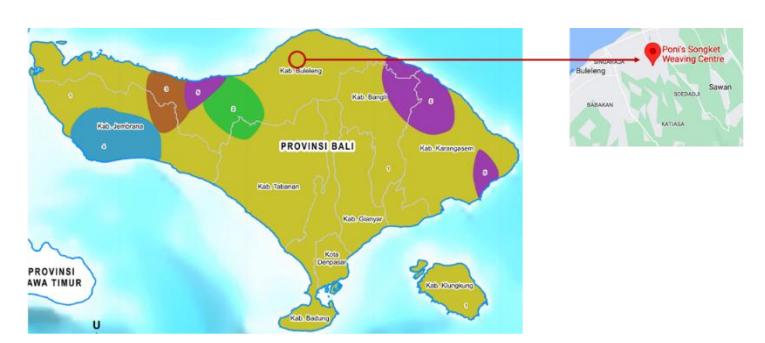
Figure 2 Location of Poni's Songket Weaving Center. Source: Ministry of Education, Culture, Research and Technology Republic of Indonesia and Google Maps [15, 16].
Poni Songket primarily relies on synthetic dyes in its dyeing process. Mrs Poni predominantly creates Songket cloth using synthetic dyes, albeit with a few exceptions utilizing natural dyes due to the limited range of available colors. Information-sharing with other weavers in the Seraya region of Karangasem provides knowledge regarding natural dyes. Notably, using silk yarn for dyeing represents a distinctive aspect of Buleleng's songket weaving technique. In contrast to the traditional stiffness associated with songket fabric resulting from the incorporation of gold yarn, the Songket fabric developed by Poni Songket is characterized by its softness, offering a departure from the conventional rigidity
observed in other textiles. This deviation from tradition stems from a scarcity of gold yarn, prompting Poni Songket to pivot towards fabric woven using silk yarn as a viable alternative.
Figure 3 Poni's Songket Weaving Center.
The craft industry of Songket weaving in Buleleng Regency, particularly exemplified by the Songket Sutra Poni's Jinengdalem Weaving Center, showcases a rich tapestry of 16 themes deeply rooted in Buleleng's cultural heritage and meticulously passed down through generations (see Figure 3). According to bulelengkab.go.id, silk-based songket fabrics, including the revered Patra Sari, Pot-potan, Bunga Sungenge, Semanggi Gunung, Bintang Kecil, and Cakar Ayam, enjoy widespread popularity among discerning consumers for their exquisite craftsmanship and timeless elegance (see Figure 4).
The journey of Poni Songket to its current prominence was paved with training under the esteemed guidance of Cita Tenun Indonesia (CTI) in collaboration with PT. Garuda Indonesia. Notable instructors from the Crafts and Traditions Research Group at Institut Teknologi Bandung, such as Mrs Ratna Panggabean and Mrs Dian Widiawati, played an instrumental role in honing the skills of numerous weaving craftsmen. Mrs Poni, initially equipped with limited knowledge, underwent transformative training that empowered Poni Songket to flourish and forge partnerships with multiple artisans in Jinengdalem. Poni's Weaving Center boasts a valid business license from CTI and PT. Garuda Indonesia, underscoring its commitment to excellence and adherence to industry standards.
In addition to the songket woven cloth made in the village of Jinengdalem, there is also a selection of Mastuli Endek woven cloth. Additionally, the public strongly prefers the Mastuli Endek woven fabric. On the other hand, the method of dyeing the yarns is still dependent on synthetic dyes, just as the Songket approach. Mastuli Endek cloth is manufactured at Kalianget Village, which is situated in the Seririt District of Buleleng Regency. Jinengdalem Village is also close to Kalianget Village. According to Wijana et al. [12], the term 'mastuli' refers to Endek cloth, also known as Balinese ikat cloth. This is because the weaving method used to create Endek cloth uses a particular type of silk thread. When compared to other variants of Endek fabric that are made from cotton, the Mendek Endek fabric that is made from silk yarn gives the impression of being more delicate. Several different patterns are included in the Mastuli Endek fabric. According to garuda.kemdikbud.go.id, these patterns include keplok/ceplok, keplok/ceplok kurung, dobol, dobol endek, pelangi, penyu, cegcegan, pot sungenge, and pinggiran.
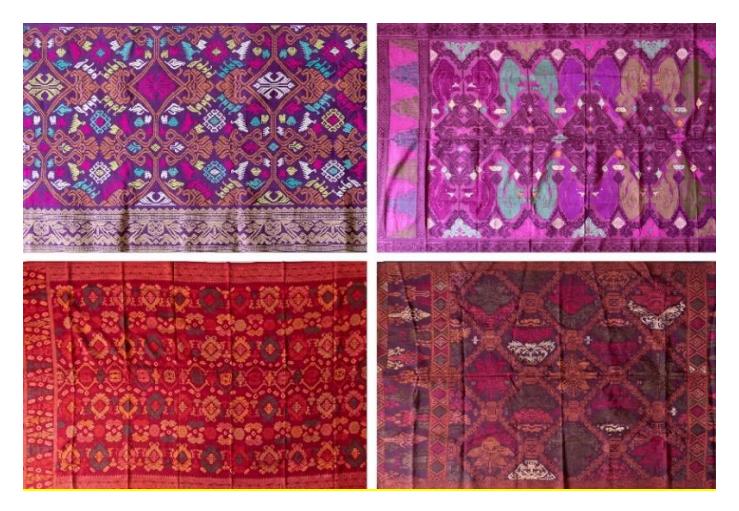
Figure 4 Songket textiles woven at Poni's Songket Weaving Center.
5 Methodology
This study employed participatory action research (PAR), a collaborative research approach that integrates academic insights with practical knowledge from the community [17]. Practical knowledge was garnered from the community's perspective through a qualitative approach, utilizing focus group discussions (FGDs) and a survey with open-ended questions to delve into their background, daily craft practices, and concerns regarding the sustainability of Endek woven cloth. A collaboration was established with Mrs Ratna Panggabean, a textile weaving consultant and former lecturer, along with Ms Miryam
Dwicahyani Nursalim, an undergraduate student in the Craft program at the Faculty of Art and Design, Institut Teknologi Bandung.
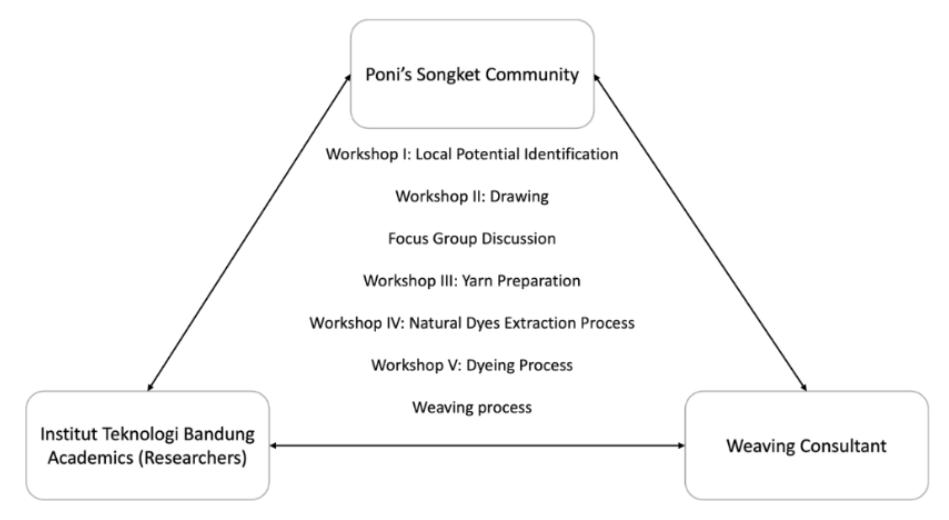
Figure 5 The knowledge transfer process (KTP), adapted from Steed et al. [18].
Several phases were conducted in this research project (see Figure 5). Phase one was conducted from April to June 2023, phase two was conducted from July to September 2023, phases three and four were conducted in October 2023 to February 2024, and phase five was conducted throughout the project (see Figure 6). The explanation of the phases is as follows:
- 1. The Diagnosis phase involved stakeholders, including researchers, a consultant, and a design student, discussing and identifying community problems and needs based on primary data obtained from Mrs Poni, the community leader, through open-ended interviews conducted via the WhatsApp application. Additionally, insight from a prior project conducted by Mrs Ratna Panggabean and Ms Dian Widiawati regarding Endek cloth development were integrated.
- 2. The Action Planning phase utilized FGDs to formulate workshops required by the community, resulting in the planning of five workshops based on common design steps in natural dyeing workshops.
- 3. In the Taking Action phase, eight community participants (Mrs Poni and her team) engaged in a participatory process. The researchers introduced the process, facilitated brainstorming sessions, and identified local potentials during the first workshop. Subsequently, the participants drew objects during
- 4. In the Evaluation phase, the stakeholders critically assessed the workshop process and the final products of Endek woven cloth. The researchers and consultants engaged the community in discussions covering various aspects, including the design and creation process, the perceived advantages and disadvantages of the project, and the challenges encountered throughout its duration.
- 5. The Learning phase facilitated synthesizing and articulating lessons gleaned from the entire research endeavor. Stakeholders collaboratively reflected on their experiences, identified key insights, and formulated actionable takeaways to inform future endeavors and foster continuous improvement in community engagement and sustainable craft development initiatives.
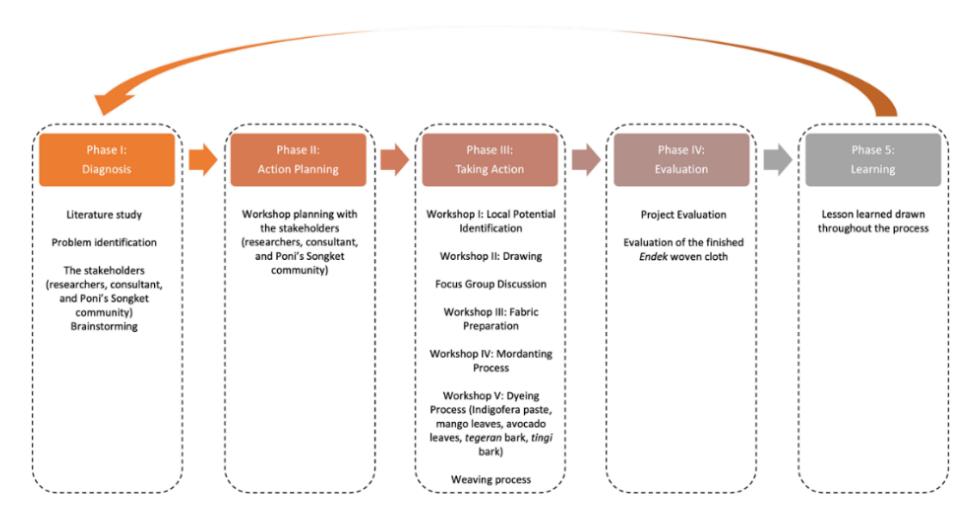
Figure 6 The research project processes, adapted from Gerald Susman PAR Model [19].
6 Findings and Discussion
6.1 Design Recommendation
Based on a comprehensive analysis of both primary and secondary data, a series of fundamental issues were identified, serving as the basis for designing a set of recommendations. Drawing inspiration from the locality's rich potential and geographical characteristics, the design interventions would focus primarily on two key aspects: objects and natural dyes. The iconic elements of paddy fields and traditional paddy barns, known as jineng, would be the primary sources of inspiration for the ornamental motifs. These quintessential features are ubiquitous in Jinengdalem Village, Buleleng Regency, Bali Province, embodying the essence of the local landscape and cultural heritage.
In terms of color palette, mango and avocado trees, prevalent in the area, offer a natural source of inspiration. However, acknowledging resource constraints, alternative options were identified in advance for the natural dye workshops. These alternatives included Indigofera paste, Ceriops candolleana (Tingi) bark, and Cudrania Javanensis Trécul (Tegeran) bark, ensuring flexibility and adaptability in the dyeing process while maintaining a commitment to sustainability and environmental stewardship.
6.1.1 Paddy Ornament
The first design, the paddy pattern module, embodies the distinctive features of the Jinengdalem region (see Figure 7). This module showcases the plants, peaches, and bushes, highlighting the abundant natural resources in Jinengdalem Village. In 2019, the official website reported that Jinengdalem Village had an area of 288.10 hectares. 30.05 hectares of land were allotted for settlements, 172 hectares for agriculture, and 30 hectares for plantations, with the remaining area designated for other uses. The design of the paddy pattern module showcases artistic aspects and illustrates the strong connection between art and the natural possibilities unique to the Jinengdalem region.
Figure 7 Endek weaving design recommendations inspired by paddy, designed by Nursalim, Panggabean, and Widiawati in 2023.
6.1.2 Paddy Barn Ornament (Jineng & Glebeg)
There is a connection between the notion of jineng, which refers to the paddy barn roof, and the settlement of Jinengdalem, located in Bali. This association has a specific significance. Among the many kinds of paddy barn ceilings that can be found in this area, the number of pillars or legs that support the structure differentiates them from one another. The Jineng Sakapat, which translates as 'roof with four legs', is one of the most common varieties on the market. The paddy storage structure has a four-square-foot floor, four columns, and a curved flat roof. It is positioned near the paon (kitchen), allowing the bale chamber to serve as an extension of paddy storage [20].
The glebeg is a smaller jineng variation. The building is reminiscent of a jineng, with a four-sided construction and a curved and sleek roof. This beech building is distinguished from the jineng by its usual six to eight pillars and a paddy storage area that runs from under the roof to a main hall, divided by a wall constructed of board or bamboo, as described by Suwirya [20]. The village of Jinengdalem has a rich cultural heritage, and the presence of a variety of reservoirs is not only a reflection of the local wisdom in the storage of agricultural produce but it is also an essential component of his heritage.
Figure 8 Endek weaving design recommendations inspired by paddy barns, designed by Nursalim, Panggabean, and Widiawati in 2023.
The village of Jinengdalem possesses profound philosophical significance, which can be unveiled by dissecting the meanings of its components. According to information from the website bulelengkab.go.id, the word 'jinengdalem' has a typical meaning in the Balinese language. Etymologically, the term 'jineng' comes from nyeneng, which contains the meaning 'place or residence'. In contrast, 'dalem' is derived from dalem, which refers to a king or an individual who has an important position in the kingdom, such as Dalem Bungkut, Dalem Segening, Dalem Waturenggong, Delem Samprangan, and others. In other words, jineng represents a storage place for paddy, whereas dalem means 'deep' and is associated with sacredness. The village's name signifies the connection between agricultural practices, traditional customs, and spirituality within the local community. The second design represents the philosophical significance of a village's name, i.e., Jinengdalem, which can offer a more profound understanding of Bali's cultural and historical heritage and the surrounding area (see Figure 8).
6.1.3 Color Palette
To achieve the desired brownish-orange hue depicted in the design above, a dyeing process utilizing Ceriops candolleana, a natural dye with high tannin content, is employed. Conversely, the reddish-orange shade is attained through a blend of soga tinggi (Peltophorum pterocarpum (DC.) K. Heyne) and sappan wood (Caesalpinia sappan). At the same time, green, and cream tones originate from mango tree leaves (Mangifera laurinia) and jackfruit tree bark (Artocarpus integrifolia) [21]. For darker brown colouration, a mixture of high Peltophorum pterocarpum (DC.) K. Heyne and sappan wood is utilized, harnessing the potent tannin levels inherent in soga to evoke a rich brown hue. Extracted from Ceriops candolleana bark, sogan (brown) dye ranges from light to dark brown shades, offering versatility in coloration [21]. Additionally, teak tree leaves (Tectona grandis) yield a brownish-red tint, while the wood of the areca catechu tree produces a subdued brown tone. Indigofera tinctoria or Indigofera strabilantes serve as the primary sources for blue hues. Moreover, the composition may blend the aforementioned dyes to achieve additional color variations within the design.
6.2 Workshop Implementation
6.2.1 Brainstorming Activity
Before commencing the workshop, a preliminary brainstorming session was conducted to gain insight into the backgrounds and profiles of the participants. This session aimed to establish a comprehensive understanding of the diverse perspectives and expertise present among the participants, facilitating a more tailored and inclusive workshop experience. Furthermore, initial information about the workshop's activities was presented alongside a brief overview of Bali, specifically focusing on the abundant local potentials inherent in Jinengdalem Village, Buleleng Regency, Bali Province. This introductory segment laid the groundwork for collaborative exploration and knowledge exchange throughout the workshop, setting the stage for meaningful engagement and collective learning.
The workshop participants were predominantly women, reflecting the significant role of women in the Indonesian textile craft community (refer to Table 1). These women, primarily married individuals, play a pivotal role in producing craft products, leveraging their skills and expertise to enhance household income while balancing domestic responsibilities. Mrs Poni, the community leader, facilitates their engagement by providing essential tools such as looms and fibres, empowering them to work from the comfort of their homes following domestic duties.
| Initials | Sex | Age | Roles |
|---|---|---|---|
| KSP | Female | 48 years old | Owner, weaver, dyer, sales |
| AY | Female | 25 years old | Weaver, sales |
| AN | Male | 29 years old | Sales |
| LS | Female | 35 years old | Weaver |
| LB | Female | 45 years old | Weaver |
| W | Female | 21 years old | Weaver |
| KL | Female | 45 years old | Weaver |
| KS | Female | 45 years old | Weaver |
Table 1 Participant's profiles.
6.2.2 Workshop I – Local Potential Identification
Following the brainstorming session, the first workshop began with an inquiry into the objects characterizing Jinengdalem Village. The participants were tasked with jotting down their responses on sticky notes, capturing diverse insights and perspectives (see Figure 9). Subsequently, the collected responses were meticulously categorized into eight distinct categories, facilitating a structured analysis of the community's collective perception of their village (see Table 2). The ensuing discussion prompted the participants to reflect on the significance of these objects and their role in defining the village's identity.
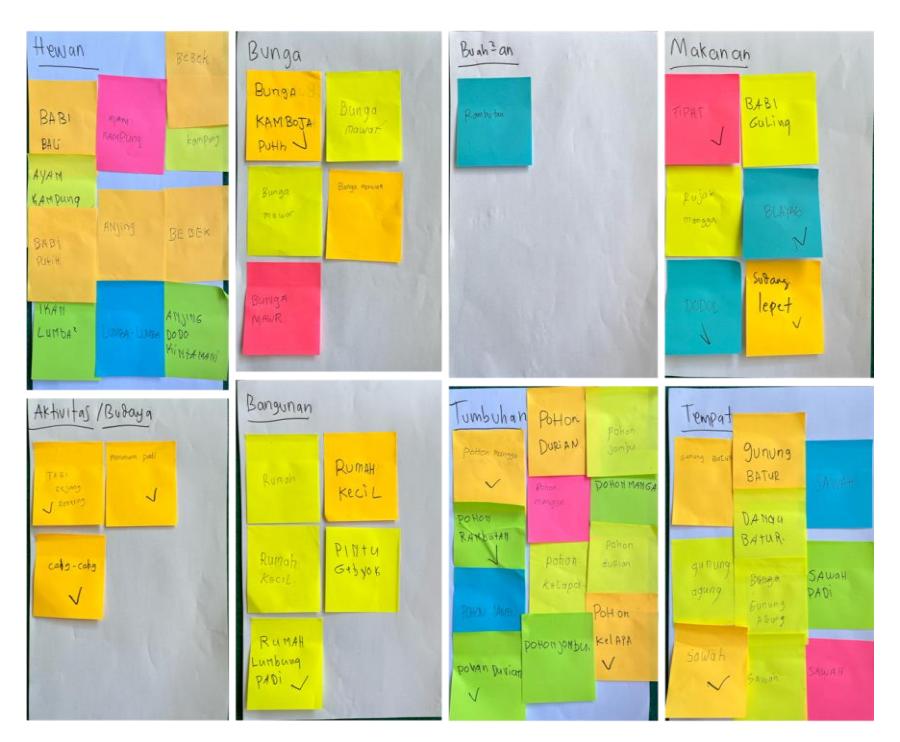
Figure 9 Workshop I Activity.
Transitioning into the second phase of the workshop, the participants were tasked with selecting the object they perceived as most emblematic of Jinengdalem Village from the categorized list generated in the first session. Each participant was equipped with checklists to indicate their preferences, encouraging individual involvement and streamlining the consensus-building process. This exercise consolidated diverse perspectives into a cohesive representation of the village's essence, effectively concluding the initial workshop session.
From the insights gathered in Table 2, several objects emerged as significant representations of Jinengdalem Village's cultural and environmental identity. These encompassed diverse elements, spanning flora, cuisine, cultural practices, architectural features, and natural landscapes. Notable objects included the white frangipani flower, symbolising the village's floral abundance and natural beauty, alongside indigenous culinary delights such as tipat, blayag, sudang lepet, and dodol, reflecting the community's rich gastronomic heritage. Additionally, cultural expressions like the Rejang Renteng dance underscore the village's vibrant artistic traditions, while agricultural activities such as paddy planting highlight the pivotal role of farming in the local economy. Architectural landmarks such as the paddy barn are enduring symbols of the village's rural charm, complemented by the lush foliage of mango, durian, and coconut trees that adorn the landscape. Lastly, the expansive paddy fields evoke a sense of serenity and agricultural abundance, epitomizing the village's deep-rooted connection to the land.
Table 2 Workshop I activity results.
| Animals | Flowers | Fruits | Foods |
|---|---|---|---|
| Pigs | White frangipani √ | Rambutan | Tipat √ |
| Free-range chickens | Rose | Blayag √ | |
| Dogs – Kintamani | Sudang lepet √ | ||
| Dolphins | Roasted pig | ||
| Ducks | Mango salad | ||
| Dodol √ | |||
| Activity & Culture | Architecture | Plants | Place |
| Rejang Renteng dance √ | House | Mango tree √ | Batur mountain |
| Paddy Planting √ | Small house | Durian tree √ | Agung mountain |
| Cag-cag (traditional games) √ | Paddy barn √ | Rambutan tree | Paddy fields √ |
| Gebyok door | Guava tree | ||
| Coconut tree √ |
6.2.3 Workshop II – Drawing
During Workshop II, the participants were tasked with translating the insight gained from Workshop I into visual representations through drawing exercises. Drawing upon the previous session's findings, the participants predominantly depicted coconut trees, paddy barns, paddy fields, and frangipani flowers in their artwork (see Figure 10). These drawings served as tangible manifestations of the community's collective perceptions and aspirations, encapsulating the essence of Jinengdalem Village as characterized by its natural landscapes, agricultural heritage, and floral abundance.
Figure 10 Workshop II activity results.
The alignment between the outcomes of Workshops I and II underscored the validity of the design recommendations formulated in Phase 1. The design recommendations resonated deeply with the community's cultural identity and environmental context by adopting paddy fields and paddy barns as sources of inspiration. Furthermore, the consistent representation of coconut trees and frangipani flowers reaffirmed the enduring significance of these elements in shaping the village's visual landscape. Overall, the congruence between the two workshop sessions validated the holistic approach undertaken in Phase 1, underscoring its relevance and effectiveness in capturing the essence of Jinengdalem Village.
At the session's conclusion, a focus group discussion (FGD) was convened, bringing together researchers, participants, and the consultant to review and validate the activities' outcomes. The FGD served as a platform to evaluate our understanding of Jinengdalem Village's potential for ornament innovation and solicit feedback on the entire process. By engaging in open dialogue and reflection, the participants had the opportunity to share their perspectives, insights, and suggestions, enriching the collective understanding of the village's cultural and creative landscape.
Furthermore, the session's outcomes were intended for evaluation and catalyzed further exploration and experimentation. The participants were encouraged to leverage the insight gleaned from the activities as a tool for ongoing creative exploration and innovation within their craft practices. By empowering participants to continue their journey of discovery, the session aimed to foster a culture of continuous learning and adaptation, ensuring sustained progress and engagement within the community.
6.2.4 Workshop III – Yarn Preparation
Figure 11 Workshop III and IV activities.
In the third workshop, the participants were tasked with preparing the yarn to enhance the absorption of natural dyes (refer to Figure 11). This involved a series of steps to ensure the yarn's cleanliness and enhance its ability to absorb color effectively. Firstly, the yarn was cooked for 15 minutes to remove any dirt and impurities, thereby optimizing its capacity for color absorption. Secondly, labels were affixed to mark the threads designated for the subsequent mordanting process. Lastly, using alum, the yarn underwent the initial mordanting process, known as pre-mordanting. During this process, the yarn was boiled with alum for 60 minutes to induce a chemical reaction that enhances dye absorption, promotes color retention, and facilitates color variation. This meticulous preparation lays the foundation for successful dyeing and produces vibrant and long-lasting colors in the final woven cloth.
6.2.5 Workshop IV – Natural Dyes Extraction Process
In the fourth workshop session, the participants were tasked with procuring various plant materials from their immediate surroundings, including mango leaves and avocado leaves (see Figure 11). Additionally, the researcher facilitated the availability of supplementary natural dyes such as Ceriops candolleana (tingi bark) and Cudrania javanensis trecul (tegeran bark). The procedural steps involved were as follows:
- 1. Prepare mango and avocado leaves (approximately 1 kg of mango and avocado leaves coarsely torn + 10 liters of water), tegeran bark (1 kg + 10 liters of water), tingi bark (1 kg + 10 liters of water).
- 2. Boil the natural dyes for 30 minutes to an hour until the dye constituents are fully extracted.
- 3. Strain the dyes through a cloth strainer to remove any solid residues, set aside and ready for application in dyeing processes.
6.2.6 Workshop V – Dyeing Process
Table 3 illustrates the color spectrum from the dyeing process, predominantly utilizing alum as a pre-mordant agent before immersing the yarn in the dye bath. Subsequently, the yarn undergoes a fixation process involving sodium carbonate, calcium oxide, salt, ferrous sulfate, and acetic acid. The colors achieved vary depending on the specific substances employed in the fixation process, highlighting the nuanced interplay between natural dyes and chemical fixatives in textile coloration.
Table 3 Color Swatches from Workshop V. The dyeing process using mango leaves, avocado leaves, tingi bark, and tegeran bark. Based on the process with various mordants, produced a color range from yellow to orange to red, with the color from mango leaves being the lightest.
| being the lightest. | |||||||
|---|---|---|---|---|---|---|---|
| Mordant | |||||||
| Dyes | Without Mordant | Alum (Tawas) | Alum (Tawas) Natrium Carbonate (Soda Ash) | Calcium Oxide (Kapur) | Salt (Garam) | Ferro Sulfate (Tunjung) | Acetic Acid (Cuka) |
| Mango Leaves Extraction | 3 | ||||||
| Avocado Leaves Extraction | |||||||
| Ceriops candolleana (Tingi) Bark Extraction | |||||||
| Cudrania Javanensis Trécul (Tegeran) Bark Extraction |
6.3 State-of-the-art Endek Woven Cloth
Figure 12 Endek woven cloth result from the first design recommendation.
The thread used in the weaving process was colored with natural dyes called Uncaria gambir (Hunter) Roxb. for the warp and Intsia Bijuga wood dye for the weft. For the warp, the cotton thread was initially soaked in Turkish red oil (TRO) for a day to prepare it. Subsequently, the thread underwent a process where it was dipped in a boiled solution of gambier and water for three days, then drained for two to three days. An alum and chalk mixture were applied to fix the color, and the thread was soaked in it for a day. After drying for two days, the color was enhanced using Fixanol (color lock substance), and the warp wasthen made using the winding process. For the weft, the cotton thread was dyed with merbau wood dye and then woven into the fabric. Design drawings were digitally created and transferred onto a suitable medium. The thread was tied with plastic rope and dipped in the Intsia Bijuga wood dye three times before drying. The weft yarn was fixated with ferro sulfate for a day to ensure color fixation, followed by drying. Fixanol was applied to enhance the color, and the weft yarn was then peeled and separated, ready for weaving into the fabric using a floor loom. Figure 12 illustrates the completed fabric, showcasing its final form and detailing the intricacies of the weaving process.
6.4 New Collaboration Model
From the outlined explanation, notable advancements from the conventional participatory action research (PAR) model developed by Gerald Susman [19] in Figure 13 include:
- 1. Diagnosis: Departing from the conventional approach, we endeavored to formulate the Diagnosis phase by identifying the specific challenges faced by Poni's Songket. Drawing upon insight gleaned by Mrs Poni and previous projects by Mrs Ratna Panggabean and Mrs Dian Widiawati, we identified key issues of design innovation and fabric colorization within the community. By leveraging local resources such as paddy and paddy barns for design inspiration and natural dyes like mango and avocado leaves, tingi bark, and tegeran bark, we proposed actionable design recommendations tailored to address these challenges. These recommendations not only aimed to enhance the aesthetic appeal of the fabric but also hold economic potential for the community.
- 2. Action Planning: In this stage, we developed comprehensive workshop plans to elevate the community's skills and awareness of their surrounding potentials. By addressing the identified issues through targeted training sessions, we sought to cultivate a culture of innovation and empower participants to explore new perspectives in contemporary design. Through strategic planning, we aimed to equip the community with the necessary tools and knowledge to navigate future challenges and opportunities effectively.
- 3. Taking Action: During this pivotal stage, the community underwent a transformative journey, gaining invaluable insights into the abundance of local resources available in their immediate surroundings. Through hands-on experimentation with natural dyes sourced from plants like mango and avocado leaves, the community explored innovative avenues for fabric colorization, yielding greenish and brownish hues with meticulous treatment. Furthermore, the collaborative process fostered robust connections between researchers, consultants, and community members, facilitating meaningful exchanges and collective problem-solving. This collaborative ethos was further reinforced through informal discussions during shared meals,
- 4. Evaluation: Initially, the production of Endek cloth was entrusted to the skilled artisans of the Poni Songket community. However, owing to a hiatus in Endek cloth production over the past two years, Mrs Poni took the initiative to collaborate with a fellow artisan, Mr. S, from neighboring villages, to weave Endek cloth. Following the design recommendations and using natural dyes, Mrs Poni's colleagues employed their customary natural dye sources, Uncaria gambir (Hunter) Roxb., to impart a distinctive greenish hue to the fabric. This collaborative effort revitalized the production of Endek cloth and ensured the preservation of traditional dyeing techniques and the sustainability of the craft within the local artisan community.
- 5. Learning: The work process involved in Endek cloth production is influenced by several key factors. Firstly, weather conditions play a significant role, particularly during rainy weather when the humid air poses challenges in drying the thread, whether exposed to sunlight or not. Secondly, technical factors such as the availability and readiness of materials, including natural dyes like merbau wood and Uncaria gambir (Hunter) Roxb., impact the production process. Lastly, weaver's factors, primarily consisting of housewives, contribute to the pace and efficiency of the weaving process. Typically, weaving 10 meters of naturally dyed fabric takes 25 to 30 days, with an average production rate ranging from 2.5 to 5 meters per day.
Figure 13 New collaboration model.
However, challenges persist in dyeing yarn with natural dyes, as uniform color consistency is difficult to achieve despite using the same formula and duration. Variability in color outcomes is common, posing a significant hurdle for weavers to maintain consistent motifs in the fabric. Additionally, issues arise with the weft thread, leading to breakages and disruptions in the weaving process, resulting in motifs being incomplete or omitted entirely. This problem stems from the necessity of soaking the weft thread for at least a day to ensure proper fixation, further complicating the production timeline. Moreover, the reliance on natural dyes sourced from outside Bali, such as Uncaria gambir (Hunter) Roxb. from Sumatra and Secang wood from Java and Sumbawa, underscores the dependence on external suppliers and the broader regional supply chain dynamics impacting Endek cloth production.
7 Conclusion
In conclusion, this research took a comprehensive approach to address the pressing need for sustainability in Endek cloth production, particularly in relation to current societal and environmental challenges. By advocating for a sustainable framework that not only meets contemporary demands but also aligns with the long-term goals of Indonesia Emas 2045 and the Sustainable Development Goals (SDGs), this study underscores the importance of integrating local resources and community collaboration into sustainable development initiatives. Through close collaboration with the Poni Songket community, valuable insights have been gleaned, illuminating new perspectives on community development programming. Drawing upon the findings of Hameed et al. [22], this research highlights the transformative potential of community-driven approaches in addressing fundamental socio-economic issues and fostering resilience within local communities. Furthermore, this study contributes to the evolution of participatory methodologies by offering a novel interpretation of Gerald Susman's participatory action research (PAR) framework within the unique context of craft artisan communities. By emphasizing the importance of design recommendations, strategic workshop planning, knowledge transfer, and the cultivation of state-of-the-art craft products, this project expands the boundaries of the PAR model, providing a comprehensive roadmap for sustainable community development in craft production. In essence, this research serves as a call to action for preserving and revitalizing Balinese weaving traditions but also offers a blueprint for inclusive and sustainable development practices that empower communities and safeguard cultural heritage for generations to come.
Acknowledgements
This research was made possible through the generous support of a Penelitian, Pengabdian Masyarakat dan Inovasi (PPMI) 2023 grant awarded by the Craft and Tradition Research Group, Faculty of Art and Design, Institut Teknologi Bandung. We extend our heartfelt gratitude to Poni Songket and the dedicated weavers for their invaluable support and collaboration throughout the course of this research endeavor. Their insight, expertise, and unwavering commitment have been instrumental in shaping the outcomes of this study.